Spicy Garlic Shrimp Pasta
Gochujang
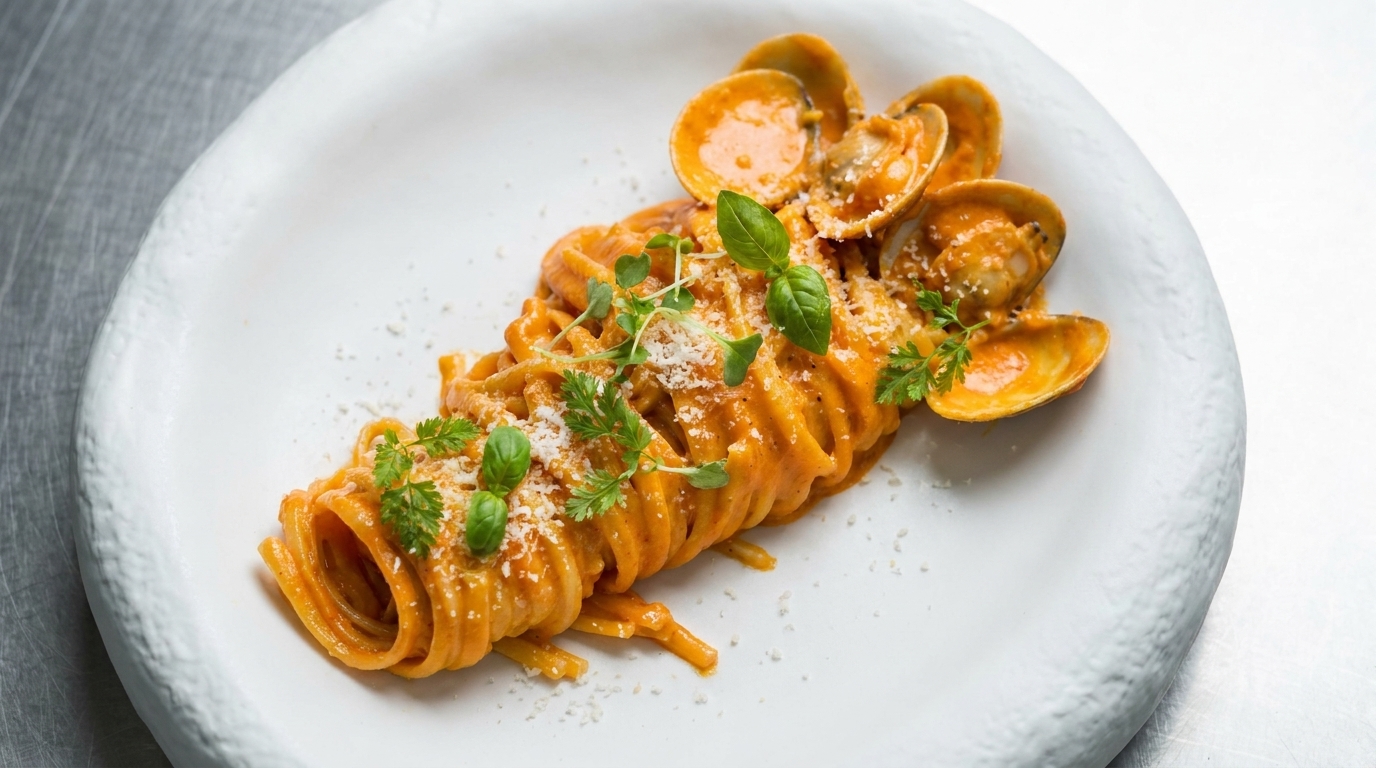
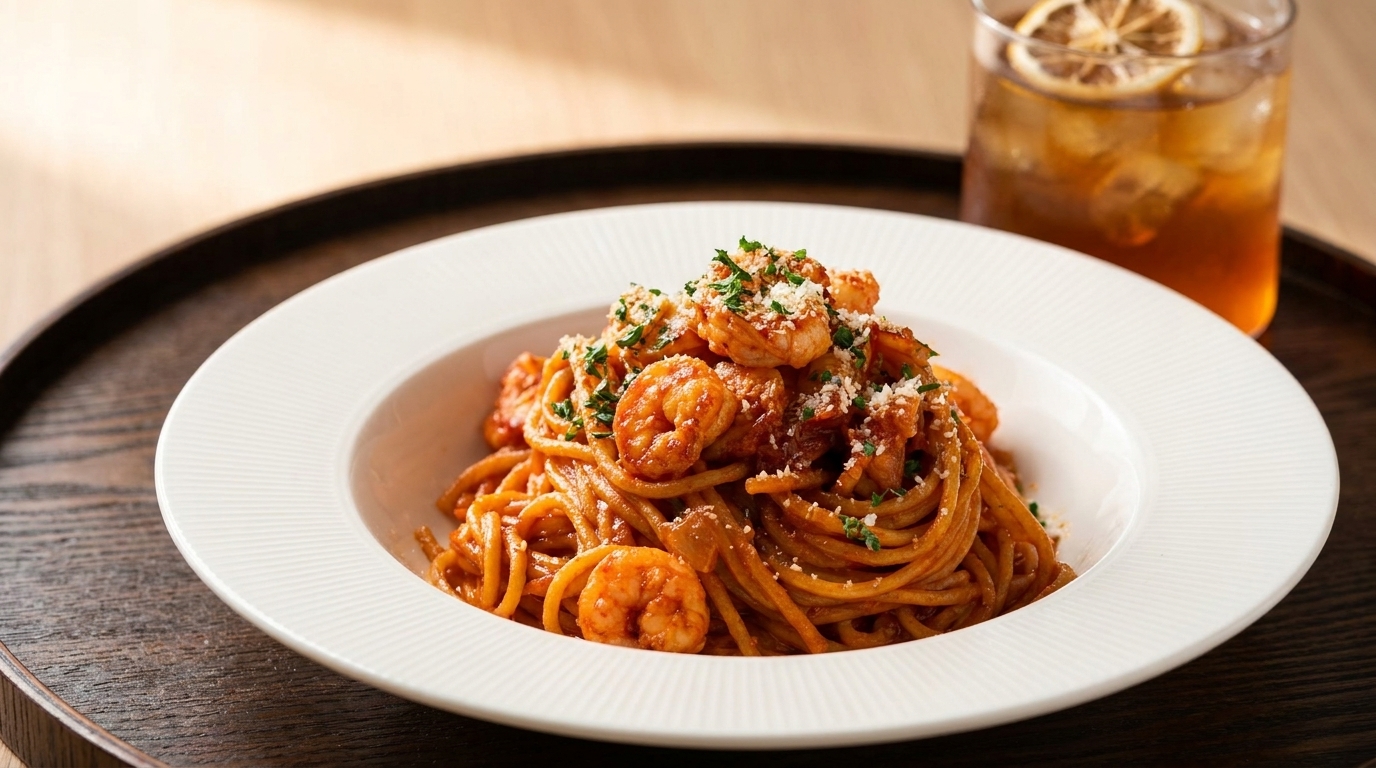
A bold fusion pasta featuring succulent shrimp tossed in a velvety, vibrant sauce of Korean chili paste, toasted garlic, and sweet paprika.
This dish is a brilliant marriage of Italian comfort and East Asian soul. By swapping traditional pepper flakes for Korean gochujang, the sauce gains a complex, fermented depth that is both sweet and spicy. It is a fast, restaurant-quality meal perfect for those who crave big flavors with minimal cleanup.
Ingredients
- 250 g spaghetti
- 200 g raw shrimp, deveined
- 12 red onion
- 3 cloves garlic
- 1 tbsp Korean chili paste (gochujang)
- 1 tsp garlic powder
- 1 tsp sweet paprika
- 1 tsp dark soy sauce
- 2 tbsp olive oil
- to taste sea salt
- to taste black pepper
- optional fresh parsley
- to taste Parmesan cheese
Instructions
- 1Prep the red onion
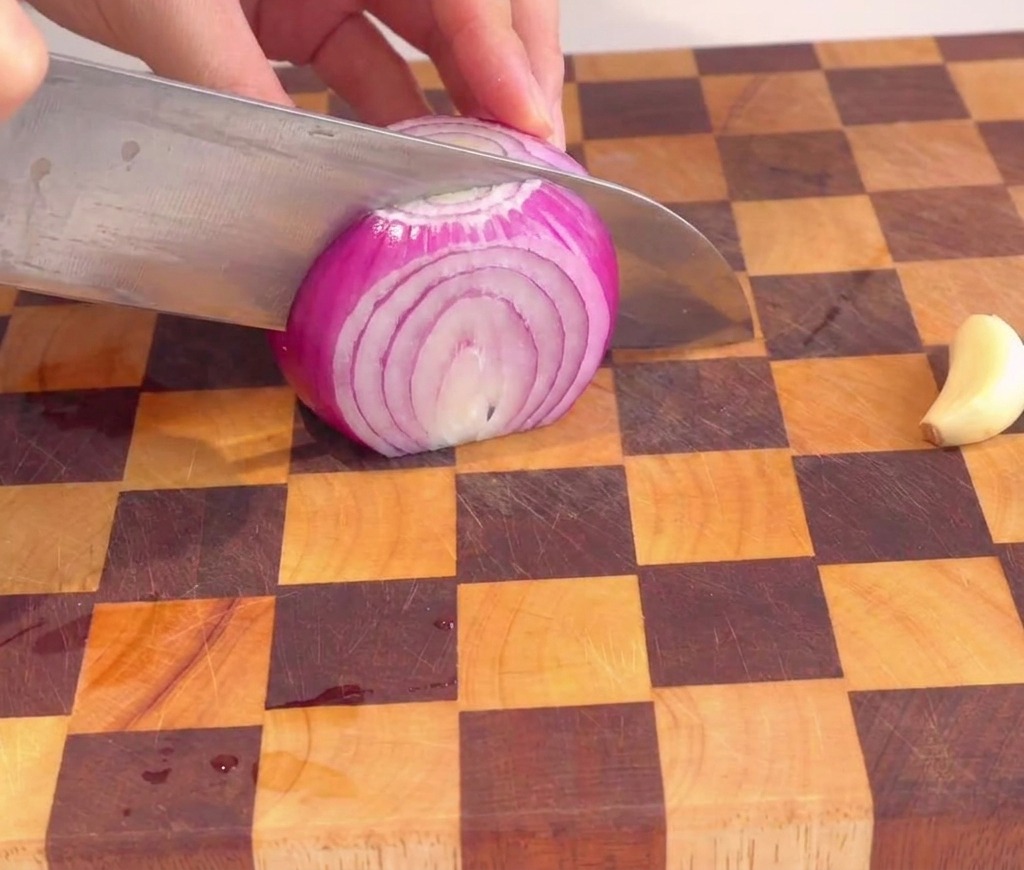
Peel and finely dice half of a red onion on a clean cutting board. Red onions provide a subtle sweetness and a beautiful pop of color that serves as the aromatic base for the spicy seafood sauce.
Tip: To keep the onion together while dicing, leave the root end intact until the very last set of cuts. - 2Slice the garlic cloves
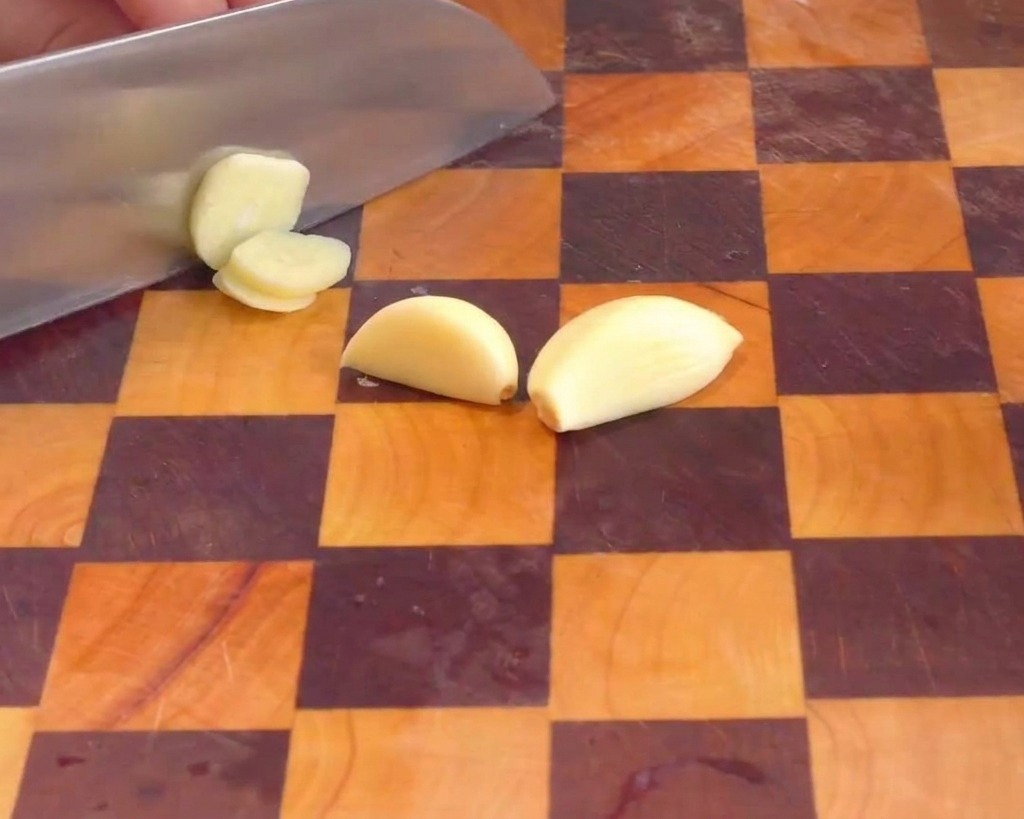
Peel three large cloves of garlic and slice them into thin, even chips. Slicing the garlic rather than mincing it allows it to toast gently in the oil, providing a nutty aroma without burning too quickly.
Tip: If the garlic cloves are very large, slice them in half lengthwise before thin-slicing to ensure even cooking. - 3Boil the pasta
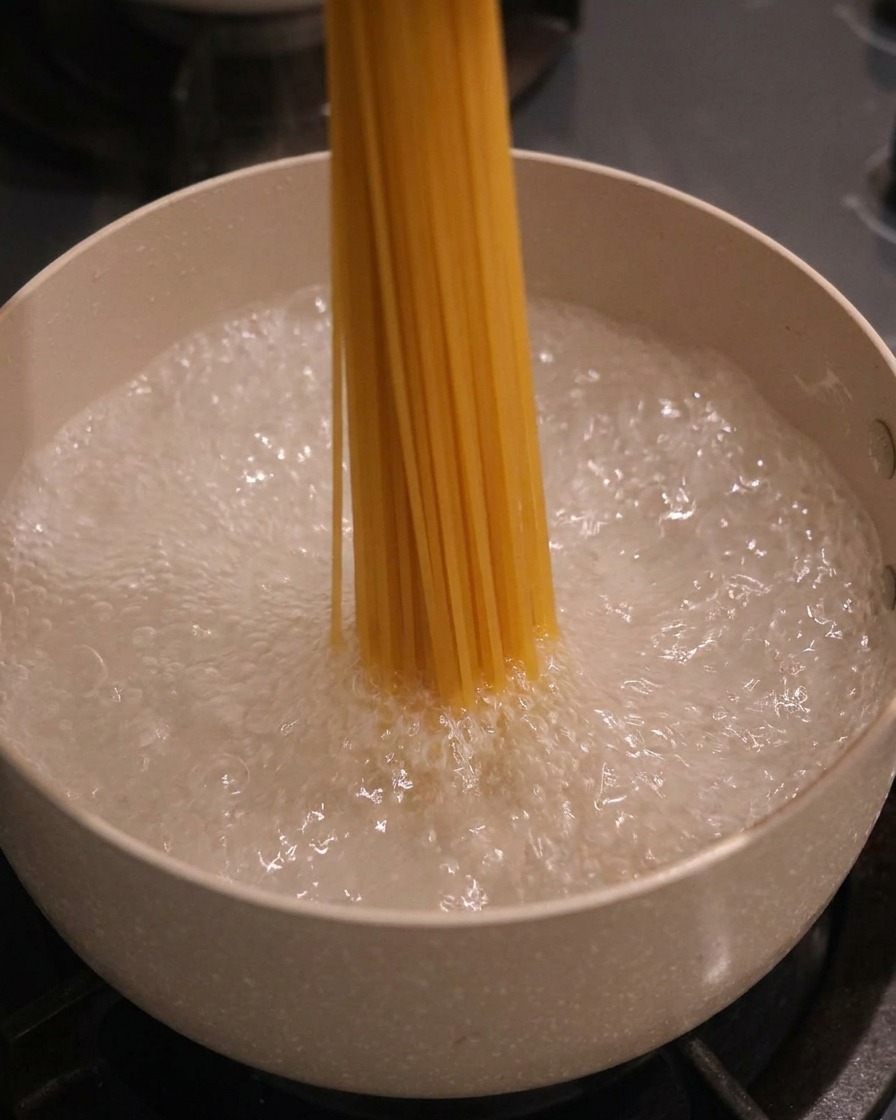
Bring a large pot of water to a rolling boil and season it generously with sea salt. Submerge the dry spaghetti and cook for approximately 9 to 11 minutes until tender. This timing ensures the noodles are cooked through while still holding their shape against the rich sauce.
Tip: Always salt your pasta water until it tastes like the sea as this is your only chance to season the pasta itself. - 4Sauté the aromatics
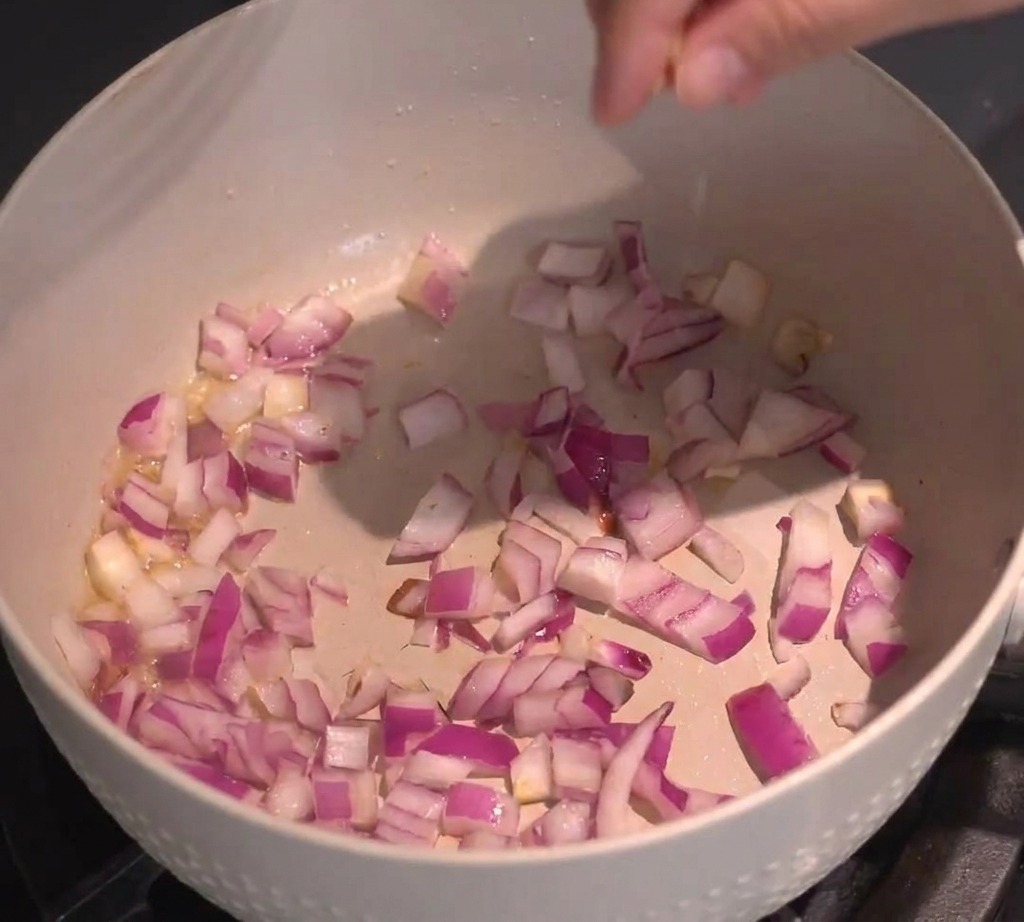
Heat a splash of oil in a pan over medium heat then add the diced red onions and sliced garlic. Sauté them steadily while stirring occasionally until the onions are translucent and the garlic chips are fragrant and lightly golden.
Tip: Do not rush this step because slowly cooking the aromatics helps release their natural sugars to balance the spice of the Korean chili paste later. - 5Add the shrimp
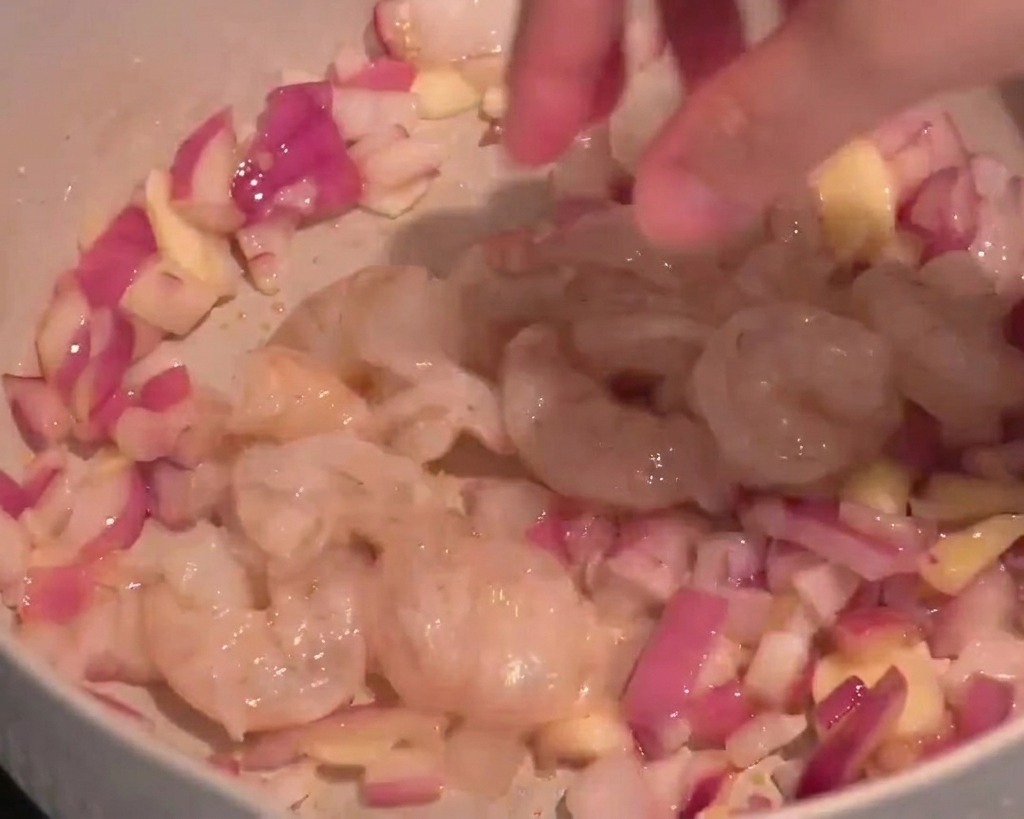
Add the raw, deveined shrimp into the pan with the translucent sautéed onions and fragrant garlic. Sauté the shrimp over medium-high heat, stirring occasionally, until they just begin to curl and turn pink on the outside.
Tip: Avoid overcooking the shrimp at this stage; they will finish cooking through once the sauce is simmering. - 6Incorporate the chili paste
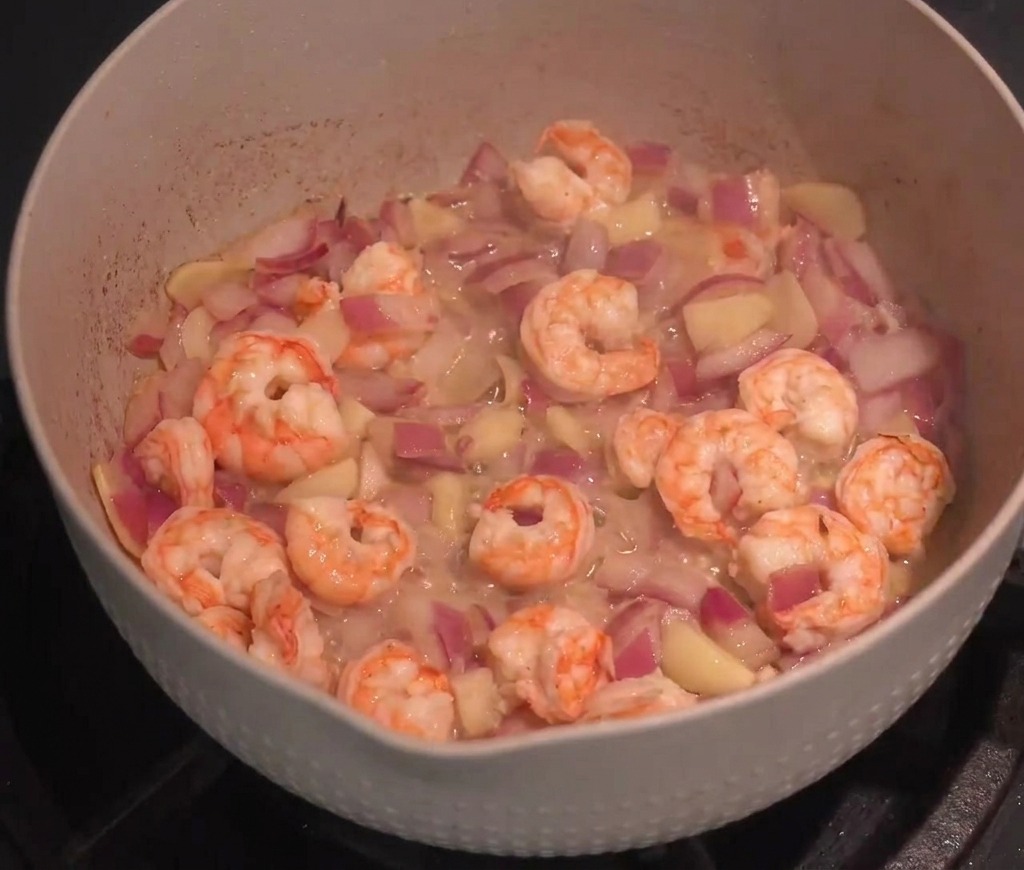
Add a large spoonful of Korean chili paste (gochujang) directly to the pan with the shrimp and aromatics. Stir well to ensure the paste melts into the oil and coats every ingredient.
Tip: Ensure the shrimp are patted dry before adding them to the pan to get a better sear rather than steaming them. - 7Add dried seasonings
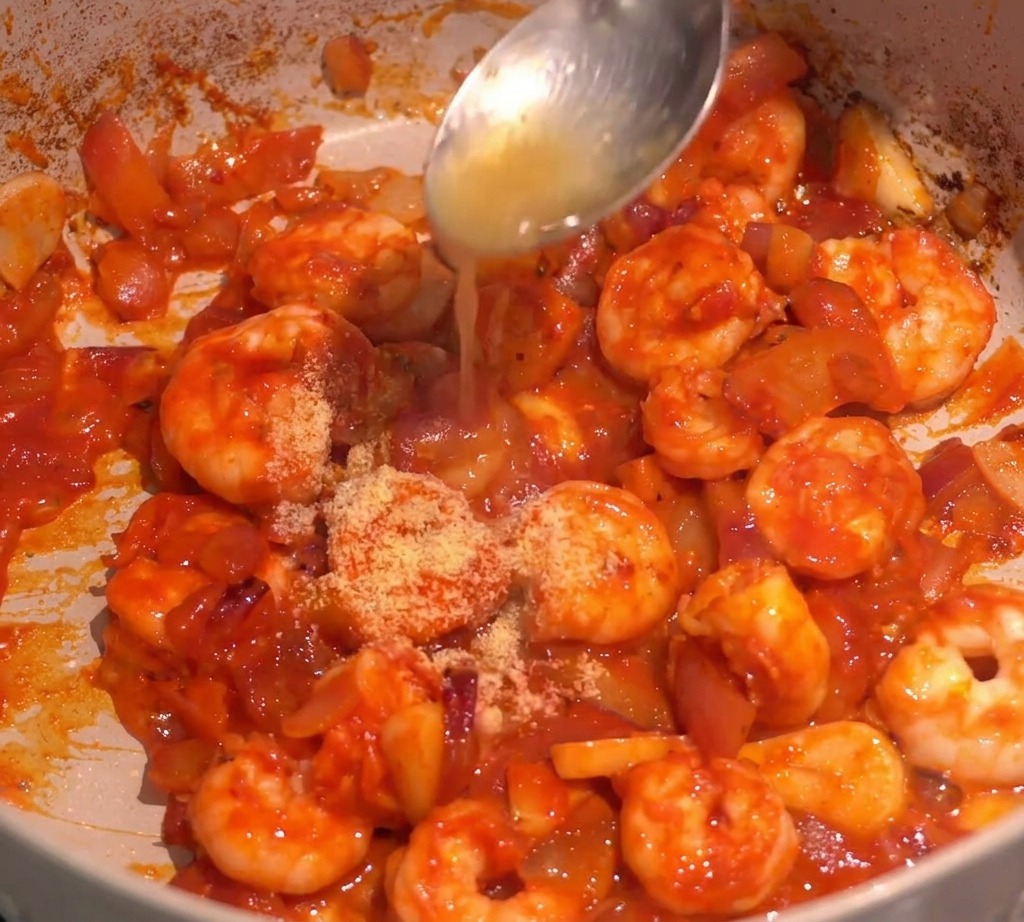
Sprinkle the garlic powder and sweet paprika over the mixture. The paprika provides a rich red hue and mild sweetness, while the garlic powder reinforces the savory base of the sauce.
Tip: Sweet paprika is used primarily for its deep red hue and mild sweetness, balancing the heat of the chili paste. - 8Create the simmer sauce
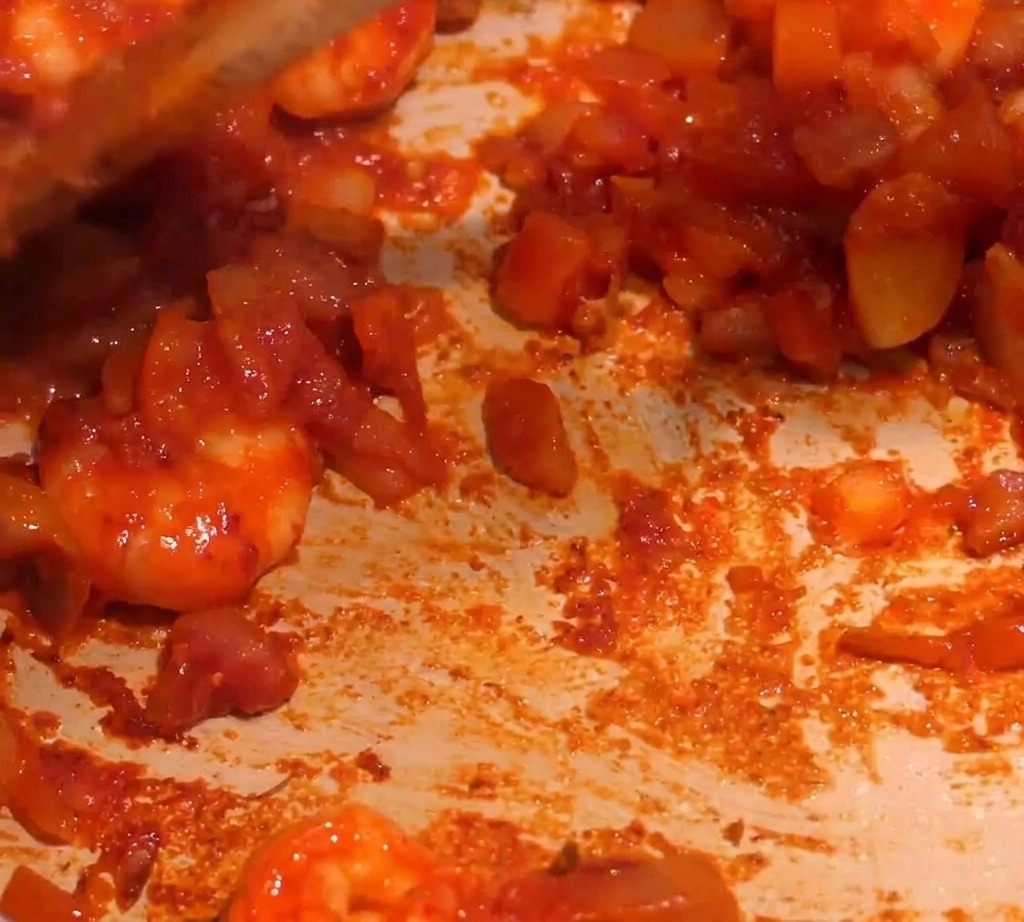
Pour a small bowl of water into the pan to help form a smooth, vibrant sauce. Stir well to combine the spices and chili paste, then bring the mixture to a gentle simmer until it starts to thicken slightly.
Tip: Using a small amount of water allows the sauce to coat the pasta perfectly without being too runny. - 9Combine pasta and sauce
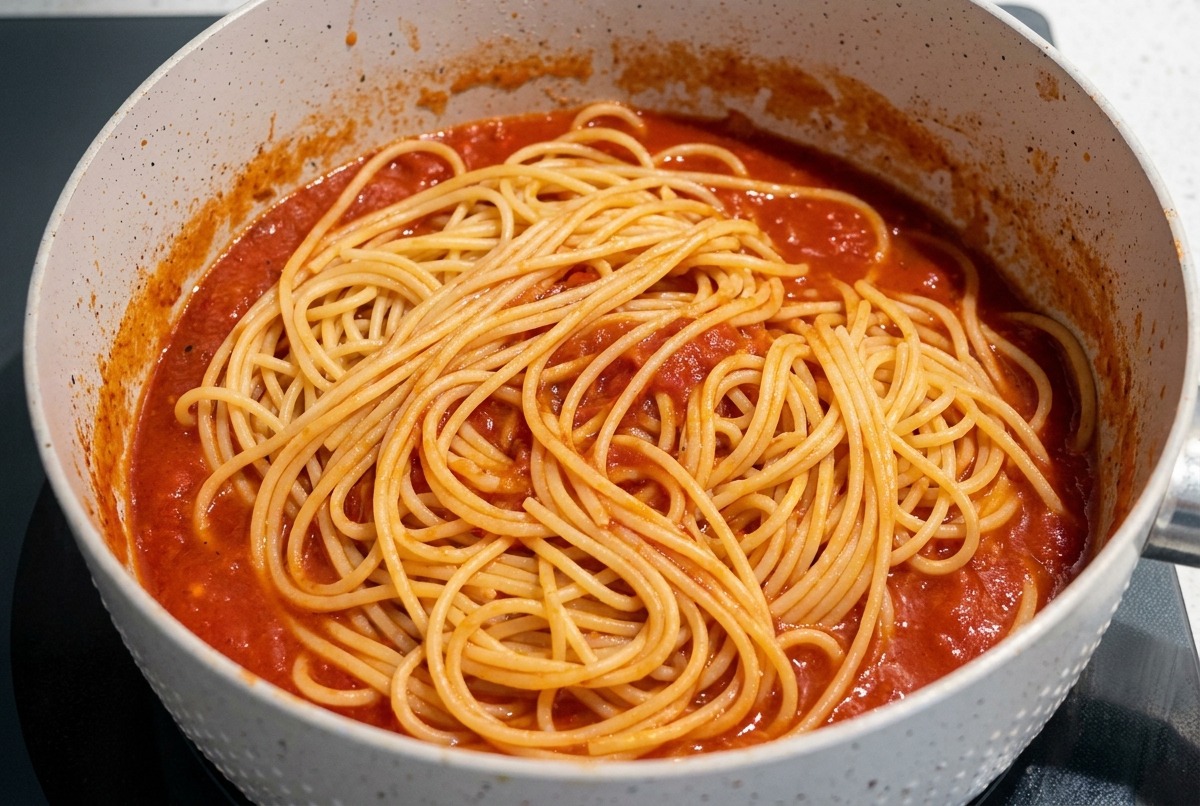
Transfer the pre-boiled spaghetti into the pot with the simmering spicy sauce. Ensure the pasta is well-drained before adding it so the rich flavor of the sauce remains concentrated.
Tip: If the pasta was cooked in advance, a quick toss in the sauce will help separate any strands that have stuck together. - 10Toss and finish
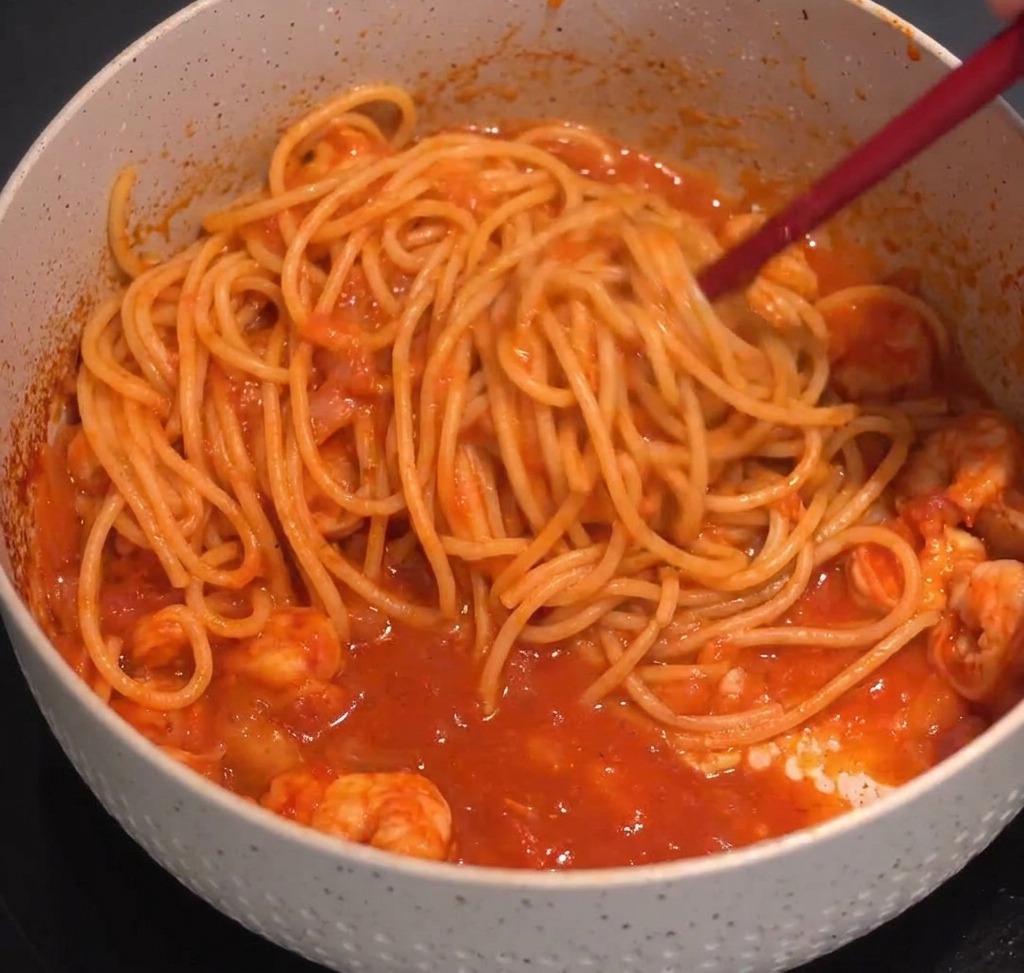
Add a splash of dark soy sauce for color and toss the spaghetti thoroughly with the sauce. Continue to stir over heat until the pasta is evenly coated and the sauce has reached a thick, glossy consistency.
Tip: The dark soy sauce is mainly for aesthetic purposes, giving the pasta a deep, appetizing mahogany finish. - 11Plate the pasta
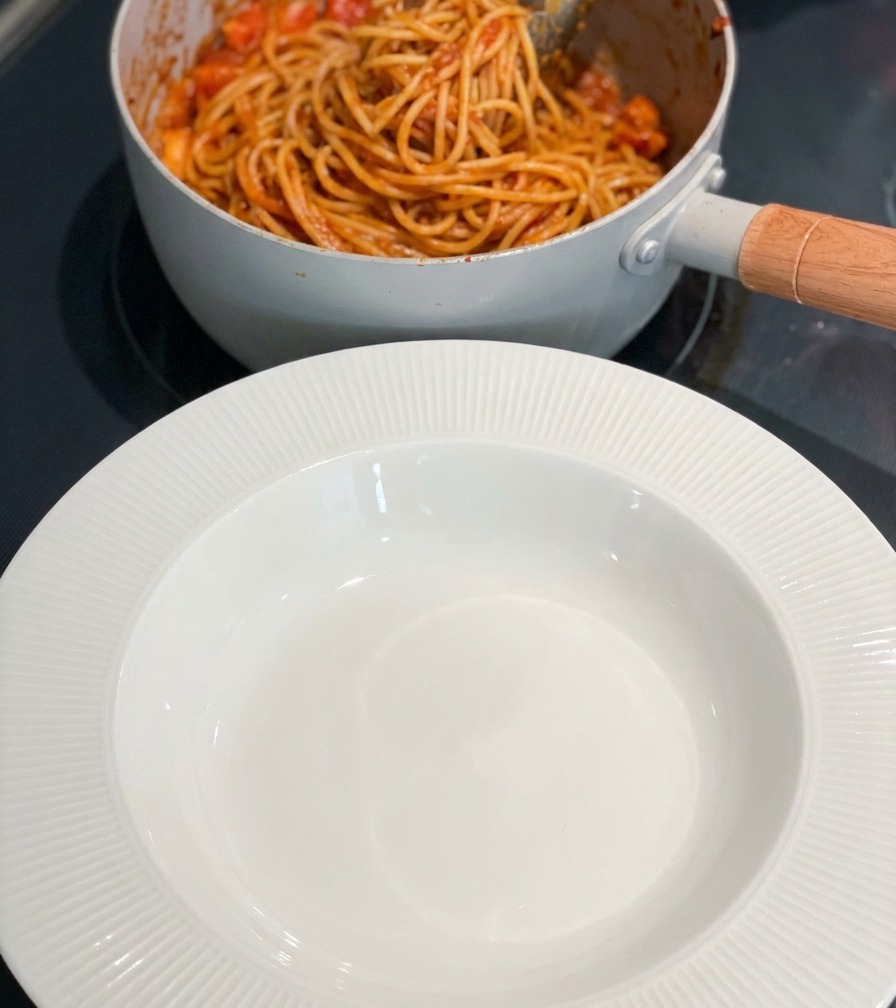
Prepare to plate the dish by placing a clean white bowl ready. Use a pasta fork or tongs to twirl the saucy spaghetti into a neat bundle and transfer it carefully into the serving bowl.
Tip: Twirling the pasta against the side of the pot before lifting helps create a professional, restaurant-style presentation.