Classic Roman Carbonara
Experience the true essence of Rome with this authentic Carbonara. Silky, rich, and incredibly satisfying, it relies on just a few high-quality ingredients.
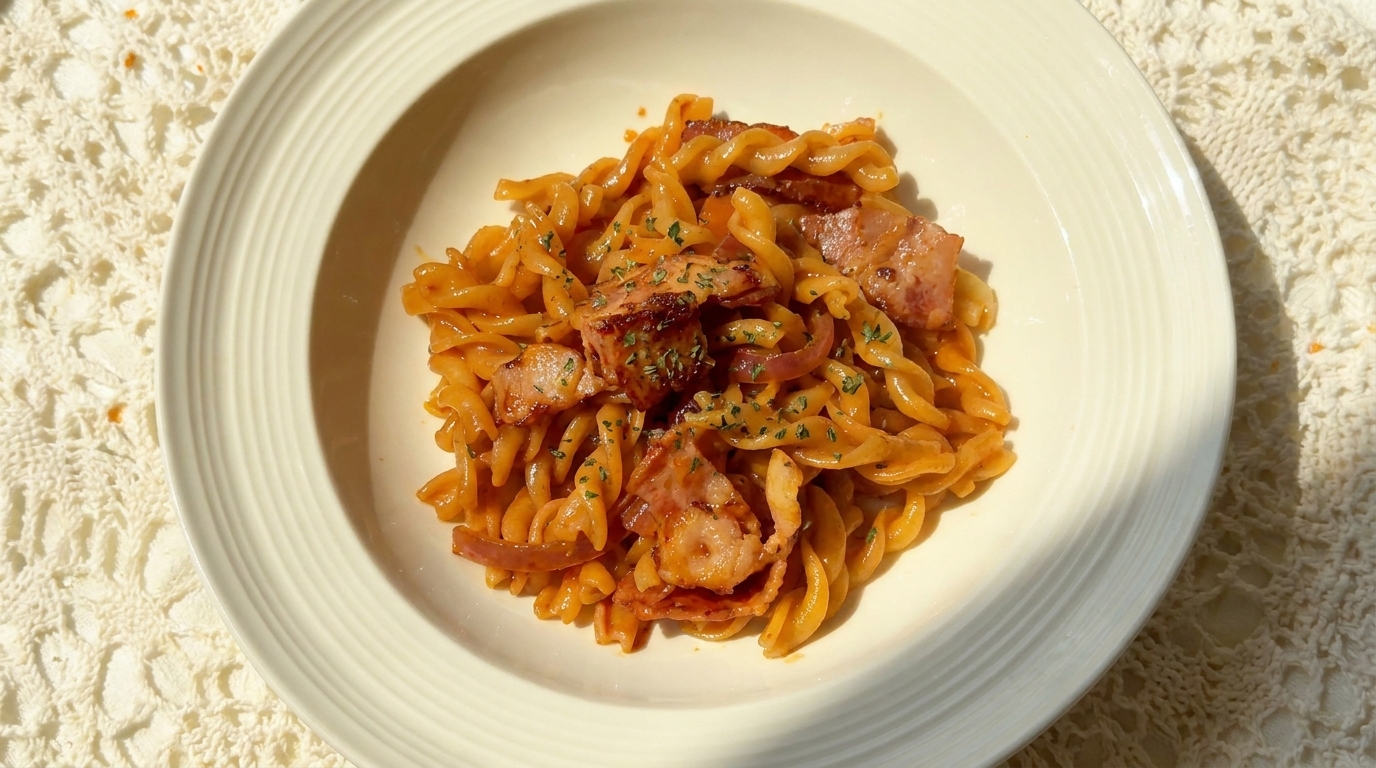
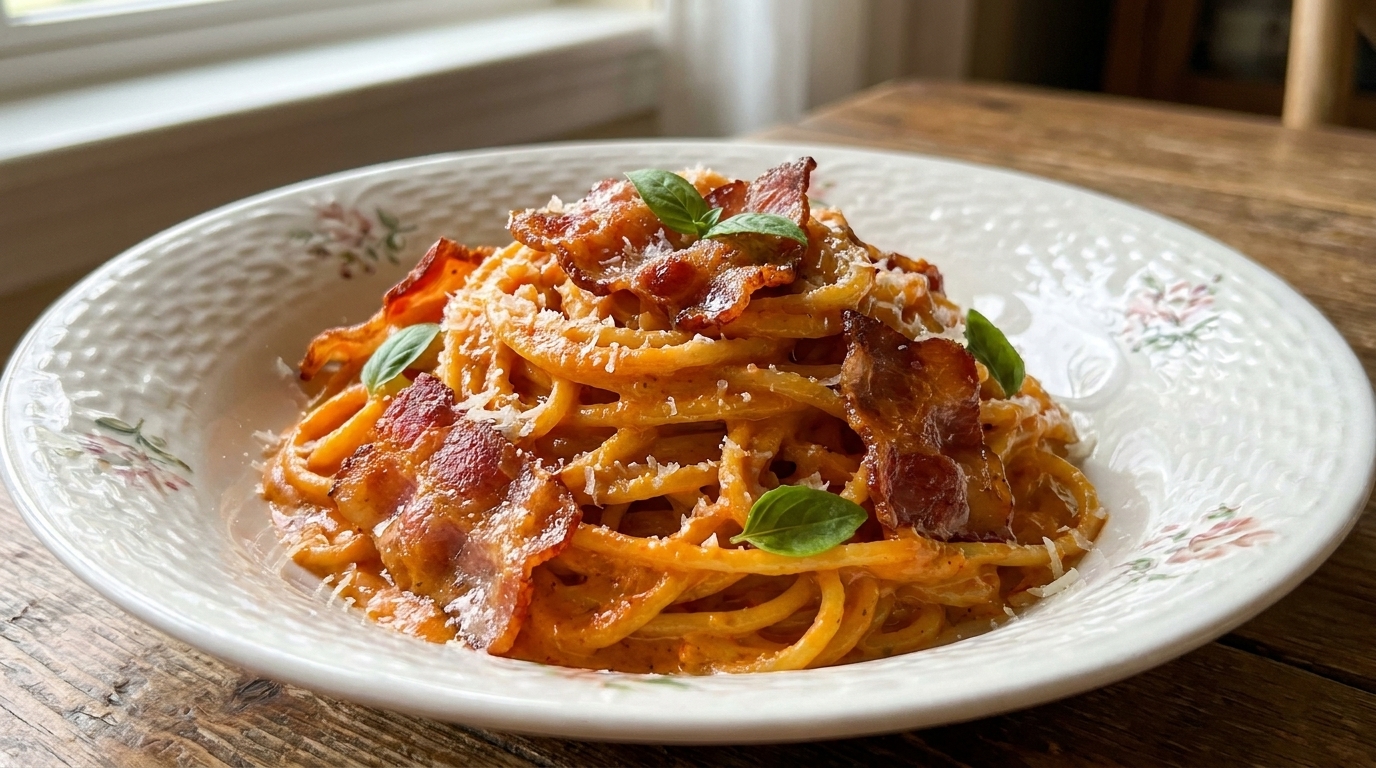
Carbonara is perhaps the most iconic Roman pasta dish, celebrated for its luxurious, creamy texture that surprisingly contains no cream at all. The magic lies in the precise emulsion of egg yolks, hard cheese, and starchy pasta water. By following the traditional method of using guanciale and the residual heat of the pan, you achieve a glossy, decadent sauce that clings perfectly to every strand of spaghetti.
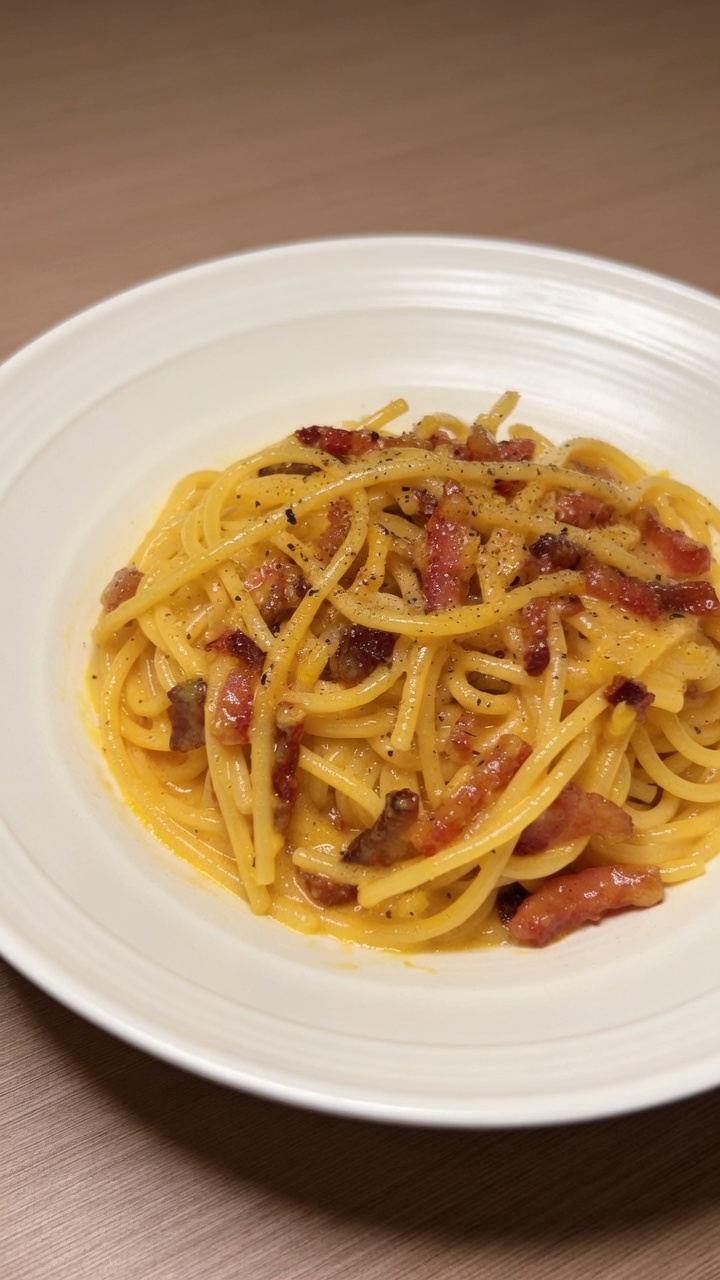
Ingredients
- 320 g spaghetti
- 150 g guanciale
- 3 large egg yolks
- 50 g Pecorino Romano cheese
- 50 g Parmesan cheese
- to taste black pepper
Instructions
- 1Boil the pasta
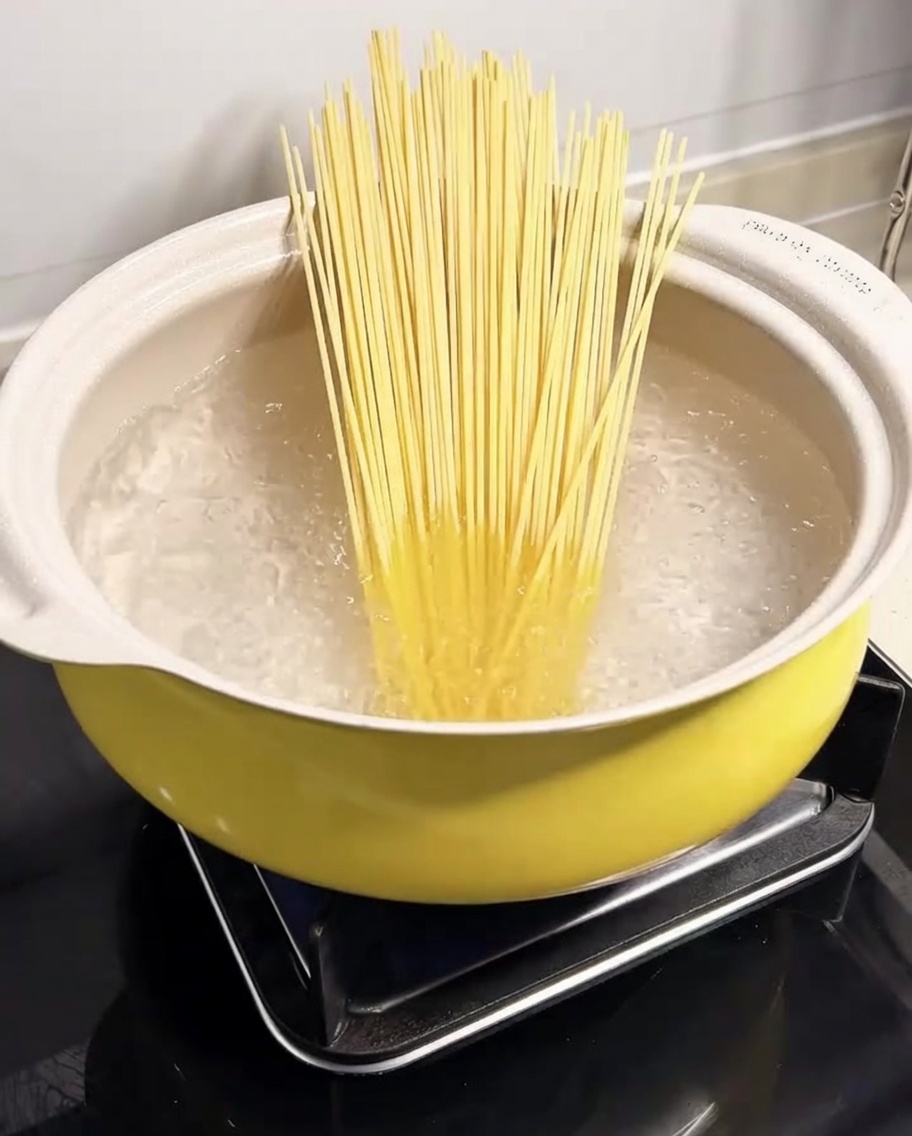
Place the spaghetti into a large pot of boiling water. Cook for 8 to 10 minutes until al dente.
Tip: Keep the pasta water, as you will need it later to create the silky emulsion for the sauce. - 2Fry the guanciale
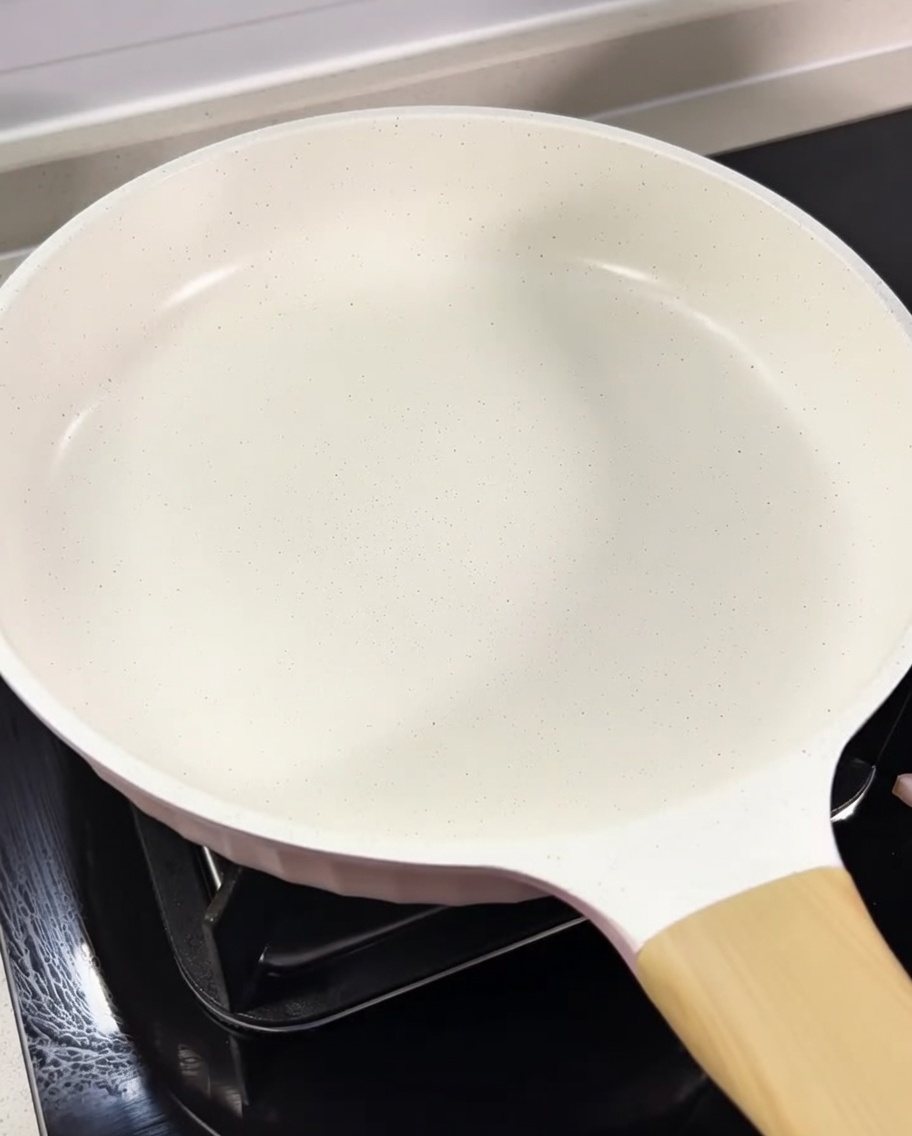
In a pan over medium heat, add the pieces of guanciale. Fry until the meat is browned and fragrant. Do not add any extra oil, as the fat rendered from the guanciale is sufficient.
Tip: Render the fat slowly to ensure the guanciale gets crispy without burning. - 3Set aside the meat
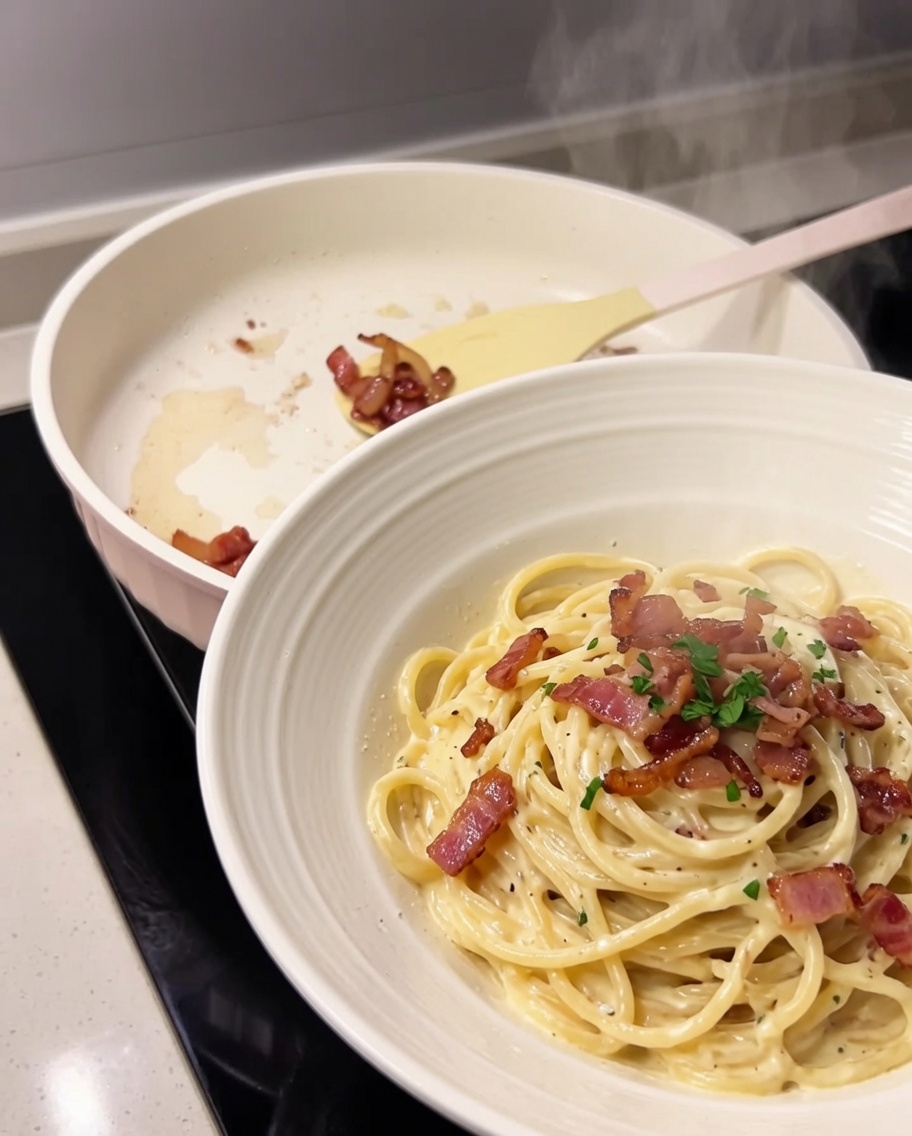
Once the guanciale is browned and crispy, remove it from the pan and set it aside in a bowl, leaving the rendered fat in the pan for the sauce base.
Tip: Remove the meat promptly to keep it crispy while you prepare the sauce. - 4Grate the cheese
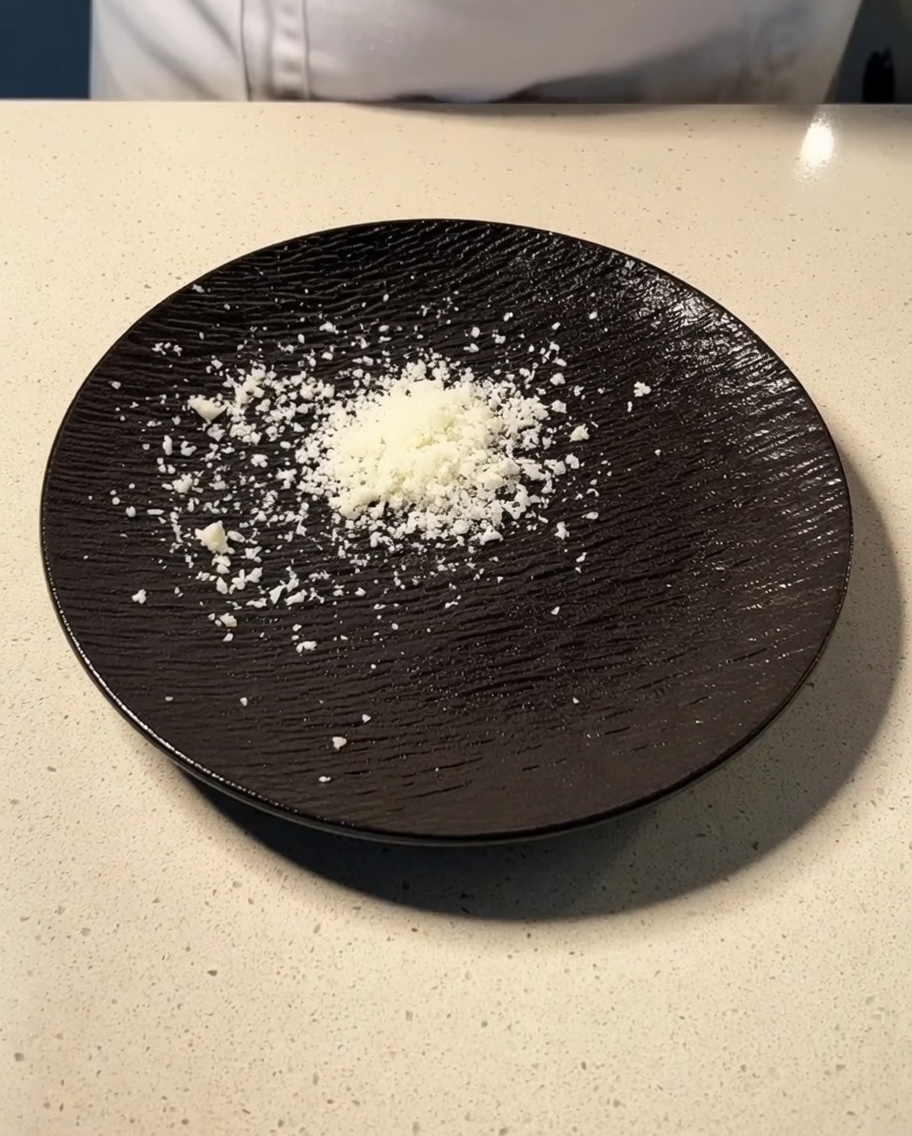
Finely grate both Parmesan and Pecorino cheese onto a plate. This combination provides the perfect balance of saltiness and depth for the Carbonara sauce.
Tip: Using freshly grated cheese ensures it melts smoothly into the sauce. - 5Prepare the sauce base
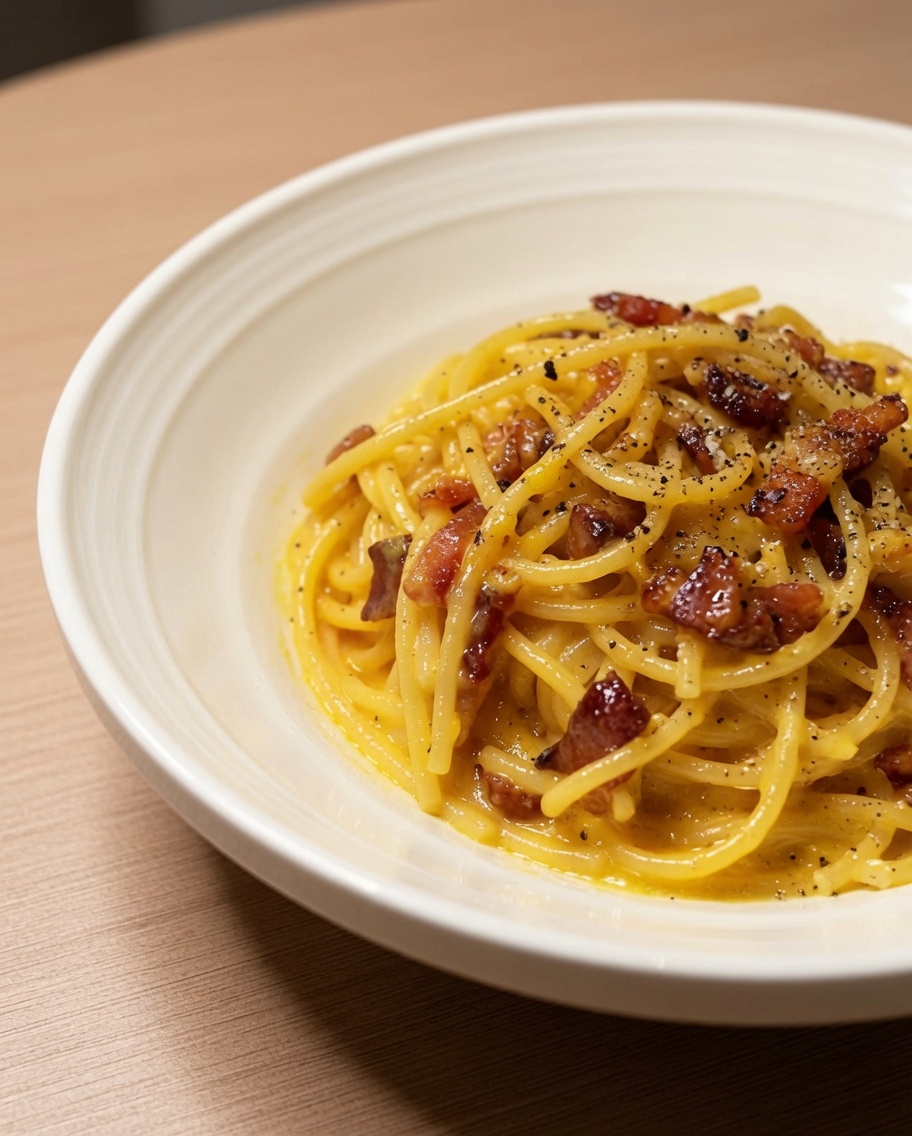
Add the grated Parmesan and Pecorino cheese into the pan with the residual guanciale fat. Keep the heat off, as you will use the residual heat of the pan to prevent the eggs from scrambling.
Tip: The pan should be warm but not actively heating at this stage to maintain the right texture. - 6Emulsify with egg yolk
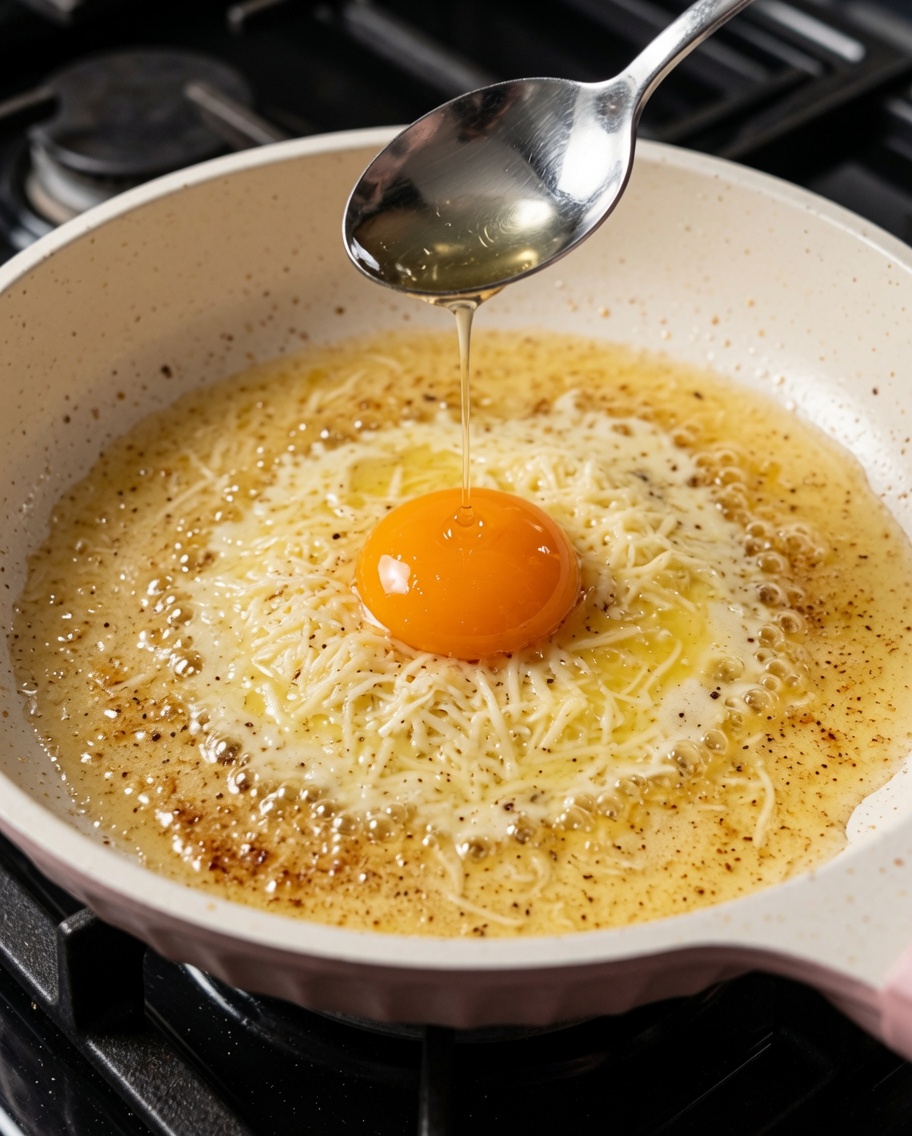
Add an egg yolk to the cheese and fat mixture in the pan. Sprinkle with black pepper and add a little warm pasta water, stirring continuously until the sauce becomes smooth and creamy.
Tip: Stir vigorously to create a silky, emulsified sauce without cooking the egg too quickly. - 7Combine cheese and egg yolk
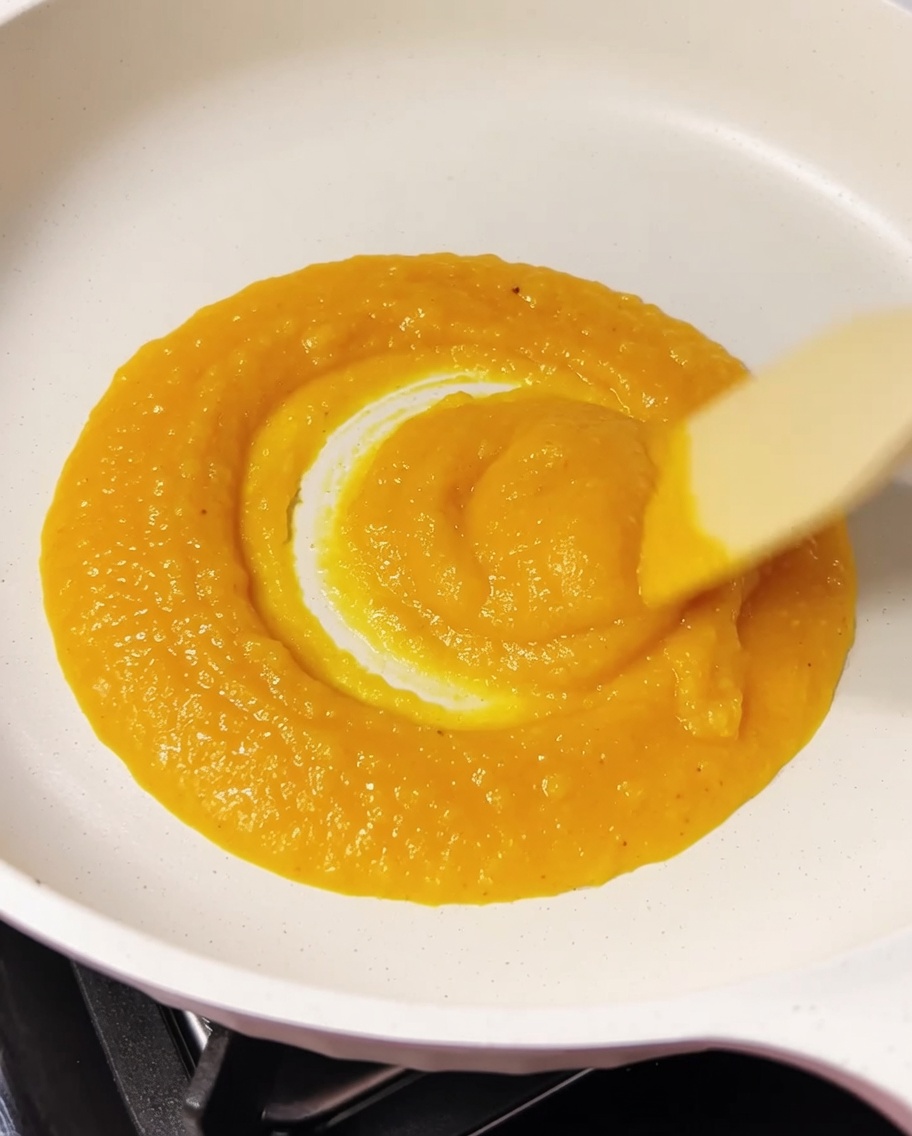
With the pan off the heat, add the grated Parmesan and Pecorino cheese into the residual bacon fat, then incorporate the egg yolk. Use a wooden spatula to mix these ingredients together using the pans residual heat to create the base of the creamy sauce.
Tip: Ensure the heat is completely off before adding the egg yolk to prevent it from scrambling. - 8Emulsify the sauce
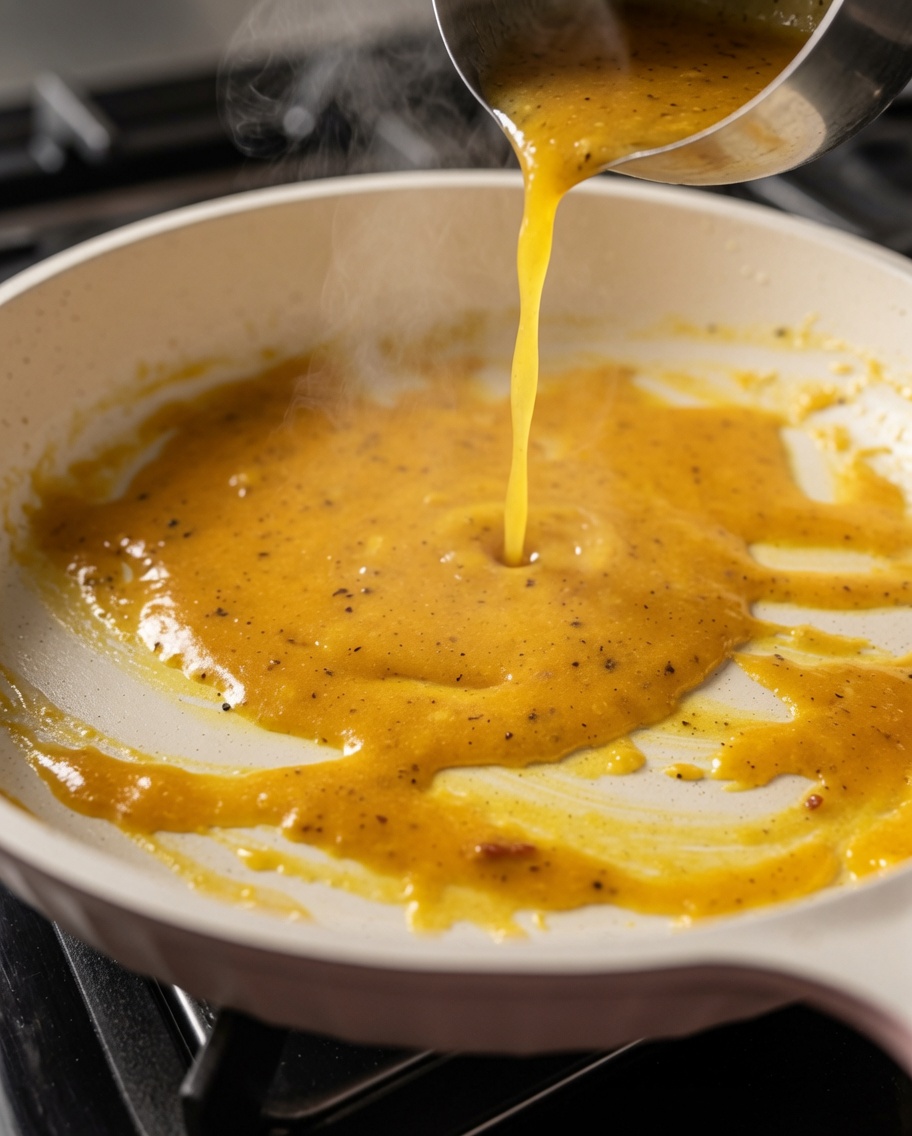
Pour a small amount of warm pasta water into the pan with the egg and cheese mixture. Stir continuously until the sauce achieves a smooth, glossy, and emulsified consistency.
Tip: Add the pasta water gradually; a little goes a long way toward achieving the perfect silky texture. - 9Add the pasta
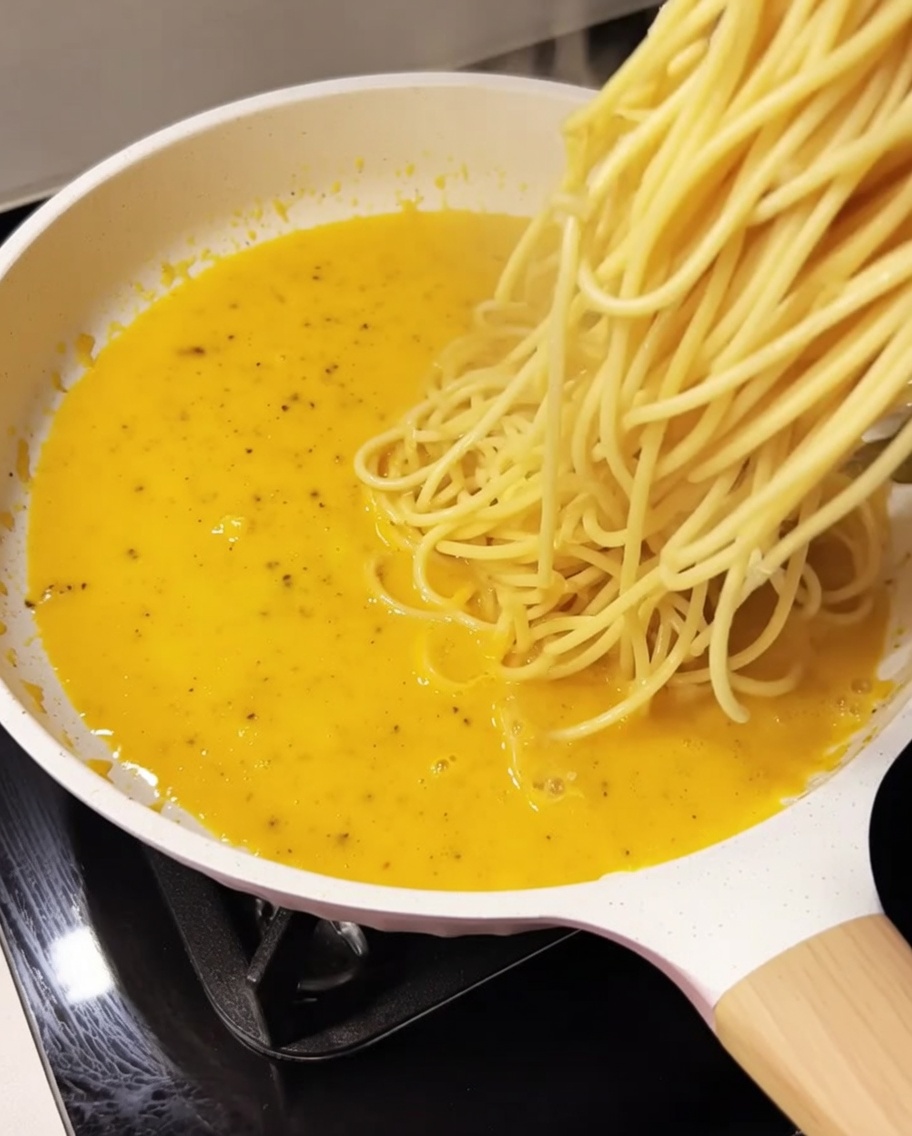
Transfer the cooked spaghetti directly into the pan containing the prepared sauce. Ensure the pasta is well-coated with the creamy mixture.
Tip: Keep the pasta slightly al dente so it finishes cooking perfectly in the sauce. - 10Reincorporate the guanciale
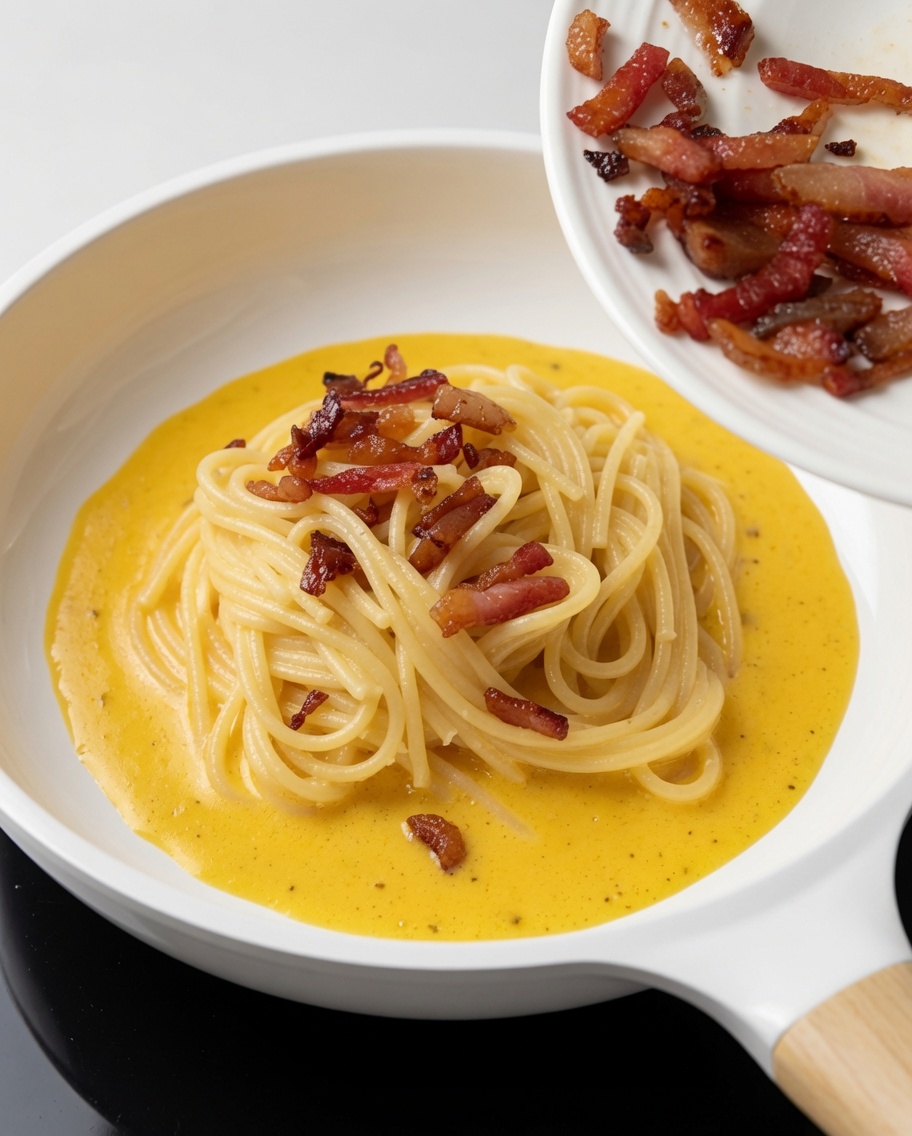
Add the previously fried guanciale back into the pan with the pasta and sauce. This distributes the salty, crispy meat throughout the dish.
Tip: Adding the guanciale at this stage helps maintain its crisp texture. - 11Toss and serve
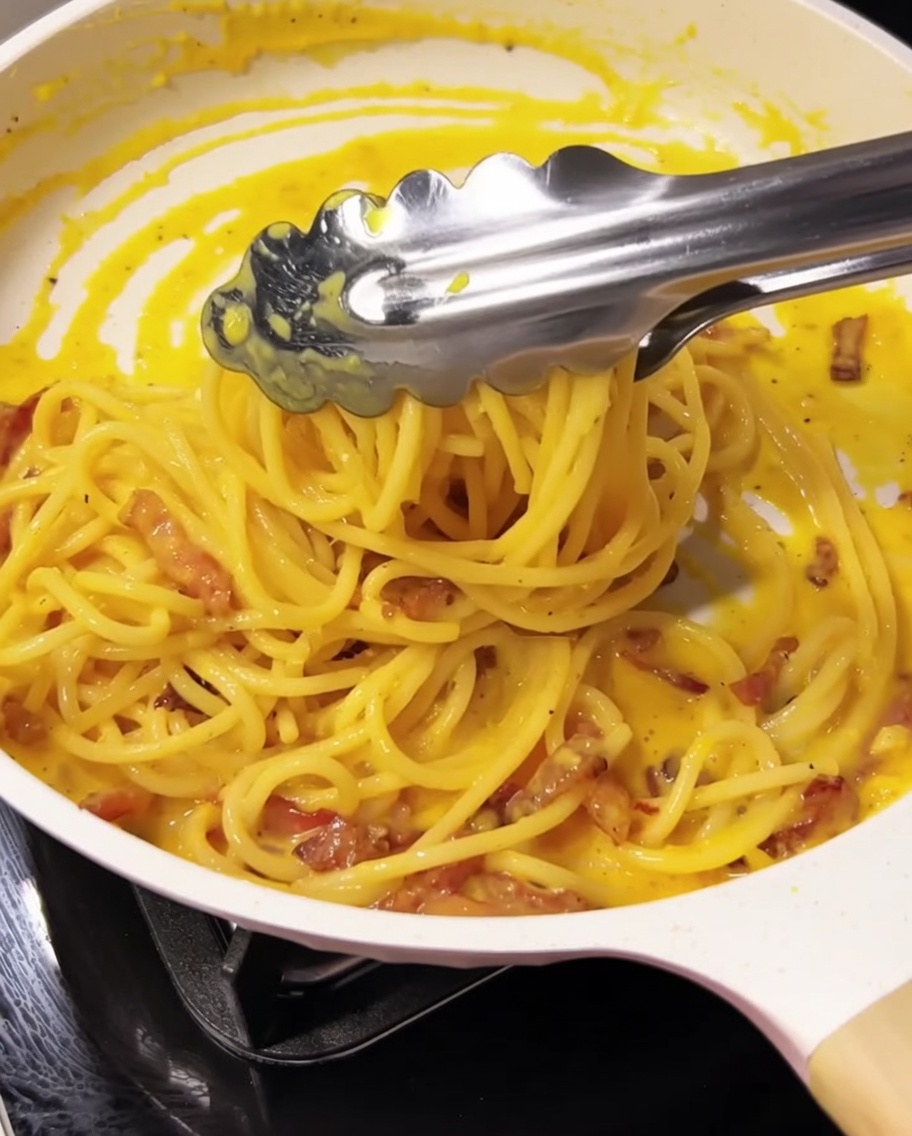
Use tongs to thoroughly toss the pasta with the sauce and guanciale until everything is evenly combined. Serve immediately while hot.
Tip: A quick toss ensures every strand of pasta is coated in the luxurious sauce.