Classic Spaghetti Carbonara
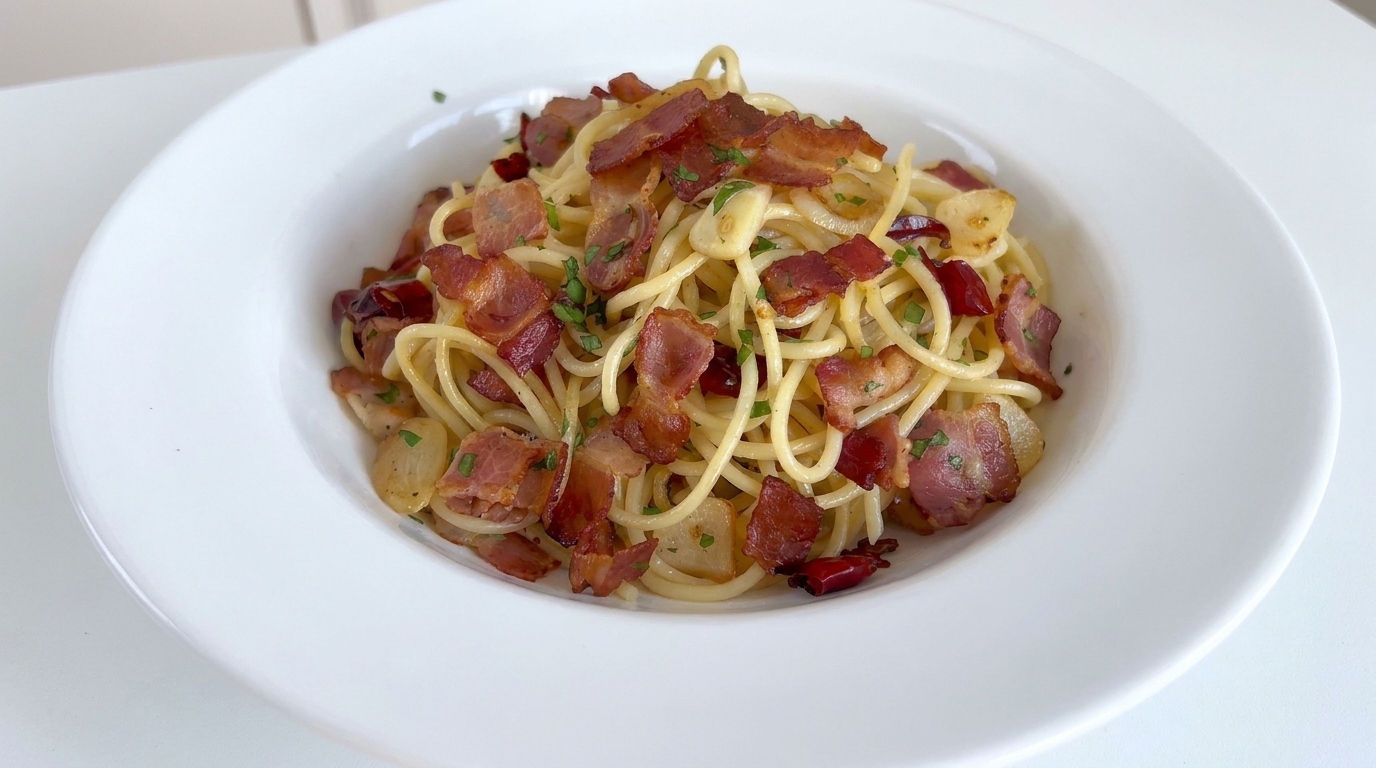
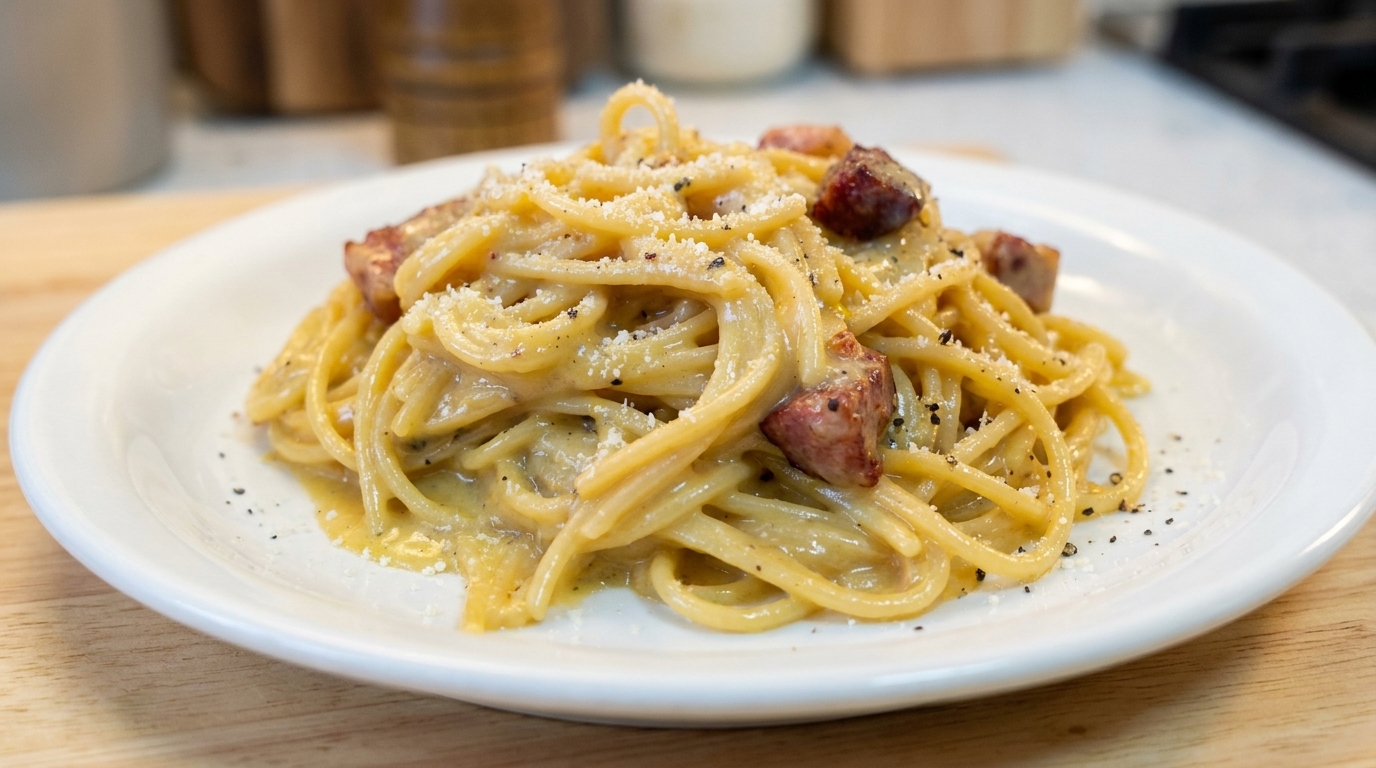
Master the art of classic Spaghetti Carbonara. This foolproof recipe yields a luxuriously rich, glossy sauce using just eggs, cured meat, cheese, and pasta water.
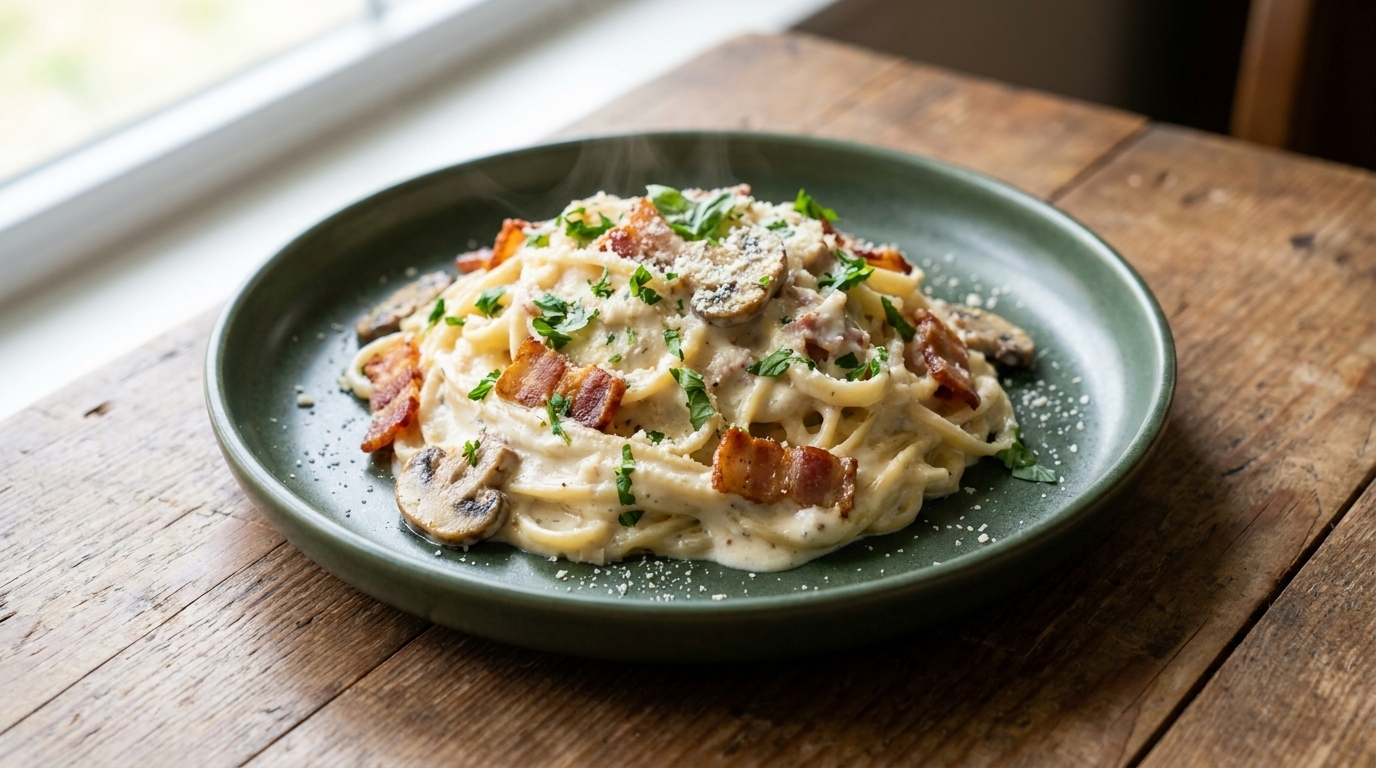
A true Carbonara relies on technique rather than heavy cream. The secret lies in the delicate emulsion of starchy pasta water, rendered fat, and tempered egg yolks. Removing the pan from the heat at just the right moment ensures the sauce becomes luxuriously silky instead of scrambling.
Ingredients
- 200 g dry spaghetti
- 100 g thick cured sausage or guanciale
- 1 tbsp olive oil
- 2 fresh egg yolks
- 50 g grated hard cheese (Pecorino or Parmesan)
- to taste sea salt
- to taste black pepper
Instructions
- 1Cook the spaghetti
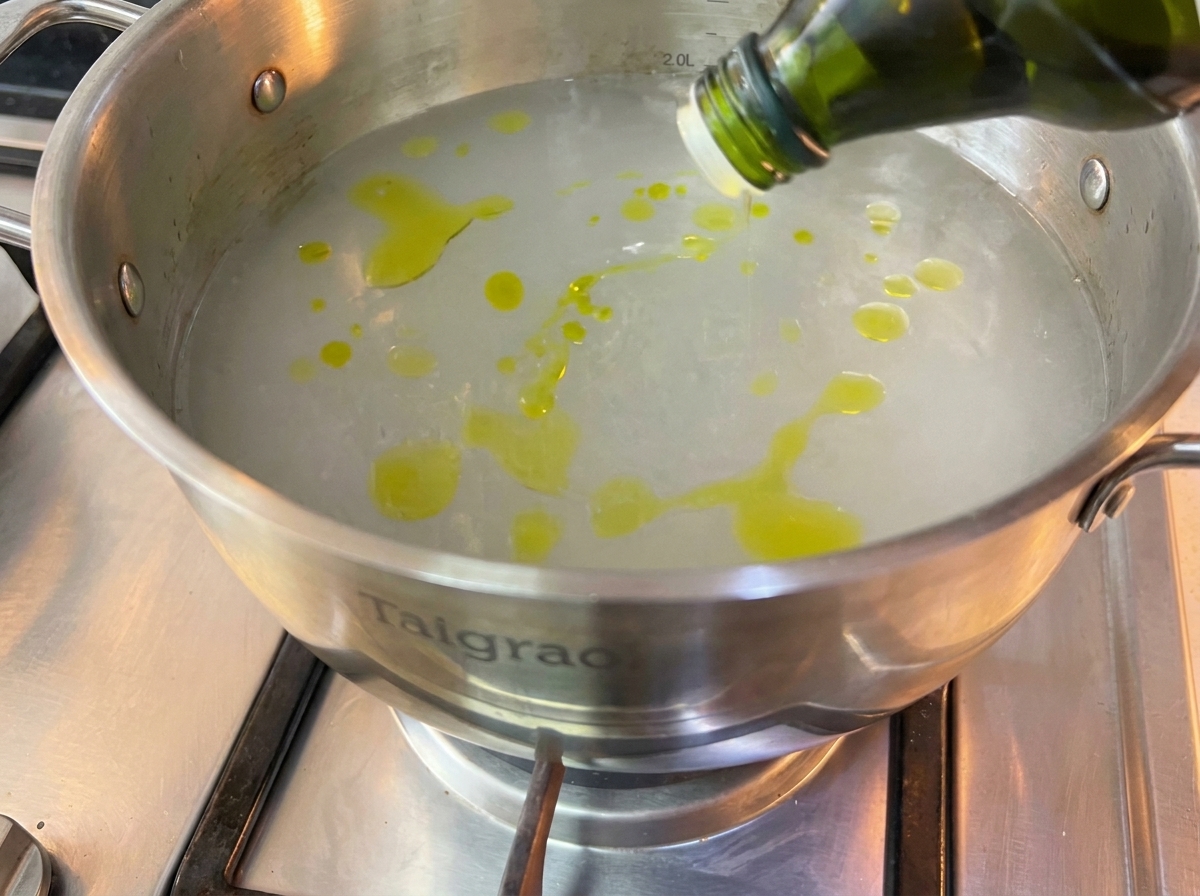
Bring a pot of water to a boil and add the spaghetti noodles. Cook for 9 minutes until al dente.
Tip: Keep the water boiling steadily so the pasta cooks evenly throughout. - 2Prep the sausage
Place the cured sausage on a cutting board, slice it in half lengthwise, and then cut it into smaller, bite-sized pieces.
Tip: Uniform pieces will ensure the sausage browns consistently in the pan. - 3Fry the meat
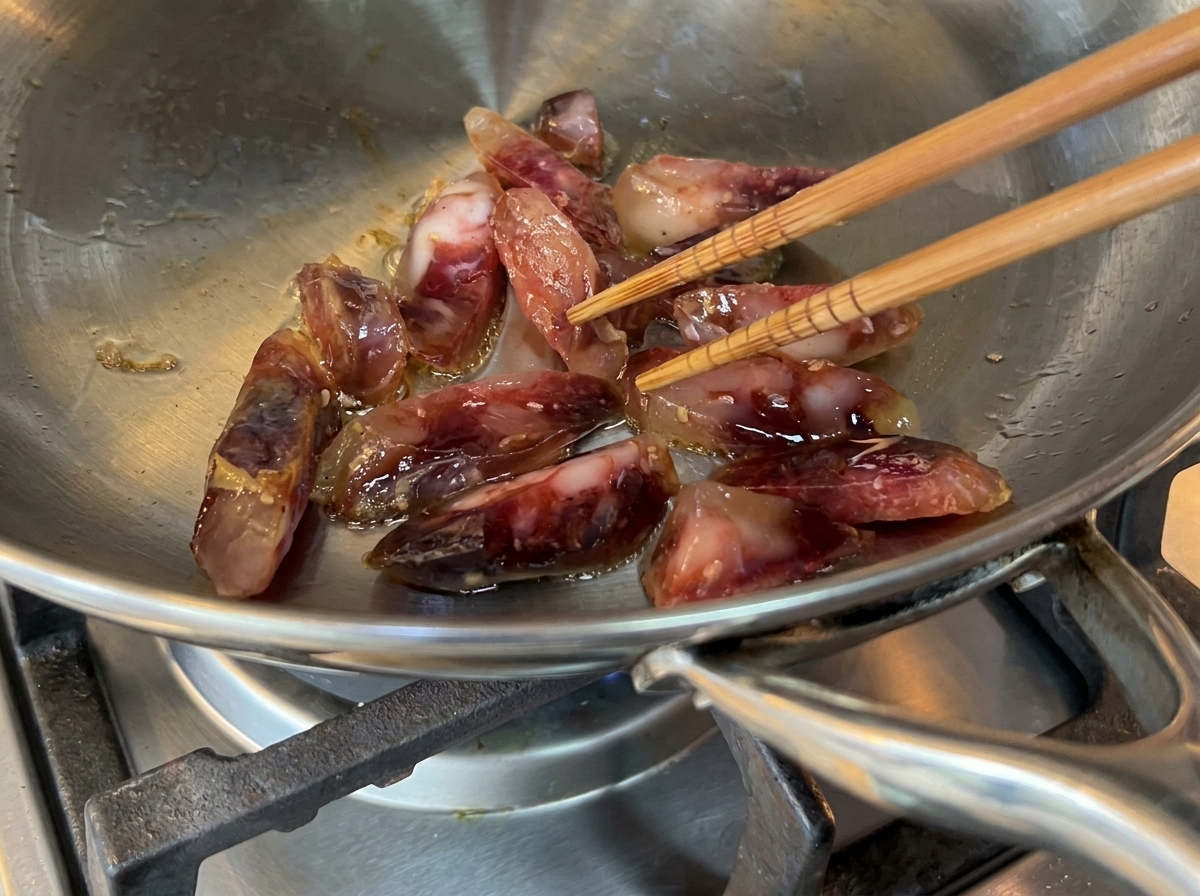
Add a small amount of olive oil to a stainless steel pan over medium heat. Add the sausage pieces and fry until they become fragrant and translucent.
Tip: Do not overheat the oil; let the fat from the sausage render slowly. - 4Deglaze with pasta water
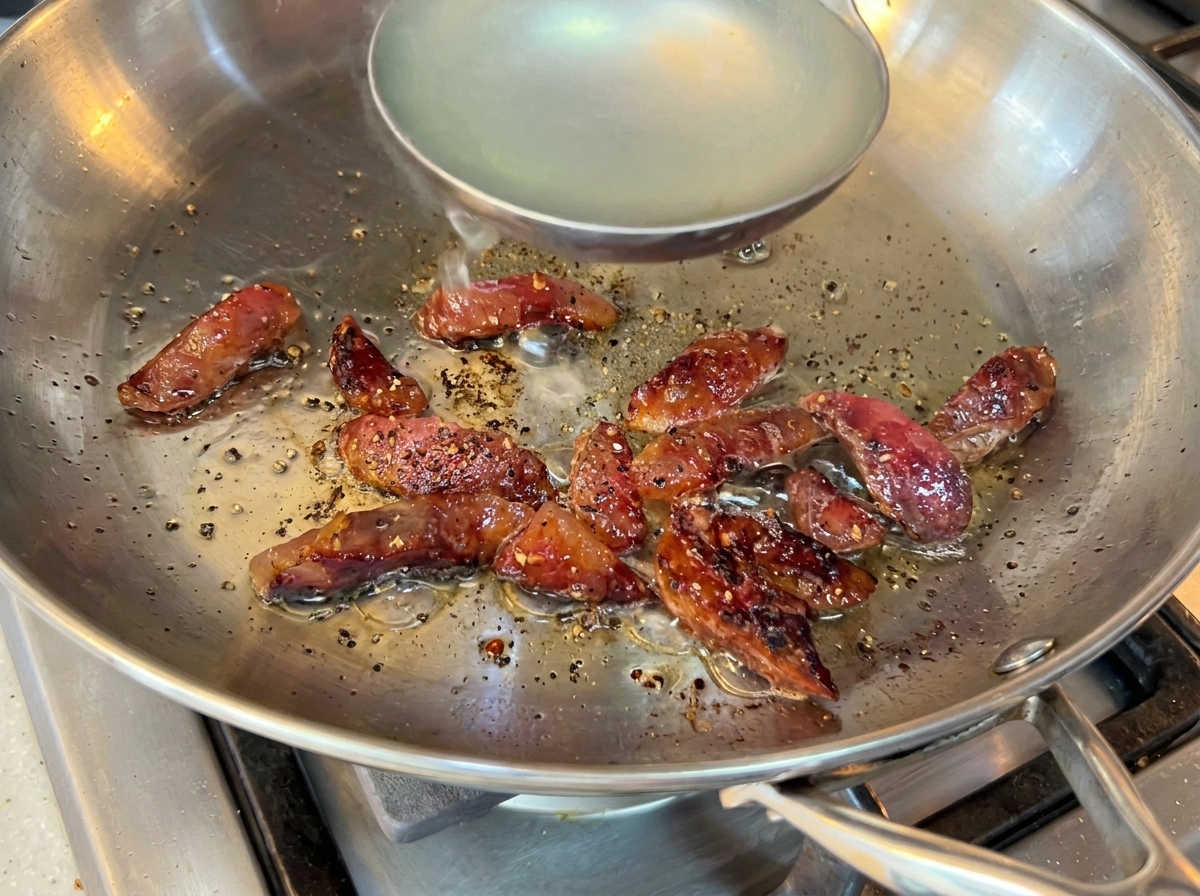
Once the meat is fried until translucent, season with a little black pepper and sea salt, then pour 2 to 3 ladles of the starchy pasta water into the pan. Stir and taste for saltiness, adjusting as needed.
Tip: The starchy water is key to creating a silky emulsified sauce later. - 5Prepare the egg base
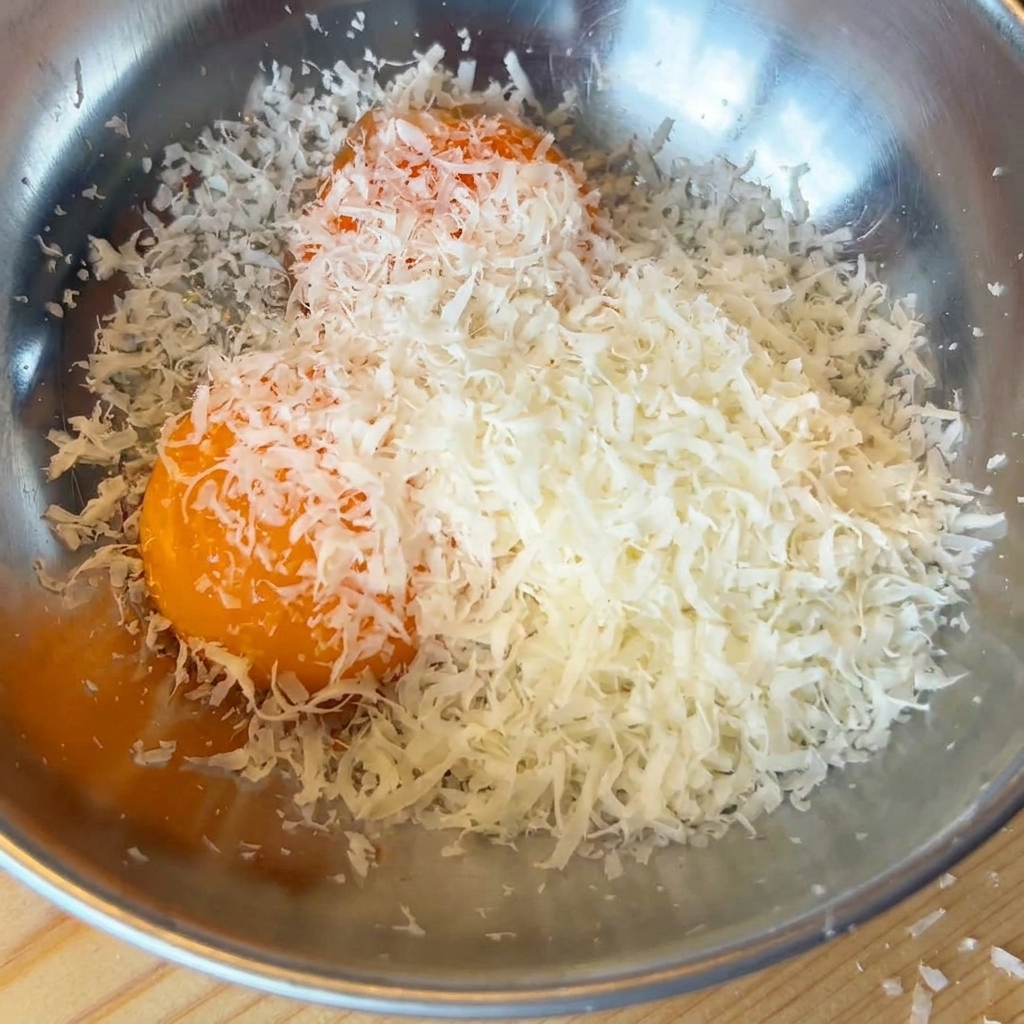
In a small metal bowl, combine two fresh egg yolks with a generous amount of freshly grated cheese.
Tip: Use a high-quality hard cheese like Pecorino or Parmesan for the best flavor. - 6Create the sauce
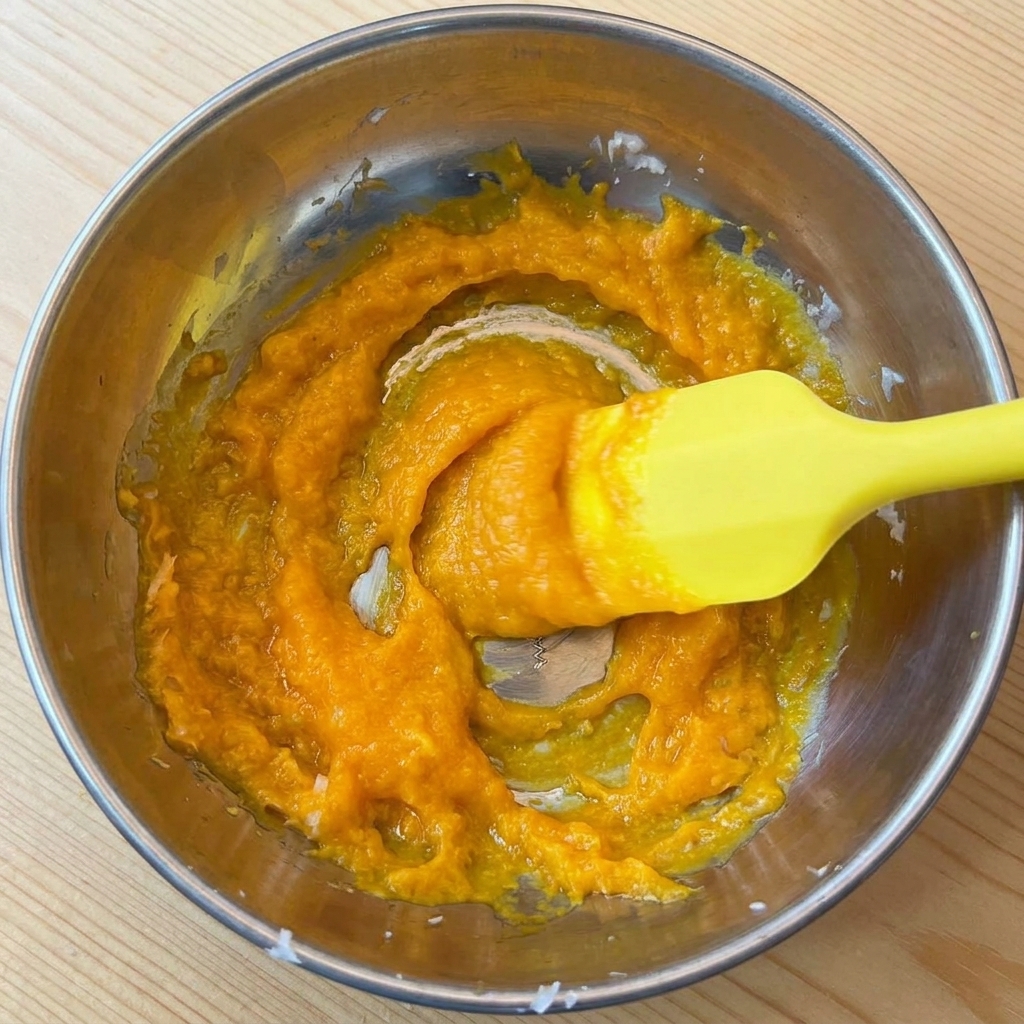
Use a rubber spatula to vigorously mix the egg yolks and grated cheese together until the mixture reaches a smooth, thick, molten consistency.
Tip: Ensure the mixture is well-combined so it emulsifies properly when added to the pasta. - 7Combine pasta and meat
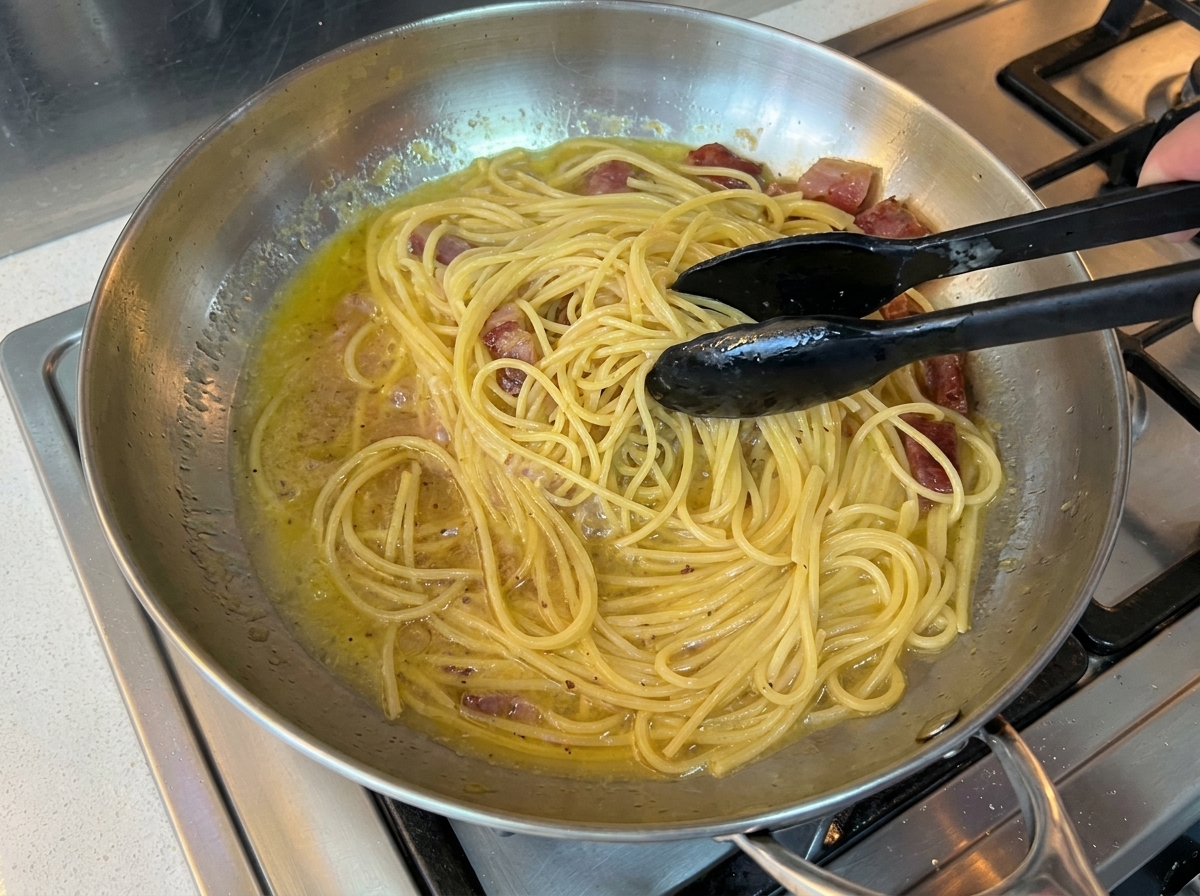
Add the cooked spaghetti into the pan containing the fried meat and pasta water. Use tongs to toss the noodles, ensuring they are well-coated and the flavors meld together over low heat before preparing for the sauce.
Tip: Ensure the pasta is cooked al dente so it holds its texture when combined with the sauce later. - 8Incorporate the egg sauce
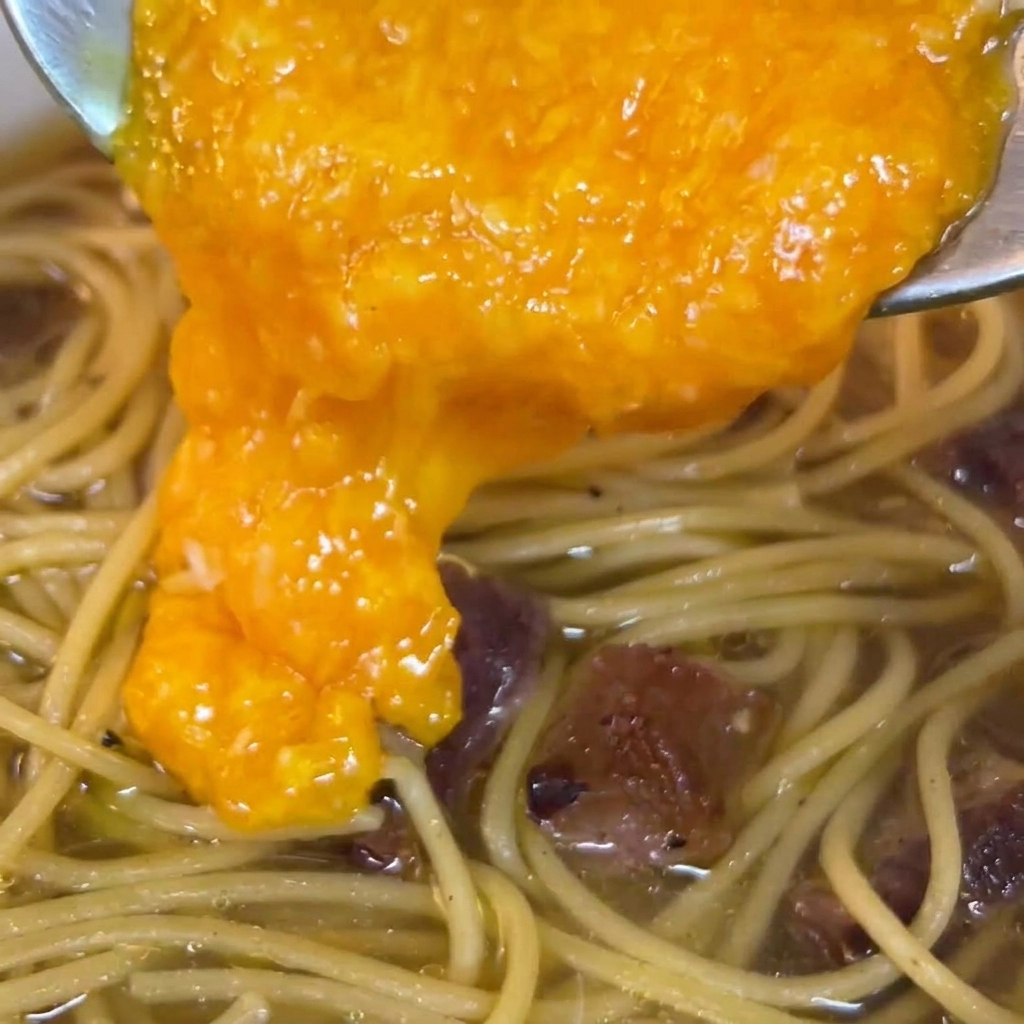
After removing the pan from the heat and allowing it to cool slightly for two to three minutes, pour the egg yolk and grated cheese mixture over the pasta. This temperature control is crucial to prevent the eggs from scrambling, ensuring a smooth, molten texture.
Tip: If the pan is too hot, the eggs will solidify and become lumpy; patience is the secret to a creamy sauce. - 9Emulsify the sauce
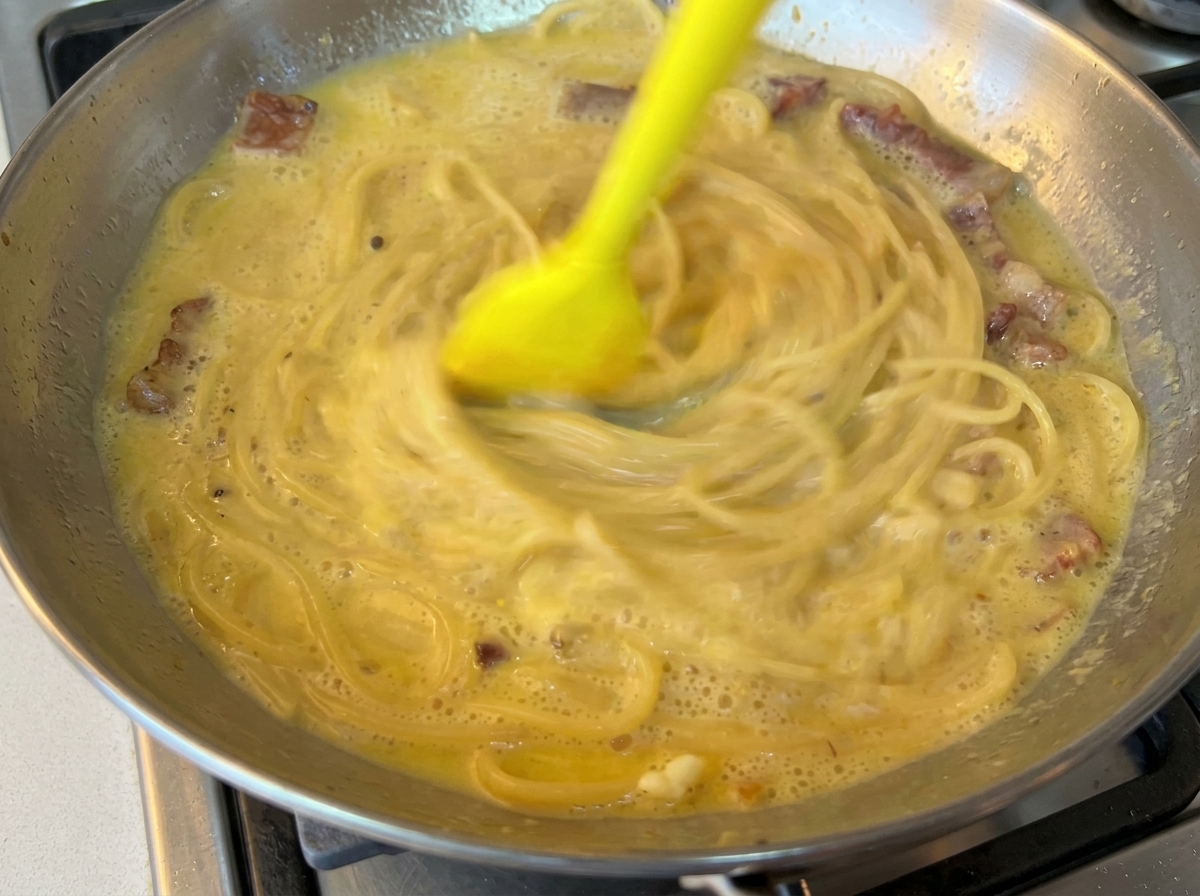
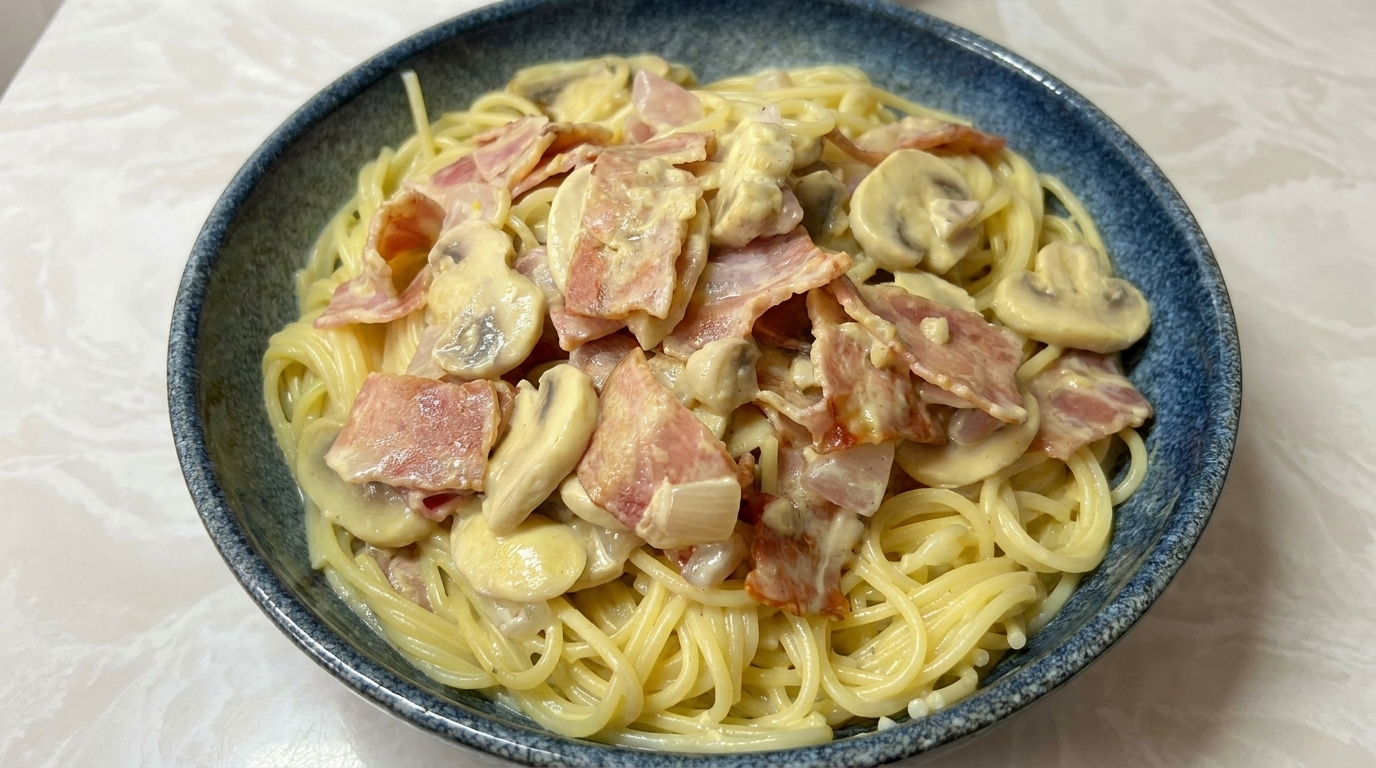
Use a rubber spatula to stir the pasta and egg mixture vigorously. Continue stirring until bubbles form and the sauce emulsifies into a thick, creamy coating that perfectly wraps around each strand of spaghetti.
Tip: Keep stirring until the sauce reaches a luxurious, molten consistency; as the temperature drops, the sauce will naturally thicken.