Classic Japanese Curry Chicken Rice
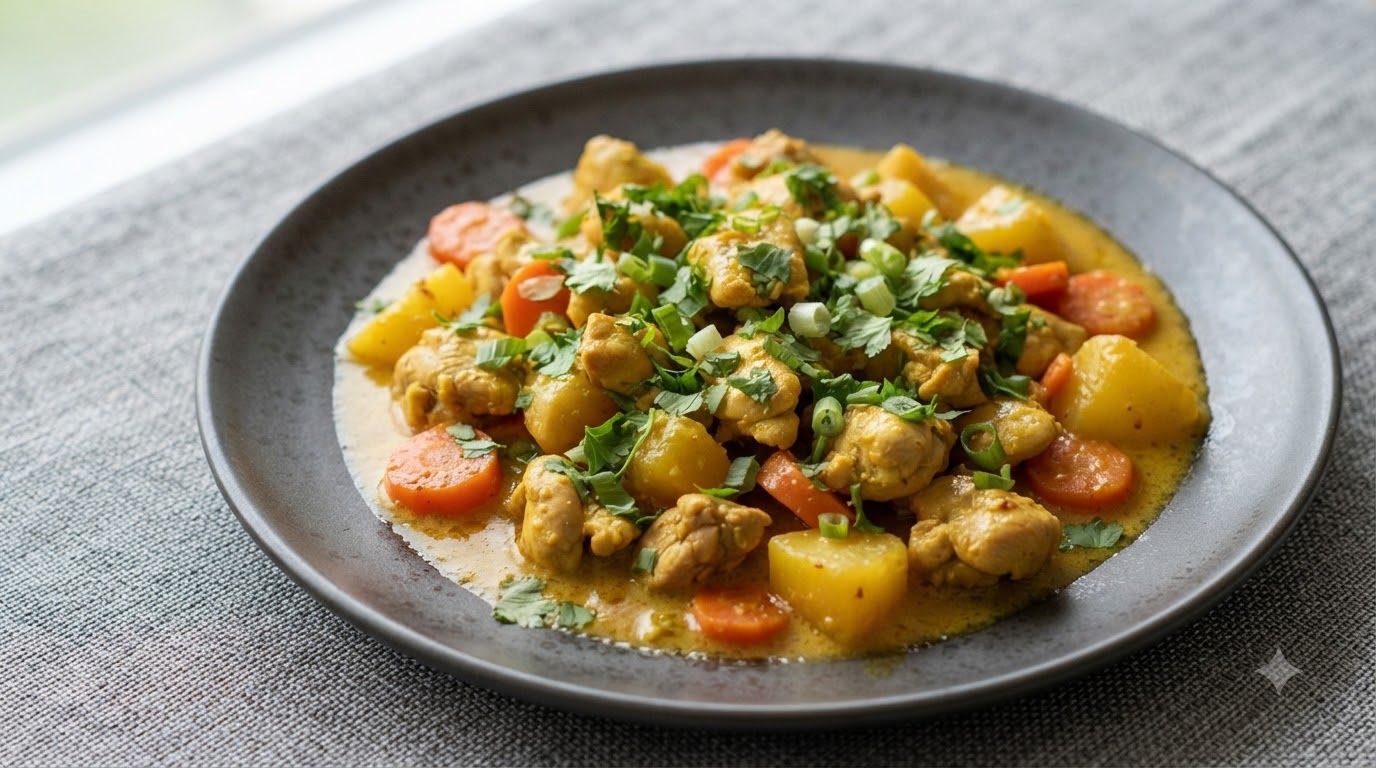
A comforting plate of Japanese curry chicken rice featuring tender chicken thighs, soft potatoes, and sweet carrots simmered in a rich, savory curry sauce.
Japanese curry is a beloved household staple known for its comforting, mild sweetness and thick, glossy sauce. Unlike fiery Indian curries or aromatic Thai curries, Japanese curry features a roux-based sauce that coats tender meats and root vegetables perfectly, making it the ultimate comfort food when served over a steaming mound of white rice.
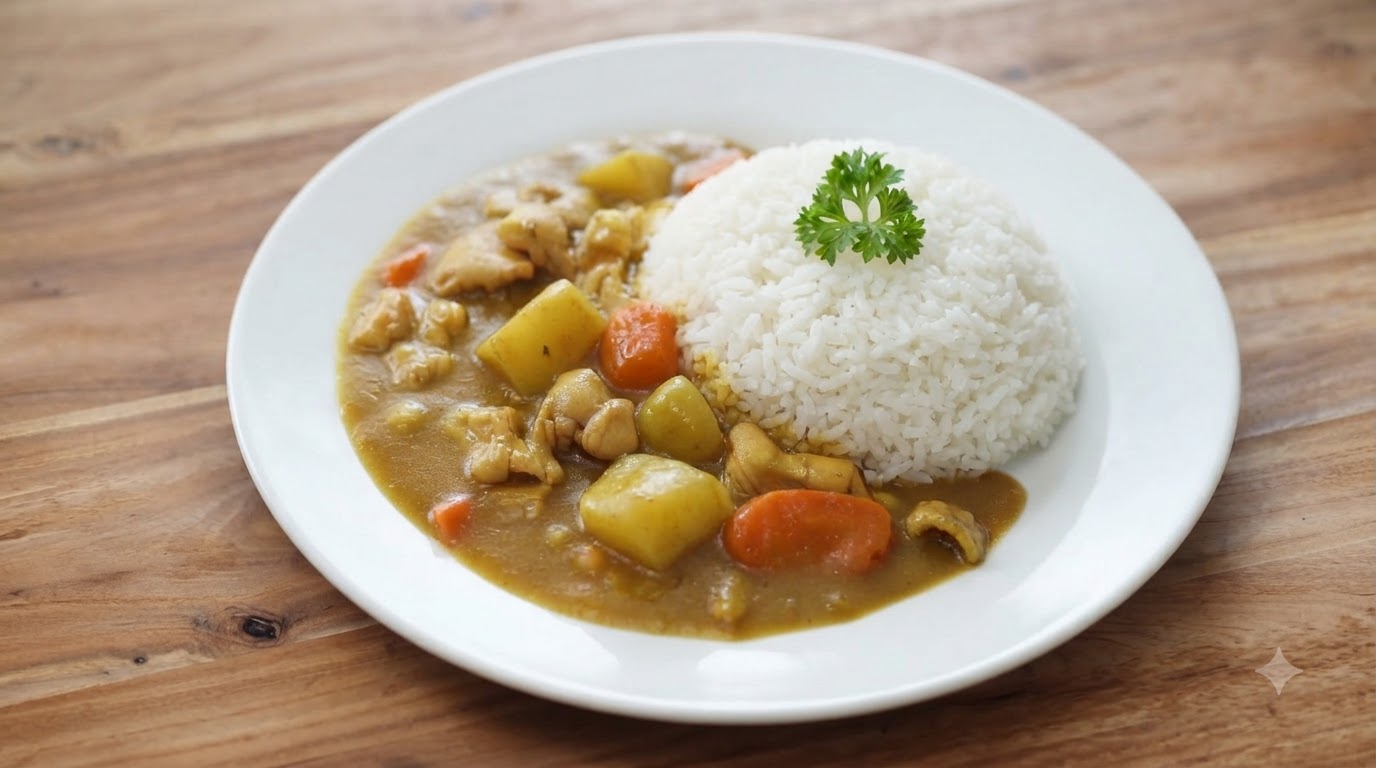
Ingredients
- 350 g boneless chicken thighs
- 200 g potatoes
- 200 g carrots
- 100 g onions
- 4 blocks Japanese curry blocks
- 500 ml water or chicken broth
- 1 tbsp salt
- 1 pinch black pepper
- 1 tbsp starch
- to taste cooking oil
- to serve steamed white rice
- optional fresh parsley
Instructions
- 1Cut the Chicken Thighs
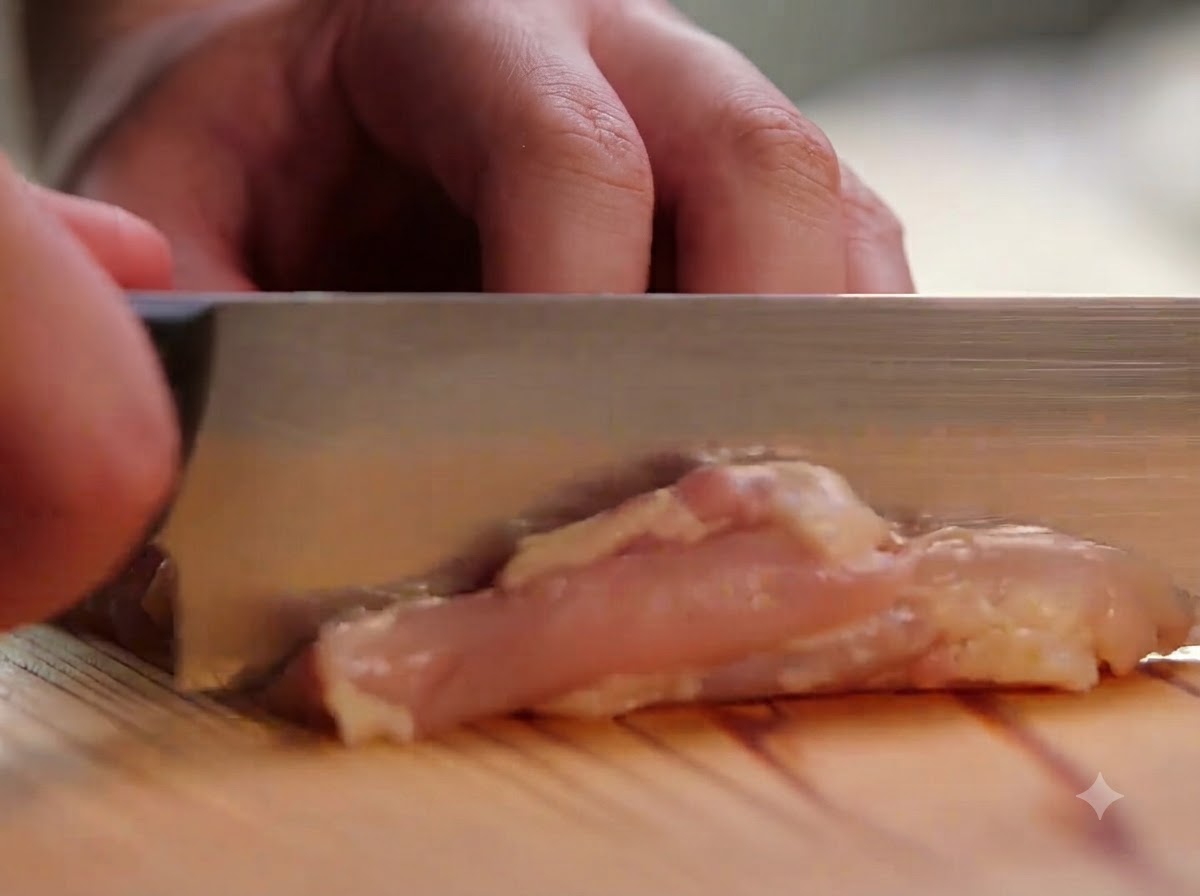
Place the boneless chicken thighs on a wooden cutting board and cut them into small, bite-sized pieces.
Tip: Chicken breasts can be used as a healthier, lower-fat substitute if preferred. - 2Marinate the Chicken
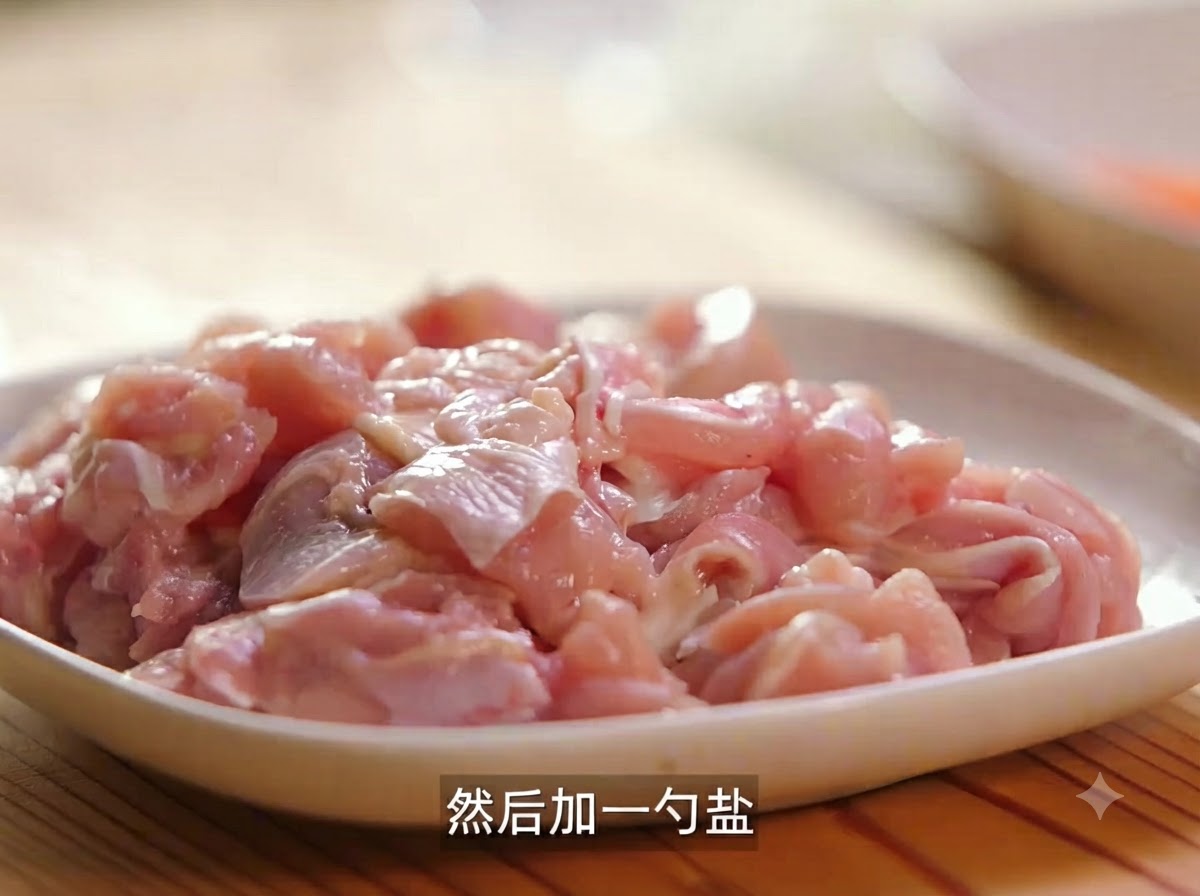
Transfer the cut chicken pieces to a plate, add a spoonful of salt, a little black pepper, and a spoonful of starch, then mix well and let marinate for 10 minutes.
Tip: Marinating with starch helps lock in the juices and keeps the chicken tender during frying. - 3Slice the Onion
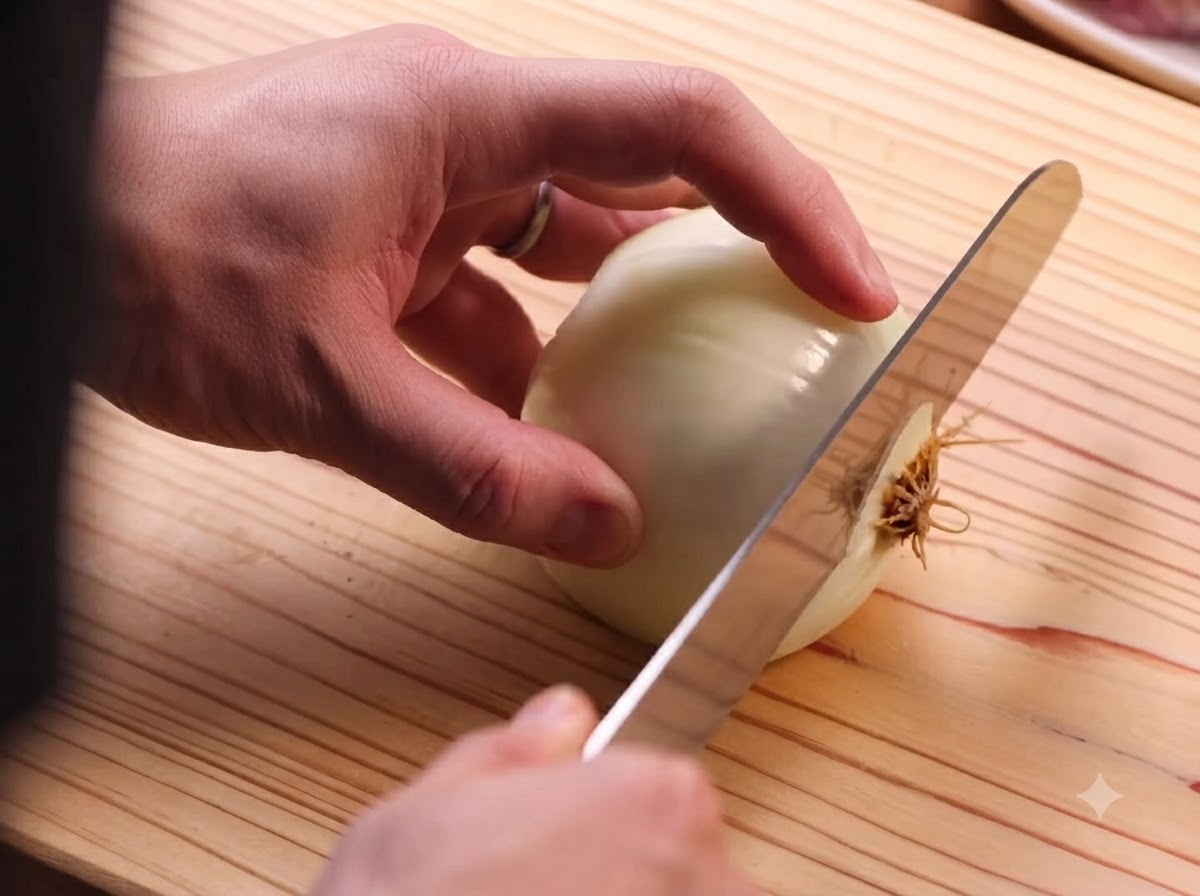
Place the onion on a wooden cutting board and slice it into thin strips.
Tip: Slice evenly so the onions caramelize uniformly when stir-fried. - 4Roll-Cut the Carrots
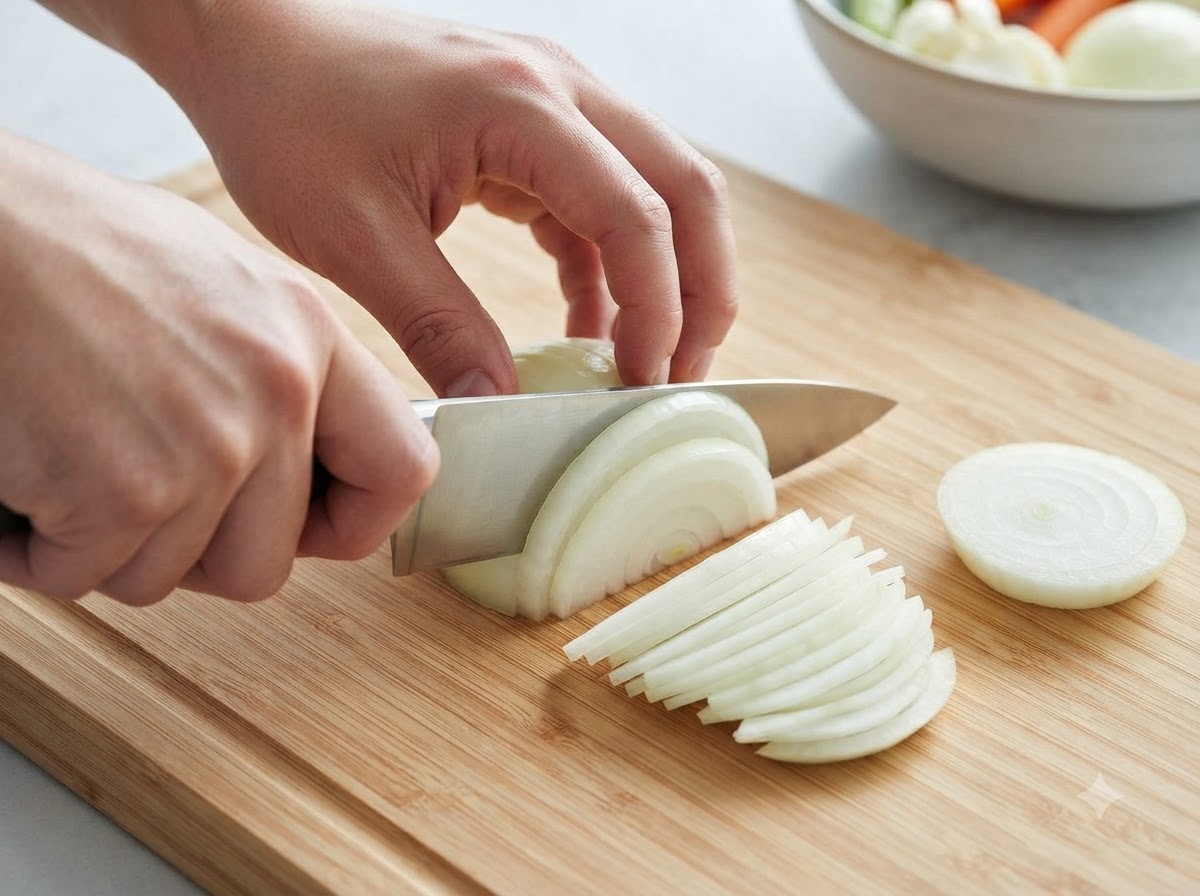
Roll-cut the carrots into chunky pieces on a wooden cutting board.
Tip: Roll-cutting increases the surface area, helping the carrots absorb flavors better while cooking. - 5Cut the Potatoes
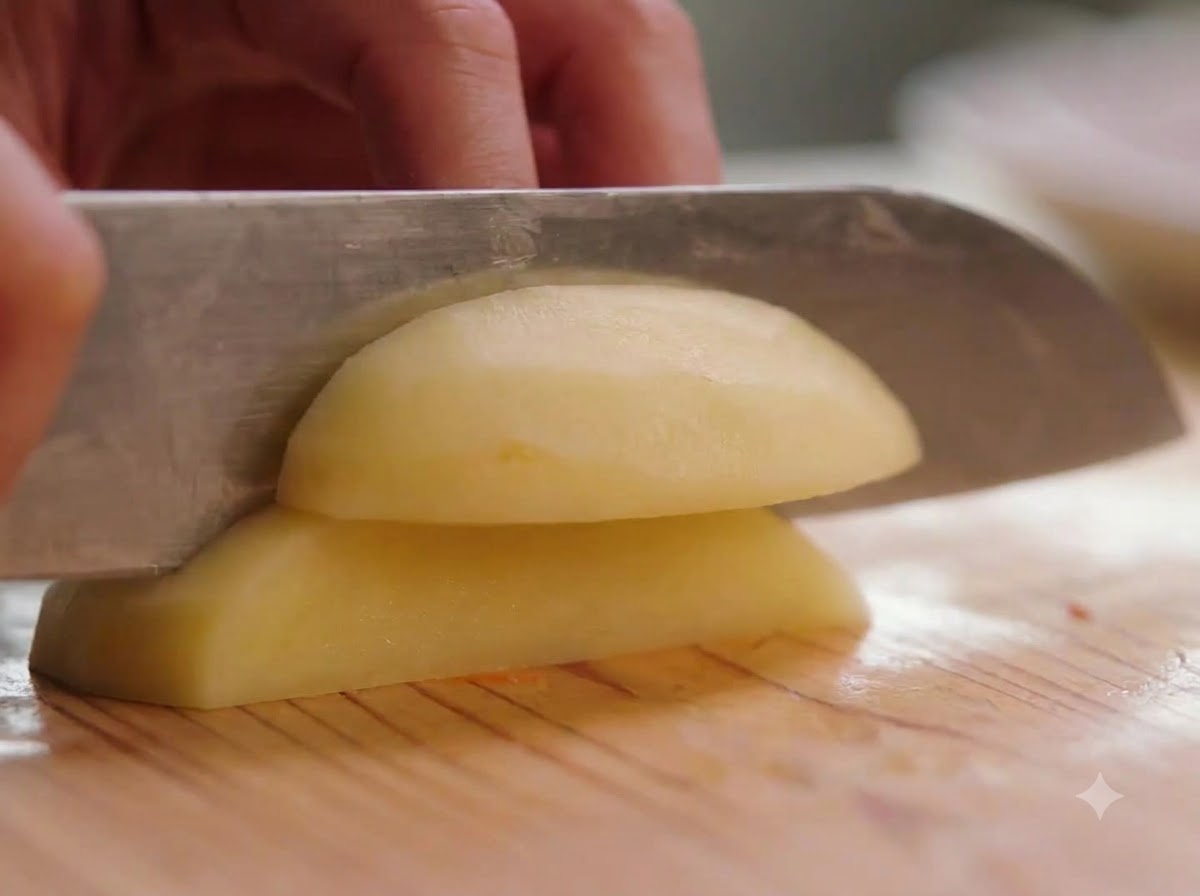
Peel and cut the potatoes into small, bite-sized pieces on a wooden cutting board.
Tip: Cut potatoes into sizes similar to the carrots and chicken for even cooking. - 6Slice the Curry Blocks
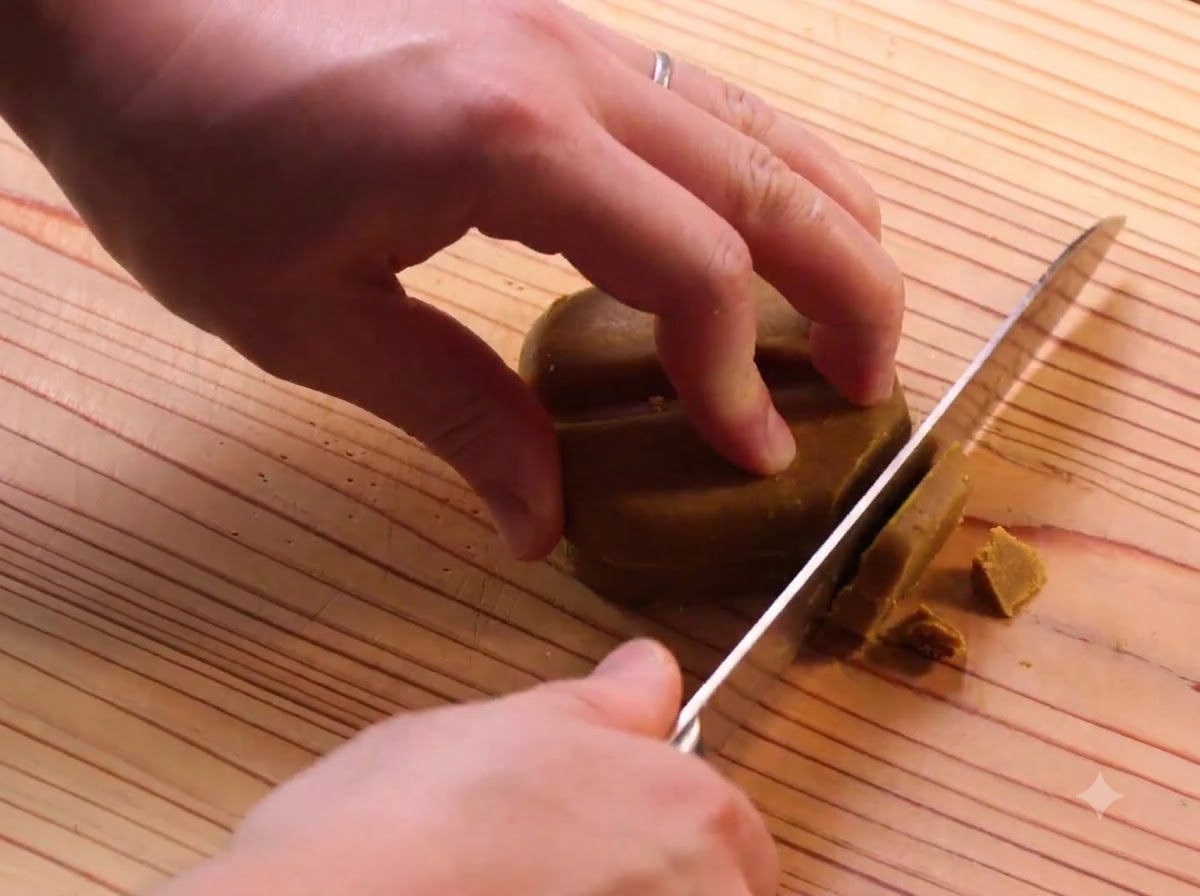
Cut the Japanese curry blocks into smaller pieces to ensure they melt more easily and dissolve evenly when simmering.
Tip: Slicing the blocks beforehand prevents lumps from forming in the sauce. - 7Fry the Marinated Chicken
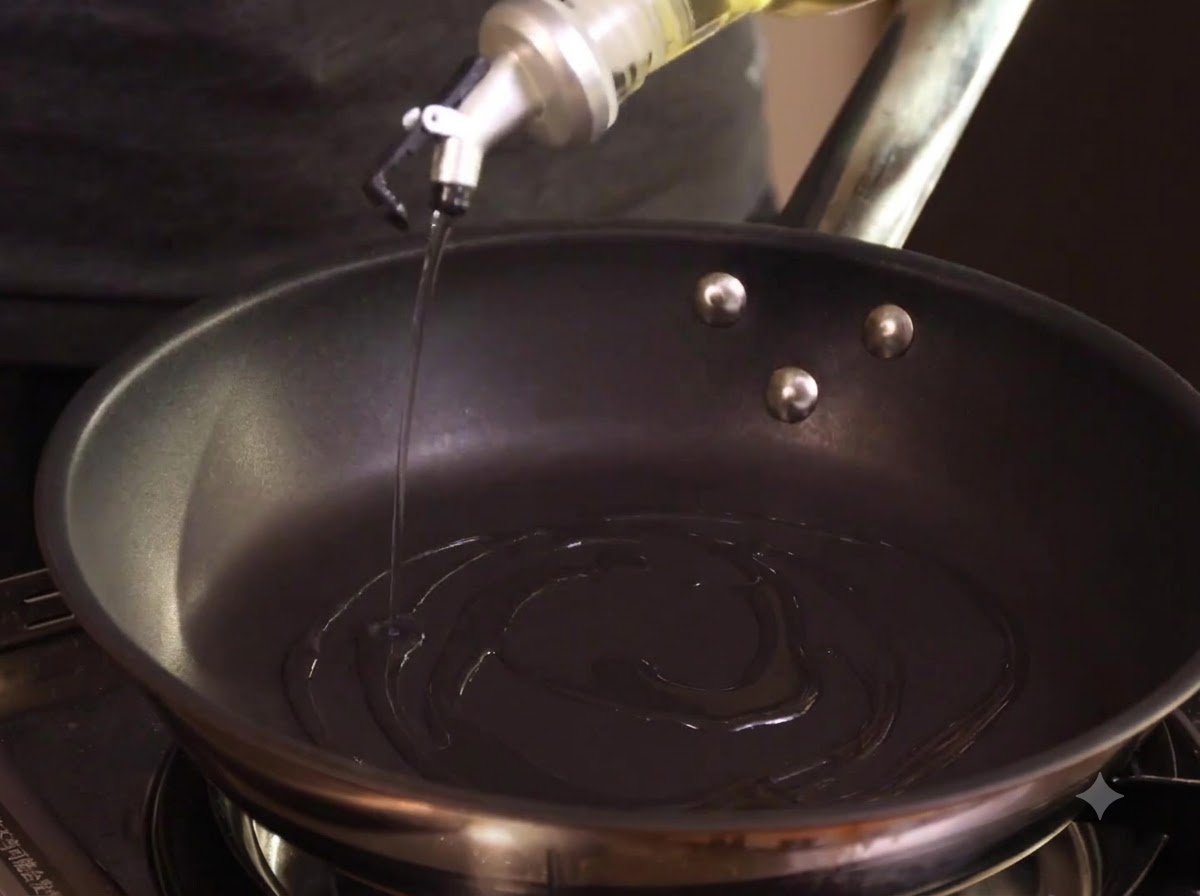
Add a little oil to the hot pan, then add the previously marinated chicken pieces. Fry them for about 4 to 5 minutes until the surfaces turn slightly golden, then remove and set aside.
Tip: Fry until golden to lock in the juices and add a savory depth to the curry. - 8Heat Oil in the Stew Pot
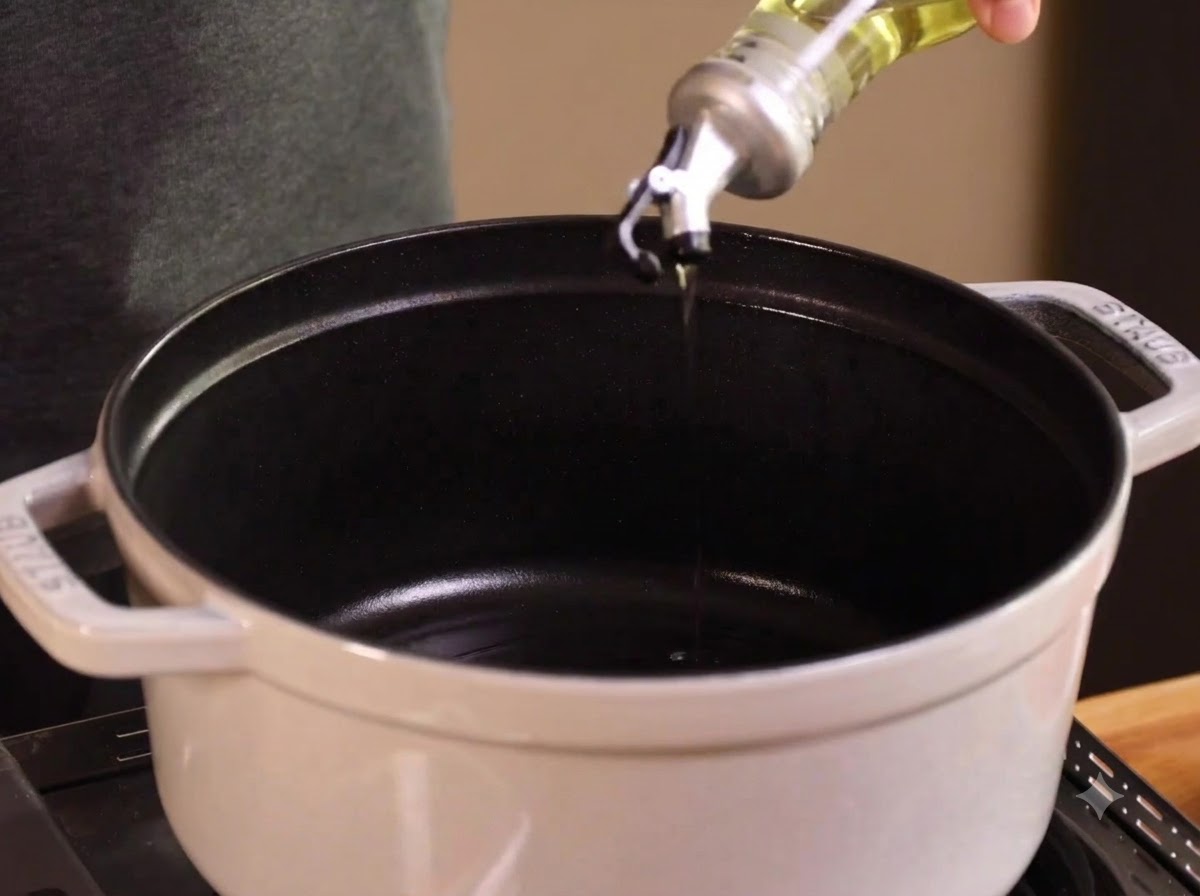
Add an appropriate amount of cooking oil into a white stew pot and heat it up over the stove in preparation for stir-frying the aromatics and vegetables.
Tip: Ensure the pot is properly heated before adding ingredients so they cook evenly. - 9Sauté the Onions
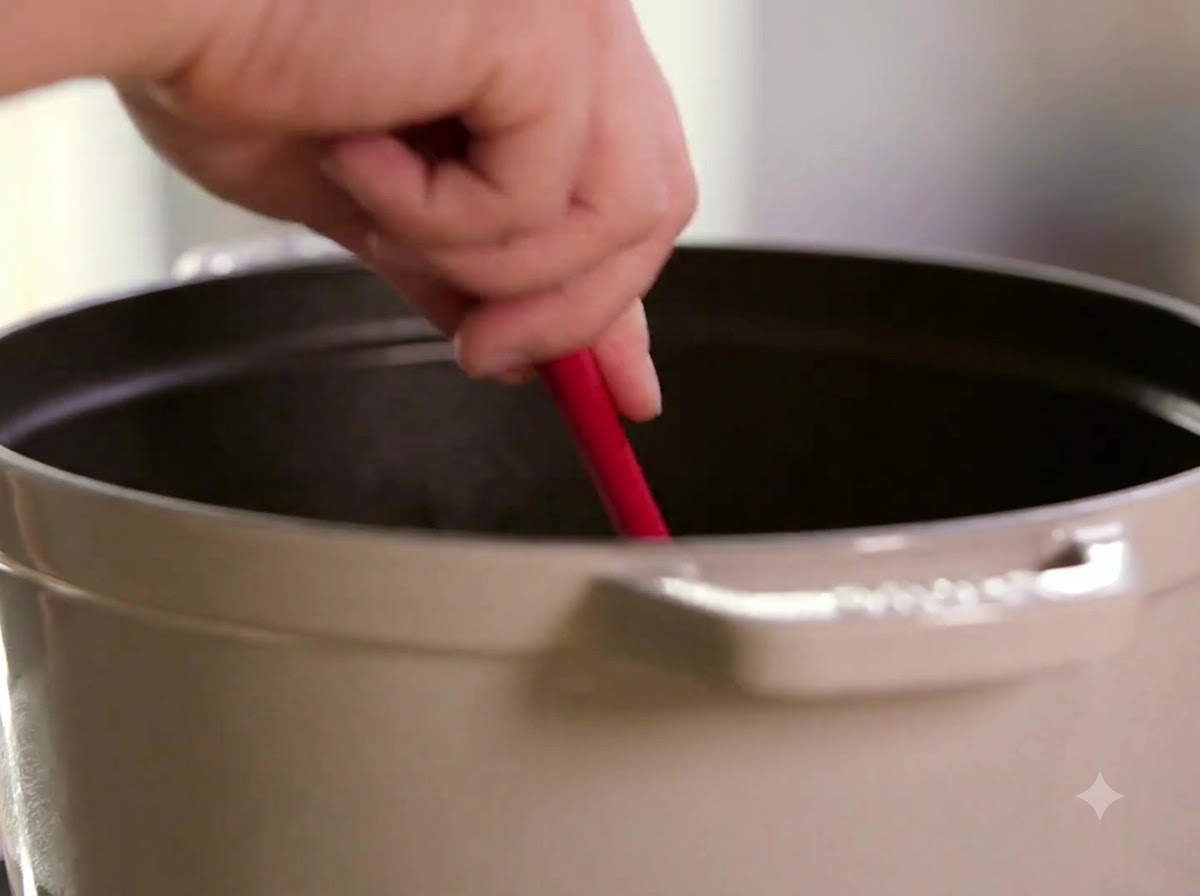
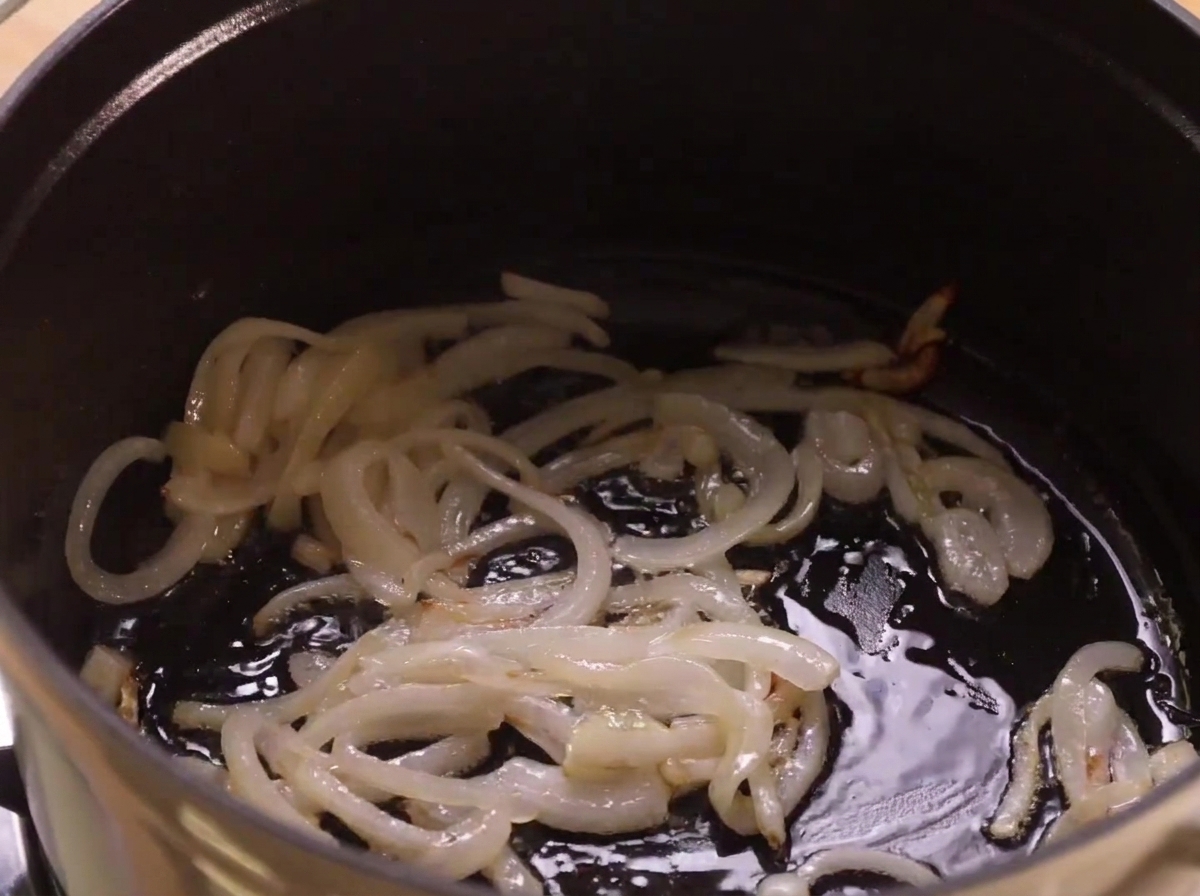
Add an appropriate amount of oil to the stew pot, heat it up, pour in the sliced onions, and stir-fry until they become slightly golden and translucent.
Tip: Sautéing onions until golden builds a sweet and aromatic flavor base for the curry. - 10Add Carrots and Potatoes
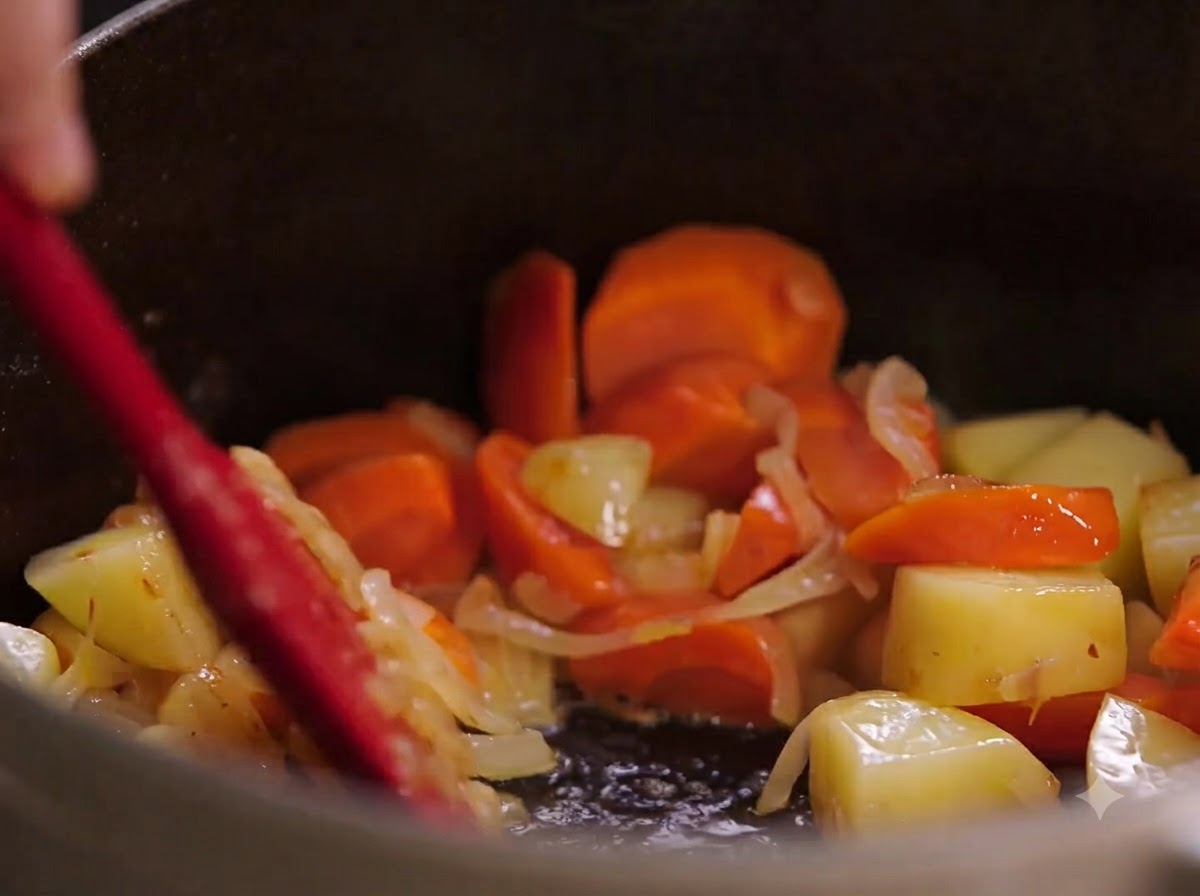
Add the roll-cut carrots and potato pieces into the pot with the sautéed onions, and continue stir-frying for 2 to 3 minutes.
Tip: Briefly frying the vegetables in oil helps seal in their shape and enhances their flavor before stewing. - 11Combine Chicken and Vegetables
Add the previously pan-fried chicken pieces into the stew pot along with the stir-fried onions, carrots, and potatoes. Mix everything together before adding liquid.
Tip: Stirring the ingredients together allows the flavors to meld before the liquid and curry are added. - 12Add Chicken and Liquid
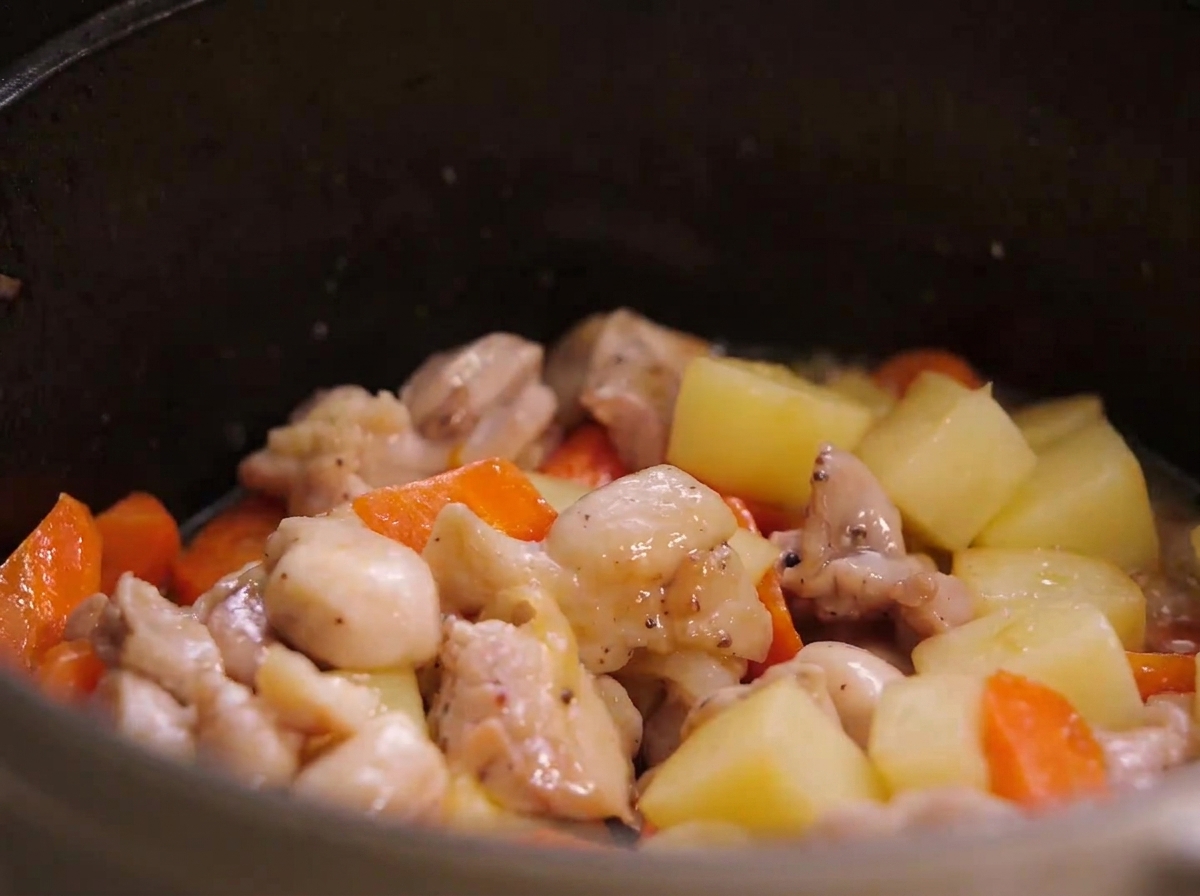
Add the previously pan-fried chicken back into the pot with the vegetables, then pour in 500ml of water or broth.
Tip: Using chicken broth instead of plain water will give the curry an even richer taste. - 13Simmer the Curry
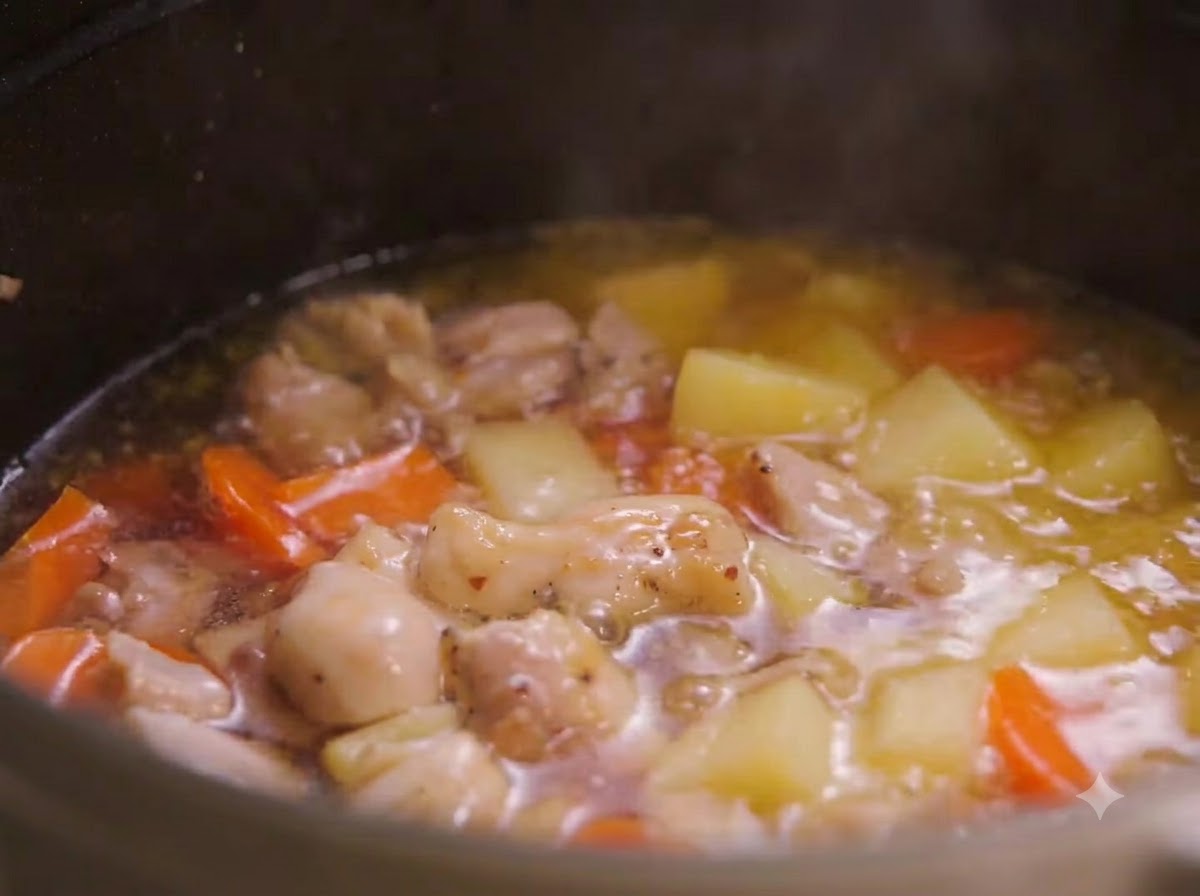
Bring the contents to a boil over high heat, add the sliced curry blocks, cover with the lid, and simmer on low heat for 20 minutes while stirring frequently.
Tip: Stir frequently during simmering since the added curry makes the bottom prone to burning.