Homemade Italian Basil Pesto
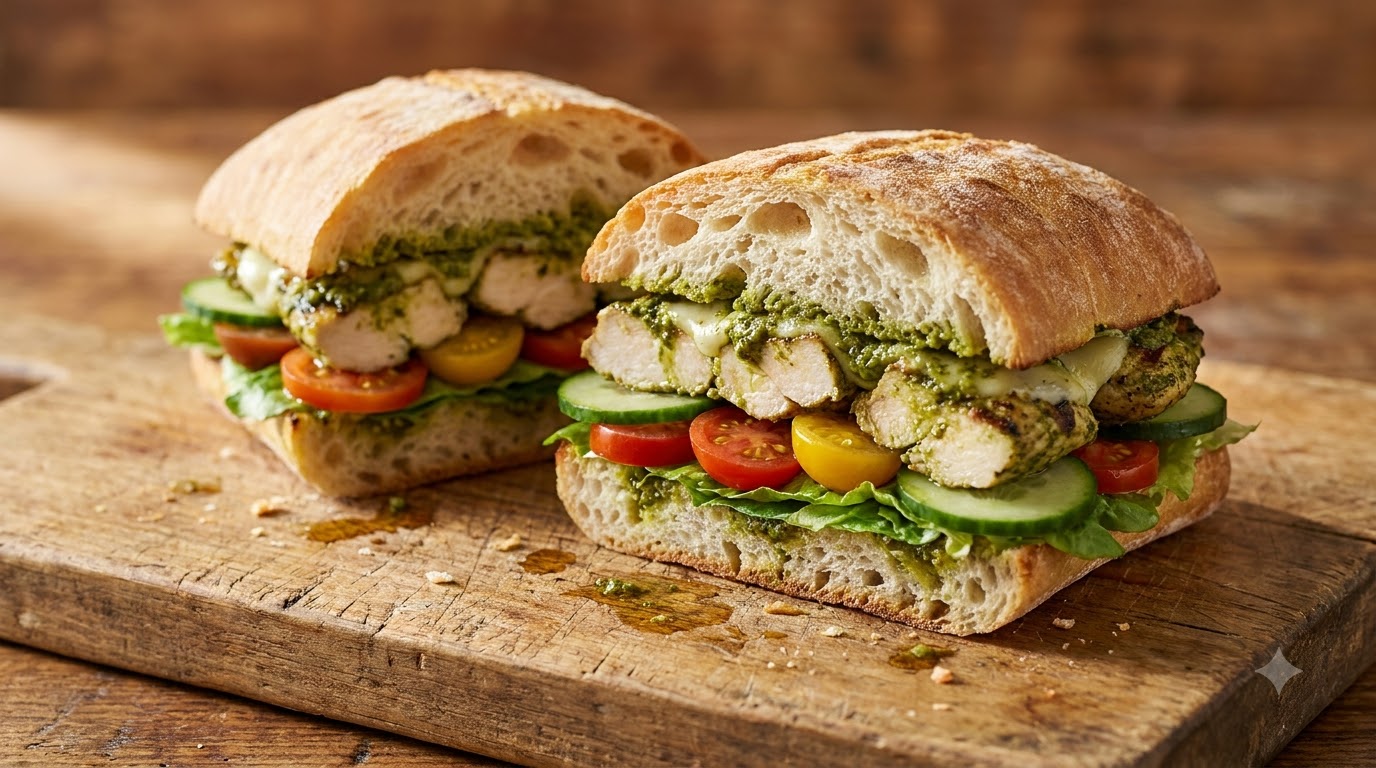
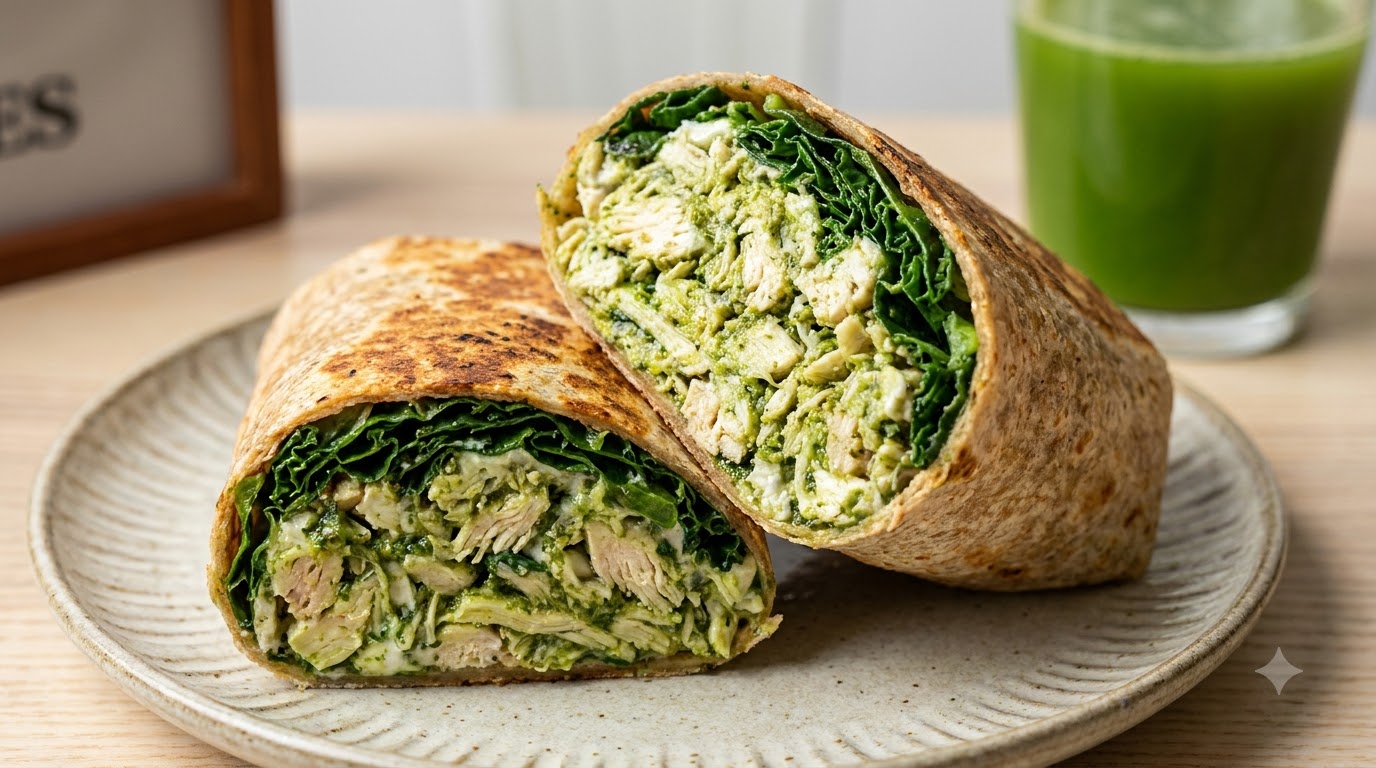
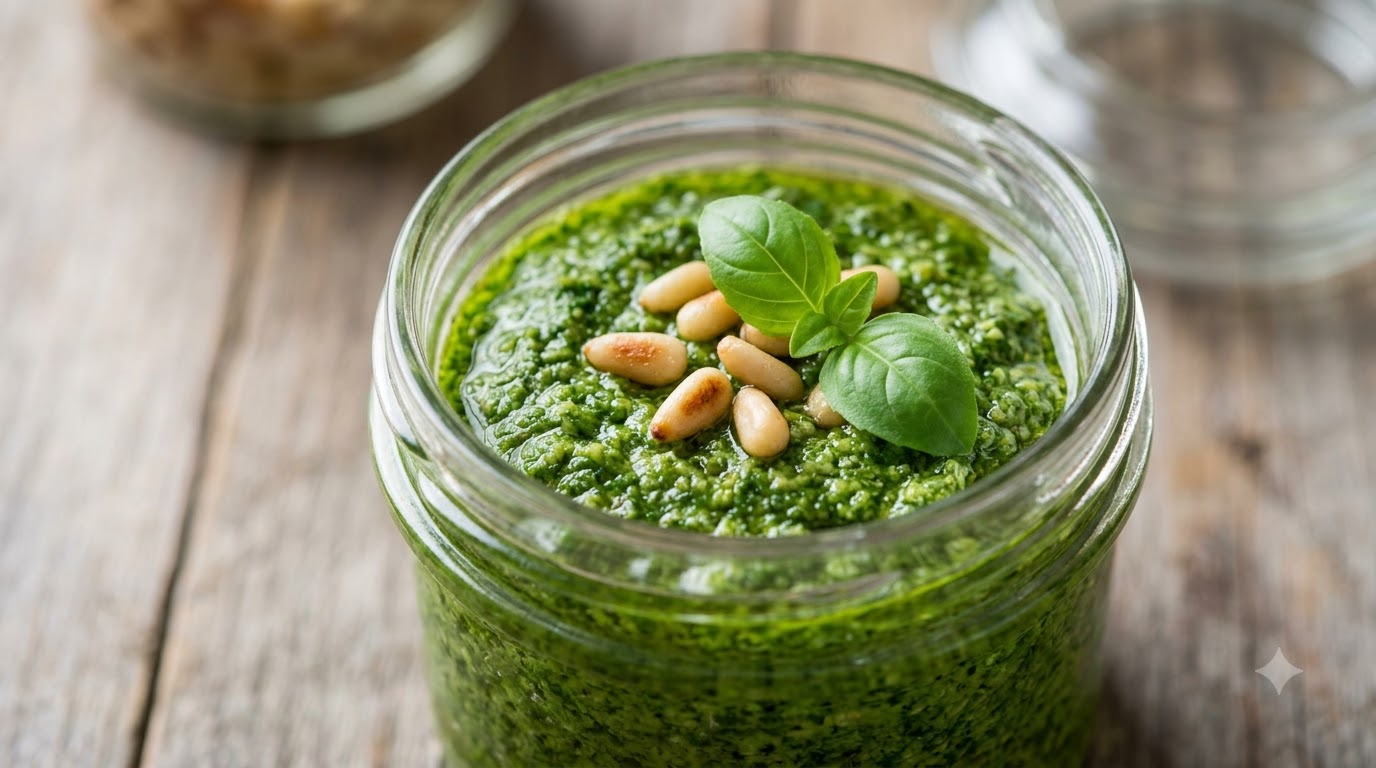
This vibrant, homemade Italian basil pesto is incredibly versatile and bursting with fresh flavor. Made with blanched basil, roasted garlic, pine nuts, and rich Parmesan, it is the perfect companion for pasta, bread, and pizza.
Pesto is a classic Italian sauce that celebrates the bright, aromatic essence of fresh basil. By incorporating roasted garlic and a quick blanching technique for the basil leaves, this version maintains a stunningly vivid green hue and a deep, mellow savory profile. It is a highly adaptable condiment that elevates everything from cold pasta salads to artisan breads.
Ingredients
- 150 g fresh basil
- 150 g olive oil
- 50 g Parmesan cheese
- 40 g pine nuts
- 1 whole head of garlic
- to taste sea salt
- to taste black pepper
Instructions
- 1Prepare the Garlic
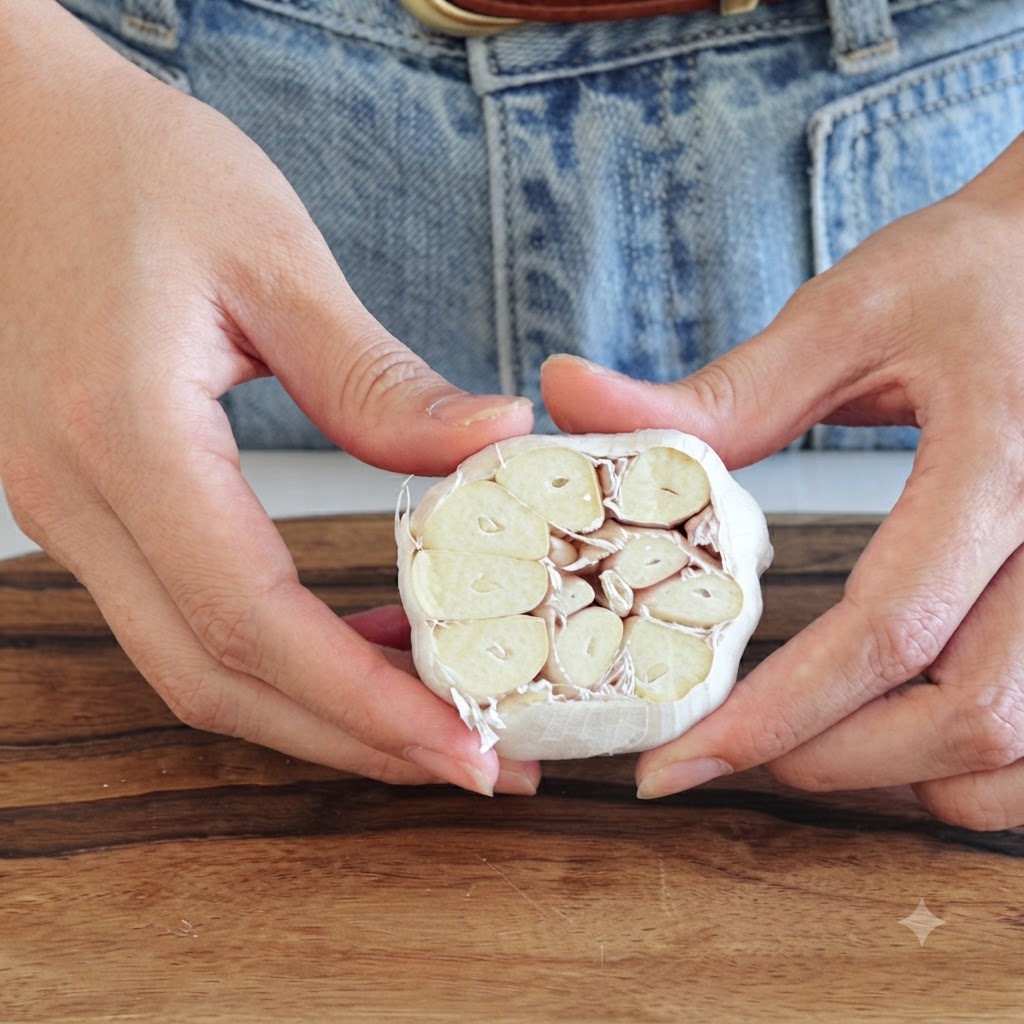
Take a whole head of garlic and cut off the top to expose the cloves slightly. Place it on a silicone mat or baking dish, then drizzle olive oil generously over the exposed surface before baking.
Tip: Drizzling olive oil helps caramelize the garlic and keeps the cloves moist while baking. - 2Grate the Parmesan Cheese
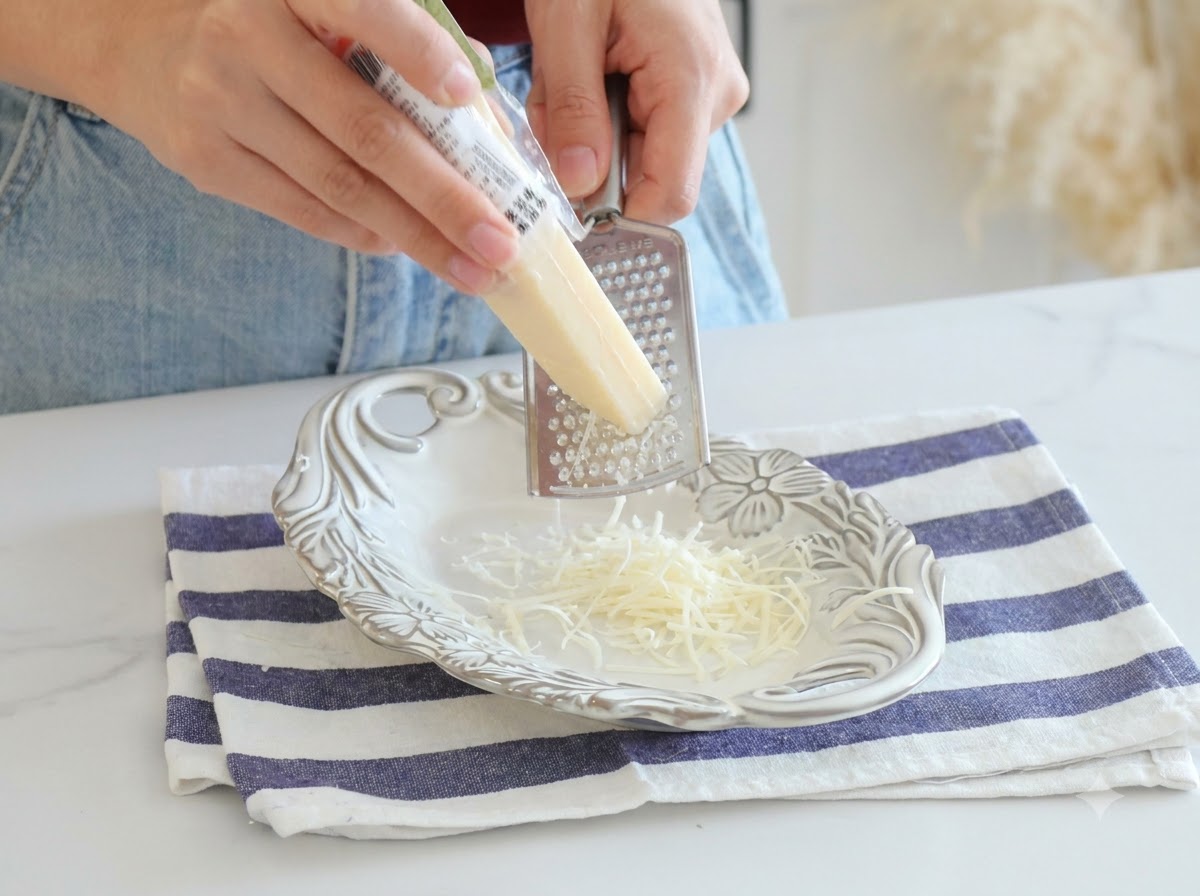
Hold a block of Parmesan cheese against a fine metal grater and shred it directly onto a white decorative plate. Freshly grated cheese provides a superior texture and rich flavor compared to pre-packaged shreds.
Tip: Grating your own cheese from a block ensures it melts and blends smoothly into the pesto sauce. - 3Blanch the Basil Leaves
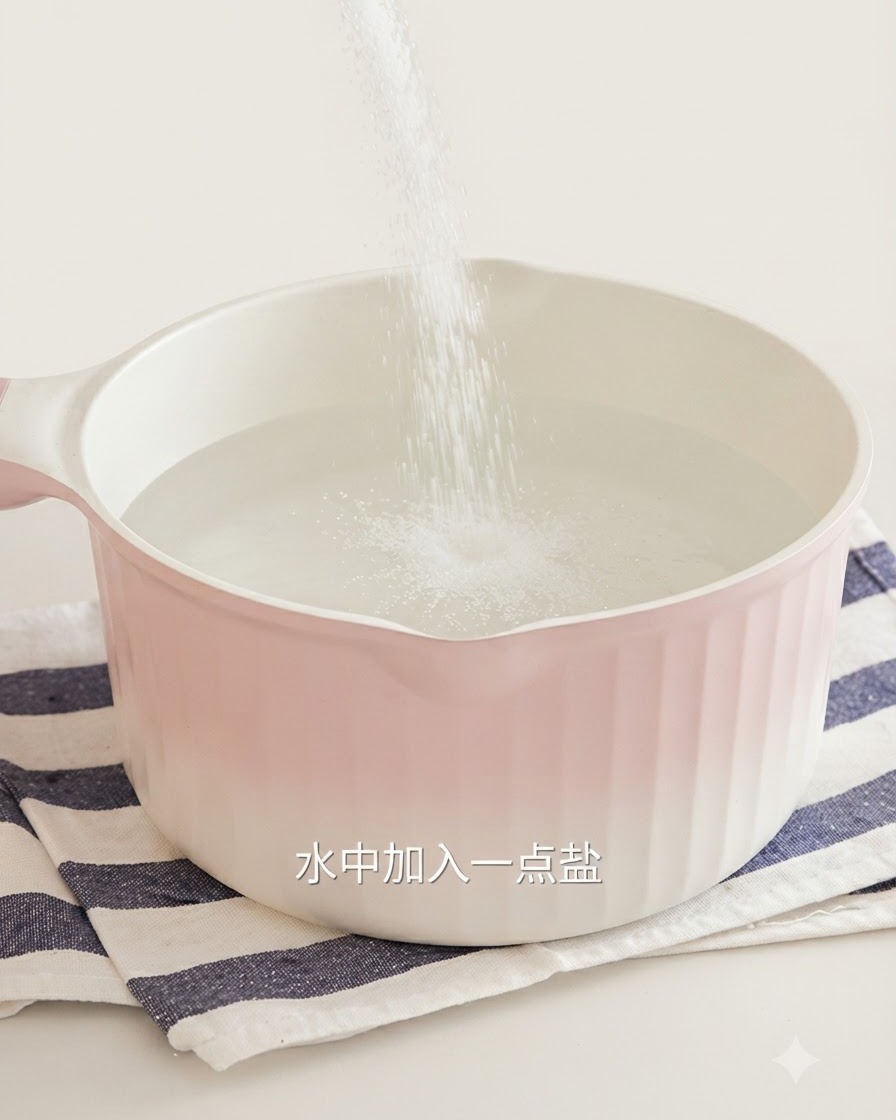
Add a small amount of salt to a pot of water and bring it to a boil. Drop the clean green basil leaves into the boiling water and blanch them for just 10 seconds to set their vibrant color, then immediately remove them.
Tip: Do not leave the basil in boiling water for too long; a brief blanching is enough to set the color without cooking the leaves down completely. - 4Squeeze Excess Water from Basil
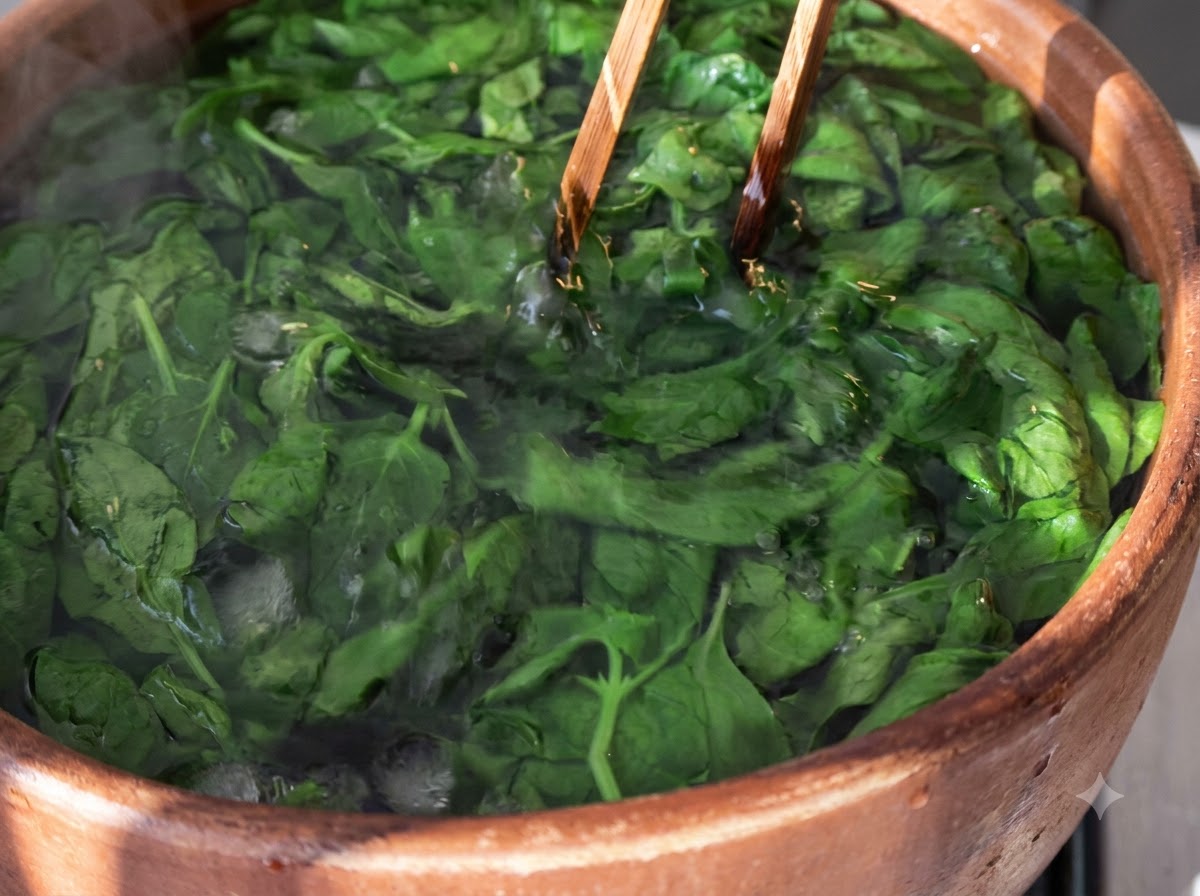
After rinsing the blanched basil leaves in ice water to stop the cooking process, gather them and squeeze them firmly by hand to remove all excess moisture.
Tip: Removing excess water prevents the pesto sauce from becoming watery and watery pesto spoils faster. - 5Combine Ingredients in Food Processor
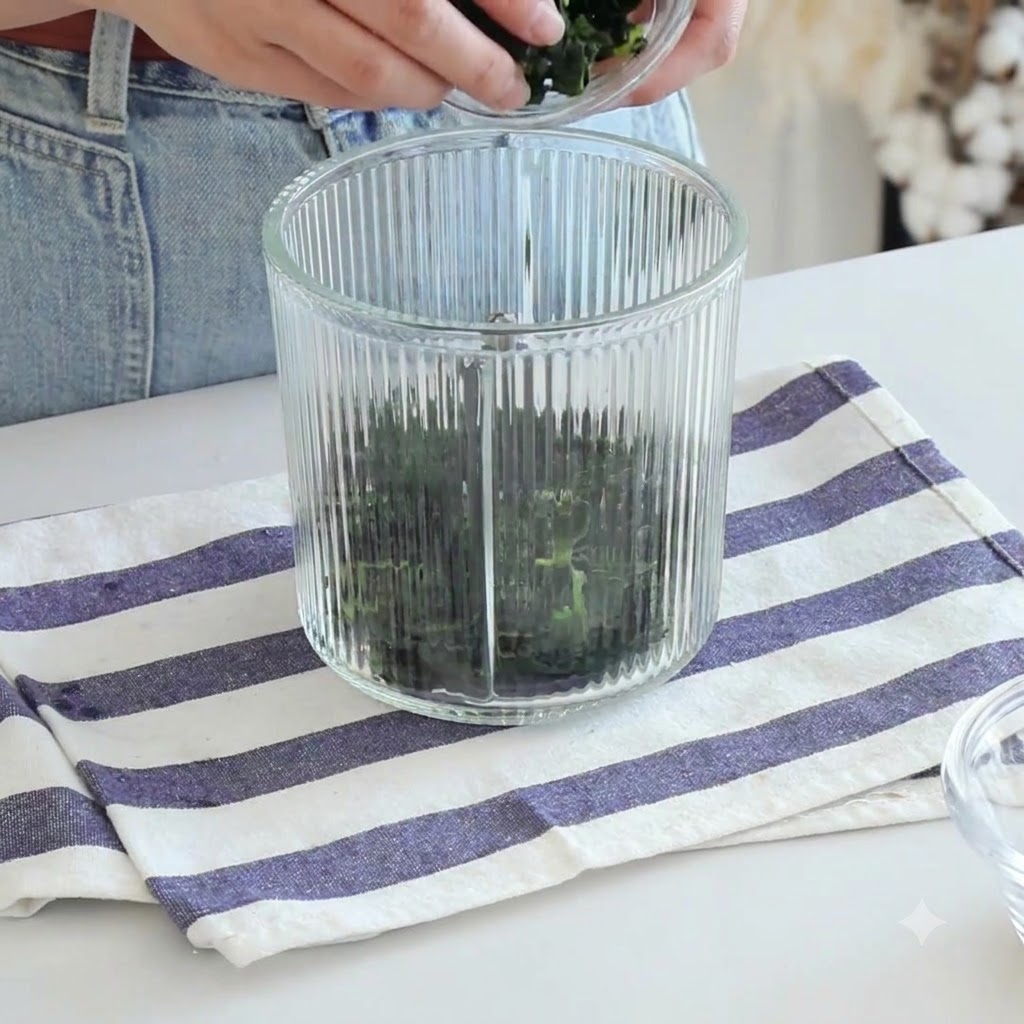
Transfer the squeezed basil, roasted garlic cloves, grated Parmesan, pine nuts, olive oil, salt, and black pepper into a food processor. Pulse everything together, leaving a slight texture for a more fragrant and rustic sauce.
Tip: Leaving a slight texture in the pesto gives it a more rustic feel and richer fragrance.