Clear Stewed Beef Ribs
White Radish
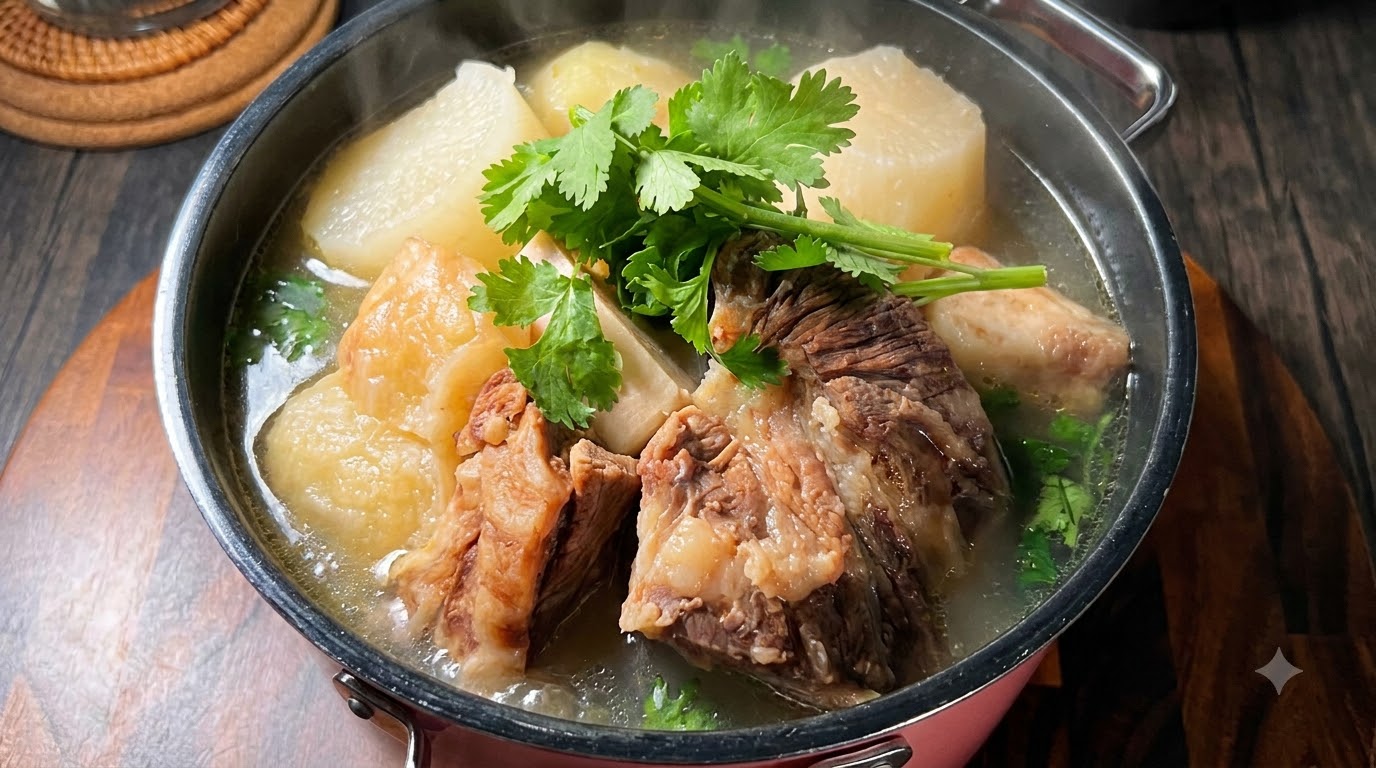
A nourishing, crystal-clear beef rib stew simmered with sweet white radish, ginger, and subtle aromatics for a rich yet clean flavor.
Clear stewed beef ribs represent the pinnacle of wholesome comfort cooking, relying entirely on pristine ingredients and gentle simmering rather than heavy spices. The addition of white radish cuts through the rich beef fat while imparting a natural sweetness that elevates the entire broth.
Ingredients
- 1 kg beef ribs
- 1 white radish
- 3 stalks green onions
- 1 piece ginger
- 2 bay leaves
- 1 star anise
- 1 piece cinnamon
- 1 tbsp Huadiao wine
- to taste salt
- to taste cilantro
- 3 small calamansi limes
- 3 cloves garlic
- 2 tbsp soy sauce
- 1 tbsp chili
- 2 tbsp sesame paste
- 1 tbsp peanut
- 1 tsp chili oil
- 1 tbsp oyster sauce
Instructions
- 1Dry the Beef Ribs
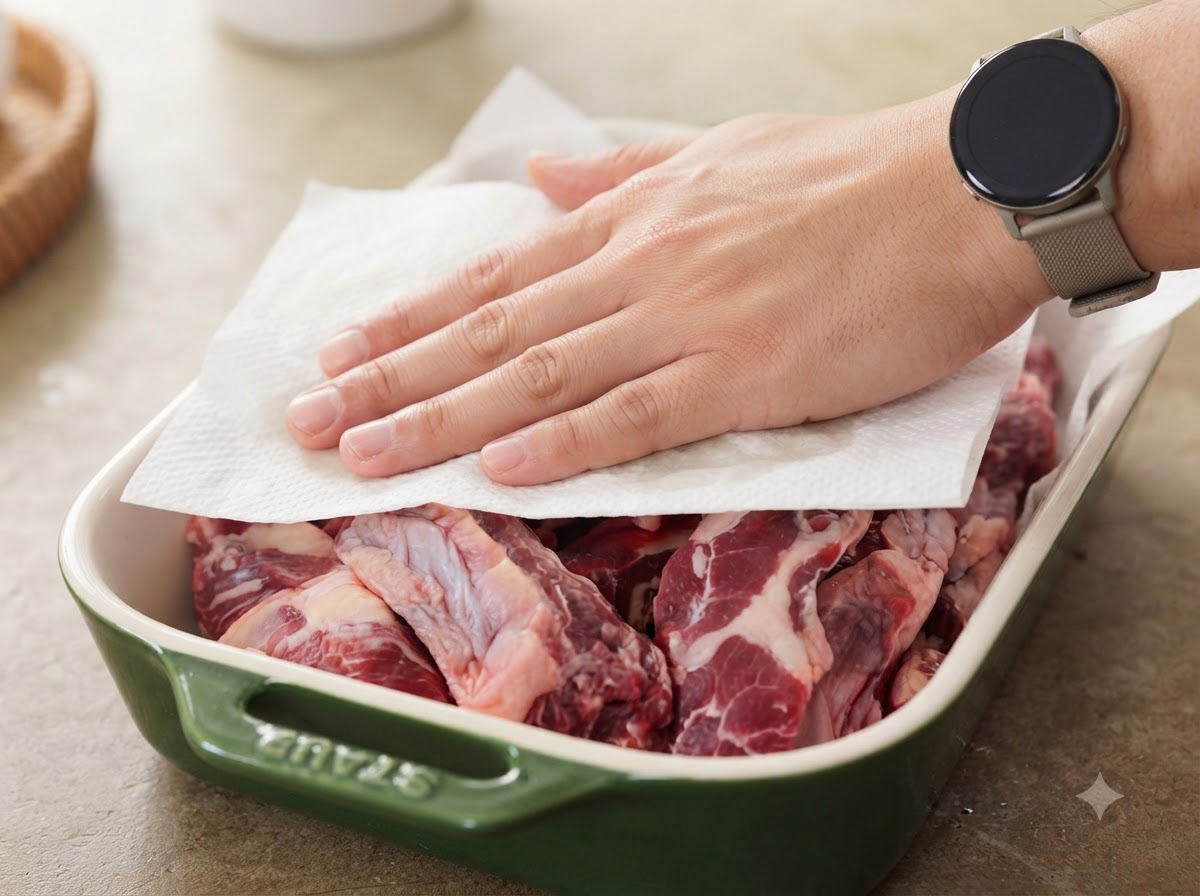
Take fresh beef ribs and avoid washing them directly with water. Instead, use a clean paper towel to thoroughly absorb any surface moisture.
Tip: For fresh beef ribs, patting them dry helps retain their pure flavor and prepares them better for cooking. - 2Add Ribs to Cold Water
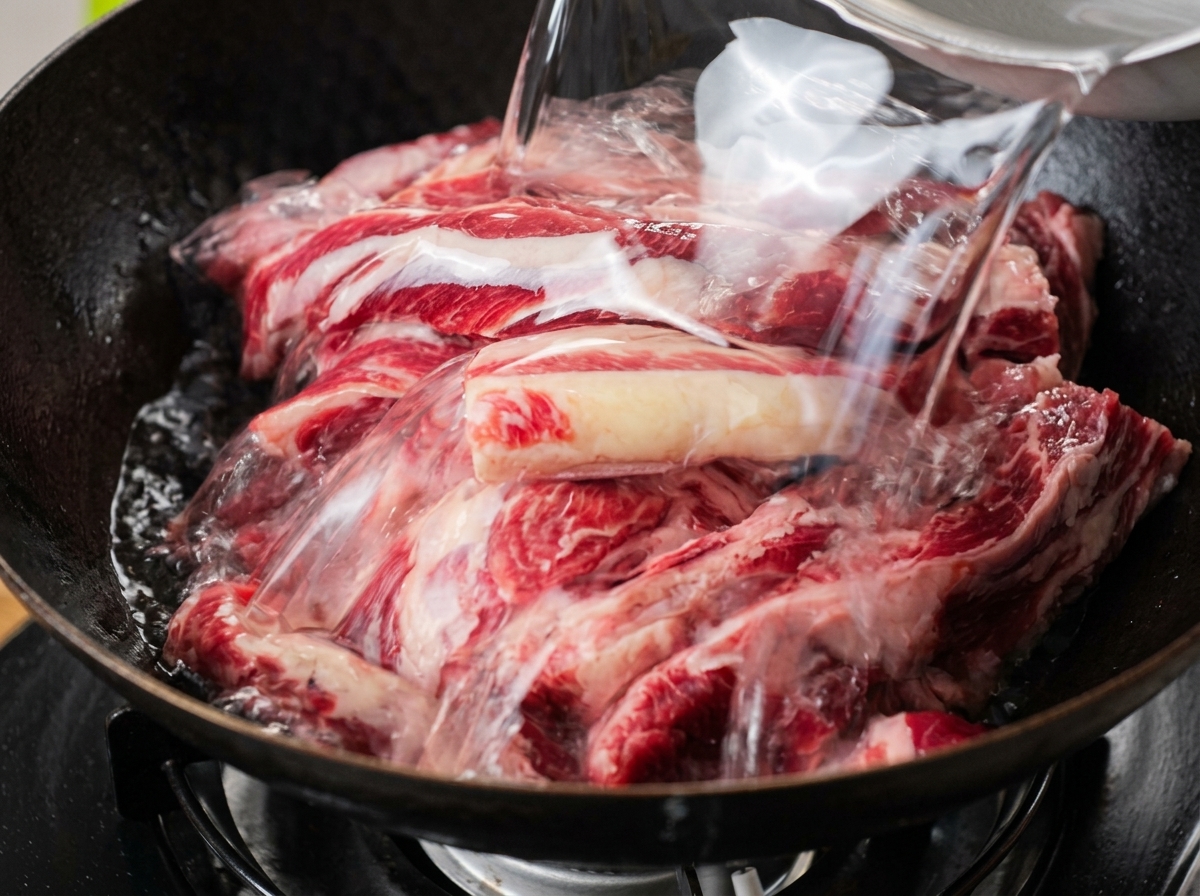
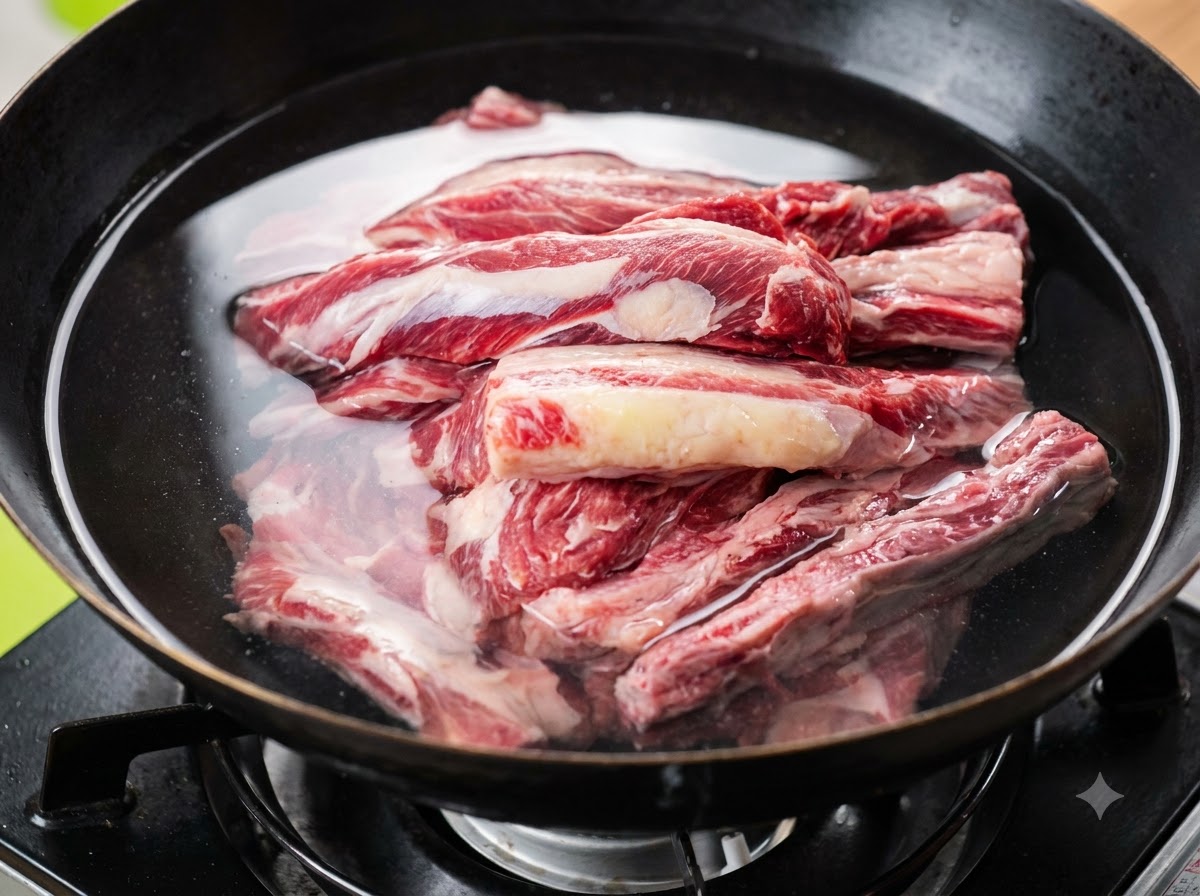
Place the prepared raw beef ribs into a wok and pour in an appropriate amount of cold water to submerge the meat.
Tip: Always start with cold water when blanching meat to allow impurities to release gradually as the temperature rises. - 3Add Aromatics
Add a bundle of tied green onions and fresh sliced ginger slices into the wok with the beef ribs and cold water.
Tip: Ginger and green onions are essential aromatics that help neutralize any gaminess at the start of cooking. - 4Blanch and Heat
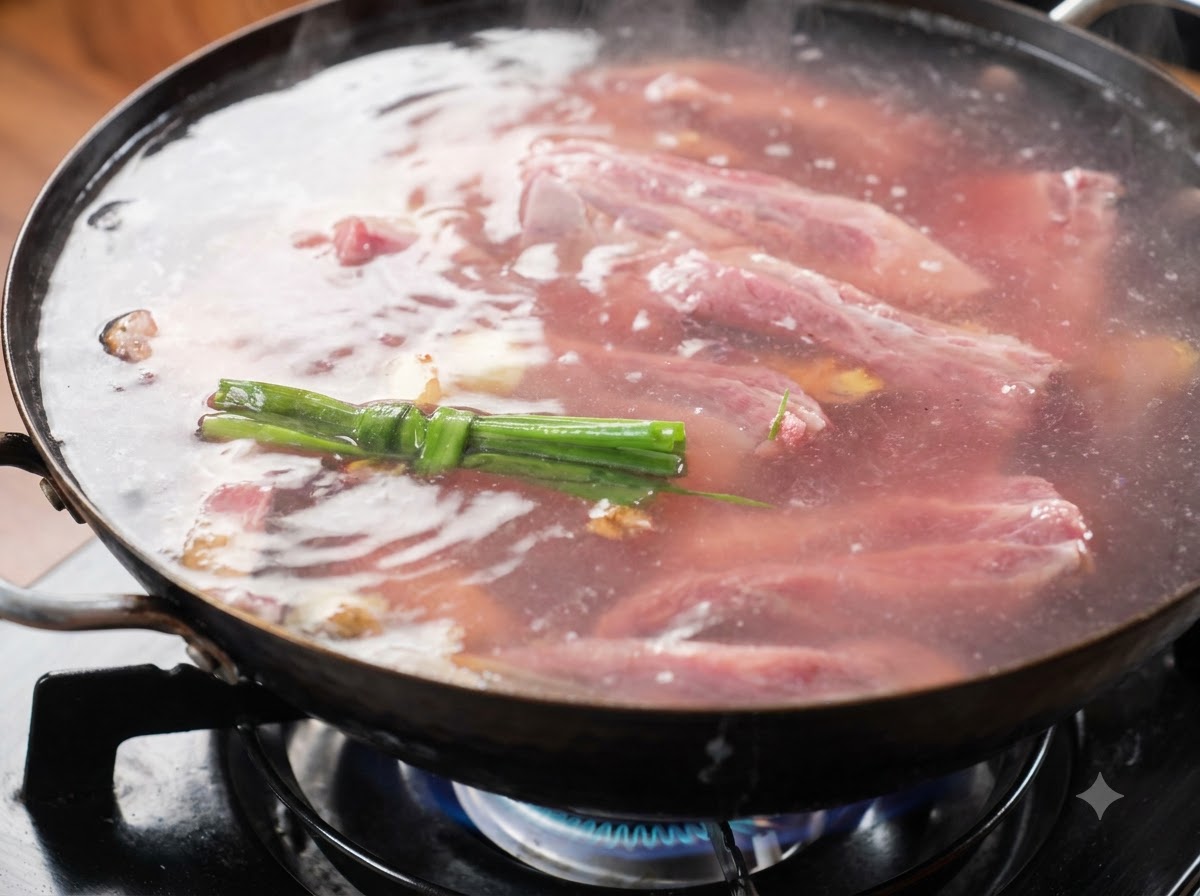
Heat the wok on the stove, bringing the water up to a simmer while pressing down on the beef ribs to ensure even heating and release of blood.
Tip: Pressing the ribs down gently helps accelerate the release of trapped impurities into the water. - 5Skim Impurities
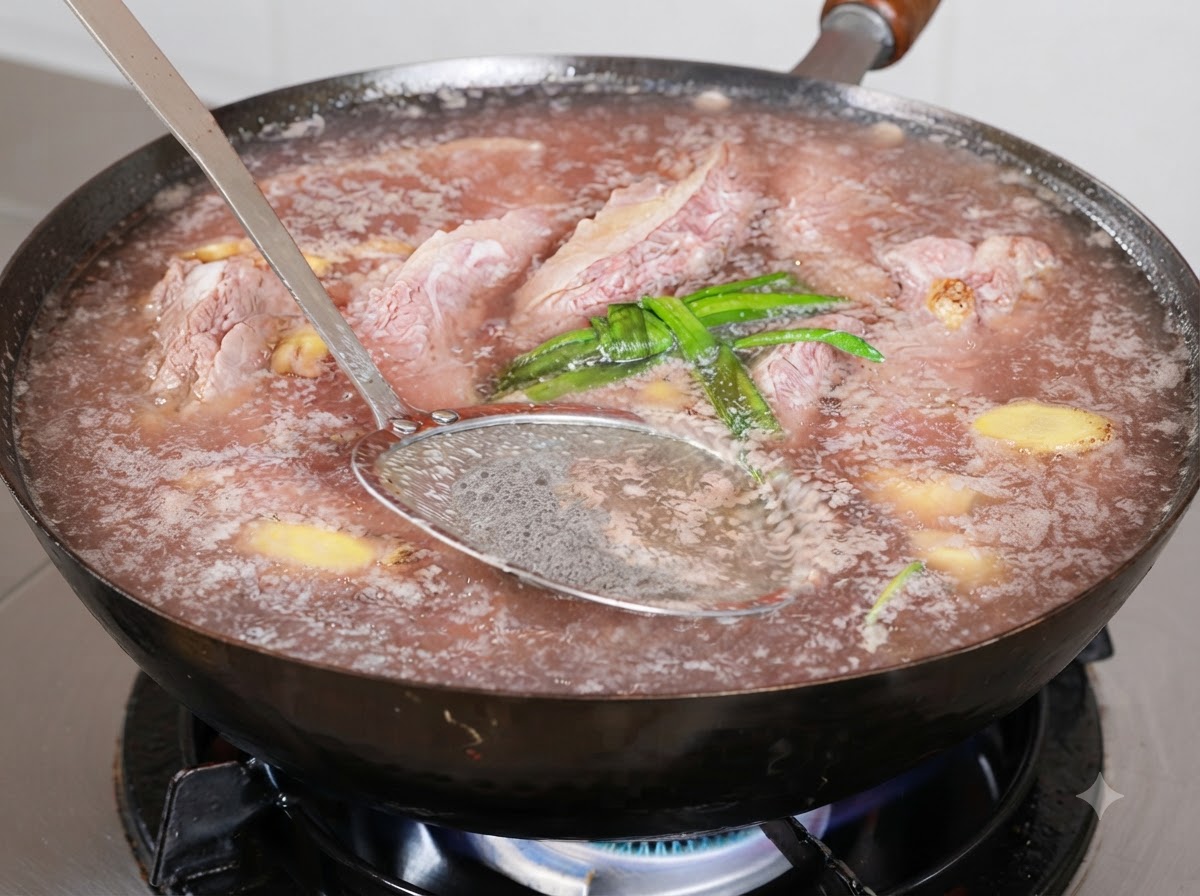
As the water boils and foam accumulates on the surface, use a metal skimmer to carefully scoop away and discard the impurities.
Tip: Skimming the foam thoroughly is critical to achieving a clear, clean, and non-greasy final broth. - 6Transfer to Boiling Water
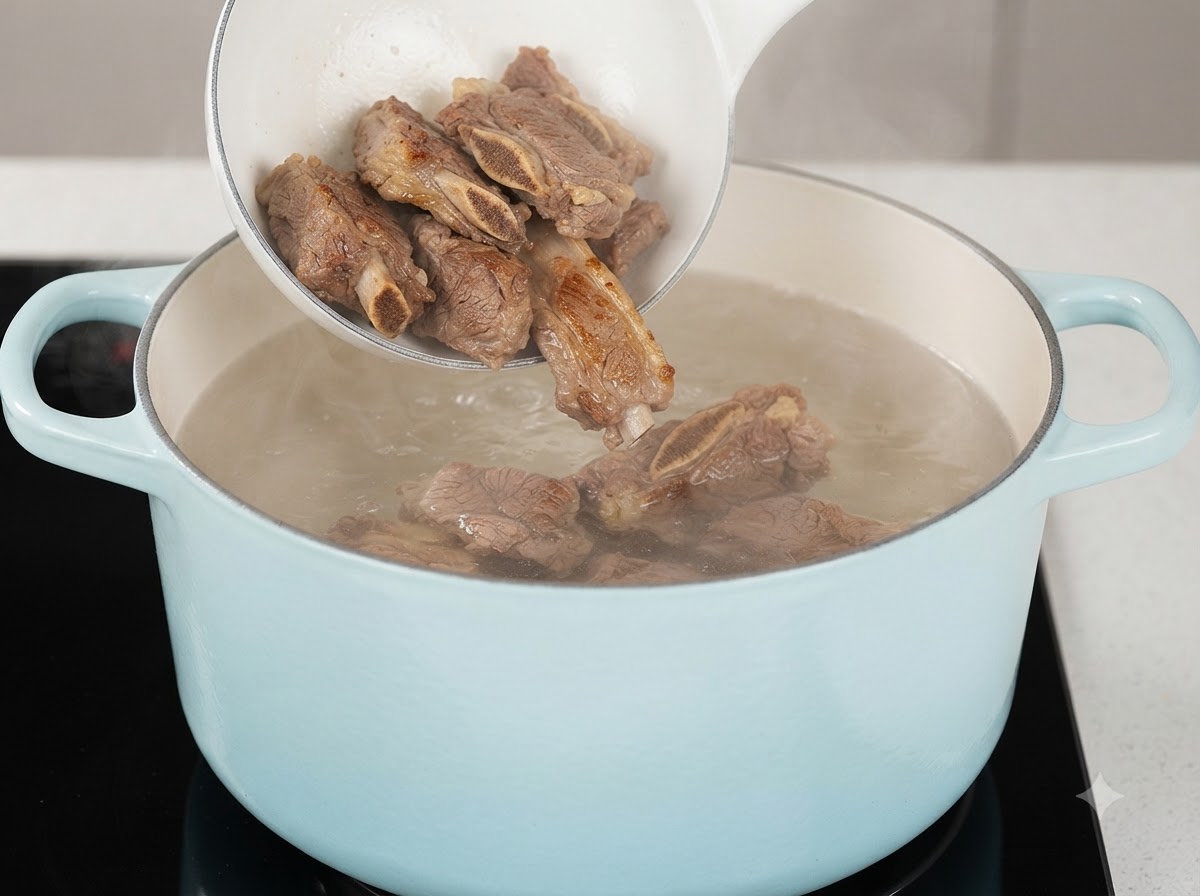
Using a ladle, transfer the cleaned and blanched beef rib pieces directly into a separate pot filled with clear boiling water.
Tip: Moving the meat straight into boiling water locks in the texture and prevents the meat fibers from tightening abruptly. - 7Add aromatics and spices
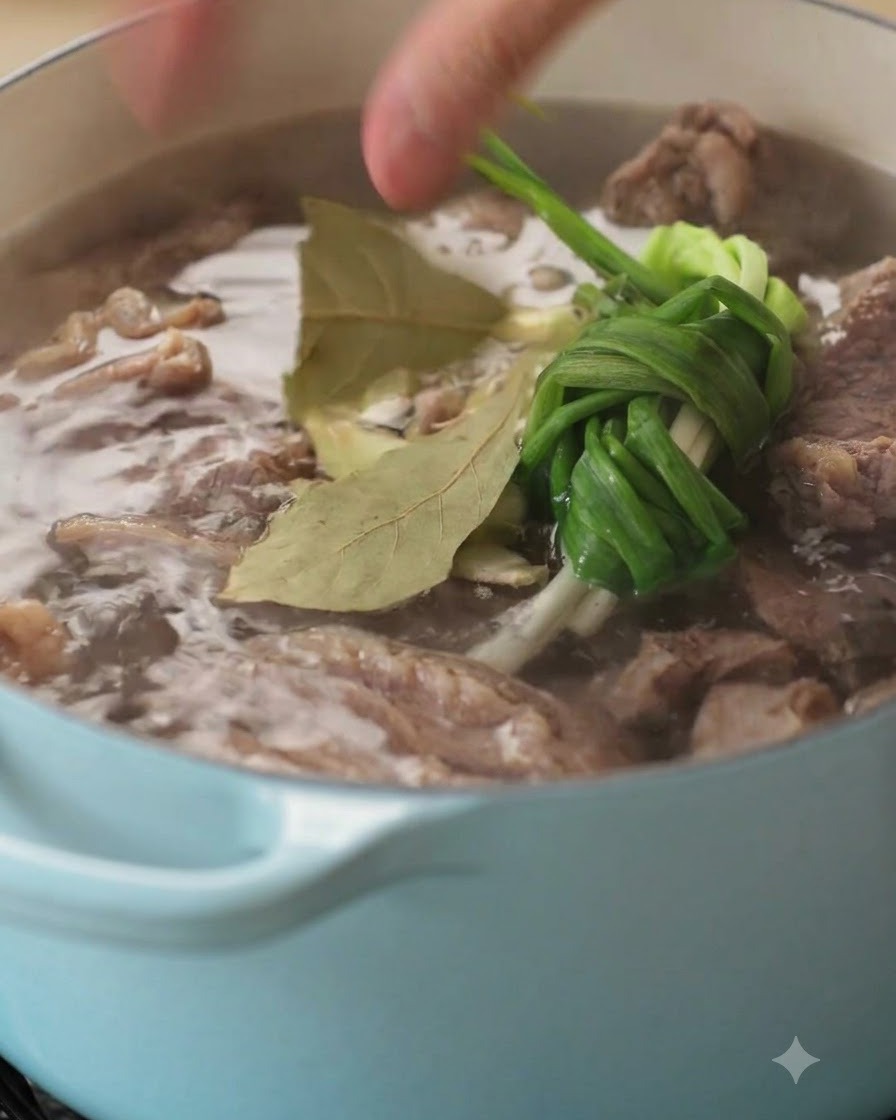
Add tied green onion, ginger slices, bay leaves, star anise, and cinnamon directly into the simmering pot with the beef ribs. A suitable amount of spices builds a complex flavor profile for the broth without making it overly greasy.
Tip: Keep the spices well-measured so they complement rather than overpower the natural flavor of the beef. - 8Pour in cooking wine
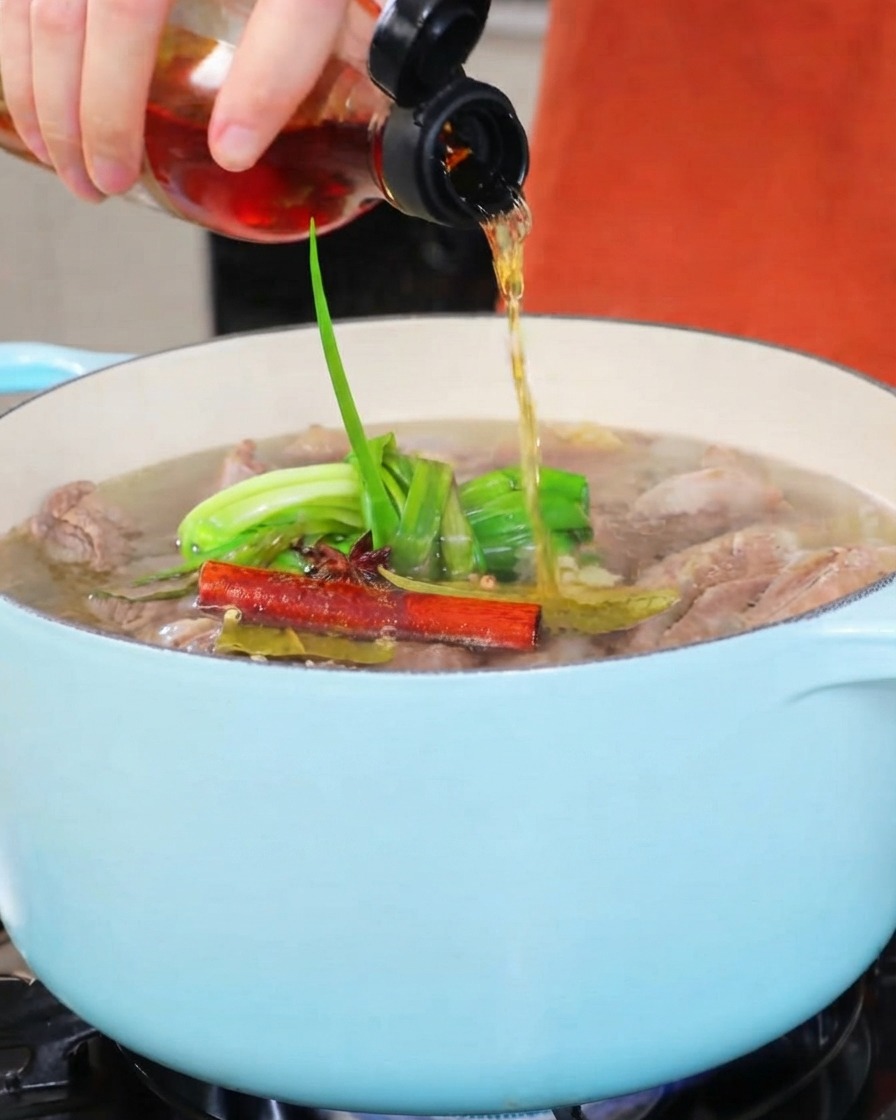
Pour a splash of delicious Huadiao wine into the simmering broth. This acts as a secret weapon to enhance the fragrance and eliminate any remaining gamey odors from the meat.
Tip: Adding the wine directly to the hot broth allows the alcohol to vaporize quickly, leaving behind a rich aroma. - 9Add Whole White Radish
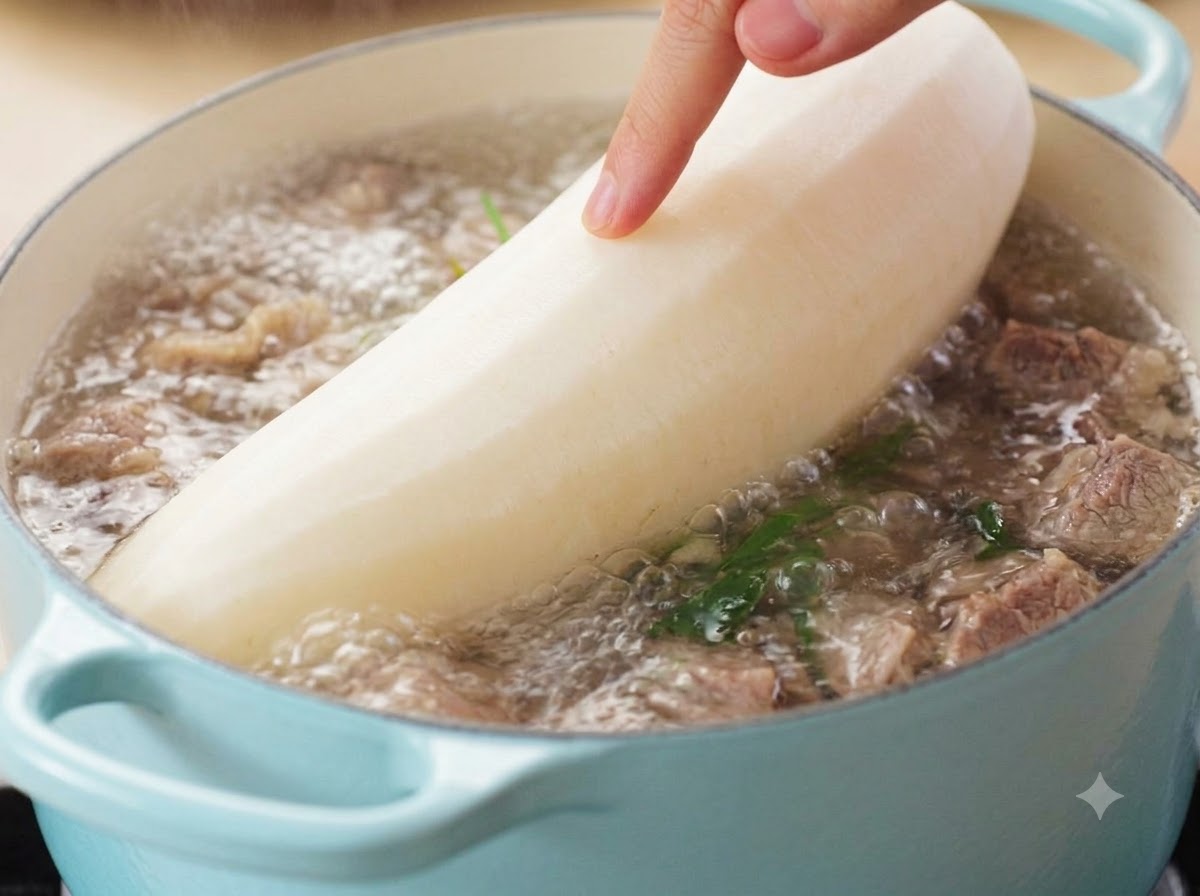
Place a large, whole peeled white radish directly into the simmering pot with the beef ribs and aromatics. The radish absorbs rich flavors and adds a natural sweetness to the clear broth.
Tip: Adding the radish whole keeps its texture intact during long simmering, preventing it from disintegrating into the broth. - 10Cover and Simmer
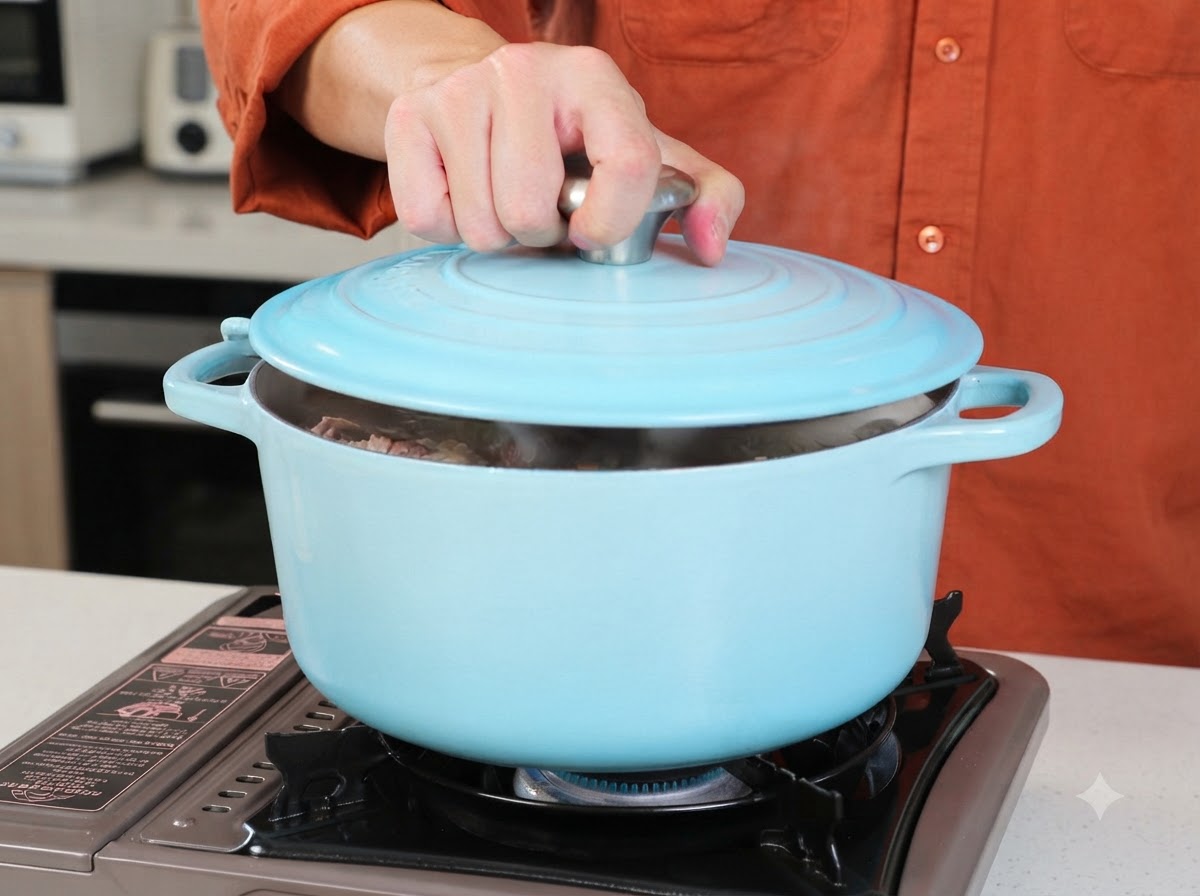
Cover the pot securely with its blue lid and let the beef ribs and white radish simmer on medium-low heat for an hour to tenderize the meat fully.
Tip: Ensure the heat is kept at a medium-low level so the broth stays clear rather than turning cloudy from a heavy boil. - 11Prepare calamansi dipping sauce
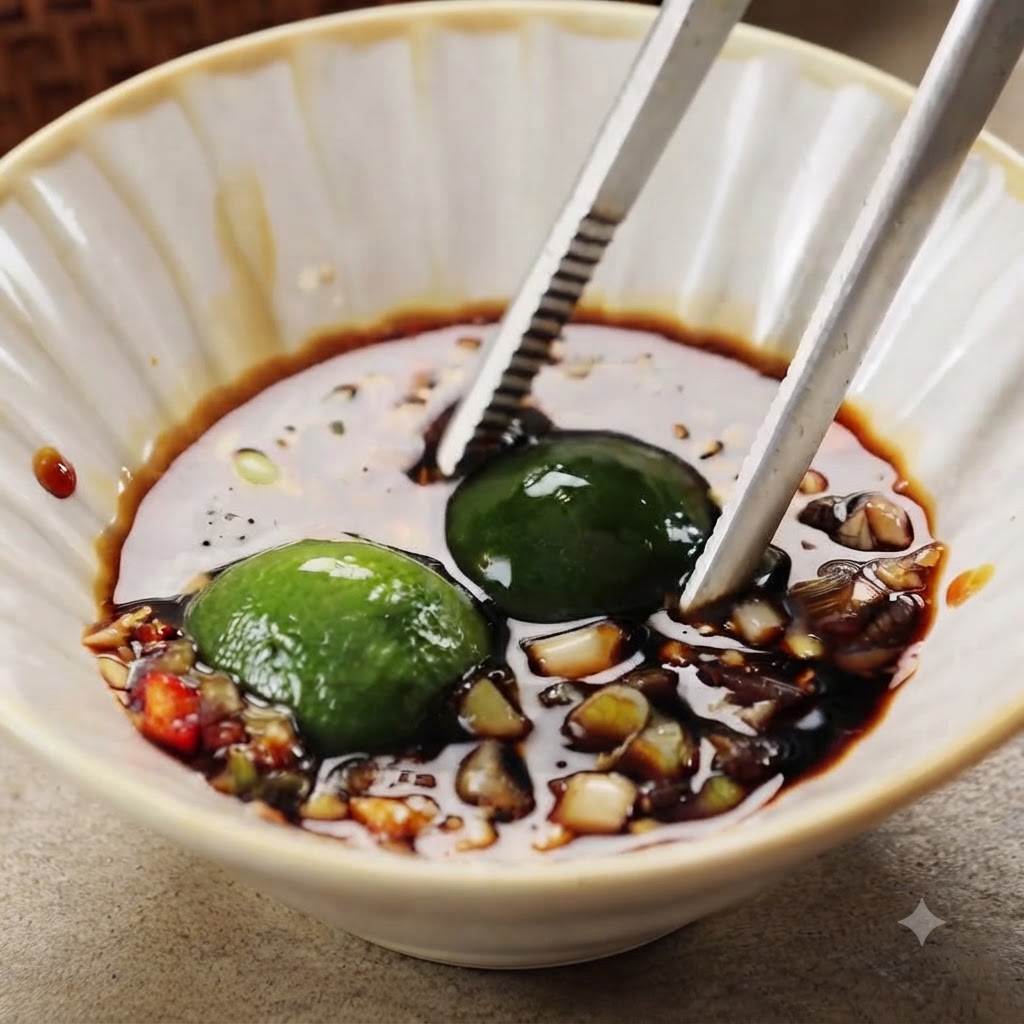
Squeeze fresh small calamansi lime juice into a bowl filled with soy sauce, minced garlic, and chopped chili. This tangy dipping sauce pairs wonderfully with the clear-stewed beef.
Tip: Small calamansi limes offer a unique citrus brightness that standard limes cannot replicate. - 12Mix alternative sesame dipping sauce
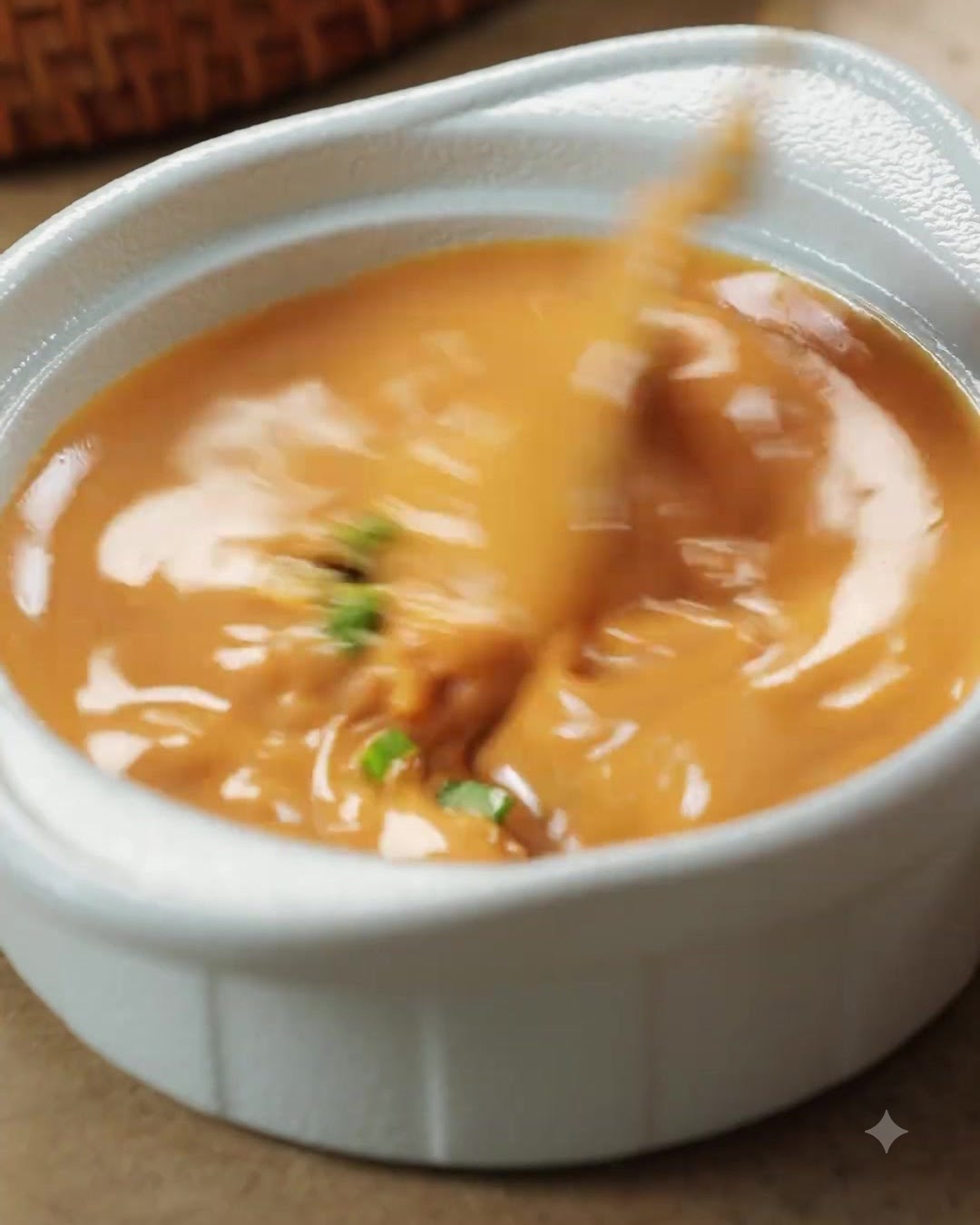
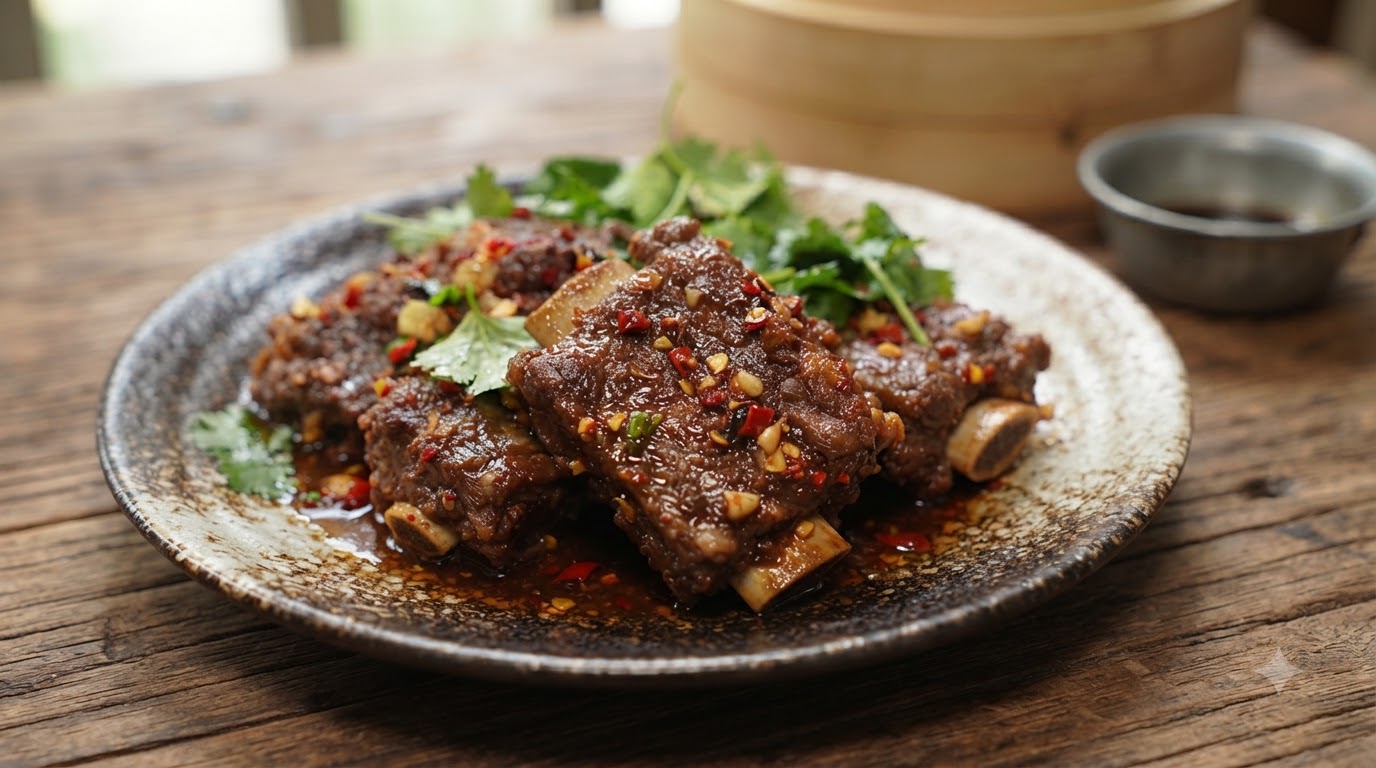
Stir together a classic sesame sauce using peanut, garlic, chili oil, oyster sauce, and a generous amount of sesame paste. Mix thoroughly until smooth and well combined.
Tip: Ensure the sesame paste is thoroughly incorporated with the oil and sauces for a rich, creamy consistency. - 13Remove Radish and Aromatics
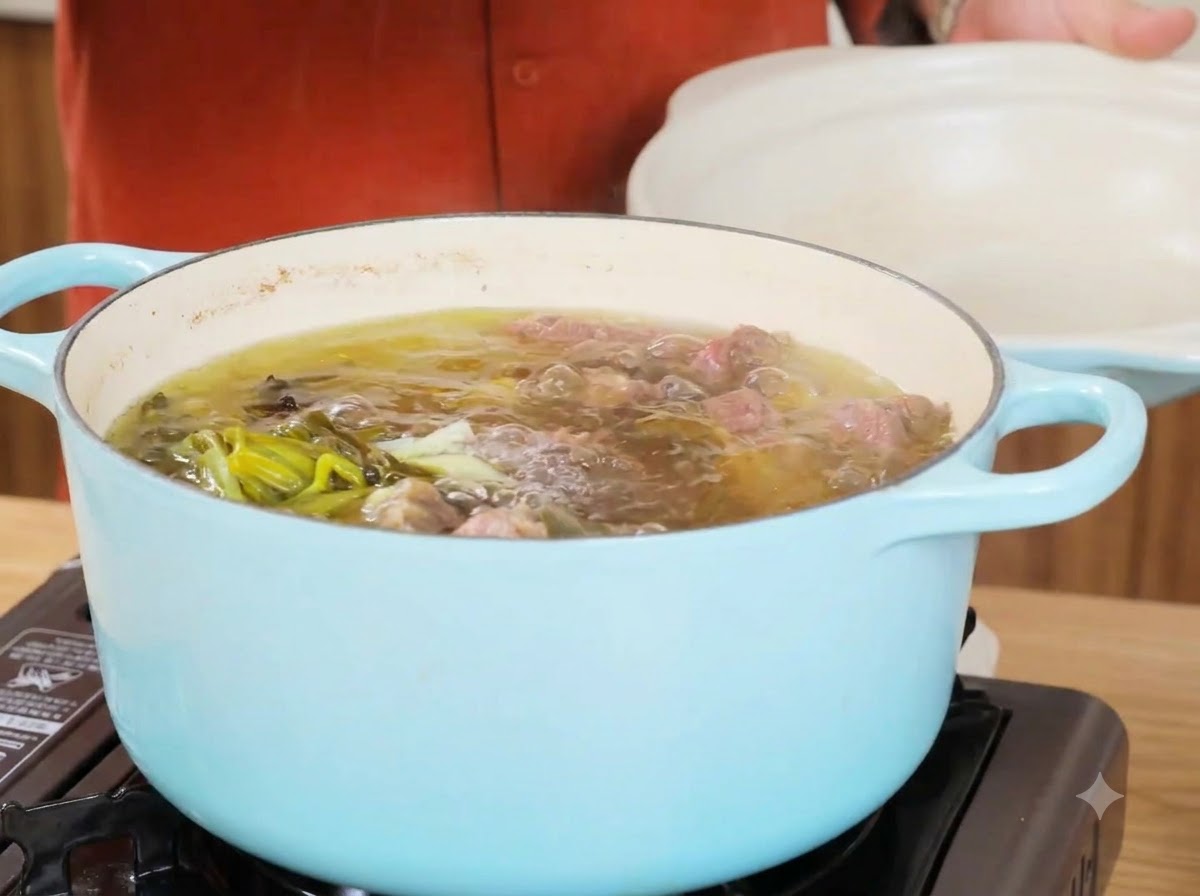
Once the cooking time is complete, uncover the pot and use tongs or a slotted spoon to remove the cooked whole white radish and spent aromatics from the clear beef broth.
Tip: Removing the old aromatics keeps the remaining broth clean and ready for final presentation. - 14Slice Radish in Serving Pot
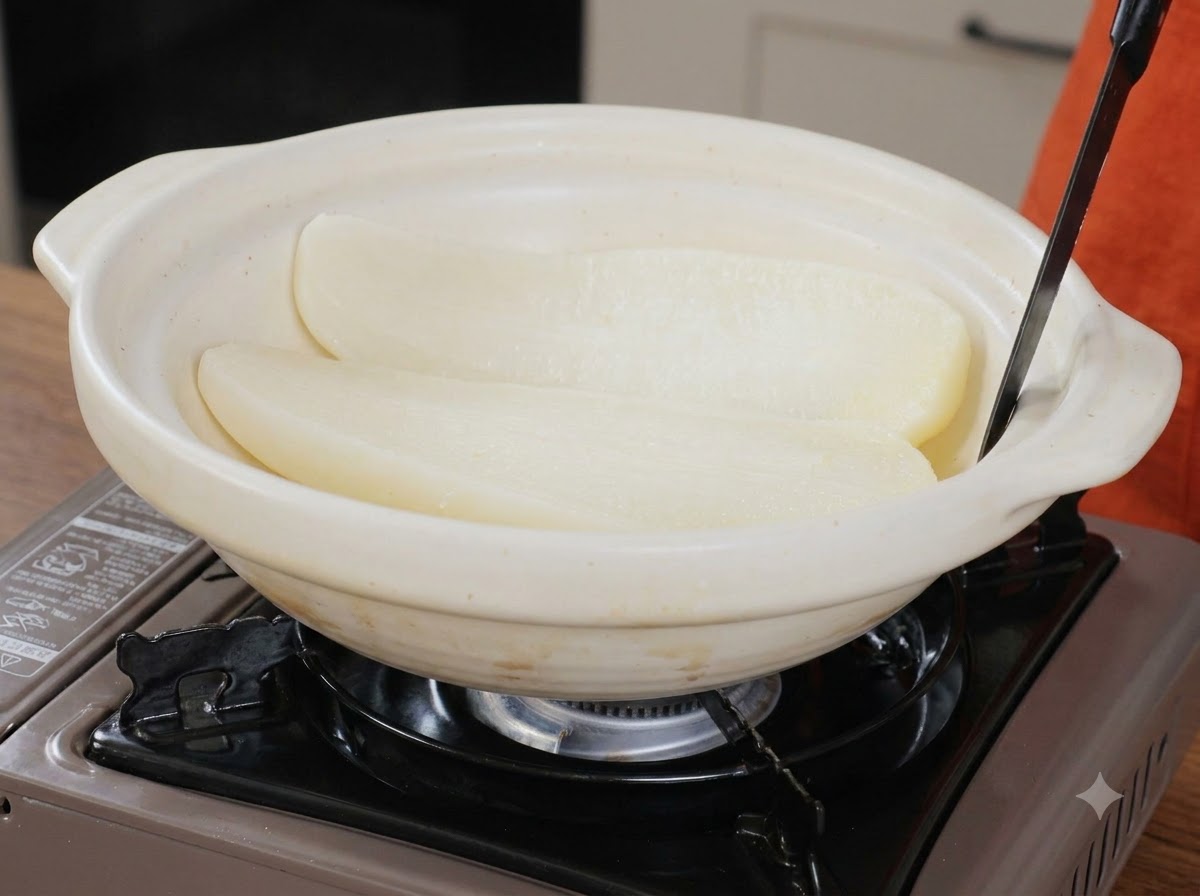
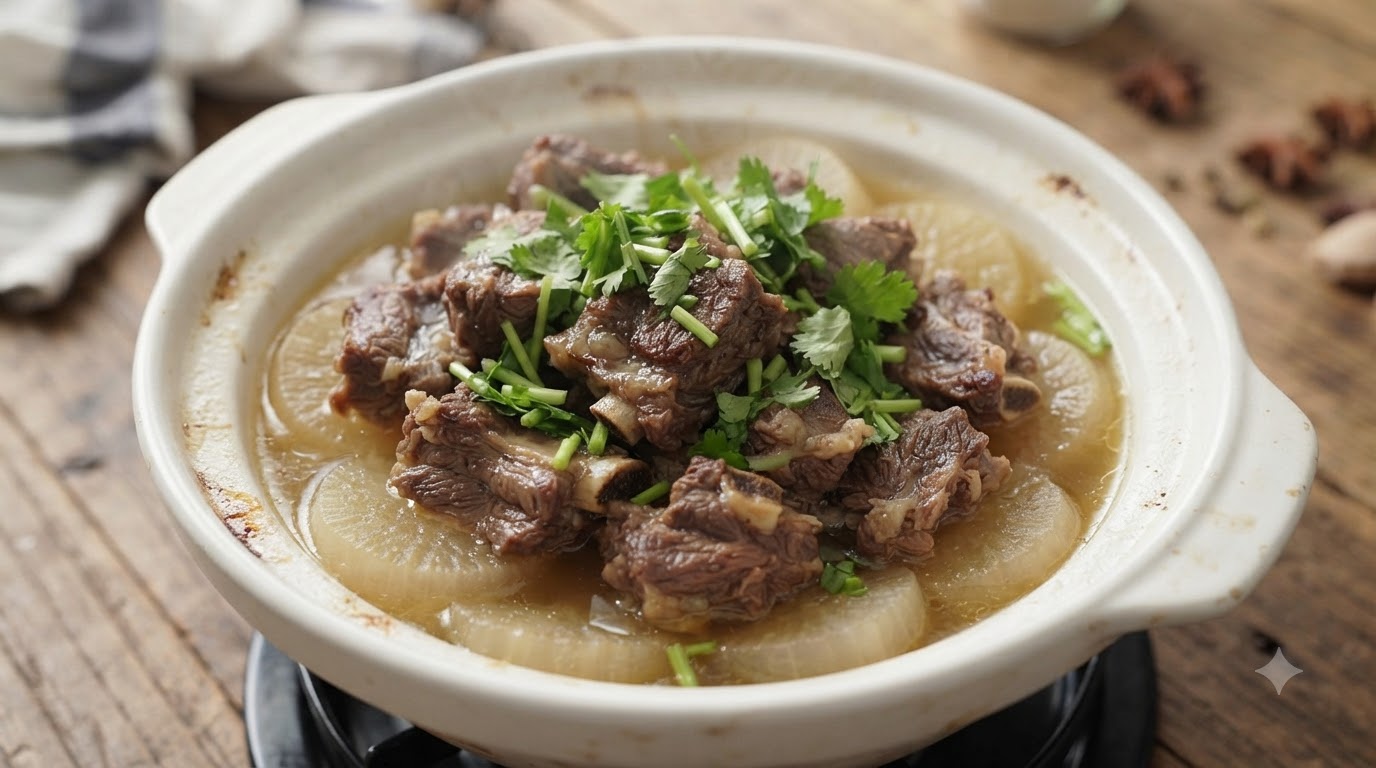
Take the cooked white radish and slice it into thick half-moon pieces directly inside the base of a white ceramic serving pot.
Tip: Lining the bottom of the serving dish with the radish creates a flavorful foundation for the tender beef ribs. - 15Layer Beef Ribs
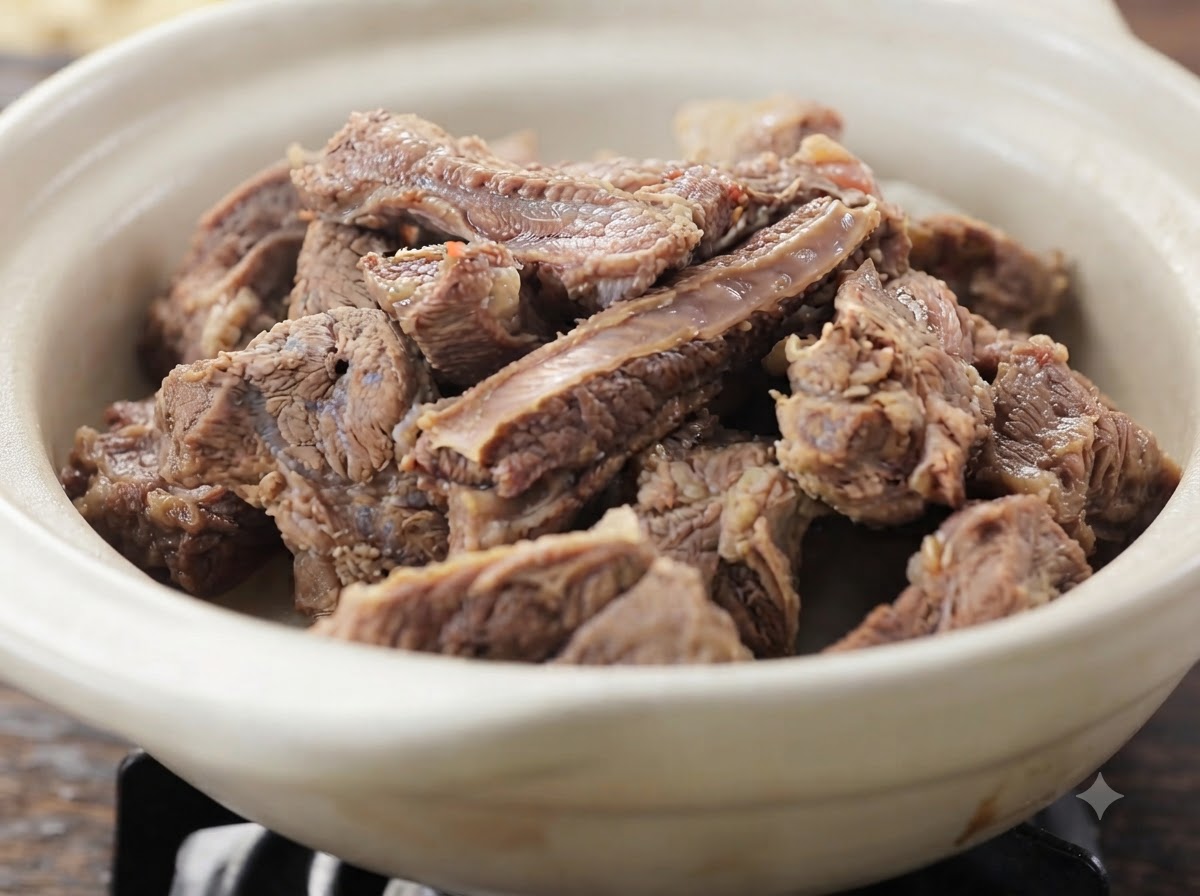
Carefully layer the tender cooked chunks of beef ribs directly over the bed of sliced white radish inside the serving pot.
Tip: Arrange the ribs evenly so they absorb the warmth and complement the radish underneath. - 16Season with Salt
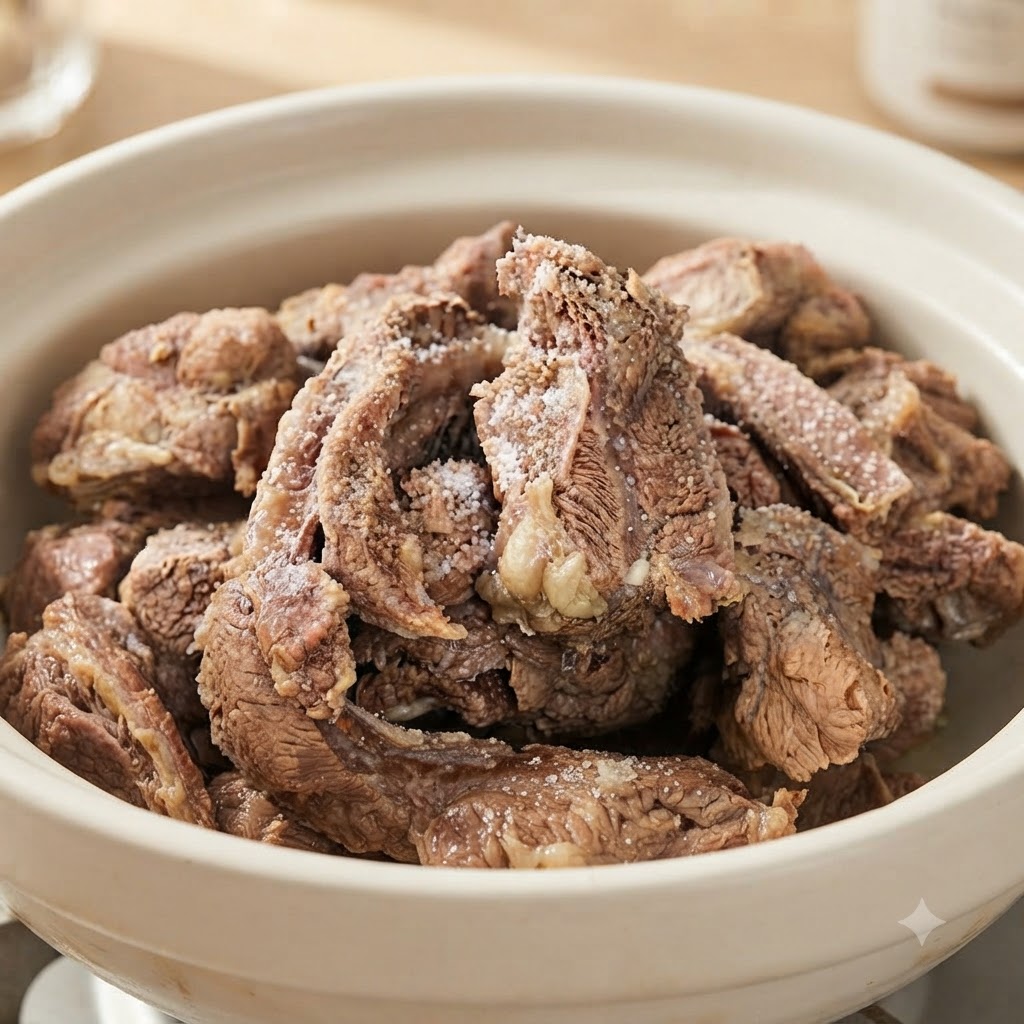
Sprinkle a pinch of white salt evenly over the cooked beef ribs in the pot to enhance their savory flavor profile just before serving.
Tip: Seasoning at the very end ensures the meat stays tender and allows diners to adjust saltiness to taste.