Classic Japanese Beef Bowl (Gyudon)
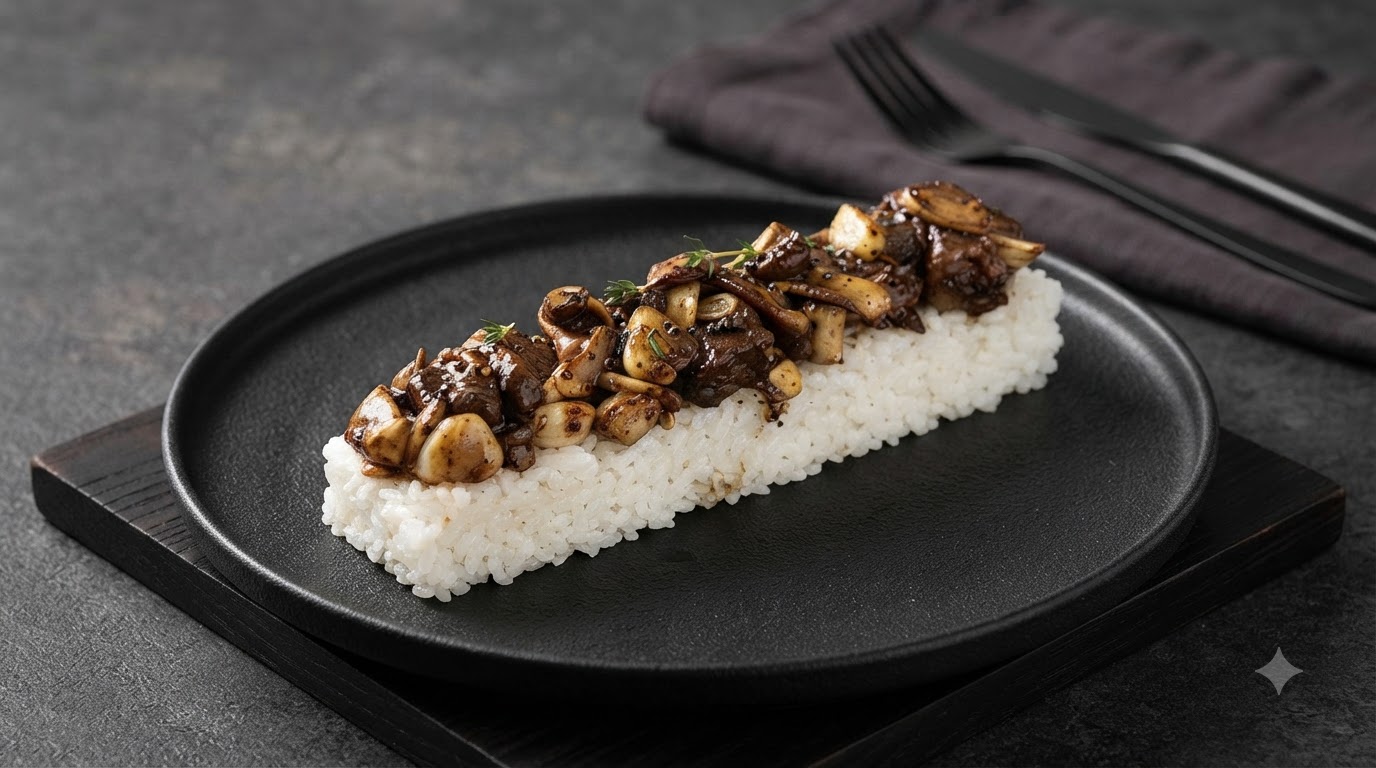
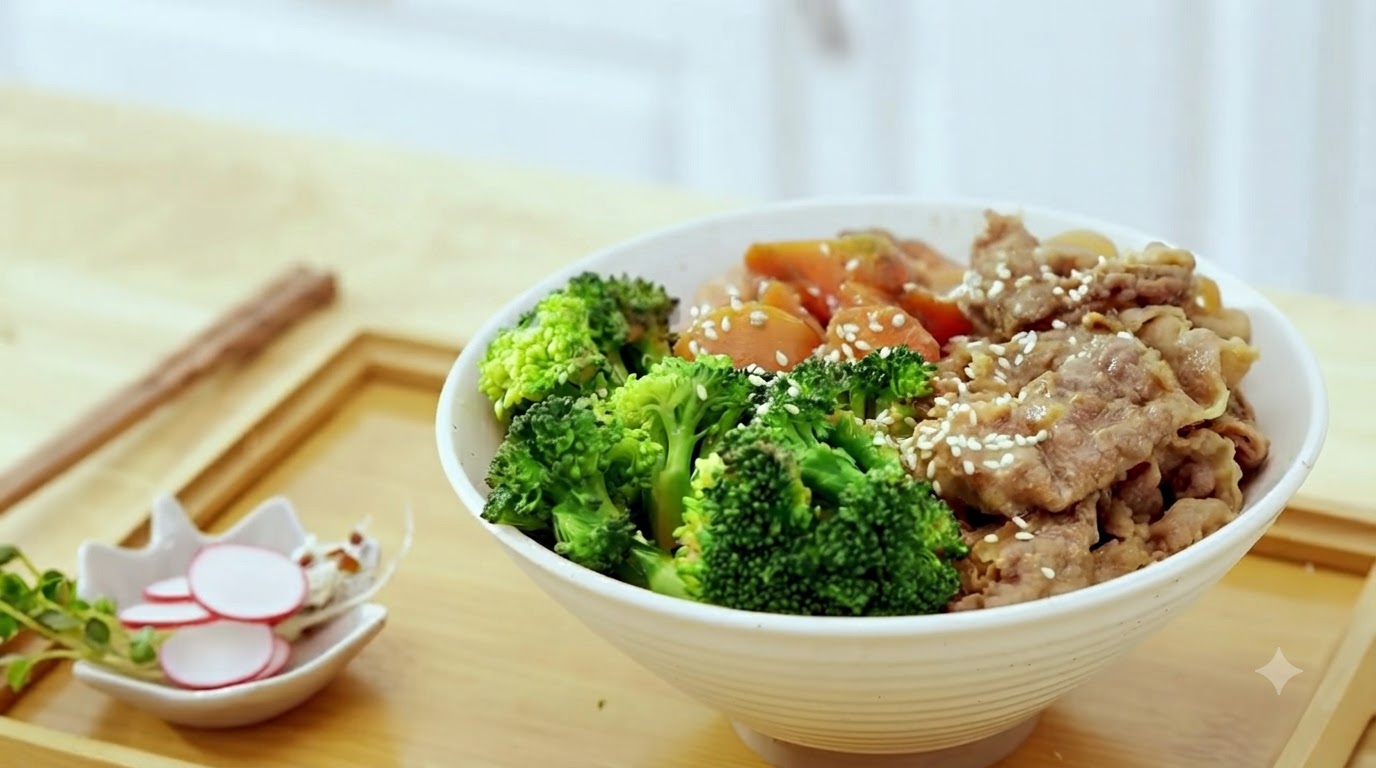
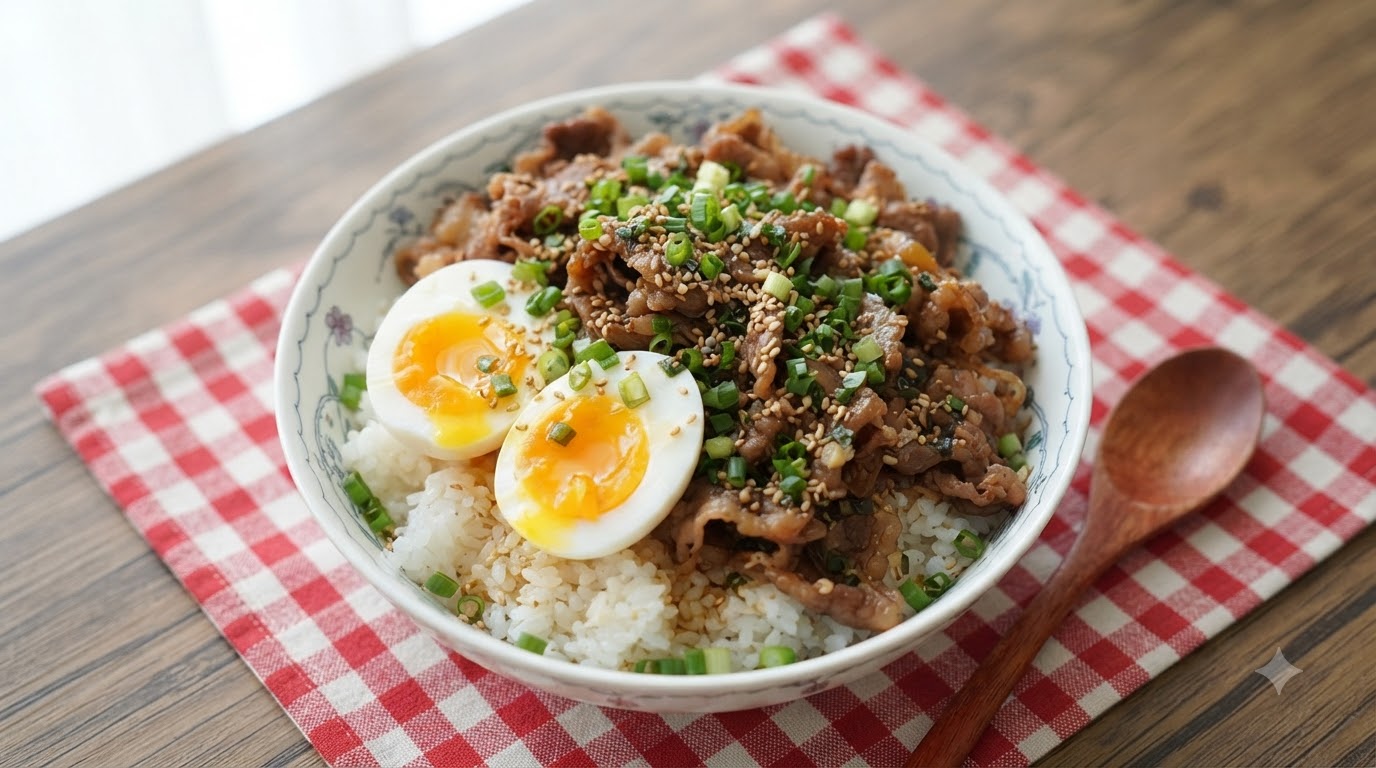
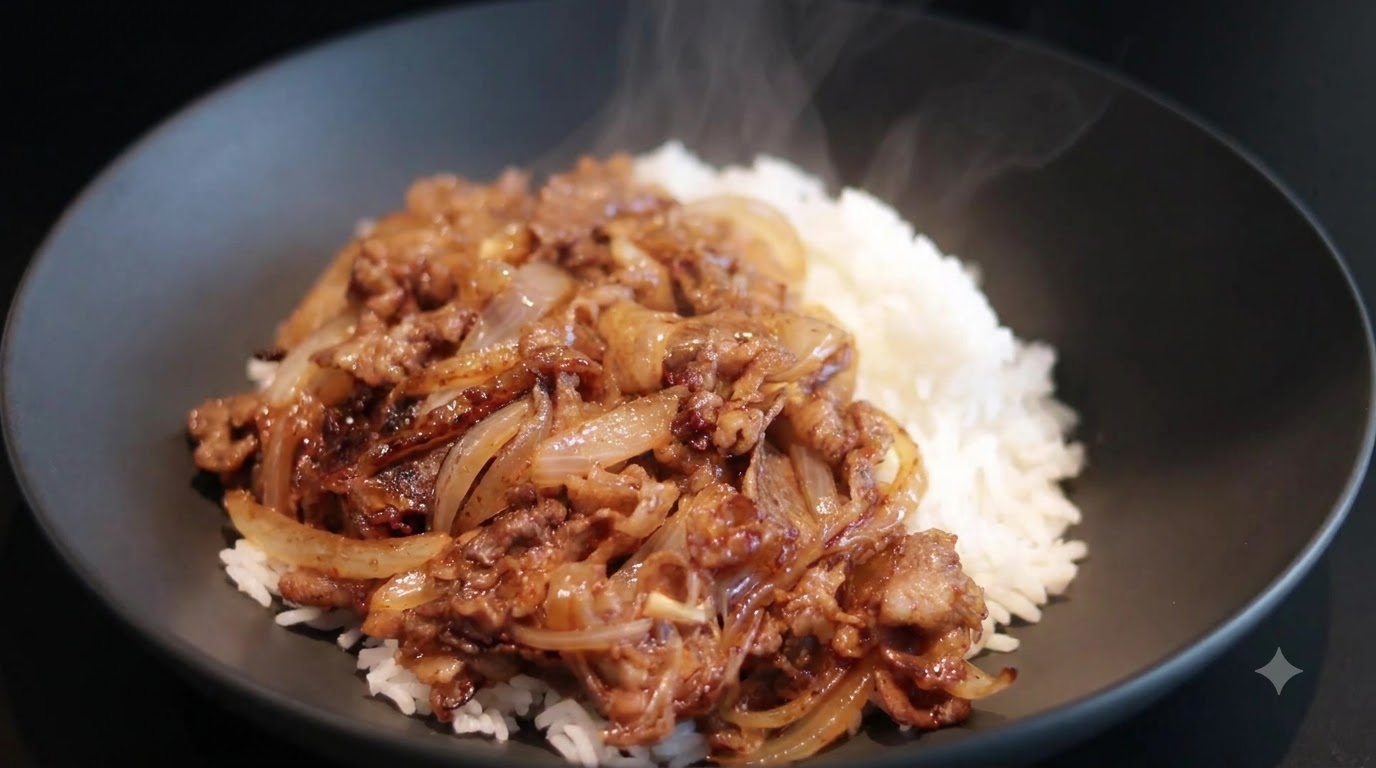
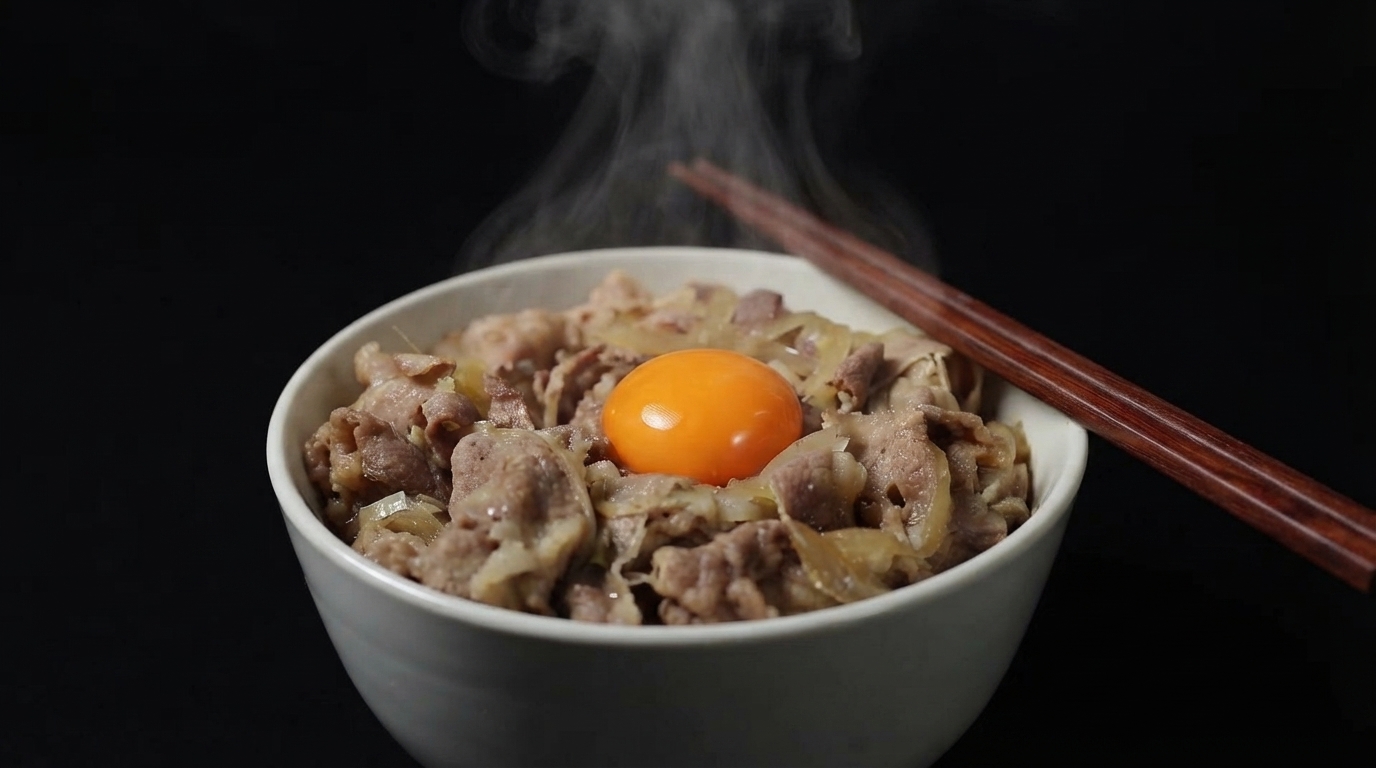
This comforting Japanese Gyudon features thinly sliced beef and sweet onions simmered in a savory soy-based sauce. Served over hot rice and topped with a glossy raw egg yolk, it is a deeply satisfying meal.
Gyudon is a beloved staple of Japanese comfort food, perfectly balancing sweet and savory flavors. While traditional recipes use sake and mirin, this accessible version adapts beautifully with white wine and standard cooking wine. The secret lies in cooking the sauce down until it perfectly melds the tender beef and onions, creating a rich topping that deeply flavors the rice below.
Ingredients
- 1/2 white onion
- 1 piece fresh ginger
- 1 tbsp white sugar
- 2 tbsp cooking wine
- 2 tbsp white wine
- 2 tbsp soy sauce
- 1 kelp knot
- 300 ml water
- 250 g thinly sliced beef
- 2 servings cooked white rice
- 2 raw egg yolks (pasteurized)
Instructions
- 1Cut the White Onion
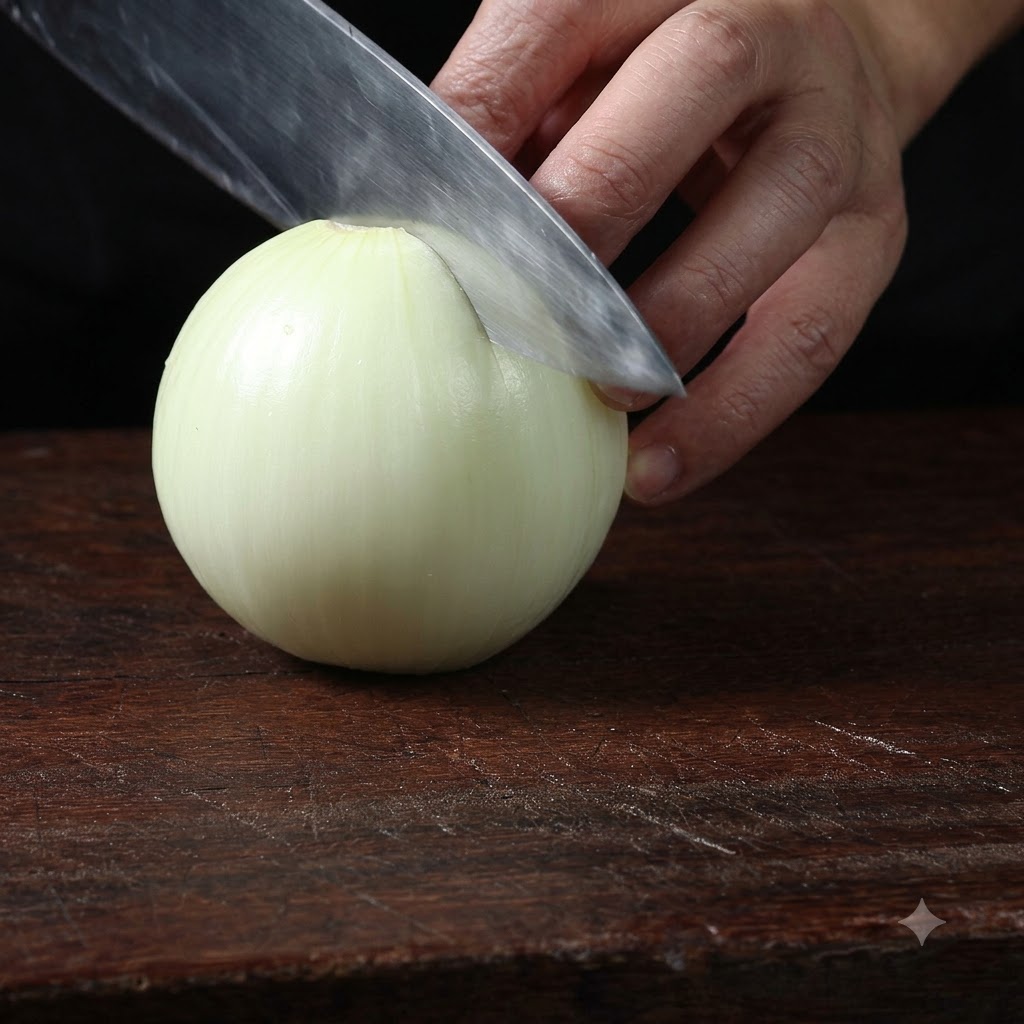
Take a fresh white onion and place it on a wooden cutting board. Using a sharp chefs knife, carefully slice the onion into thin strips.
Tip: Slice along the grain to help the onion retain its shape while simmering. - 2Mince the Ginger
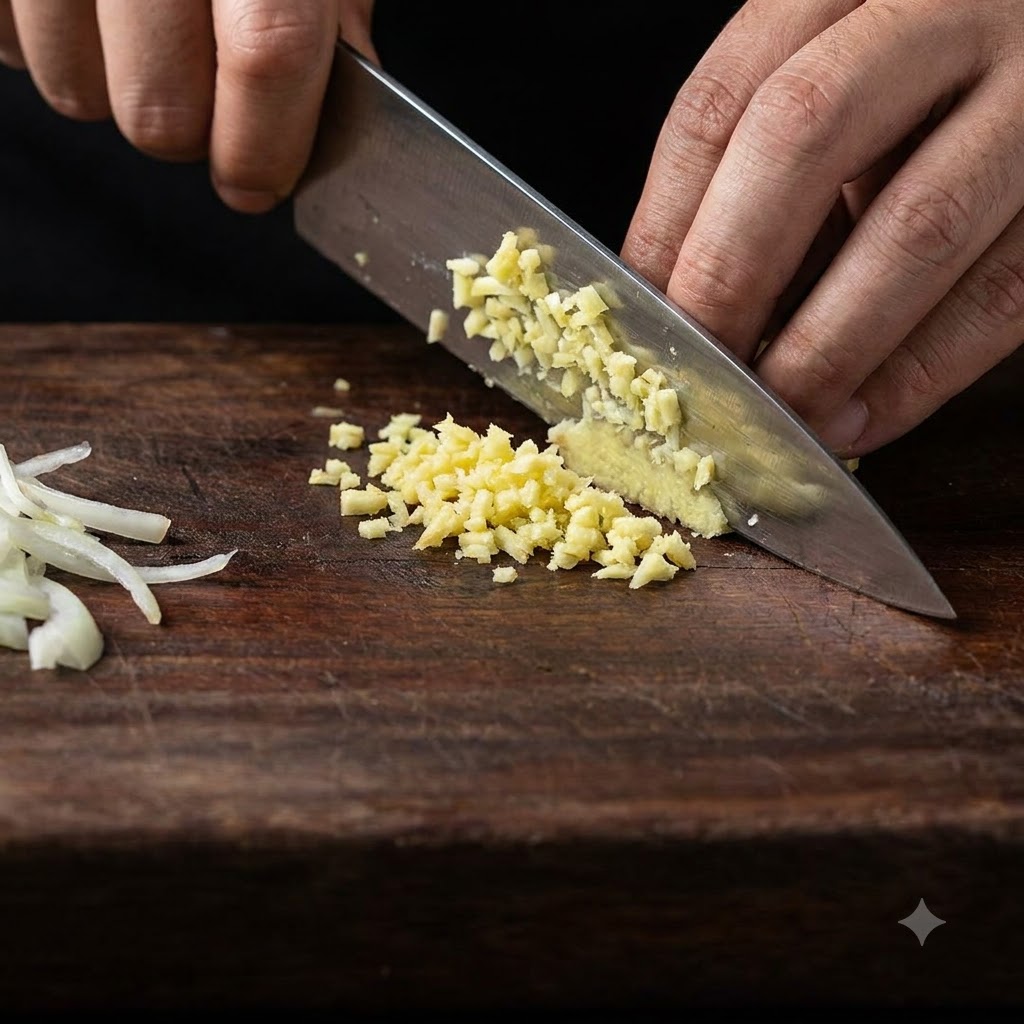
Take a piece of ginger and finely mince it into small pieces on the wooden cutting board.
Tip: Mincing the ginger finely ensures the flavor disperses evenly throughout the broth. - 3Transfer Onions to Pot
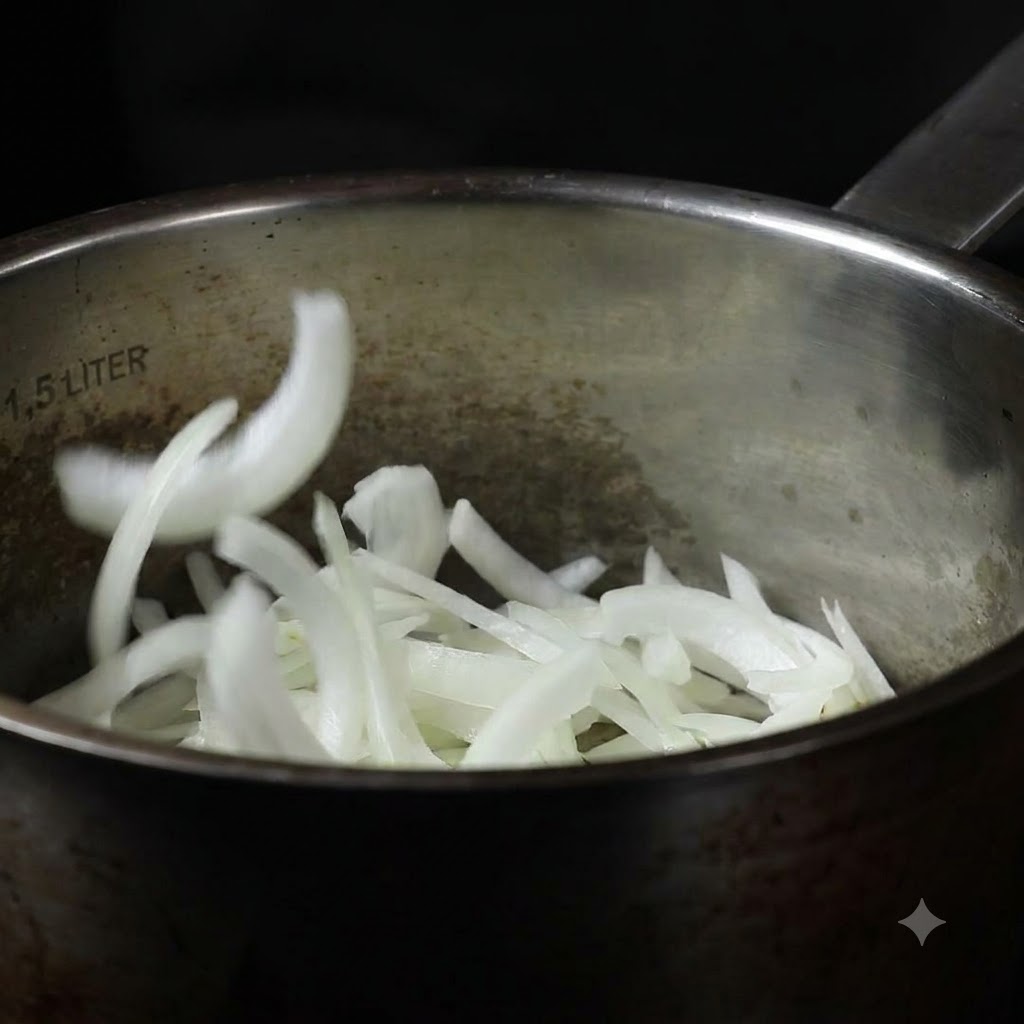
Gather the thinly sliced white onions and place them directly into a stainless steel cooking pot.
Tip: Spread the onions evenly across the bottom of the pot to build an aromatic base. - 4Add Seasonings
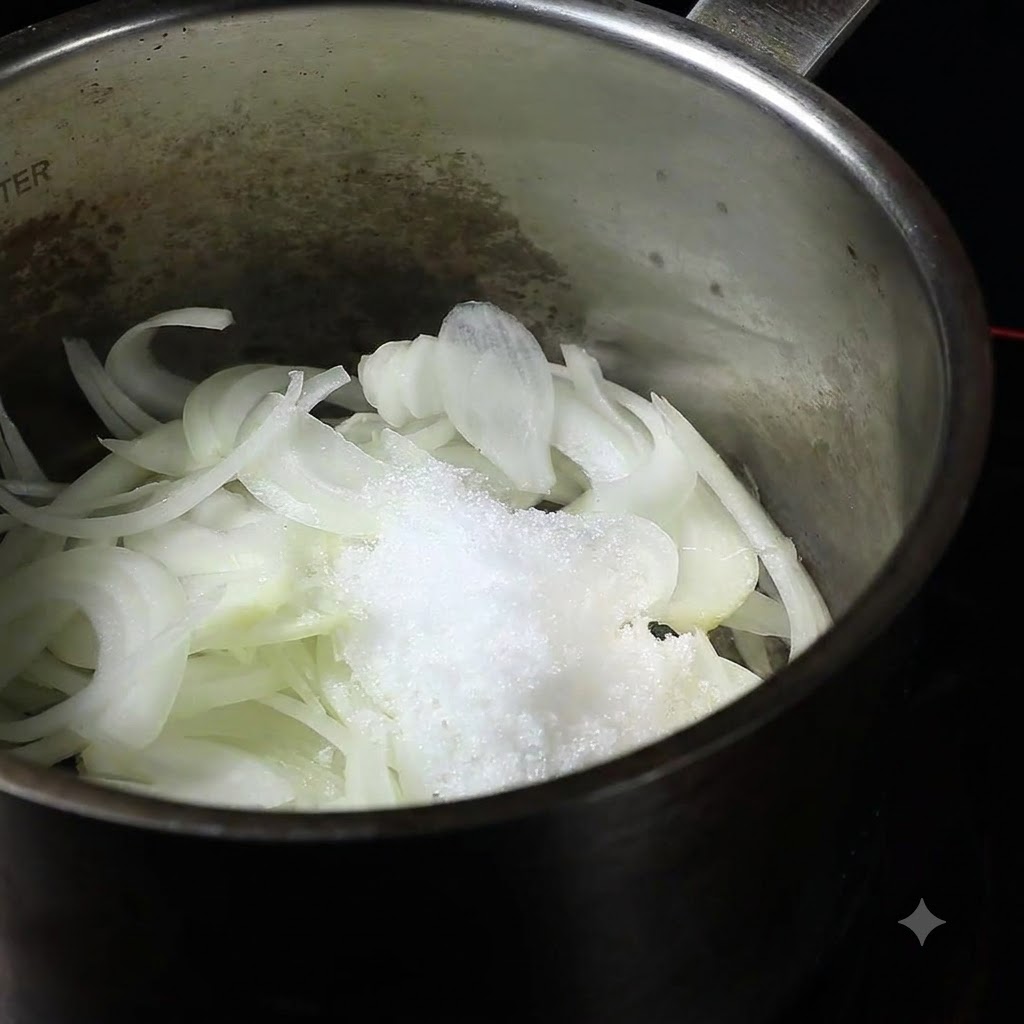
Add the white sugar, cooking wine, soy sauce, and white wine directly over the sliced onions inside the cooking pot.
Tip: Add the sugar directly over the onions to help draw out their moisture. - 5Pour Water and Add Kelp
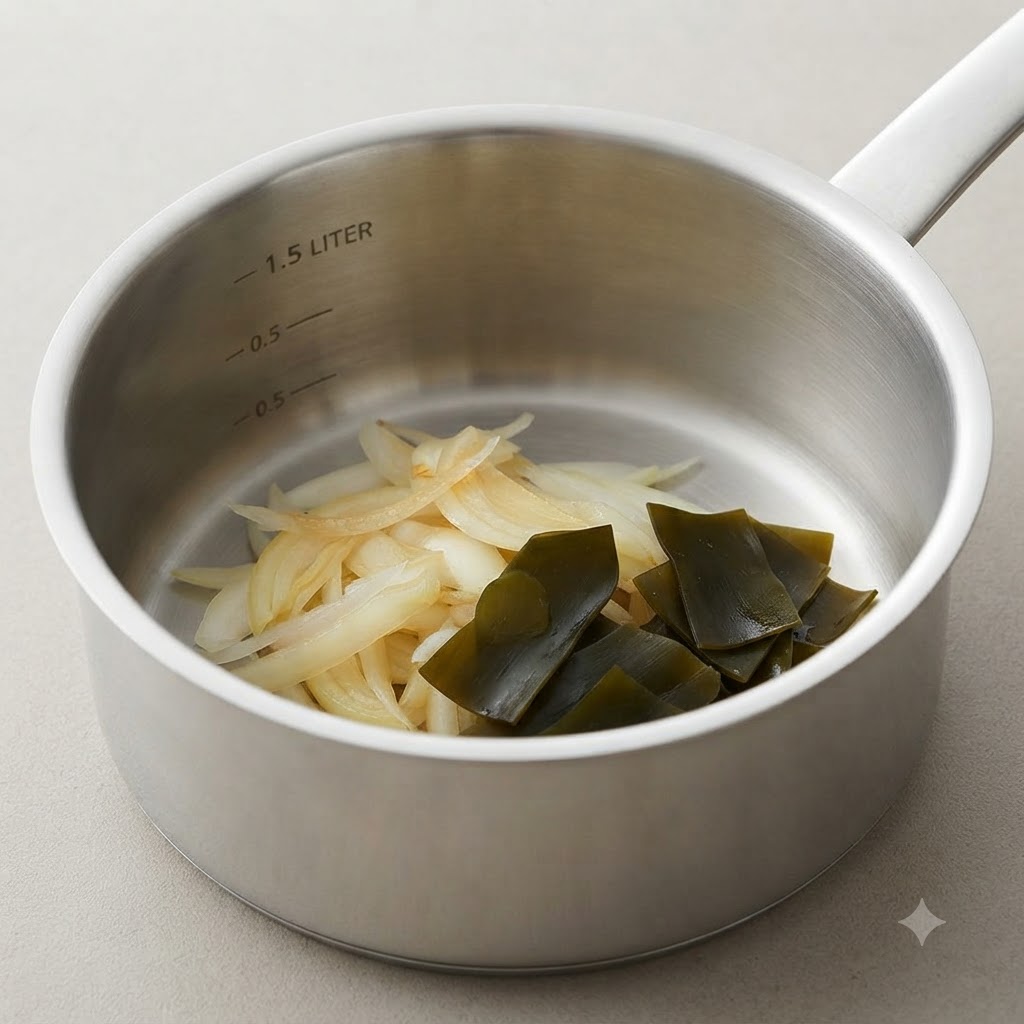
Add a kelp knot to the pot and pour in 300ml of water to create the simmering liquid base.
Tip: Ensure the water level is measured accurately for optimal flavor balance. - 6Add Beef Slices
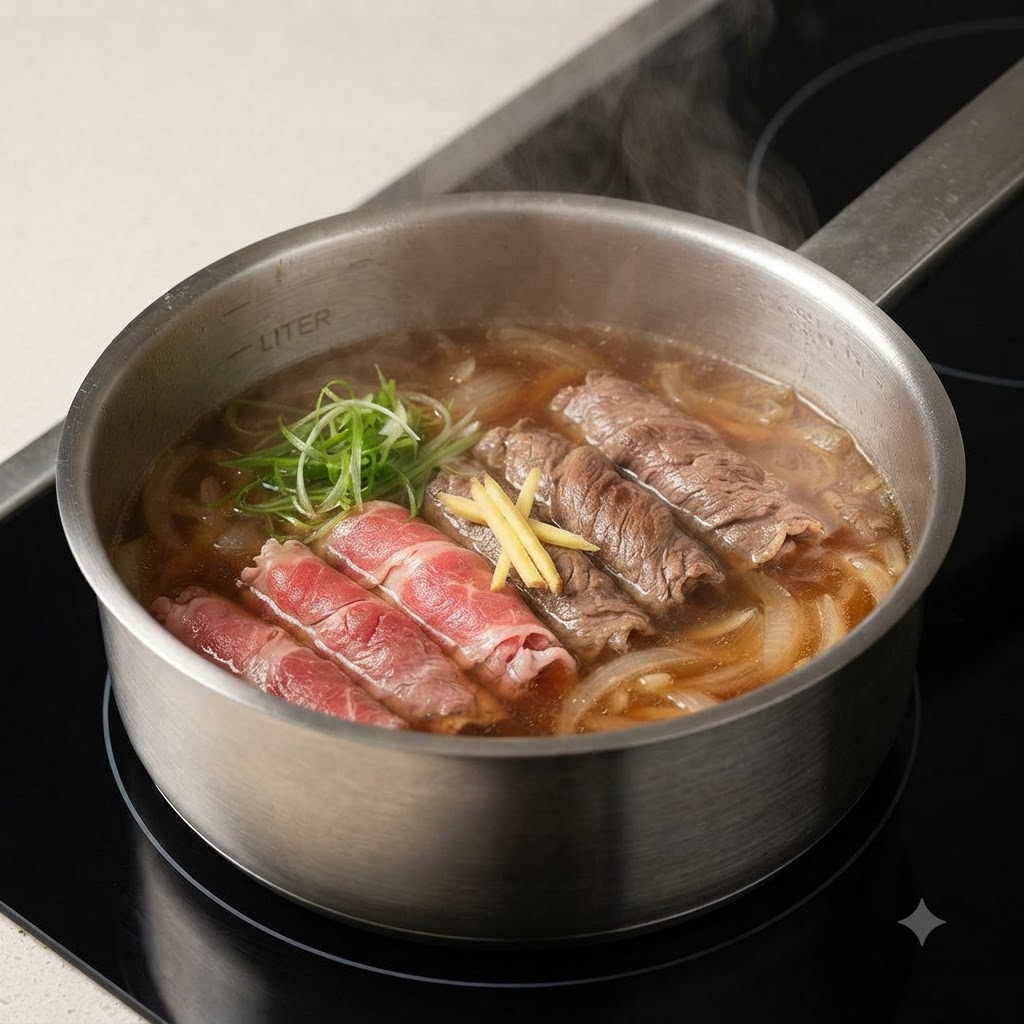
Once the liquid in the pot comes to a gently rolling simmer and the onions are soft (about 10 minutes), add the raw beef slices to begin cooking them in the flavorful broth.
Tip: Simmer gently over medium heat to cook the beef evenly without toughening it. - 7Add Minced Ginger
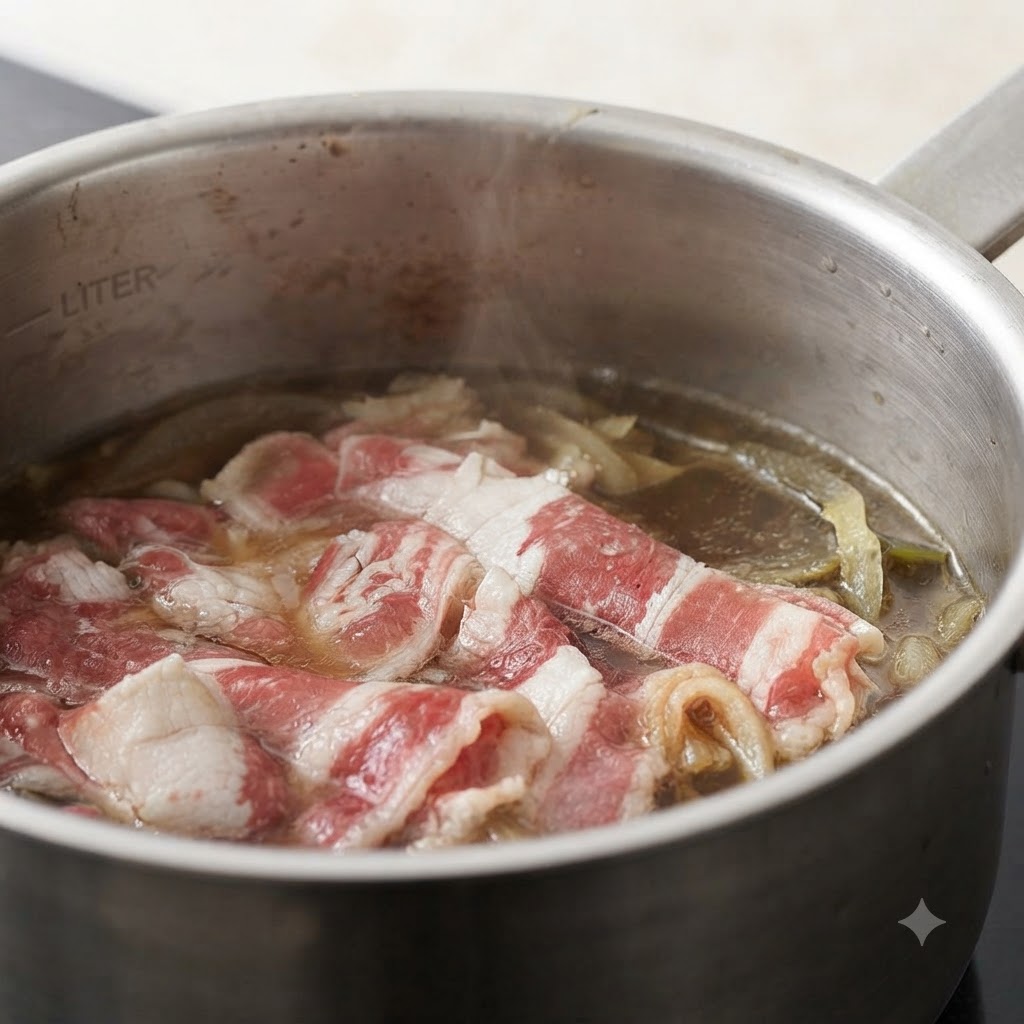
Stir the finely minced ginger into the pot. Simmer the beef and onions together over medium heat for another 10 minutes to ensure the sauce perfectly melds with the meat.
Tip: Make sure to cook the beef and onions long enough so the flavors fully meld with the broth. - 8Serve Over White Rice
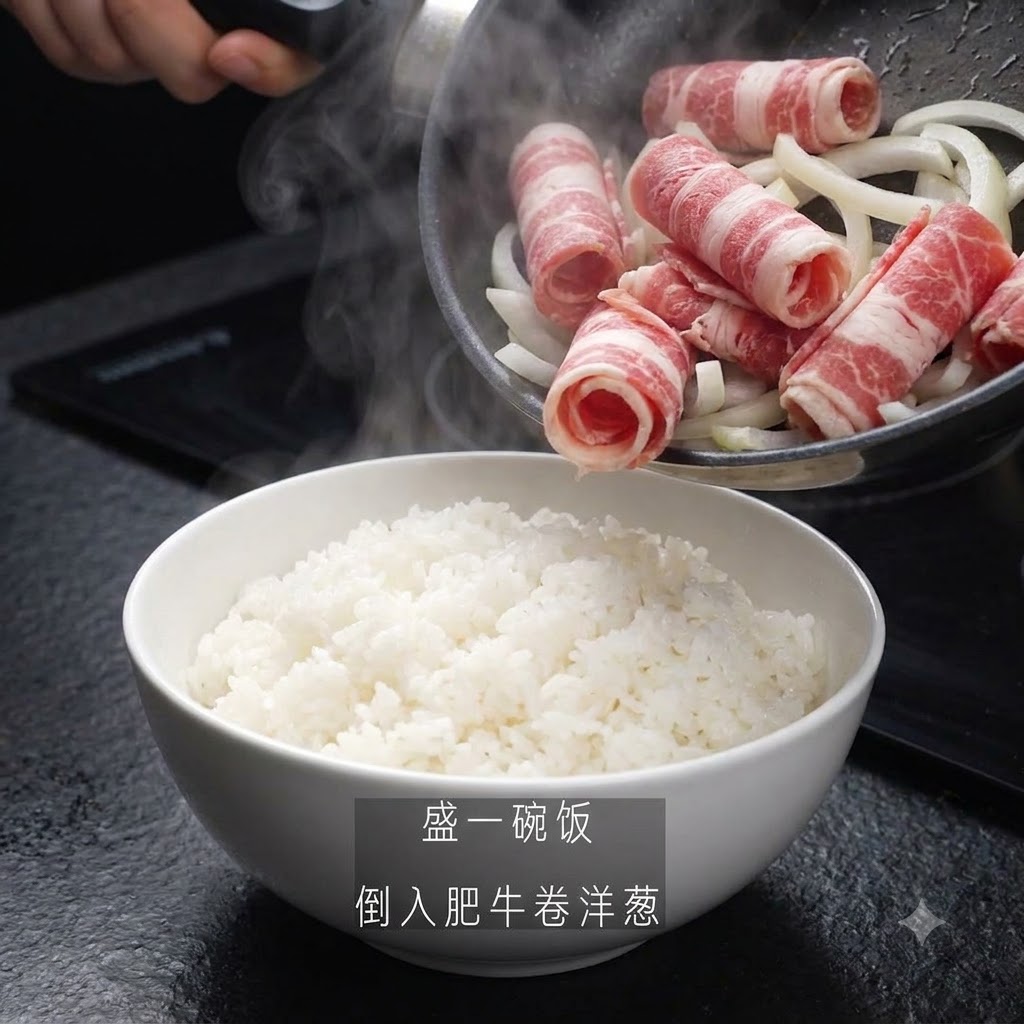
Prepare a bowl of freshly cooked white rice, then pour the cooked beef and onion mixture directly on top. Spoon over some of the savory sauce and finish with a raw egg yolk before serving.
Tip: Ensure the sauce is rich and thoroughly cooked so that both the rice and meat are fully infused with flavor.