Kimchi Fatty Beef Rice Bowl (Kimchi Deopbap)
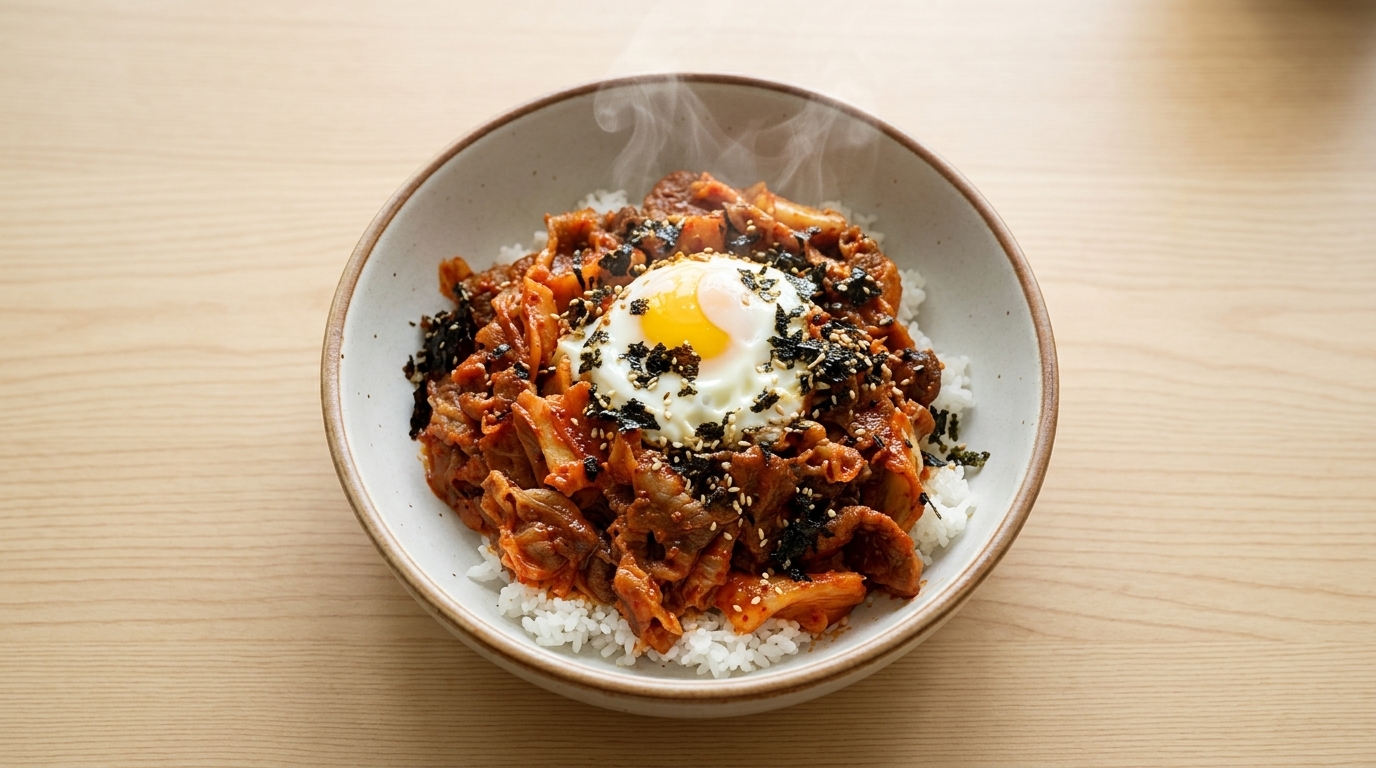
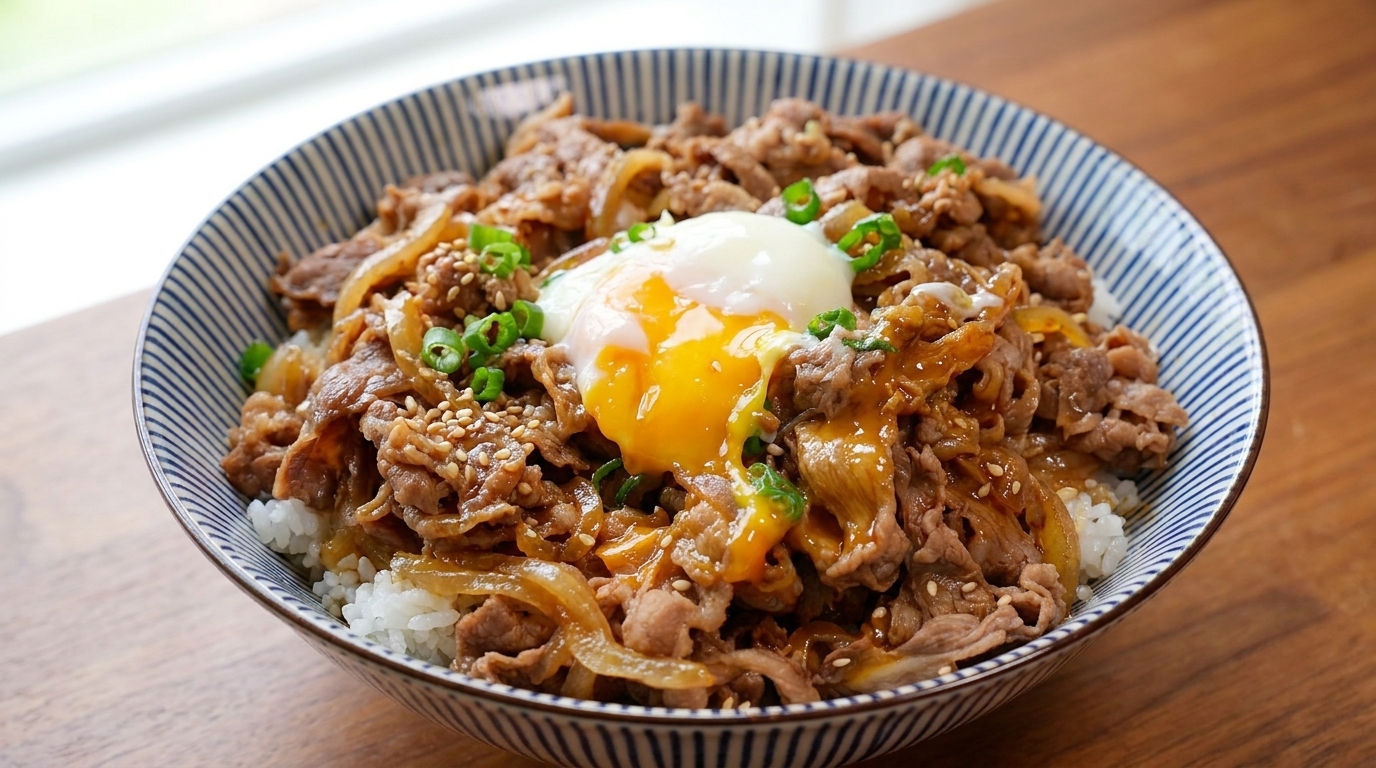
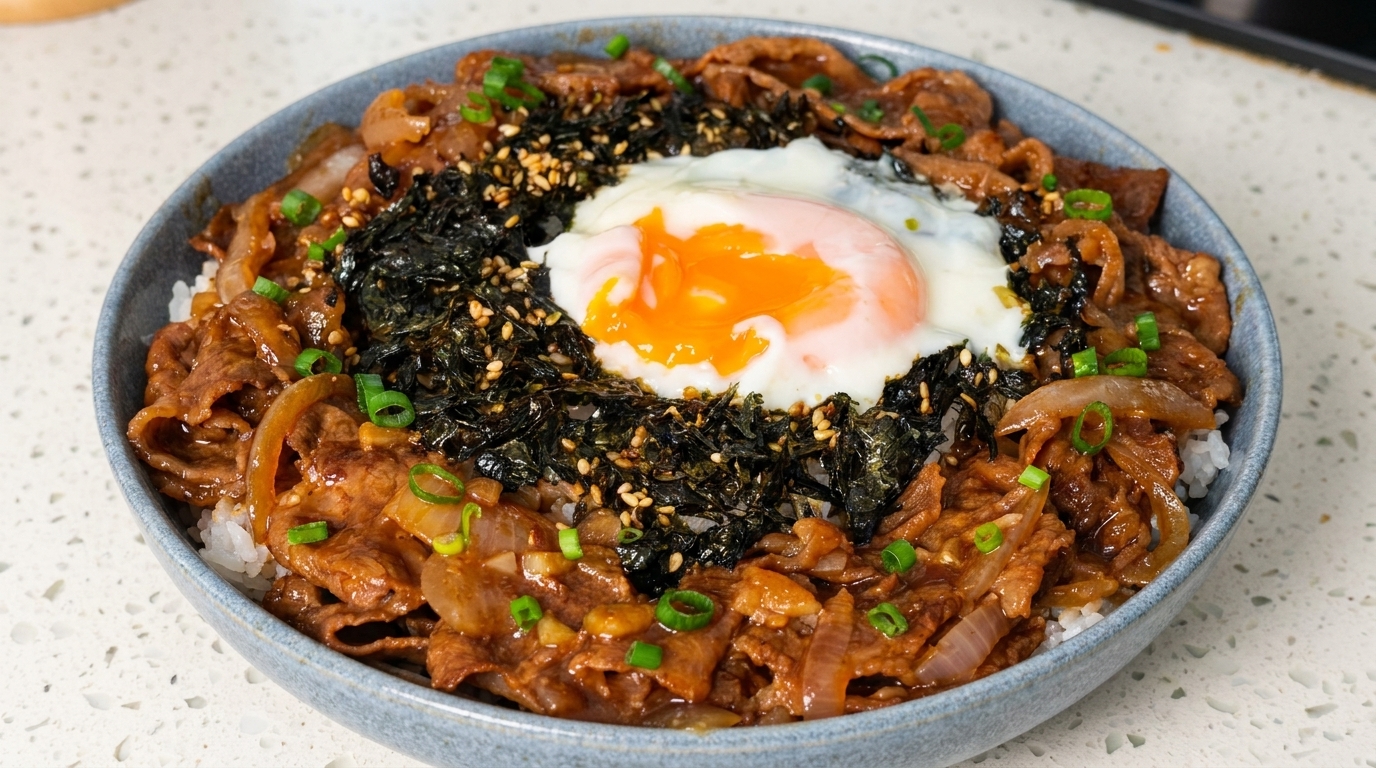
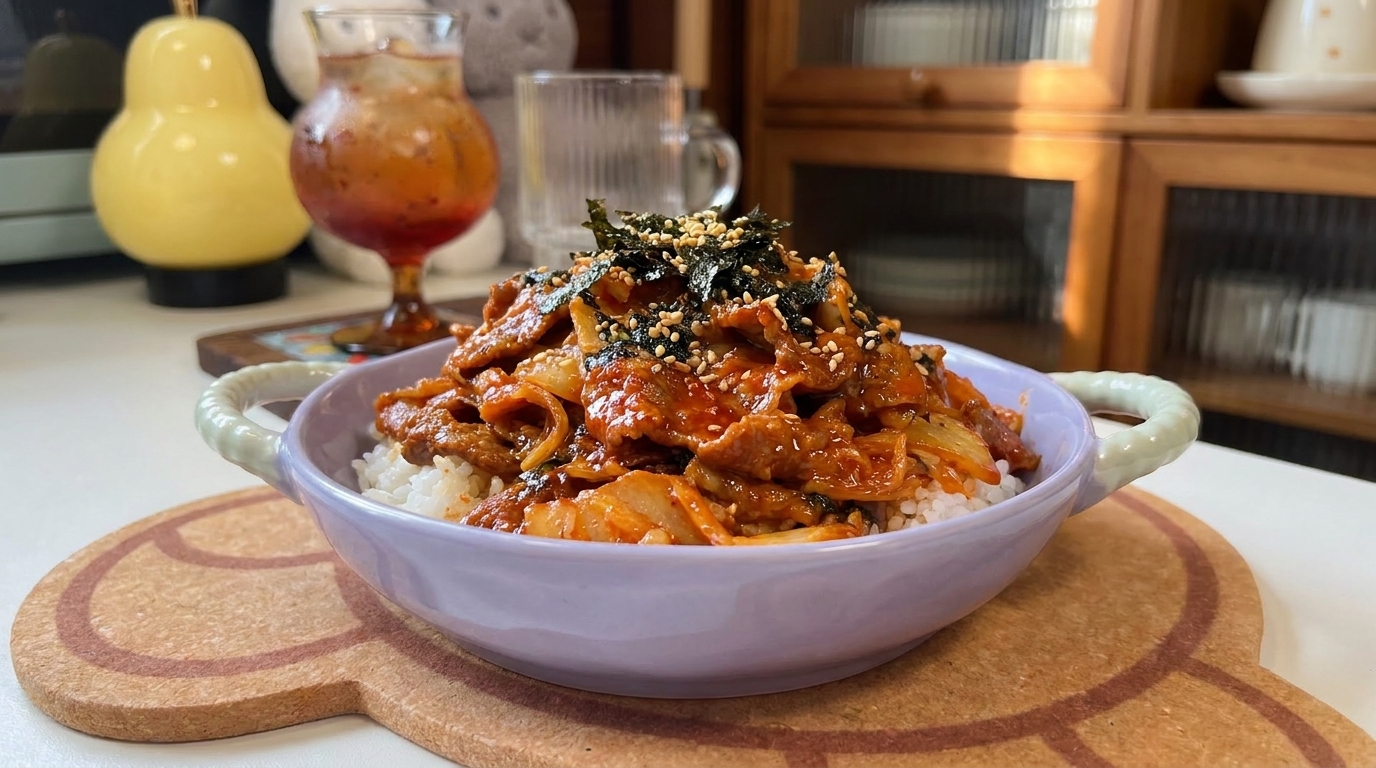
A comforting Korean rice bowl featuring tender slices of fatty beef and tangy kimchi stir-fried in a glossy, spicy gochujang glaze over fluffy white rice.
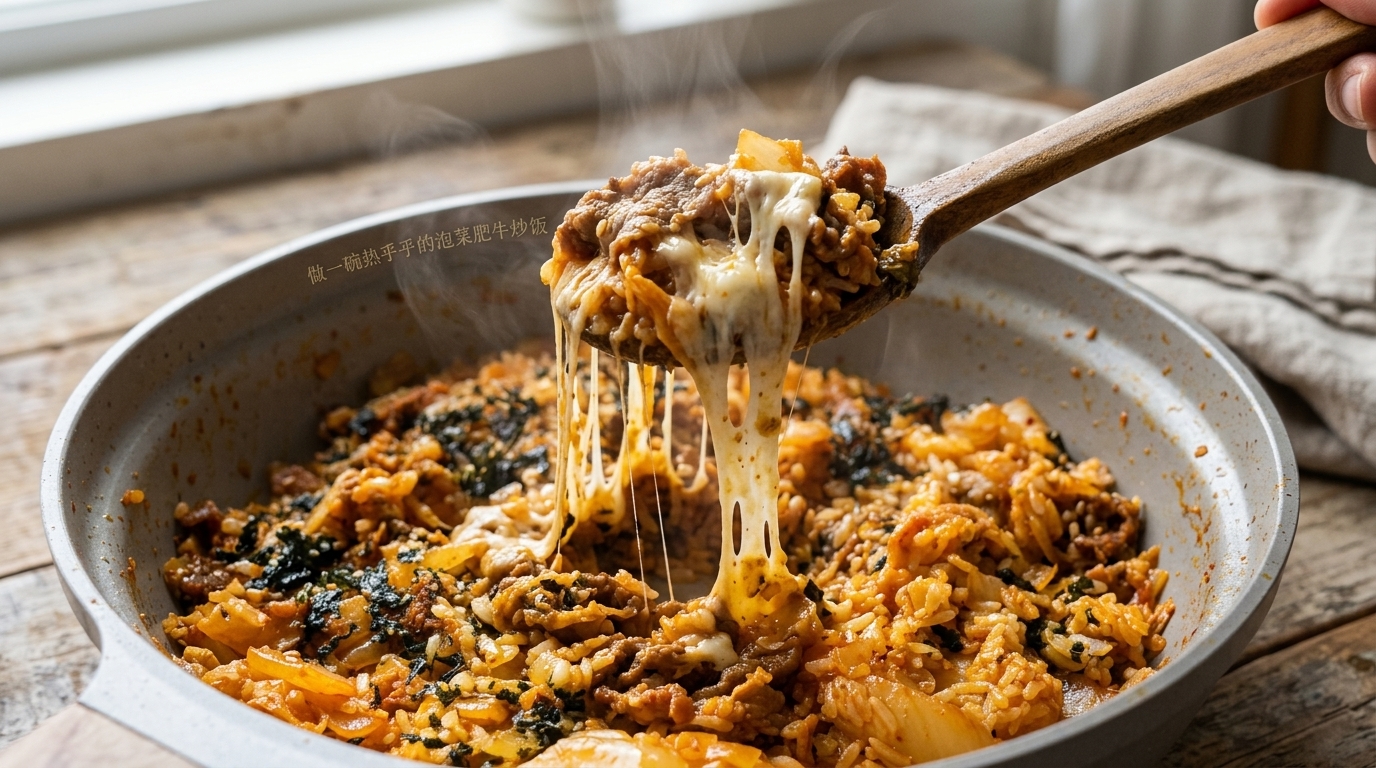
Kimchi Deopbap is the ultimate Korean comfort meal, perfect for a quick yet deeply satisfying solo dinner. It balances the rich, melt-in-your-mouth texture of fatty beef with the sharp acidity of well-fermented kimchi. Coated in a vibrant gochujang sauce, this dish delivers a punch of umami, spice, and sweetness in every single bite.
Ingredients
- 2 small red onions
- 1 tbsp cooking oil
- 200 g thinly sliced fatty beef (blanched)
- 1 cup cabbage kimchi (chopped)
- 1 tbsp Korean chili paste (gochujang)
- 2 tbsp soy sauce
- 1 tbsp sugar
- 1 tbsp sesame oil
- 50 ml water
- 1 tsp Korean chili powder (gochugaru)
- 2 tbsp starch water
- 1 bowl steamed white rice
- to taste seasoned seaweed (garnish)
- optional toasted sesame seeds
Instructions
- 1Slice the Onions
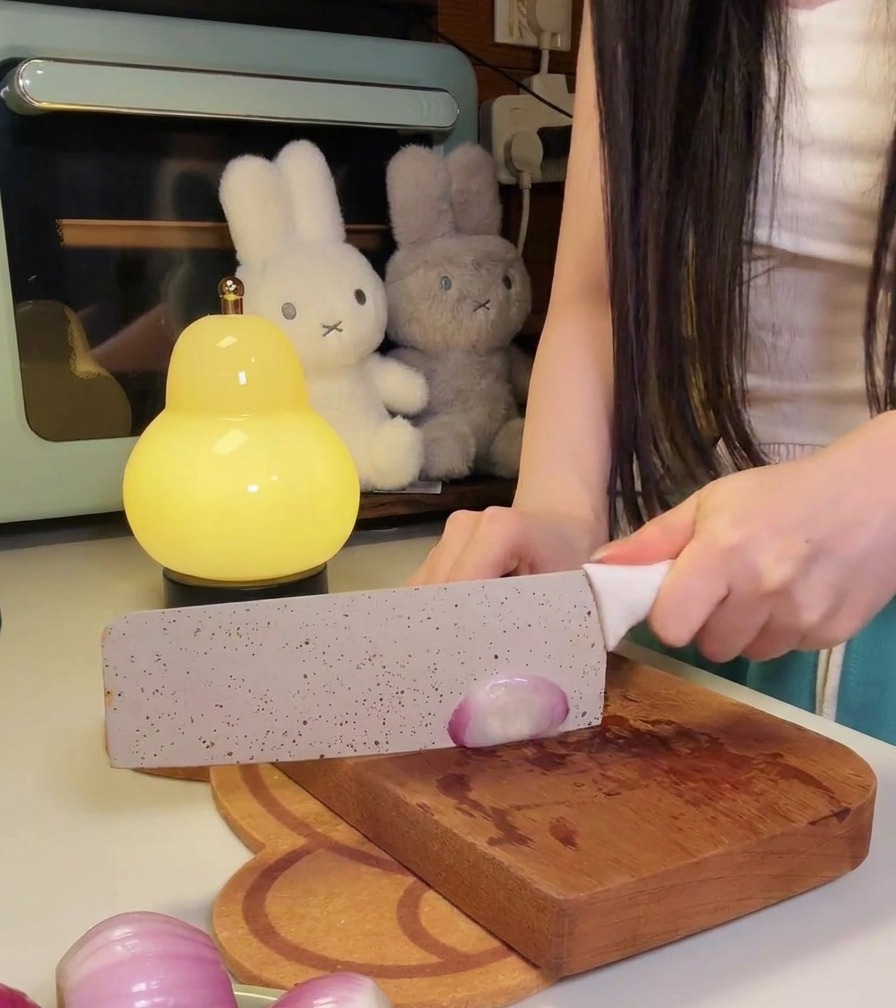
Thinly slice the red onions on a cutting board. These small onions add a concentrated sweetness and aroma to the base of the rice bowl, providing a flavorful foundation for the beef.
Tip: If you cant find mini red onions, half of a standard large red onion will work perfectly as a substitute. - 2Heat the oil
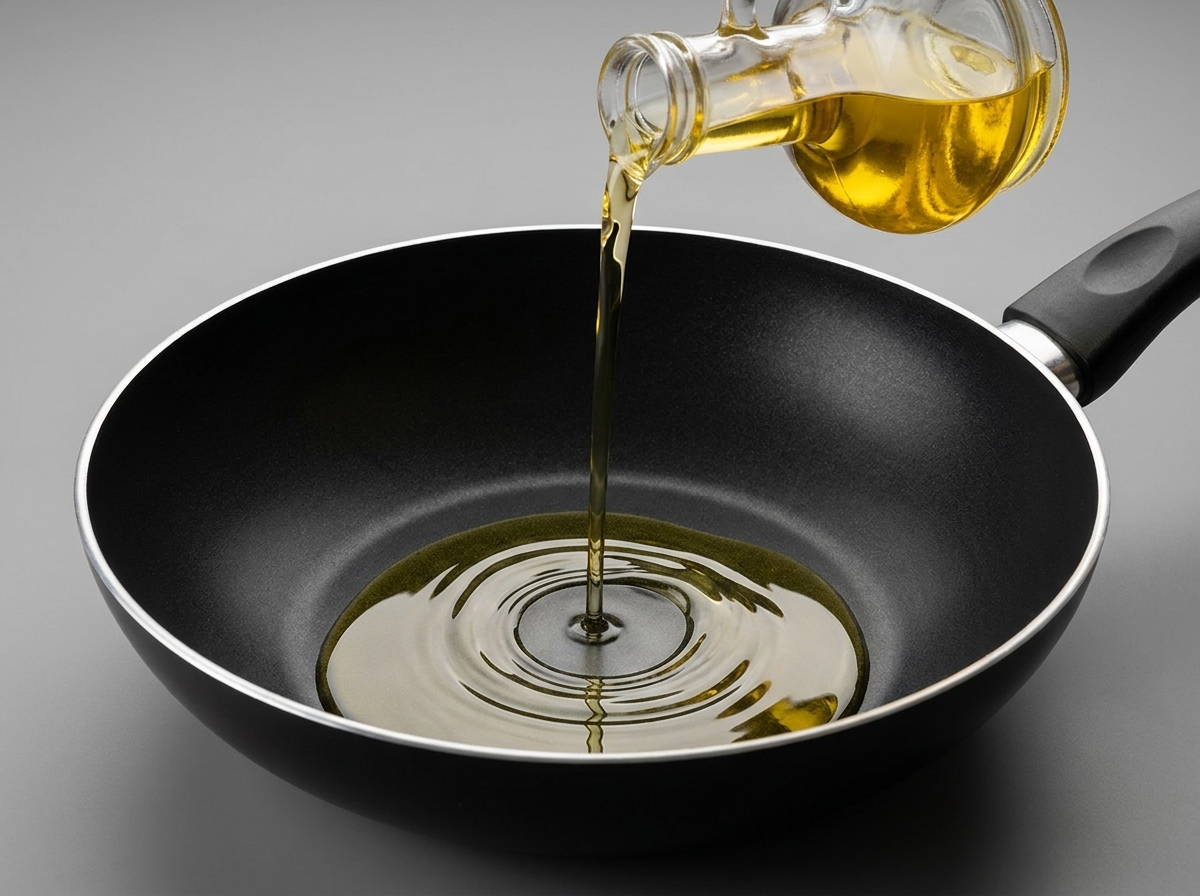
Place a wok or large frying pan over medium-high heat and pour in a generous amount of cooking oil. Ensure the pan is well-coated to prevent the ingredients from sticking and to help the onions sauté evenly.
Tip: Wait until the oil shimmers slightly before adding your ingredients to ensure an immediate sizzle. - 3Sauté the aromatics
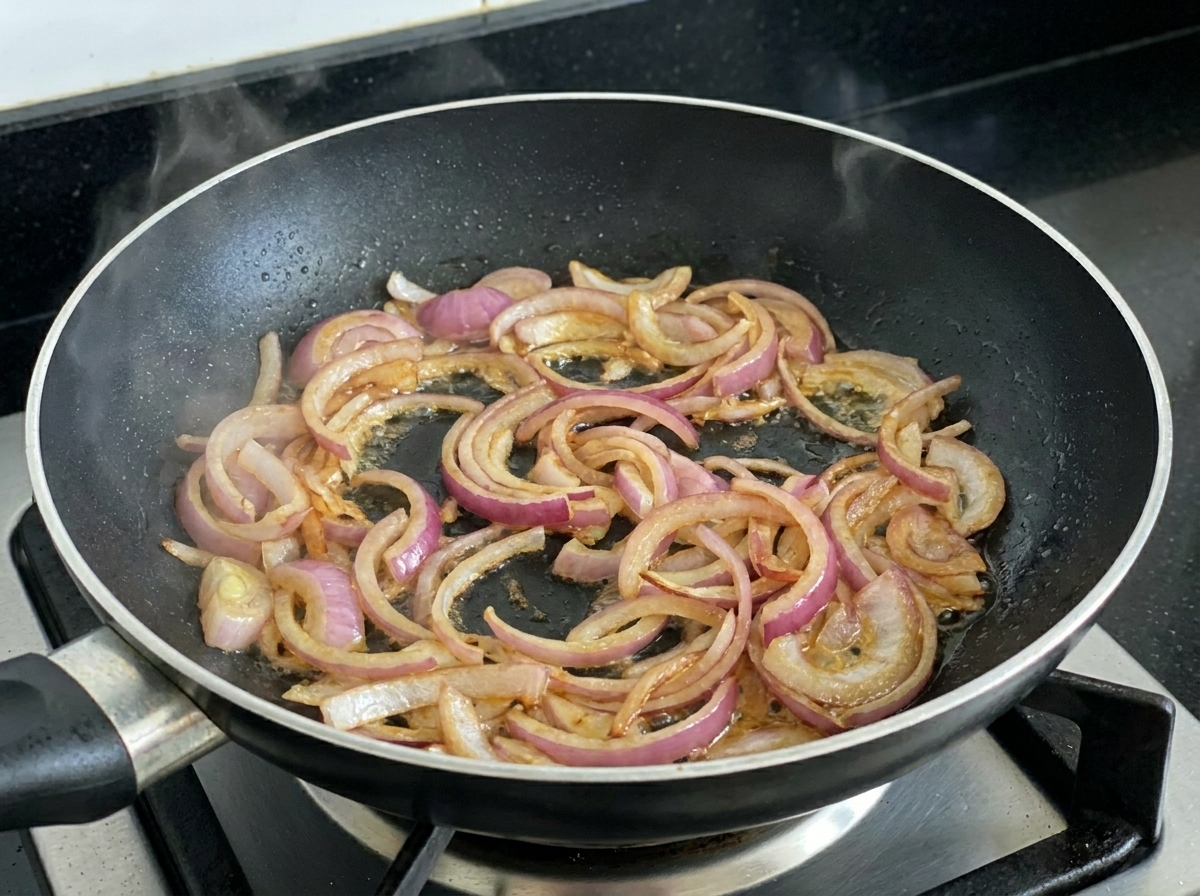
Add the sliced red onions to the hot oil. Sauté them while stirring constantly until they become fragrant and start to turn translucent. This process mellows the sharp onion flavor and creates a sweet base.
Tip: Dont rush this step; letting the onions soften properly ensures they blend seamlessly into the sauce later. - 4Incorporate the beef
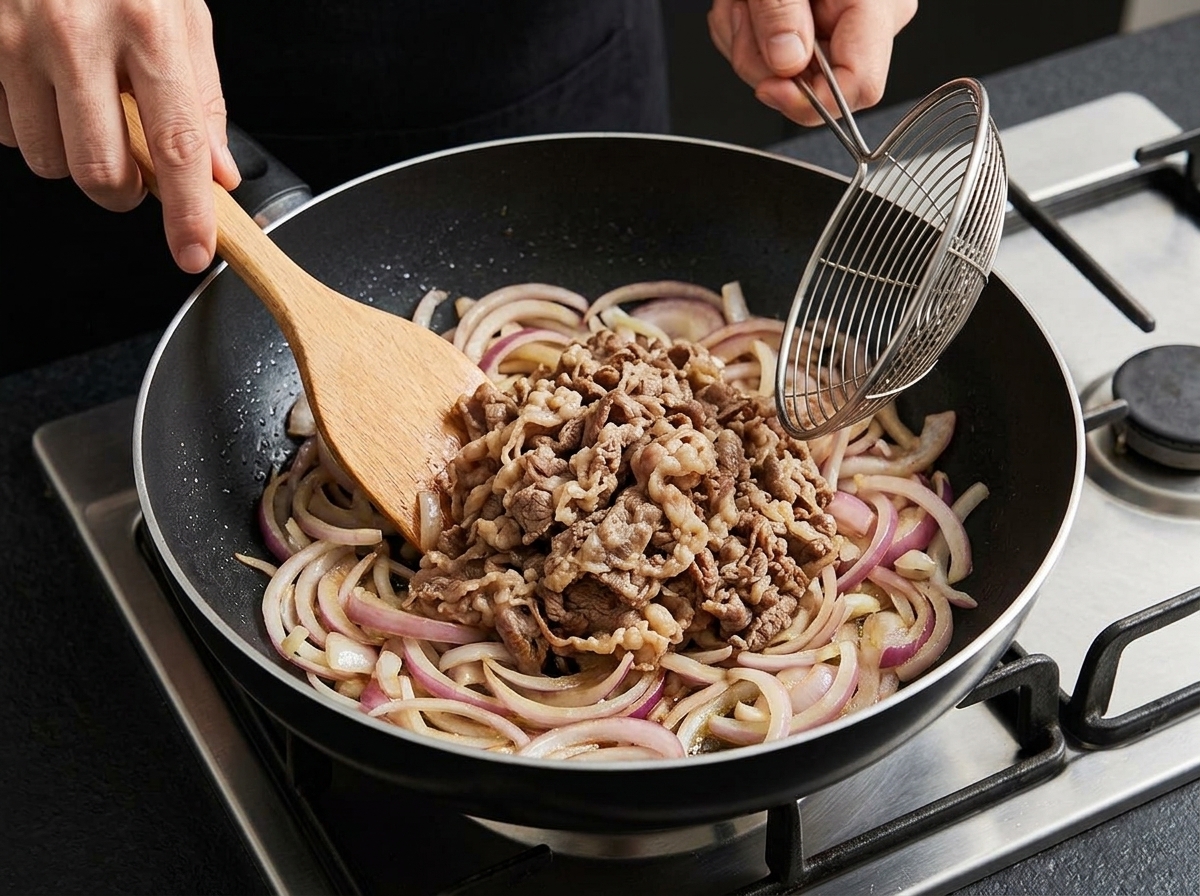
Add the pre-blanched beef slices into the pan with the onions. Using blanched beef helps keep the final dish clean and reduces excess fat while ensuring the meat stays tender during the quick stir-fry.
Tip: Ensure the beef is well-drained before adding it to the pan to avoid splattering oil. - 5Add the kimchi
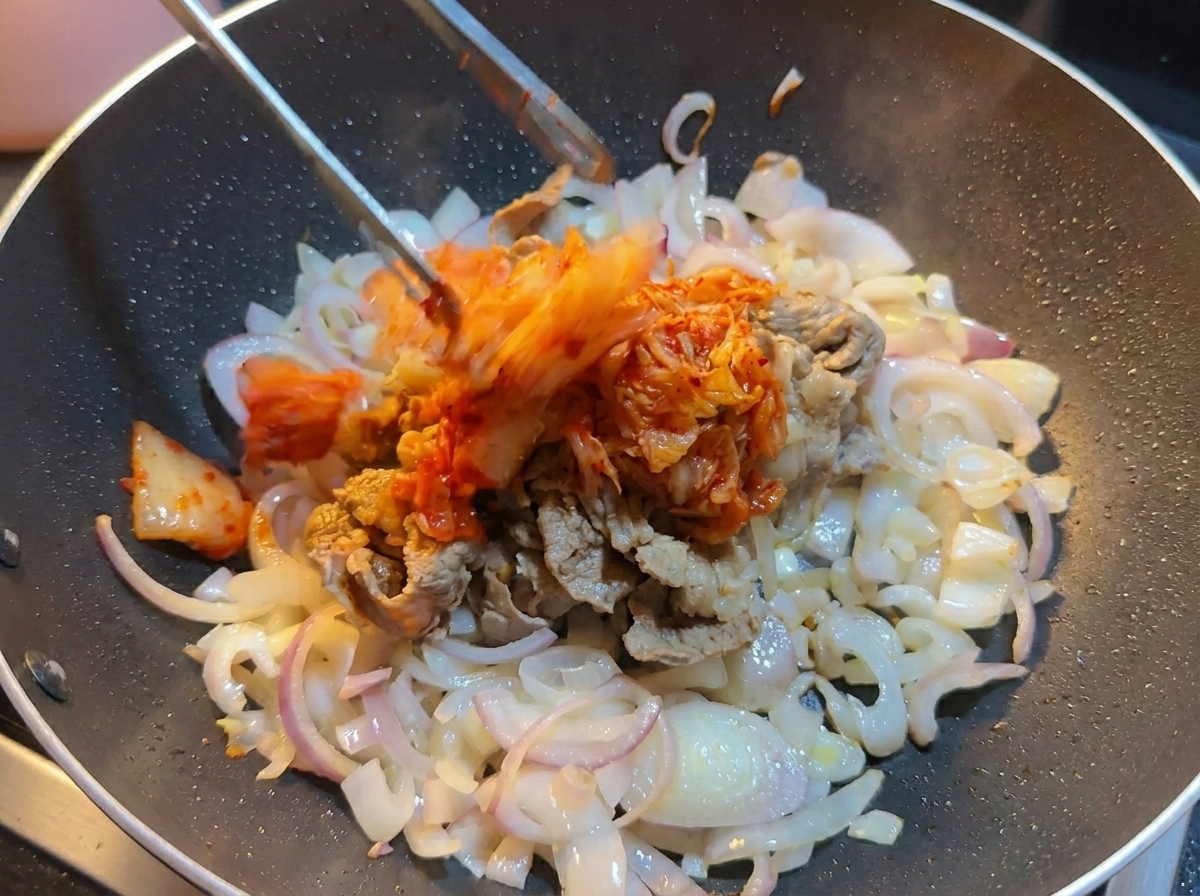
Add a generous amount of chopped kimchi to the beef and onion mixture. The fermented cabbage provides a necessary acidity and crunch that cuts through the richness of the fatty beef.
Tip: Use well-fermented (sour) kimchi for the best flavor profile in this cooked dish. - 6Add the seasonings
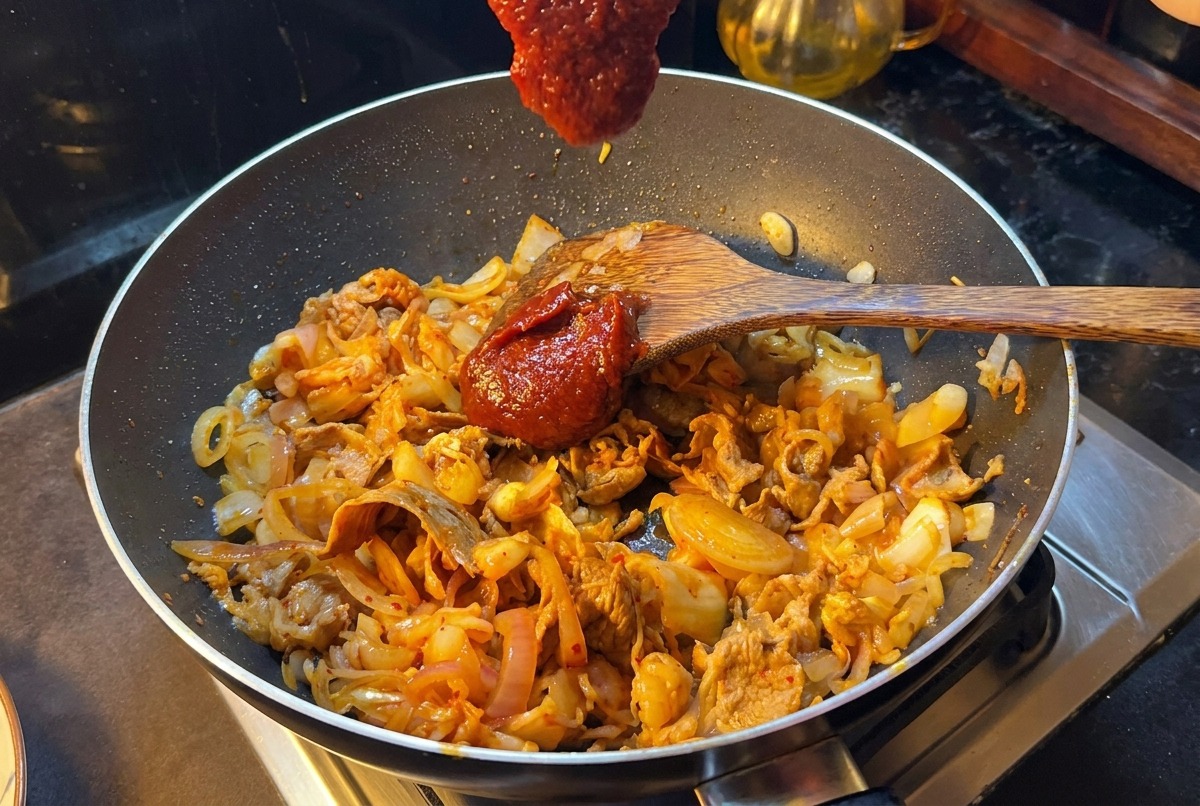
Add a large spoonful of gochujang along with the soy sauce, sugar, and sesame oil. This combination creates the signature sweet-spicy Korean glaze that binds the beef and kimchi together.
Tip: If you prefer a deeper flavor, you can let the paste fry slightly in the oil for a minute before stirring it into the rest of the ingredients. - 7Add water to simmer
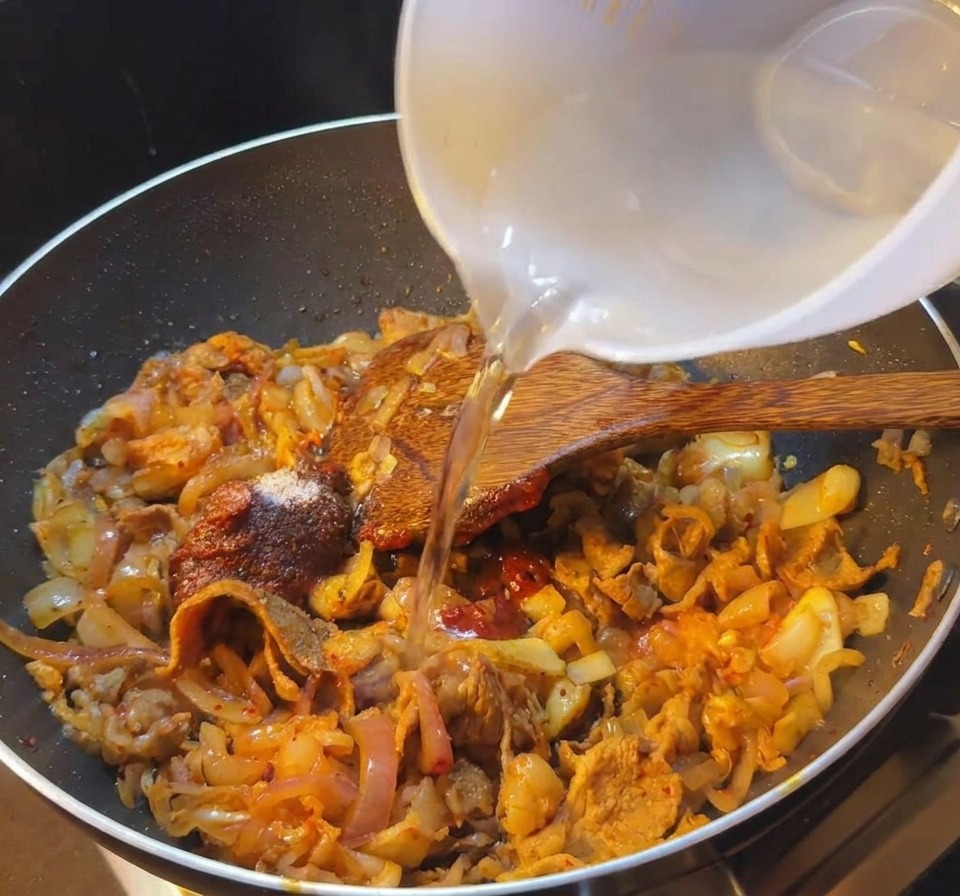
Pour a splash of water into the pan with the sautéed beef, onions, and kimchi. This helps create a rich simmering sauce that allows the spicy seasonings and Korean chili paste to meld together perfectly. Stir the mixture gently as it begins to bubble and the sauce thickens.
Tip: If you prefer a thicker consistency, you can use starch water instead of plain water to help bind the sauce together. - 8Increase the spice level
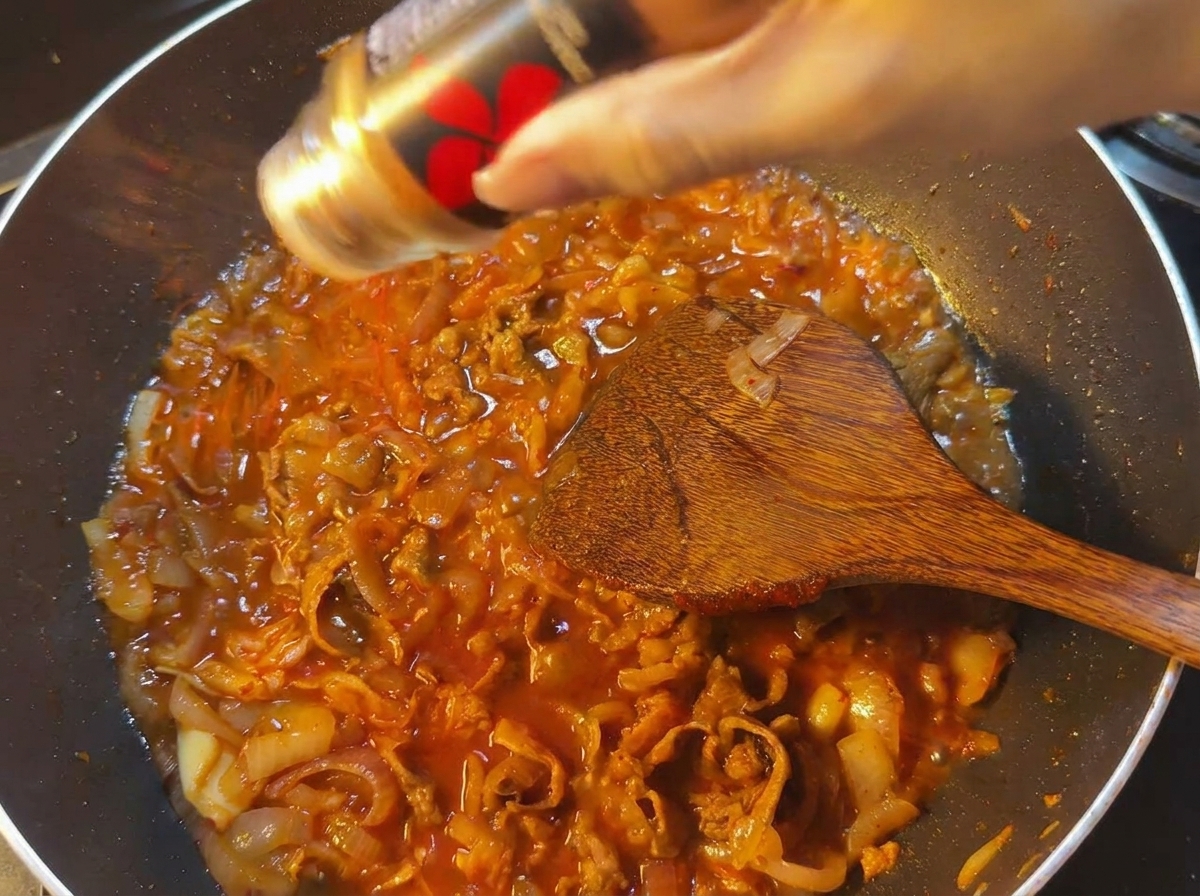
Sprinkle a generous amount of red chili powder over the simmering beef and kimchi mixture. This step is optional but recommended if you enjoy a more intense heat that cuts through the richness of the beef.
Tip: Use Korean gochugaru for the best results; it provides a vibrant red color and a smoky heat without being overly sharp. - 9Thicken the red sauce
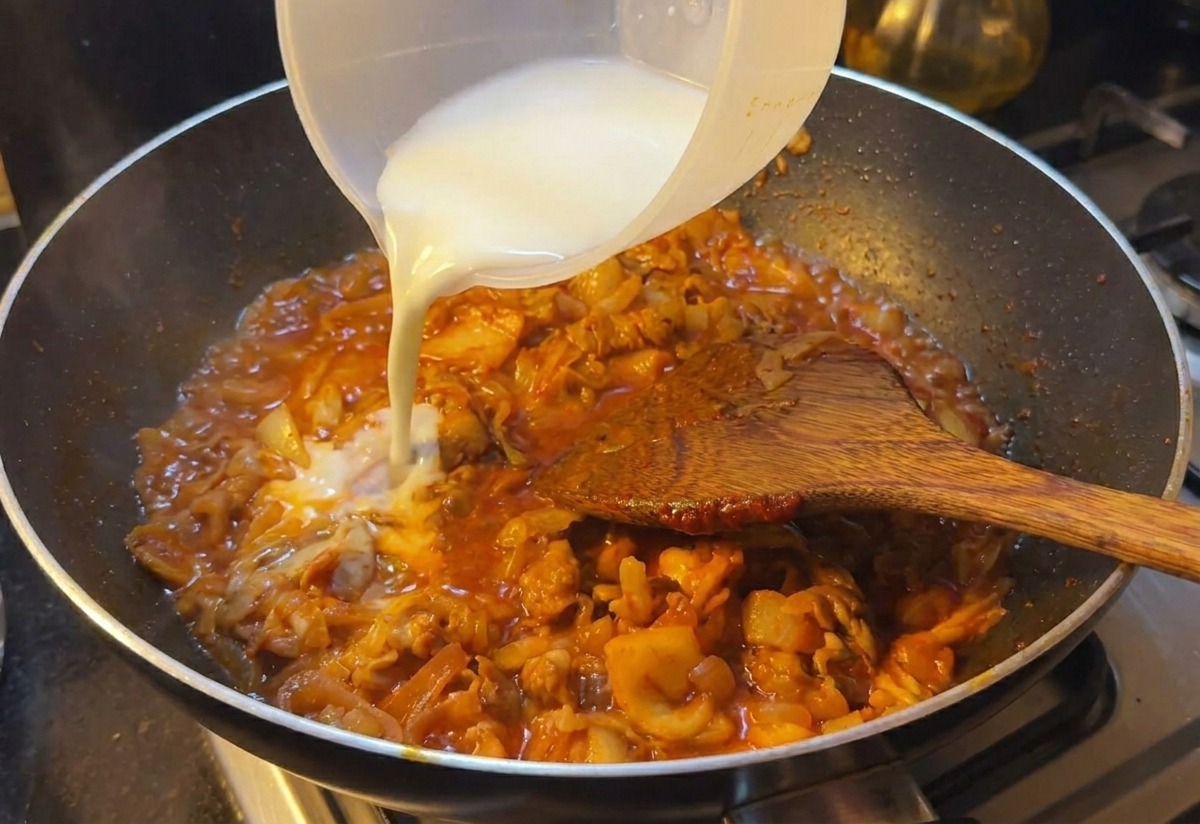
Slowly pour starch water into the pan while stirring the mixture. This will help thicken the sauce into a glossy glaze that coats the beef and kimchi perfectly, ensuring every bite is packed with flavor.
Tip: Always give your starch water a quick stir right before pouring, as the starch tends to settle at the bottom of the cup. - 10Serve Over Rice
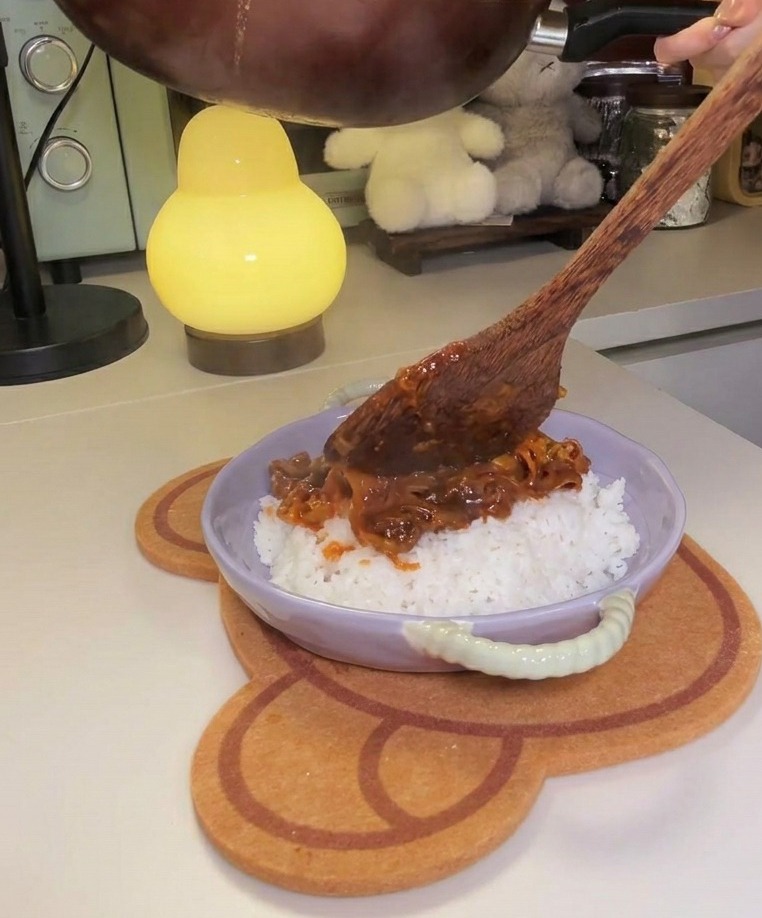
Carefully spoon the savory kimchi and beef mixture over a bowl of hot, steamed white rice. Scrape every bit of the glossy red sauce from the pan to ensure it seasons the rice beneath.
Tip: Using a slightly shallow bowl makes it easier to distribute the meat and sauce evenly over the rice surface.