Homemade Ikura Shoyu-zuke (Japanese Marinated Salmon Roe)
Master the art of curing fresh salmon roe in a savory soy-dashi marinade. This authentic seasonal delicacy delivers a perfect umami burst and a satisfying pop.
Ikura Shoyu-zuke is a prized autumn specialty in Japan, marking the season when fresh salmon return to the rivers. While pre-packaged roe is common, preparing it from fresh sujiko at home allows for a more delicate, customized flavor profile. The key lies in the temperature-controlled separation process, which preserves the jewel-like integrity of every single egg.
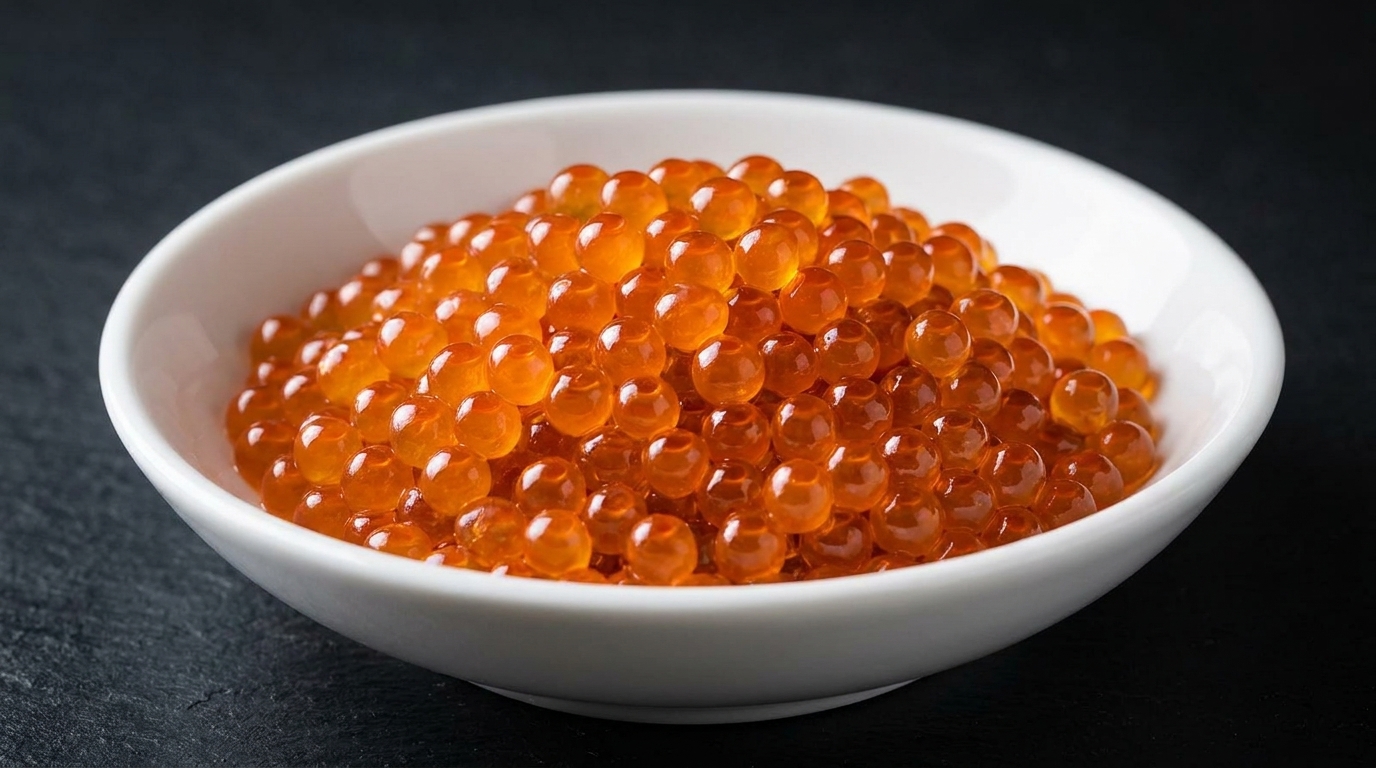
Ingredients
- 500 g fresh salmon roe sacs (sujiko)
- 1 tbsp sea salt
- 100 ml sake
- 50 ml mirin
- 50 ml Japanese soy sauce
- 5 g dried bonito flakes (katsuobushi)
- 4 bowls steamed Japanese white rice
Instructions
- 1Prepare the salmon roe
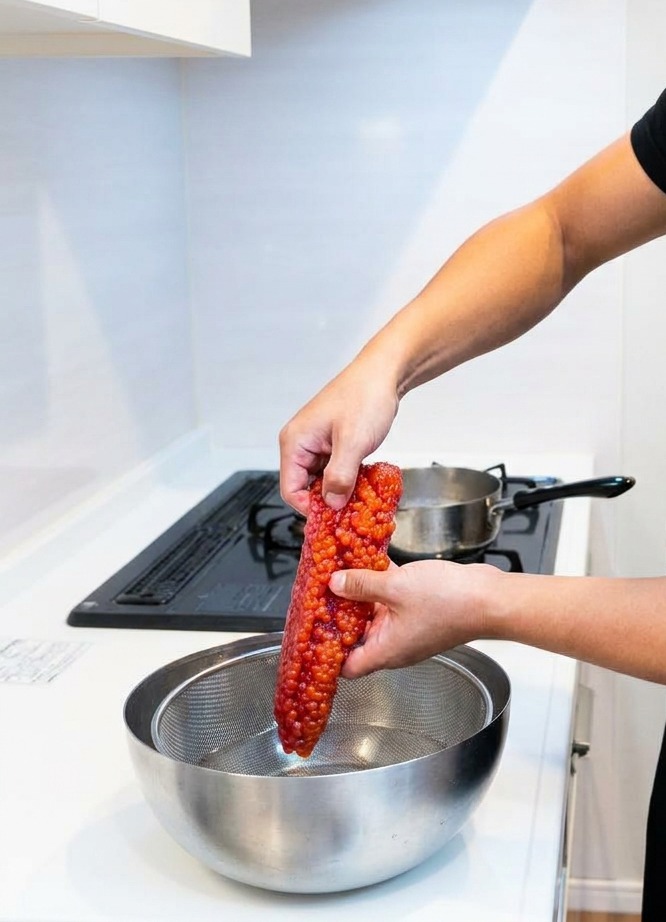
Begin the preparation by placing the whole salmon roe sacs, known as sujiko, into a bowl of warm water seasoned with a bit of salt. The water should be heated to approximately 50 to 60 degrees Celsius. This specific temperature causes the connective membrane to contract and loosen, making it possible to release the individual eggs without damaging them.
Tip: Use a kitchen thermometer to verify the water temperature; if it is too cold, the eggs will not separate, and if it is too hot, they will turn opaque and cook. - 2Separate the salmon roe
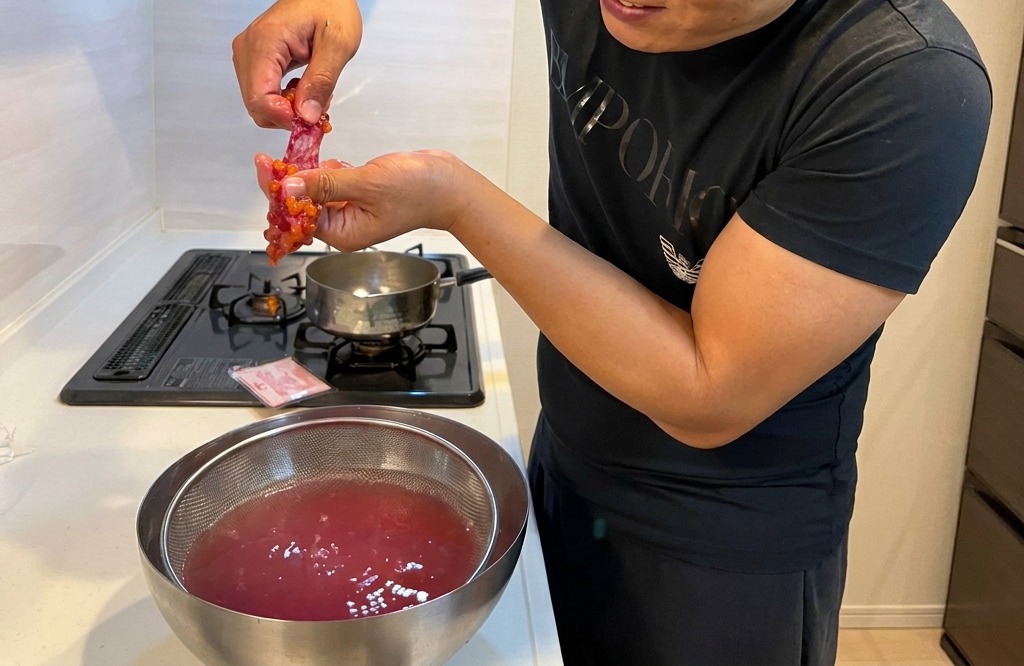
With the sacs submerged in the warm water, gently rub them against a coarse sieve or use your fingertips to massage the eggs free. The individual roe should separate easily from the tissue and fall to the bottom of the bowl. Discard the remaining membrane once all eggs are released.
Tip: Keep the water temperature precise; if it is too cold, the membrane will not release, but if it is too hot, you risk cooking the delicate eggs. - 3Rinse the separated eggs
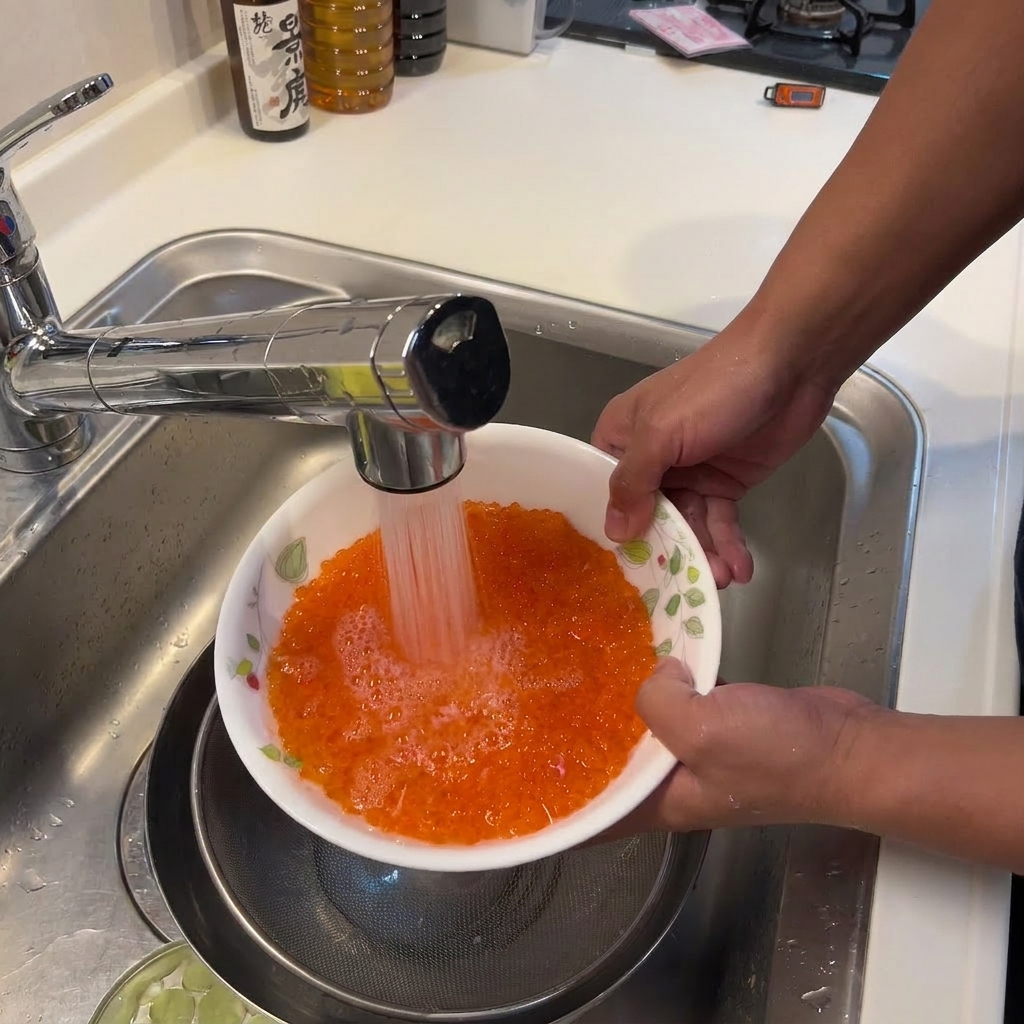
After the eggs have been separated from the membrane, transfer them to a clean bowl and rinse thoroughly under a gentle stream of cold running water. Continue this process until the water runs completely clear and all tiny fragments of the membrane have been washed away, leaving you with clean, glistening orange spheres.
Tip: Keep the water pressure low to ensure the delicate eggs do not pop while you are rinsing them. - 4Combine sake and mirin
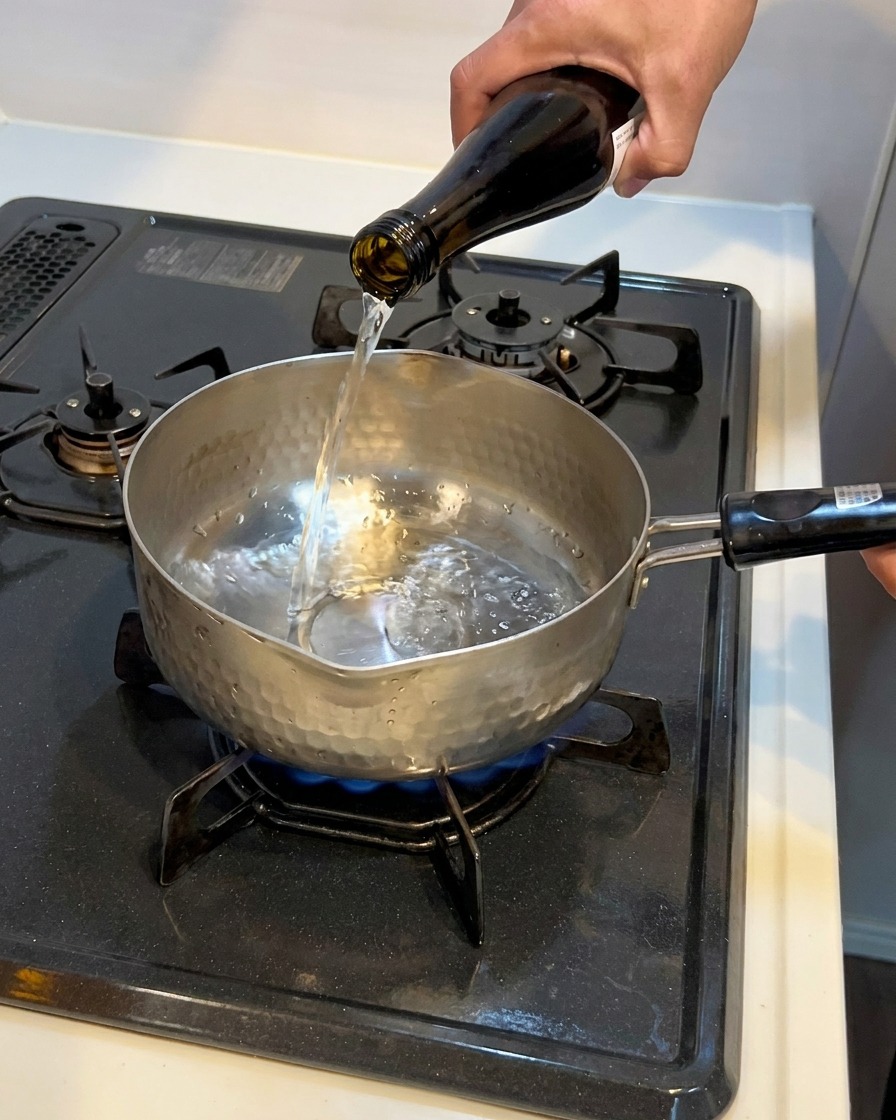
To create the marinade base, pour sake and mirin from their bottles into a small stainless steel pot. This combination provides the essential sweet and savory notes required for an authentic Japanese-style marinade, which will eventually flavor the cleaned salmon roe.
Tip: Choose a high-quality sake to ensure the final marinade has a clean and refined flavor profile. - 5Flambé the marinade mixture
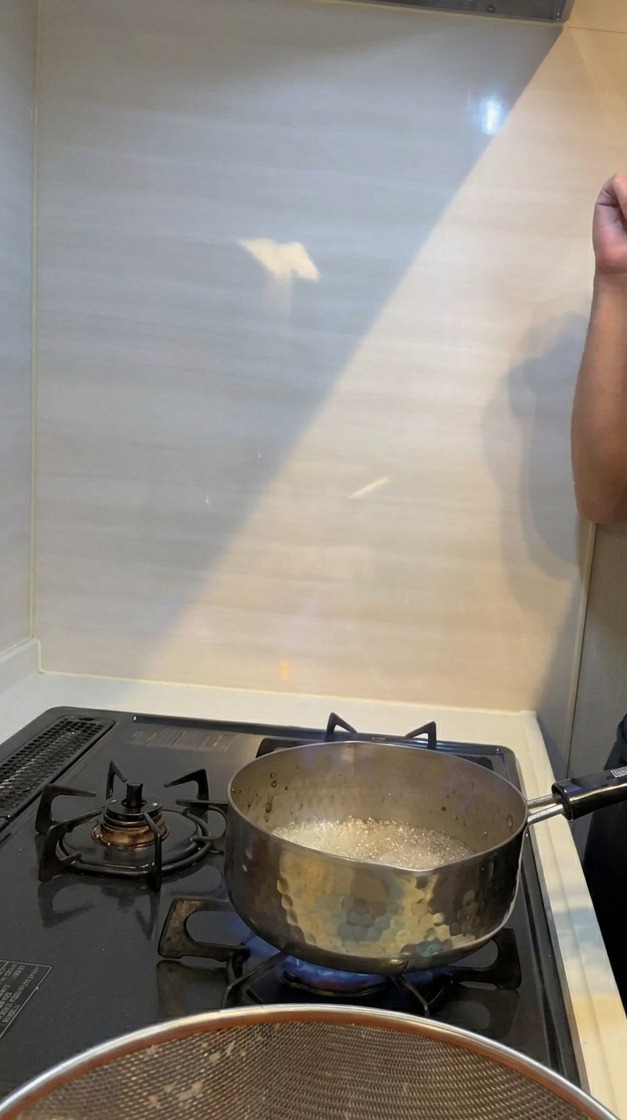
Heat the sake and mirin over a medium-high flame until the liquid begins to boil. Carefully ignite the alcohol vapors with a long lighter to burn off the harshness. This removes the raw alcohol taste while concentrating the subtle sweetness. The flame will subside naturally once the alcohol is consumed; keep a lid nearby for safety.
Tip: Always keep a pot lid nearby when flambéing so you can quickly cover the pot to extinguish the flame if it rises too high. - 6Infuse with bonito dashi
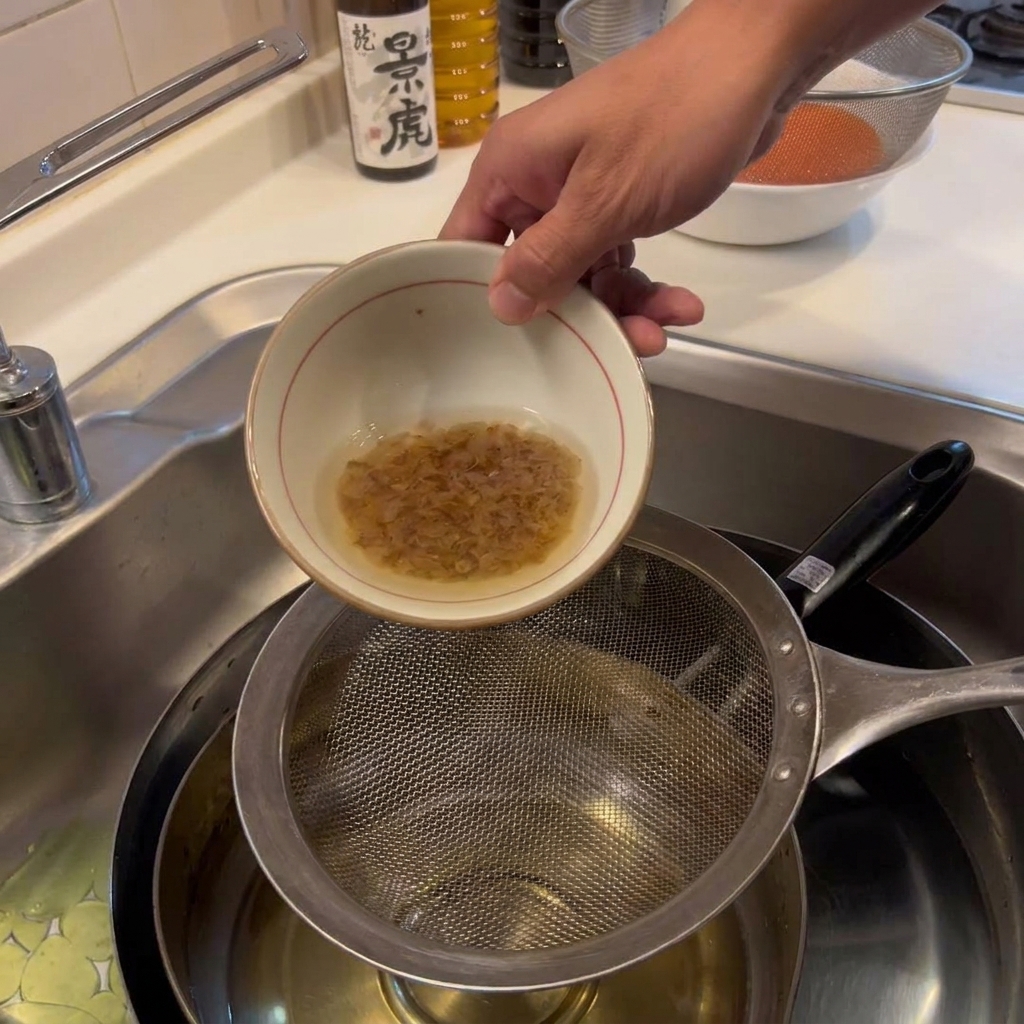
Prepare a quick dashi by steeping dried bonito flakes in hot water for a few minutes. Once the infusion is ready, strain the liquid through a fine-mesh sieve directly into your pot containing the sake and mirin mixture. This step introduces a deep, smoky umami flavor that is fundamental to the marinades complexity.
Tip: Avoid steeping the bonito flakes for too long, as this can introduce a bitter aftertaste to the dashi. - 7Add the soy sauce base
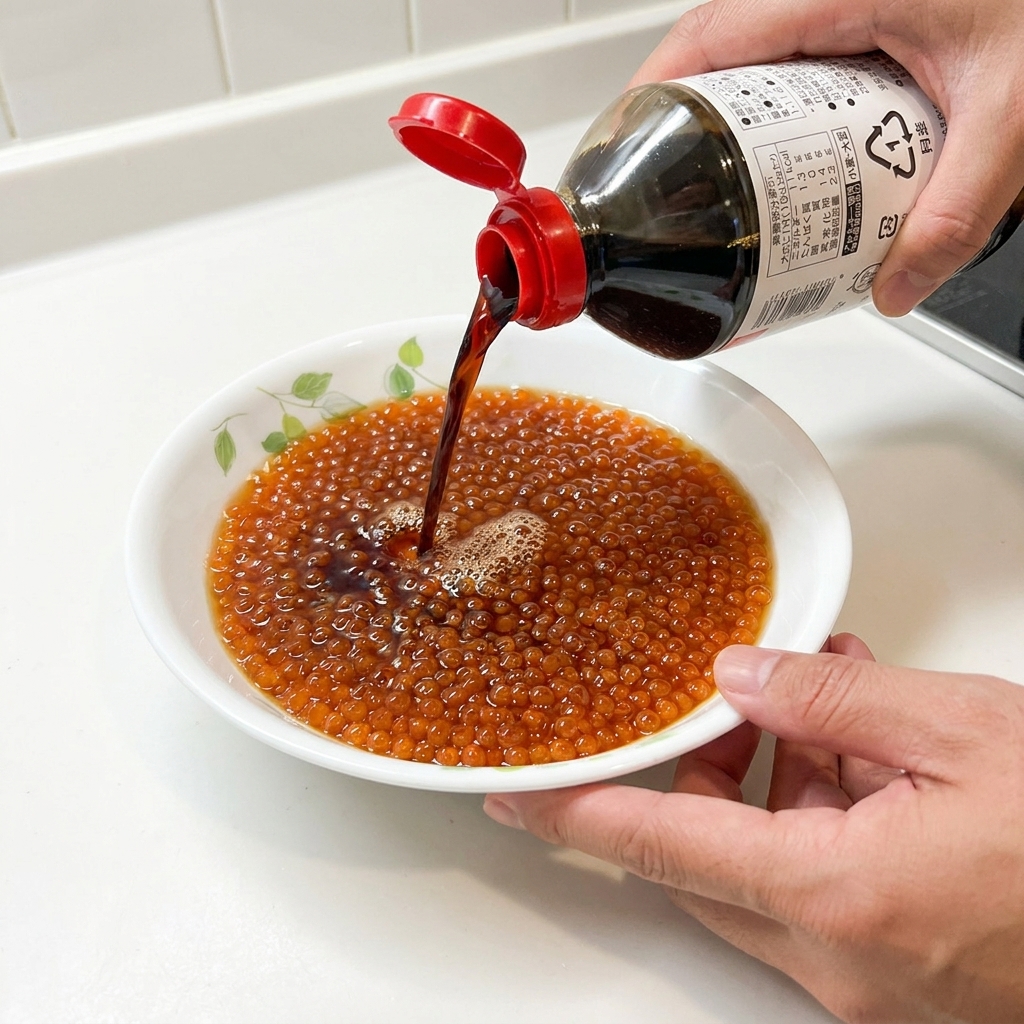
Once the salmon roe has been thoroughly cleaned and rinsed under cold water, place the eggs in a clean white bowl. Pour dark soy sauce directly from the bottle over the roe. This forms the foundation of the marinade, providing the essential saltiness and deep color required for the curing process.
Tip: Using a high-quality Japanese soy sauce will ensure the most authentic flavor for your homemade ikura. - 8Combine and marinate
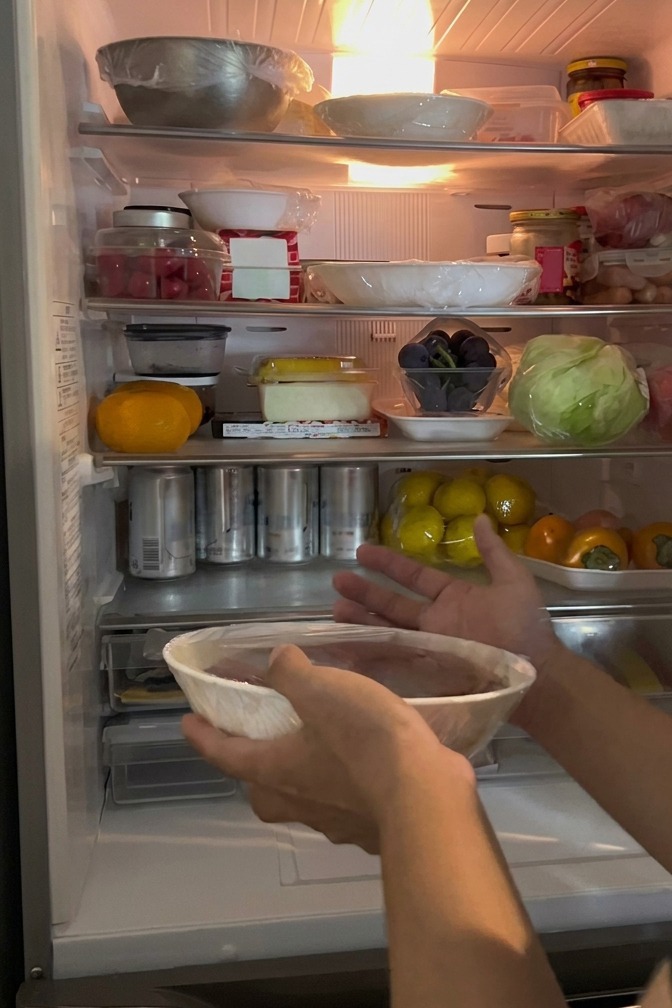
Combine the soy sauce already in the bowl with your prepared and cooled dashi-mirin-sake mixture. Stir very gently to ensure even distribution. Cover the bowl tightly with plastic wrap and place it in the refrigerator to marinate overnight. This allows the roe to absorb the savory flavors and achieve its signature translucent amber glow.
Tip: A full 24-hour marination period is ideal to achieve that signature pop and a beautiful, translucent amber appearance.