Savory Chinese Oyster Rice Bowl
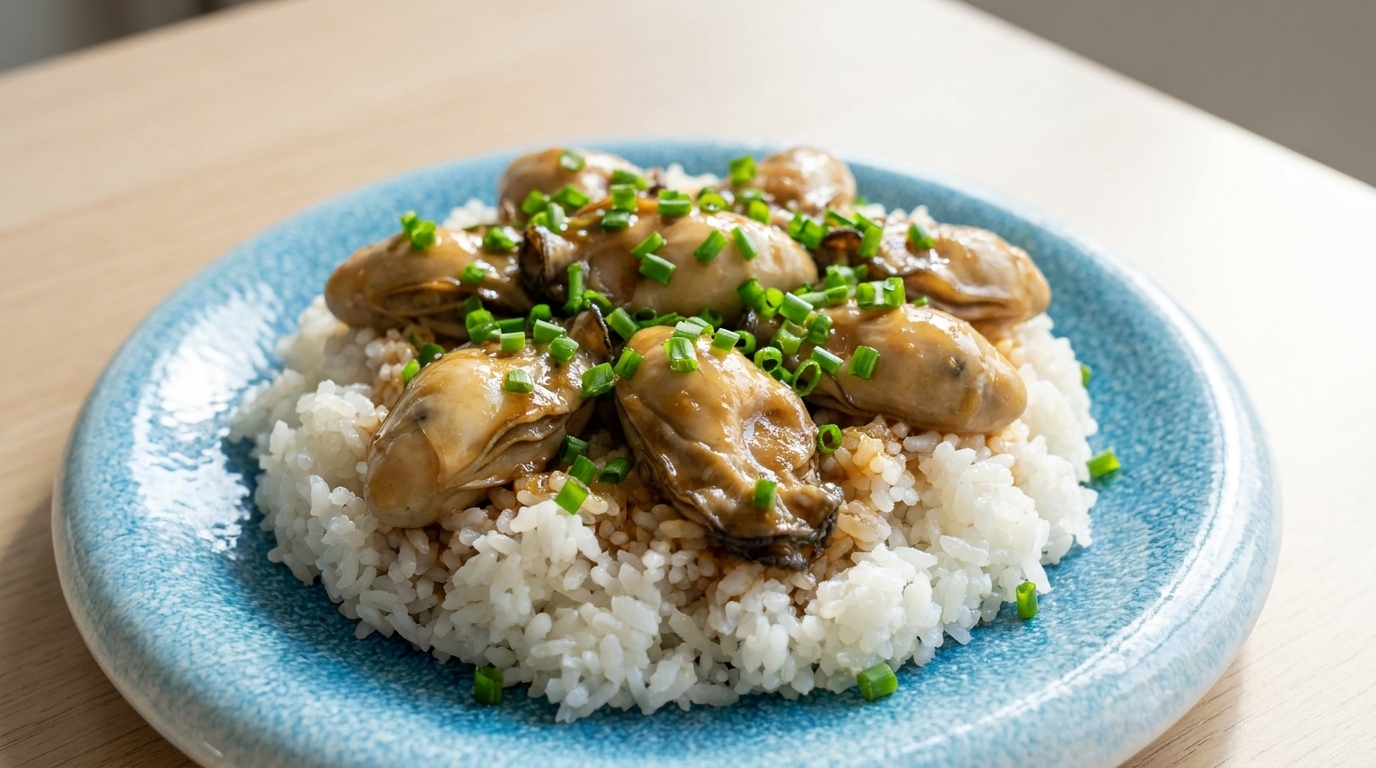
A deeply comforting homestyle seafood dish. Plump fresh oysters are delicately blanched to preserve their natural sweetness then simmered in a rich soy and oyster sauce gravy.
This homestyle oyster rice bowl is a masterclass in treating delicate seafood with respect. The secret to its incredible texture lies in blanching the fresh oysters in cold water to prevent them from seizing up or losing their natural brininess. Tossed in a glossy savory gravy and finished with fresh chives it is a comforting dish that perfectly balances the sweetness of the ocean with classic aromatics.
Ingredients
- 500 g fresh raw oysters
- 1 tbsp salt
- 1 tbsp lard or vegetable oil
- 2 sprigs scallions
- 2 tbsp oyster sauce
- 1 tbsp light soy sauce
- 1 tbsp potato starch
- 1 small bunch Chinese chives
- 2 portions steamed white rice
- as needed water
Instructions
- 1Preheat the wok
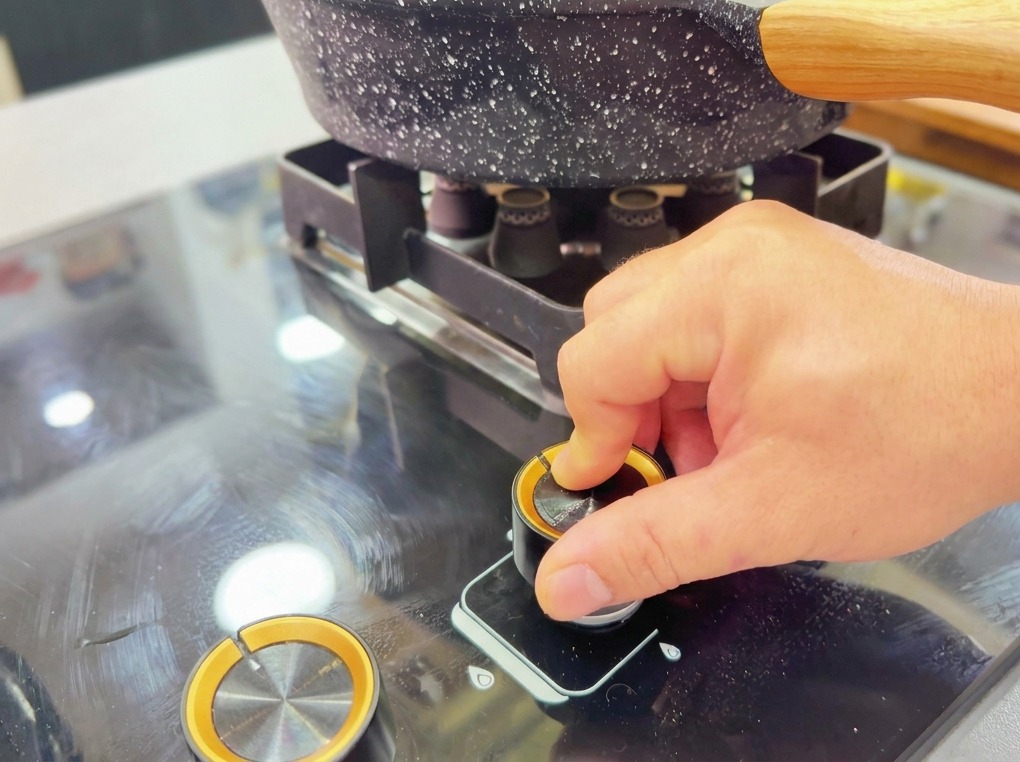
Begin by turning on the gas burner to preheat your wok or pan. It is important to ensure the cooking surface is ready before adding water and seasoning to start the oyster blanching process.
Tip: Check that the wok is stable on the burner grate before you start heating to ensure safe cooking. - 2Season the blanching water
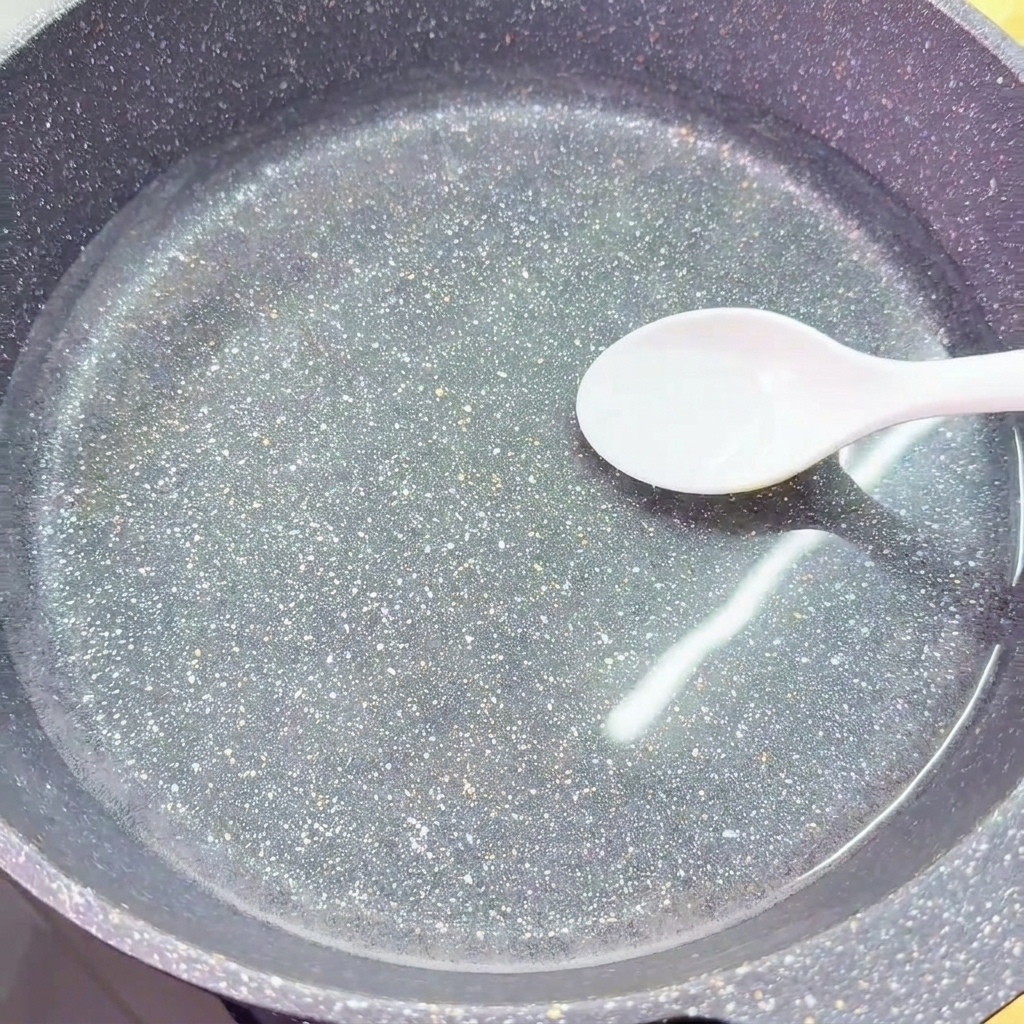
Add a spoonful of salt to the cold water in the wok. This creates a lightly seasoned base that helps draw out the best flavor from the oysters while they cook, ensuring they arent bland.
Tip: Starting with cold water is essential for seafood like oysters to maintain a tender, uniform texture. - 3Add oysters to cold water
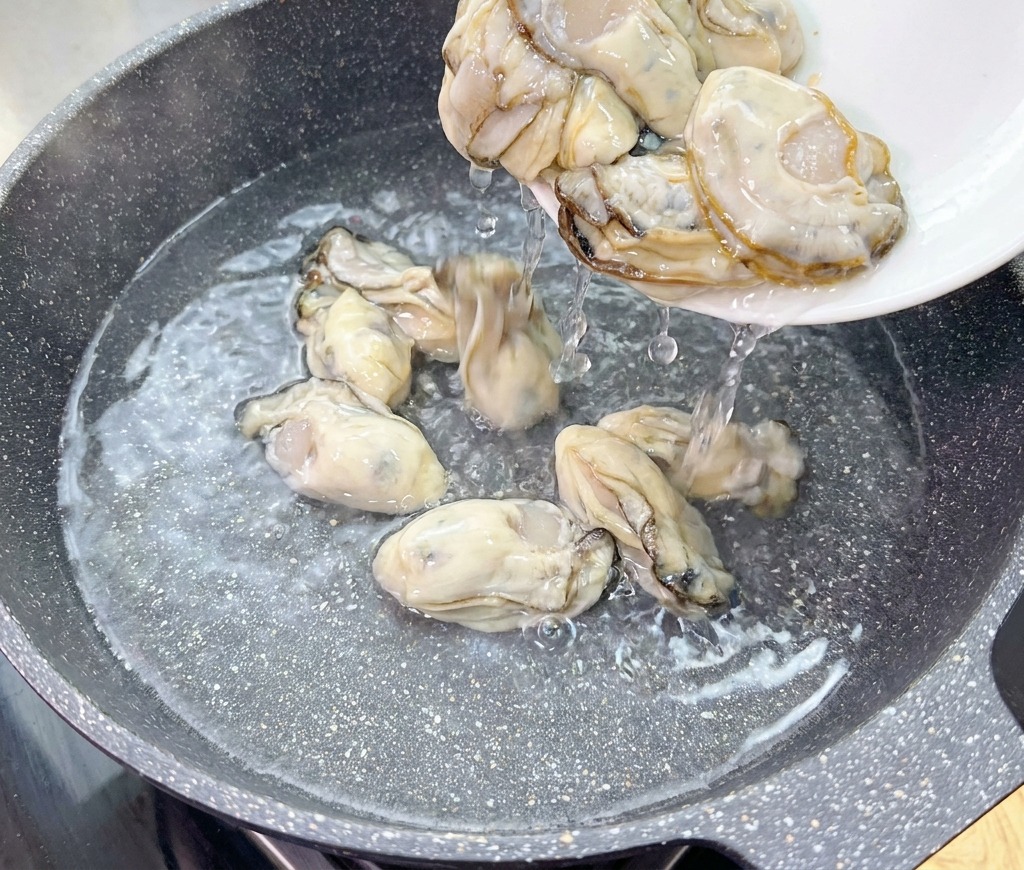
Carefully pour the raw, plump oysters into the wok of cold, salted water. By starting them in cold water rather than boiling, you prevent the delicate meat from seizing and becoming rubbery.
Tip: Do not rinse the oysters under tap water first; the salted water in the pan will clean them while preserving their natural milk flavor. - 4Remove oysters at the boil
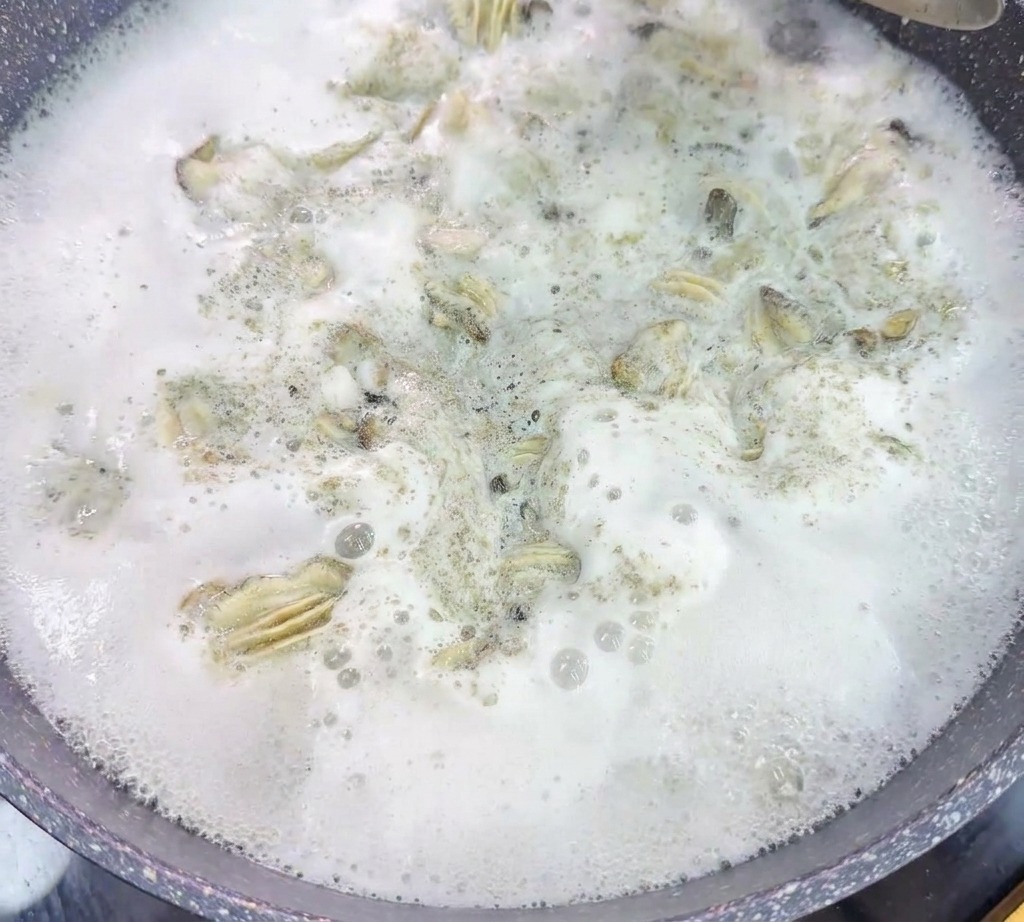
Watch the water closely. As soon as it reaches a boil and a thick white foam appears, use a large sieve to scoop the oysters out. They should be roughly 80 percent cooked at this point to stay succulent.
Tip: The thick foam is a sign of fresh oysters; it contains the rich flavor you want to preserve, so dont over-boil it away. - 5Cool the oysters
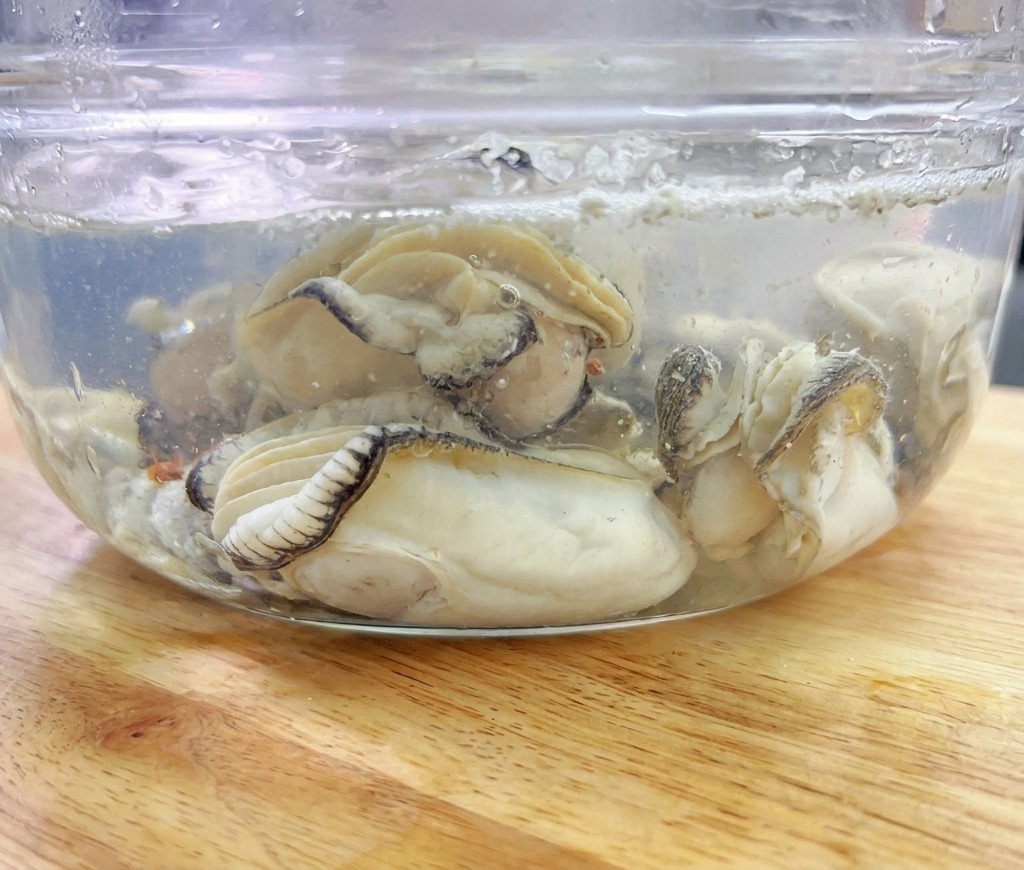
Immediately place the hot, poached oysters into a bowl of clear, cold water. This shocks the meat to stop the cooking process and cleans off any remaining residue from the blanching step.
Tip: Keeping the oysters in cold water until you are ready for the stir-fry stage helps maintain their plump shape. - 6Melt the lard
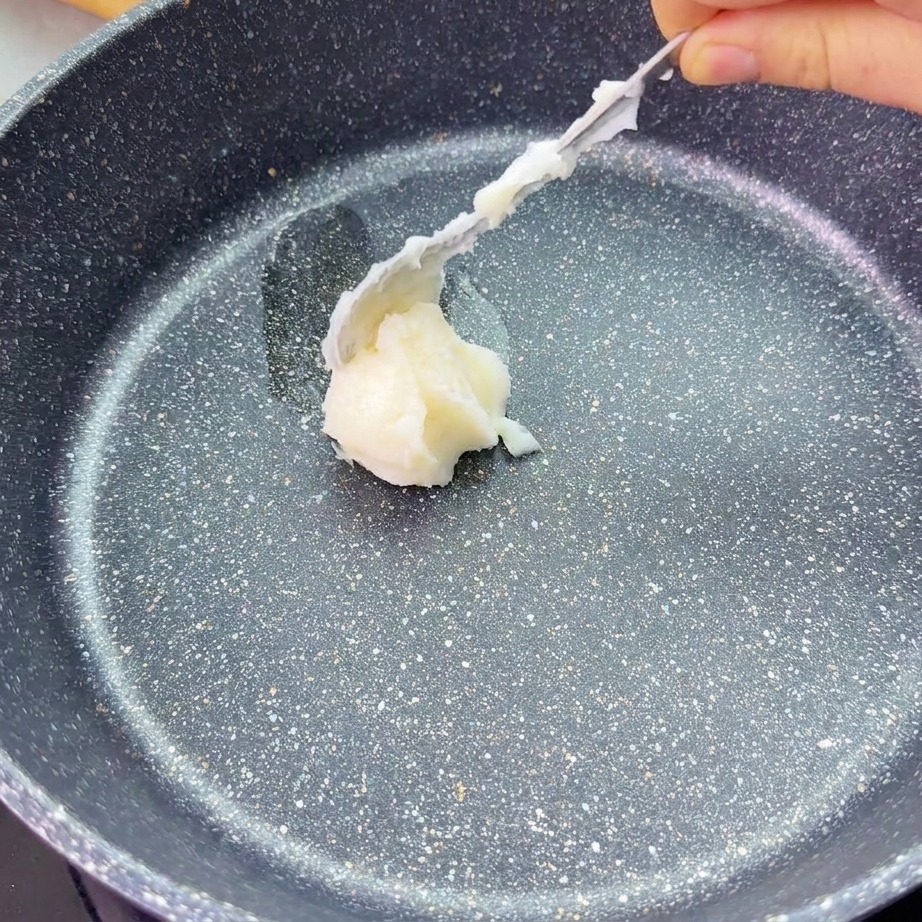
In a clean, hot pan, add a spoonful of white lard. Using lard adds a traditional richness and depth of flavor to the sauce that will eventually coat the oysters and rice.
Tip: If you dont have lard, you can substitute it with a neutral vegetable oil, though the flavor profile will be lighter. - 7Fry the aromatics
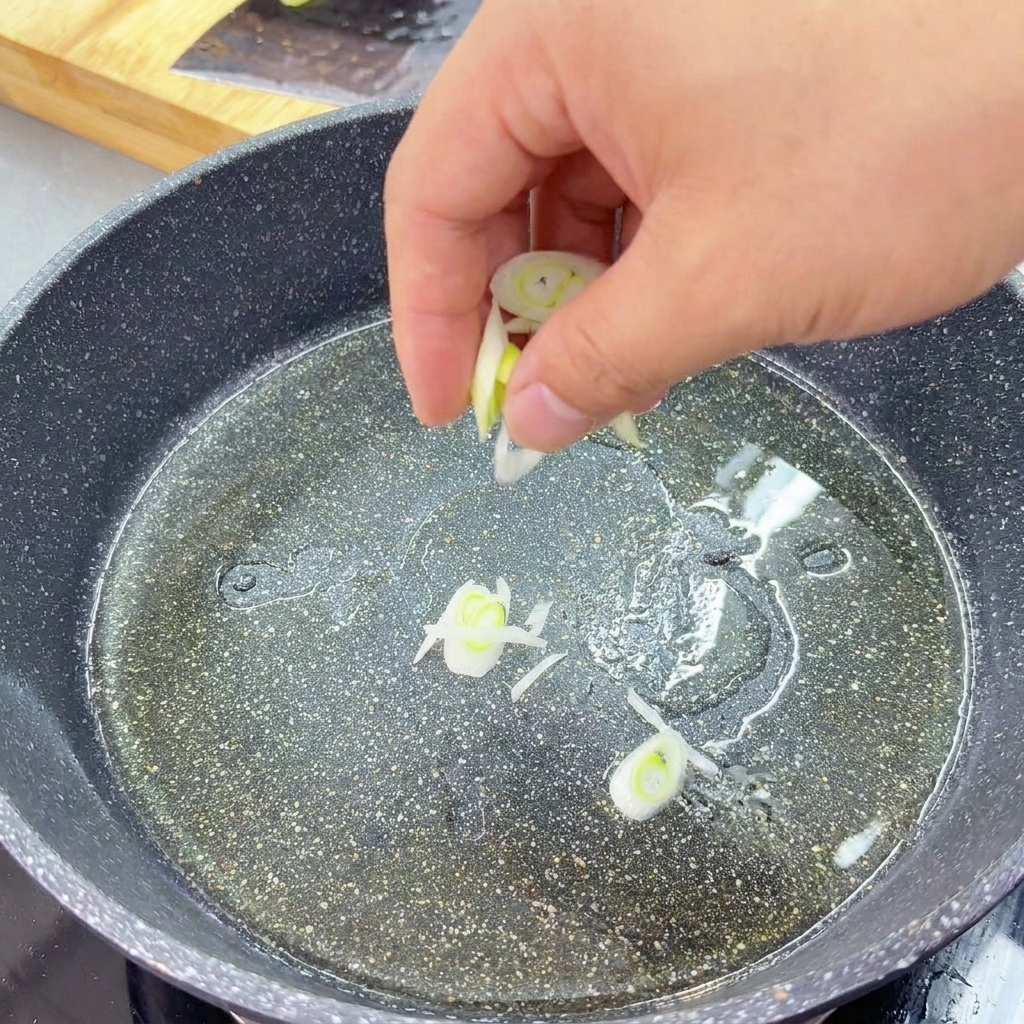
Add the sliced green and white scallions to the melted lard in the pan, stir-frying them over medium heat until they become fragrant and slightly softened.
Tip: Using lard instead of vegetable oil provides a much richer and more traditional flavor base for the sauce. - 8Add oyster sauce
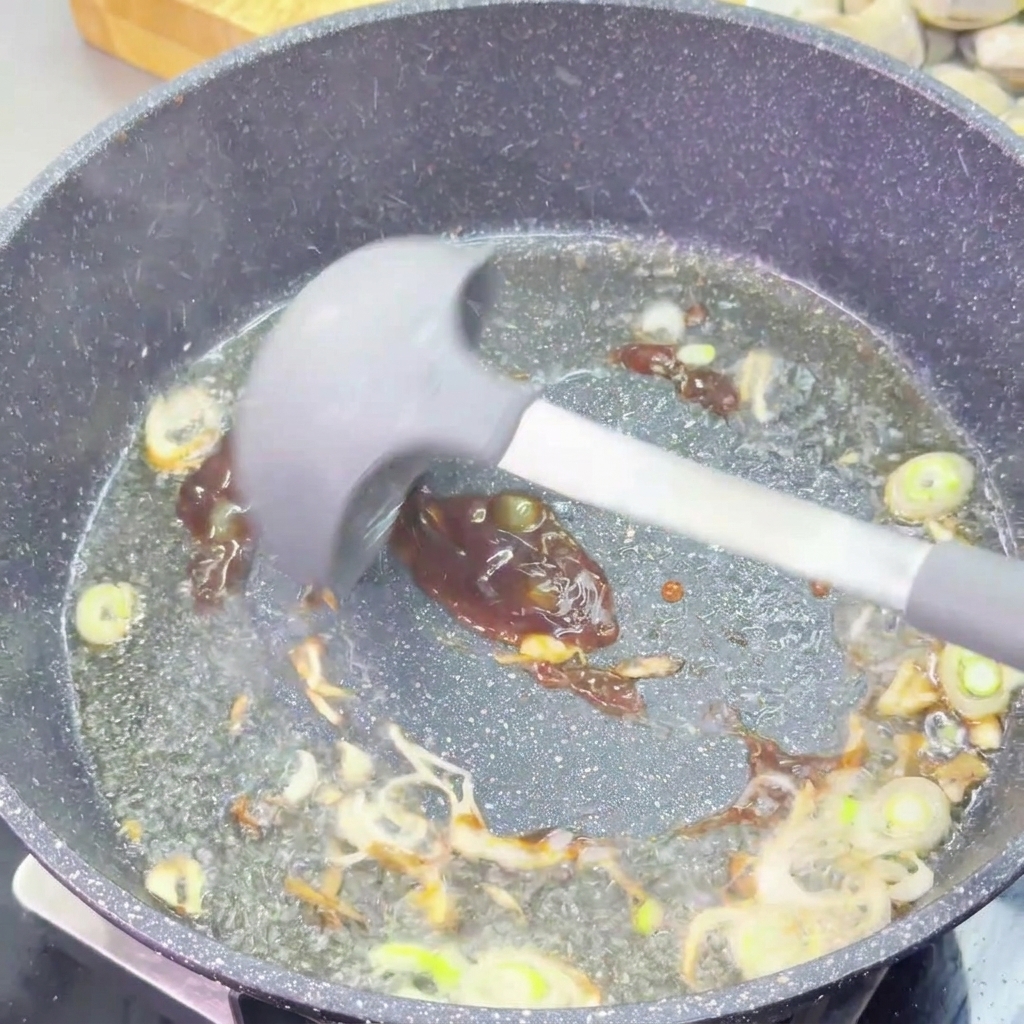
Once the scallions are fragrant, add a generous spoonful of thick oyster sauce to the pan. Stir it into the aromatics to begin building the savory, umami foundation for the gravy.
Tip: Oyster sauce not only provides umami but also helps give the final gravy its signature glossy, dark brown appearance. - 9Season with soy sauce
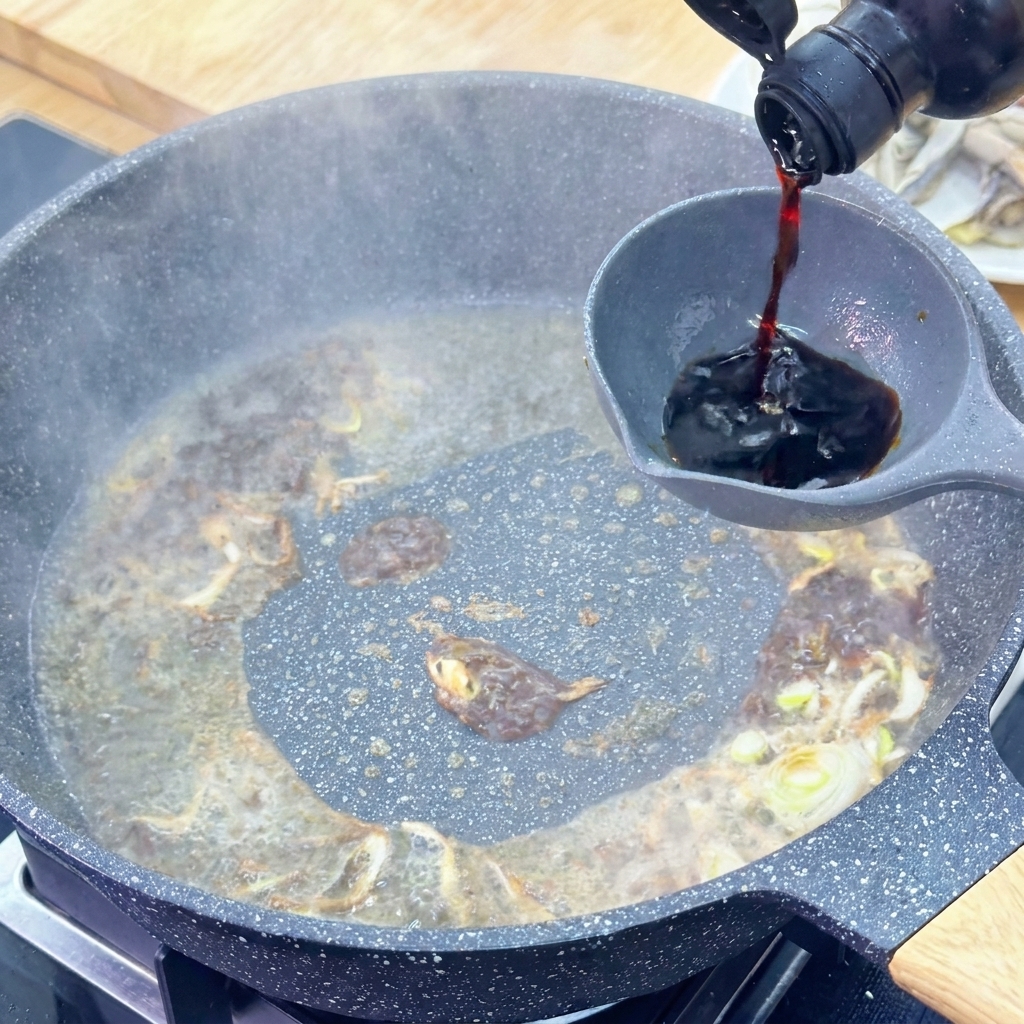
Pour light soy sauce into the pan to enhance the saltiness and depth of the sauce. This combination of soy and oyster sauce creates a balanced, savory glaze for the oysters.
Tip: Be careful with the amount of soy sauce, as the oysters already have a natural saltiness from the sea. - 10Create the sauce base
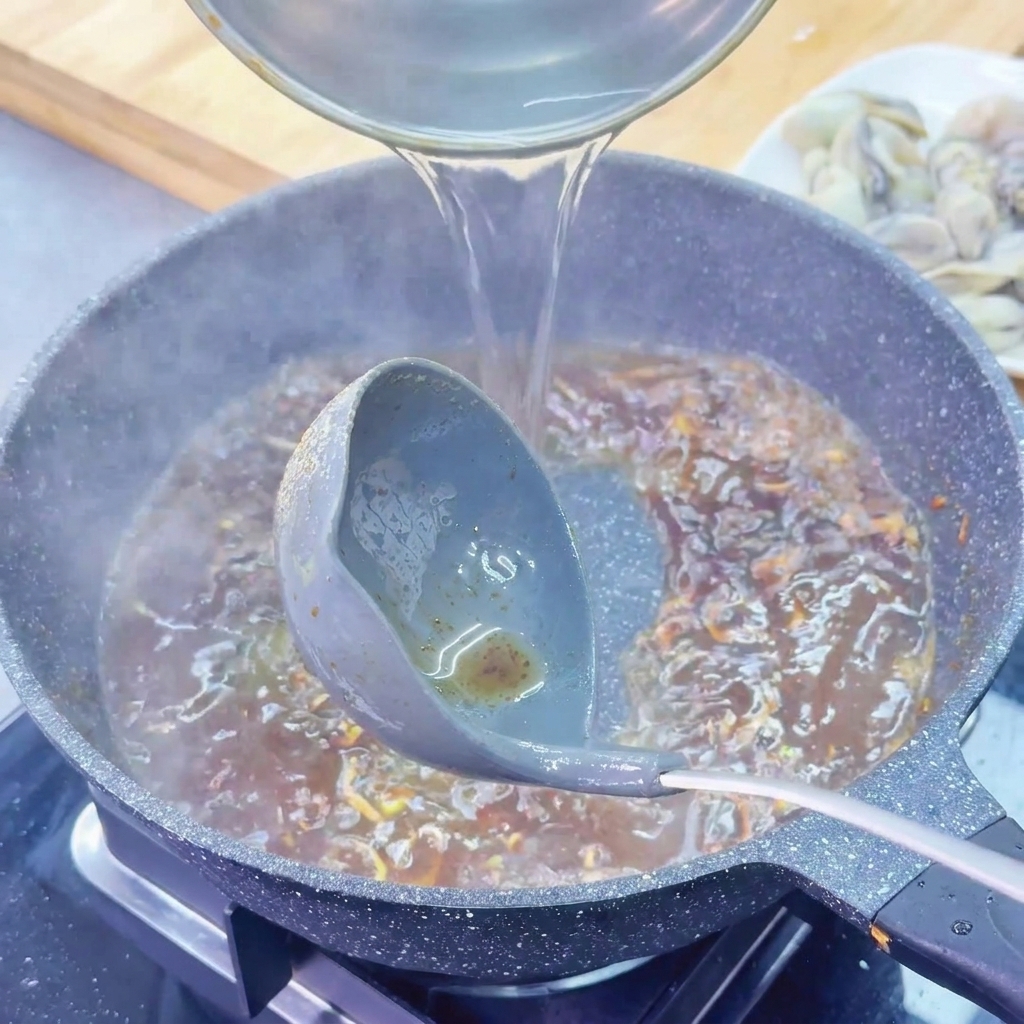
Pour a ladle of hot boiling water into the pan. This helps to thin the concentrated sauces and creates a rich, simmering liquid that will eventually coat the oysters and rice.
Tip: Using hot water instead of cold water helps maintain the pans temperature and speeds up the cooking process. - 11Return oysters to the pan
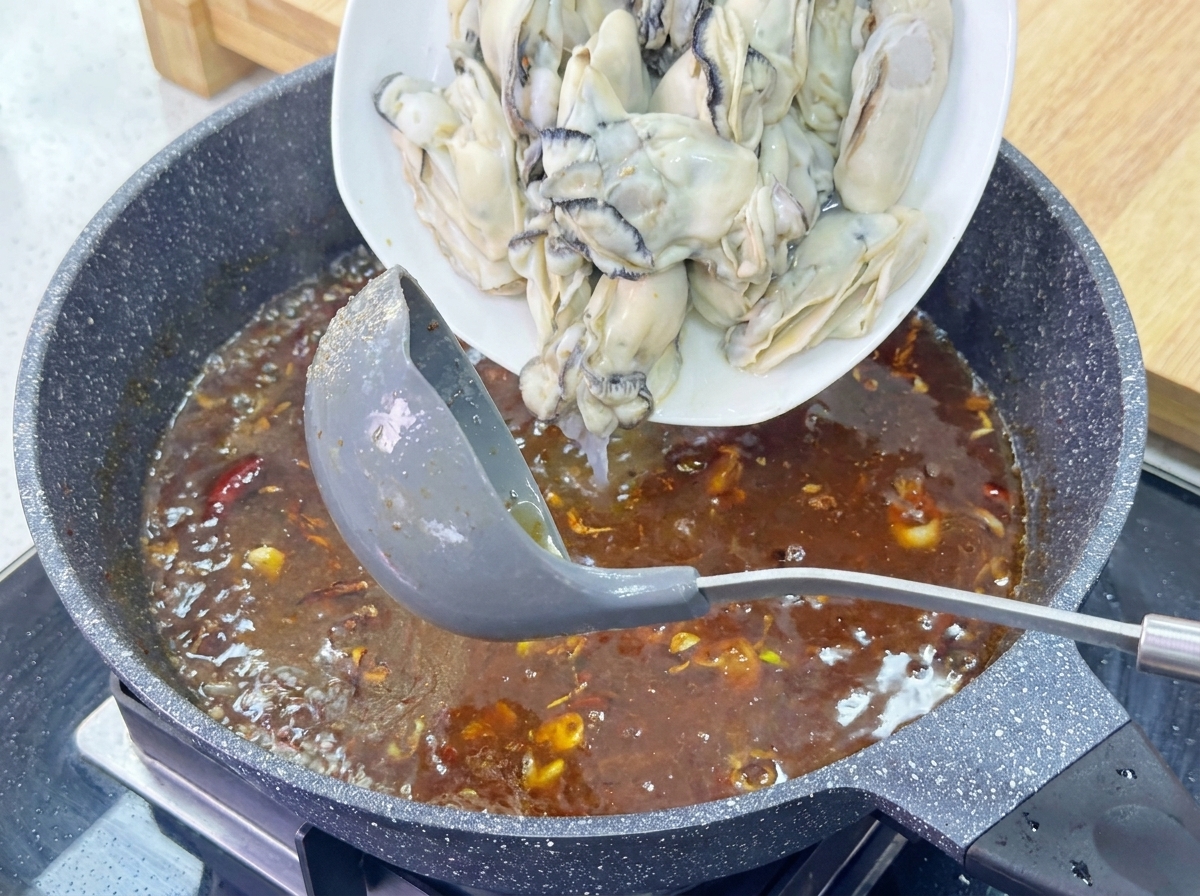
Add the blanched and cooled oysters back into the simmering sauce. Let them simmer for a minute or two so the tender meat can fully absorb the savory flavors of the gravy.
Tip: Do not simmer for too long; you only want the oysters to heat through and absorb flavor without becoming rubbery. - 12Thicken the sauce
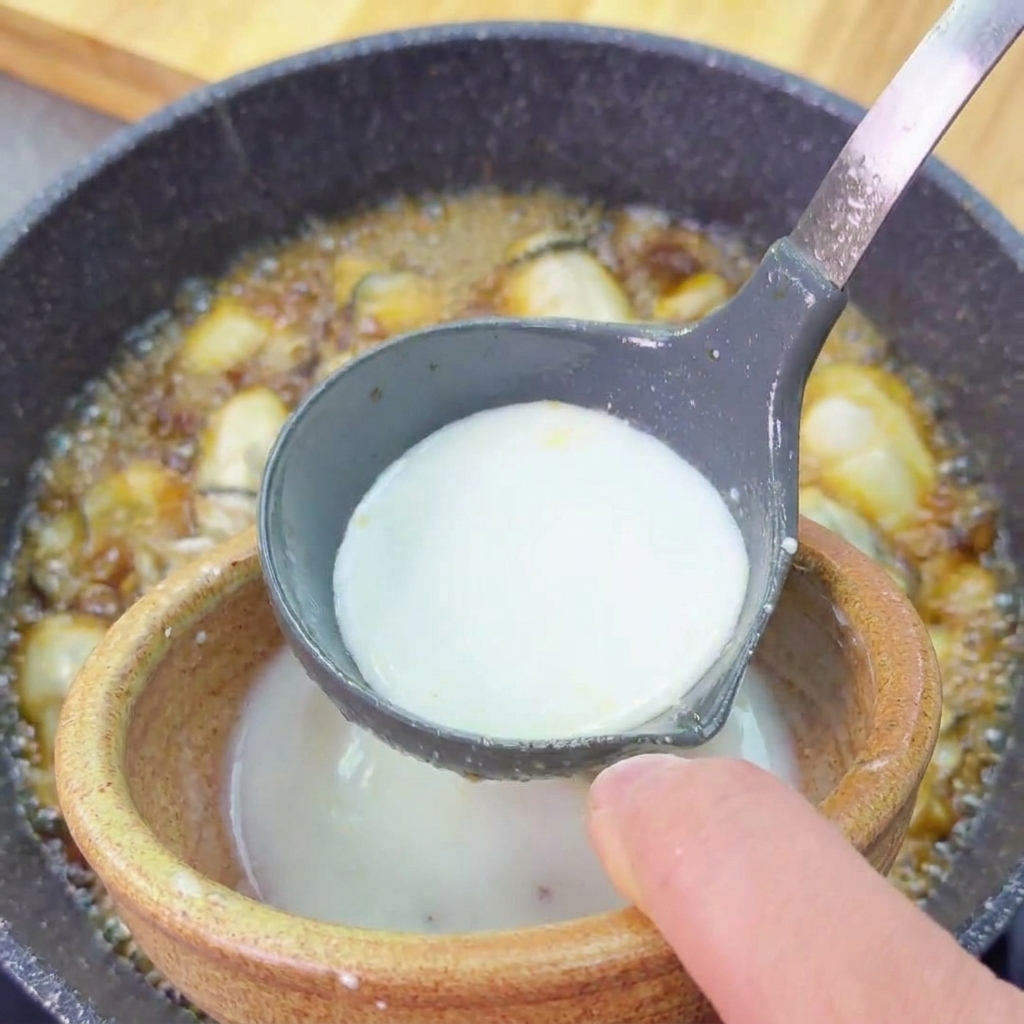
Gradually drizzle a potato starch slurry into the bubbling pan while stirring. This will thicken the sauce into a glossy, rich gravy that perfectly clings to the oysters and rice.
Tip: Always stir the slurry just before adding it, as the starch tends to settle at the bottom of the bowl. - 13Add the fresh chives
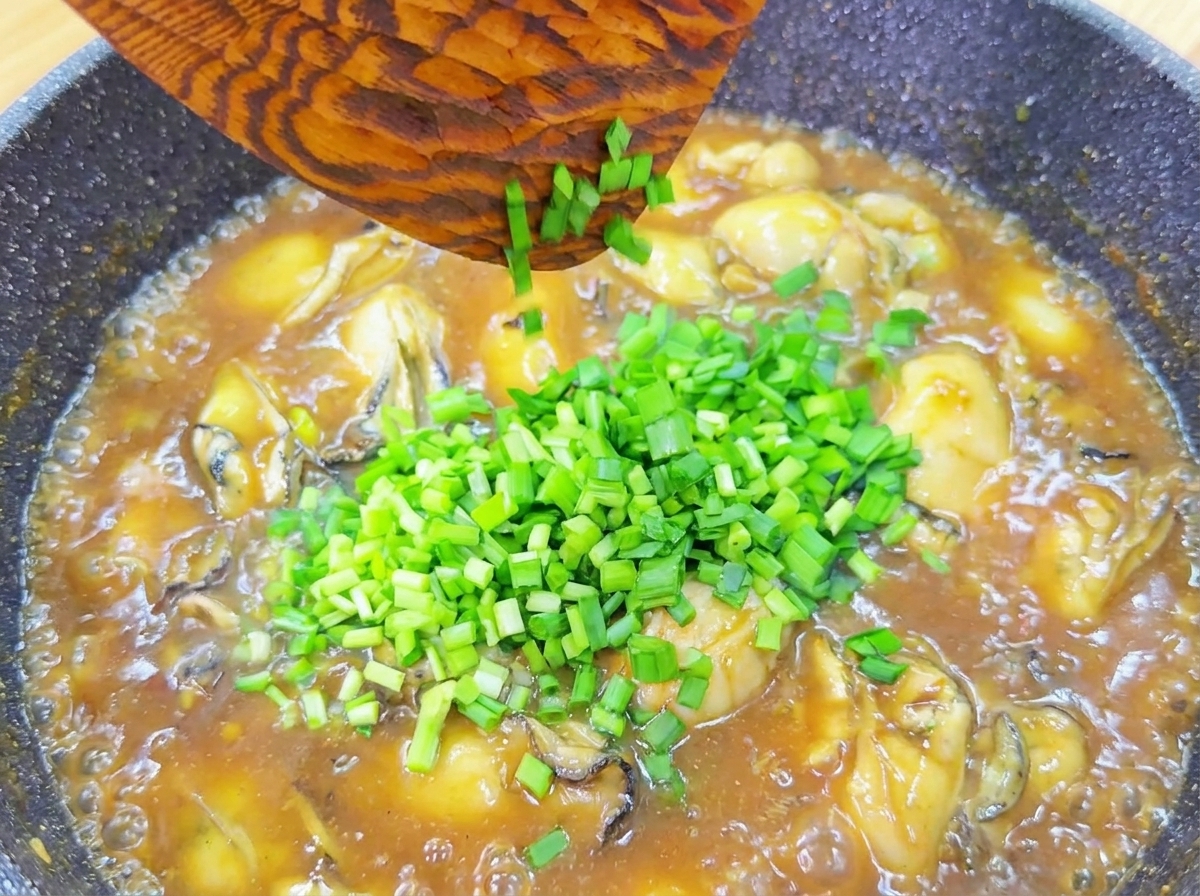
Once the oyster mixture has thickened into a glossy sauce, toss in a generous handful of freshly chopped green chives. The chives add a bright pop of color and a mild, onion-like aroma that perfectly cuts through the rich savoriness of the gravy.
Tip: Add the chives right at the end of the cooking process to maintain their vibrant green color and fresh flavor. - 14Combine the flavors
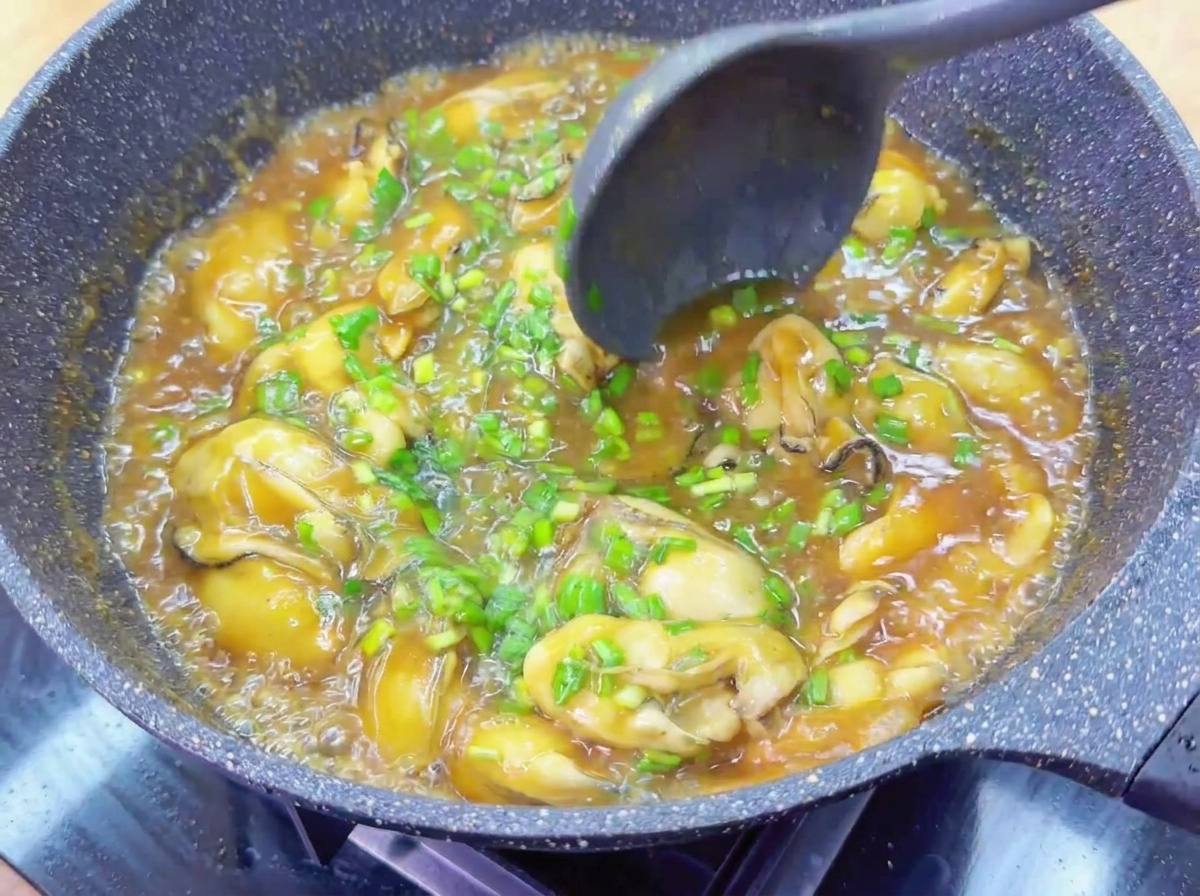
Gently stir the oysters and chives into the thick, glossy sauce using a ladle. Ensure the oysters are evenly coated without breaking them apart. Turn off the heat immediately after mixing to keep the seafood tender and succulent.
Tip: Use a light hand when stirring to keep the delicate oysters whole and plump. - 15Plate and serve
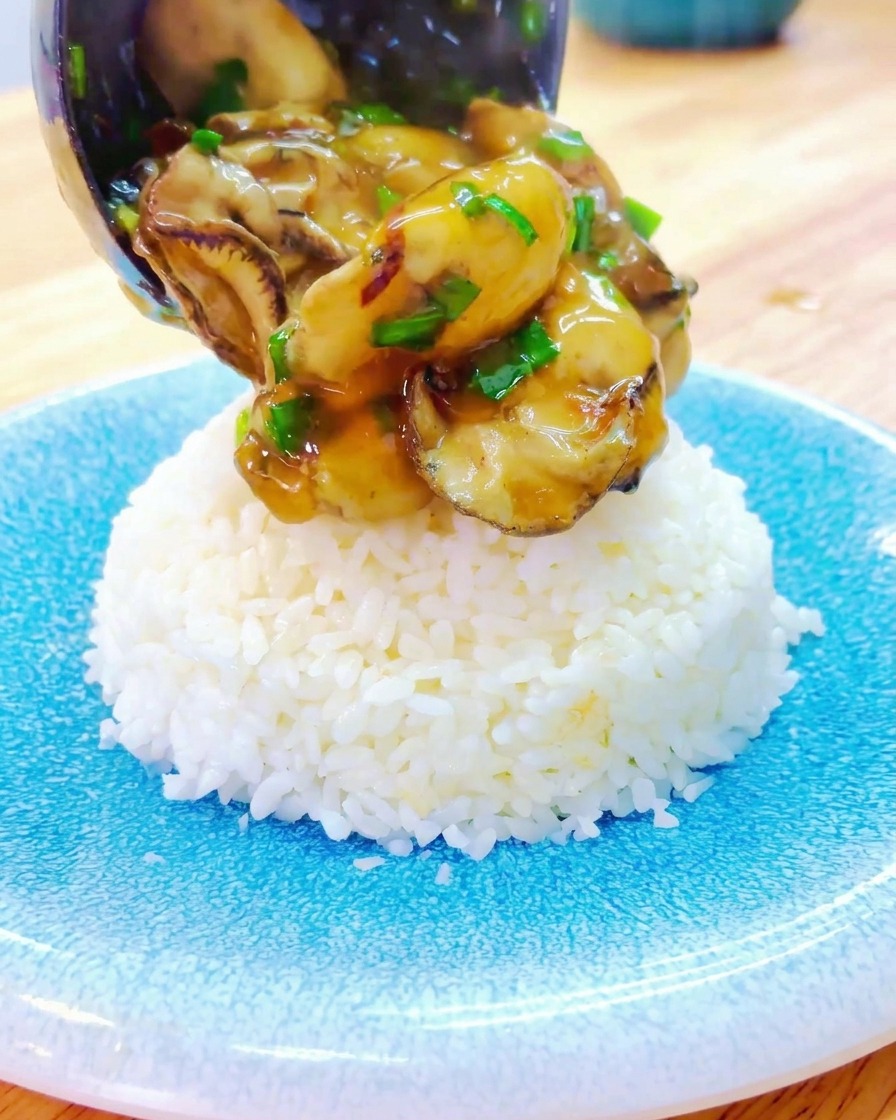
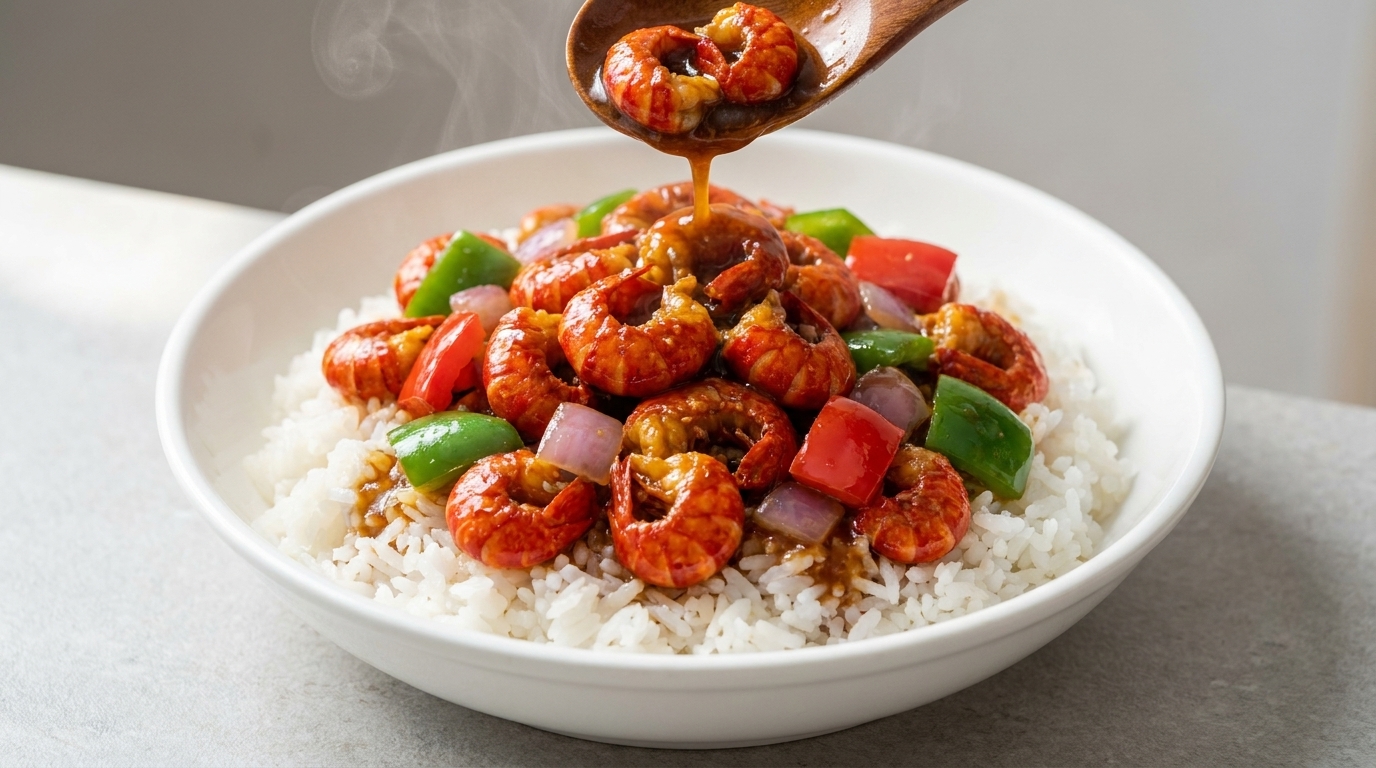
Ladle the finished oysters and the rich, aromatic gravy directly over a mound of freshly steamed white rice. The sauce is packed with the milk flavor of the oysters and will soak into the rice for a delicious, complete meal. Serve immediately while steaming hot.
Tip: Serve this dish in a shallow bowl to allow the gravy to pool slightly around the base of the rice, ensuring every bite is flavorful.