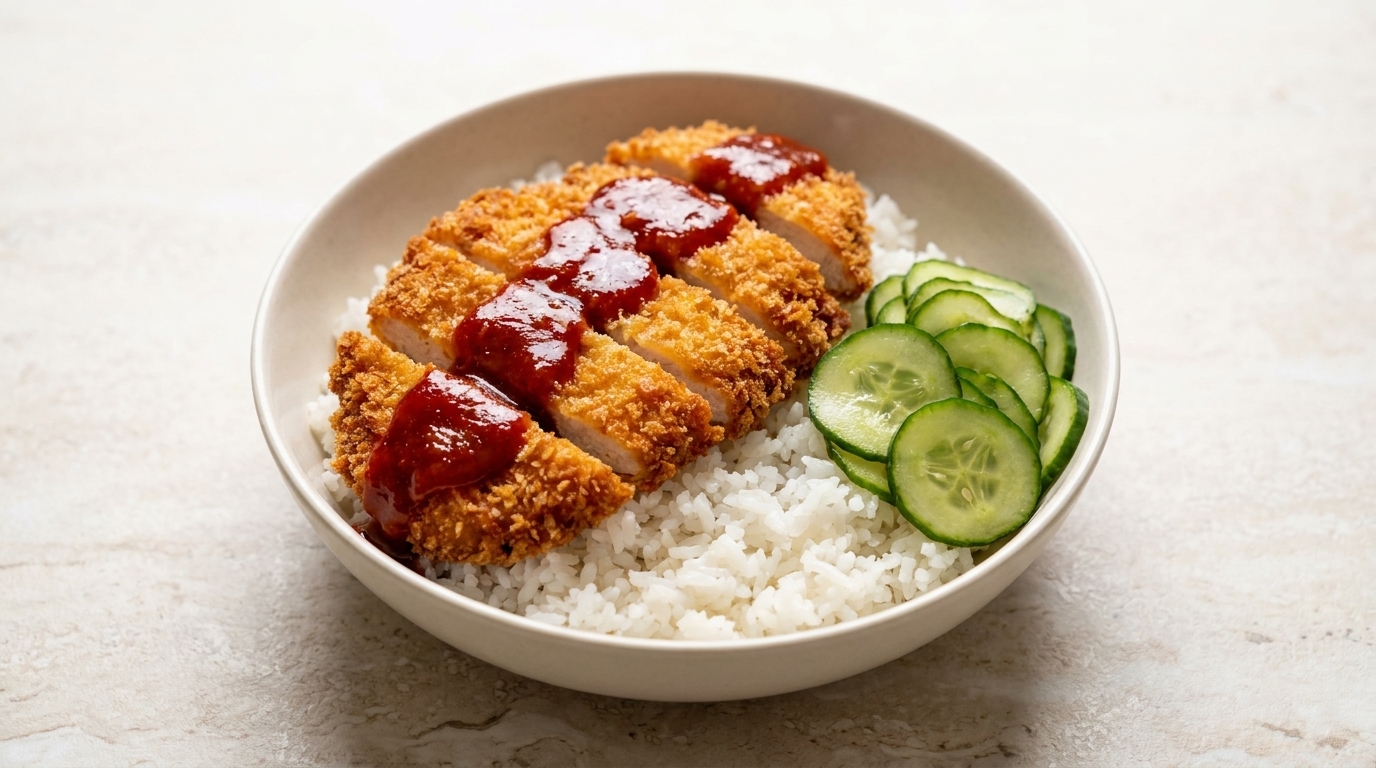
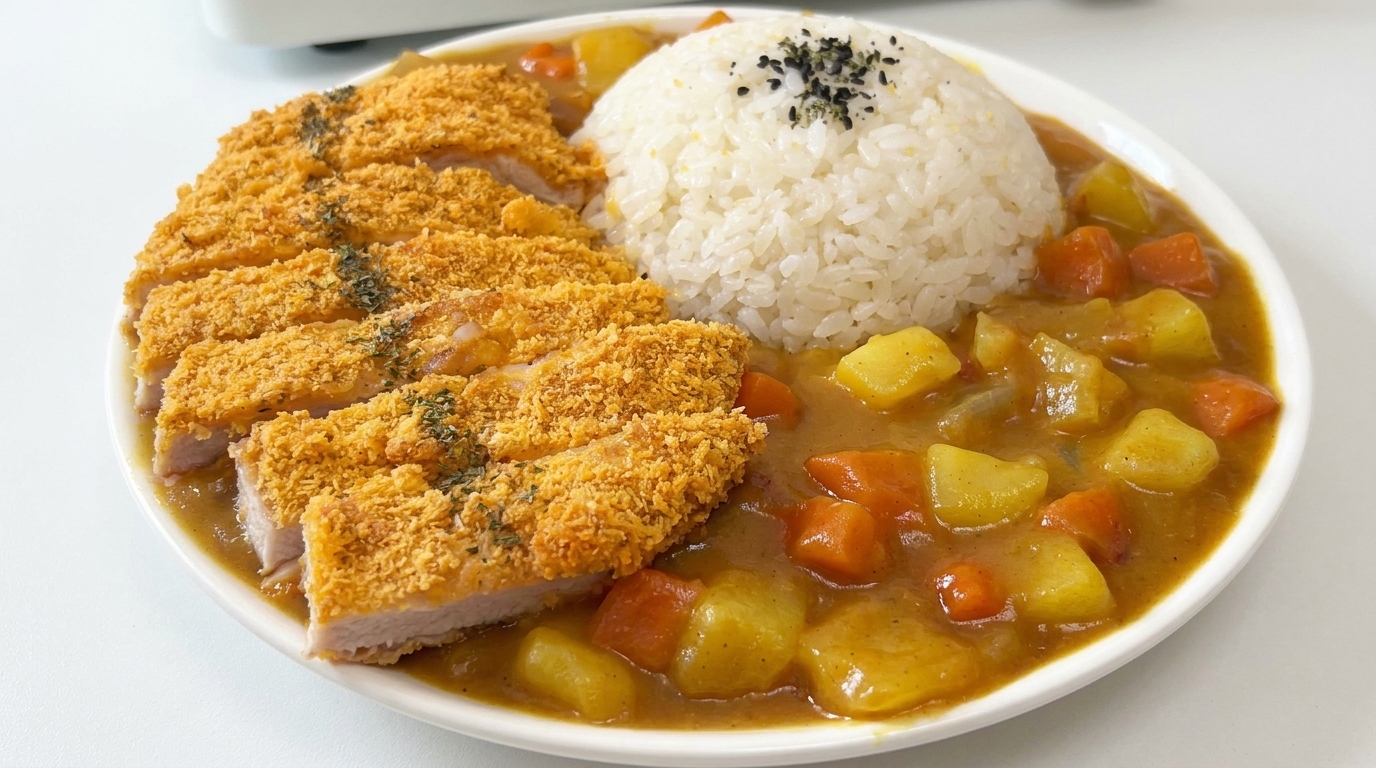
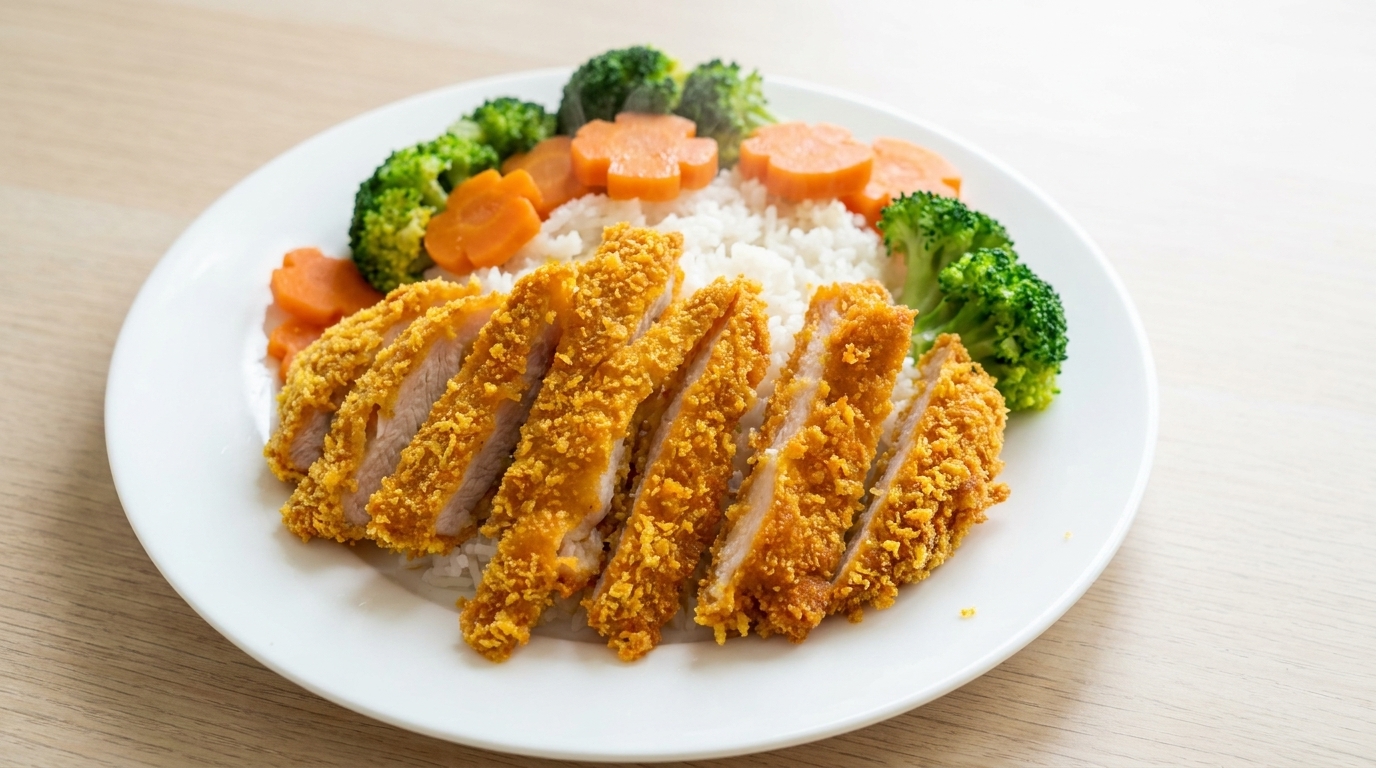
Crispy Japanese-Style Curry Chicken Cutlet Rice (Chicken Katsu Curry)
Golden, crunchy chicken katsu meets a velvety potato and carrot curry sauce in this comforting home-style recreation of the classic Japanese cafe favorite.
Curry chicken cutlet rice is the ultimate comfort food, balancing the sharp crunch of breaded poultry with a rich, aromatic gravy. This version focuses on tenderizing the meat through a traditional butterfly cut and a savory aromatic marinade. It is a satisfying, colorful meal that brings the warmth of a professional curry shop directly to your kitchen table.
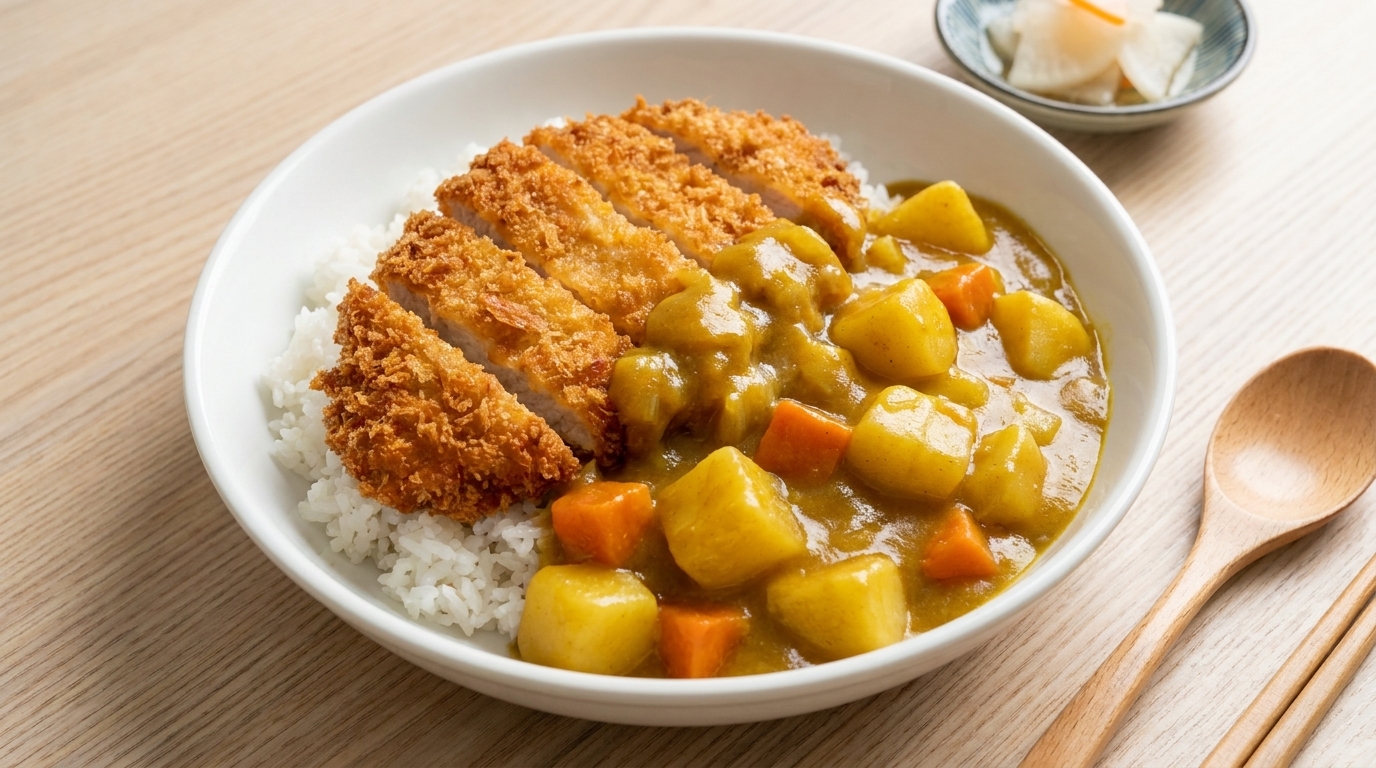
Ingredients
- 1 large chicken breast
- 1 egg
- 2 tbsp all-purpose flour
- 1 cup panko breadcrumbs
- 2 medium potatoes
- 1 large carrot
- 1 red onion
- 2–3 cubes Japanese curry roux
- 4 tbsp scallion, ginger, and garlic water
- 1 tsp light soy sauce
- to taste salt, sugar, black pepper, and MSG
- as needed cooking oil
- 2 cups cooked white rice
Instructions
- 1Rinse the chicken
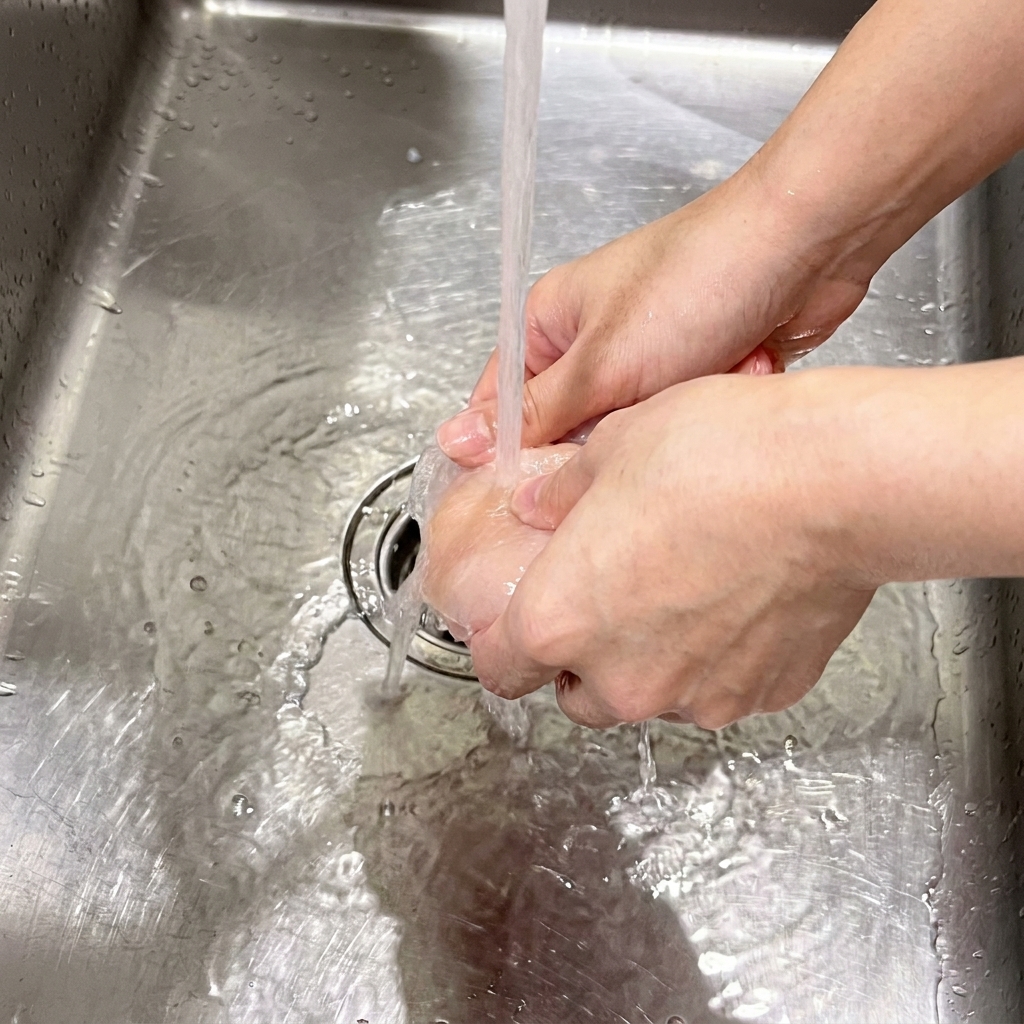
Begin by thoroughly rinsing the raw chicken breast under cold running water in the sink. This helps remove any surface debris before you start the preparation process.
Tip: Always pat the chicken completely dry with paper towels after rinsing to ensure the seasonings and batter stick properly. - 2Trim the membrane
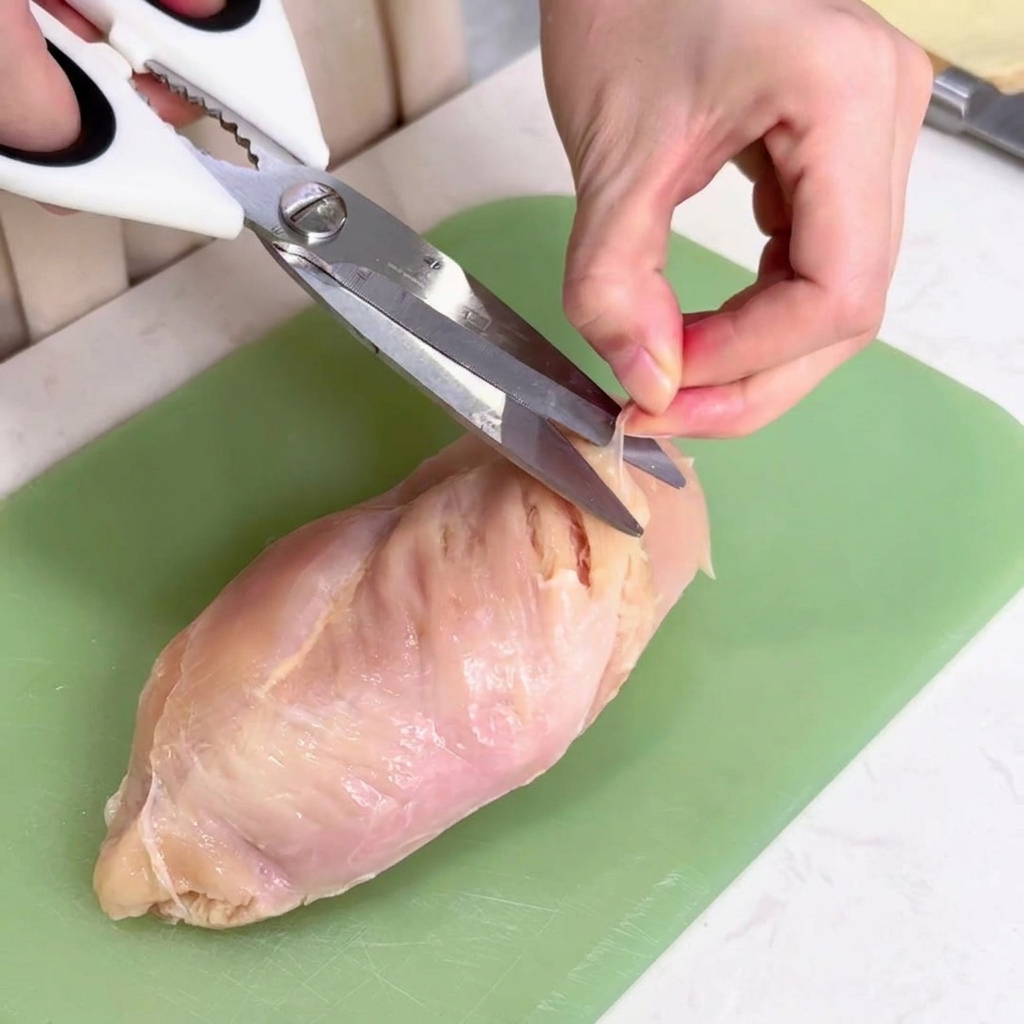
Use a pair of clean kitchen scissors to carefully trim away the thin white membrane from the surface of the chicken. Removing this part is essential as it can cause a fishy taste and result in a tough, chewy texture once cooked.
Tip: If the membrane is slippery, use a piece of paper towel to get a better grip while cutting. - 3Butterfly the chicken breast
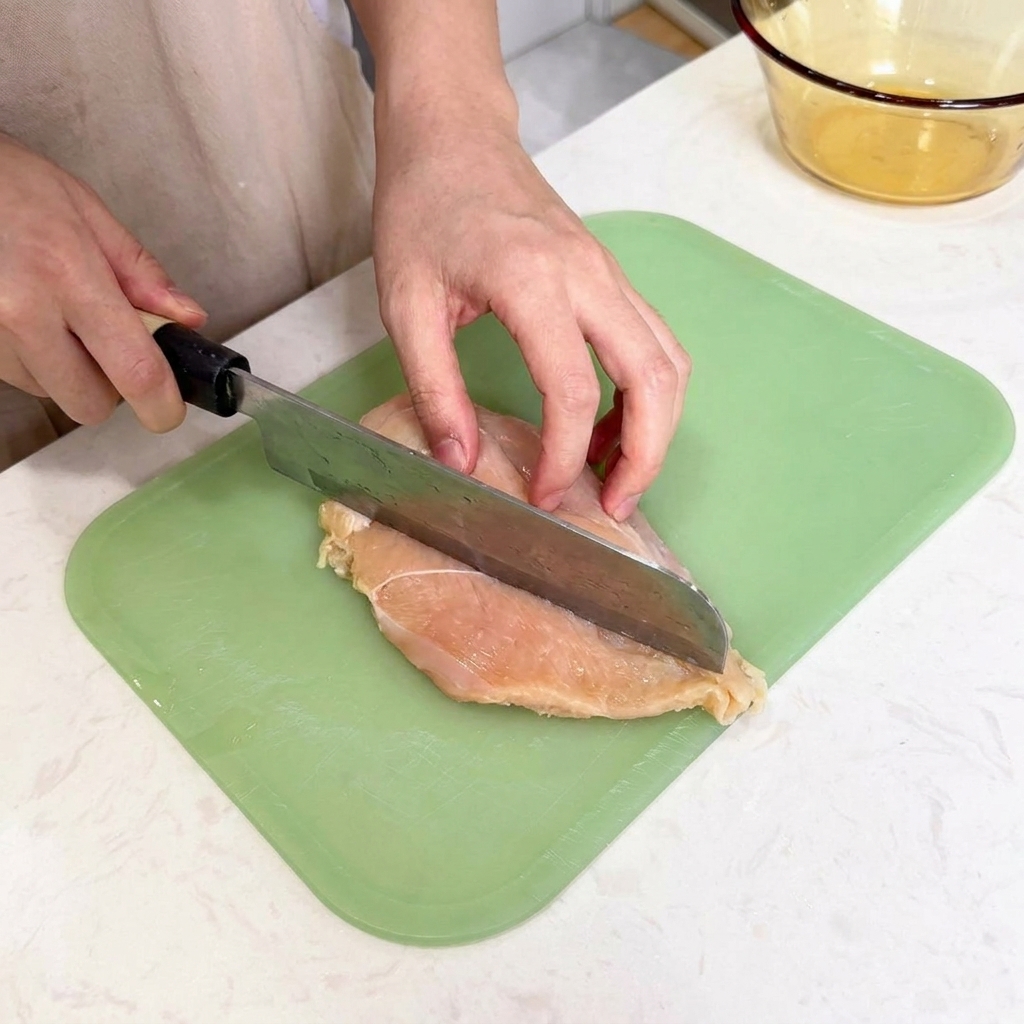
Place your hand flat on top of the chicken breast and use a sharp knife to slice it horizontally through the middle. Stop just before cutting all the way through so you can open it up like a book, creating a thinner, more even piece for faster cooking.
Tip: Keep your palm flat and fingers slightly upturned to safely guide the knife through the center of the meat. - 4Tenderize the meat
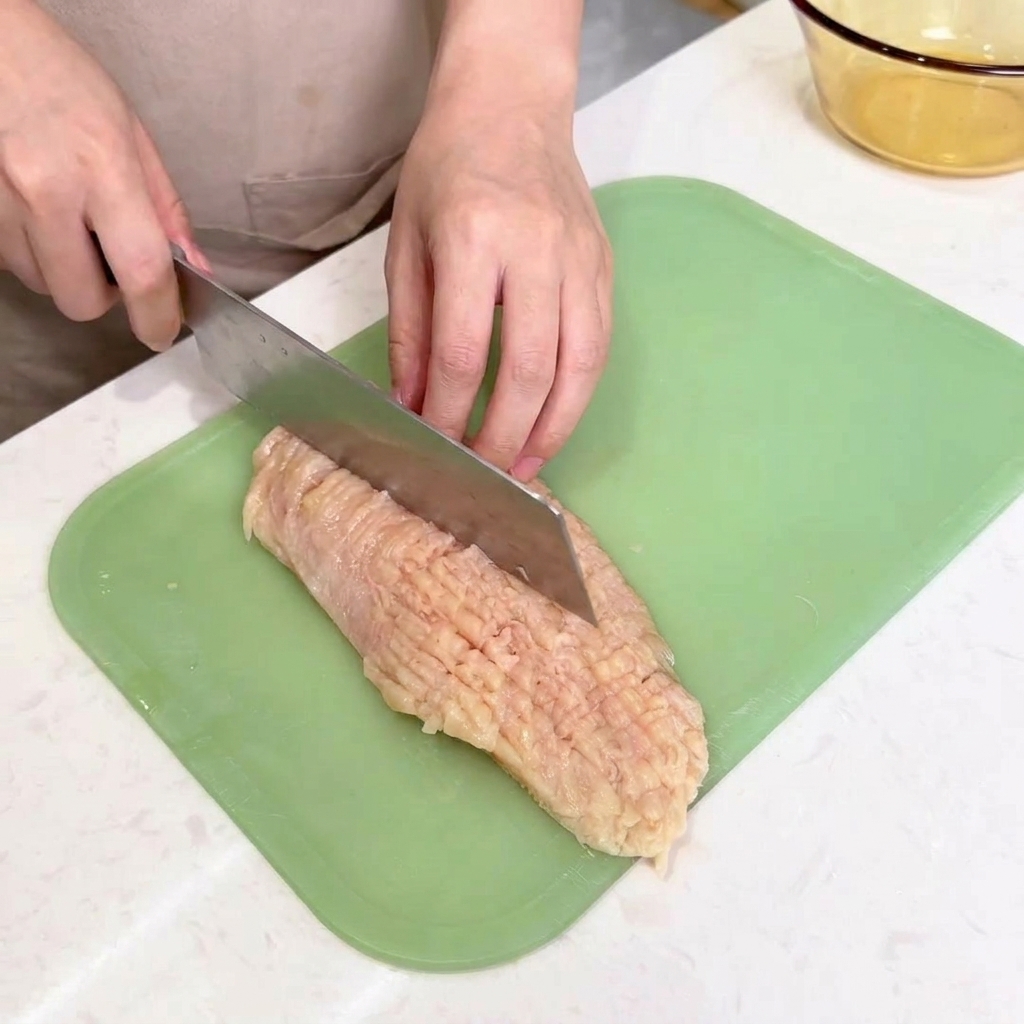
Using the back of your kitchen knife, lightly pound the entire surface of the butterflied chicken breast. This breaks down the muscle fibers, making the meat more tender and allowing the marinade to penetrate deeper into the chicken.
Tip: Pound in a crisscross pattern to ensure the thickness is uniform across the entire cutlet. - 5Season the chicken
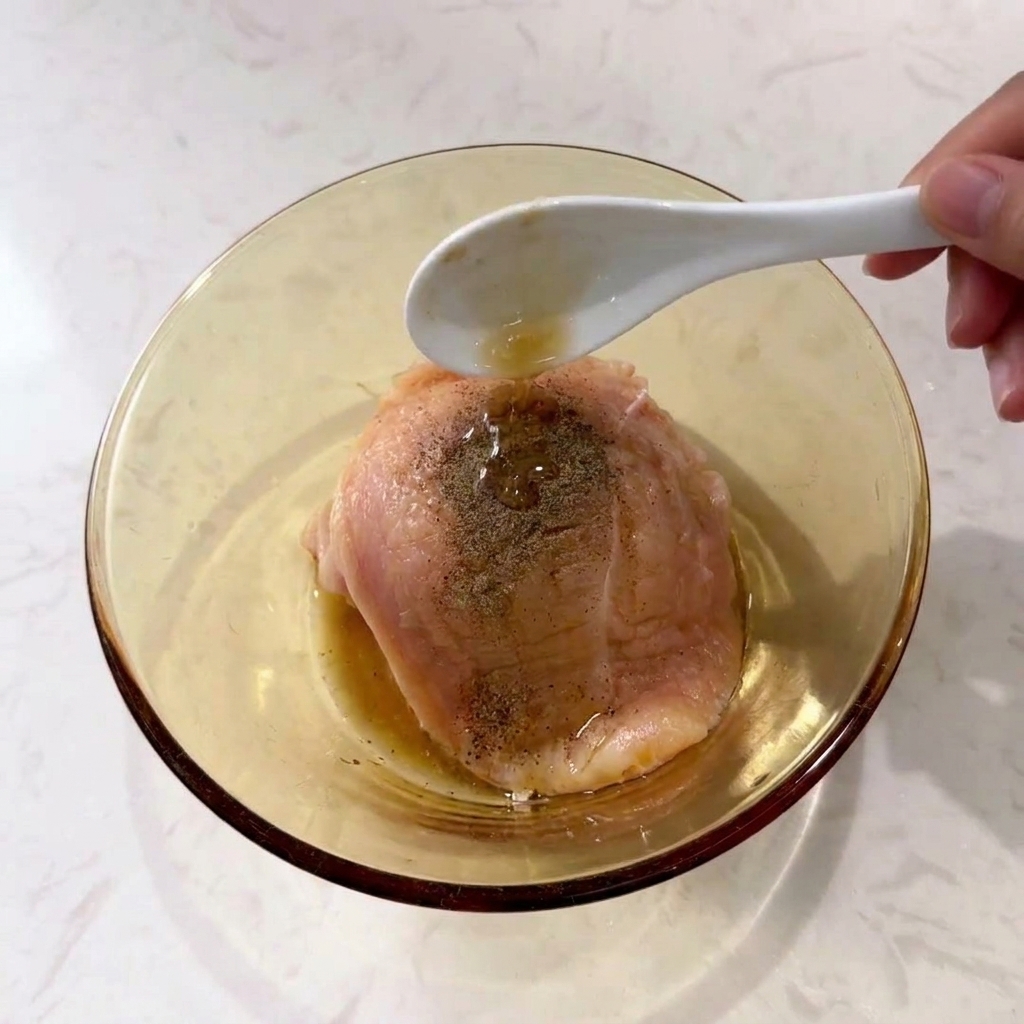
Place the prepared chicken in a bowl and begin seasoning. Sprinkle on black pepper, salt, sugar, MSG, and a splash of light soy sauce to build a savory base of flavor.
Tip: Dont be afraid to adjust the seasoning amounts to your personal preference; a good balance of salt and sugar enhances the umami of the dish. - 6Prepare aromatics water
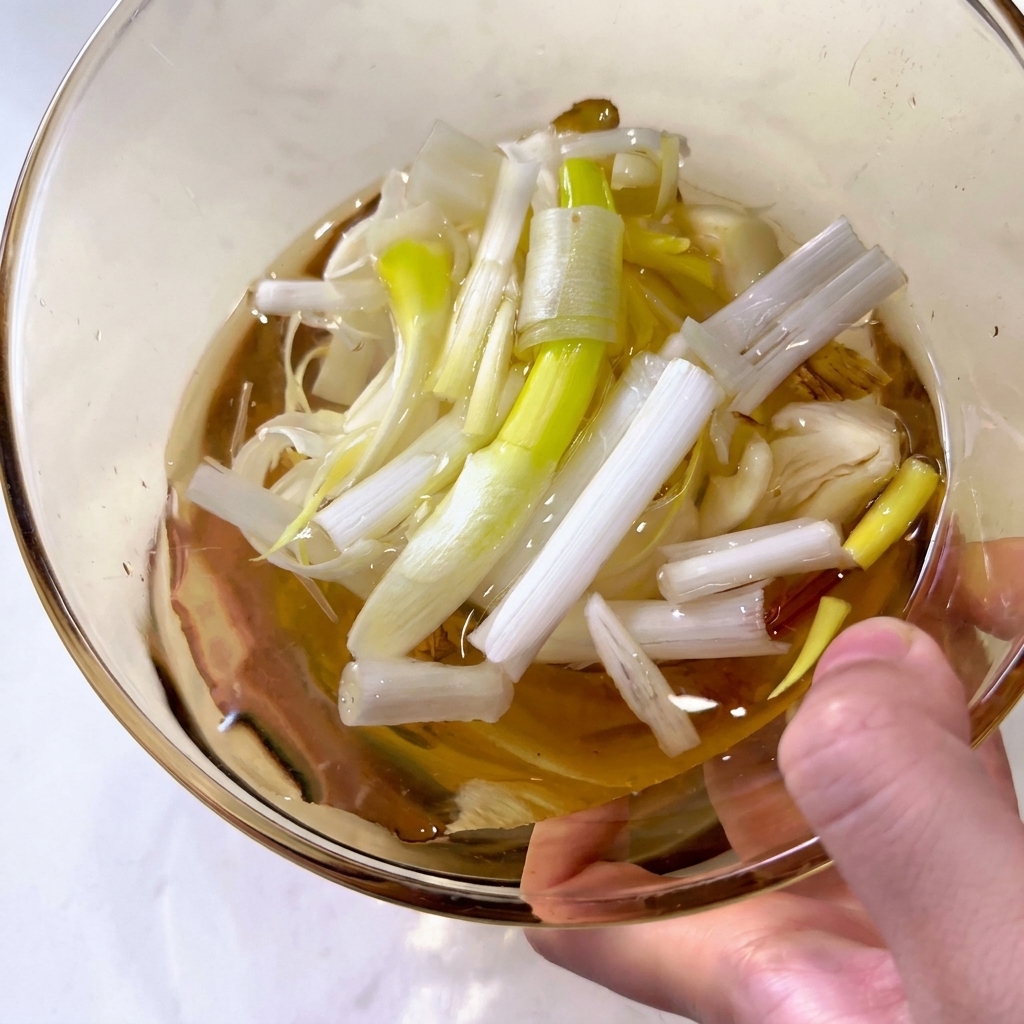
Prepare a mixture of four tablespoons of scallion, ginger, and garlic water. This liquid infusion provides a deep aromatic flavor to the meat without leaving large chunks of aromatics that might burn during frying.
Tip: To make this, soak smashed ginger, scallions, and garlic in a small amount of warm water for a few minutes, then squeeze the pieces to release their essence. - 7Season and massage
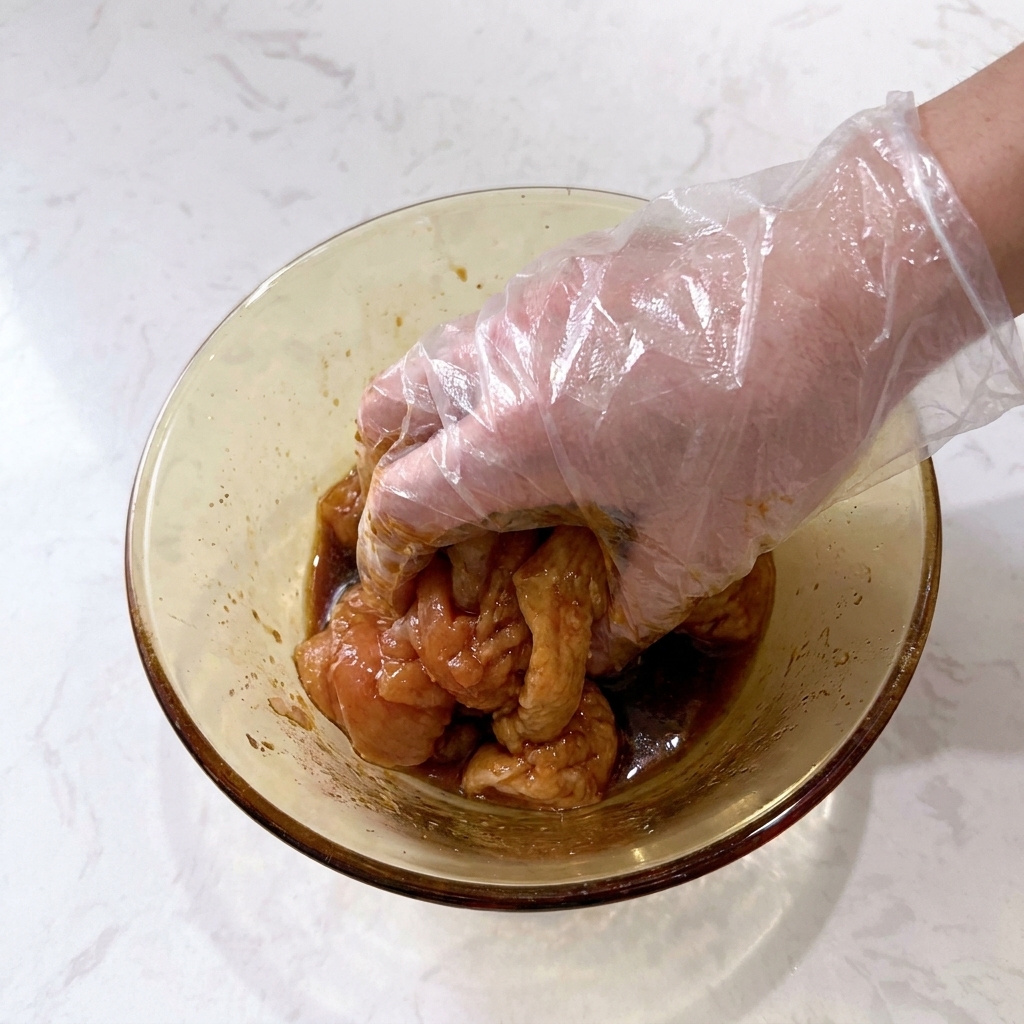
Combine the prepared seasonings—black pepper, MSG, salt, sugar, and soy sauce—with the scallion, ginger, and garlic water. Massage this mixture thoroughly into the chicken to ensure the liquid is fully absorbed into the meat fibers.
Tip: The massage helps the fibers of the chicken absorb the liquid, resulting in a juicier and more flavorful cutlet after frying. - 8Let the chicken marinate
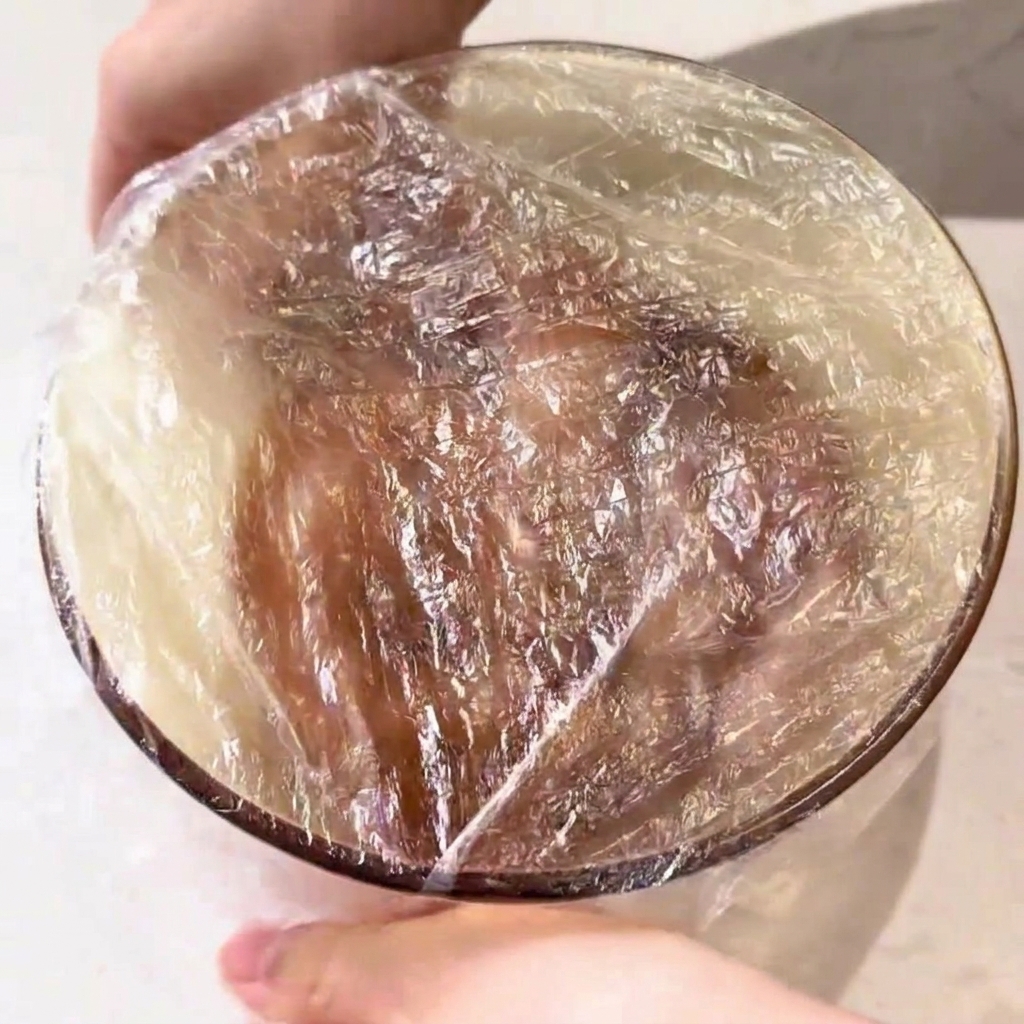
Cover the bowl tightly with clear plastic wrap to prevent the meat from drying out and to keep the aromatics contained. Let the chicken sit for at least half an hour; the longer it marinates, the deeper the flavor will be.
Tip: If you have time, marinating the chicken in the refrigerator for a few hours or overnight will yield the best results. - 9Peel the carrots
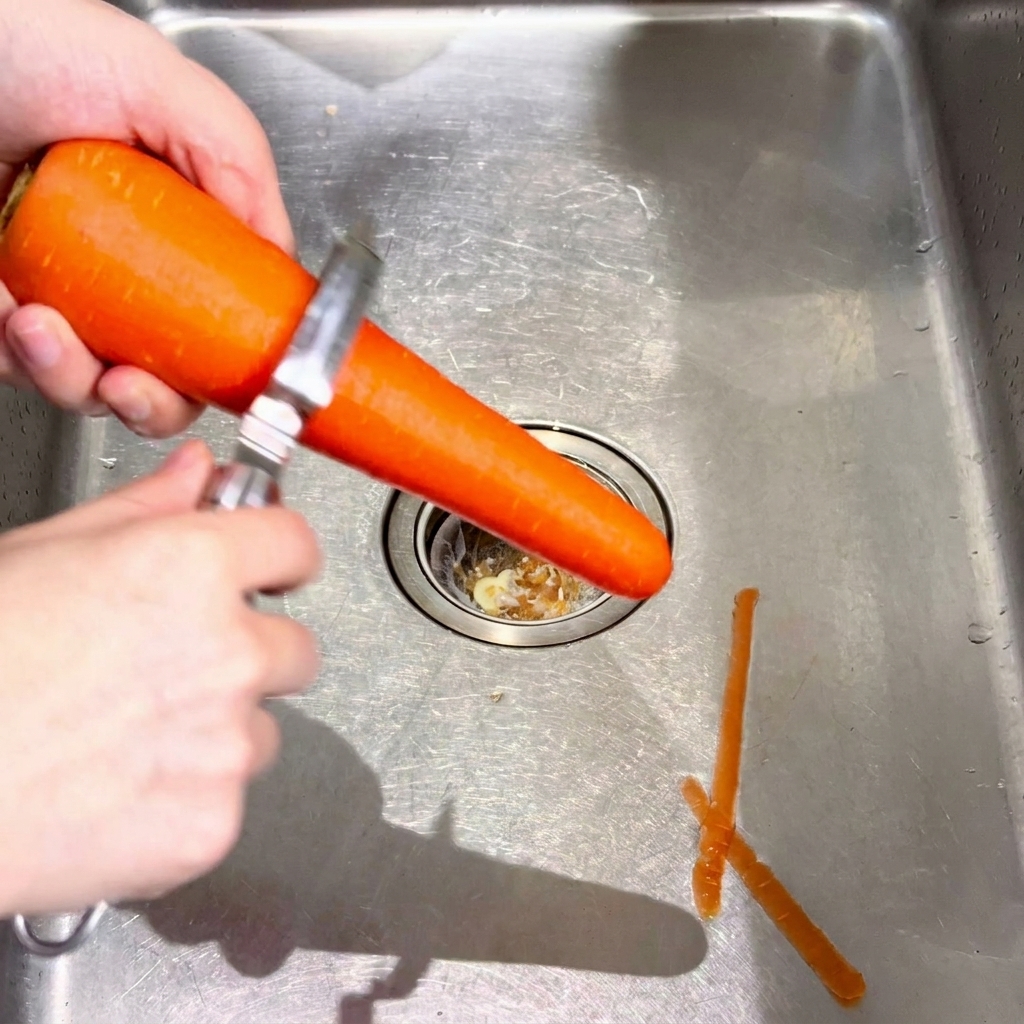
While the chicken is marinating, prepare your vegetables. Use a peeler to remove the outer skin from the fresh carrots, working over a sink for easy cleanup of the peels.
Tip: Peeling the carrots ensures a smooth texture in the final curry sauce and removes any surface bitterness from the skin. - 10Dice the carrots
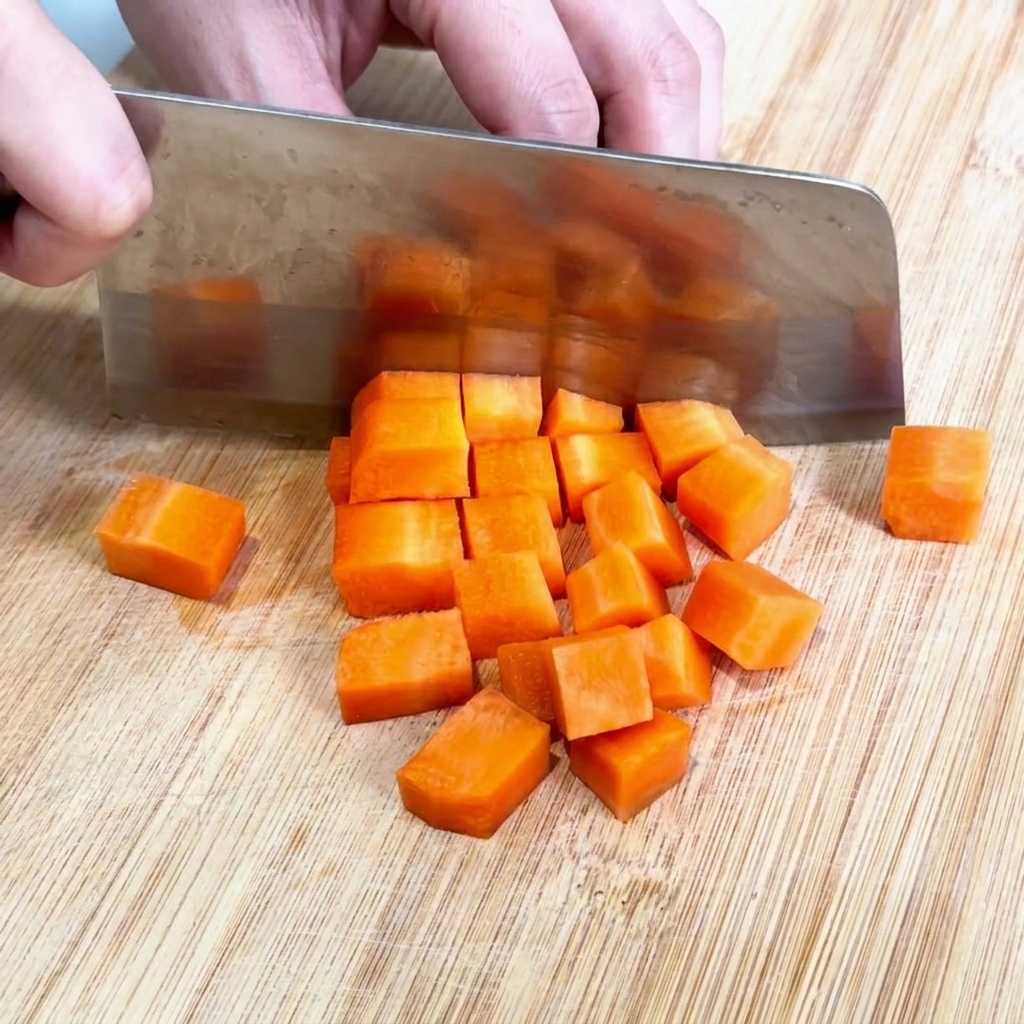
Place the peeled carrot on a cutting board and use a sharp knife to slice it into small, uniform cubes. Keeping the pieces a similar size ensures they will cook evenly when simmered later.
Tip: Cut the carrot into long batons first, then bunch them together to quickly dice them into consistent cubes. - 11Prep the potatoes
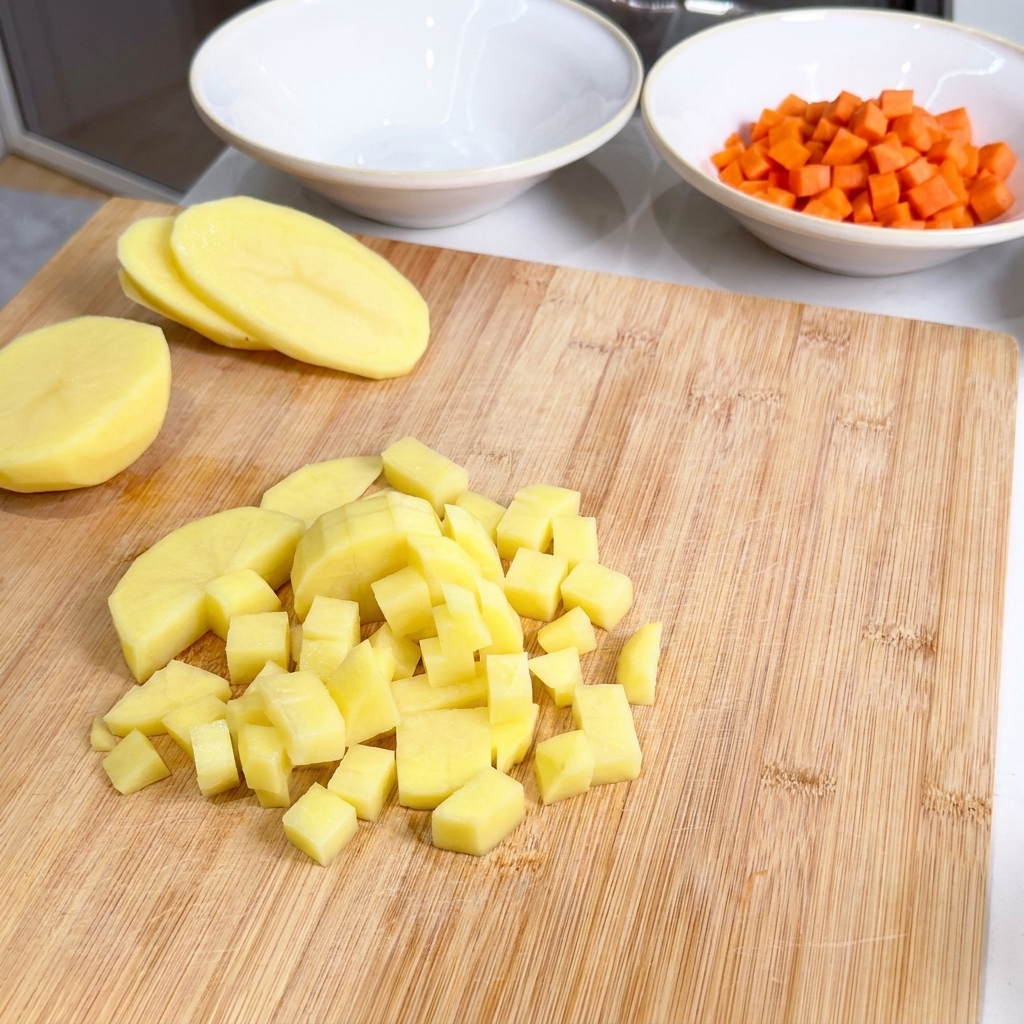
Peel the potatoes and cut them into small cubes, roughly the same size as your carrot pieces. The starch from the potatoes will eventually help thicken the curry sauce as it simmers.
Tip: If you arent cooking them immediately, keep the potato cubes in a bowl of cold water to prevent them from turning brown. - 12Dice the red onion
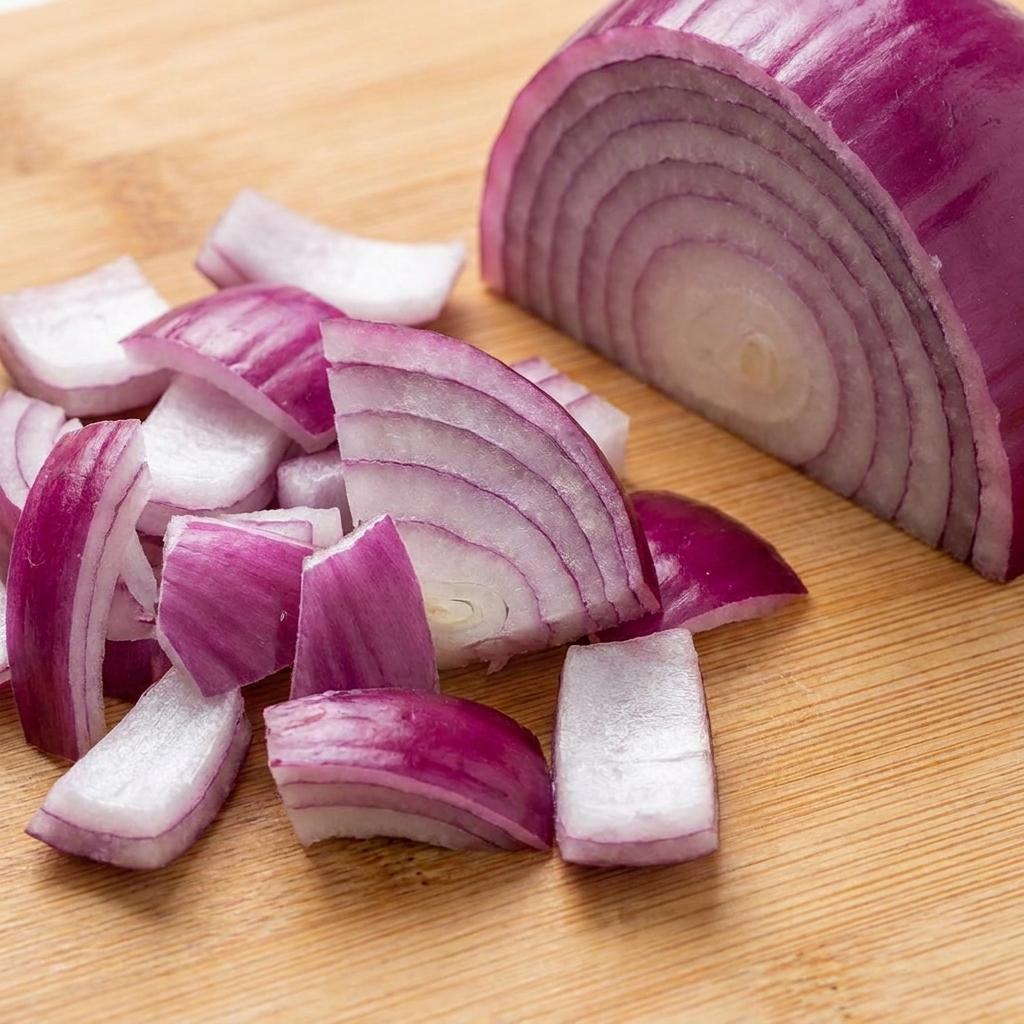
Peel a red onion and dice it into small pieces. The onion will provide a sweet, aromatic base for the curry when sautéed with the other vegetables.
Tip: Chilling the onion in the fridge before cutting can help reduce the vapors that make your eyes water. - 13Prepare the batter
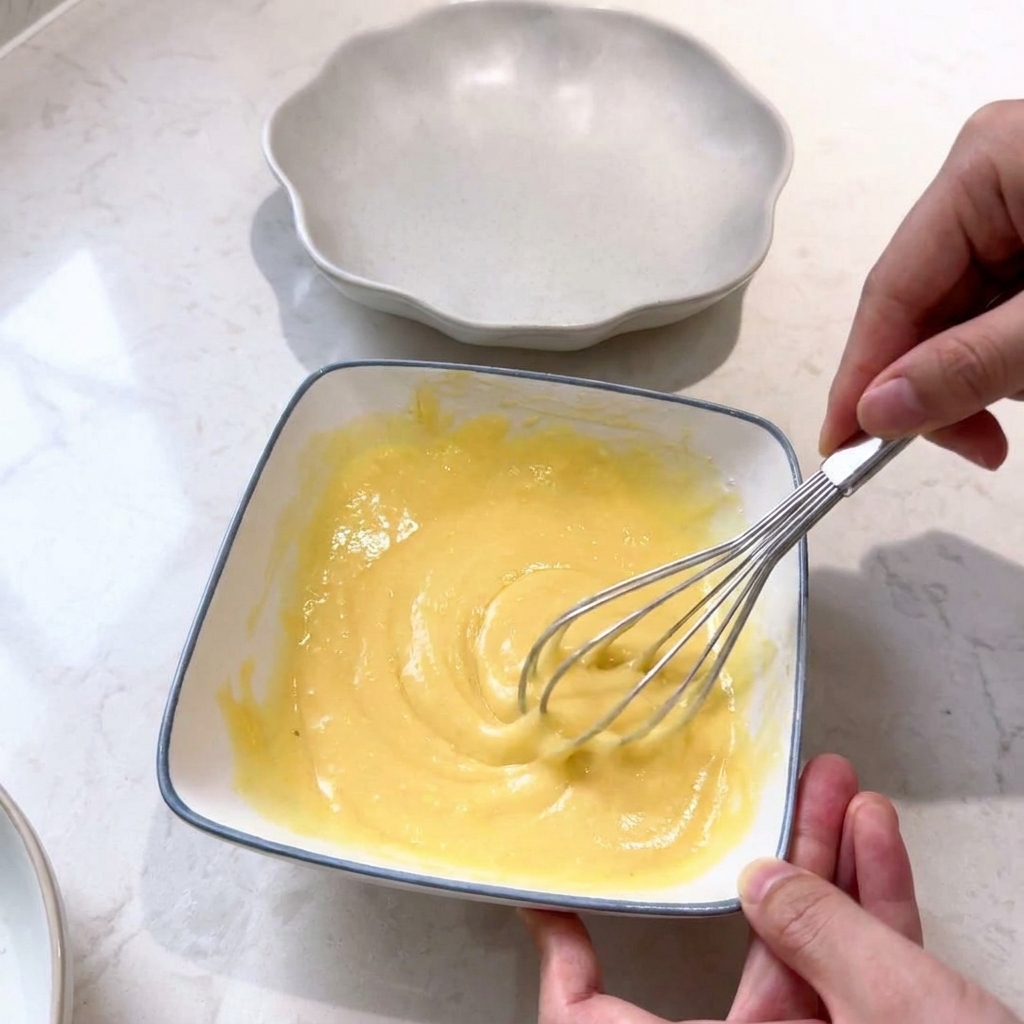
Whisk together one egg and two tablespoons of flour in a bowl until smooth. If the mixture is too thick, add a small amount of water until it reaches a consistency that will easily coat the chicken.
Tip: The batter should be thick enough to cling to the chicken breast without immediately running off. - 14Coat with batter
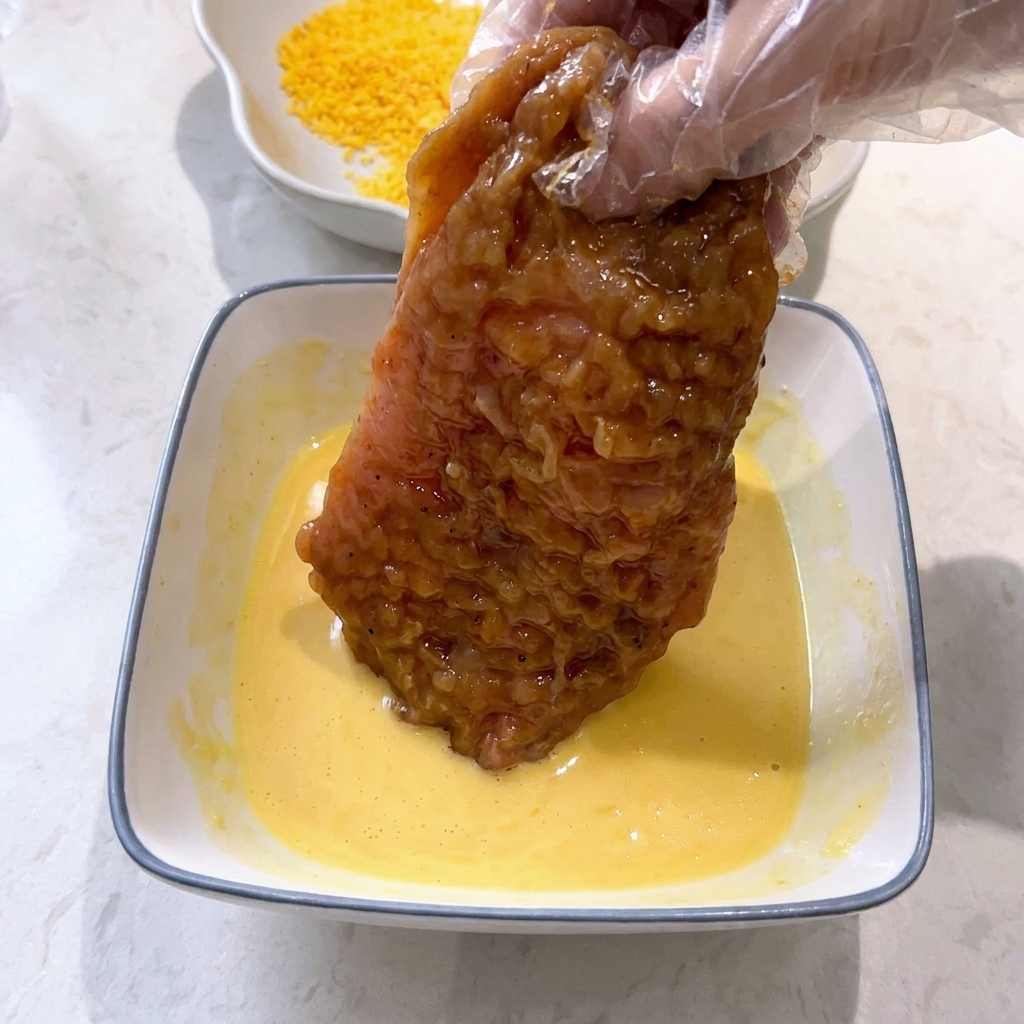
Take the marinated chicken breast and dip it into the prepared egg and flour batter. Ensure the entire surface of the chicken is thoroughly coated to help the breadcrumbs adhere better.
Tip: Hold the chicken up for a second after dipping to let any excess batter drip off into the bowl. - 15Bread the chicken
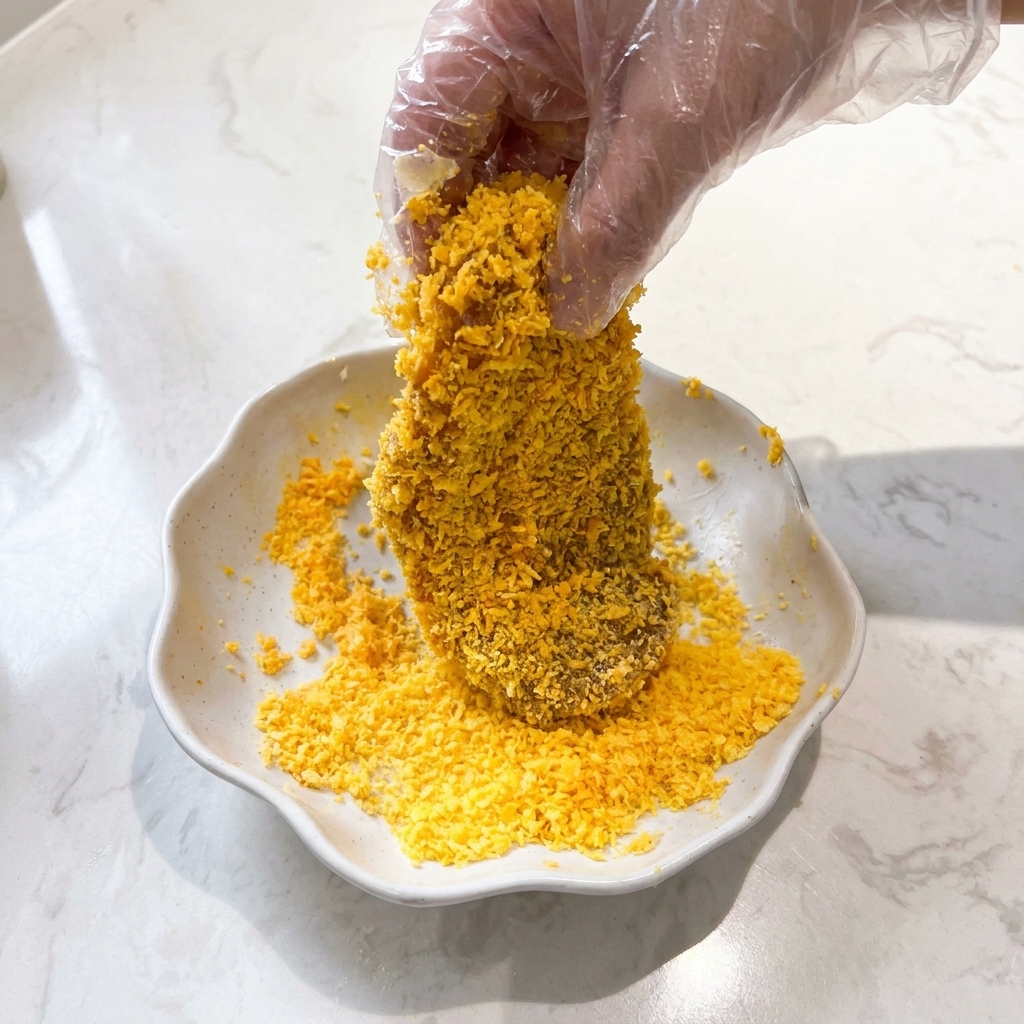
Place the battered chicken onto a plate filled with golden breadcrumbs. Press down firmly on both sides to ensure a thick, even layer of crumbs covers the entire piece of meat.
Tip: Gently shake the chicken after coating to remove any loose crumbs that might burn in the oil. - 16Fry until golden
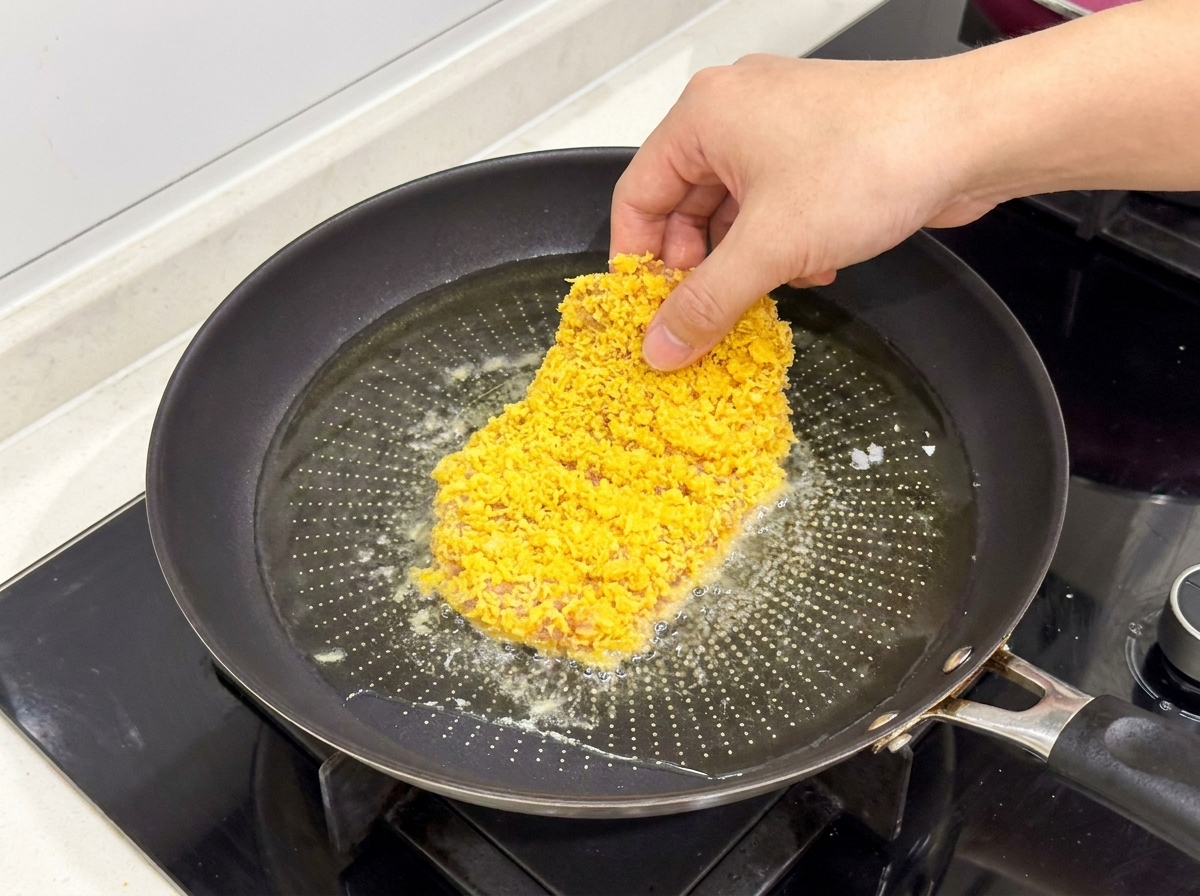
Lower the breaded cutlet into the hot oil. Fry on medium heat for about 5 minutes, turning occasionally, until the crust is a deep golden brown and the chicken is cooked through. Drain on a wire rack to maintain crispiness.
Tip: Dont overcrowd the pan; frying one piece at a time helps maintain the oil temperature for maximum crispiness.