Traditional Korean Pork Bone Potato Soup (Gamjatang)
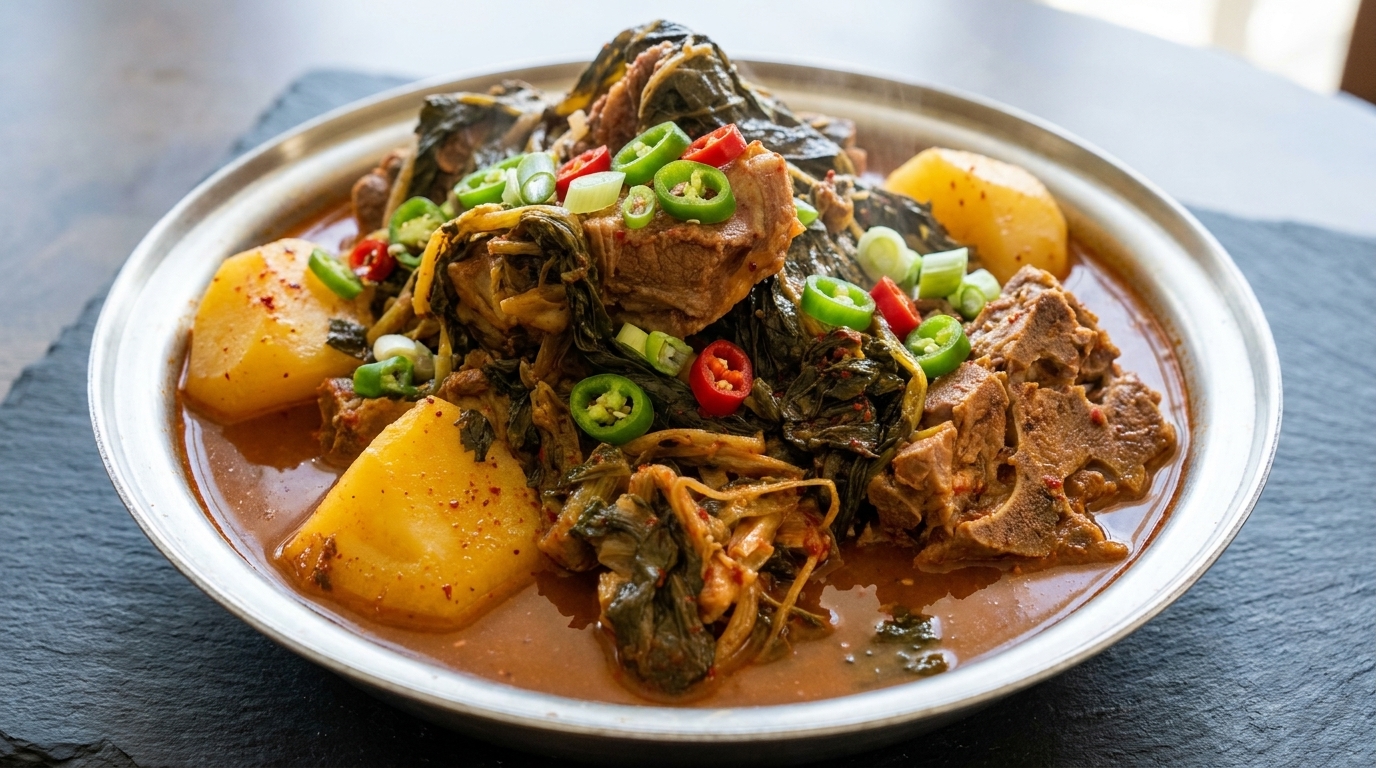
A hearty, spicy Korean classic, Gamjatang features tender pork spine bones, potatoes, and rehydrated cabbage simmered in a rich, flavorful soybean paste broth.
Gamjatang is the ultimate comfort food for cold weather, celebrated for its deep, complex flavors and fall-off-the-bone tender pork. Contrary to its name, which translates to potato soup, the dish is actually named for the pork spine bones traditionally called gamja bones. It is a labor of love that rewards patience with a uniquely savory and refreshing stew that is perfect for sharing with family and friends.
Ingredients
- 2.5 kg pork spine bones
- 500 g dried cabbage
- 7.5 L water
- 150 g large green onion
- 30 g onion
- 9 bay leaves
- 185 ml soju
- 5 g black peppercorns
- 225 g Korean soybean paste
- 50 g minced garlic
- 1 kg potatoes
- 40 g chili powder
- 70 g chili paste
- 25 g soup soy sauce
- 25 g tuna fish sauce
- 10 g beef stock powder
- to taste green chilies
- to taste red chilies
- optional perilla leaves
- optional instant ramen noodles
Instructions
- 1Prepare the pork spine bones
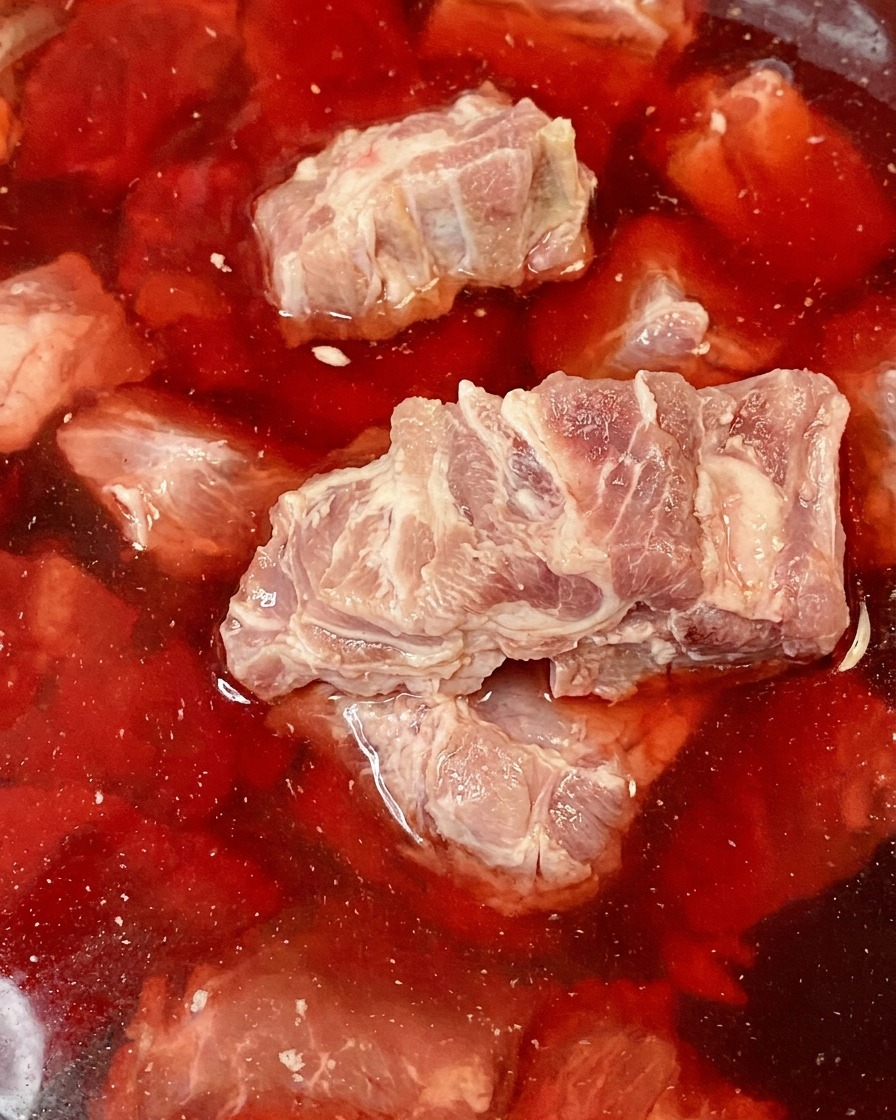
Take 2.5kg of pork spine bones, preferably dragon bones for better flavor, and soak them in water overnight to remove impurities.
Tip: Soaking the bones overnight is crucial for removing the gamey smell. - 2Rehydrate the dried cabbage
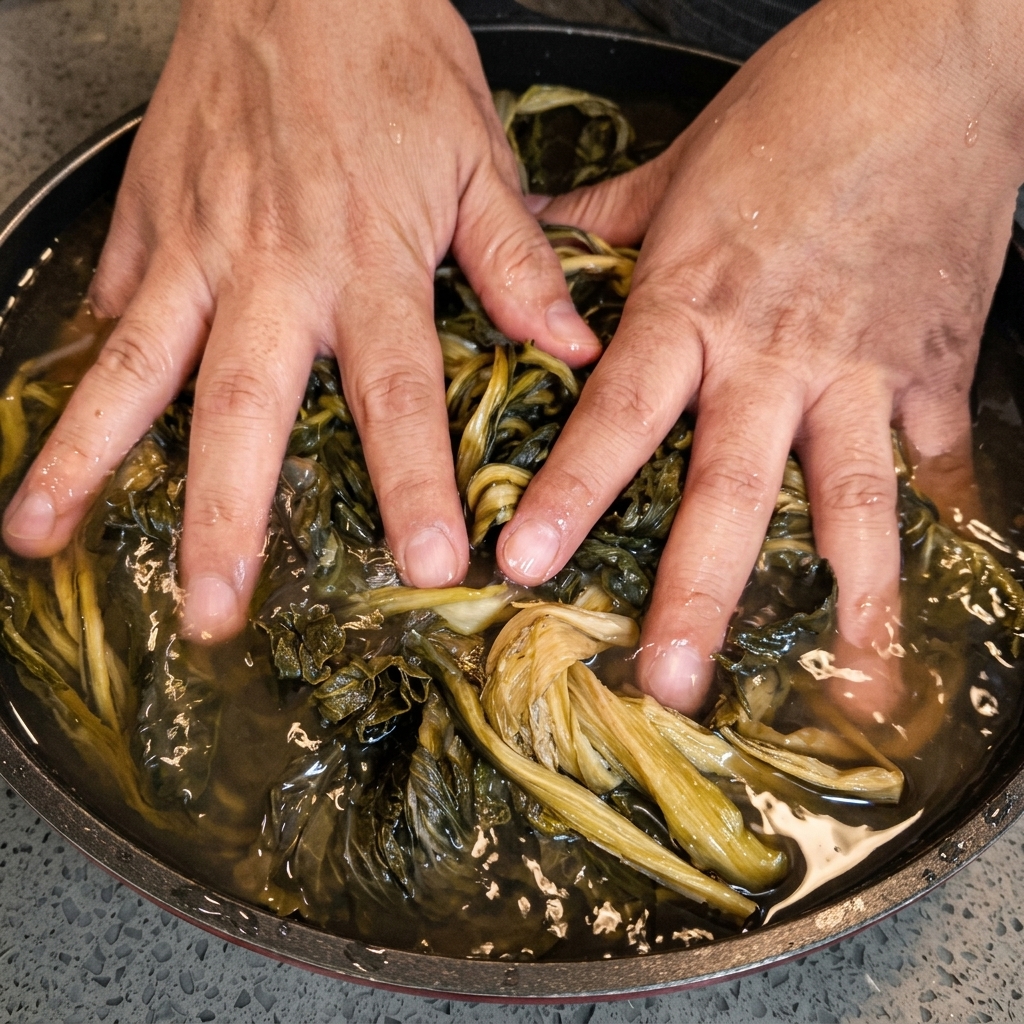
Take 500g of dried cabbage and soak it in water overnight until soft and rehydrated.
Tip: Ensure the cabbage is fully submerged to rehydrate evenly. - 3Initial parboiling of the bones
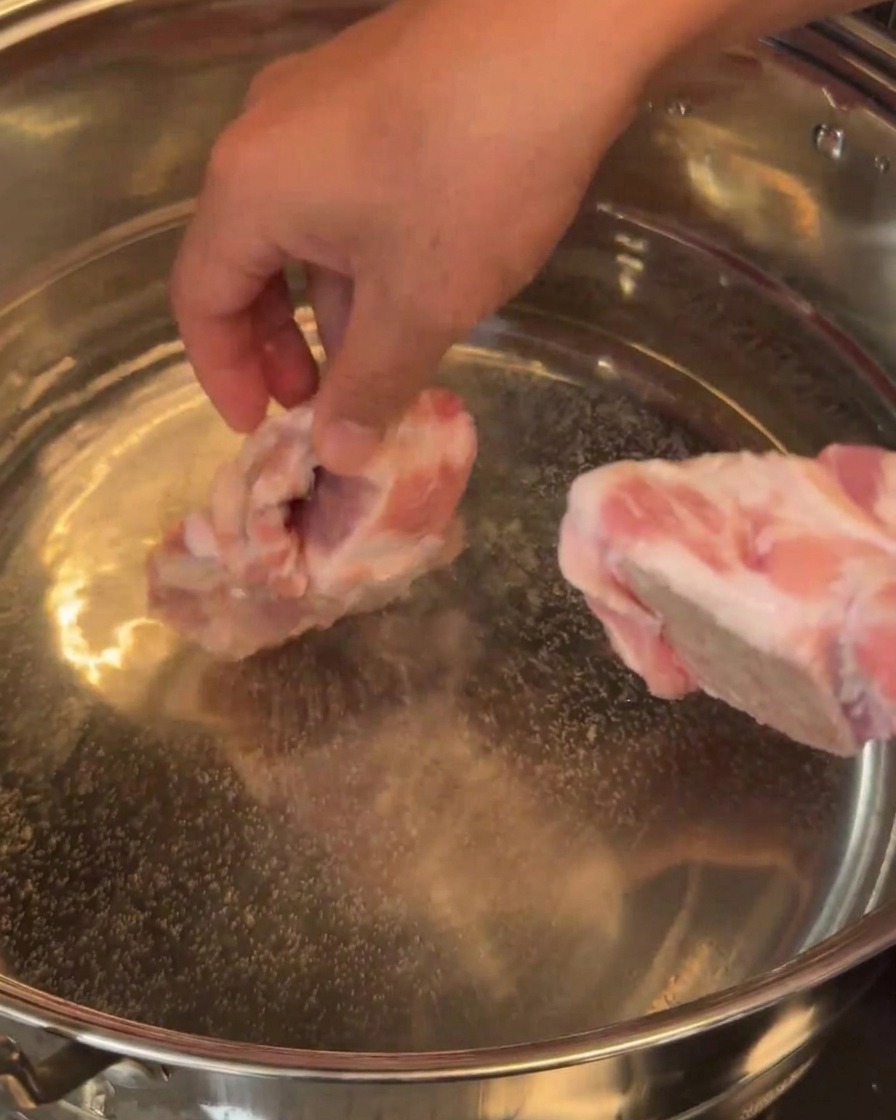
Transfer the soaked pork bones into a pot of water for the first parboil to remove any remaining impurities.
Tip: This step is essential to ensure the broth is clean and free of gamey odors. - 4Add aromatics and soju
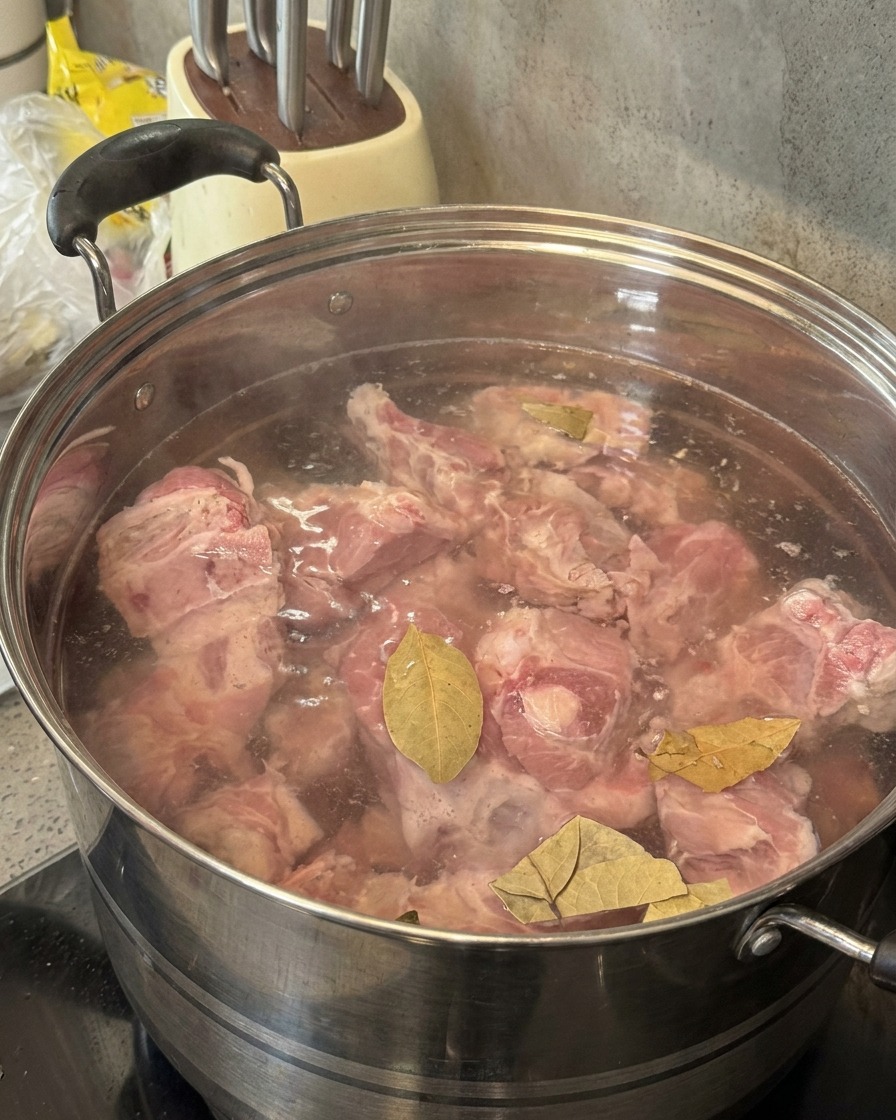
Add 5 bay leaves and 150ml of soju into the pot with the pork bones. Bring to a boil and cook for 10 minutes, then discard the water and wash the bones thoroughly.
Tip: Using soju helps to neutralize any residual gamey smell in the bones. - 5Rinse the parboiled bones
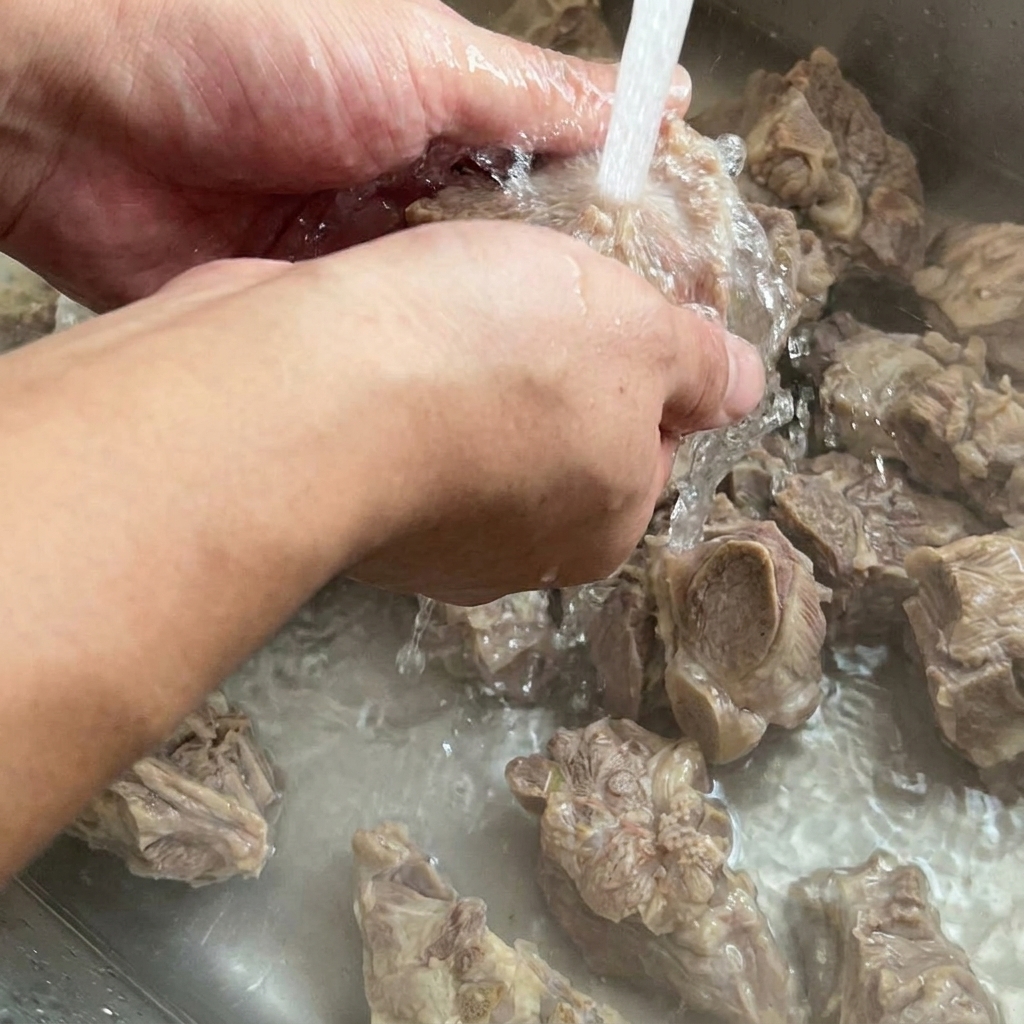
After parboiling, thoroughly rinse each piece of pork bone under running water to remove all surface impurities.
Tip: Clean bones ensure a clear and delicious soup base. - 6Prepare for main boiling
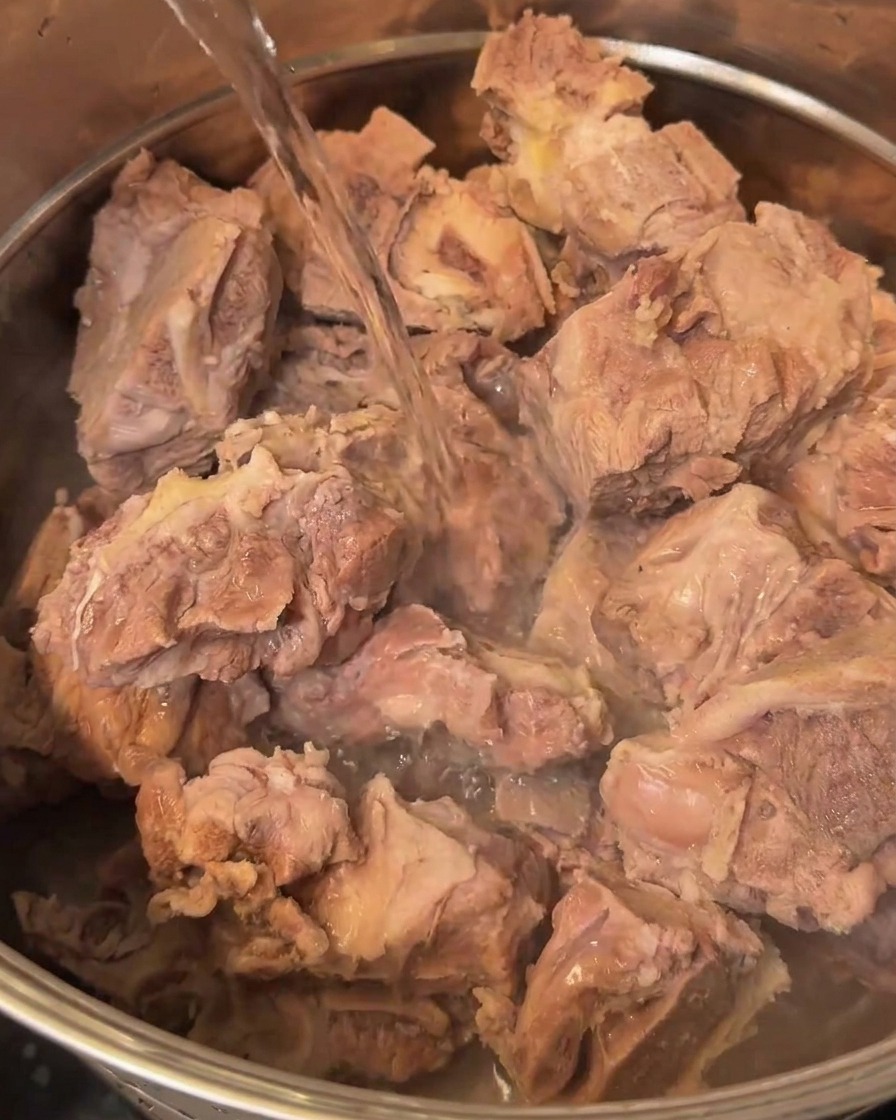
Return the cleaned bones to the pot and add 7.5L of fresh water, preparing them for the long simmer.
Tip: Using fresh water creates a clean foundation for the soup. - 7Add aromatics to the pot
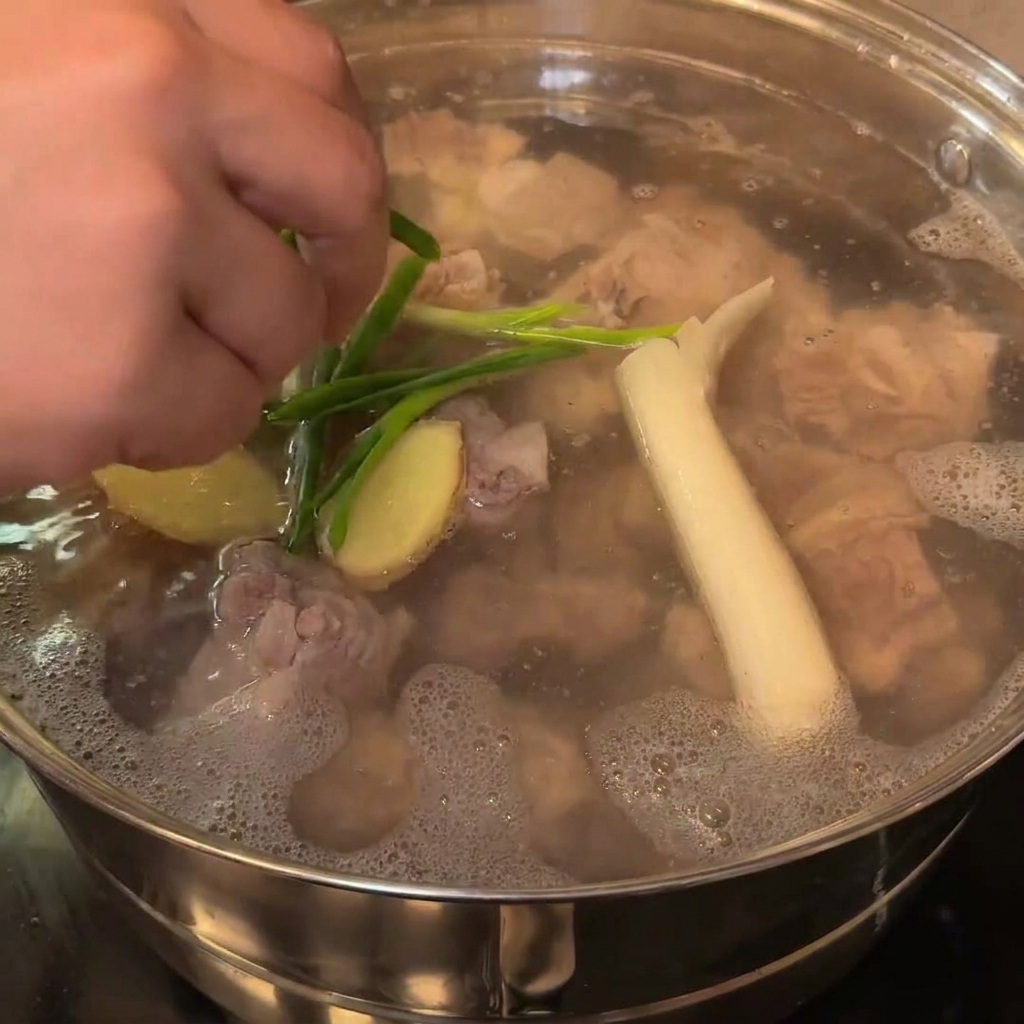
Add the large chunks of white onion and green onion stalks into the pot with the parboiled pork bones. These aromatics help to further neutralize any remaining gamey odors and infuse the broth with a sweet, savory base.
Tip: For the cleanest broth, ensure the onions and green onions are thoroughly washed before adding them. - 8Season with soybean paste
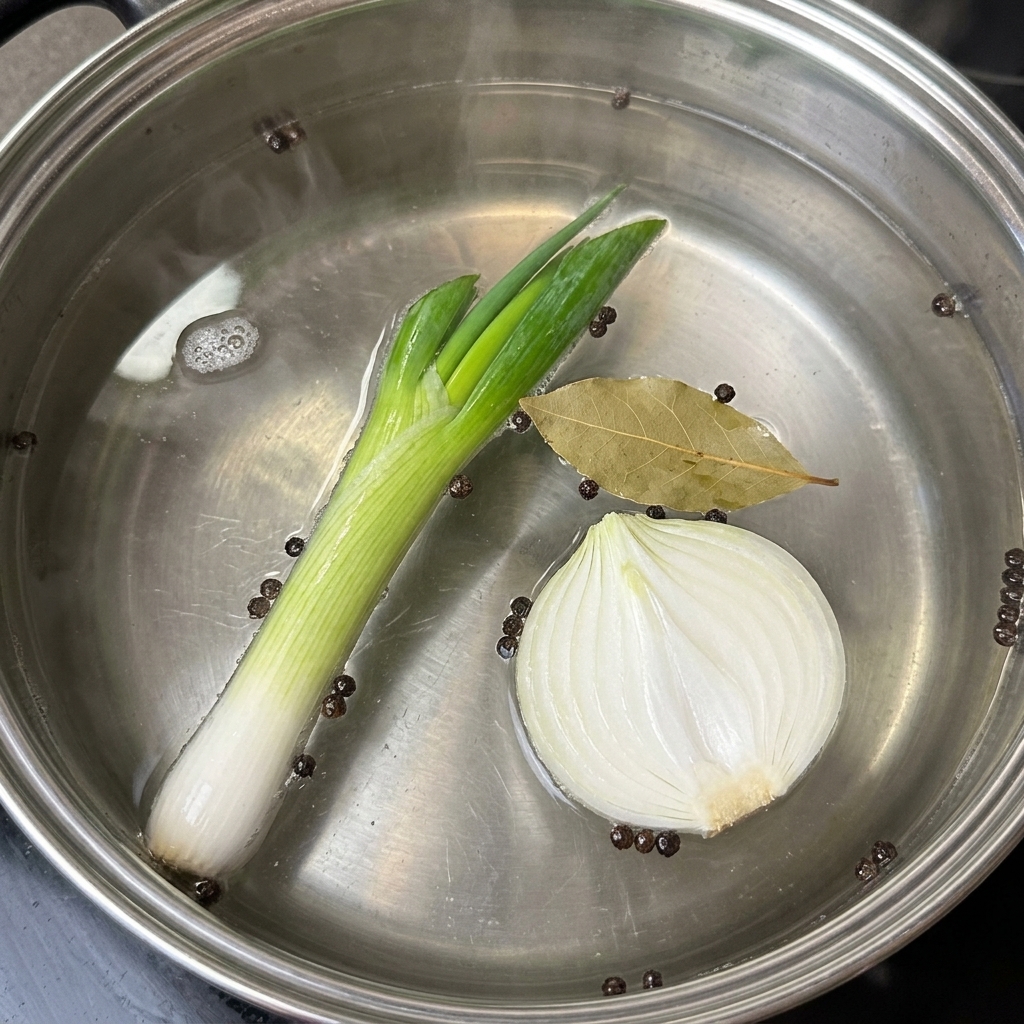
Stir in the Korean soybean paste (doenjang) to the simmering broth. This paste provides the essential deep, savory, and fermented flavor characteristic of Gamjatang.
Tip: If the paste is thick, mix it with a little warm broth in a separate bowl before adding it to the main pot to ensure it dissolves evenly. - 9Add rehydrated cabbage
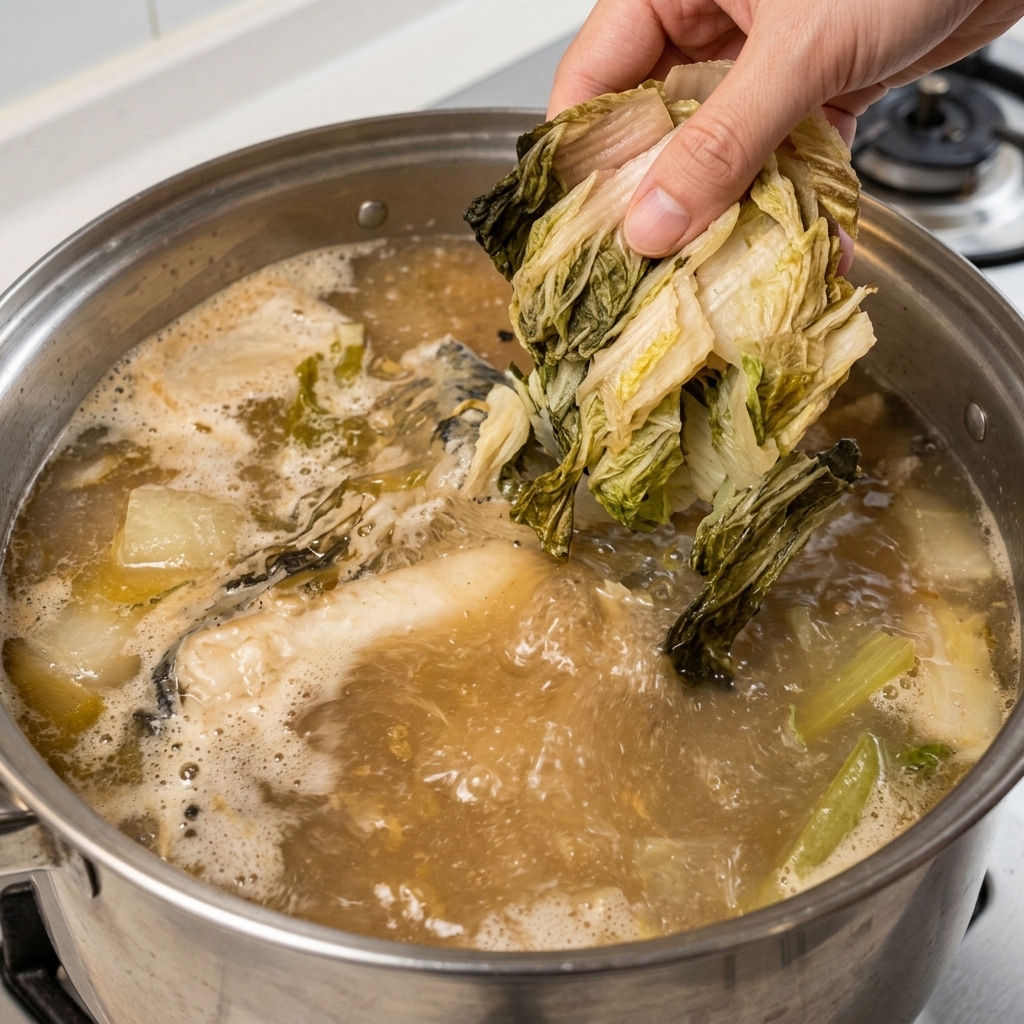
Add the prepared, chopped dried cabbage (siraegi) into the boiling broth. The cabbage will absorb the flavorful soup and soften significantly over the next 30 minutes of boiling.
Tip: Make sure the cabbage has been soaked thoroughly overnight to remove any bitterness and ensure a tender texture. - 10Add minced garlic
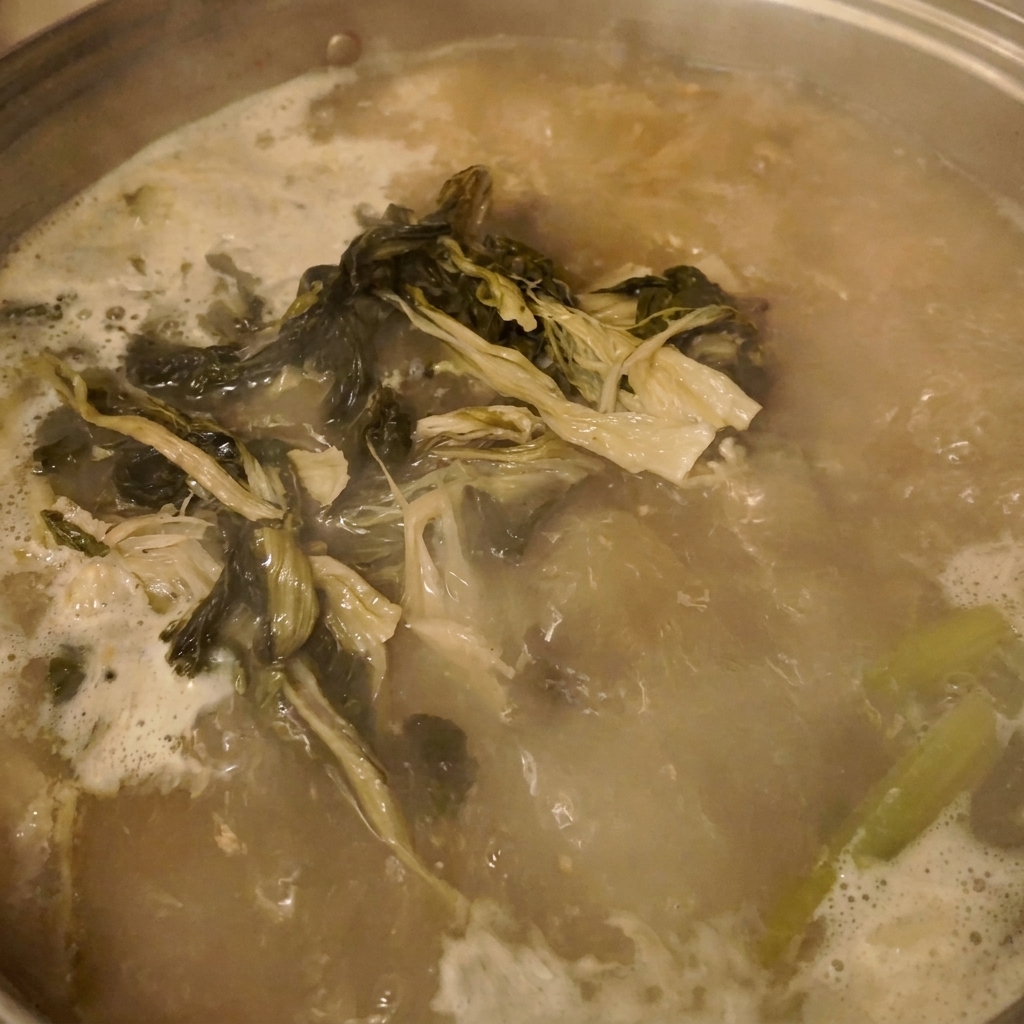
Add the minced garlic into the bubbling stew. Garlic is a vital component that balances the richness of the pork bones and the fermented notes of the soybean paste.
Tip: Use freshly minced garlic rather than pre-minced for a much punchier flavor profile. - 11Add potatoes
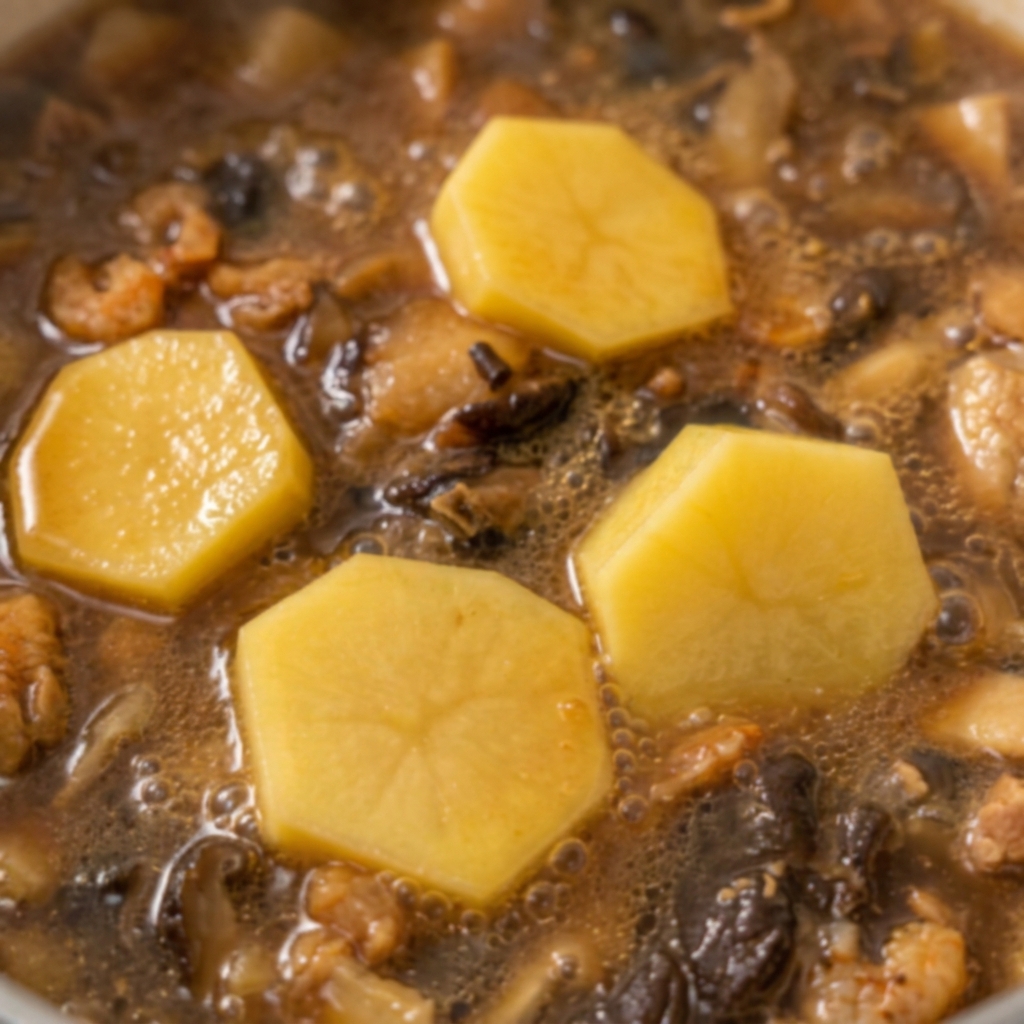
Add the thick, peeled chunks of raw yellow potato to the soup. The potatoes will cook in the flavorful broth, absorbing the seasoning and thickening the soup slightly as they release starch.
Tip: Cutting the potatoes into uniform, large chunks helps them stay intact during the long simmering process. - 12Season with chili powder
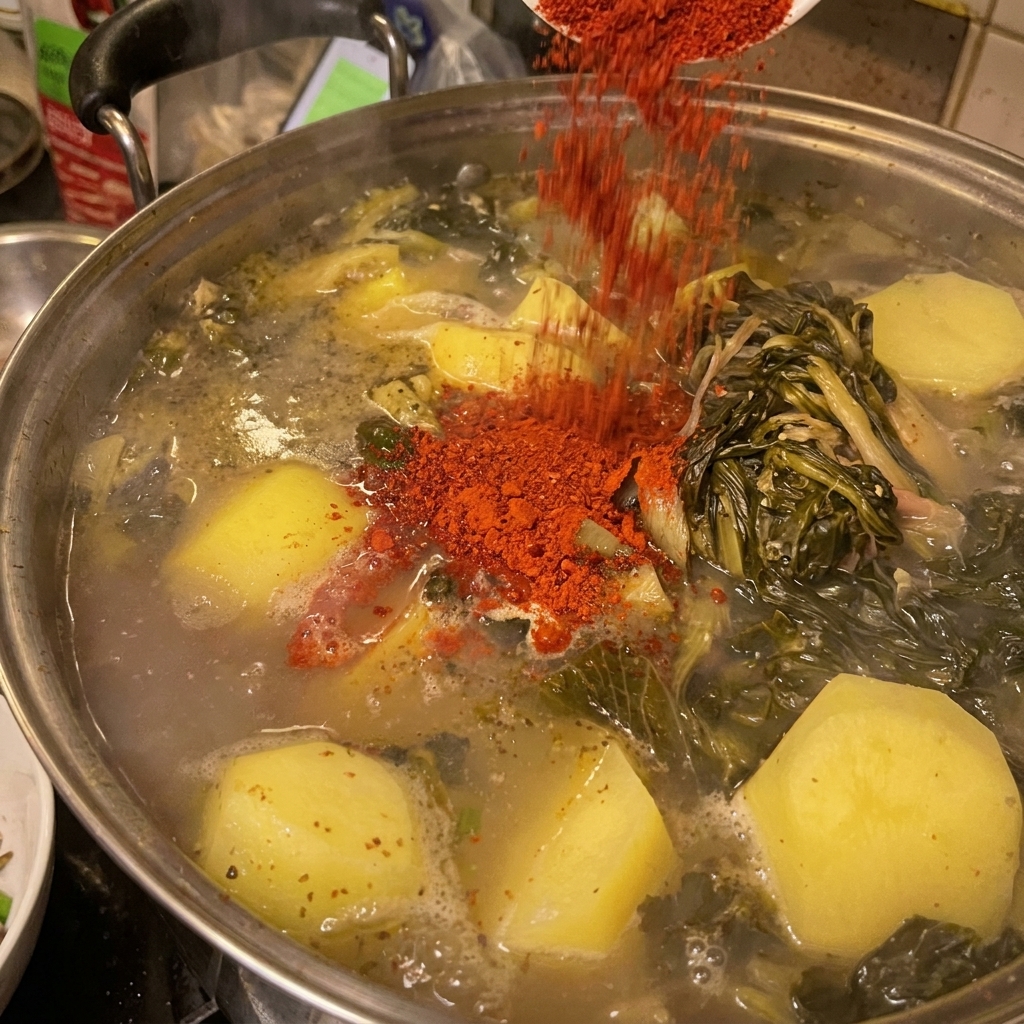
Pour the mixture of coarse and fine chili powder over the simmering ingredients. This gives the Gamjatang its signature vibrant red color and necessary spicy kick.
Tip: Adjust the amount of chili powder based on your preferred spice level, but dont skip it as its key to the color and flavor. - 13Season the broth
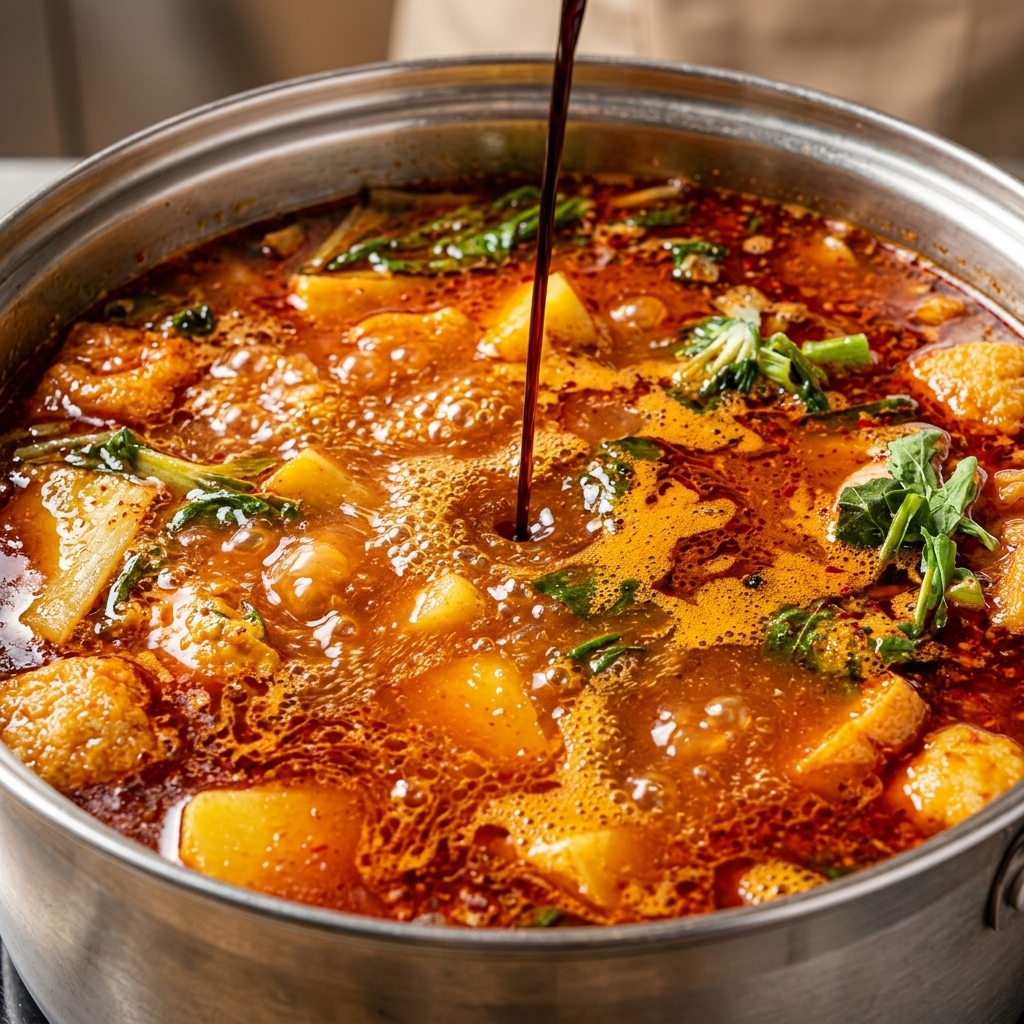
Add the liquid seasonings, including soup soy sauce and tuna fish sauce, into the boiling pot. These ingredients provide the essential savory depth and salty umami foundation for the Gamjatang.
Tip: Add the sauces slowly while stirring to ensure even distribution and to adjust the flavor profile to your preference. - 14Add final aromatics
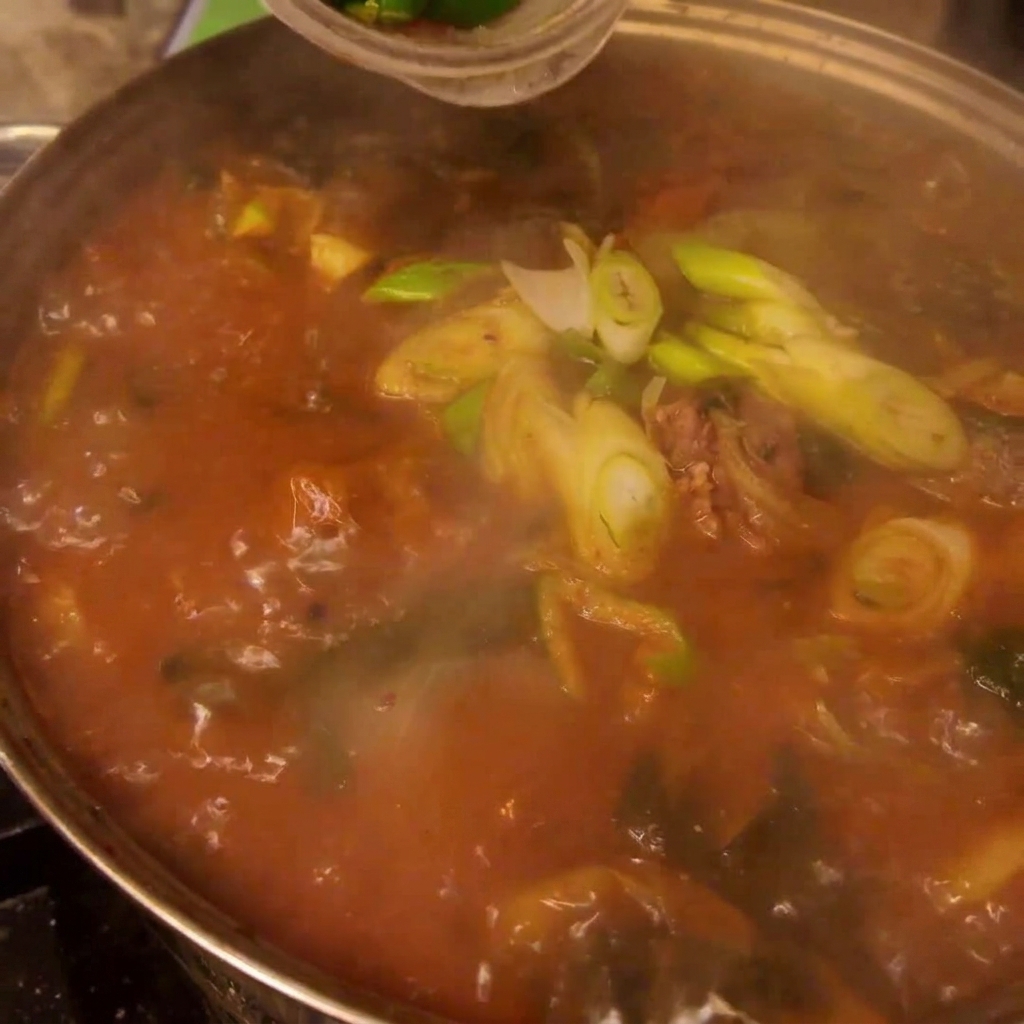
Finish the dish by adding freshly sliced green chilies, red chilies, and chopped green onions to the simmering stew. Boil for another 20 minutes to allow the fresh, vibrant flavors of the aromatics to infuse throughout the broth.
Tip: Adding these at the end maintains their bright color and fresh, slightly sharp kick.