Authentic Japanese Miso Ramen
Homemade Chashu
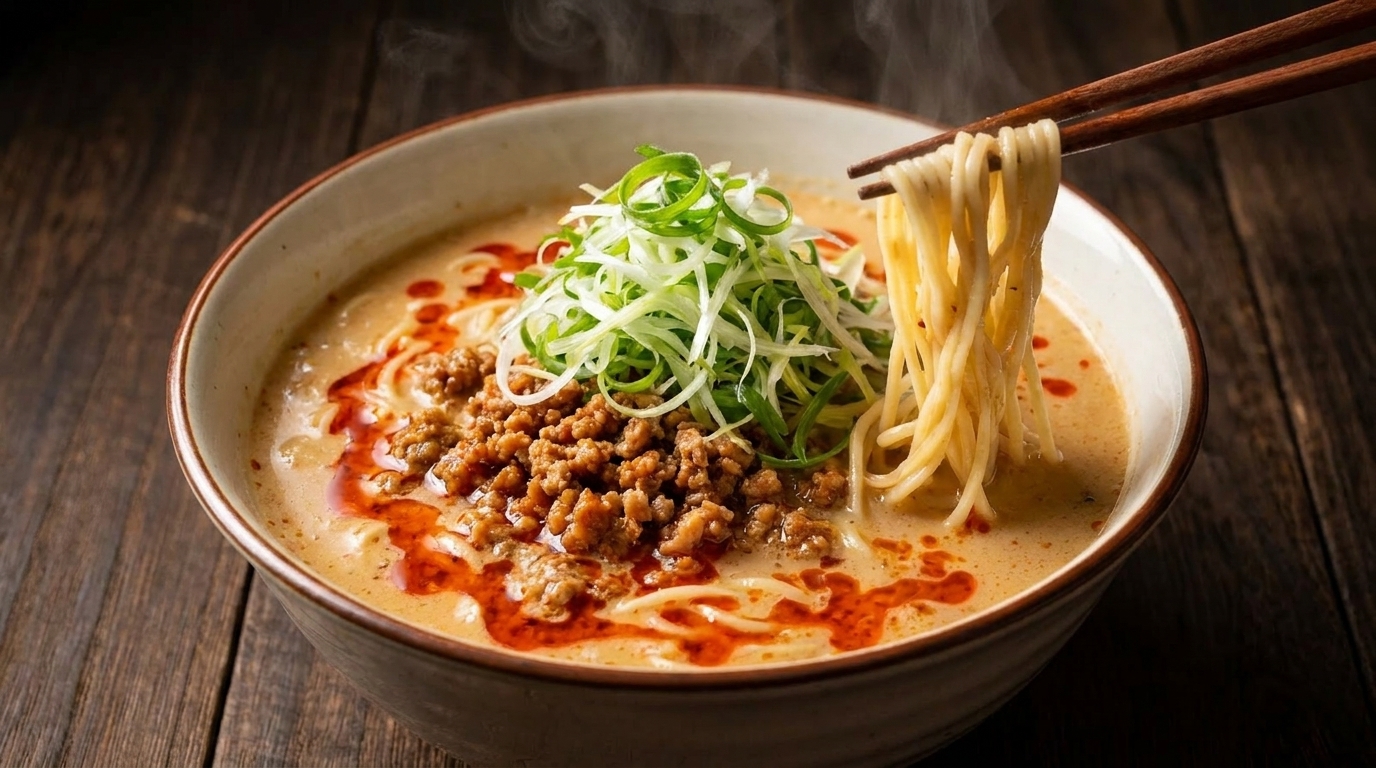
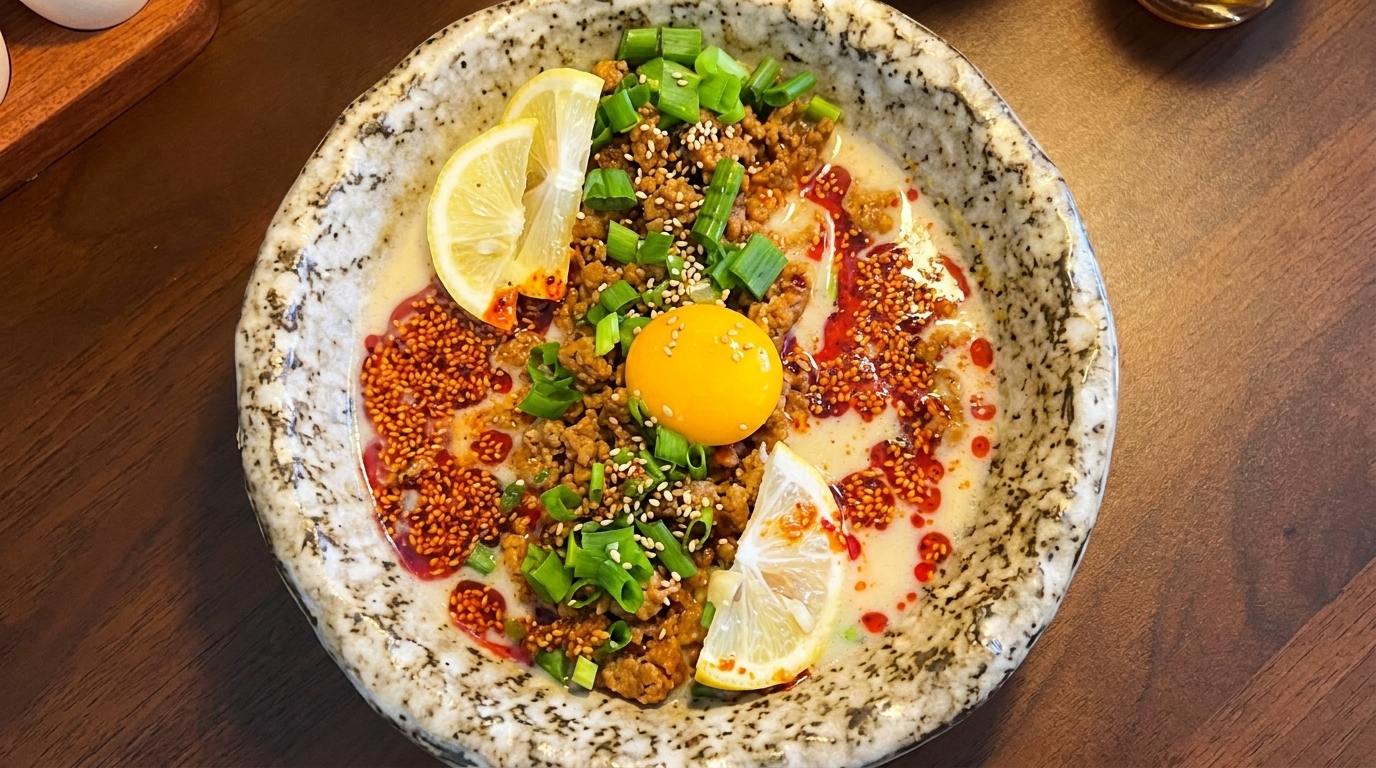
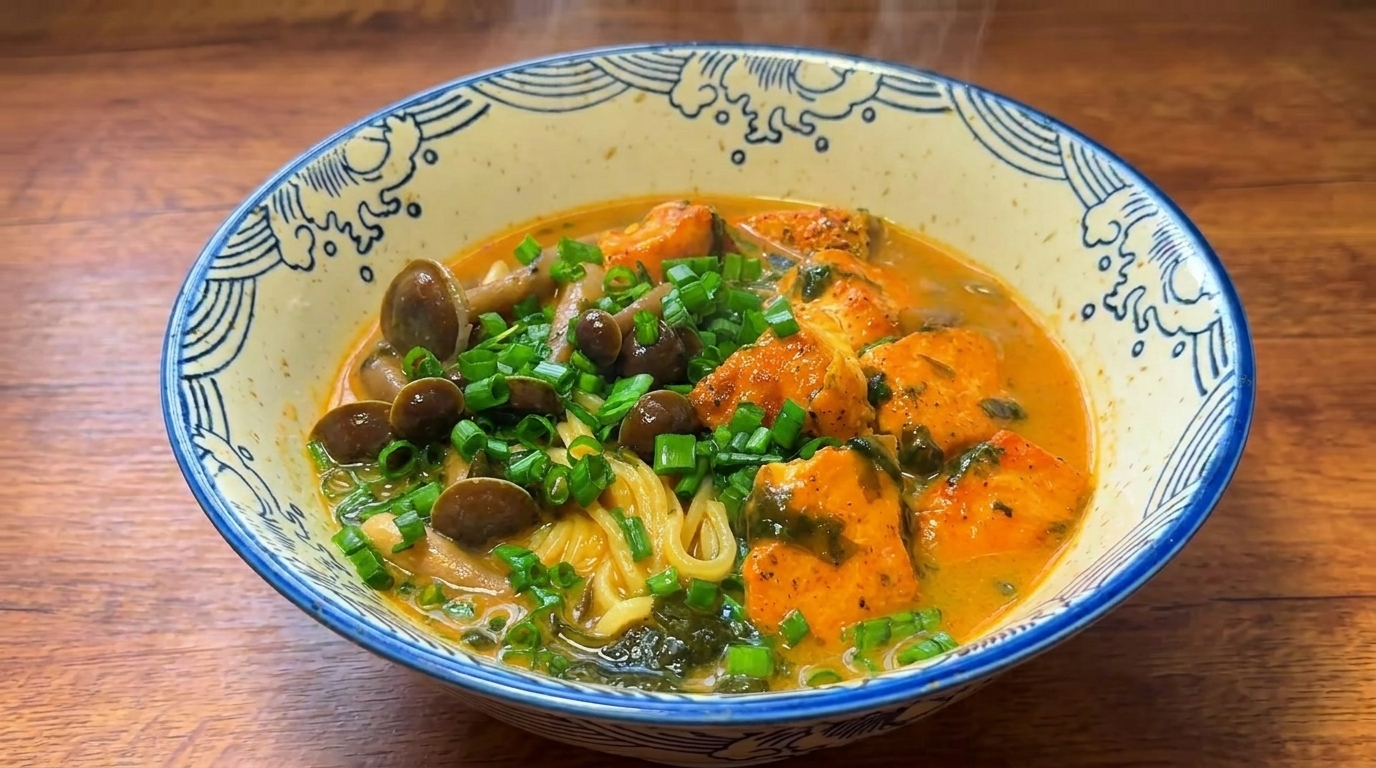
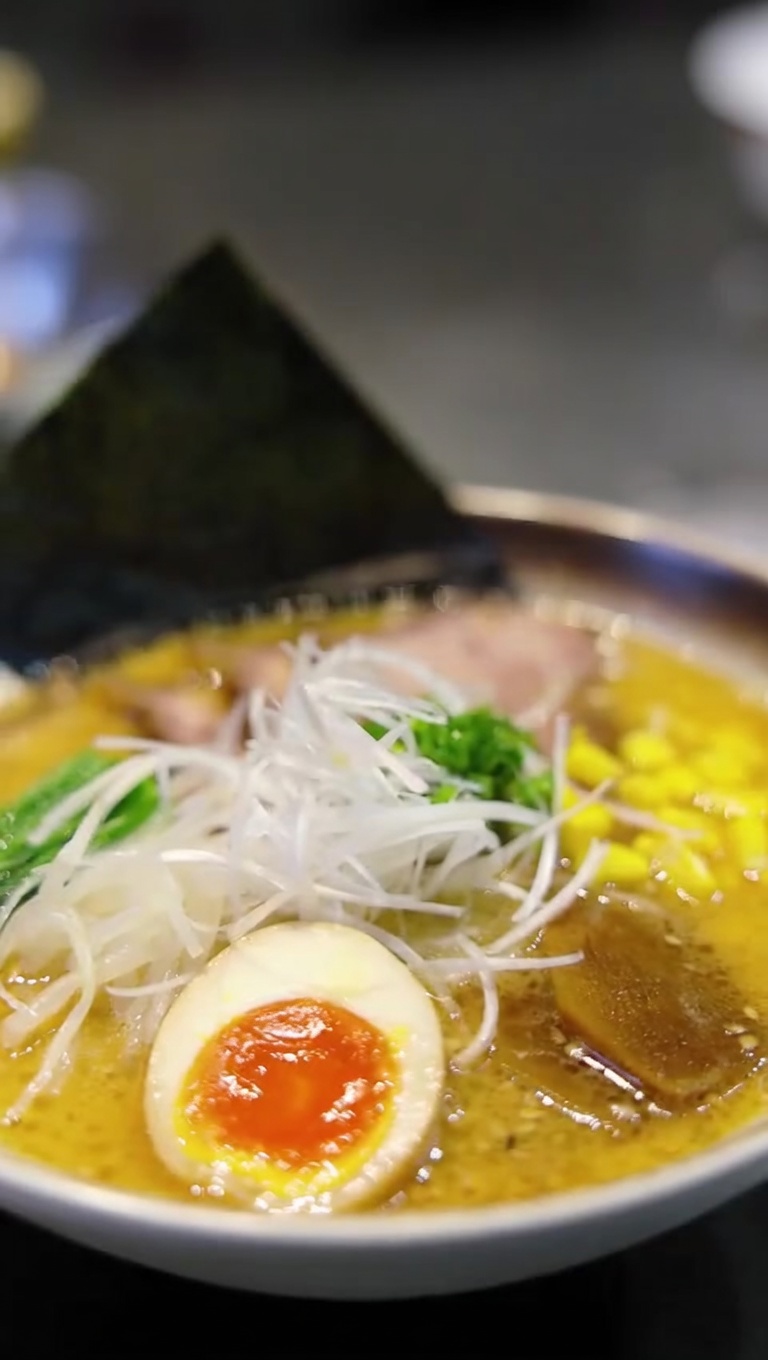
Experience the soul-warming comfort of authentic Japanese miso ramen. This recipe features a rich, savory miso broth paired with tender, melt-in-your-mouth homemade pork belly chashu.
Miso ramen, originating from Hokkaido, Japan, is celebrated for its robust and hearty flavor profile. The secret lies in the deeply savory miso paste that transforms a simple broth into a complex, comforting bowl. Paired with slowly simmered, caramelized pork belly chashu, every spoonful offers a perfect balance of umami and richness.
Ingredients
- 1 large piece raw pork belly
- 1 tbsp cooking oil
- 500 ml chashu simmering sauce
- 500 ml high-quality pork or chicken broth
- 1 generous spoonful house-made miso paste
- 1 portion ramen noodles
- 1 soft-boiled egg
- to taste sweet corn
- to taste green onions
- 1 sheet nori seaweed
Instructions
- 1Cut the pork belly
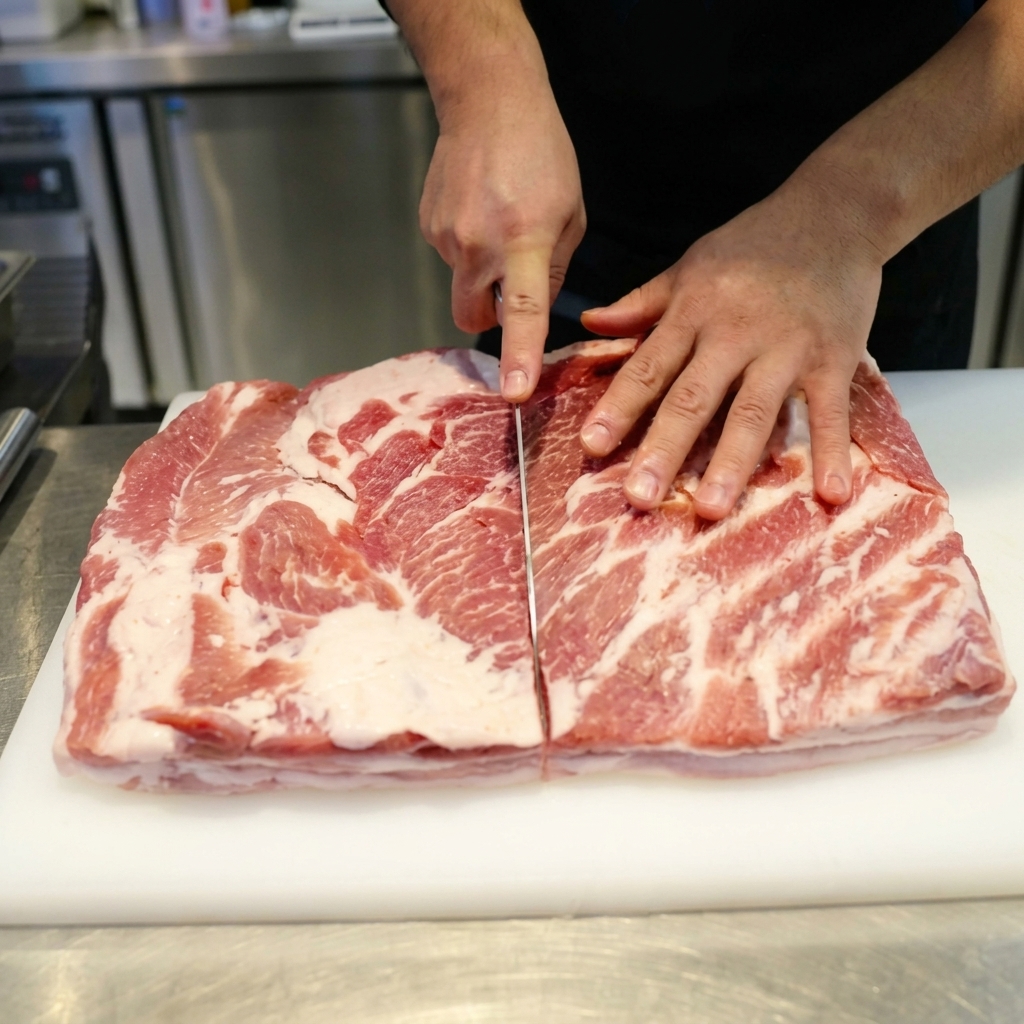
Begin by carefully cutting the large slab of raw pork belly into appropriately sized pieces for rolling. Ensure the cuts are clean to facilitate an even roll later in the process.
Tip: Use a sharp knife to ensure clean cuts without tearing the meat. - 2Roll and tie the pork
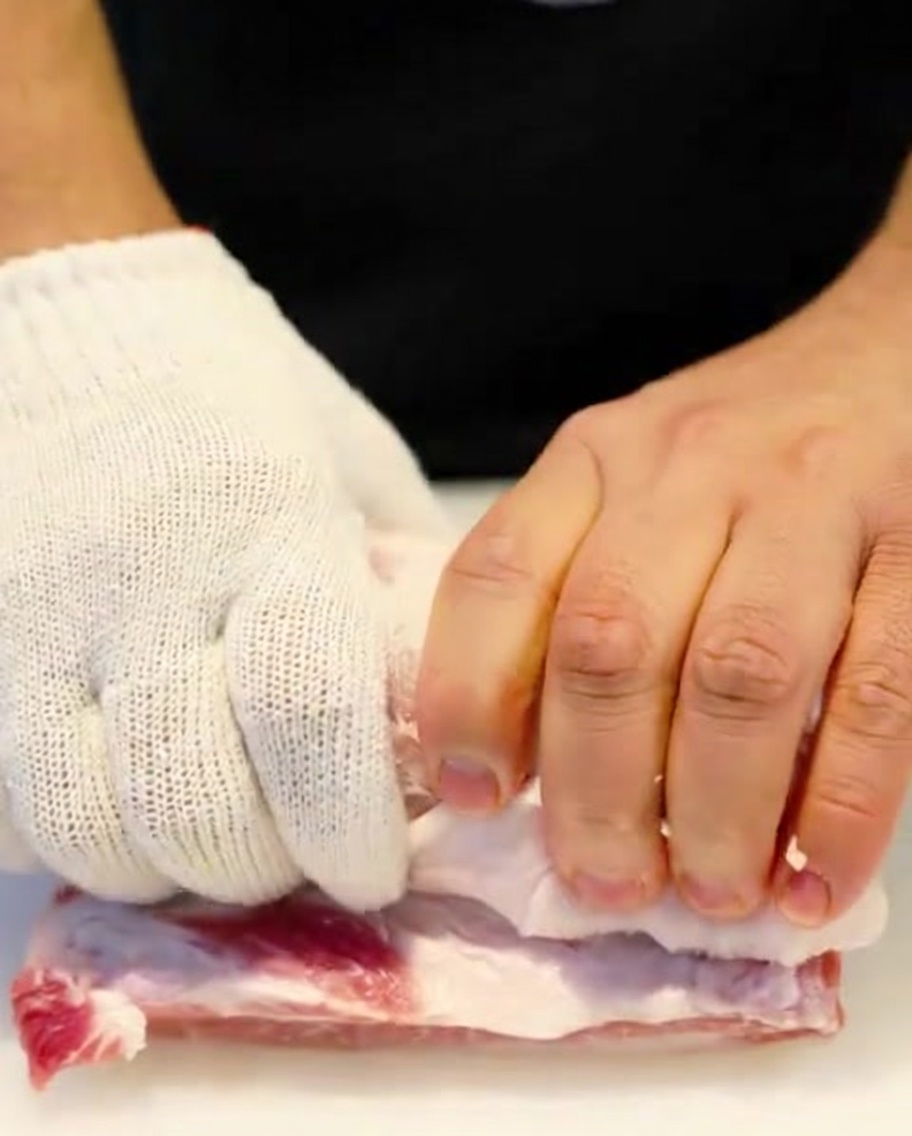
Take the cut pork belly and roll it tightly into a cylindrical shape. Use kitchen twine to tie it securely, ensuring it maintains its shape during the cooking process.
Tip: Roll as tightly as possible to ensure uniform cooking and easy slicing later. - 3Sear the pork belly roll
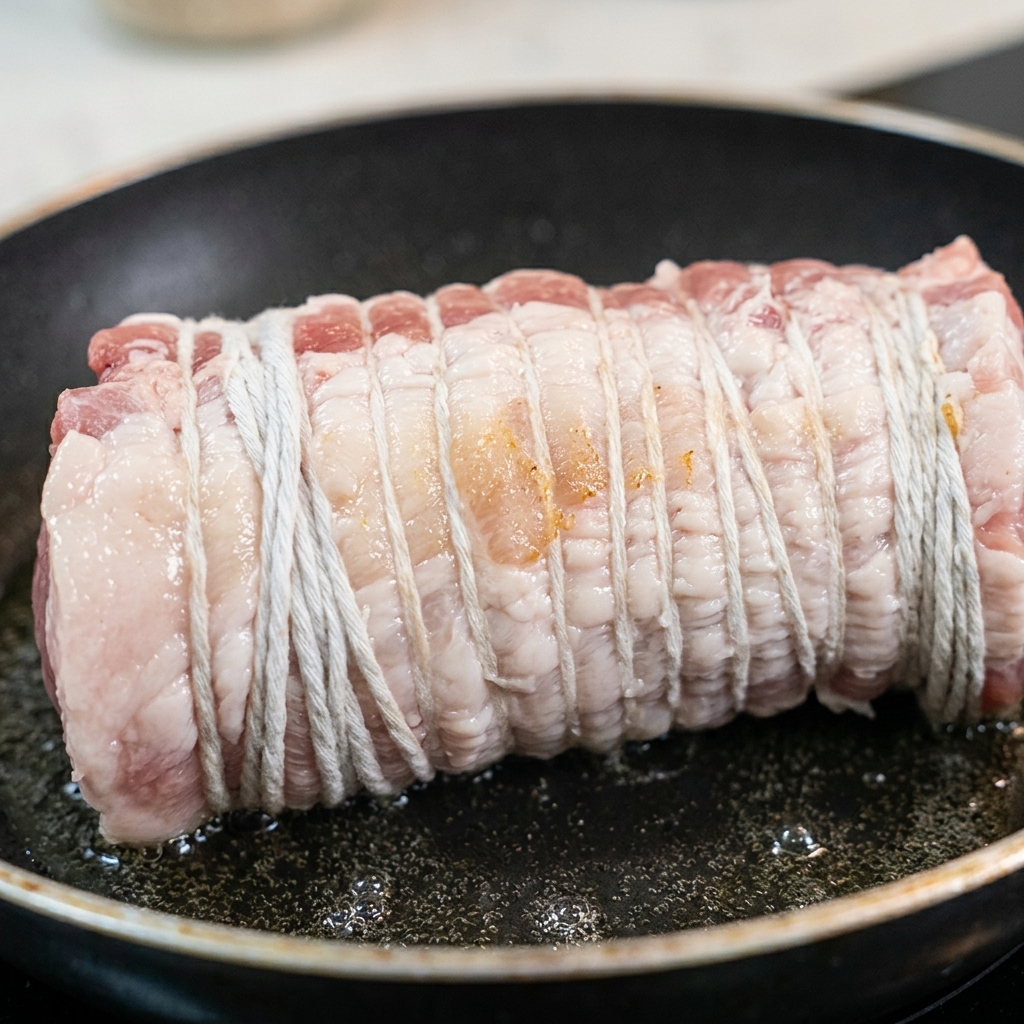
Place the tied pork belly roll into a hot pan with a small amount of oil. Sear the exterior on all sides until it achieves a deep, golden-brown color, which helps lock in the juices.
Tip: Sear over high heat to achieve a good crust without overcooking the center. - 4Simmer the chashu
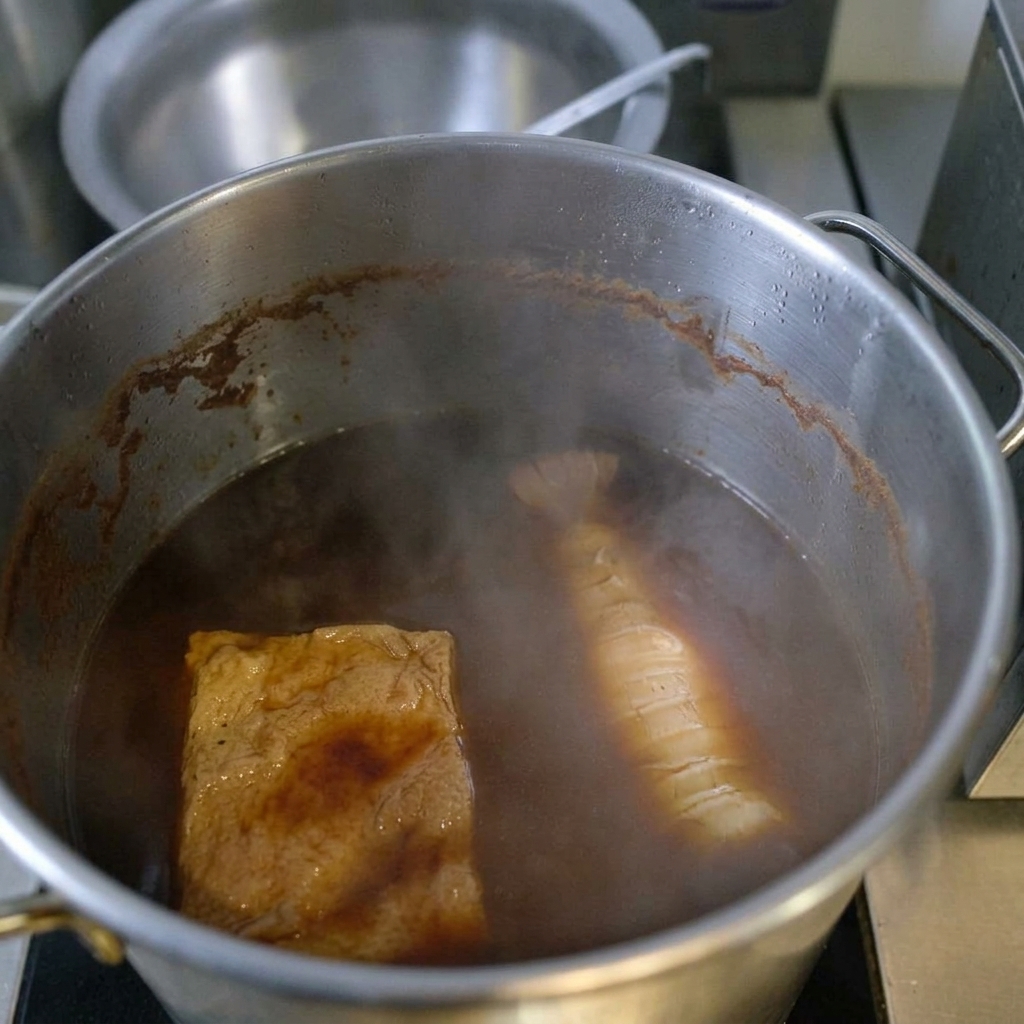
Transfer the seared pork roll into a pot containing the simmering chashu sauce. Allow it to cook on low heat for about 50 minutes, letting the flavors penetrate deep into the meat.
Tip: Keep the liquid at a gentle simmer to ensure the pork becomes tender. - 5Slice the chashu
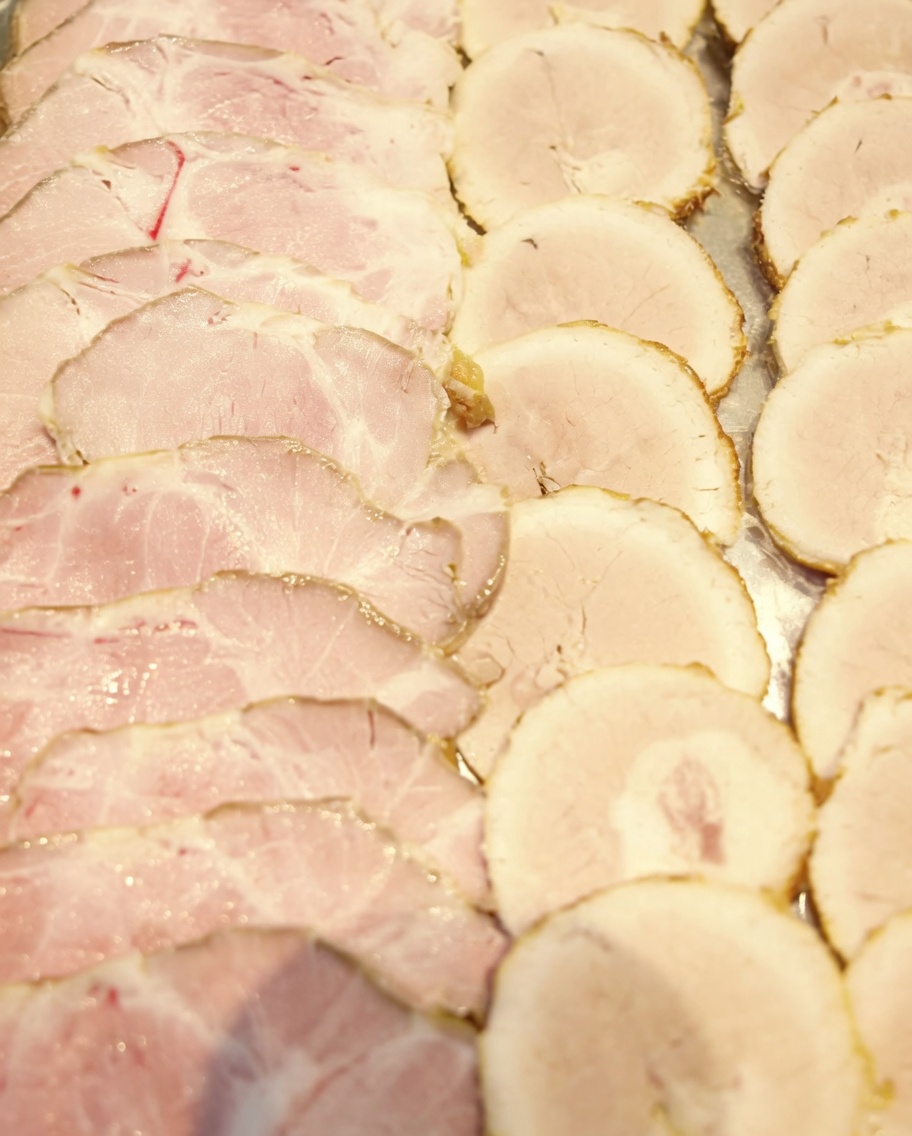
Once cooked, remove the chashu pork roll from the sauce and let it rest briefly. Slice it into thin, even pieces that are ready to be served on top of the ramen.
Tip: Let the meat rest for a few minutes before slicing to keep it moist. - 6Prepare the miso broth
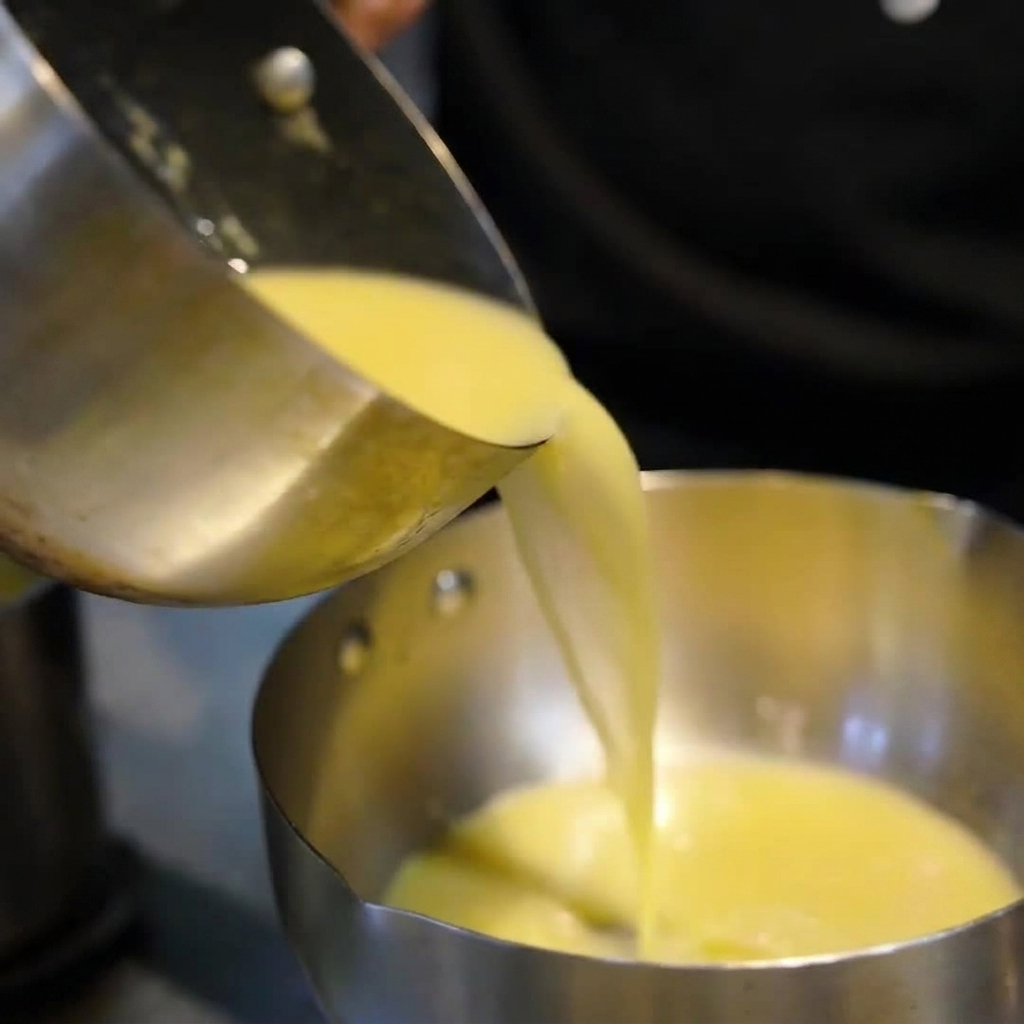
Combine the prepared broth with a generous spoonful of house-made miso paste in a saucepan. Whisk until the paste is fully dissolved, creating a rich and savory base for the ramen.
Tip: Ensure the miso is fully incorporated into the broth for a smooth, consistent flavor. - 7Combine broth and noodles
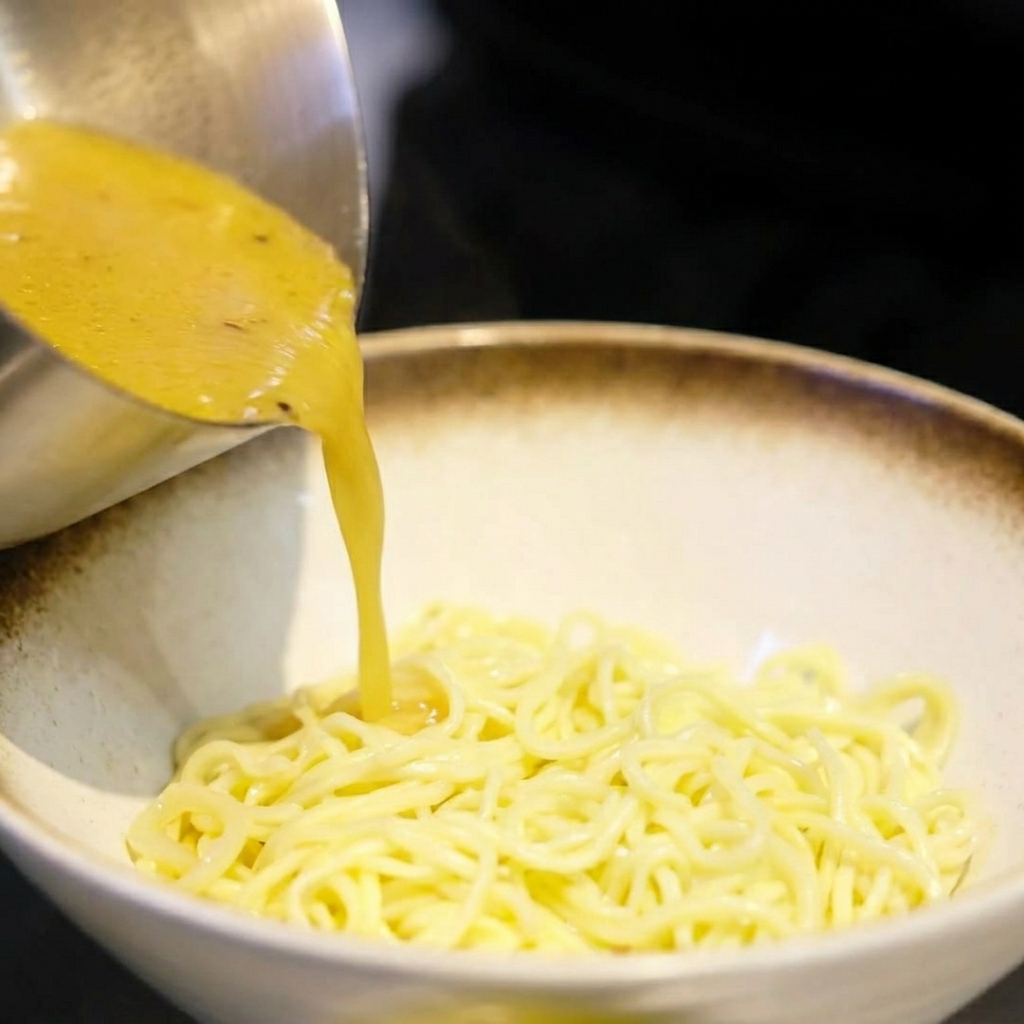
Pour 500ml of the high-quality, hot miso-infused broth directly over the cooked ramen noodles in the serving bowl. The heat of the broth helps to marry the flavors of the noodles with the rich, savory miso base.
Tip: Ensure the broth is piping hot when pouring to maintain the optimal serving temperature. - 8Assemble the ramen bowl
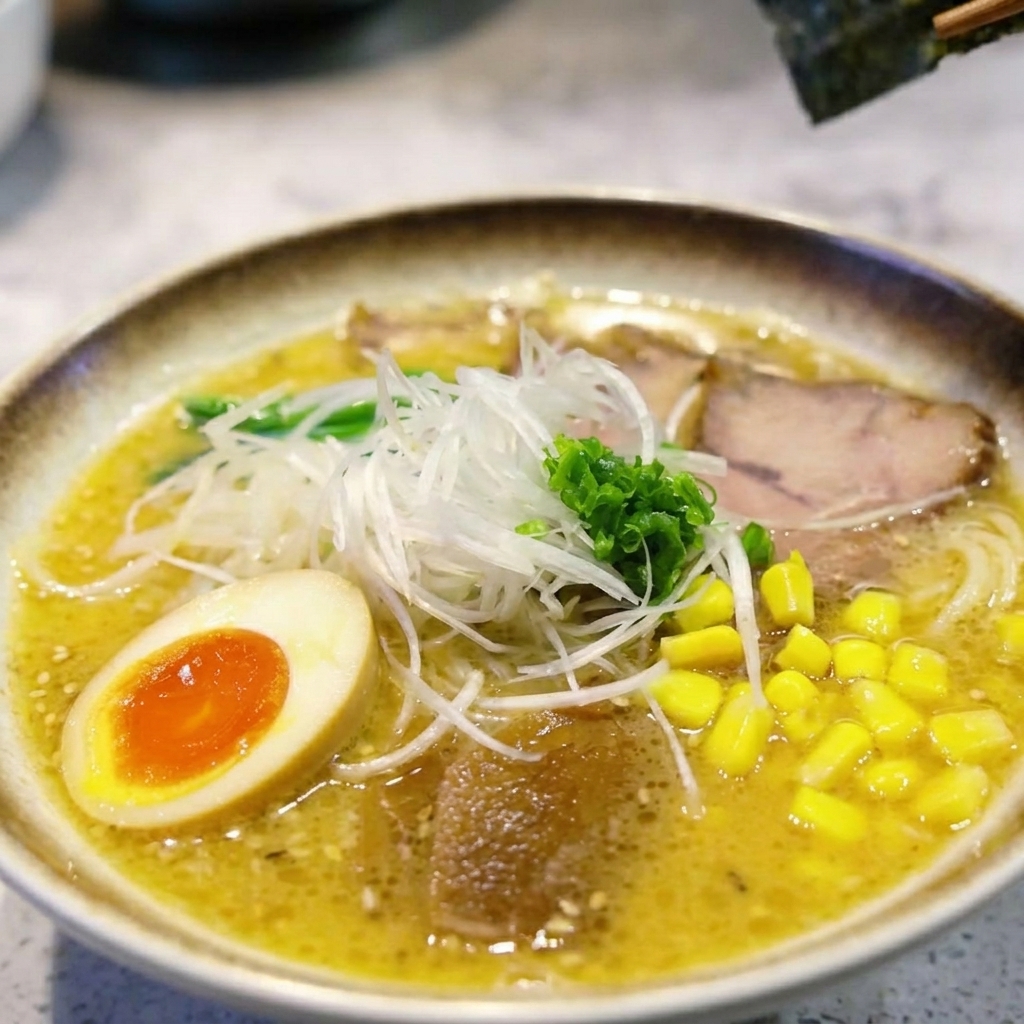
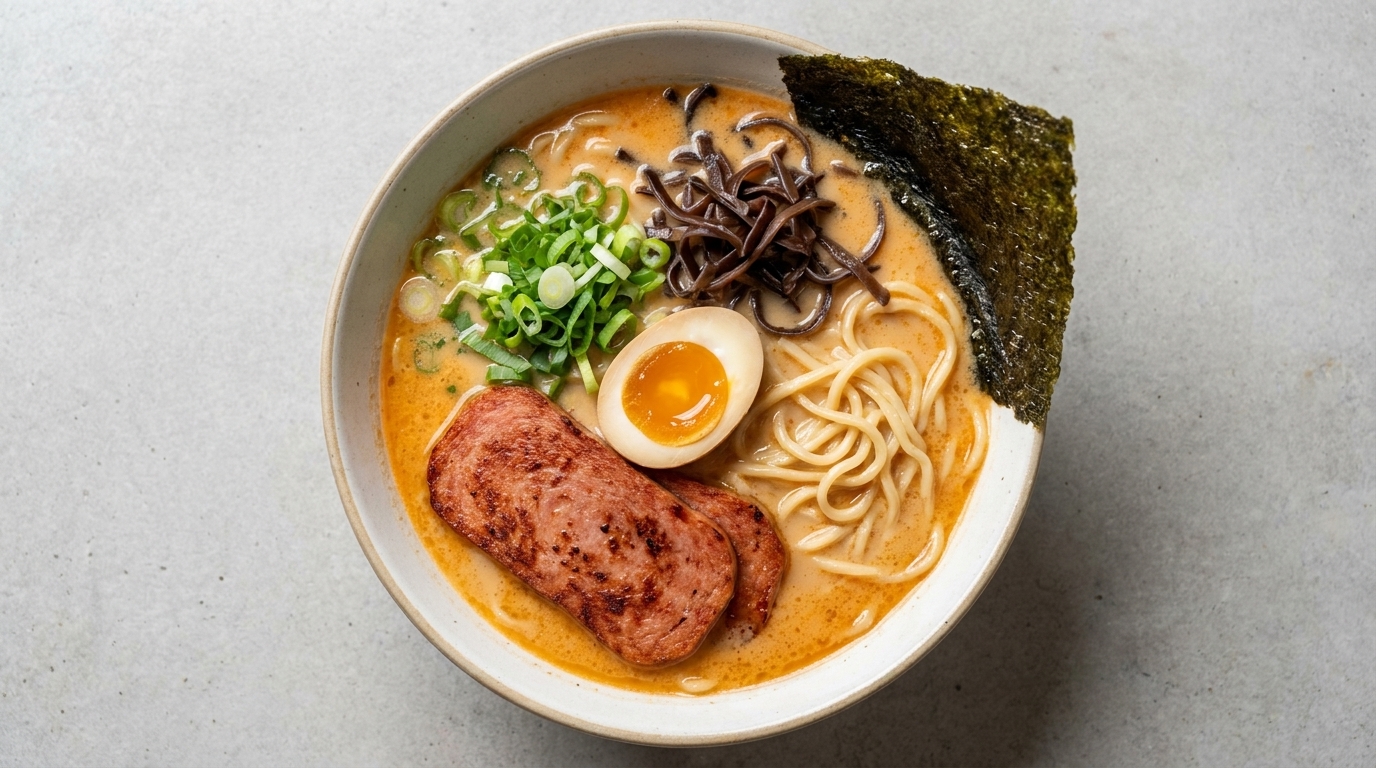
Complete the bowl by artfully arranging the caramelized slices of chashu pork, a soft-boiled egg halved to reveal the jammy yolk, a portion of sweet corn, and a final garnish of fresh green onions on top of the noodles and broth.
Tip: Place the toppings gently to keep the broth clear and the presentation organized.