Classic Miso Ramen
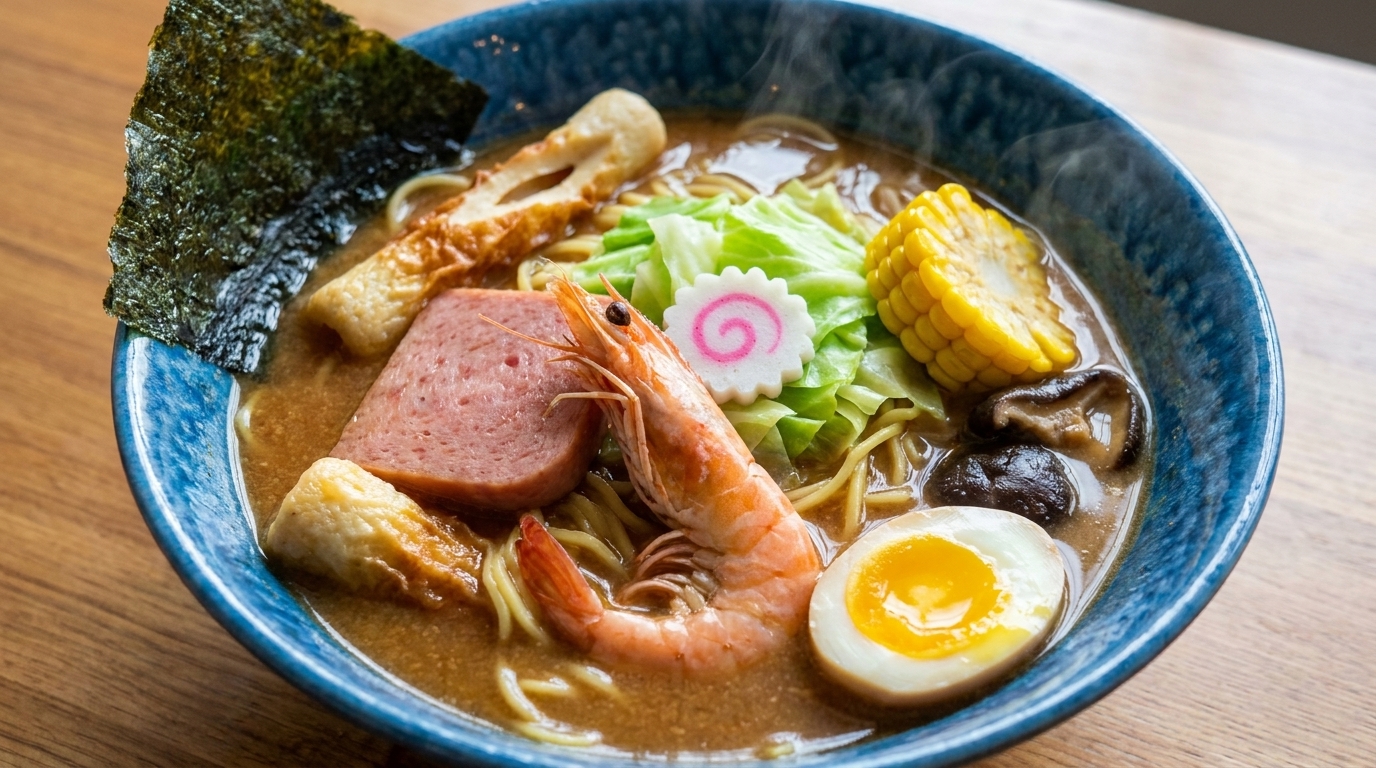
Shrimp and Luncheon Meat
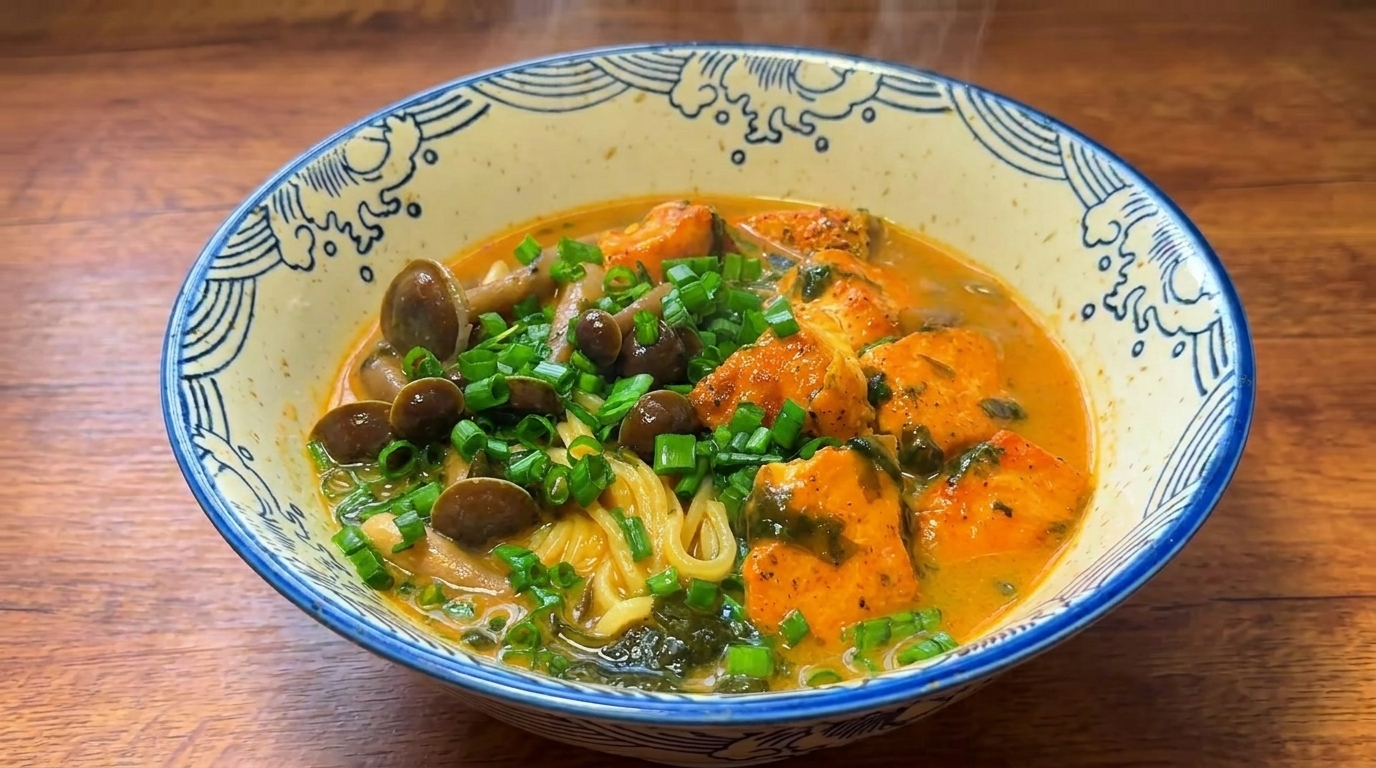
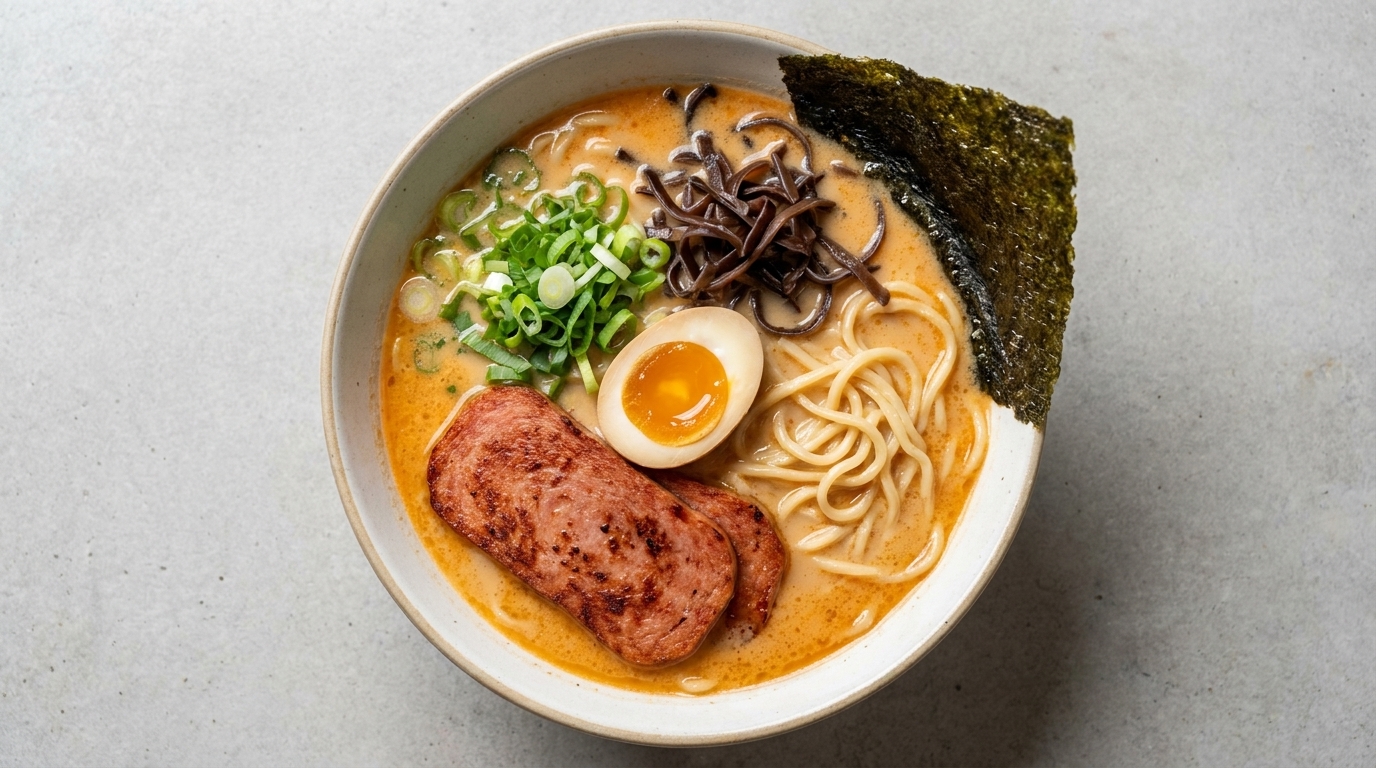
Enjoy this comforting, hearty bowl of miso ramen featuring savory broth, fresh vegetables, tender shrimp, and classic toppings, ready in minutes.
Miso ramen is a beloved staple of Japanese comfort food, known for its deep, umami-rich broth made from fermented soybean paste. This version offers a quick, home-style approach, combining traditional elements like narutomaki and mushrooms with accessible ingredients for a satisfying meal that brings the flavors of a ramen shop right to your kitchen.
Ingredients
- 1 serving ramen noodles
- 1 tbsp miso paste
- 1 whole shrimp
- 2 slices luncheon meat
- 2 pieces fish cakes
- 1 slice narutomaki
- 1/4 cup shredded cabbage
- 1 piece corn on the cob
- 2-3 mushrooms
- 1/2 soft-boiled egg
- 1 sheet nori seaweed
Instructions
- 1Boil the ramen noodles
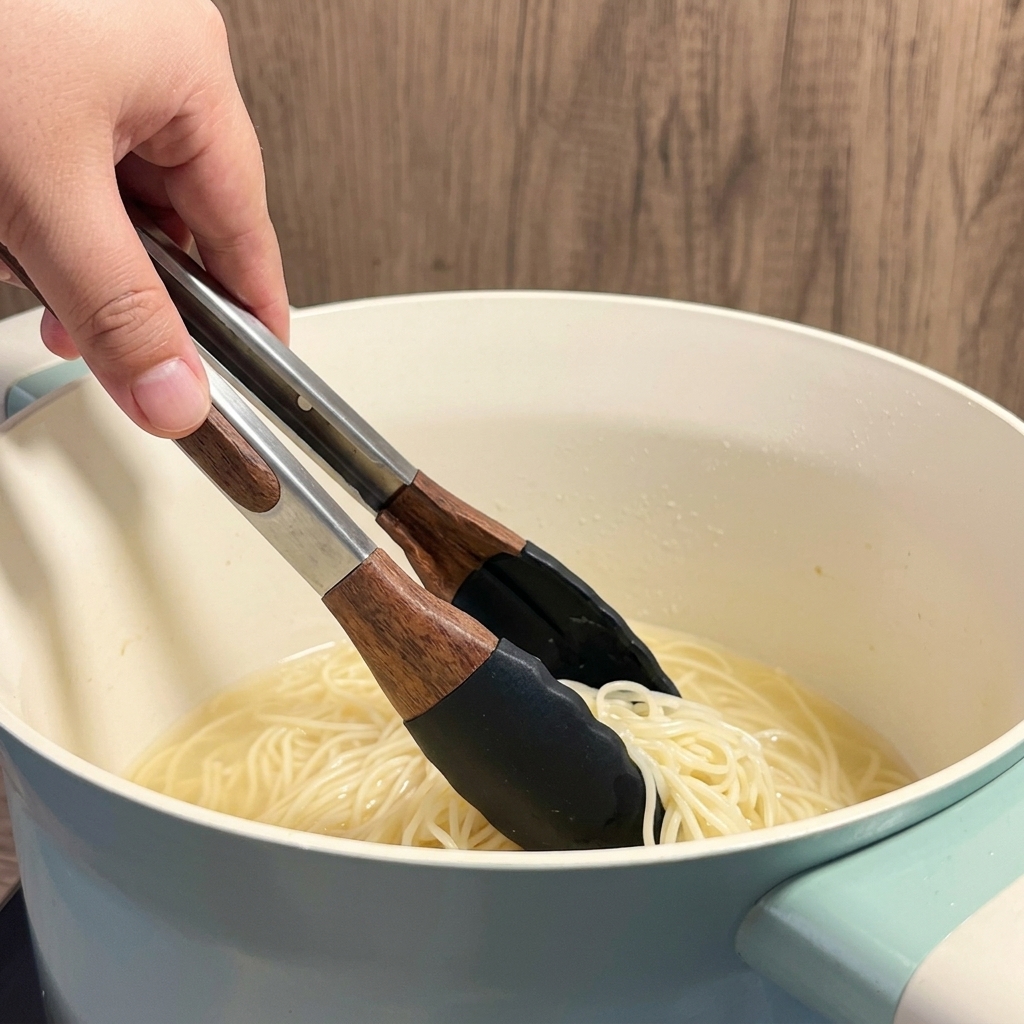
Add the dry yellow ramen noodles into a pot of boiling water. Let them cook until they reach your desired texture.
Tip: Keep an eye on the cooking time to ensure the noodles remain firm and dont become mushy. - 2Remove the noodles
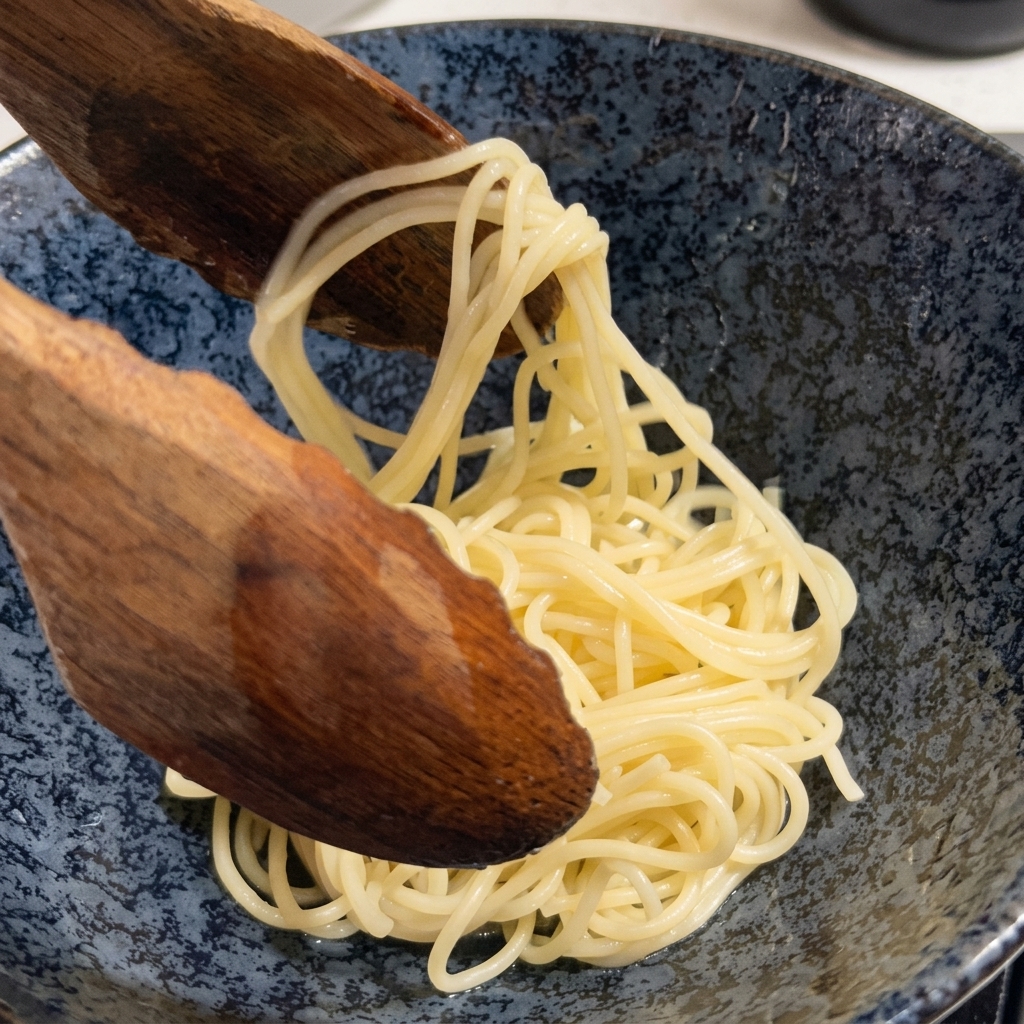
Once the noodles are cooked through, use a large wooden spoon or tongs to carefully lift them out of the hot water. Transfer them to a side plate or bowl.
Tip: Drain any excess water well before setting the noodles aside to prevent them from diluting the soup later. - 3Prepare the soup base
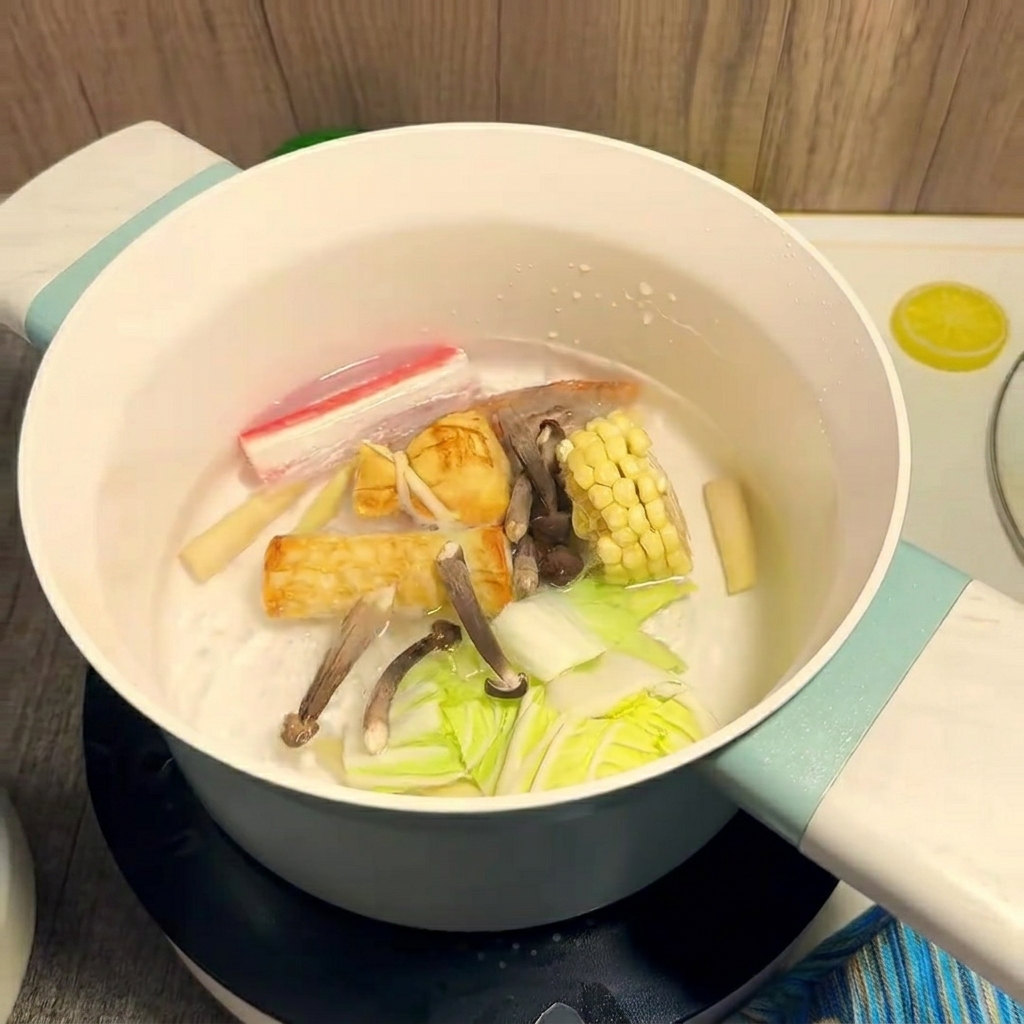
In a separate pot bring water to a boil and add the shrimp shredded cabbage corn mushrooms luncheon meat and fish cakes.
Tip: Adding these ingredients directly to boiling water cooks them quickly while building a flavorful foundation for the soup. - 4Add miso paste
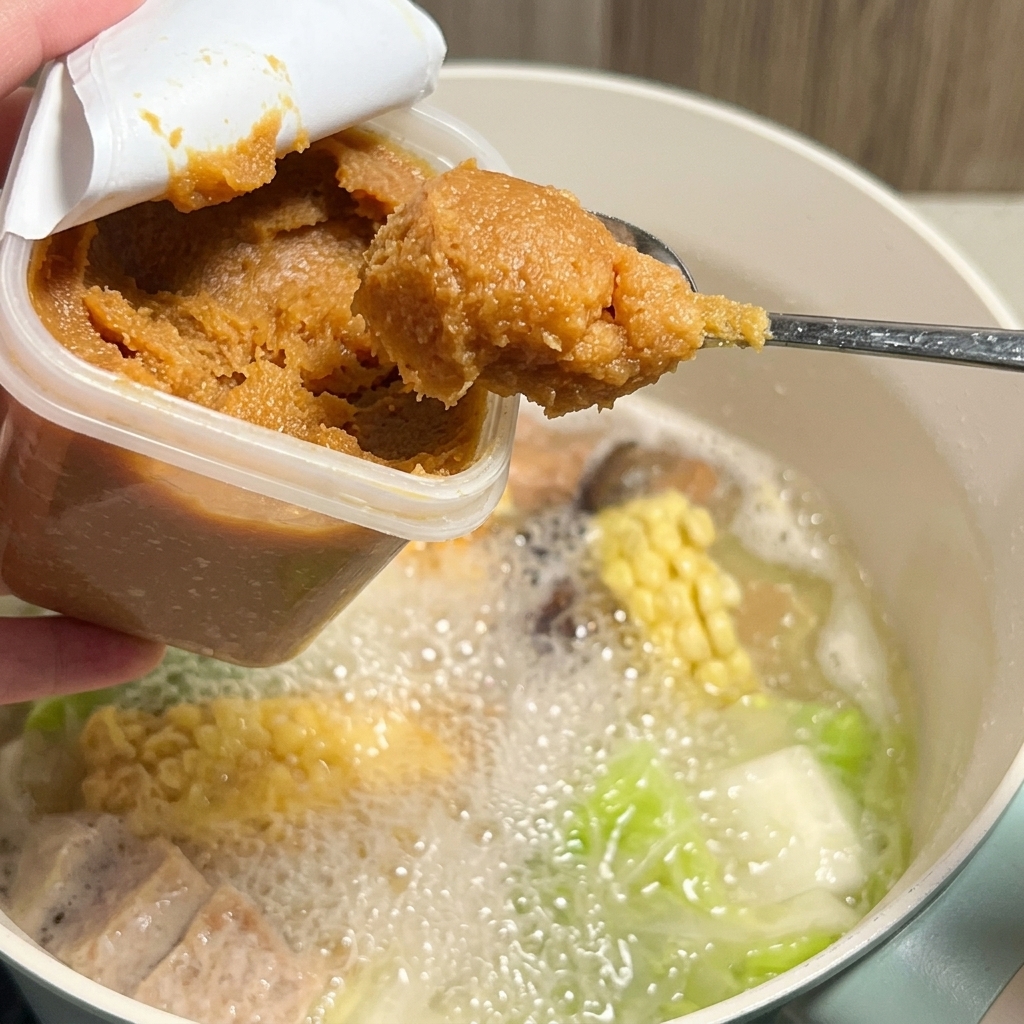
Add one spoonful of rich miso paste to the broth. Use a small metal strainer to help dissolve it evenly into the soup.
Tip: Using a strainer is a great technique to ensure the paste incorporates smoothly without leaving any lumps. - 5Stir the broth
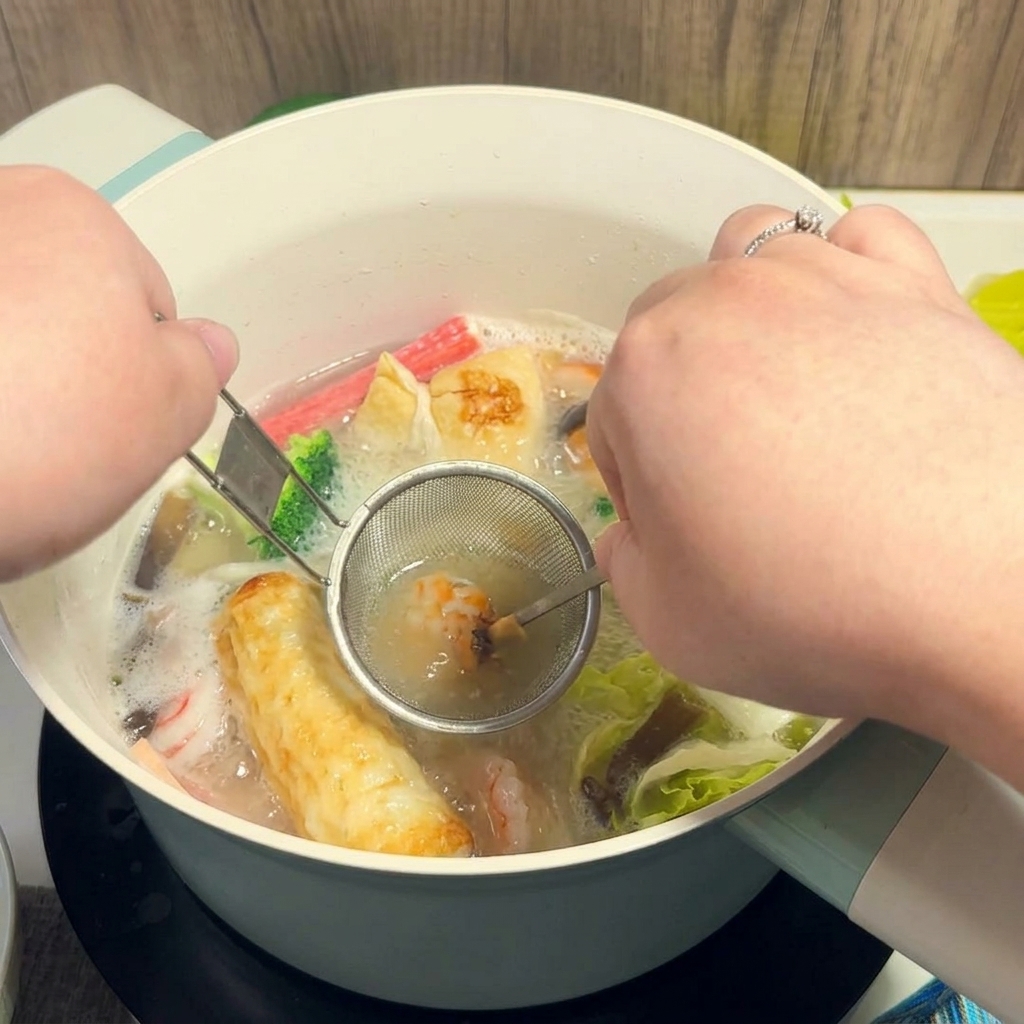
Continue stirring the miso paste through the strainer until it is fully incorporated into the boiling broth. Once the soup is at a rolling boil, turn off the heat.
Tip: Ensure the broth is well-mixed to distribute the savory miso flavor throughout. - 6Bowl Preparation
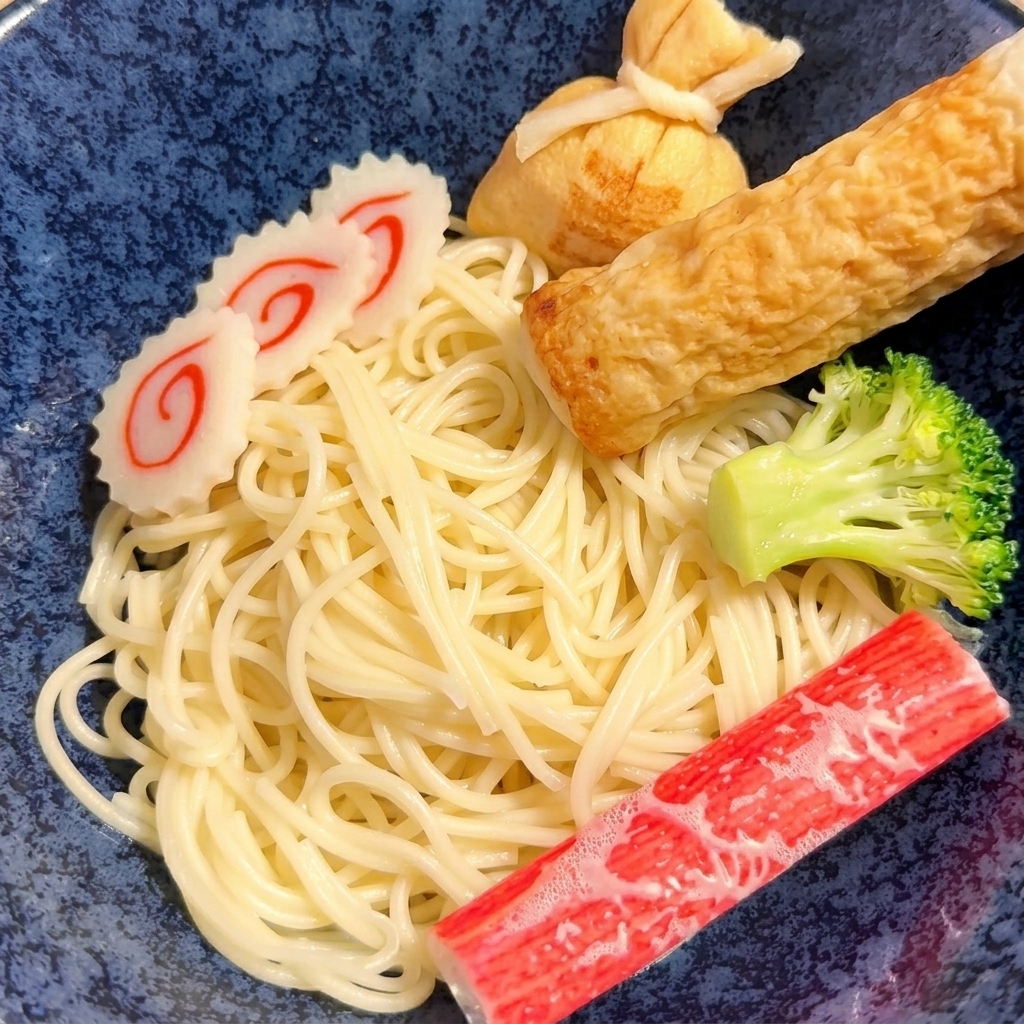
Transfer the drained ramen noodles into a deep serving bowl to prepare for the toppings and soup.
Tip: Warm your bowl beforehand with hot water so your meal stays heated longer. - 7Final Plating
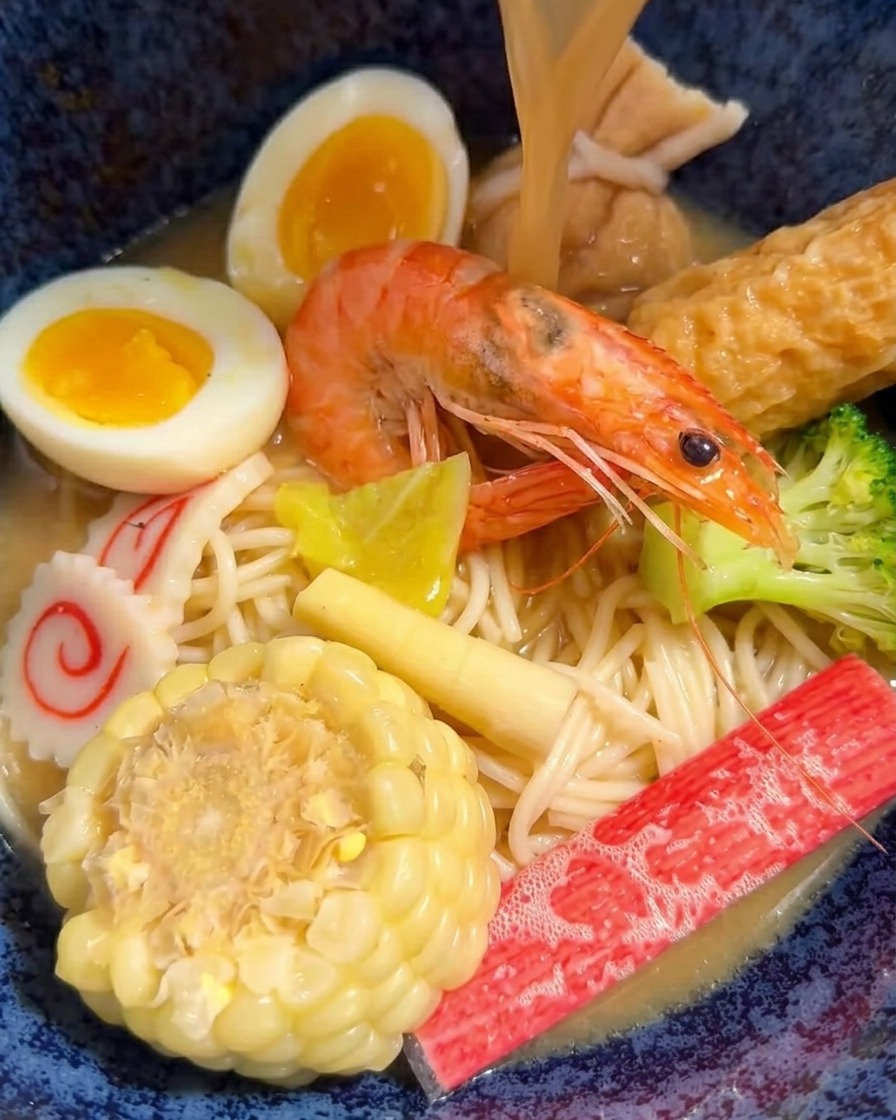
Arrange the cooked shrimp cabbage corn mushrooms luncheon meat fish cakes and egg neatly over the noodles. Pour the hot miso broth over the arranged ingredients tuck the nori on the side and serve immediately.
Tip: Pour the broth gently down the side of the bowl so you do not disturb your carefully placed toppings.