Traditional Minnan Overflowing Duck Soup
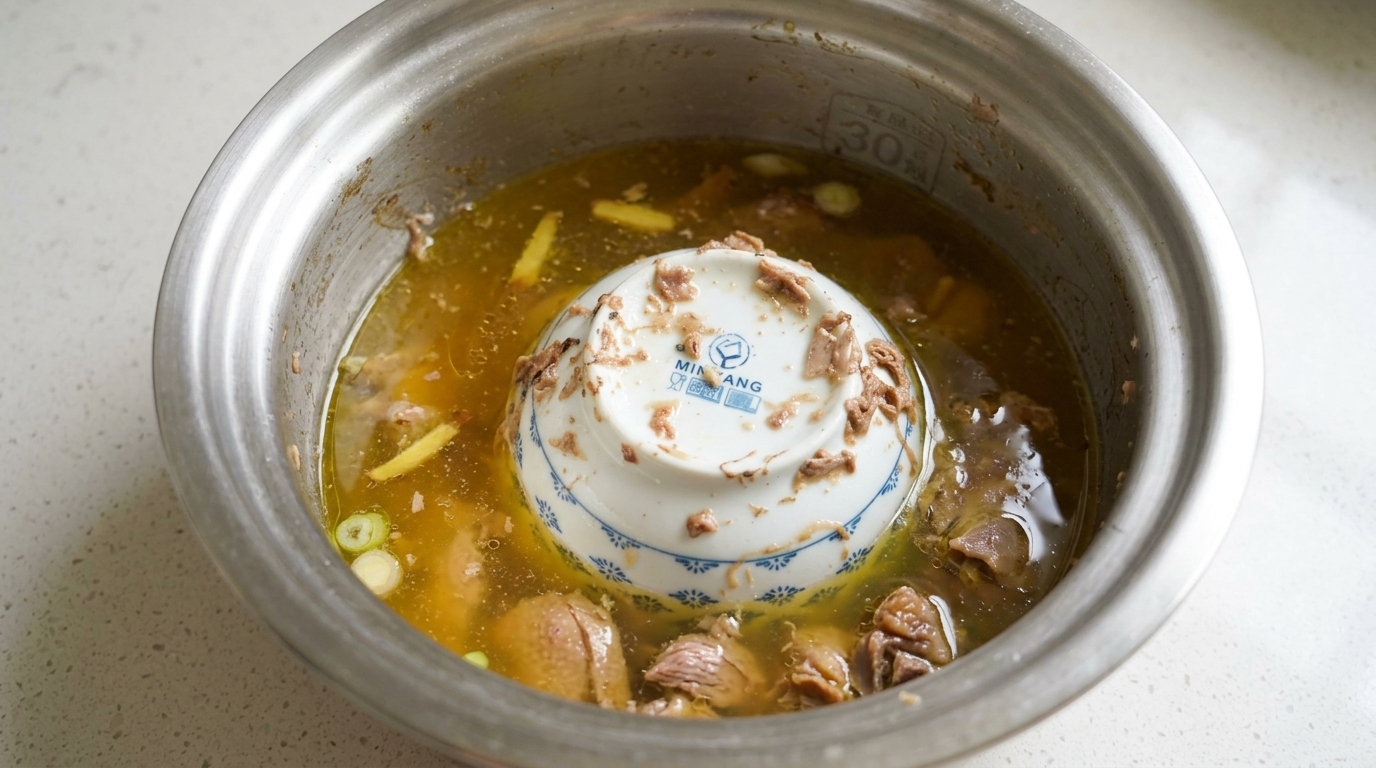
A Minnan culinary marvel, this overflowing duck soup captures pure essence by pressure-steaming duck and pork belly around an inverted bowl to trap rich, concentrated juices.
Originating from the Minnan region, overflowing duck soup is a masterclass in extracting deep, pure flavors. By placing an inverted bowl in the center of the pot, a vacuum effect is created during the long pressure-cooking process. This unique technique ensures the natural juices of the duck, pork belly, and Korean ginseng are perfectly trapped and concentrated without the need for extra water.
Ingredients
- 3–4 slices Korean ginseng
- 2 duck legs
- 200 g duck gizzards
- 1 kg duck meat, cut into pieces
- 2 lbs pork belly, cut into chunks
Instructions
- 1Add the base ingredients
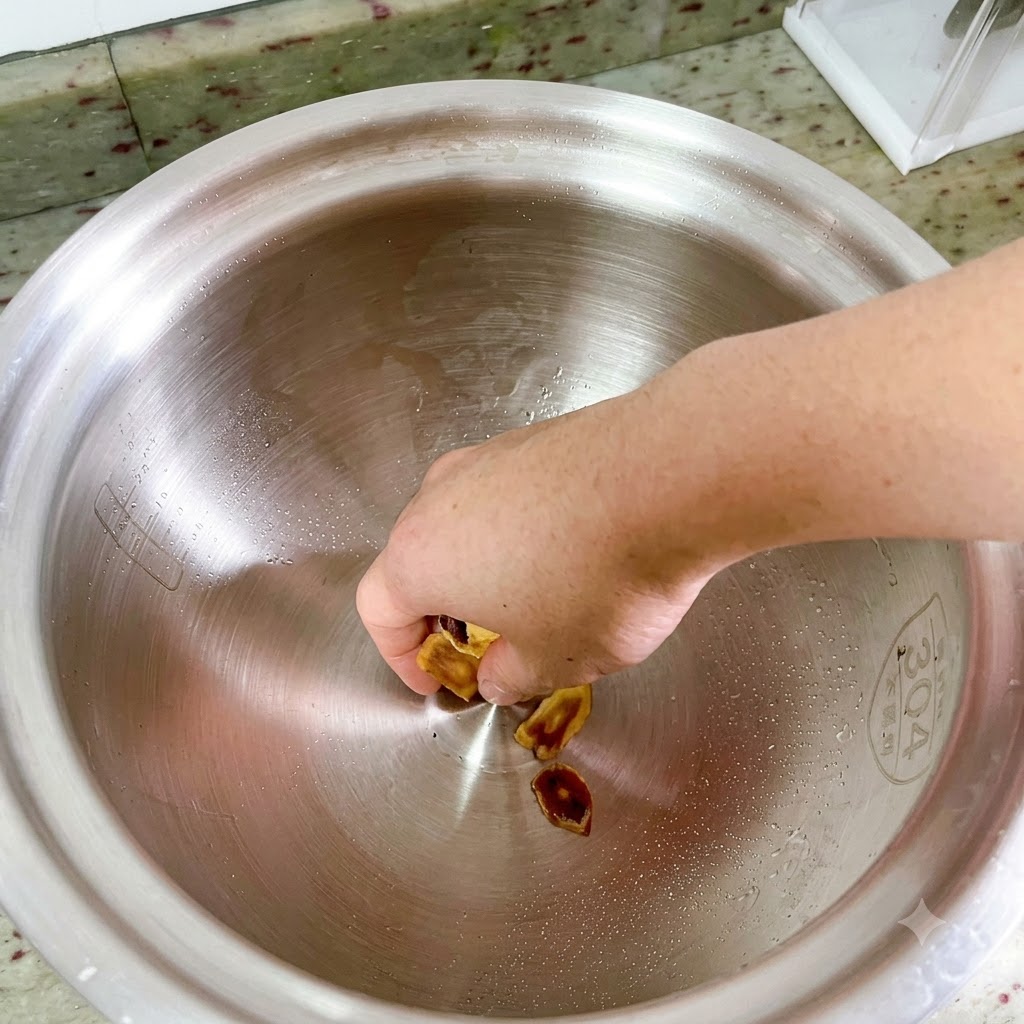
Begin by placing a few slices of Korean ginseng into the center of a large metal pot. Follow this by adding the duck legs and duck gizzards directly into the bottom, which will form the aromatic and flavorful foundation of the soup.
Tip: Placing these ingredients at the very bottom allows them to release their essence directly into the trapped juices during the cooking process. - 2Place the inverted bowl
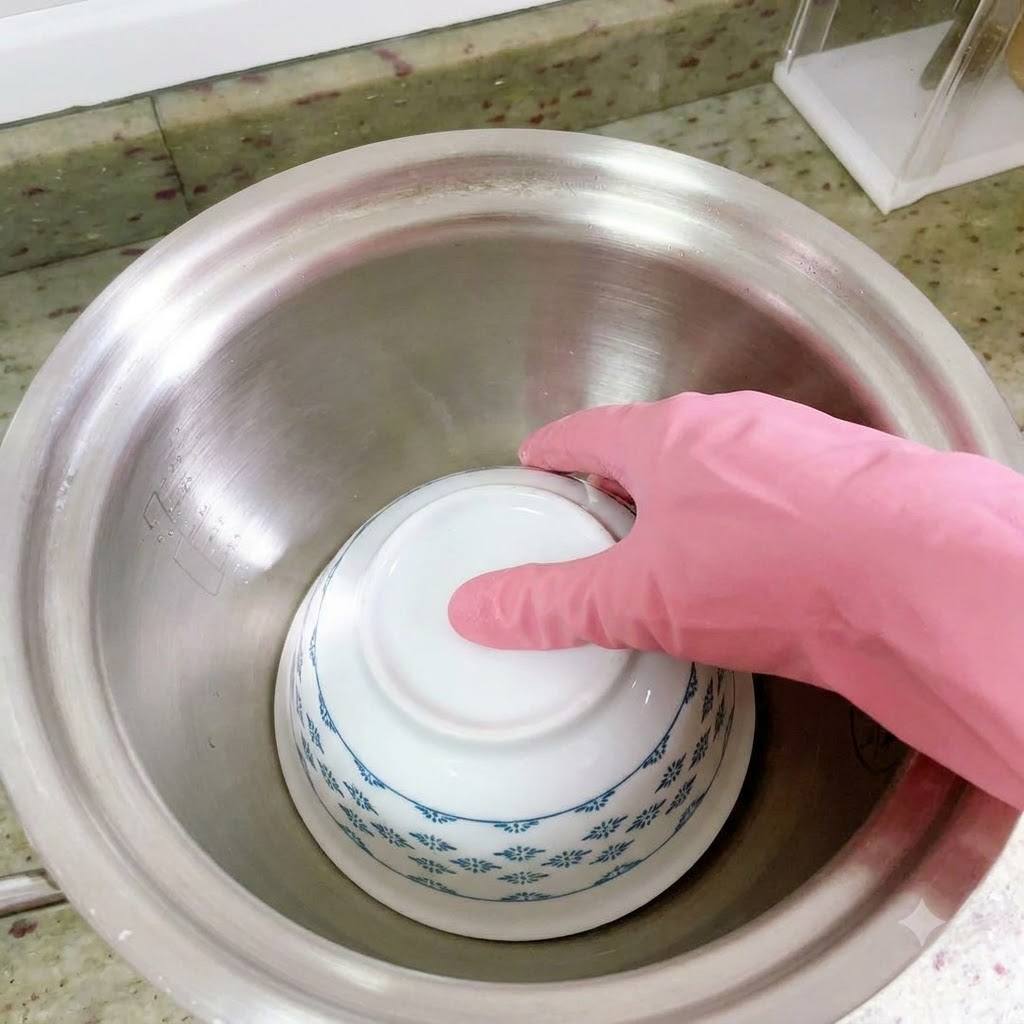
Take a small ceramic bowl and place it upside down directly over the ginseng, duck legs, and gizzards. This traditional technique creates a vacuum effect as it cooks, drawing out and capturing the pure, concentrated juices of the meat underneath the bowl.
Tip: Ensure the rim of the bowl sits flat against the bottom of the pot so it can create a proper seal. - 3Arrange the meats
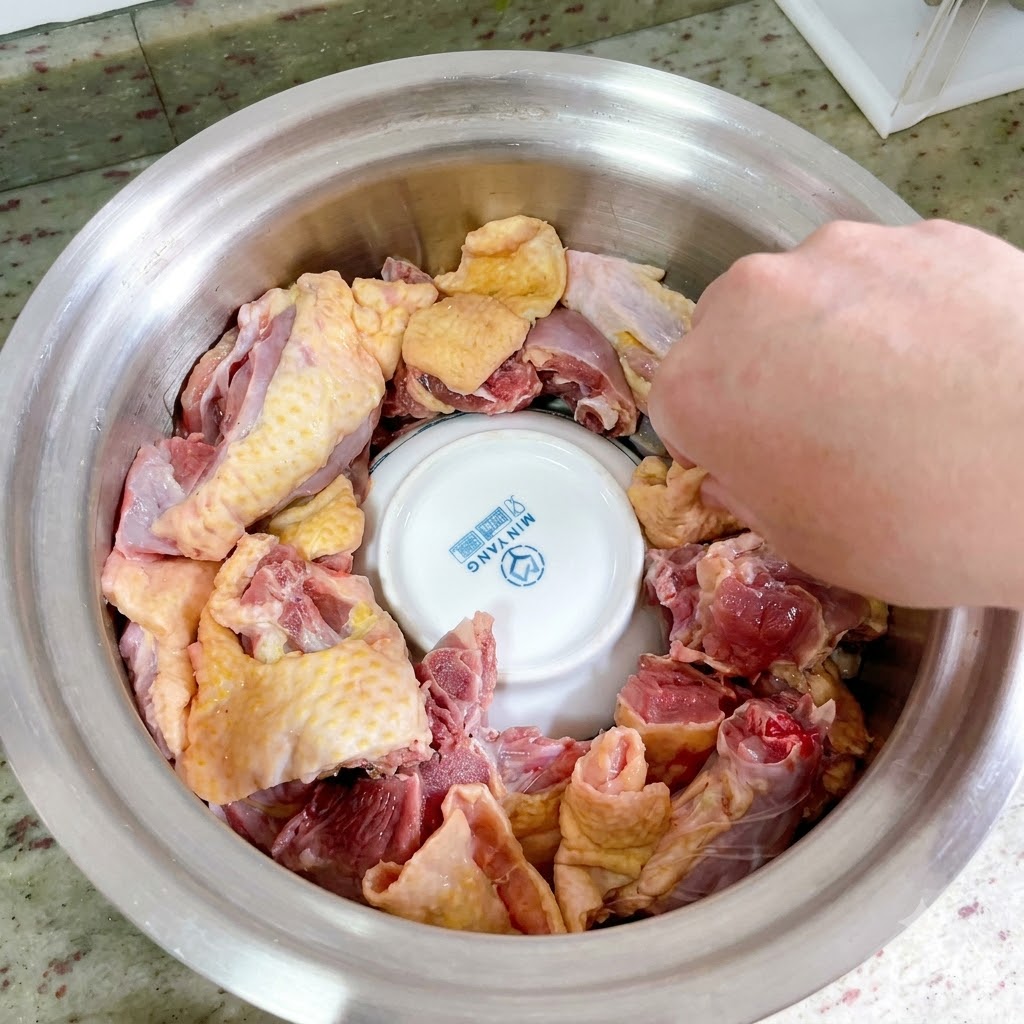
Neatly arrange the remaining raw duck pieces and the pork belly in a tight circle around the outside of the upside-down bowl. Packing the meats closely together ensures even cooking and allows their rich flavors to meld beautifully without adding extra water.
Tip: The pork belly adds essential fat and richness, balancing the leaner duck meat. - 4Cover and seal the pot
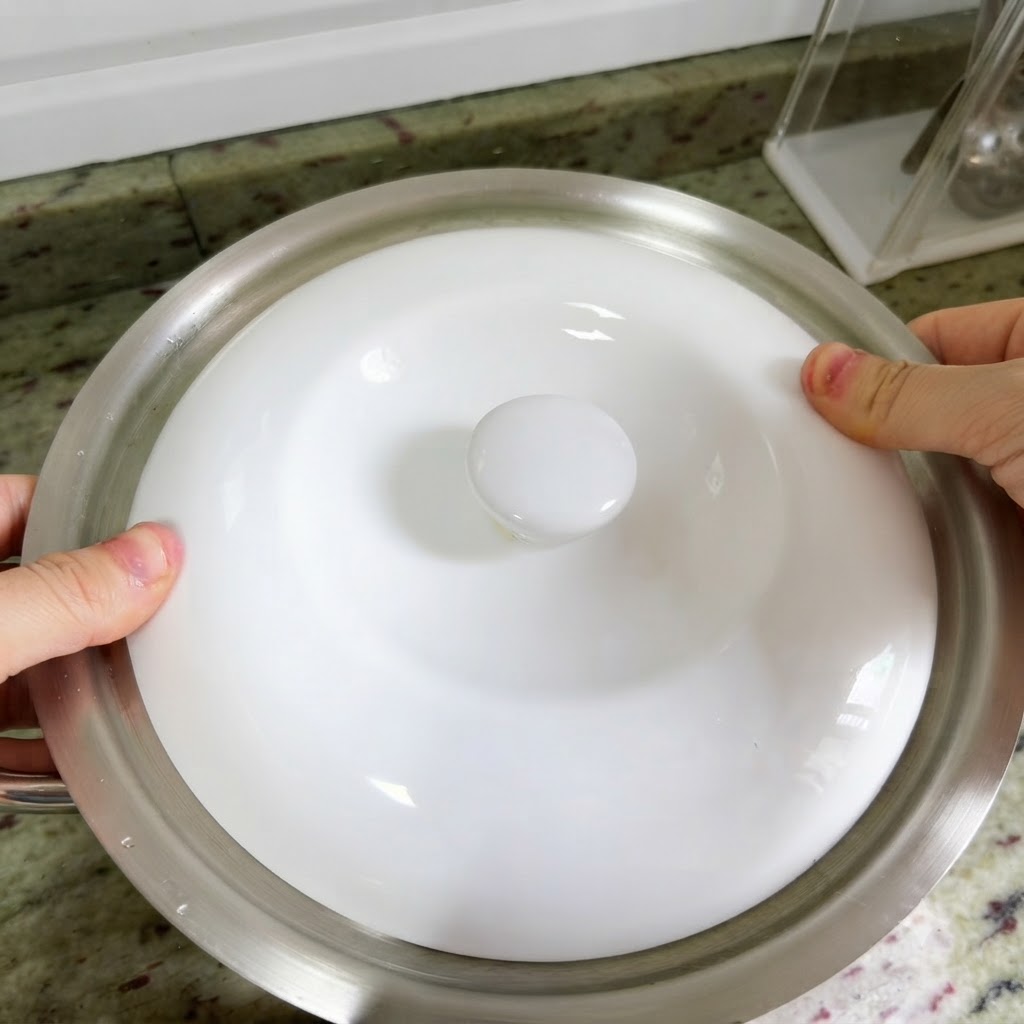
Place a tight-fitting lid over the inner metal pot. Once covered, securely wrap the edges of the pot and lid with heat-safe plastic cling film to seal it completely. This locks in the steam and prevents external condensation from diluting the soup.
Tip: Make sure the plastic wrap is tight all the way around the rim so no steam escapes during the pressure cooking phase. - 5Pressure cook the duck
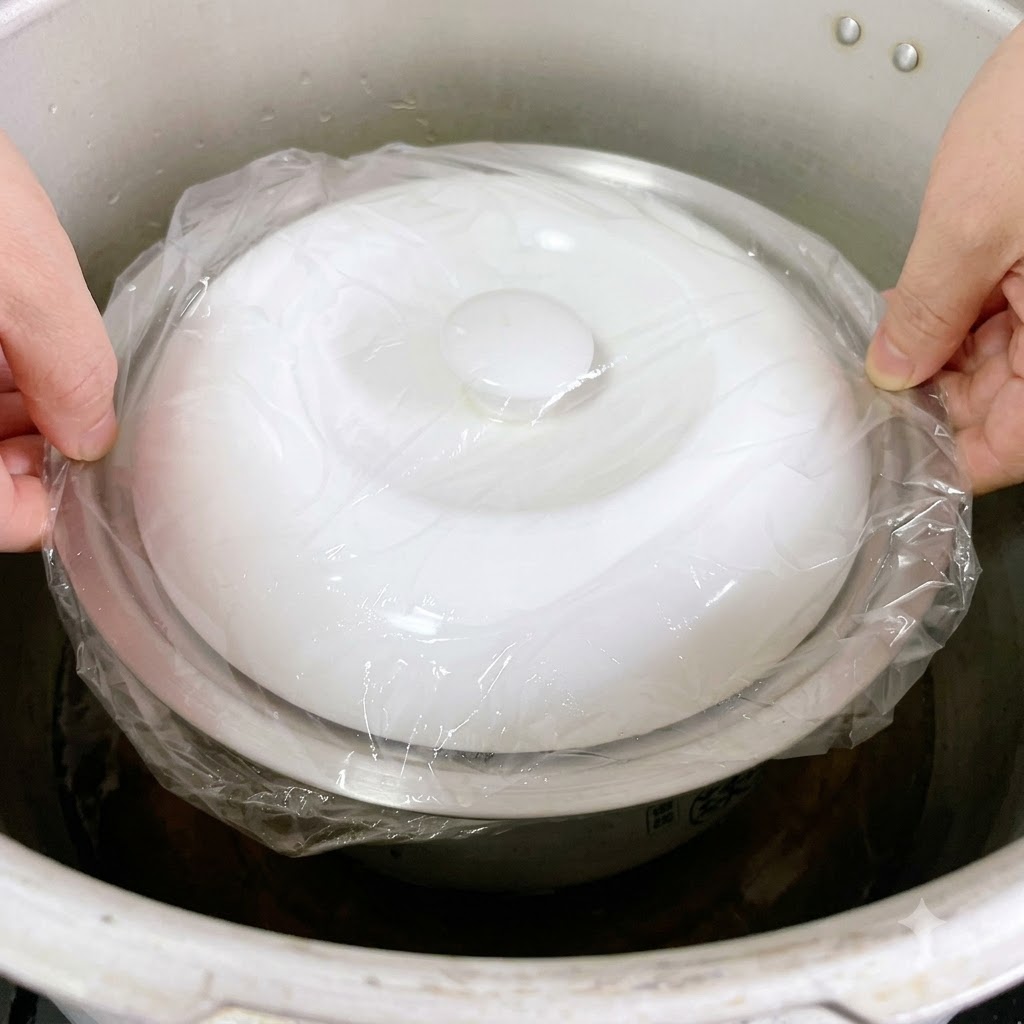
Carefully lower the sealed metal pot into a larger pressure cooker filled with an appropriate amount of water for steaming. Secure the pressure cooker lid and cook on low heat for exactly two hours after full pressure builds up.
Tip: The long, slow pressurized steaming process breaks down the tough duck meat until it is meltingly tender. - 6Open the pot
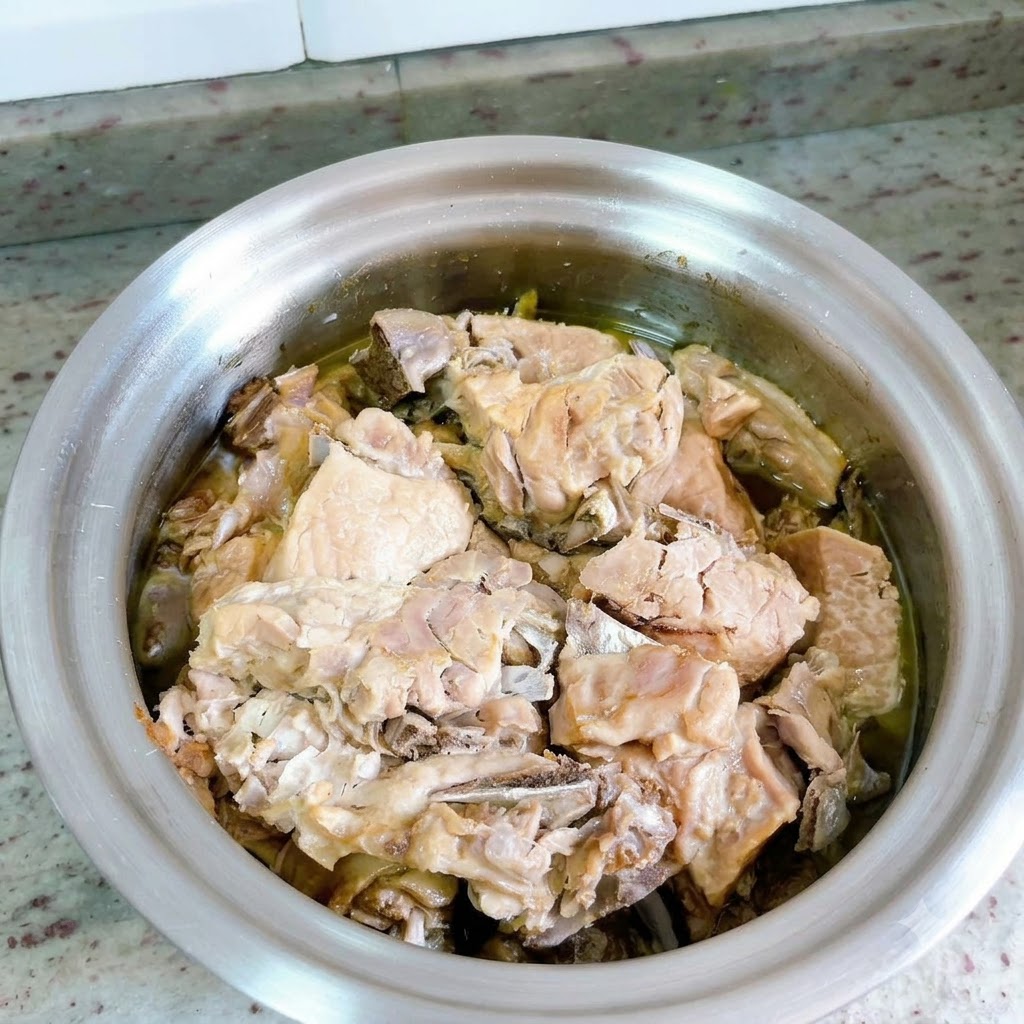
Remove the lid from the pressure cooker after cooking to reveal the tender cooked duck meat and the rich, flavorful broth underneath.
Tip: Be careful of residual steam when opening the pressure cooker lid. - 7Remove the ceramic bowl
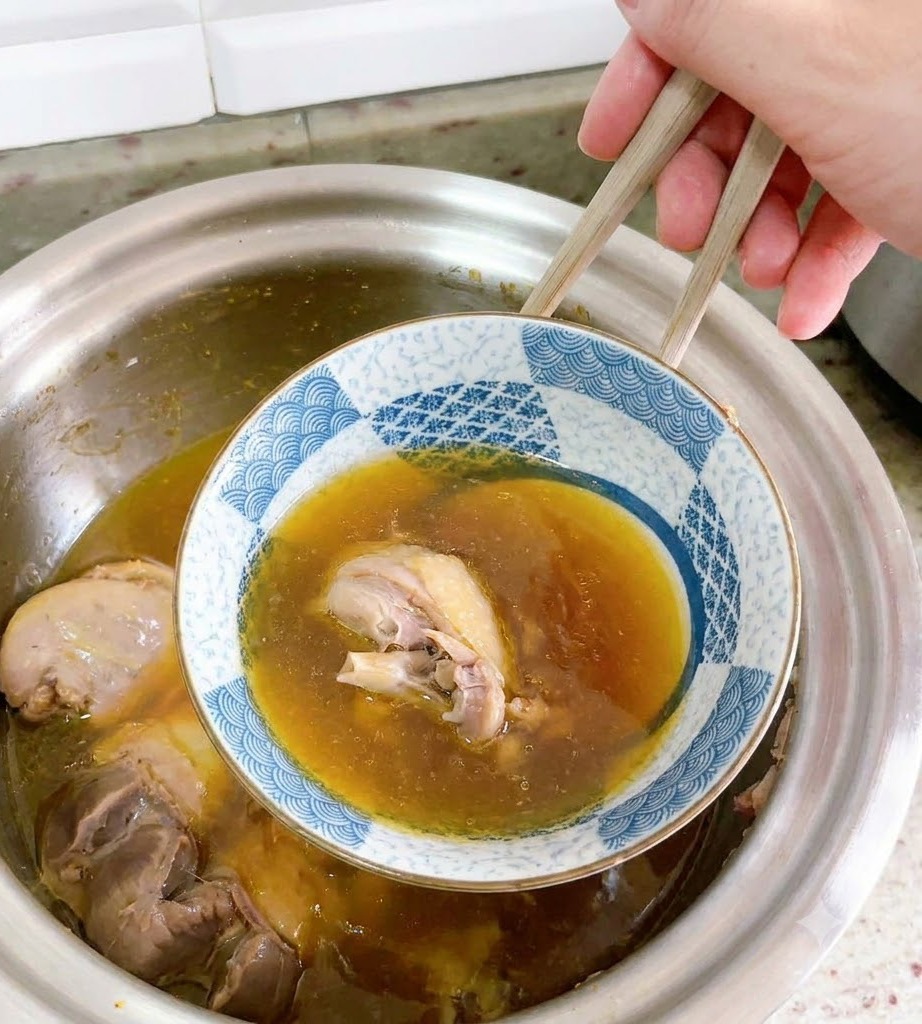
Carefully lift the inverted ceramic bowl out of the soup pot using chopsticks or tongs, allowing the nested ingredients and broth to settle.
Tip: Use steady pressure with the chopsticks to securely grip the bowl edges without slipping. - 8Skim the excess oil
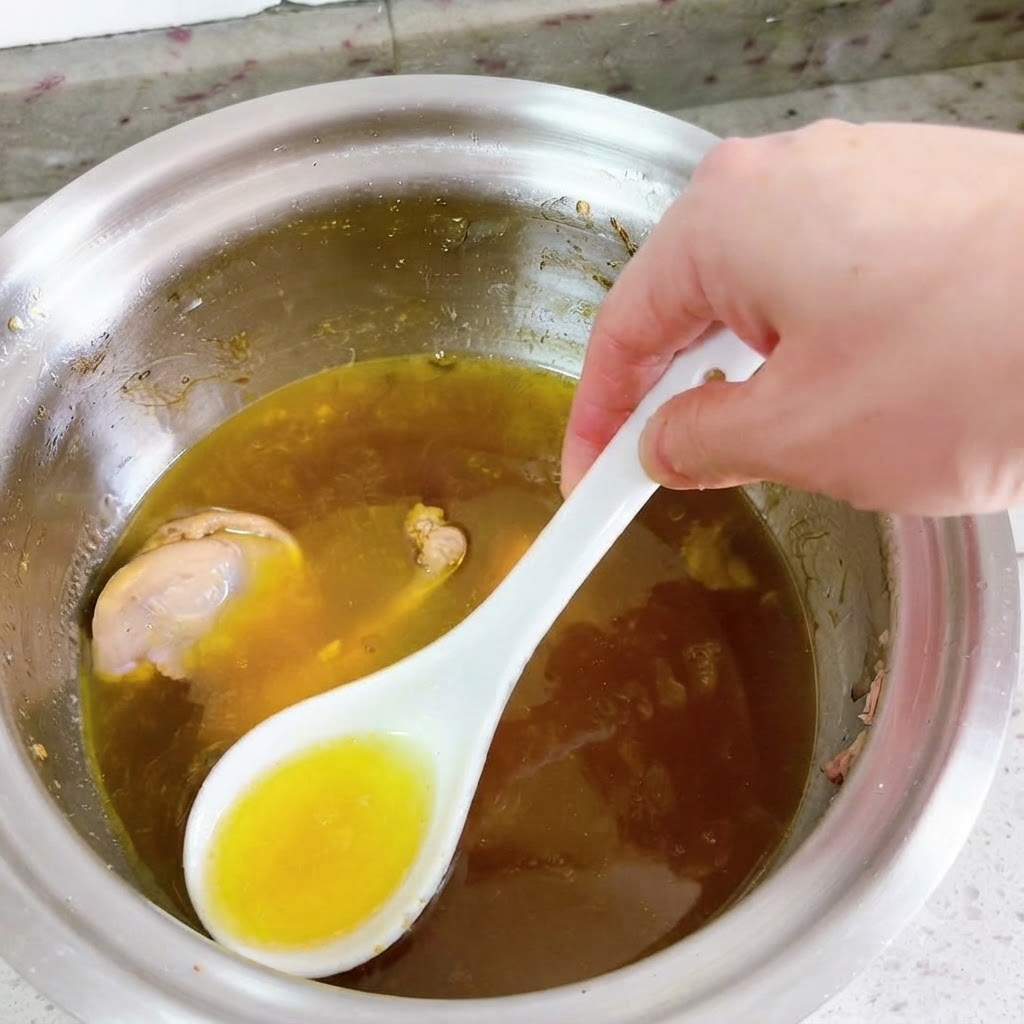
Carefully skim off the excess yellow oil floating on the surface of the soup using a white spoon. Removing this excess fat helps lighten the rich broth and improves the overall texture and appearance before serving.
Tip: Tilt the pot slightly to gather the oil in one corner for easier skimming.