American-Style Smoked Stone Axe Wagyu Brisket
Experience the ultimate melt-in-your-mouth BBQ with this slow-smoked Stone Axe Wagyu brisket, seasoned to perfection and finished with a rich, dark bark.
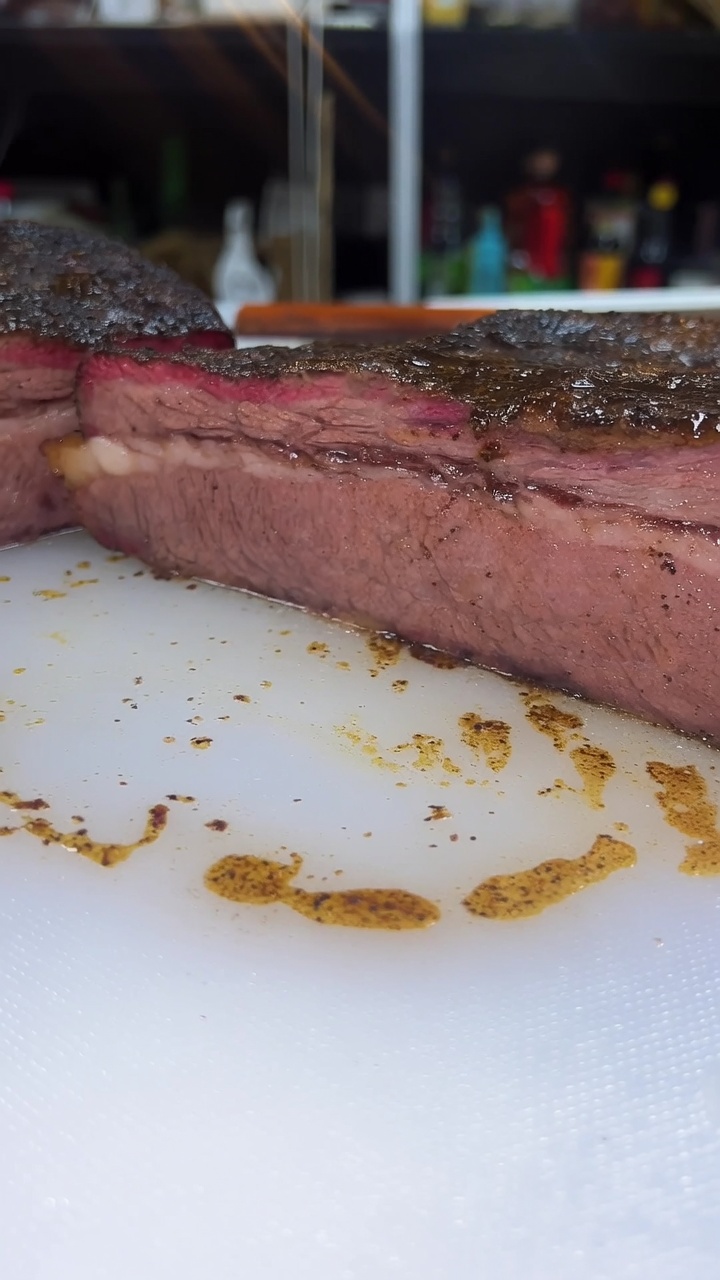
Smoking a premium piece of meat like Stone Axe Wagyu brisket is a masterclass in patience and precision. By combining a classic dry rub with a long, slow smoke, you transform the rich intramuscular fat of the Wagyu into a buttery, tender masterpiece. This method honors the quality of the beef, resulting in a deep smoke ring and intense savory depth that defines authentic American-style BBQ.
Ingredients
- 1 piece Stone Axe Wagyu brisket (M6-7)
- to taste coarse sea salt
- to taste coarse black pepper
- as needed apple cider vinegar
Instructions
- 1Trim the Wagyu brisket
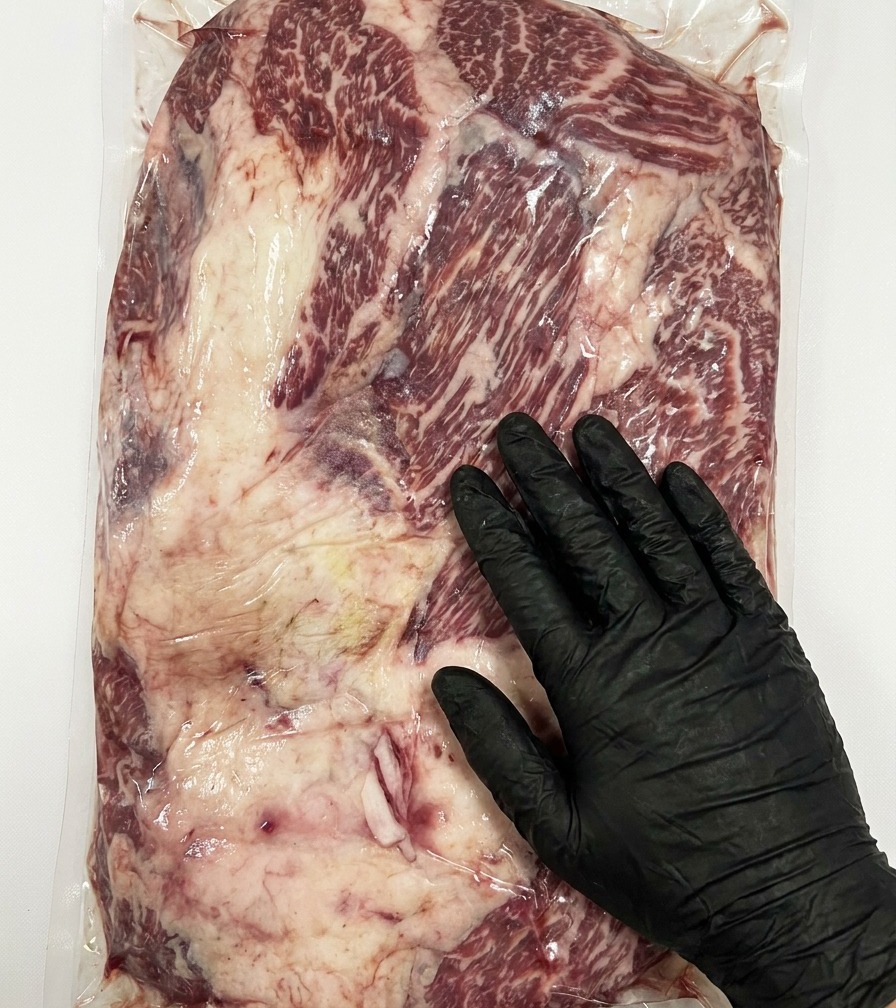
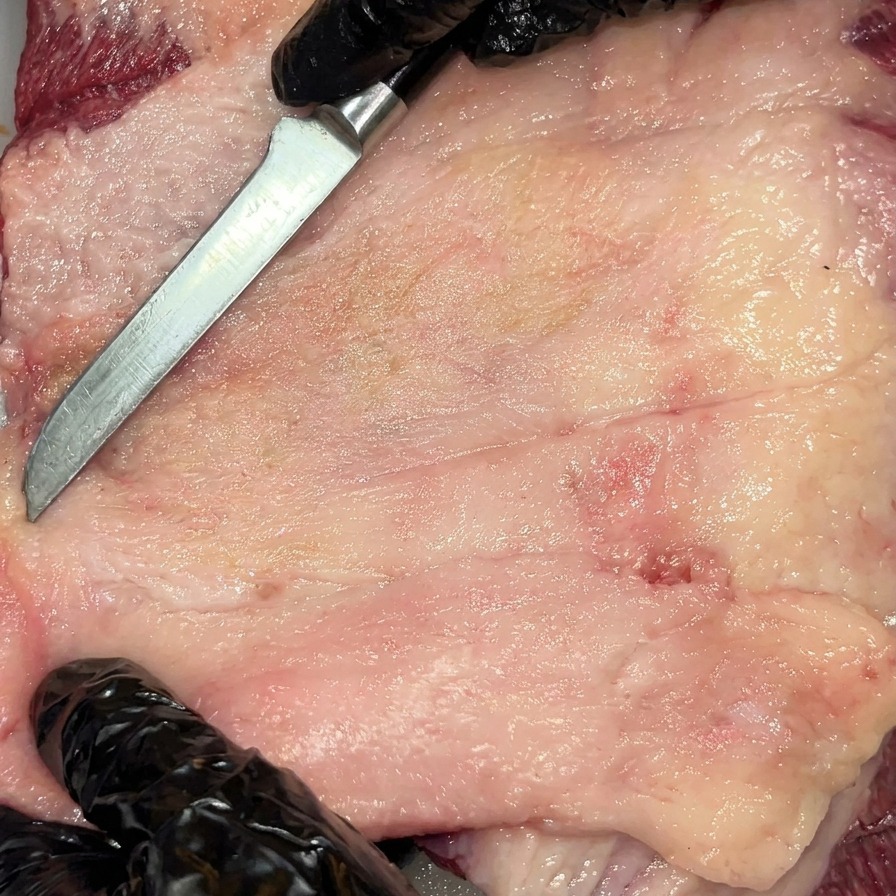
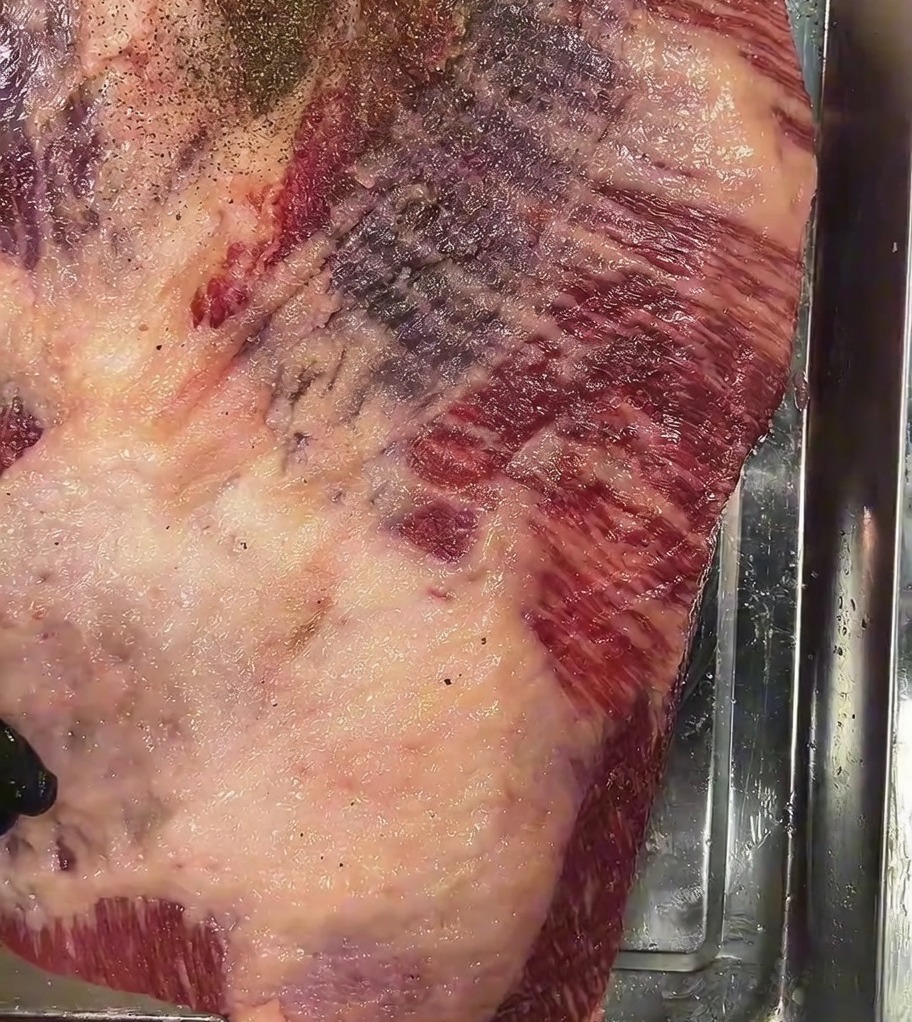
Place the Stone Axe Wagyu brisket on a clean cutting board. Using a sharp knife, carefully trim away the excess fat cap to ensure an even cook. Focus on removing the thicker, harder fat portions while leaving a thin layer to help keep the meat moist during the long smoking process.
Tip: Keep the knife blade parallel to the meat surface to avoid cutting too deep into the lean brisket muscle. - 2Season with sea salt
Evenly sprinkle a generous amount of coarse sea salt over the entire surface of the trimmed raw brisket. The salt will help draw out moisture and penetrate the meat during the overnight marinade, seasoning it thoroughly.
Tip: Use coarse salt rather than fine table salt for better crust formation during the smoke. - 3Rub in the salt
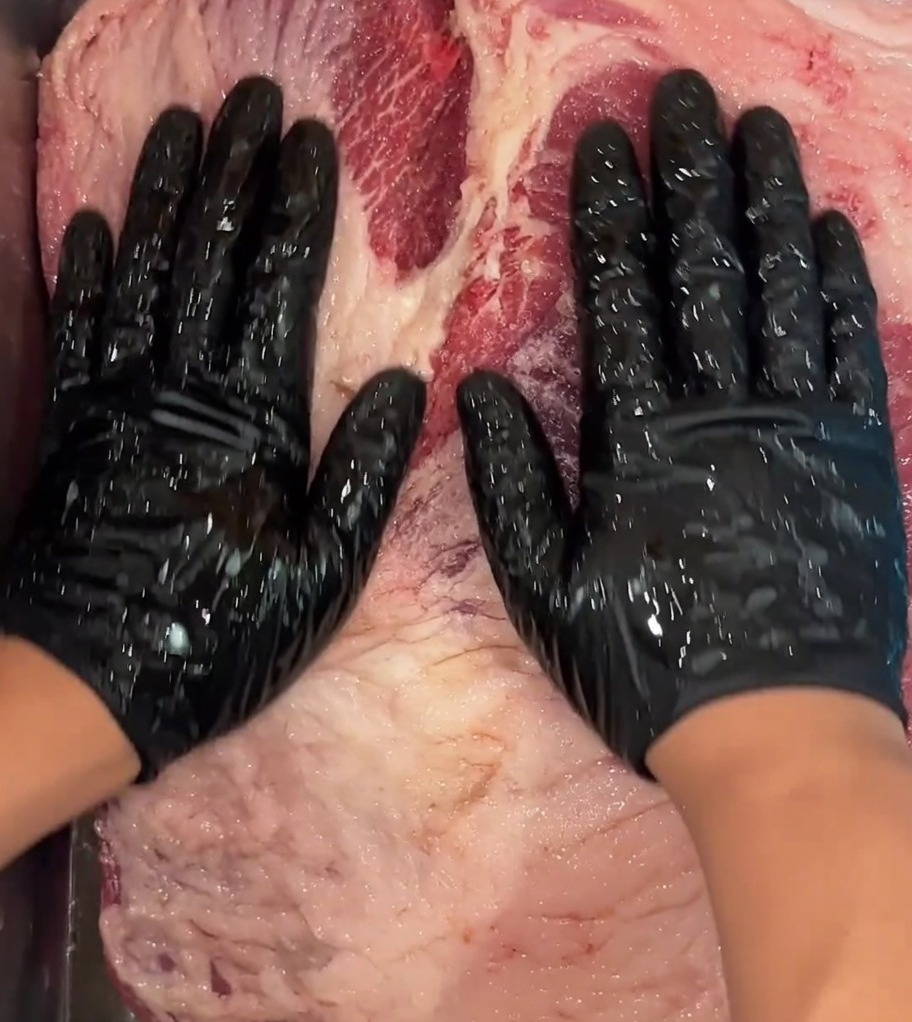
Using gloved hands, massage the sea salt thoroughly into the brisket. Ensure the salt is distributed evenly across all sides of the meat to achieve consistent seasoning.
Tip: Apply firm pressure to ensure the salt adheres well to the meat fibers. - 4Apply black pepper
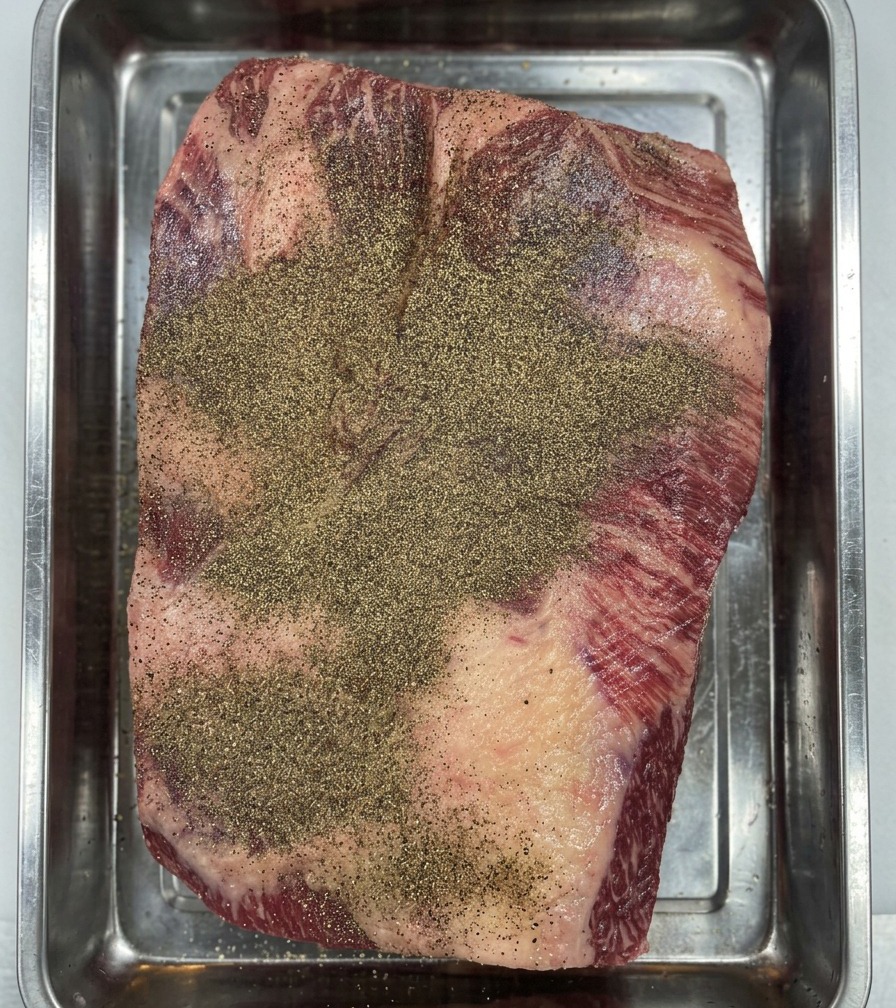
Generously sprinkle coarse black pepper over the salted surface of the brisket. The black pepper will form a flavorful crust during the smoking process, complementing the richness of the Wagyu fat.
Tip: Freshly cracked black pepper provides the best aroma and flavor for a smoke rub. - 5Massage the seasoning
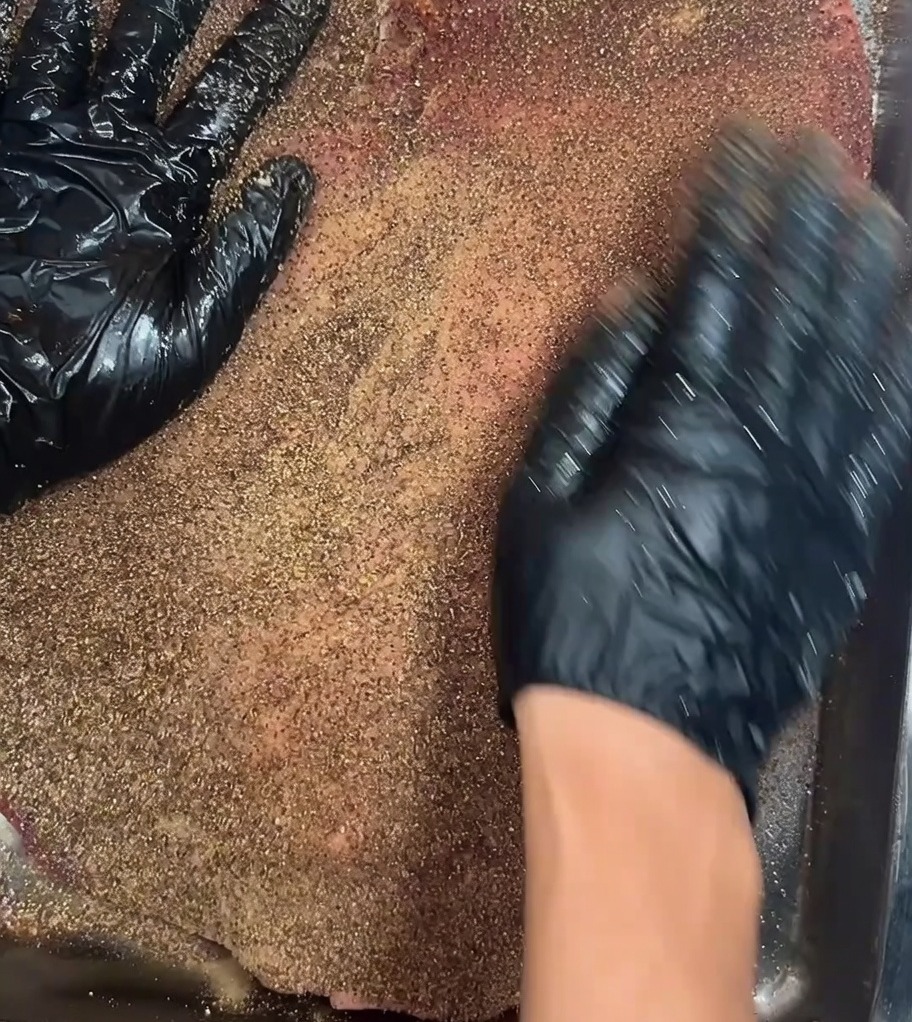
Massage the black pepper evenly across the brisket. Combining the salt and pepper creates the foundation for the bark that will develop during the long smoke.
Tip: Make sure to cover the edges of the brisket so every bite is well-seasoned. - 6Marinate the brisket
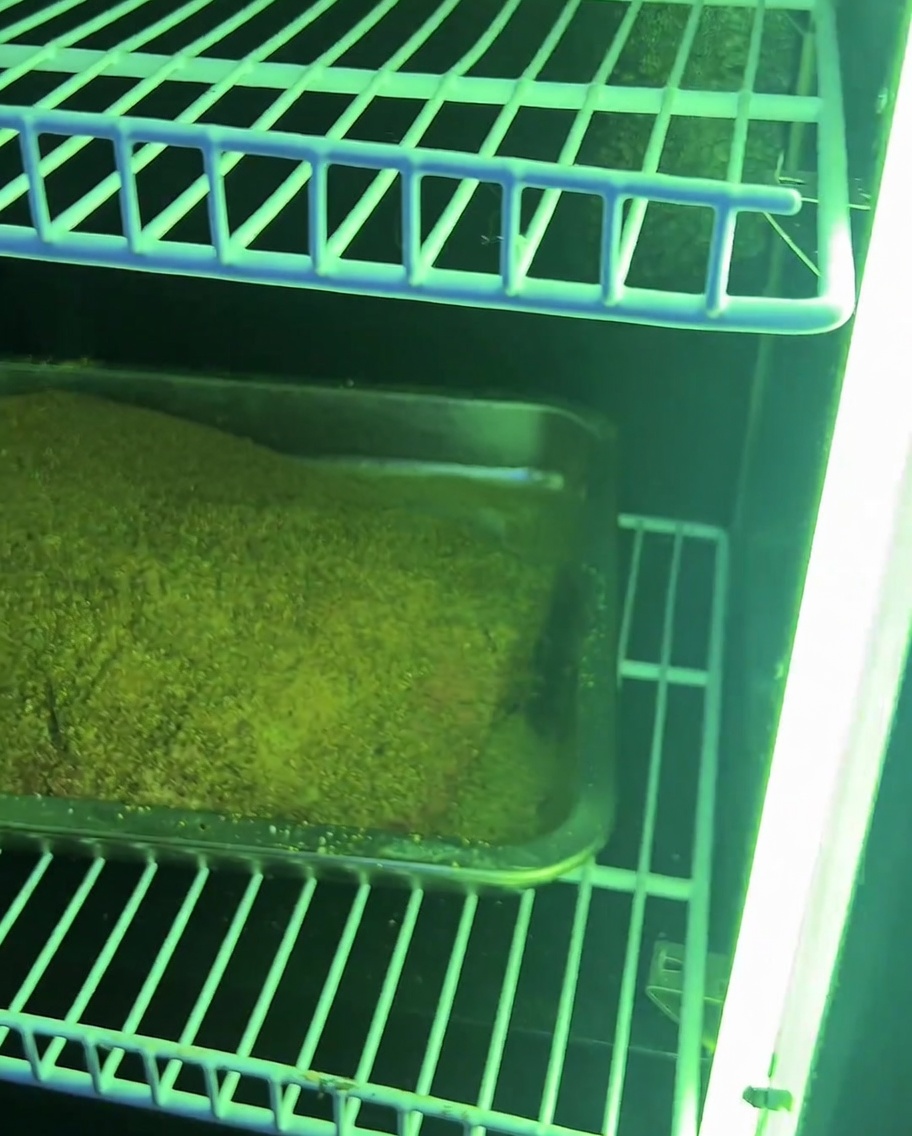
Place the fully seasoned raw brisket onto a wire rack, then set it inside the refrigerator. Allow the meat to marinate overnight to let the salt and pepper flavors deepen into the beef.
Tip: Using a wire rack ensures air circulation around the meat for a more consistent cure. - 7Load the brisket into the smoker
Place the marinated Stone Axe Wagyu brisket onto the grates of the smoker. Ensure there is enough space around the meat for the smoke to circulate evenly, which is crucial for achieving a deep, flavorful bark.
Tip: Keep the brisket flat on the grate to ensure even smoke exposure and consistent temperature. - 8Insert the meat thermometer
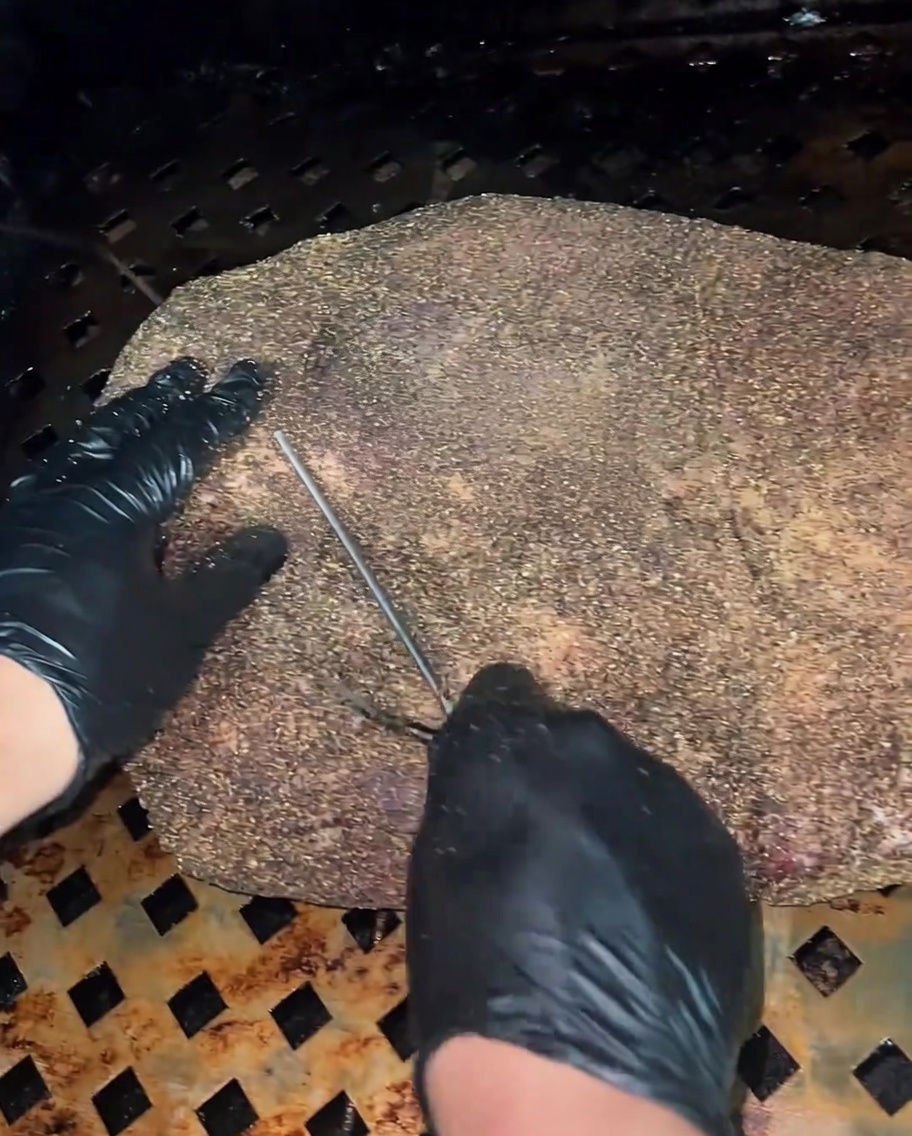
Insert a meat thermometer probe into the thickest part of the brisket. Monitoring the core temperature is essential for tracking the progress of the slow smoke and ensuring the meat reaches the perfect tenderness.
Tip: Place the probe away from any large bones or fat pockets to get an accurate reading of the meats internal temperature. - 9Mist with apple cider vinegar
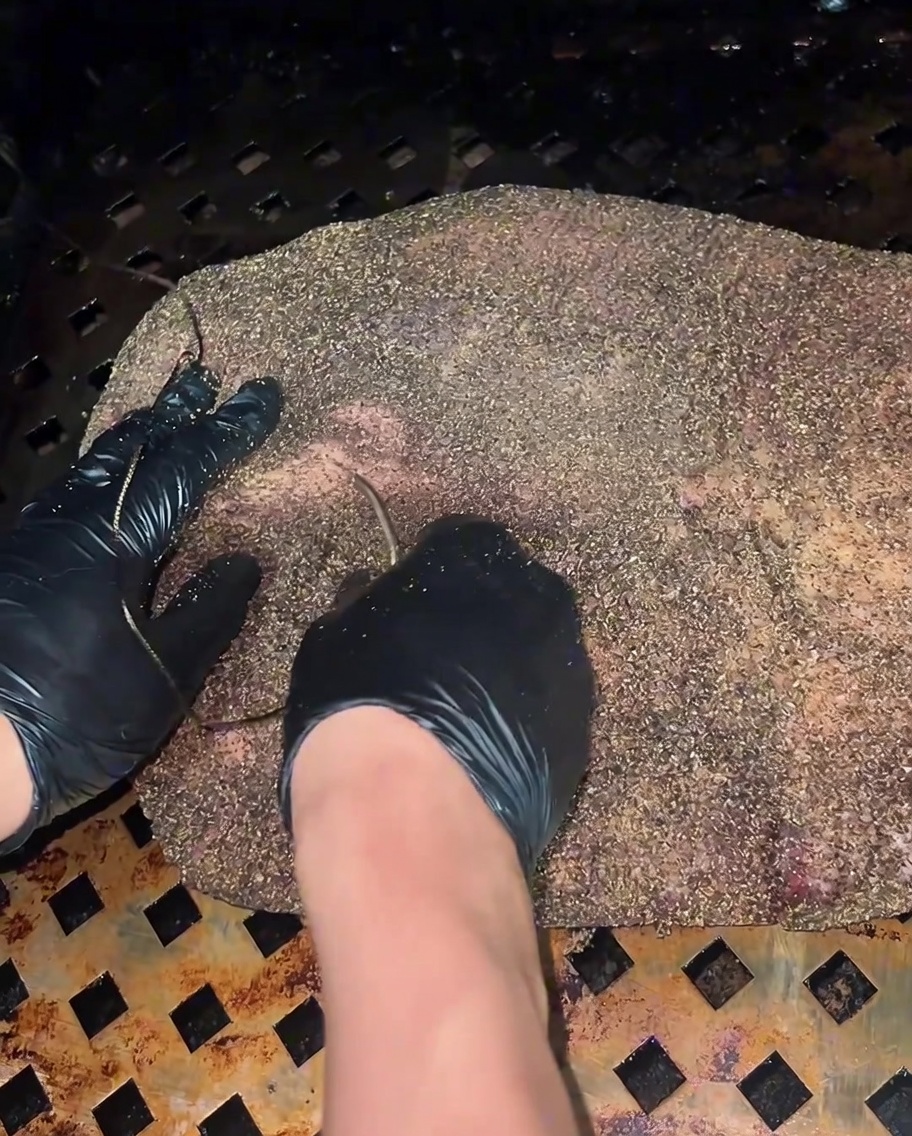
Throughout the smoking process, periodically spray the surface of the brisket with apple cider vinegar. This helps keep the meat moist and aids in developing a rich, flavorful bark.
Tip: Use a fine-mist sprayer to coat the meat evenly without washing away the spice rub. - 10Wrap in butcher paper
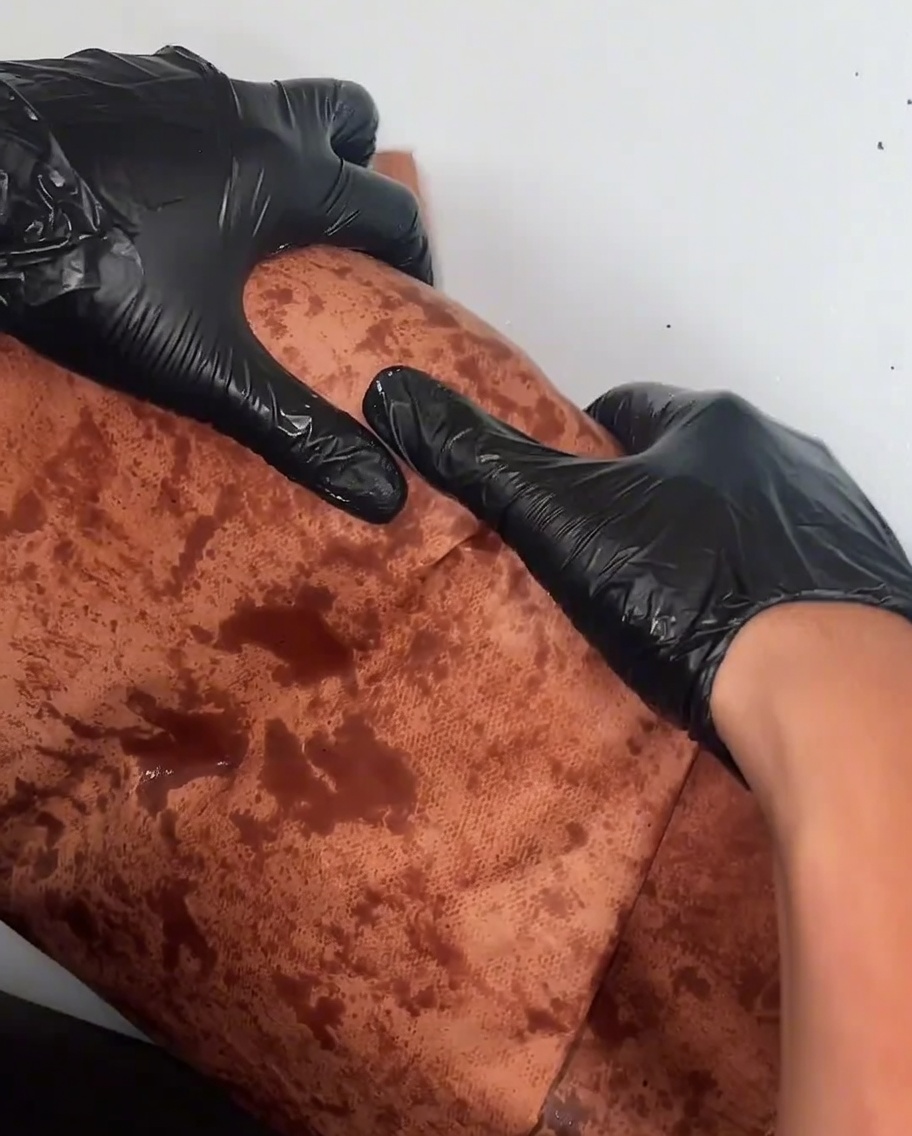
Once the brisket has developed a good bark and the desired smoke flavor, wrap it tightly in butcher paper. This technique, often called the Texas Crutch, helps maintain moisture and pushes the meat through the stall during the slow roasting phase.
Tip: Ensure the wrap is tight to prevent the meat from steaming too much and softening the bark excessively. - 11Continue the slow roast
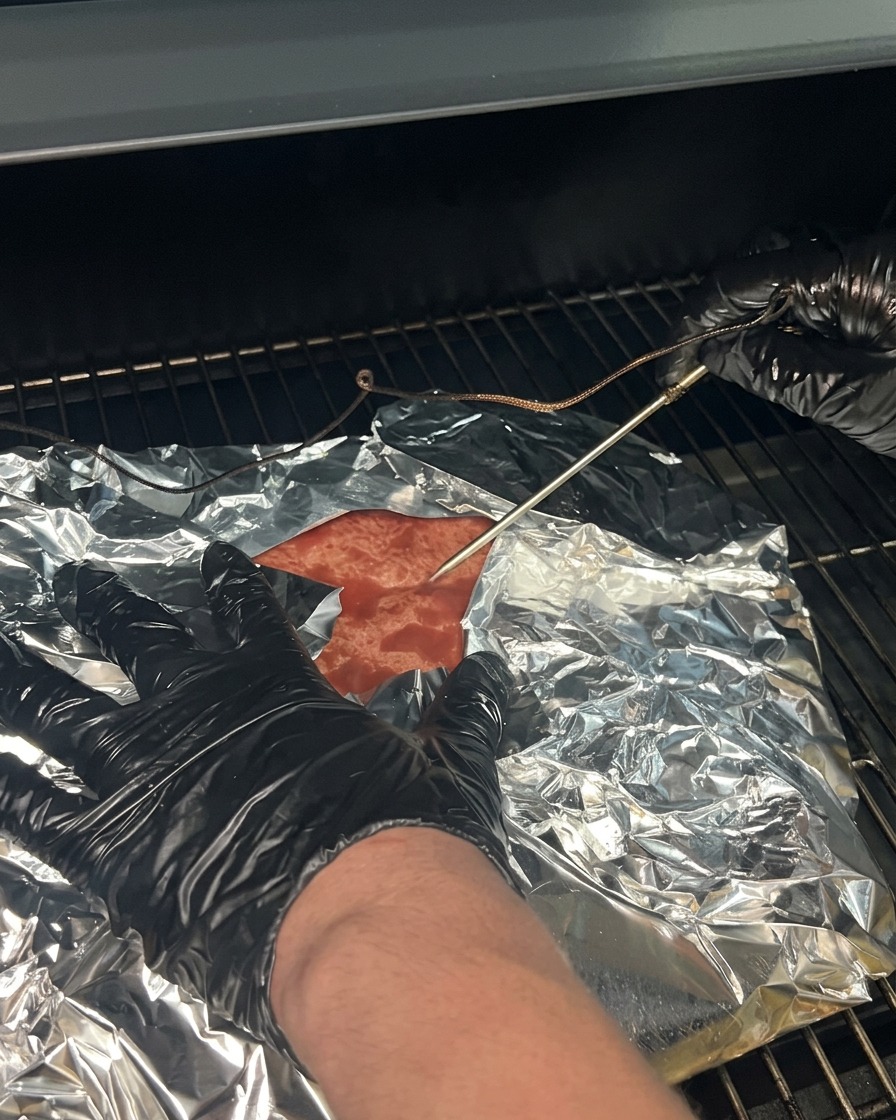
Return the wrapped brisket to the smoker. Re-insert the thermometer probe to monitor the core temperature as the meat continues to cook slowly until it reaches the target internal temperature for perfect tenderness.
Tip: Place the wrapped meat on aluminum foil to catch any juices that may escape during the final hours of cooking. - 12Unwrap and inspect
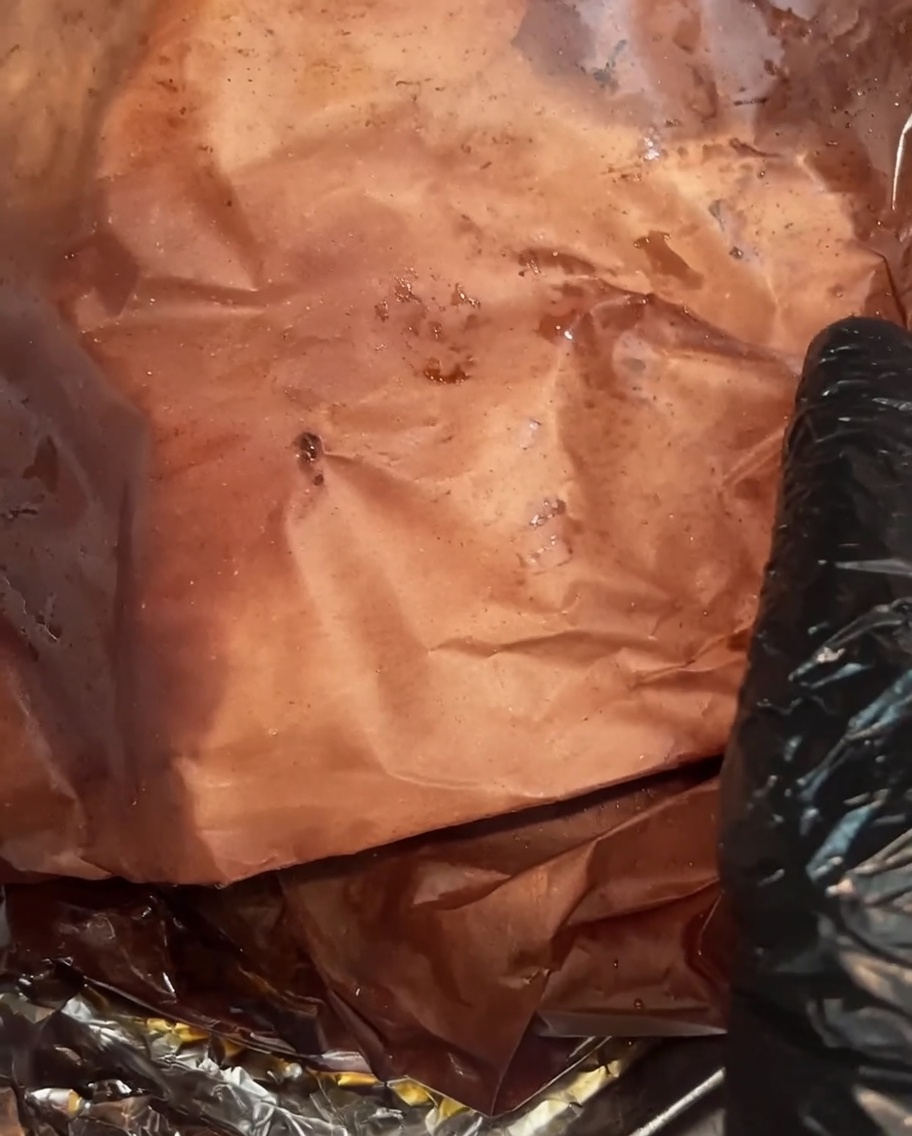
After the brisket has finished cooking and has had sufficient time to rest, carefully unwrap the butcher paper. You will be greeted with a dark, flavorful bark and an abundance of savory juices, indicating that the meat is perfectly tender.
Tip: Always allow the brisket to rest after removing it from the smoker; this allows the juices to redistribute throughout the meat. - 13Slice the brisket
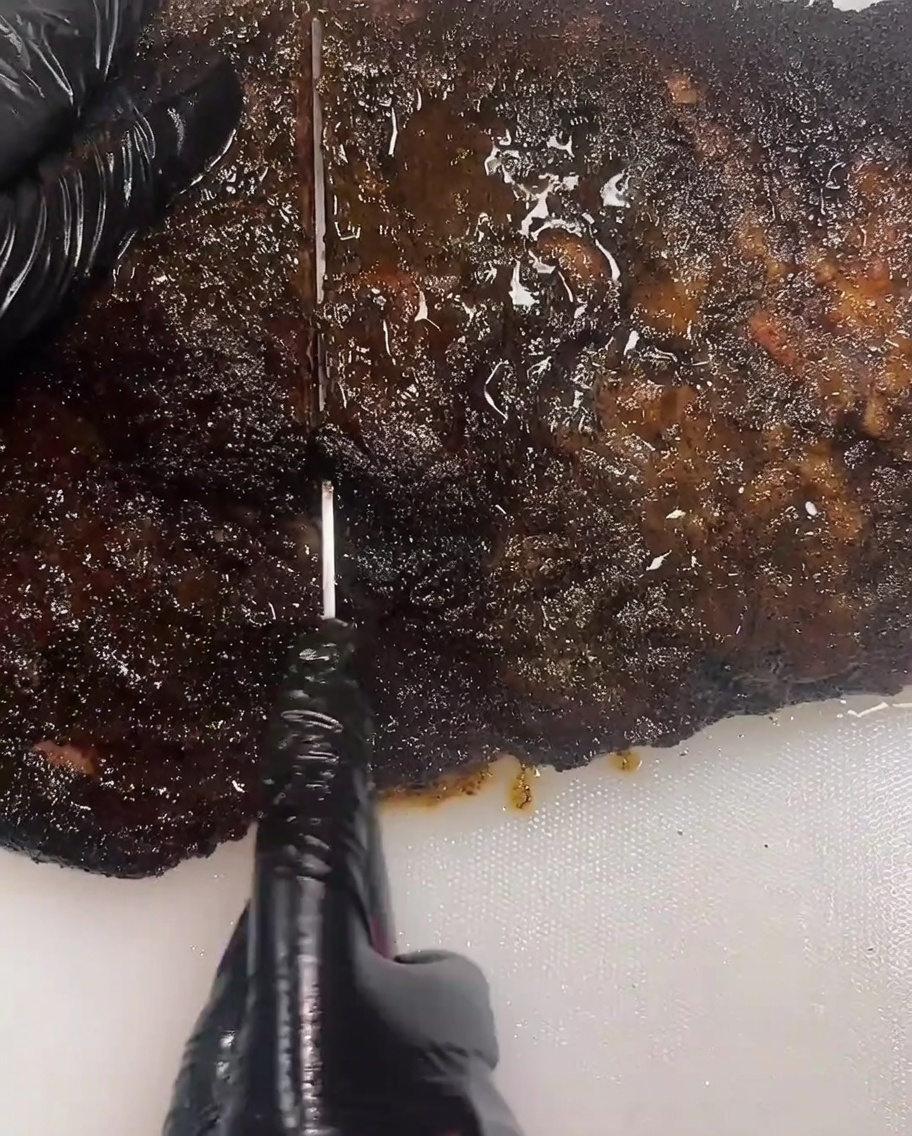
After resting the meat, transfer it to a white cutting board. Using a long slicing knife, carefully cut through the thick smoked wagyu brisket to reveal the bouncy, soft, and tender interior full of juices.
Tip: Always wait for the meat to rest fully before slicing; this ensures the juices redistribute and stay inside the brisket rather than running out onto the board.