Authentic Roman Spaghetti Carbonara
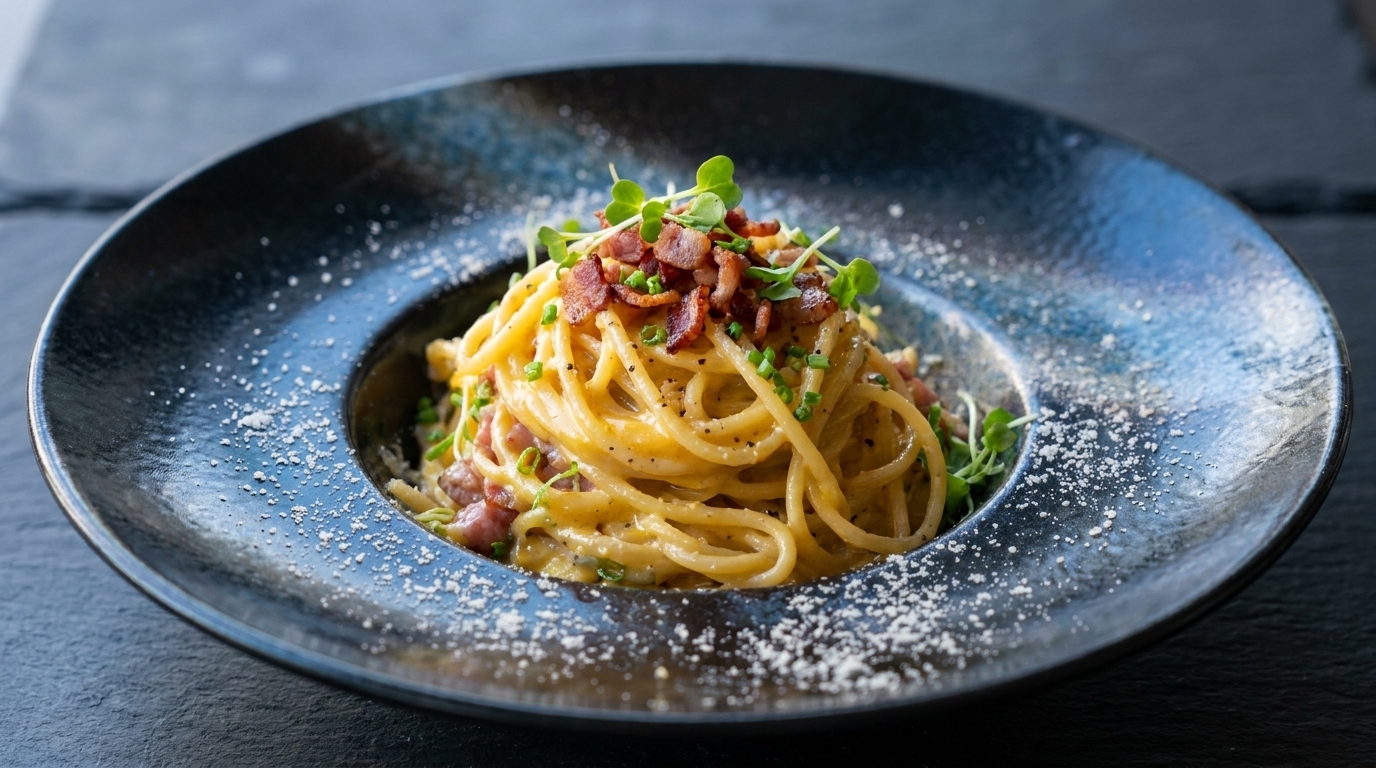
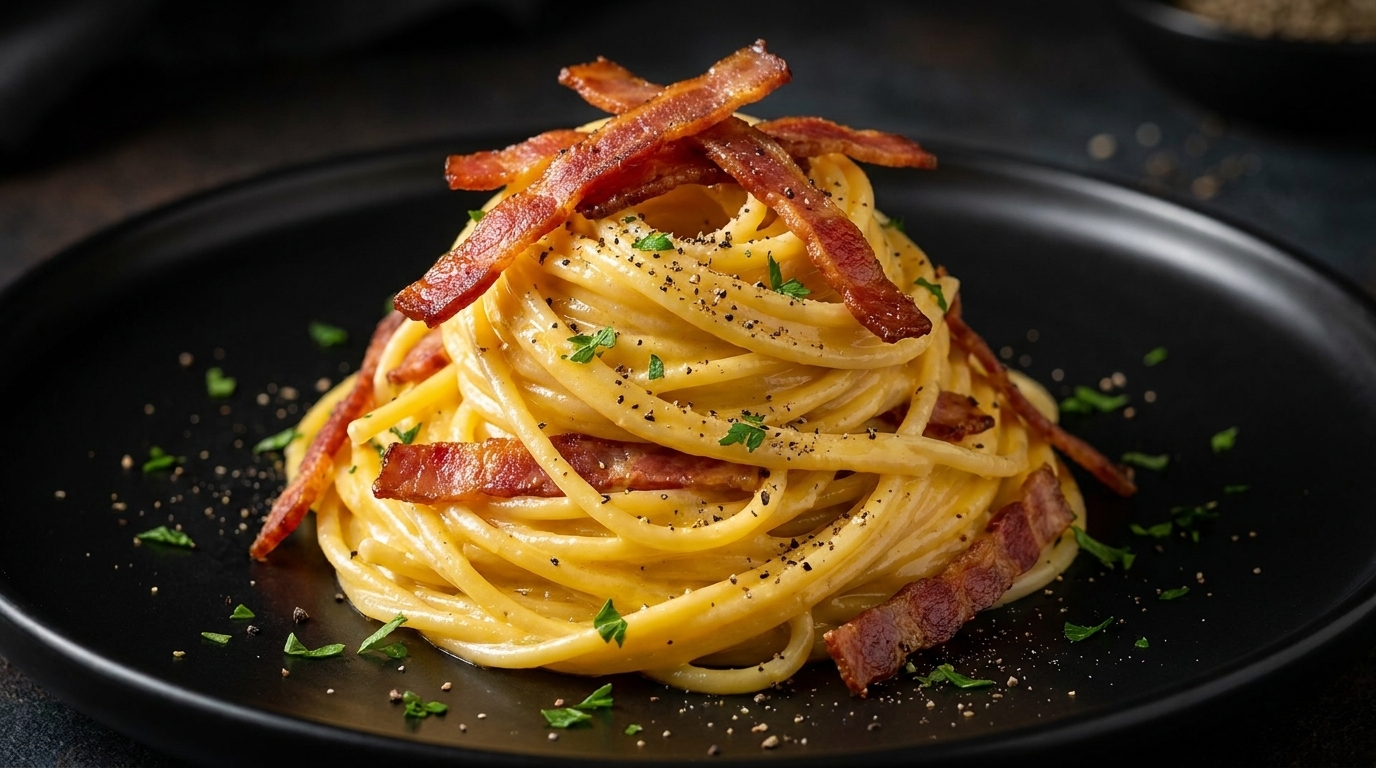
Master the art of authentic Italian Spaghetti Carbonara. This classic Roman dish features a rich, glossy sauce made purely from fresh eggs, Pecorino Romano, and starchy pasta water—no heavy cream required.
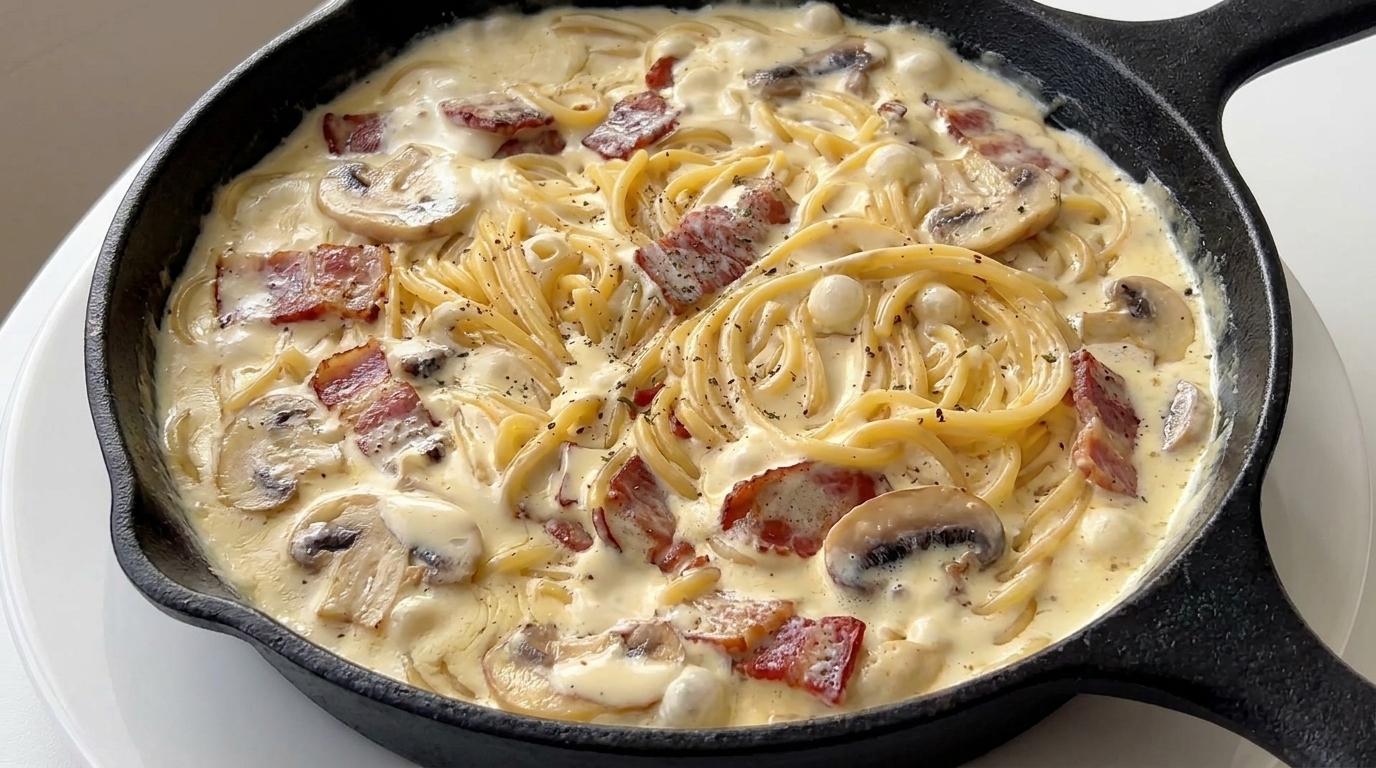
True Spaghetti Carbonara is a masterclass in Italian culinary simplicity, relying on just a few high-quality ingredients to create something extraordinary. Originating in Rome, the authentic recipe strictly shuns heavy cream. Instead, it builds its luxurious, silky sauce through a delicate emulsion of rendered guanciale fat, sharp Pecorino Romano cheese, fresh eggs, and starchy pasta water. The key to perfection lies in controlling the heat off the stove to prevent scrambling the eggs.
Ingredients
- 200 g spaghetti
- 100 g guanciale (cured pork jowl)
- 2 large eggs
- 50 g Pecorino Romano cheese (plus extra for garnish)
- to taste freshly ground black pepper
- to taste salt (for boiling pasta water)
Instructions
- 1Prepare the Guanciale
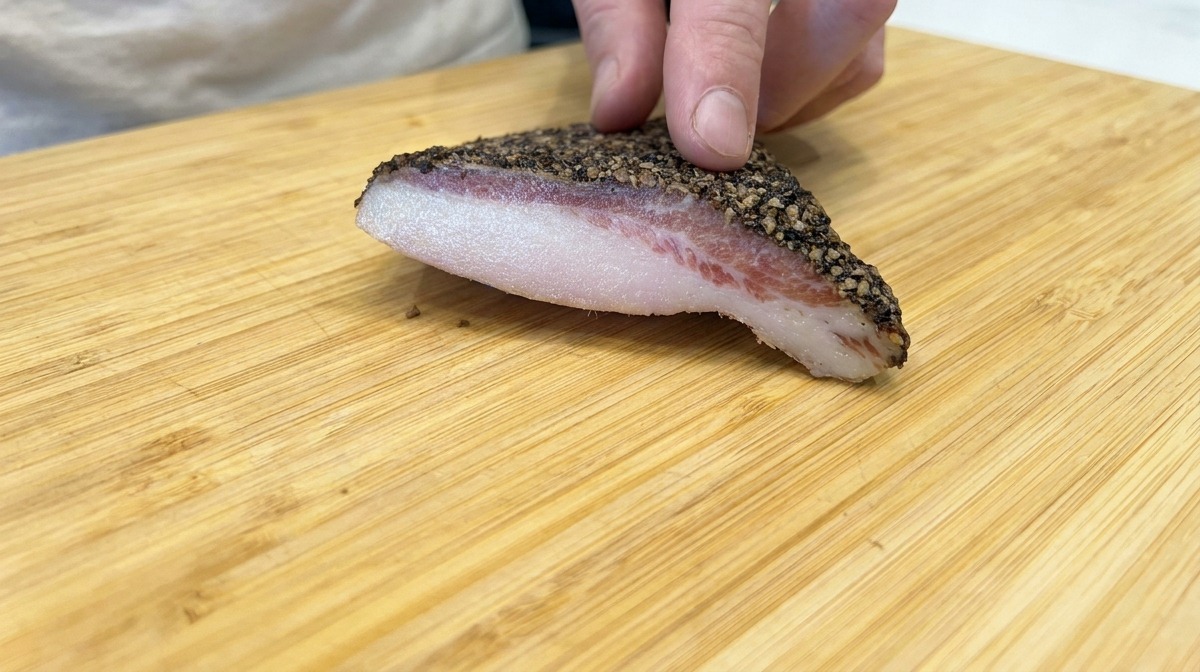
Start with a piece of authentic Guanciale, which is Italian cured pork jowl. This fatty cut is essential for a traditional carbonara as it provides the rich flavor and necessary oil to coat the pasta.
Tip: Guanciale is heavily seasoned with black pepper on the outside, which adds to the signature peppery flavor of the final dish. - 2Dice the meat
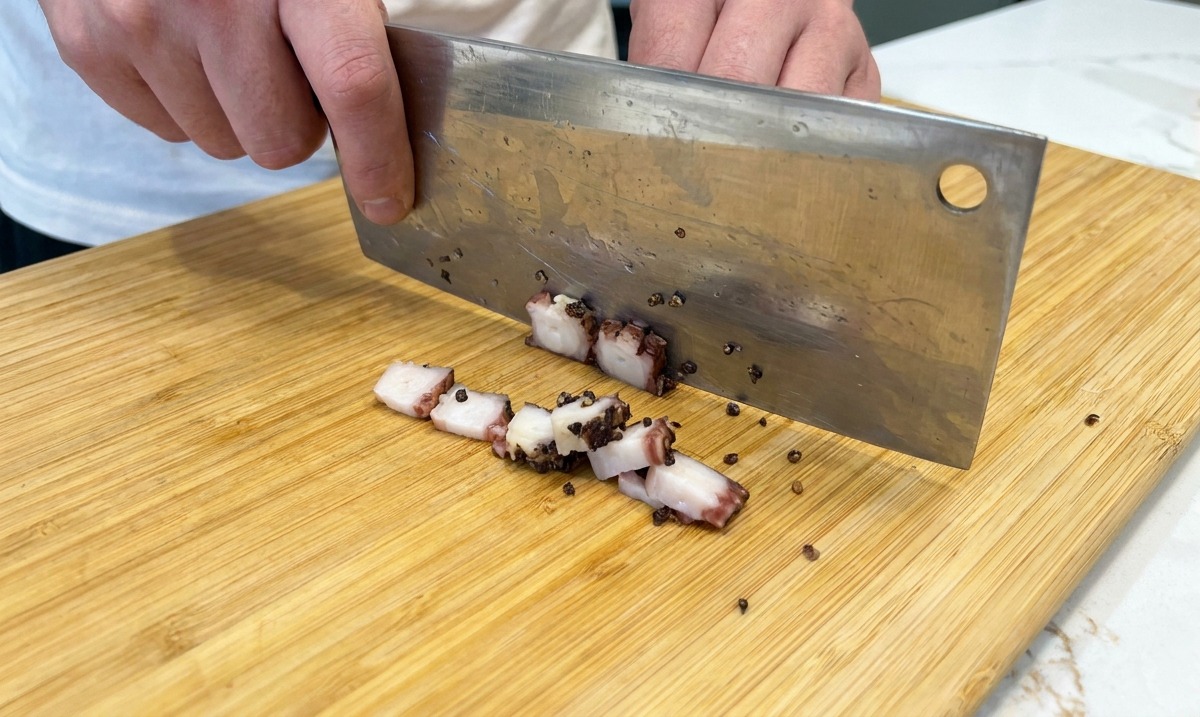
Using a sharp knife or cleaver, slice the Guanciale into thick strips, and then cut them down into small, even cubes. The pieces should be substantial enough to remain chewy on the inside while getting crispy on the outside.
Tip: Do not trim away the fat; rendering it down is what forms the rich base of the sauce. - 3Start the egg sauce
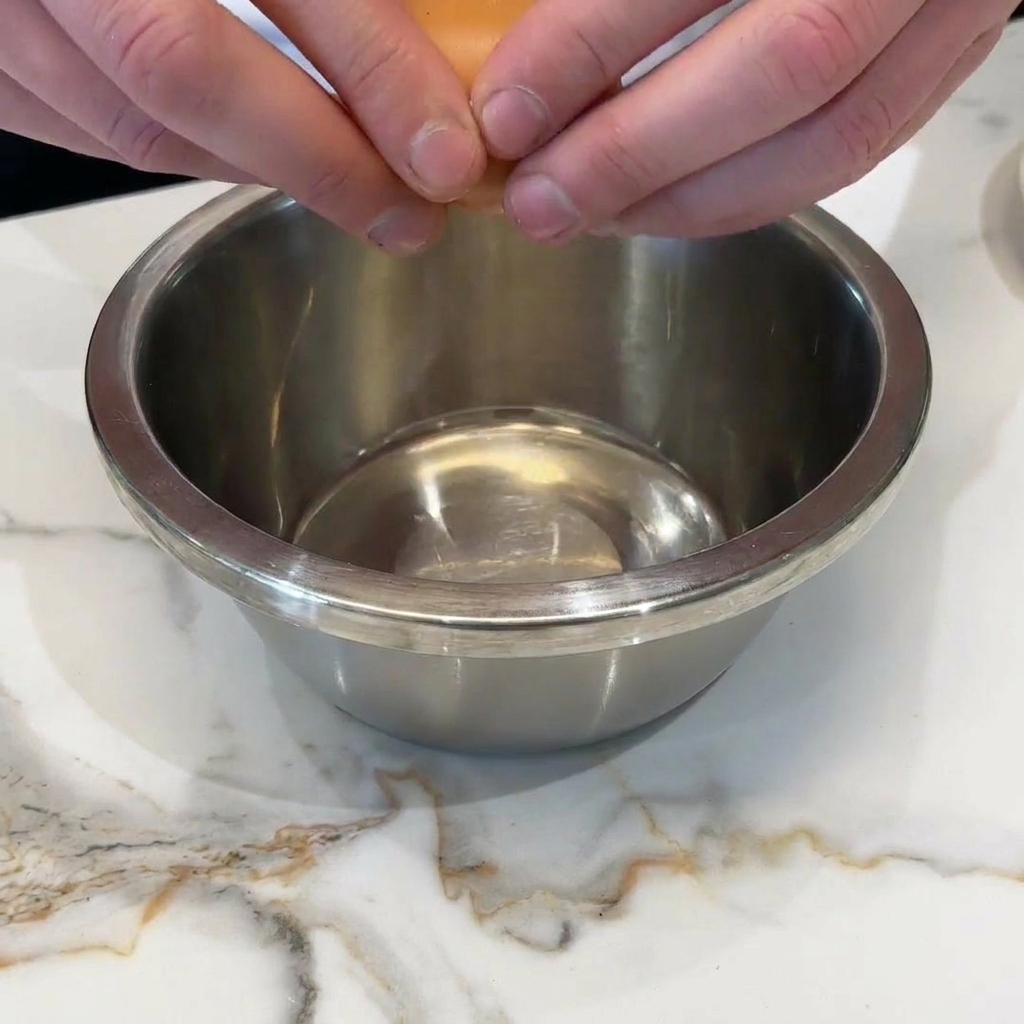
To prepare the carbonara sauce, crack a whole raw egg into a small mixing bowl. This egg acts as the binding agent that creates the creamy, rich texture of the final dish without using any heavy cream.
Tip: Use the freshest eggs possible since the sauce is gently cooked only by the residual heat of the pasta. - 4Add the cheese
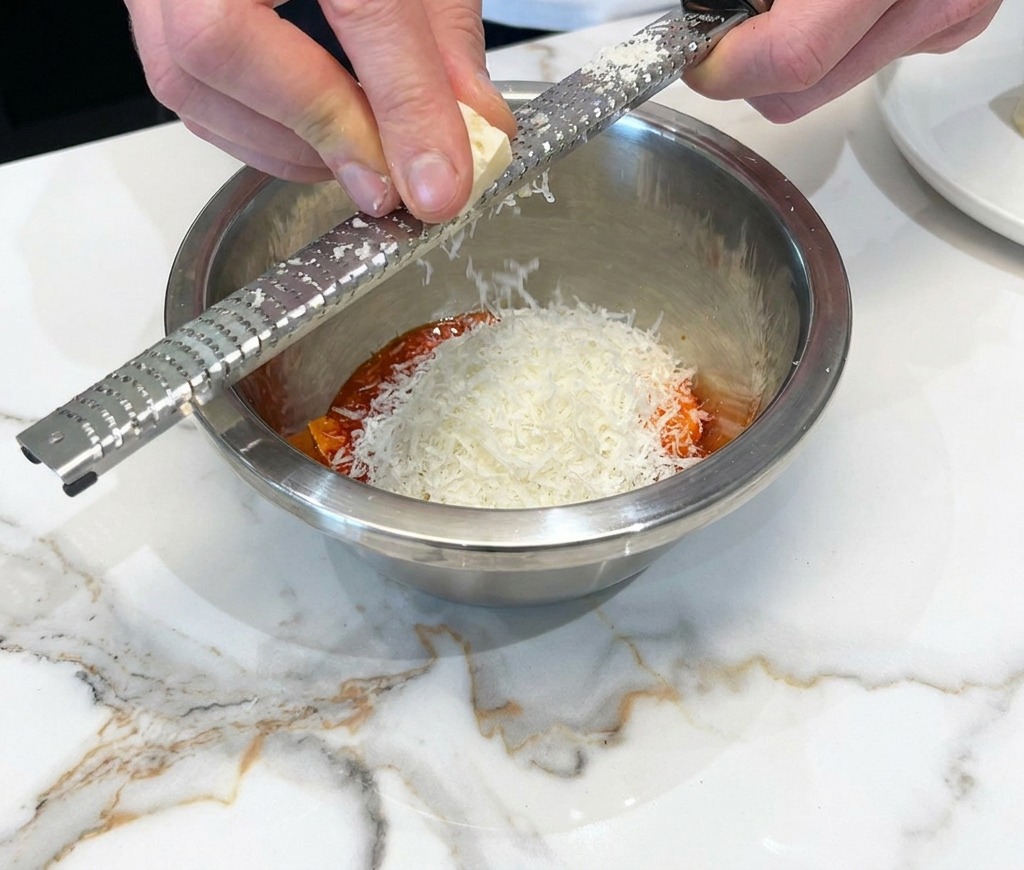
Grate a generous amount of cheese directly into the bowl with the egg. Pecorino, an Italian sheeps milk cheese, is traditional and provides a sharp, savory flavor. If its unavailable, Grana Padano or Parmesan are perfectly acceptable substitutes.
Tip: Freshly grating a block of cheese ensures it melts smoothly into the sauce, avoiding the grainy texture sometimes caused by pre-grated varieties. - 5Season the mixture
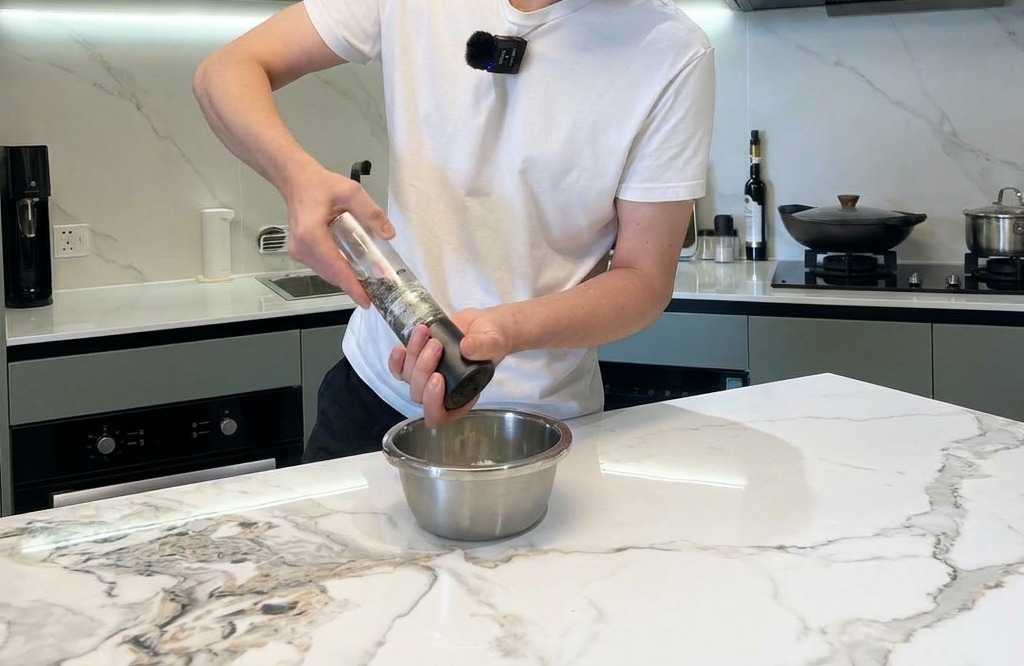
Grind an ample amount of black pepper directly over the egg and Pecorino. Do not add salt to this bowl, as the cured meat and cheese contain more than enough sodium to season the entire dish.
Tip: Freshly cracked black pepper is essential for authentic flavor, offering a sharp bite that preground alternatives cannot match. - 6Whisk into a paste
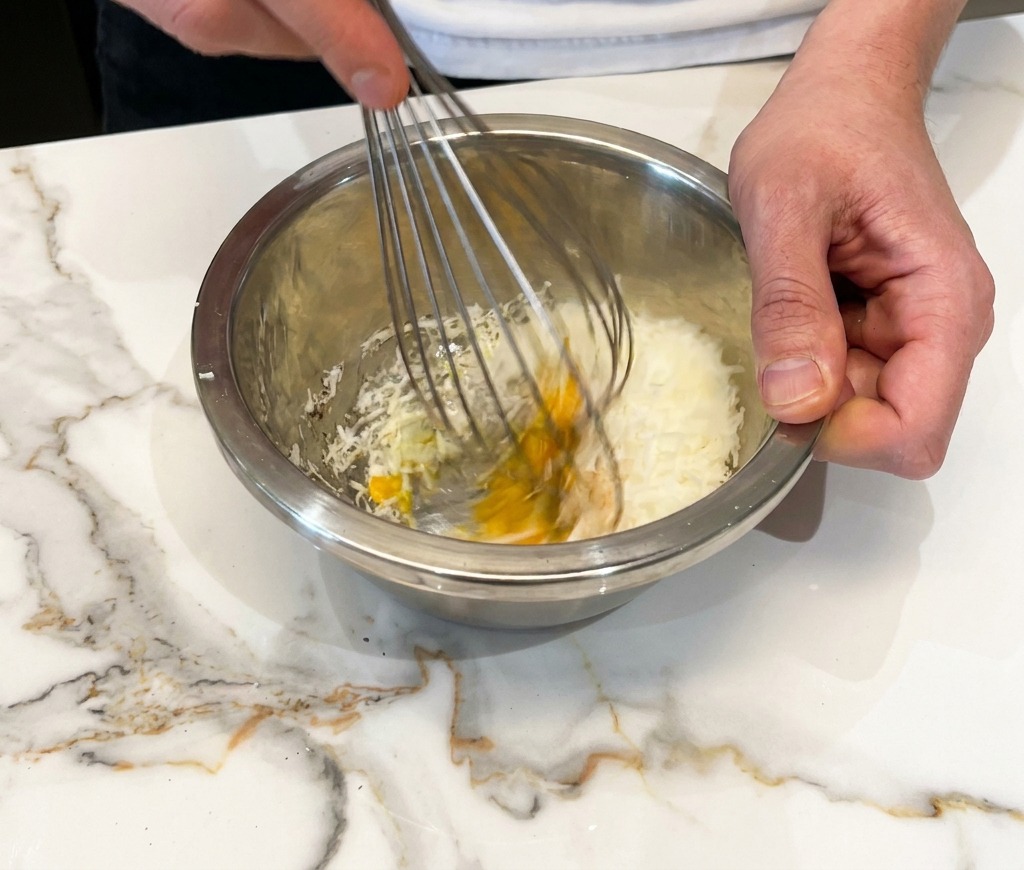
Vigorously beat the ingredients together until they form a thick and uniform paste. Achieving a homogenous texture here ensures the final emulsion will melt smoothly over the pasta without any graininess.
Tip: Check that the cheese is fully incorporated with the liquid so no dry clumps remain at the bottom of the bowl. - 7Salt the boiling water
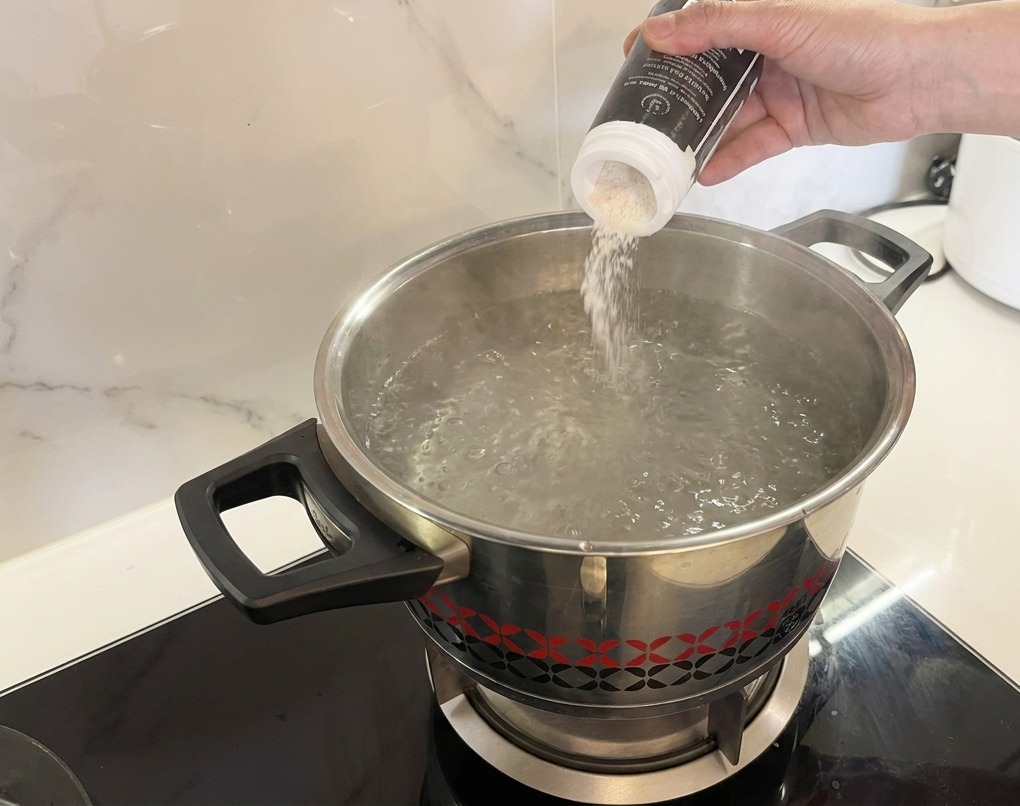
Bring a large pot of water to a rapid boil and add a generous amount of salt. The water should be well-seasoned to ensure the pasta absorbs flavor from the inside out as it cooks. You want enough water to submerge the pasta fully, but not so much that the starch becomes too diluted.
Tip: Never add oil to the pasta water; it coats the noodles and prevents the rich egg sauce from adhering to the spaghetti later. - 8Cook the spaghetti
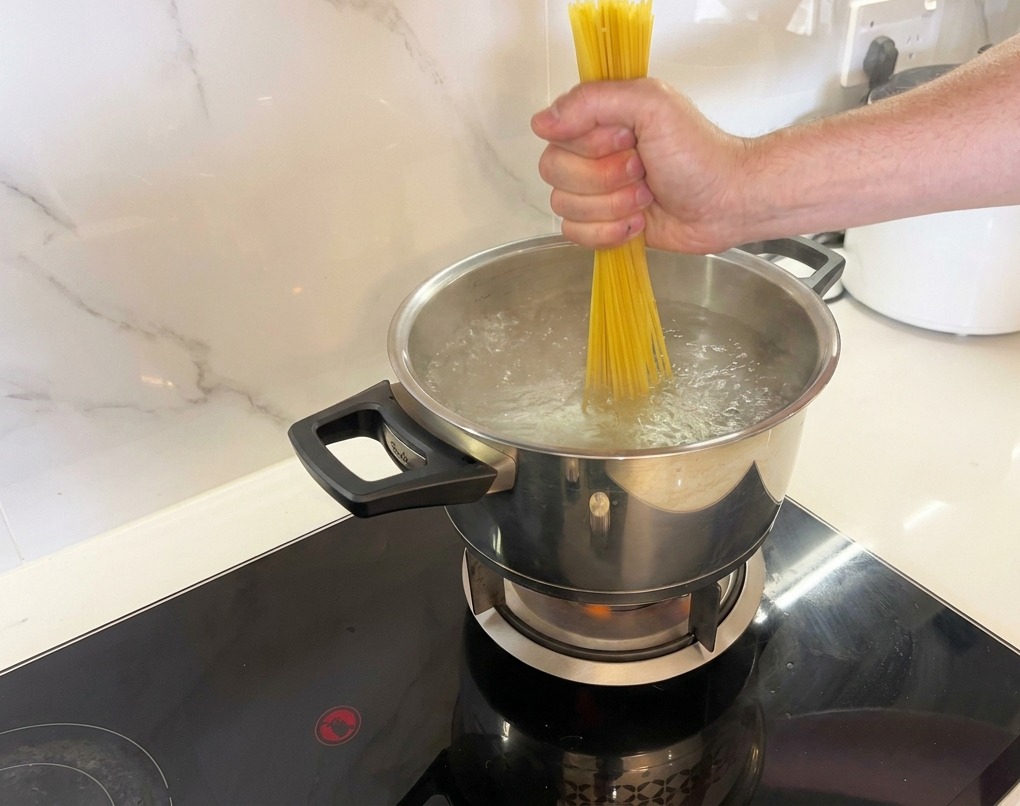
Push the dry spaghetti down into the salted boiling water. Let the bottom of the noodles soften slightly for a few seconds so you can gently push and submerge the entire length without breaking them. Stir gently during the first minute to prevent the strands from sticking together.
Tip: Cook the pasta until it is just al dente. It will continue to cook slightly when it is tossed in the hot pan later. - 9Start the Guanciale cold
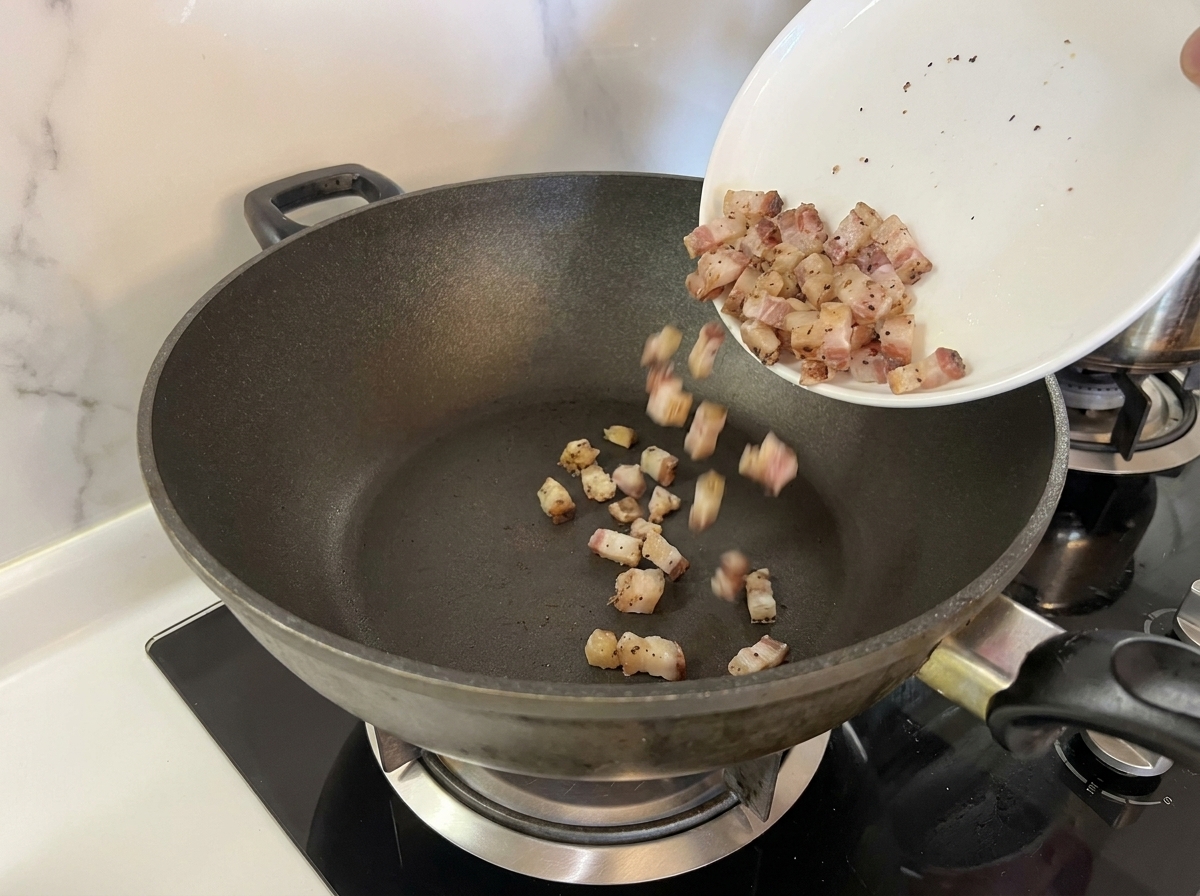
Add the cubed raw Guanciale directly into a cold, dry pan. There is no need to add any cooking oil. Starting in a cold pan allows the thick layer of pork fat to render out slowly and evenly as the pan heats up, yielding crispy meat and a flavorful oil base.
Tip: If you cannot find authentic Guanciale (cured pork jowl), pancetta is the best alternative, though Guanciale provides the most traditional flavor and texture. - 10Render the fat
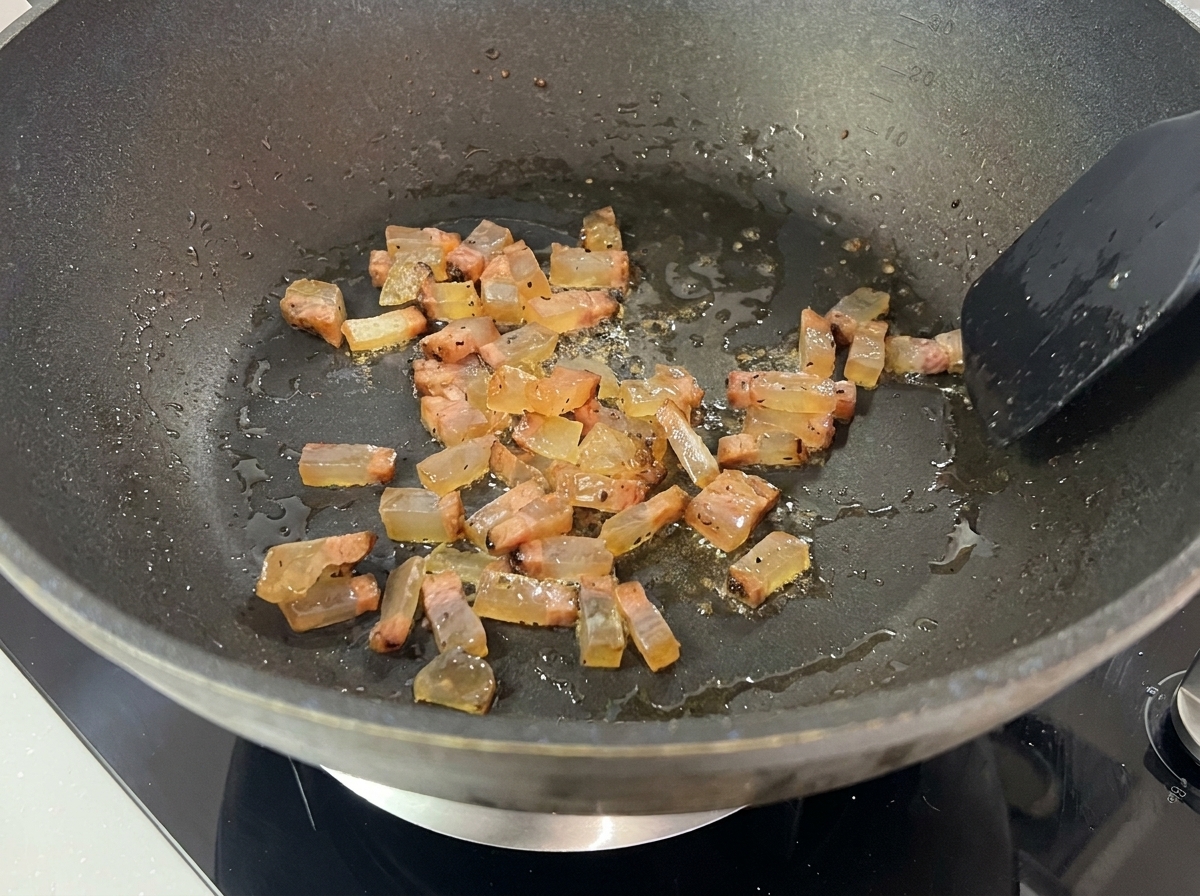
Cook the Guanciale over medium heat, stirring occasionally. Watch as the fat renders out into the pan and the meat becomes translucent. Continue frying until the edges turn golden and slightly crispy. This rendered pork fat will become the rich, savory base of your Carbonara sauce.
Tip: Keep an eye on the heat; you want the fat to melt gently without burning or heavily searing the meat. - 11Add pasta water
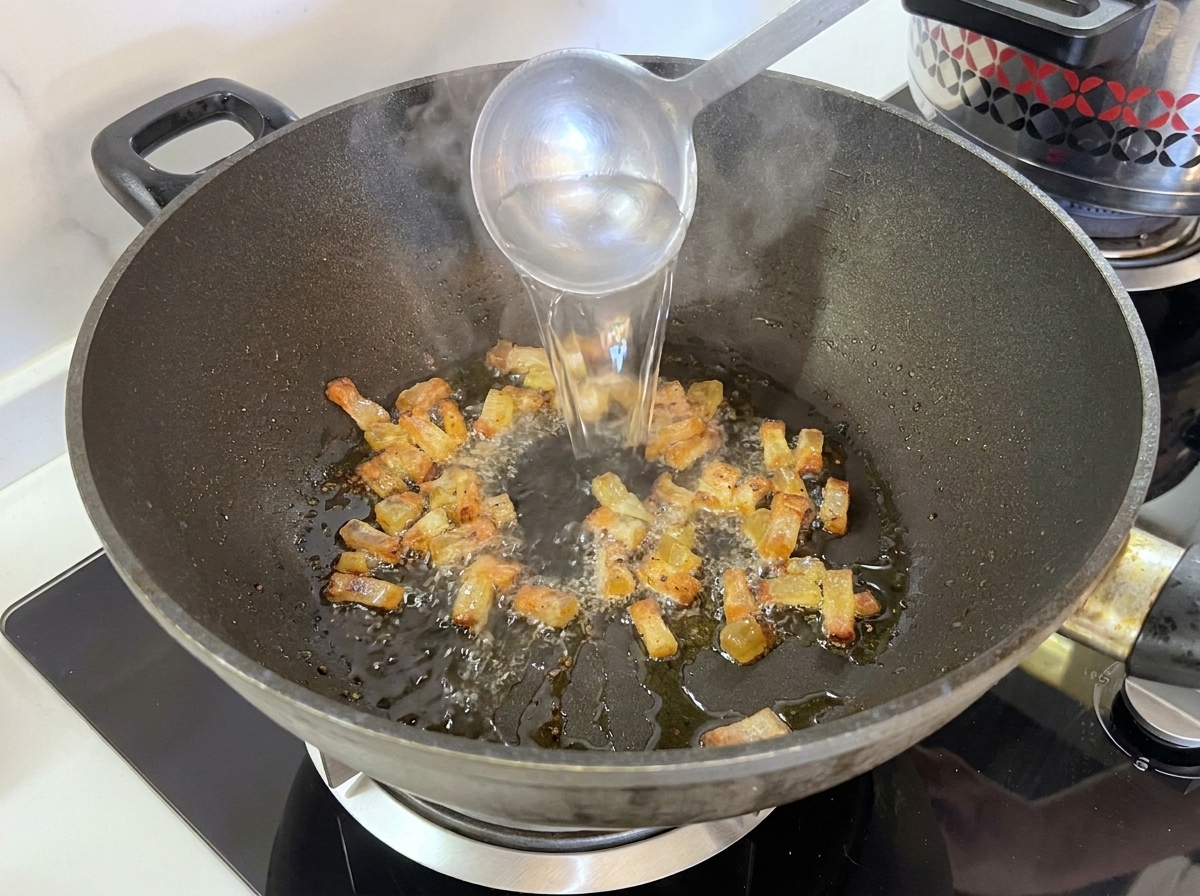
Once the Guanciale is crispy, scoop a ladle of starchy pasta water from the boiling pot and carefully pour it into the pan. This stops the frying process, prevents the meat from burning, and mixes with the rendered fat to create an emulsion that will help the sauce coat the spaghetti evenly.
Tip: The starchy pasta water is the secret ingredient for a creamy, cohesive sauce that binds the fat and cheese together without splitting. - 12Transfer Spaghetti to Pan
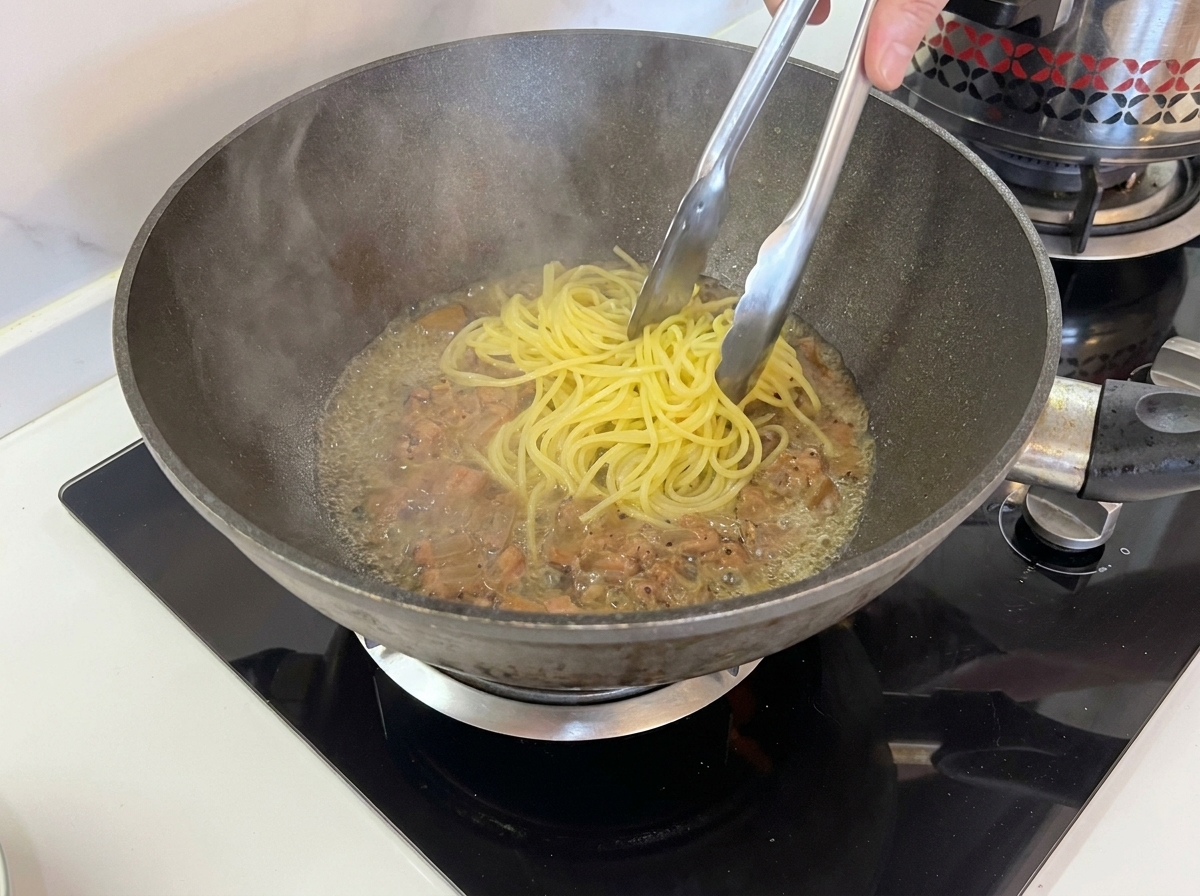
Using tongs, transfer the cooked spaghetti directly from the boiling pot into the pan with the crisped guanciale. Do not drain the pasta completely; the clinging starchy water will help emulsify the sauce later.
Tip: Moving the pasta straight from the water rather than using a colander ensures you retain valuable pasta water and keeps the noodles hot. - 13Add hot pasta water
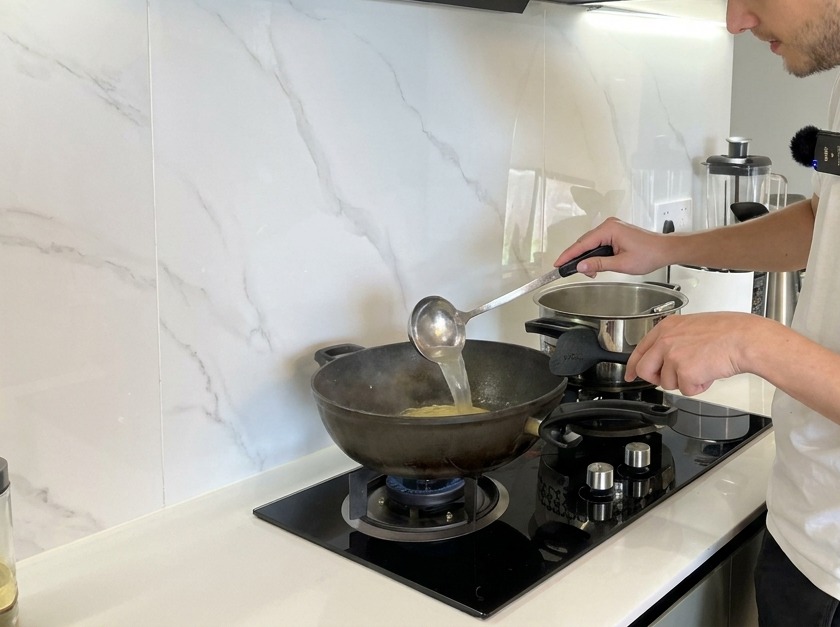
Pour a ladle of hot, starchy pasta water into the pan with the spaghetti and guanciale. This starchy water will combine with the rendered pork fat to begin forming the base of your sauce. Make sure there is still a small amount of liquid visible at the bottom of the pan.
Tip: If the pasta seems too dry, dont hesitate to add a little more water. This moisture is essential for creating a smooth emulsion. - 14Turn off the heat
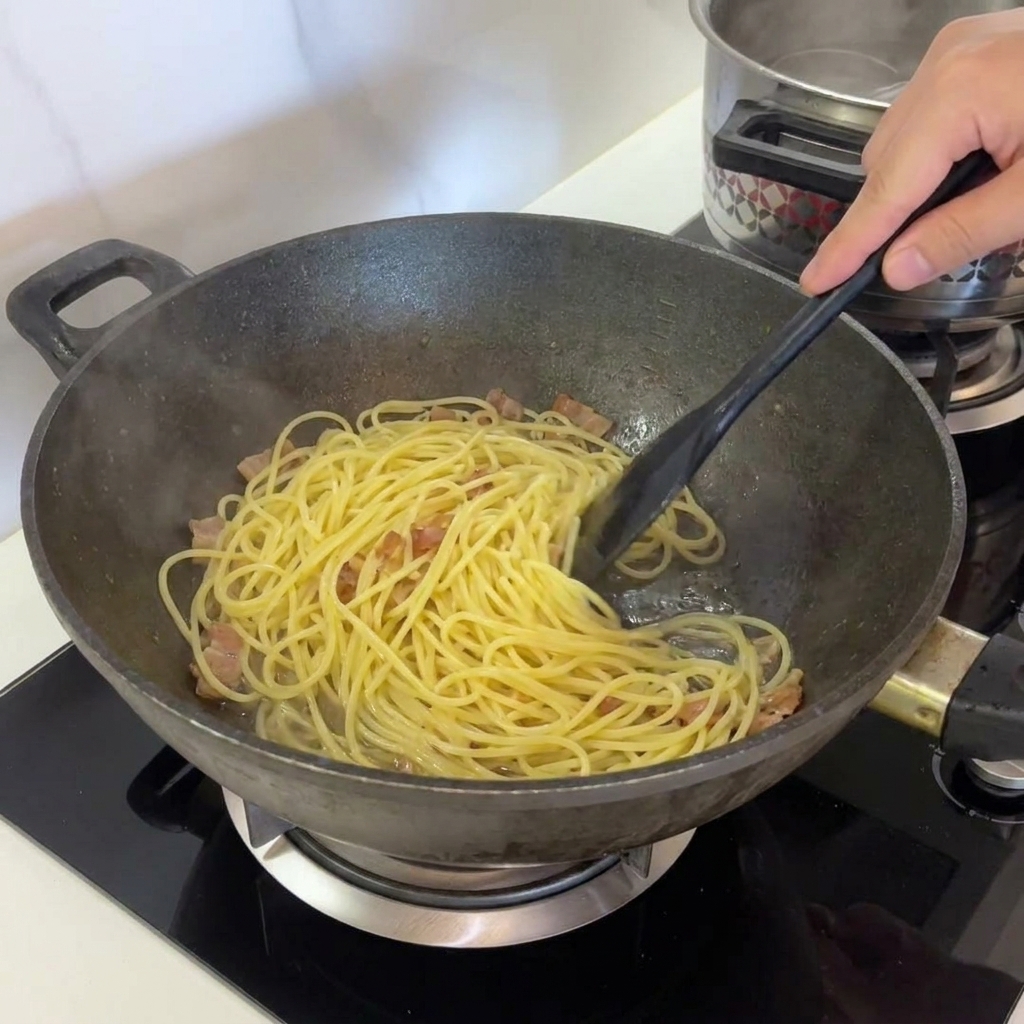
Turn off the gas stove completely before adding your sauce. This is the most critical part of making Carbonara. You must rely solely on the residual heat of the pan and the pasta to gently cook the eggs and melt the cheese into a thick, creamy coating.
Tip: Adding the egg mixture while the flame is still on will cook the eggs too quickly, resulting in scrambled eggs instead of a silky sauce. - 15Add the Egg and Cheese Mixture
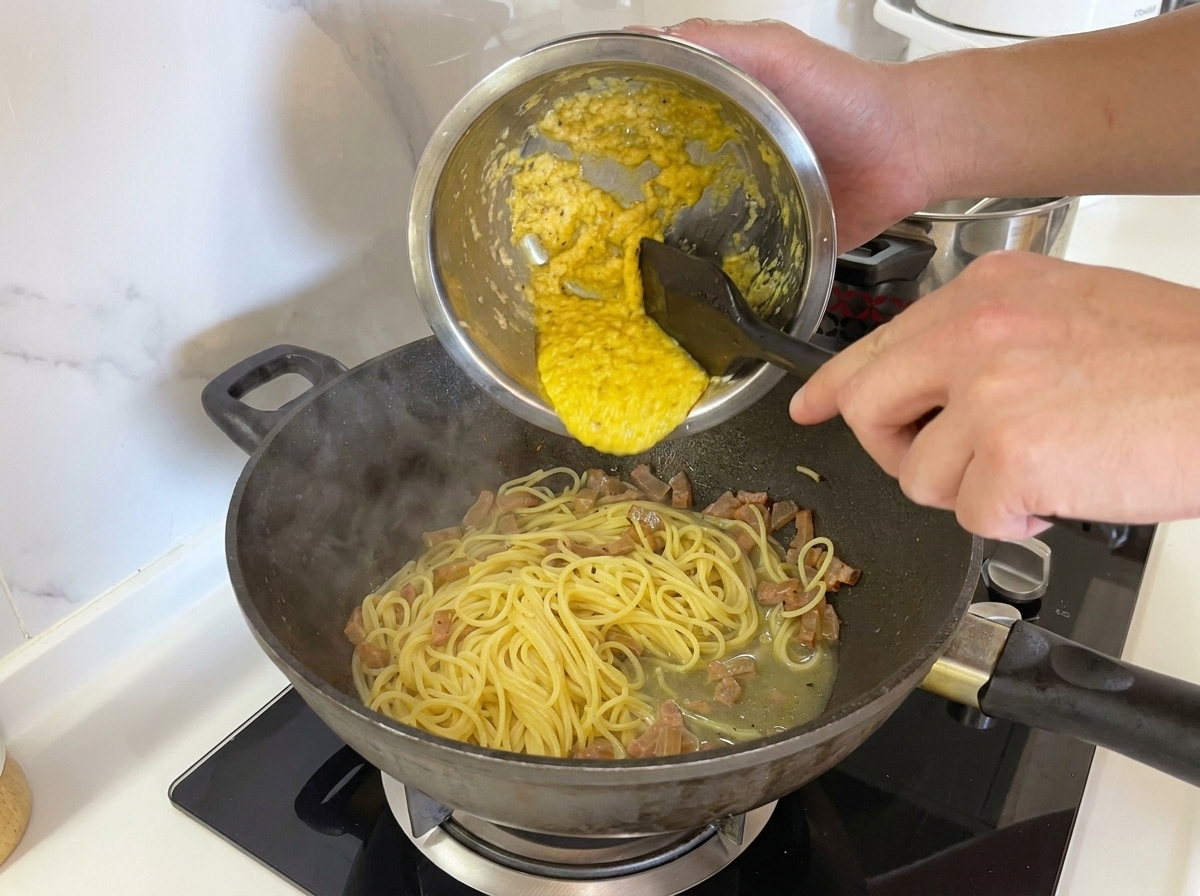
Pour the prepared egg yolk and Pecorino cheese mixture into the pan with the hot pasta and guanciale. Ensure the heat is completely turned off before adding the eggs so they do not scramble.
Tip: The residual heat from the pan and the pasta is more than enough to gently cook the egg mixture into a smooth, luxurious sauce. - 16Toss to Emulsify the Sauce
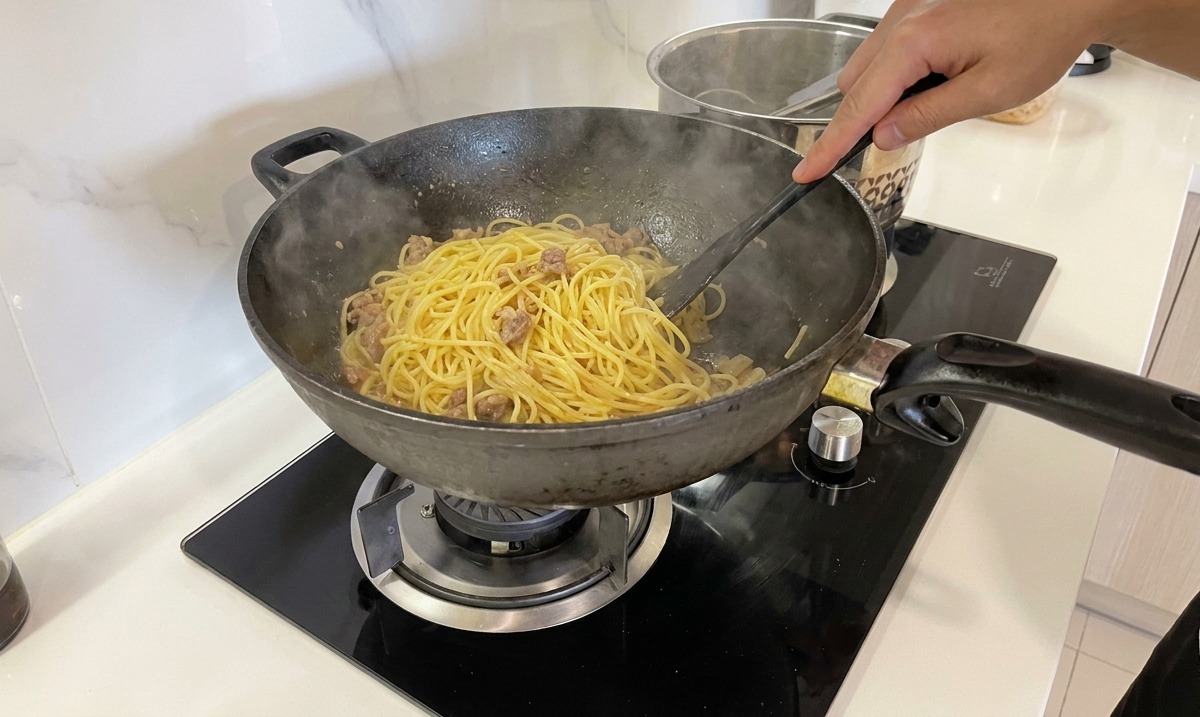
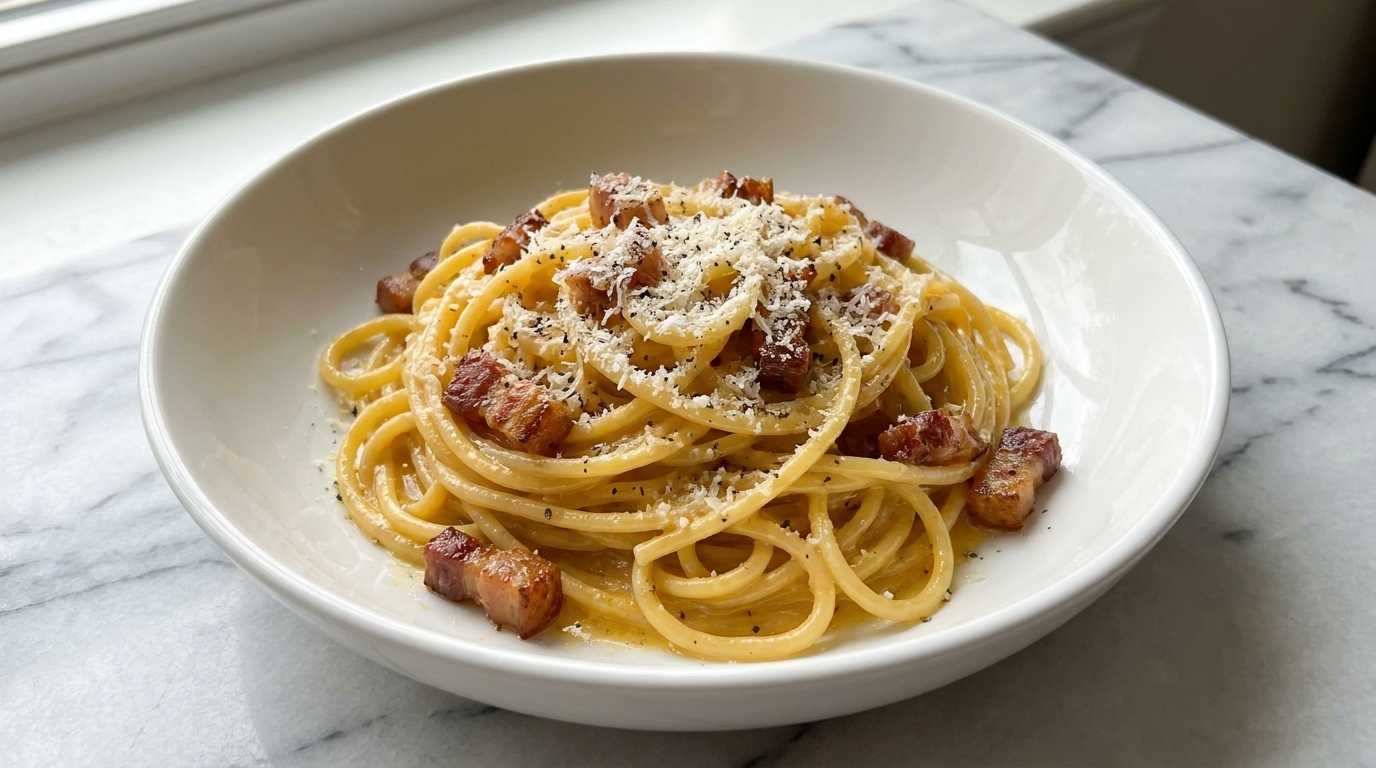
Quickly and vigorously toss the pasta with the egg and cheese mixture. As you stir, the residual heat will gently cook the eggs, and the starchy pasta water will emulsify the fat, creating a rich, glossy sauce that evenly coats every strand of spaghetti.
Tip: If the sauce seems slightly too thick, you can mix in a tiny splash of reserved warm pasta water to reach the perfect creamy consistency.