Korean-Style Roasted Pork Ribs
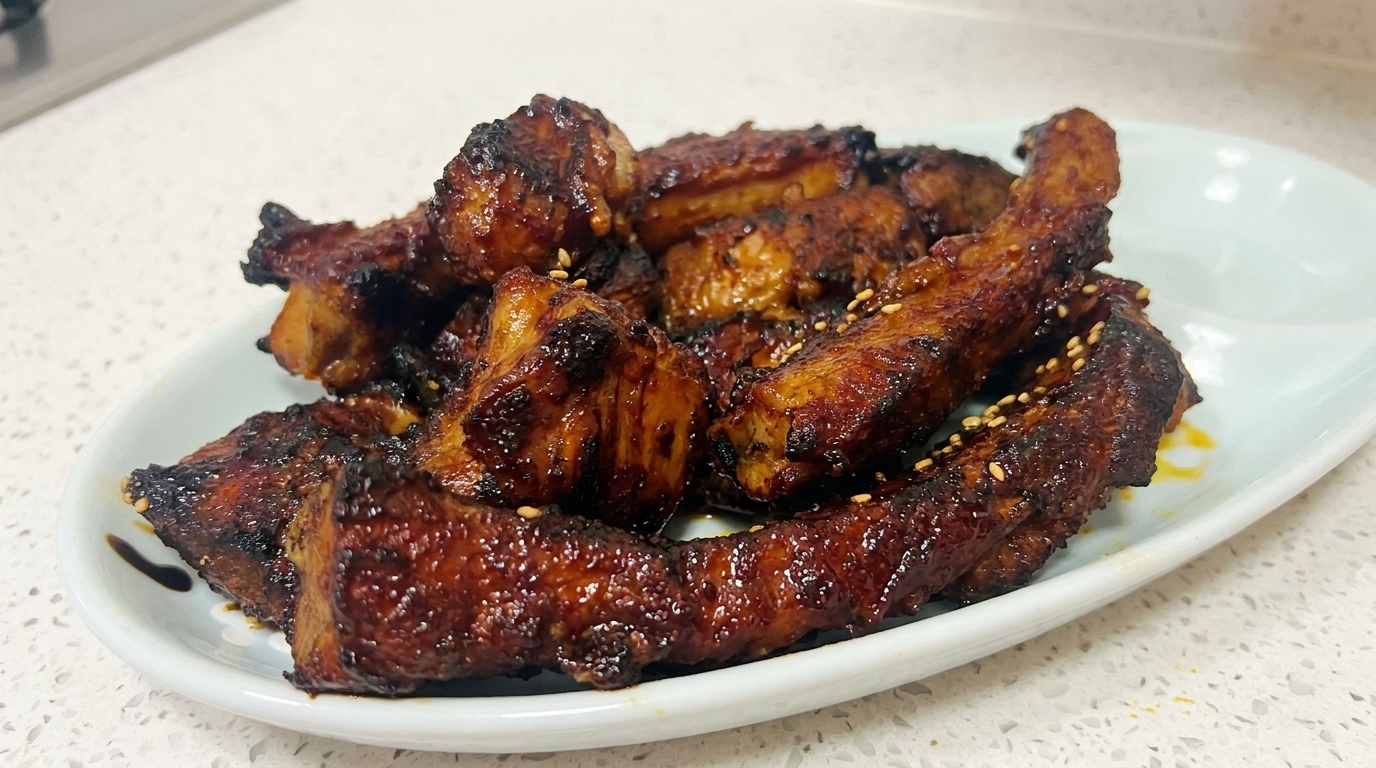
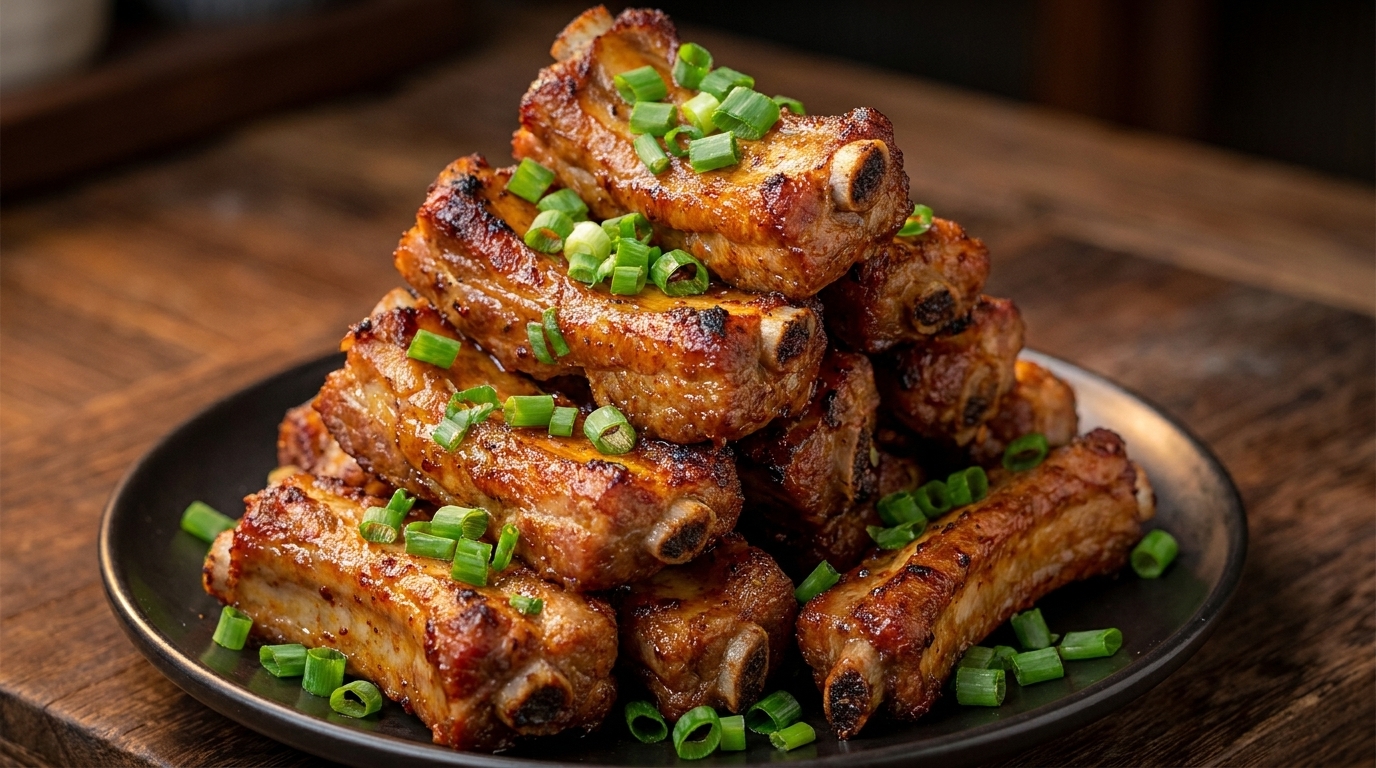
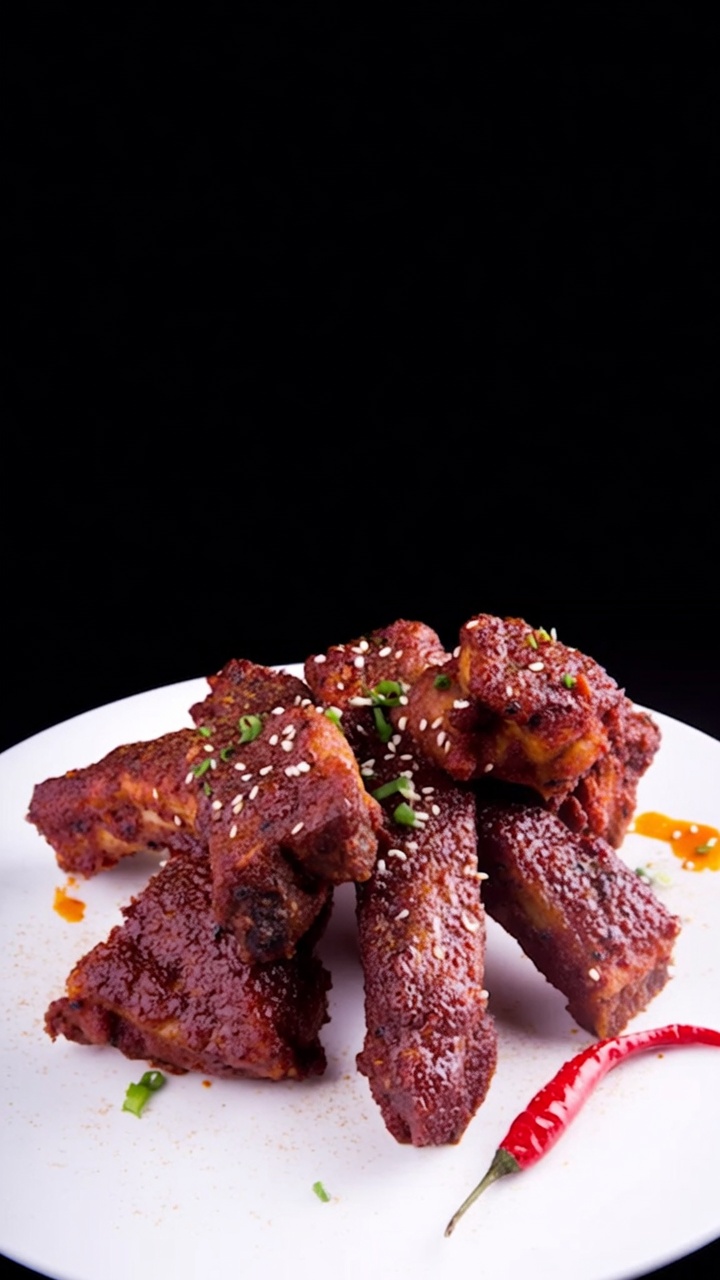
Tender pork ribs coated in a rich, sweet, and spicy Korean gochujang marinade. Steamed to perfection, then oven-roasted for a sticky, caramelized glaze.
These Korean-style roasted pork ribs combine the deep, complex heat of gochugaru and gochujang with the sweet gloss of maltose. By utilizing a two-step cooking method—steaming followed by roasting—the meat remains incredibly tender while developing an irresistible, sticky crust. The unique addition of peanut butter in the marinade adds a hidden layer of nutty richness that perfectly balances the bold spices.
Ingredients
- 1 kg pork ribs
- 2 tbsp minced garlic
- 2 tbsp chopped chives
- 3 tbsp Korean hot pepper paste (gochujang)
- 1 tbsp Korean red pepper powder (gochugaru)
- 1 tbsp peanut butter
- 2 tbsp light soy sauce
- 2 tbsp cooking wine
- 1 tbsp sesame oil
- 2 tbsp maltose
- 1 egg white
- 1 tbsp starch
- optional toasted sesame seeds
Instructions
- 1Prepare the marinade base
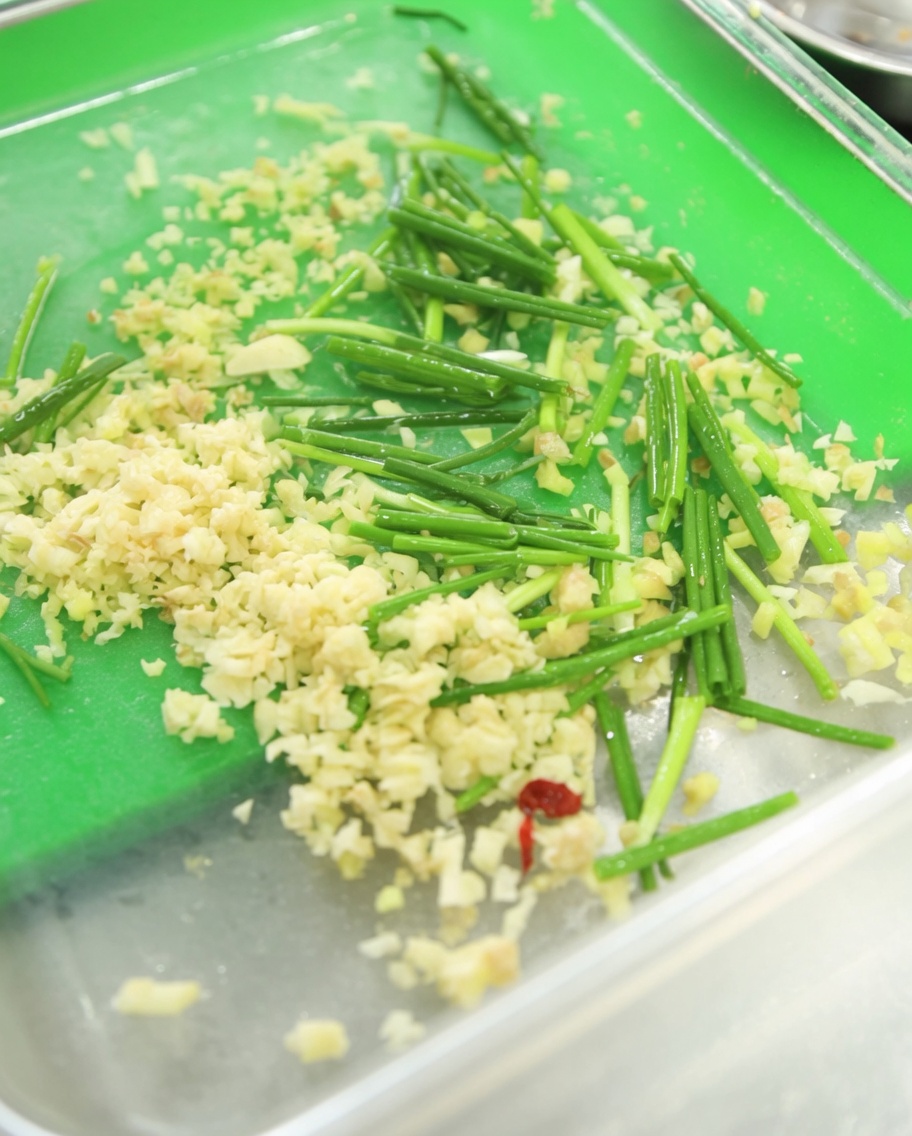
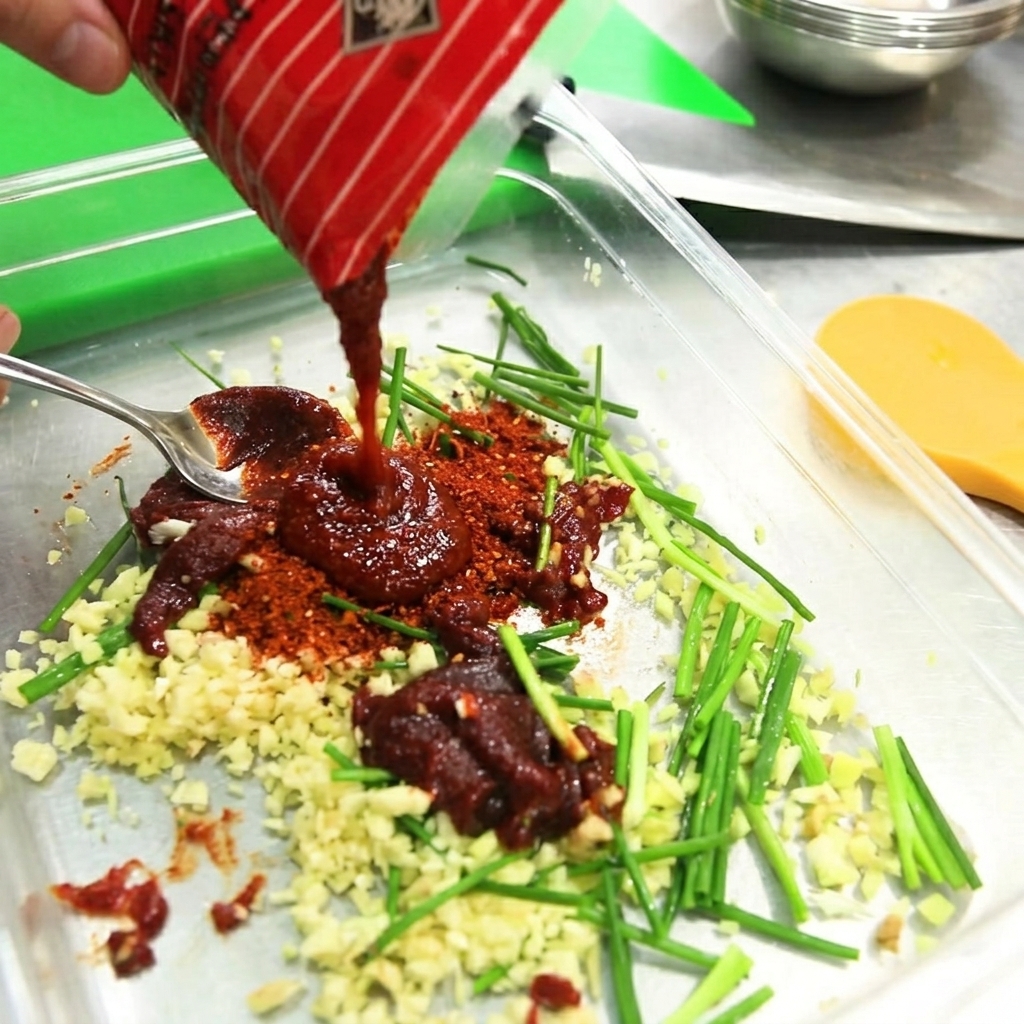
In a clean container, combine the minced garlic, chopped chives, and Korean hot pepper paste. These aromatics and the spicy paste form the foundation of the flavorful marinade for the ribs.
Tip: Ensure the chives are finely chopped to distribute their flavor evenly throughout the marinade. - 2Add red pepper powder
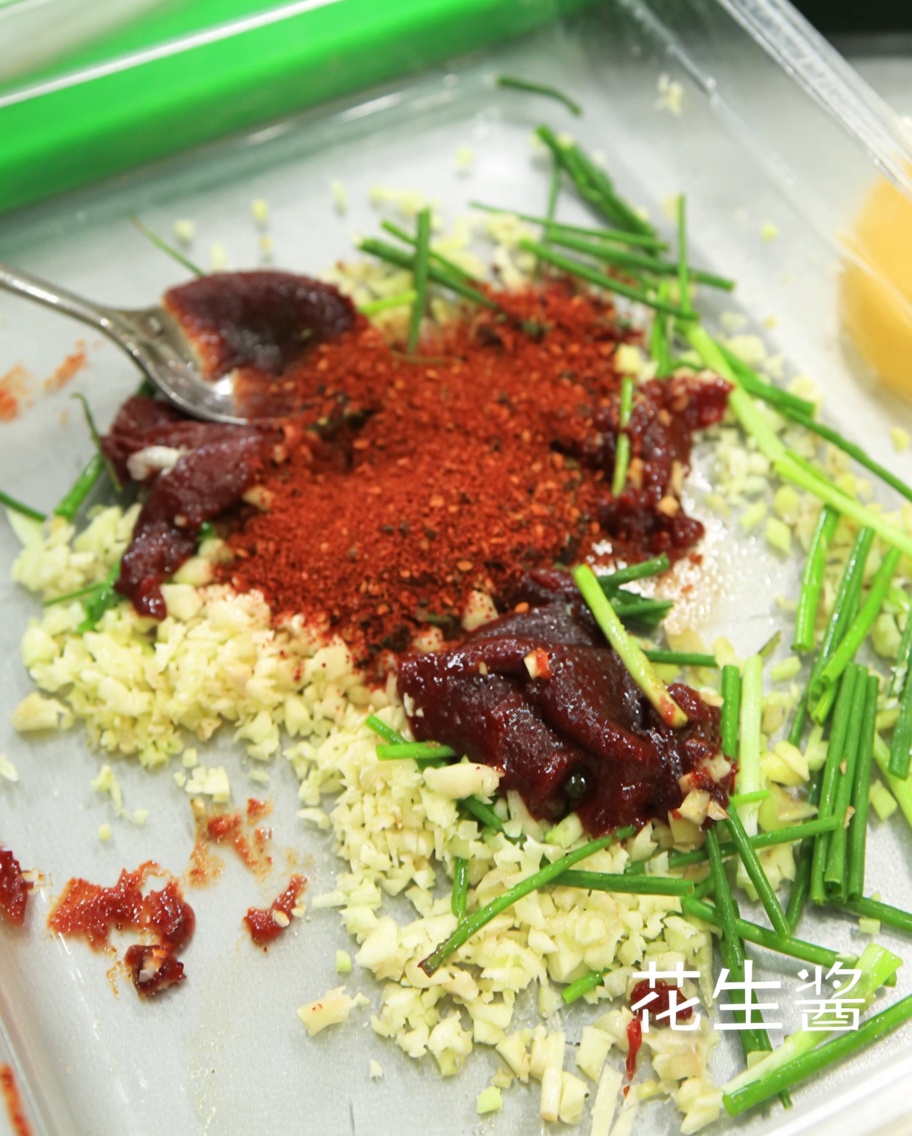
Sprinkle the Korean red pepper powder over the garlic, chives, and pepper paste mixture. This ingredient will add a vibrant color and a pleasant, smoky heat to the ribs.
Tip: Adjust the amount of pepper powder based on your personal preference for heat. - 3Add light soy sauce
Pour the light soy sauce into the container. The soy sauce provides essential saltiness and umami depth that balances the heat of the chili paste and powder.
Tip: Use light soy sauce to keep the color of the marinade vibrant rather than too dark. - 4Add cooking wine
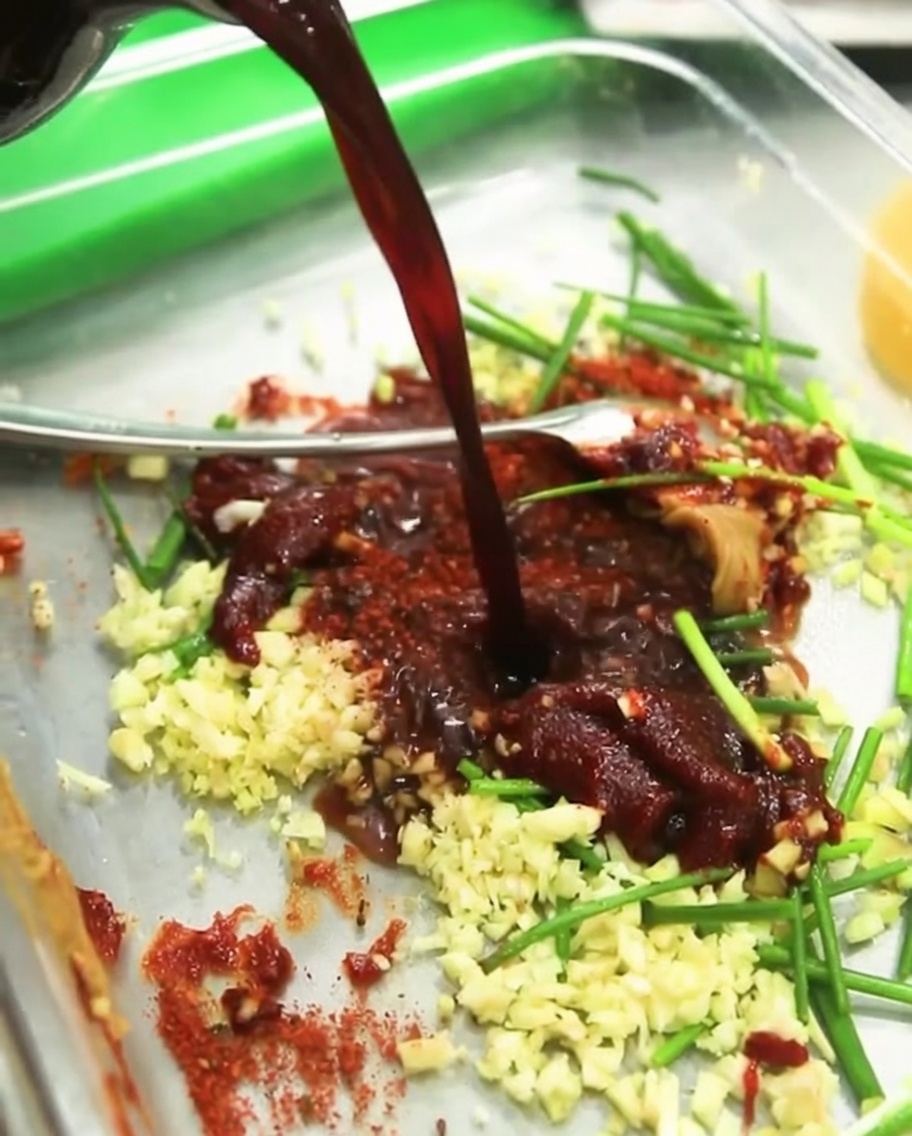
Add the cooking wine to the marinade. This helps to tenderize the pork ribs and removes any unwanted gamey odors, while also adding a subtle complexity to the sauce.
Tip: If you dont have cooking wine, a dry sherry or even a light rice wine can be used as a substitute. - 5Mix the marinade
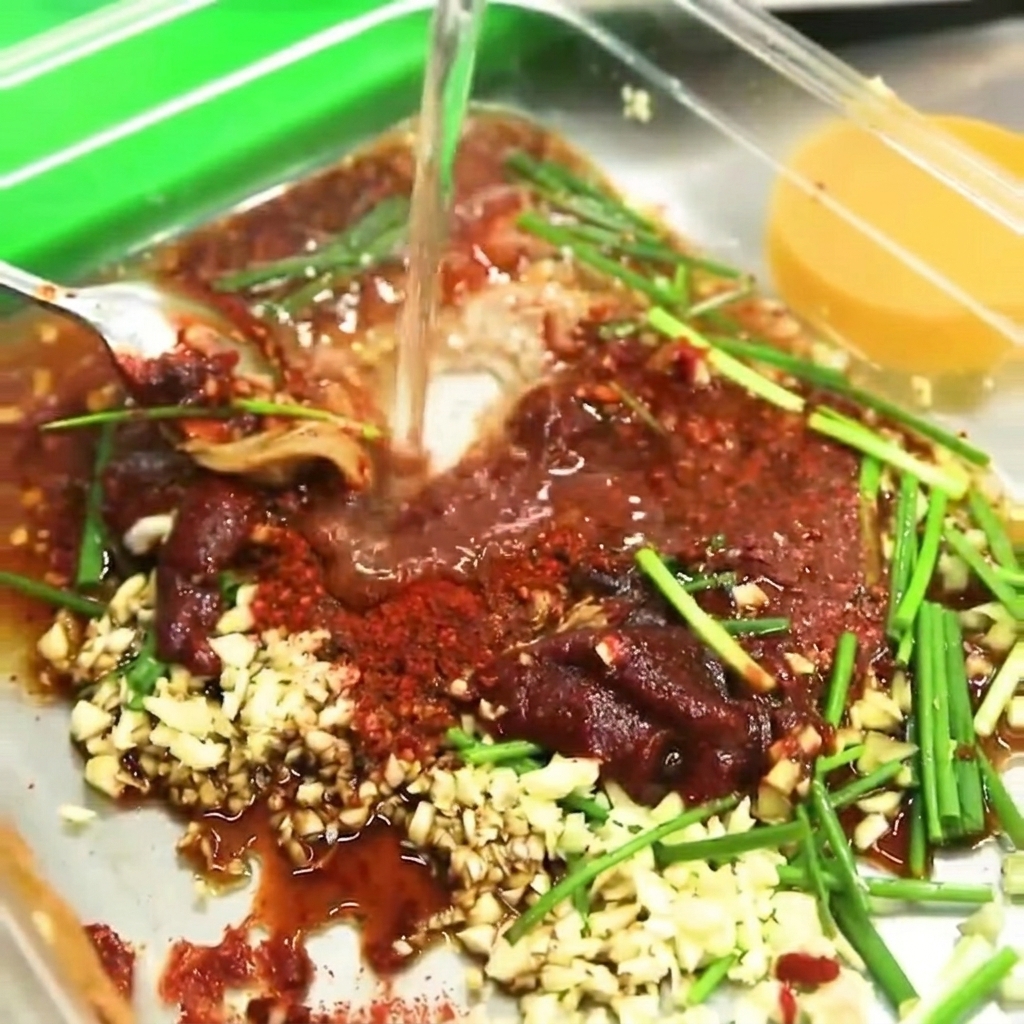
Using a spoon, thoroughly stir all the ingredients together in the container until the paste, powders, and liquids are well combined into a uniform, thick marinade.
Tip: Ensure the peanut butter (if added) is fully incorporated and no clumps remain. - 6Incorporate sesame oil
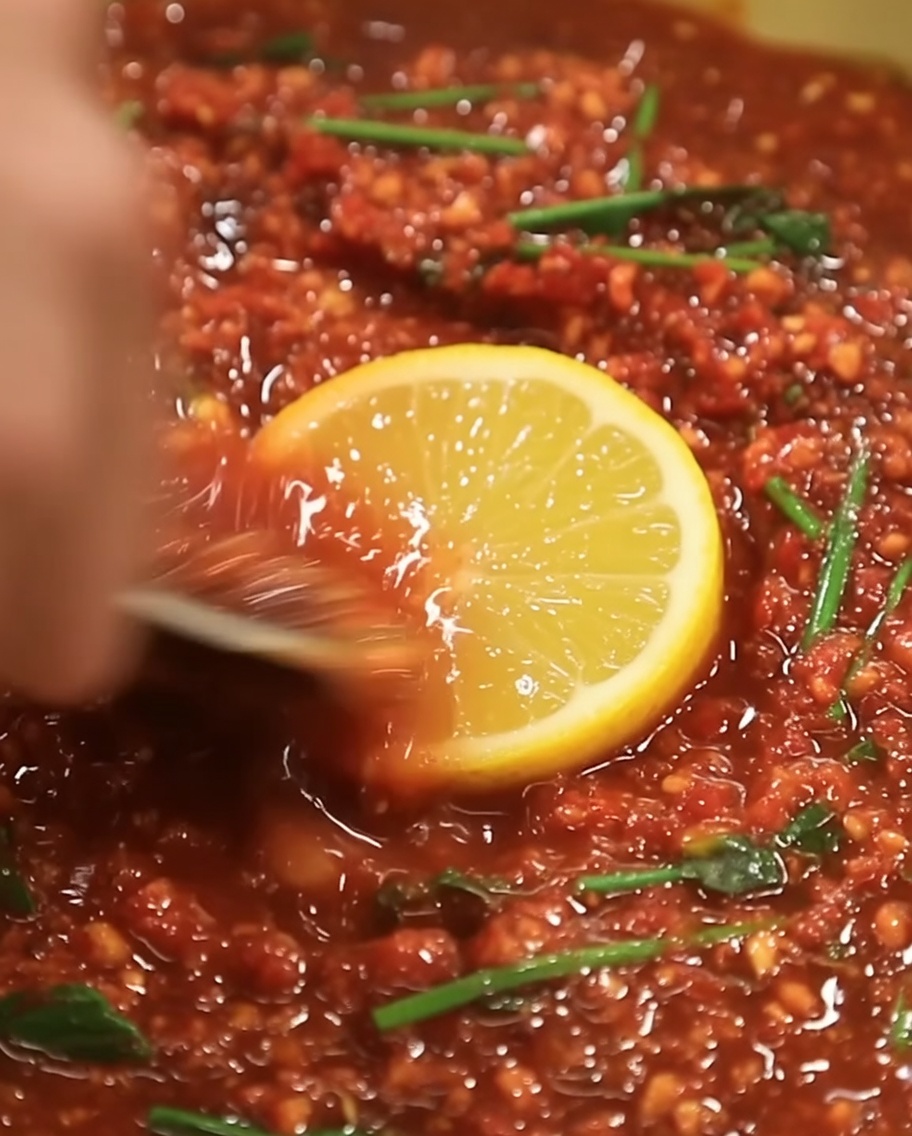
Drizzle the fragrant sesame oil into the mixture. This adds a nutty, rich aroma that is characteristic of many traditional Korean-style marinades.
Tip: Add the sesame oil at the end to preserve its delicate aroma. - 7Add maltose to the marinade
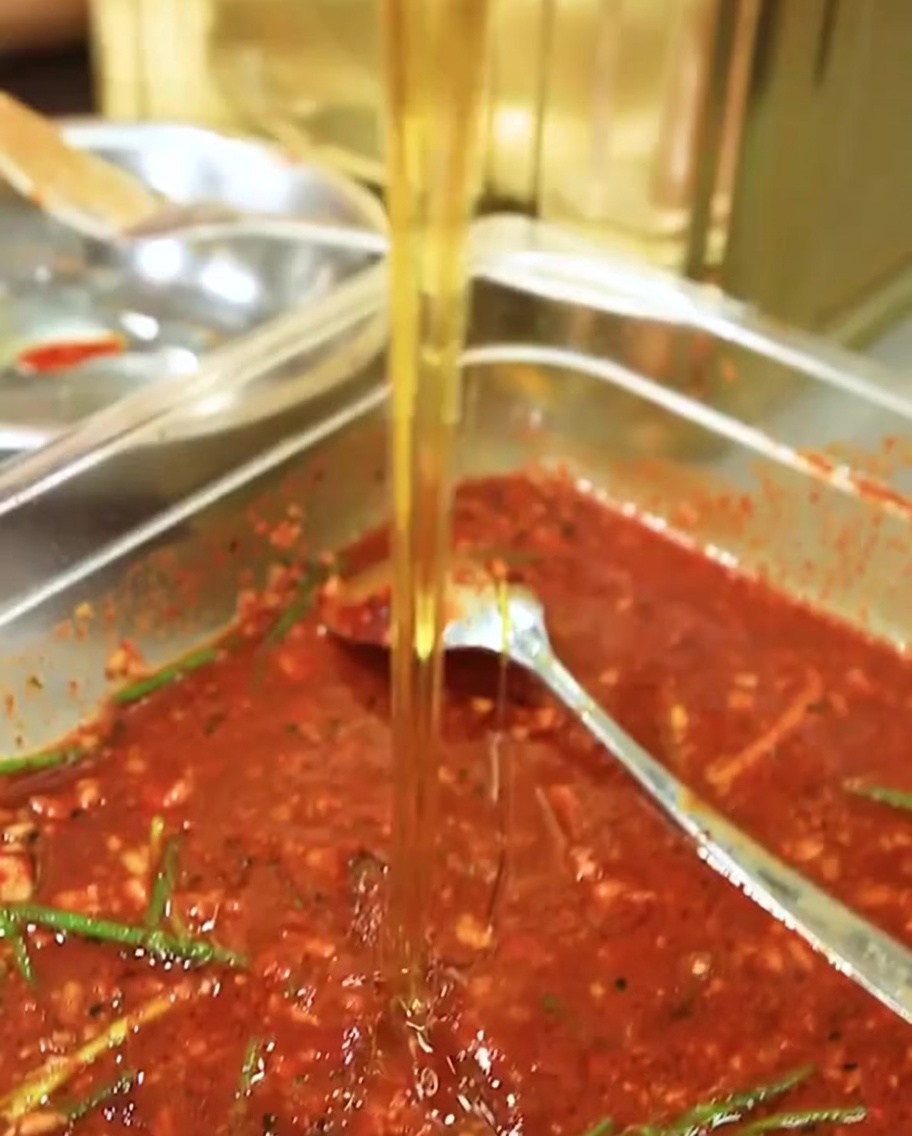
Drizzle the maltose into the marinade mixture. Maltose helps create a beautiful glossy finish and adds a mild sweetness to the ribs.
Tip: Maltose is very thick; you can warm the bottle slightly in hot water to make it easier to pour. - 8Add egg whites
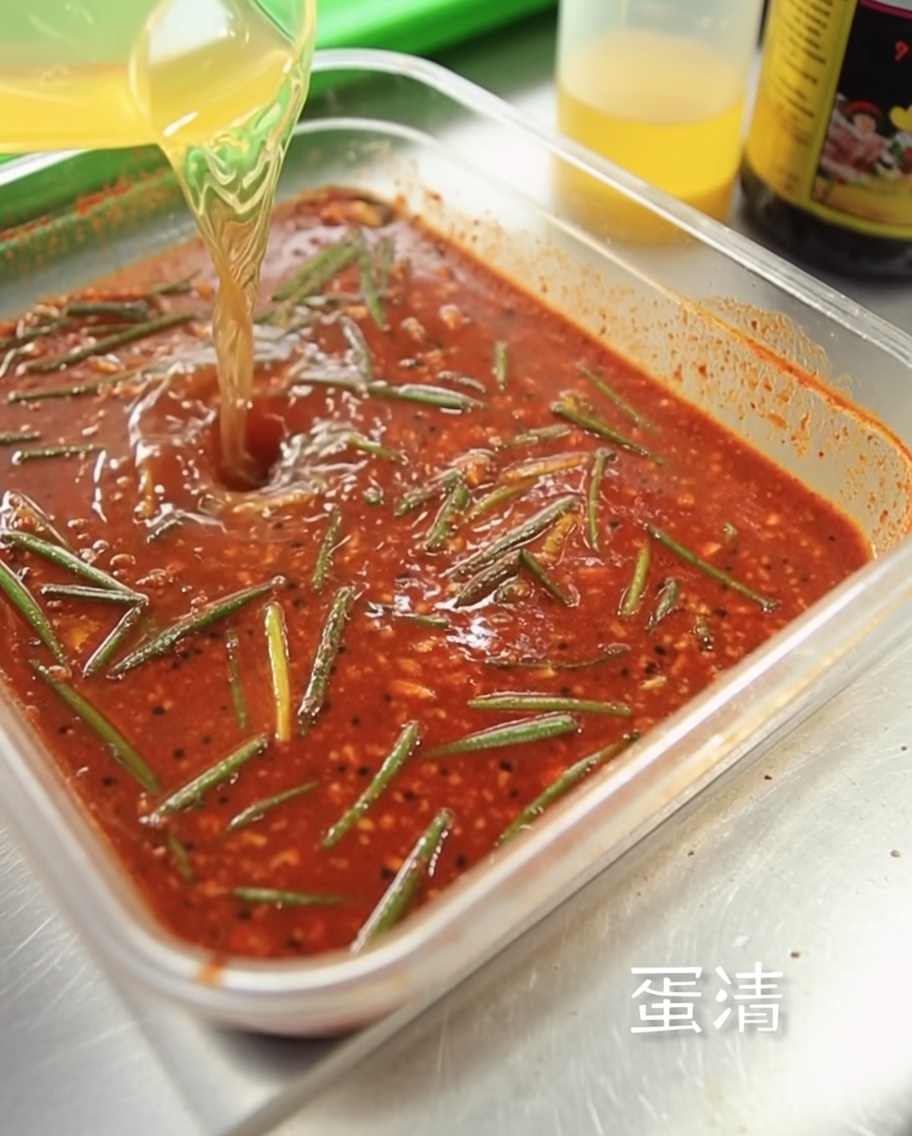
Pour the egg whites into the marinade container. Egg whites act as a binding agent and help tenderize the pork ribs.
Tip: Ensure you separate the egg whites cleanly to avoid any yolk in the mixture. - 9Add starch
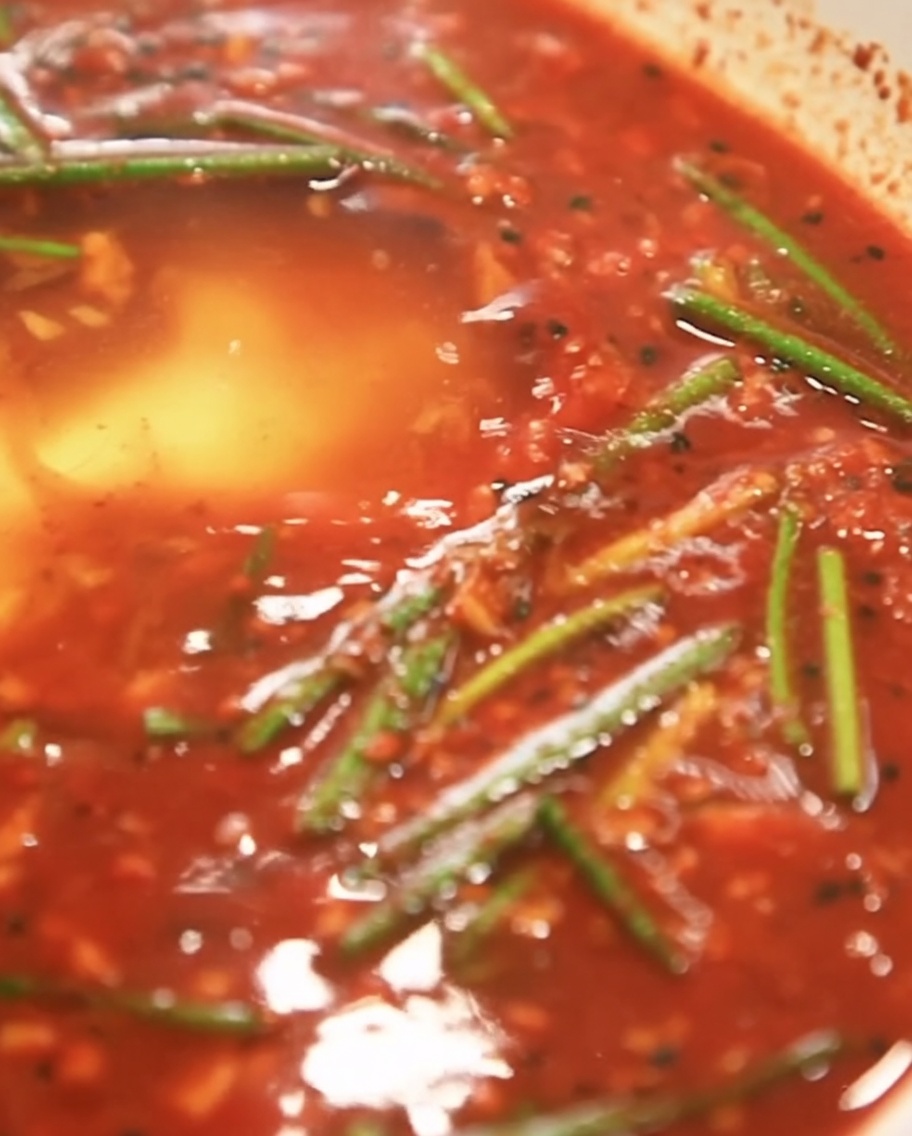
Add the starch into the mixture. This will help thicken the marinade, ensuring it adheres well to the surface of the ribs.
Tip: Stir well after adding to prevent any clumps from forming in the sauce. - 10Marinate the pork ribs
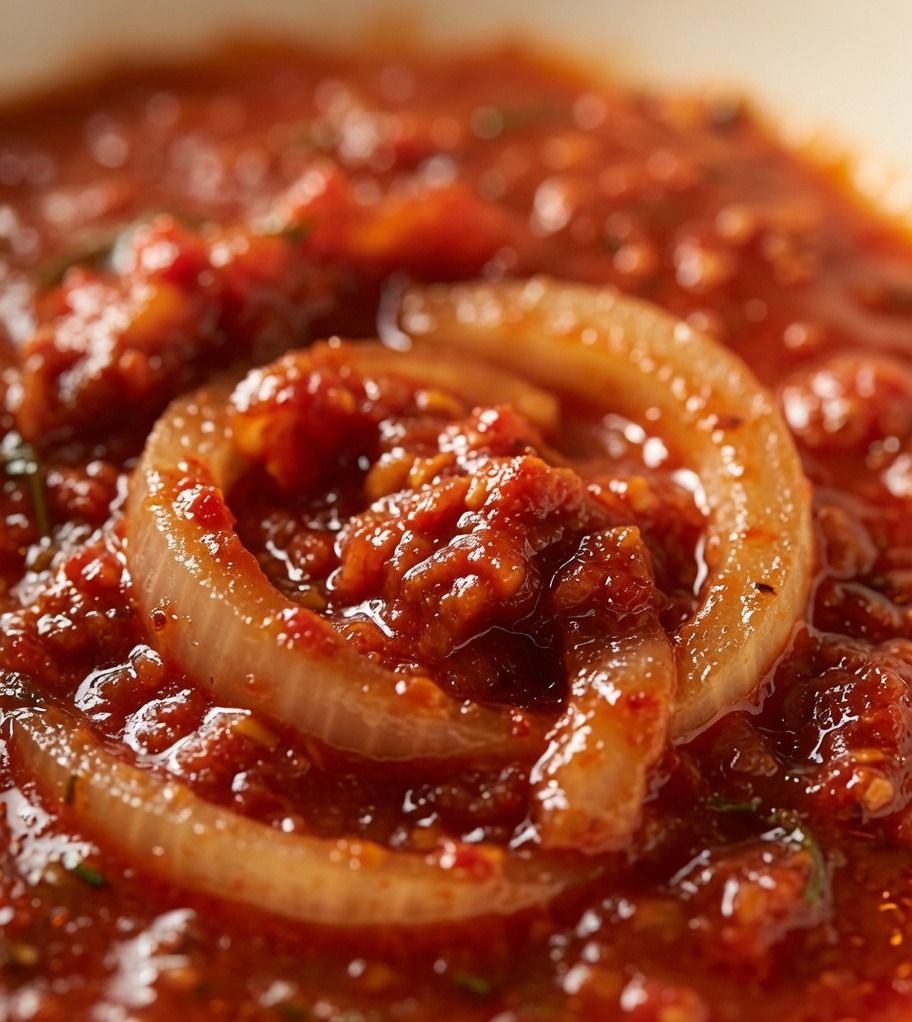
Place the raw pork ribs into the prepared marinade. Massage or stir the ribs to ensure they are evenly and thoroughly coated on all sides.
Tip: Let the ribs marinate for at least 30 minutes to allow the flavors to penetrate the meat. - 11Steam the ribs
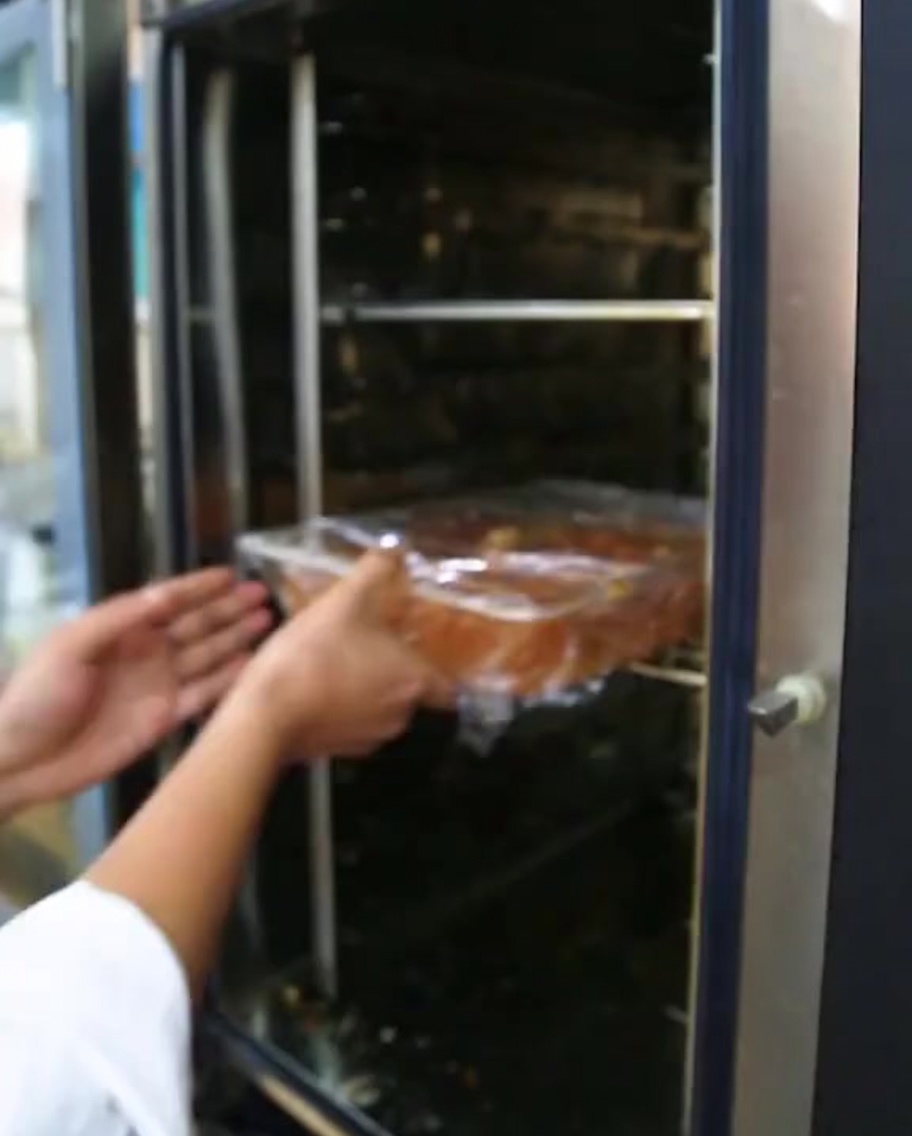
Place the container filled with the marinated ribs into the oven to steam. Steaming keeps the meat moist and ensures it cooks through before the final roasting step.
Tip: Make sure the container is oven-safe and covered if necessary to trap the steam effectively. - 12Prepare for roasting
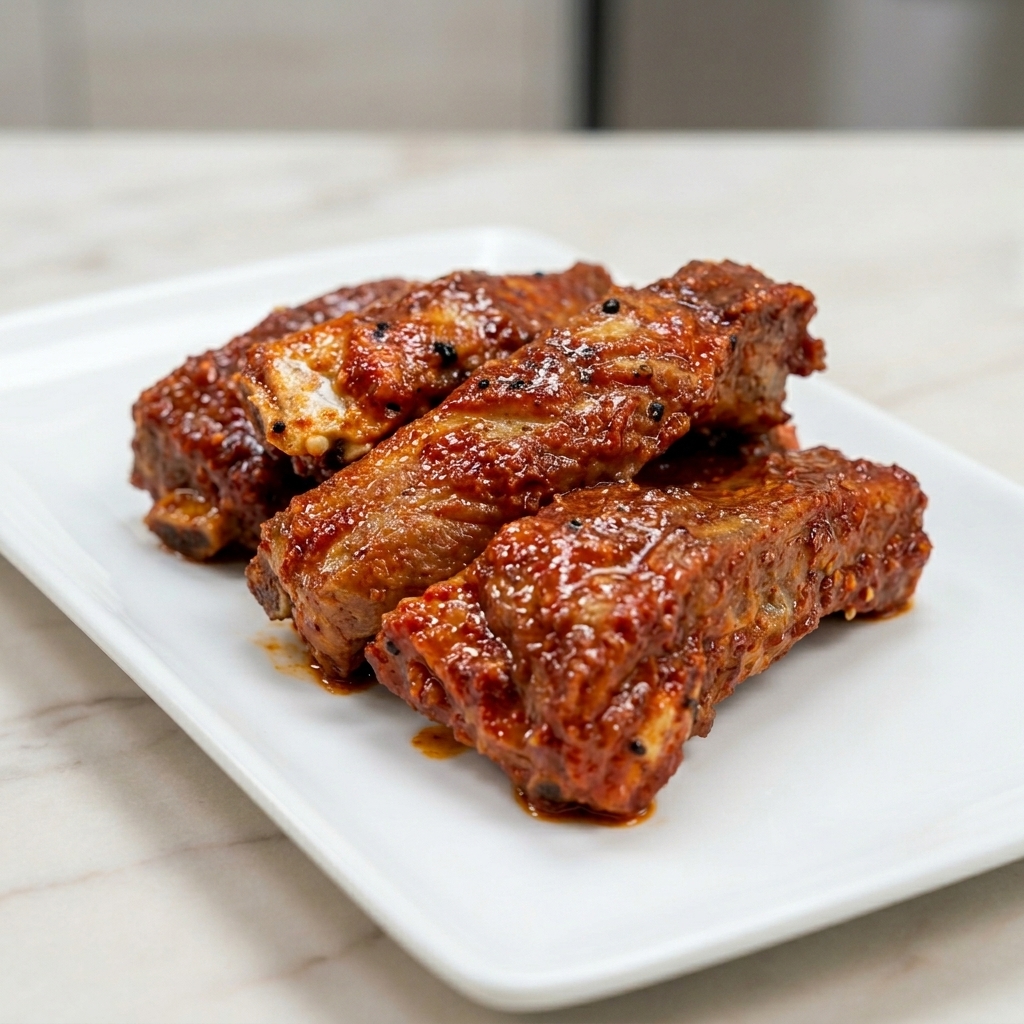
Carefully remove the ribs from the steamer and transfer them onto a piece of aluminum foil. This prepares the ribs for the final roasting phase to develop a golden-brown crust.
Tip: Handle the hot ribs carefully using tongs to avoid breaking the meat. - 13Roast the ribs
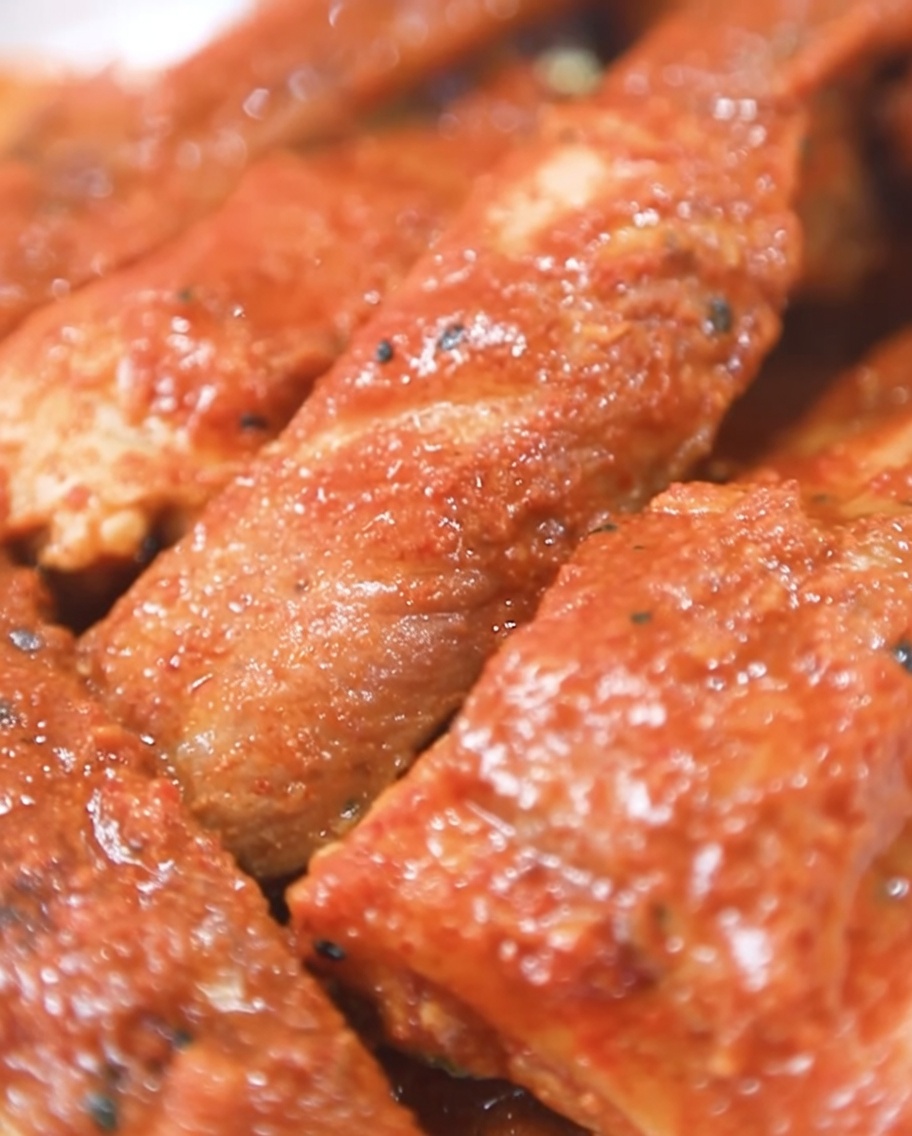
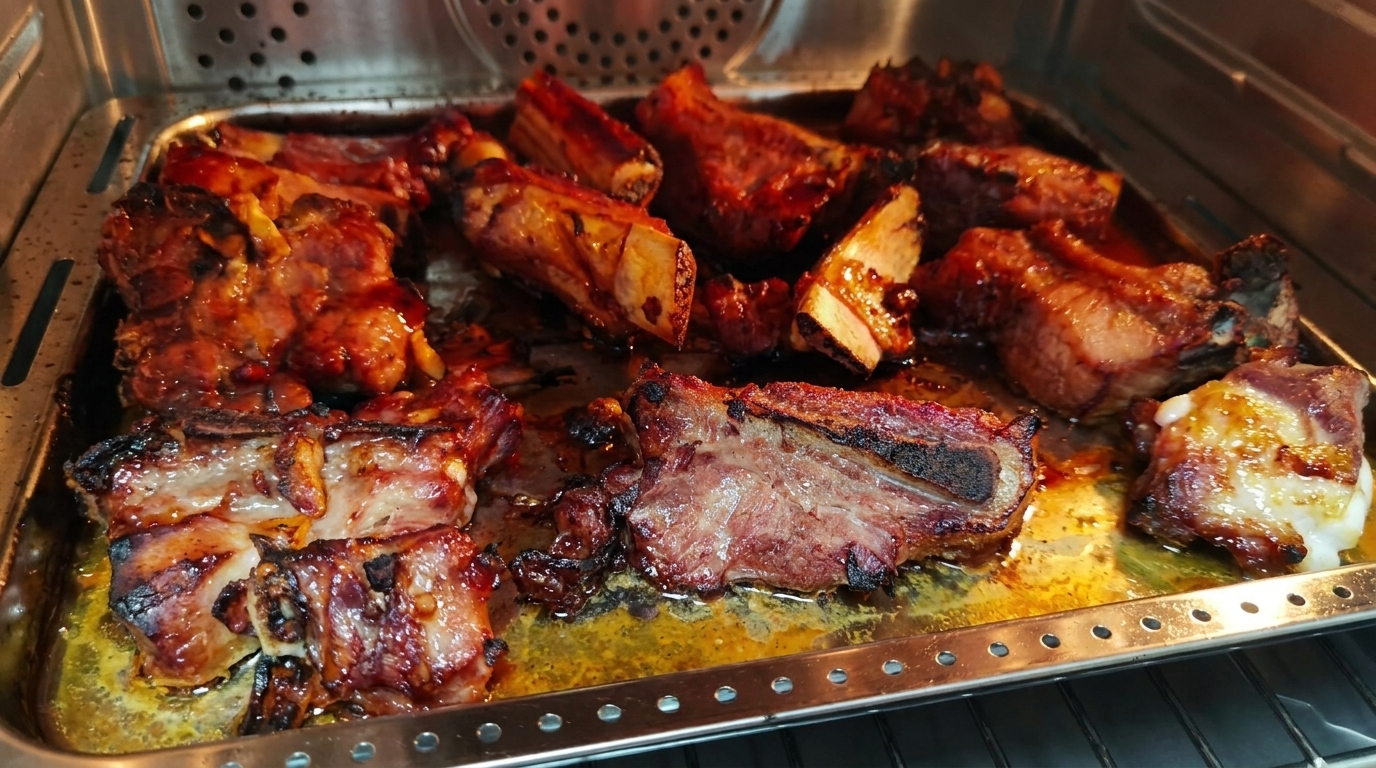
After steaming, wrap the pork ribs securely in aluminum foil and place them in the oven. Roast until the ribs are fully cooked through, tender, and the flavors are well-integrated.
Tip: Roasting in foil helps retain moisture, ensuring the ribs stay succulent while the sugars in the marinade caramelize slightly.