Authentic Roman Cacio e Pepe
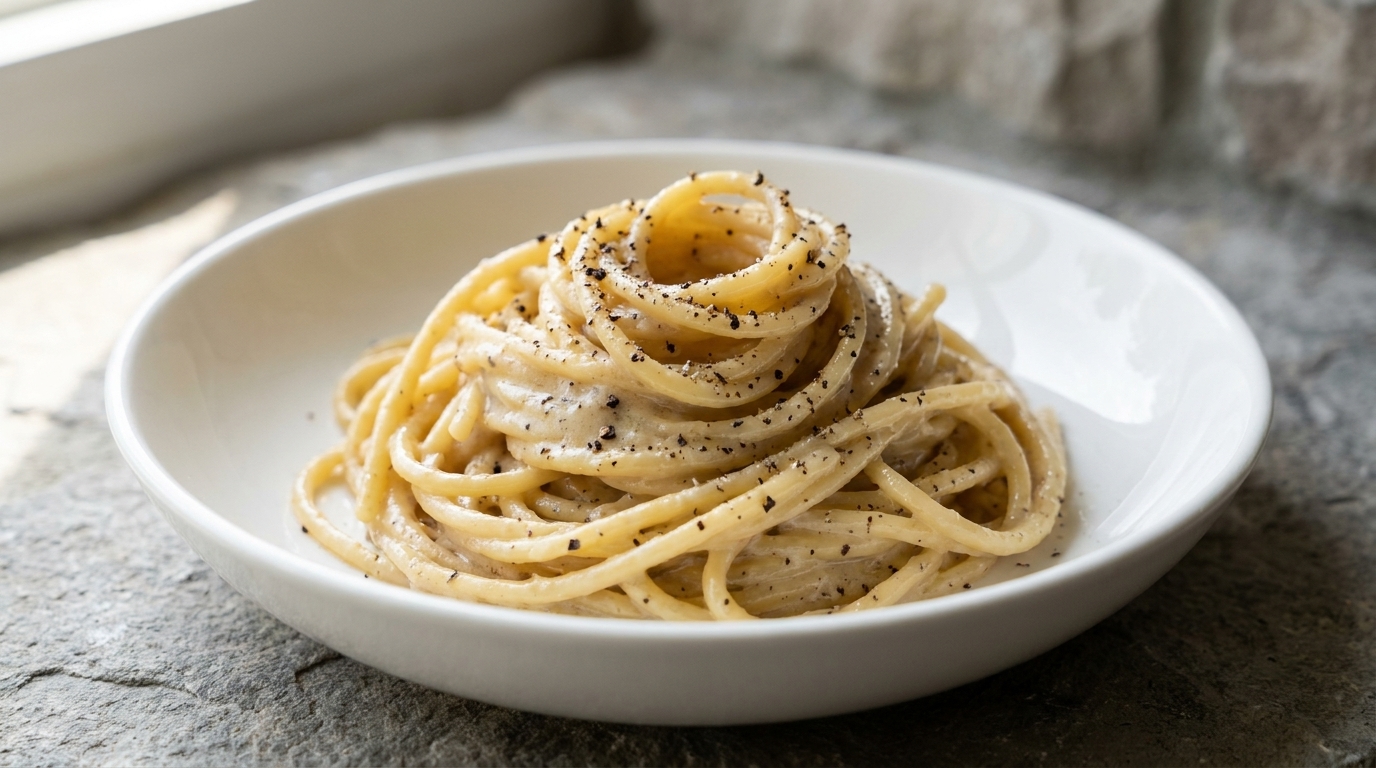
A Roman classic perfected. This creamy emulsified pasta uses only Pecorino Romano black pepper and pasta water to create a luxurious peppery masterpiece.
Cacio e Pepe meaning cheese and pepper is one of the most iconic and minimalist pasta dishes from Rome. Originating from the Lazio region its genius lies in the chemistry between starchy pasta water and aged Pecorino Romano cheese. Achieving the perfect creamy emulsion without clumping is considered a badge of honor for any home cook.
Ingredients
- 400 g spaghetti
- 200 g Pecorino Romano cheese, finely grated
- 2 tbsp whole black peppercorns
- to taste sea salt
Instructions
- 1Crush the black pepper
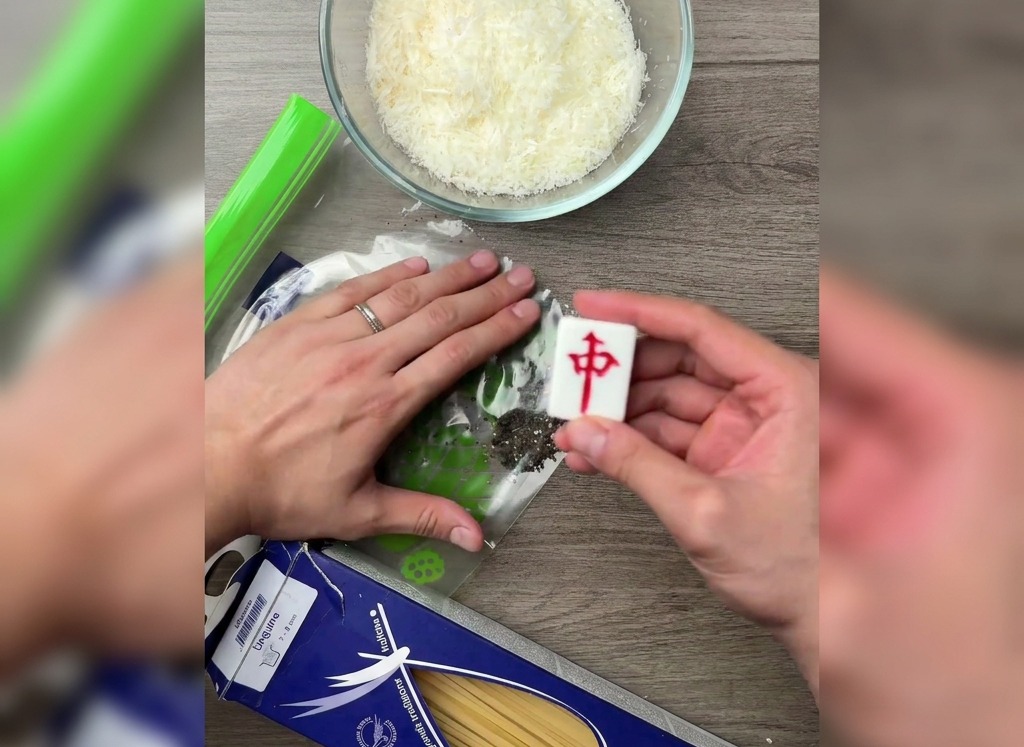
Place whole black peppercorns inside a durable plastic bag. Use a heavy, flat-surfaced object like a mahjong tile to crush them into a coarse grind. This manual crushing method releases the essential oils more effectively than a standard grinder, providing a more robust aroma.
Tip: A coarse grind is essential for Cacio e Pepe to ensure the pepper provides texture and a balanced heat without overpowering the cheese. - 2Toast the pepper
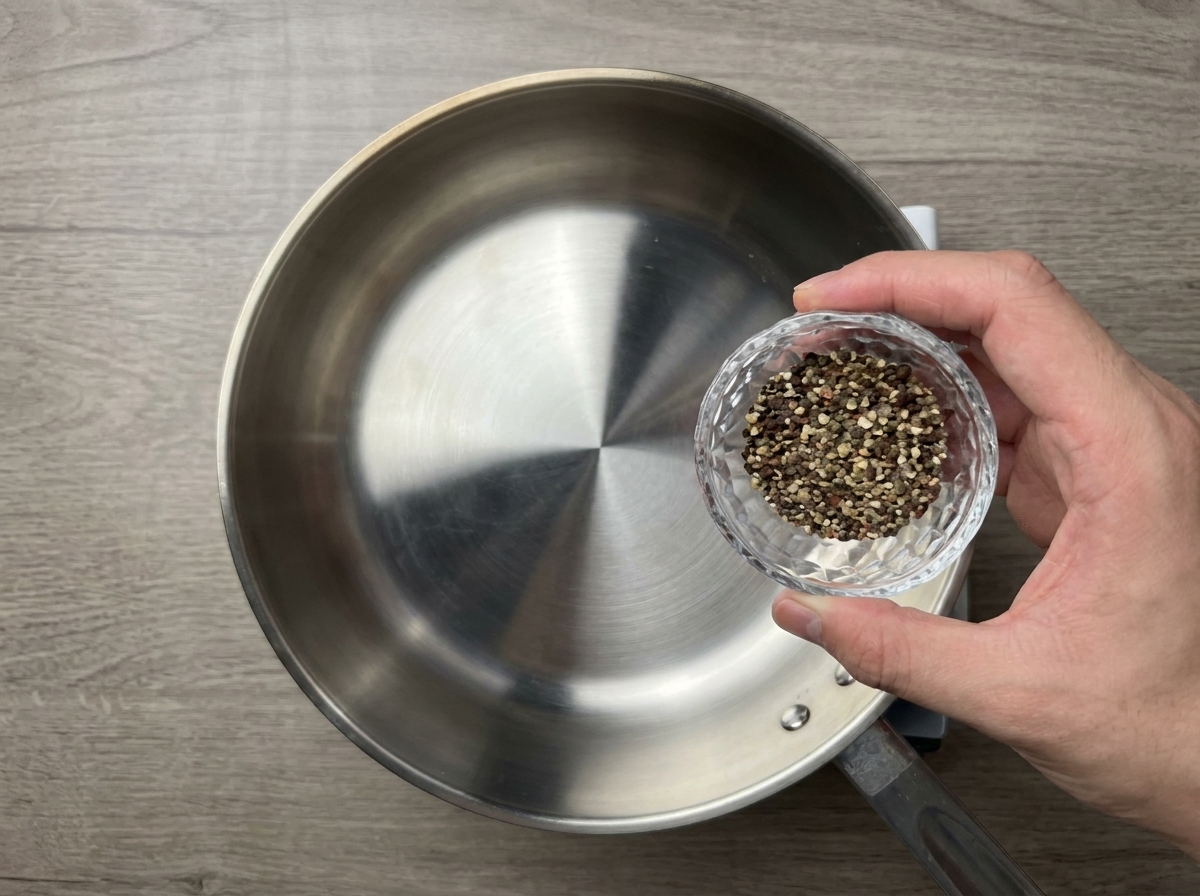
Add the coarsely crushed black pepper to a dry stainless steel skillet over medium heat. Toast the pepper for about a minute until it becomes highly fragrant. Toasting helps to release the flavors of the spice before any liquid is added.
Tip: Keep the pepper moving and watch closely as it can burn quickly which will make the final dish taste bitter. - 3Create the pepper base
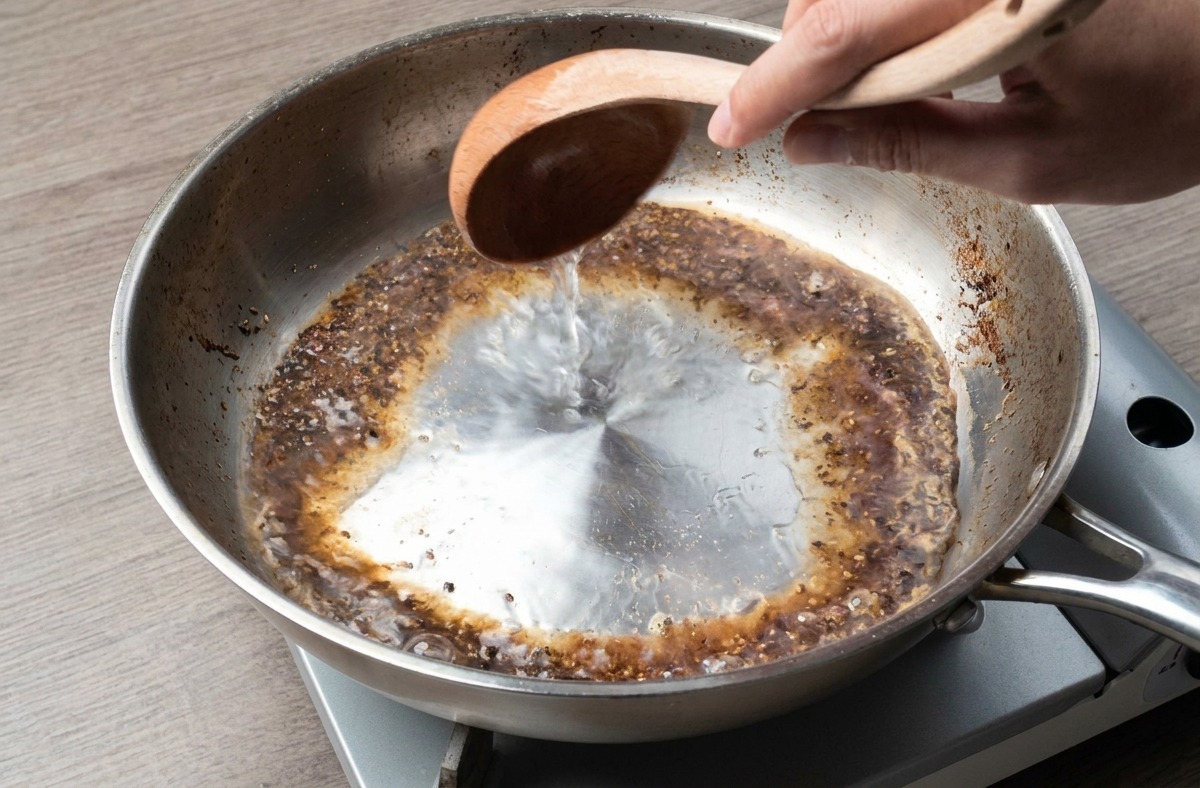
Carefully pour a ladleful of starchy water from the pasta pot into the skillet with the toasted pepper. The water will bubble and sizzle, creating a flavorful, peppery liquid base that will eventually emulsify into a creamy sauce.
Tip: Wait until the pasta has been cooking for at least 5 minutes so the water is sufficiently starchy and cloudy. - 4Transfer the pasta
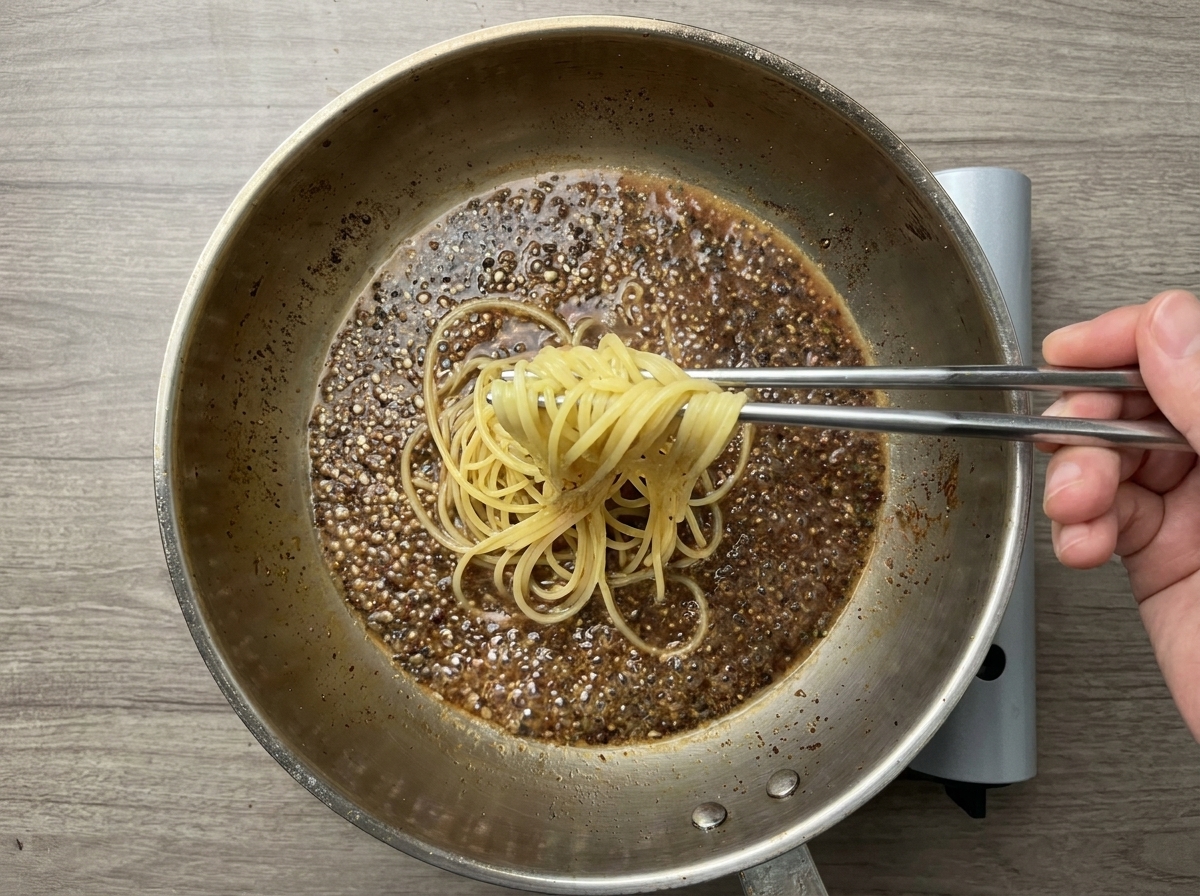
When the pasta is a few minutes away from being al dente, use tongs or a pasta fork to transfer it directly from the boiling water into the skillet. Moving it directly ensures it stays wet and brings a bit more starchy water into the pan.
Tip: Finishing the pasta in the pan allows it to absorb the pepper-infused liquid, seasoning the noodles from the inside out. - 5Finish cooking in the pan
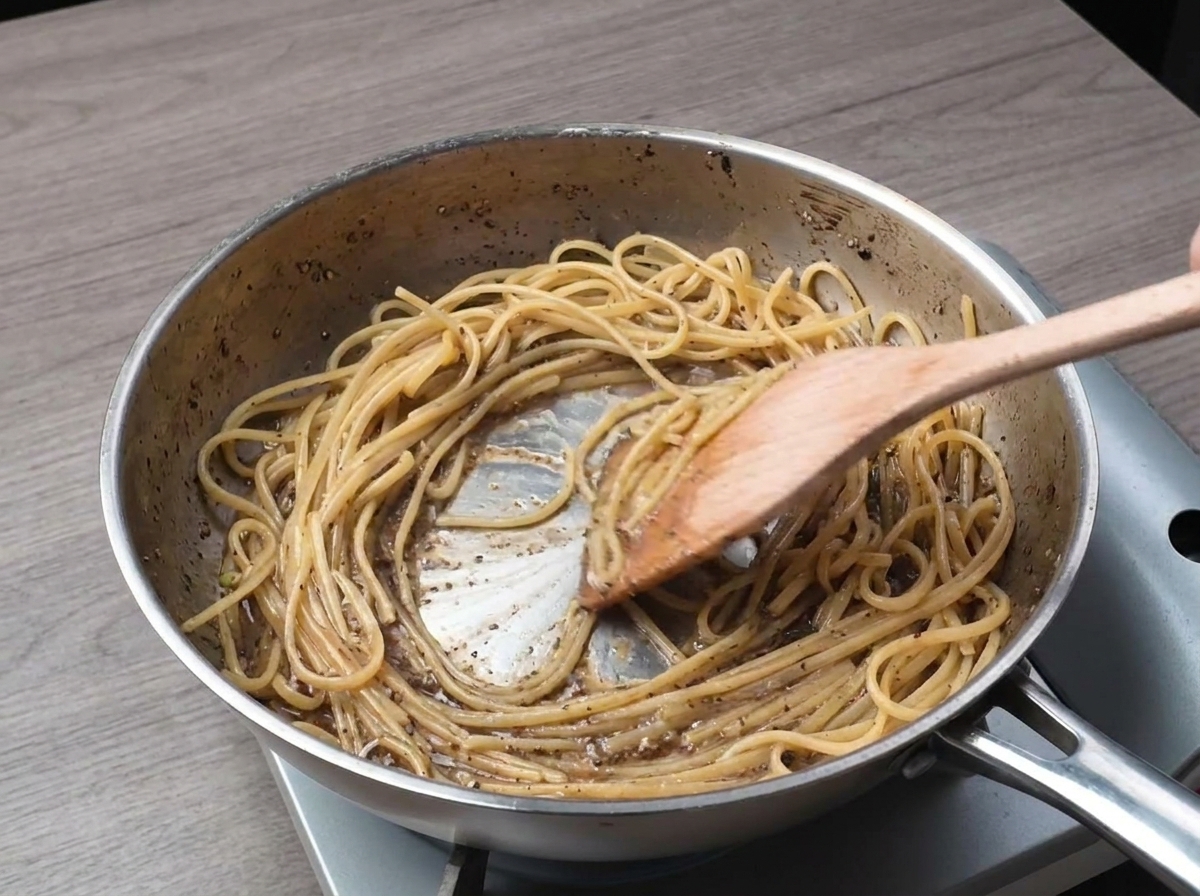
Stir and toss the pasta constantly over medium heat. This movement, combined with the starchy water, helps create a silky coating on the noodles. Continue until the liquid has mostly been absorbed and the pasta reaches a perfect al dente texture.
Tip: If the liquid evaporates too quickly before the pasta is cooked, add another small splash of pasta water. - 6Add the grated cheese
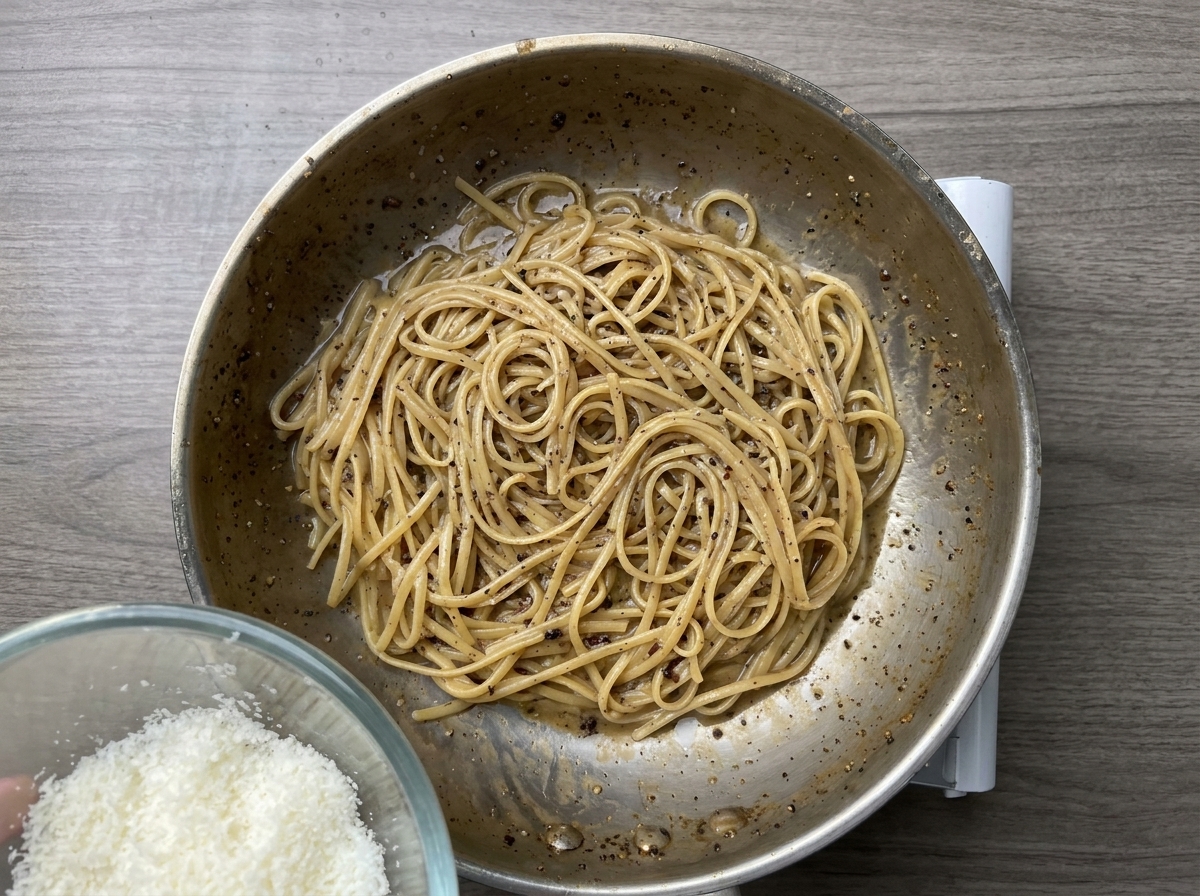
Turn off the heat and let the pan rest for about two minutes so the temperature drops slightly. Gradually sprinkle the finely grated cheese over the pasta while tossing quickly and continuously. The residual heat will melt the cheese into a smooth creamy sauce.
Tip: Never add cheese while the pan is over active heat because the high temperature will cause the cheese to clump and separate rather than emulsify. - 7Emulsify the sauce
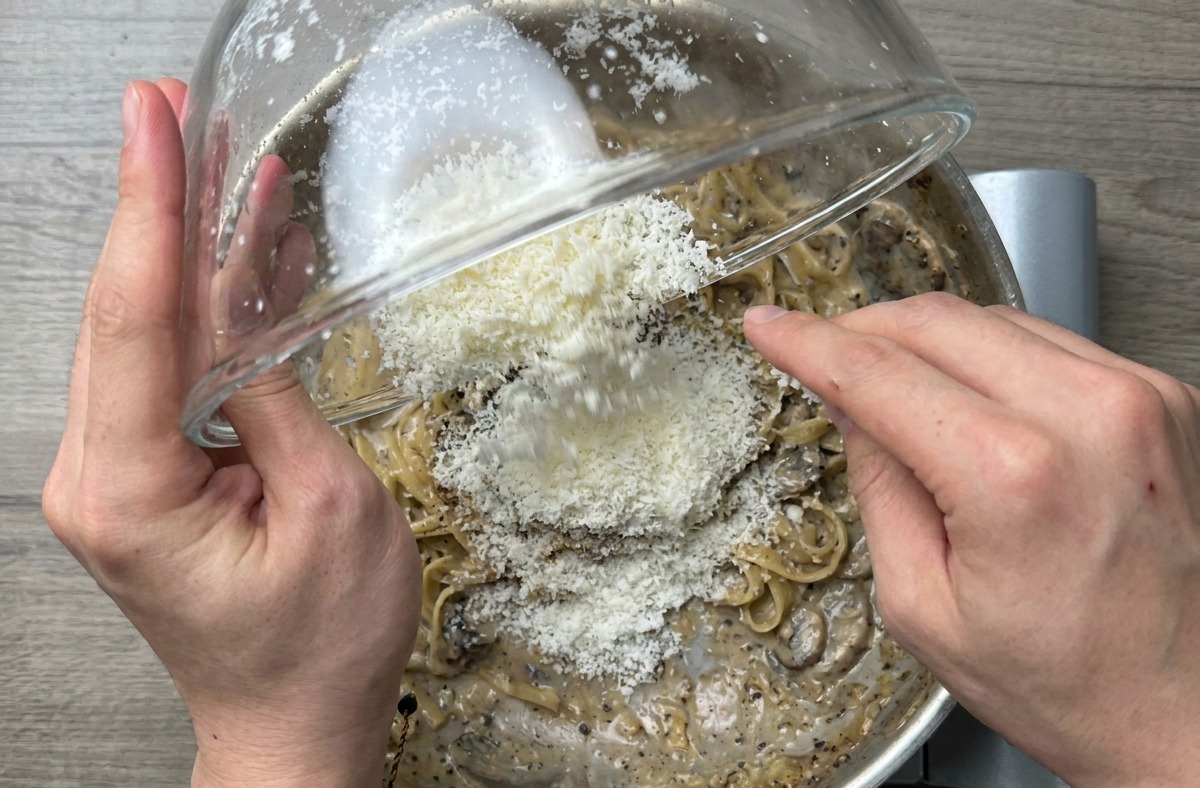
Shake the skillet and toss the pasta vigorously to combine the cheese and starchy water. This rapid movement fueled by the residual heat creates the signature glossy creamy emulsion that perfectly coats every strand of noodles.
Tip: Ensure the pan has cooled slightly before adding the cheese to prevent clumping and ensure the sauce remains smooth.