Fresh Basil Pesto Shrimp Pasta
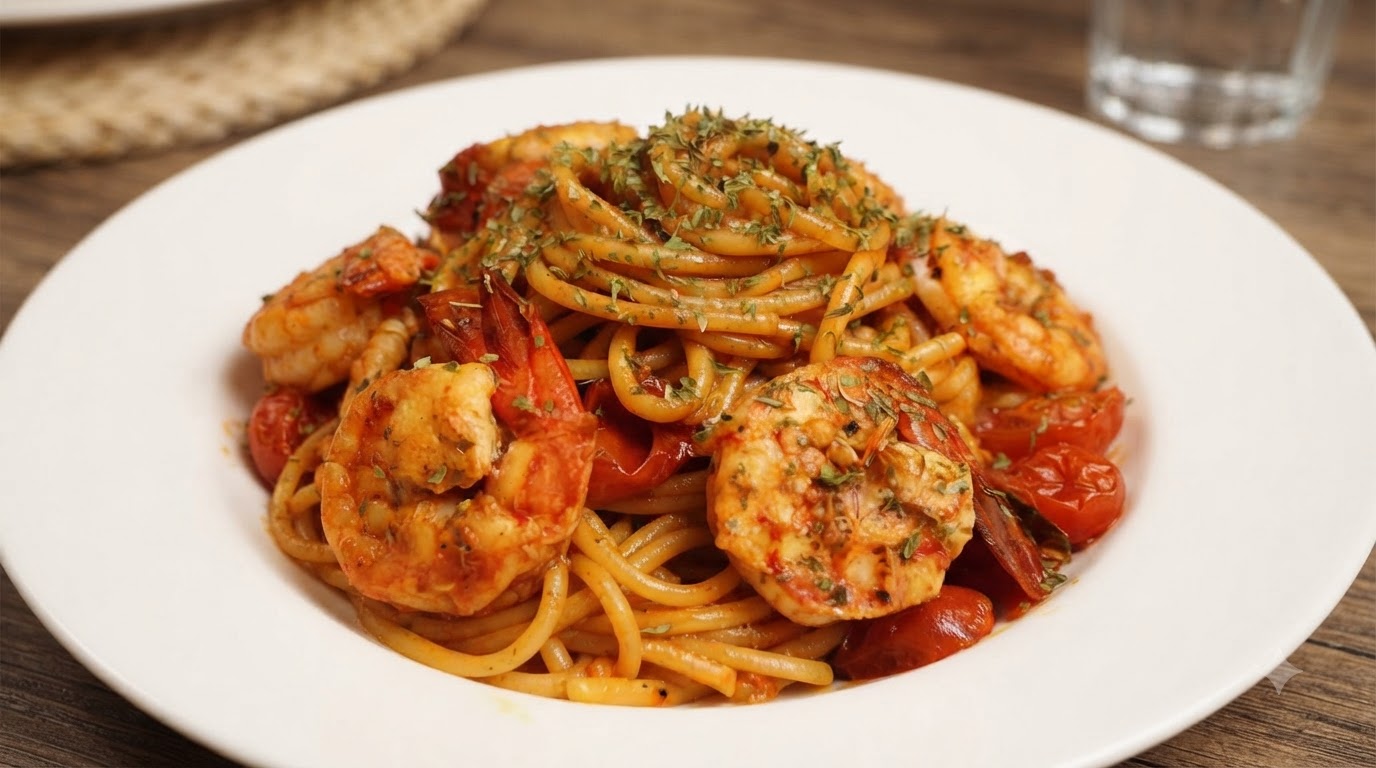
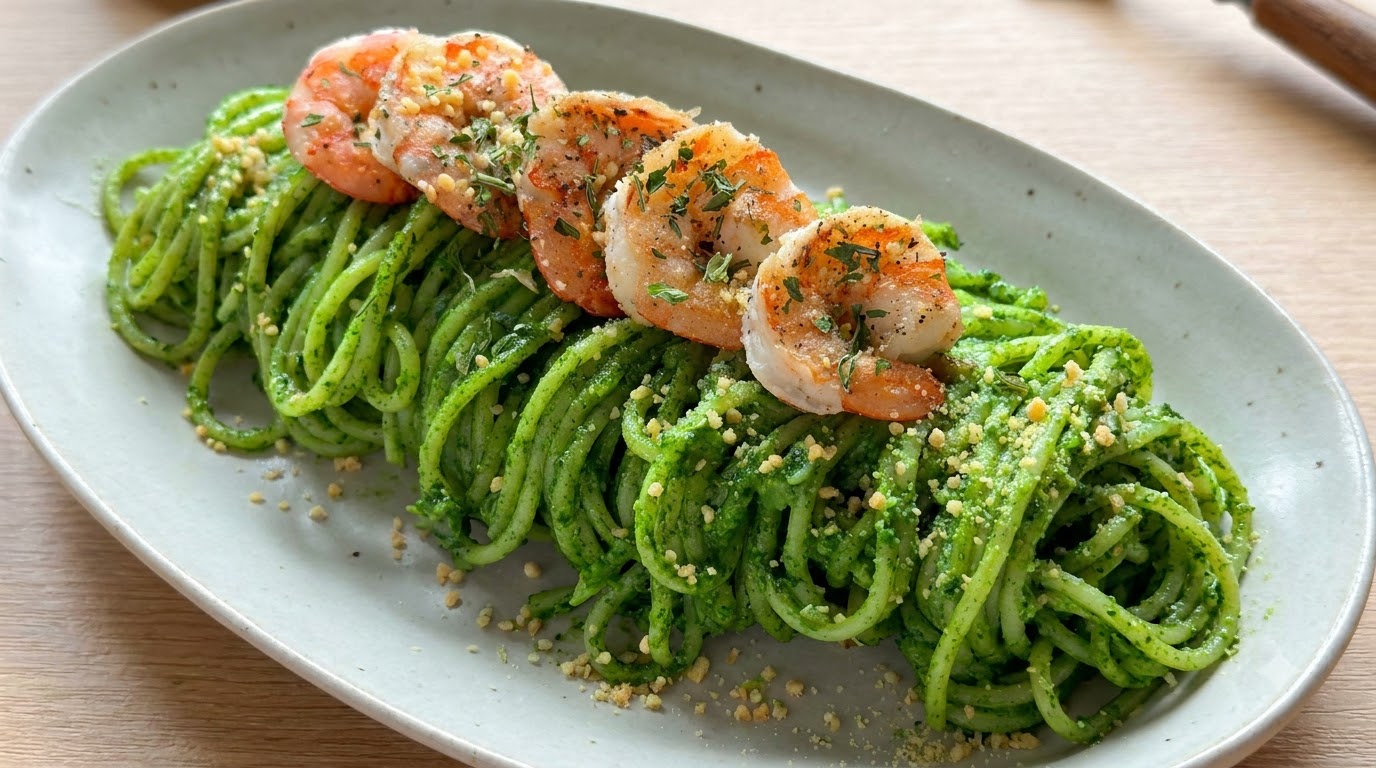
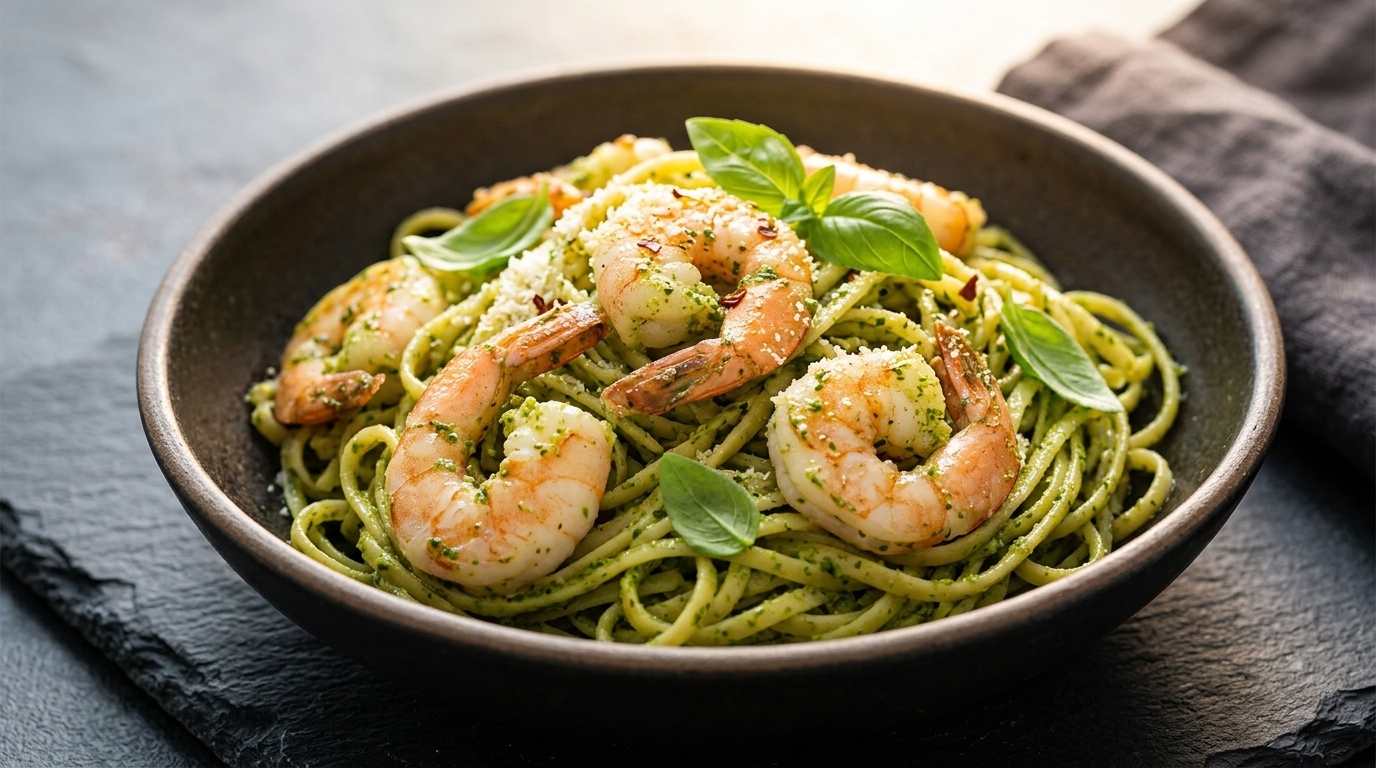
A vibrant and flavorful Italian-inspired pasta featuring homemade aromatic basil pesto, savory rendered shrimp oil, and tender pan-seared shrimp.
Basil pesto is a timeless culinary classic that celebrates the bright, aromatic profile of fresh green basil paired with rich nuts, garlic, and cheese. By combining homemade pesto with handmade shrimp oil extracted directly from the shrimp heads, this pasta delivers a deeply satisfying depth of flavor that elevates a simple weeknight meal into a gourmet experience.
Ingredients
- 2 bunches fresh basil leaves
- 50 g pine nuts
- 3 cloves garlic
- 50 g Parmesan cheese
- 100 ml olive oil
- 200 g spaghetti noodles
- 300 g fresh shrimp with heads
- to taste sea salt
- to taste black pepper
- 1 tbsp avocado oil
Instructions
- 1Wash the Fresh Basil
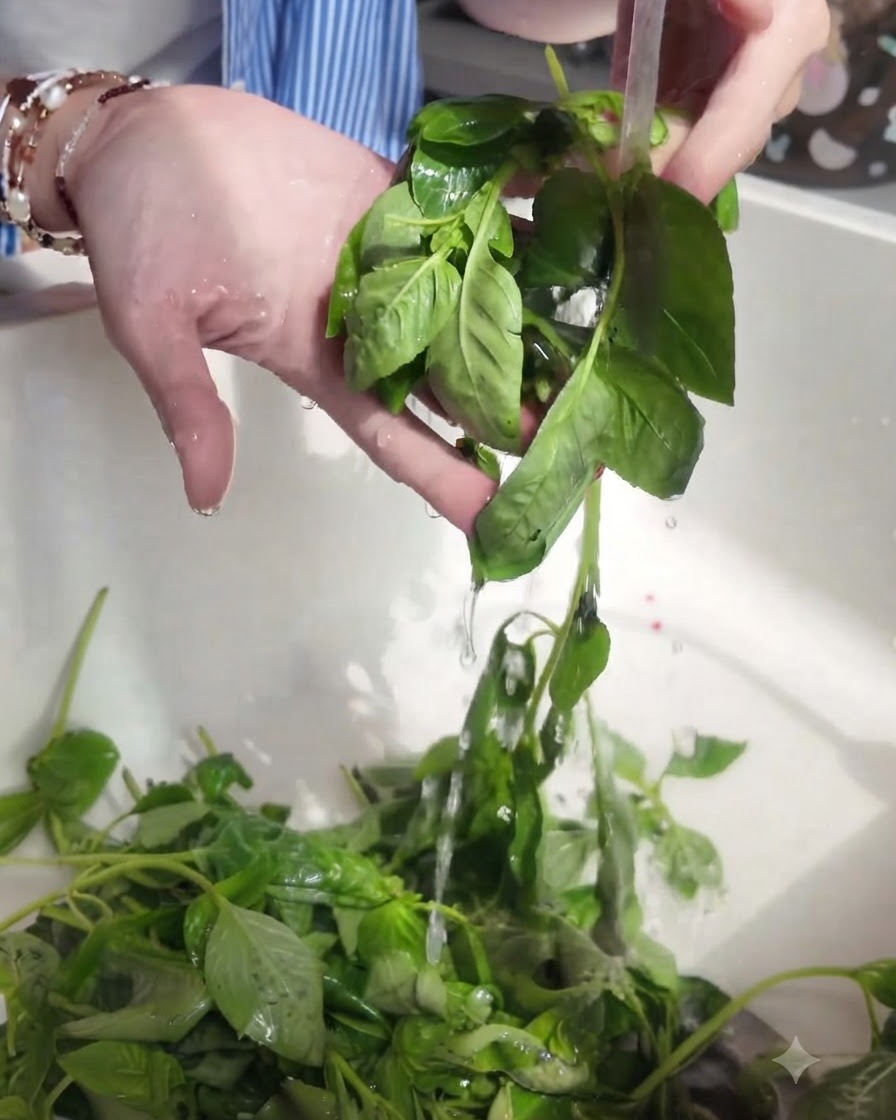
Hold the fresh basil stems under running water in the kitchen sink to thoroughly wash away any dirt, dust, or impurities from the leaves.
Tip: Gently rinse the leaves without bruising them to preserve their vibrant color and fresh aroma. - 2Dry the Basil Leaves
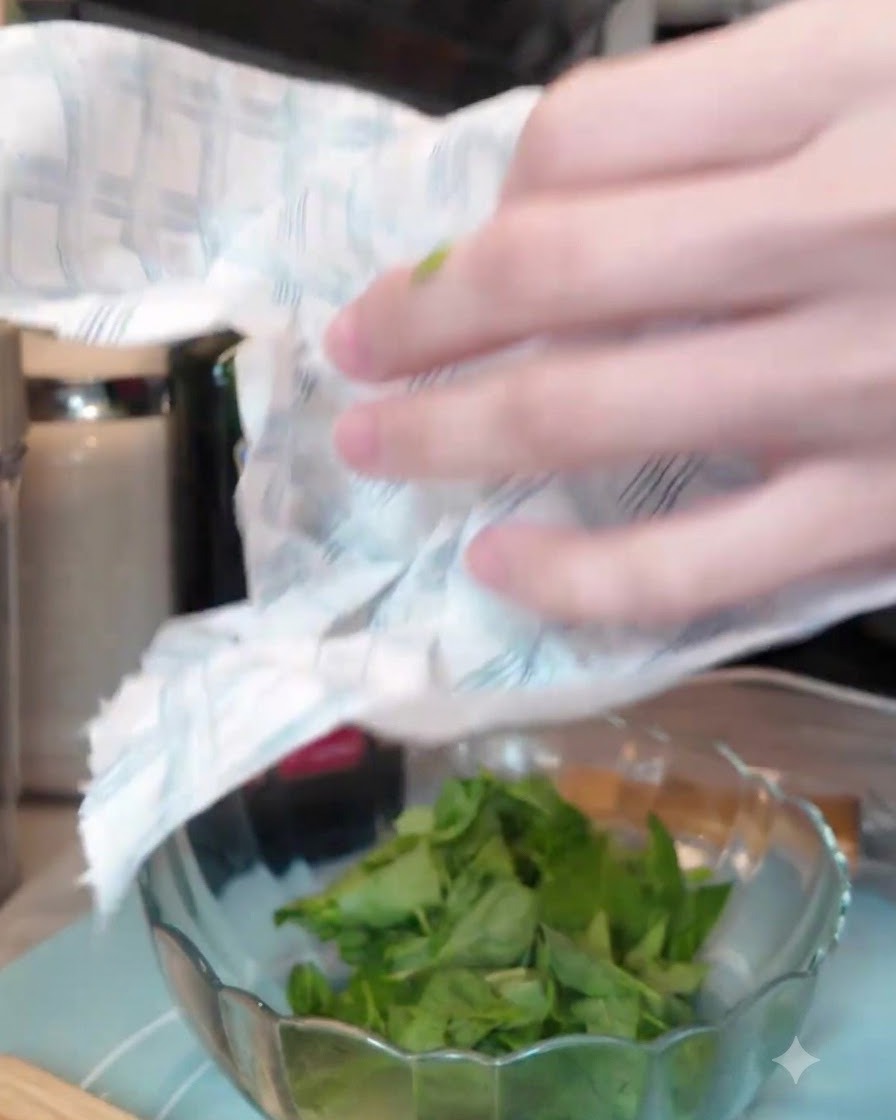
Transfer the washed basil leaves into a bowl and use kitchen paper towels to gently wipe and dab away excess surface moisture.
Tip: Removing excess water is crucial so the pesto texture does not become too watery or dilute the rich flavors. - 3Combine Ingredients in Blender
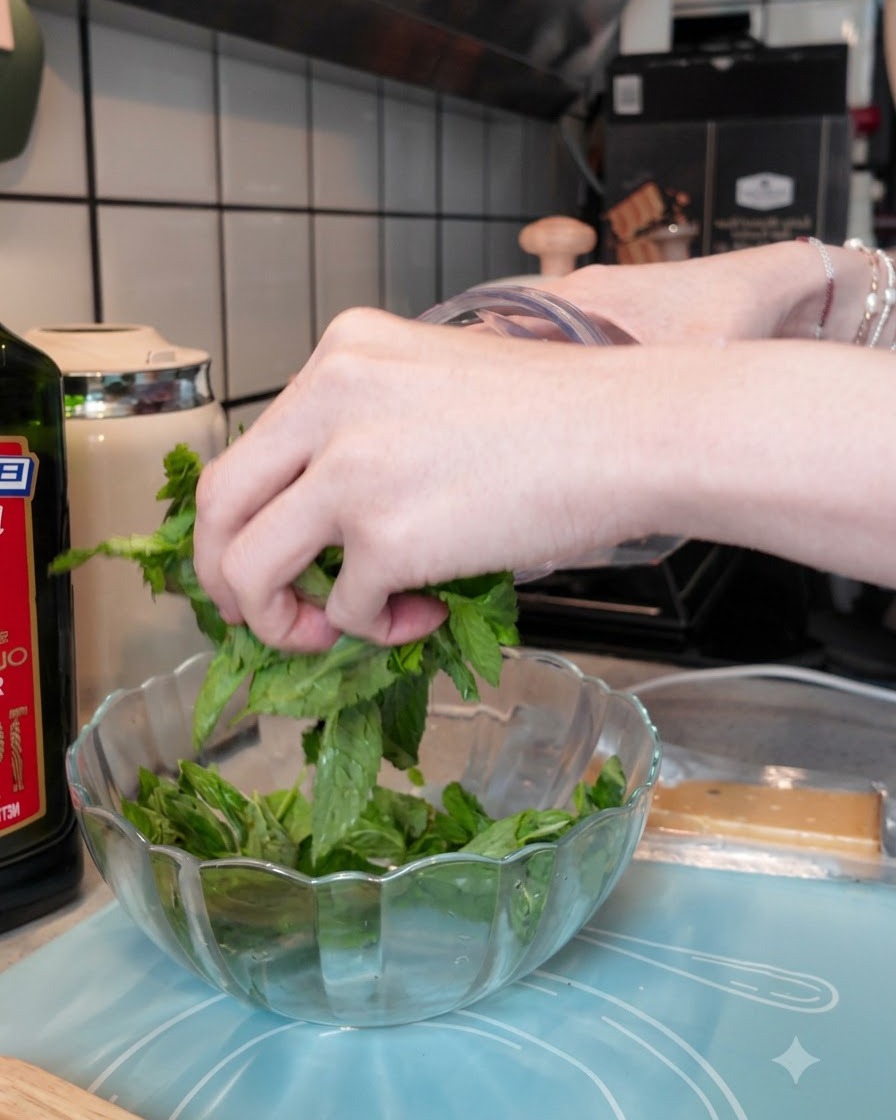
Gather the dried basil leaves along with peeled garlic cloves and pine nuts, and place them directly into the blender cup.
Tip: Add the ingredients evenly to ensure the blender blades can process the mixture smoothly. - 4Add Grated Cheese
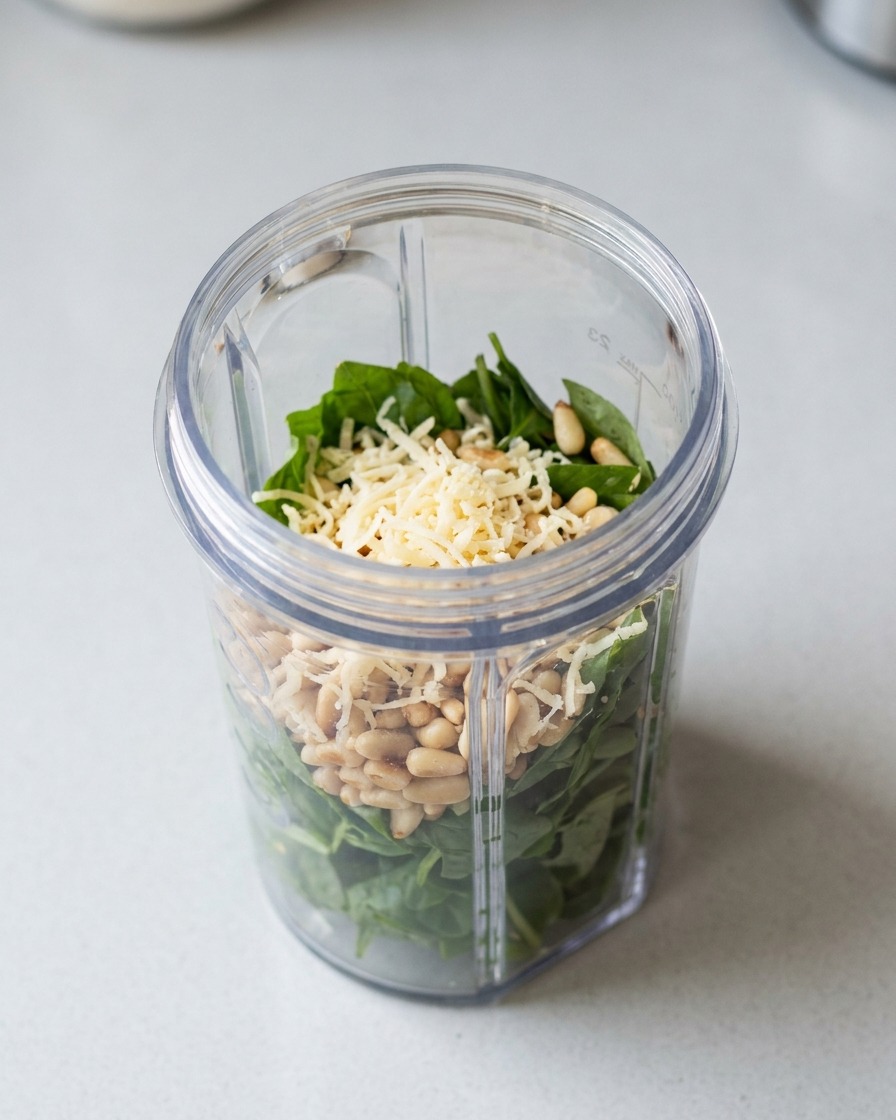
Freshly grate Parmesan cheese directly on top of the basil, garlic, and pine nuts inside the blender cup.
Tip: Grating the cheese fresh yields a much richer, more savory flavor profile compared to pre-shredded varieties. - 5Pour in Olive Oil
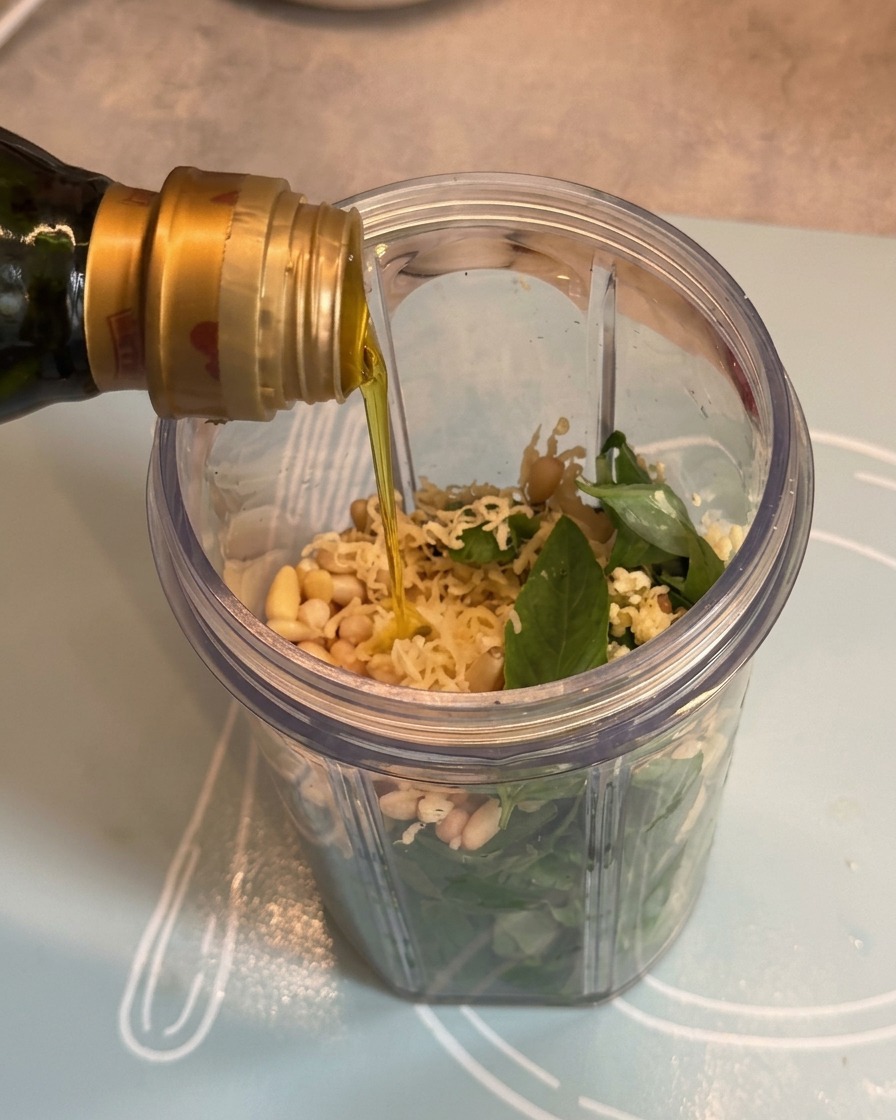
Pour a generous amount of high-quality olive oil into the blender cup over the stacked basil, nuts, garlic, and cheese.
Tip: Olive oil acts as the emulsion base that brings all the ingredients together into a smooth, cohesive paste. - 6Blend the Pesto
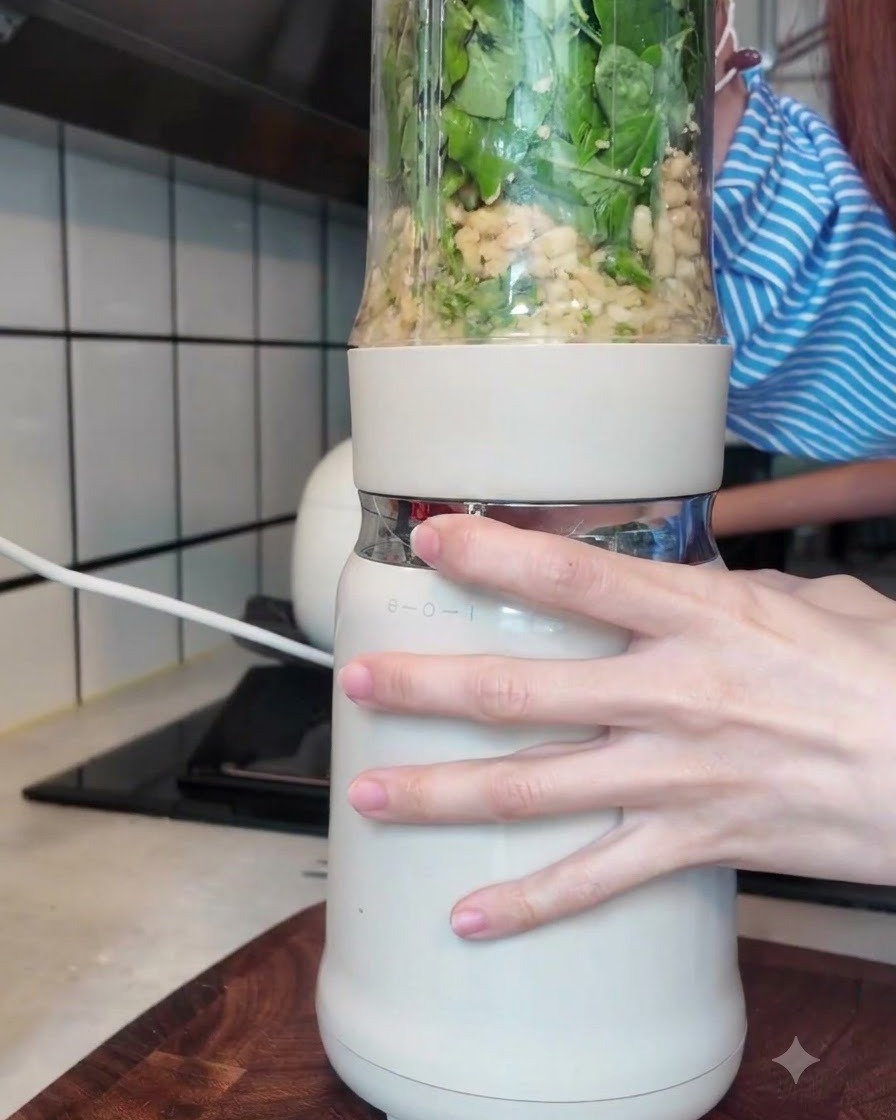
Secure the lid and press the power button on the blender to process all the ingredients together until they form a smooth, vibrant green pesto sauce.
Tip: Pulse or blend in short intervals if needed to maintain a nice textured consistency without overheating the basil. - 7Transfer Pesto to Jar
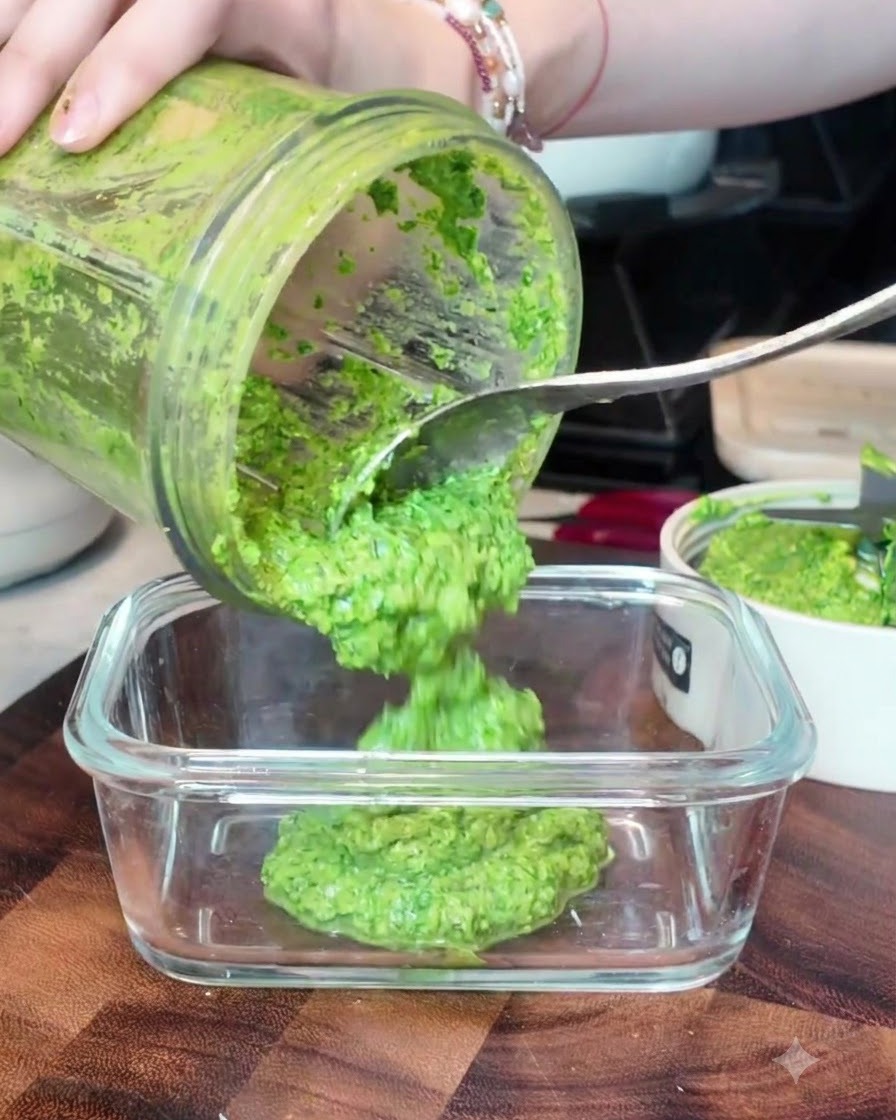
Scoop the freshly blended, vibrant green basil pesto out of the blender container and transfer it directly into a clean glass storage container.
Tip: Make sure to scrape out all the delicious bits from the bottom and sides of the blender. - 8Season the Pesto
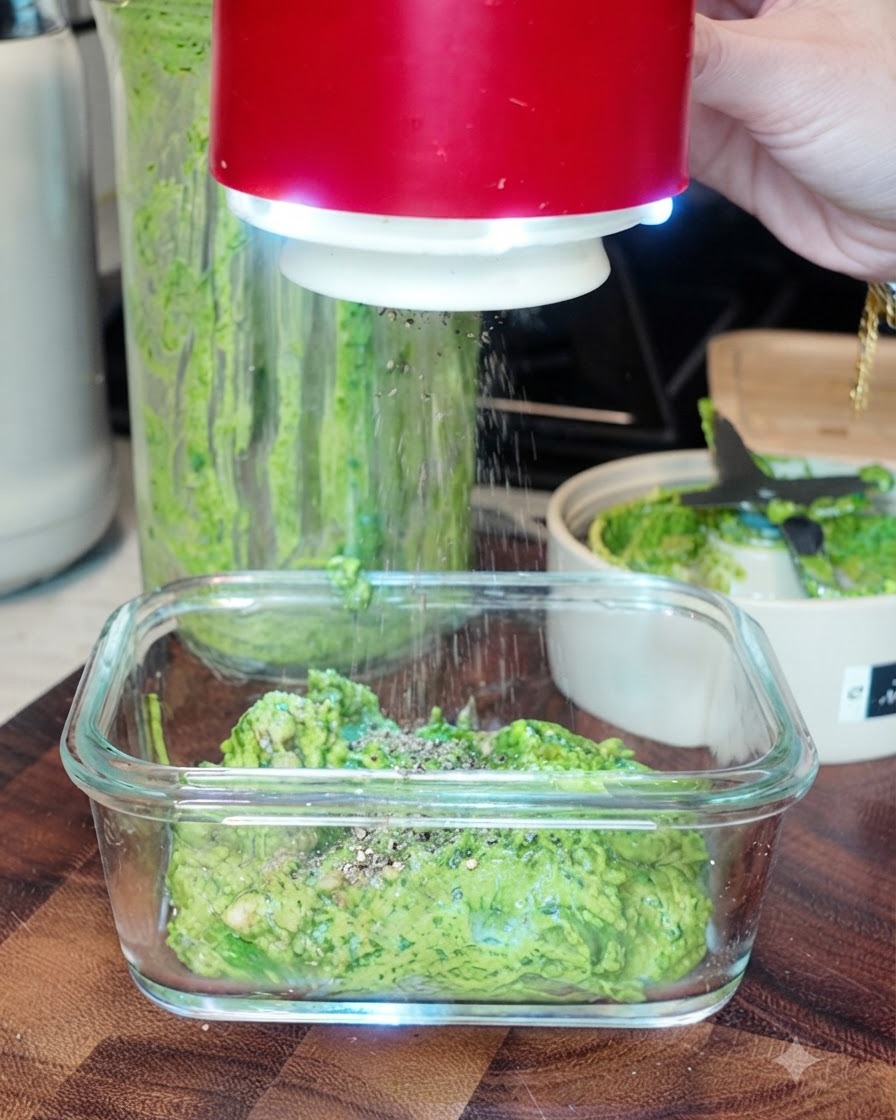
Sprinkle black pepper and sea salt over the freshly scooped basil pesto in the glass container to enhance its flavor.
Tip: Season gradually and taste to ensure the salt and pepper are well balanced with the cheese. - 9Seal with Olive Oil
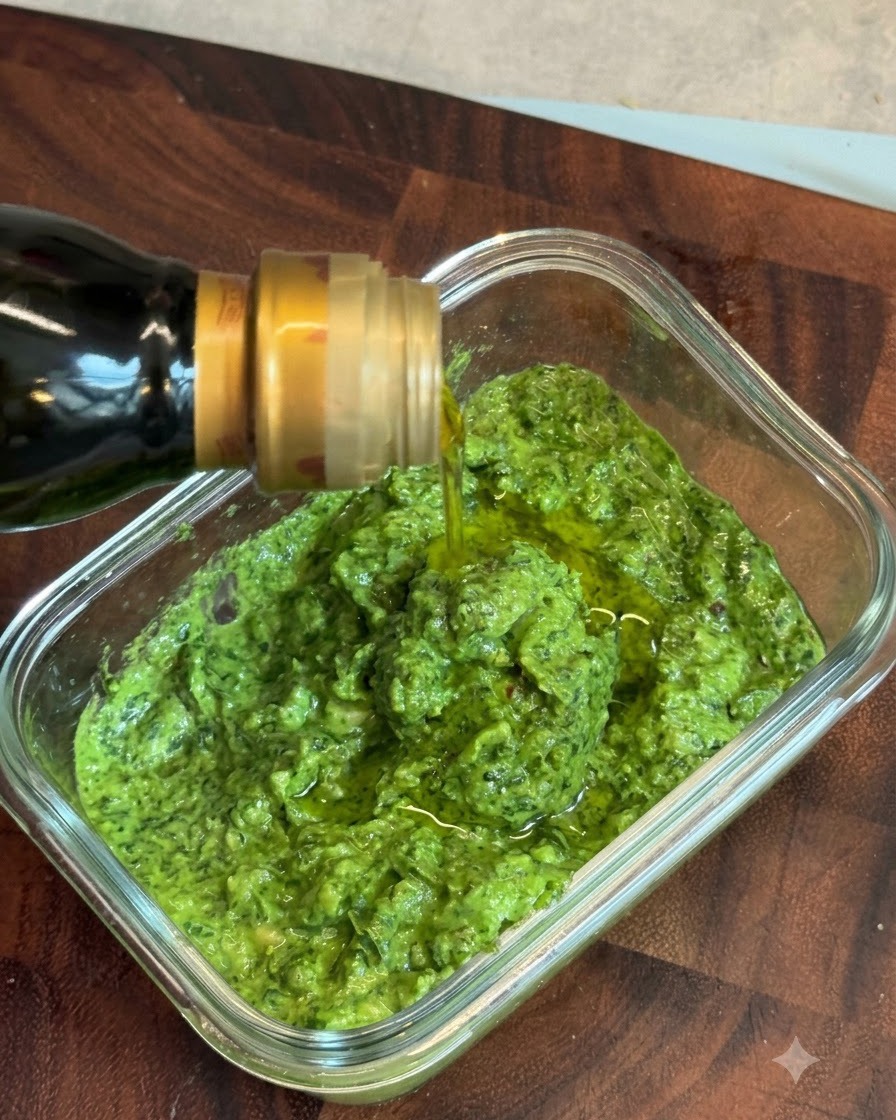
Pour a layer of olive oil directly on top of the finished basil pesto inside the container to prevent oxidation and keep it fresh.
Tip: Ensure the oil completely covers the surface of the pesto to block out air. - 10Boil the Pasta
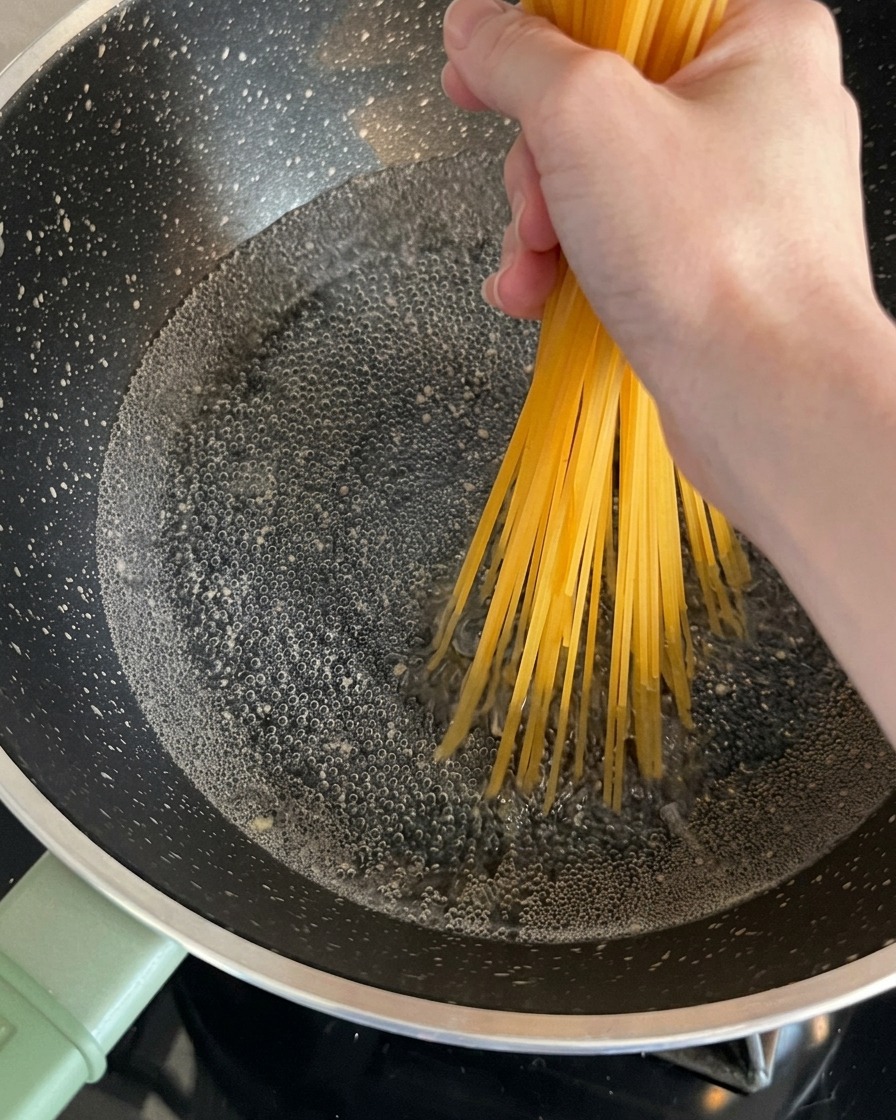
Hold a bunch of dry spaghetti noodles and submerge them into a pot of boiling water to begin cooking.
Tip: Make sure the water is at a rolling boil before adding the pasta to prevent sticking. - 11Extract Shrimp Oil
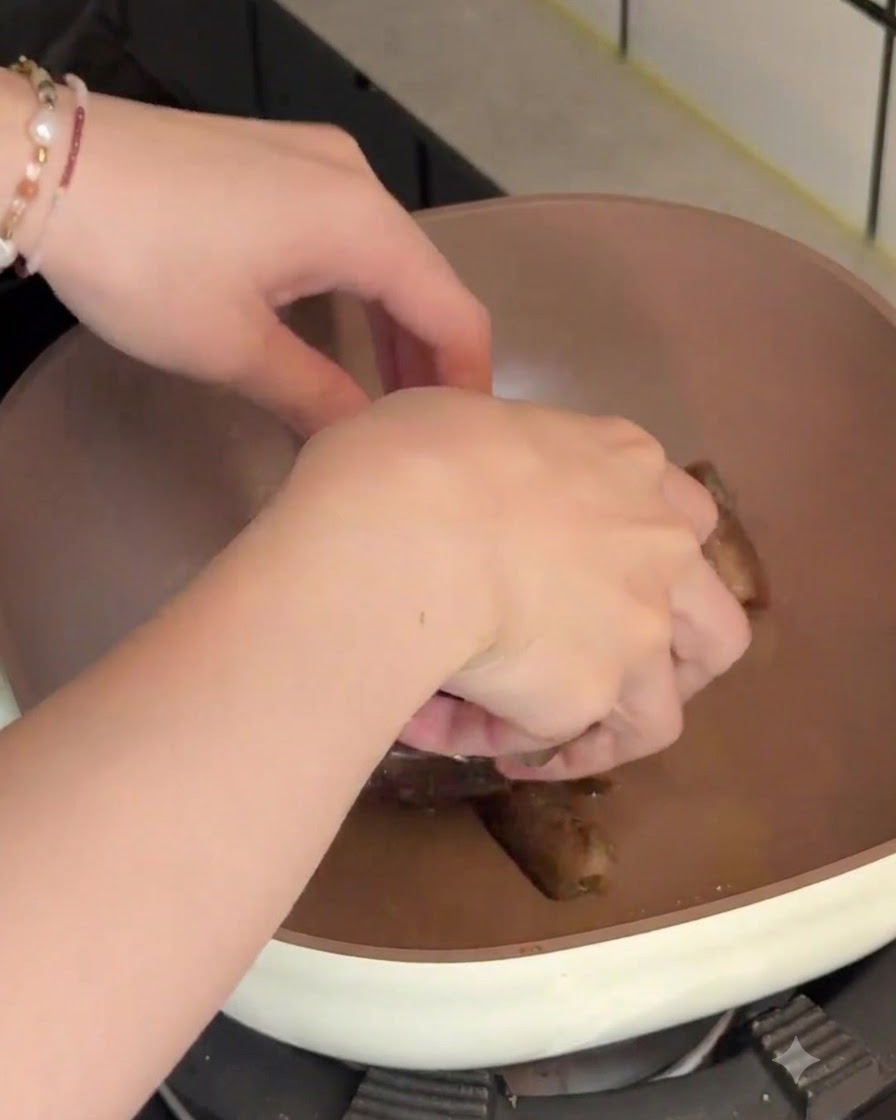
Place the reserved shrimp heads into a pan and fry them over heat to extract the flavorful shrimp oil.
Tip: Do not throw away the shrimp heads; frying them yields rich oil that elevates the pasta sauce flavor. - 12Cook the Shrimp
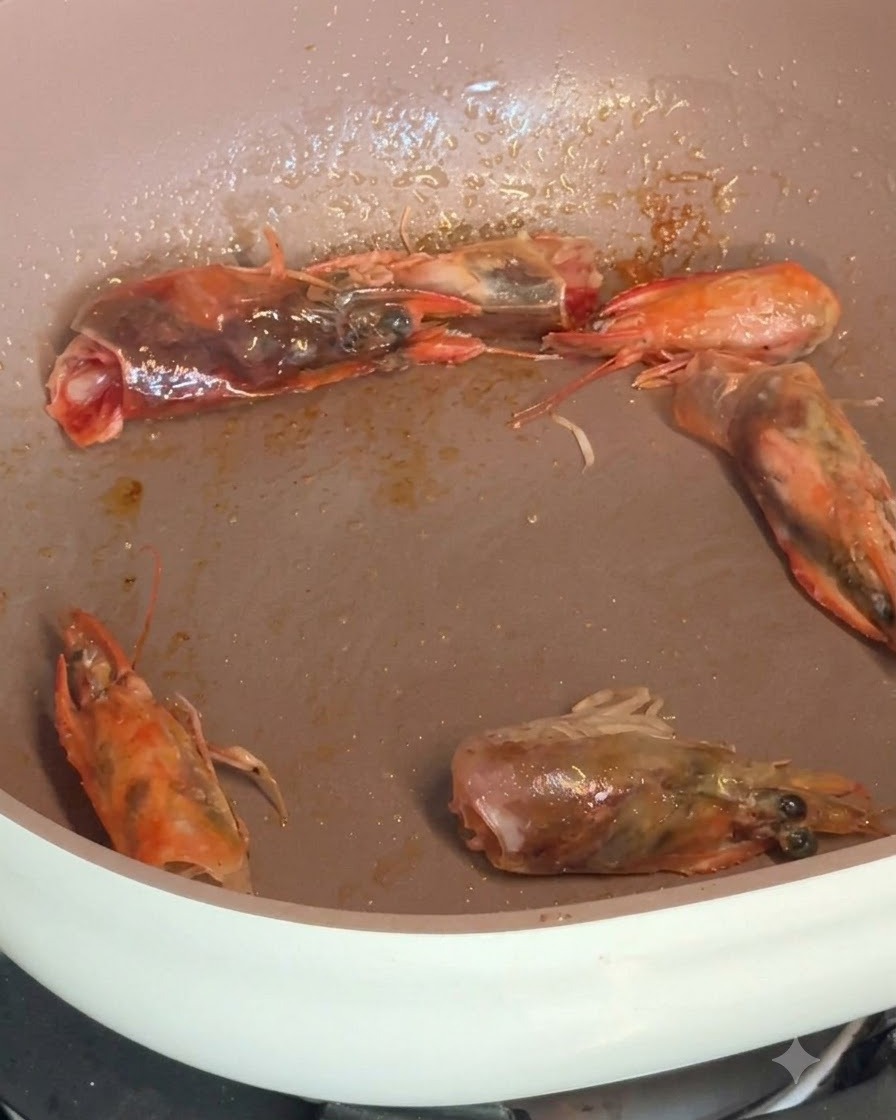
Add peeled shrimp into the pan alongside the shrimp heads, and season them with black pepper and sea salt.
Tip: Cook until both sides of the shrimp change color, then remove them so they stay tender. - 13Remove Cooked Shrimp
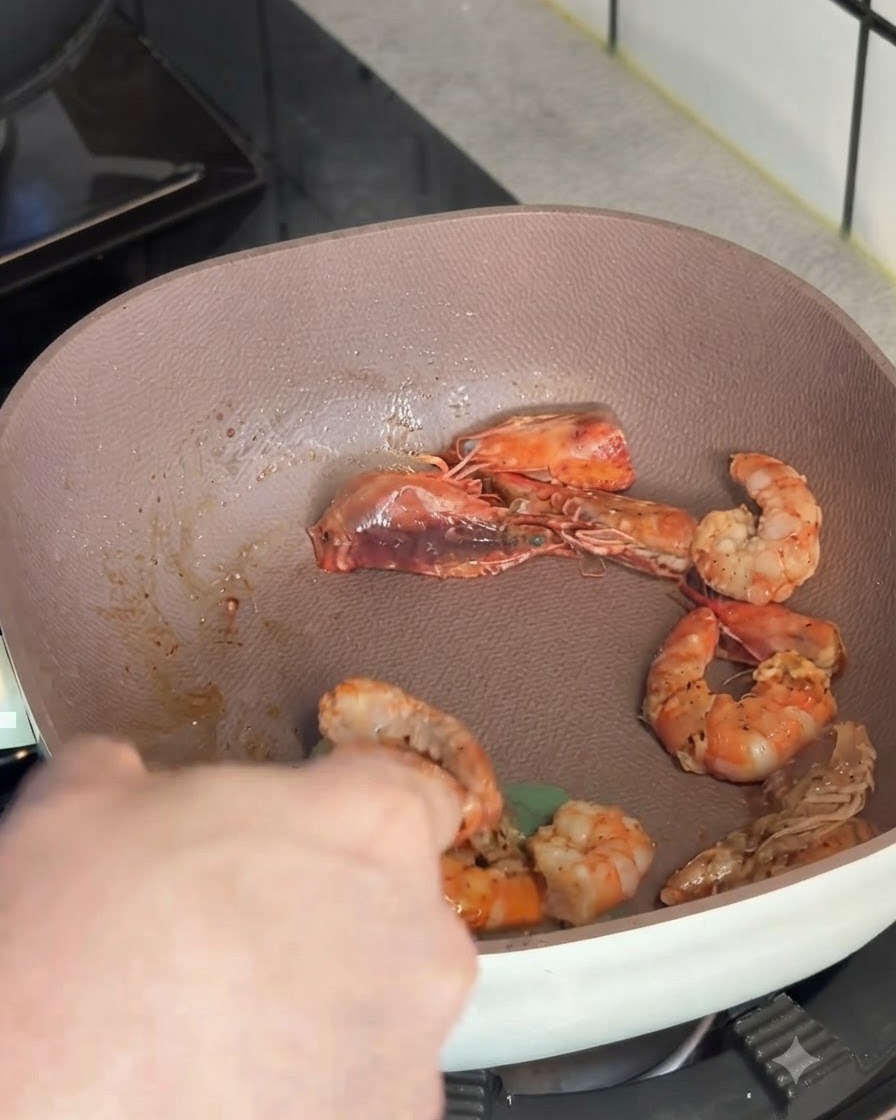
Once both sides of the shrimp turn a vibrant pink color, remove them from the pan and set them aside on a clean plate for later use.
Tip: Do not overcook the shrimp so they stay tender and juicy.