Traditional Roman Carbonara Pasta
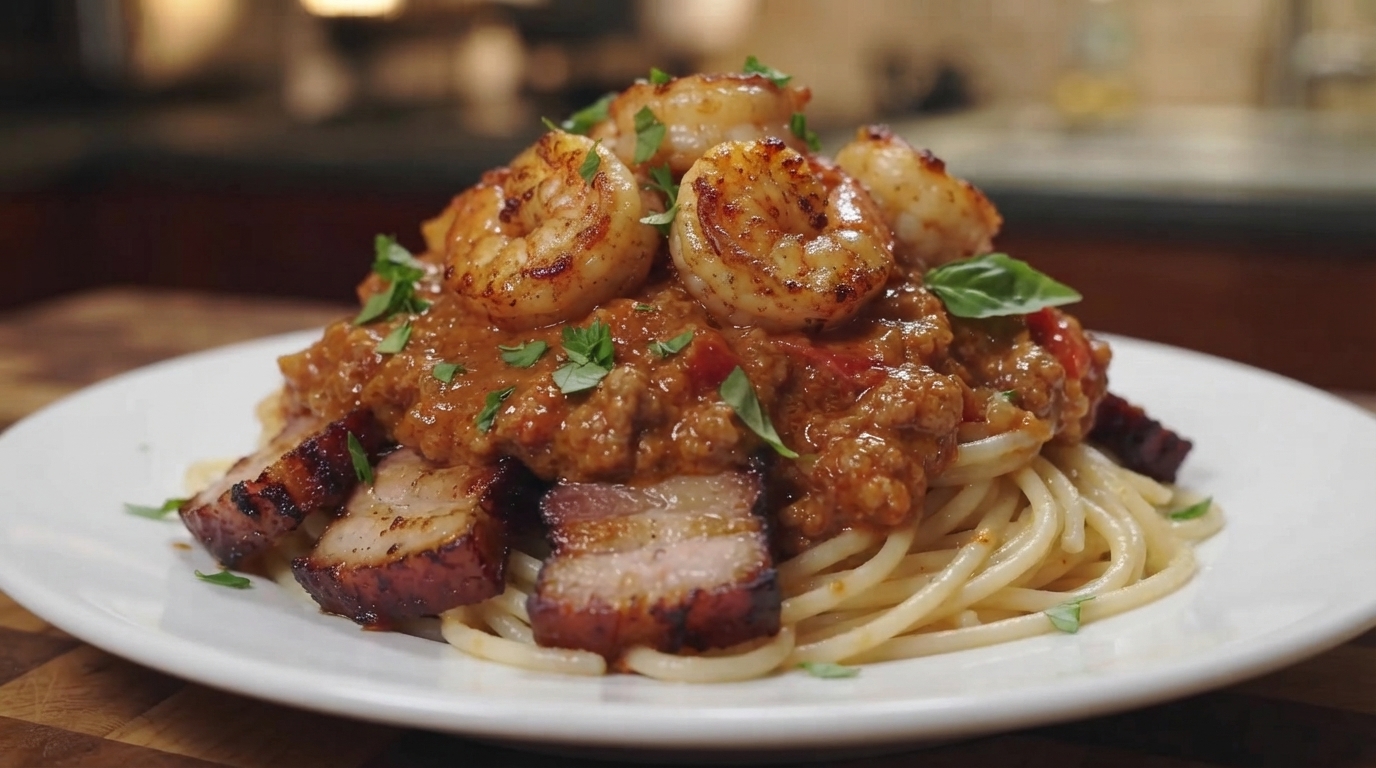
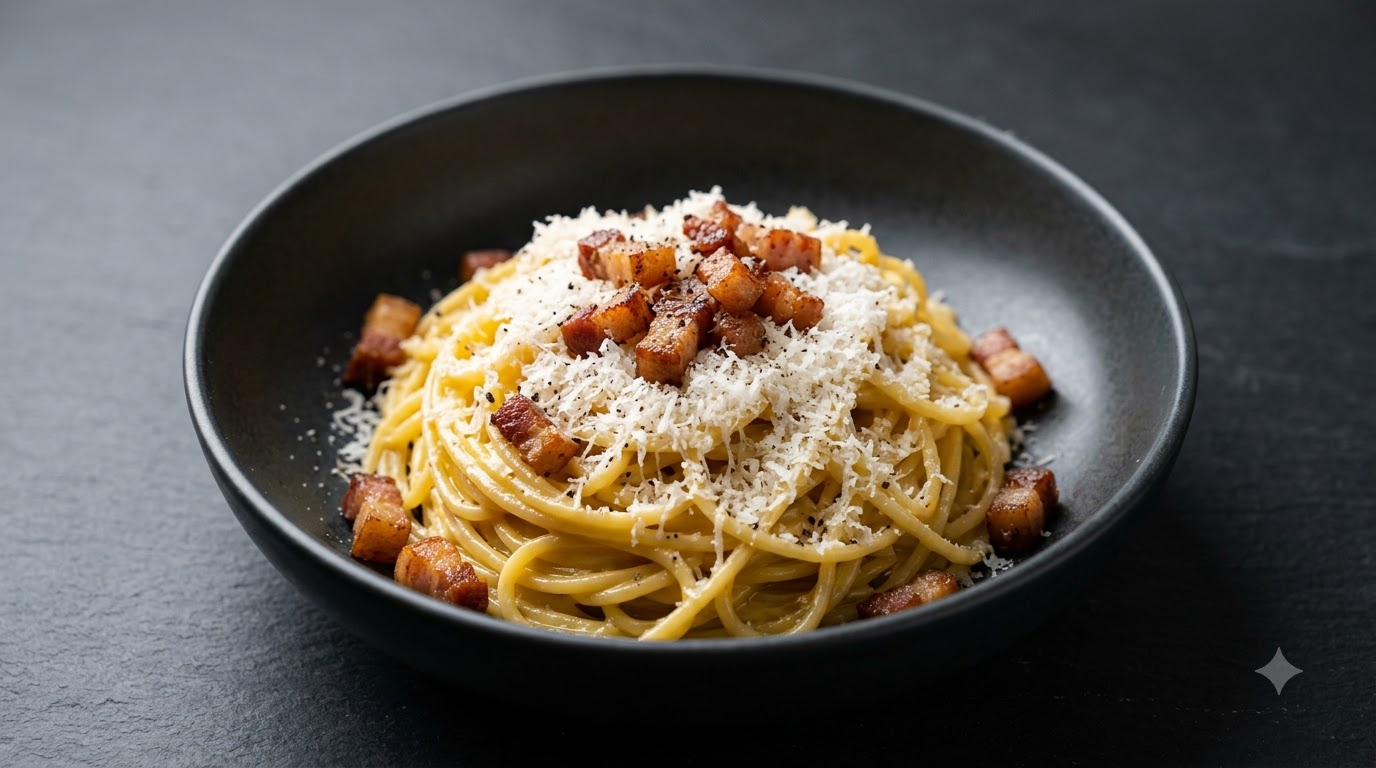
An authentic Roman carbonara made with zero cream, relying entirely on guanciale, egg yolks, and pecorino or parmigiano cheese for its ultra-silky, glossy texture.
Traditional carbonara is a masterclass in minimalist Italian cooking, using only a handful of ingredients to create an intensely flavorful and luxurious dish. By eschewing heavy cream entirely, the sauce relies on the emulsion of rendered pork fat, starchy pasta water, and fresh eggs and cheese. Using cured pork cheek, or guanciale, provides a depth of savory, smoky richness that standard bacon simply cannot replicate.
Ingredients
- 200 g spaghetti
- 100 g guanciale
- 1 egg yolk
- 50 g Parmigiano-Reggiano cheese
- to taste black pepper
- to taste salt
Instructions
- 1Place egg yolk into a measuring cup
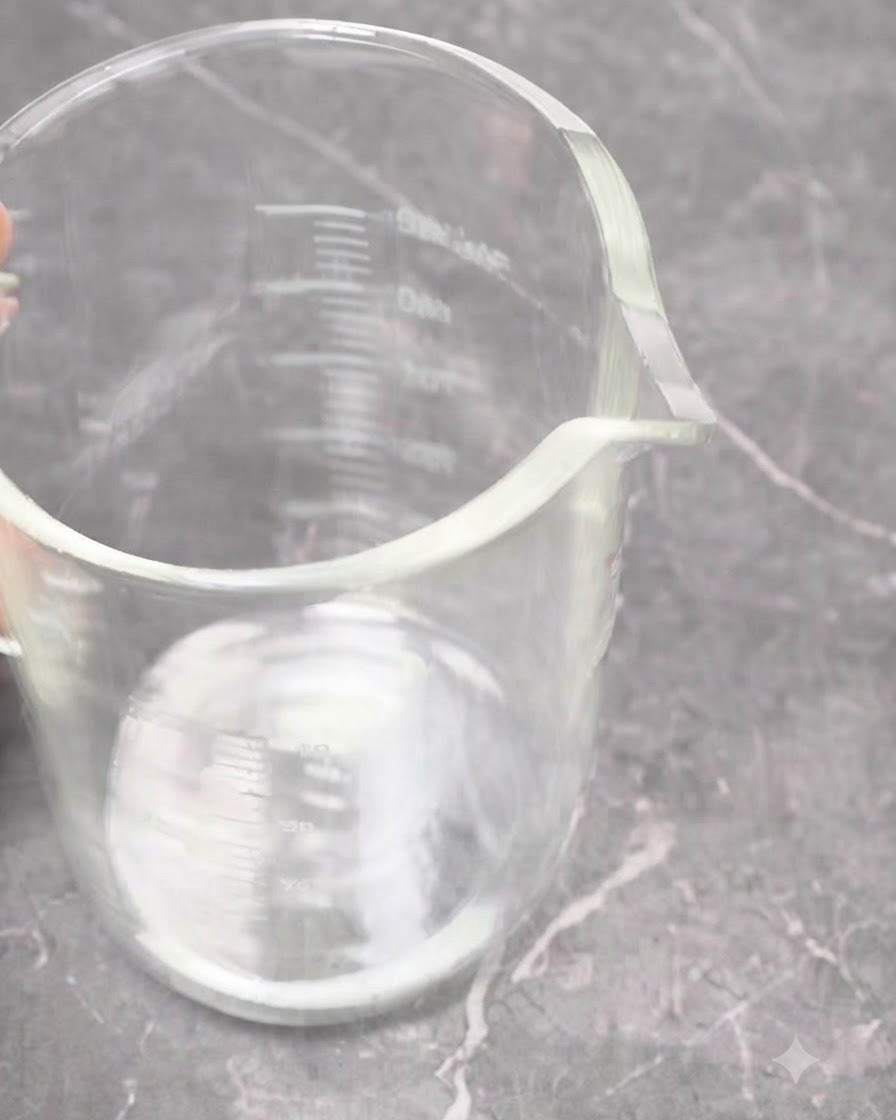
Carefully separate the egg yolk from the white and place the yolk into a clear glass measuring cup to begin preparing the rich carbonara sauce base.
Tip: Make sure no egg white gets mixed in with the yolk to achieve the ideal smooth sauce consistency. - 2Grate Parmigiano-Reggiano cheese over the yolk
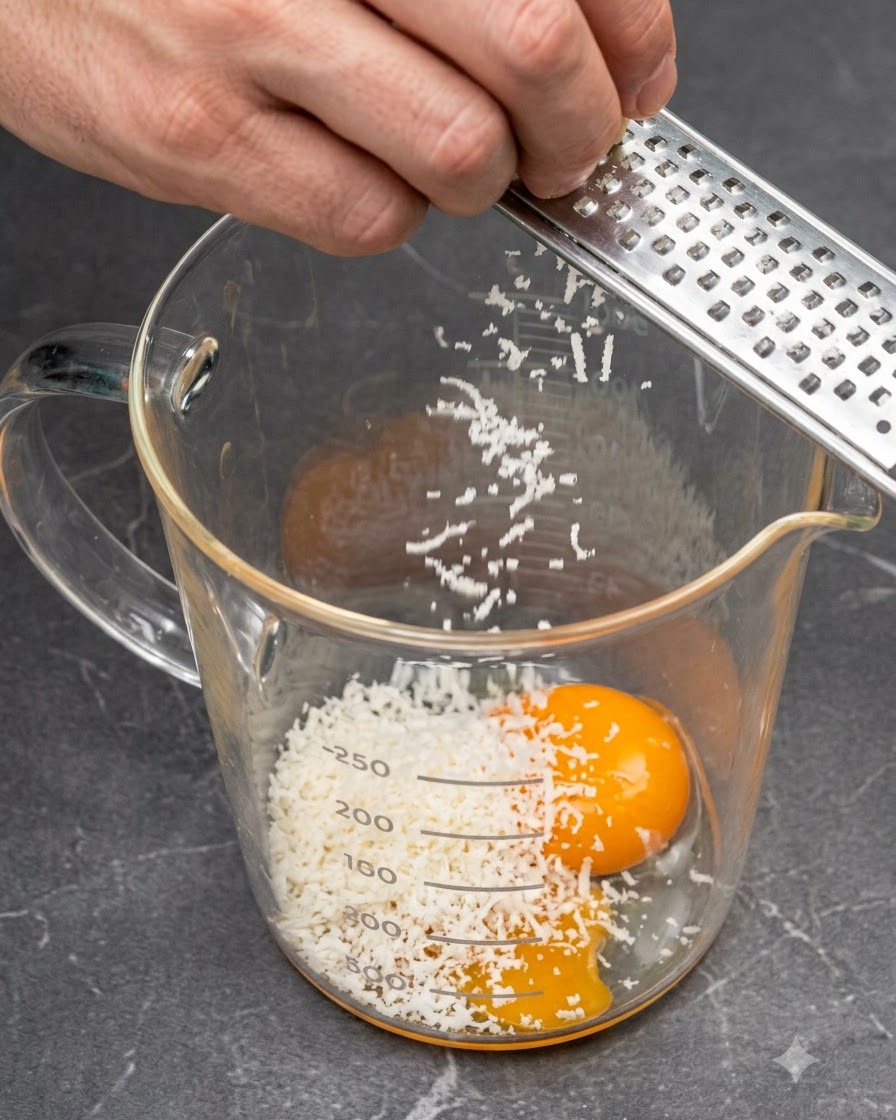
Take a handheld grater and freshly grate a generous amount of Parmigiano-Reggiano cheese directly on top of the egg yolk inside the measuring cup.
Tip: Freshly grated cheese melts much better and provides a deeper, richer flavor than pre-shredded varieties. - 3Whisk into a smooth egg and cheese sauce
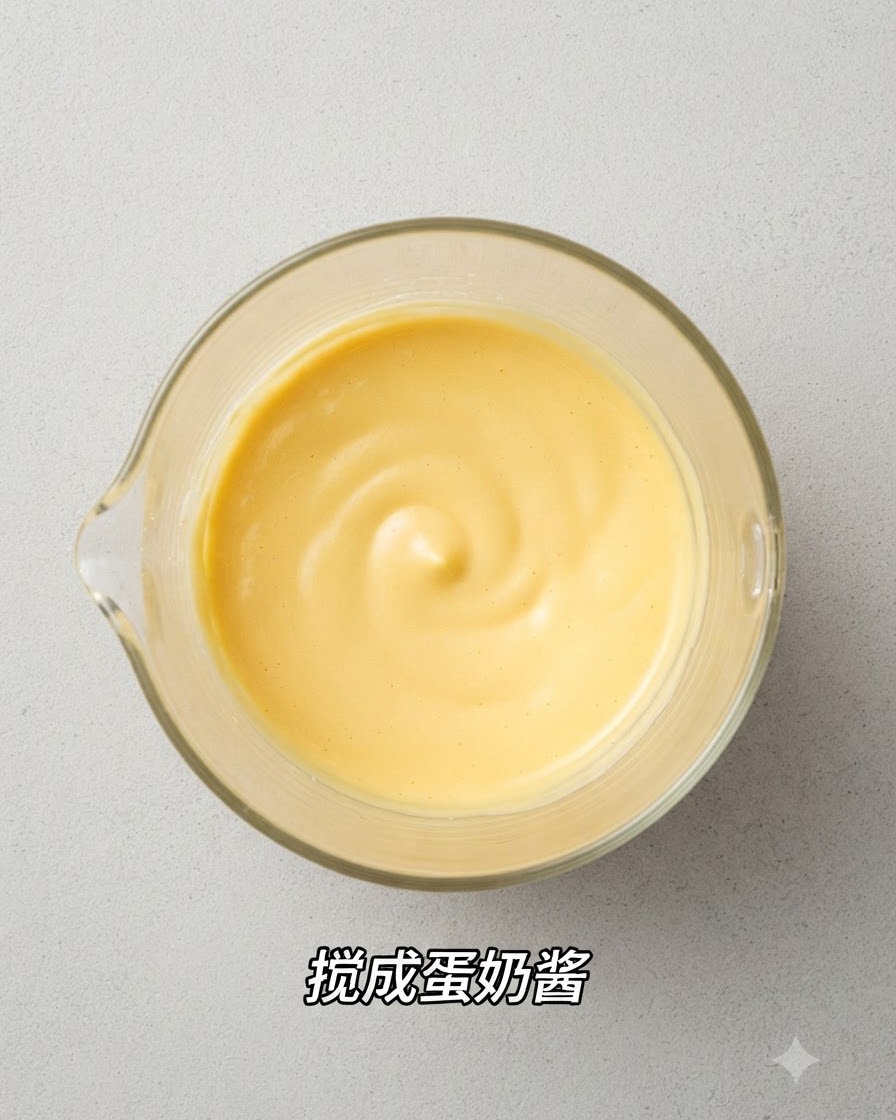
Thoroughly whisk the egg yolk and freshly grated cheese together until they blend completely into a thick, smooth, and uniform paste.
Tip: If the mixture is too thick, you can add a tiny splash of warm pasta water later to loosen it up. - 4Boil the spaghetti
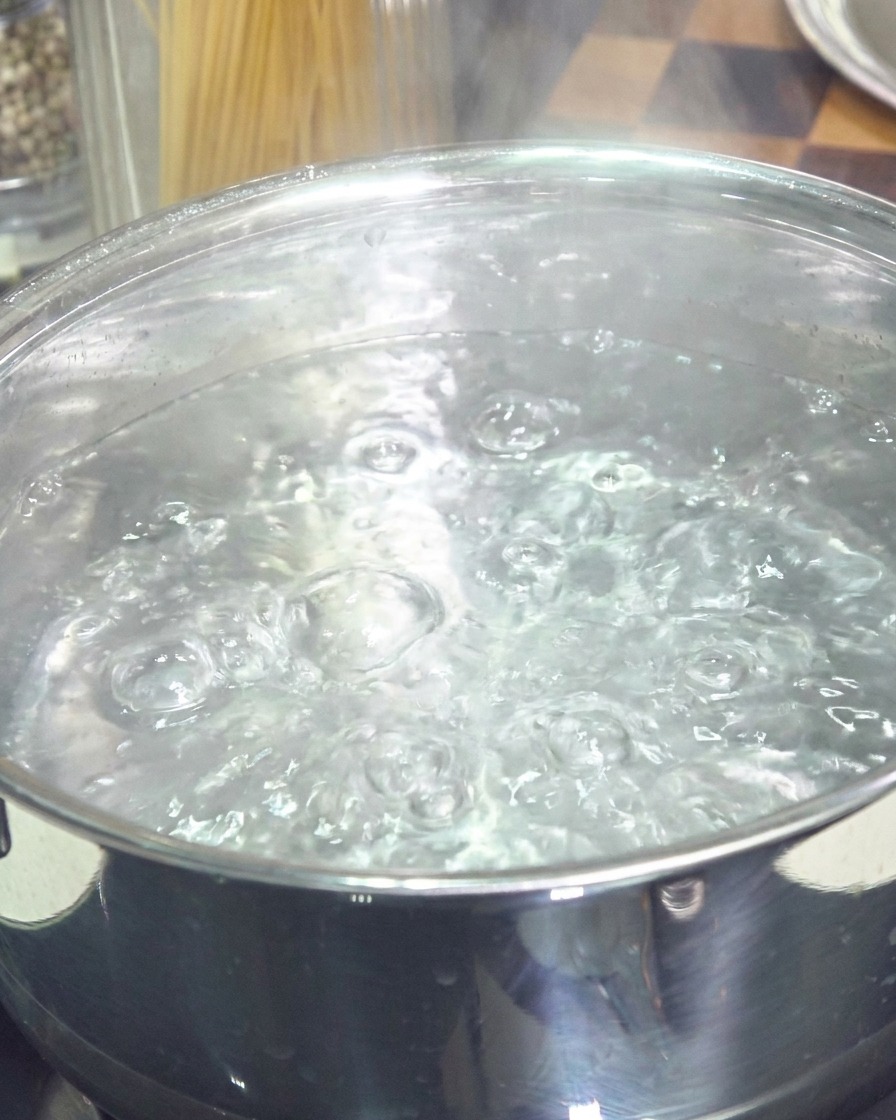
Bring a pot of water to a rolling boil, add salt and a touch of olive oil, then drop in a handful of spaghetti to cook for about 9 minutes.
Tip: Salting the boiling water adequately is crucial because it seasons the pasta from the inside out. - 5Prepare the pan for guanciale
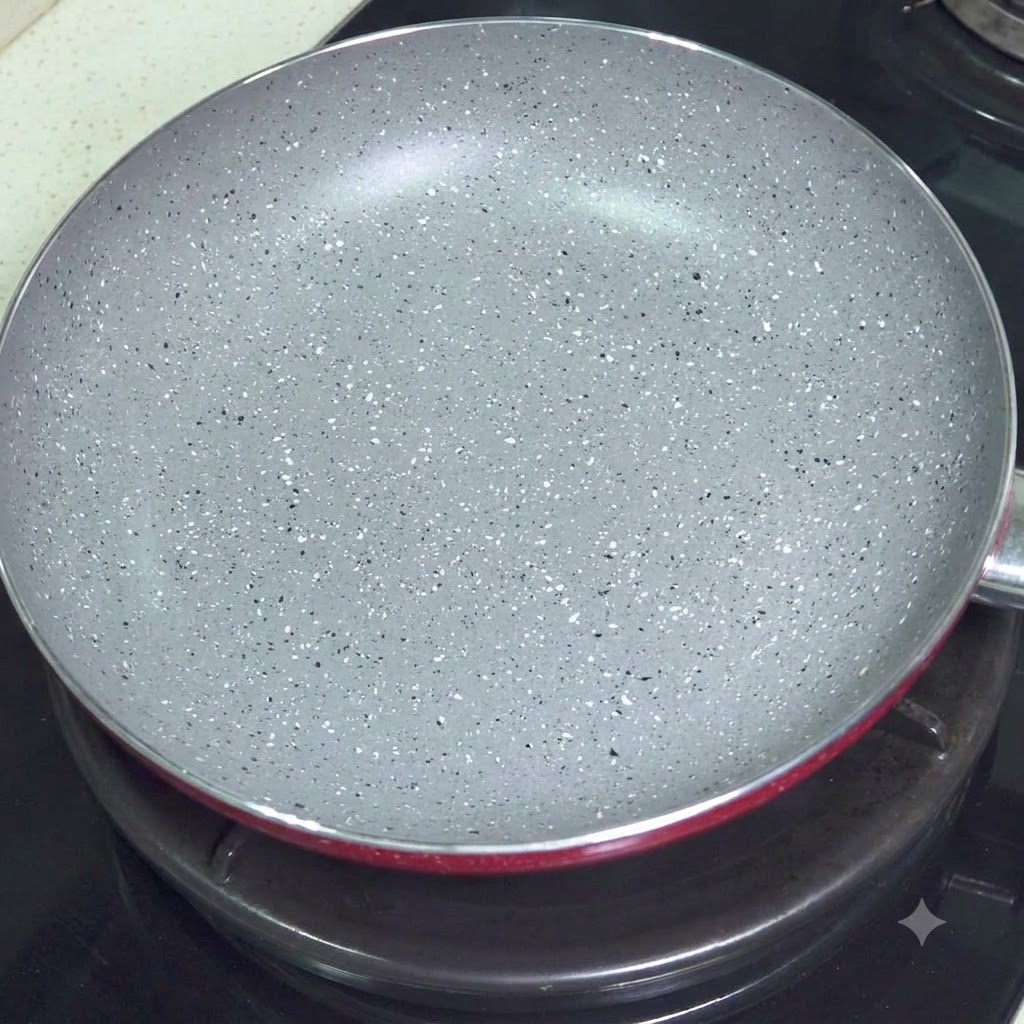
Place a non-stick frying pan onto the stove over heat without adding any cooking oil, getting it ready to render the cured pork cheek.
Tip: Guanciale releases plenty of its own natural fats, so adding extra oil is completely unnecessary. - 6Fry the guanciale until crispy
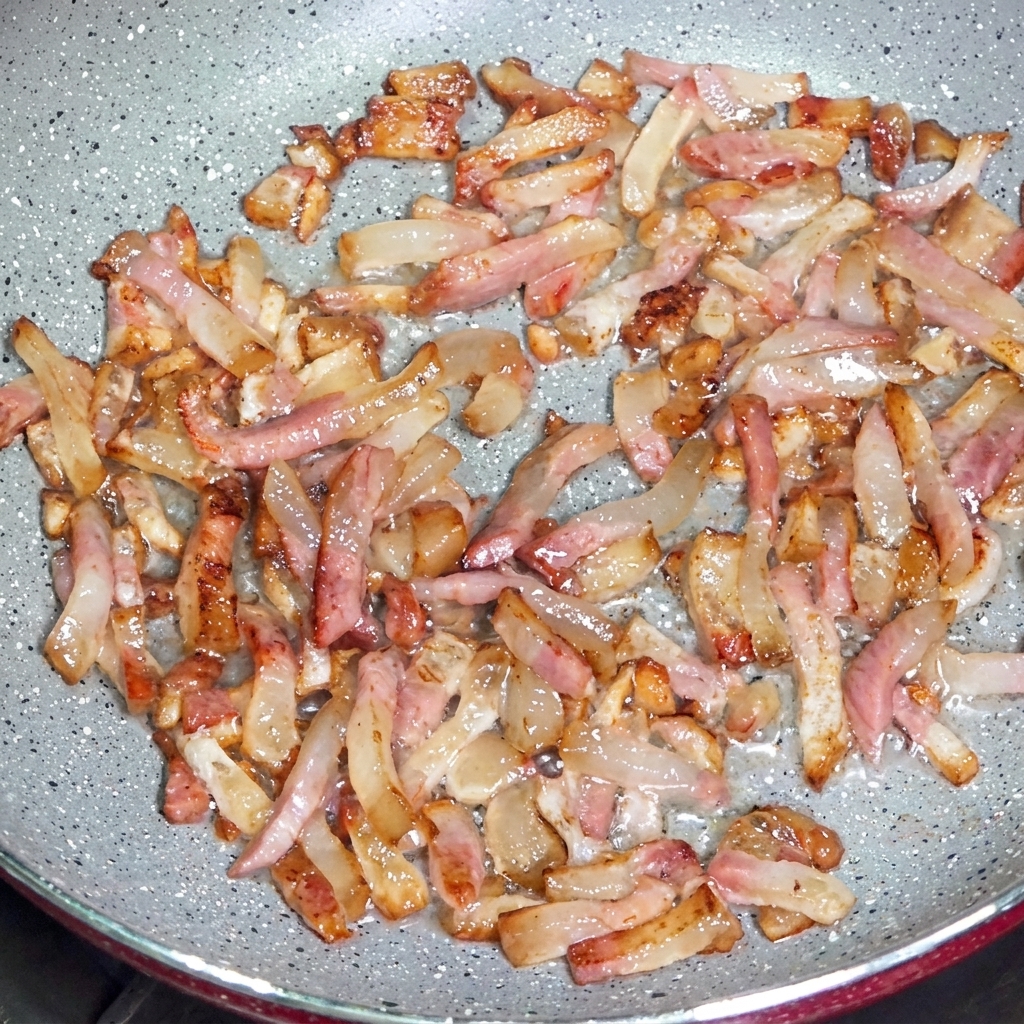
Add the sliced guanciale directly into the dry pan and fry them over medium heat, allowing their natural fats to render out until the edges turn golden and crispy.
Tip: Keep an eye on the heat so the fat renders slowly without burning the edges of the meat. - 7Add cooked spaghetti to the pan
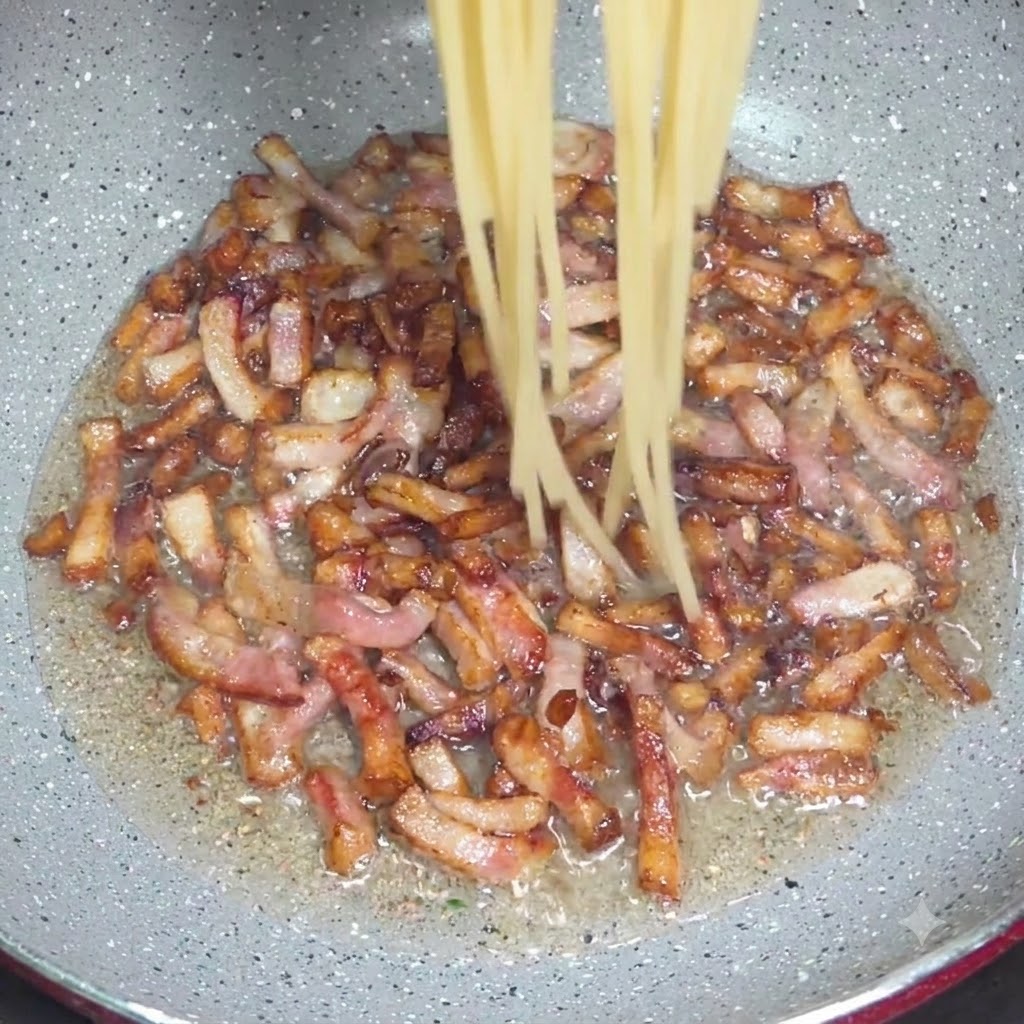
Transfer the cooked spaghetti directly into the pan containing the fried guanciale and its rendered fats.
Tip: Add the pasta straight from the boiling water so it carries enough moisture and starch to help form the sauce. - 8Add Pasta Water and Toss
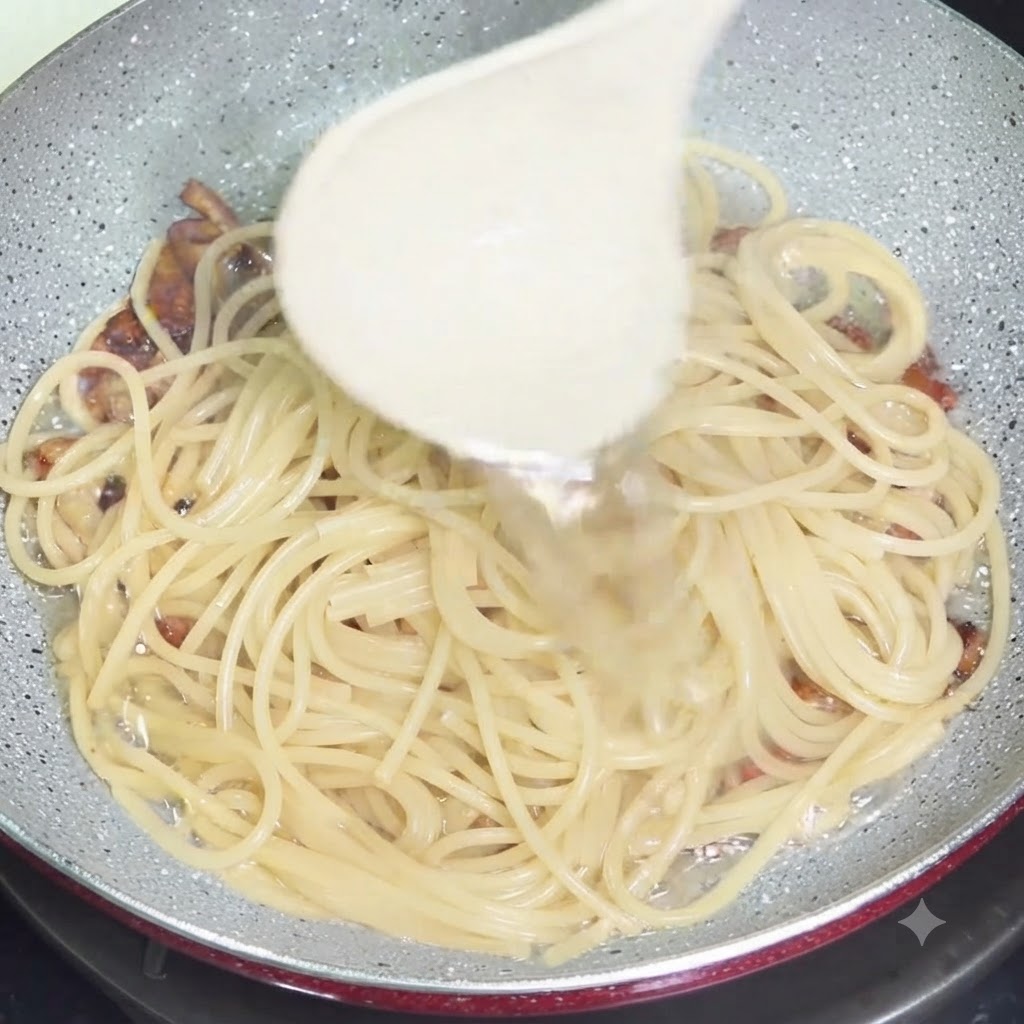
Ladling a spoonful or two of starchy pasta water directly into the pan helps create a cohesive emulsion with the rendered pork fat. Toss the noodles vigorously so they absorb the flavorful liquid and begin forming a glossy sauce base.
Tip: Always save a cup of pasta water before draining; the starch is the secret to a creamy sauce without adding cream. - 9Season with pepper and egg mixture
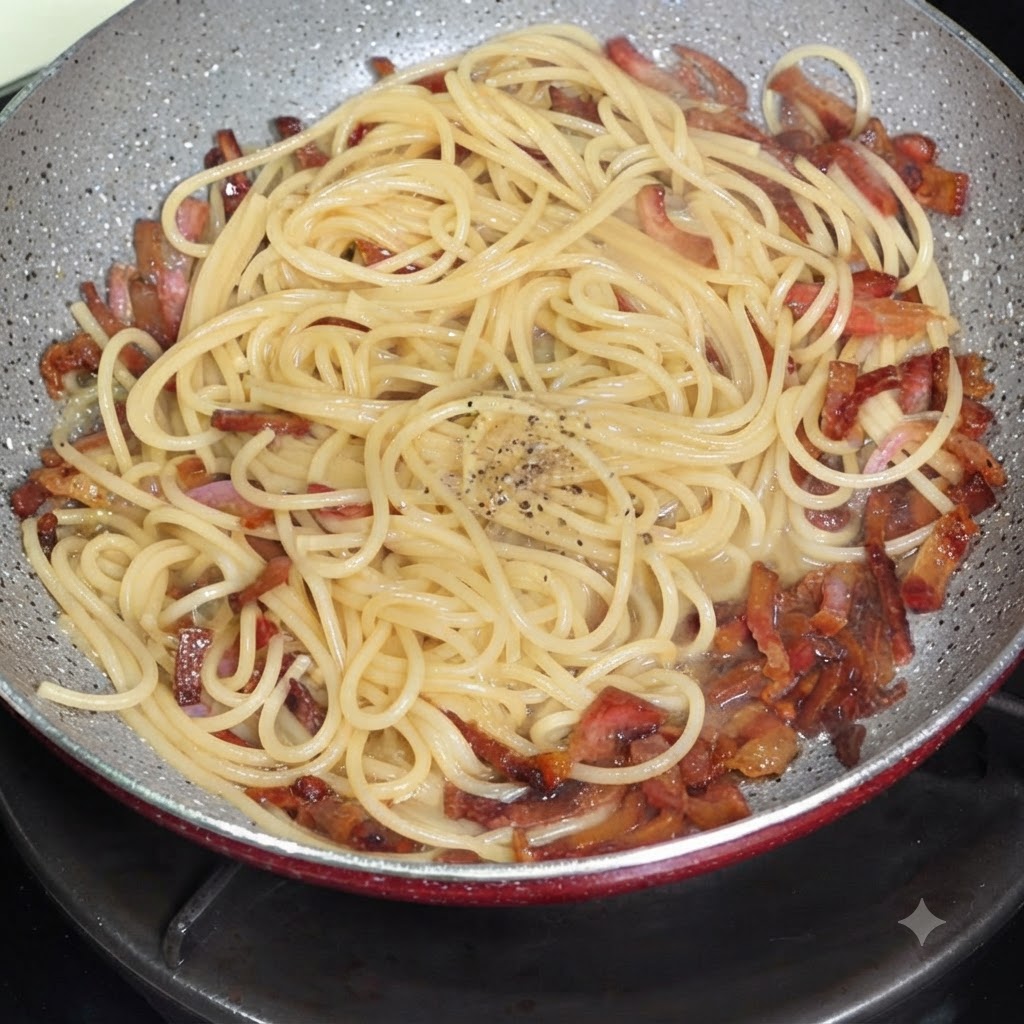
Sprinkle freshly cracked black pepper and pour the prepared egg-yolk and cheese sauce over the pasta.
Tip: Make sure the heat is turned off before adding the egg mixture to prevent curdling. - 10Mix off the heat
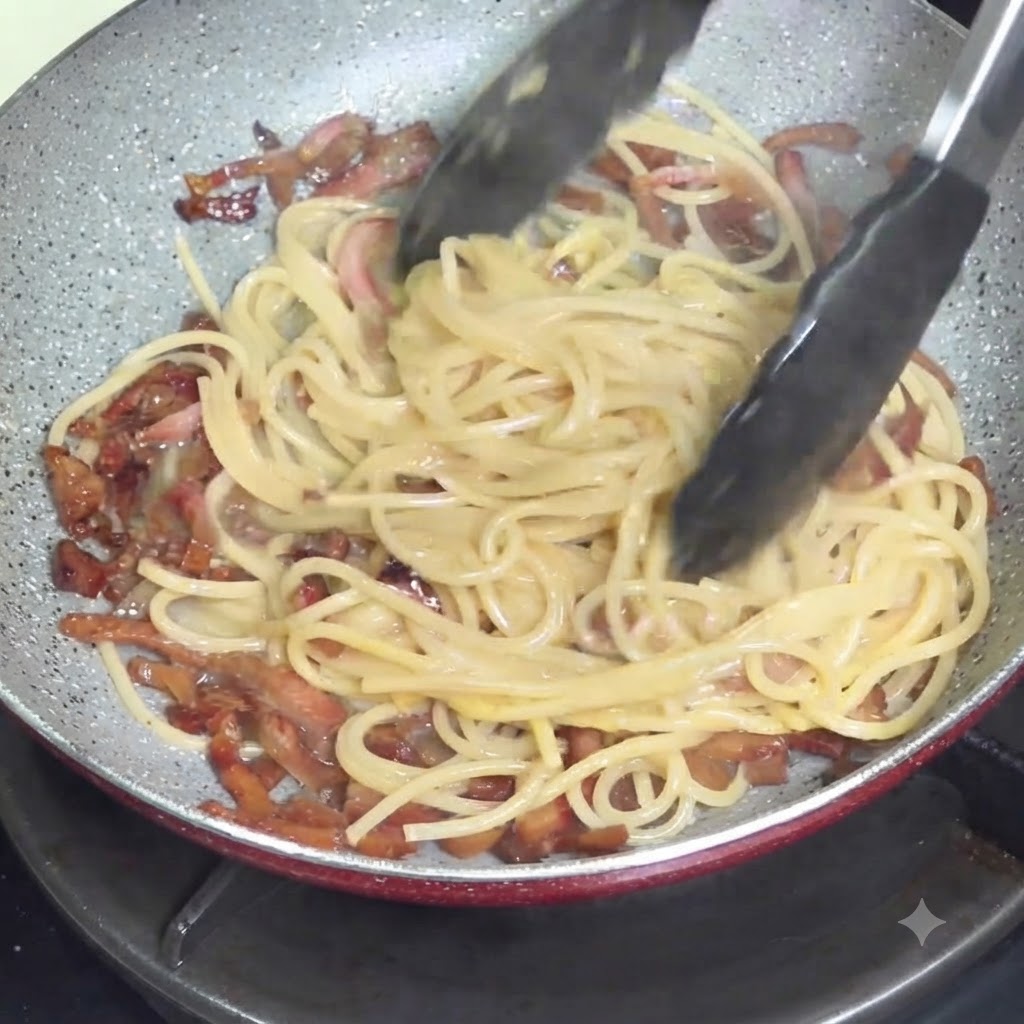
Toss and mix the pasta thoroughly off the heat until the sauce becomes smooth, creamy, and coats every strand.
Tip: Constant tossing off the heat ensures the eggs thicken into a silky sauce rather than scrambling.