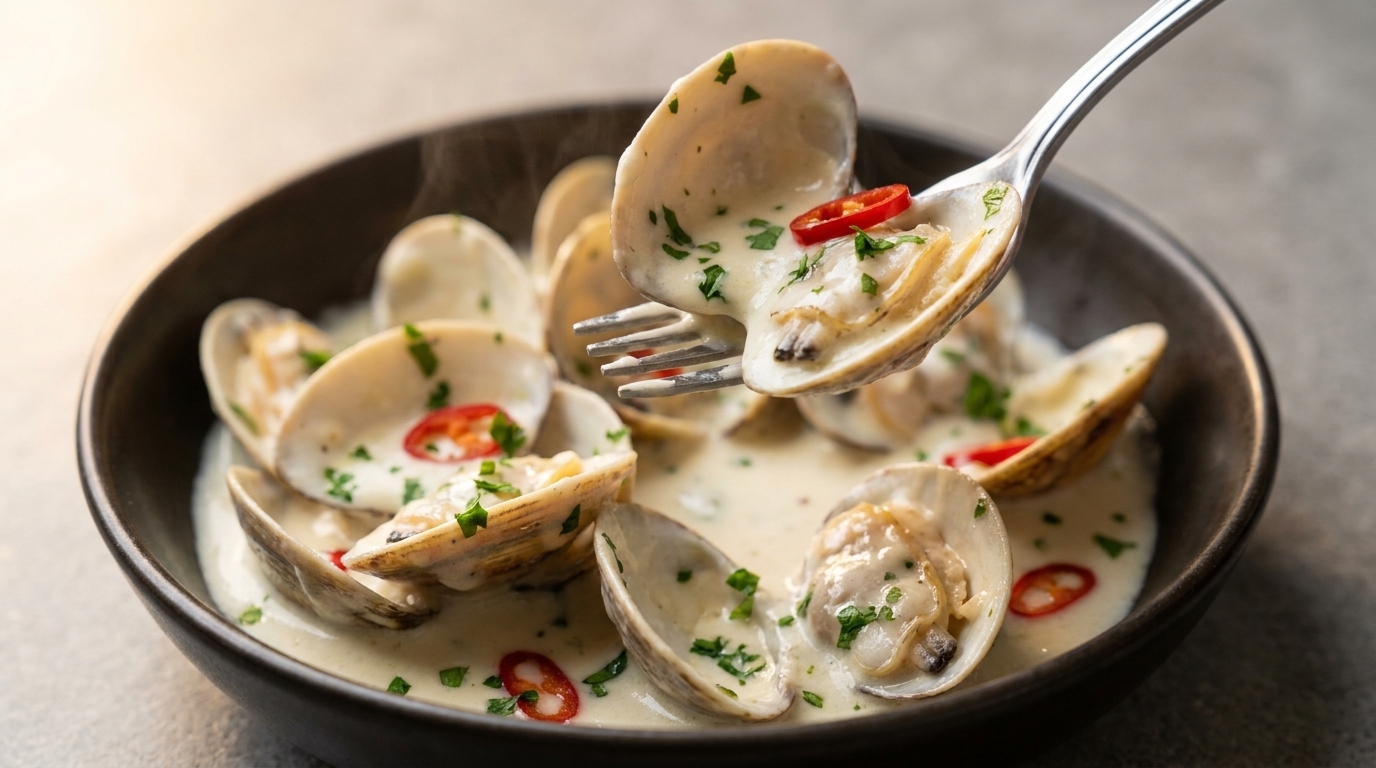
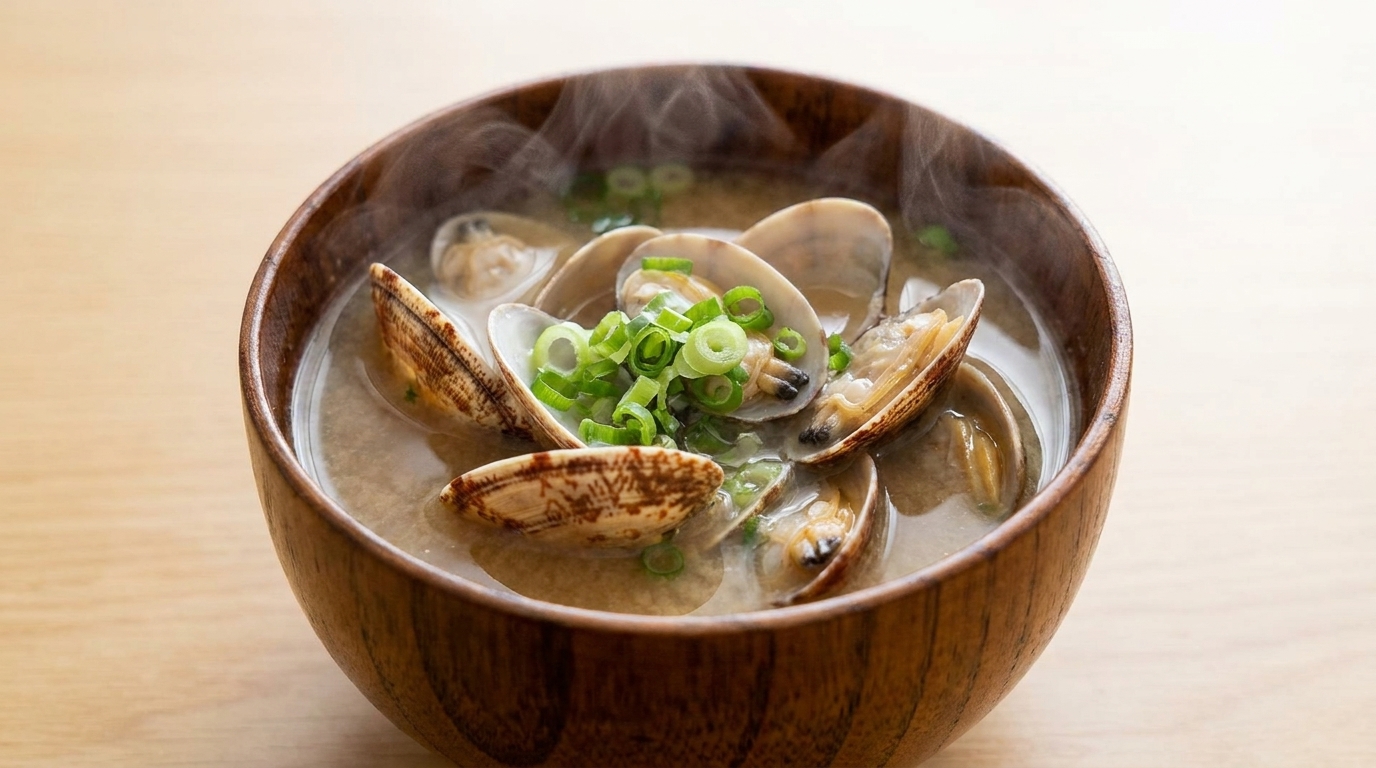
Authentic Japanese Clam Miso Soup (Asari Miso Soup)
A comforting Japanese classic featuring tender, sweet asari clams simmered in a deeply umami dashi broth and enriched with savory miso paste.
Asari Miso Soup (Clam Miso Soup) is a beloved staple of Japanese home cooking and Izakaya culture. The natural briny sweetness released by the clams perfectly complements the deep earthy flavors of fermented miso paste. Grounded in a scratch-made awase dashi baseline, this soothing dish is often enjoyed to warm the stomach and bring a peaceful end to a busy day.
Ingredients
- 1 piece dried kelp (kombu)
- 1 handful bonito flakes (katsuobushi)
- 300 g fresh asari clams (purged)
- 2–3 tbsp miso paste
- to taste chopped green onions
- 4 cups water
Instructions
- 1Soak the kelp
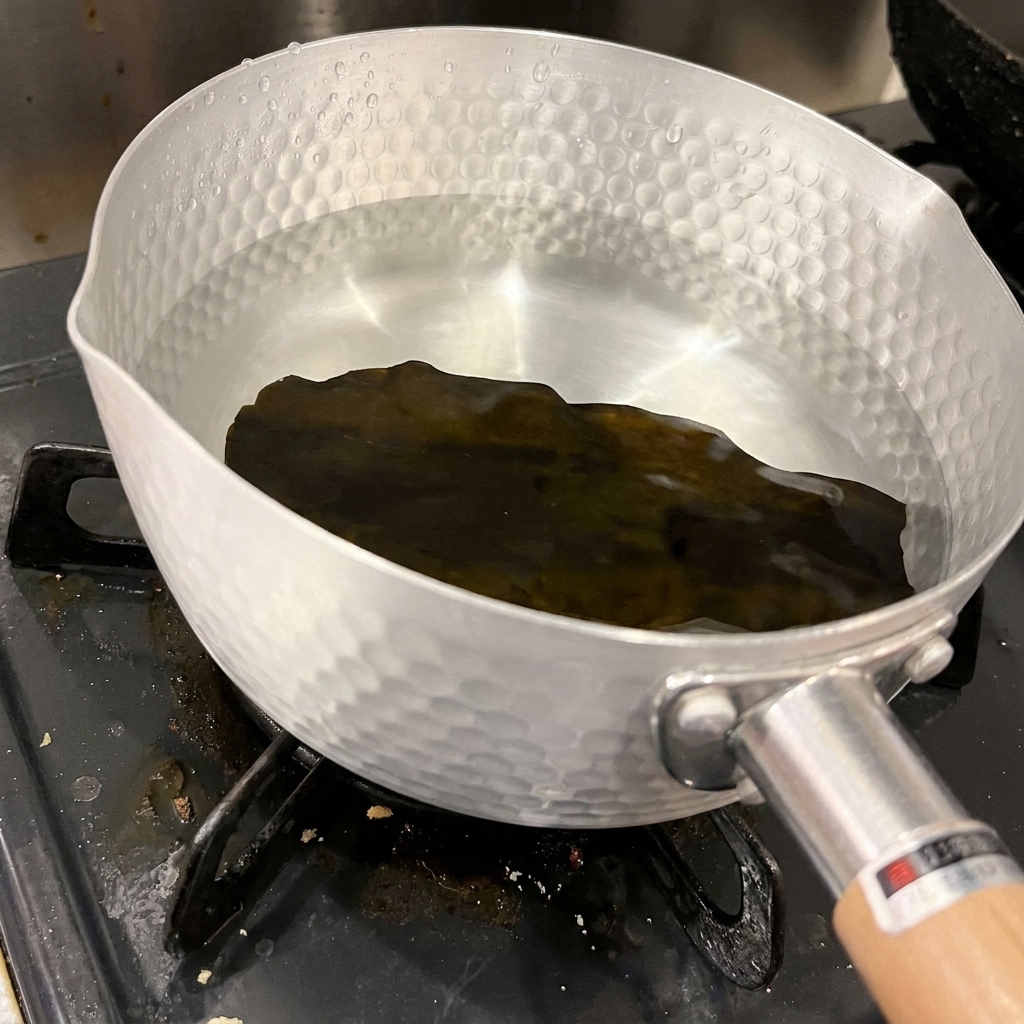
Place a piece of dried kelp into a pot filled with cold water. Allow it to sit briefly before turning on the heat to begin extracting the foundational umami flavors for the dashi broth.
Tip: Always start with cold water to gently draw out the flavors of the kelp without extracting bitter notes. - 2Simmer the kelp
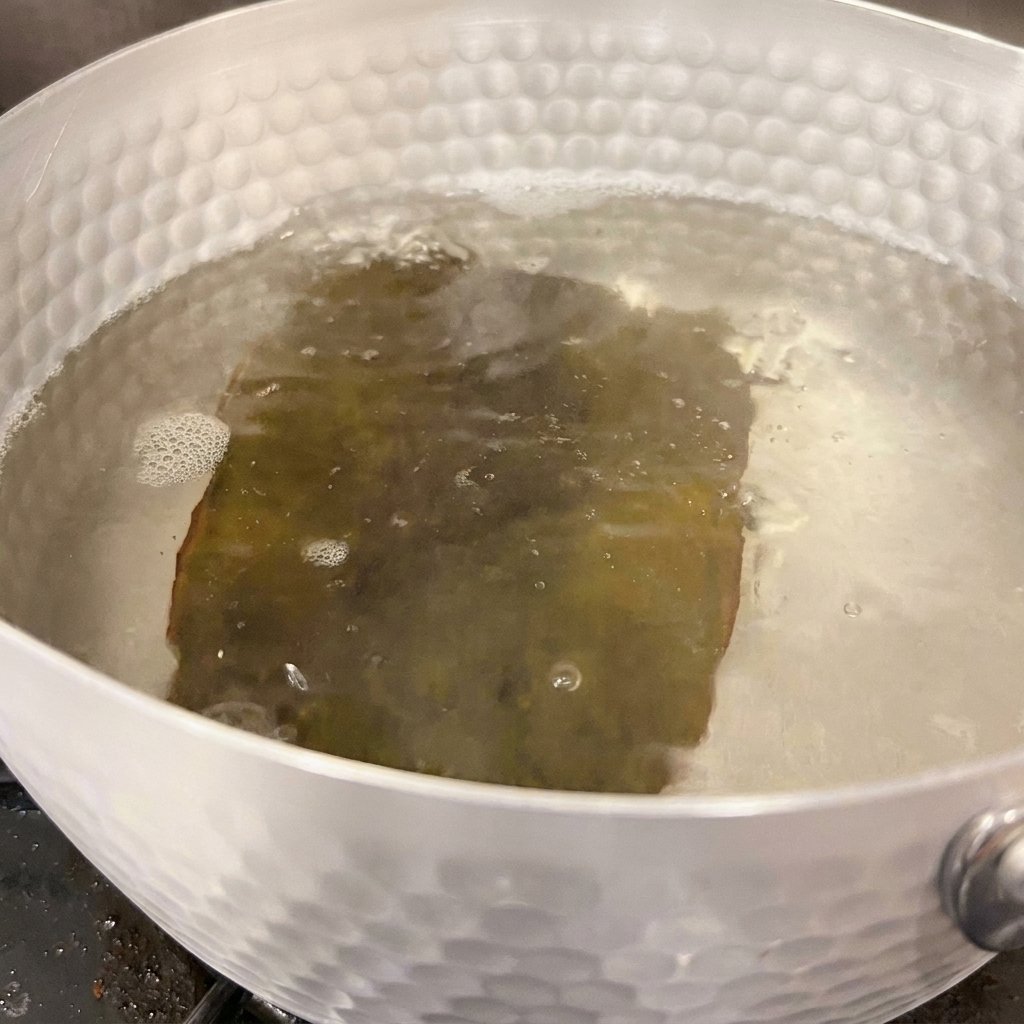
Bring the water to a boil over medium heat. Once it reaches a boil, reduce the heat to low and let the kelp simmer gently for about 5 minutes to fully infuse the water, then remove the kelp from the pot.
Tip: Do not let the kelp boil vigorously for too long, or the broth can become slimy and bitter. - 3Infuse with bonito flakes
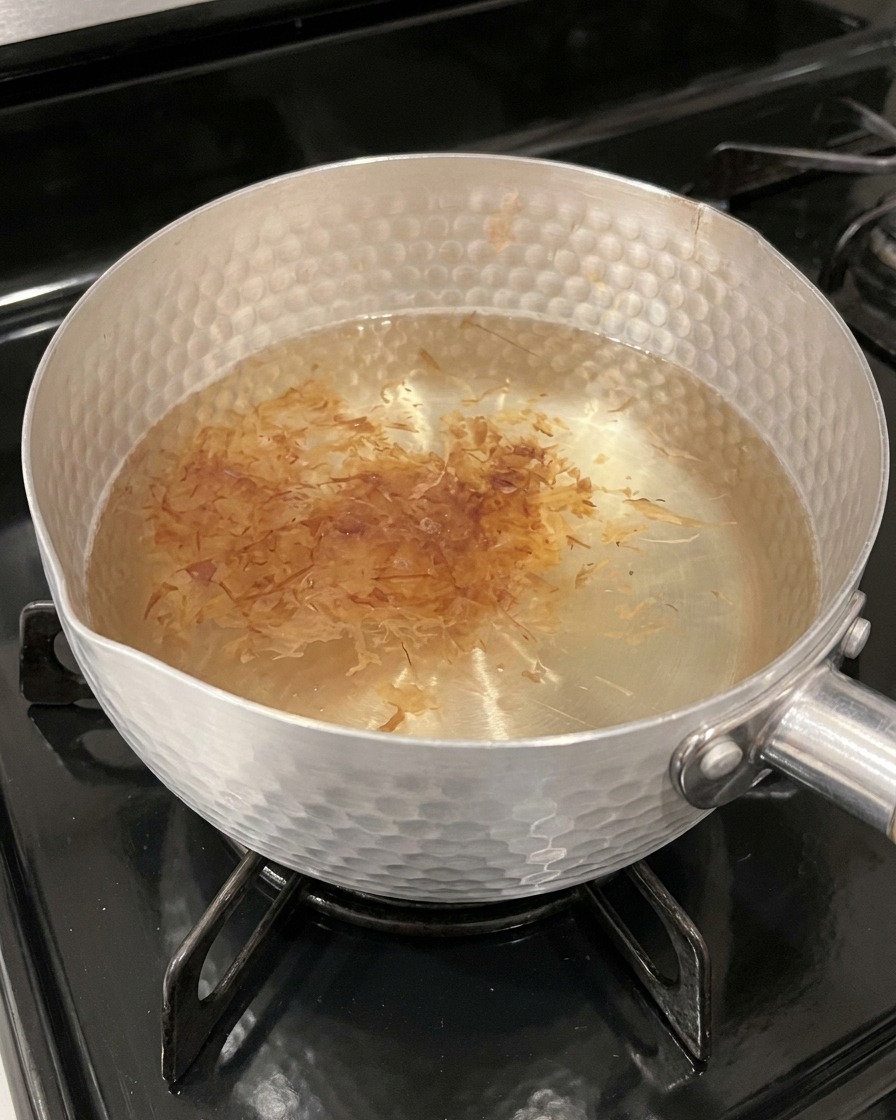
Turn off the heat completely and add a handful of dry bonito flakes directly into the hot kelp broth. Let the flakes steep undisturbed for about 1 minute to layer in a deep, smoky aroma.
Tip: Turning off the heat before adding bonito flakes prevents the broth from turning cloudy and preserves their delicate aroma. - 4Strain the dashi
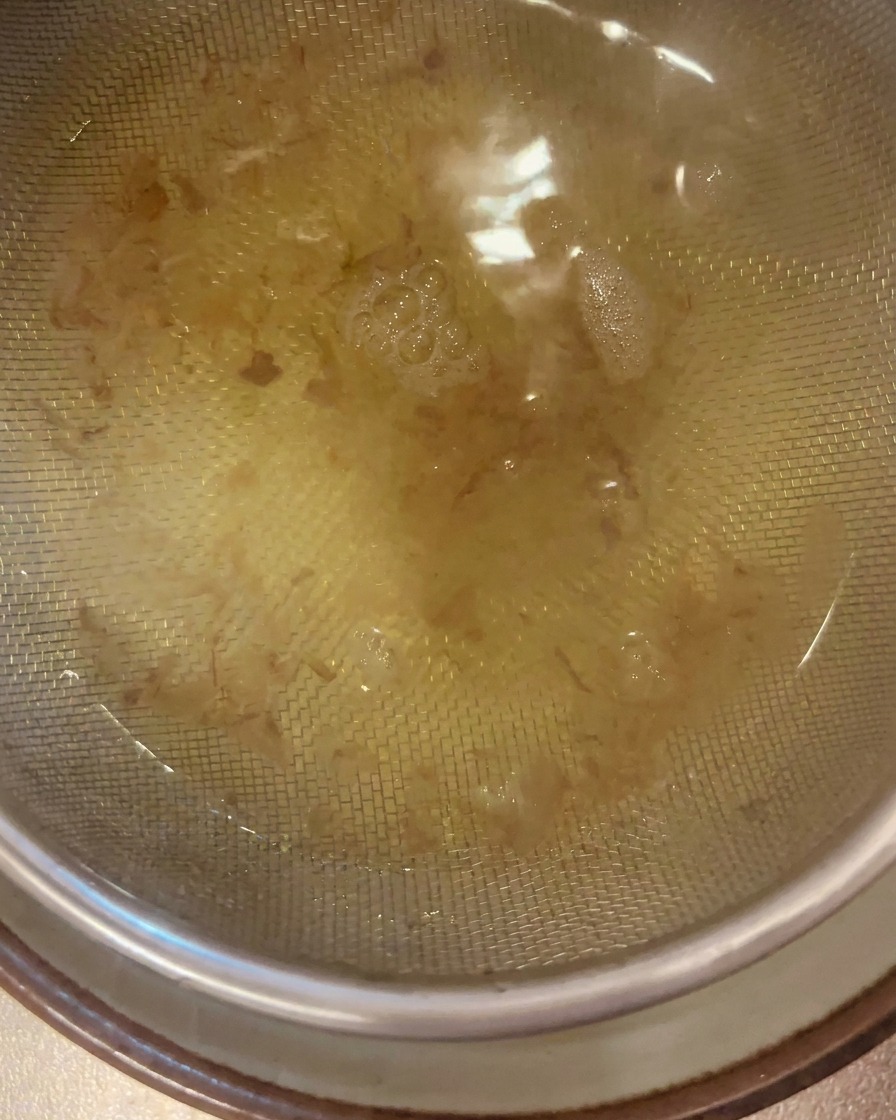
Pour the liquid through a fine wire mesh strainer into a bowl to separate the spent bonito flakes from the broth. This yields a clean, golden, and clear dashi base ready for the soup.
Tip: Let the liquid drain naturally through the strainer; squeezing the flakes can release unwanted bitterness into your dashi. - 5Add the clams
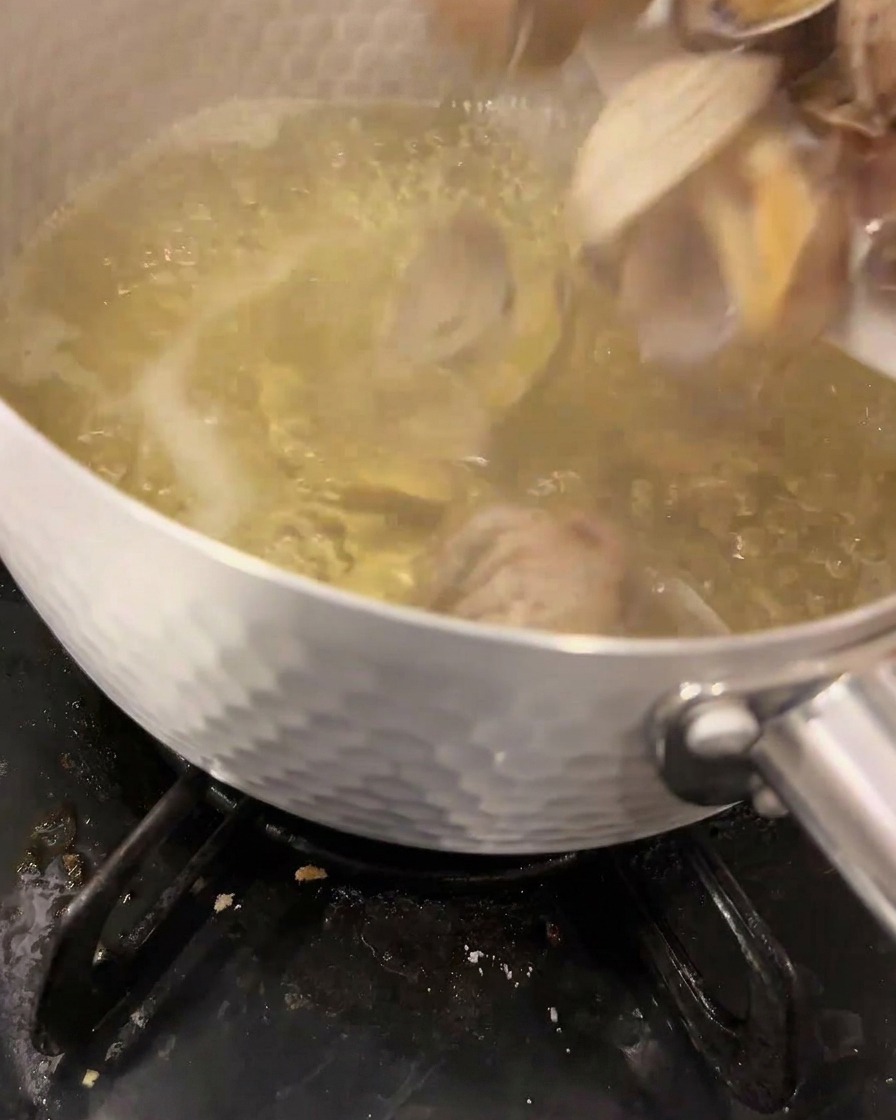
Bring the clear dashi broth back to a boil in the pot. Carefully add the pre-purged, raw clams directly into the bubbling liquid, allowing them to cook until their shells open up.
Tip: Make sure your clams are thoroughly purged of sand beforehand so they do not ruin the clarity of your broth. - 6Dissolve the miso paste
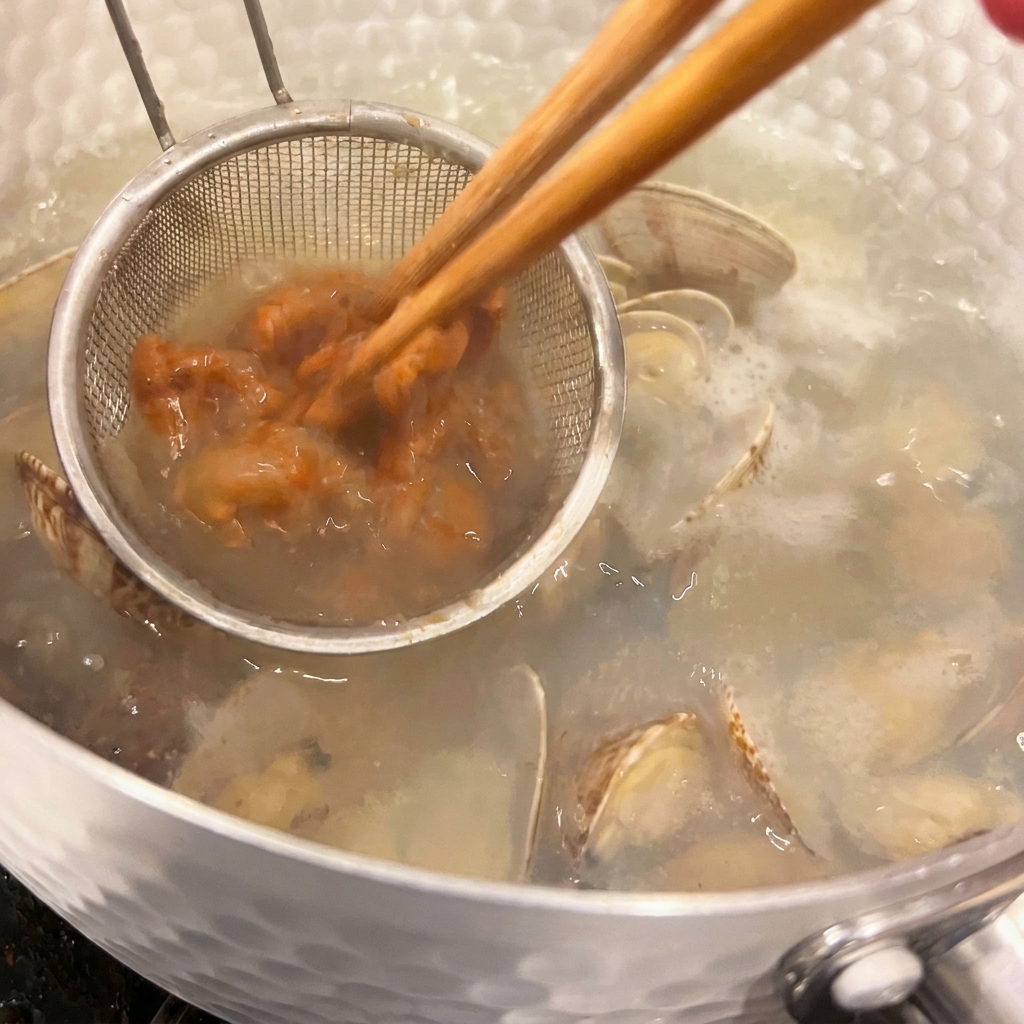
Place the brown miso paste into a small mesh strainer submerged slightly in the hot soup. Use wooden chopsticks to gently stir and dissolve the paste completely into the broth, ensuring a smooth texture without any clumps.
Tip: Dissolving miso through a strainer prevents unblended chunks from settling at the bottom of your soup bowls. - 7Add green onions and serve
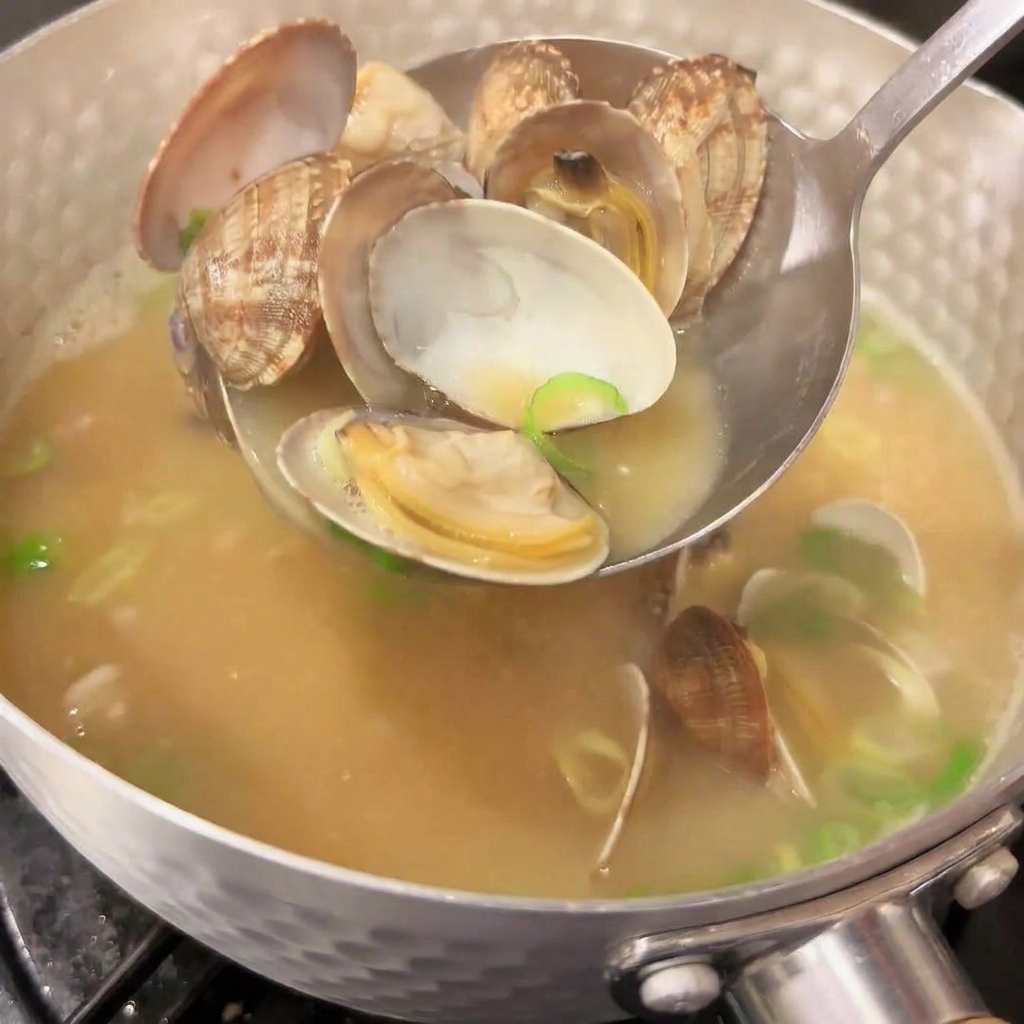
Bring the soup back to a rolling boil, ensuring the clams have opened up completely, and ensure the miso paste is fully dissolved. Toss in a handful of freshly chopped green onions, stirring gently to distribute them through the flavorful broth right before serving.
Tip: Be careful not to boil the soup for too long after adding the miso paste, as excessive boiling can diminish its aromatic profile and delicate flavor.