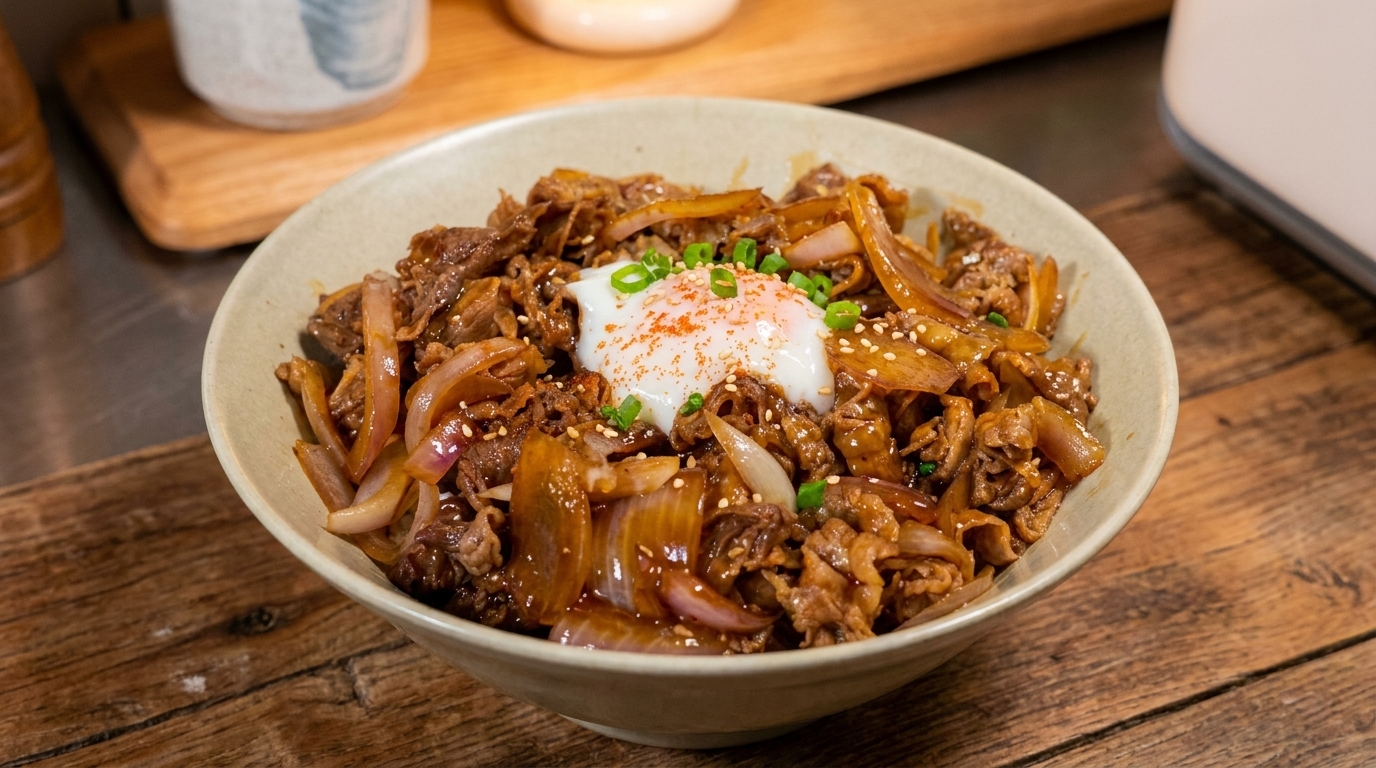
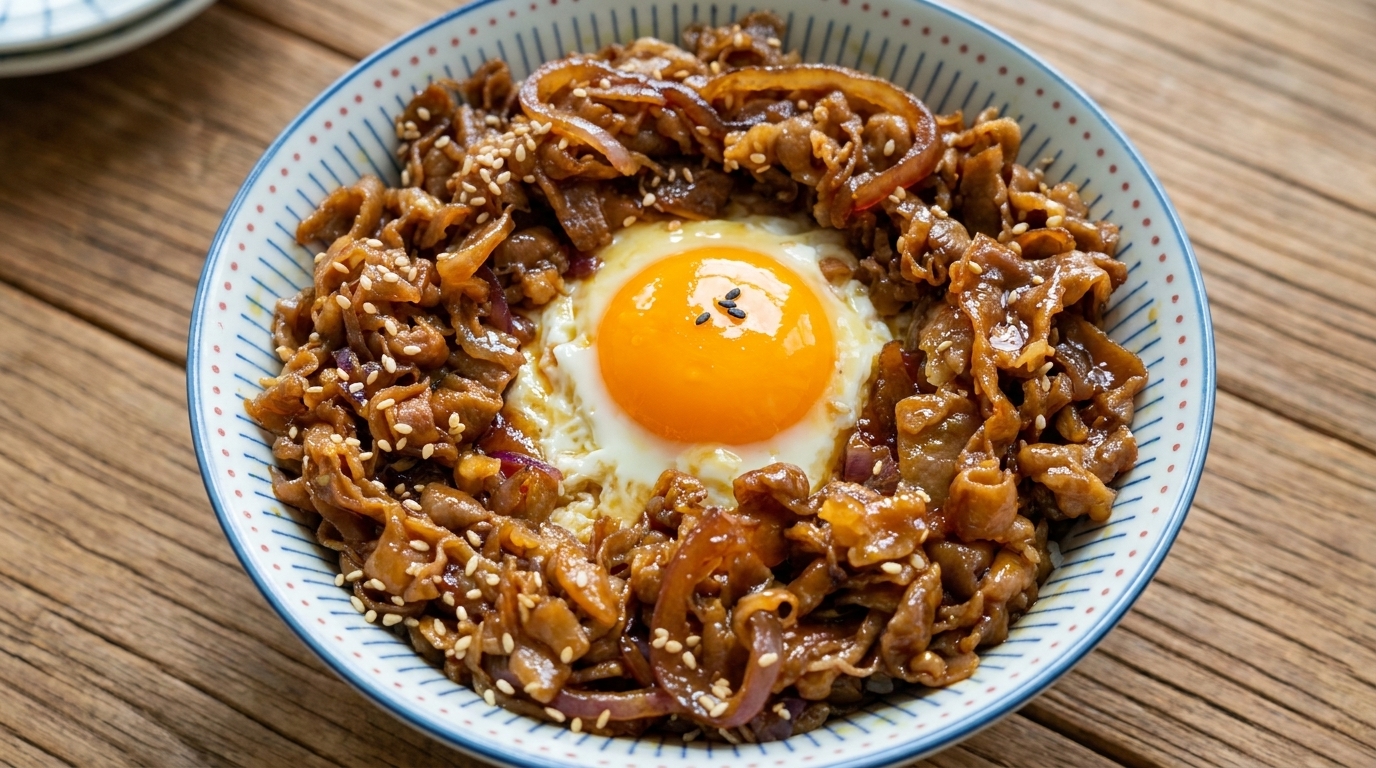
Japanese Beef Bowl (Gyudon)
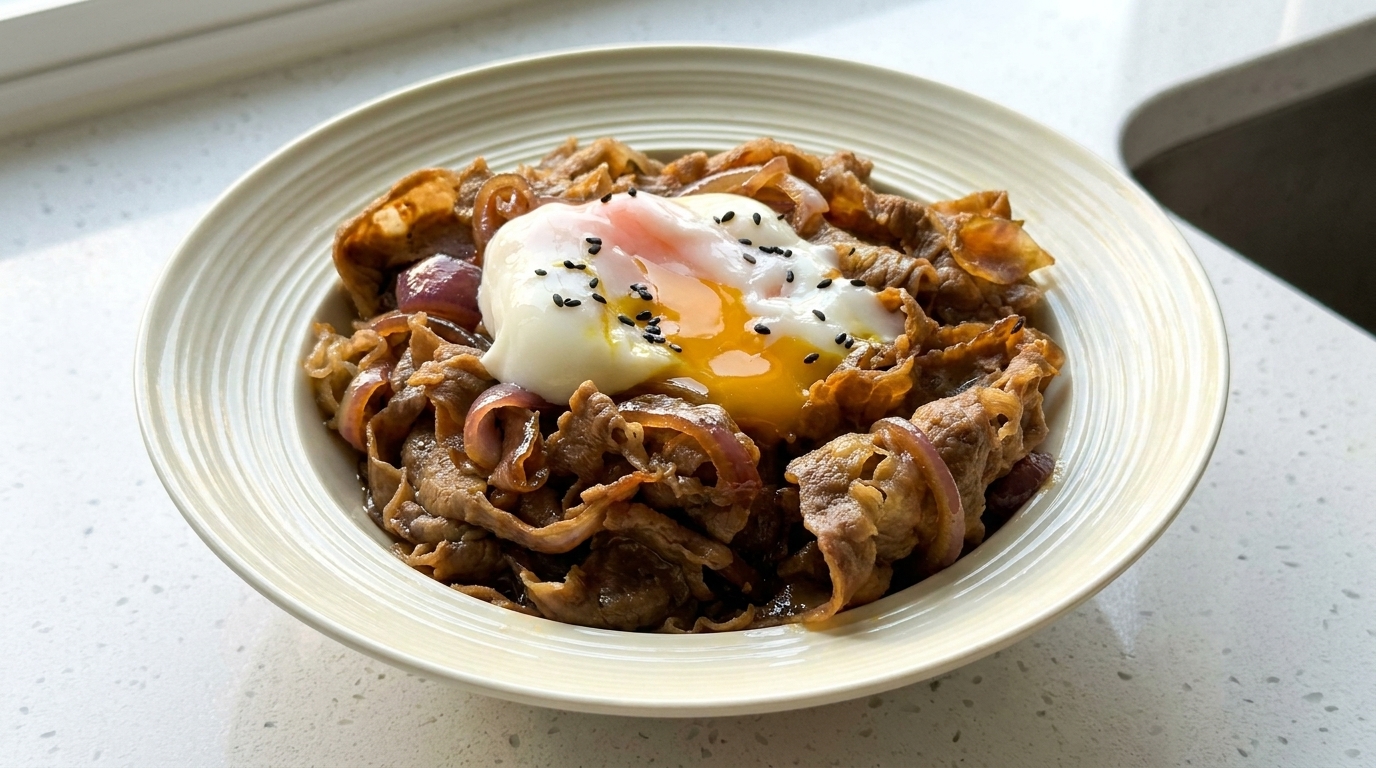
Silky Onsen Egg
Master the classic Japanese Gyudon—tender beef and sweet onions simmered in a savory glaze, topped with a custard-like onsen egg and nutty sesame seeds.
Gyudon is the ultimate Japanese comfort food, a staple of traditional office worker lunches and family dinners alike. While the beef is the star, the addition of an onsen egg slow cooked to a delicate creamy consistency transforms the bowl into a rich luxurious experience. This version uses red onions for a touch of sweetness and color, balancing the salty umami depth of the soy based sauce.
Ingredients
- 750 ml water (for egg bath)
- 250 ml cold water
- 2 large eggs (pasteurized)
- 12 red onion
- 15 g fresh ginger
- 2 stalks green onions
- 2 tbsp light soy sauce
- 1 tbsp dark soy sauce
- 1 tbsp oyster sauce
- 12 tbsp sugar
- 12 tbsp cornstarch
- 125 ml water (for sauce)
- 300 g thinly sliced beef (shabu-shabu style)
- 1 tbsp cooking oil
- 1 bowl steamed white rice
- optional black sesame seeds
Instructions
- 1Prepare water for the eggs
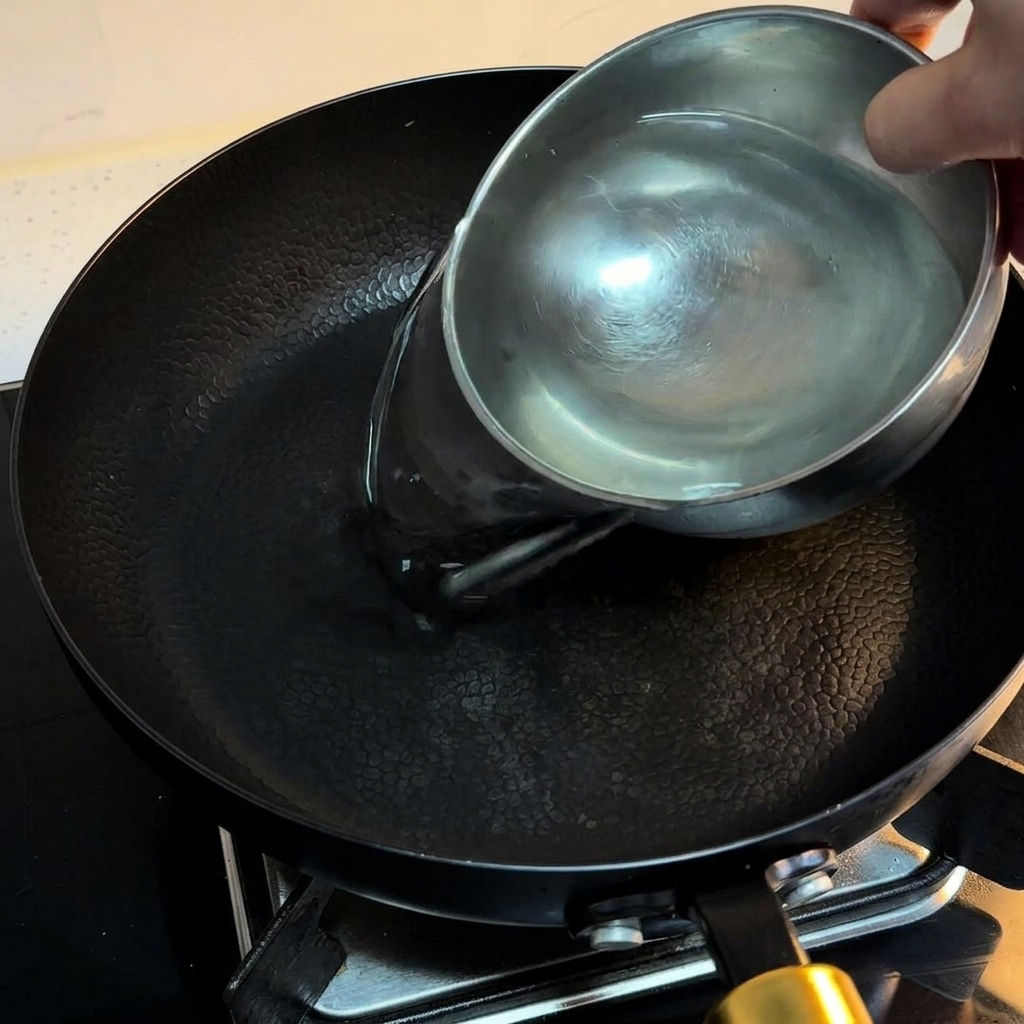
Pour three bowls of water into a black frying pan or pot. Bring the water to a full boil, then immediately turn off the heat to begin the process of making Japanese onsen eggs.
Tip: Starting with precise measurements ensures the water temperature is easy to control for the following steps. - 2Adjust water temperature for eggs
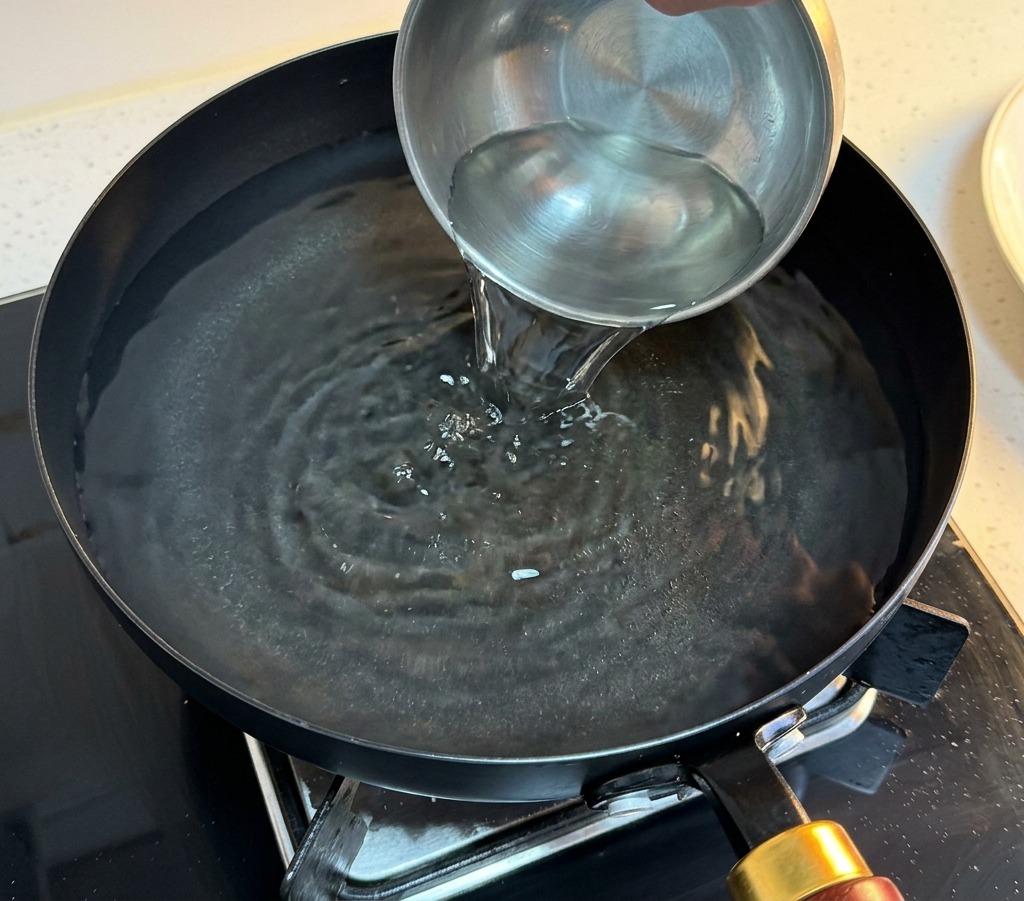
Once the water in your pan or pot has reached a rolling boil, turn off the heat immediately. Carefully pour in one bowl of cold water to lower the temperature slightly. This creates the perfect gentle environment to poach onsen eggs without them becoming rubbery or overcooked.
Tip: The goal is to reach a temperature around 70-75°C, which allows the egg whites to set softly while keeping the yolk runny. - 3Steep the eggs
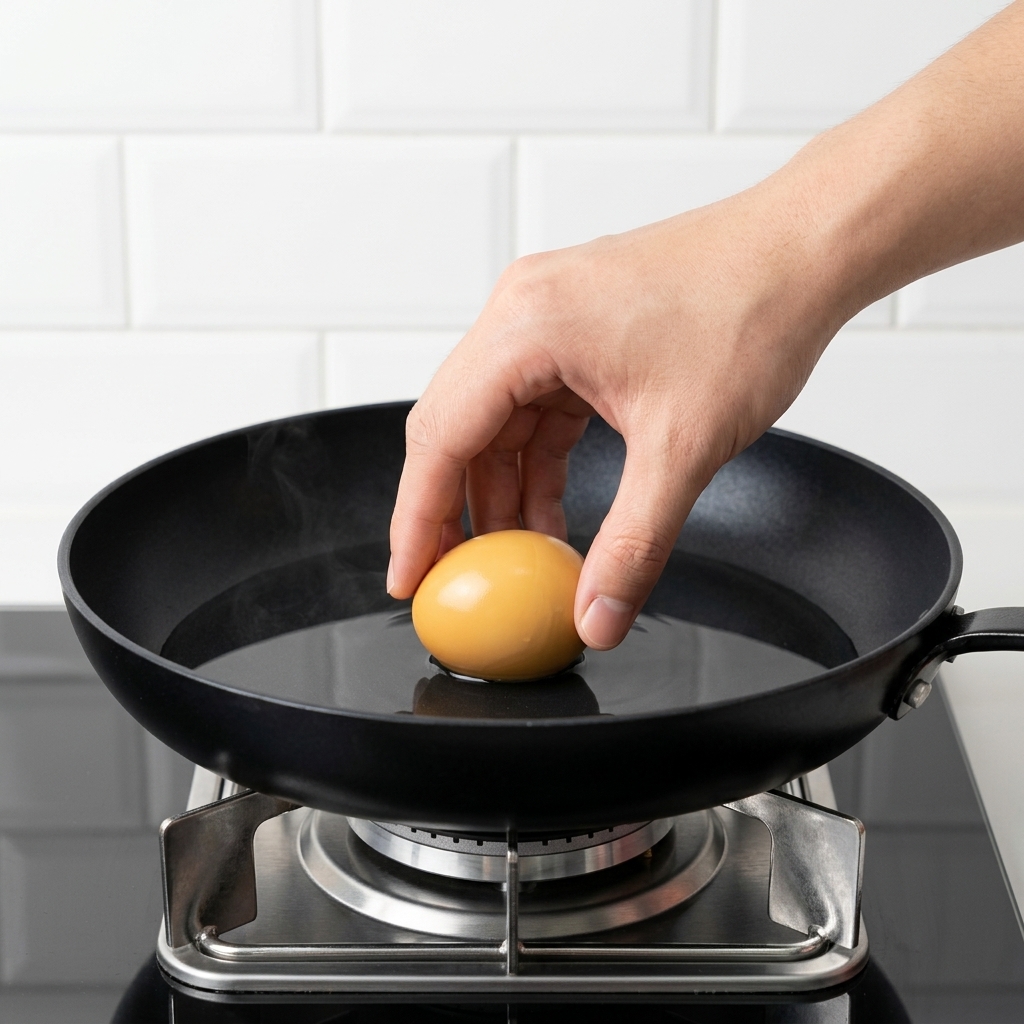
Gently place the raw eggs into the warm water bath. Cover the pan and let the eggs steep for ten minutes. The residual heat will slowly set the whites into a custard-like consistency while keeping the yolk creamy.
Tip: Use a spoon to lower the eggs into the water if youre worried about them cracking against the bottom of the pan. - 4Cool in an ice bath
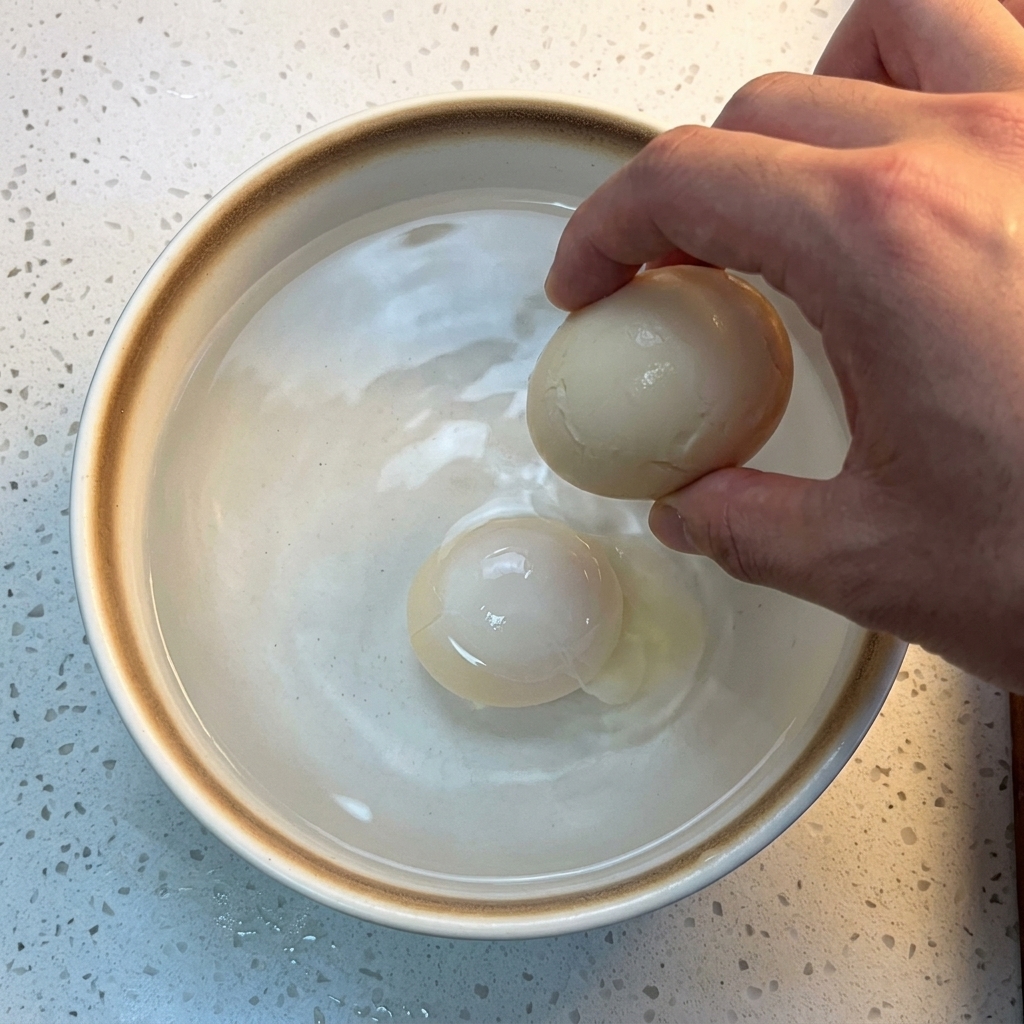
Once the ten minutes are up, remove the eggs from the pan and transfer them into a bowl of ice water. Let them soak for several minutes until fully chilled, which stops the internal cooking and makes the shells easier to remove.
Tip: Avoid skipping the ice bath because it is essential for achieving the specific runny but set texture characteristic of a Japanese beef bowl topper. - 5Slice the red onion
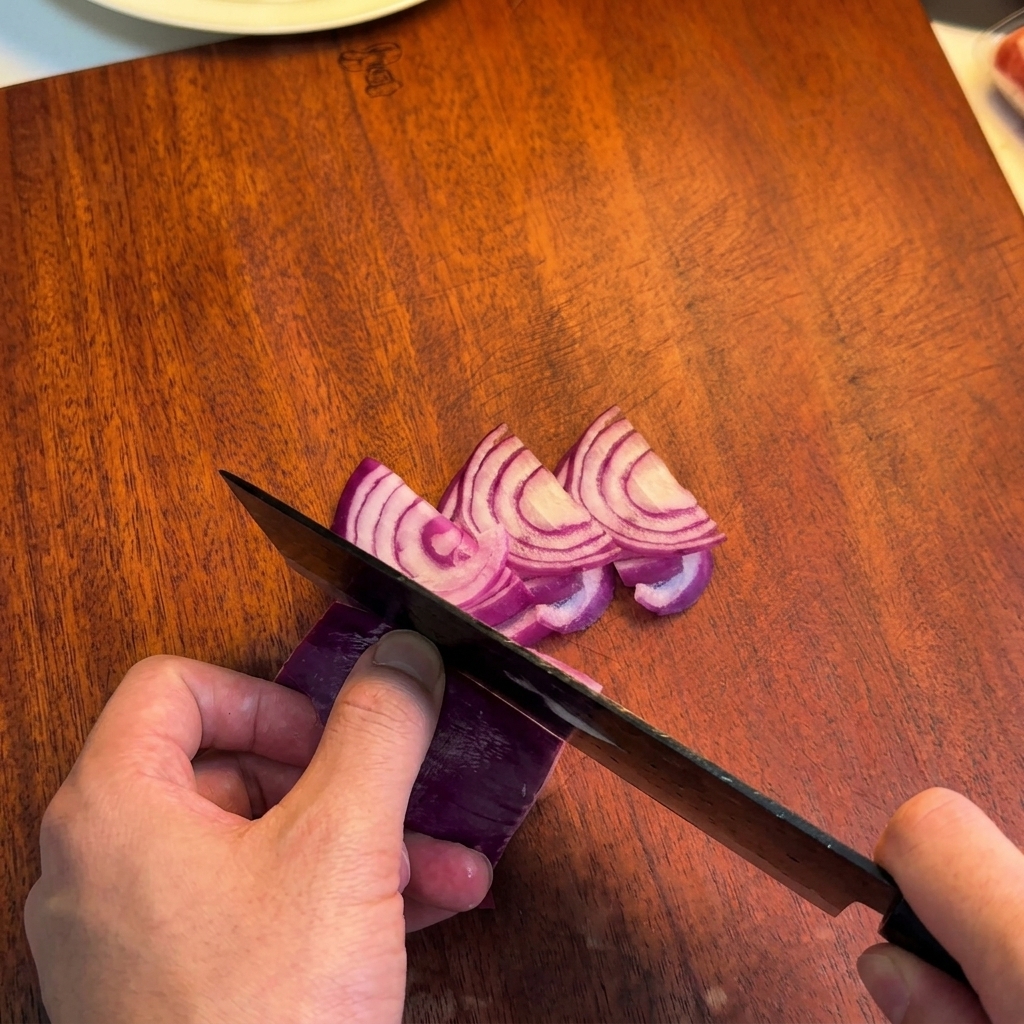
Take half of a red onion and slice it into thin, uniform strips on a wooden cutting board. While white onion is traditional, red onion provides a beautiful color and a slightly sweeter flavor profile to the finished dish.
Tip: Slicing the onion thinly ensures it will soften quickly and absorb the sauce during the stir-frying process. - 6Complete the aromatic prep
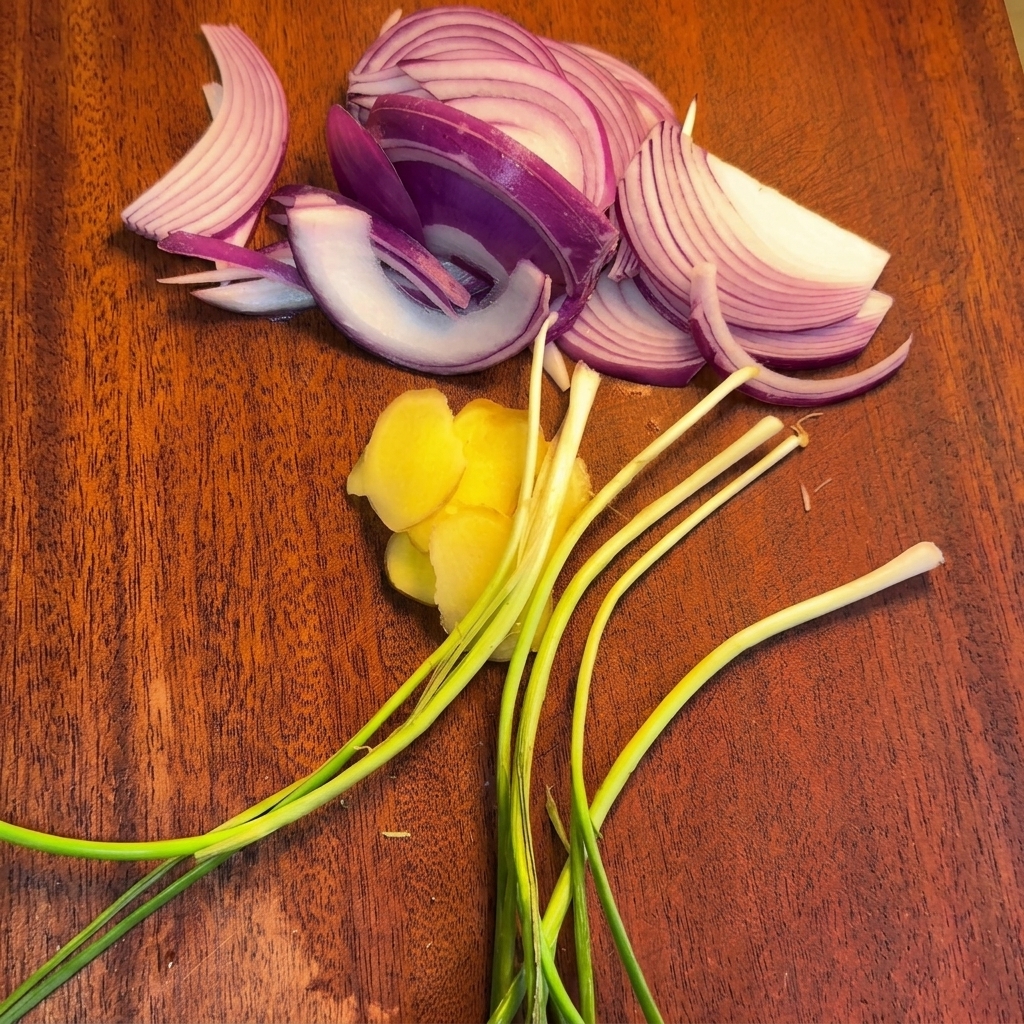
Finish the vegetable preparation by slicing several pieces of fresh ginger and gathering whole green onion stalks. These aromatics will provide the deep, savory base for the beef and sauce.
Tip: Keep your ingredients organized on the board so they are ready to be added to the pan in quick succession. - 7Combine the sauce base
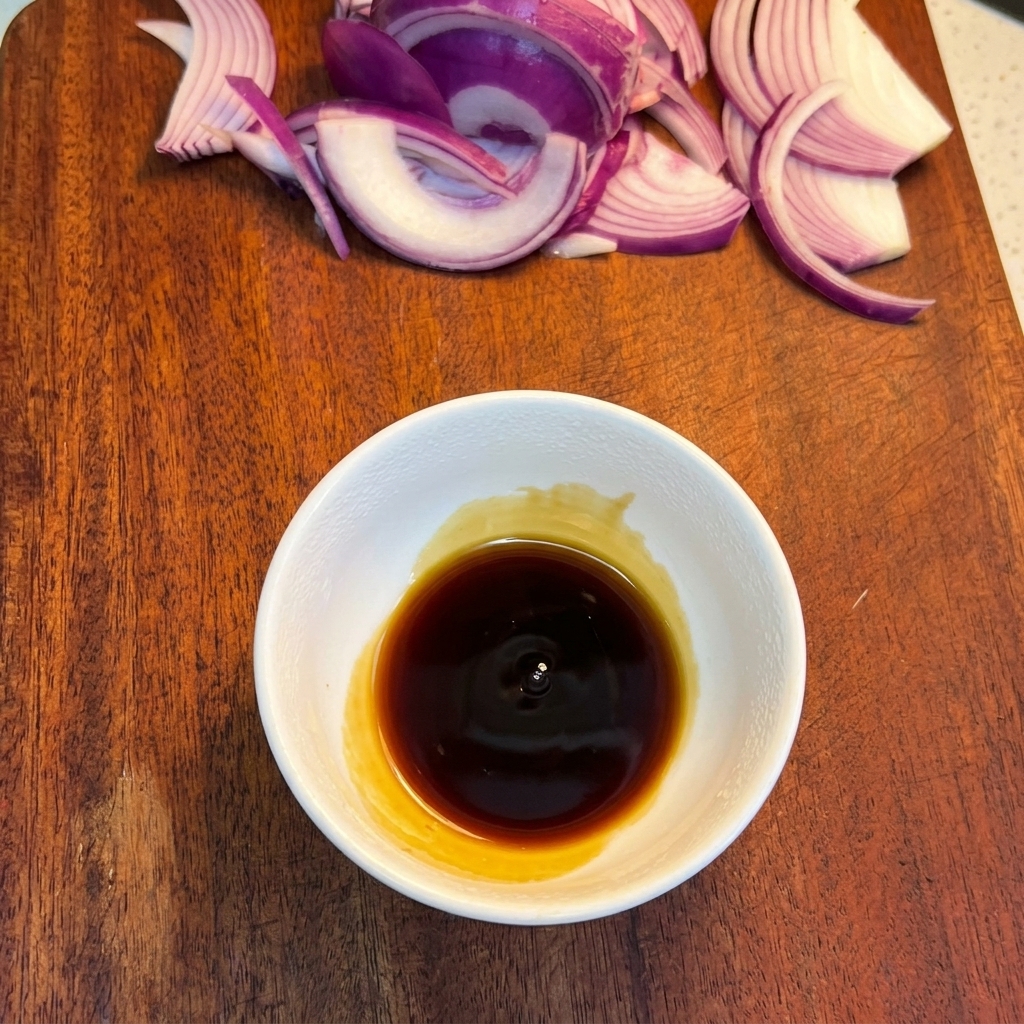
In a small white mixing bowl, combine two spoons of light soy sauce and one spoon of dark soy sauce. Add a spoonful of oyster sauce and half a spoon of sugar. This mixture provides the savory, salty, and slightly sweet foundation essential for a classic Japanese beef bowl flavor.
Tip: If you prefer a less salty dish, you can substitute the light soy sauce with a low-sodium version. - 8Mix in the starch and water
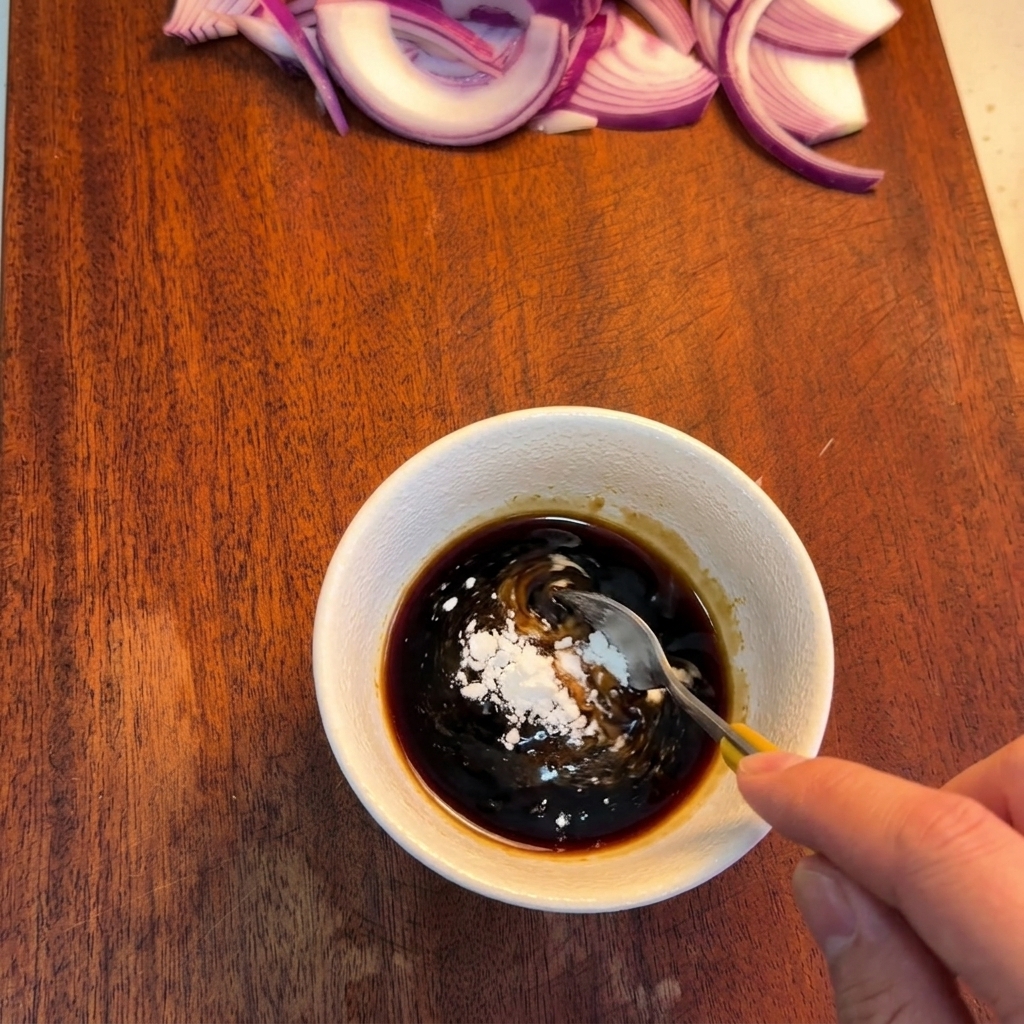
Add half a spoon of starch and half a bowl of water to the soy sauce seasonings. Use a spoon to stir the mixture thoroughly until the white starch powder is completely dissolved and no lumps remain. This slurry will thicken the sauce into a beautiful glaze once heated.
Tip: Always give the sauce a quick stir right before pouring it into the pan later, as starch settles at the bottom very quickly. - 9Blanch the beef slices
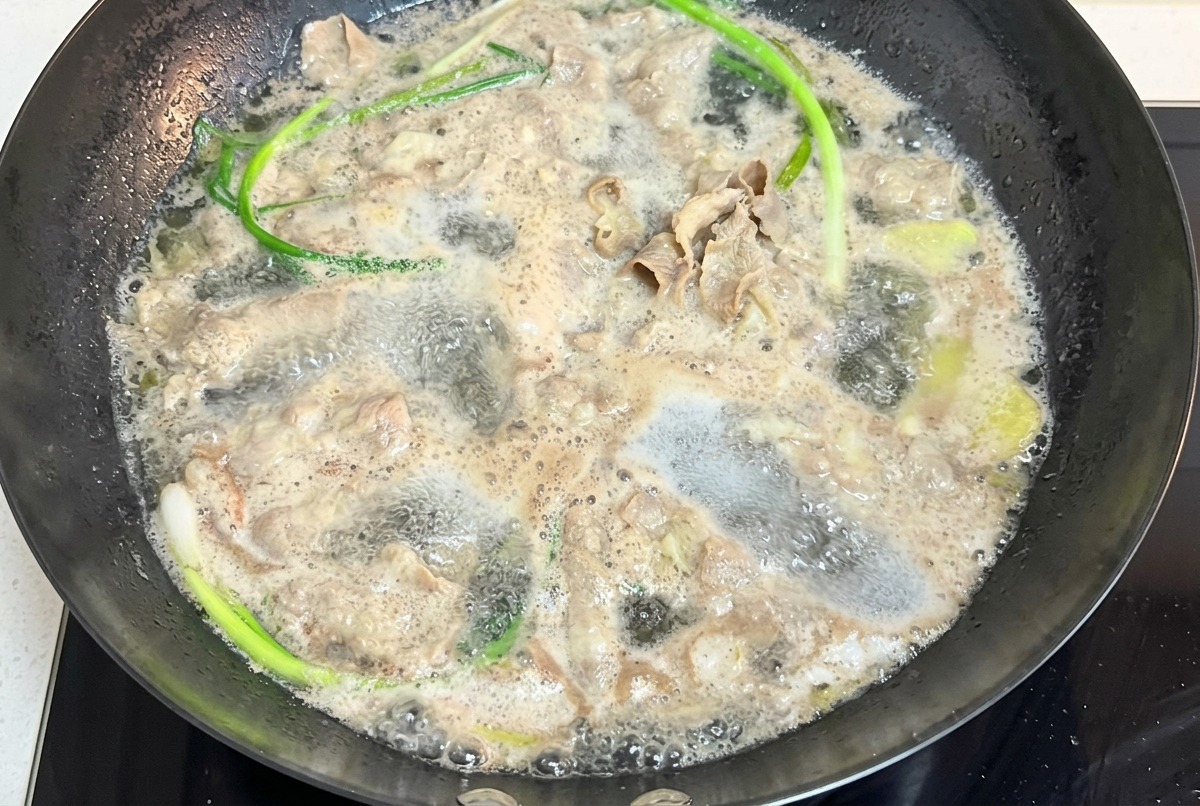
Bring a pot of water to a boil with whole green onions for extra aroma. Briefly blanch the thinly sliced beef in the water until it just changes color and loses its raw appearance. This step helps remove excess fat and impurities, ensuring the final dish is clean and not overly greasy.
Tip: Do not leave the beef in the boiling water for too long; a quick 30-second blanch is sufficient since it will be cooked again in the pan. - 10Sauté the onions
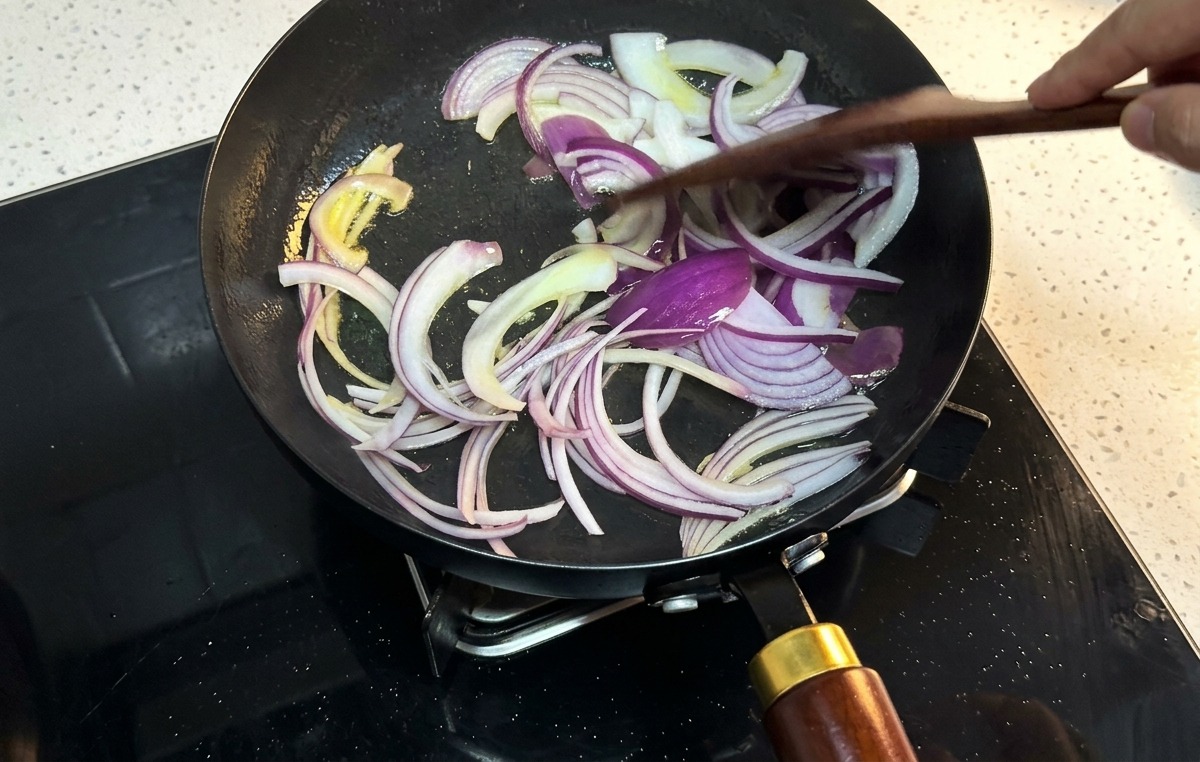
Heat a small amount of oil in a pan and add the sliced red onions. Stir-fry them over medium heat until they soften and begin to turn translucent. The onions will release their natural sweetness, providing a flavorful base for the beef.
Tip: Red onions add a nice color, but you can use white or yellow onions for a more traditional, milder flavor profile. - 11Add beef to the pan
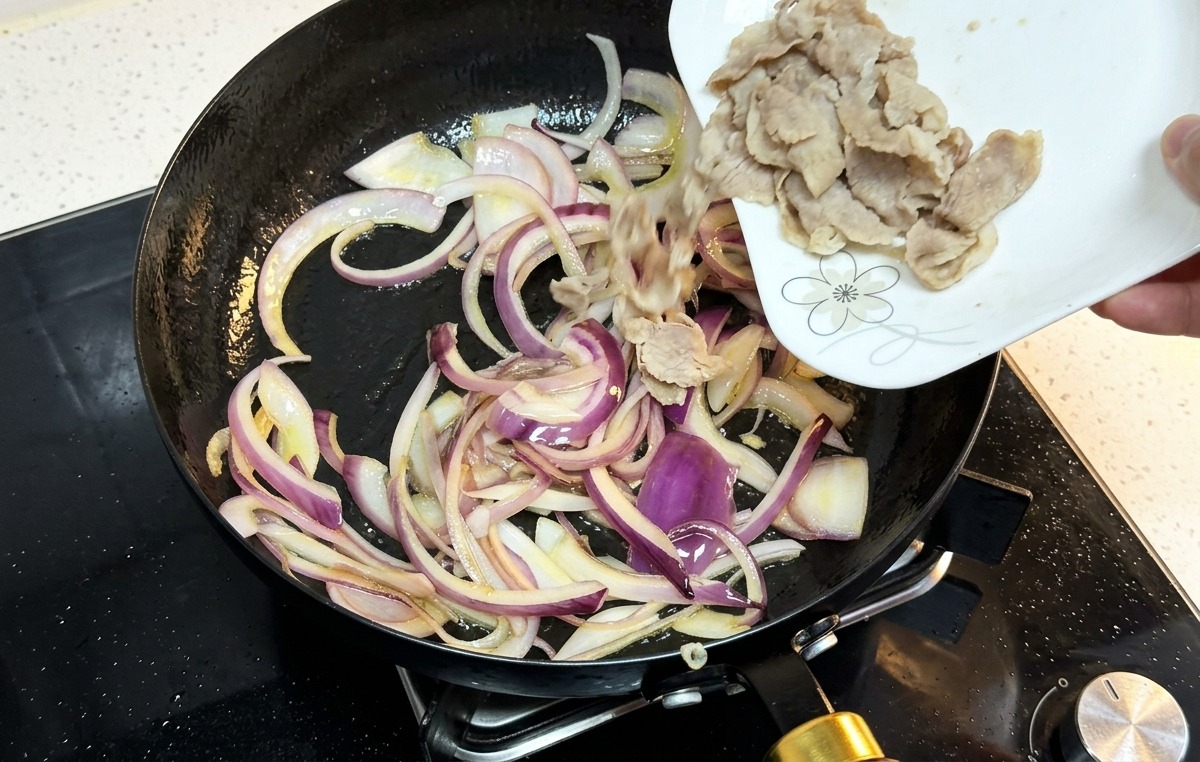
Transfer the previously blanched beef slices into the pan with the sautéed onions. Toss them together briefly to mix. This combines the savory meat with the sweet onions before the sauce is added to tie all the flavors together.
Tip: Ensure the beef is well-drained before adding it to the pan to prevent splashing or diluting the sauce. - 12Pour in the savory sauce
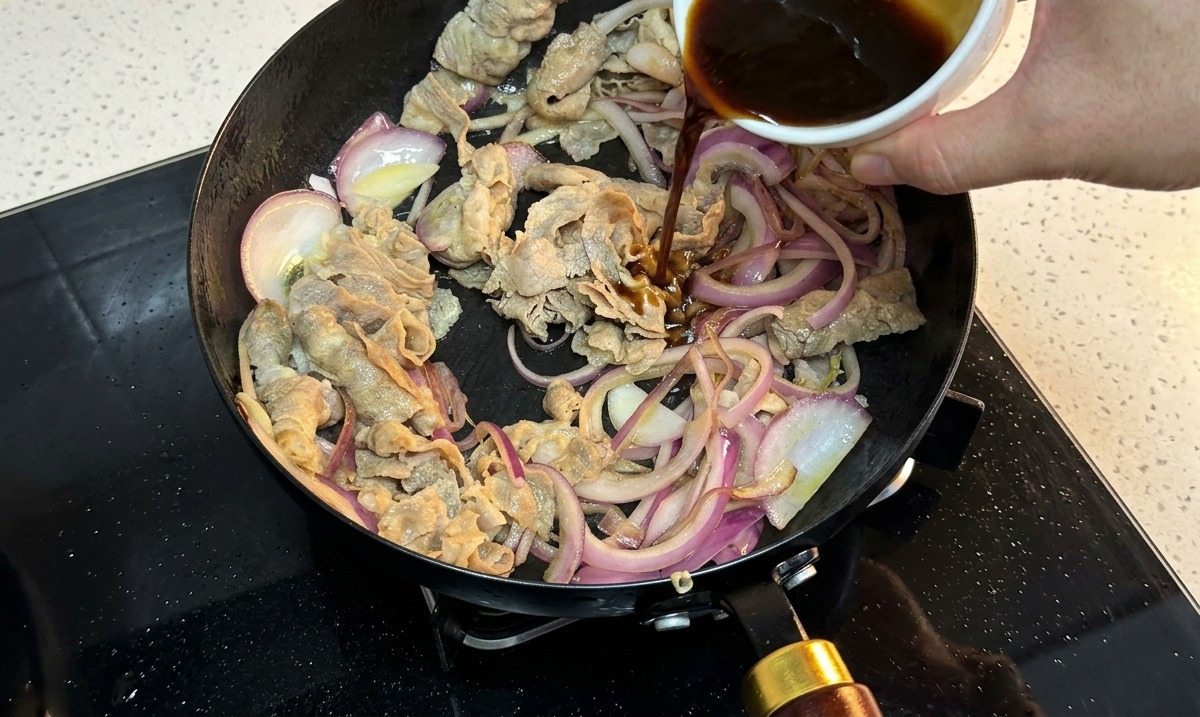
Pour the dark sauce mixture directly over the sautéed beef and red onions in the pan. The starch in the sauce will begin to react with the heat, creating a thick flavorful glaze that binds the meat and vegetables together.
Tip: Give the sauce one final stir before pouring to ensure the cornstarch has not settled at the bottom of the bowl. - 13Simmer and glaze the beef
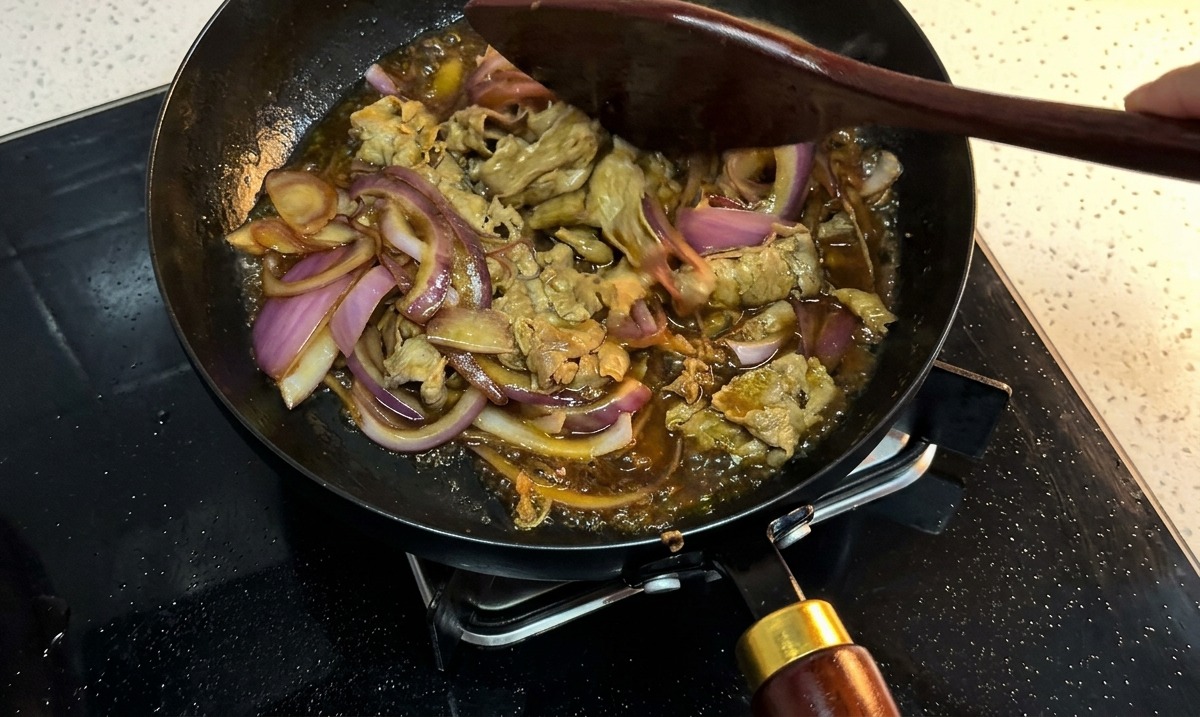
Toss the beef and onions continuously over medium-high heat as the sauce simmers. Continue cooking until the liquid reduces into a rich, glossy coating that clings to every slice of meat, ensuring maximum flavor in every bite.
Tip: Do not overcook the beef at this stage; you only need enough time for the sauce to thicken and coat the ingredients. - 14Assemble the beef bowl
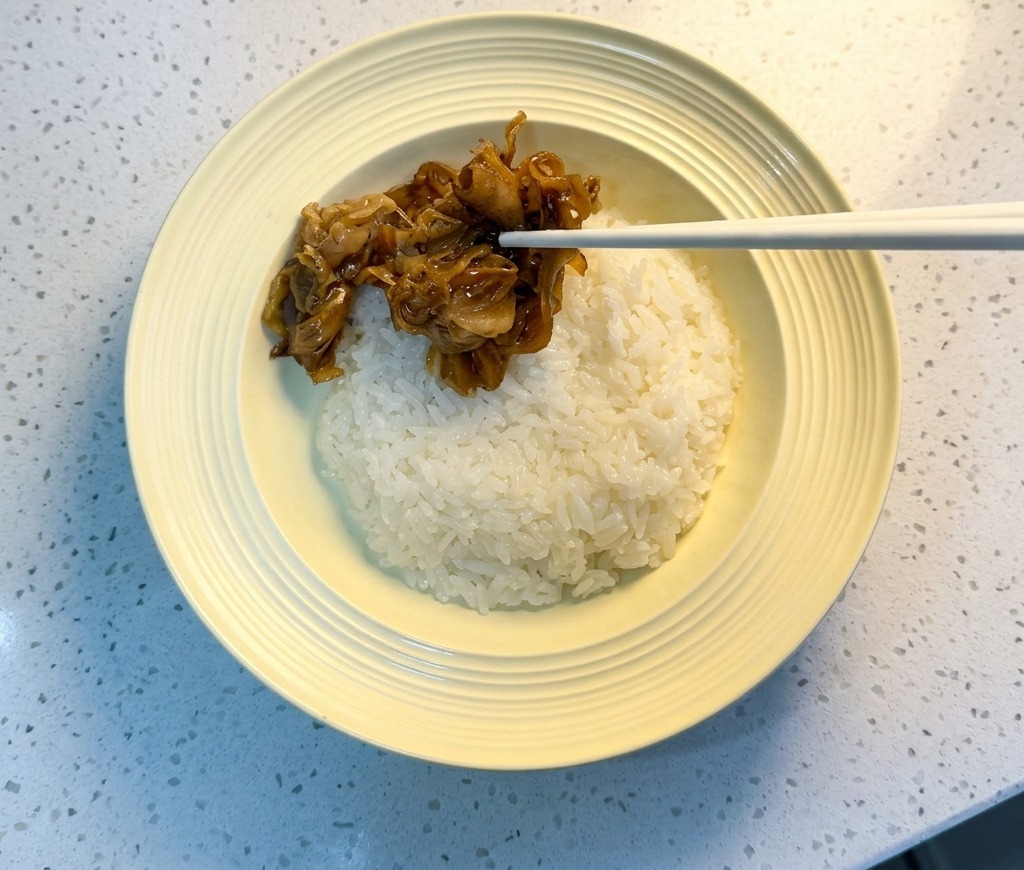
Prepare a bowl of steamed white rice and create a slight well in the center. Use chopsticks to arrange the glazed beef and onions around the edges of the bowl, leaving space in the middle for the final components.
Tip: Warm your serving bowl beforehand to help keep the beef and rice at the ideal temperature while you finish plating. - 15Garnish and serve
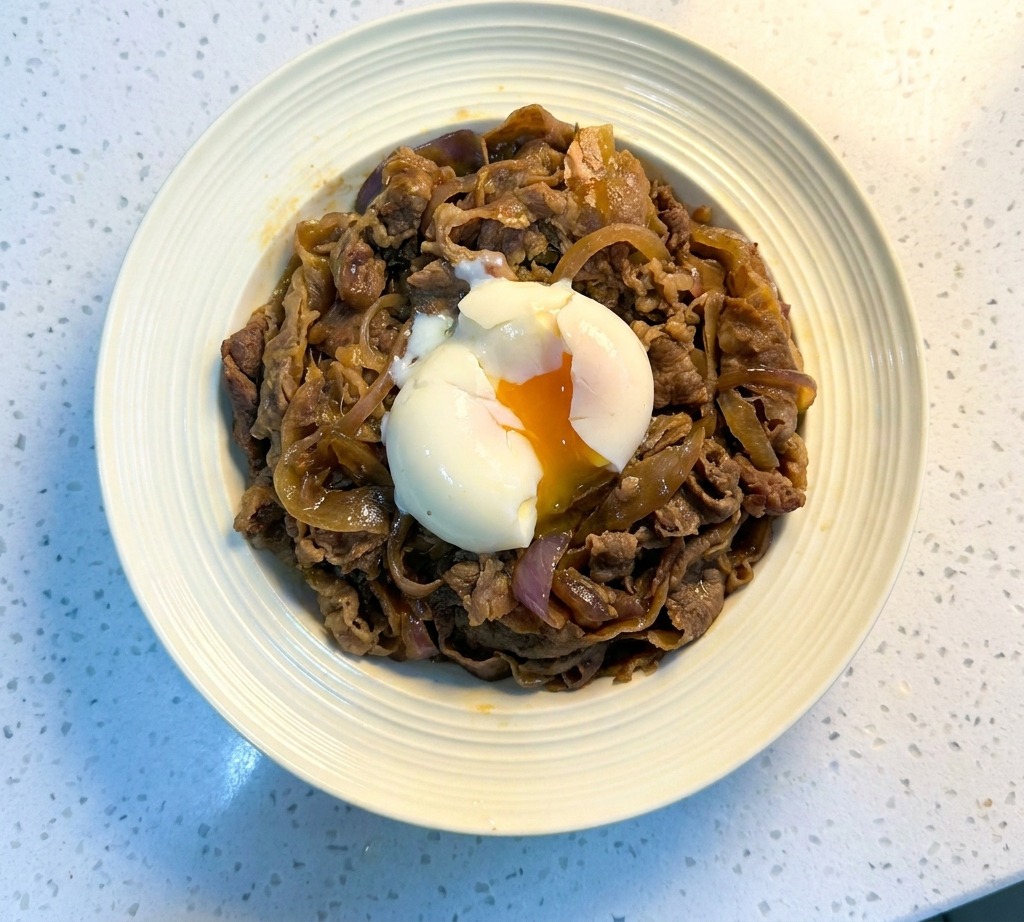
Gently crack a soft cooked onsen egg and place it into the center of the beef ring. Finish the dish with a sprinkle of black sesame seeds. The silky white and rich runny yolk will act as a secondary sauce, adding a creamy texture to the savory beef.
Tip: If you lack an onsen egg, a very soft poached egg or a raw pasteurized egg yolk serves as an excellent substitute.