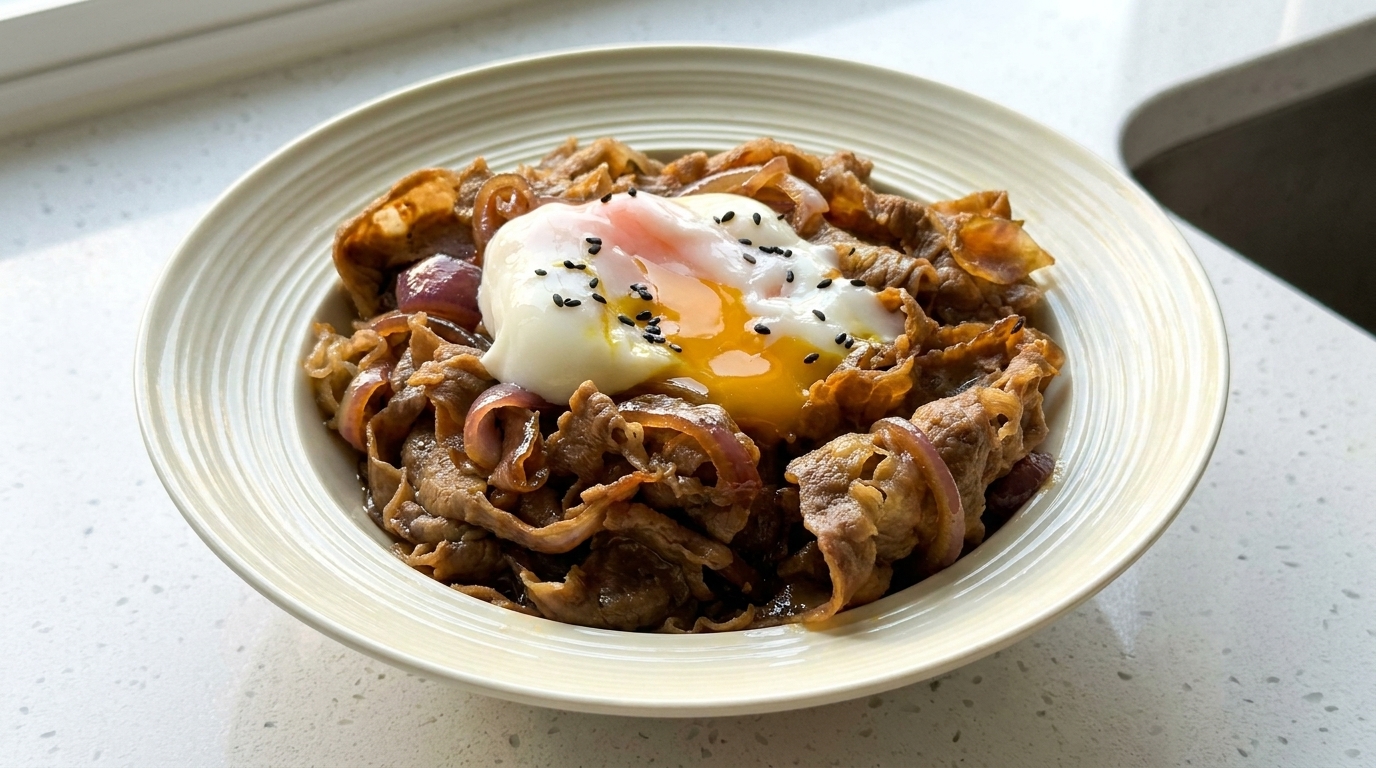
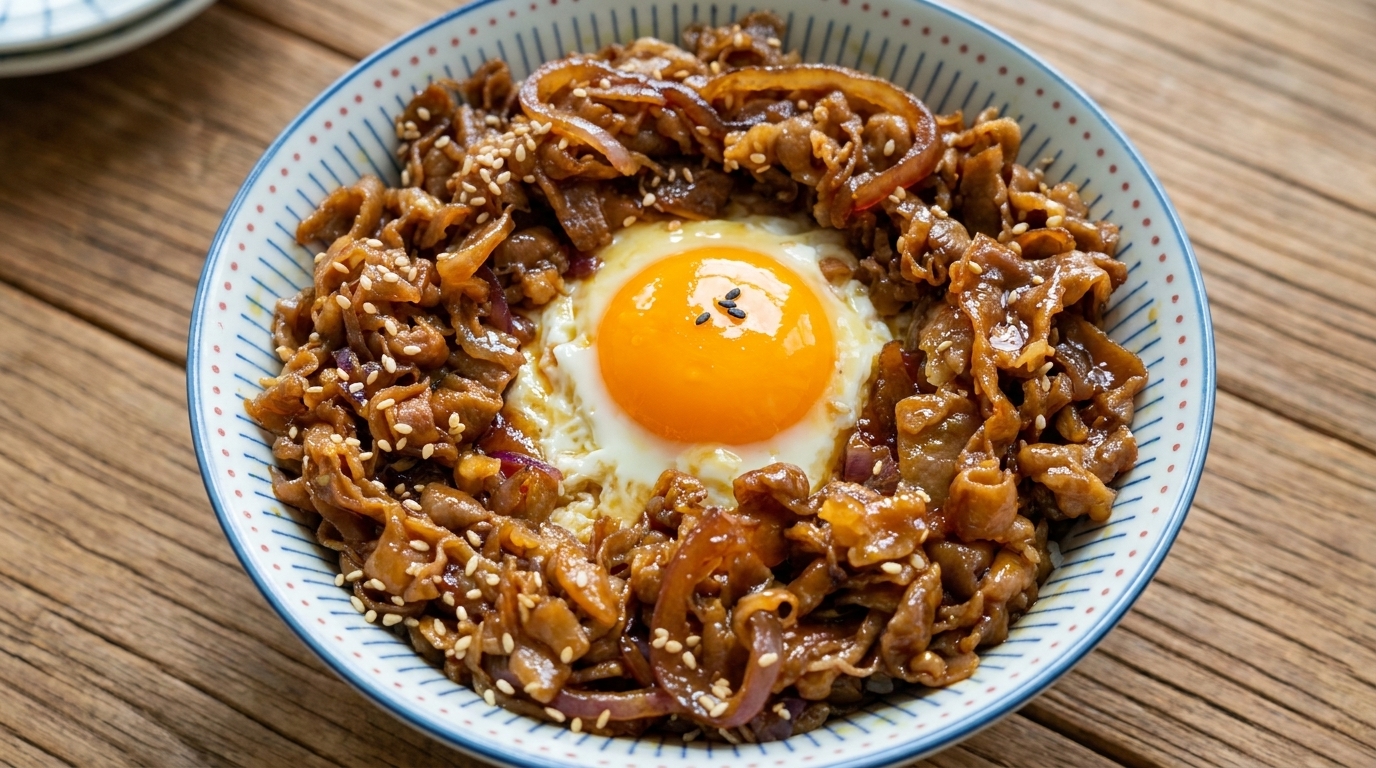
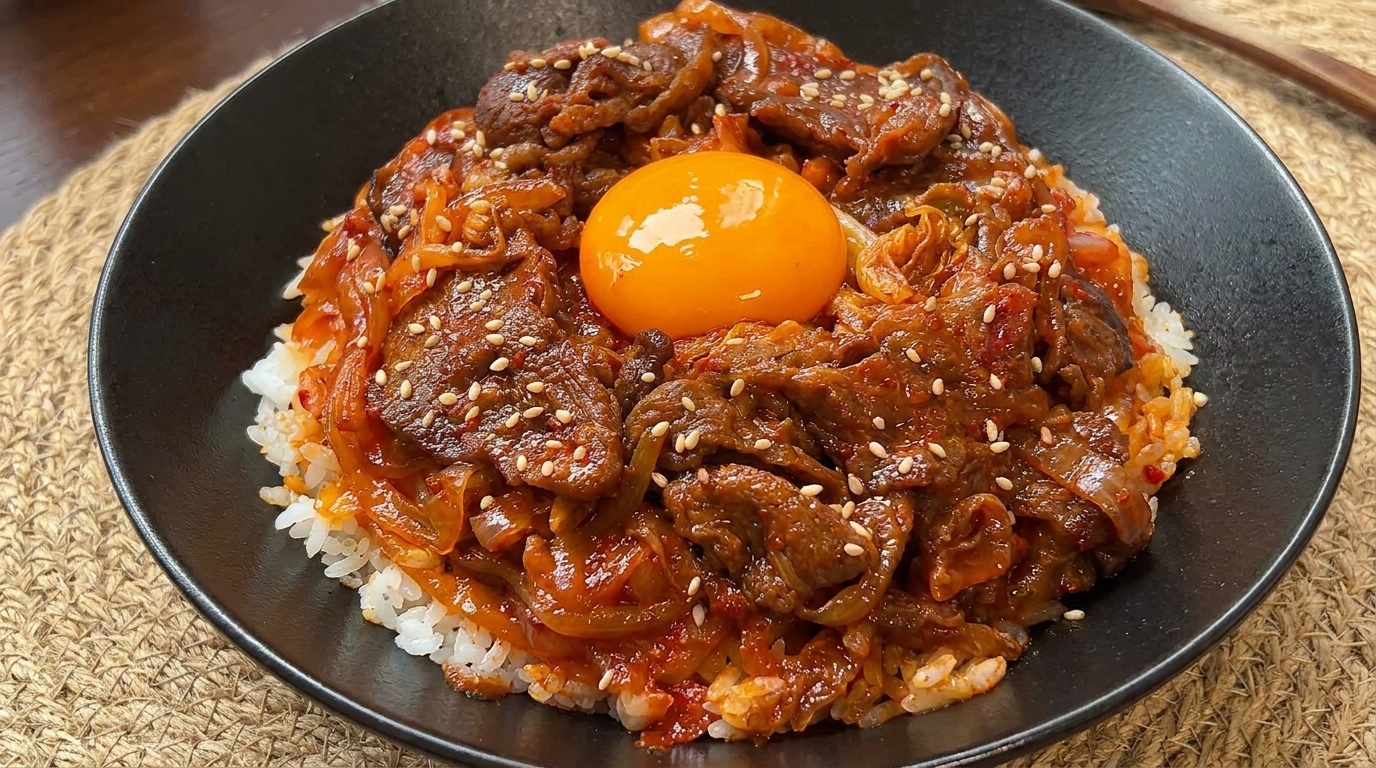
Japanese Gyudon (Teriyaki Beef Rice Bowl)
Onsen Egg
Master the art of restaurant-style Gyudon with this quick recipe featuring tender glazed beef, caramelized onions, and a silky, melt-in-your-mouth onsen egg.
This cornerstone of Japanese comfort cuisine is typically served in traditional beef bowl shops across Tokyo. This recipe enhances the classic dish with a savory homemade glaze and a soft egg that adds a velvety texture to the rice when mixed.
Ingredients
- 300 g thinly sliced marbled beef
- 1 medium purple onion
- 1 large egg
- 2 tbsp soy sauce
- 1 tbsp oyster sauce
- 1 tbsp cooking wine
- 0.5 tbsp dark soy sauce
- 1 tbsp cornstarch
- 0.5 cup warm water
- 2 slices ginger
- 1 tbsp cooking oil
- 1 serving steamed white rice
- to taste black pepper
- optional chopped green scallions
- to taste toasted sesame seeds
Instructions
- 1Slice the purple onion
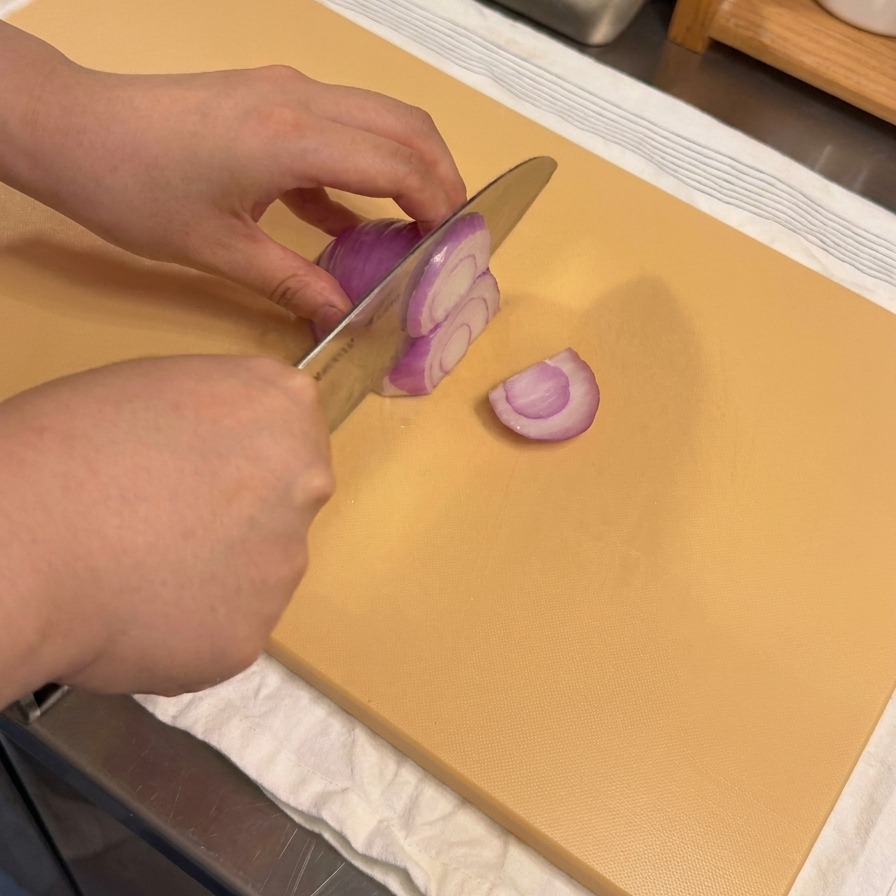
Begin by slicing a fresh purple onion into thin, uniform strips. These will be sautéed later to create a sweet, aromatic base for the beef and sauce.
Tip: Chilling the onion in the refrigerator for 30 minutes before slicing can help reduce the enzymes that cause your eyes to water. - 2Combine the sauce base
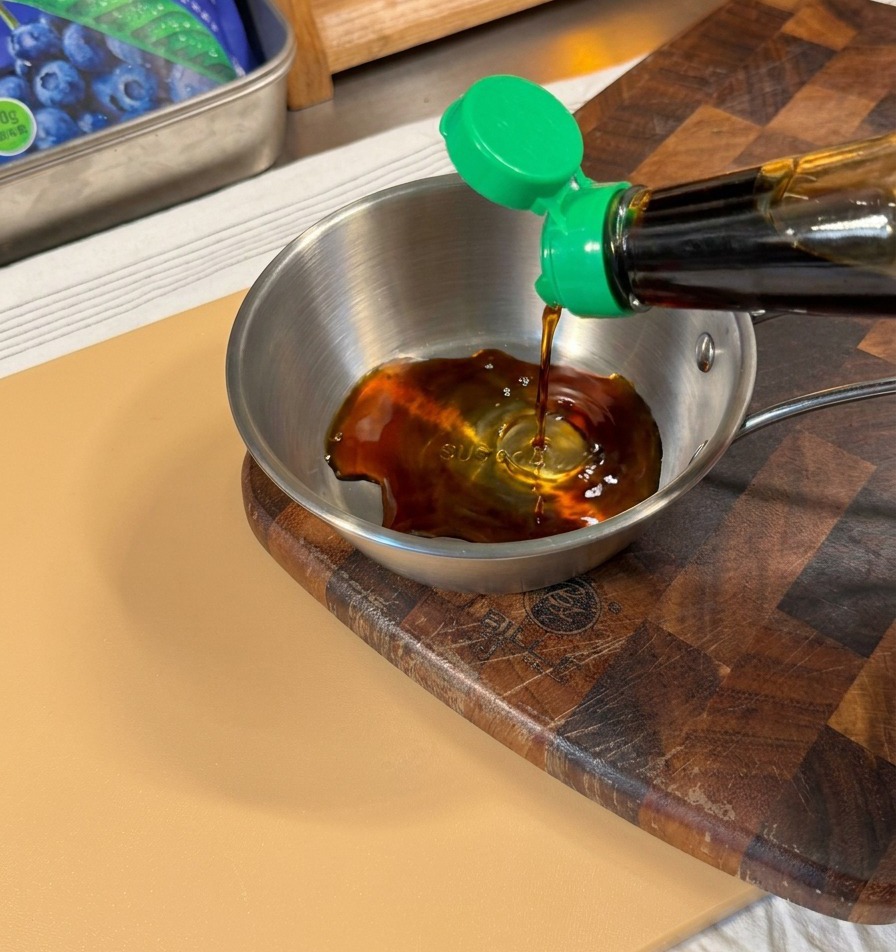
Start preparing the homemade teriyaki sauce by pouring 2 tablespoons of soy sauce into a small metal bowl or saucepan. This provides the essential salty and savory foundation for the glaze.
Tip: Using a stainless steel bowl or small pot makes it easy to whisk the ingredients together and pour them into the pan later. - 3Whisk the teriyaki sauce
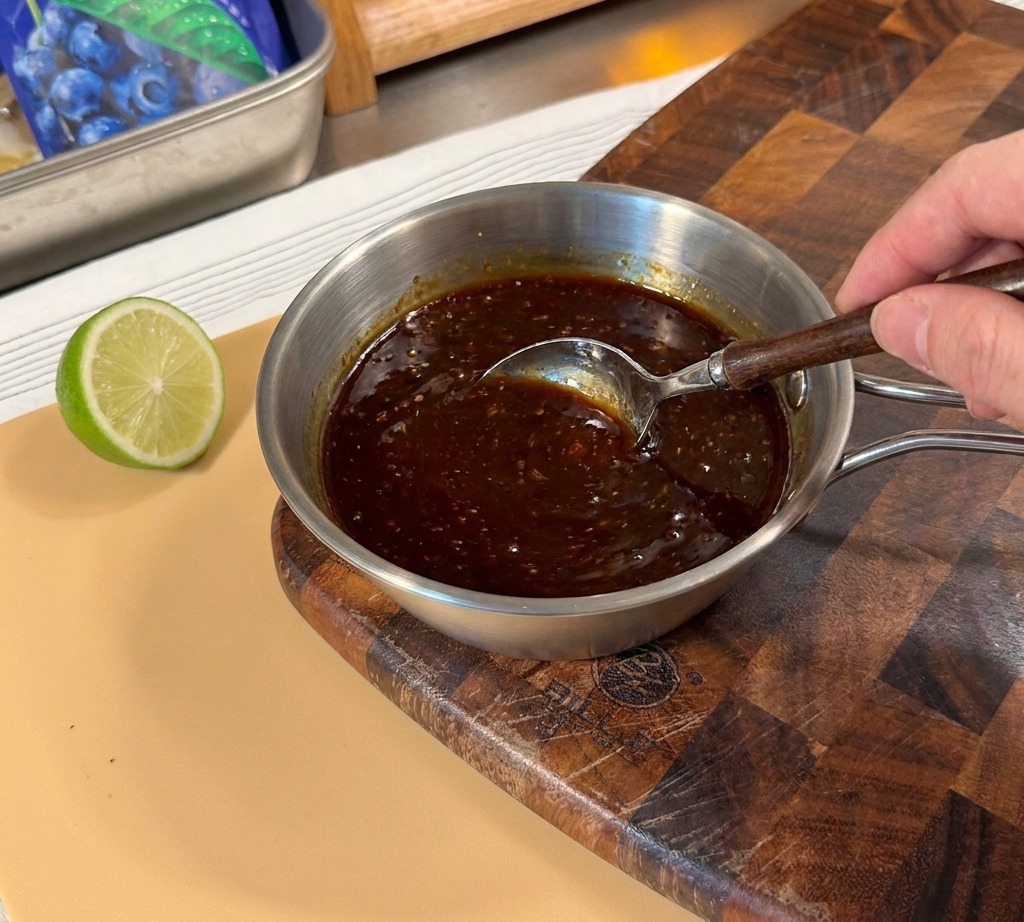
Add 1 tablespoon of oyster sauce, 1 tablespoon of cooking wine, 12 tablespoon of dark soy sauce, black pepper, and 1 tablespoon of cornstarch. Pour in 12 cup of warm water and stir thoroughly until the cornstarch is completely dissolved.
Tip: Ensure the water is warm to help the cornstarch and thick sauces meld together without forming lumps. - 4Submerge the egg
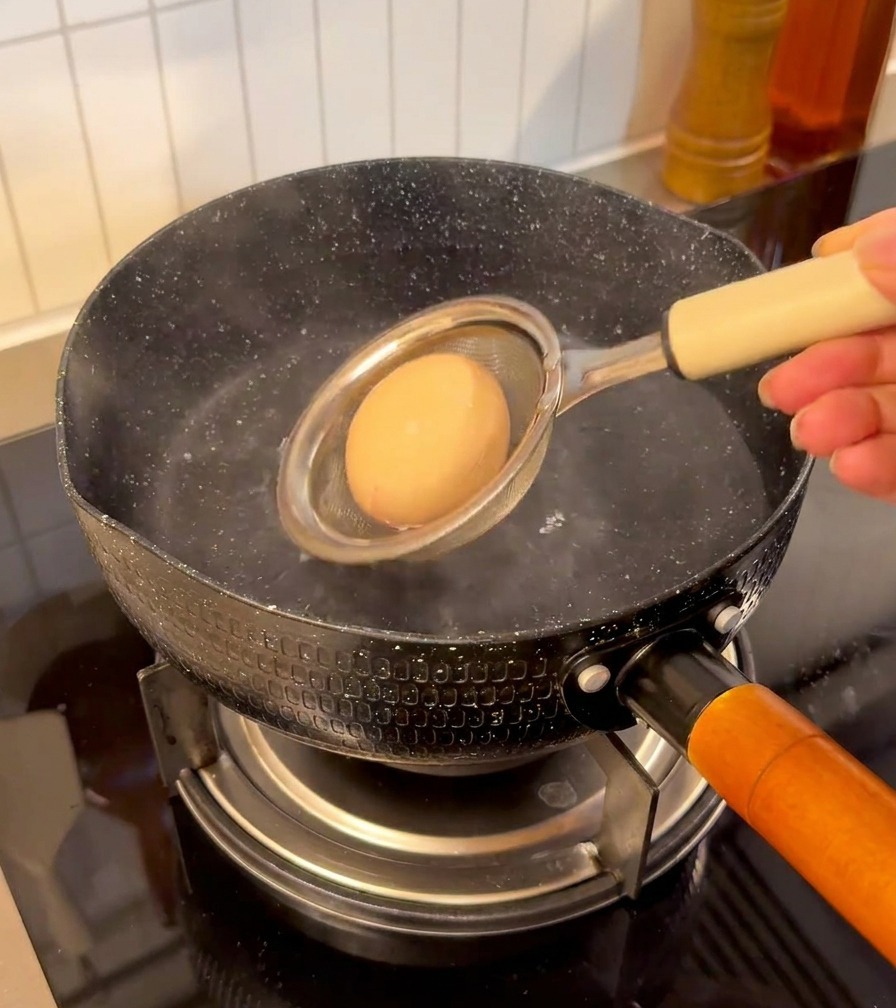
Bring three cups of water to a boil, then turn off the heat and add one cup of room-temperature water. Use a mesh strainer to gently lower a raw egg into the pot for a gentle, even cook.
Tip: Using a strainer prevents the egg from dropping to the bottom and cracking, which ensures a perfect onsen egg shape. - 5Shock the egg in ice water
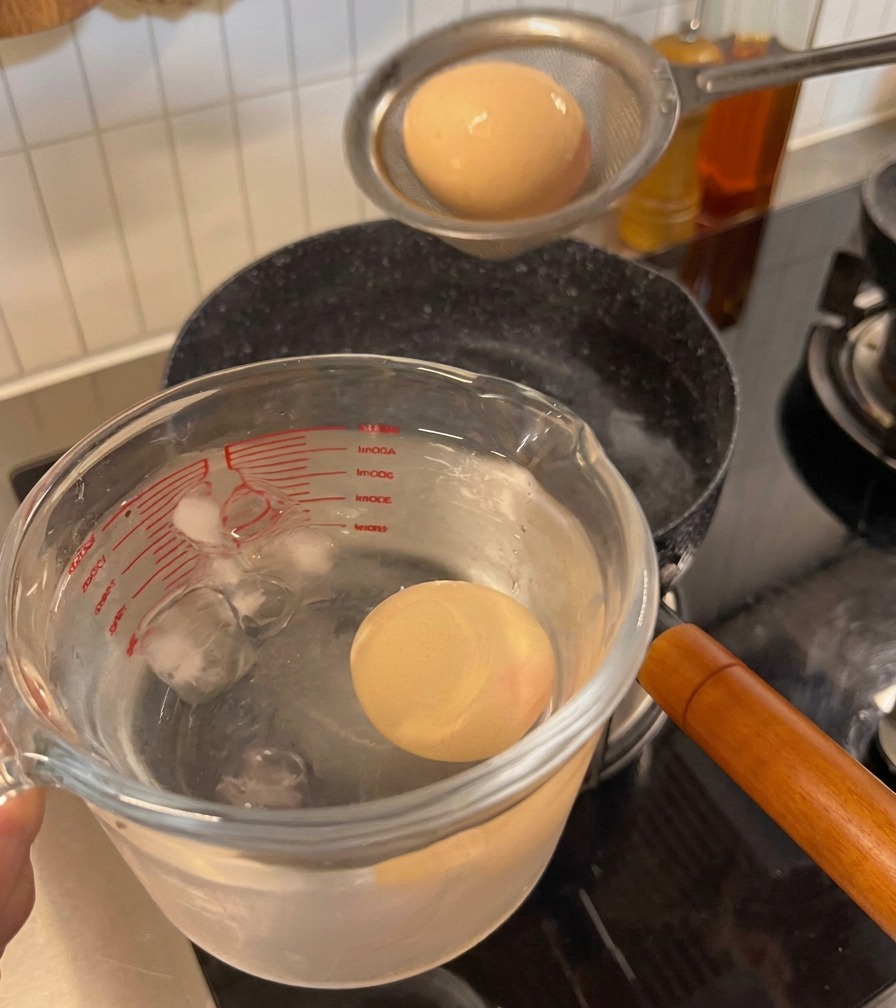
After letting the egg sit in the hot water for ten minutes, remove it and immediately transfer it to a glass or bowl filled with ice-cold water. This stops the cooking process and keeps the yolk creamy.
Tip: Leave the egg in the cold water until it is fully cooled to make peeling easier later on. - 6Blanch the beef
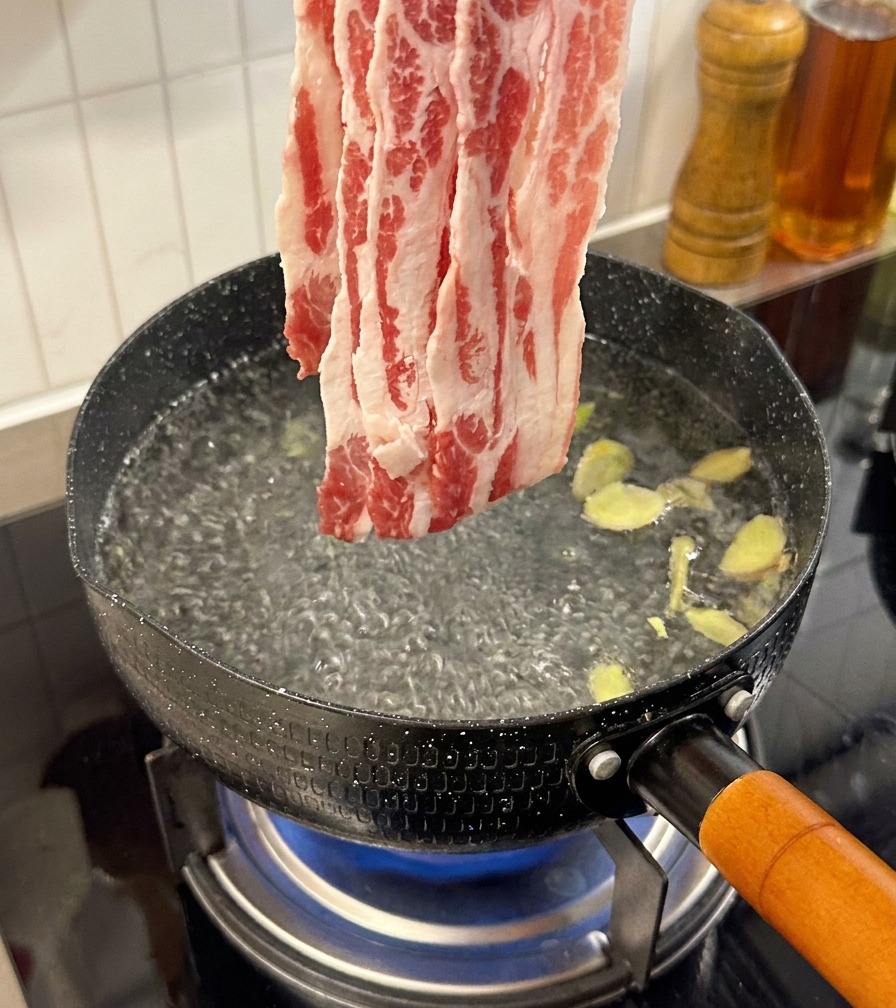
Bring a pot of water to a boil with sliced ginger and a splash of cooking wine. Briefly blanch the marbled beef slices, removing them as soon as they change color to keep them tender and remove excess fat.
Tip: The beef should only be in the water for a few seconds; removing it quickly prevents it from becoming tough. - 7Remove the blanched beef
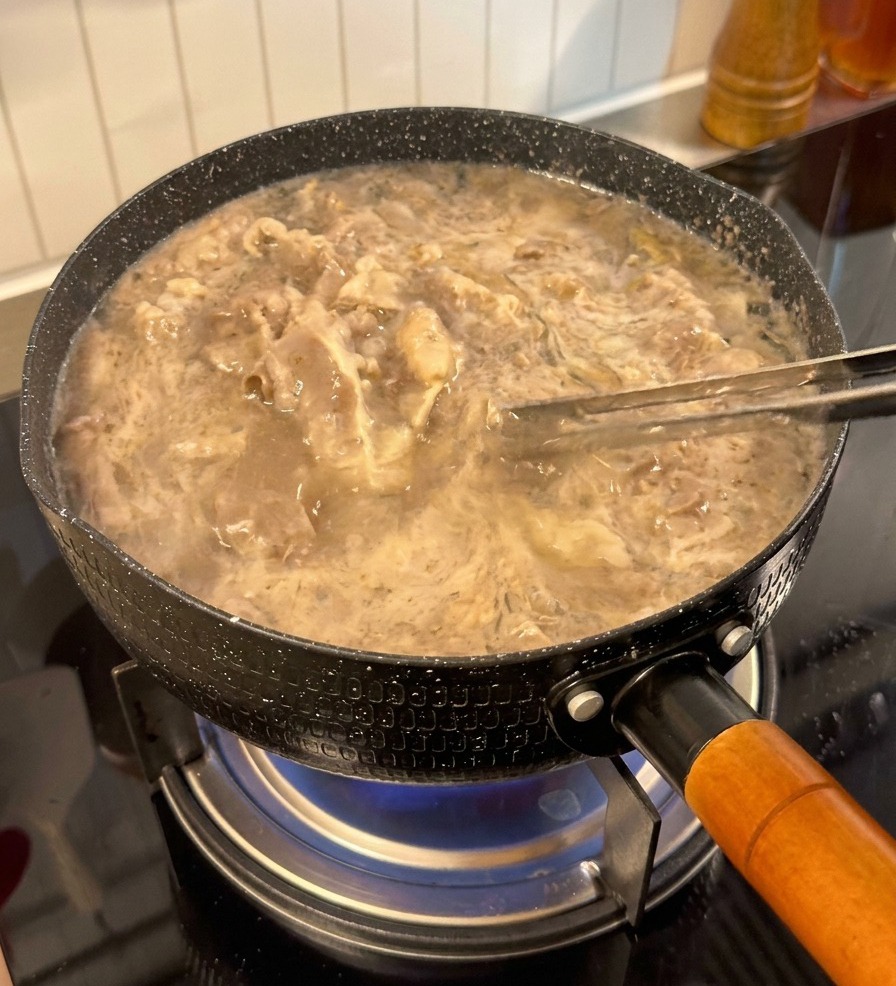
As soon as the beef slices change color in the boiling water use chopsticks or tongs to lift them out. Drain the meat well to ensure no excess water dilutes the flavor of your sauce. This quick blanching step removes impurities and results in a cleaner more professional finish for your rice bowl.
Tip: Avoid leaving the beef in the boiling water for too long because you only want to par-cook it so it stays tender after the final stir-fry. - 8Sauté the onions
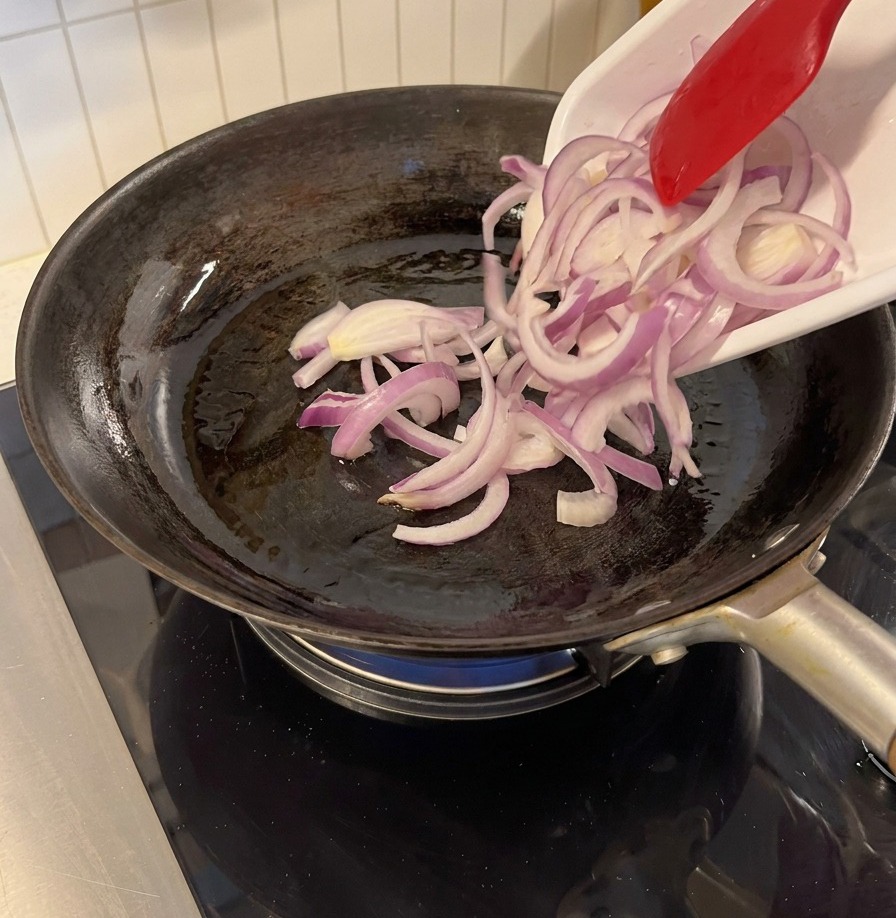
Heat a small amount of oil in a pan over medium heat. Add the sliced purple onion strips and stir-fry them with a spatula until they are soft and fragrant. The natural sweetness of the sautéed onions provides a delicious contrast to the savory soy-based sauce.
Tip: Cooking the onions until they are slightly translucent will give them the best texture for the finished dish. - 9Add beef and teriyaki sauce
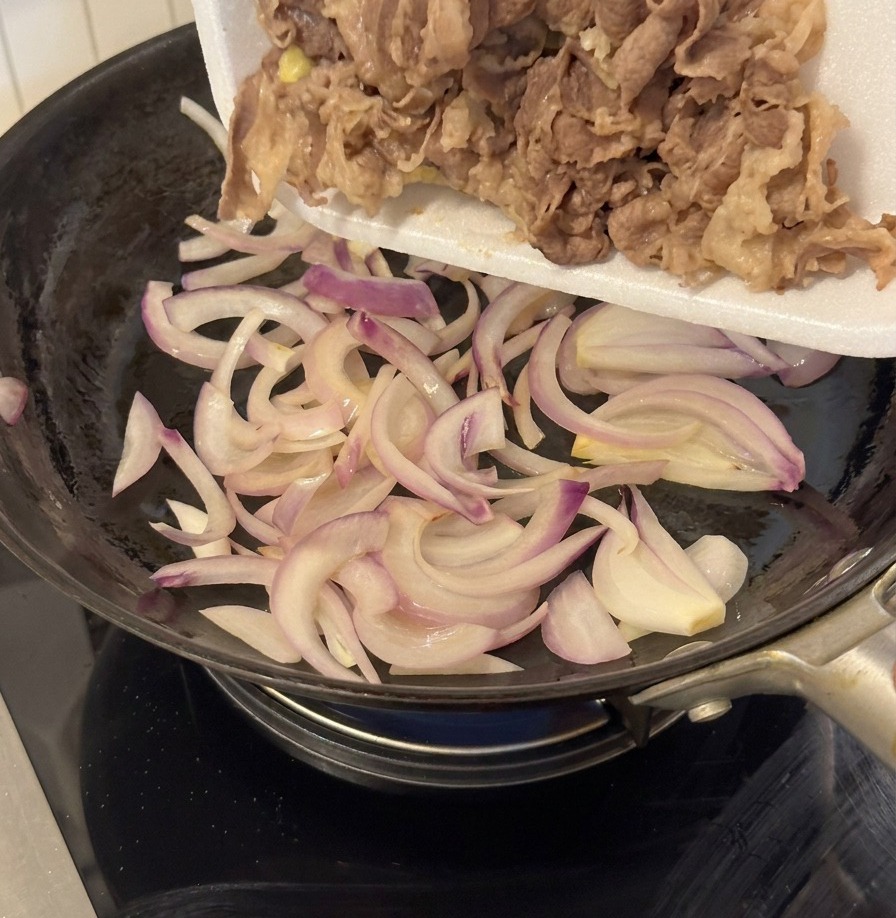
Add the prepared beef slices into the pan with the sautéed onions. Pour over your homemade teriyaki sauce mixture, which contains soy sauce, oyster sauce, and cornstarch. Toss everything together to ensure the beef is thoroughly coated in the sauce.
Tip: Give your sauce a quick stir right before pouring it in to make sure the cornstarch hasnt settled at the bottom. - 10Thicken the sauce
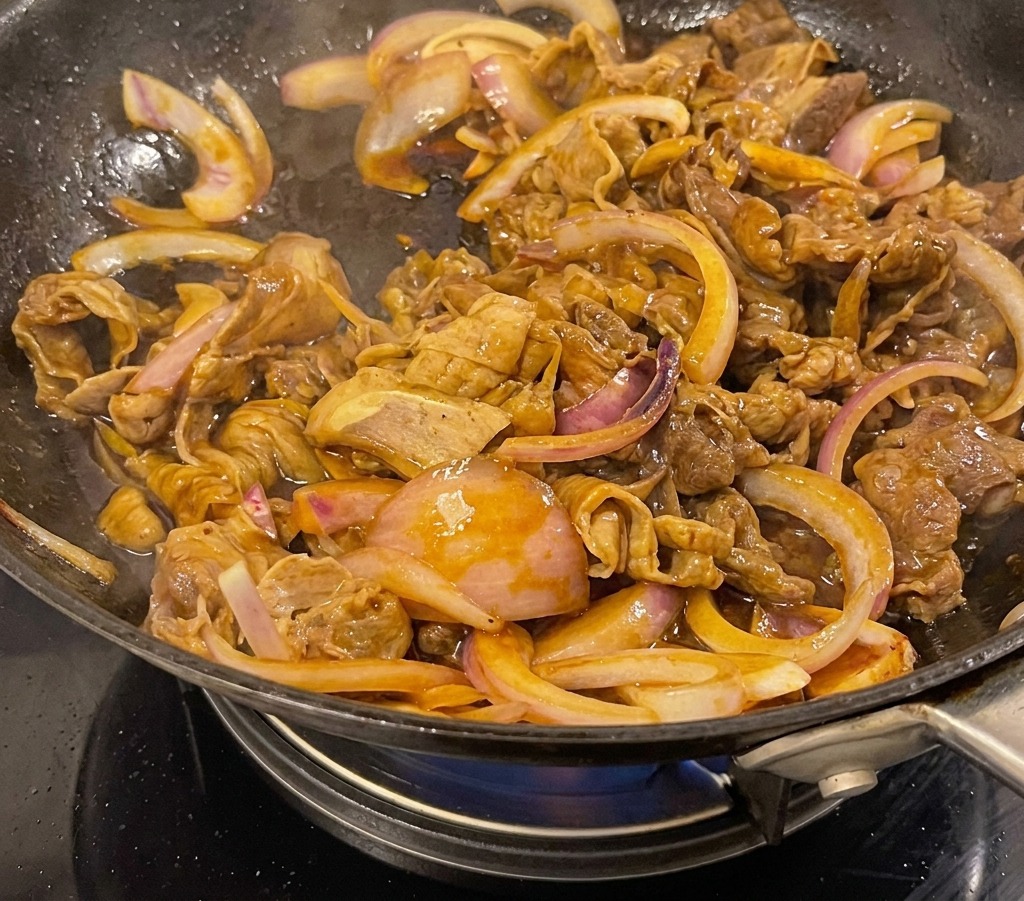
Increase the heat to high and continue stirring the beef and onions. The sauce will begin to bubble and reduce, turning into a thick, glossy glaze that clings beautifully to every ingredient. This step intensifies the flavors and gives the dish its signature restaurant-style look.
Tip: Keep the ingredients moving to prevent the sugars in the sauce from sticking or burning as it thickens. - 11Garnish the stir-fry
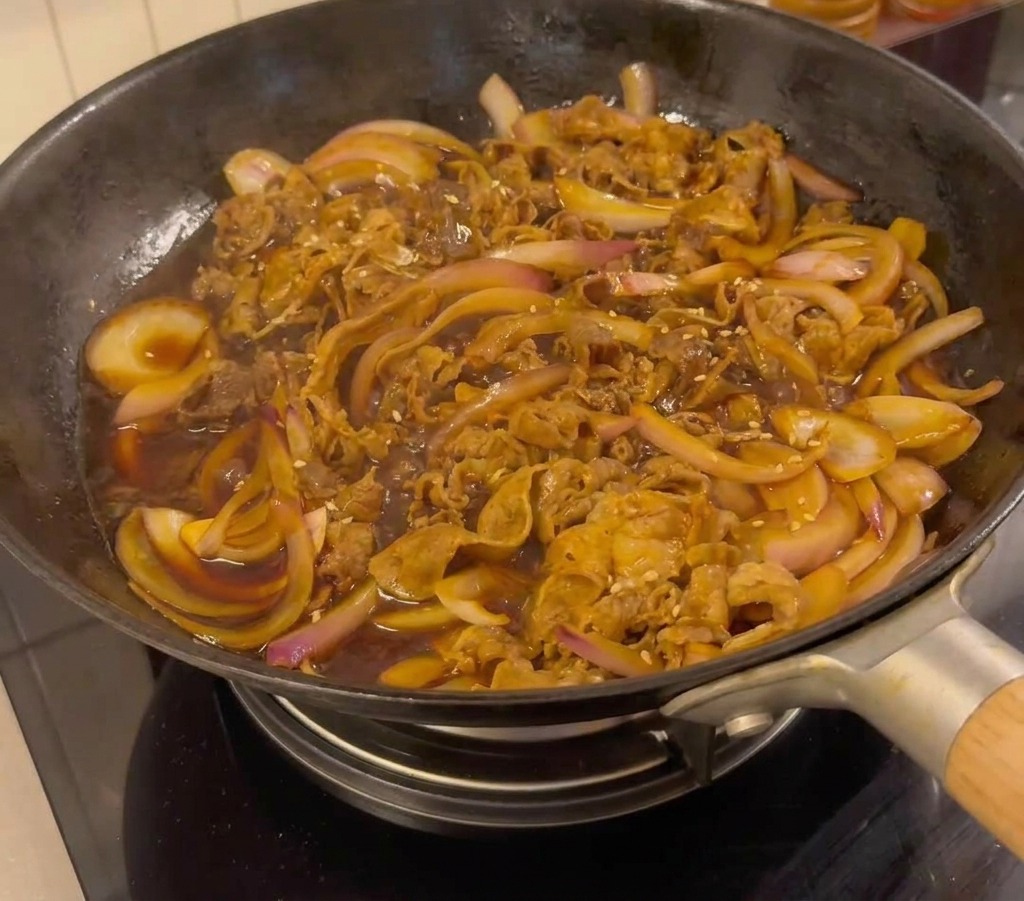
Once the sauce has reached the desired consistency, sprinkle a handful of freshly chopped green scallions and toasted sesame seeds over the beef. These garnishes add a fresh pop of color and a nutty aroma that elevates the entire meal.
Tip: For the best flavor, use toasted white sesame seeds which have a much deeper aroma than raw ones. - 12Assemble the rice bowl
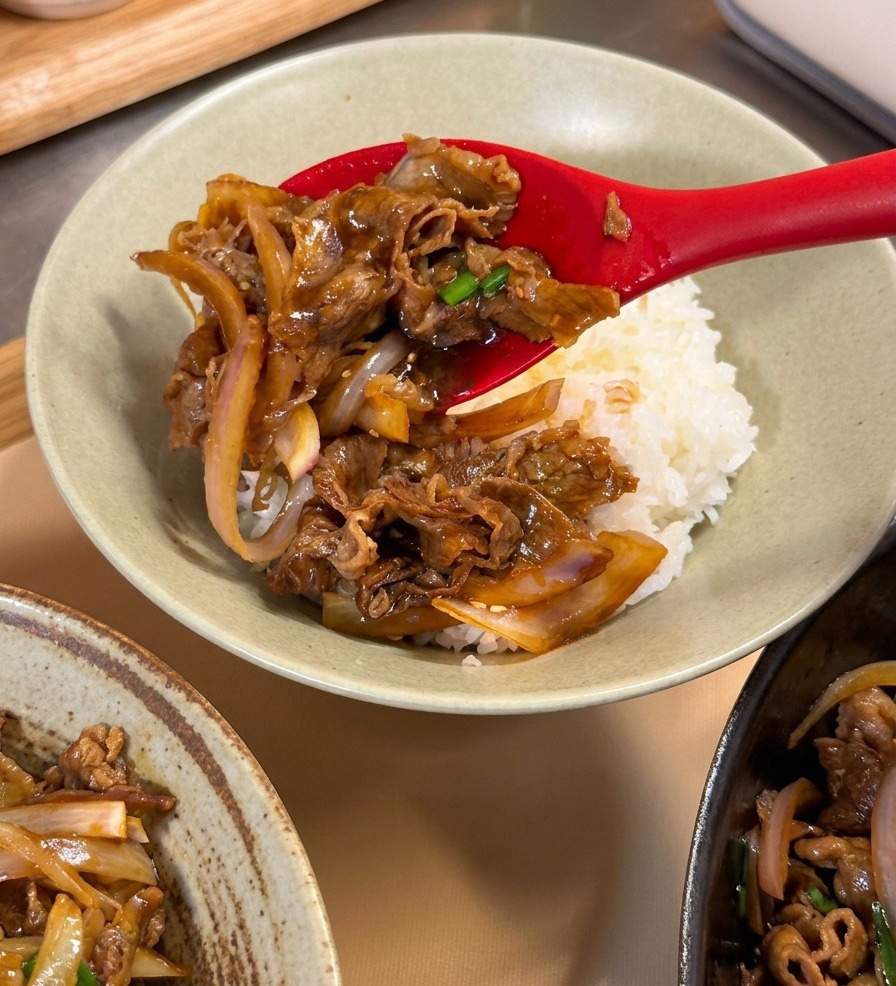
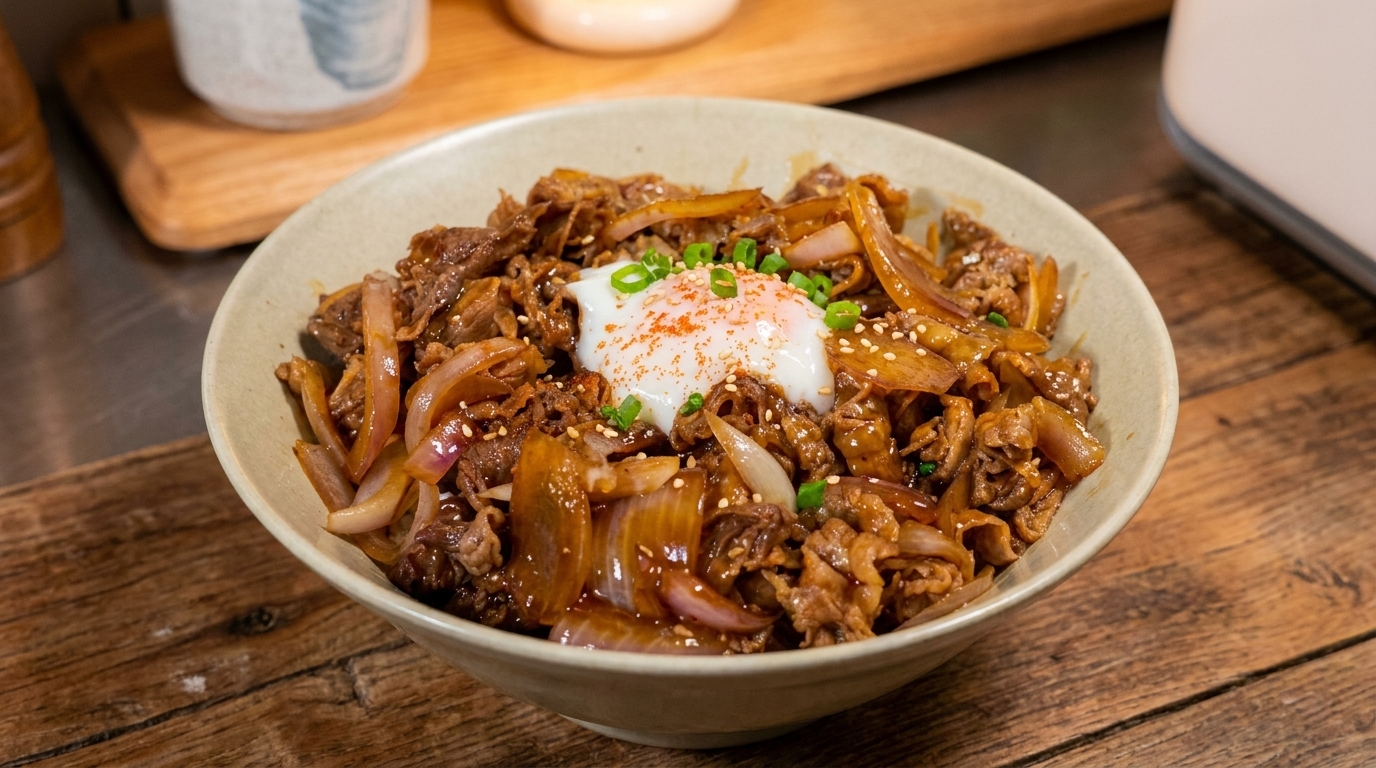
Scoop a generous portion of the saucy teriyaki beef and onions and layer it over a bowl of hot, fluffy steamed white rice. Ensure you get plenty of the glossy sauce from the pan to soak into the rice for a perfectly balanced bite.
Tip: Using a wide, shallow bowl makes it easier to display the beef and leave room for the onsen egg topping. - 13Top with the onsen egg
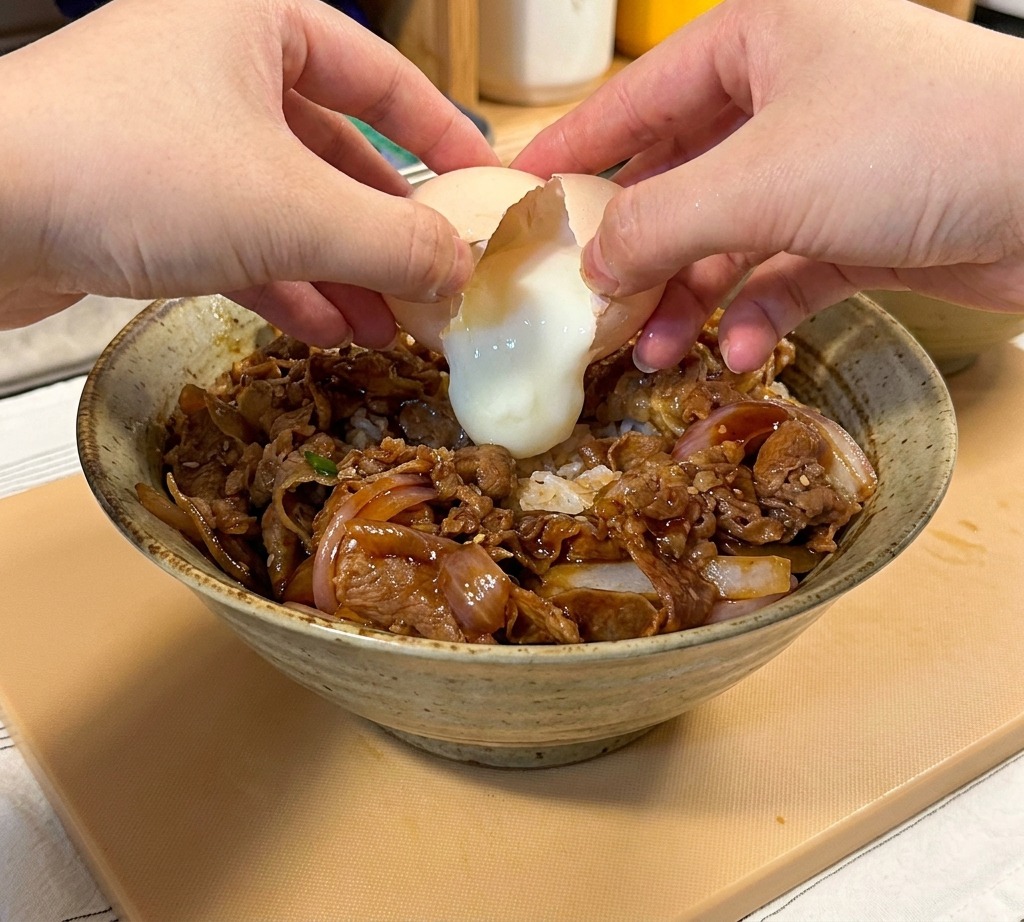
Carefully crack the prepared onsen egg over the center of your beef rice bowl. The creamy silk-like texture of the egg yolk will mingle with the savory teriyaki sauce creating a rich and velvety finish to the dish.
Tip: If there is concern about shell fragments crack the egg into a small bowl first before sliding it onto the beef.