Authentic Shrimp Tempura Donburi (Ten-don)
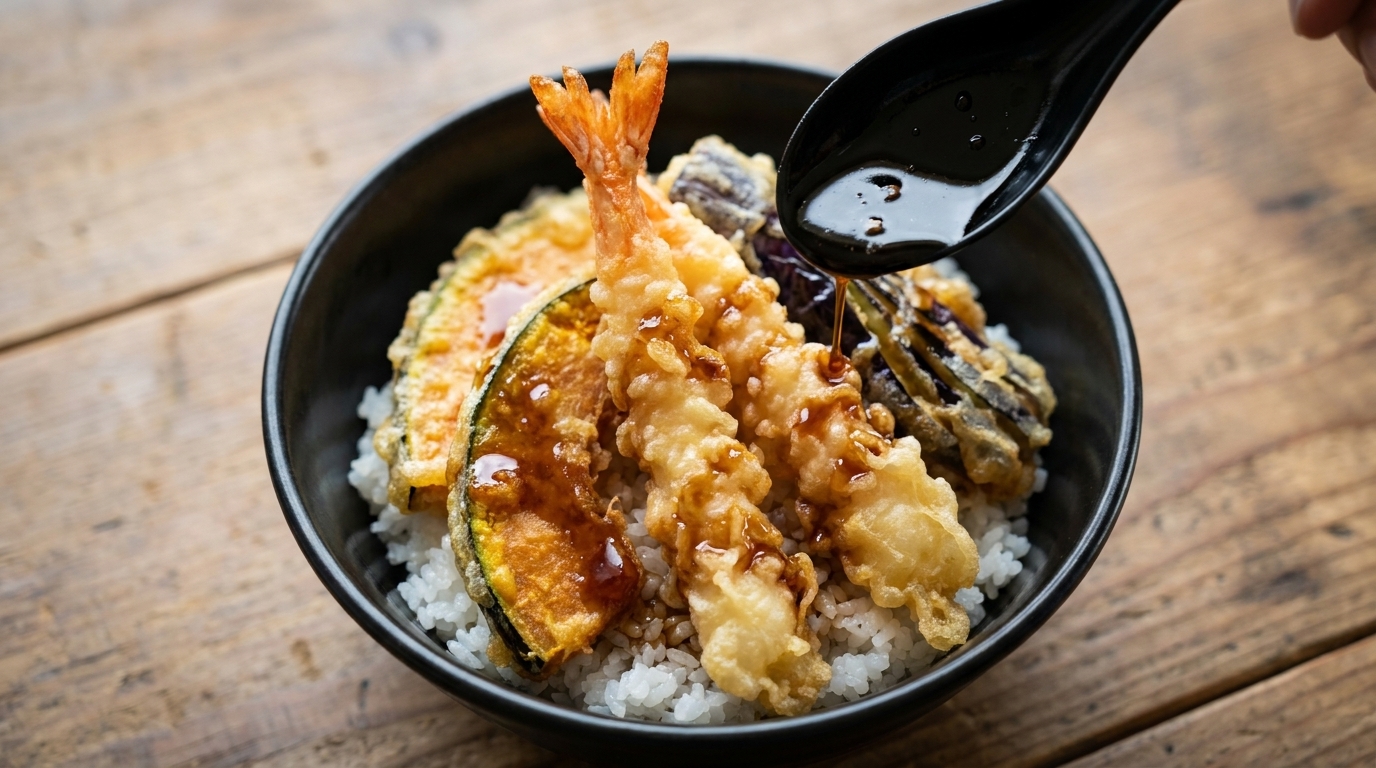
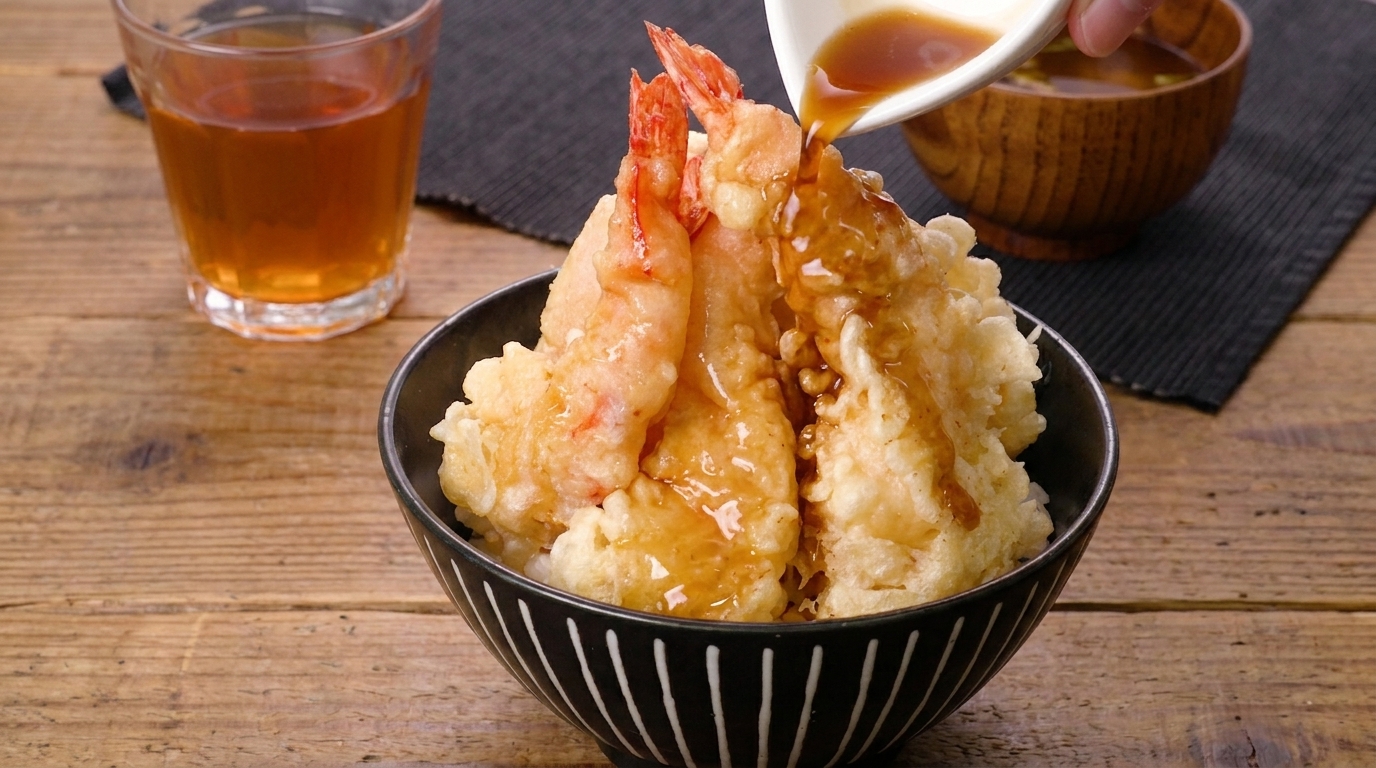
Master the art of light and airy shrimp tempura at home with this classic rice bowl recipe featuring a perfect balance of savory and sweet flavors.
This quintessential Japanese comfort dish relies on the contrast between the shattered glass crunch of freshly fried shrimp and the subtle sweetness of a soy mirin glaze that seeps into the steaming rice below. You can capture that signature street food joy in your own kitchen by focusing on keeping your batter chilled and your oil temperature consistent throughout the process.
Ingredients
- 5 whole shrimp
- 90 g low-gluten flour
- 10 g starch
- 1 large egg
- 150 ml cold water
- 200 g cooked white rice
- 2 tbsp mirin
- 1 tsp sugar
- 1 tbsp soy sauce
- 1 pinch dashi powder
- 3 tbsp water
- 1 tbsp light soy sauce
Instructions
- 1Prepare the tempura sauce
Combine two tablespoons of mirin, one teaspoon of sugar, one tablespoon of soy sauce, a pinch of dashi powder, and three tablespoons of water in a bowl. Microwave this mixture at 600W for 1 minute and 30 seconds.
Tip: Ensure the dashi powder is fully dissolved before microwaving for a smooth flavor. - 2Clean the shrimp
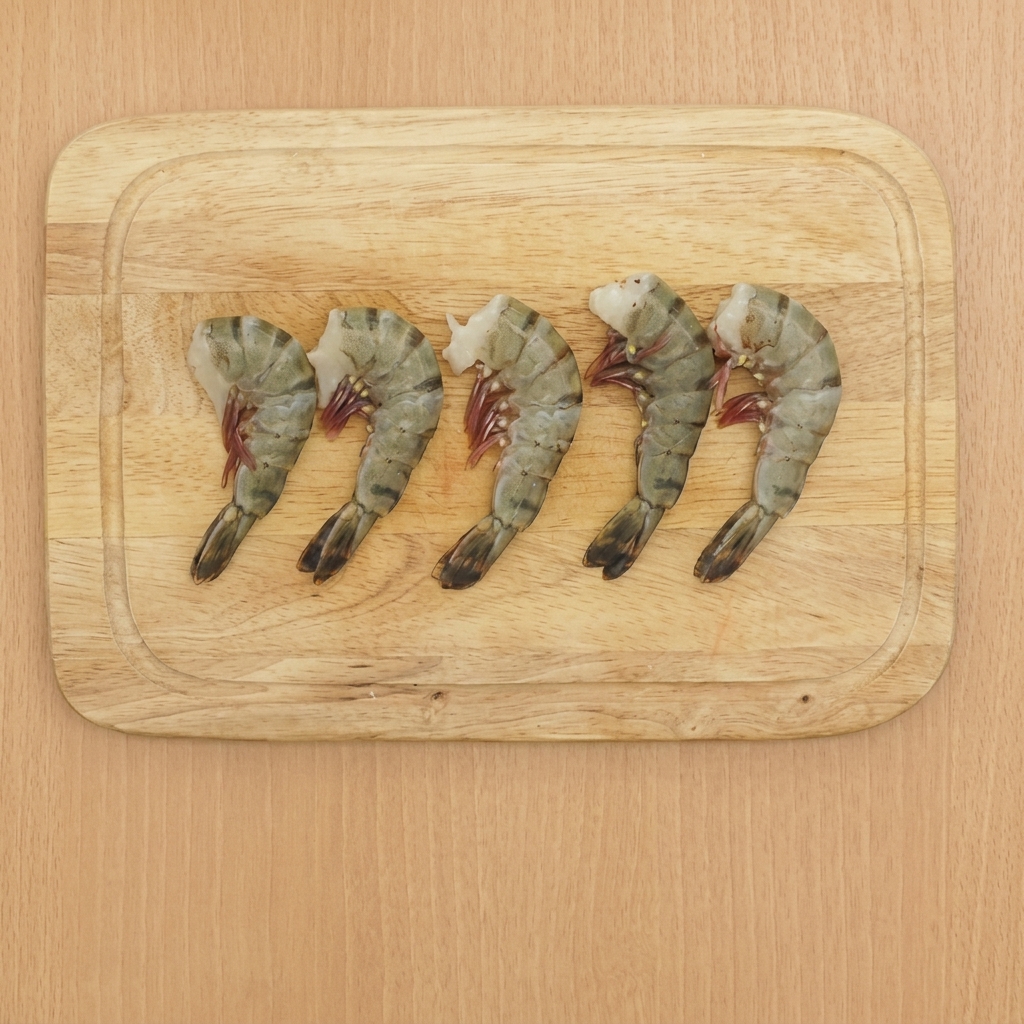
Take five shrimp and carefully remove the shells while keeping the tails on. Remove the back vein and clean the shrimp thoroughly under cold water.
Tip: Keeping the tail on helps maintain the shrimps shape and provides a convenient handle for dipping and eating. - 3Prepare shrimp for frying
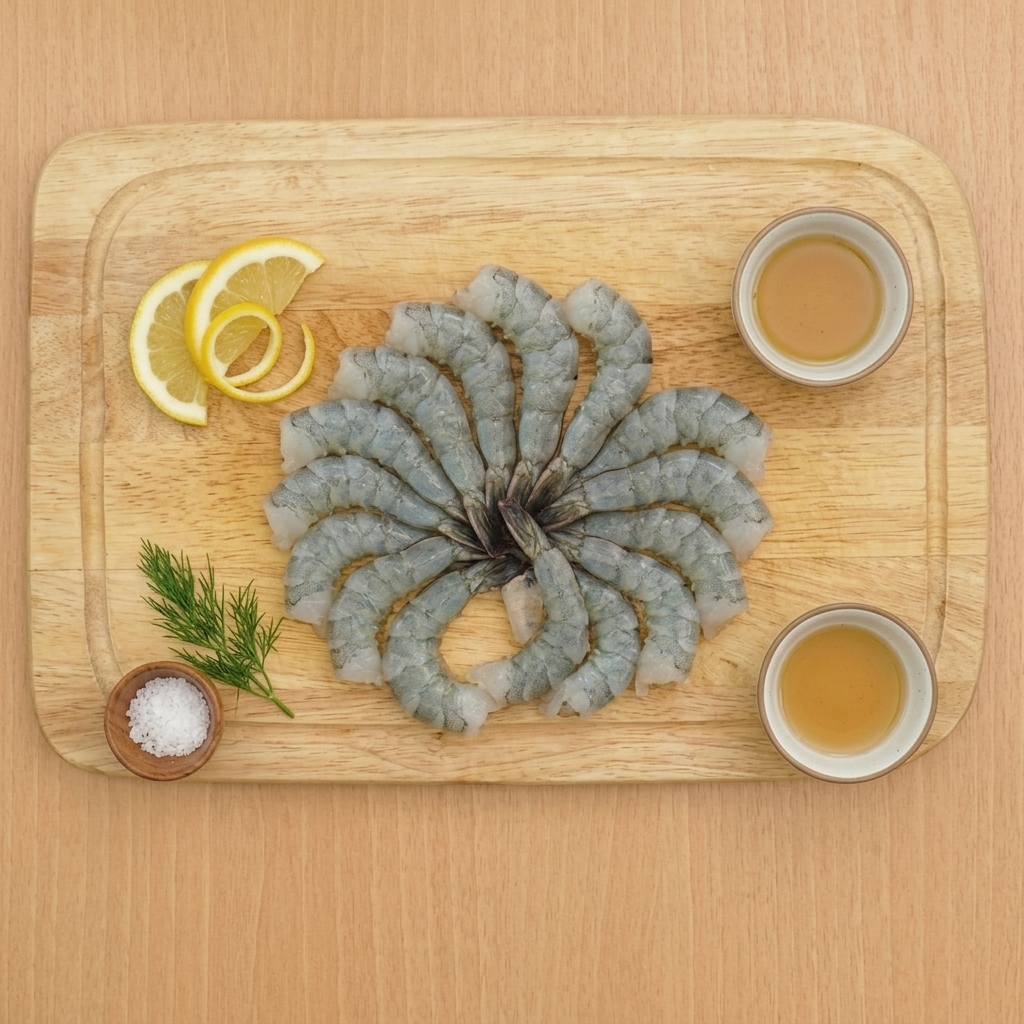
Make shallow cuts on the underside of the shrimp to prevent them from curling. Then, turn them over and press down gently to straighten them out.
Tip: Making these cuts is essential to keep the shrimp straight during the frying process. - 4Dust with flour
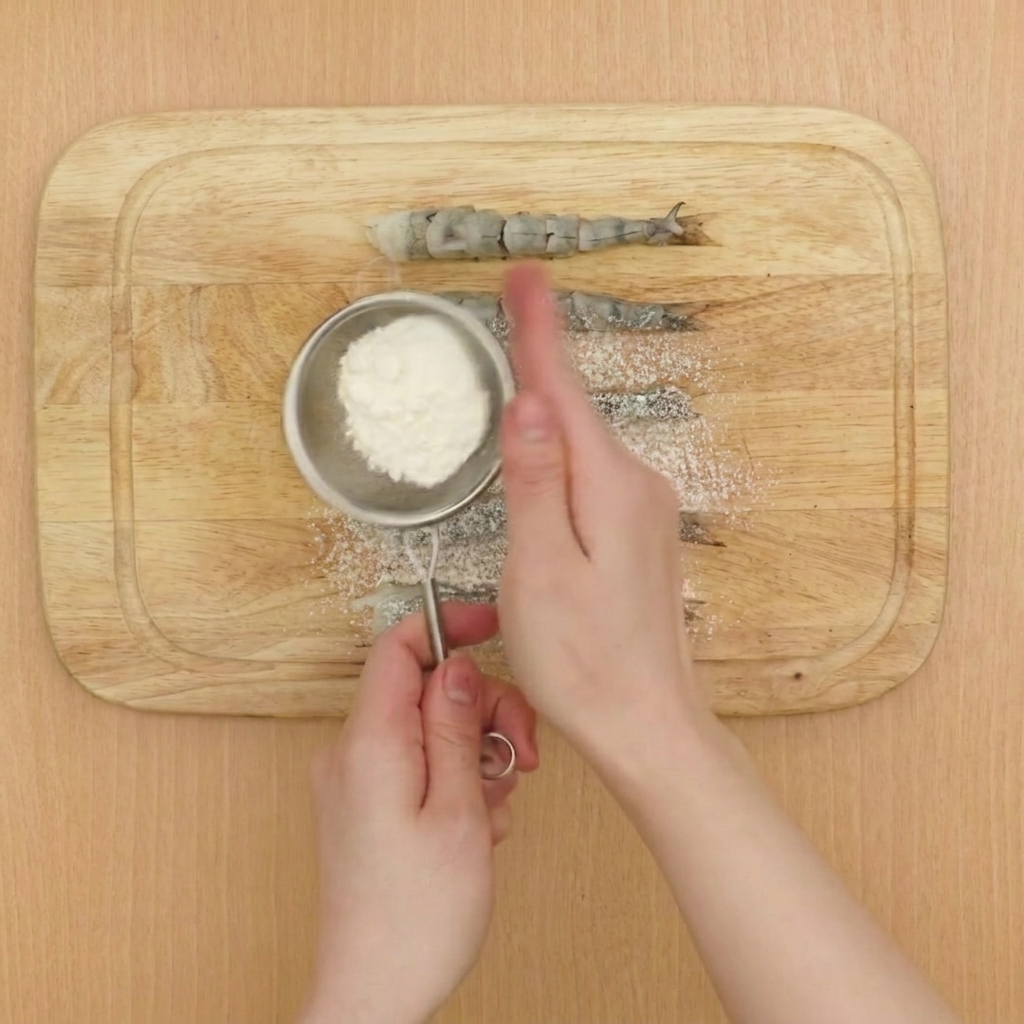
Lightly dust the straightened, cleaned shrimp with a little bit of low-gluten flour. This helps the batter adhere better to the shrimp.
Tip: A thin, even coating of flour is key to a perfectly crispy batter. - 5Create the tempura batter
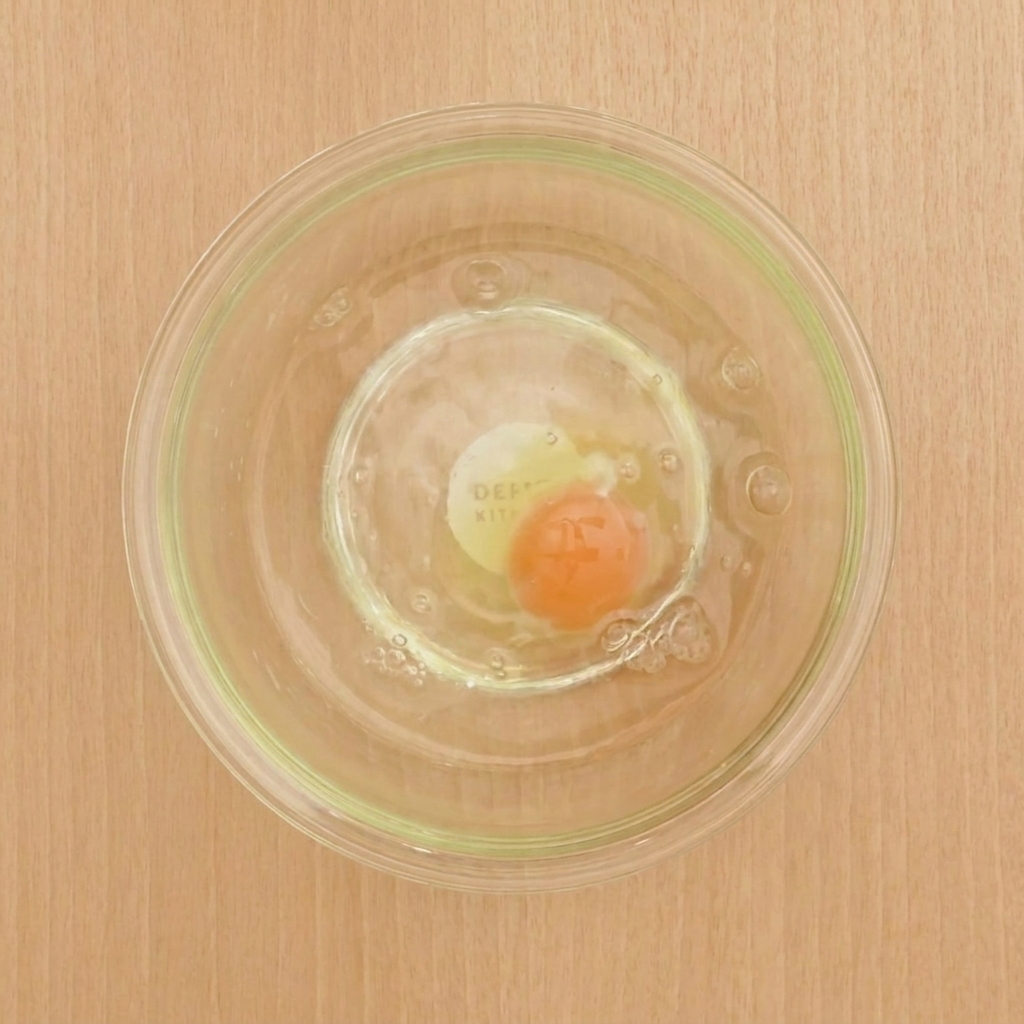
In a bowl, mix one egg with 150cc of cold water. Whisk in 90g of low-gluten flour and 10g of starch until combined.
Tip: Using cold water is a secret to achieving a light and crispy tempura batter. - 6Fry the shrimp to perfection
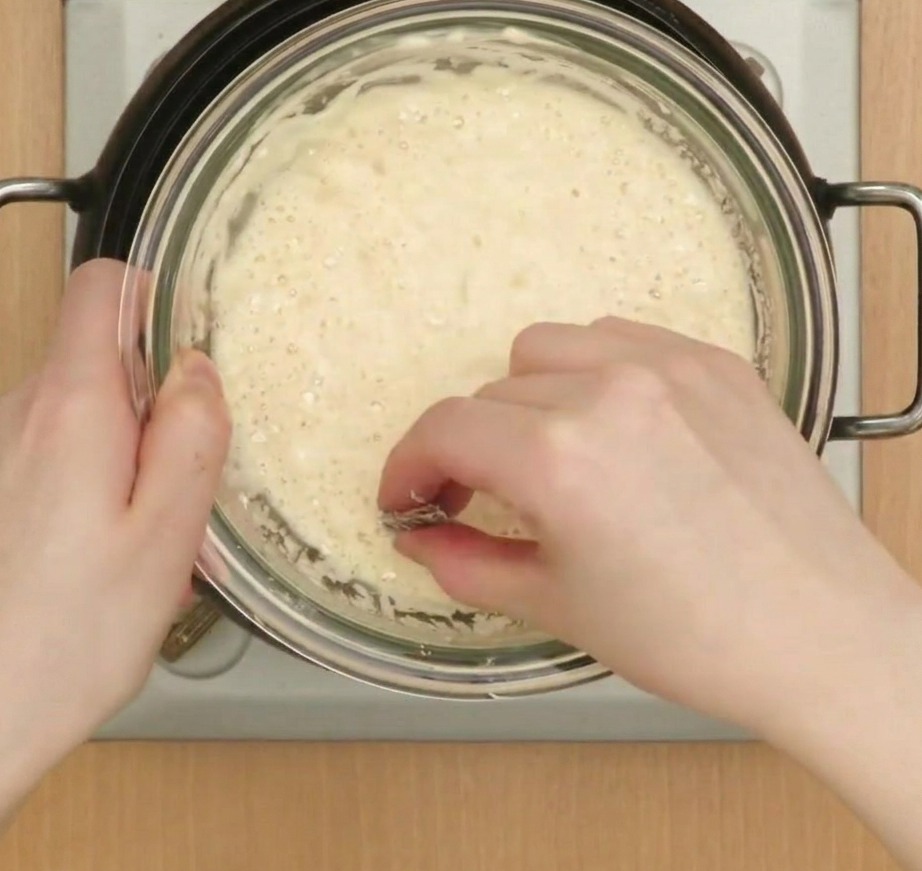
Dip the floured shrimp into the tempura batter and carefully place into 180°C oil. Fry briefly, flipping after 5 seconds, then repeat the dipping and frying process twice more for an extra-crispy shell. Finally, drizzle a spoonful of batter over the shrimp in the oil and fry until golden brown.
Tip: Maintain the oil temperature at 180°C to ensure the batter becomes crispy without absorbing too much oil.