Classic Japanese Miso Ramen
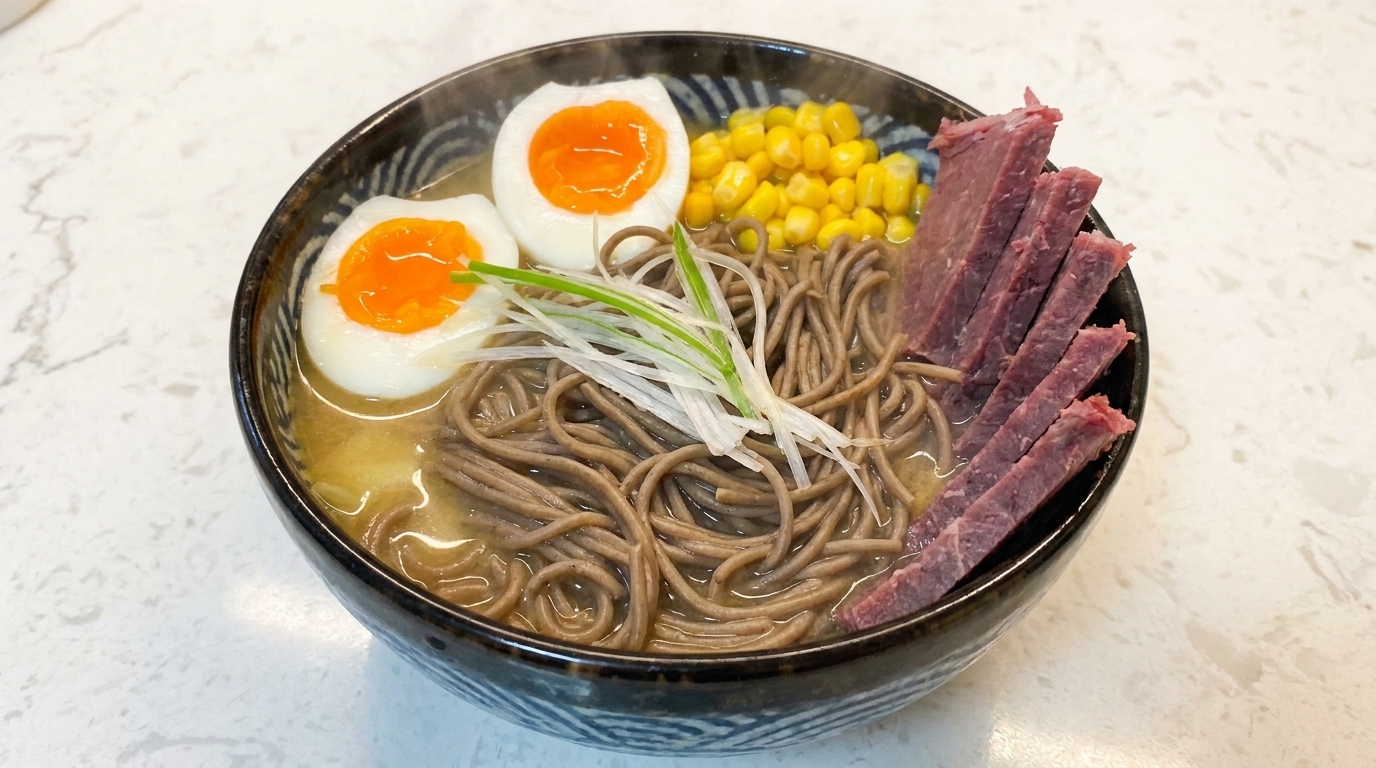
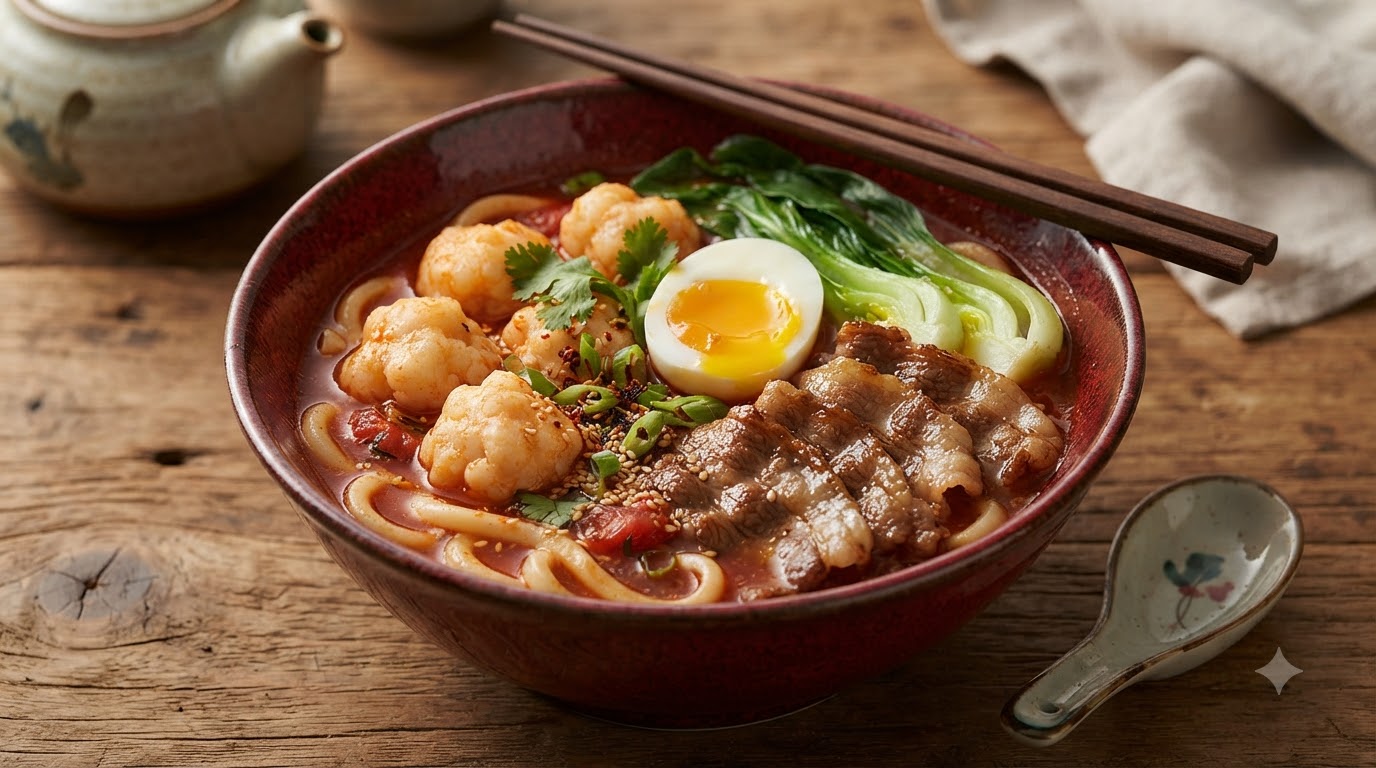
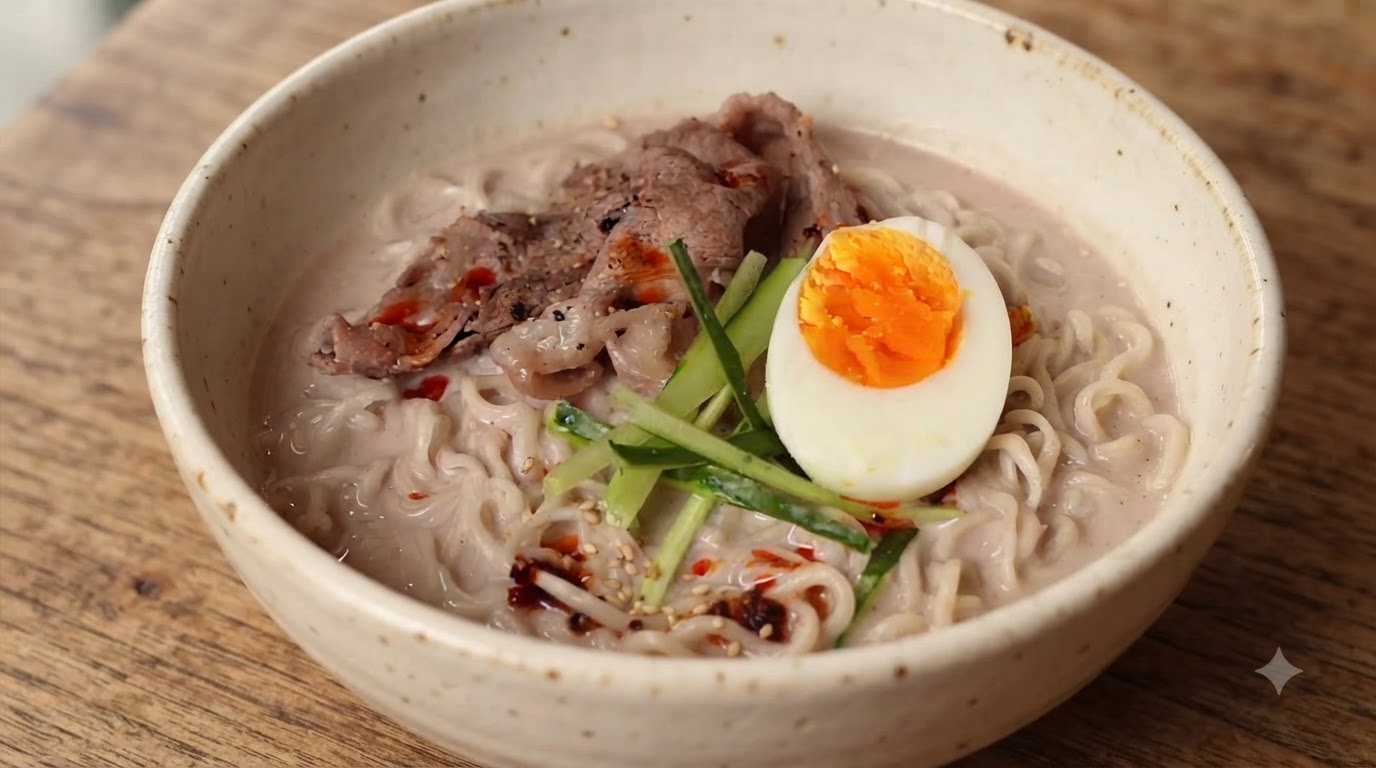
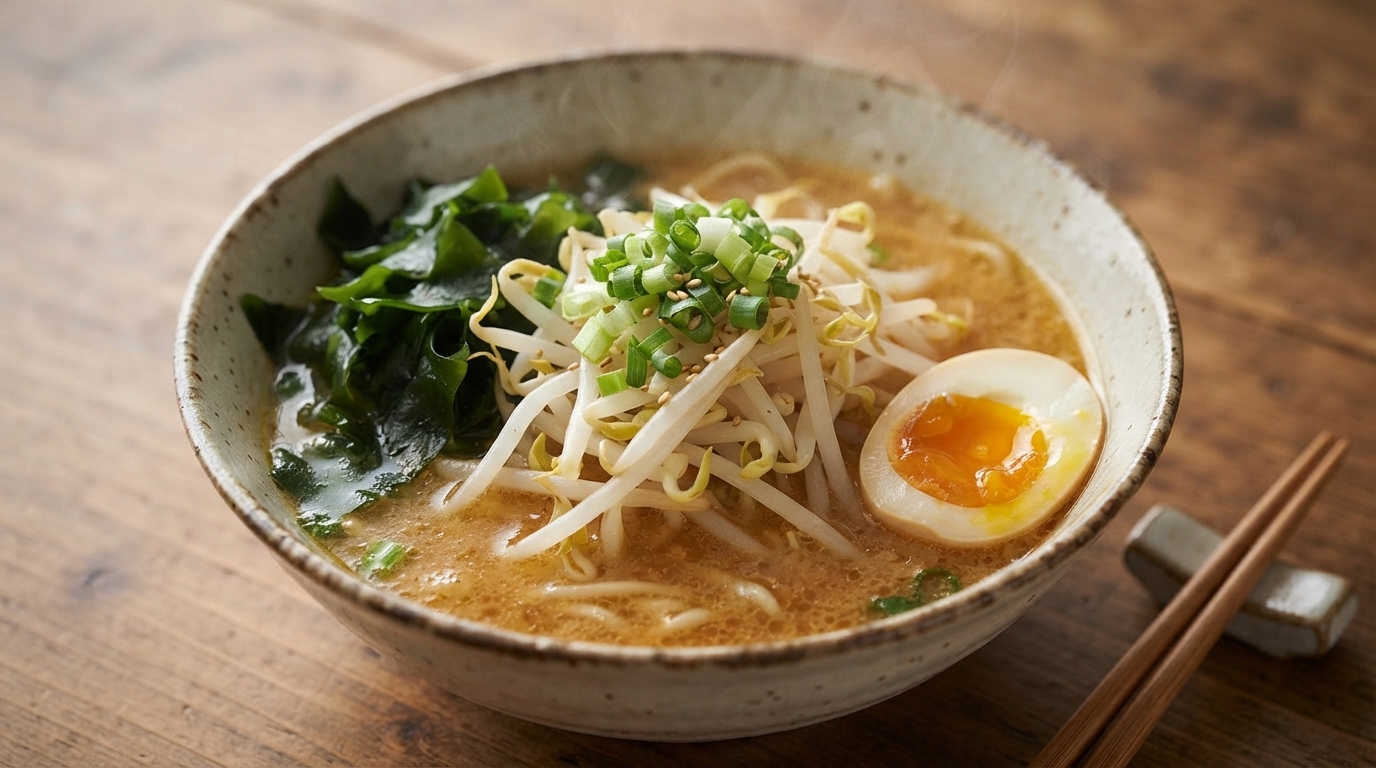
A comforting bowl of Japanese miso ramen featuring a quick homemade dashi broth, crisp mung bean sprouts, wakame seaweed, and a soft-boiled egg.
Miso ramen is a beloved staple of Japanese comfort food, celebrated for its rich, savory broth and satisfying combination of toppings. By preparing a straightforward dashi from scratch using kelp and bonito flakes, this recipe brings authentic umami depth to your kitchen in minutes, providing a perfect foundation for the earthy miso paste.
Ingredients
- 200 g ramen noodles
- 80 g dried kelp
- 10 g bonito flakes
- 100 g green seaweed (wakame)
- 100 g mung bean sprouts
- 2 tbsp miso paste
- 1 soft-boiled egg
- to taste white sesame seeds
- to taste chopped scallions
Instructions
- 1Blanch the mung bean sprouts
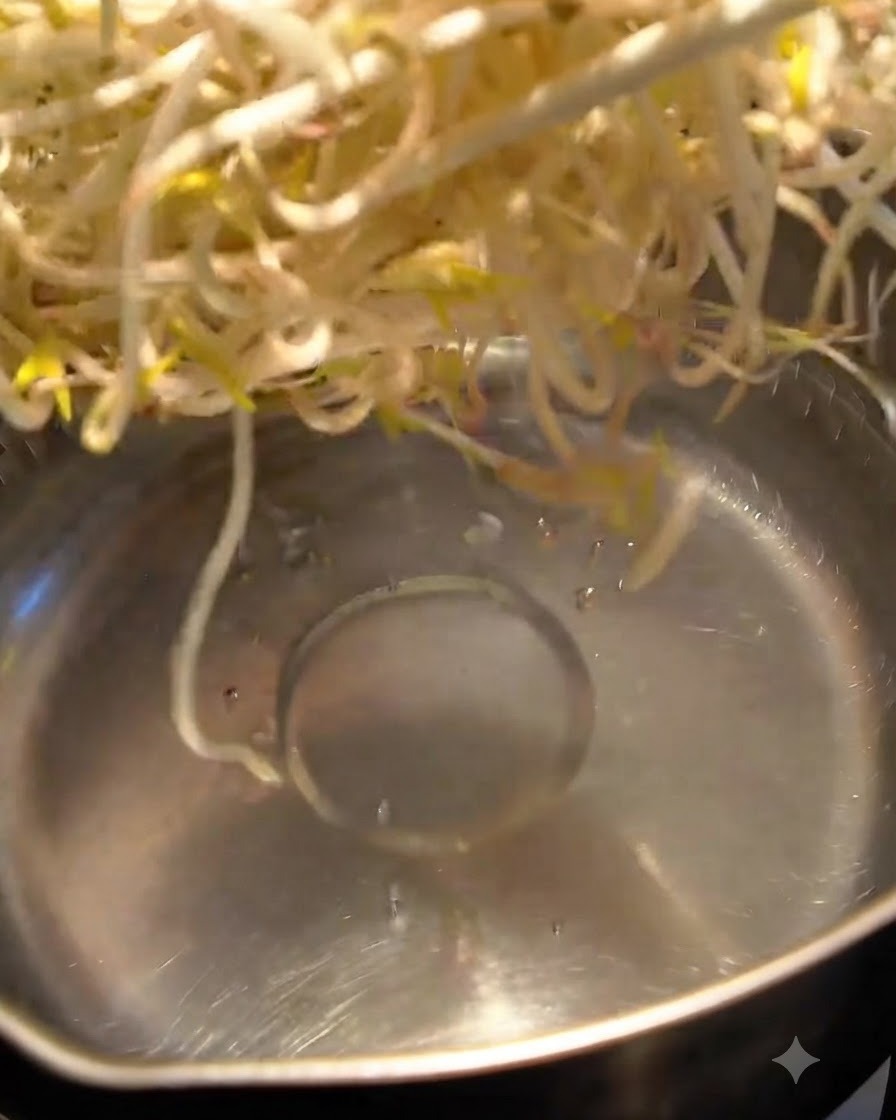
Add mung bean sprouts into boiling water and cook for one minute, then remove them promptly to retain their crisp texture.
Tip: Keep the blanching time short to preserve the crisp texture of the bean sprouts. - 2Blanch the seaweed
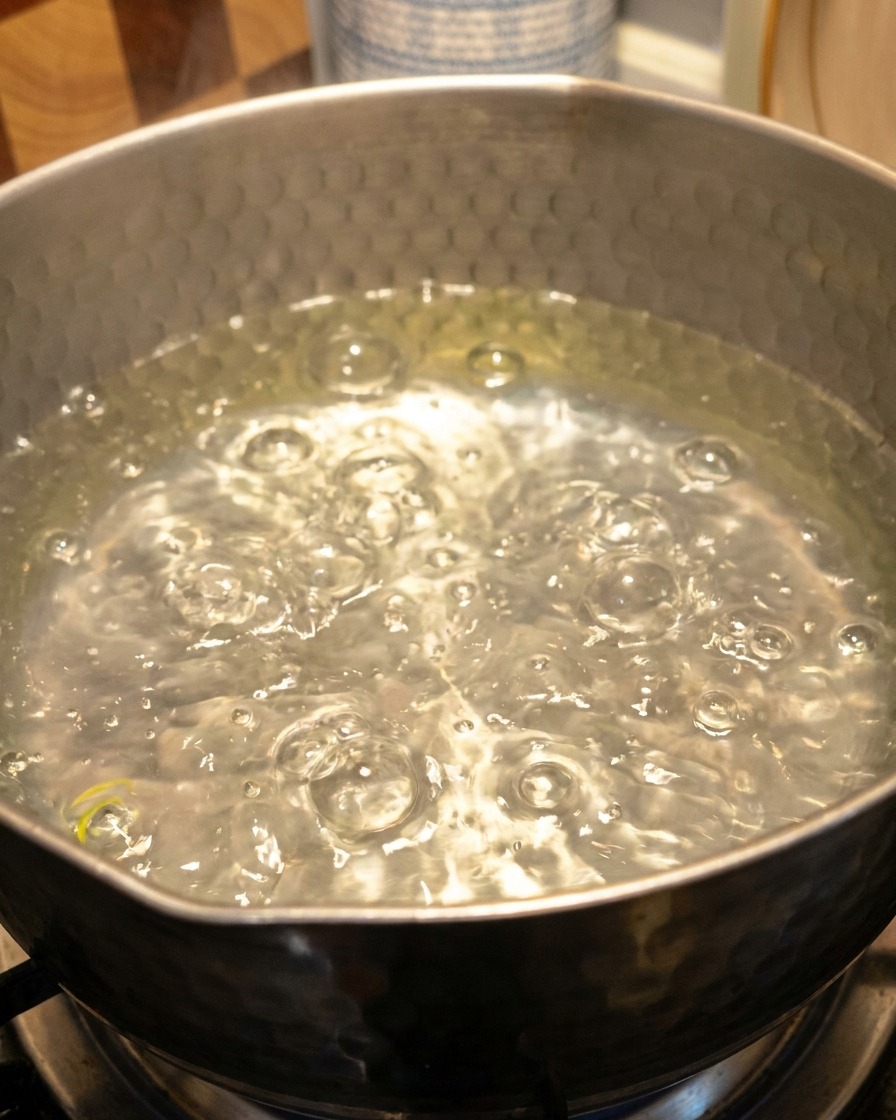
Place the seaweed into boiling water and cook for two minutes, then remove.
Tip: Ensure the water maintains a steady boil while cooking the seaweed. - 3Simmer kelp for dashi broth
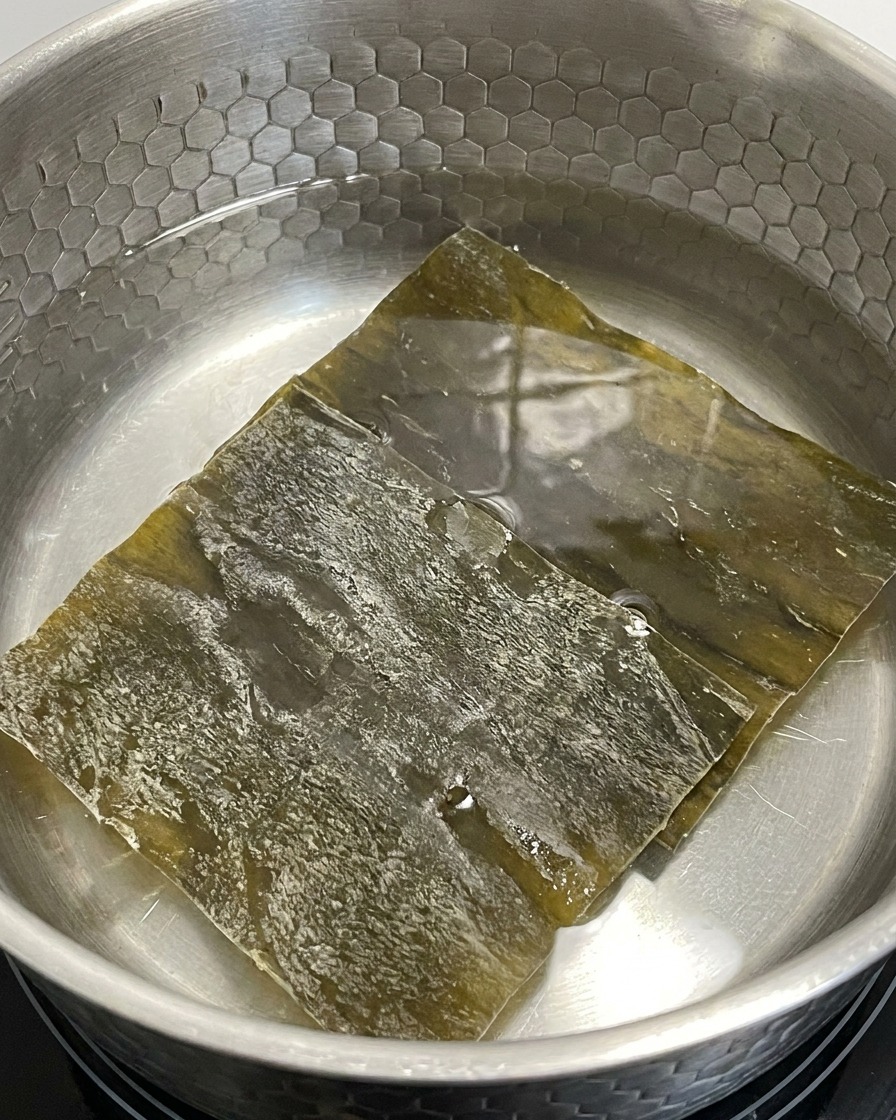
Add water and dried kelp pieces into a pot, then simmer over low heat for ten minutes.
Tip: Simmering on low heat extracts the rich umami flavor without making the broth bitter. - 4Add bonito flakes
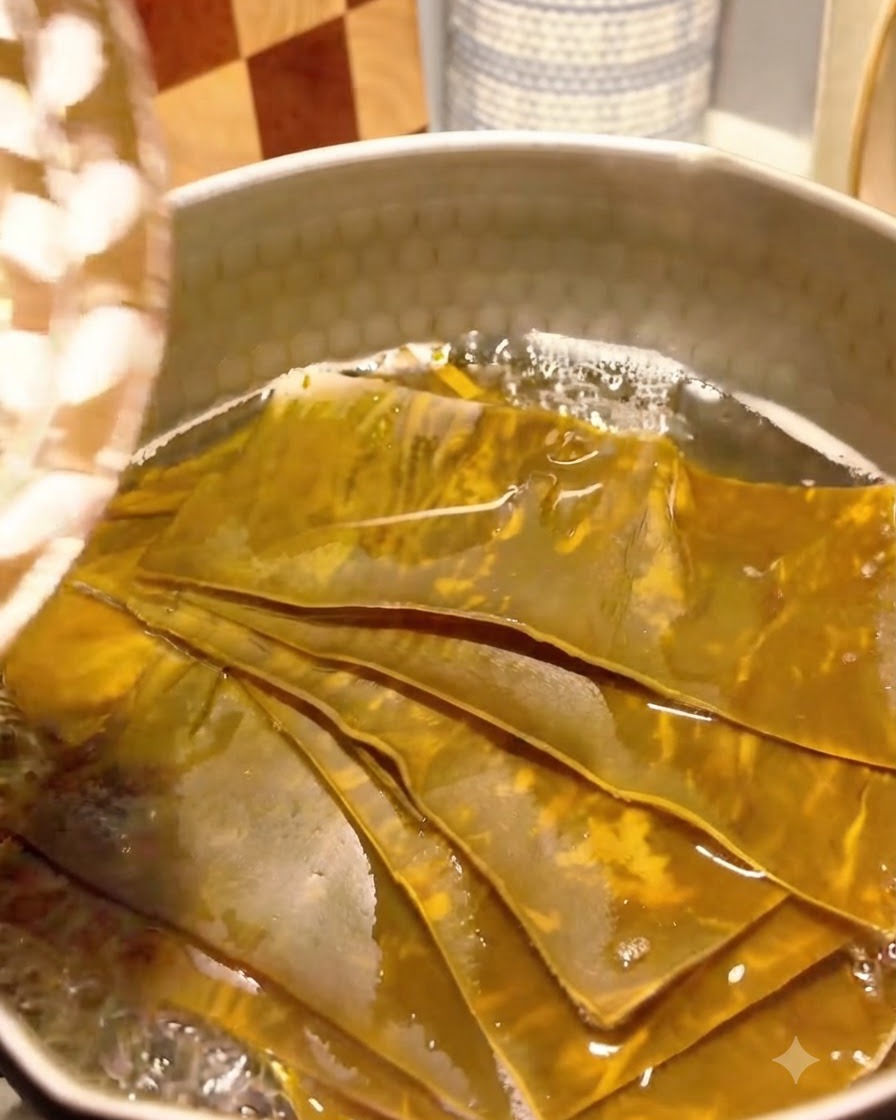
Add bonito flakes into the simmering kelp broth and cook for five minutes, then remove the pot from heat and strain out the solid kelp and bonito flakes.
Tip: Remove the kelp and bonito flakes promptly after the specified time for the best flavor balance. - 5Dissolve the miso paste
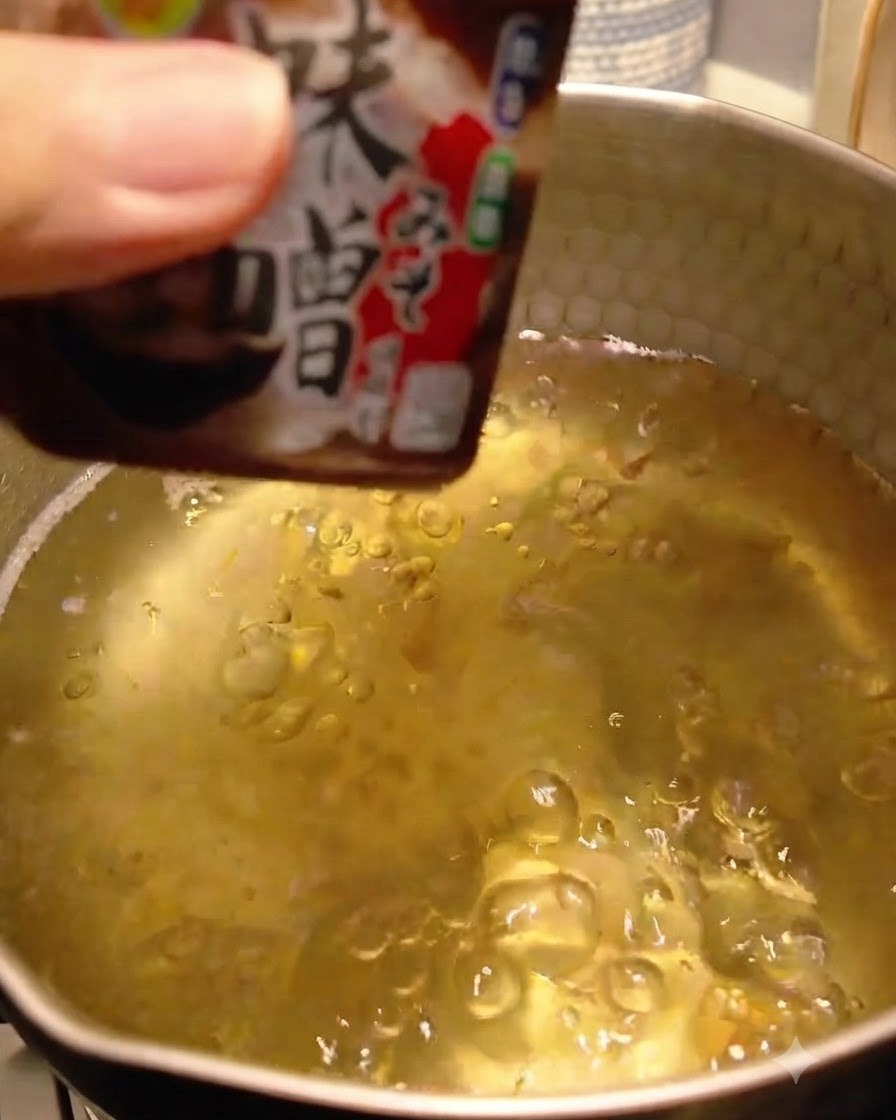
Take two tablespoons of miso paste and incorporate it directly into the hot dashi broth, stirring thoroughly with chopsticks or a ladle until fully dissolved without any clumps.
Tip: Place the miso paste into a small strainer or ladle, then lower it partially into the hot broth and whisk with chopsticks to dissolve it smoothly and prevent any lumps. - 6Sprinkle white sesame seeds
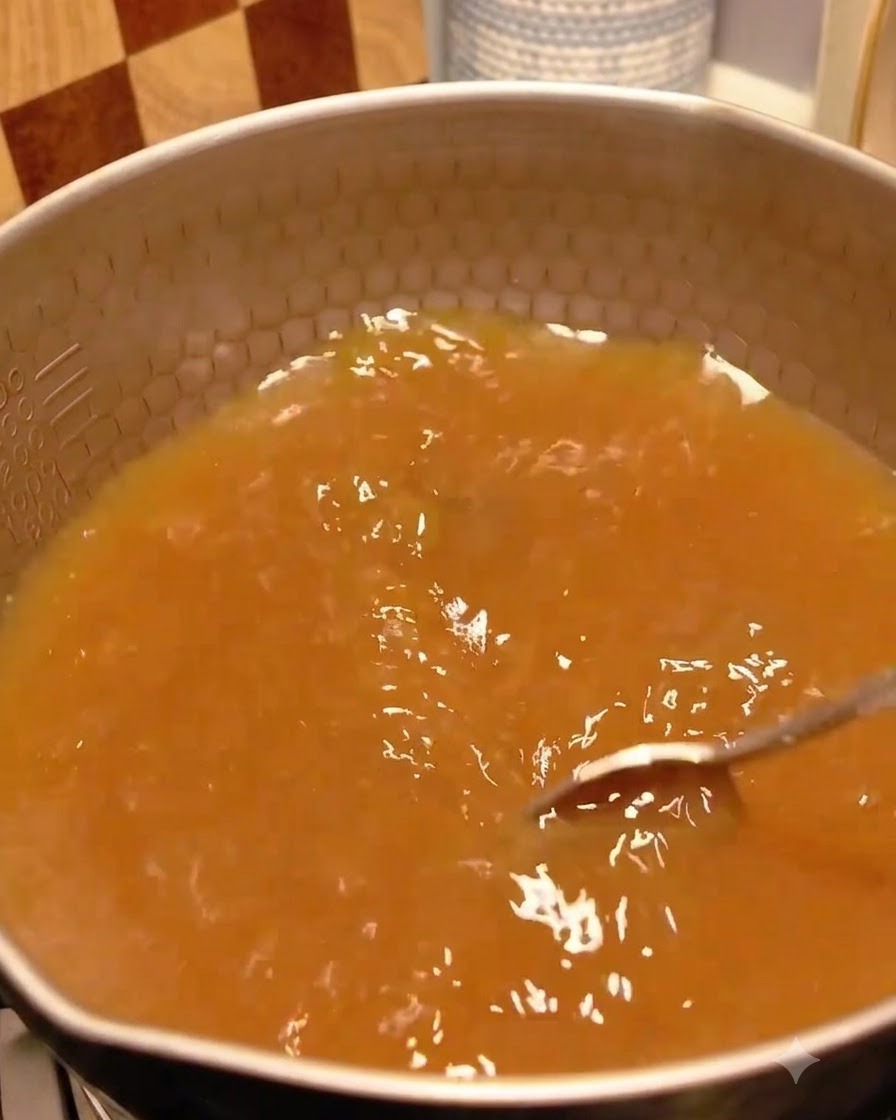
Add a small amount of white sesame seeds into the warm miso broth to enhance the aroma and visual appeal of the soup base.
Tip: Toast the sesame seeds lightly beforehand for a richer, nuttier flavor profile.