Low-Fat Miso Soba Ramen
Beef and Egg
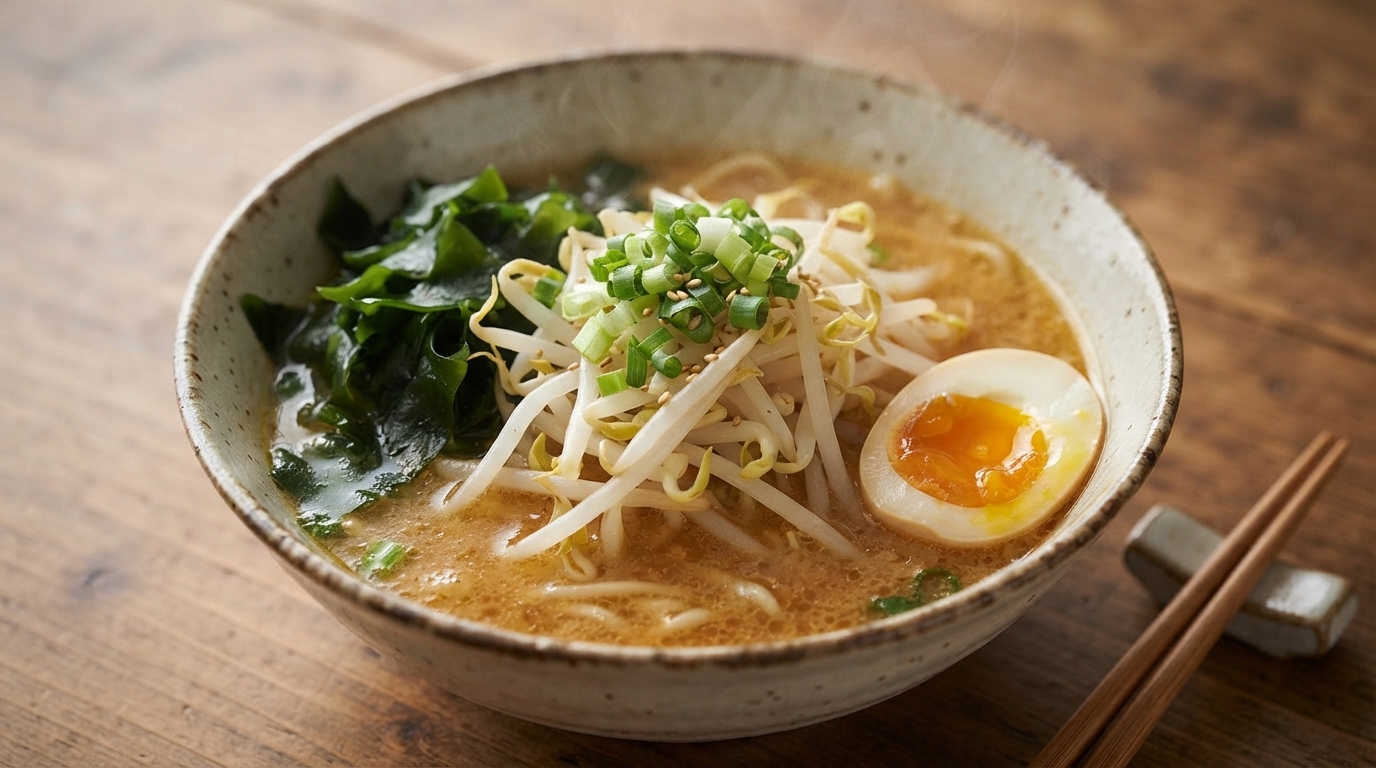
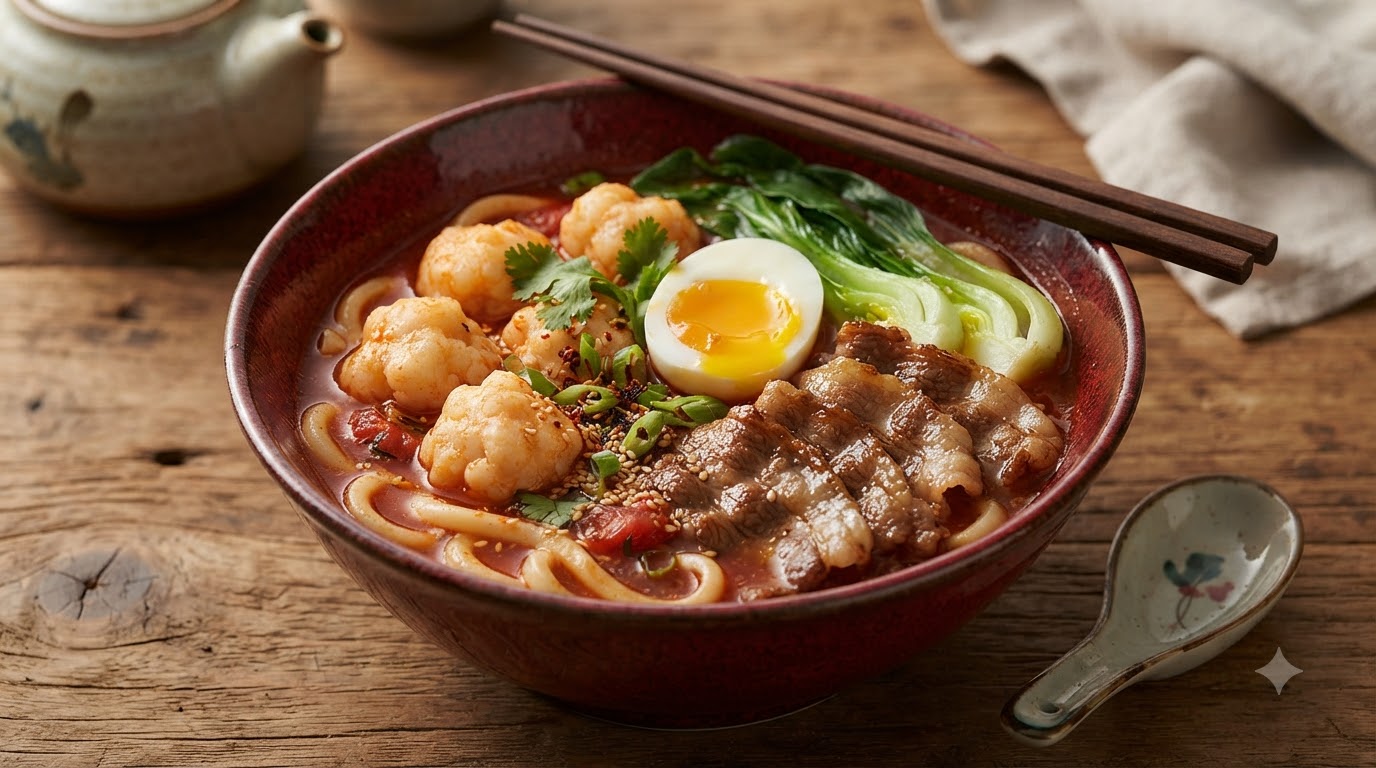
A light, fat-loss miso ramen featuring hearty buckwheat soba noodles, lean sliced beef, fresh blanched vegetables, and a soft-boiled egg in a warm miso broth.
When comfort food needs to fit a lighter lifestyle, this low-fat miso ramen offers a satisfying solution. By substituting traditional wheat noodles with nutrient-rich buckwheat soba and packing the bowl with blanched white radish and cabbage, you get all the warmth and savory depth of a classic ramen with a fraction of the heavy fats.
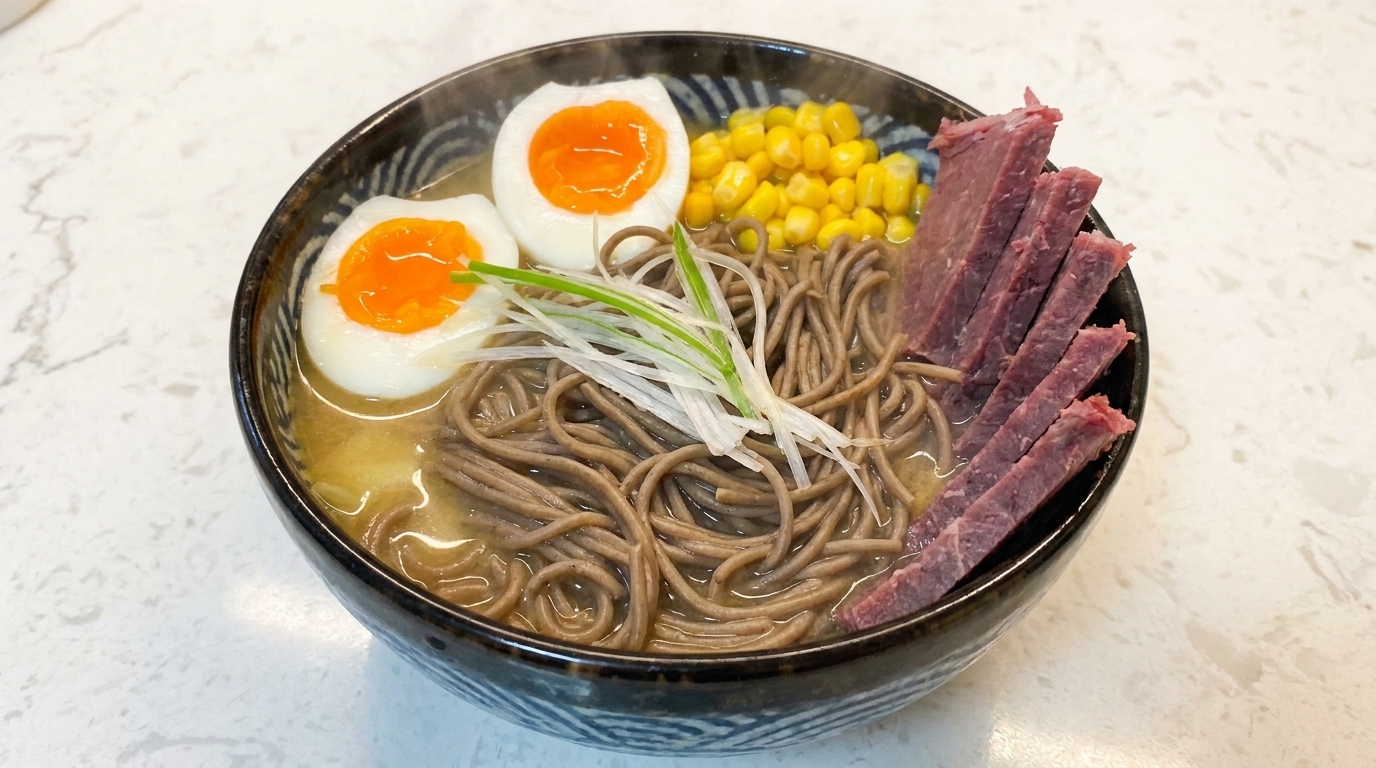
Ingredients
- 1 portion buckwheat soba noodles
- 100 g lean cooked beef
- 1 wedge green cabbage
- 1 piece white radish
- 1 handful bean sprouts
- 1 tbsp white miso paste
- 2 tbsp sweet corn kernels
- 1 soft-boiled egg
- 1 stalk scallion
- 2 cups hot water
Instructions
- 1Slice the White Radish
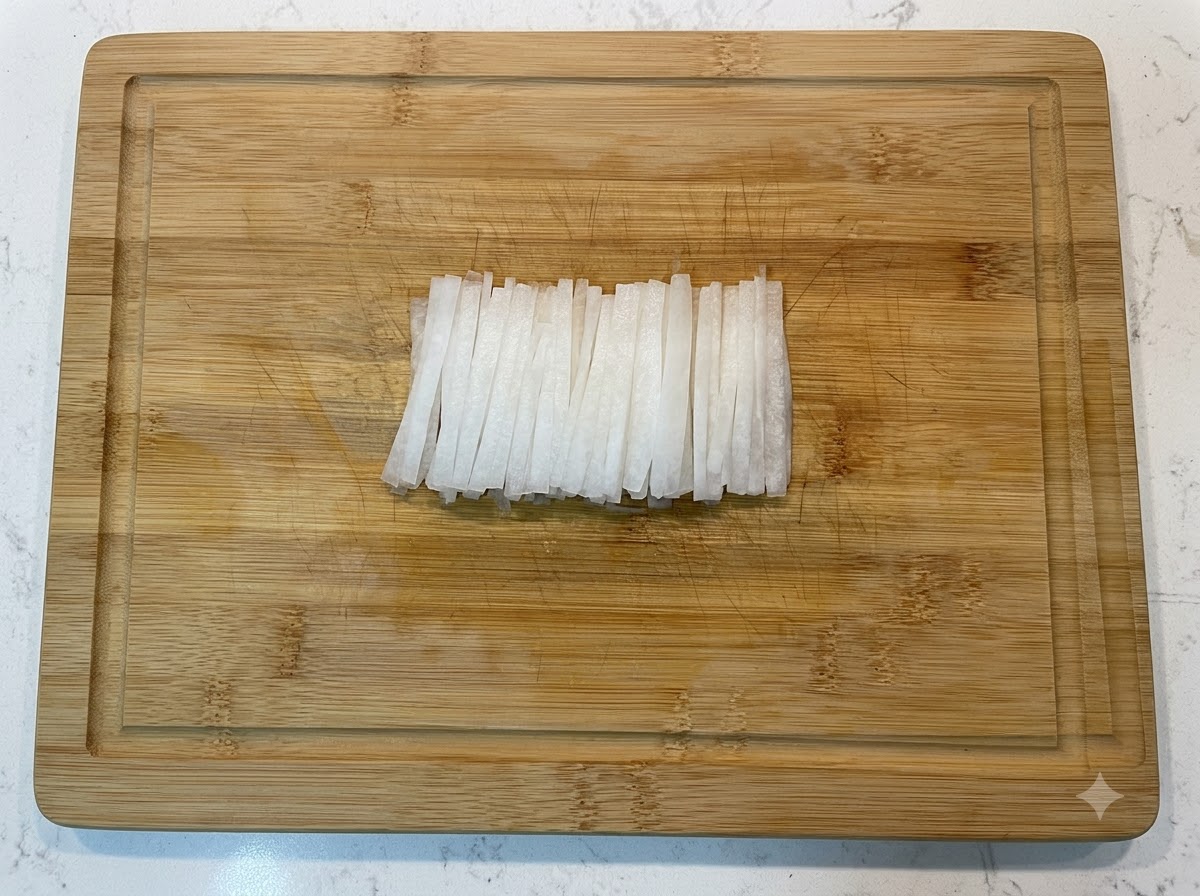
Place a piece of white radish on a wooden cutting board and slice it thinly.
Tip: Ensure the slices are uniform for even cooking. - 2Slice the Cabbage
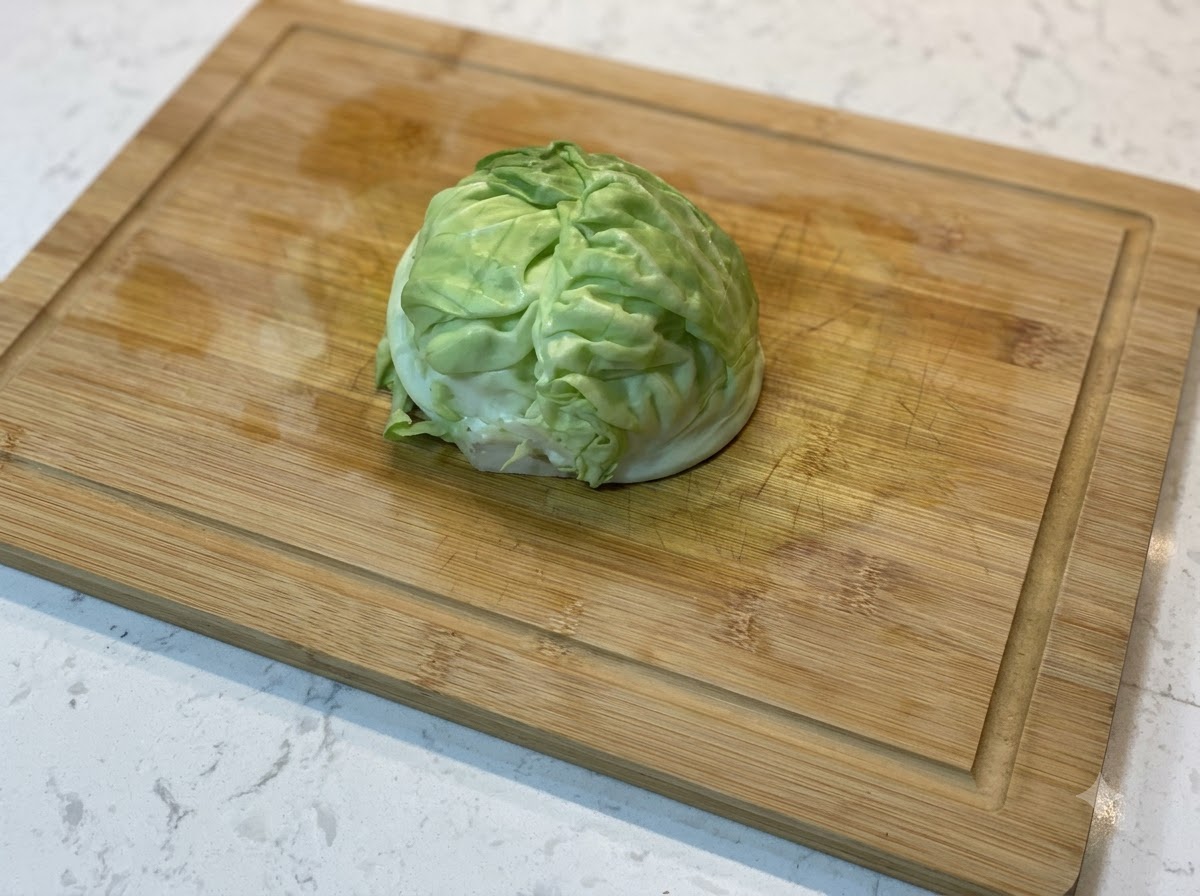
Take a wedge of green cabbage and slice it on the wooden cutting board.
Tip: Cut into manageable pieces for quick blanching. - 3Blanch the Vegetables
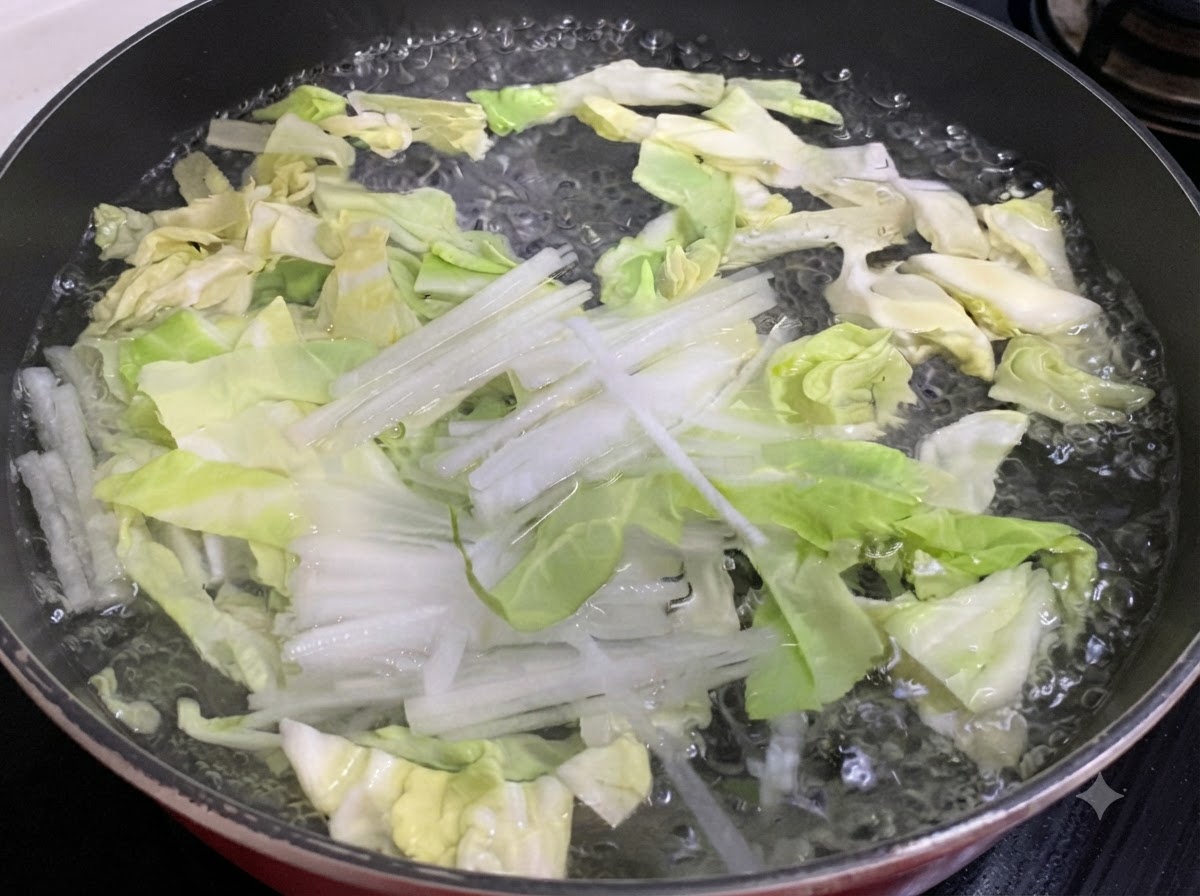
Submerge the shredded cabbage and white radish into a pan of boiling water to soften them.
Tip: Do not over-boil to keep the vegetables crisp and tender. - 4Slice the Cooked Beef
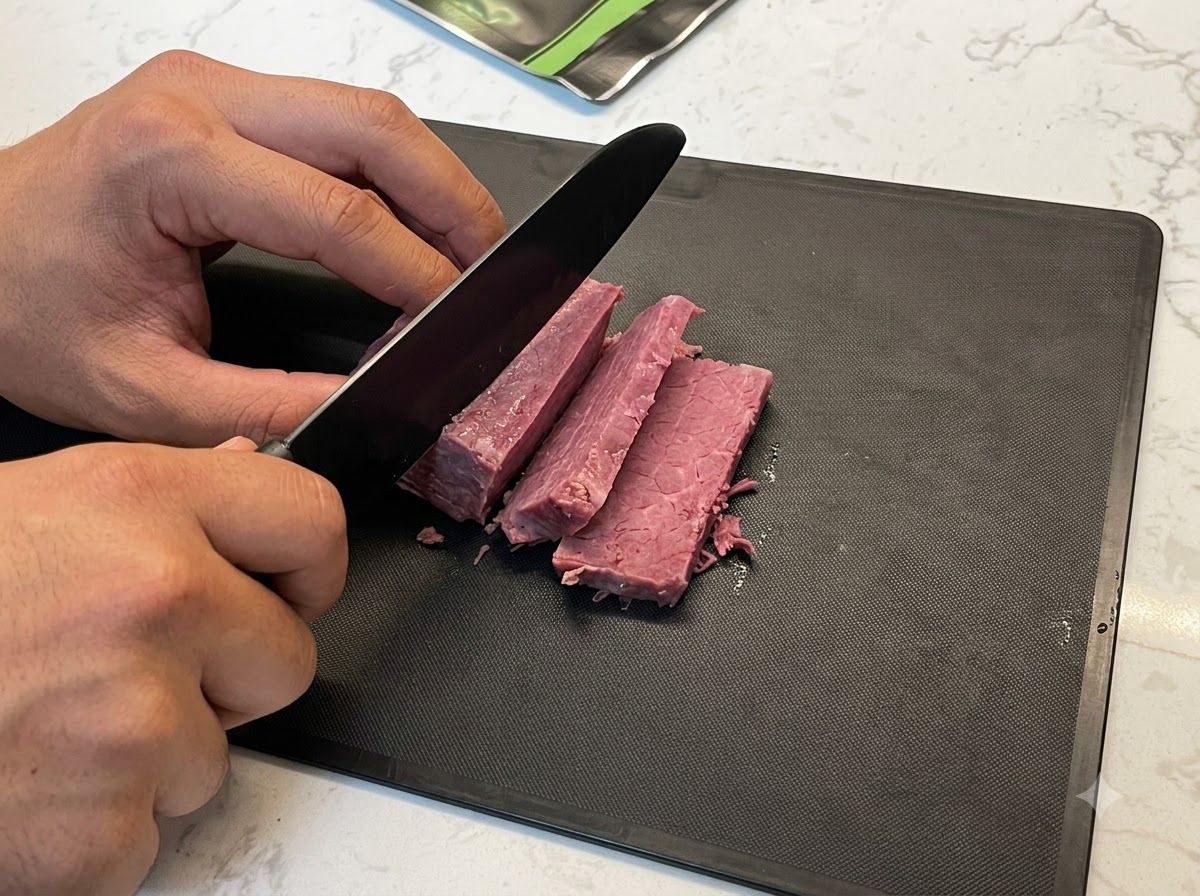
Place a block of cooked beef on a black cutting board and slice it into thick pieces using a knife.
Tip: Slice against the grain for tender bites. - 5Assemble the Noodles
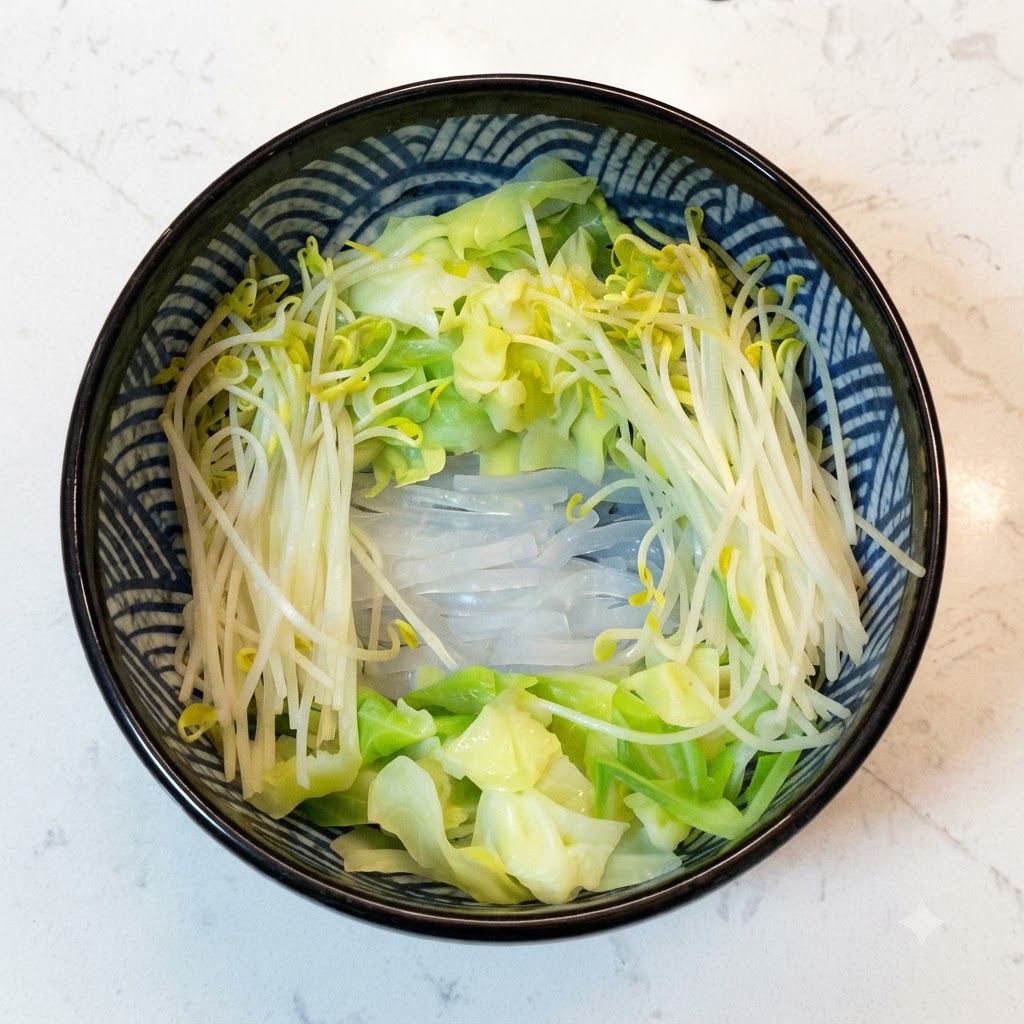
Place a portion of cooked buckwheat noodles into a serving bowl directly over the bed of blanched vegetables.
Tip: Arrange neatly to make the bowl presentation clean and appealing. - 6Prepare the Miso Broth
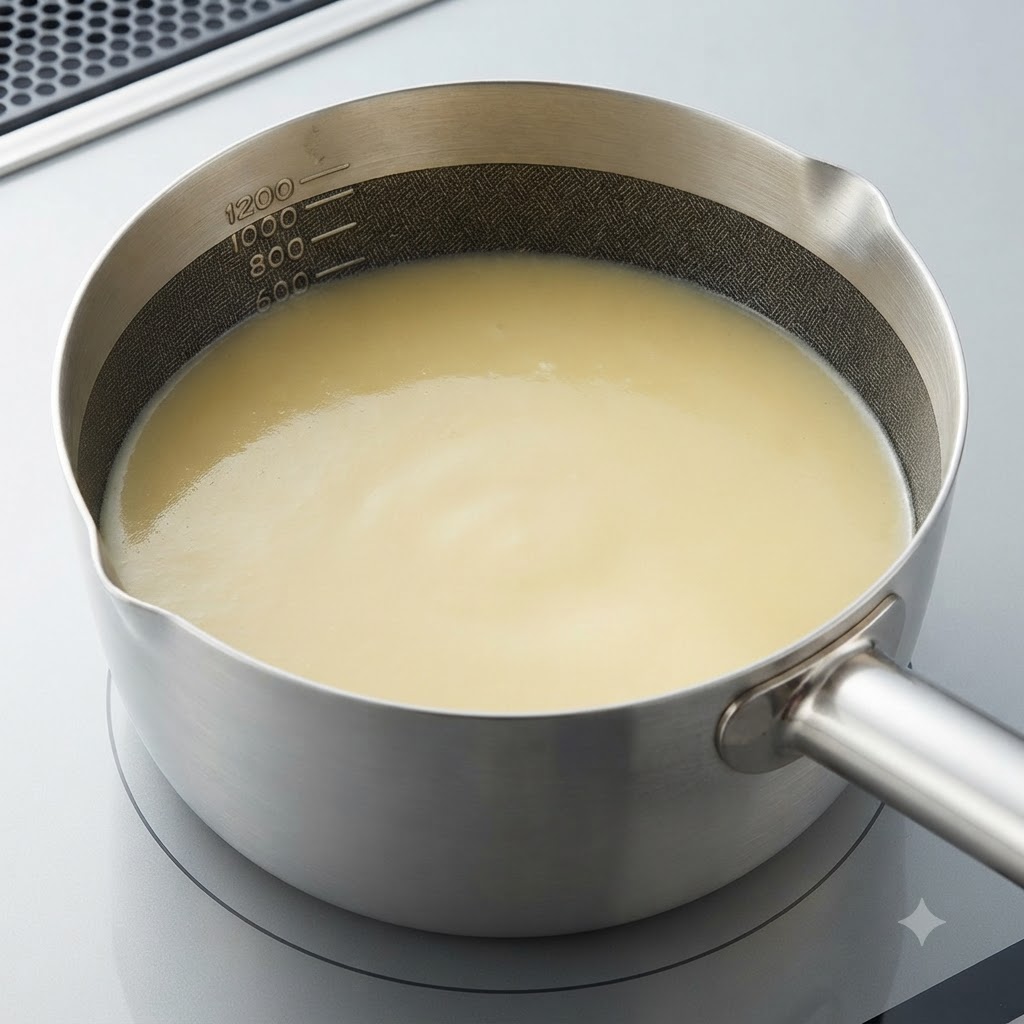
Stir white miso paste into hot liquid inside a saucepan until completely smooth, creating the savory broth base.
Tip: Dissolve the paste slowly to avoid clumps. - 7Pour the hot miso broth
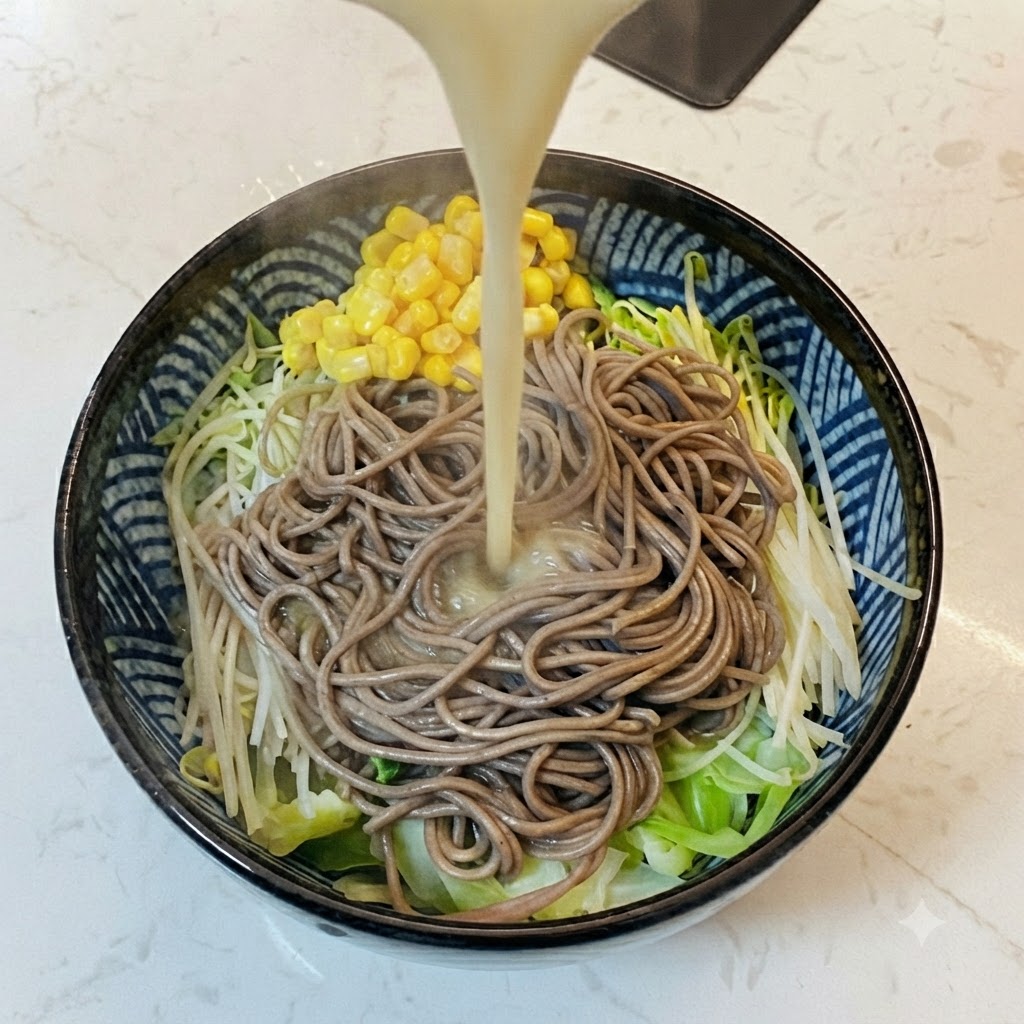
Slowly pour the freshly prepared hot miso broth directly over the assembled buckwheat noodles, vegetables, and corn kernels in the bowl.
Tip: Pour gently in a circular motion around the ingredients to distribute the broth evenly without disturbing the neat arrangement. - 8Add the soft-boiled egg
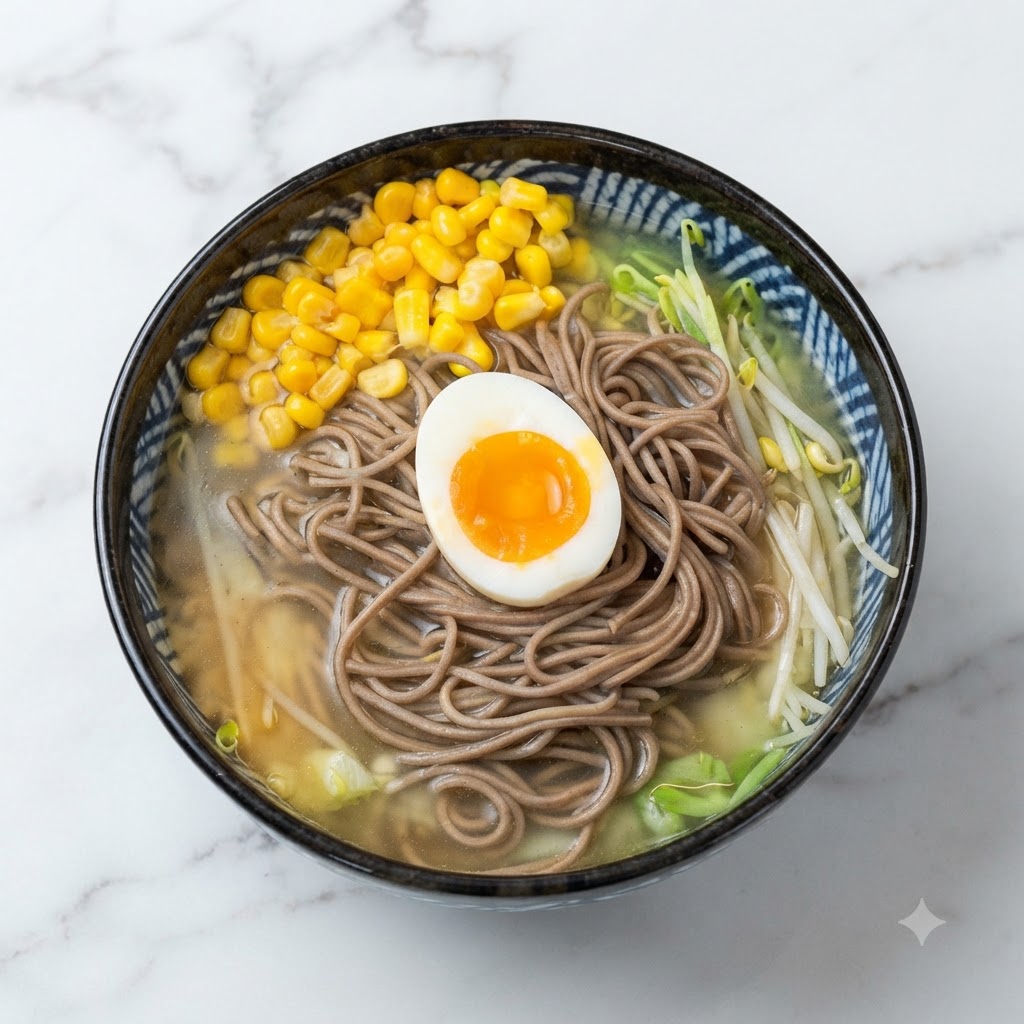
Carefully place a halved soft-boiled egg directly into the center of the noodle bowl alongside the buckwheat noodles, corn, and bean sprouts.
Tip: Prepare the egg with a jammy, runny yolk to add a rich texture that complements the hot miso broth. - 9Top with sliced beef
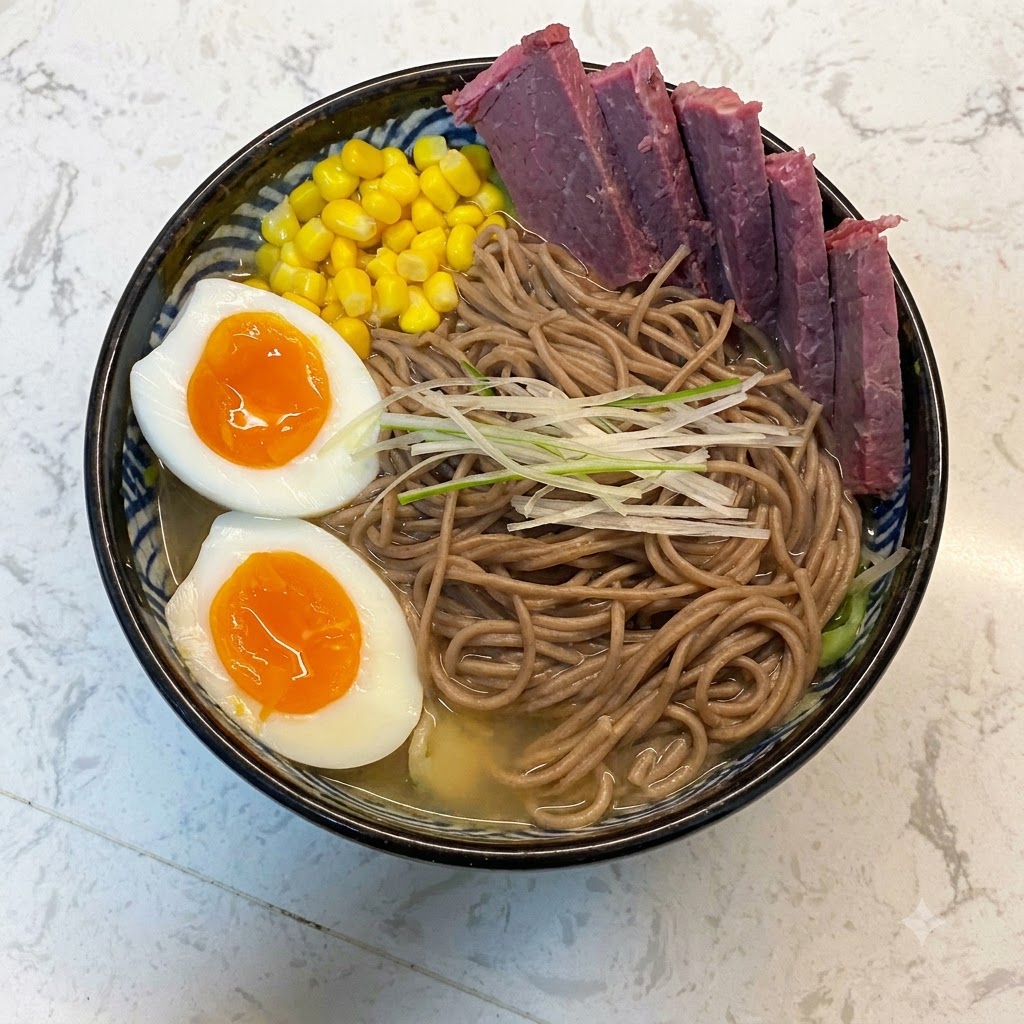
Neatly arrange slices of ready-to-eat beef along the edge of the bowl over the noodles, vegetables, and broth.
Tip: Slice the beef thinly so it absorbs the warm miso broth flavors quickly.