Japanese Spicy Miso Ramen
Chashu
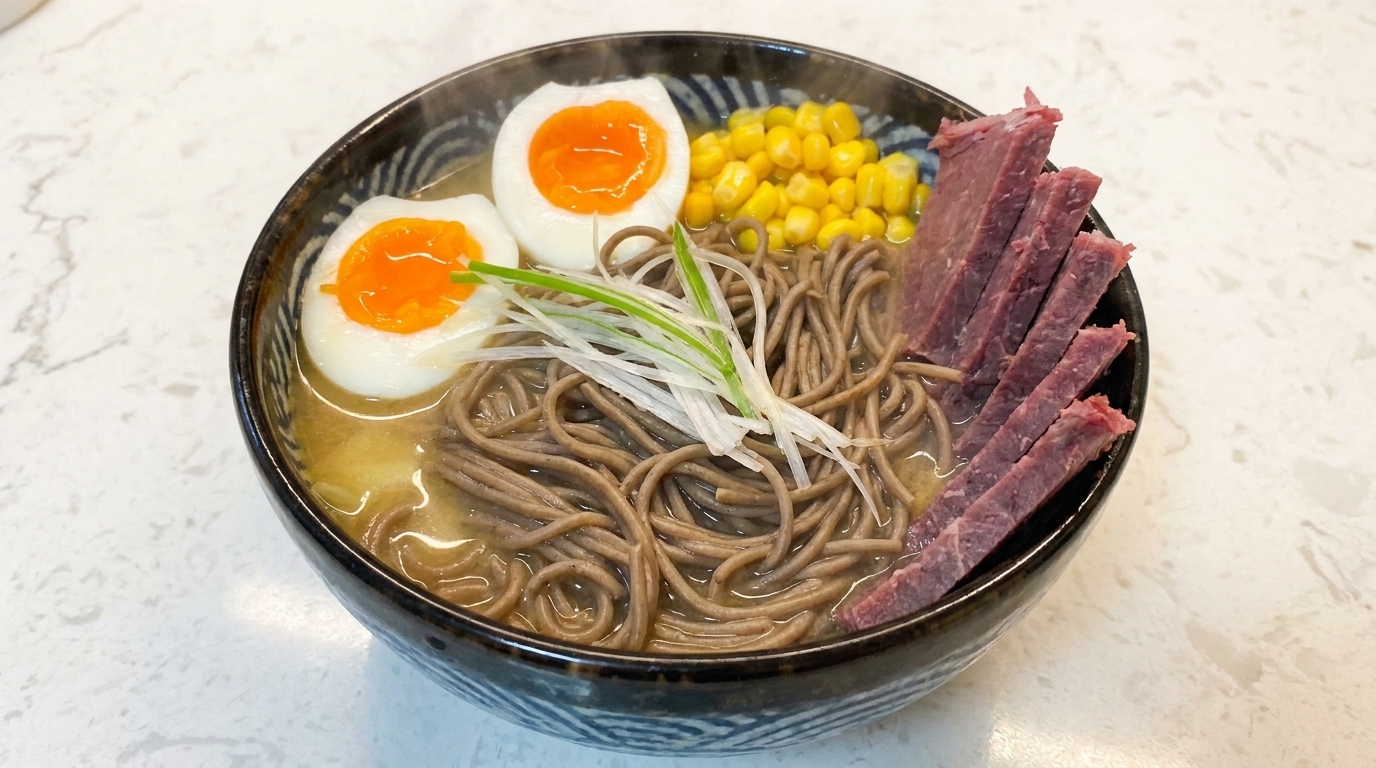
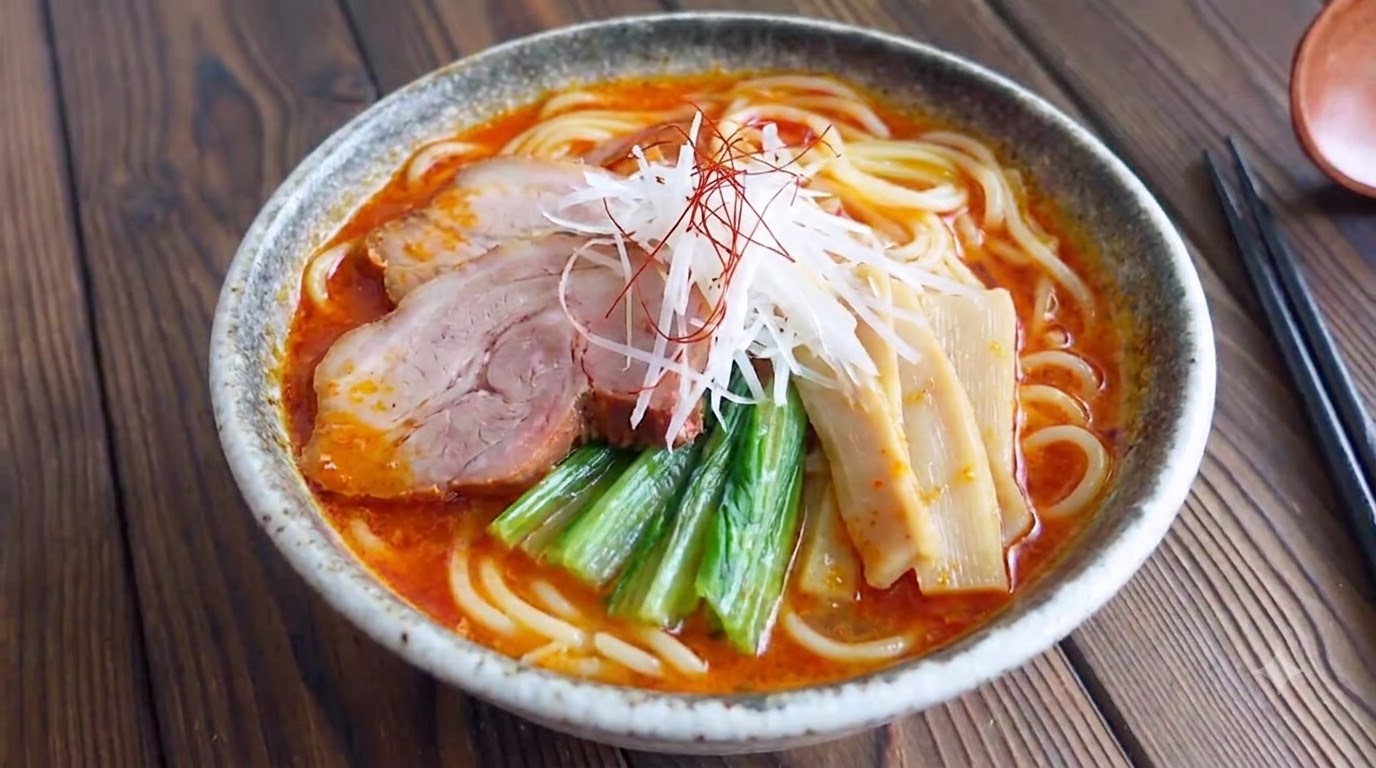
A rich and fiery Japanese ramen featuring a savory miso and chili-infused pork lard broth, chewy noodles, tender pork chashu, and fresh crisp vegetables.
Spicy miso ramen is a modern favorite that delivers deep umami and warming heat. By gently frying aromatics in rich pork lard with chili paste before building the kombu and miso broth, this dish achieves an intense, restaurant-quality depth of flavor right at home.
Ingredients
- 1 piece dried kombu
- 1000 ml water
- 2 cloves garlic
- 1 piece ginger
- 2 tbsp pork lard
- 1.5 tbsp chili paste
- 3 tbsp miso paste
- 1 tsp chicken bouillon
- 1 tsp bonito extract
- 1 tbsp Korean chili paste
- 1 tbsp rice wine
- 1 tbsp mirin
- 1 tbsp light soy sauce
- 1 tsp chili oil
- 1 tsp sesame oil
- 2 portions ramen noodles
- to taste chashu slices
- to taste green vegetables
- to taste bamboo shoots
- to taste shredded scallions
- to taste shredded chili peppers
Instructions
- 1Soak the kombu
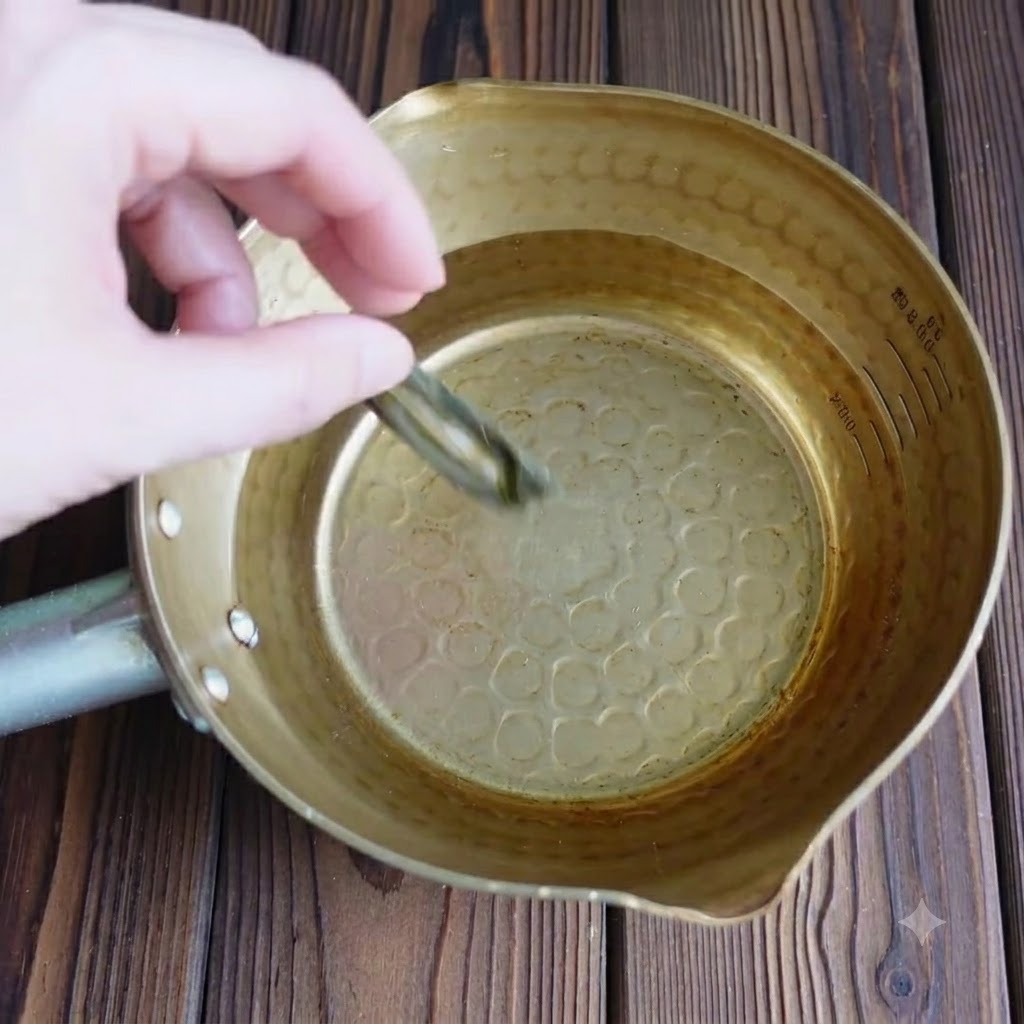
Place dried kombu into a brass pot filled with water to soak in advance, allowing the umami flavors to infuse into the water.
Tip: Soaking the kombu beforehand enhances the depth of the soup base. - 2Press the garlic
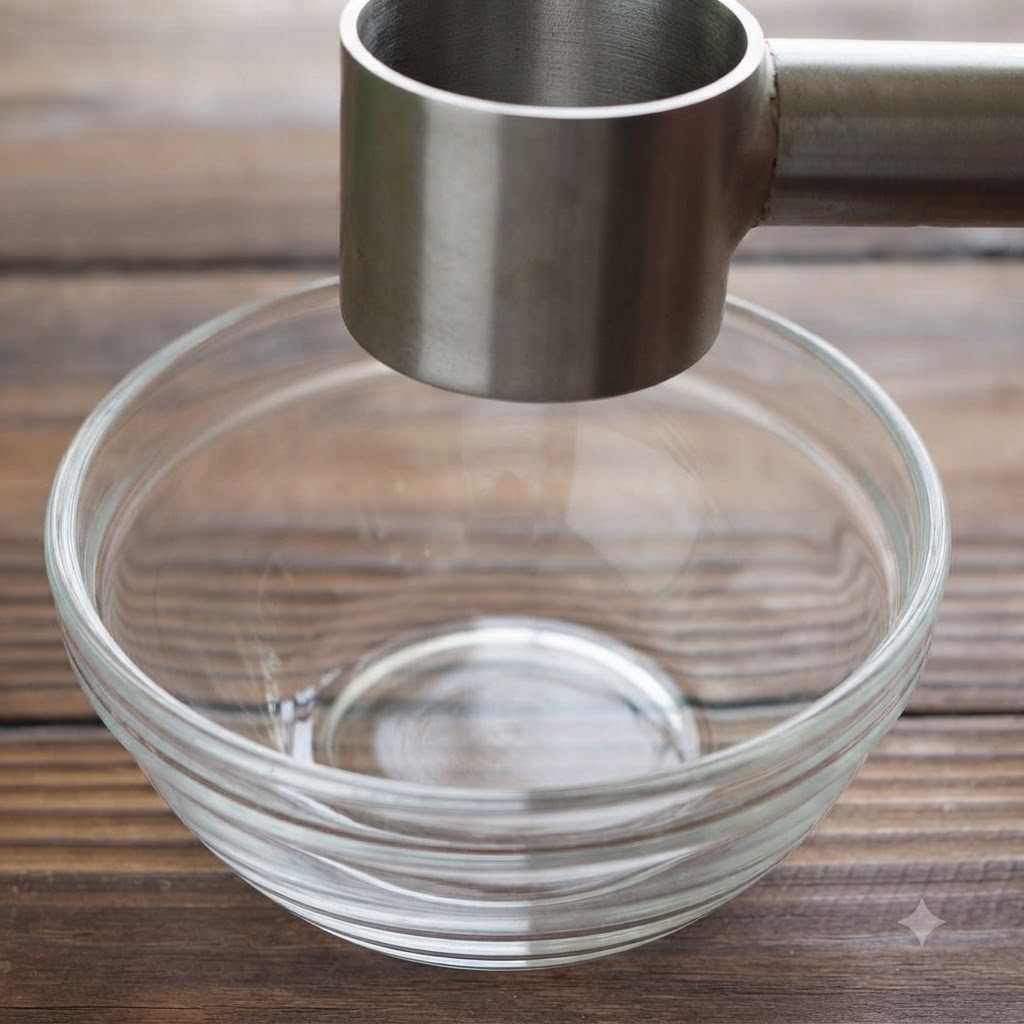
Press garlic cloves through a garlic press directly into a clear glass bowl to prepare fresh garlic mince for the soup base.
Tip: Using freshly pressed garlic provides a more pungent and aromatic flavor than pre-minced garlic. - 3Add lard and aromatics to pot
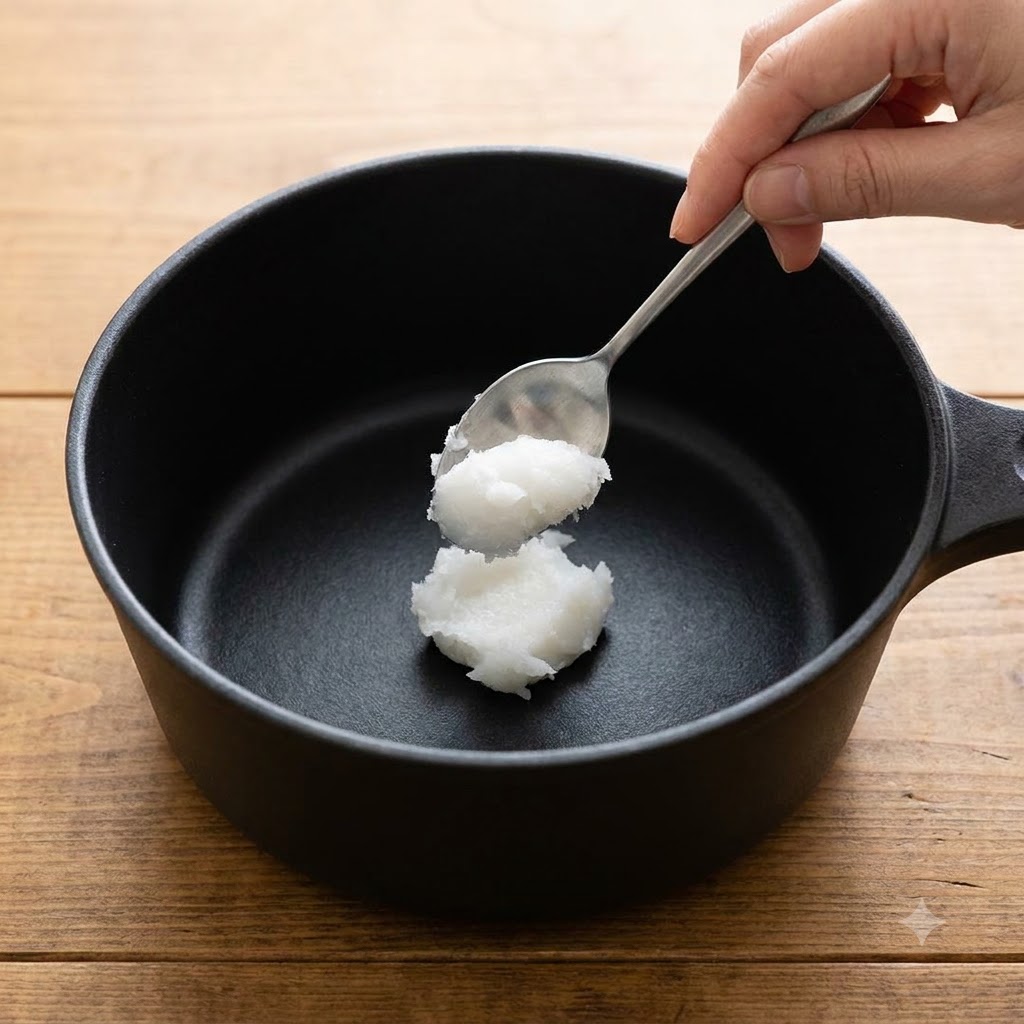
Add pork lard, ginger mince, and garlic mince into a black pot to prepare the base for frying.
Tip: Pork lard adds a rich and savory foundation for sautéing the aromatics. - 4Add chili paste
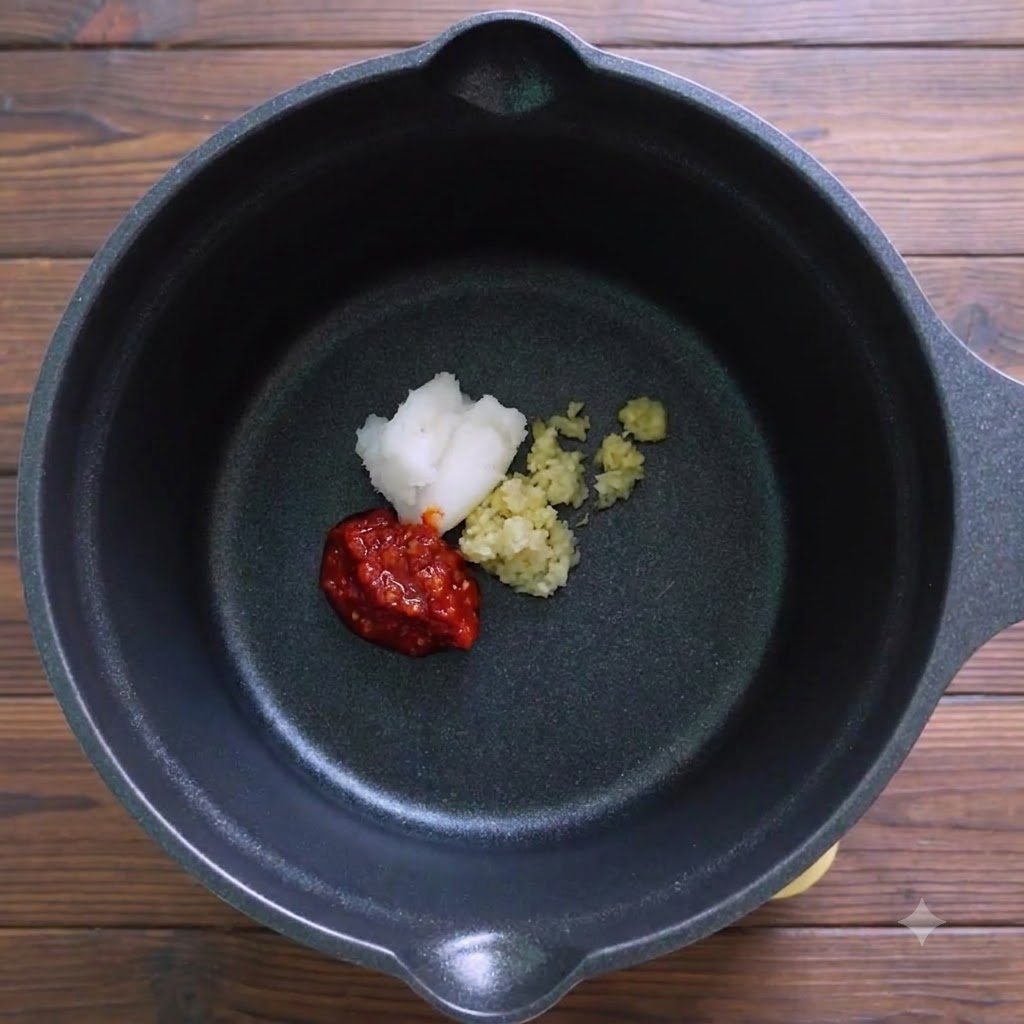
Add chili paste to the black pot containing the pork lard, ginger mince, and garlic mince.
Tip: Adding chili paste at this stage allows it to fry and release its vibrant color and heat into the fats. - 5Stir-fry aromatics over low heat
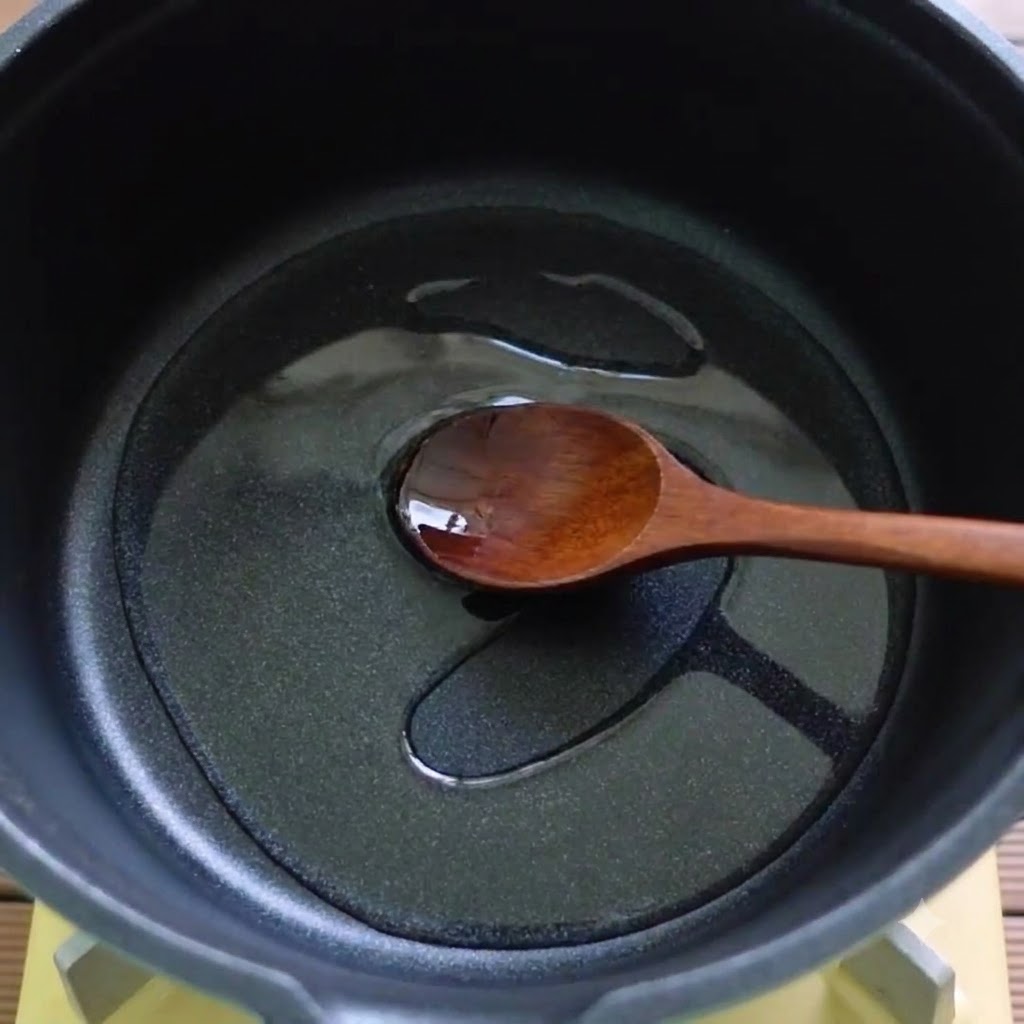
Stir-fry the ingredients in the pot using a wooden spoon over low heat to release their aromas without burning.
Tip: Keep the heat low so the garlic and ginger sweat and infuse into the lard gently. - 6Pour in kombu water
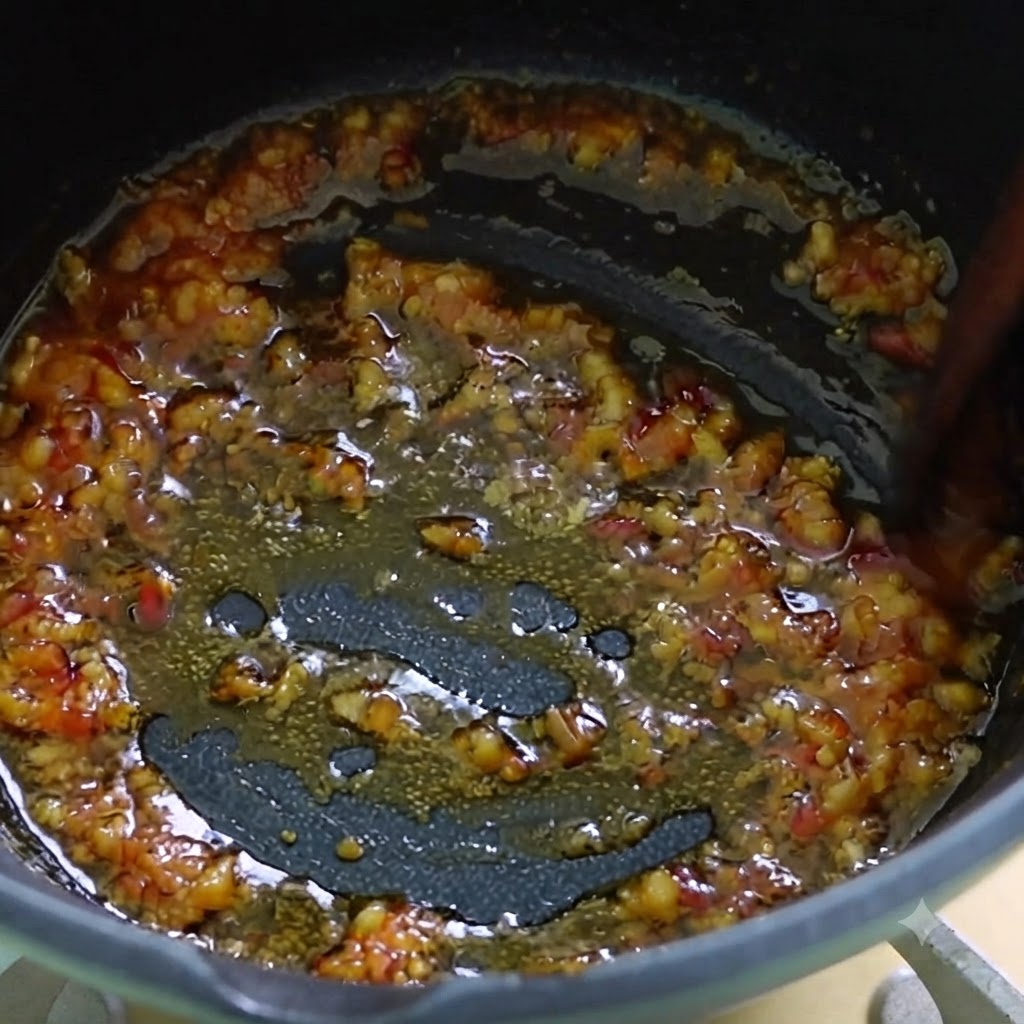
Pour the prepared kombu water into the pot with the fried aromatics to build the base of the broth.
Tip: Pour gently to combine the rich fried paste with the umami-infused liquid. - 7Add Miso Paste
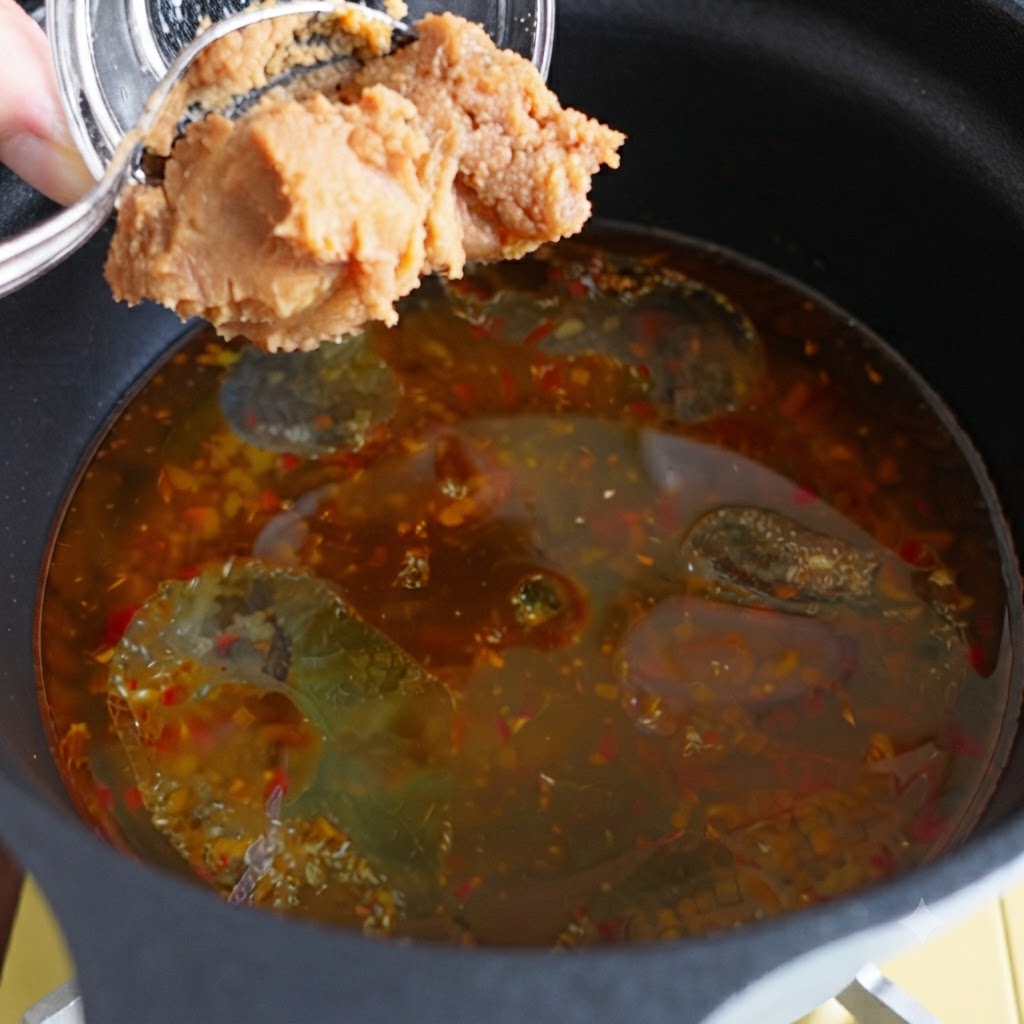
Add the miso paste into the pot containing the seasoned broth base and other ingredients.
Tip: Dissolve the miso paste thoroughly into the warm broth to ensure an even flavor distribution. - 8Add bouillon, bonito extract, and Korean chili paste
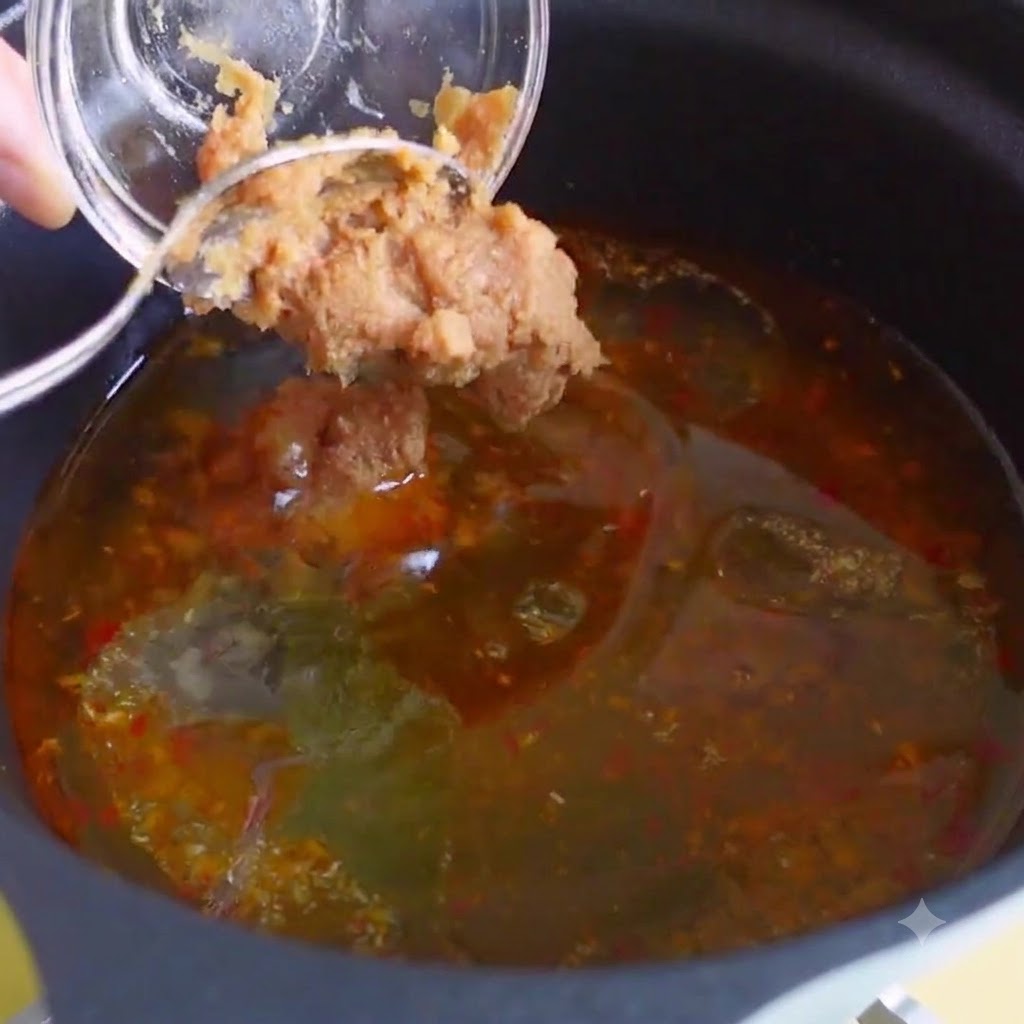
Add the chicken bouillon, bonito extract, and Korean chili paste directly into the pot with the simmering broth ingredients to build a rich and savory flavor profile.
Tip: Stir well after adding pastes to ensure they dissolve completely into the liquid without clumping. - 9Pour in rice wine, mirin, and light soy sauce
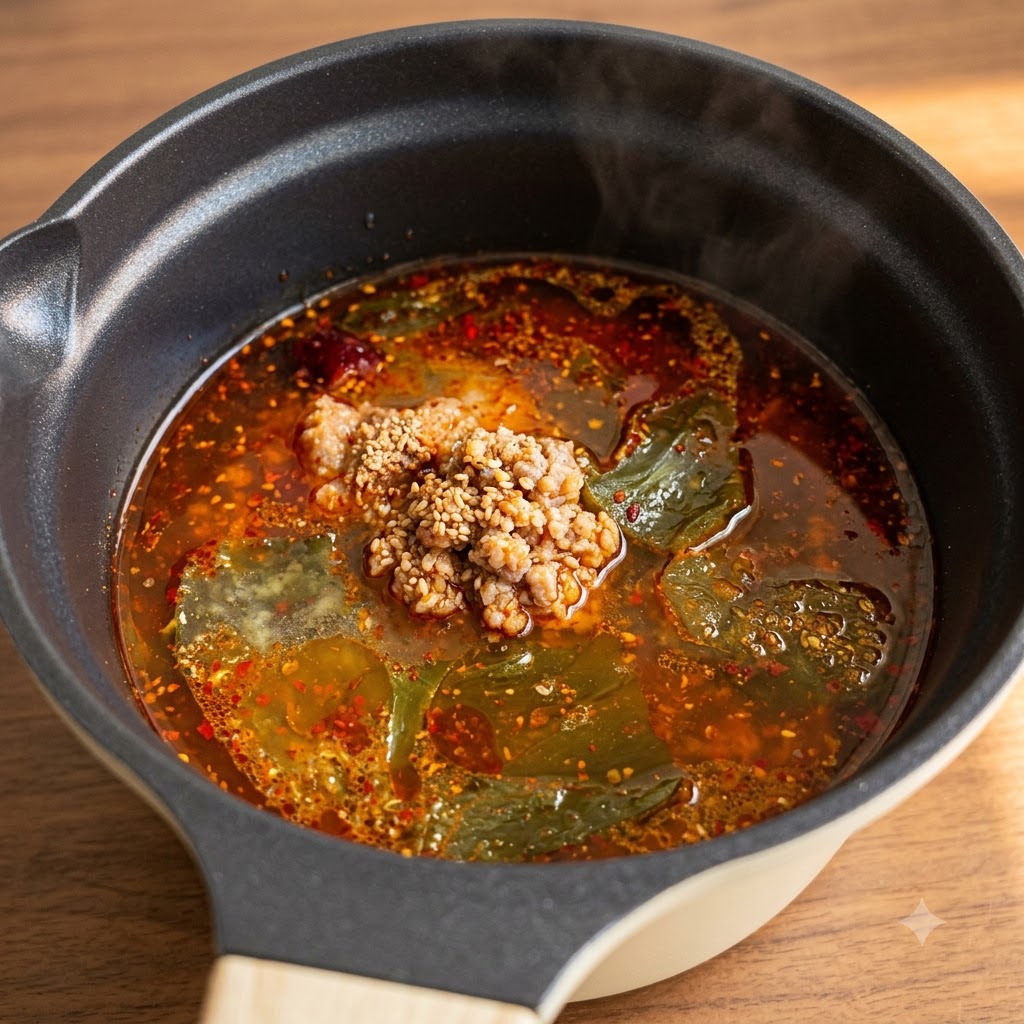
Pour the rice wine, mirin, and light soy sauce into the pot to add sweetness, depth, and balanced umami seasoning to the soup base.
Tip: Simmer briefly after adding alcohol elements like rice wine to allow the harsh alcohol taste to evaporate. - 10Remove the kombu
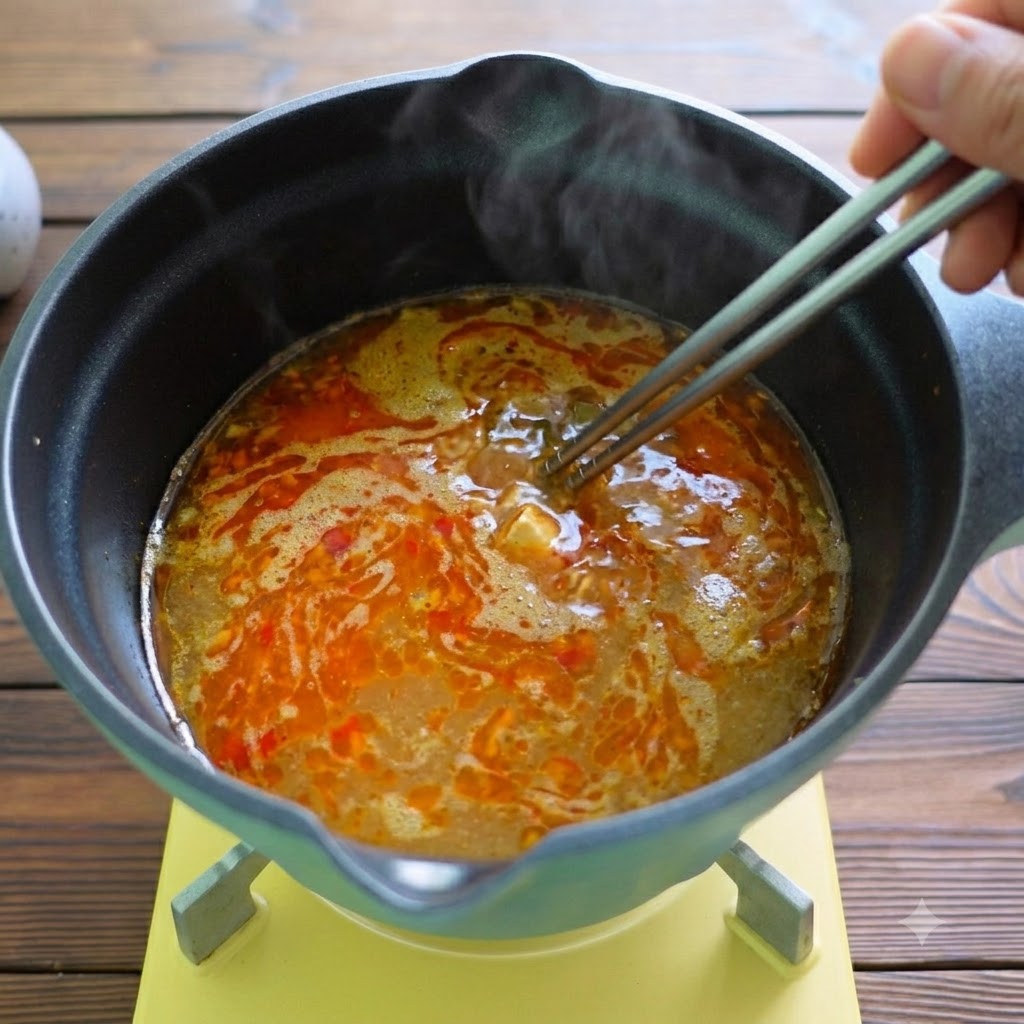
Use chopsticks to carefully lift and remove the piece of kombu from the hot soup just before it reaches a rolling boil, preventing the broth from becoming slimy or bitter.
Tip: Discard the used kombu or save it for another recipe, as its primary flavor extraction is complete. - 11Add chili oil and sesame oil
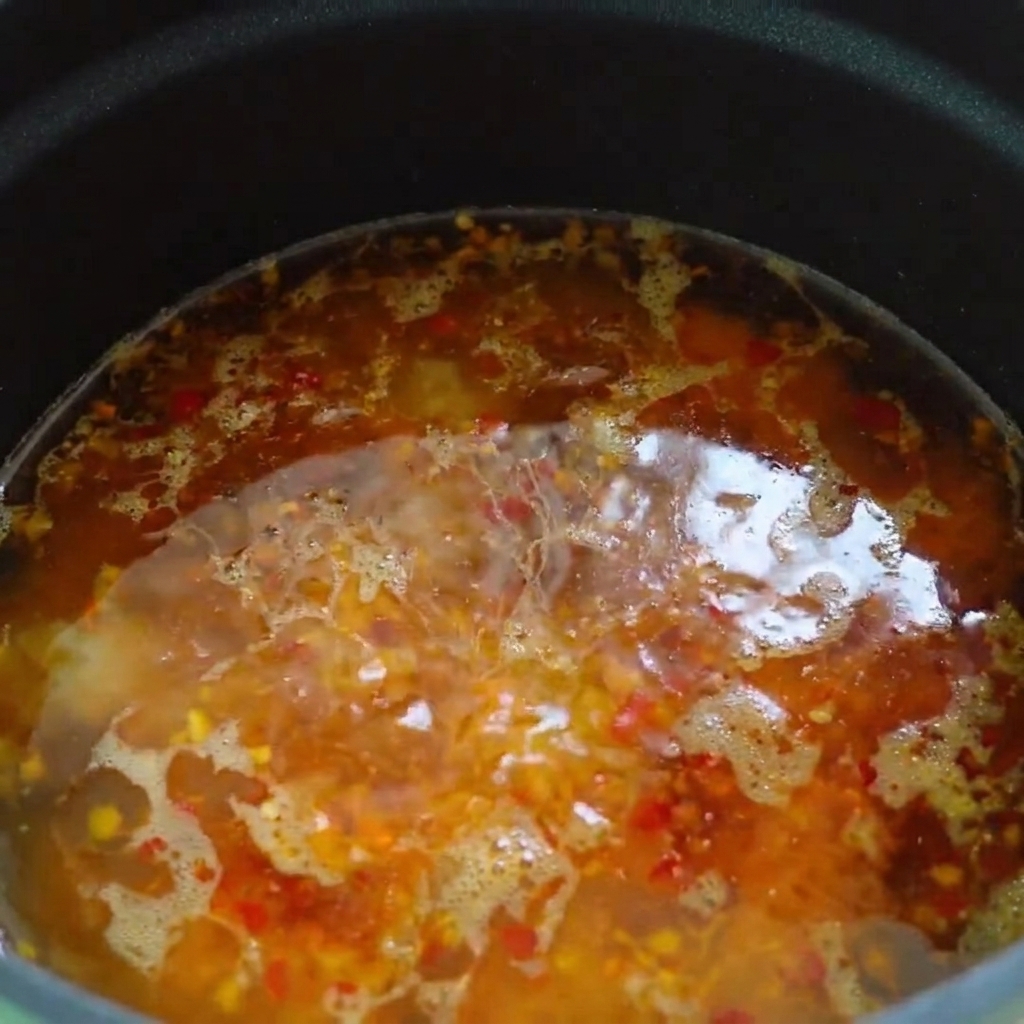
Drizzle the chili oil and sesame oil into the soup base to finish it with a fragrant aroma and a spicy kick.
Tip: Add aromatic oils near the very end of cooking and turn off the heat soon after to preserve their intense fragrance. - 12Stir and Pour Soup Base
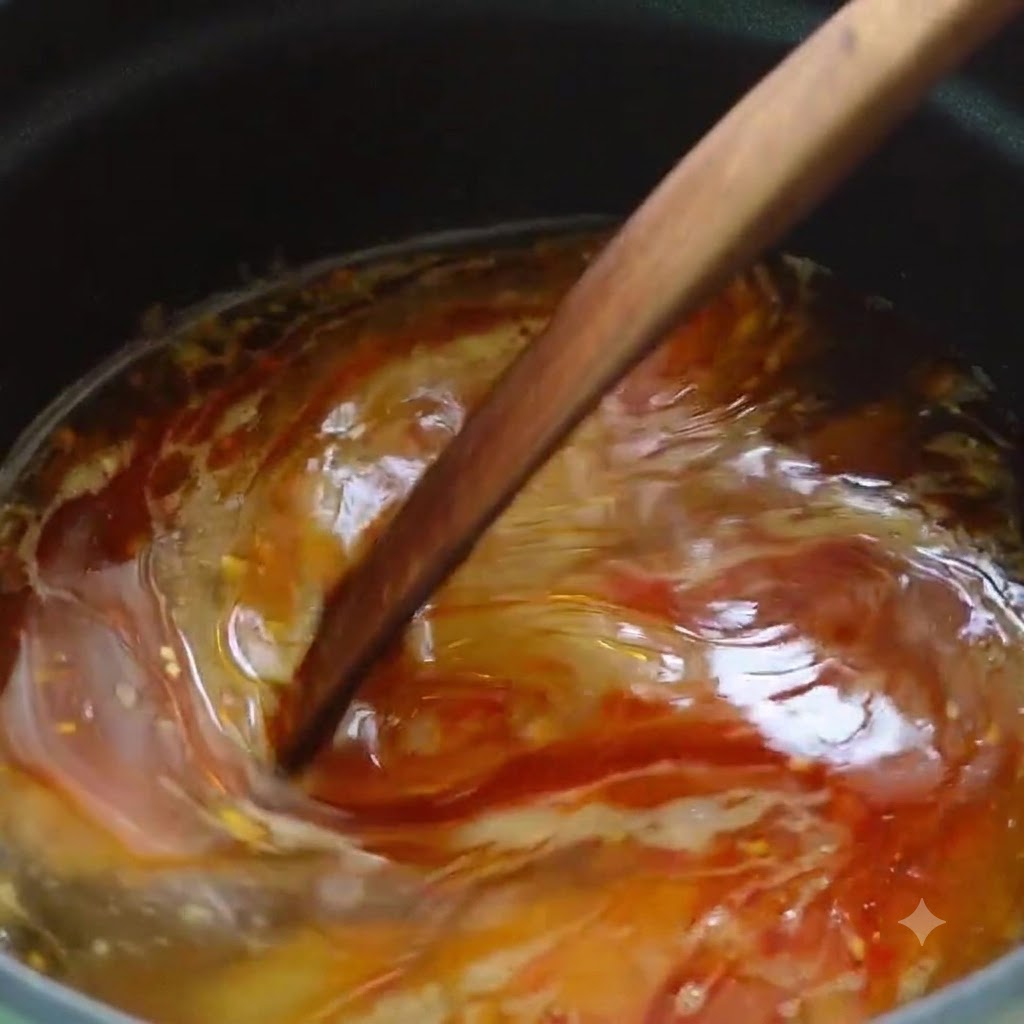
Stir the finished soup base well with a wooden spoon and pour it into a serving bowl.
Tip: Stir gently to blend all the chili and oil components evenly. - 13Cook the ramen noodles
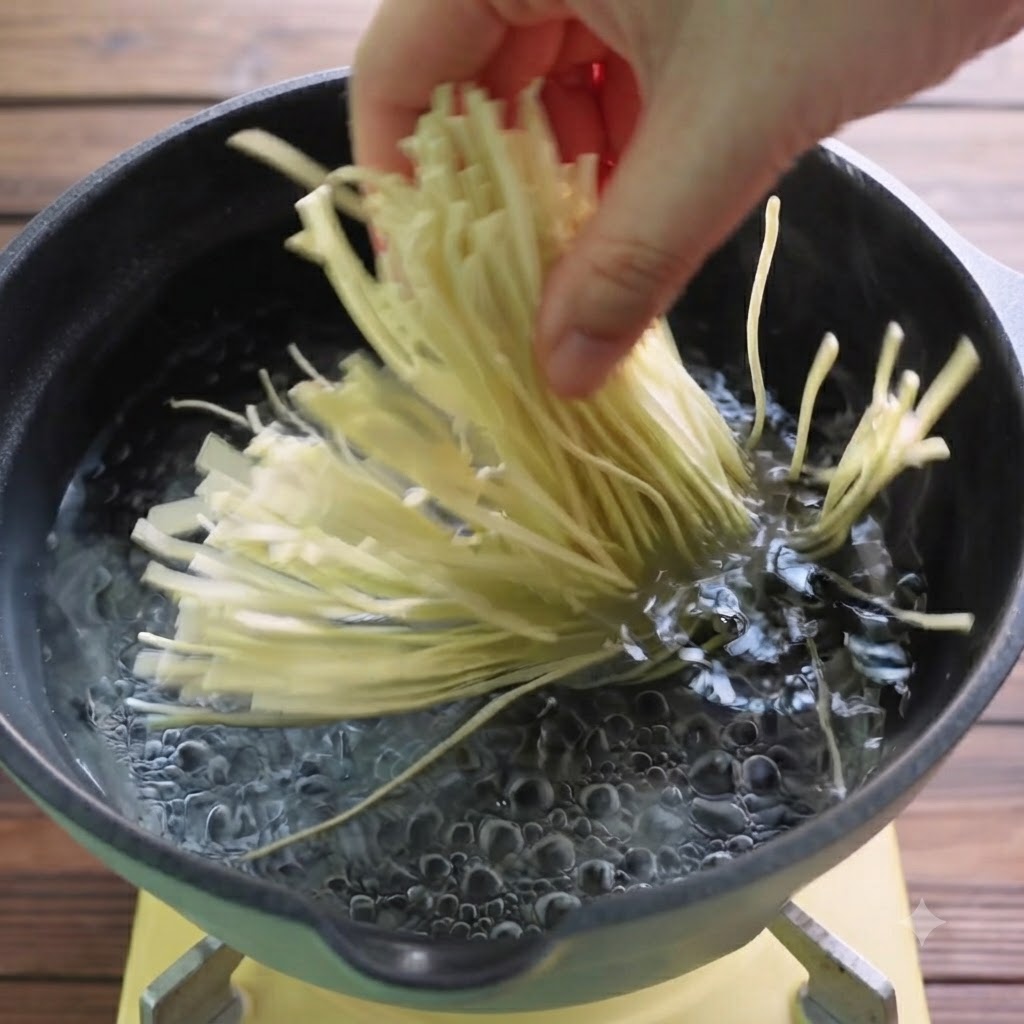
Drop the ramen noodles into a pot of rapidly boiling water and cook them until tender according to your preference.
Tip: Stir the noodles gently right after adding them to prevent them from sticking together. - 14Transfer cooked noodles to the soup
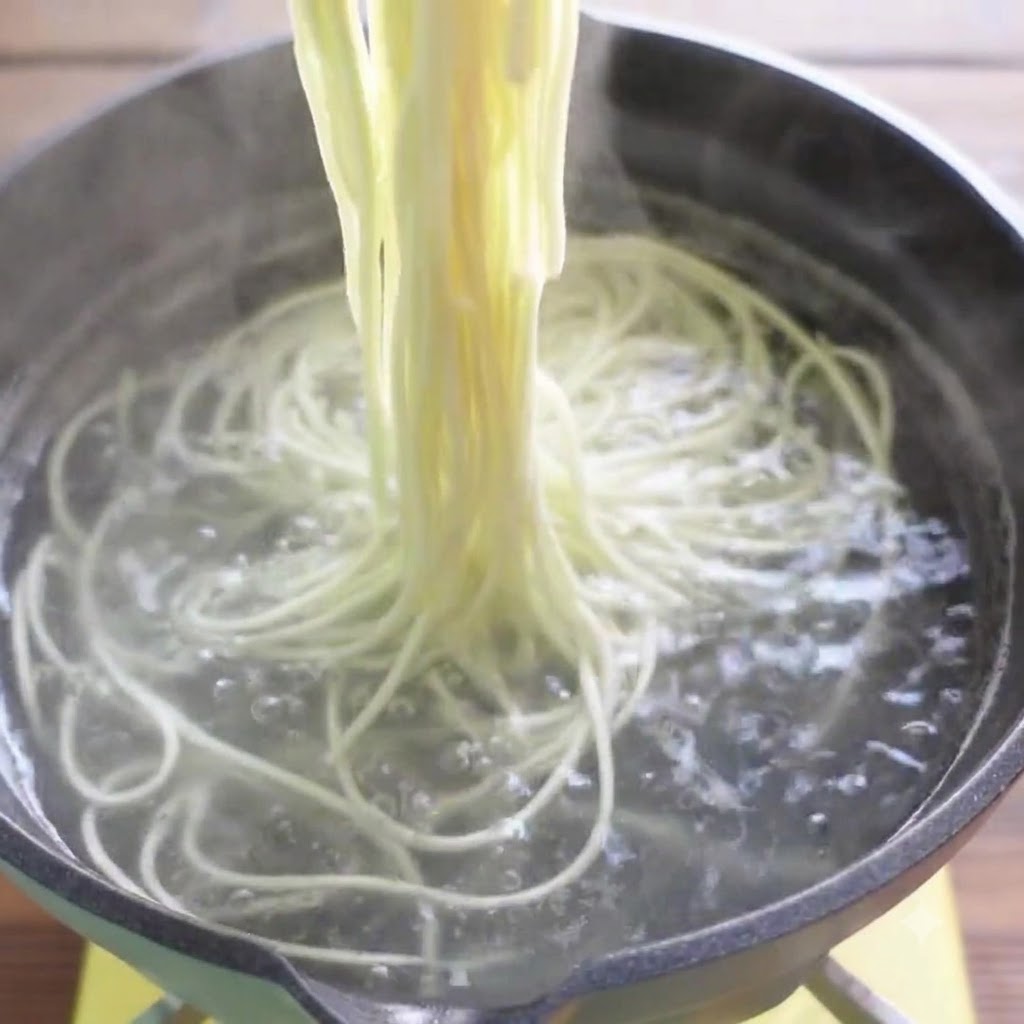
Lift the cooked noodles out of the boiling water using chopsticks and transfer them directly into the bowl filled with the prepared soup base.
Tip: Shake off excess water from the noodles before placing them into the bowl to keep the soup concentrated. - 15Add sliced meat
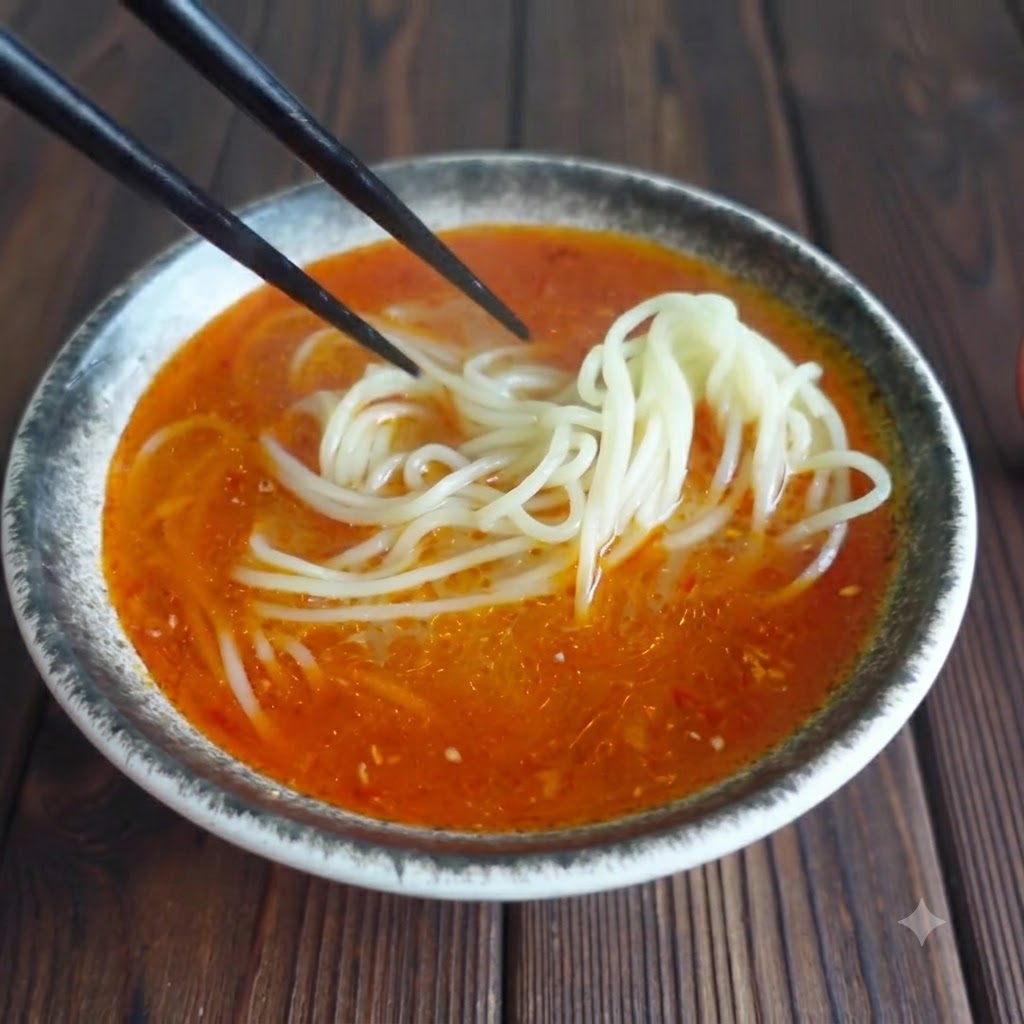
Arrange slices of meat carefully onto the noodles inside the bowl using chopsticks.
Tip: Position the meat neatly on top to enhance the visual presentation of the ramen. - 16Garnish with green vegetables
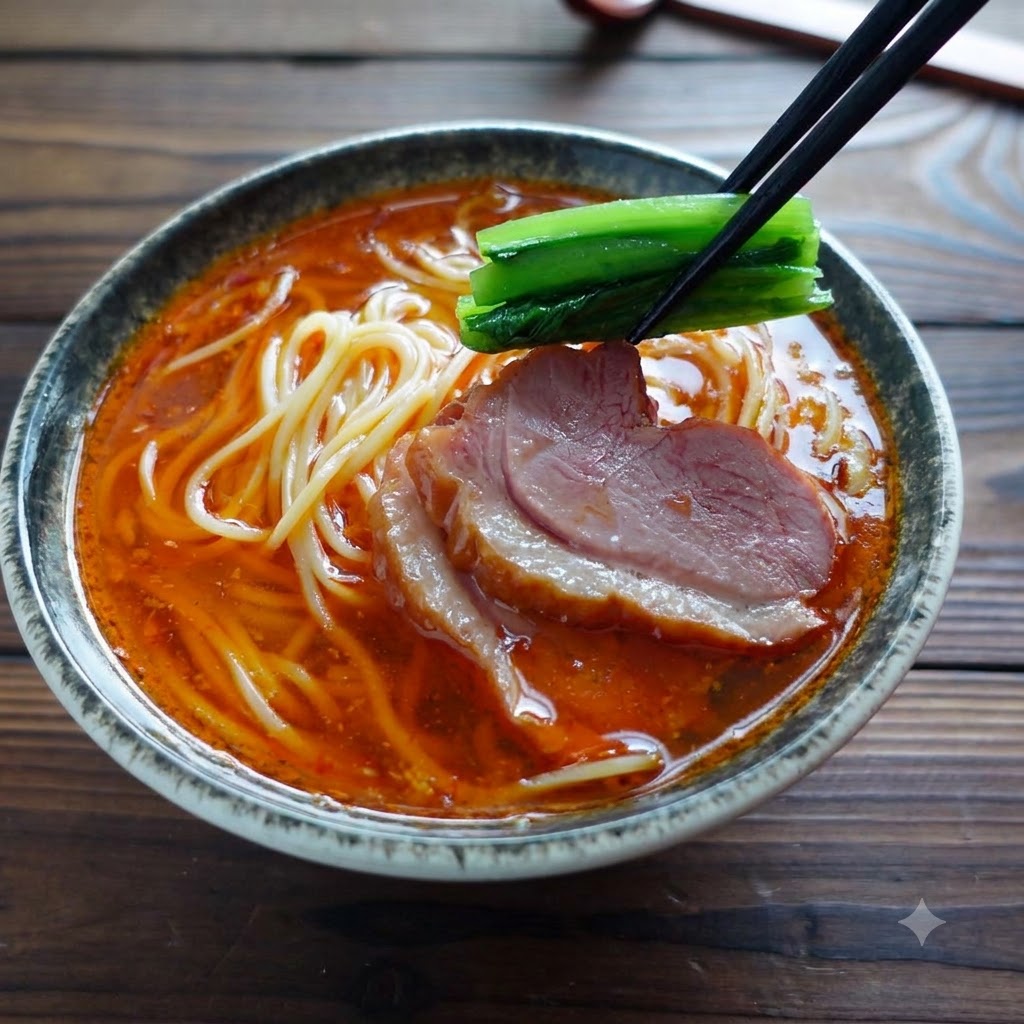
Place fresh green vegetables next to the meat slices to add color, texture, and nutritional balance to your ramen.
Tip: Briefly blanch or keep the vegetables fresh depending on your preference for crunchiness. - 17Add Bamboo Shoots
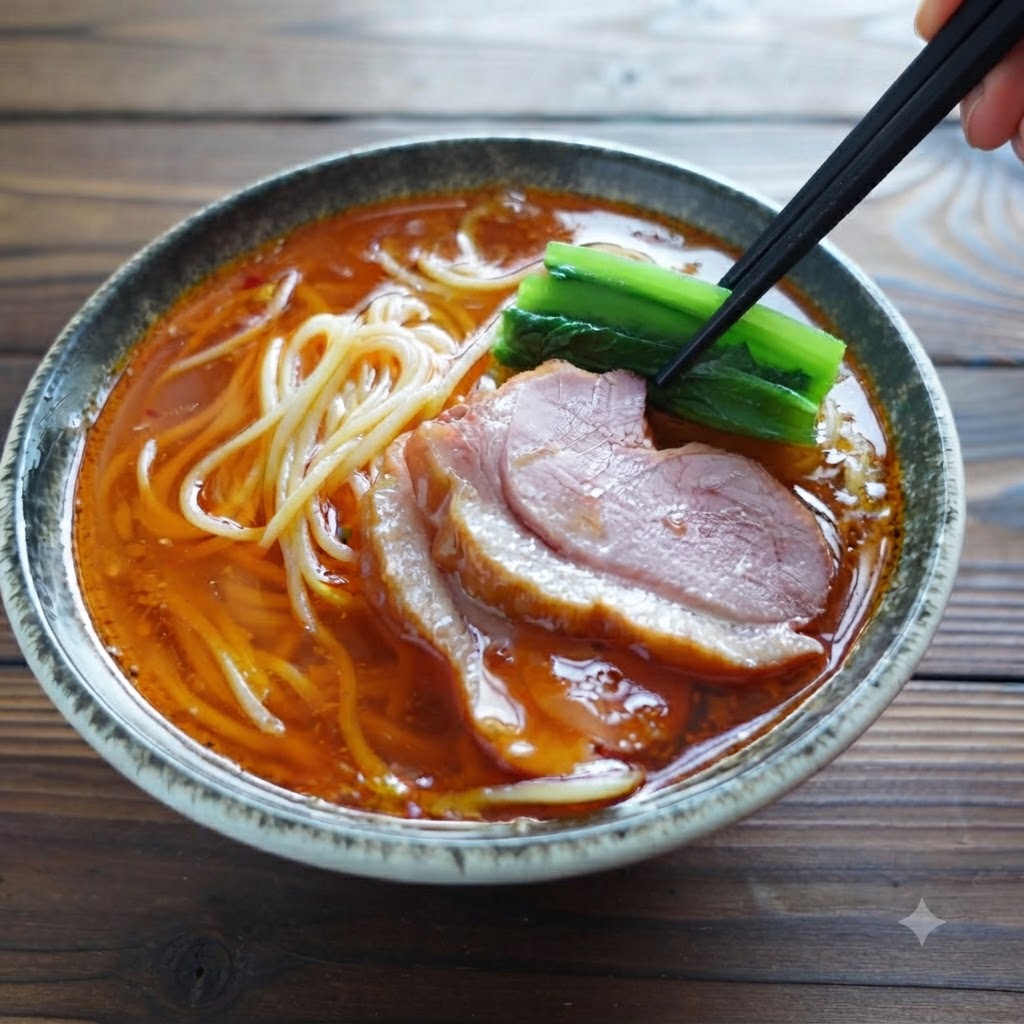
Place bamboo shoots into the bowl alongside the noodles, chashu, and greens.
Tip: Arrange the toppings neatly for an appetizing presentation.