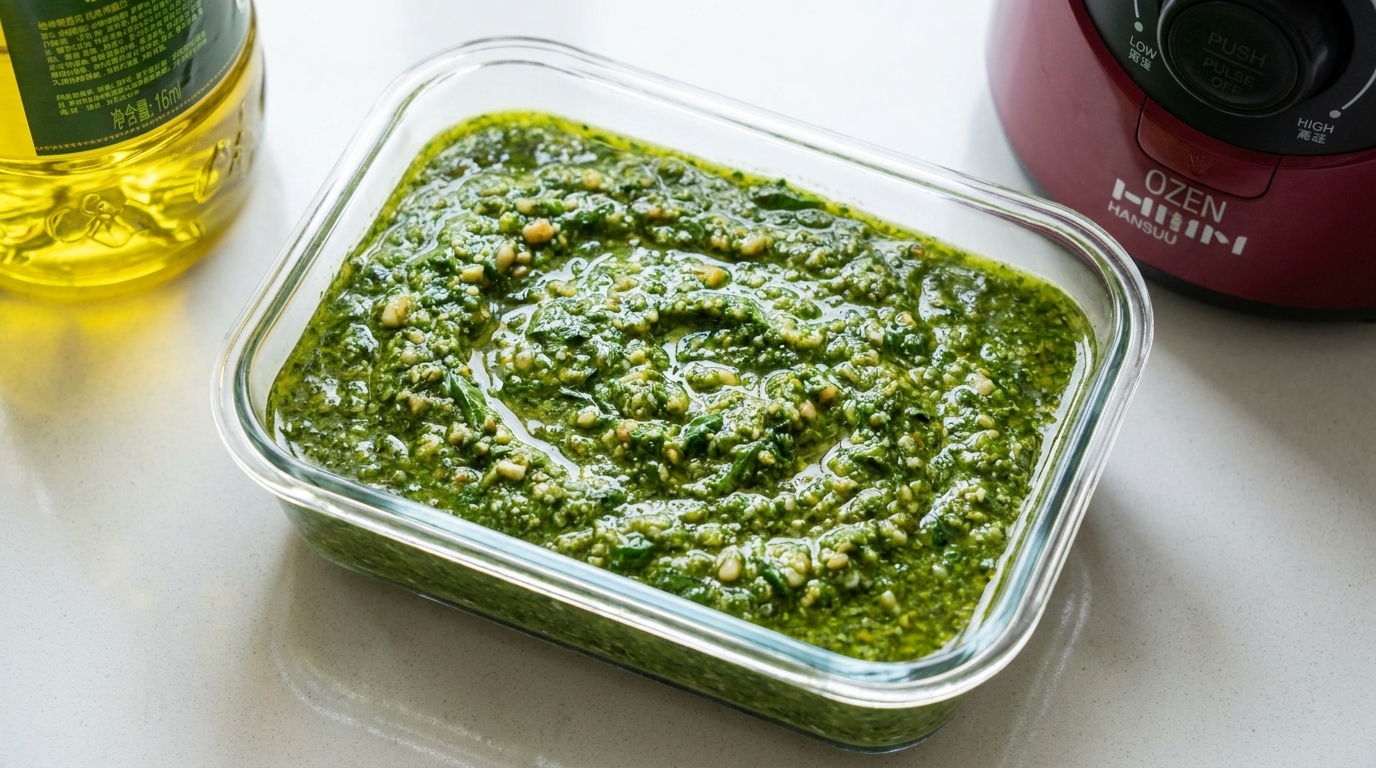
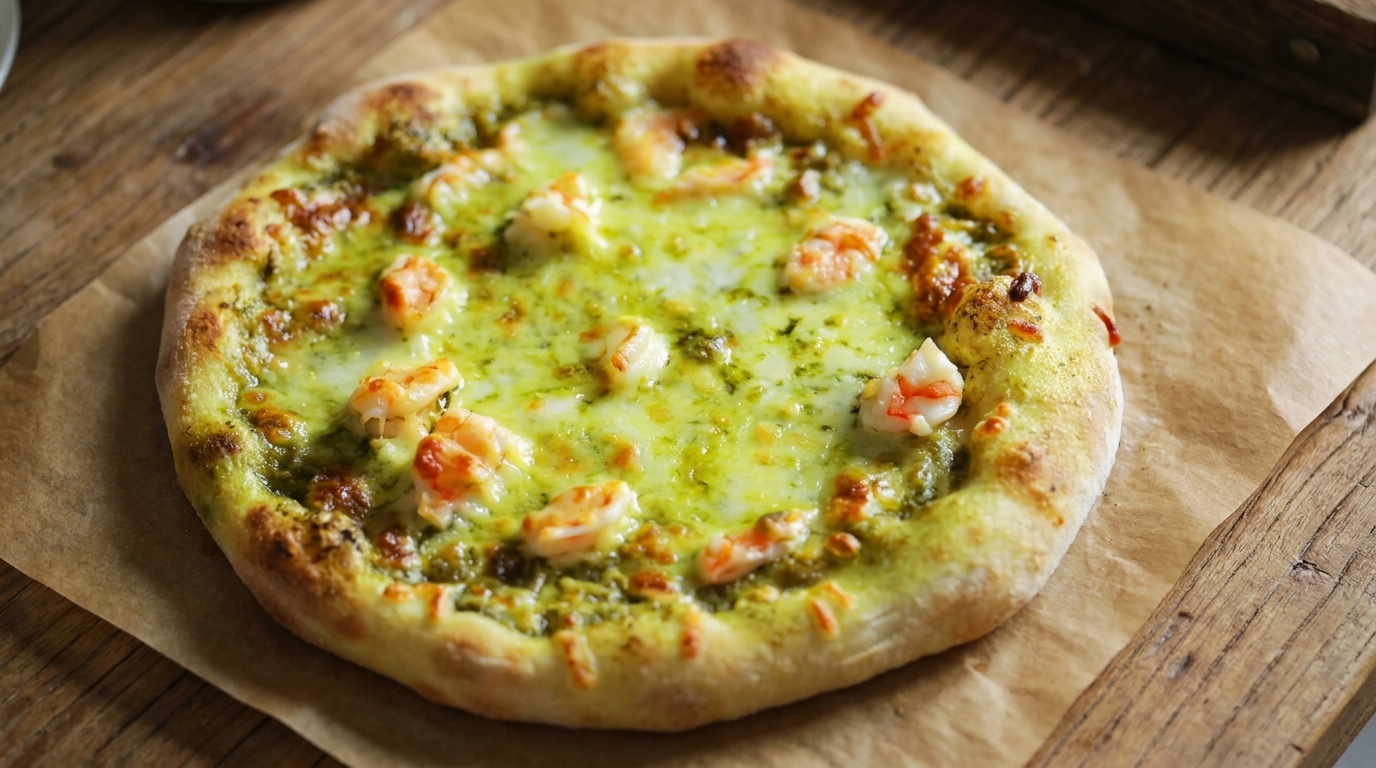
Classic Pesto alla Genovese
Master the art of vibrant, emerald-green pesto with this classic Genoese technique. Blanching the basil ensures a brilliant color and fresh flavor every time.
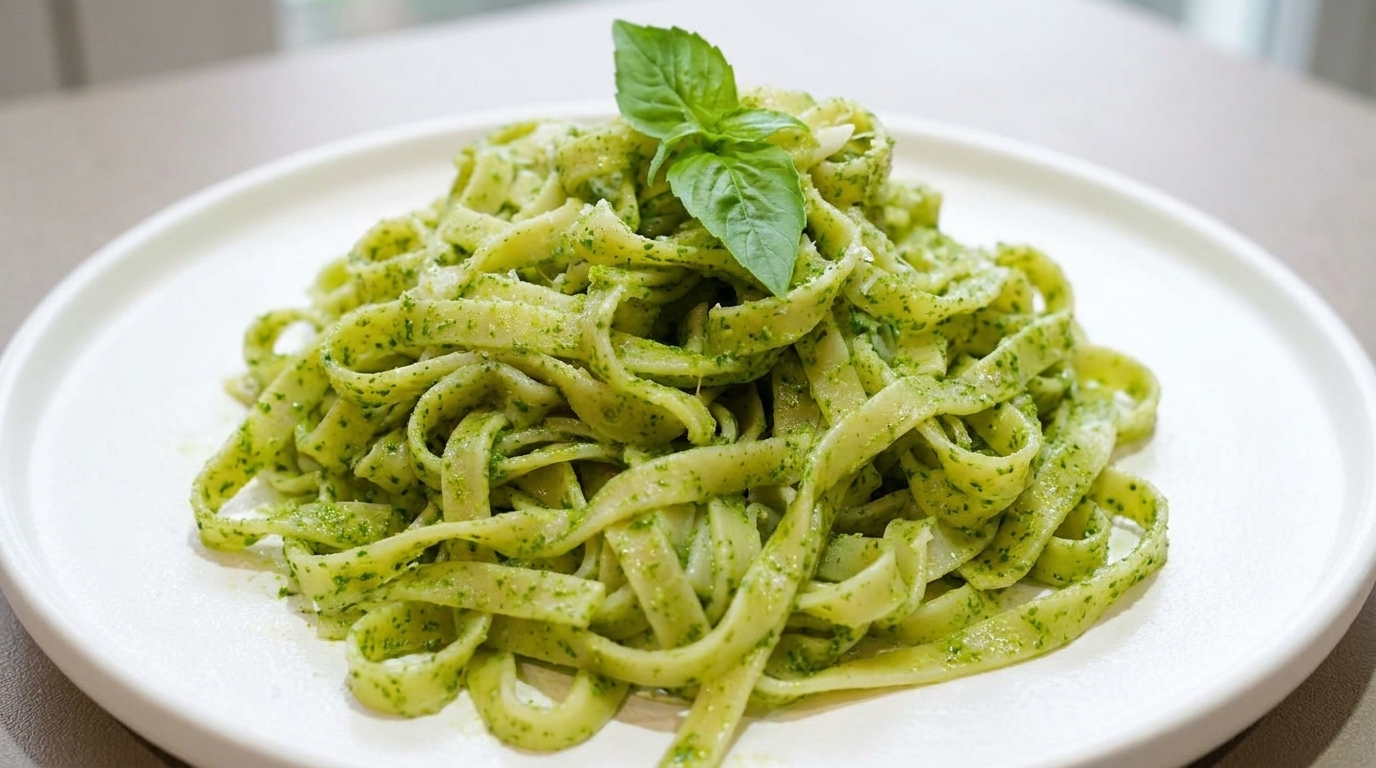
Pesto alla Genovese is a celebrated staple from Italys Liguria region, prized for its aromatic freshness and rich, nutty depth. While many variations exist, the true secret lies in preserving the bright chlorophyll of the basil leaves through a precise blanching and cooling method. This elegant sauce is incredibly versatile, transforming simple pasta into a restaurant-quality meal.
Ingredients
- large bunch fresh basil leaves
- 2 cloves garlic
- 60 g Parmesan cheese
- 40 g pine nuts, toasted
- 120 ml extra virgin olive oil
- to taste sea salt
- to taste white pepper
Instructions
- 1Blanch the basil
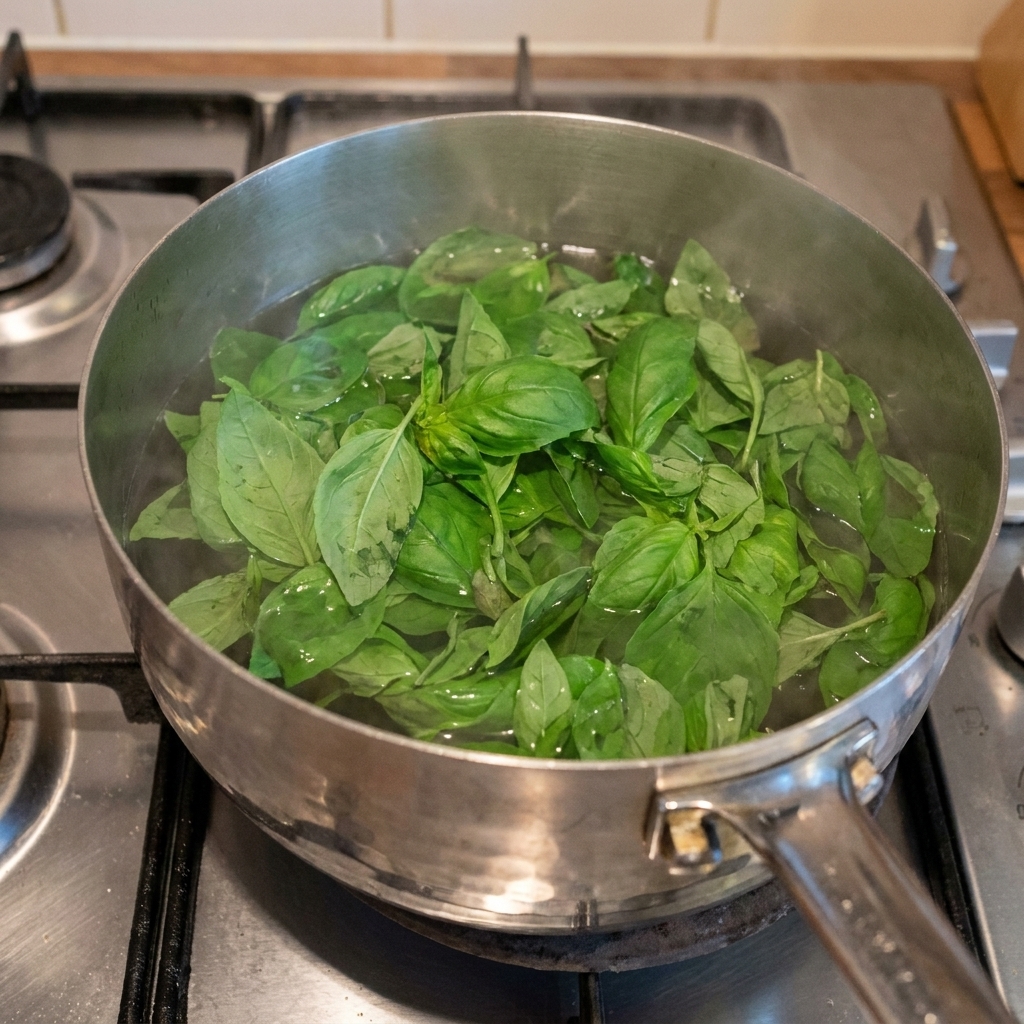
Briefly submerge the fresh basil leaves in a pot of boiling salted water for about 30 seconds. This quick blanching technique is essential to help preserve the vibrant green color of the final pesto sauce.
Tip: Do not leave the basil in the boiling water for too long, as it will wilt excessively and lose its fresh flavor profile. - 2Shock the basil
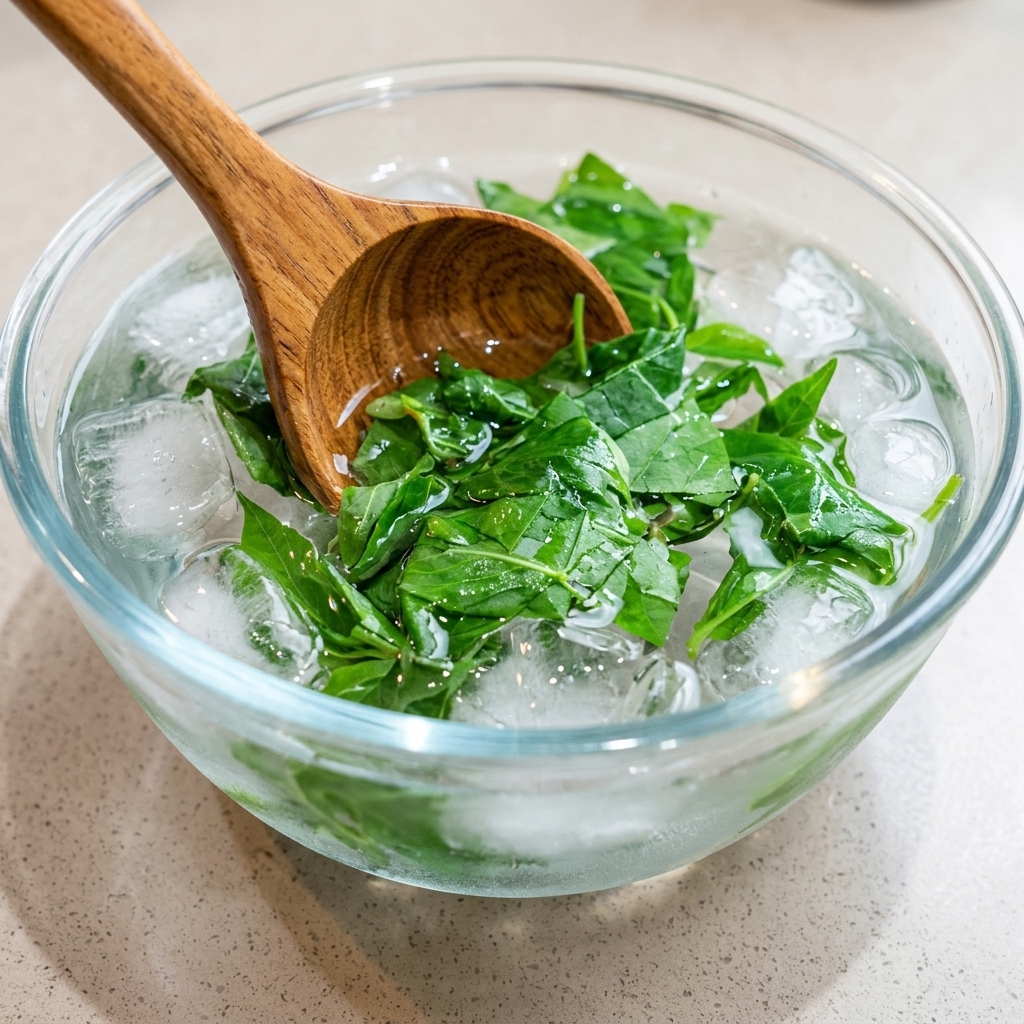
Immediately after blanching, transfer the basil leaves into a bowl filled with ice water. This rapid cooling process halts the cooking, ensuring the herbs remain bright green.
Tip: Ensure the water is very cold by using plenty of ice; this is the secret to a professional-looking, emerald-green sauce. - 3Mince the garlic
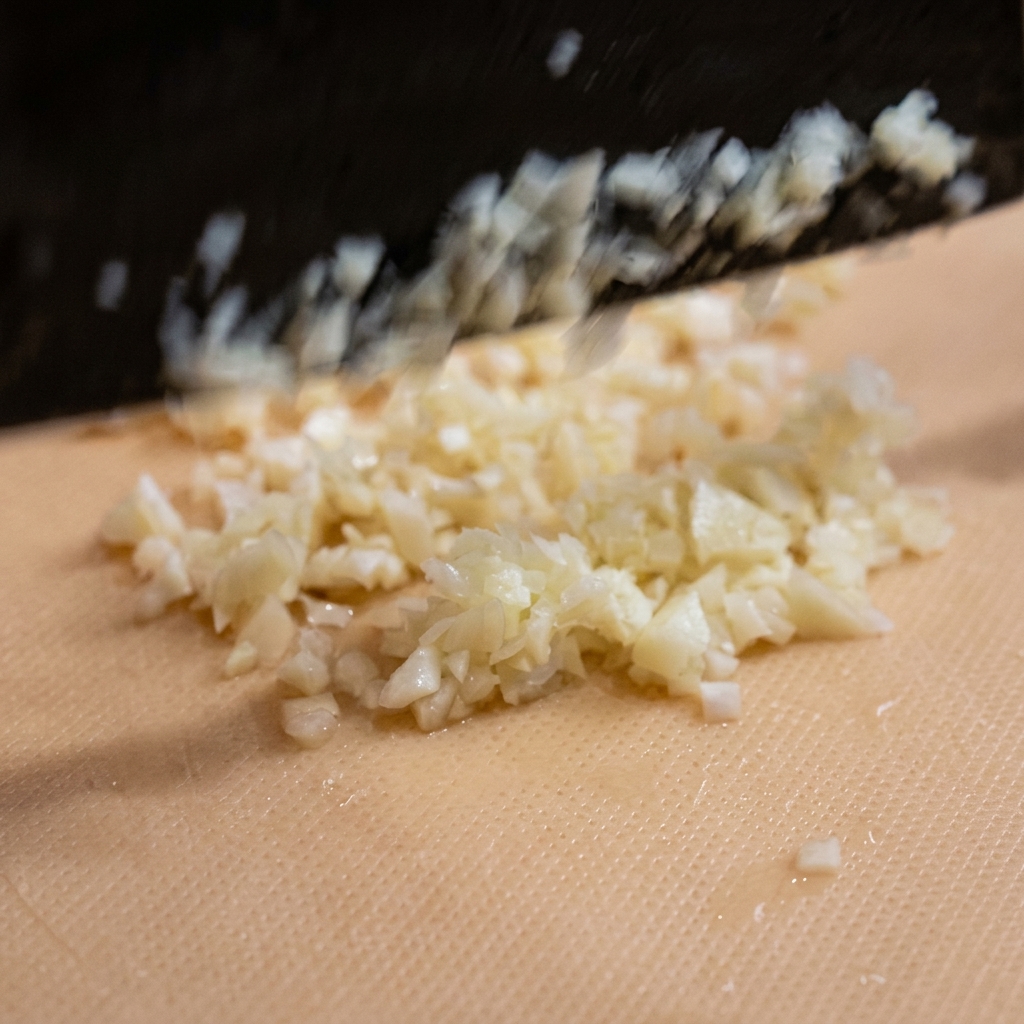
Carefully mince two cloves of garlic on a cutting board using a sharp knife until they are finely chopped. A uniform mince allows the garlic flavor to distribute evenly throughout the pesto.
Tip: If you prefer a milder flavor, you can remove the central germ from the garlic cloves before mincing. - 4Grate the Parmesan
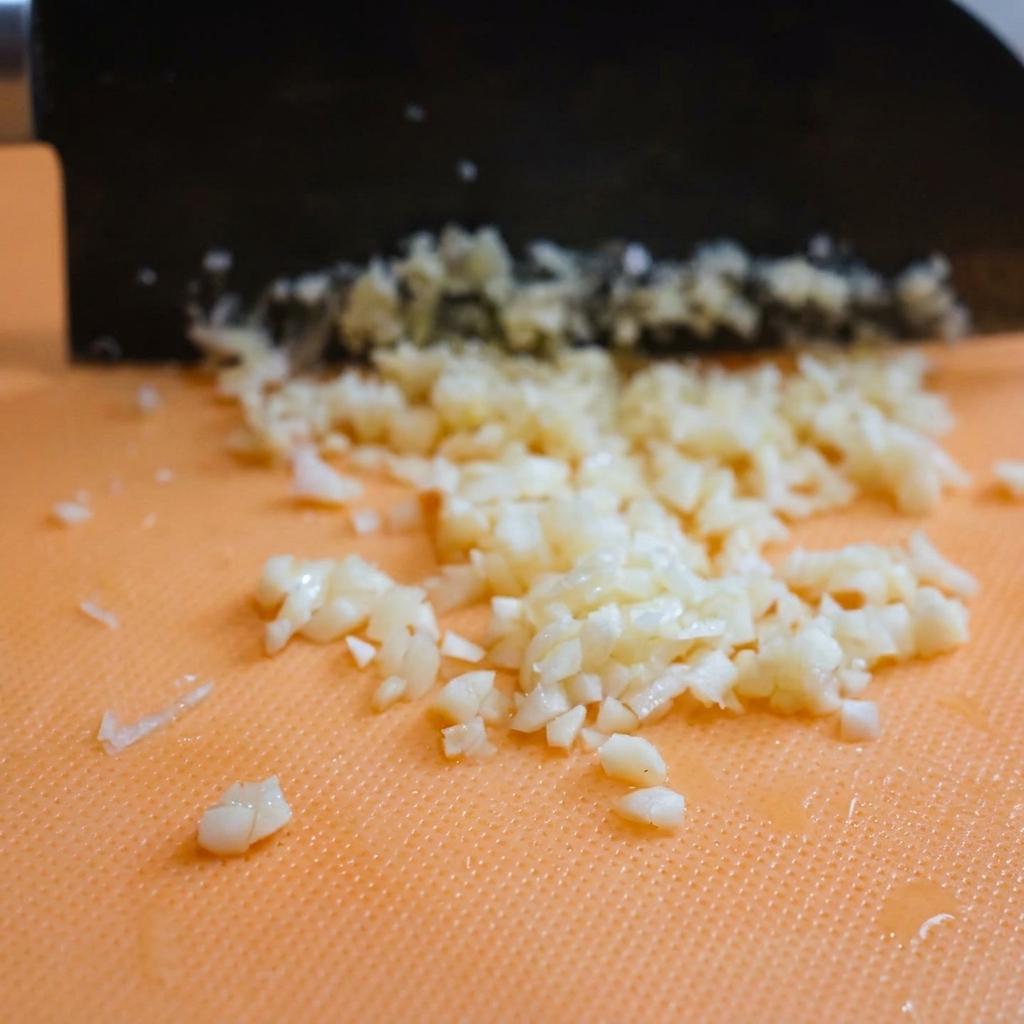
Using a fine grater, freshly grate approximately 60 grams of Parmesan cheese. Freshly grated cheese provides a superior texture and flavor compared to pre-grated varieties.
Tip: Keep the grated cheese chilled until you are ready to combine it with the other ingredients to maintain its quality. - 5Combine ingredients
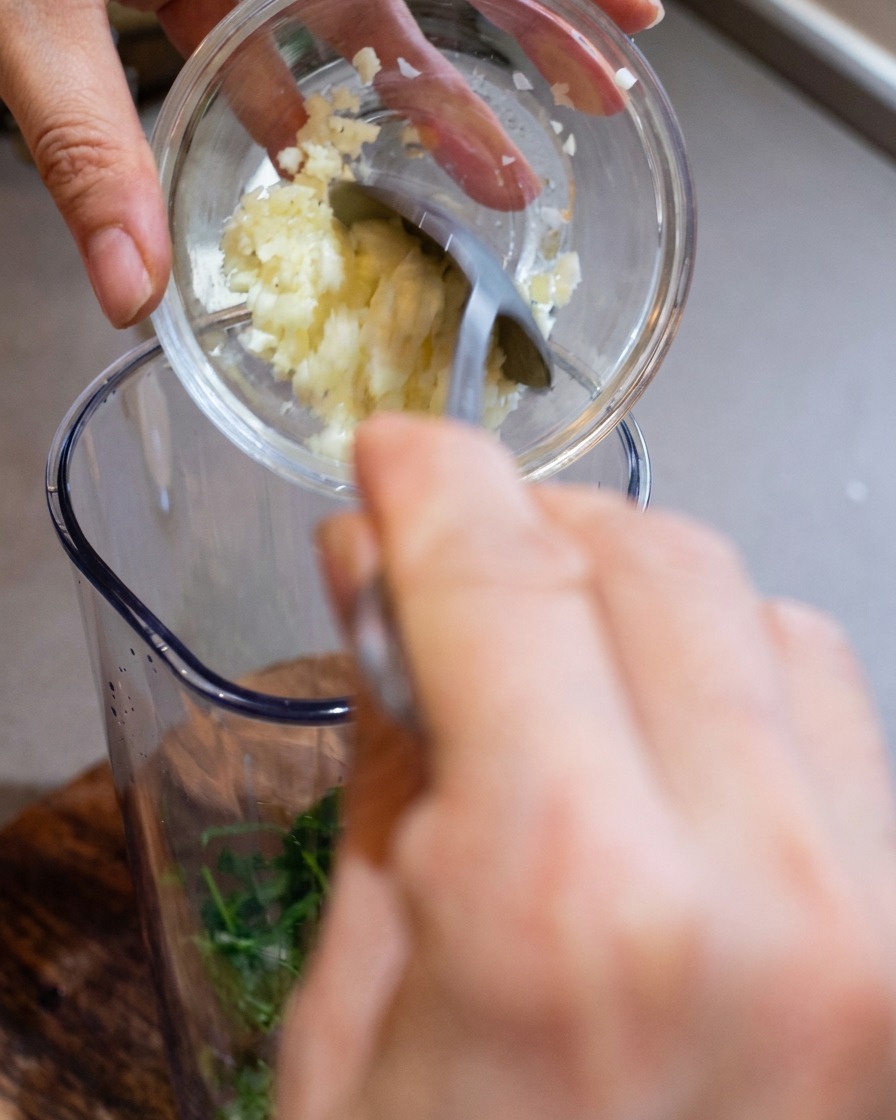
Add the prepared minced garlic, grated Parmesan cheese, toasted pine nuts, and the blanched, drained basil leaves into your blender container.
Tip: Toasting the pine nuts slightly in a dry pan before adding them brings out a nutty richness that elevates the sauce. - 6Add olive oil and blend
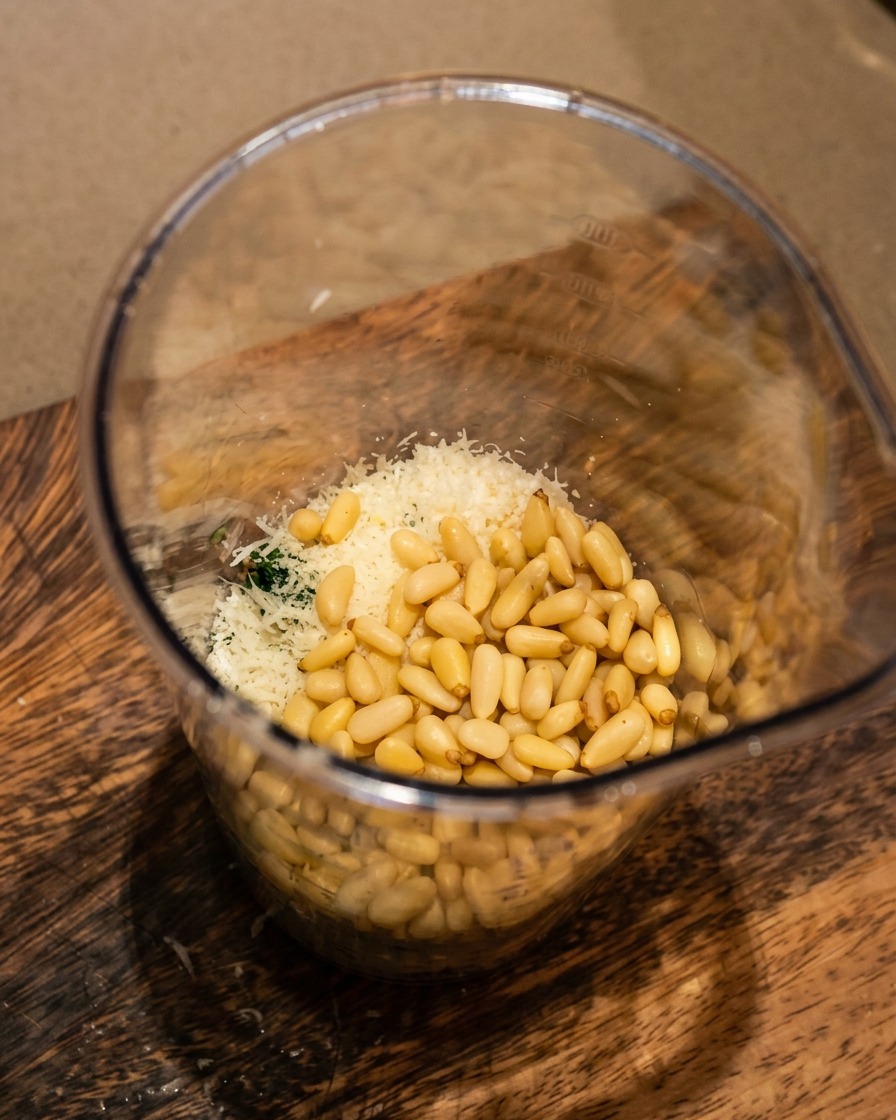
Gradually pour the 120 milliliters of extra virgin olive oil into the blender container while processing at a low speed. Adding the oil slowly while blending helps create a smooth, emulsified, and creamy consistency.
Tip: Blend at a low speed to prevent the mixture from overheating, which can cause oxidation and dull the vibrant green color. - 7Blend the pesto ingredients
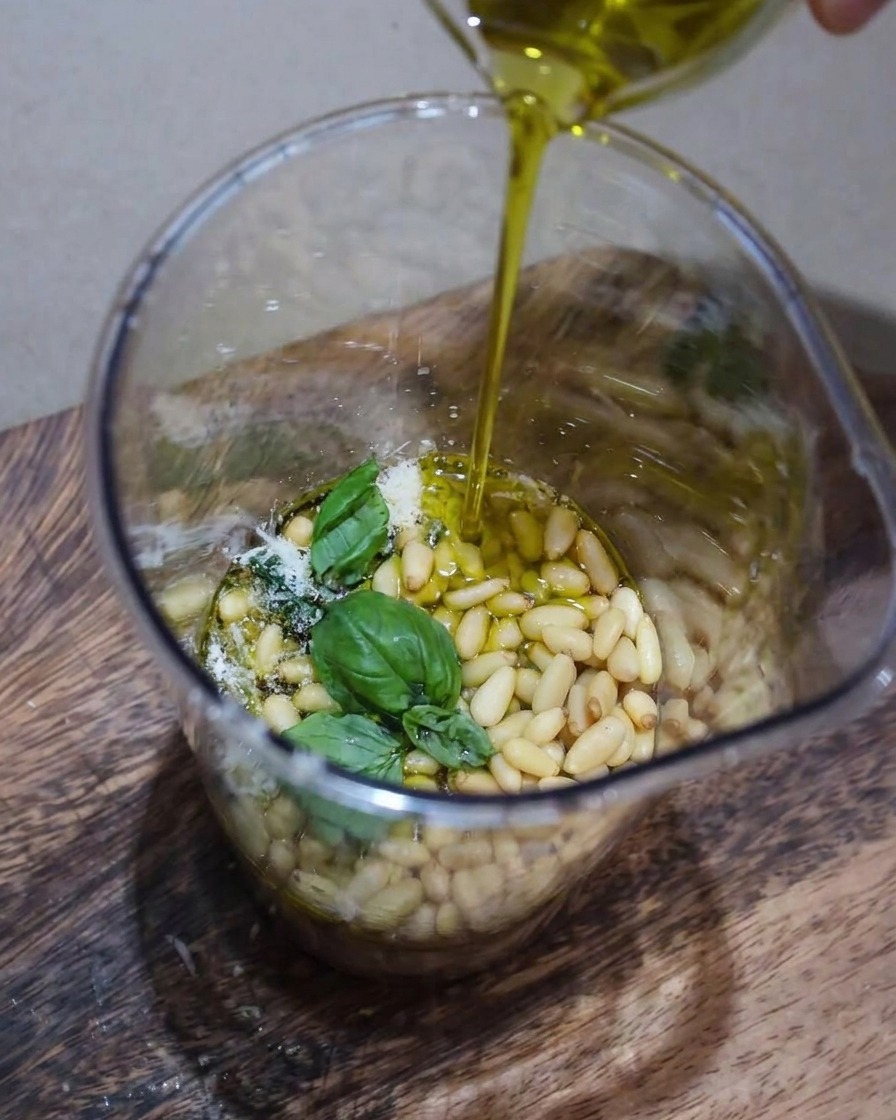
Place the minced garlic, grated Parmesan, toasted pine nuts, and blanched basil into a blender container. Gradually add the extra virgin olive oil while blending on a low speed to emulsify the sauce. Continue until the mixture reaches a thick, creamy consistency, being careful not to overheat the sauce to preserve its vibrant green color.
Tip: Always blend on low speed to prevent the friction from heating up the sauce, which can cause the basil to oxidize and lose its bright color.