Quick No-Knead Margherita Pizza
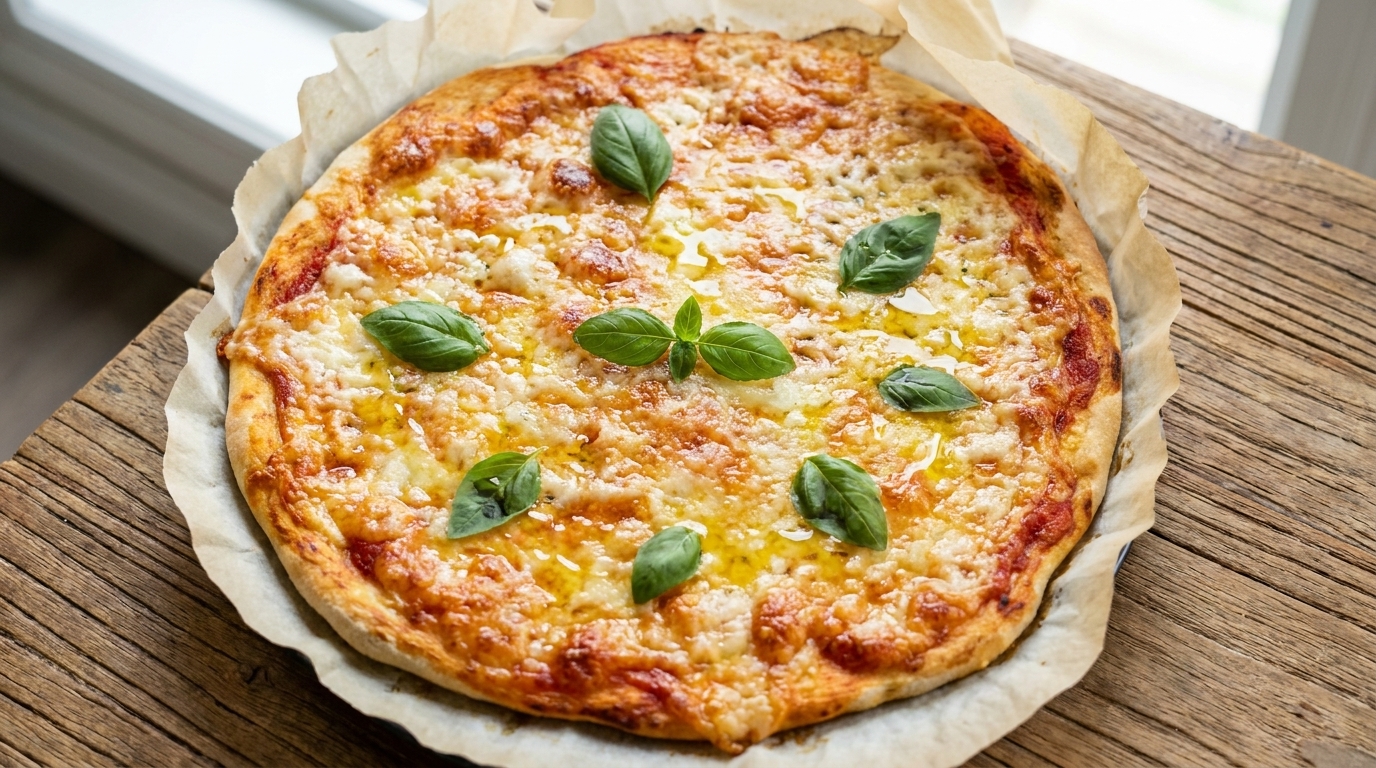
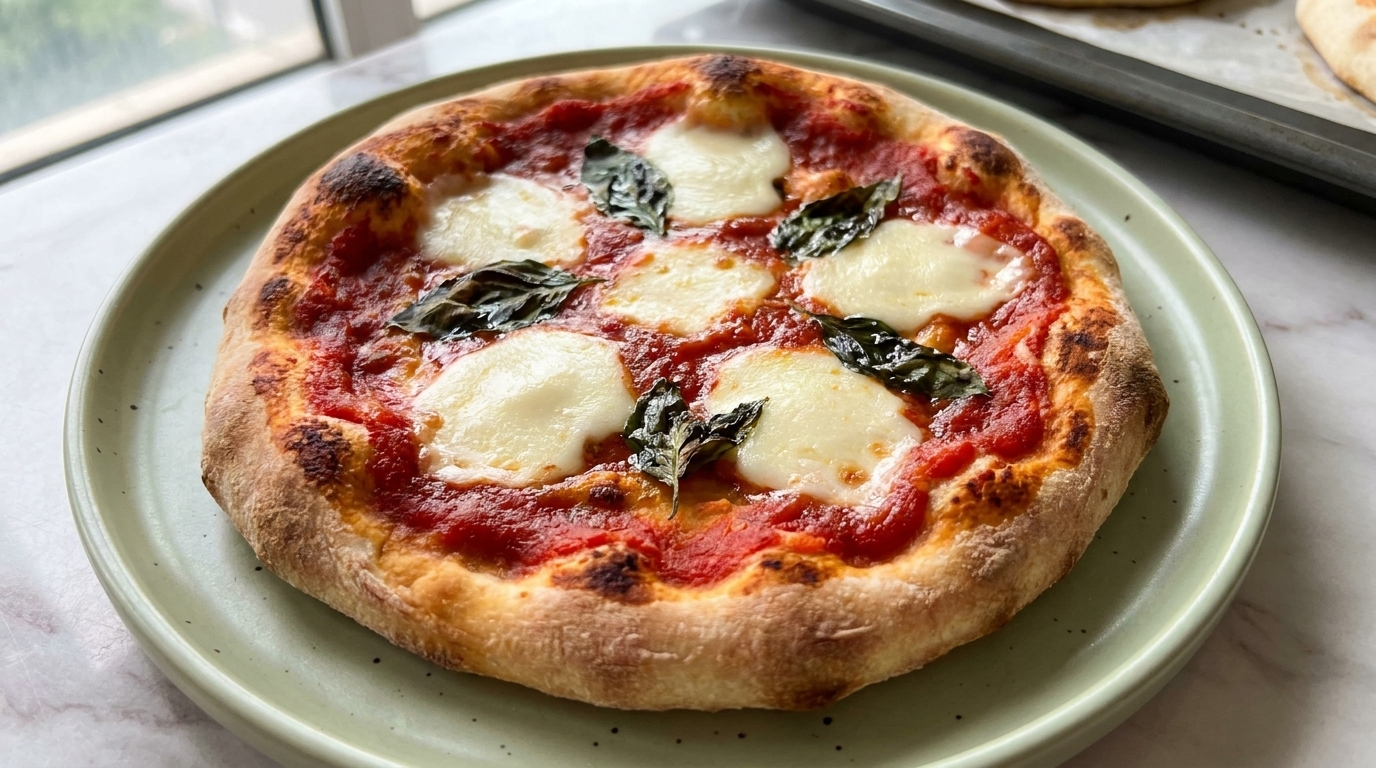
A simple, no-knead Margherita pizza made from scratch. Enjoy a blistered, thin crust topped with rich tomato paste, fresh basil, and creamy melted mozzarella.
This homemade Margherita pizza proves that making incredible pizza from scratch doesnt require hours of intense kneading. Utilizing a simple fold-and-rest method, the high-hydration dough develops a beautiful structure that bakes into a perfectly thin, crispy crust. Its a comforting, classic Italian staple that relies on the harmony of minimal, fresh ingredients.
Ingredients
- 340 g warm water
- 3 g fresh yeast
- 500 g all-purpose flour
- 10 g salt
- to taste tomato paste
- to taste fresh basil leaves
- to taste mozzarella cheese
- to taste extra virgin olive oil
Instructions
- 1Combine dough ingredients
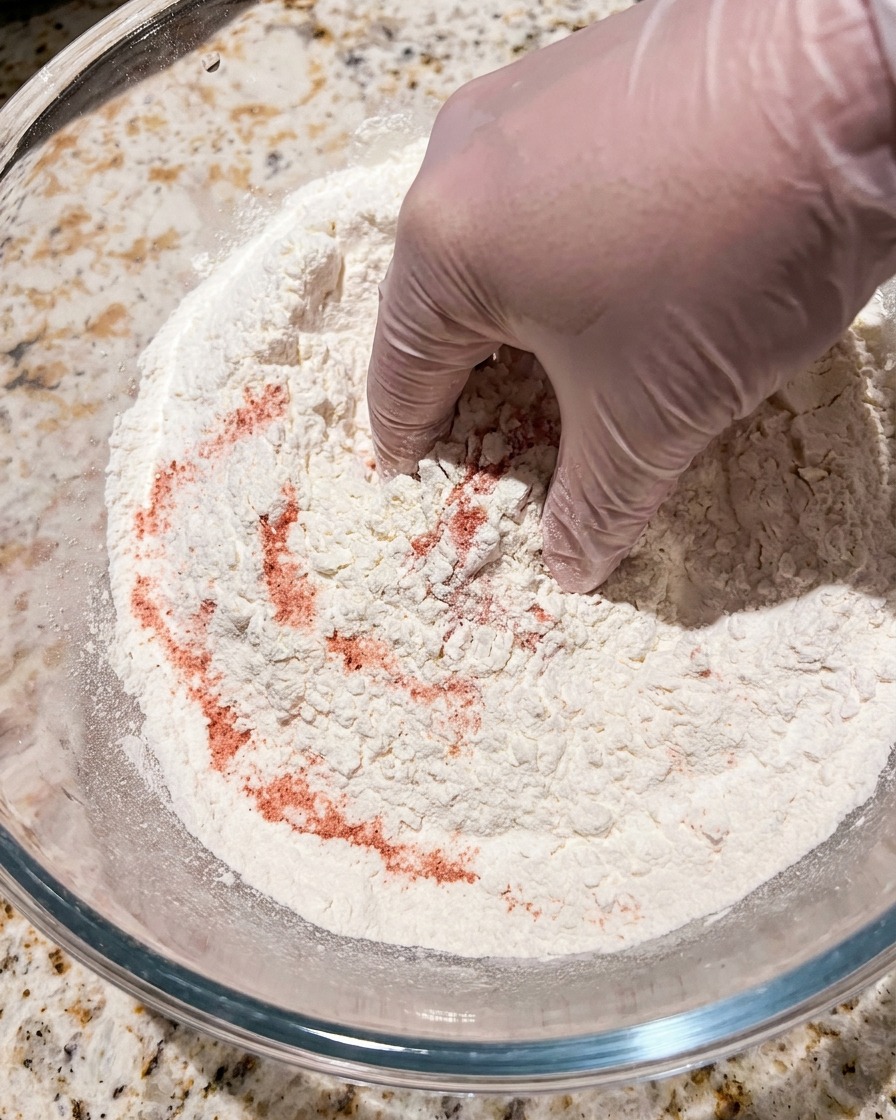
In a large glass bowl, combine the warm water, fresh yeast, flour, and salt. Mix thoroughly to form a shaggy, hydrated dough mixture.
Tip: Use warm water to help activate the yeast quickly, but ensure it is not too hot, or it may kill the yeast. - 2Mix the dough
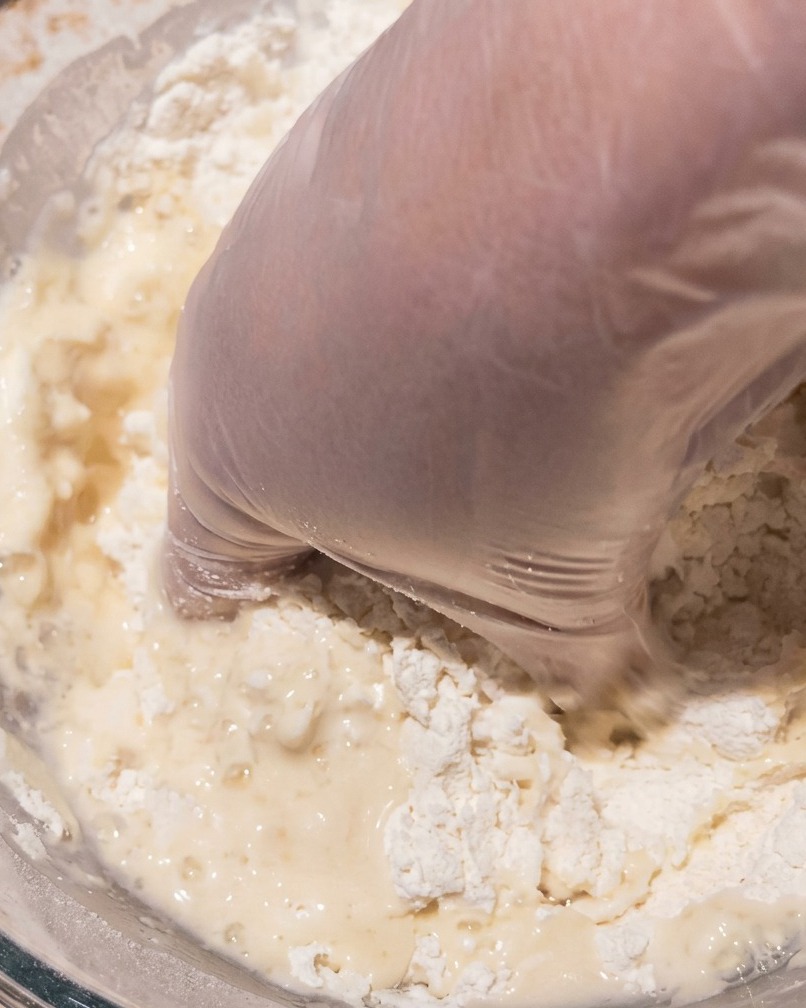
Use your hand to mix the water, yeast, flour, and salt together in the bowl. The resulting dough will be quite sticky; continue mixing until all dry ingredients are fully incorporated.
Tip: Keep a bowl of water or flour nearby to lightly coat your gloves or hands to prevent the sticky dough from clinging excessively. - 3Fold the dough
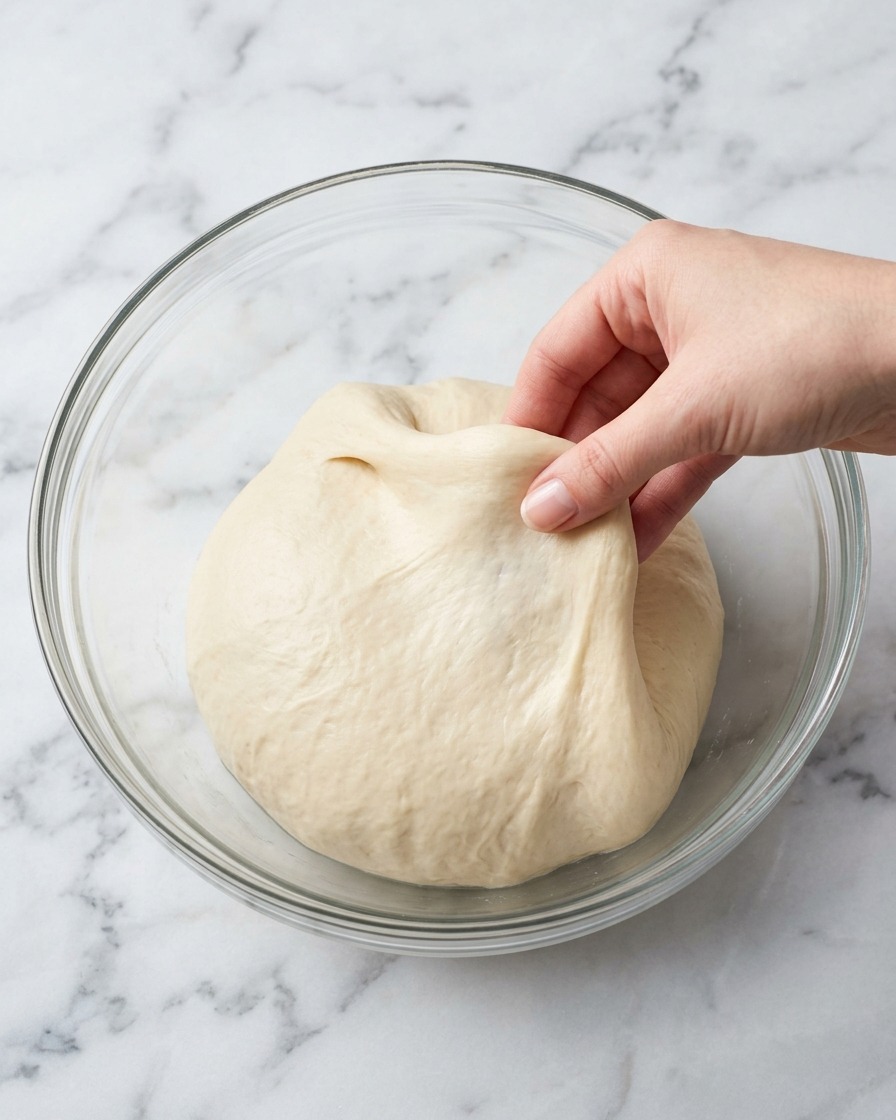
After letting the dough rest for 20 minutes, gently grab the edge of the dough, stretch it slightly, and fold it over itself toward the center. Repeat this from all four directions to help build structure and strength in the dough.
Tip: Folding is a gentle way to strengthen the dough without the need for intense kneading, which is helpful for sticky, high-hydration doughs. - 4Portion the dough
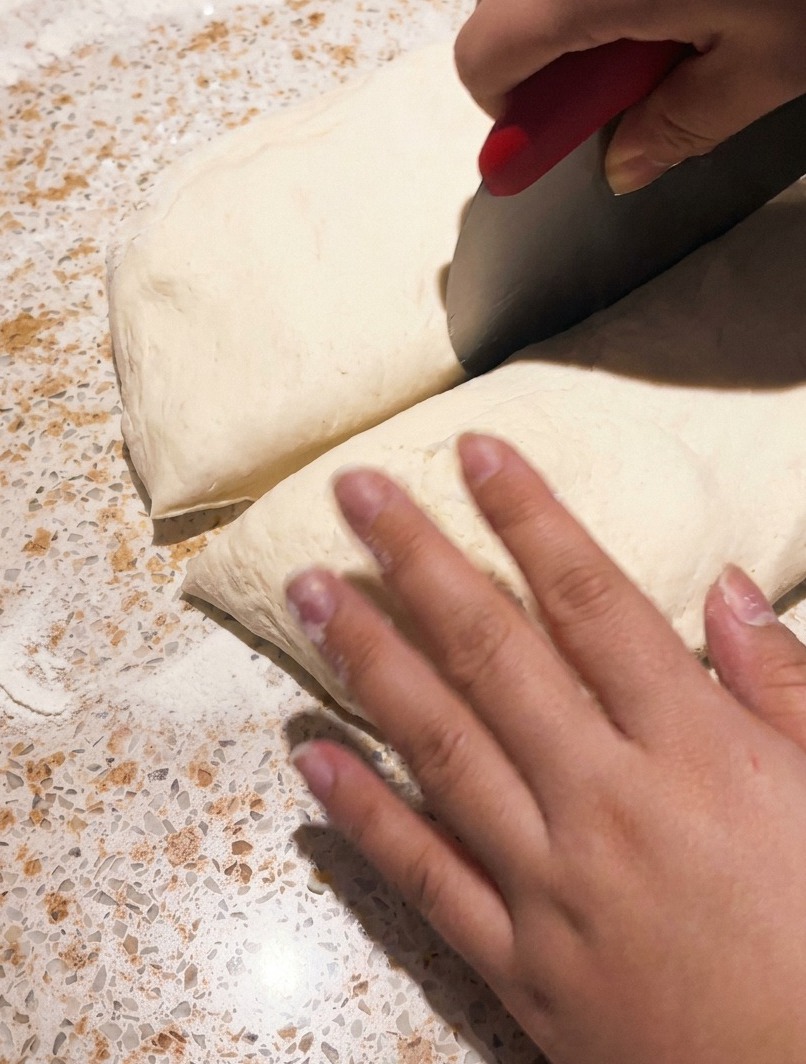
Once fermented and doubled in size, turn the dough onto a lightly floured surface. Use a bench scraper to carefully divide the puffy dough into smaller, even portions for individual pizzas.
Tip: Work gently to avoid deflating the air bubbles created during fermentation. - 5Shape into rounds
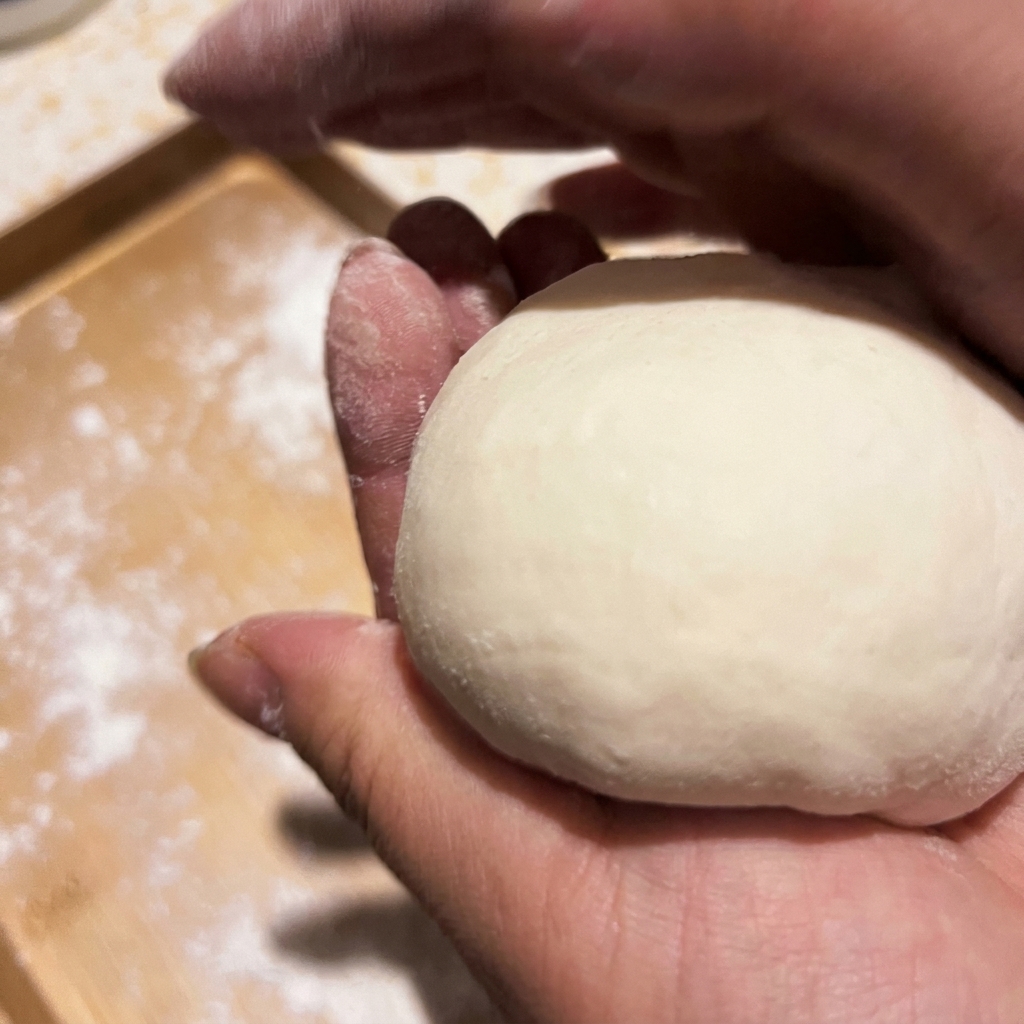
Take each portioned piece of dough and tuck the edges underneath to create tension, shaping it into a smooth, tight round ball.
Tip: Creating a smooth surface tension on the dough ball helps the pizza maintain its shape when you stretch it later. - 6Flatten the crust
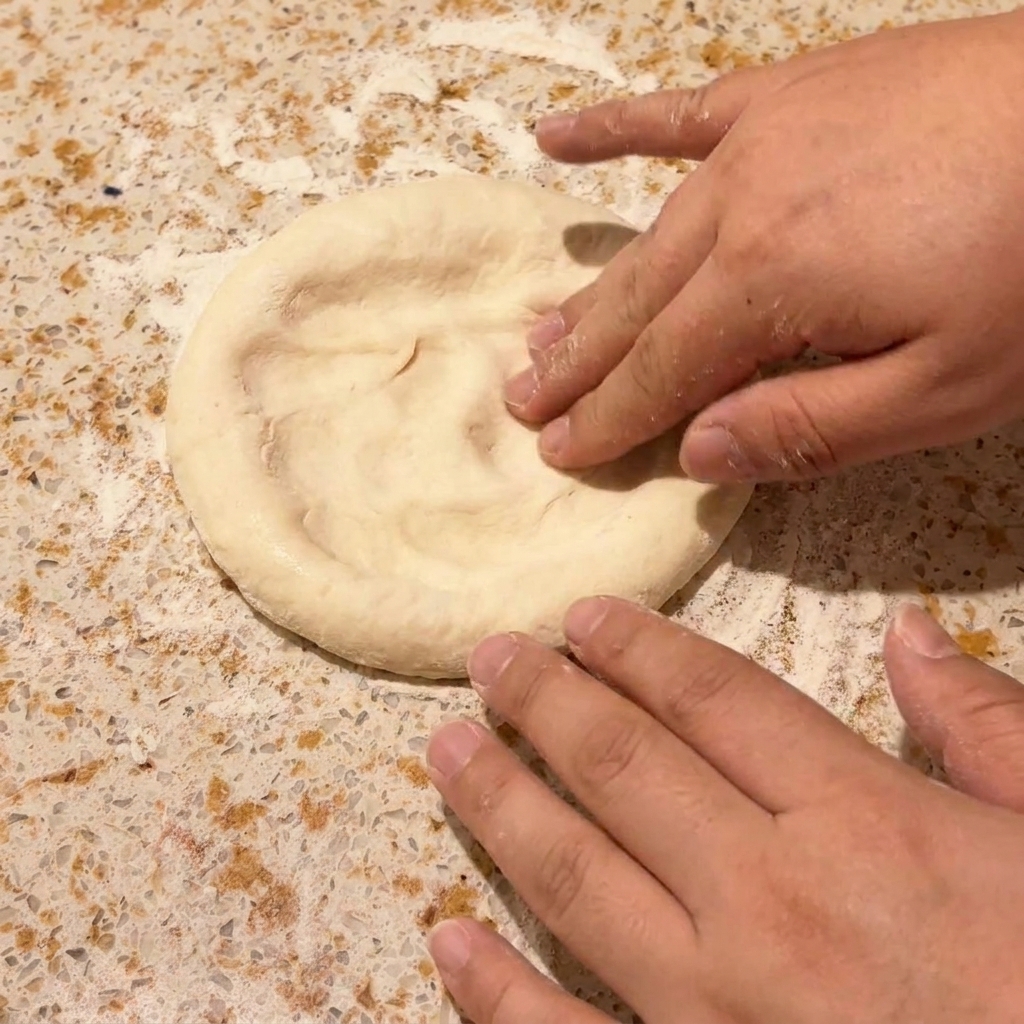
Place a round dough ball on the floured countertop and use your palms and fingertips to gently press it outward, forming a flat, circular pizza crust.
Tip: Start pressing from the center outward to ensure the crust has an even thickness and a slightly raised edge. - 7Spread the tomato paste
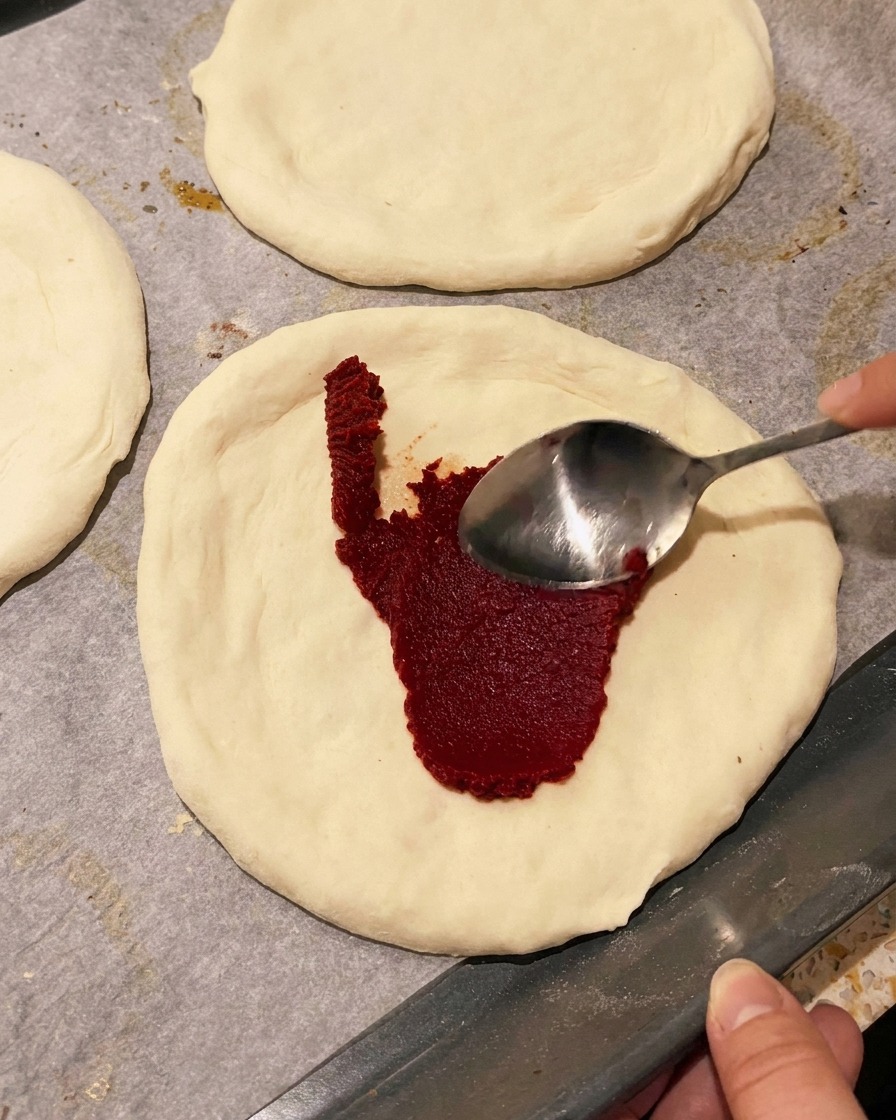
Using the back of a spoon, spread a generous layer of thick red tomato paste evenly over the center of each raw pizza crust. Leave a small border around the edges to allow the crust to rise and form a nice rim.
Tip: Do not press too hard while spreading the paste to avoid deflating the delicate air bubbles in the rested dough. - 8Add the fresh basil
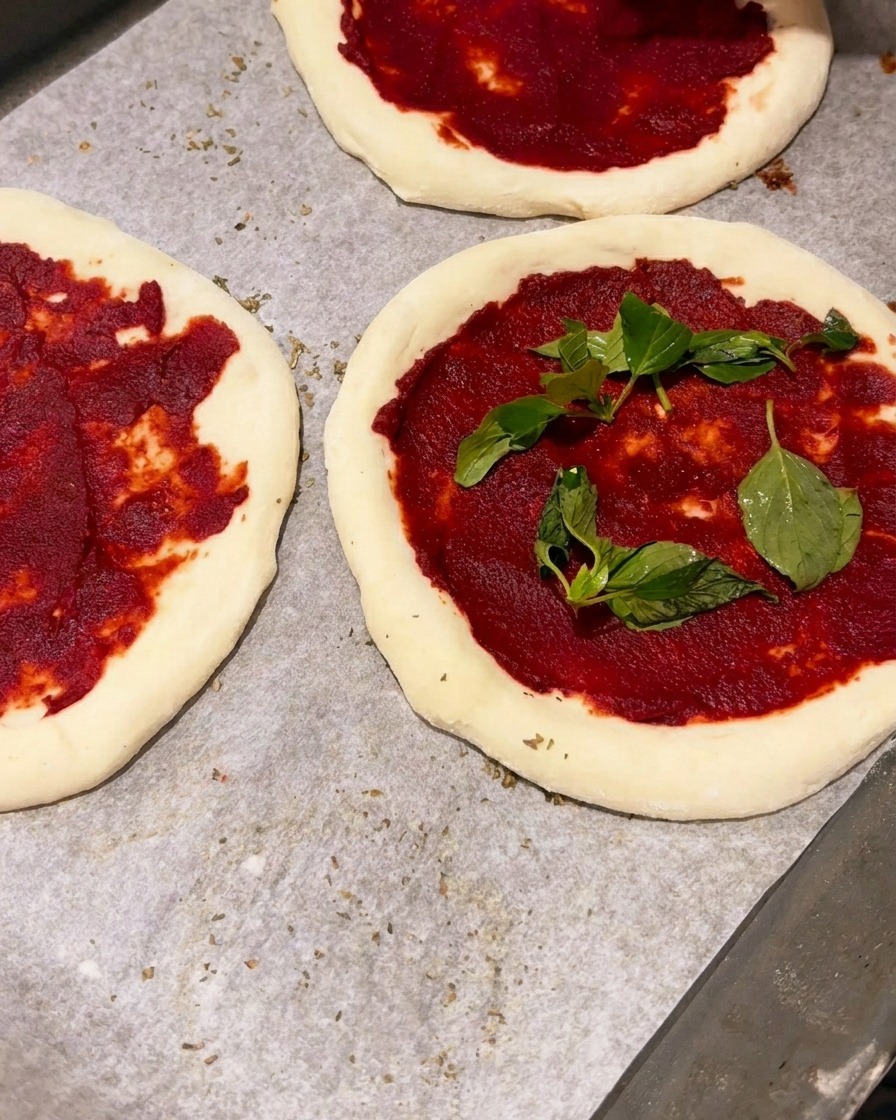
Scatter fresh green basil leaves evenly over the tomato paste layer. Placing the basil under the cheese can help protect it from burning, though adding some on top brings out a stronger aromatic flavor.
Tip: Tear the basil leaves by hand rather than chopping them with a knife to prevent the edges from turning black and bruising. - 9Top with mozzarella
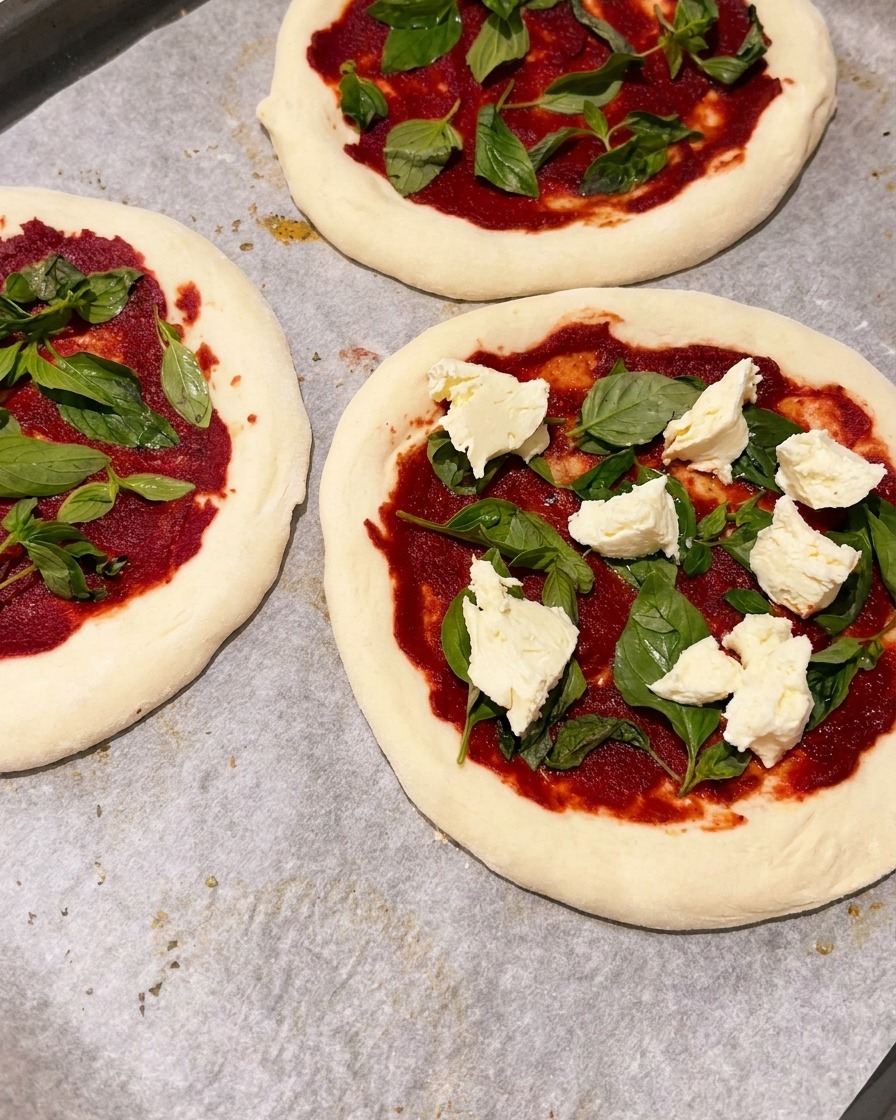
Tear the white mozzarella cheese into smaller chunks and distribute them evenly across the mini pizzas, right over the basil and tomato sauce. The chunks will melt down and spread perfectly during baking.
Tip: If using fresh mozzarella packed in water, gently pat it dry with a paper towel beforehand to prevent your pizza crust from becoming soggy. - 10Drizzle with olive oil
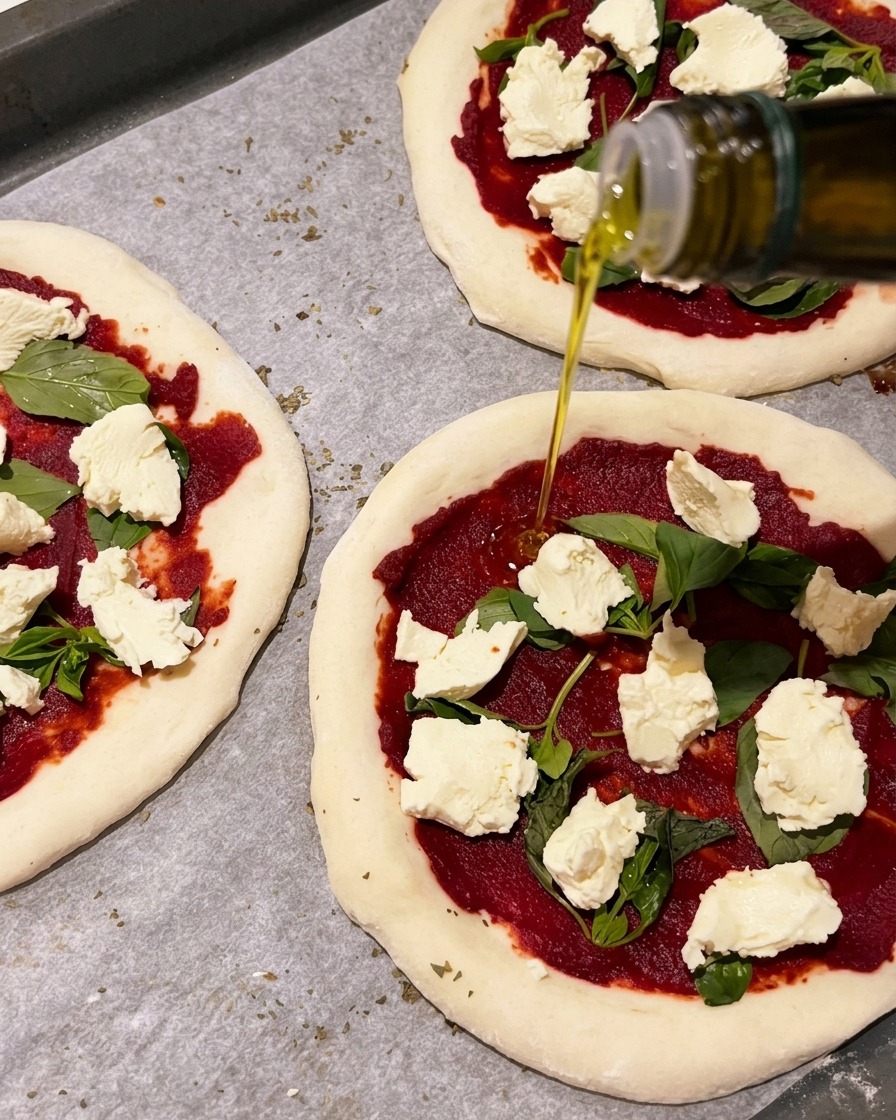
Lightly drizzle extra virgin olive oil over the assembled toppings on each raw pizza. The olive oil enriches the overall flavor, helps the cheese melt beautifully, and promotes a golden, crispy crust.
Tip: Use a high-quality extra virgin olive oil for this step, as its flavor will be very prominent in the finished Margherita pizza. - 11Bake the pizzas
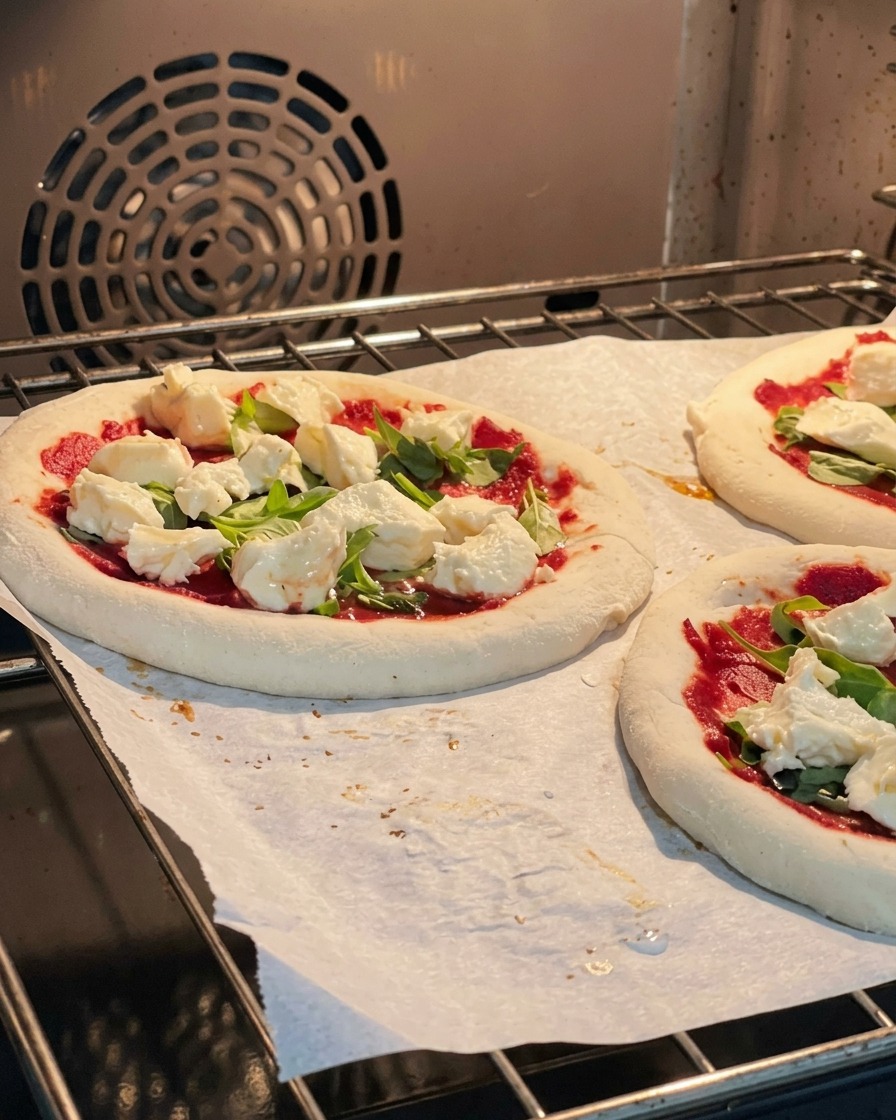
Carefully slide the parchment-lined baking tray with the assembled raw pizzas onto the middle rack of a preheated oven set to 240 degrees Celsius. Bake for about 10 minutes until the cheese is bubbling and the crust is crisp.
Tip: Ensure your oven is fully preheated to the maximum temperature before inserting the pizzas; a hot oven is key to achieving a thin, crispy crust.