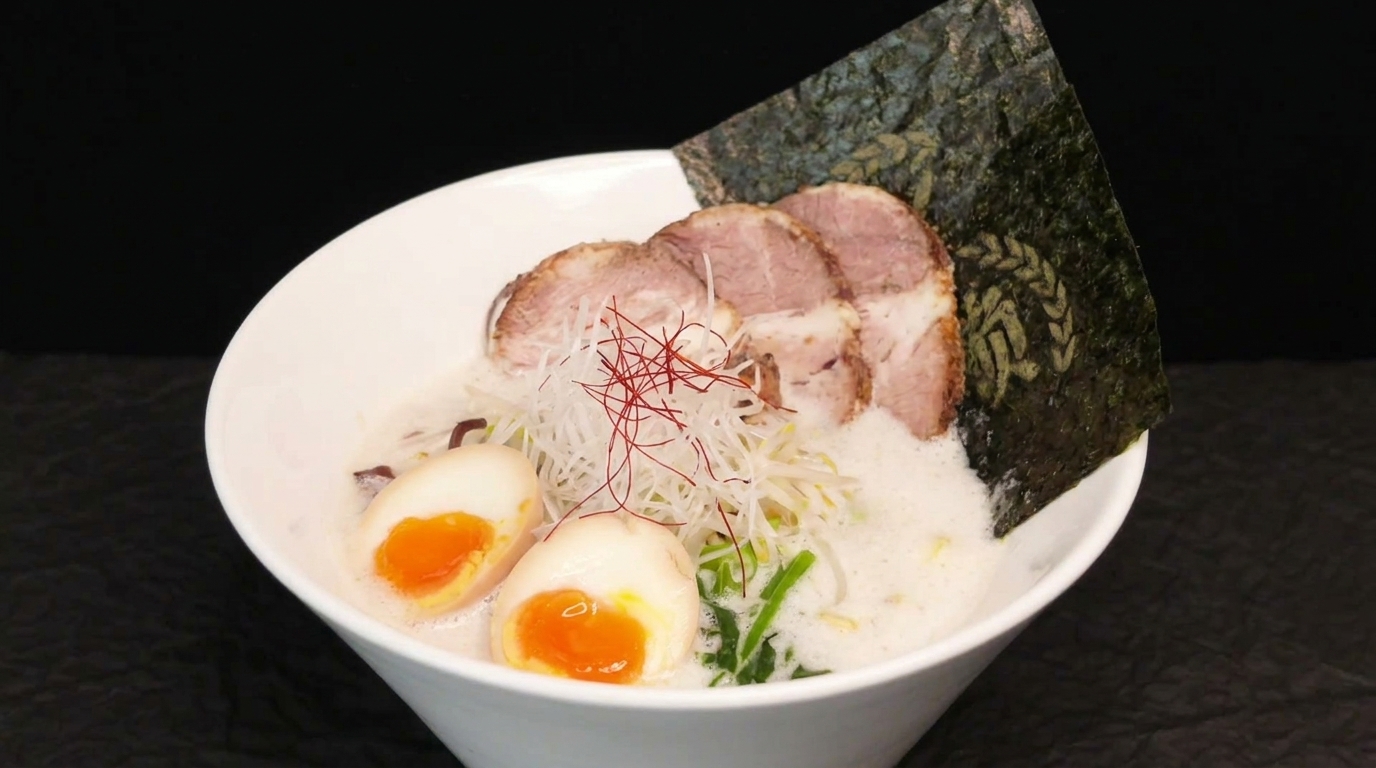
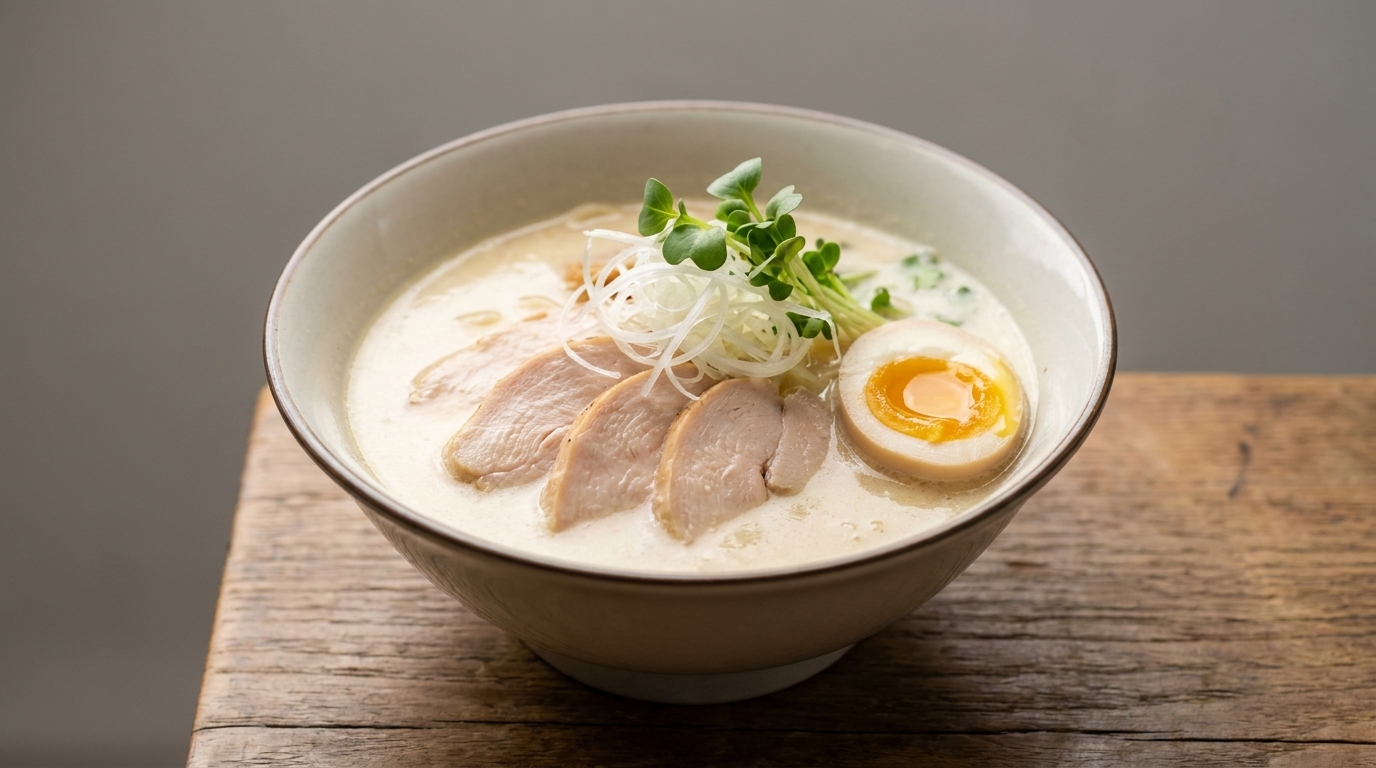
Authentic Japanese Salt Ramen (Shio Ramen)
Master the art of Shio Ramen with this recipe for a crystal-clear, umami-packed chicken and kombu broth, paired with thin noodles and tender chashu pork.
Shio ramen, or salt-flavored ramen, is the most minimalist and elegant style of this iconic Japanese noodle dish. By focusing on a light, clear broth infused with kombu and chicken, the delicate ingredients shine through without being masked by heavy soy or miso. This recipe captures the clean, refined aesthetic that defines a truly great bowl of salt ramen.
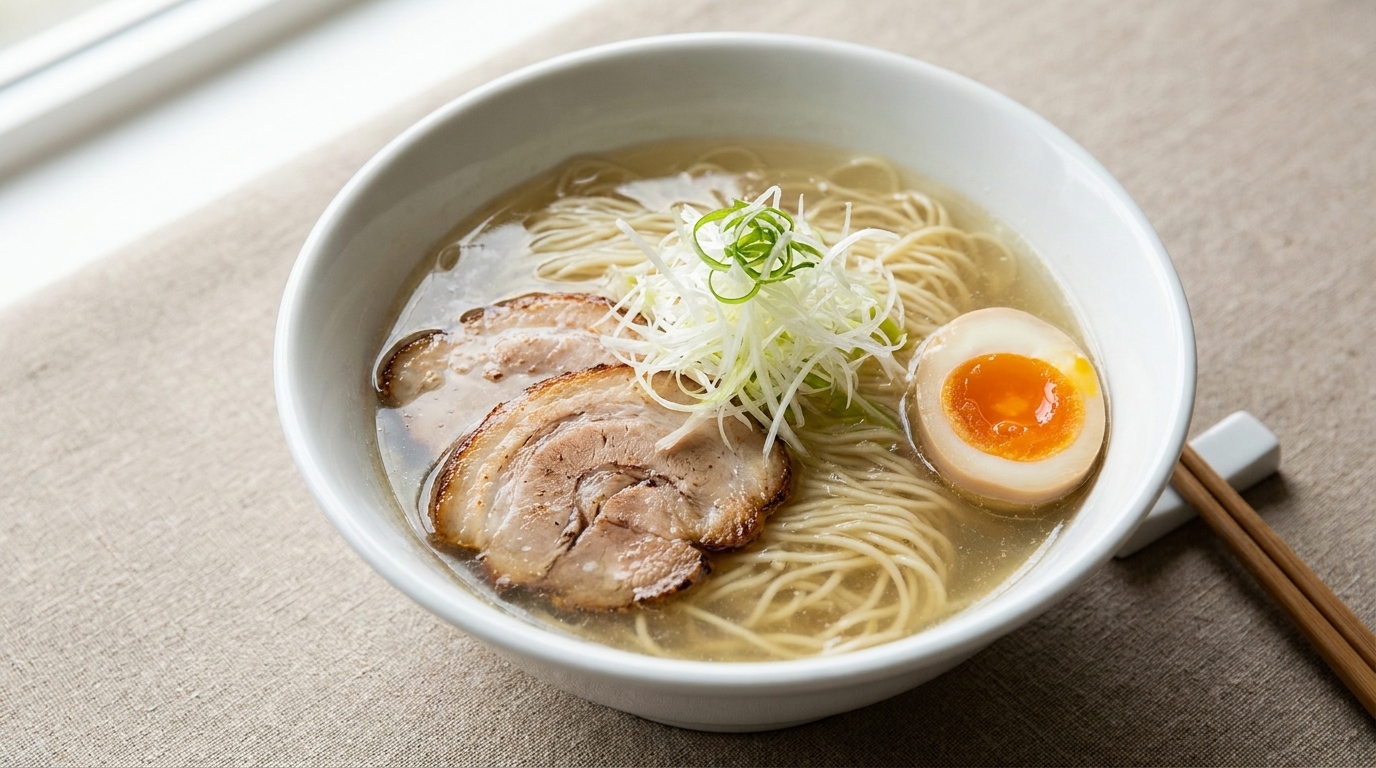
Ingredients
- 1 piece kombu (dried kelp)
- 200 g minced chicken breast
- 1 tbsp sea salt
- 1 serving thin ramen noodles
- 2 slices chashu pork
- 1/2 soft-boiled egg
- to taste shredded green onions
Instructions
- 1Remove rehydrated kombu
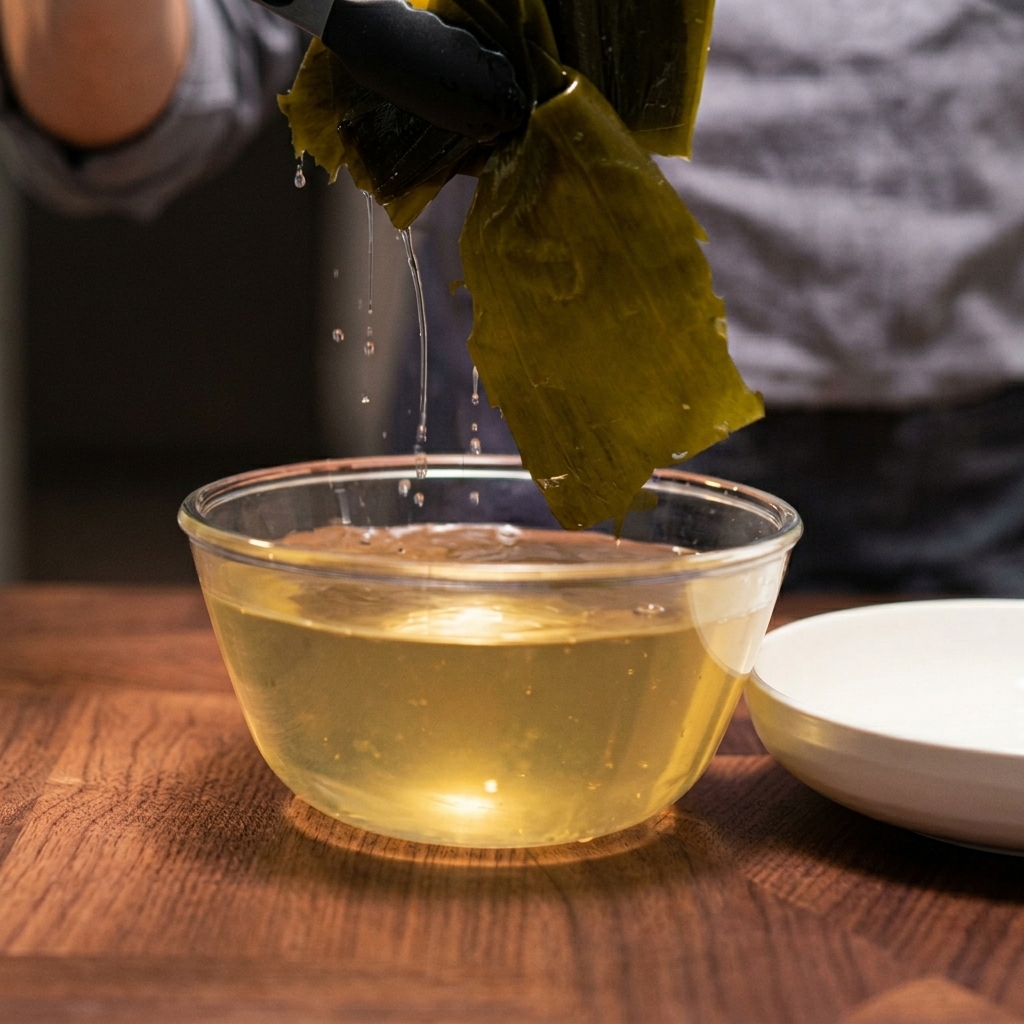
Using a pair of tongs, lift the rehydrated kombu out of the soaking bowl. Ensure the kombu is fully softened before proceeding to the next step, as this kelp will be used to infuse flavor into the chicken broth.
Tip: Do not discard the soaking water, as it contains essential umami and will serve as the base for your broth. - 2Prepare the broth base
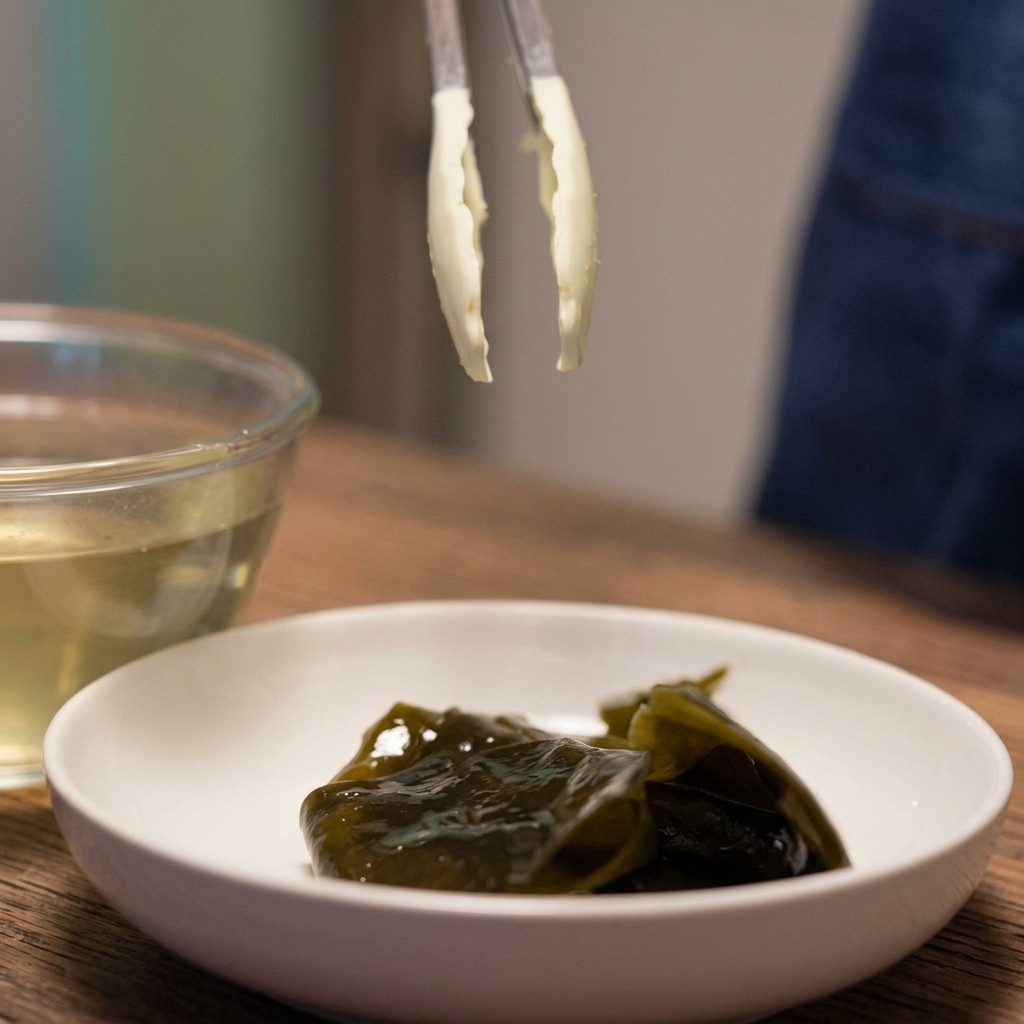
Carefully pour the reserved kombu soaking water into a glass pot. This golden, nutrient-rich liquid provides the foundation for the delicate salt ramen broth.
Tip: Use a glass pot if possible to monitor the clarity and color of the broth as it cooks. - 3Incorporate minced chicken
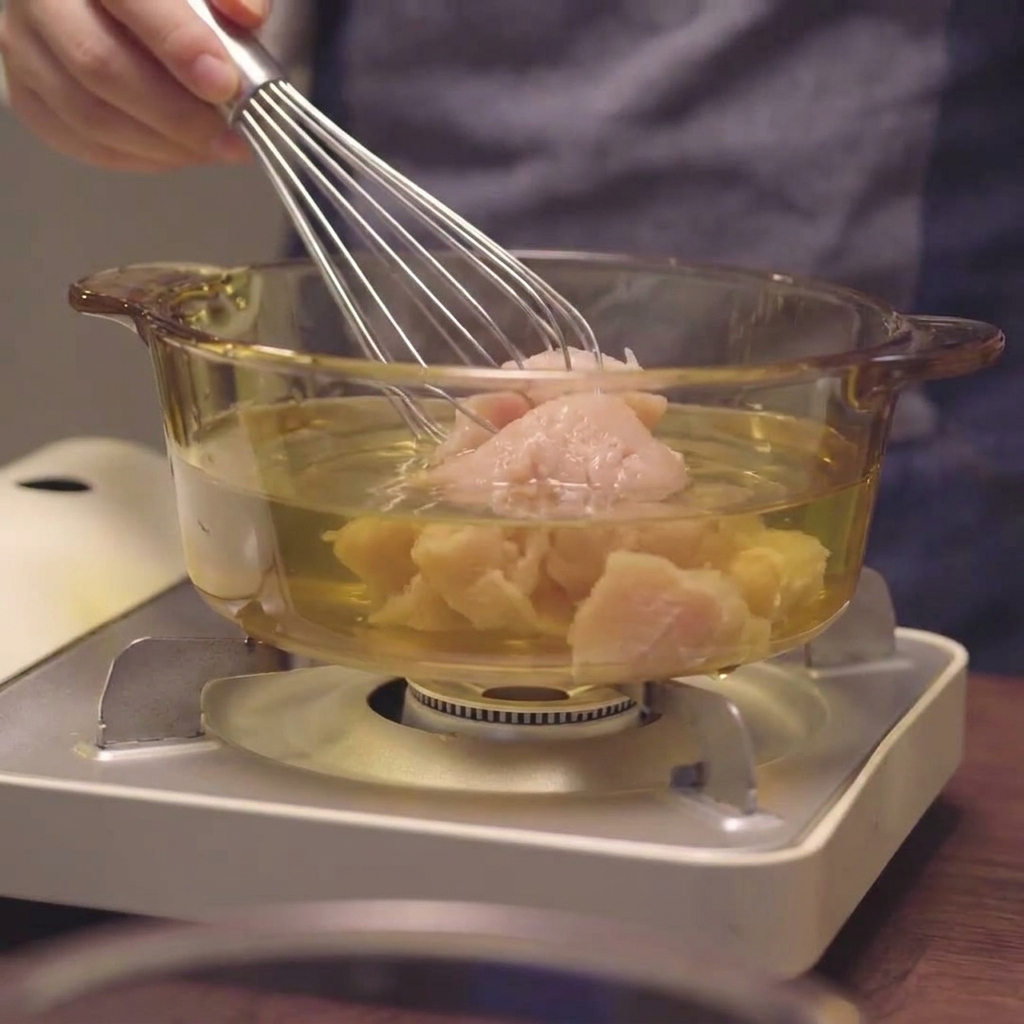
Add the finely minced chicken breast into the pot with the kombu water. Immediately stir with a whisk to break up the meat and ensure it is evenly distributed throughout the liquid.
Tip: Whisking vigorously helps to create a light, flavorful chicken stock and prevents the meat from clumping. - 4Re-add kombu to the broth
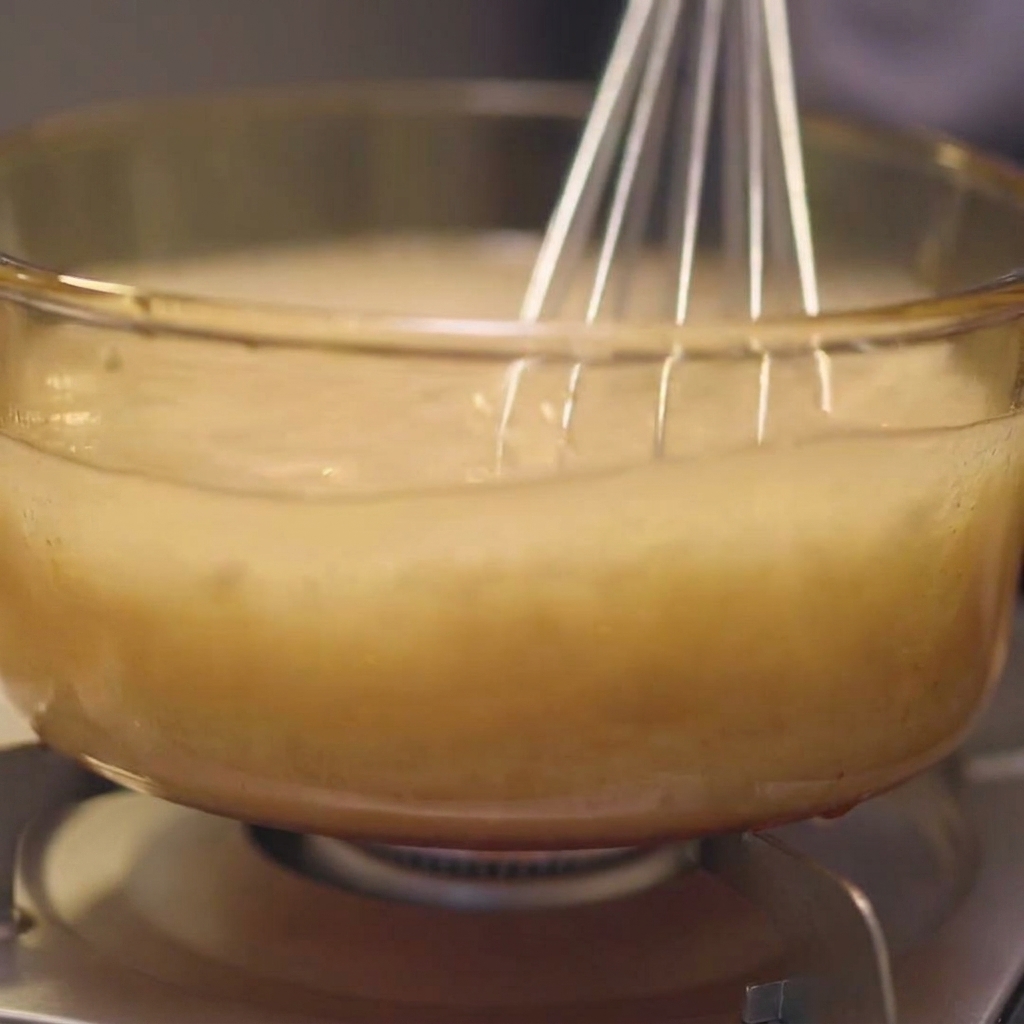
Return the pieces of kombu that were previously removed back into the pot with the chicken and water mixture. Allowing the kombu to simmer with the chicken further enhances the depth of the flavor profile.
Tip: Keeping the kombu in during this stage adds a subtle, earthy richness to the final soup. - 5Remove kombu
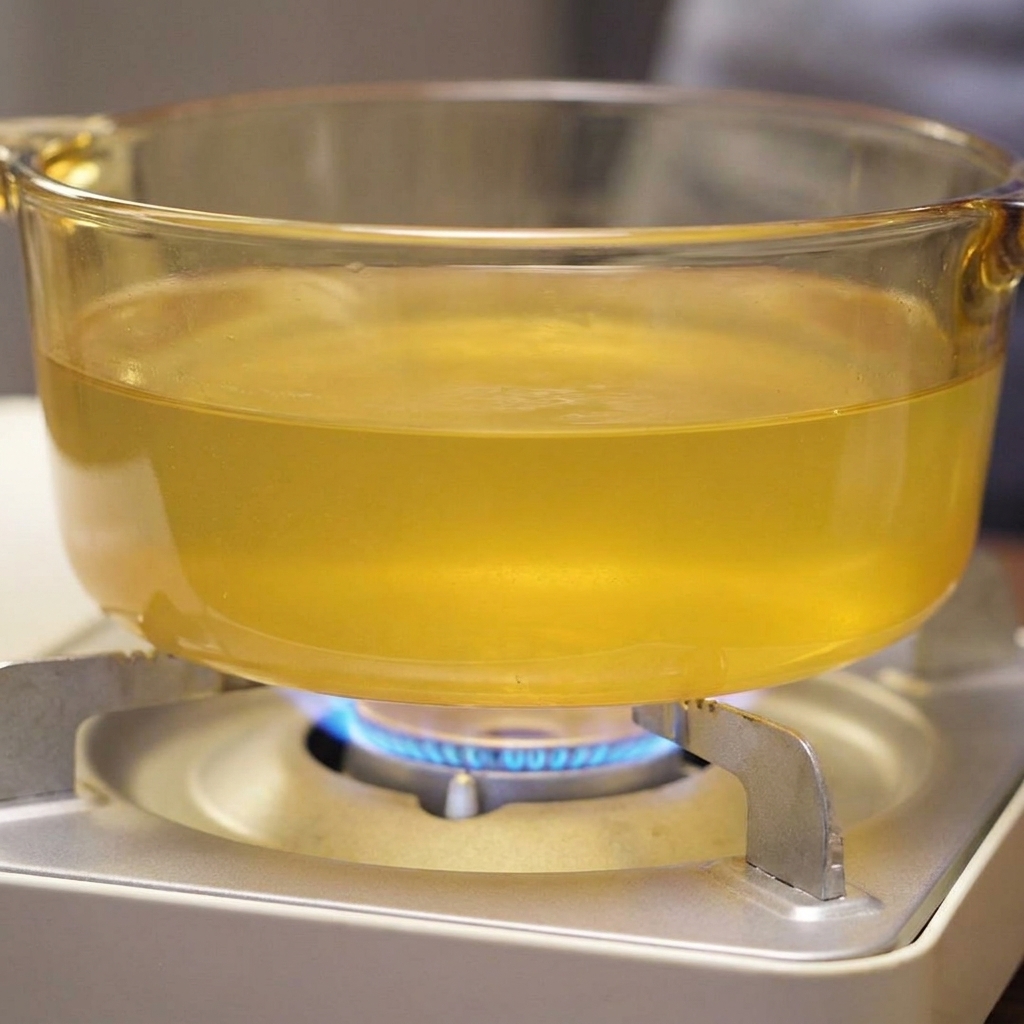
Once the broth has reached a gentle simmer, use tongs to remove the pieces of kombu from the pot. This prevents the broth from becoming overly bitter if boiled for too long.
Tip: Remove the kombu just before the broth comes to a full boil to maintain a clean, delicate flavor. - 6Strain the broth
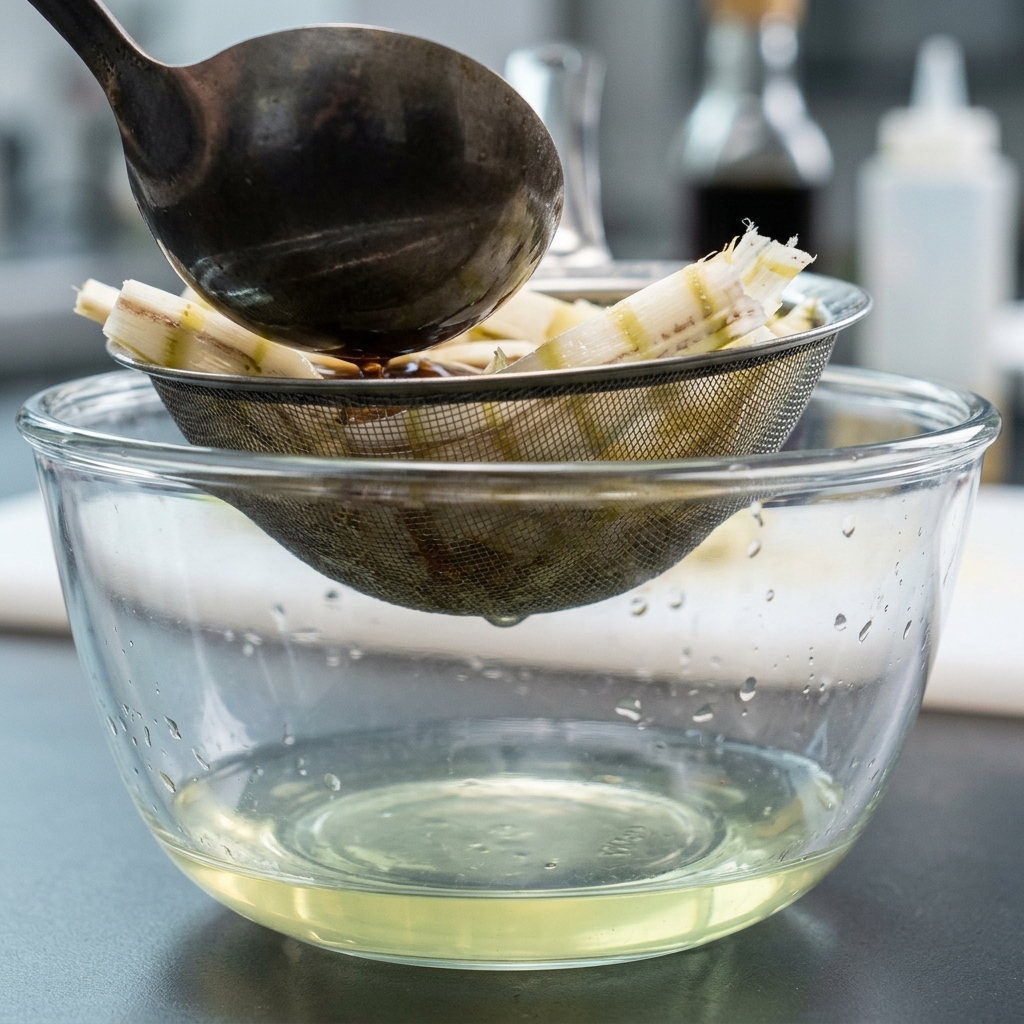
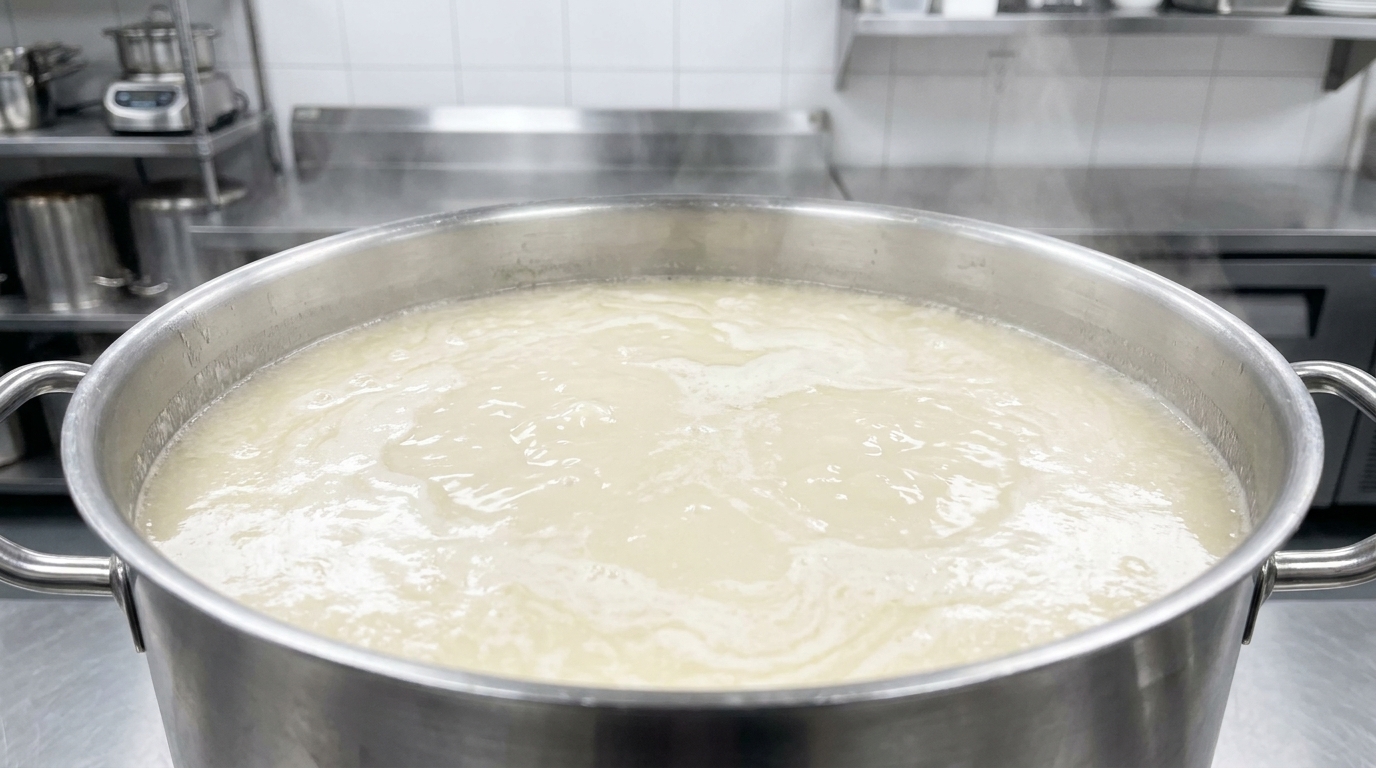
Carefully filter the prepared broth through a fine-mesh sieve lined with a clean cloth. This process removes all meat particles and sediment, resulting in a clear, refined stock.
Tip: Pour slowly to ensure no solid bits pass through the cloth into your final bowl. - 7Season the bowl
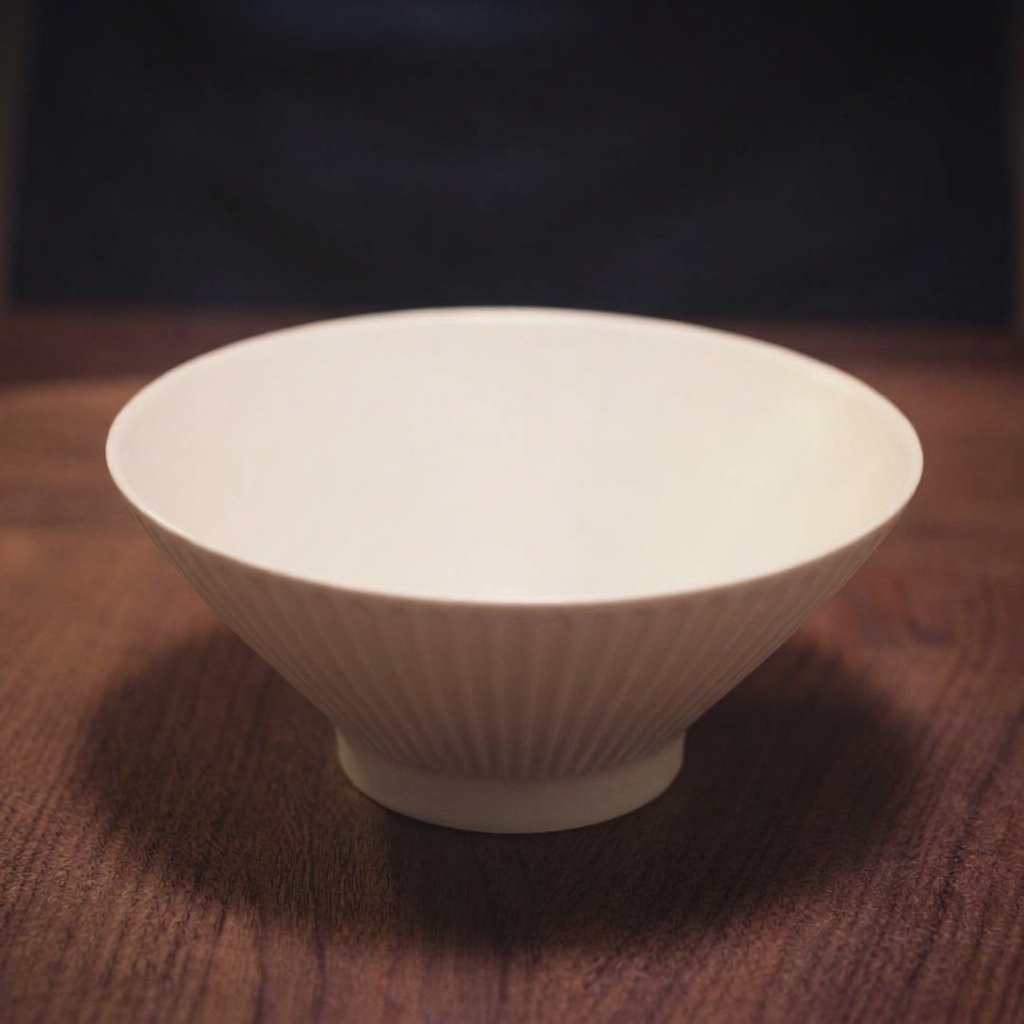
Add a single spoonful of salt into the base of an empty serving bowl. This will be the foundation of the flavor for the ramen broth.
Tip: Ensure the salt is evenly distributed at the bottom of the bowl for consistent seasoning. - 8Pour the broth
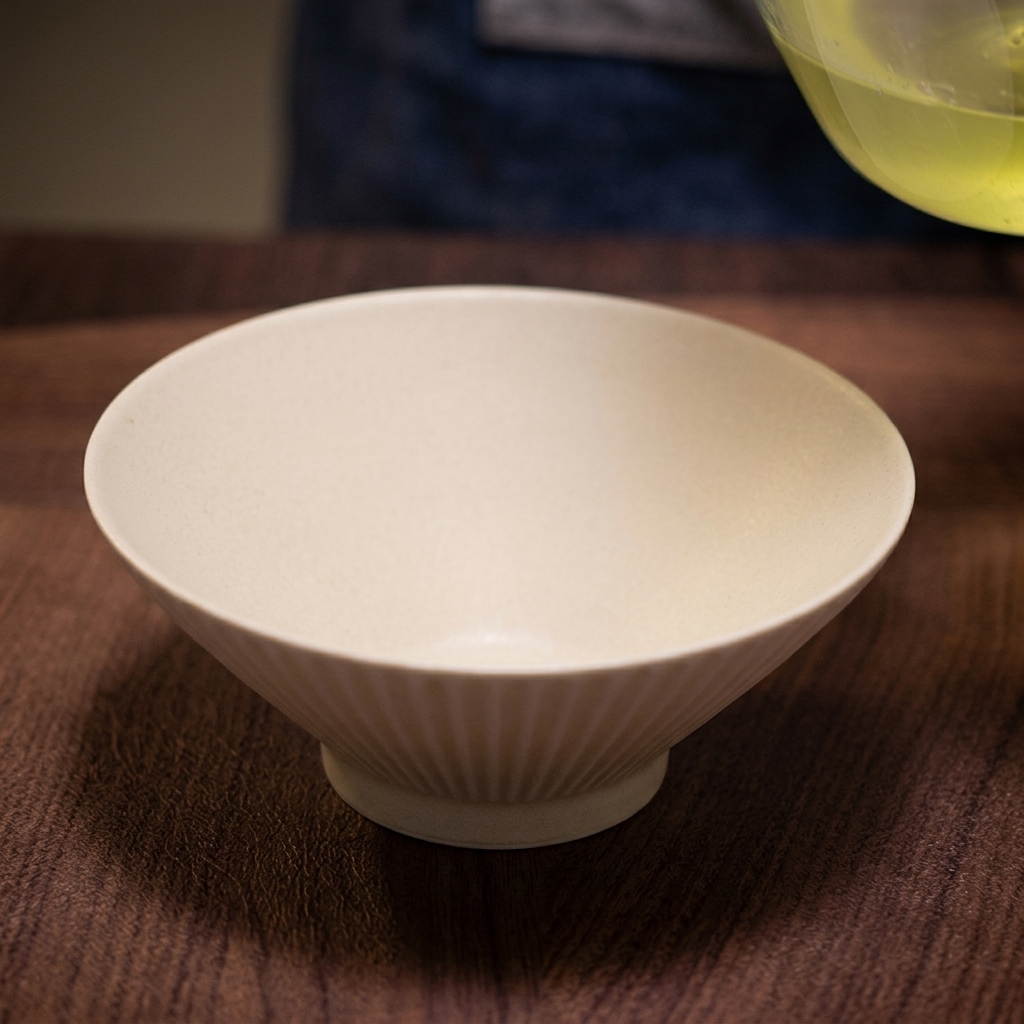
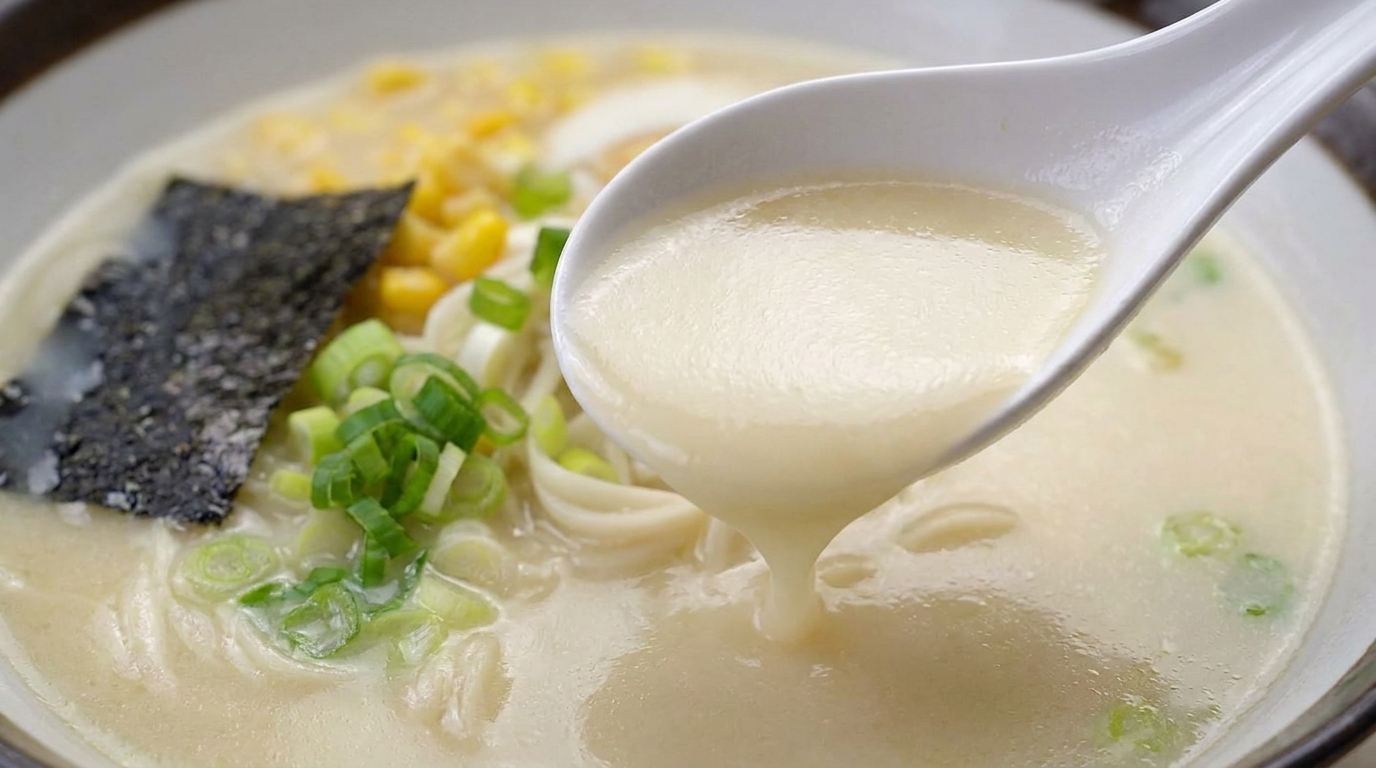
Ladle the hot, clear broth directly into the serving bowl containing the salt. The heat of the broth will immediately dissolve the salt to create a flavorful soup base.
Tip: Pour the broth carefully to avoid splashing and to ensure it mixes thoroughly with the salt. - 9Add the noodles
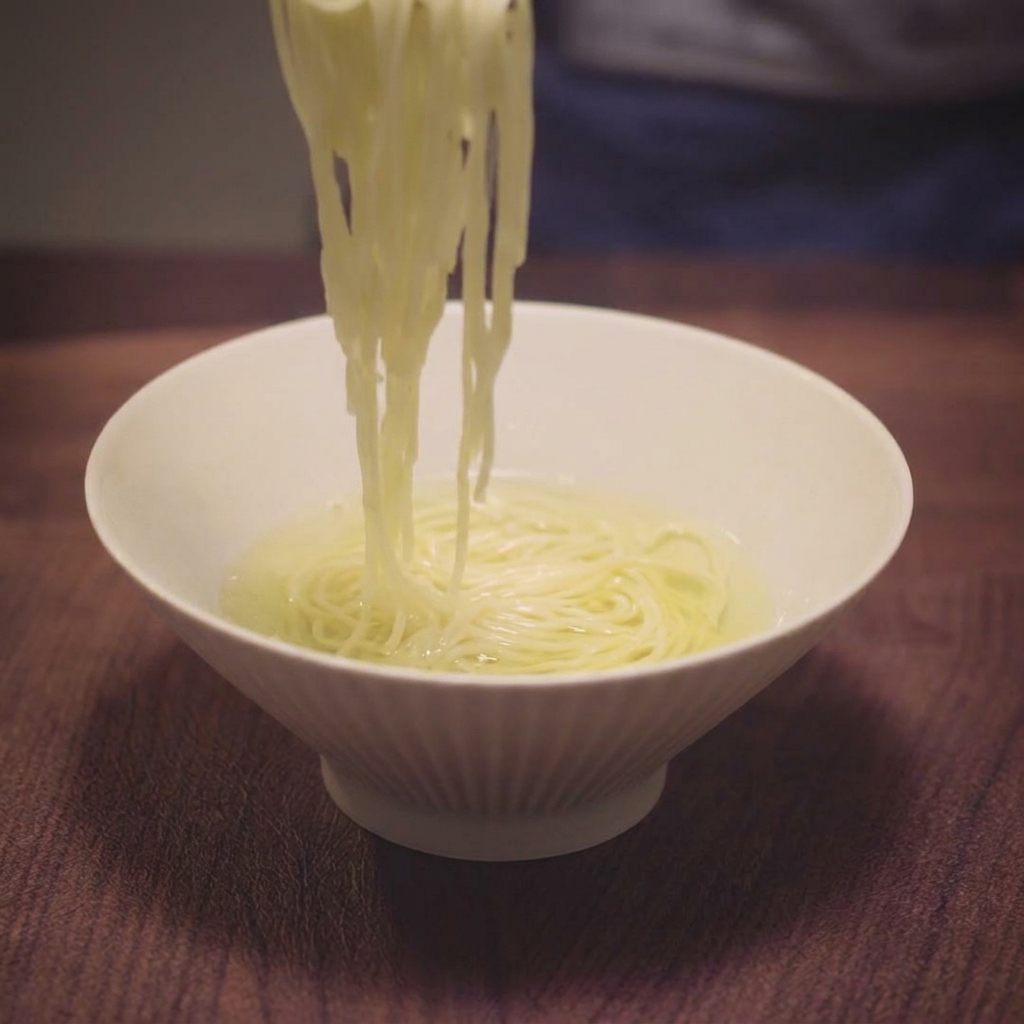
Gently place the cooked thin ramen noodles into the prepared broth using chopsticks. Arrange them neatly within the bowl to complete the dish.
Tip: Make sure the noodles are fully submerged in the hot broth so they stay warm and absorb the flavor.