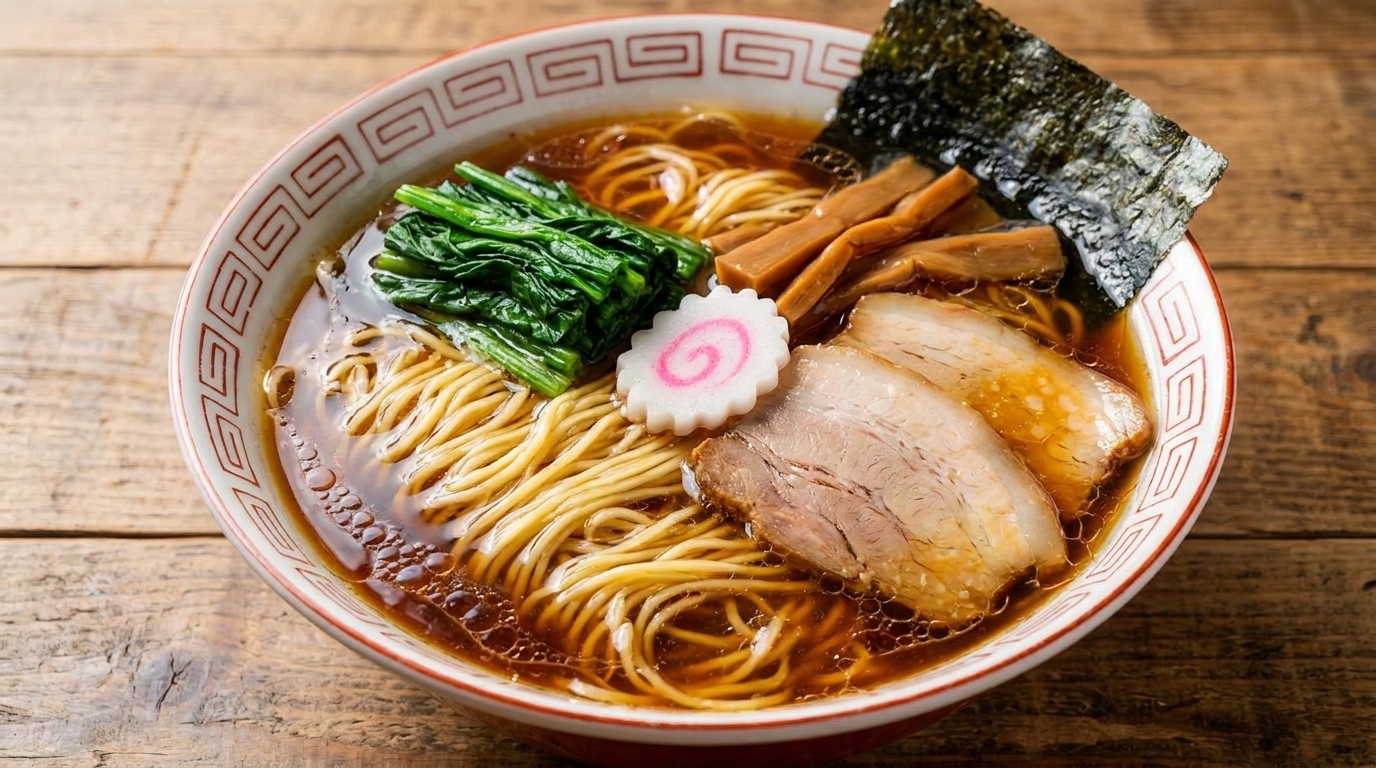
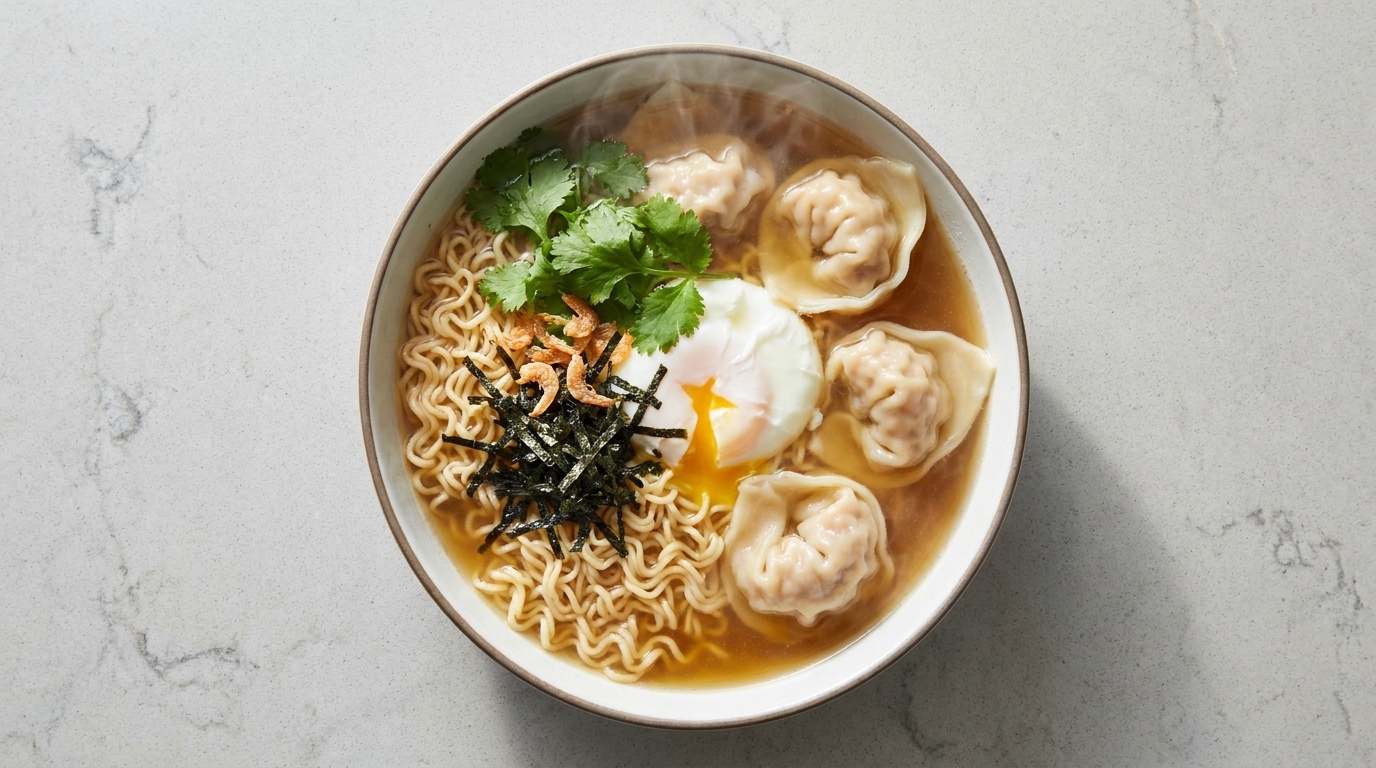
Japanese Abura Soba (Oil Noodles)
Braised Pork Belly
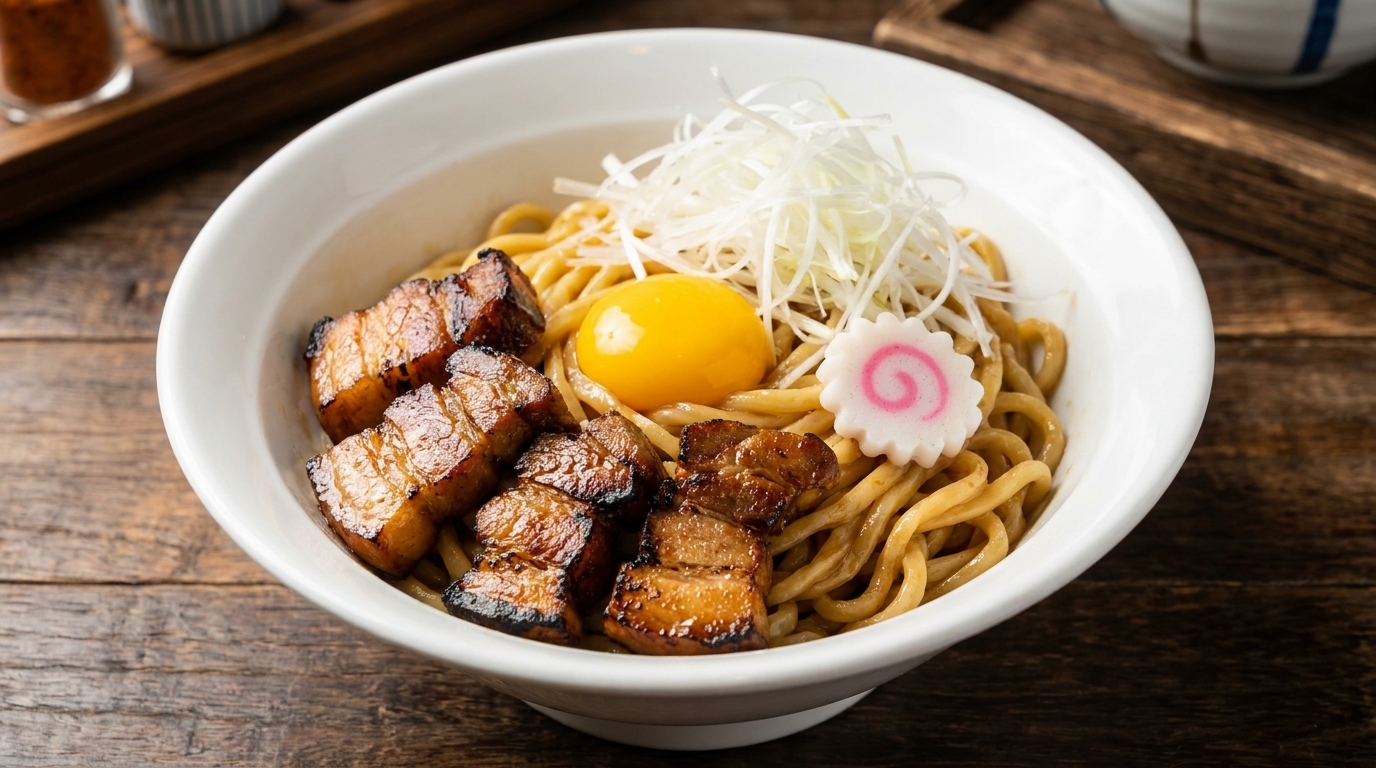
Master the art of brothless ramen with this authentic Abura Soba featuring chewy thick noodles tossed in a complex seafood oil and rich savory soy glaze.
Abura Soba translates to oil noodles and is a cult favorite Tokyo dish that replaces traditional broth with a concentrated emulsion of flavored oil and savory sauce. This version features the popular seafood profile by using dried shrimp and bonito flakes to create deep umami that balances the richness of rendered lard. Unlike soup based ramen the soul of this dish lies in the coating which is a glossy and savory film that clings to thick springy noodles.
Ingredients
- 300 g pork belly slices
- 2 portions thick ramen noodles
- 100 ml rice oil
- 20 g dried shrimp
- 10 g dried bonito flakes (katsuobushi)
- 50 ml sake
- 50 ml mirin
- 100 ml light soy sauce
- 30 ml dark soy sauce
- 1 tbsp granulated sugar
- 1 tbsp black vinegar
- 2 stalks green onions
- 3 cloves garlic
- 20 g ginger
- 2 egg yolks
- to taste white sesame powder
- to taste black pepper
- optional narutomaki fish cake
- optional shredded white leeks
Instructions
- 1Combine the base liquids
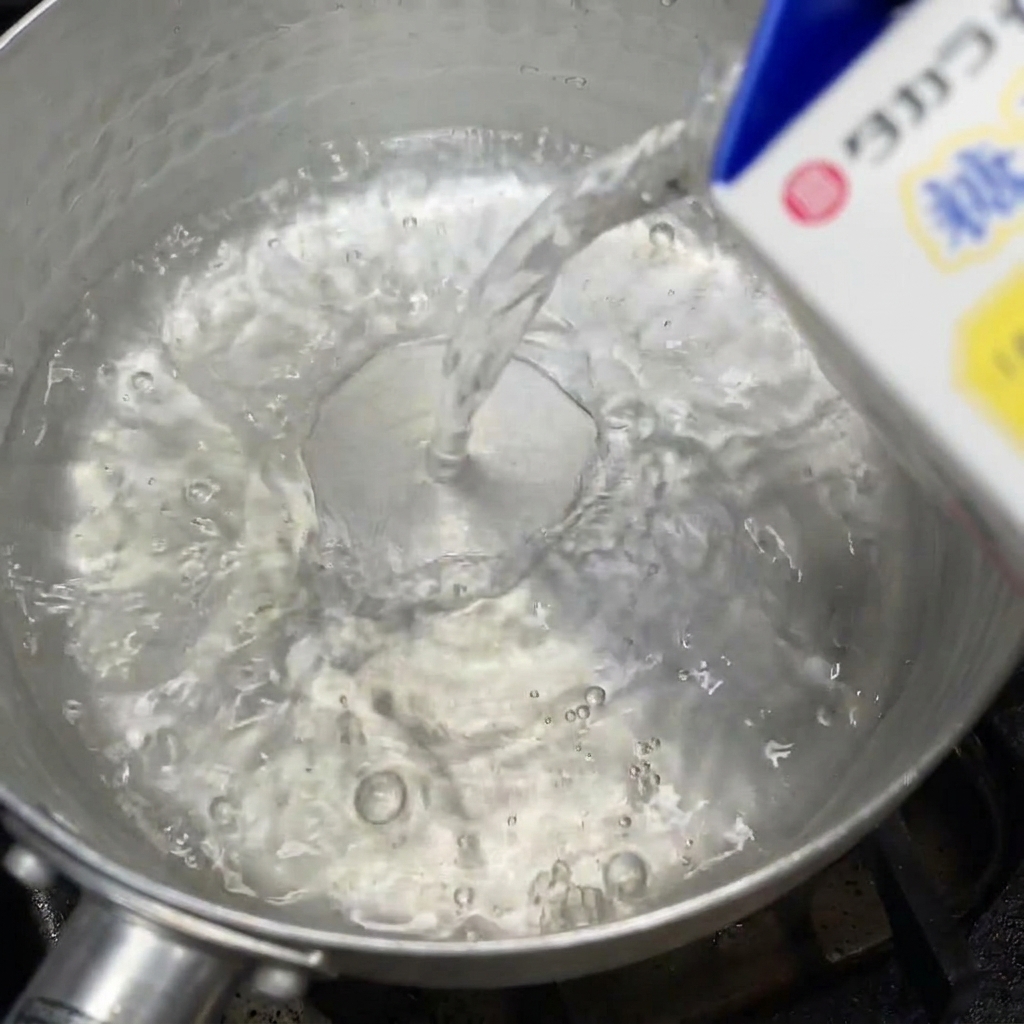
In a small saucepan over medium heat, begin the sauce base by pouring in the sake and light soy sauce. These liquids provide the fundamental savory profile and alcohol content needed to balance the richer elements added later in the cooking process.
Tip: Using a light soy sauce ensures the saltiness is present without overpowering the delicate flavors of the seafood components. - 2Deepen the sauce flavor
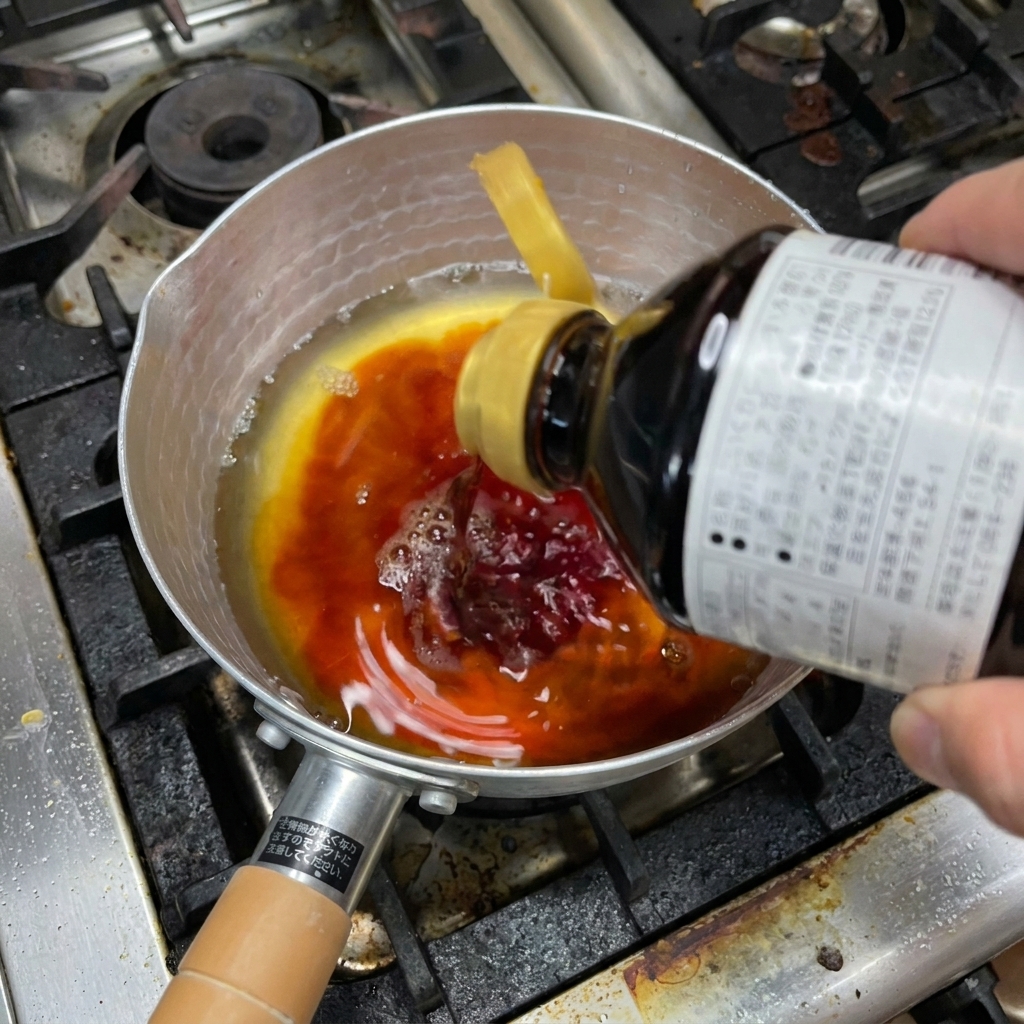
Add the mirin and dark soy sauce to the saucepan. The mirin introduces a subtle sweetness and luster, while the dark soy sauce provides a rich, deep color and a more intense umami depth to the Abura Soba sauce.
Tip: If you prefer a less sweet sauce, you can slightly reduce the amount of mirin, but keep enough to maintain the characteristic gloss. - 3Incorporate seafood umami
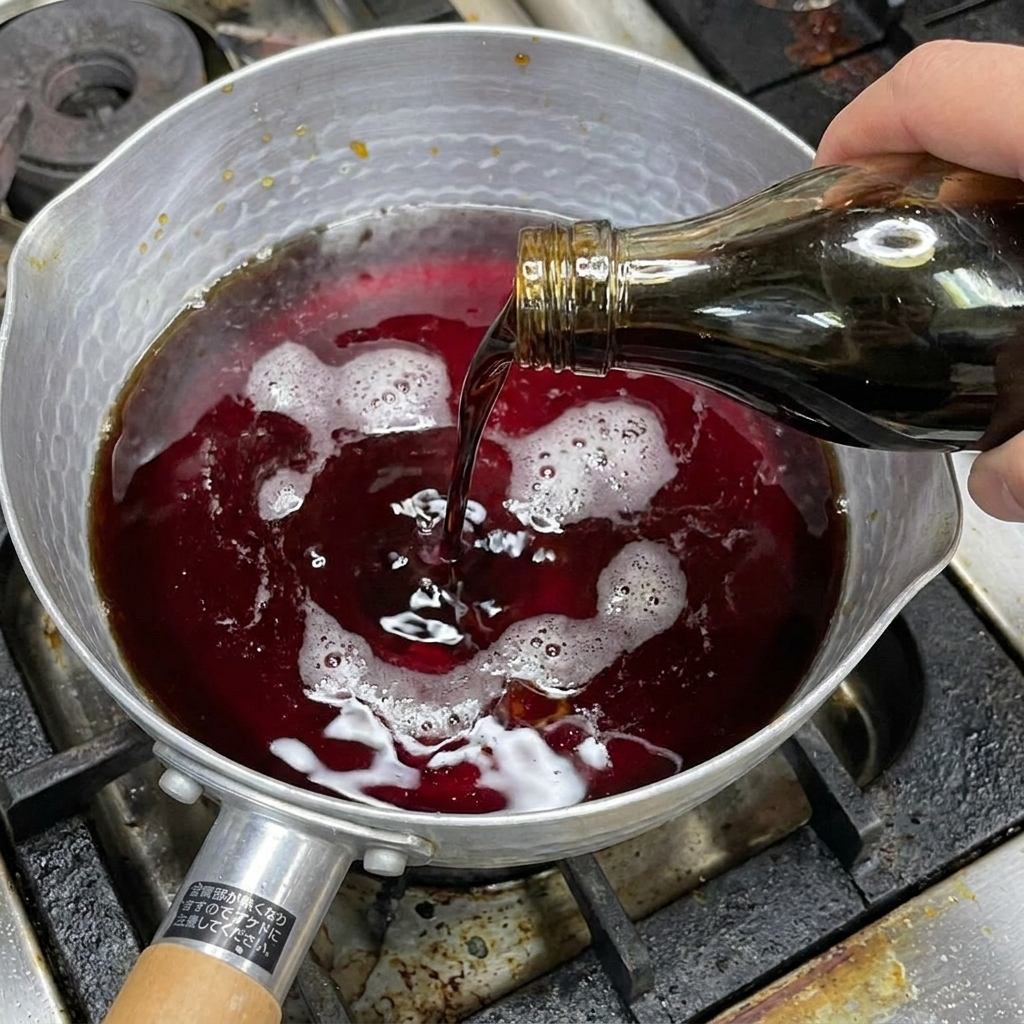
Add the granulated sugar and dried bonito flakes into the mixture. The katsuobushi is essential for the seafood flavor profile that is highly popular in Japanese noodle dishes adding a smoky and savory complexity.
Tip: Wait for the liquid to be warm before adding the sugar to ensure it dissolves completely and evenly. - 4Whisk to dissolve
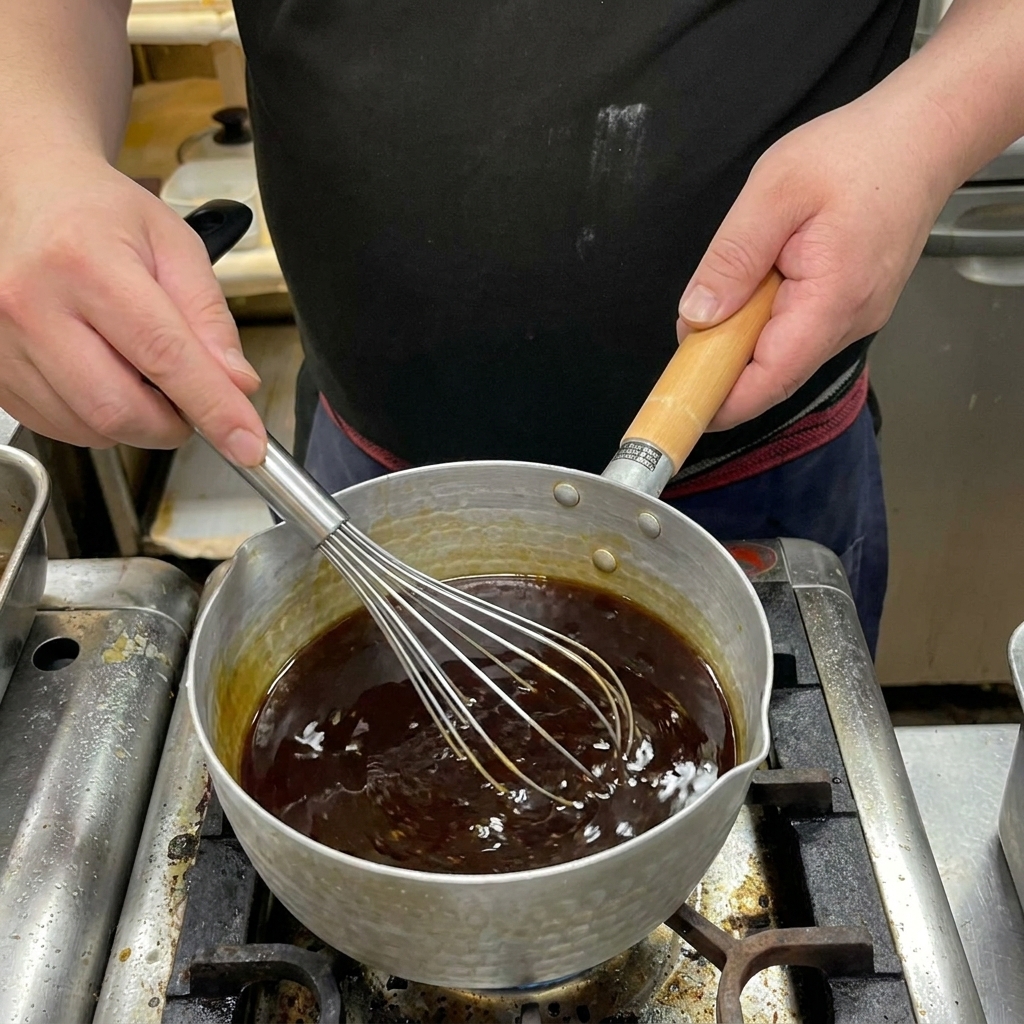
Set the heat to low and use a whisk to stir the sauce mixture continuously. This step ensures that the granulated sugar is fully dissolved and that the flavors of the bonito flakes and various soy sauces are thoroughly integrated.
Tip: Stirring gently prevents the sauce from boiling over while ensuring no sugar crystals remain at the bottom of the pan. - 5Render the pork fat
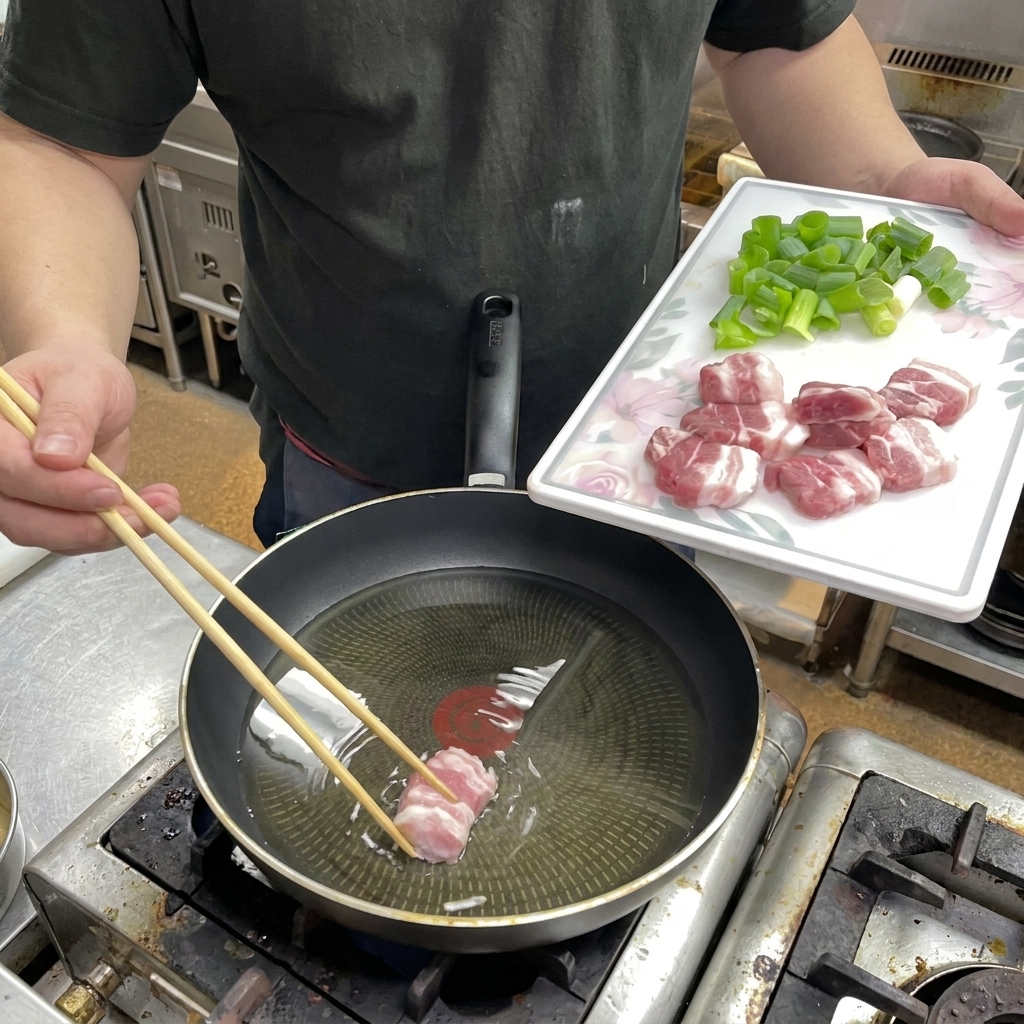
Place thick slices of raw pork belly into a pan with rice oil. Fry them slowly to render out the natural lard, which will serve as the base for the flavored oil. This combination of rice oil and lard ensures a rich flavor that isnt overly greasy.
Tip: Keep the heat moderate to render the fat effectively without burning the meat or the oil. - 6Braise the pork
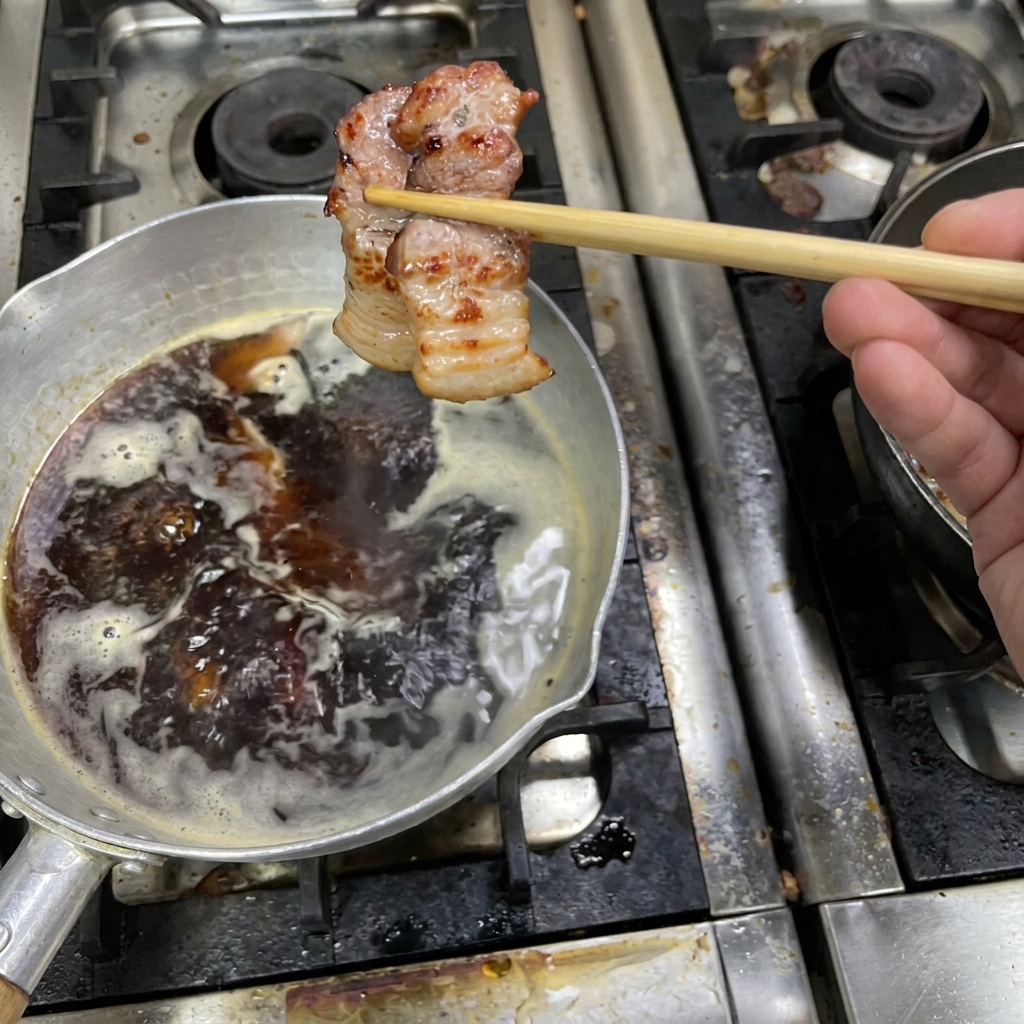
Move the seared pork belly slices into the pot of simmering sauce. Braising the meat in this mixture allows it to become incredibly flavorful while the sauce itself absorbs the rich meat juices, creating a concentrated and savory seasoning.
Tip: Ensure the pork is fully submerged in the liquid to allow for even flavoring and tenderizing during the braising process. - 7Add the aromatics
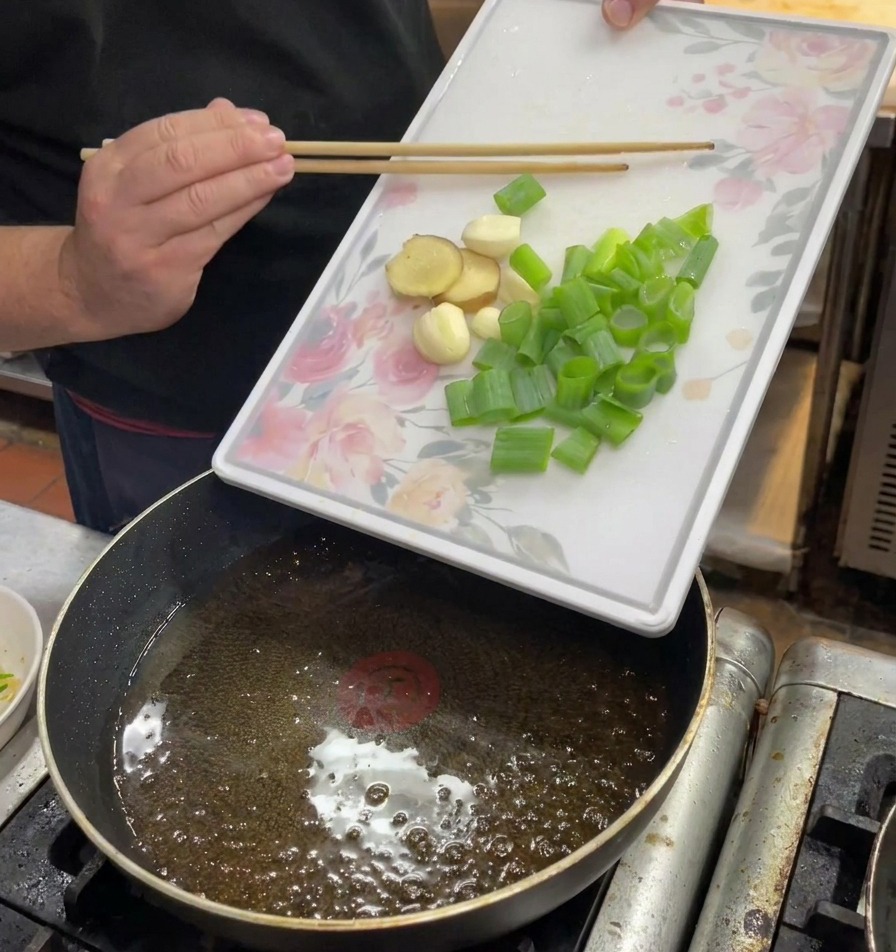
Once the pork fat has rendered and the oil is hot, add the prepared green onion segments, sliced ginger, and whole garlic cloves into the pan. These ingredients will infuse the lard with a foundational depth of flavor essential for the seasoned oil.
Tip: Keep the heat on low during this process to avoid burning the aromatics, which would make the oil bitter. - 8Introduce the seafood element
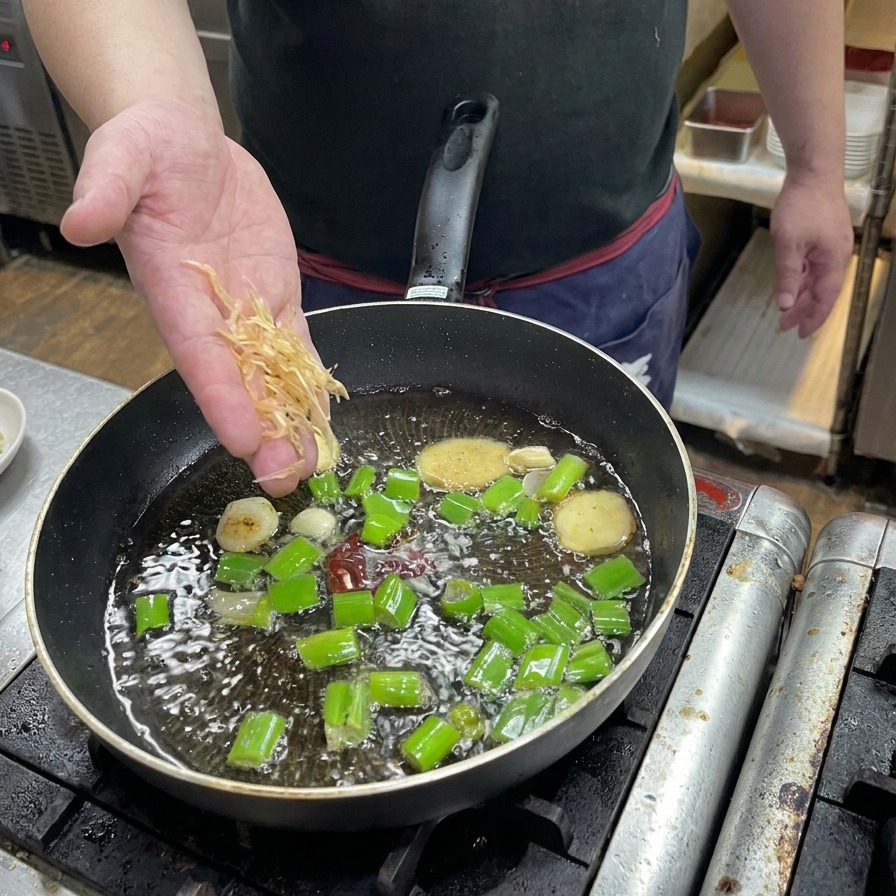
Add a handful of dried shrimp to the pan with the frying aromatics. The shrimp will quickly release a savory, umami-rich aroma into the oil, creating the characteristic Gyokai seafood profile that is highly prized in Japanese Abura Soba.
Tip: Use high-quality dried shrimp for the best flavor; they should be fragrant and slightly salty. - 9Season with black vinegar
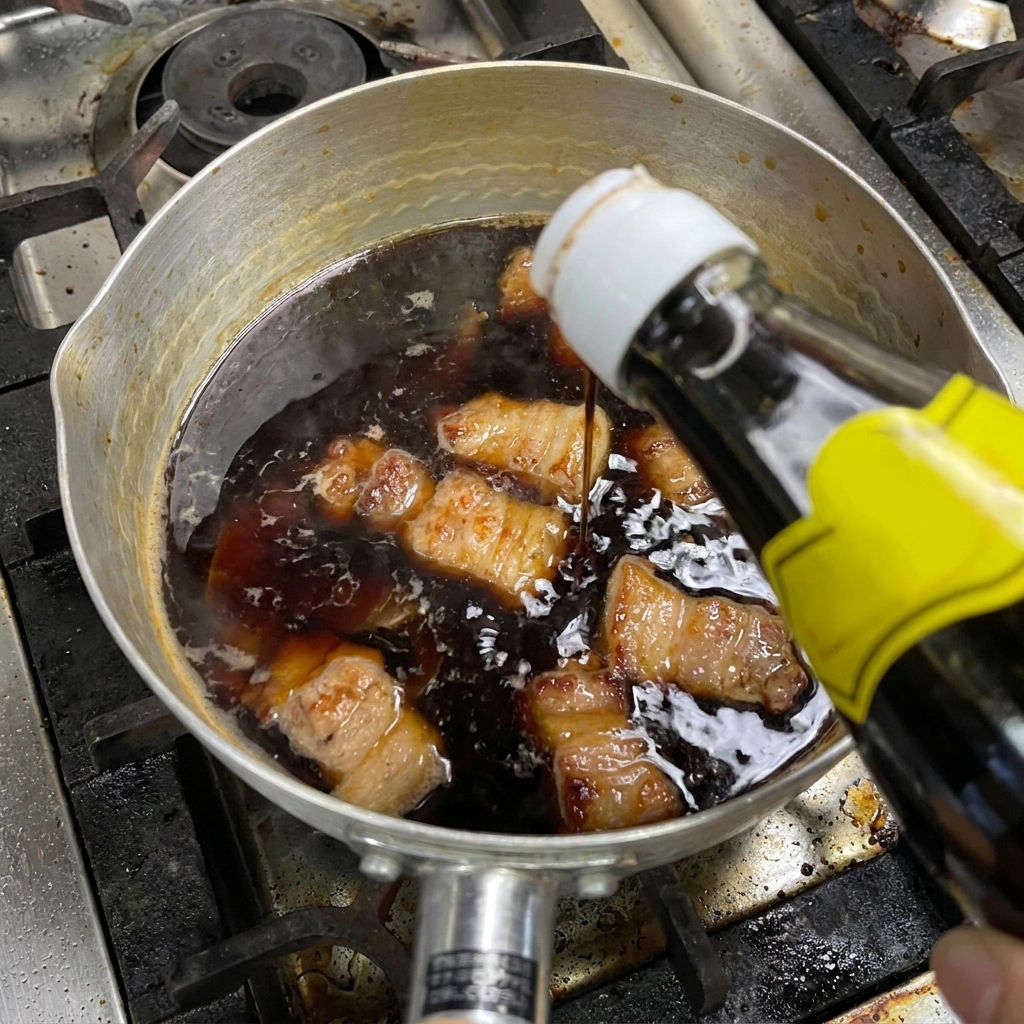
While the pork belly is braising, pour in a splash of black vinegar. The acidity helps to balance the richness of the meat and the soy-based sauce, adding a complex tang that cuts through the fat and brightens the overall flavor.
Tip: Chinkiang or Japanese black vinegar works best here for its mellow, woody profile compared to standard white vinegar. - 10Remove the braised pork
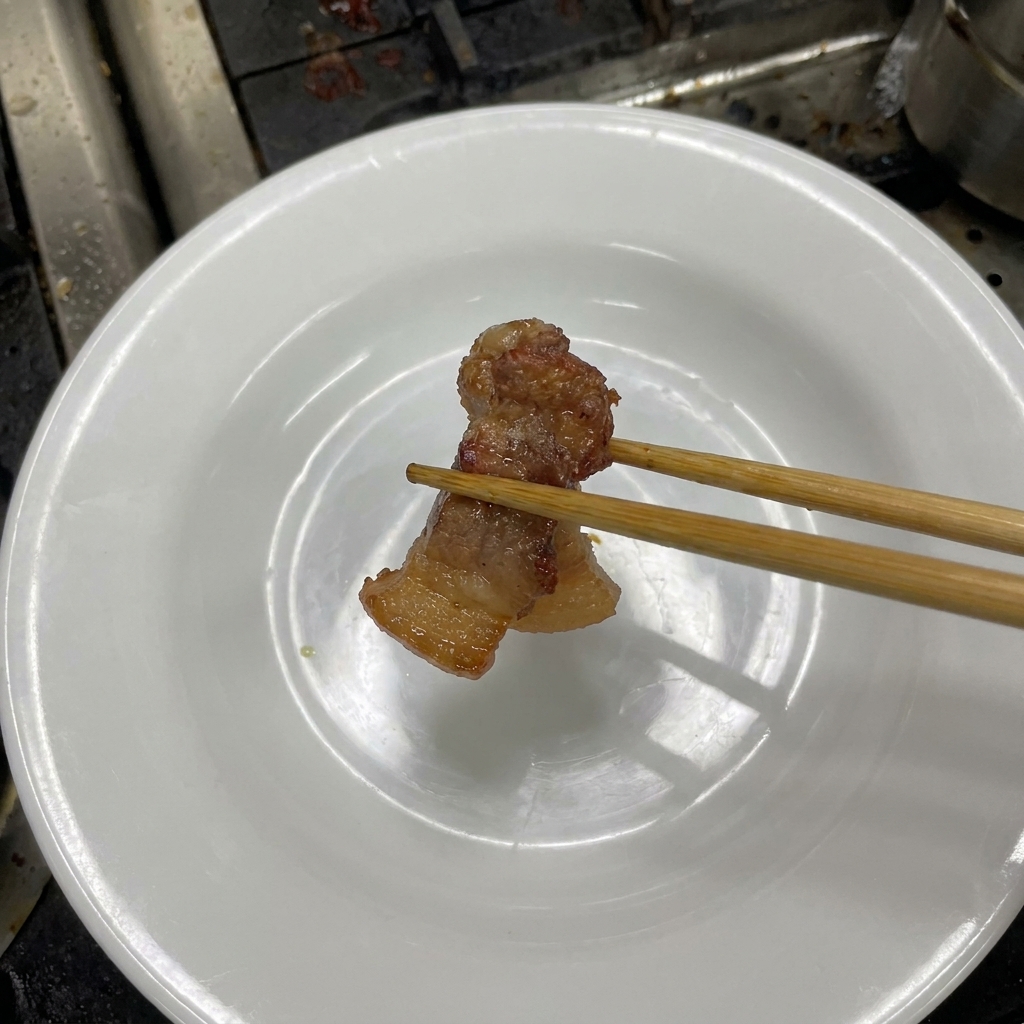
Once the pork belly has become tender and has absorbed the dark, savory flavors of the braising liquid, use chopsticks to lift the slices out of the pot. Set the meat aside to rest before slicing or serving.
Tip: The pork is ready when it is soft enough to be pierced easily with a chopstick but still holds its shape. - 11Filter the savory sauce
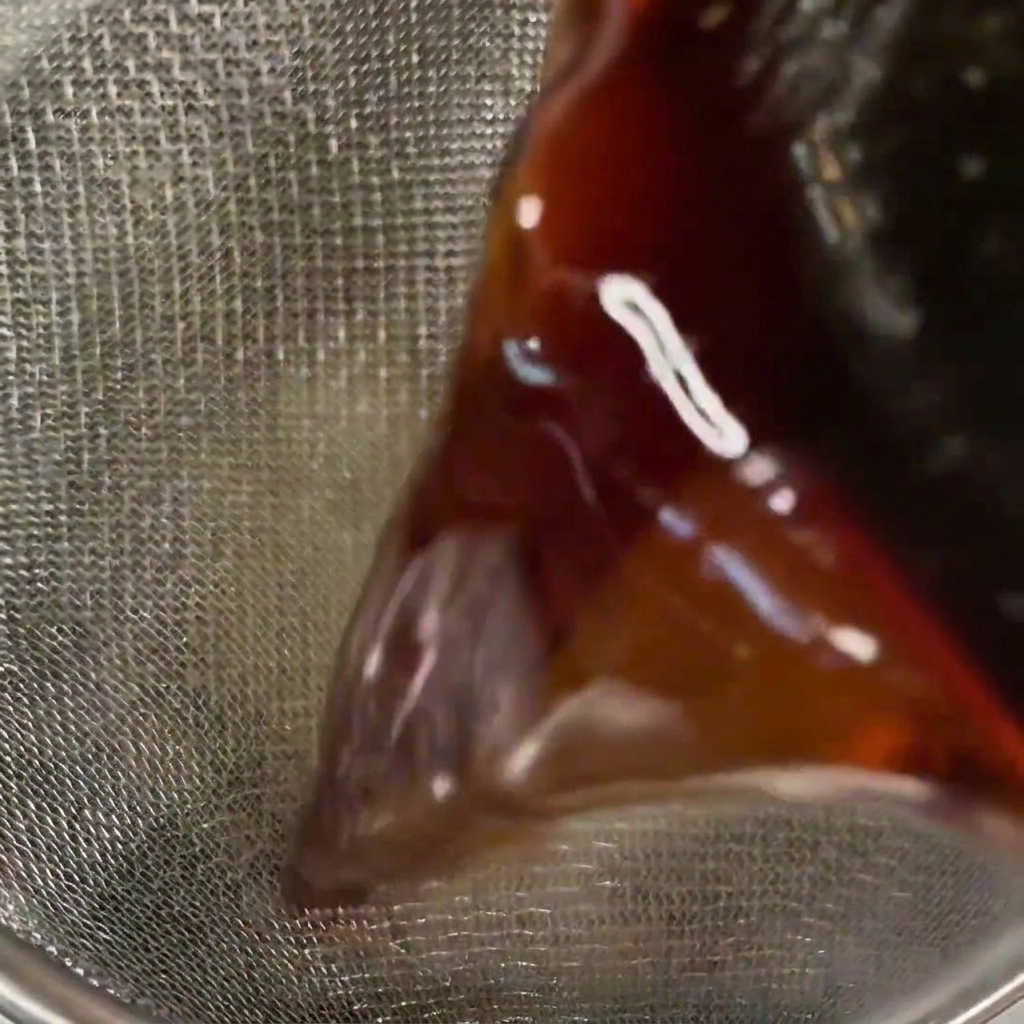
Carefully pour the dark braising sauce through a fine-mesh sieve into a clean metal container. Filtering removes any stray bits of ginger, garlic, or meat sediment, leaving you with a smooth, concentrated liquid base for the noodles.
Tip: Dont throw away the solids in the sieve; they can be used to flavor other stir-fries or broths. - 12Strain the flavored oil
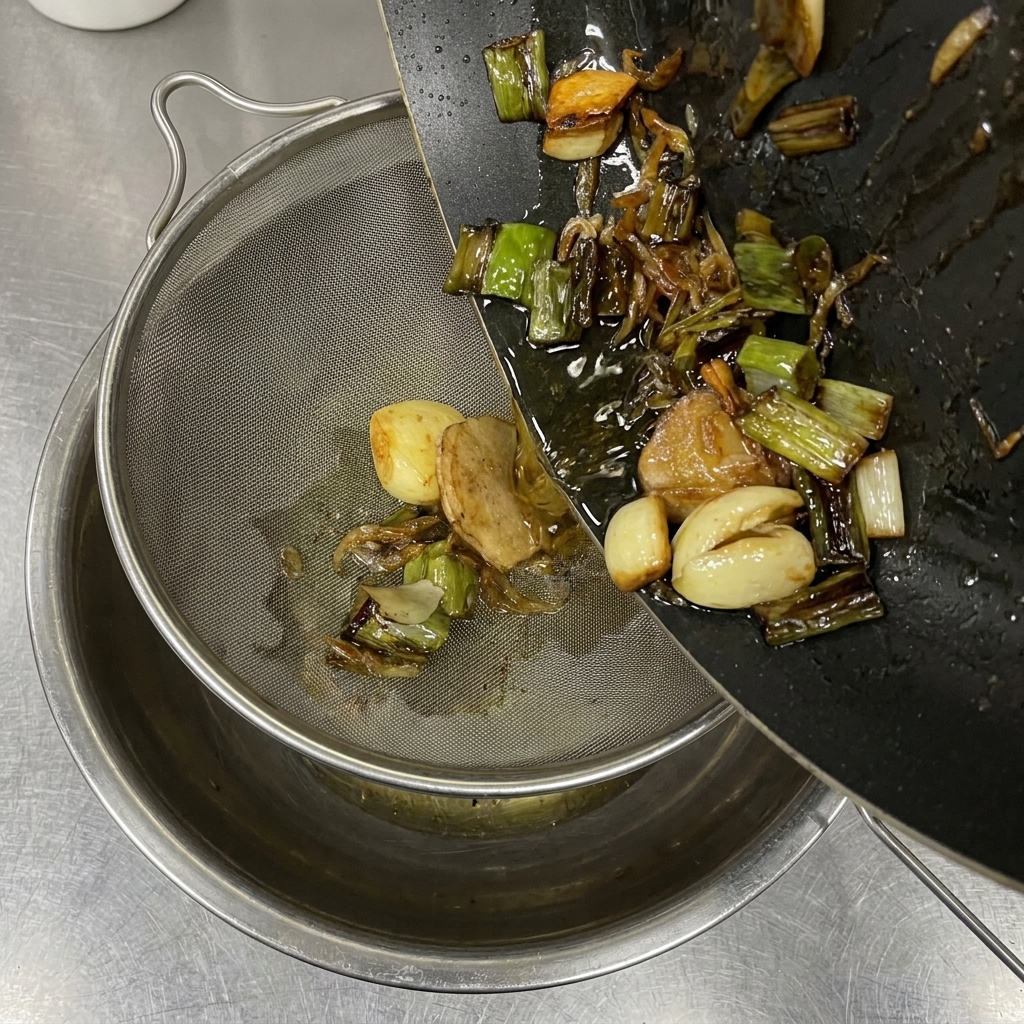
Pour the aromatic oil and fried ingredients through a sieve over a bowl to separate the solids. This clear, infused oil is the soul of your Abura Soba, carrying all the concentrated flavors of the pork, shrimp, and aromatics.
Tip: Let the oil cool slightly before filtering to prevent any splashing or burns. - 13Add the flavored oil
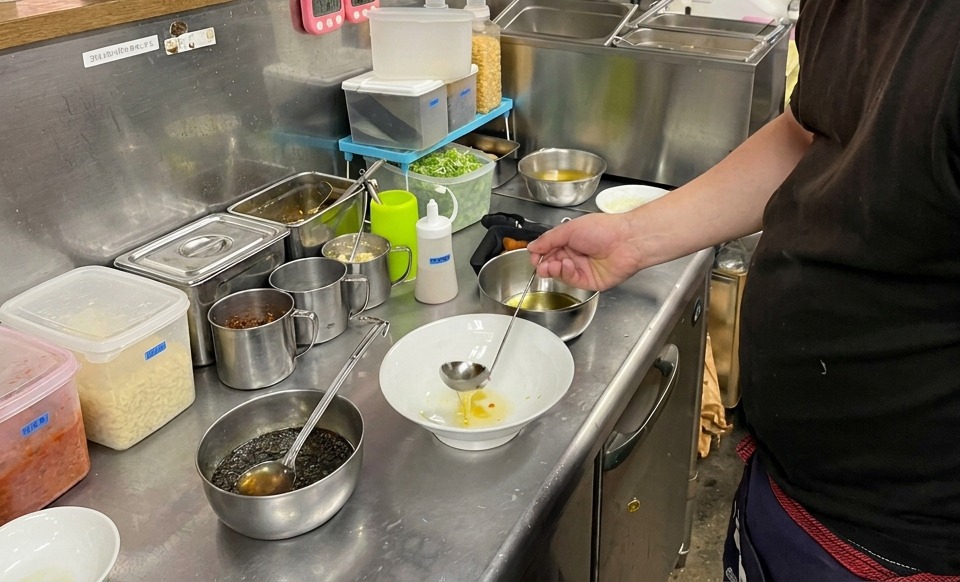
Start the assembly by ladling the clear, golden flavored oil into the bottom of a clean white serving bowl. This oil, rendered from pork belly and infused with aromatics and dried shrimp, serves as the primary flavor carrier for the brothless noodles.
Tip: Warming the bowl beforehand helps the oil and sauce meld more effectively with the noodles. - 14Combine with the sauce base
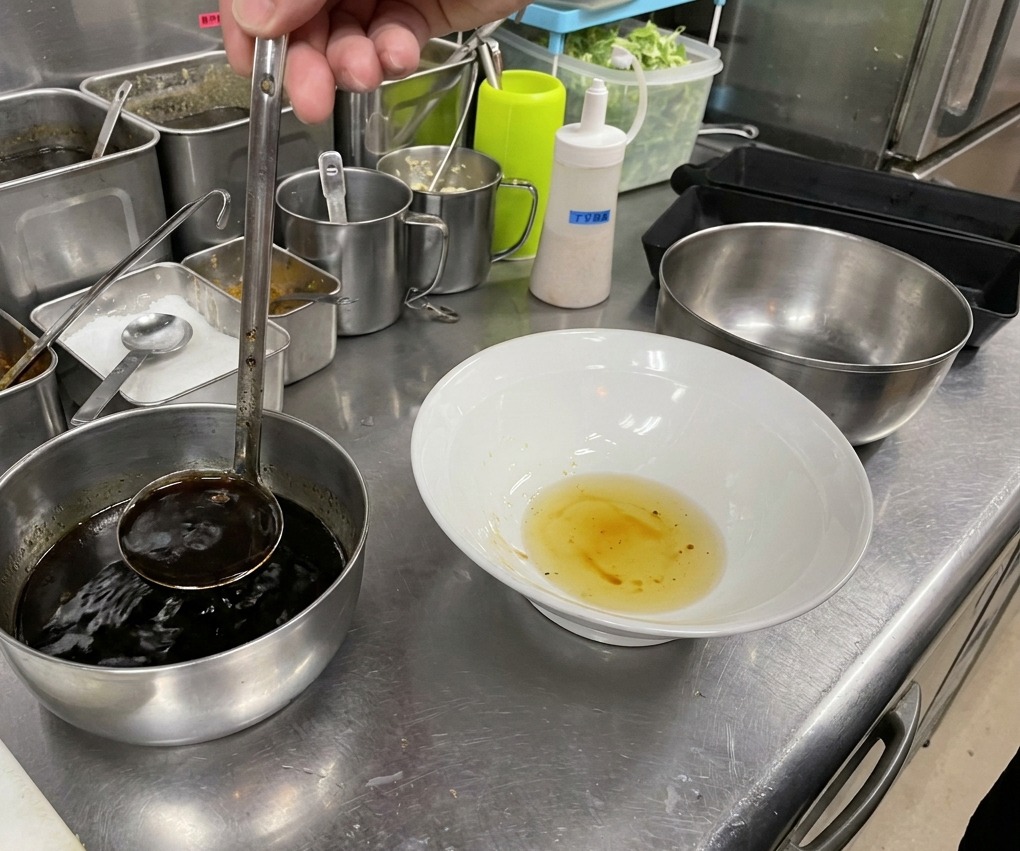
Add a ladle of the dark, filtered soy sauce base into the bowl with the oil. This concentrated sauce contains the savory essence of the braised pork, providing the necessary saltiness and umami depth to balance the richness of the flavored oil.
Tip: Keep the ratio of oil to sauce consistent to ensure the seasoning isnt overwhelmed by the fat. - 15Season the sauce base
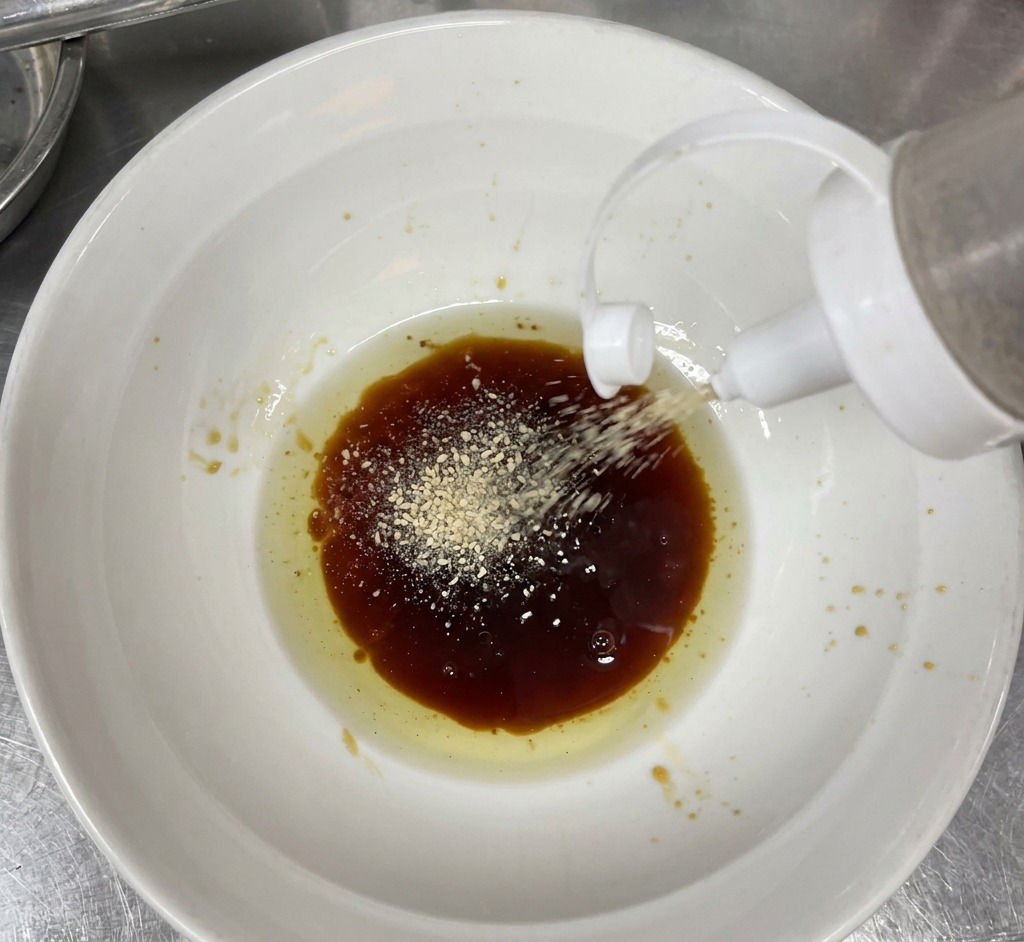
Add a sprinkle of white sesame powder and black pepper to the bowl containing the prepared sauce and flavored oil. These ingredients add a subtle nuttiness and a hint of spice, which are essential for balancing the richness of the pork lard and seafood-infused sauce.
Tip: If you prefer a stronger aroma, you can lightly toast the sesame powder in a dry pan for a few seconds before adding it to the bowl. - 16Add the cooked noodles
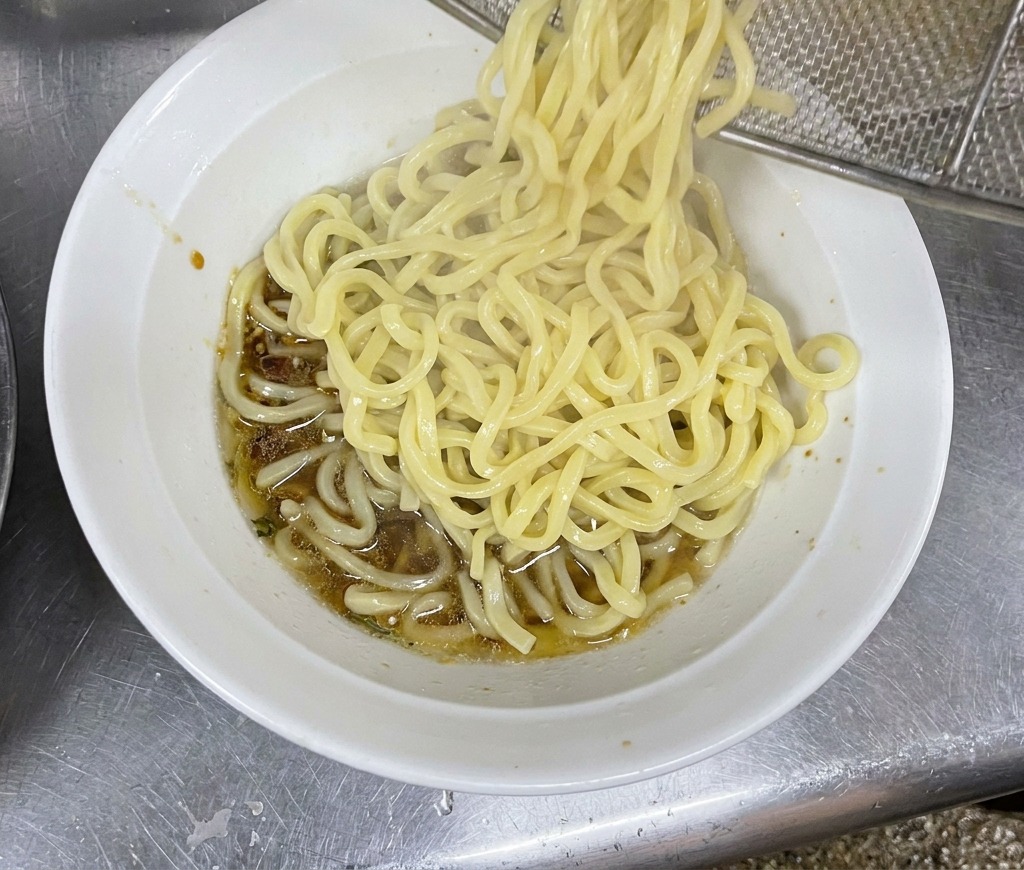
Carefully place a bundle of freshly cooked, steaming thick noodles into the bowl. Immediately toss the noodles thoroughly with the prepared sauce and oil while they are hot to ensure every strand is perfectly coated before adding your toppings.
Tip: Drain the noodles thoroughly; any excess water will dilute the concentrated flavors of the sauce and oil.