Japanese Ramen
Soy-Marinated Soft-Boiled Eggs (Ajitsuke Tamago)
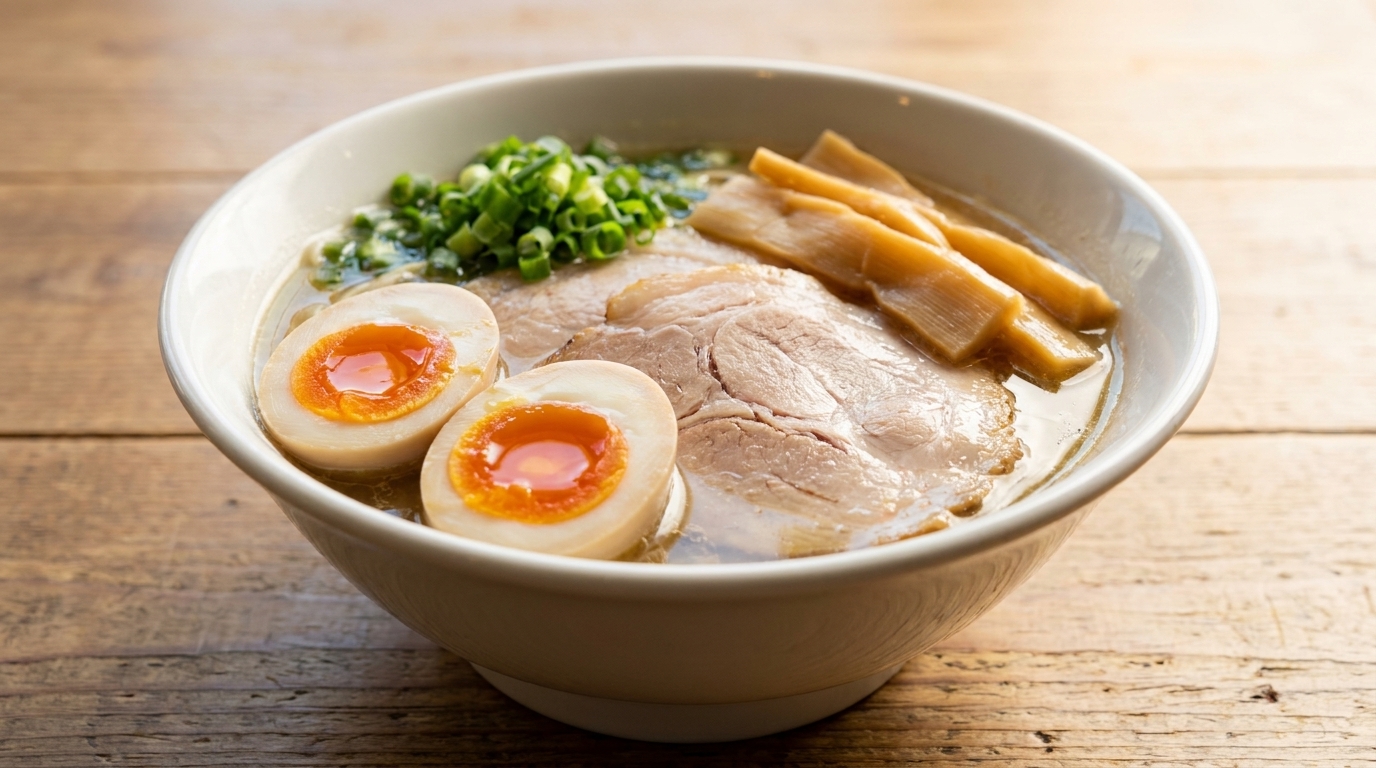
Elevate your homemade ramen with perfect ajitsuke tamago. These jammy, soy-marinated soft-boiled eggs pair beautifully with tender chashu pork and a rich, savory broth.
The secret to an exceptional bowl of ramen often lies in the toppings. Ajitsuke tamago, or soy-marinated eggs, bring a rich, umami flavor and a luscious, custard-like yolk that melts into the hot broth. Preparing them overnight allows the sweet soy marinade to deeply penetrate the egg whites, creating a striking contrast of textures and tastes.
Ingredients
- 4 large eggs
- 150 ml water
- 50 ml soy sauce
- 50 ml mirin
- 2 tbsp sugar
- 2 portions fresh ramen noodles
- 2 portions ramen broth
- 1 handful fresh bean sprouts
- 4 slices chashu pork
- 1 handful seasoned bamboo shoots (menma)
- 2 green onions
Instructions
- 1Prepare the marinade
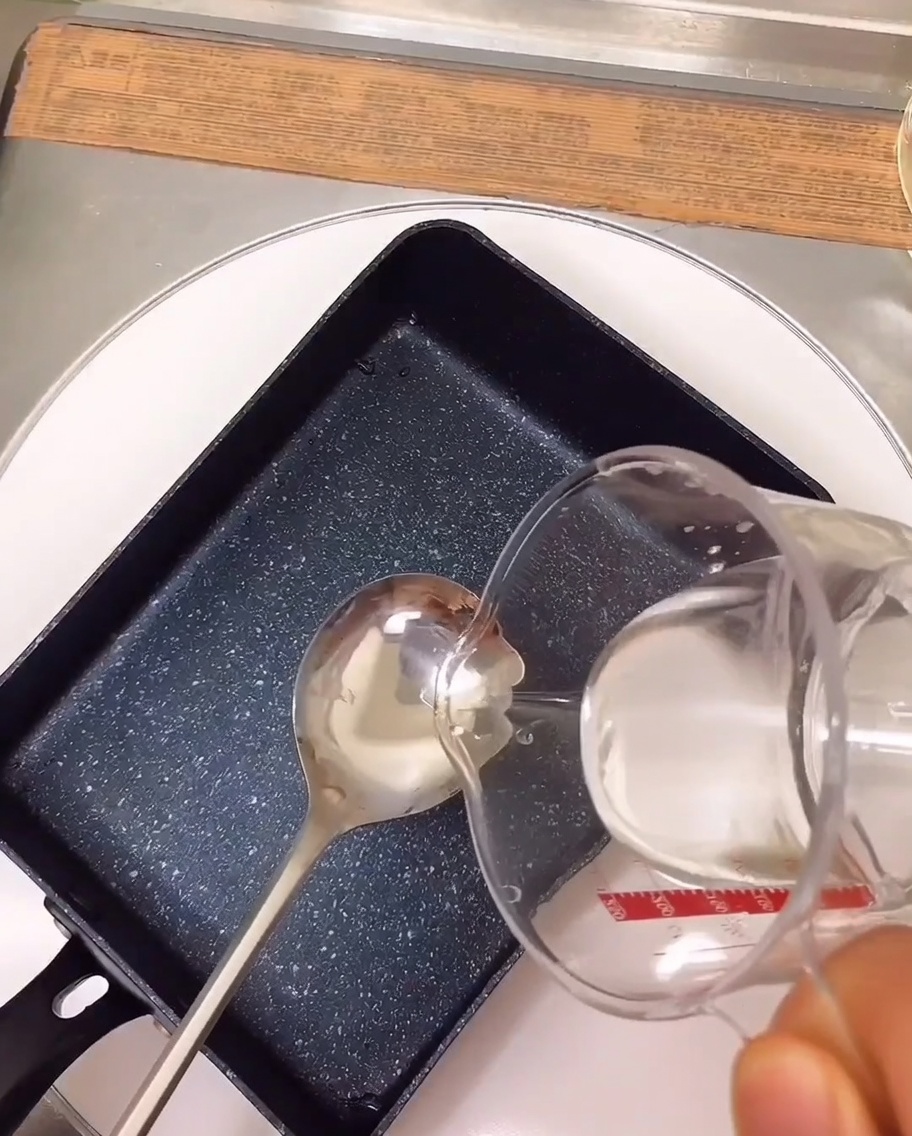
In a small pan, combine 150ml of water, 50ml of soy sauce, 50ml of cooking wine (mirin), and two large spoonfuls of sugar. Heat the mixture over the stove until it reaches a boil to ensure the sugar is fully dissolved.
Tip: Be sure to stir the mixture occasionally while heating so the sugar does not burn at the bottom of the pan. - 2Boil the eggs
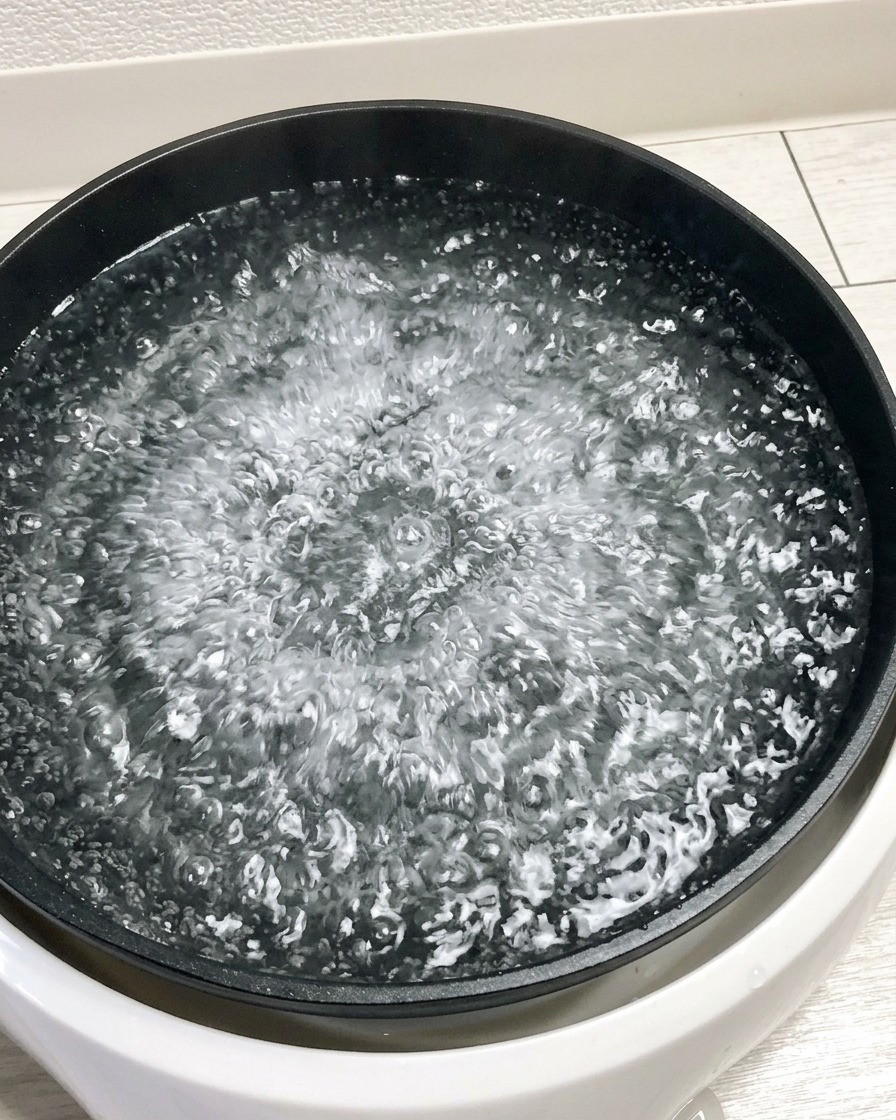
Carefully place raw eggs into a pot of boiling water. Let them cook for approximately six minutes to achieve a perfect soft-boiled consistency.
Tip: Using a kitchen timer is essential to get the exact six-minute cook time for a runny yolk. - 3Cool the eggs
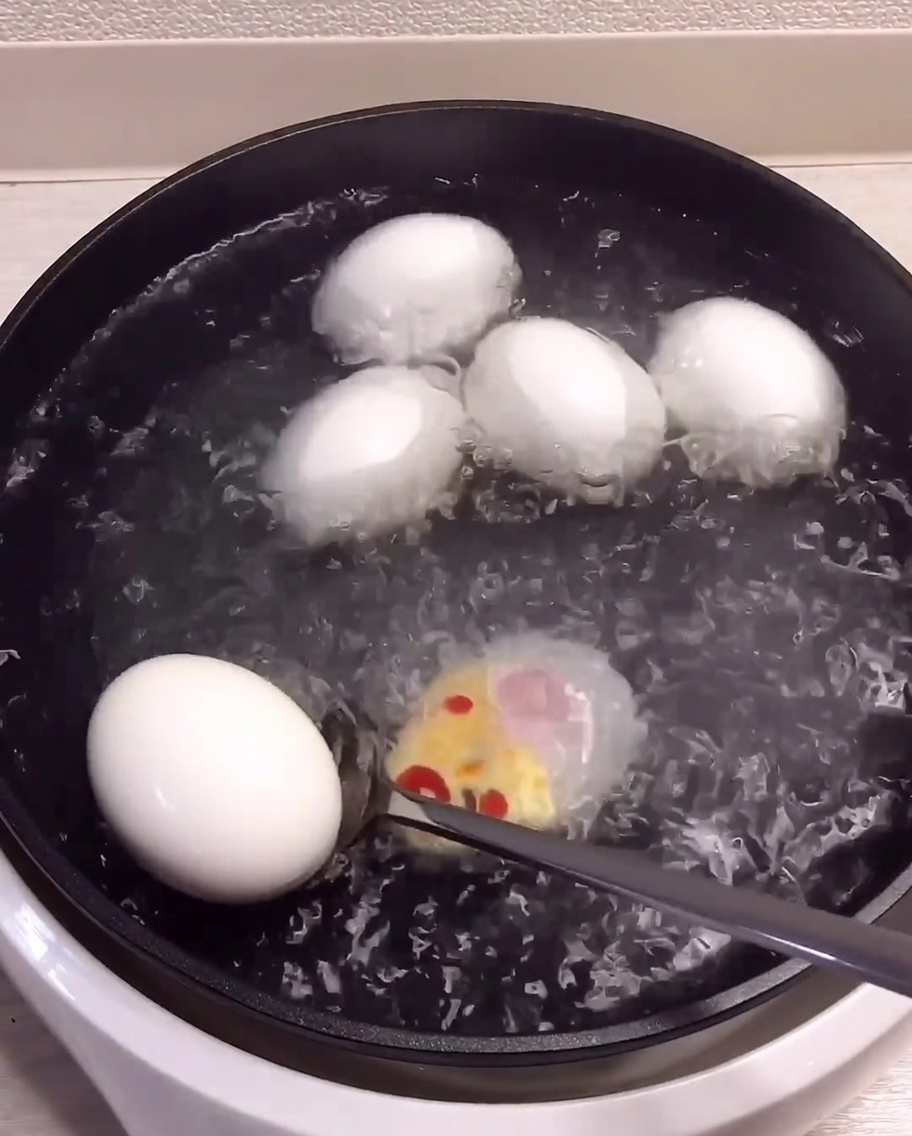
Immediately after the six-minute timer goes off, remove the eggs from the boiling water and transfer them directly into a bowl of ice water to stop the cooking process.
Tip: Placing the eggs in an ice bath makes them much easier to peel later. - 4Marinate the eggs
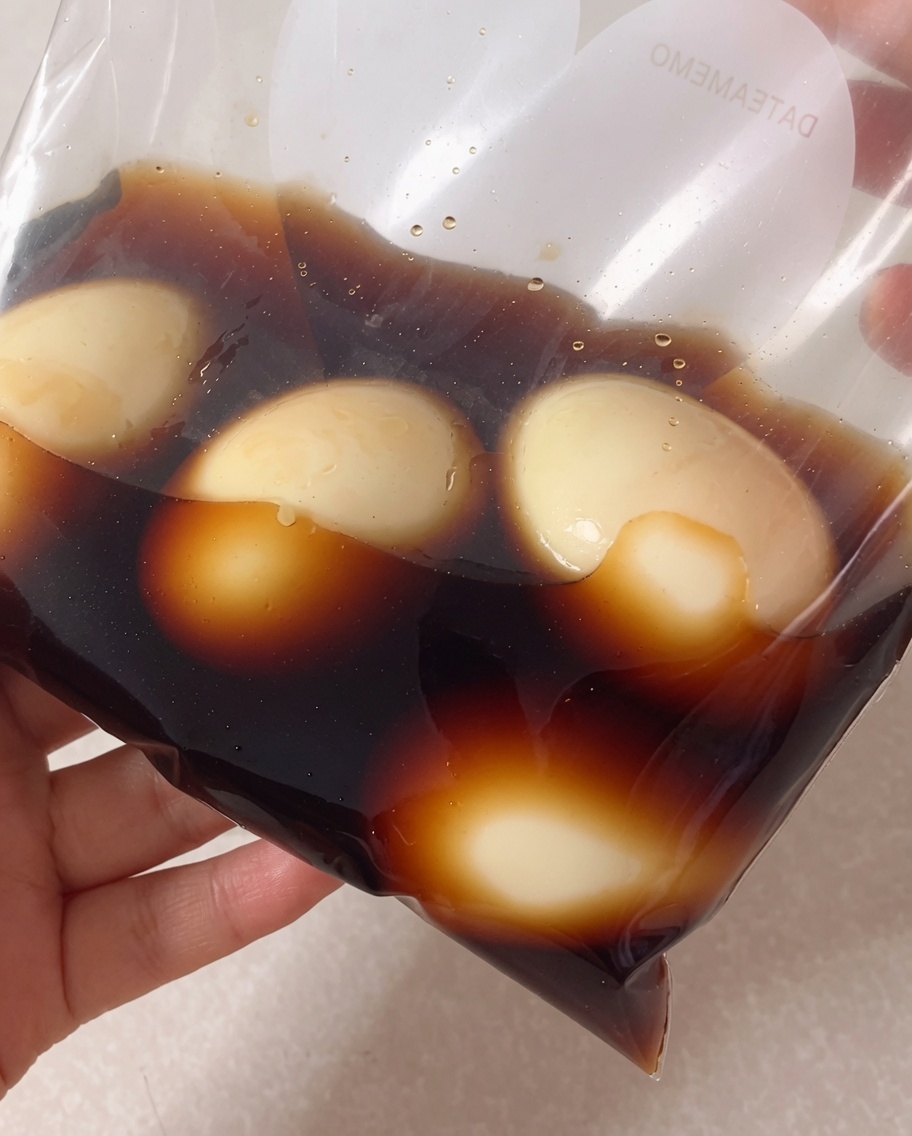
Once the eggs are peeled, place them into a freezer-safe bag. Pour the cooled marinade mixture over the eggs, seal the bag, and refrigerate overnight to let the flavors develop.
Tip: Using a freezer bag allows you to use less marinade while ensuring the eggs are fully submerged. - 5Cook the noodles
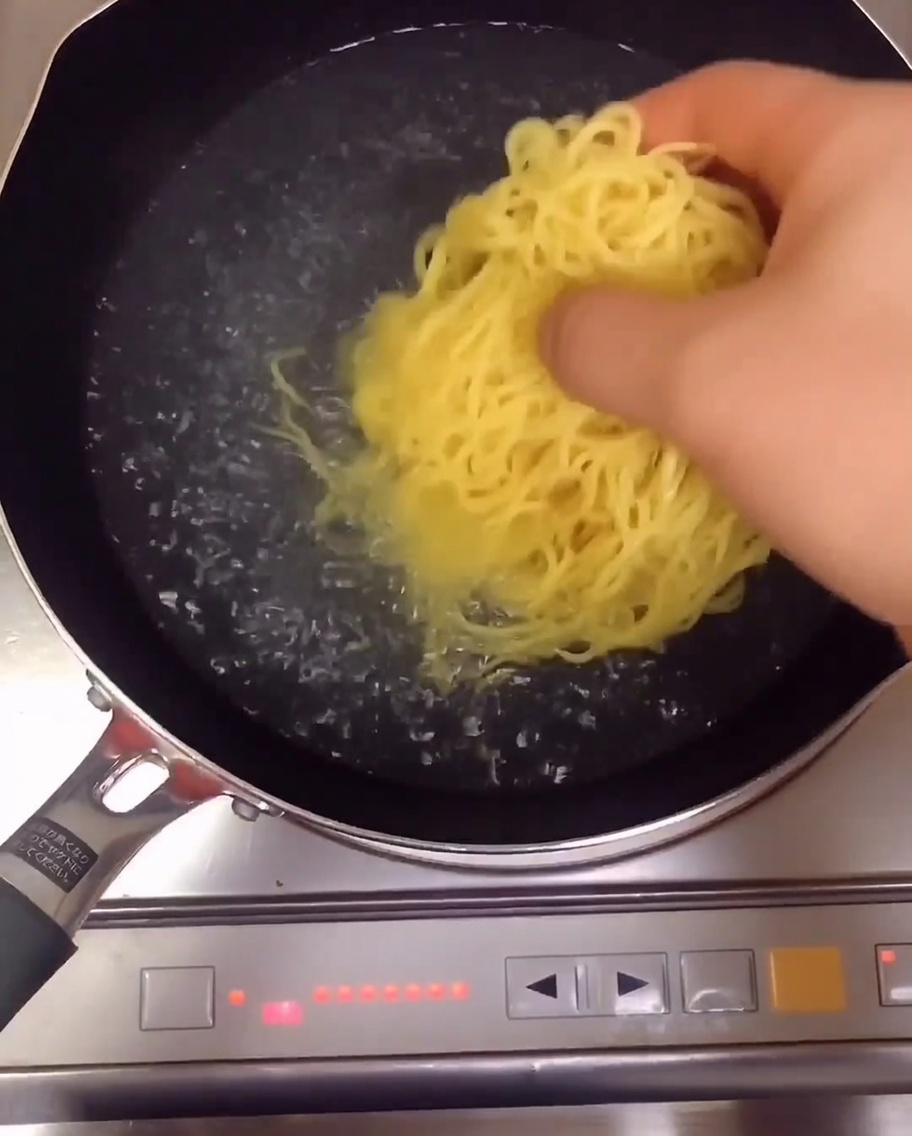
Bring a pot of water to a boil and add your ramen noodles. Cook according to the package instructions until they reach your desired texture.
Tip: Keep an eye on the noodles to avoid overcooking them, as they will soften further in the hot soup. - 6Add bean sprouts
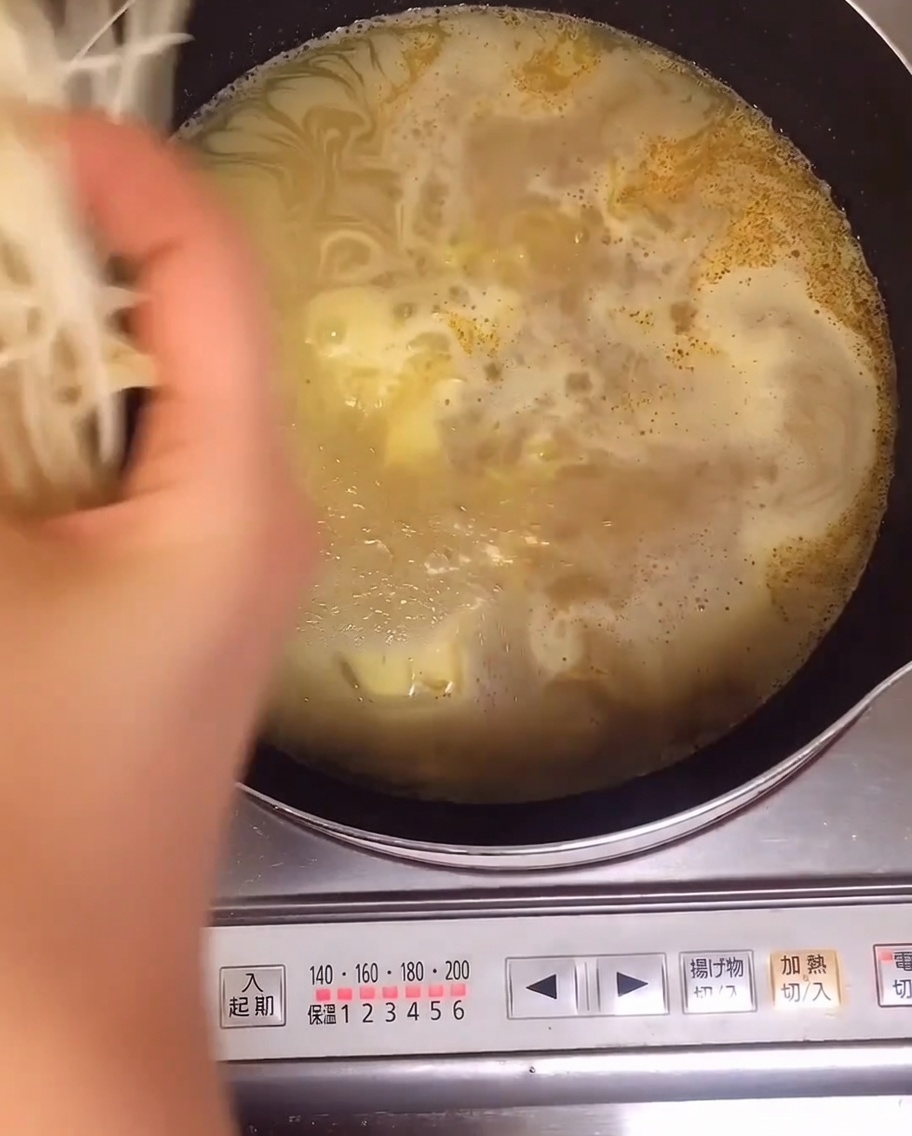
Add a handful of fresh bean sprouts to the pot with the boiling noodles. Cook briefly until they are just tender yet still have a slight crunch.
Tip: Adding the sprouts toward the end of the noodle cooking time keeps them from getting too soft. - 7Slice the marinated eggs
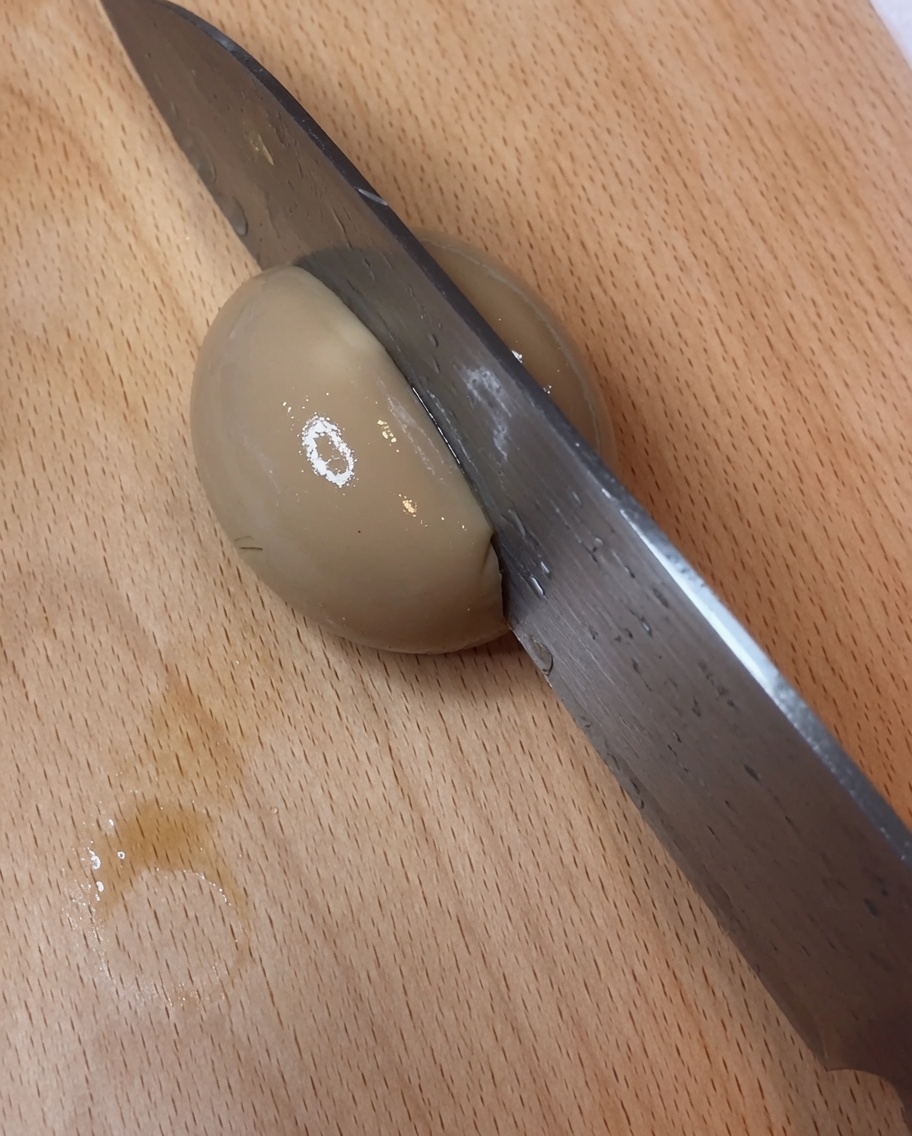
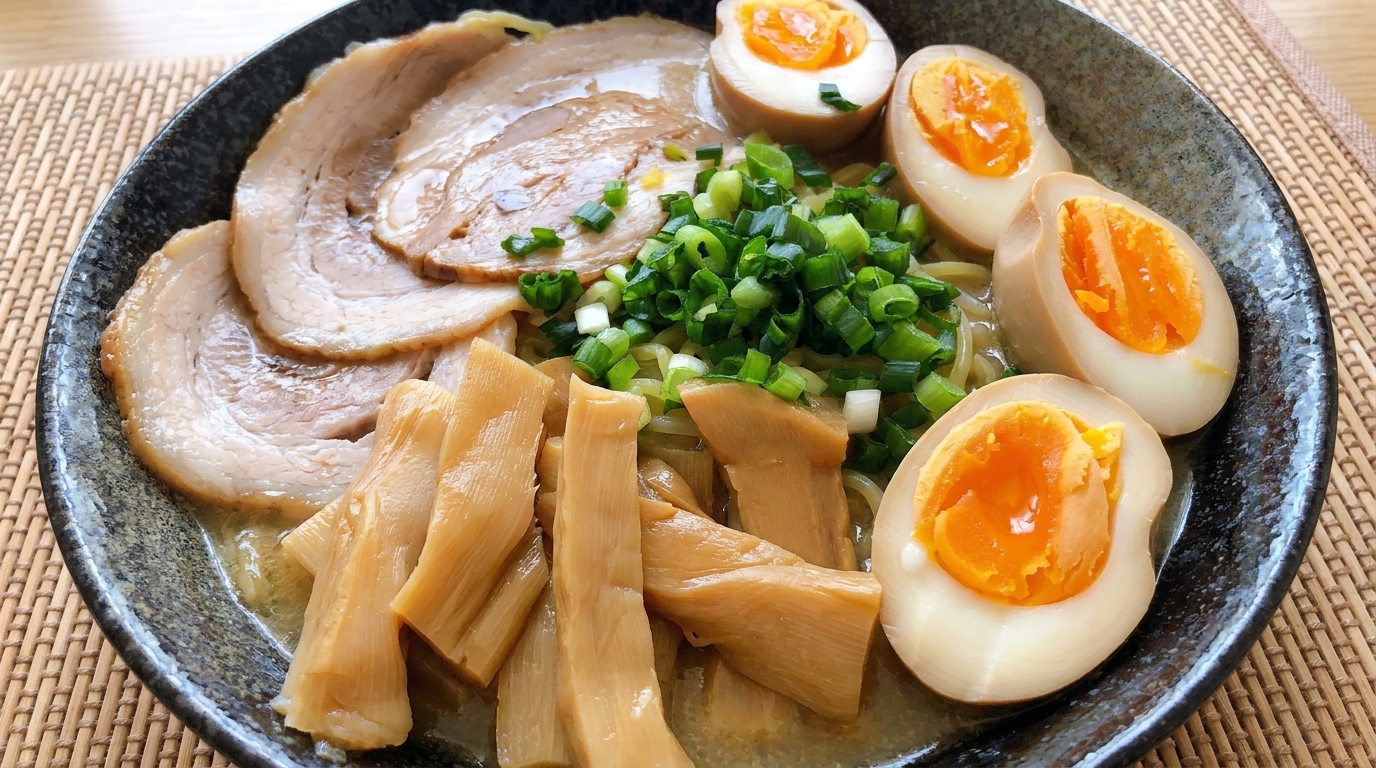
Take the refrigerated, soy-marinated soft-boiled eggs and carefully cut them in half using a sharp knife. This reveals the perfect, custard-like runny yolk, which is the hallmark of a great ramen egg.
Tip: Wipe your knife with a damp cloth between cuts to ensure a clean, smooth slice without dragging the yolk. - 8Assemble the ramen bowl
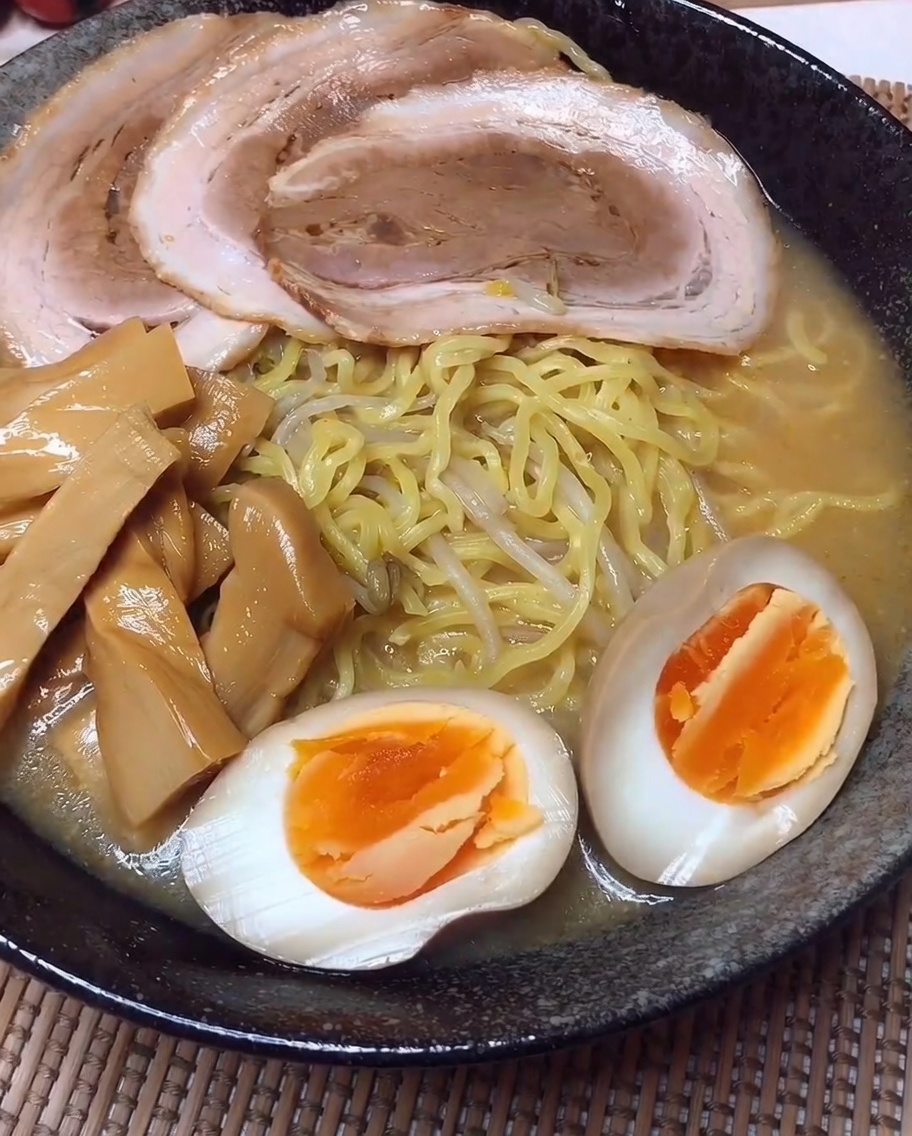
Arrange the toppings meticulously over the prepared ramen noodles. Place the tender sliced pork, savory bamboo shoots, and the halved marinated eggs into the bowl to create a balanced and visually appealing presentation.
Tip: Position the eggs on the side of the bowl so the vibrant yolks are clearly visible to the diner. - 9Garnish and serve
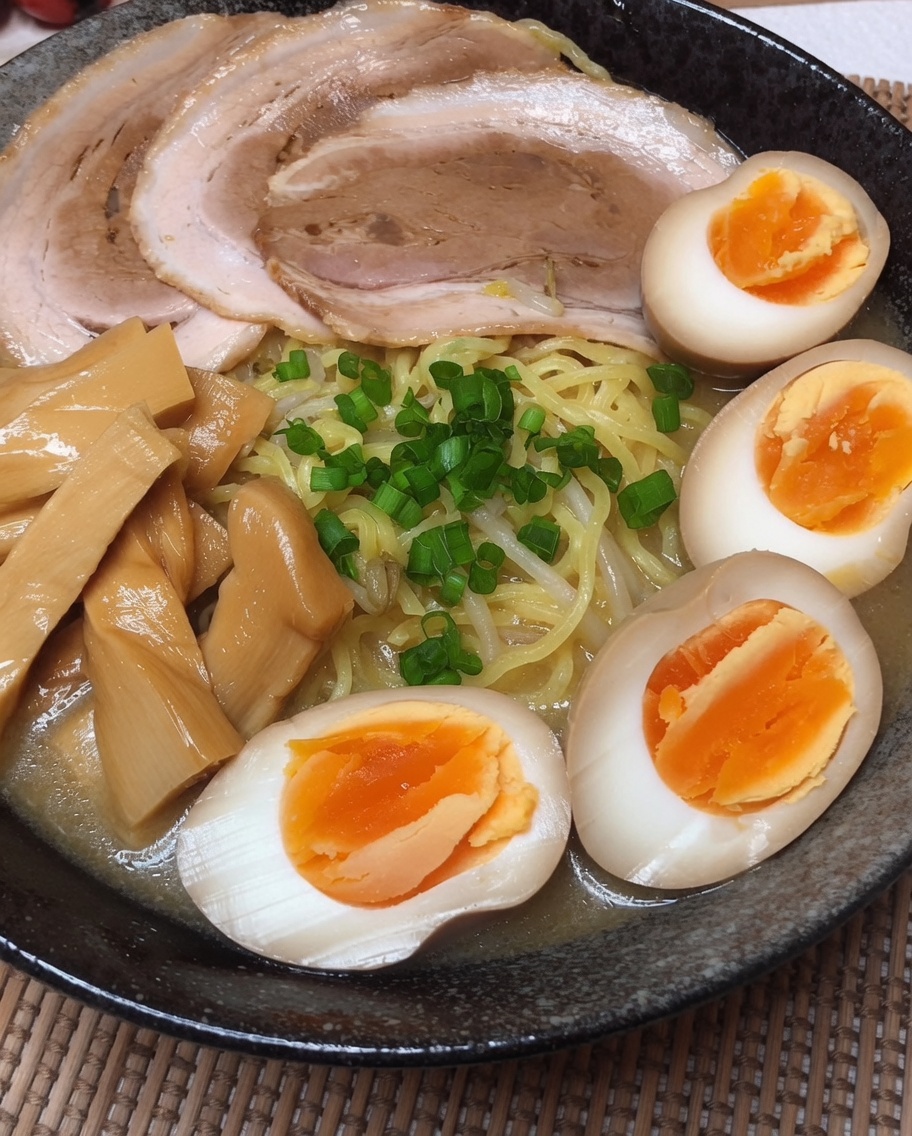
For the final touch, sprinkle a generous amount of freshly chopped green onions over the assembled ramen bowl. Pour the hot soup carefully over the ingredients and serve immediately while steaming.
Tip: The freshness of the green onions adds a necessary bright, crisp contrast to the rich, savory broth.