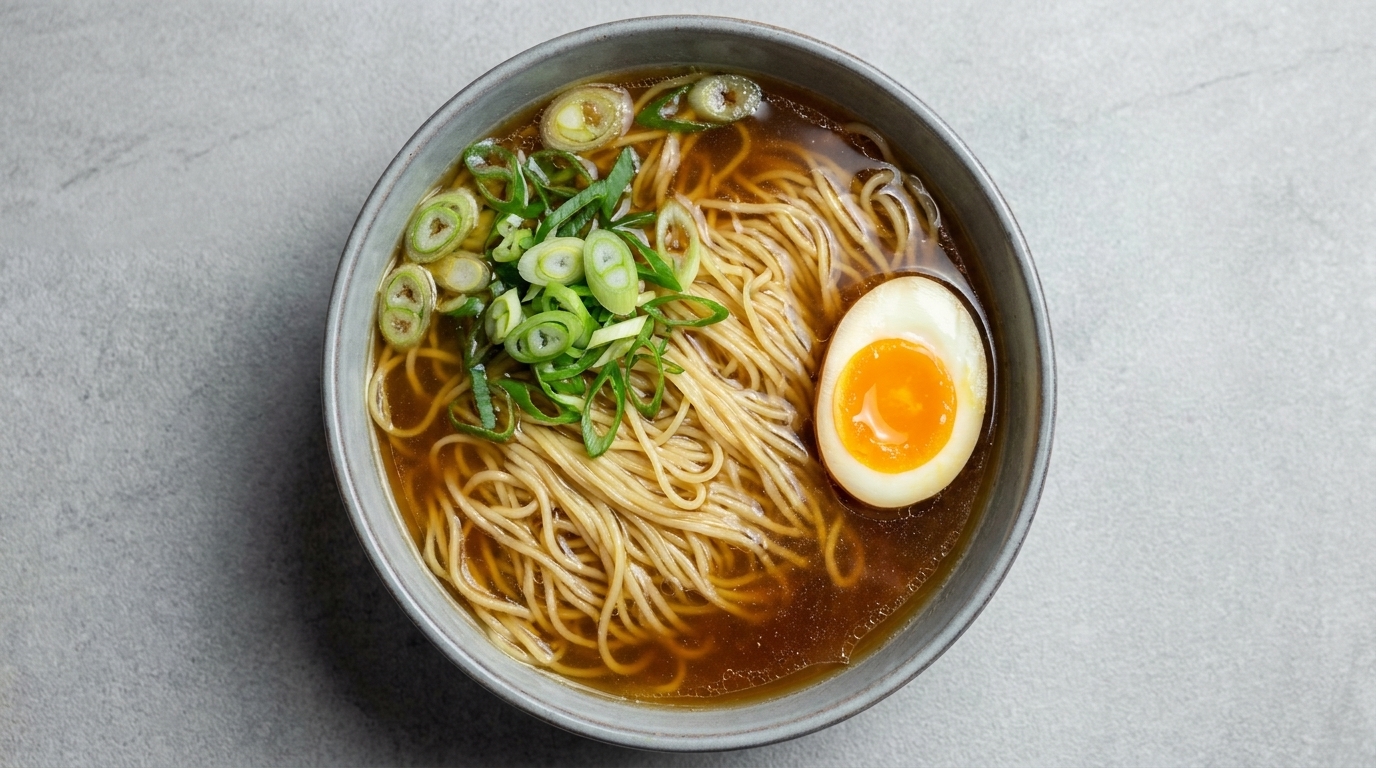
Simple Home-Style Japanese Shoyu Ramen
Learn how to make a quick and comforting Japanese Shoyu Ramen at home. This simple, no-boil soup base delivers rich, authentic umami flavors in minutes.
Shoyu ramen is a beloved classic in Japanese cuisine, known for its clear, soy sauce-based broth and complex savory flavors. While traditional ramen shops simmer their broths for hours, this home-style recipe uses a clever no-boil seasoning base that blooms instantly with hot water. It is the perfect quick meal to share with family, capturing the essence of a comforting ramen shop experience right in your own kitchen with accessible ingredients.
Ingredients
- 1 portion fresh ramen noodles
- 1 tbsp chicken broth powder
- 2 tbsp low-sodium soy sauce
- 1 tsp ginger paste
- 1 tsp sesame oil
- to taste salt and black pepper
- 1 handful bean sprouts
- 1 handful wood ear mushrooms
- 3-4 slices store-bought char siu pork
- 1 whole marinated soft-boiled egg
- 2 tbsp sweet corn
- 4-5 slices narutomaki fish cake
- 1 tbsp green onions
- to taste chili oil
- to taste white sesame seeds
Instructions
- 1Slice the fish cake
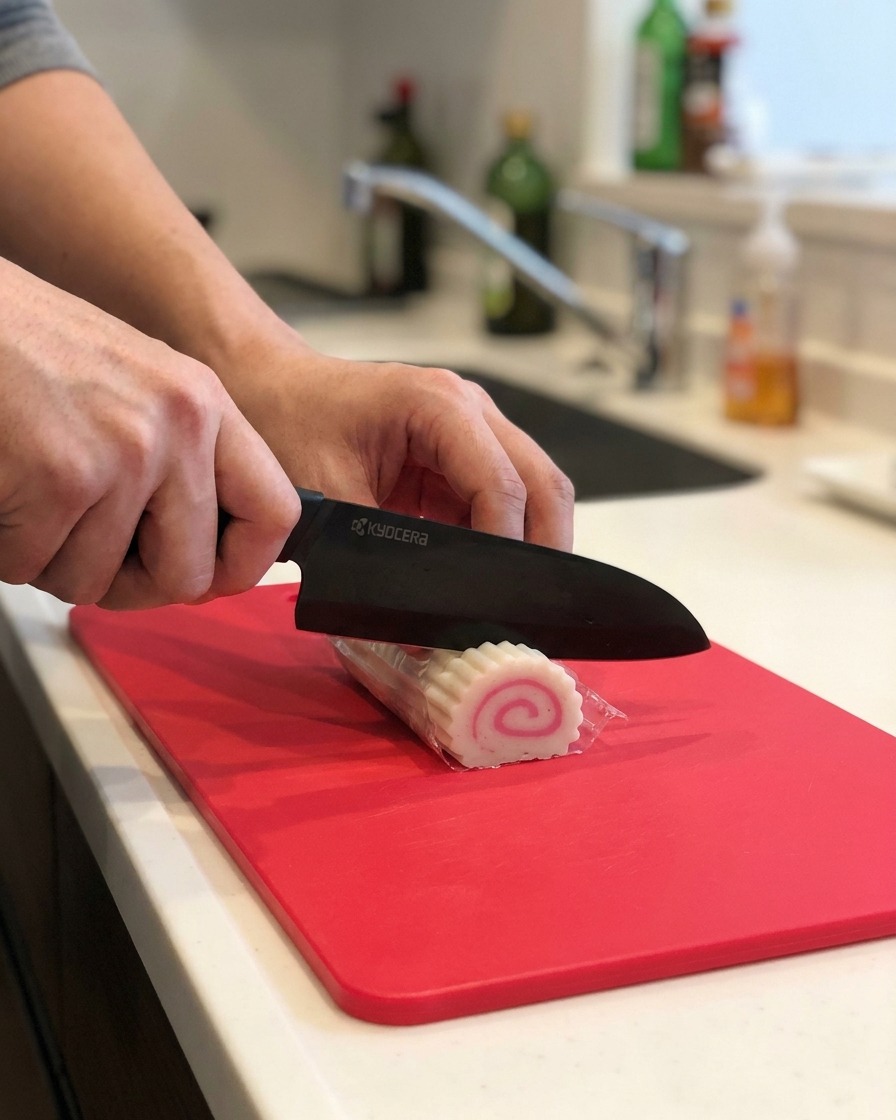
Using a sharp knife, carefully slice the narutomaki fish cake into thin, even rounds on a cutting board. These vibrant slices with their signature pink spiral will serve as a classic garnish for your completed ramen bowl.
Tip: Keep the slices relatively thin so they heat through quickly when placed in the hot soup. - 2Add the chicken broth powder
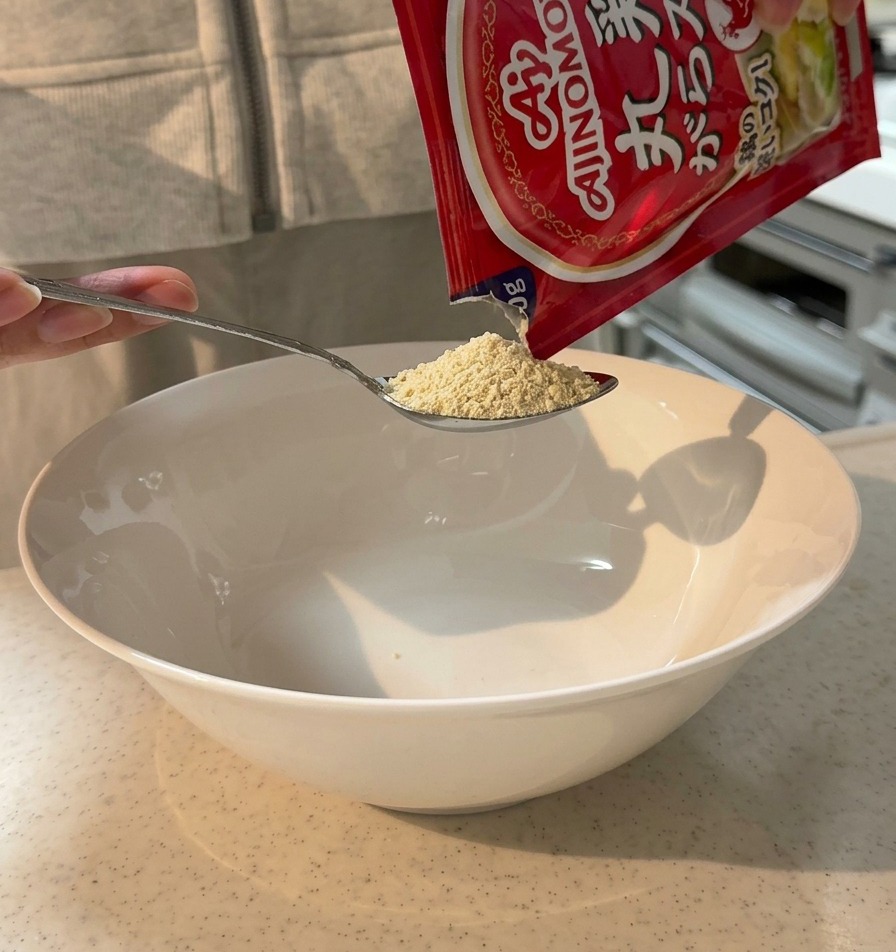
Begin building the ramen flavor base by measuring out the chicken broth powder into a large serving bowl. This convenient powder provides a rich, savory foundation for the soup without the need for hours of simmering bones.
Tip: Using your serving bowl right from the start allows you to mix the broth and serve the noodles all in one vessel, saving cleanup time. - 3Mix the soup base
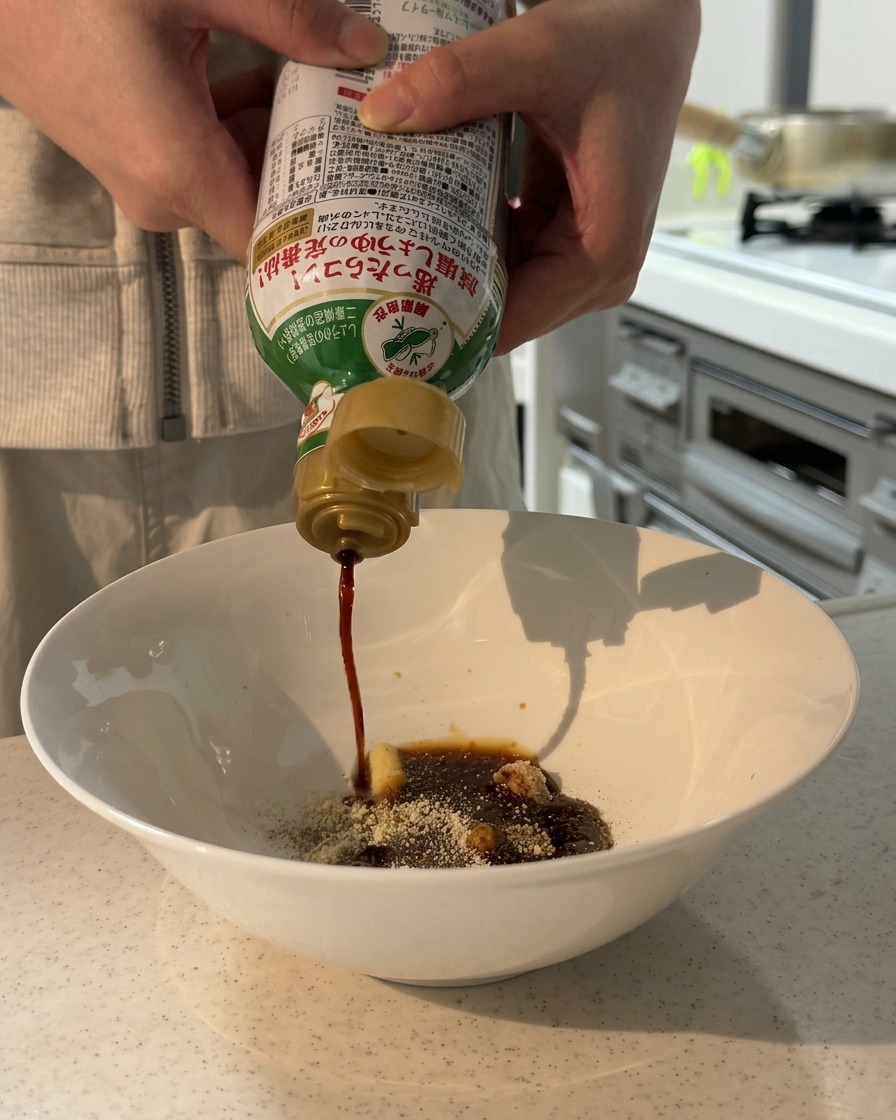
Squeeze low-sodium soy sauce into the serving bowl along with the chicken broth powder, ginger paste, salt, and pepper. This unboiled soup base is quick to make and delivers authentic flavor when combined with hot water.
Tip: Adjust the amount of soy sauce according to your preference for saltiness. - 4Blanch the vegetables
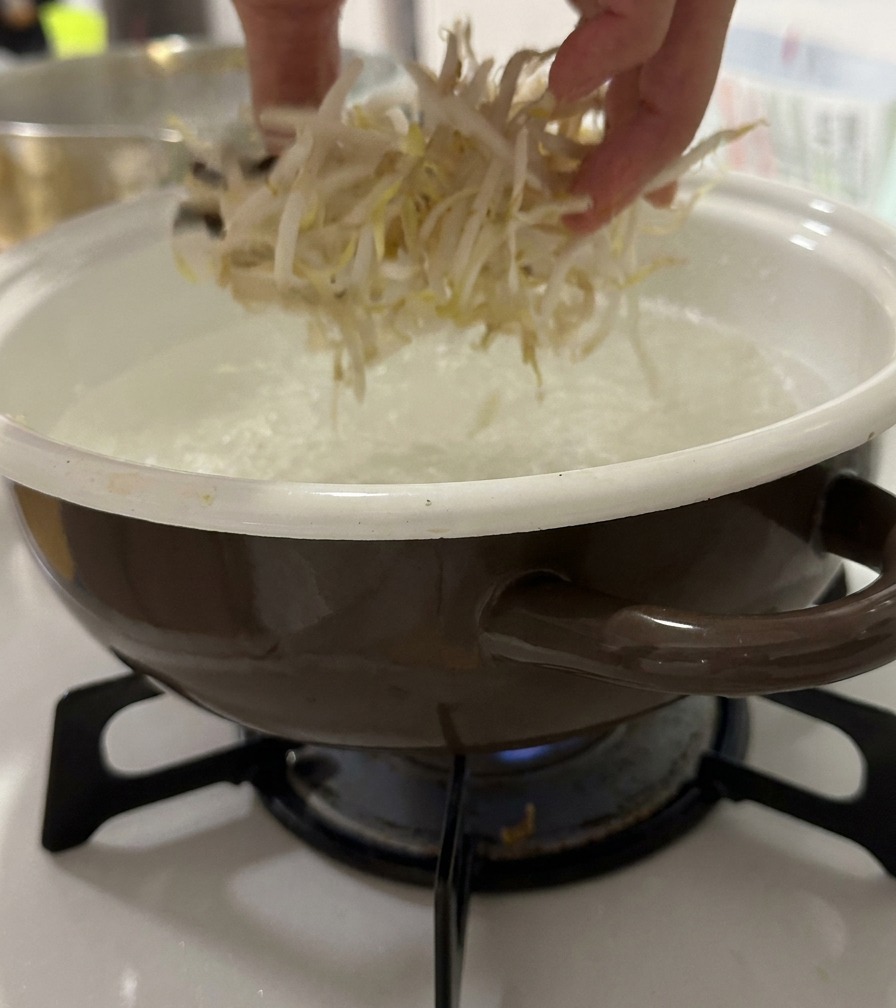
Bring a pot of water to a rolling boil and drop in the fresh bean sprouts. Let them cook briefly until they are just tender but still retain a slight crunch. This quick blanching process cooks the vegetables while preserving their fresh texture for the topping.
Tip: Keep the blanching time very short—usually just 30 seconds to a minute is enough for bean sprouts. - 5Boil the ramen noodles
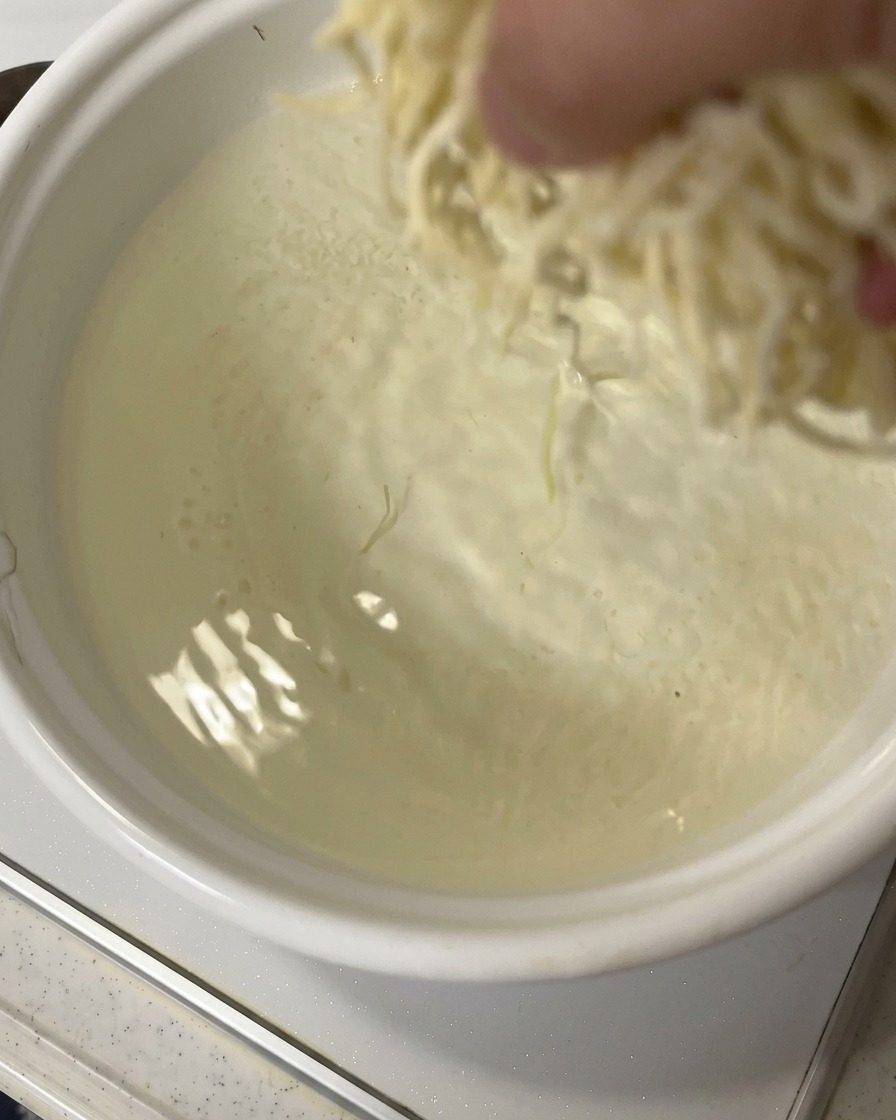
Drop the fresh ramen noodles into the pot of boiling water. Let them cook until they reach your desired chewiness. Boiling the vegetables and noodles in the same water saves time and cleanup.
Tip: Gently stir the noodles immediately after adding them to prevent them from sticking together. - 6Mix the hot broth
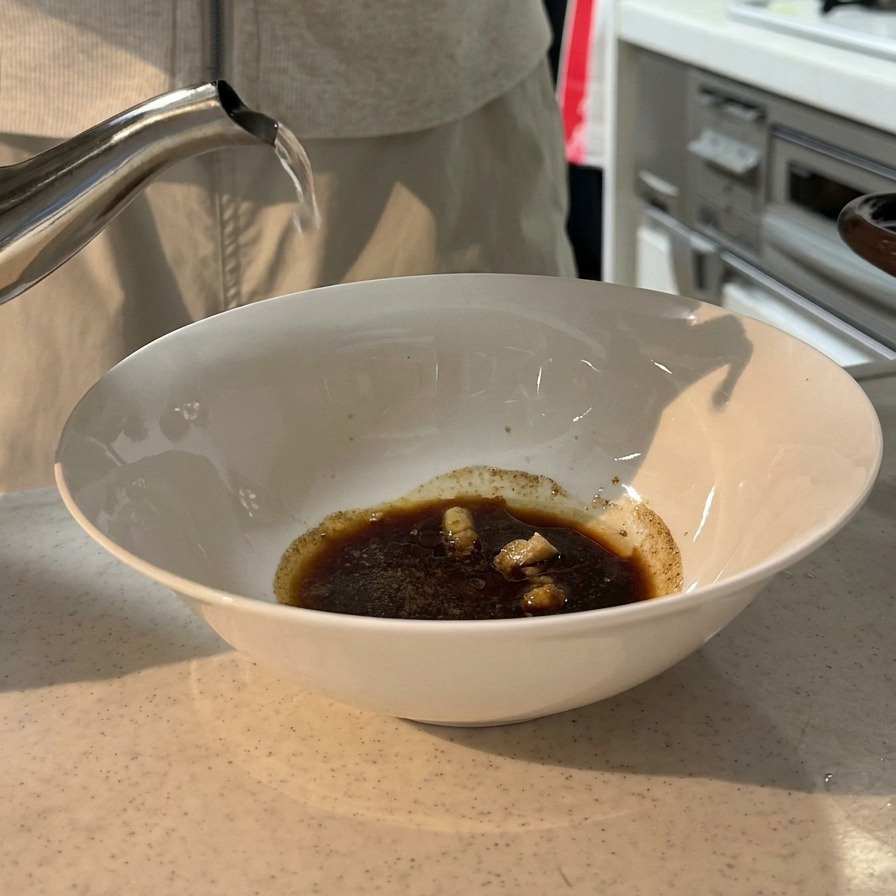
Carefully pour hot, boiling water directly into the serving bowl over your combined seasonings and soy sauce mixture. The hot water will instantly dissolve the powders and meld the rich flavors together, creating a fragrant and robust ramen broth right in the bowl.
Tip: Ensure the water is fully boiling to properly dissolve the ingredients and keep the soup piping hot for serving the noodles. - 7Transfer the cooked noodles
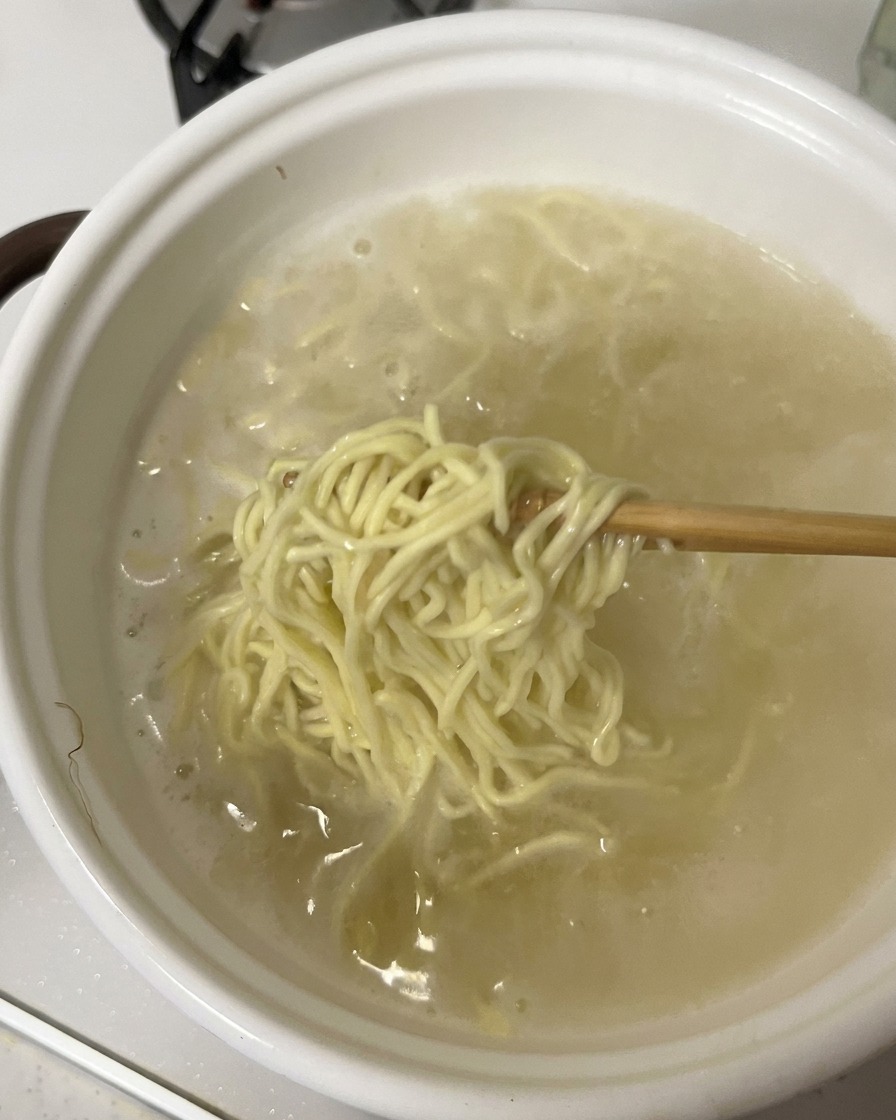
Use chopsticks to lift the cooked ramen noodles out of the boiling water. Let the excess water drain for a moment, then gently lower the noodles into the prepared hot soup base in the serving bowl.
Tip: Shake off as much cooking water as possible so it doesnt dilute your flavorful soup base. - 8Assemble the ramen toppings
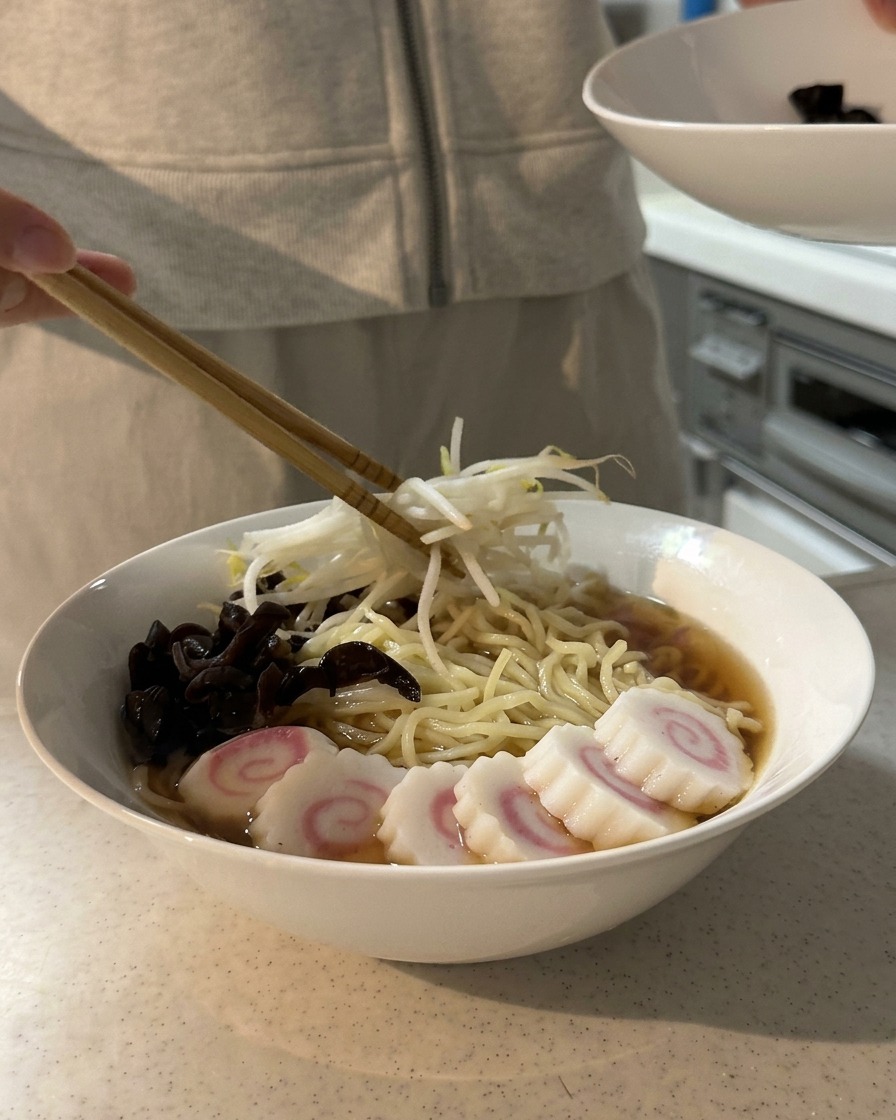
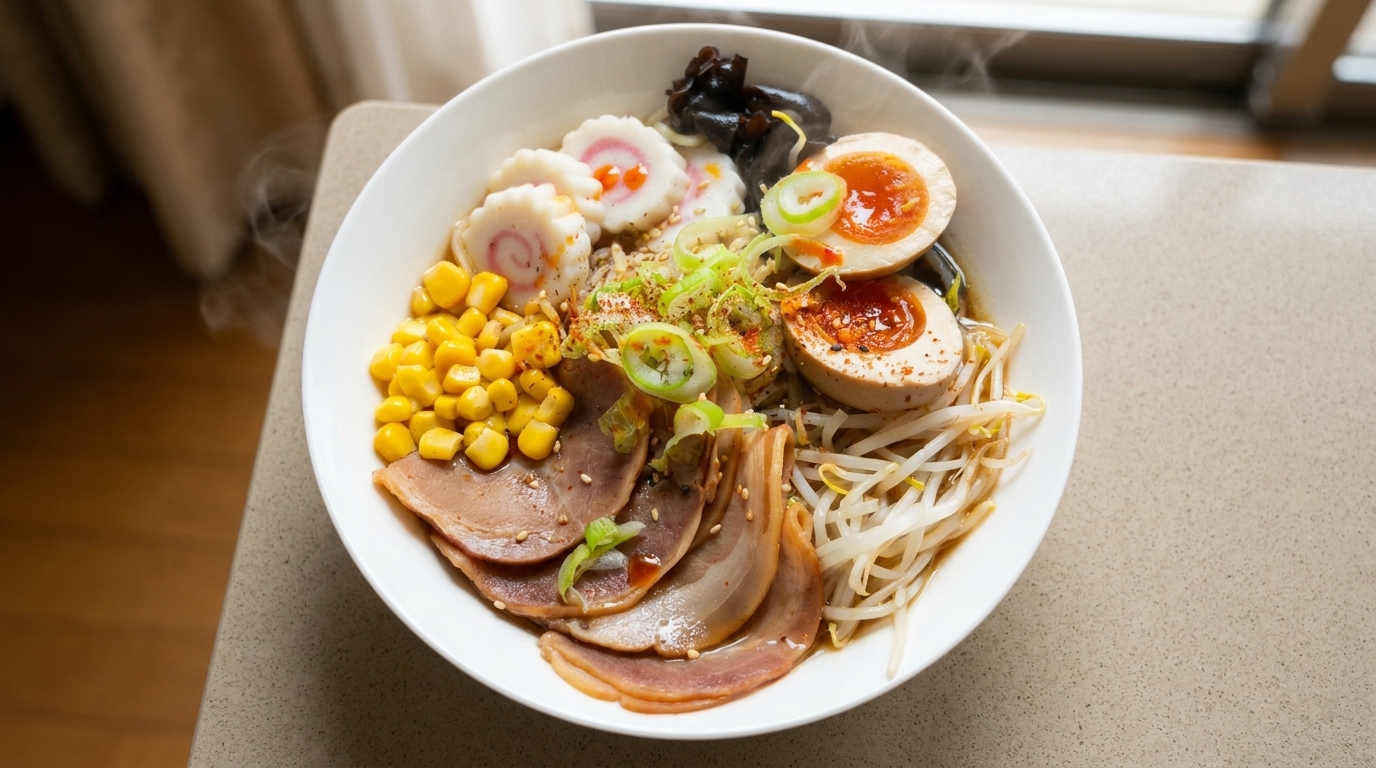
Begin building your ramen bowl by adding the toppings. Use chopsticks to neatly arrange the boiled bean sprouts, wood ear mushrooms, and sliced fish cakes over the noodles, followed by the store-bought char siu pork.
Tip: Arrange the ingredients in separate sections around the bowl for a beautiful, restaurant-quality presentation. - 9Garnish and serve
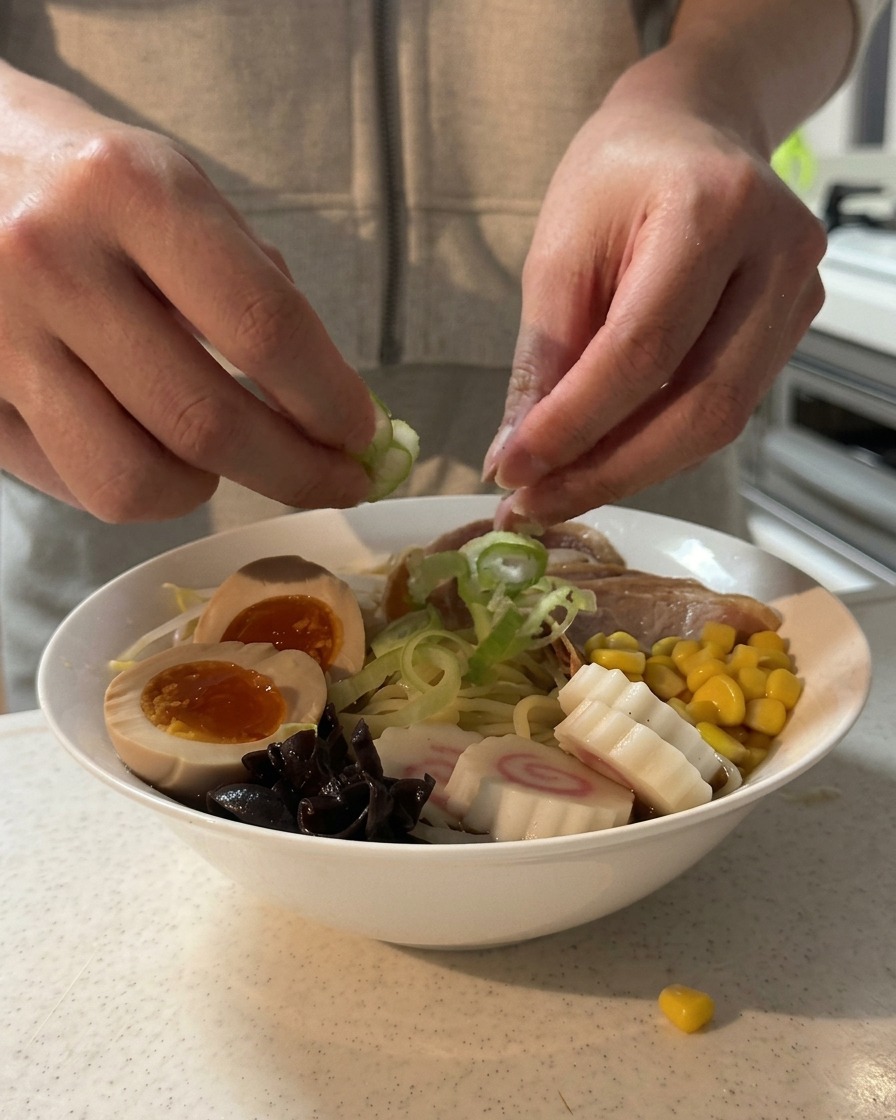
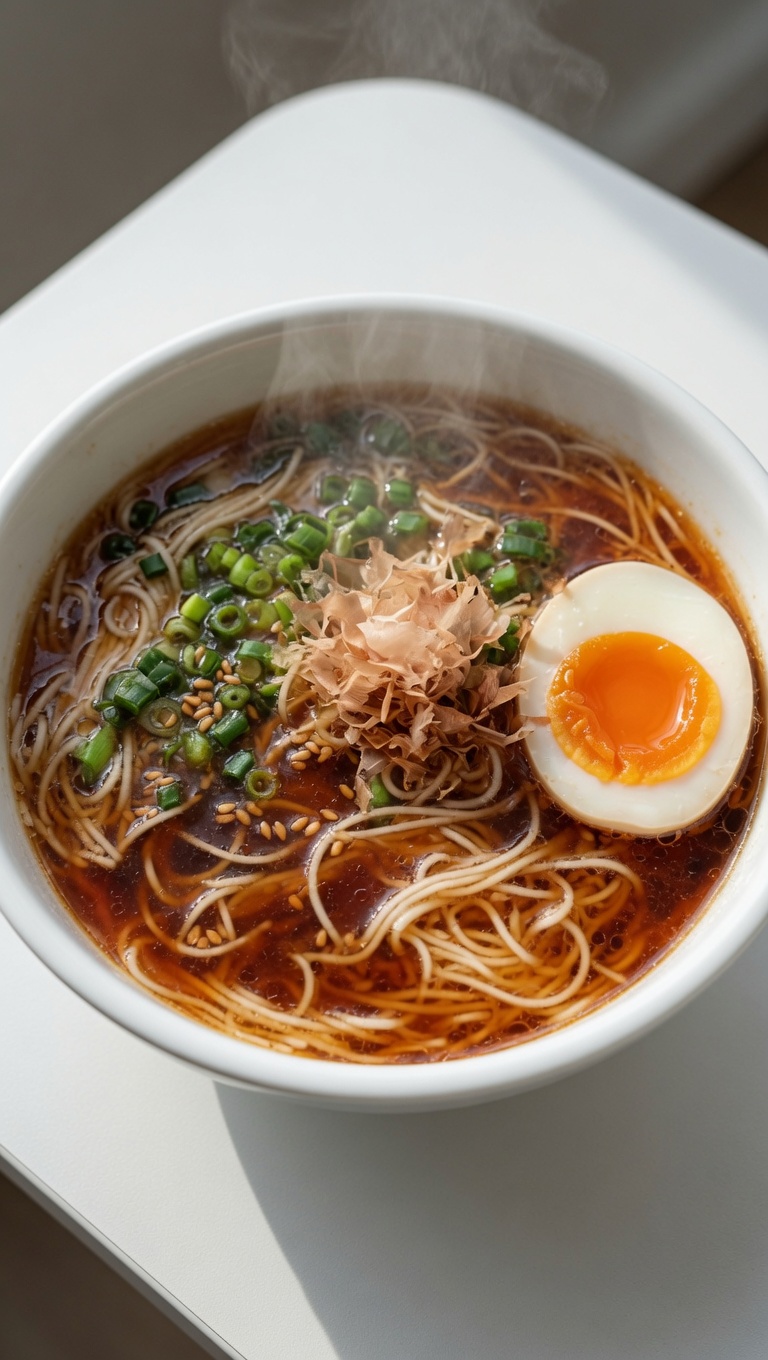
Finish the dish by sprinkling freshly chopped green onions over the top. Add a marinated soft-boiled egg, sweet corn, a drizzle of chili oil, and white sesame seeds to complete this comforting, home-style Shoyu ramen.
Tip: The chili oil adds a nice kick, but you can omit it if you prefer a milder broth.