Garlic Butter Cheese Toast Loaf
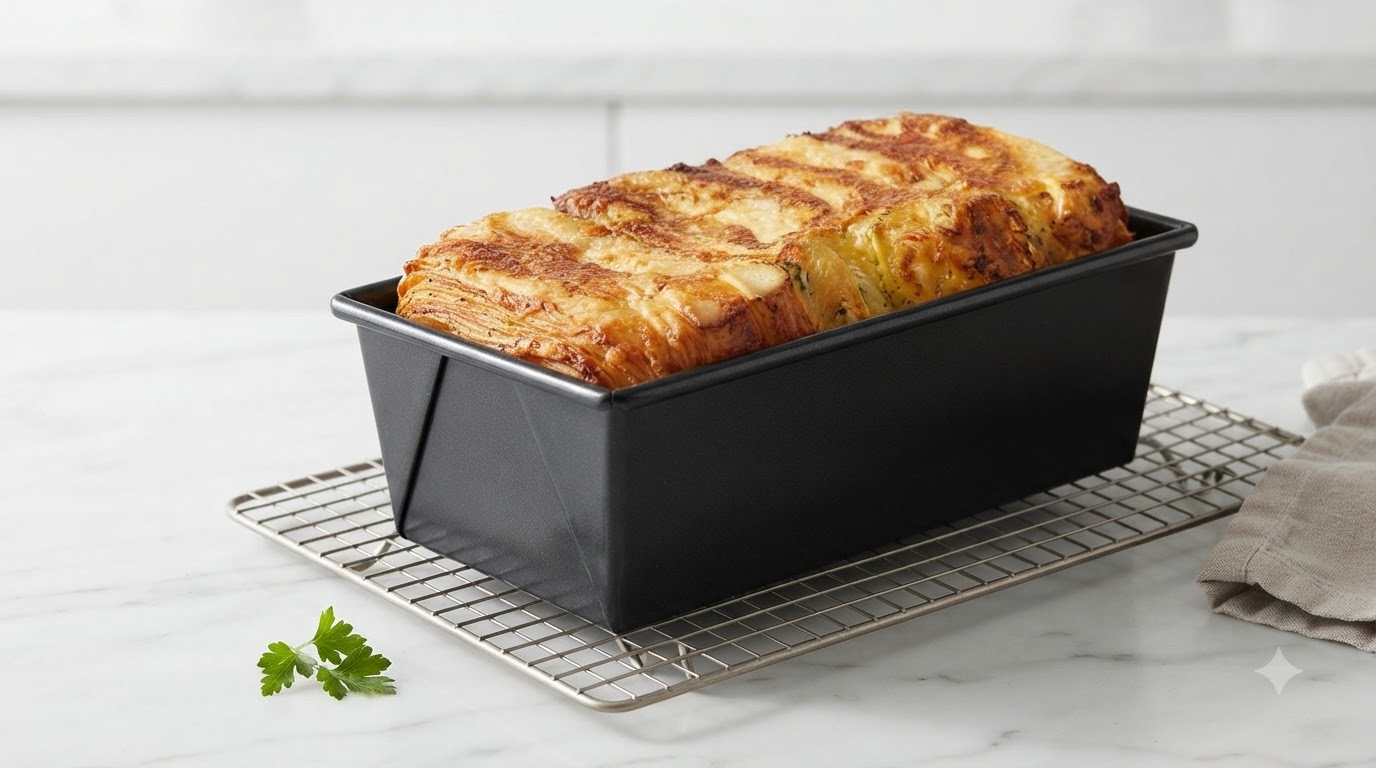
A rich and fluffy garlic butter cheese toast loaf, featuring a soft enriched dough, aromatic garlic-honey butter, and a decadent mozzarella pull-apart center.
Garlic butter cheese toast loaf combines the comforting appeal of Korean-style cream cheese bread with classic pull-apart loaf baking. Enriched with butter and cream cheese, the dough bakes up incredibly soft and tender, providing the perfect contrast to a savory, sweet garlic and herb butter glaze.
Ingredients
- 300 g high-gluten flour
- 20 g sugar
- 1 egg
- 145 g milk
- 3 g salt
- 3 g yeast
- 75 g softened butter
- 35 g minced garlic
- 15 g honey
- 1 g chopped parsley
- 130 g mozzarella cheese
- optional lemon juice
Instructions
- 1Add Ingredients to Mixing Bowl
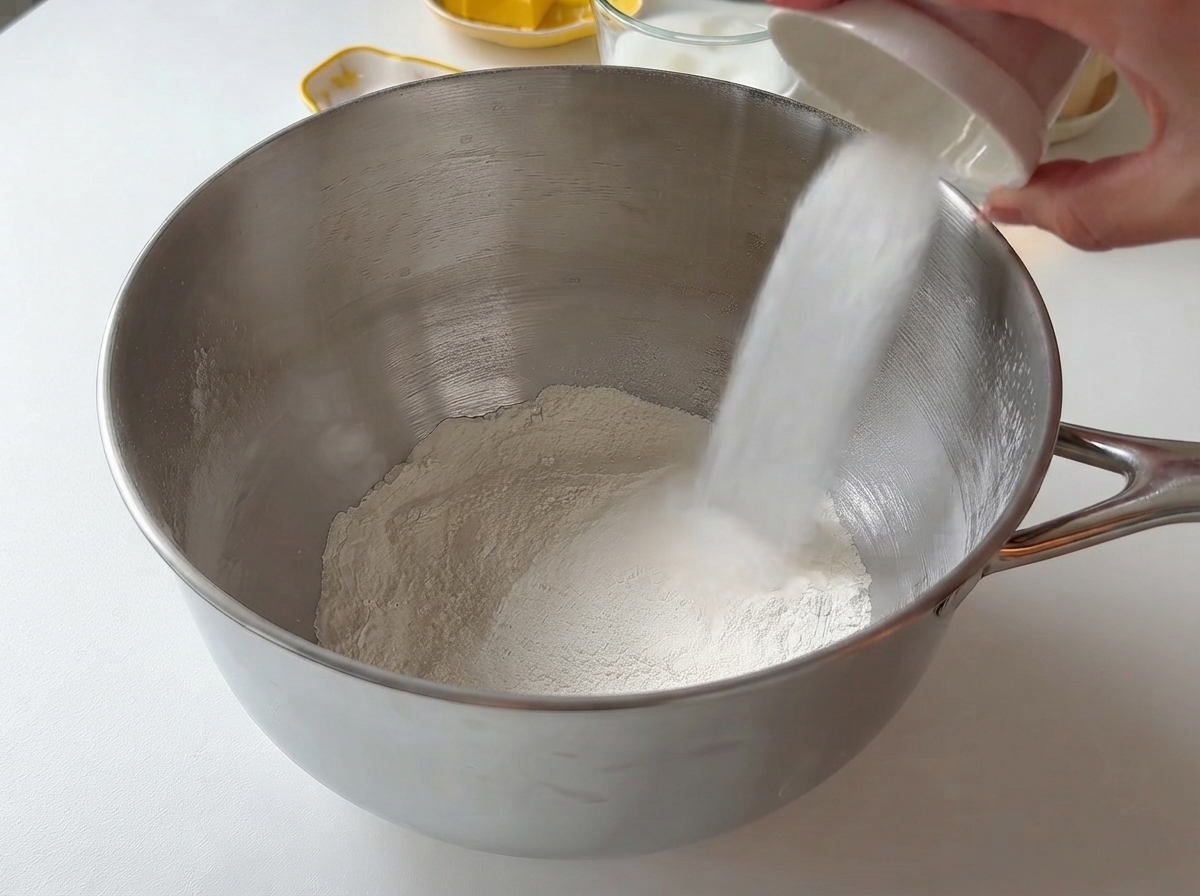
Combine high-gluten flour 300g, sugar 20g, 1 egg, milk 145g, salt 3g, and yeast 3g into the mixing bowl, keeping the salt and yeast separated initially.
Tip: Ensure the yeast does not come into direct contact with salt when adding them to the bowl. - 2Prepare the Stand Mixer
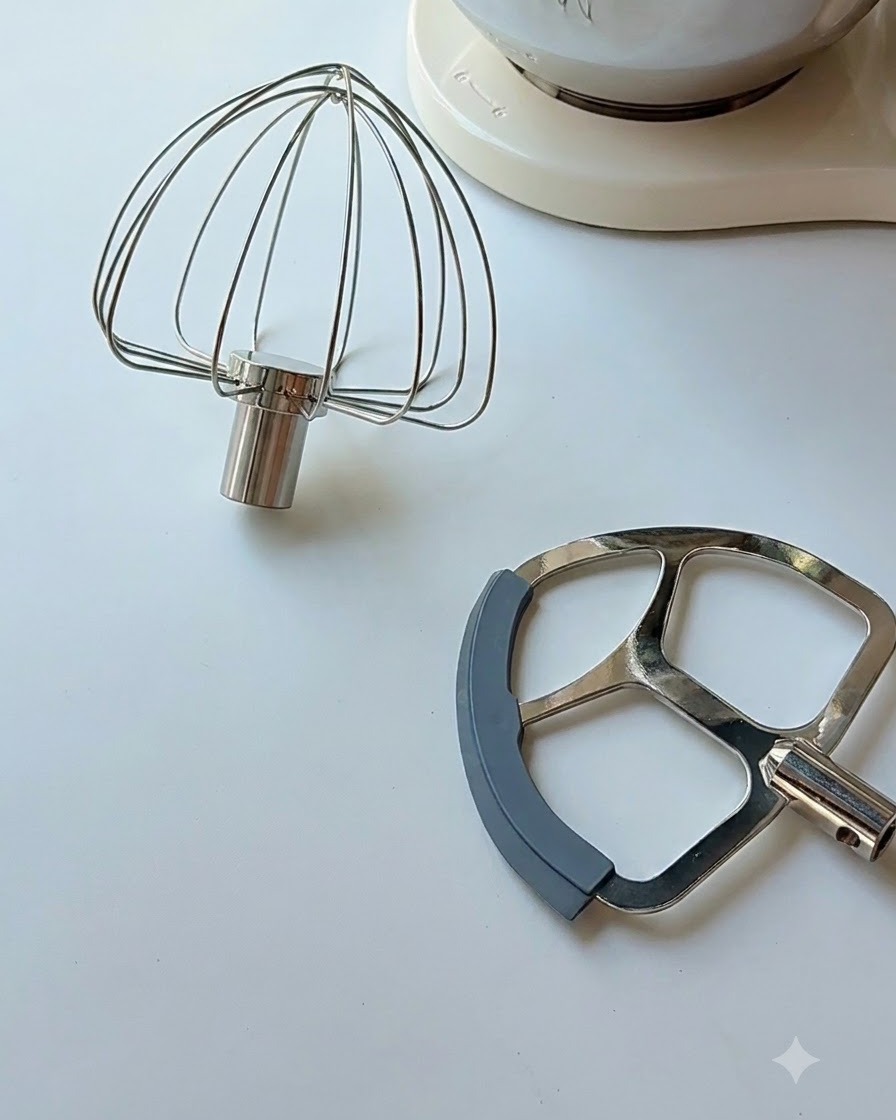
Use a stand mixer with the dough hook attachment on the kneading mode to develop the gluten structure.
Tip: Make sure the dough hook attachment is securely locked into the stand mixer before starting. - 3Check Rough Gluten Window
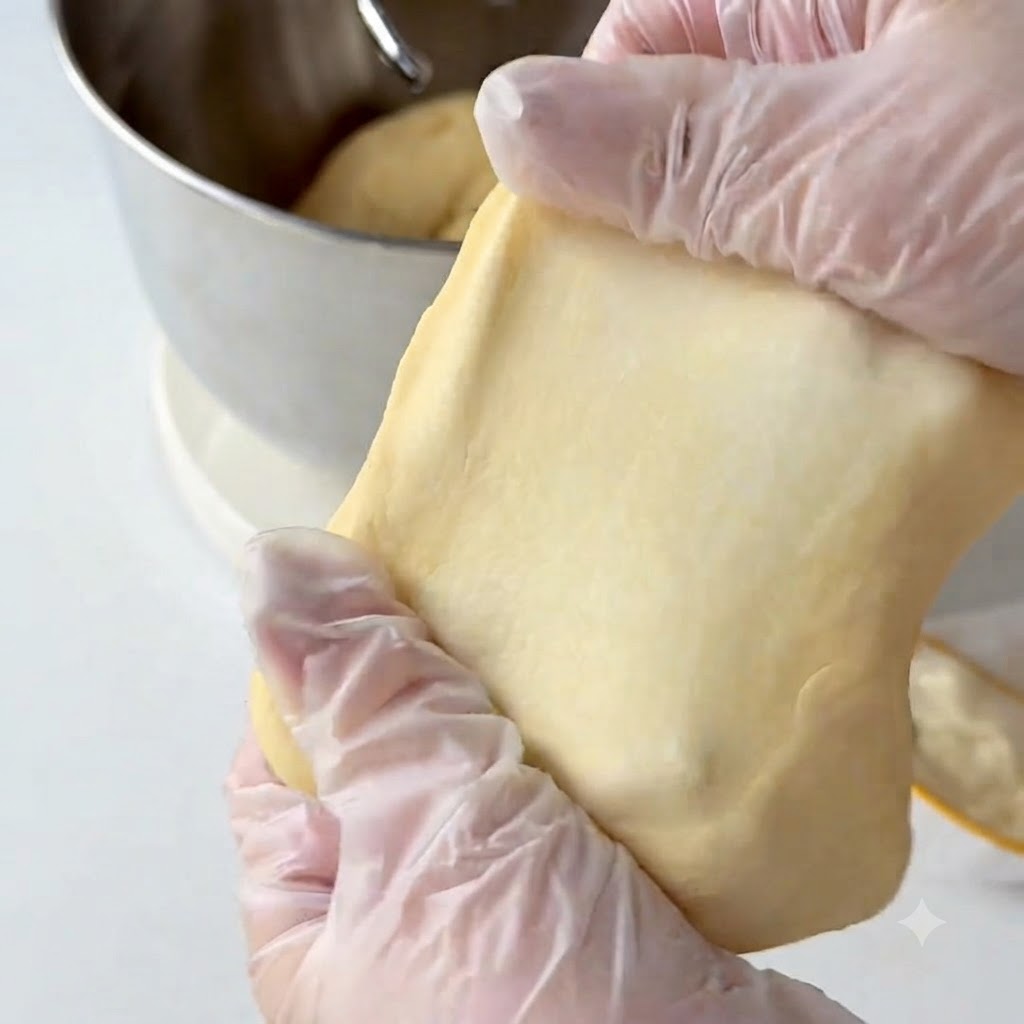
Once the dough forms a rough gluten window, prepare to add the softened butter and cream cheese.
Tip: Check the dough elasticity carefully by gently stretching a small piece between gloved fingers. - 4Add Butter and Cream Cheese
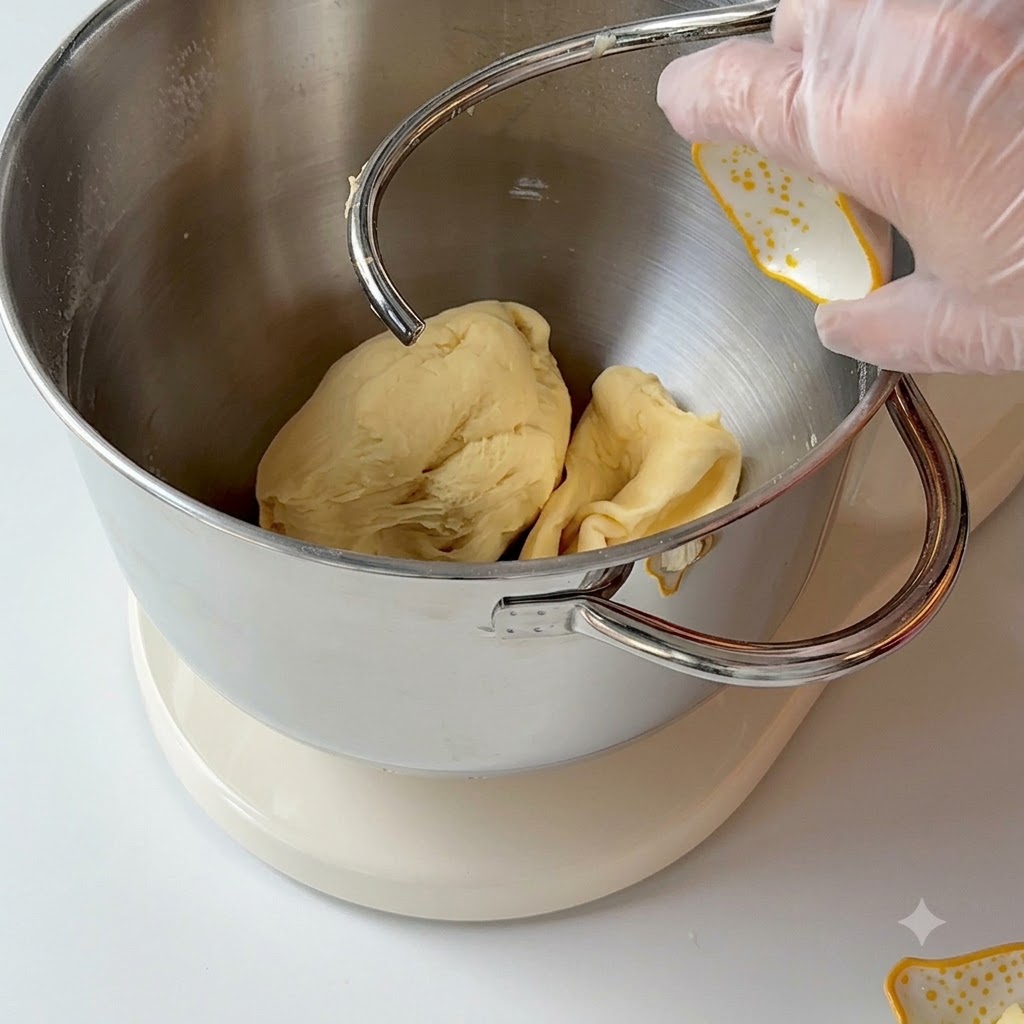
Add softened butter and cream cheese into the bowl with the dough, then continue kneading until fully incorporated.
Tip: The butter and cream cheese should be softened at room temperature for easier mixing. - 5Knead to Windowpane Stage
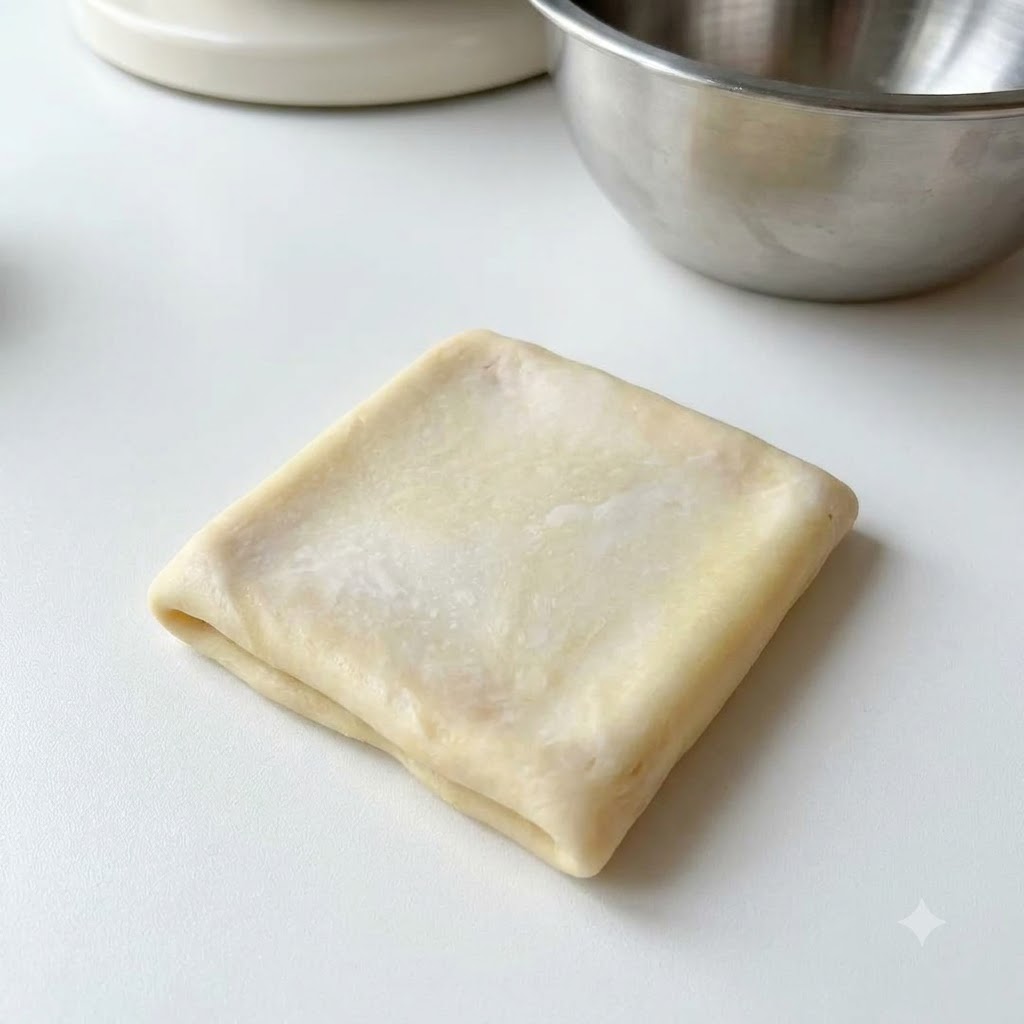
Continue kneading until it forms a smooth thin windowpane stage, indicating optimal gluten formation.
Tip: Do not rush this stage; a proper windowpane ensures a soft and fluffy texture after baking. - 6Shape and Ferment Dough
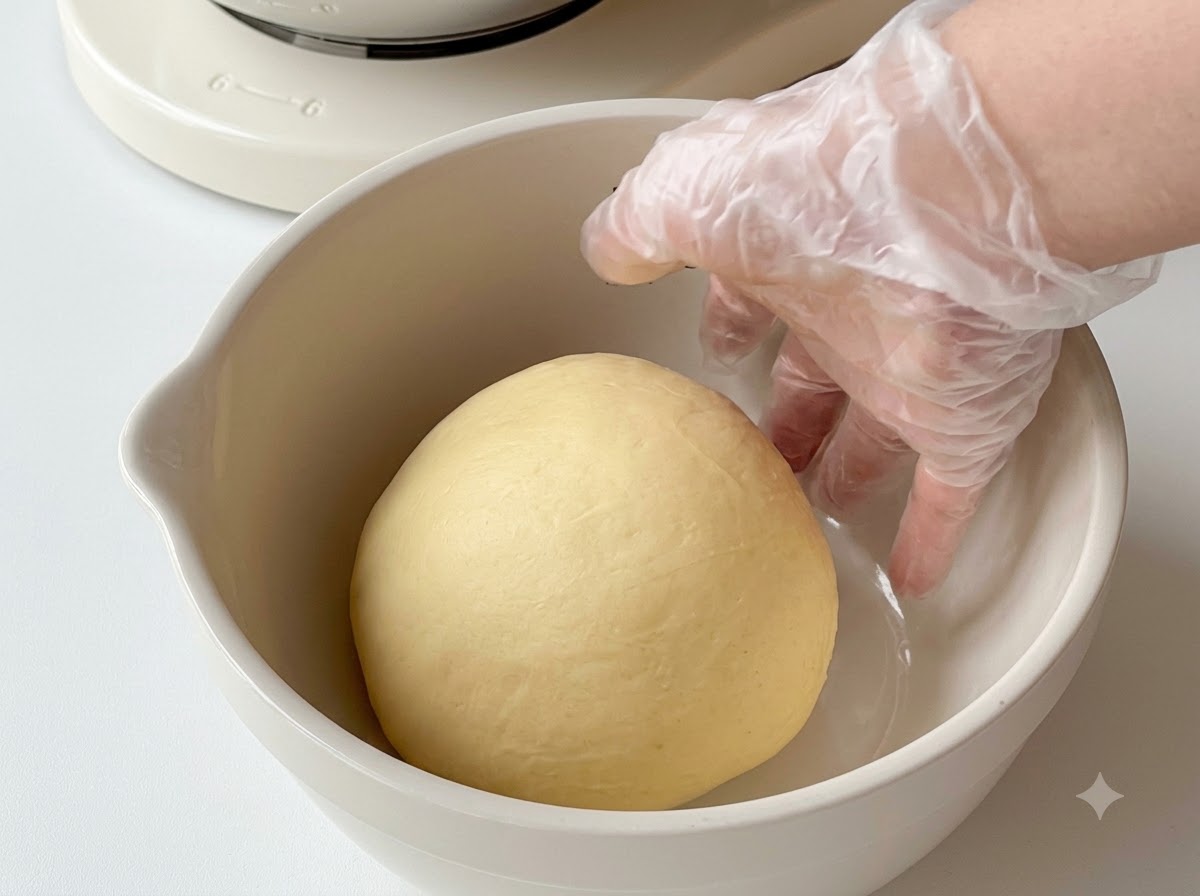
Shape the dough into a round ball and let it ferment until doubled in size.
Tip: Cover the mixing bowl with plastic wrap or a damp cloth to prevent the dough from drying out during fermentation. - 7Prepare the Garlic Butter Spread
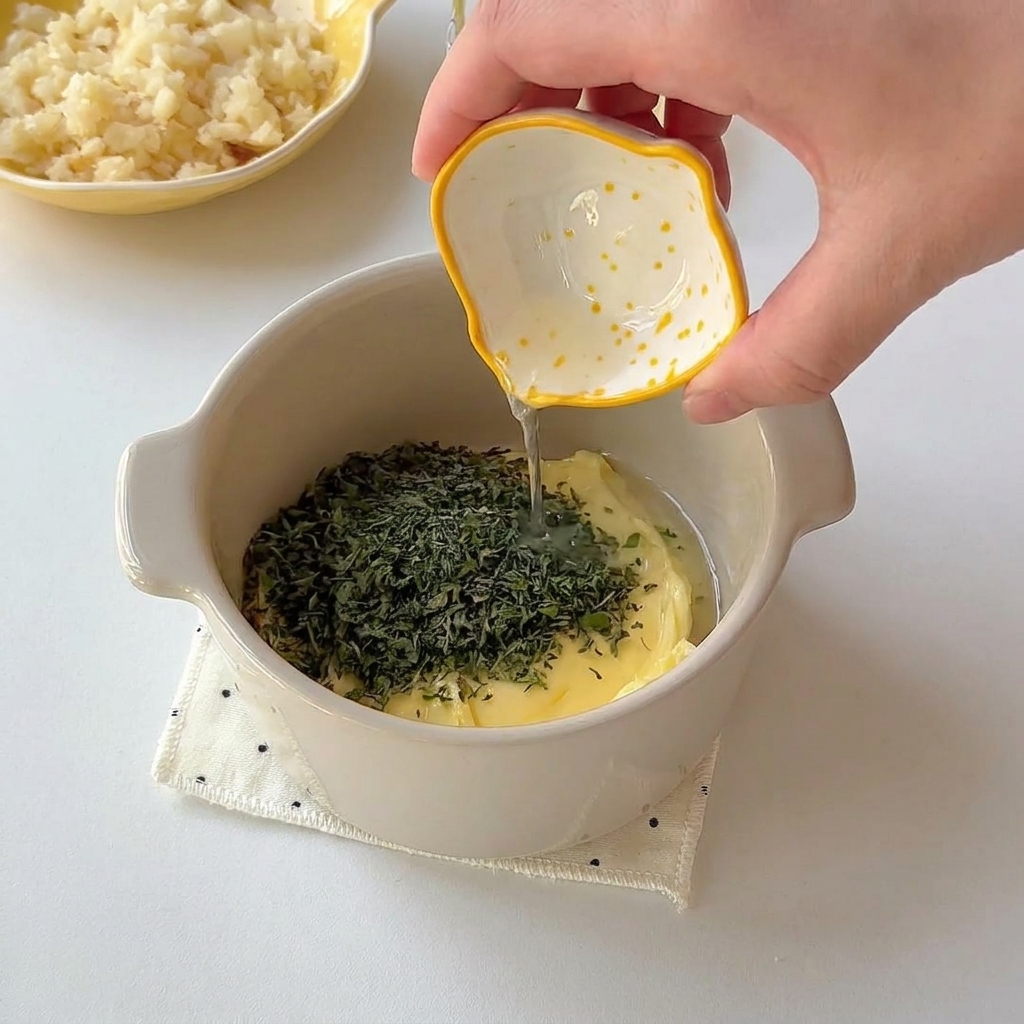
Thoroughly combine softened butter 75g, chopped parsley 1g, and a splash of lemon juice in a small container until smooth and well blended.
Tip: Ensure the butter is thoroughly softened at room temperature so it blends smoothly with the other ingredients. - 8Complete the Garlic Butter Mixture
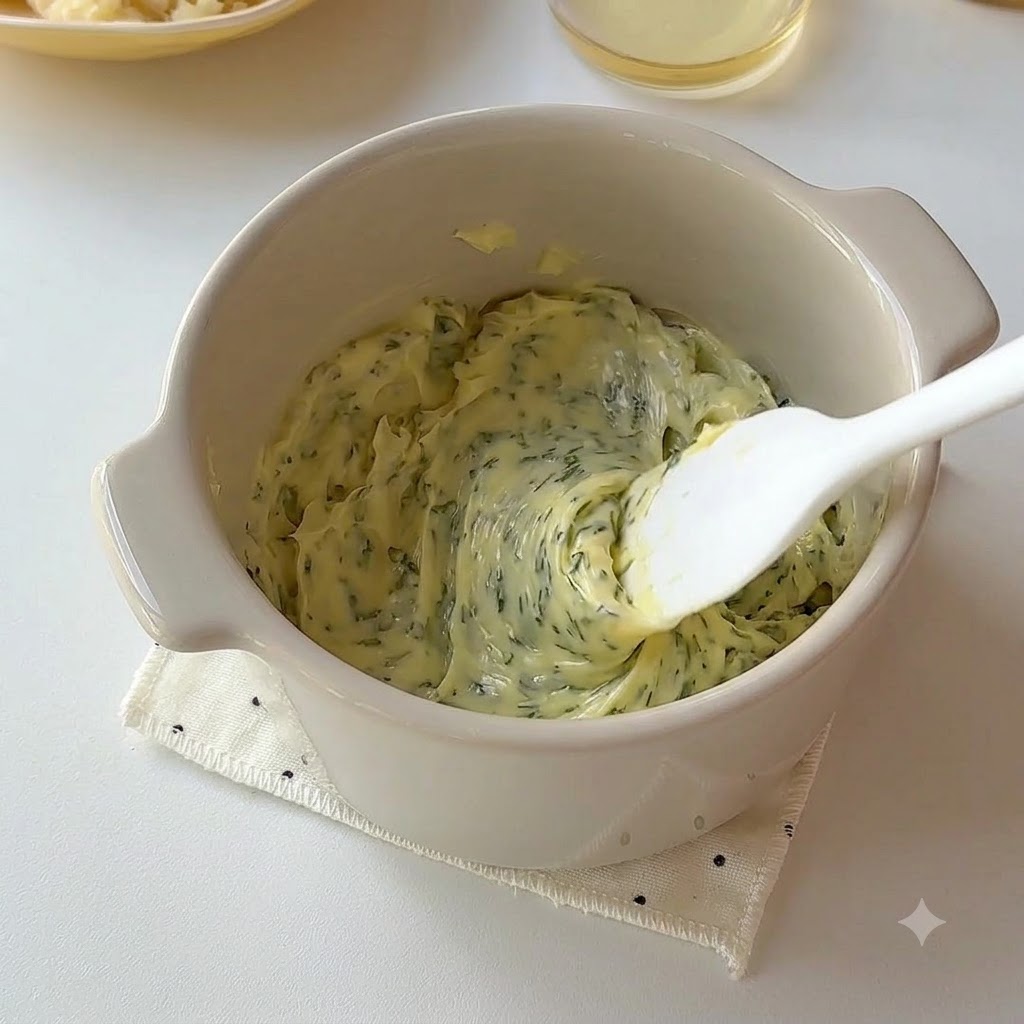
Incorporate honey 15g and minced garlic 35g into the butter and parsley mixture, stirring continuously until fully emulsified and unified.
Tip: Ensure the butter is sufficiently softened so the honey and minced garlic incorporate smoothly without separating. - 9Test dough fermentation
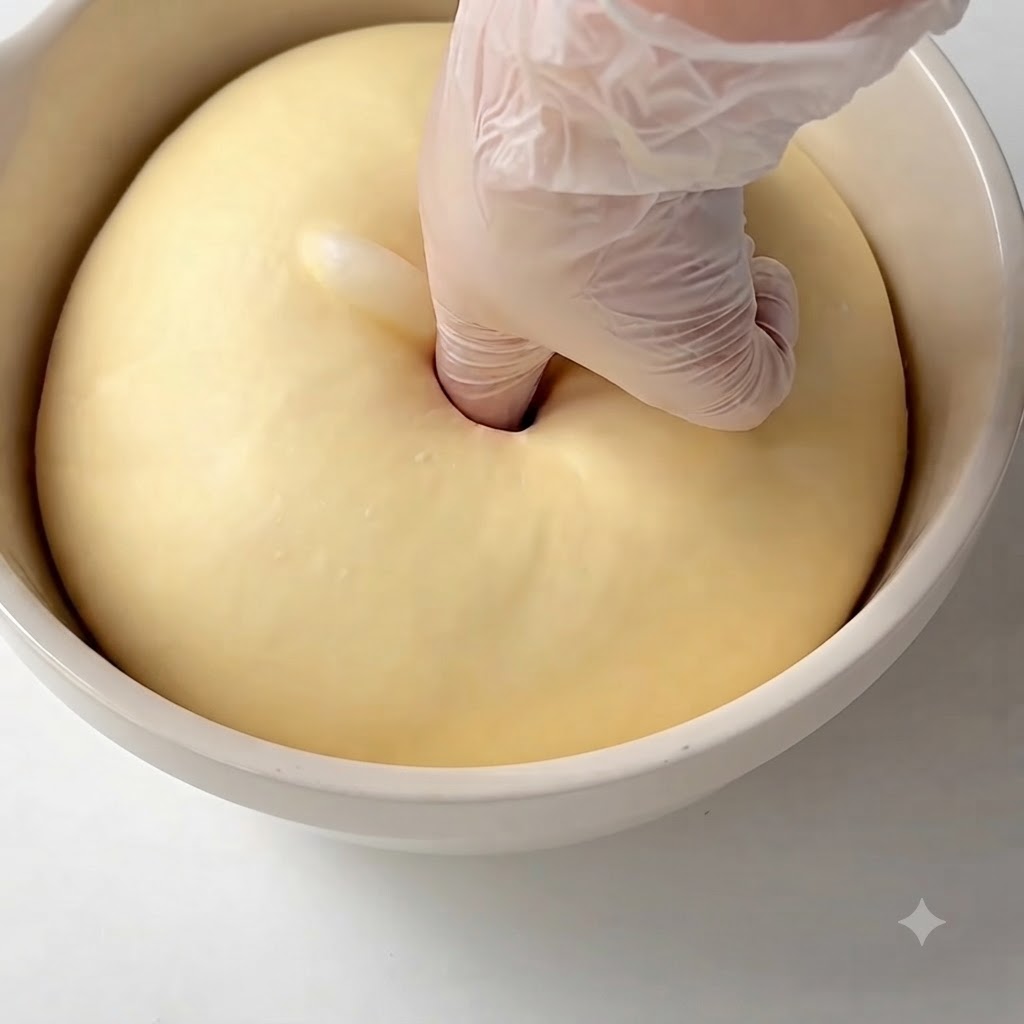
Gently poke the center of the fermented dough with a gloved finger to verify if the indentation remains without springing back or collapsing, confirming fermentation is complete.
Tip: If the hole springs back quickly, the dough needs more time to ferment; if it collapses, it may be over-fermented. - 10Roll out the fermented dough
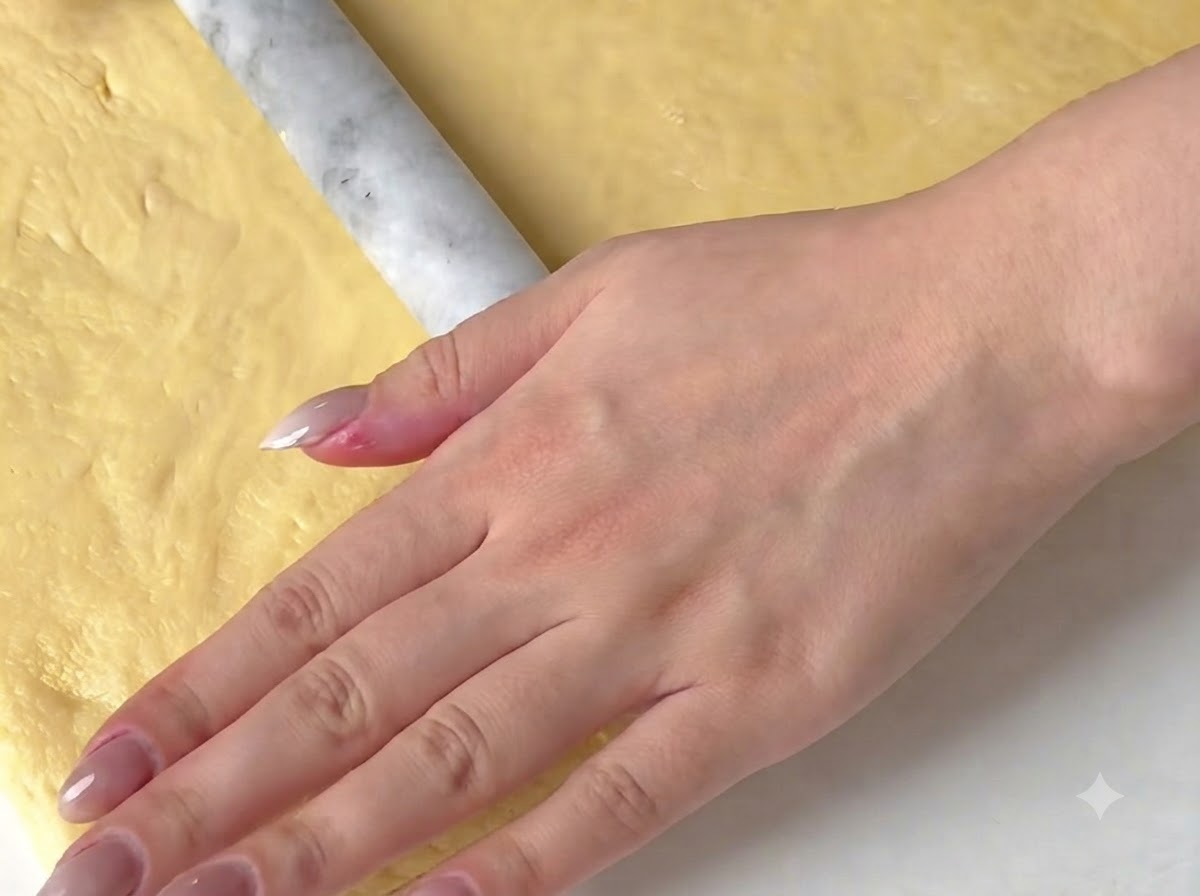
Take the fermented dough and use a marble rolling pin to roll it out evenly into a flat, long rectangular sheet.
Tip: Roll gently and evenly to maintain uniform thickness across the entire rectangular dough sheet. - 11Spread garlic butter on dough
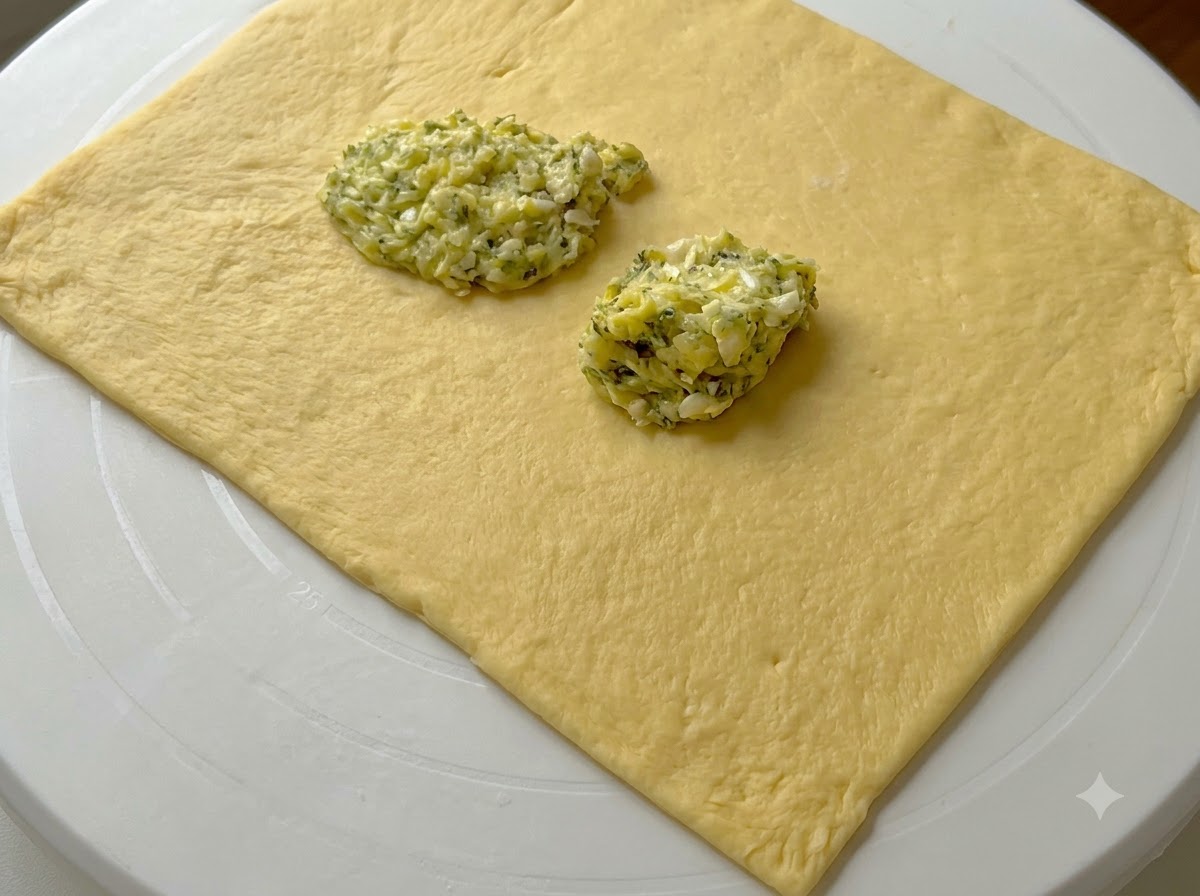
Take the prepared garlic butter spread and apply it evenly across the entire surface of the flat, long rectangular dough sheet.
Tip: Leave a small clean border around the edges to prevent the spread from leaking out when rolling or cutting.