Classic Italian Meat Ragù
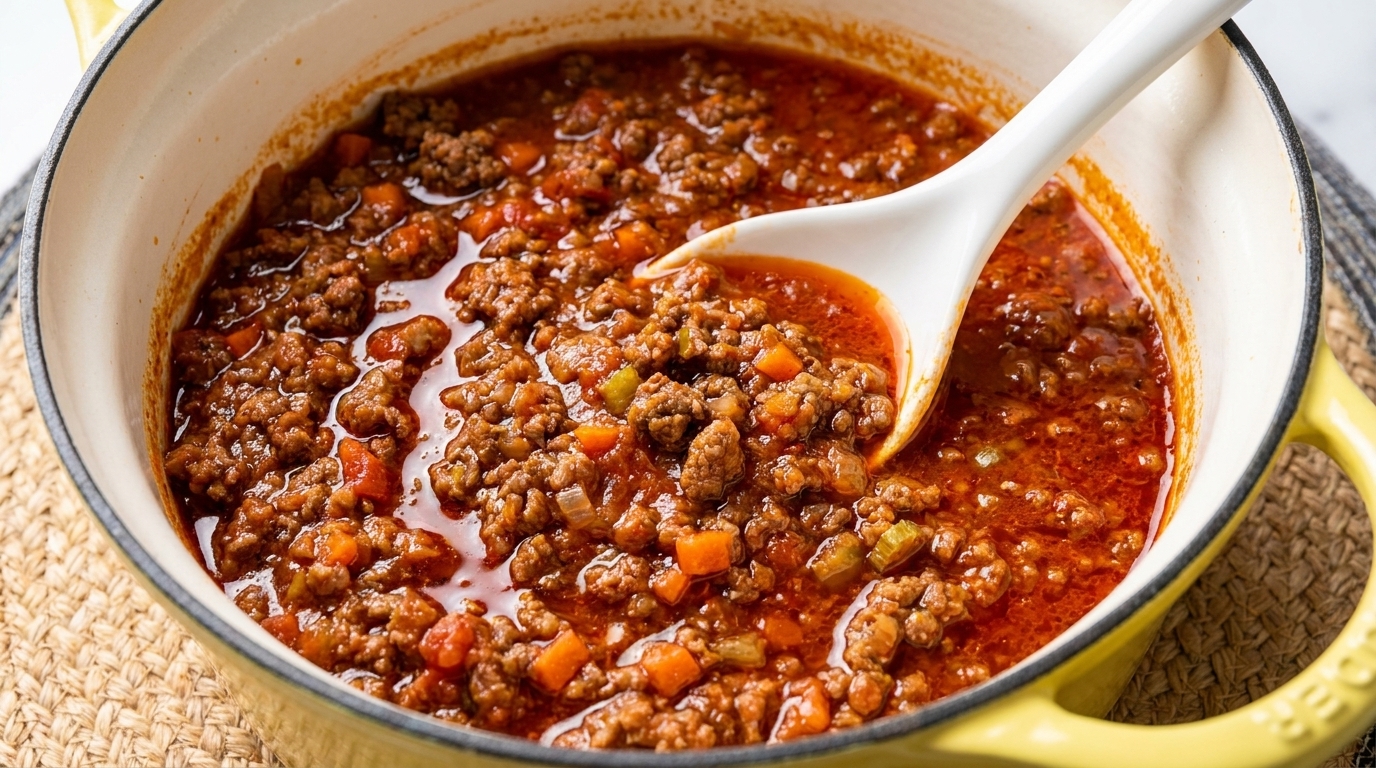
A rich, slow-simmered Italian meat ragù built on hand-cut vegetables and deeply browned ground meat for authentic, hearty flavor.
An authentic Italian ragù is a labor of love defined by patience and technique. By hand-cutting the aromatics and slowly simmering the meat in a vibrant tomato base, you create a sauce with unmatched depth. This recipe honors traditional methods, focusing on the essential balance of ingredients to deliver a timeless classic perfect for coating your favorite pasta.
Ingredients
- 200 g pancetta
- 1 unit celery stalk
- 1 unit carrot
- 1 unit onion
- 500 g ground meat
- 150 ml dry white or red wine
- 400 g canned tomato puree
- 1 tbsp tomato paste
- to taste salt
- to taste black pepper
- as needed oil
- as needed broth or water
Instructions
- 1Hand-cut the vegetables
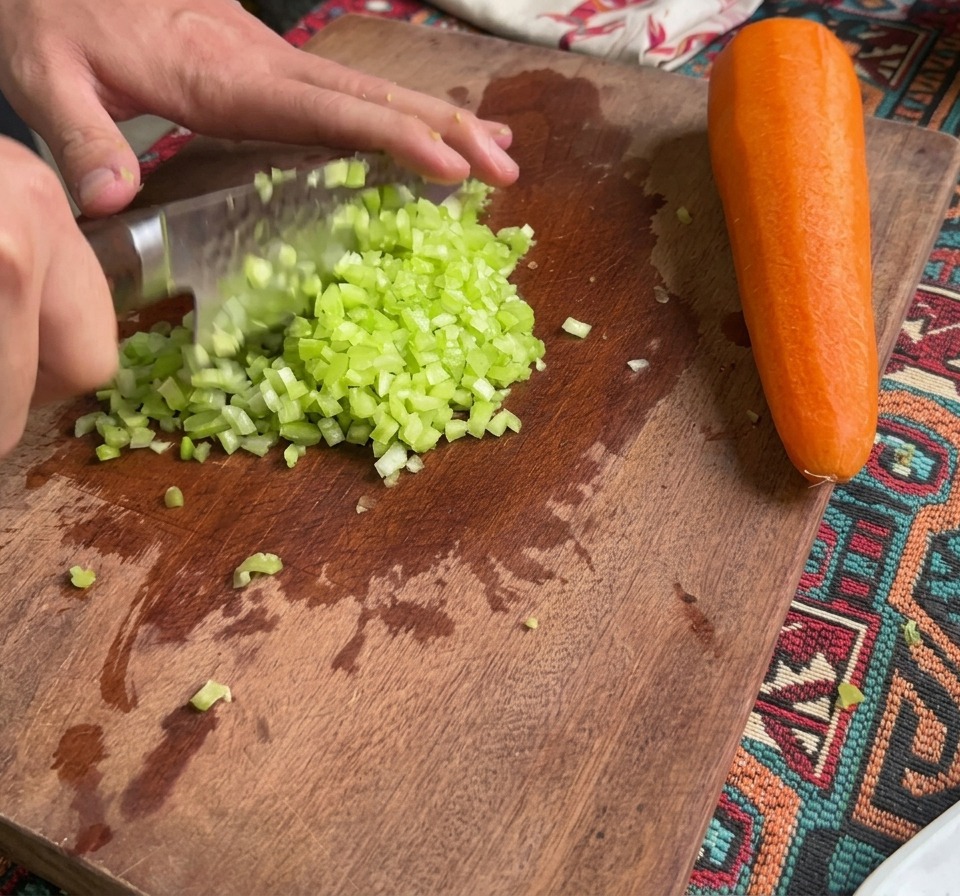
Finely dice the celery, carrots, and onions by hand on a cutting board. Hand-cutting ensures the right texture for the base of the ragù; avoid using a food processor to maintain the integrity of the vegetables.
Tip: Consistency in size is key for even cooking, so take your time to get uniform pieces. - 2Start the base with pancetta
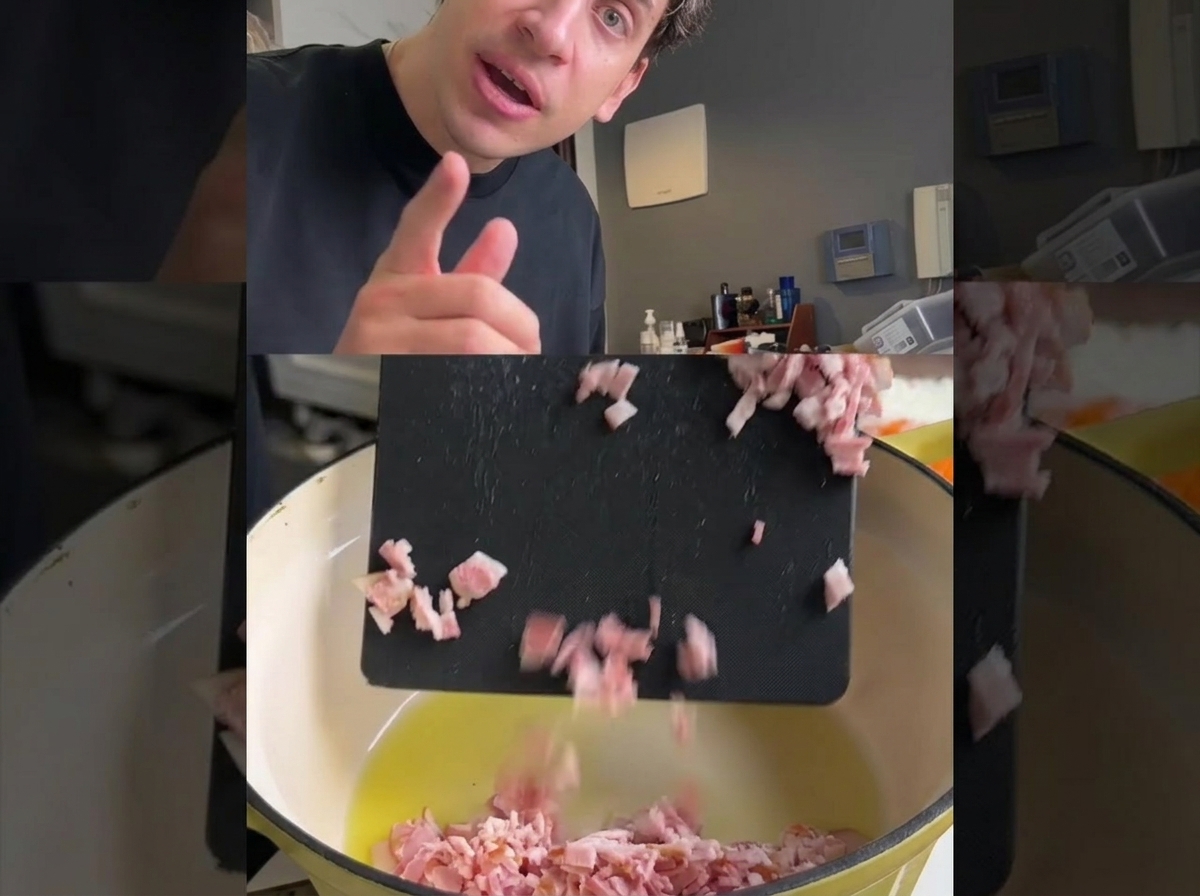
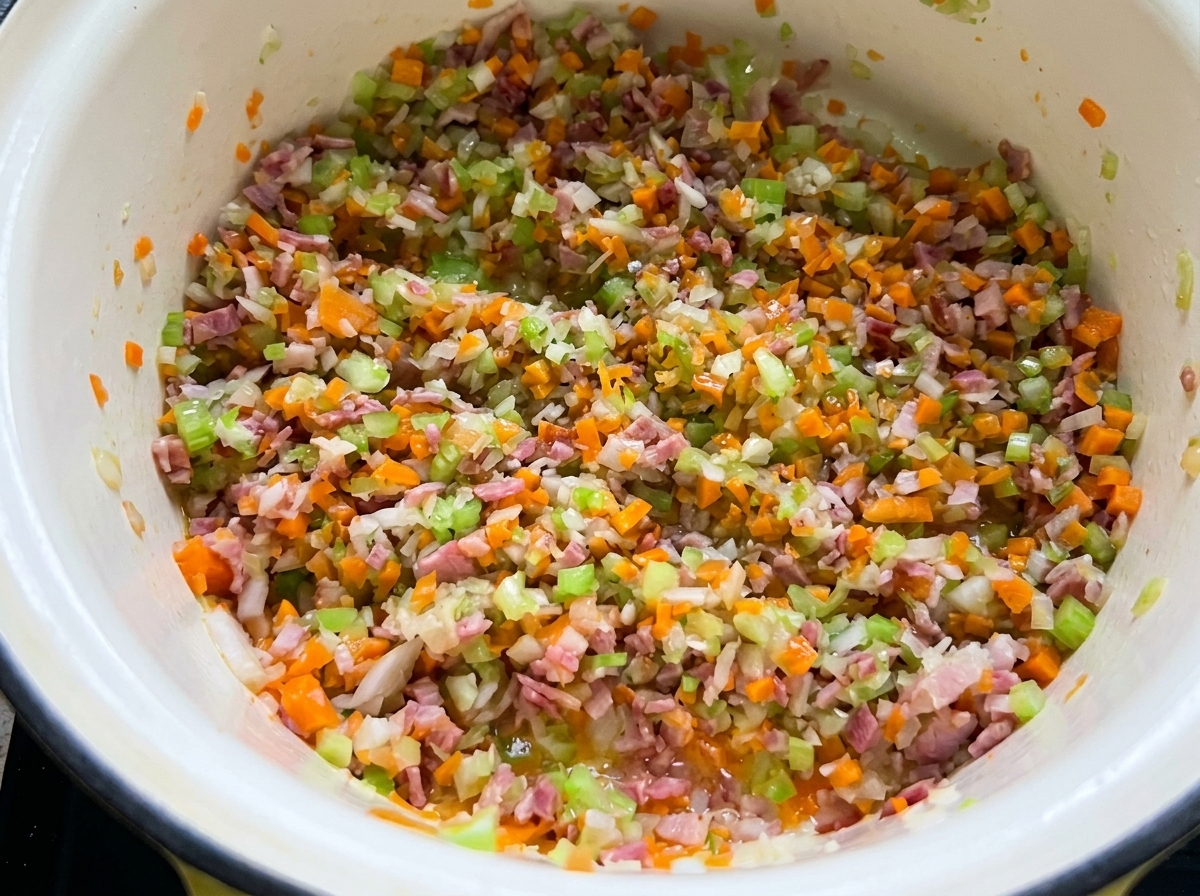
In a wide-mouthed, thick-bottomed pot, heat some oil and add the chopped pancetta. Once the pancetta begins to render, add your hand-cut vegetable mixture. Sauté them together gently without overcooking the onions.
Tip: Using a heavy-bottomed pot is crucial for even heat distribution during the long simmering process. - 3Brown the meat
Add the ground meat to the pot with the sautéed vegetables. Stir well with a wooden spoon and cook over high heat for about 10 minutes, ensuring the meat is thoroughly browned and the moisture has evaporated.
Tip: Do not rush this step; high heat is necessary to properly dry out the meat and develop deep flavor. - 4Deglaze with wine
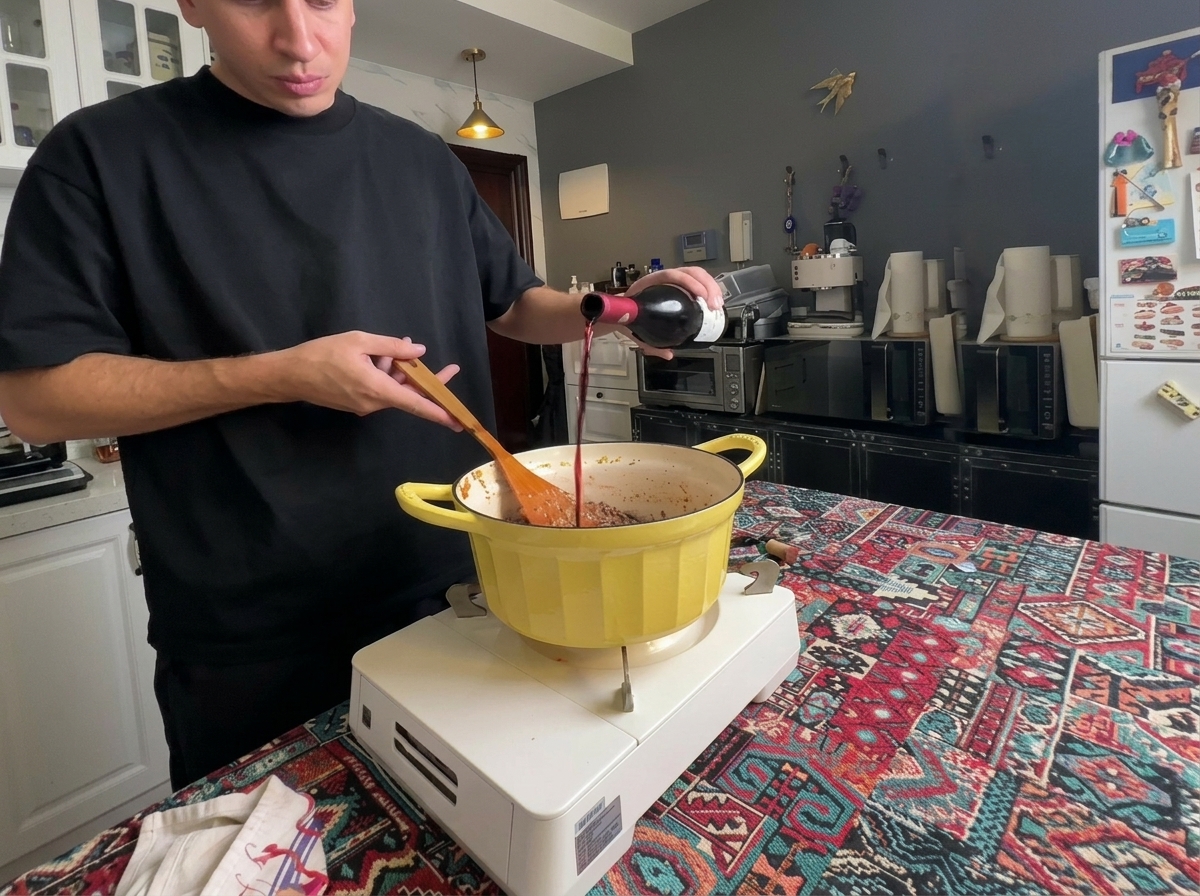
Pour in a generous splash of red or white wine into the pot with the browned meat. Continue to cook and stir until the alcohol has completely evaporated and the liquids have reduced.
Tip: Use a wine you enjoy drinking, as it will significantly impact the flavor profile of the final ragù. - 5Add the tomatoes

Incorporate the canned tomato puree and a spoonful of concentrated tomato paste into the meat mixture. This combination of both types of tomato provides the perfect balance of vibrant color and deep, rich flavor.
Tip: Tomato paste adds a concentrated sweetness that rounds out the acidity of the puree. - 6Simmering and Seasoning
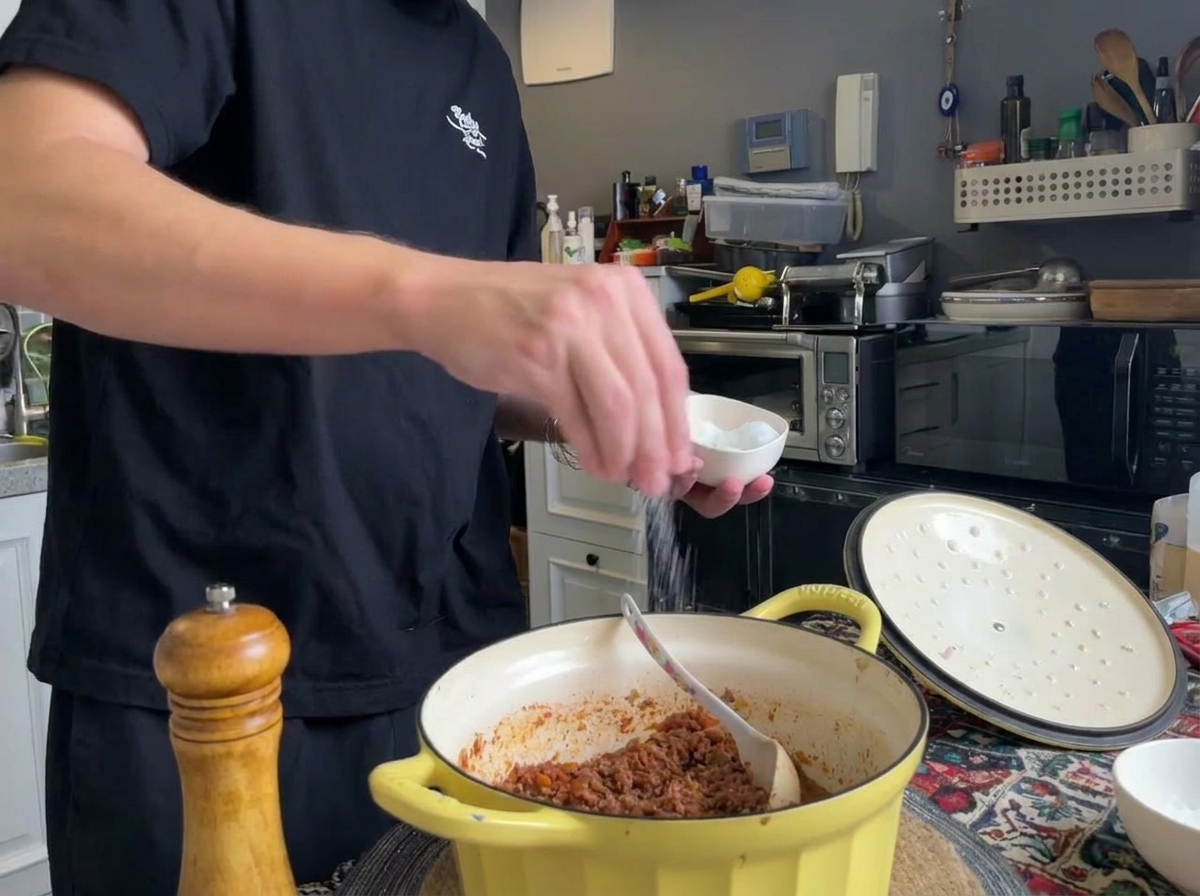
After adding the tomatoes, cover the pot and cook on the lowest heat for at least 2 hours, adding broth or water if it becomes too dry. Only once the simmer is complete, taste and adjust with salt and black pepper before serving.
Tip: Always season with salt and pepper at the very end to avoid over-salting as the sauce reduces.