Creamy Bacon Carbonara
Silky Egg Sauce
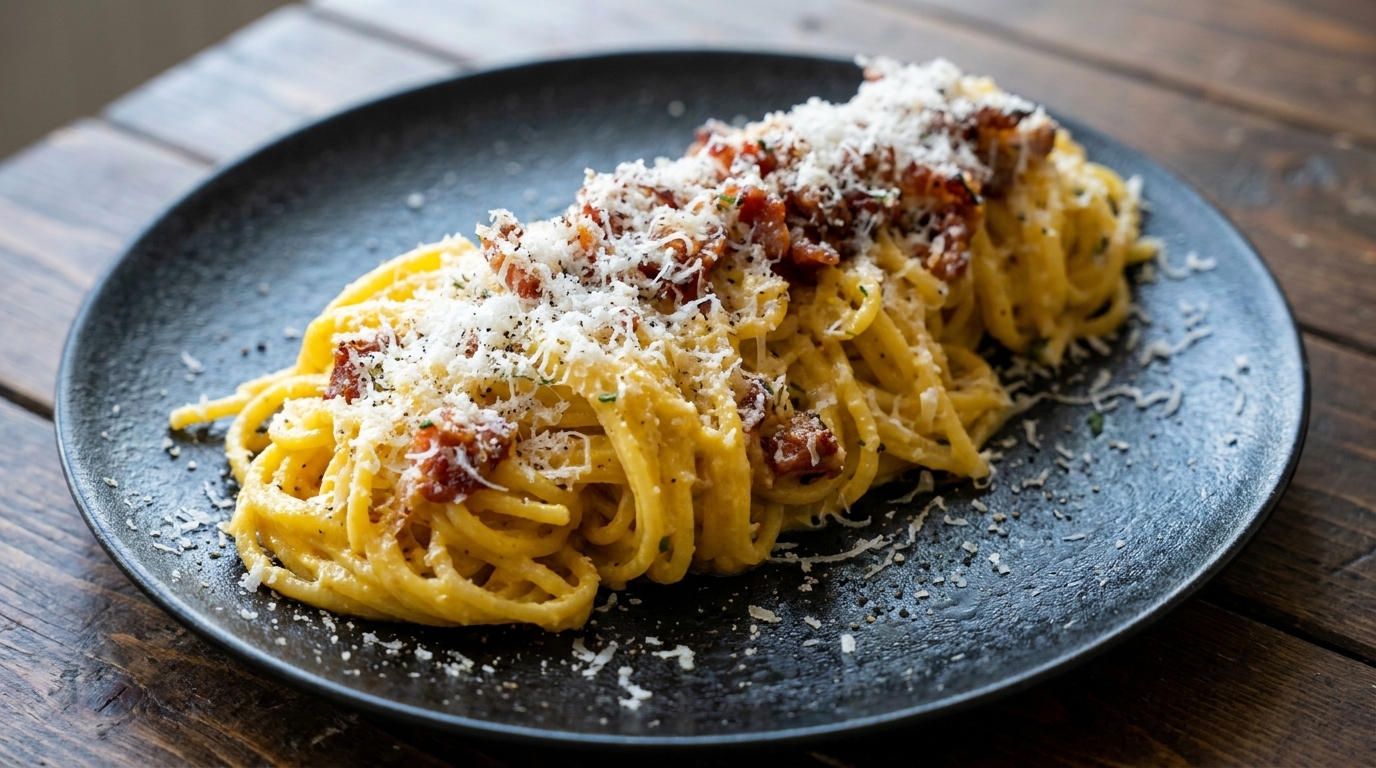
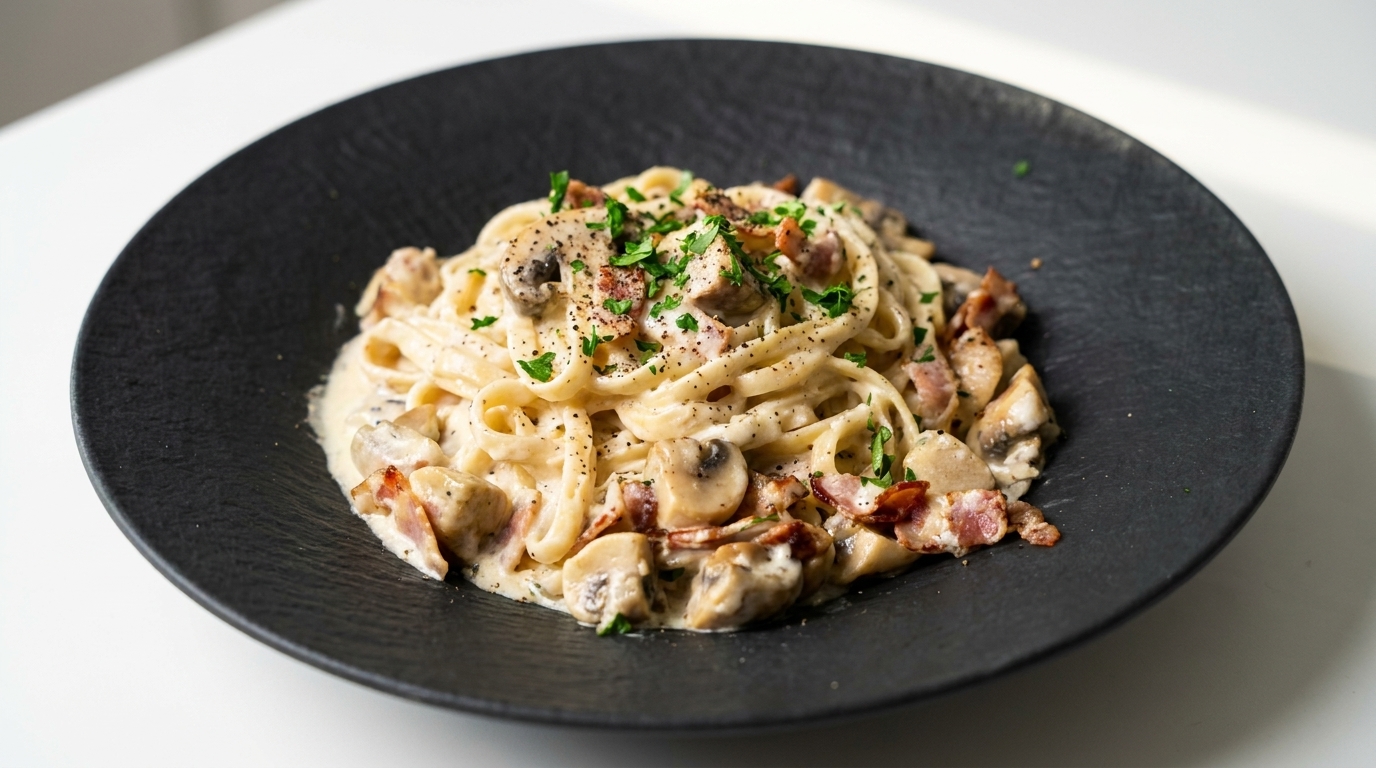
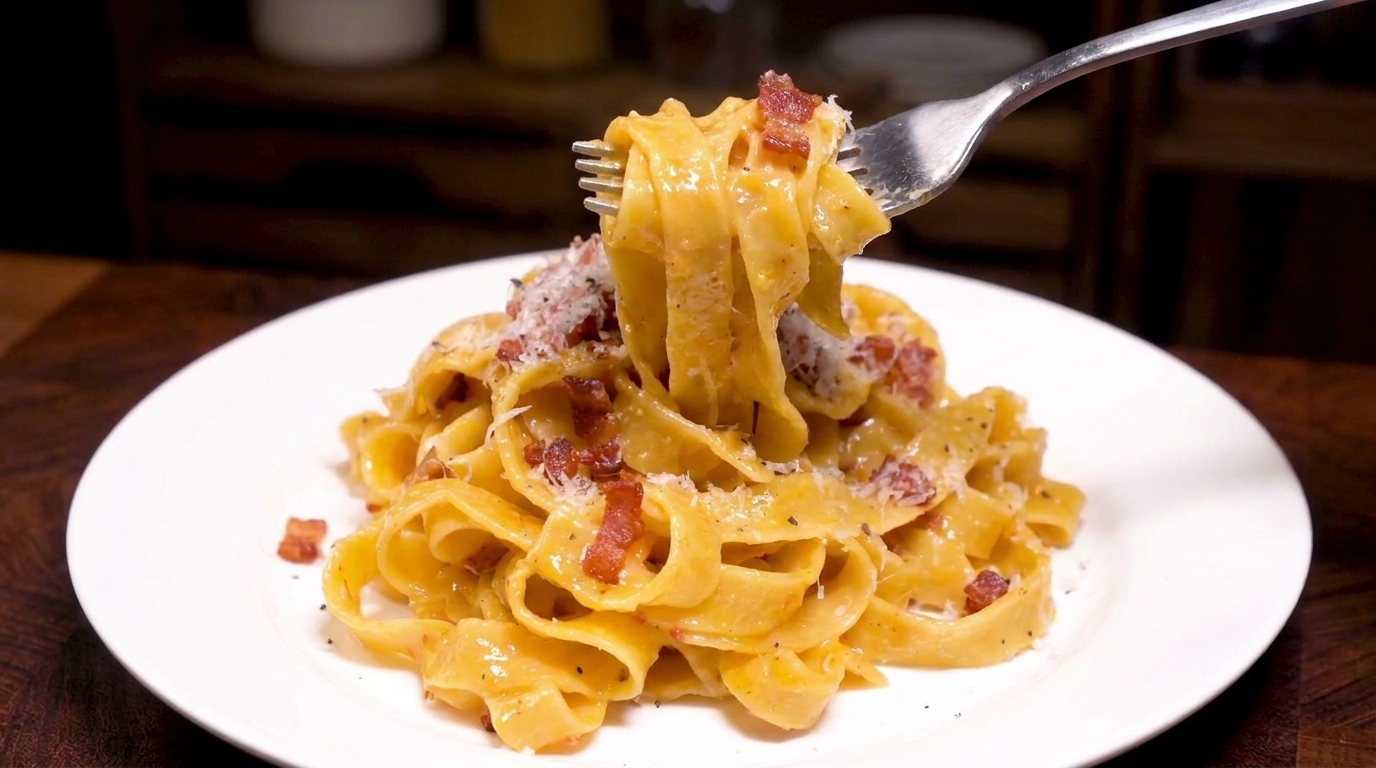
Master the art of the perfect Roman emulsion with this silky Bacon Carbonara, featuring rich egg yolks, salty Parmesan, and golden, crispy bacon bits.
While traditional carbonara uses guanciale, this bacon and Parmesan variation offers a more accessible way to achieve the same luxurious, velvety finish. The secret to success lies in using residual heat to create a thick, glossy sauce that coats every strand of pasta without ever scrambling the eggs.
Ingredients
- 400 g fettuccine pasta
- 150 g thick-cut bacon
- 3 large egg yolks
- 60 g Parmesan cheese, finely grated
- 12 tsp black pepper, freshly ground
- 1 tbsp sea salt
- 1 tbsp olive oil
- to taste extra Parmesan cheese
Instructions
- 1Prepare the egg yolks
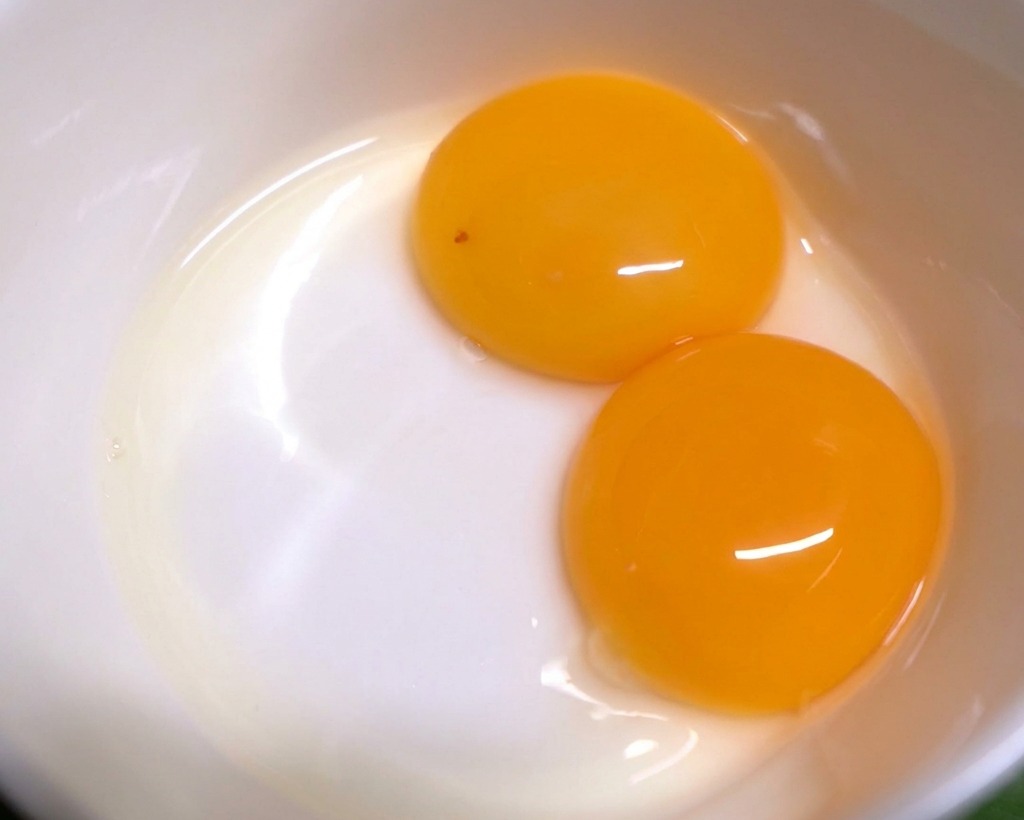
Carefully separate the egg yolks from the whites and place them into a clean white bowl. These yolks will form the rich, fatty base of your carbonara sauce, providing the signature creamy texture without the need for cream.
Tip: Use room-temperature eggs to help them emulsify more smoothly with the cheese later. - 2Add the Parmesan cheese
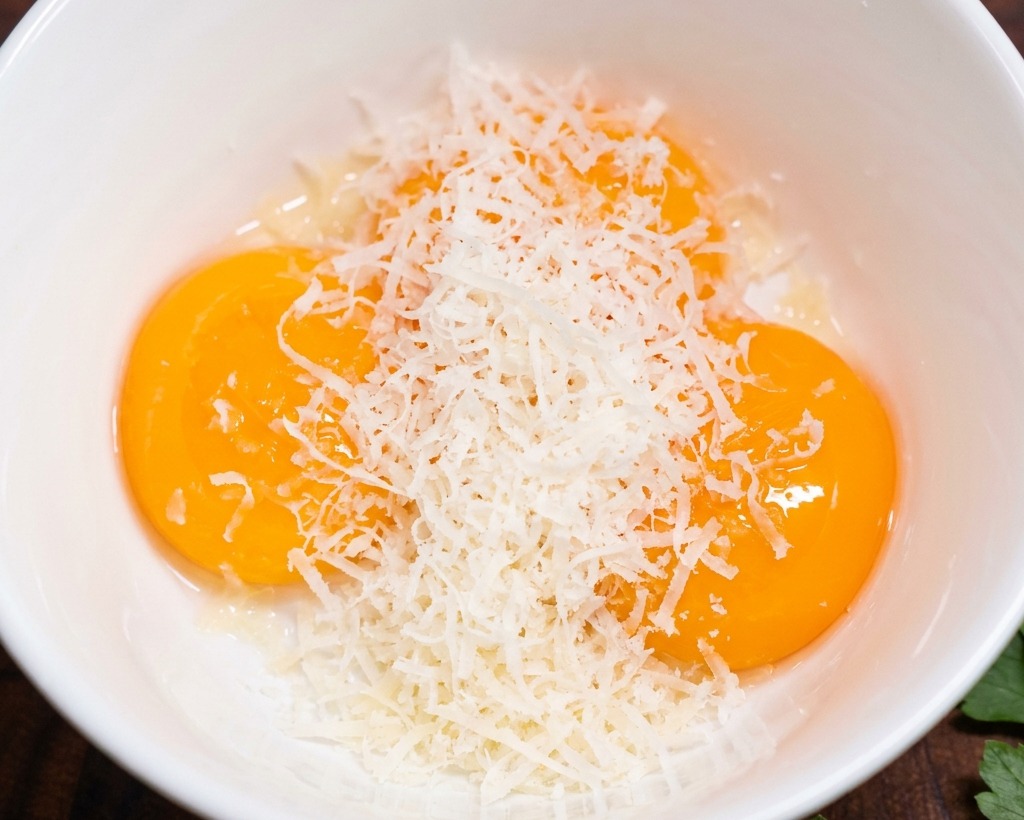
Grate a generous amount of fresh Parmesan cheese directly over the egg yolks. The saltiness and umami of the cheese are essential for flavoring the sauce and helping it thicken as it coats the hot pasta.
Tip: For the best results, use a high-quality wedge of Parmesan and grate it finely so it melts evenly. - 3Whisk the eggs and cheese
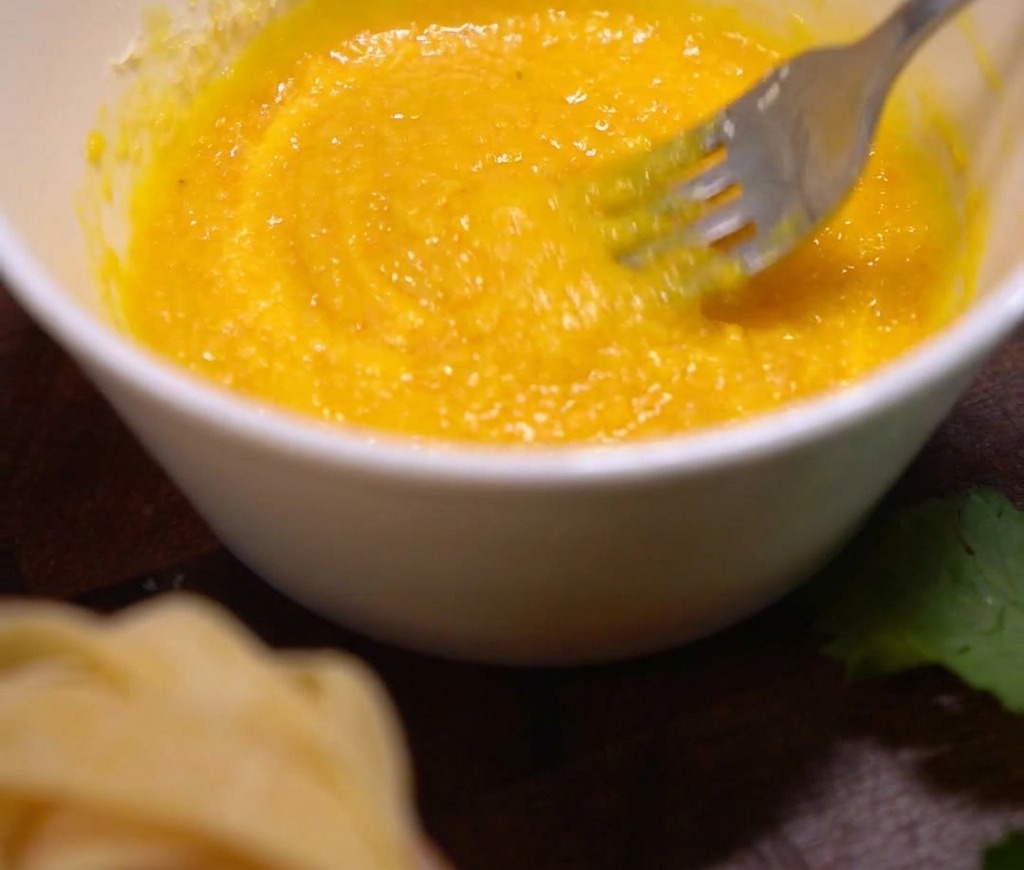
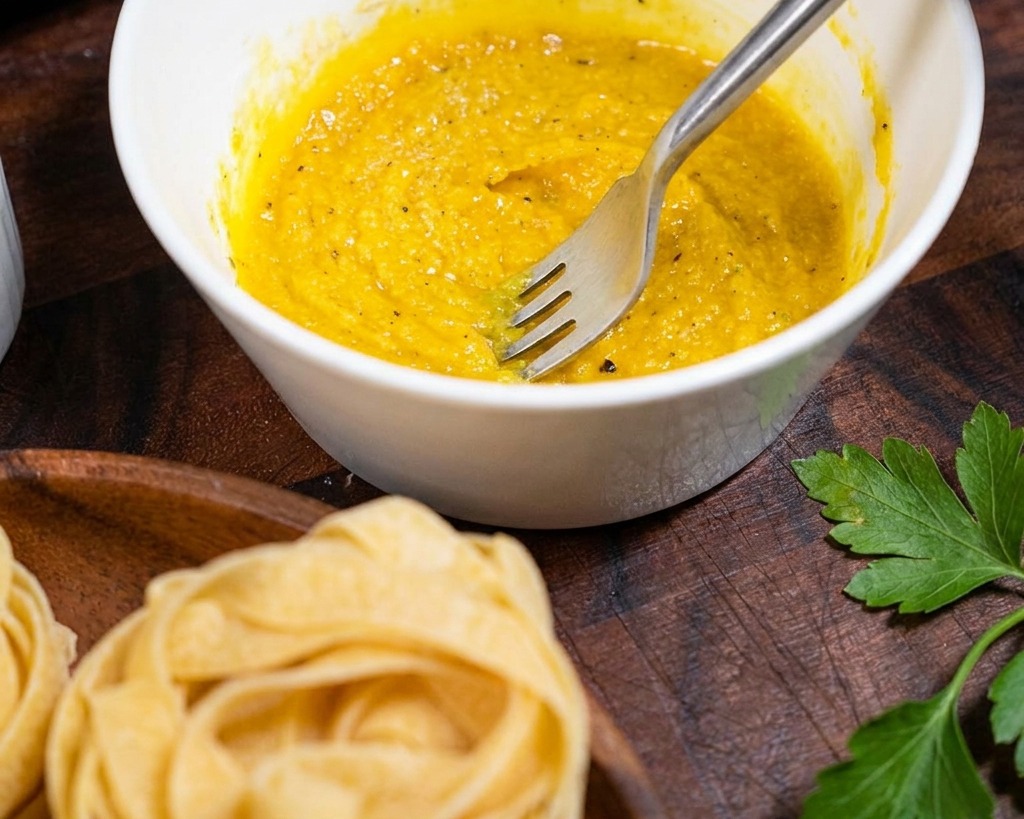
Place the egg yolks and freshly grated Parmesan cheese into a bowl. Use a fork to whisk them together until the mixture is uniform and smooth. Stir in a pinch of black pepper and set the mixture aside while you prepare the other ingredients.
Tip: For the smoothest sauce, ensure your cheese is very finely grated so it melts quickly into the eggs. - 4Season with black pepper
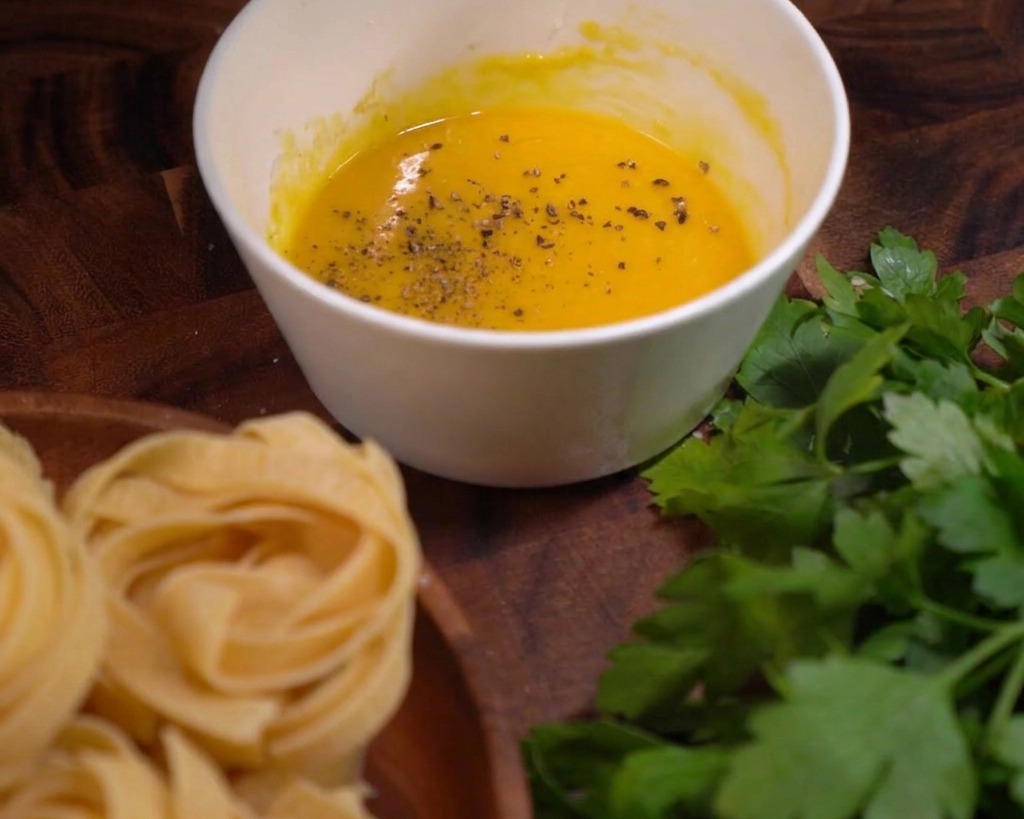
Add a good amount of freshly ground black pepper to the egg and cheese mixture. The pepper provides a sharp contrast to the rich dairy, adding depth and a subtle spicy kick to every bite.
Tip: Freshly cracked pepper is much more fragrant and flavorful than pre-ground pepper in this dish. - 5Slice the bacon
Place the thick cut bacon on a wooden cutting board and slice it into small even rectangular pieces. Uniform slicing ensures that every piece browns evenly and provides a consistent crunch in the finished dish.
Tip: Chilling the bacon in the freezer for ten minutes before slicing makes it much easier to cut clean even pieces. - 6Fry the bacon bits
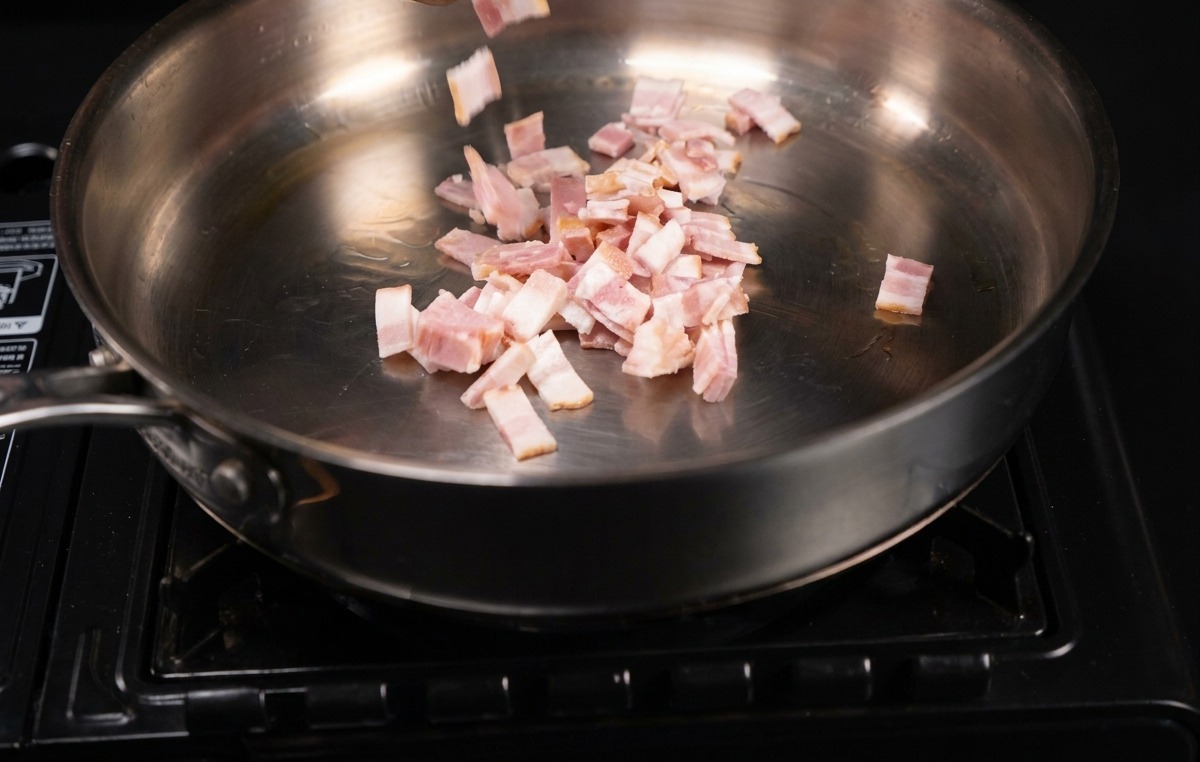
Add the diced bacon to a stainless steel pan over medium heat. Fry the pieces until they become crispy and golden brown, allowing the fat to render out completely to provide flavor for the pasta.
Tip: Start the bacon in a cold pan and gradually increase the heat to render the fat more effectively without burning the meat. - 7Crisp the bacon
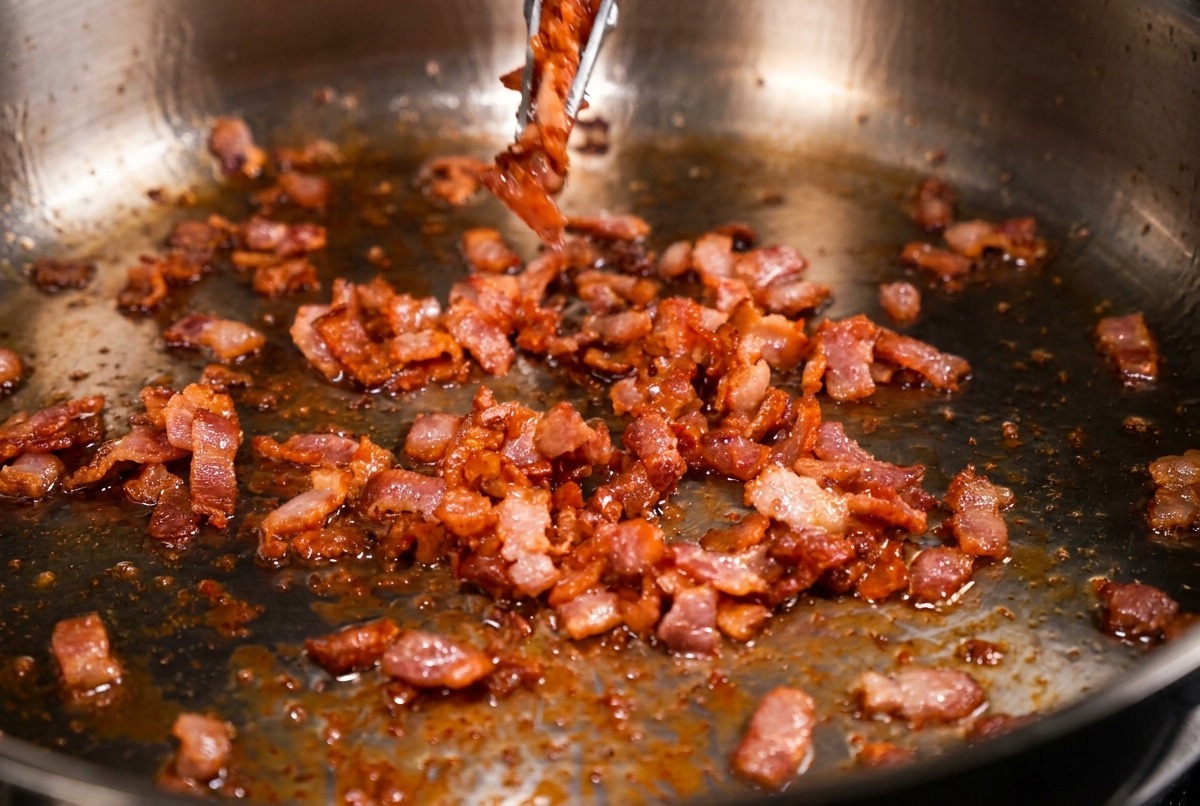
Fry the diced bacon in a pan until it is deeply browned and crispy. Use tongs to remove a portion of the crispy bits from the rendered fat and set them aside. These will be used later as a crunchy garnish for the finished dish.
Tip: Keep the rendered bacon fat in the pan; it provides the flavorful base for the final pasta sauce. - 8Season the pasta water
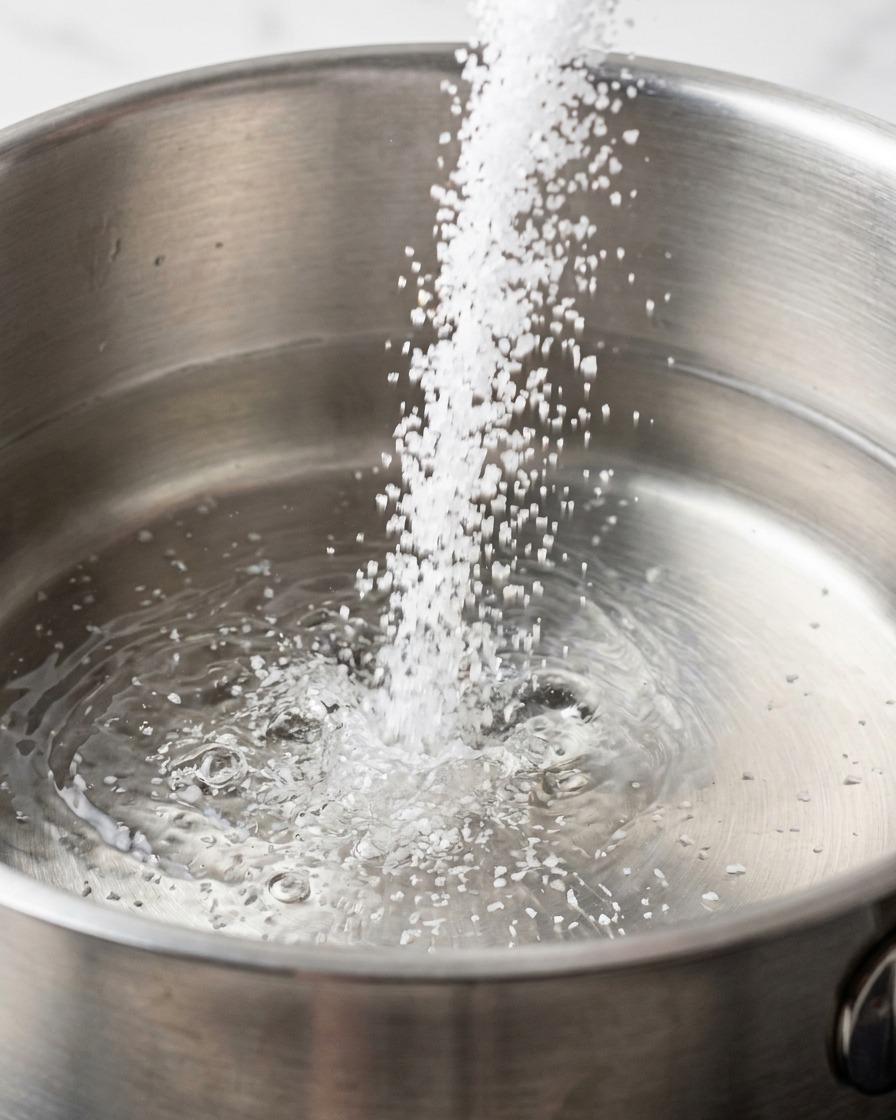
Bring a large pot of water to a rolling boil and add a generous amount of sea salt. This is the only chance to season the pasta itself as it absorbs the water, so dont be shy with the salt.
Tip: The water should be salty like the sea to ensure the fettuccine isnt bland. - 9Add olive oil
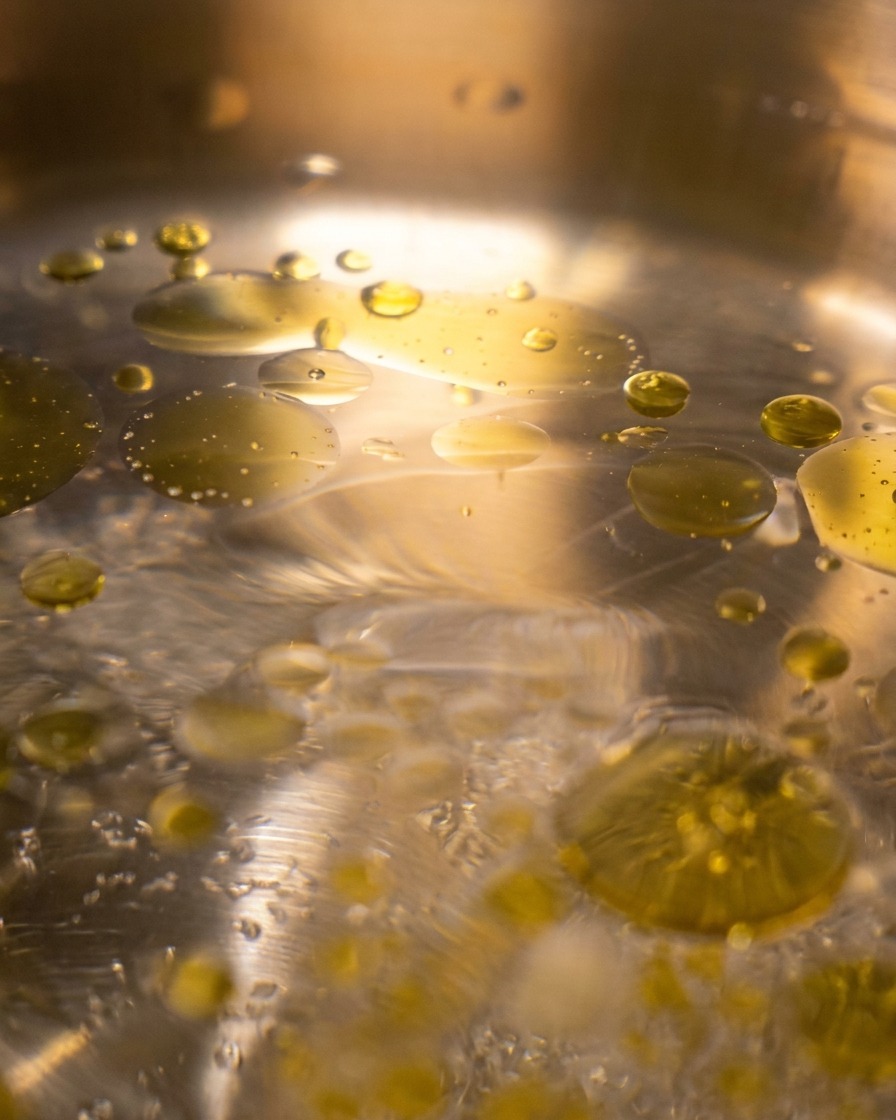
Drizzle a small amount of olive oil into the boiling water. This helps to reduce surface tension and can assist in keeping the long pasta strands from sticking together as they begin to soften.
Tip: Stir the water immediately after adding the oil to disperse the droplets evenly. - 10Boil the fettuccine
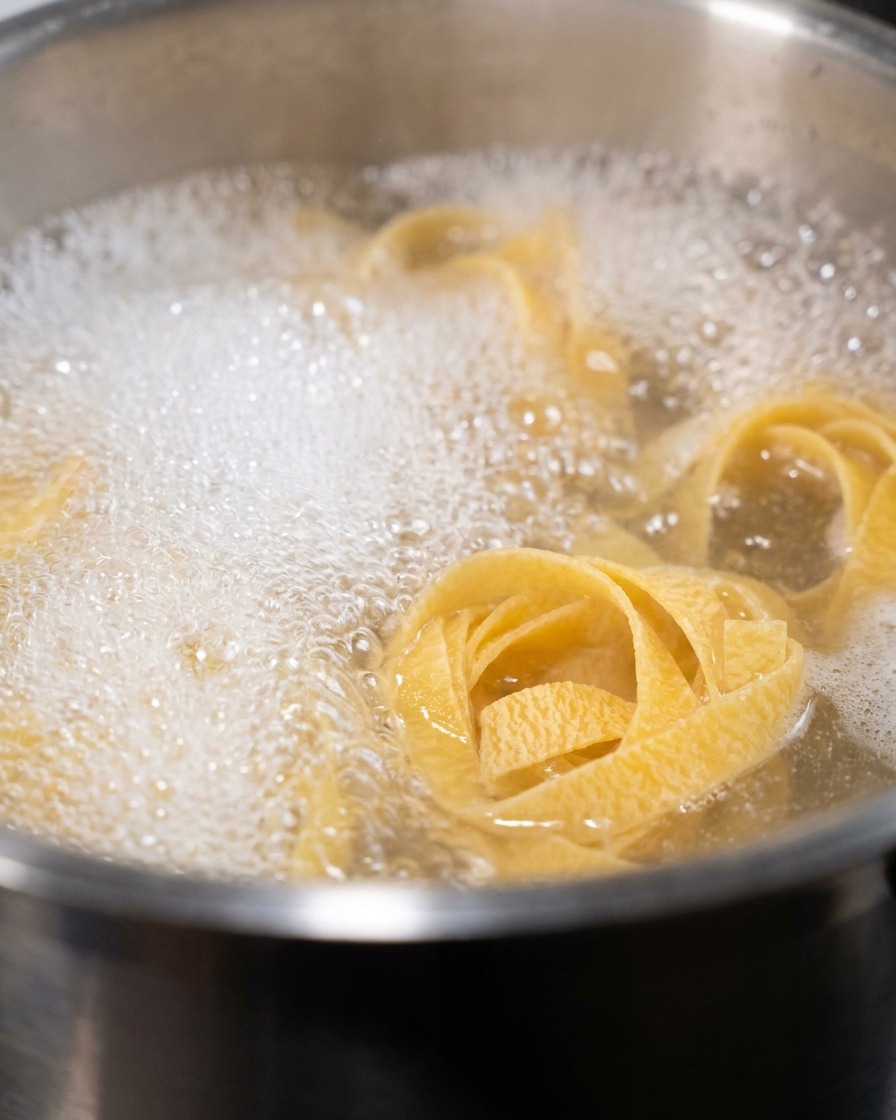
Carefully add the nests of dry fettuccine to the boiling water. Cook the pasta for approximately 9 minutes. You want the texture to be al dente—soft enough to eat but still retaining a slight firmness in the center.
Tip: Avoid overcooking the pasta at this stage, as it will continue to cook slightly when tossed in the pan with the sauce. - 11Drain the pasta
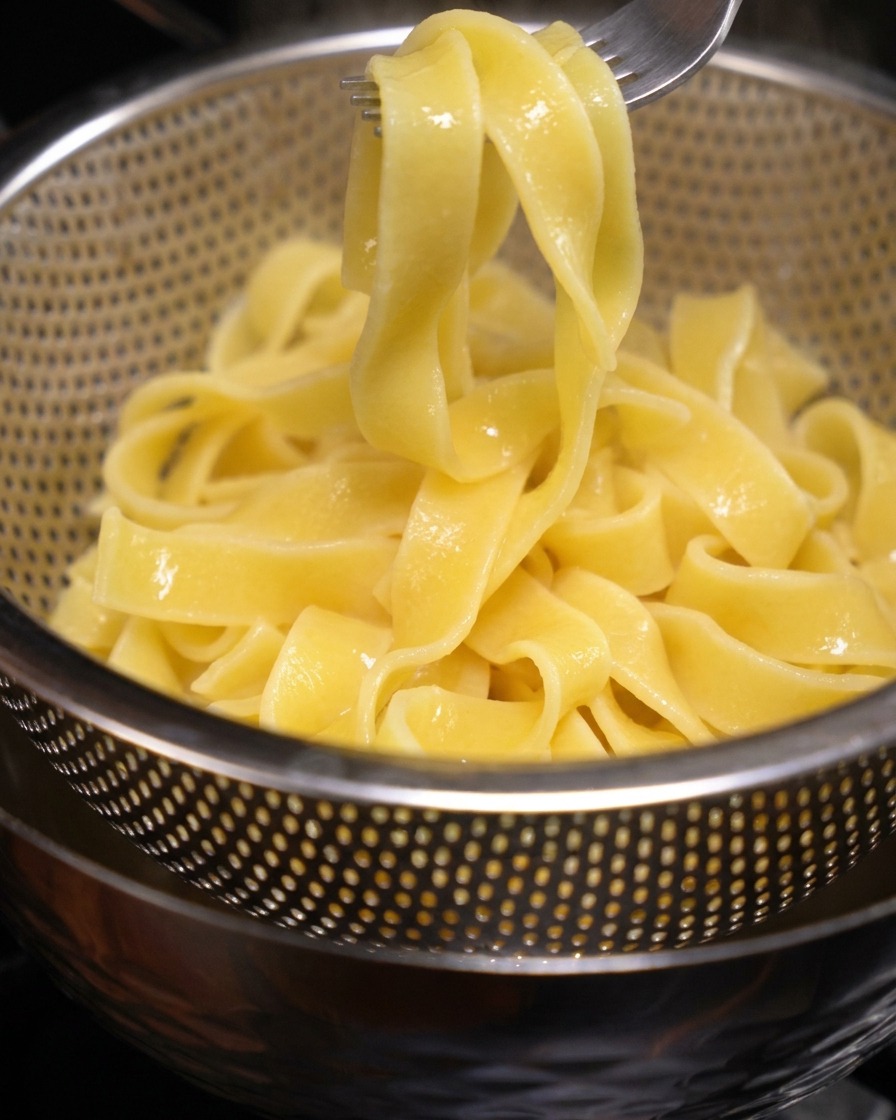
Once the pasta is cooked, pour it into a metal colander to drain. Ensure most of the water is removed, but work quickly so the pasta remains hot enough to cook the egg mixture in the final step.
Tip: Reserve a small amount of the starchy pasta water before draining; its the secret to getting a creamy, emulsified sauce. - 12Combine pasta and bacon
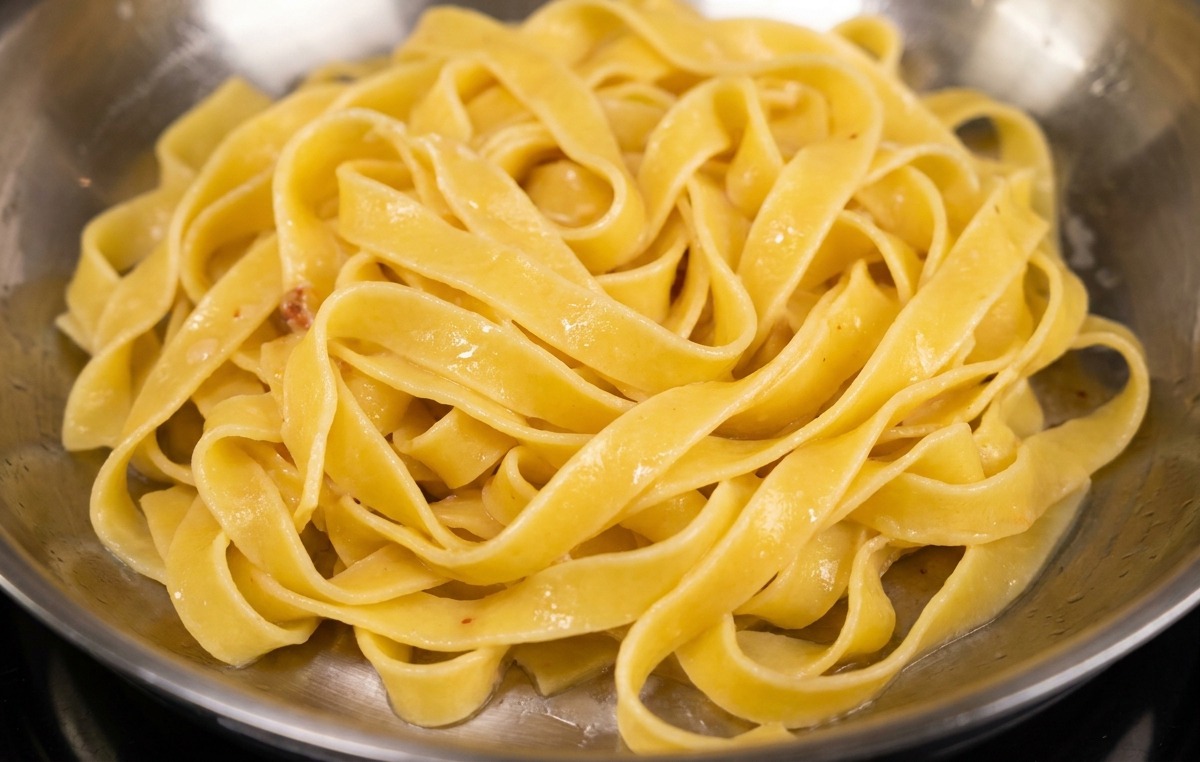
Transfer the al dente pasta directly from the boiling water into the skillet with the rendered bacon fat and crispy bits. Toss the noodles briefly over low heat to ensure they are evenly coated in the flavorful fat, which provides a base for the sauce to adhere to.
Tip: Dont rinse the pasta! The surface starch is essential for helping the egg and cheese sauce emulsify and stick to the noodles. - 13Add the egg mixture
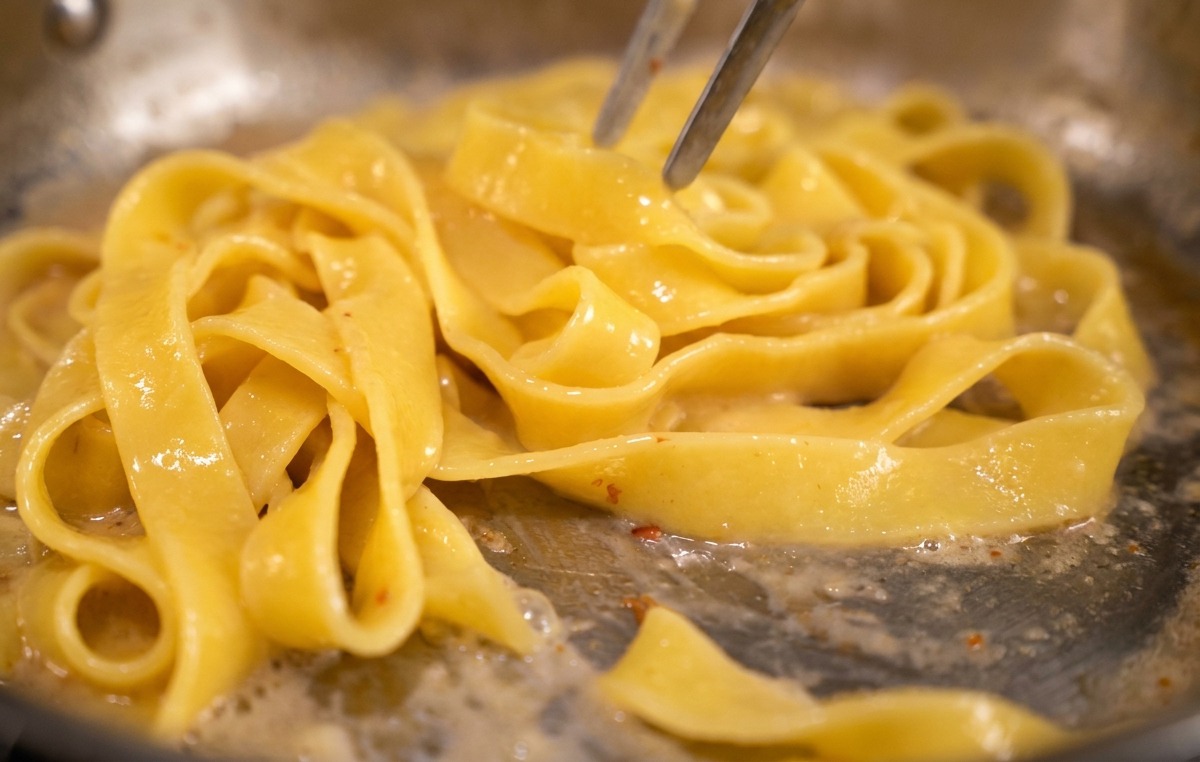
Ensure the heat is turned off. Pour the prepared egg and cheese mixture over the hot pasta and bacon. The residual heat from the noodles is enough to cook the eggs into a safe, creamy sauce without turning them into solid bits.
Tip: If the sauce looks like it might scramble, remove the pan from the stove entirely while tossing to better control the temperature. - 14Toss to emulsify
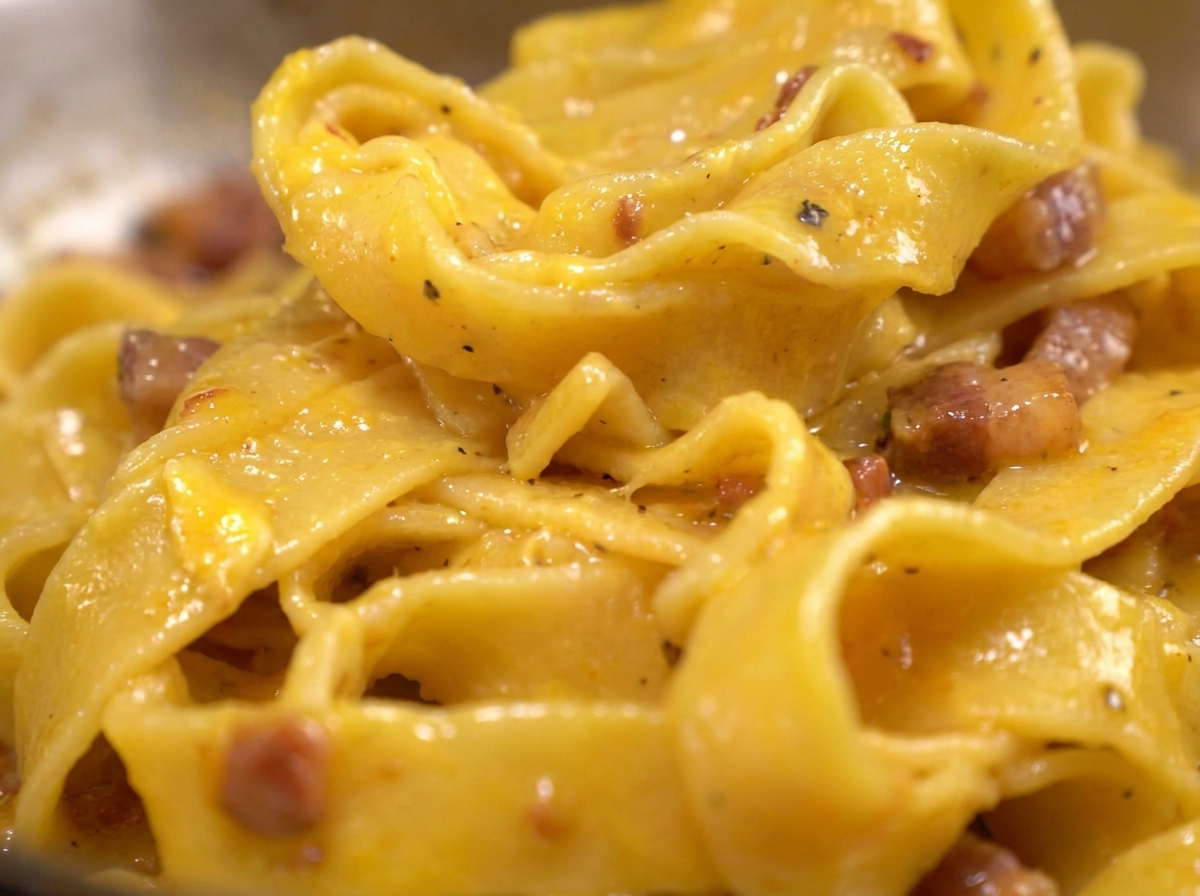
Using tongs, quickly toss the pasta in the pan. The constant motion helps the egg, cheese, and starchy pasta water emulsify into a rich, velvety coating that clings to every ribbon of fettuccine. Serve immediately while hot and glossy.
Tip: Work fast! Constant motion ensures the eggs transform into a smooth cream rather than scrambling. If the sauce thickens too much, add a tiny splash of pasta water to loosen it.