Authentic Spaghetti alla Carbonara
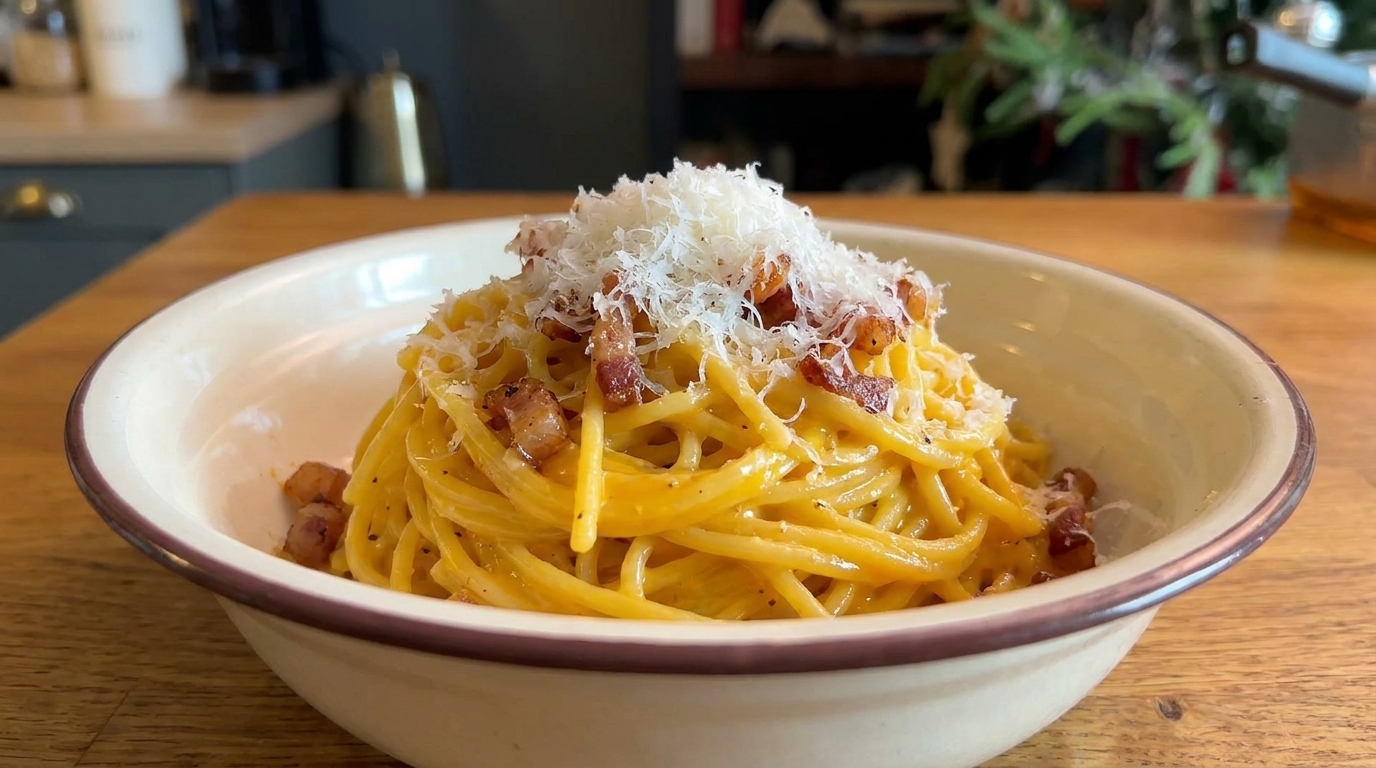
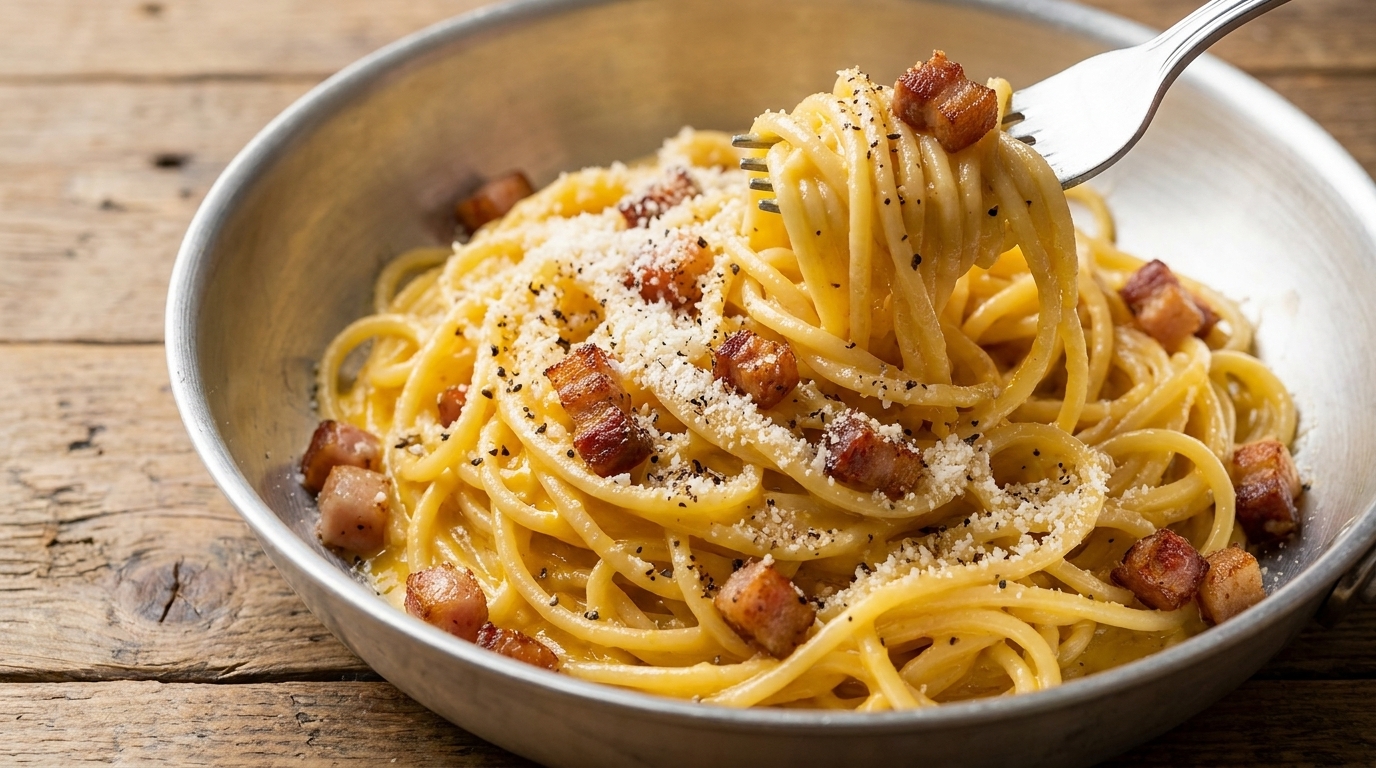
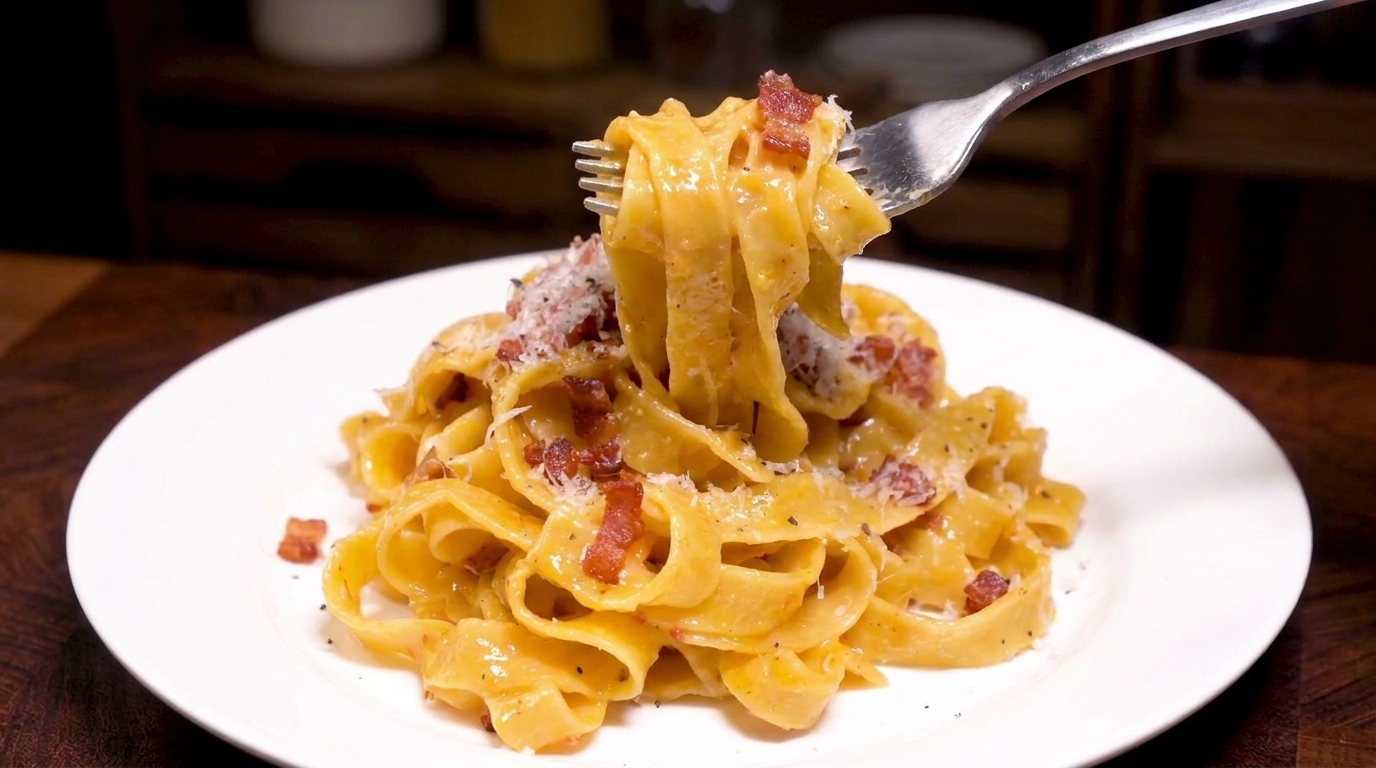
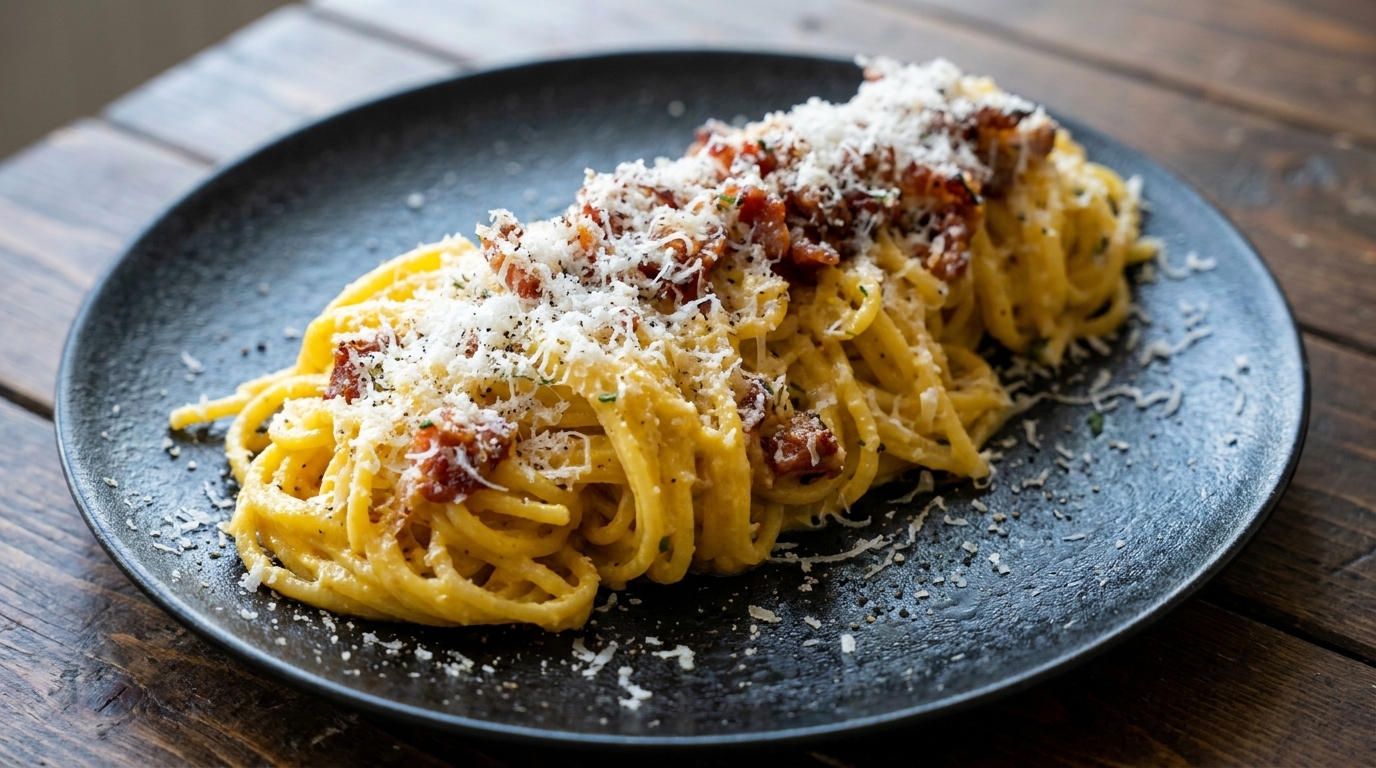
A Roman classic perfected through technique: silky egg yolk sauce, sharp Parmesan, and crispy bacon emulsified into a luscious, pepper-flecked masterpiece.
Spaghetti alla Carbonara is a masterclass in Italian simplicity, relying on the magic of residual heat rather than heavy cream. This version uses a foolproof water bath technique to ensure the egg yolks transform into a velvety glaze that perfectly coats every strand. It is the ultimate comfort food—rich, savory, and ready in just minutes.
Ingredients
- 400 g spaghetti
- 150 g bacon
- 5 large egg yolks
- 100 g Parmesan cheese
- 1 tbsp olive oil
- to taste salt
- to taste freshly cracked black pepper
- optional chopped parsley
Instructions
- 1Prepare the pasta water
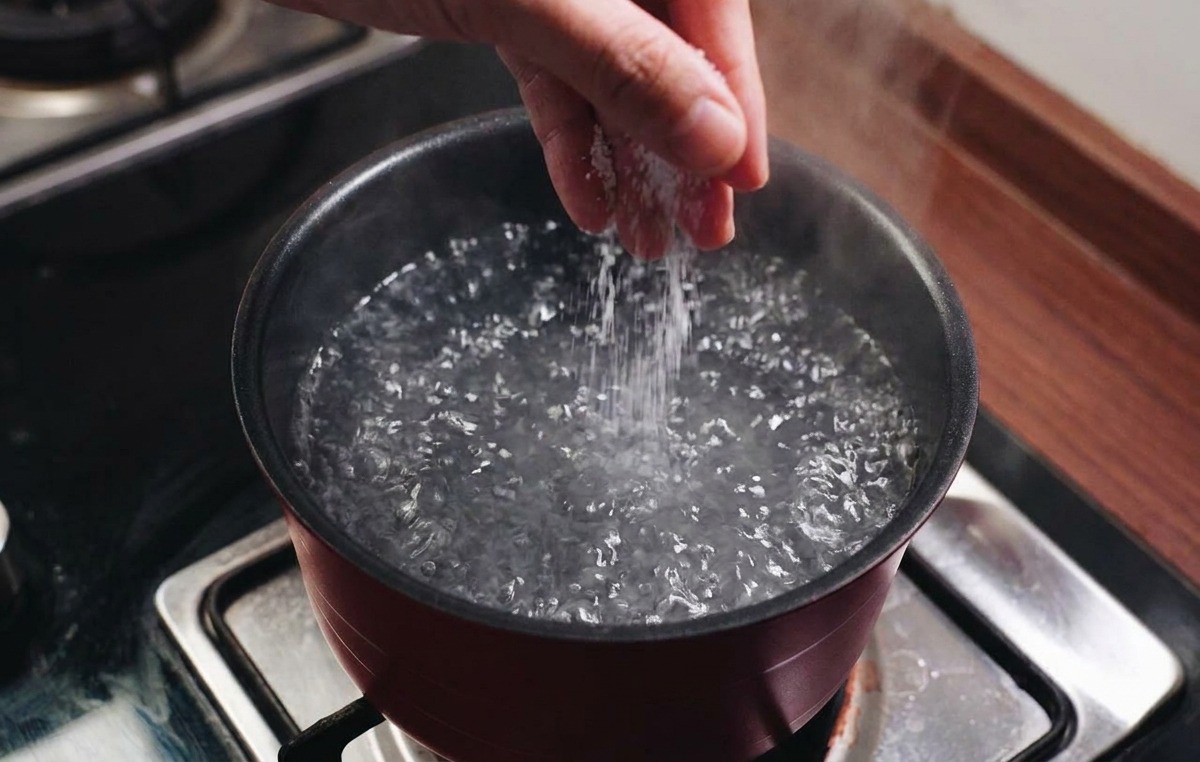
Bring a large pot of water to a boil and season it generously with salt and a splash of olive oil. The salt is essential for flavoring the pasta from the inside out.
Tip: The water should be as salty as the sea; this is your only chance to flavor the pasta itself. - 2Cook the spaghetti
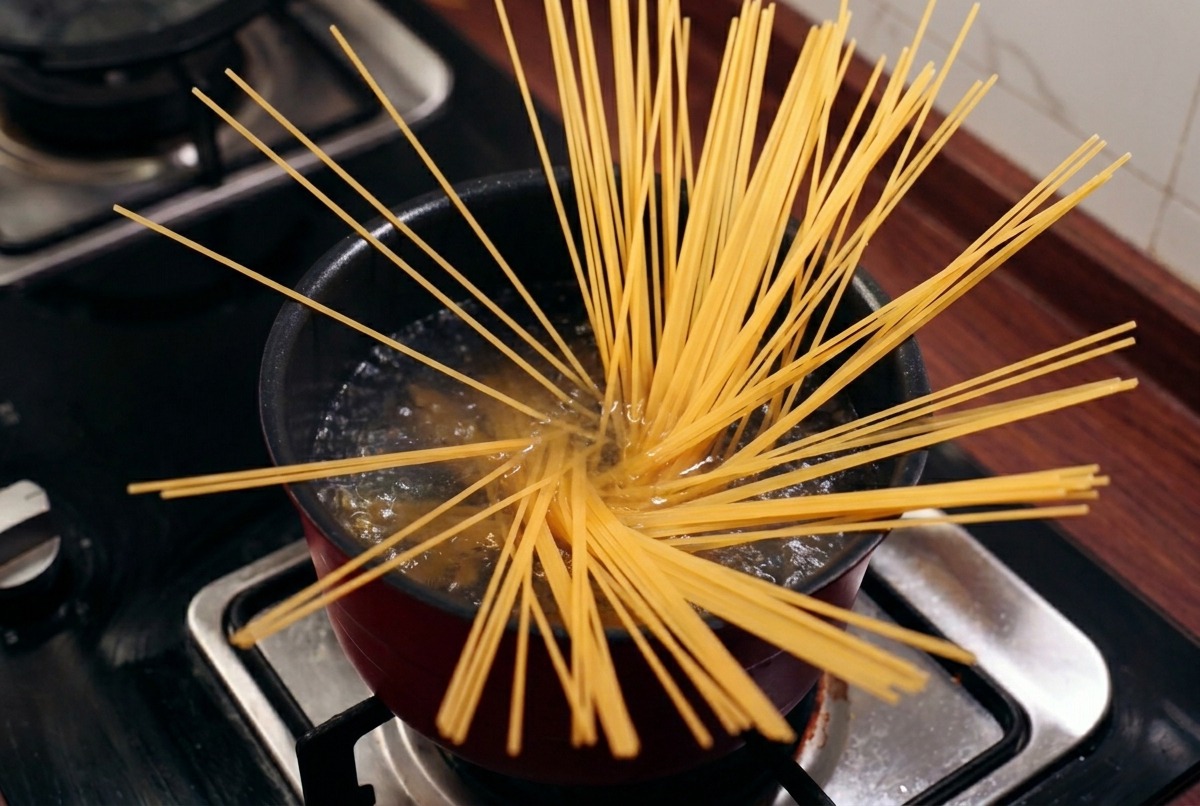
Add the dry spaghetti strands to the boiling water, fanning them out to ensure they dont clump. Once the submerged ends soften, gently push the rest of the pasta down until it is completely covered. Cook the pasta according to the package instructions until it reaches an al dente texture.
Tip: Stir the pasta occasionally during the first two minutes of cooking to ensure the strands stay separate. - 3Slice the bacon
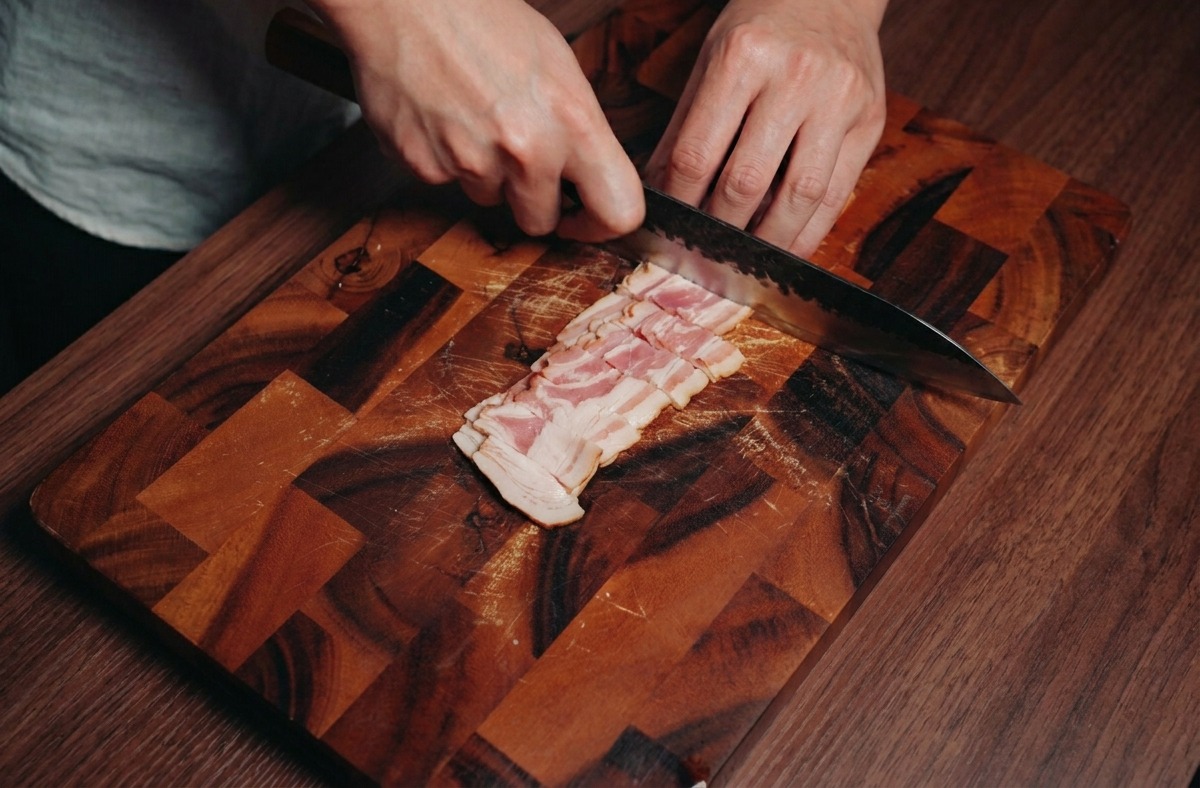
While the pasta cooks, slice your bacon into small, uniform pieces. Using uniform cuts ensures the bacon crisps up evenly in the pan.
Tip: If the bacon is too soft to cut easily, place it in the freezer for 10 minutes to firm it up. - 4Crisp the bacon
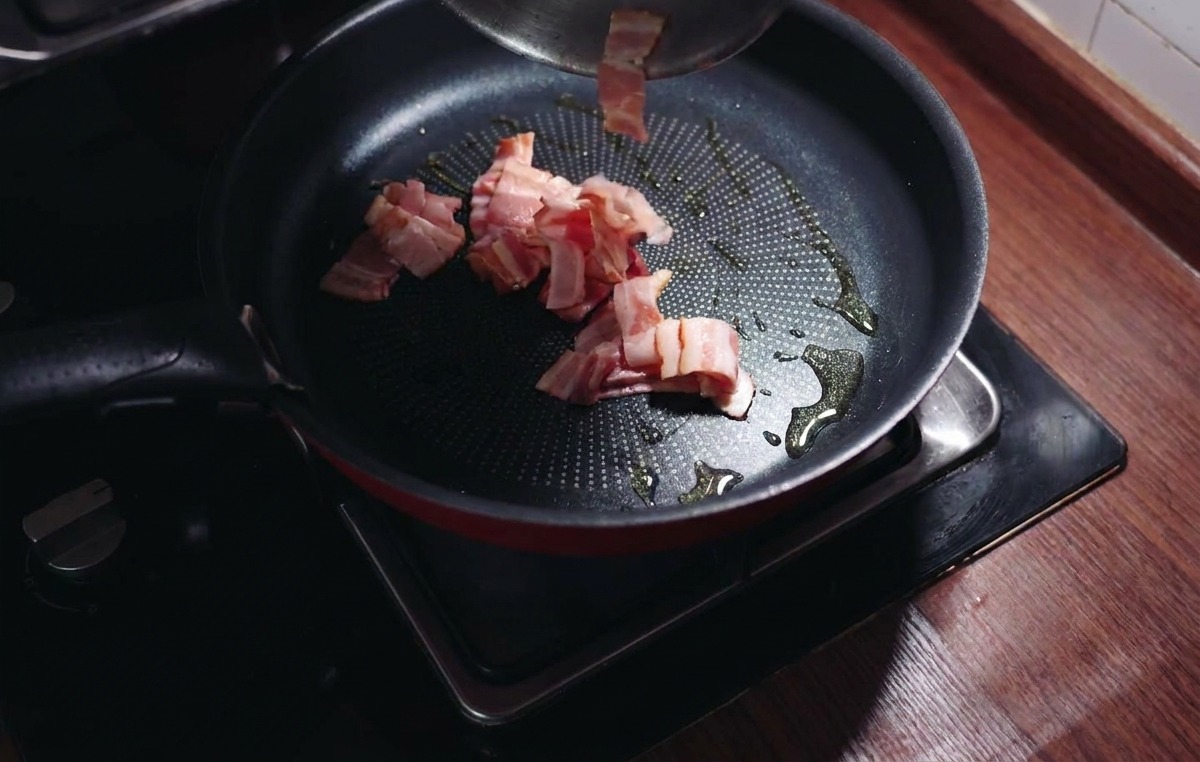
Heat a small amount of olive oil in a pan over low heat and add the bacon pieces. Fry them slowly, allowing the fat to render out completely. Continue cooking until the bacon pieces are deeply browned and have achieved a crispy texture.
Tip: Low heat is essential here to prevent the bacon bits from burning before the fat has a chance to fully render. - 5Separate bacon and fat
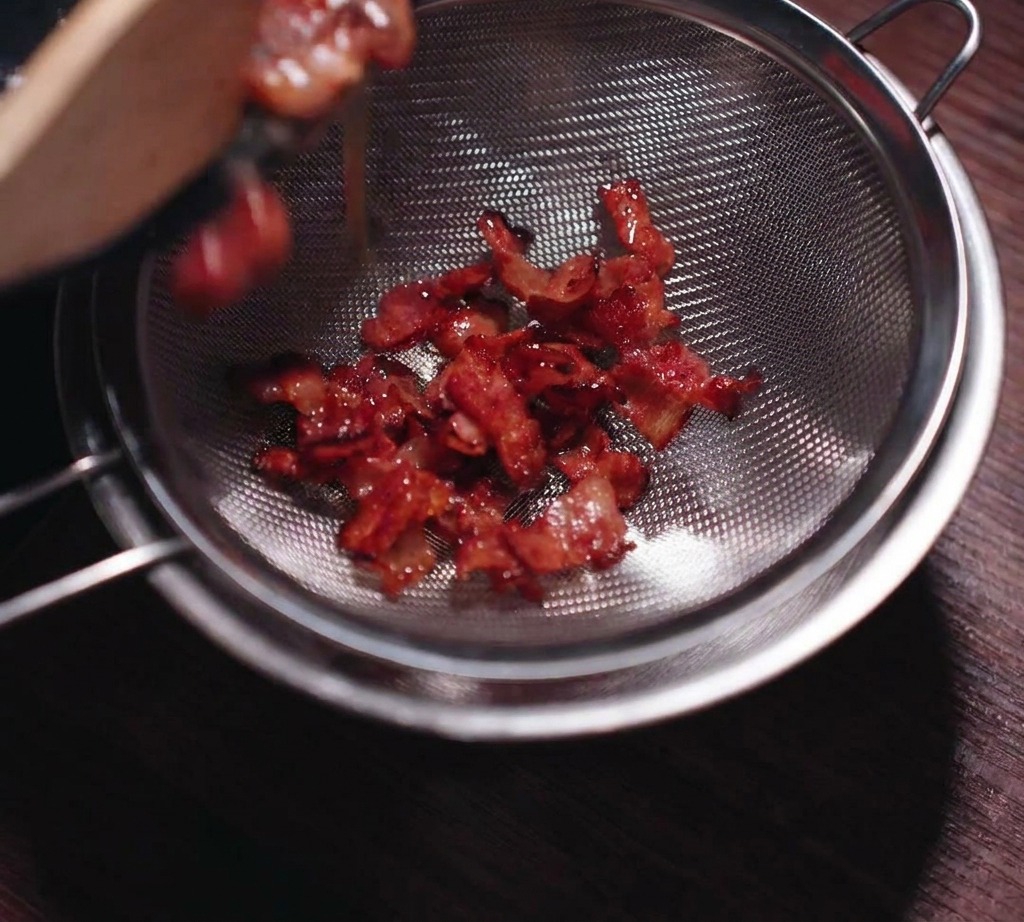
Once the bacon is crispy, pour the contents of the pan through a metal mesh strainer. Reserve both the crispy bacon bits and the rendered fat. The flavorful bacon grease is a key ingredient that will be added back into the sauce later for extra richness.
Tip: Keep the rendered fat warm; if it cools too much, it will solidify and be harder to mix into the egg sauce. - 6Separate the egg yolks
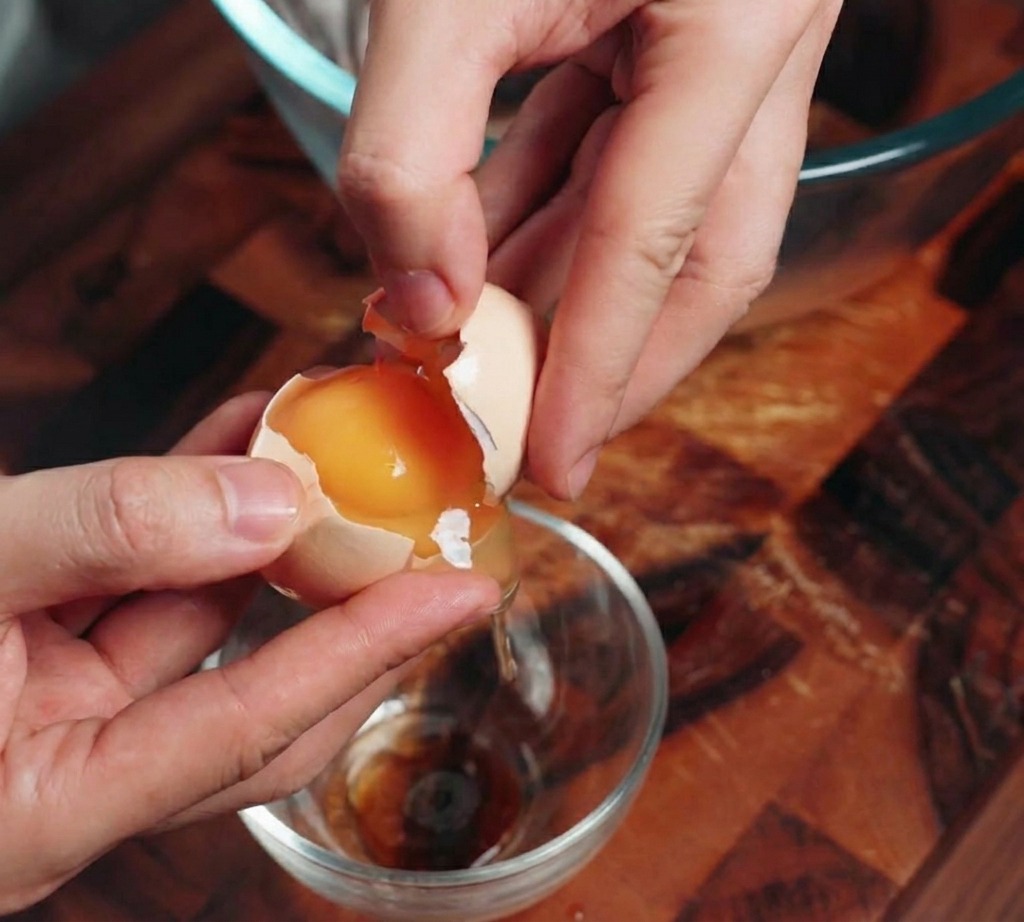
For a truly velvety sauce, use only the yolks. Carefully separate them from the whites, ensuring no shell or white remains, as this contributes to the signature golden color.
Tip: Ensure your eggs are at room temperature to prevent the sauce from clumping when it hits the warm pasta. - 7Grate the Parmesan cheese
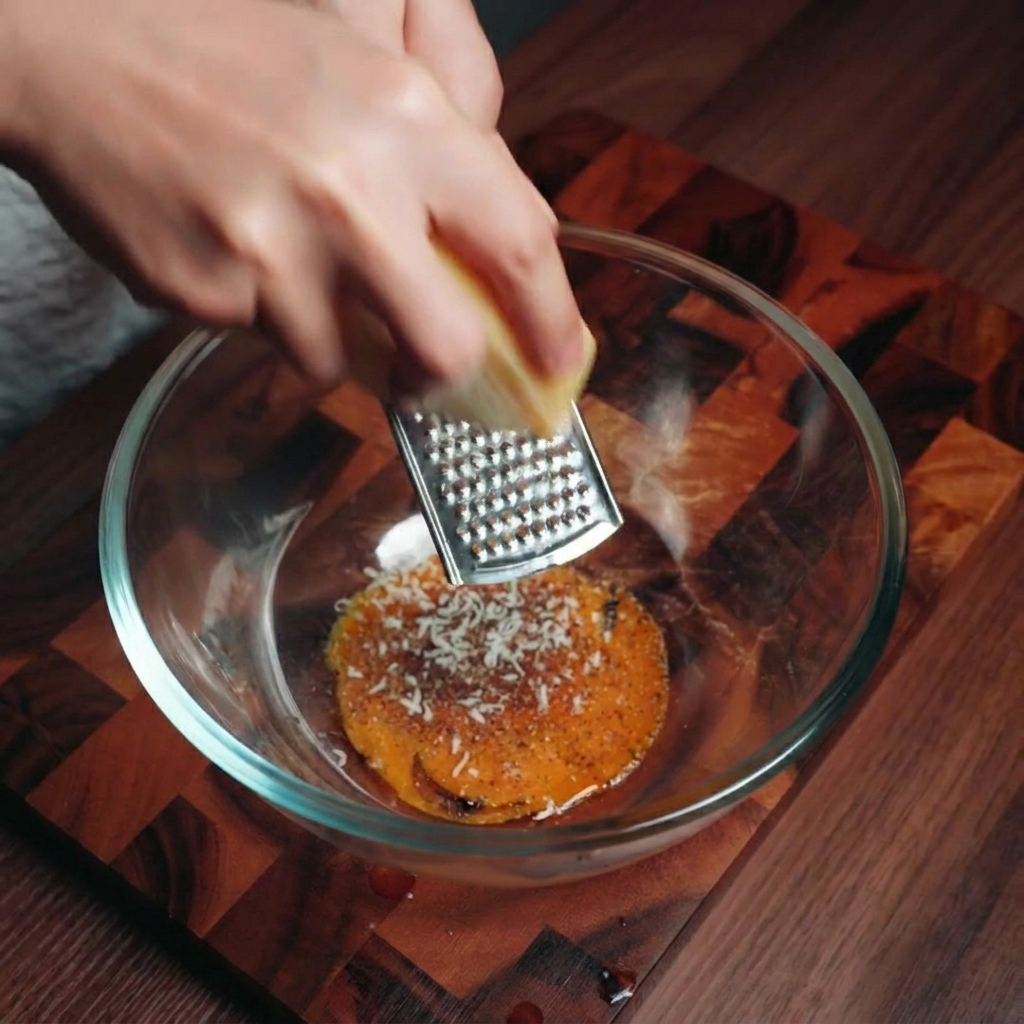
Grate a generous amount of fresh Parmesan cheese directly into the glass bowl containing the egg yolks and cracked black pepper. The cheese provides the necessary saltiness and creates the thick, savory base that characterizes a traditional carbonara.
Tip: For the most authentic flavor, use a block of Parmesan or Pecorino Romano and grate it yourself rather than using pre-shredded varieties. - 8Reserve the pasta water
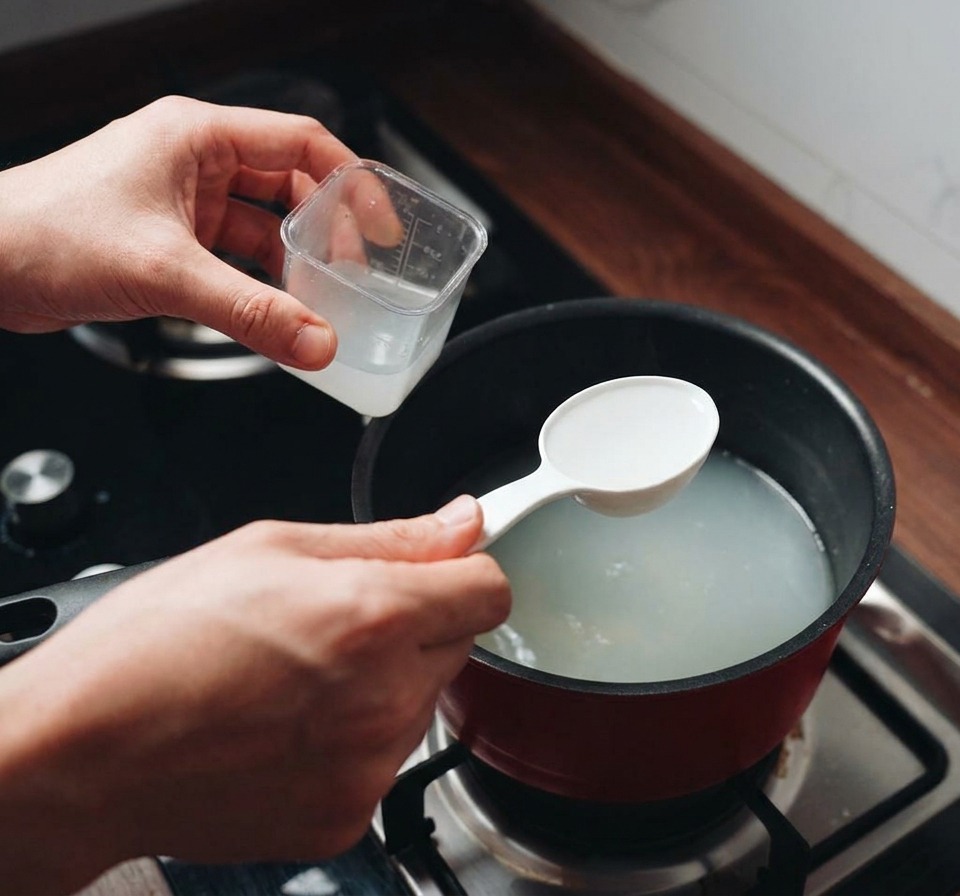
Just before the pasta finishes cooking, carefully scoop out a cup of the starchy cooking water from the pot. This water is the secret to a silky sauce, as the starch helps the egg and cheese mixture emulsify and stick to the noodles.
Tip: Always save more water than you think you need; its better to have extra than to have a dry, clumpy pasta. - 9Add the bacon grease
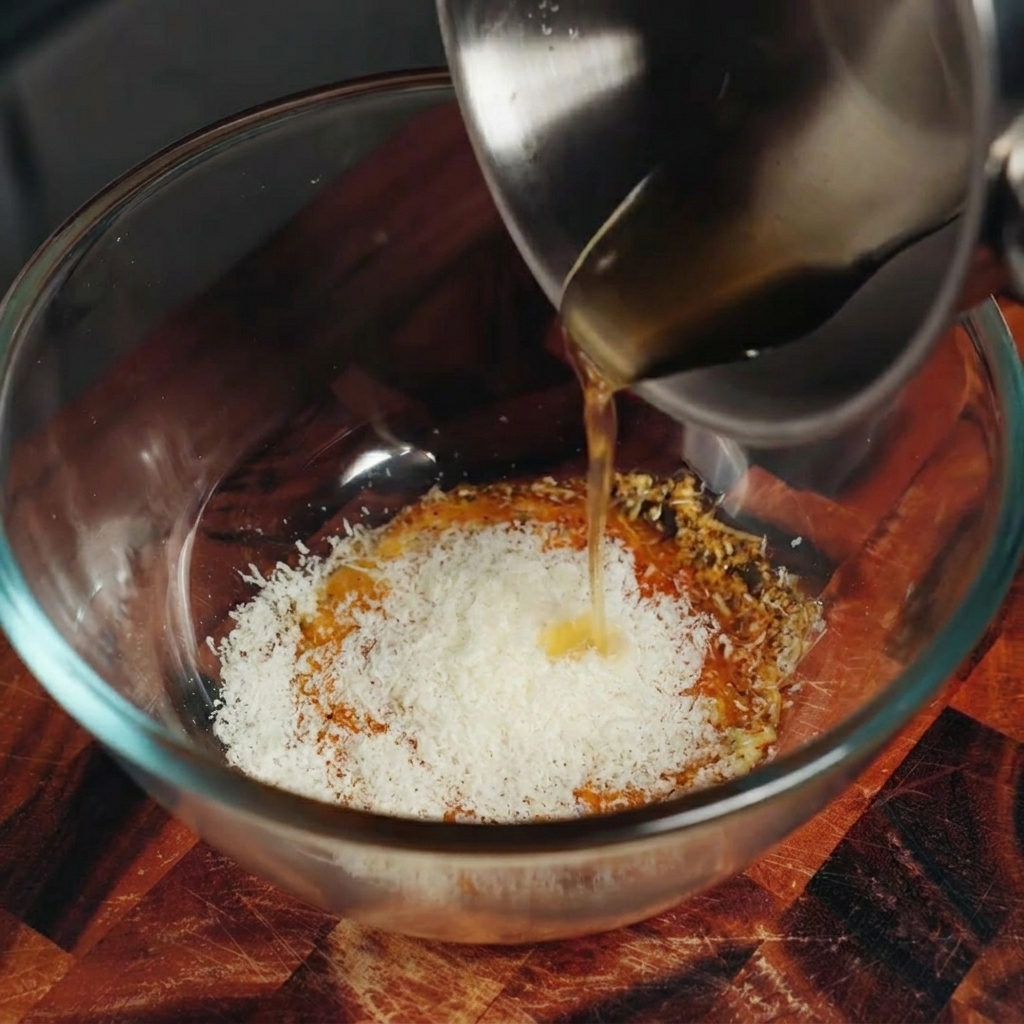
Pour the warm grease saved from frying the bacon into the bowl with the egg yolks and cheese. This liquid fat adds a deep, smoky richness to the sauce and ensures every strand of pasta is coated in flavor.
Tip: Make sure the fat is warm but not sizzling hot to prevent the egg yolks from scrambling instantly. - 10Emulsify the sauce
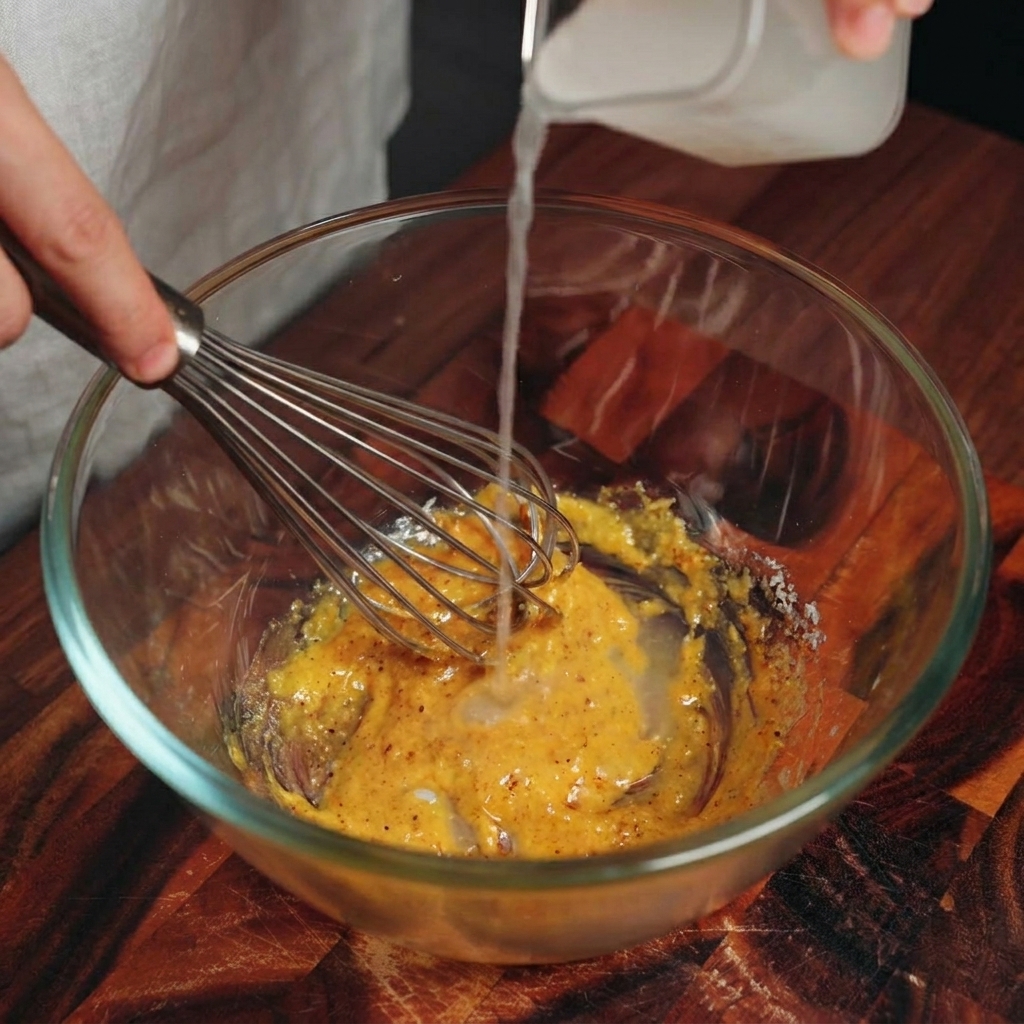
Slowly drizzle in a small amount of the reserved pasta water while whisking the egg yolk and cheese mixture continuously. Continue stirring until the ingredients combine into a smooth, thick, and creamy sauce consistency.
Tip: Whisking vigorously while adding the water helps create a stable emulsion that wont separate when added to the heat. - 11Warm the sauce gently
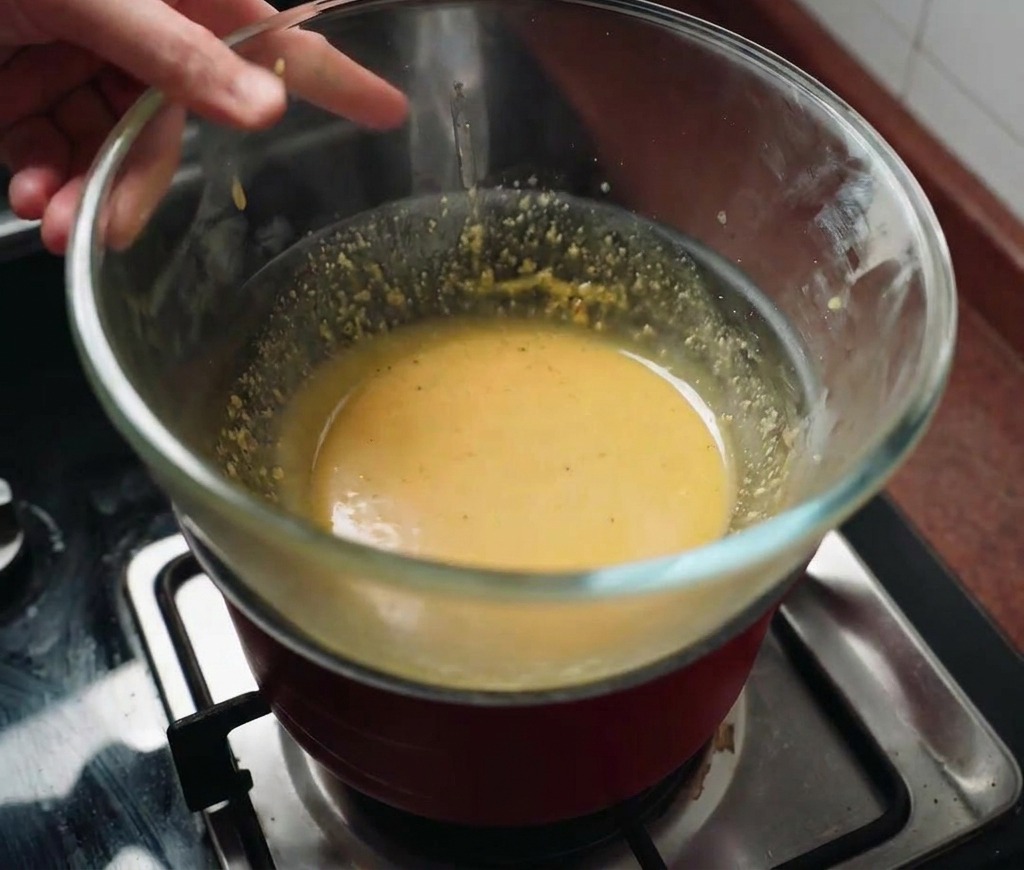
Place the glass bowl containing the sauce mixture over the pot of hot pasta water. This water bath method uses gentle steam to warm the sauce to the perfect temperature, preventing the eggs from overcooking while keeping the sauce fluid.
Tip: The bowl should sit on the rim of the pot without the bottom actually touching the boiling water below. - 12Combine pasta and bacon
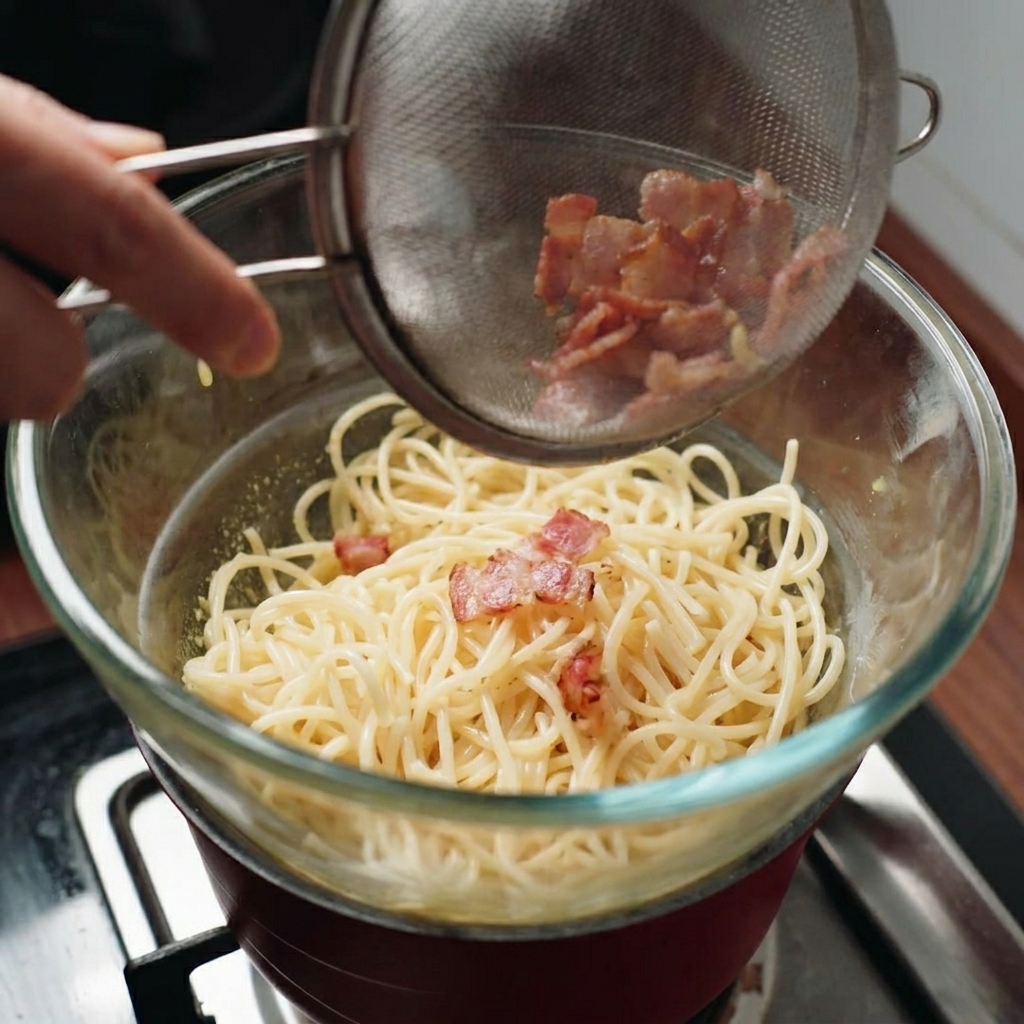
Transfer the cooked, hot spaghetti directly into the bowl of warmed sauce, then add the crispy bacon bits. Toss everything together quickly so the residual heat from the pasta melts the cheese and creates a glossy coating over every noodle.
Tip: If the sauce seems too thick at this stage, add a teaspoon more of the reserved pasta water to loosen it up. - 13Thicken to a glossy finish
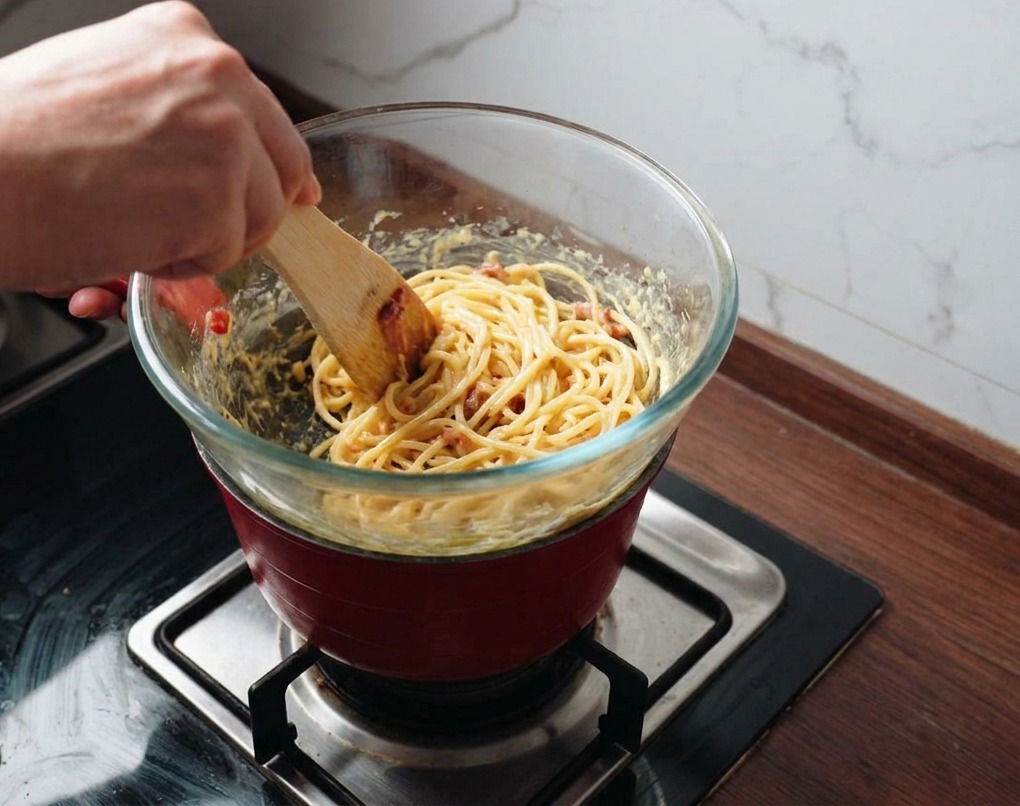
Continue stirring the pasta vigorously over the steam to finish the emulsion. The gentle heat thickens the egg yolks into a velvety glaze that coats every strand perfectly without the risk of curdling.
Tip: Add a tablespoon of pasta water if the sauce becomes too thick to ensure a glossy and smooth texture. - 14Season with fresh black pepper
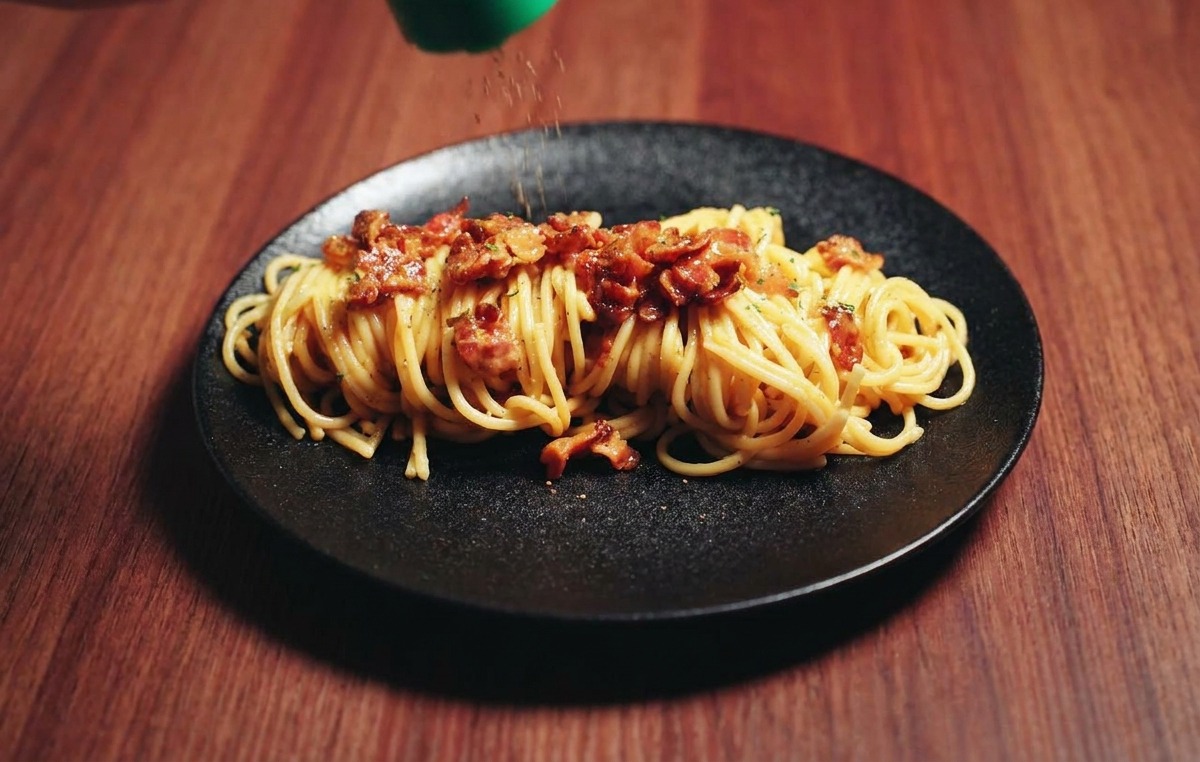
Transfer the carbonara to a serving plate and immediately sprinkle a generous amount of freshly ground black pepper over the top. The residual heat of the pasta will release the peppers aromatic oils, providing a sharp, spicy contrast to the rich cheese and eggs.
Tip: Coarsely ground pepper is traditional for Carbonara as it provides better texture and a more robust flavor profile. - 15Finish with grated cheese
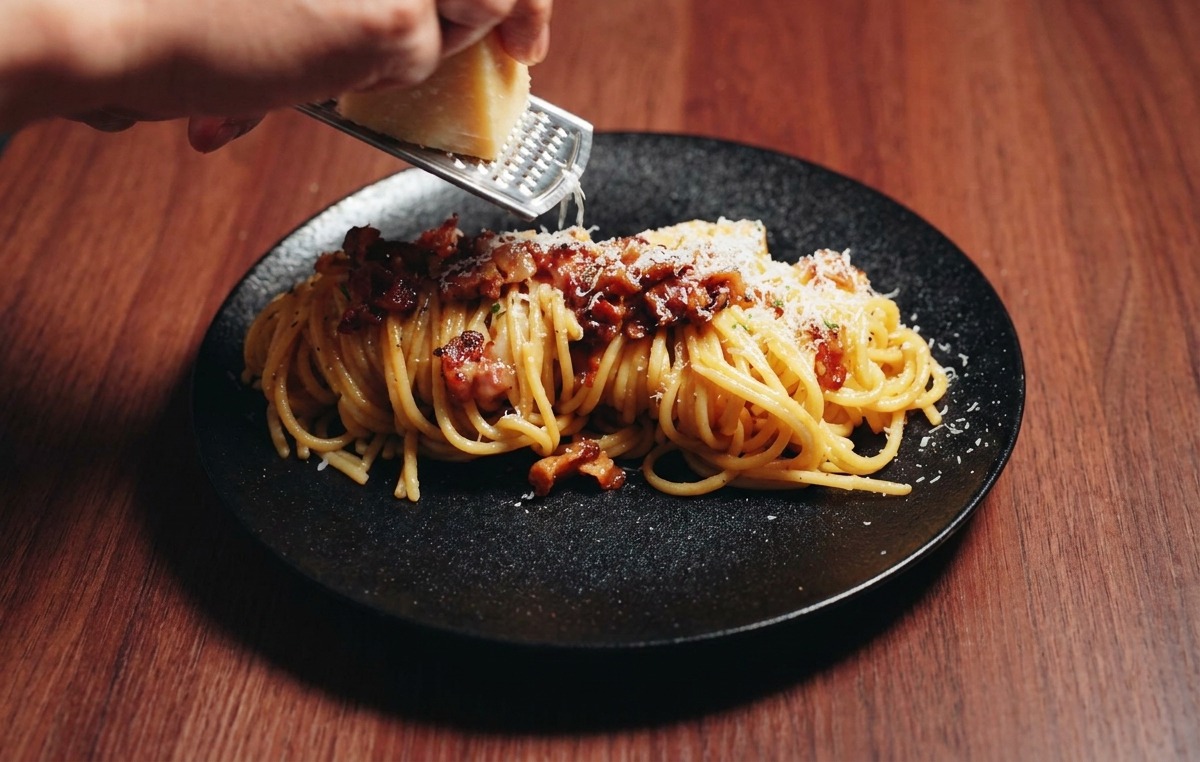
Grate a final layer of fresh Parmesan cheese directly over the pasta before serving. This adds a punch of salty, nutty flavor and a professional aesthetic touch, ensuring the dish is as visually appealing as it is delicious.
Tip: Grate the cheese while the pasta is piping hot so it slightly melts into the surface, creating an even creamier finish.