Authentic Tonkotsu Ramen
Homemade Chashu
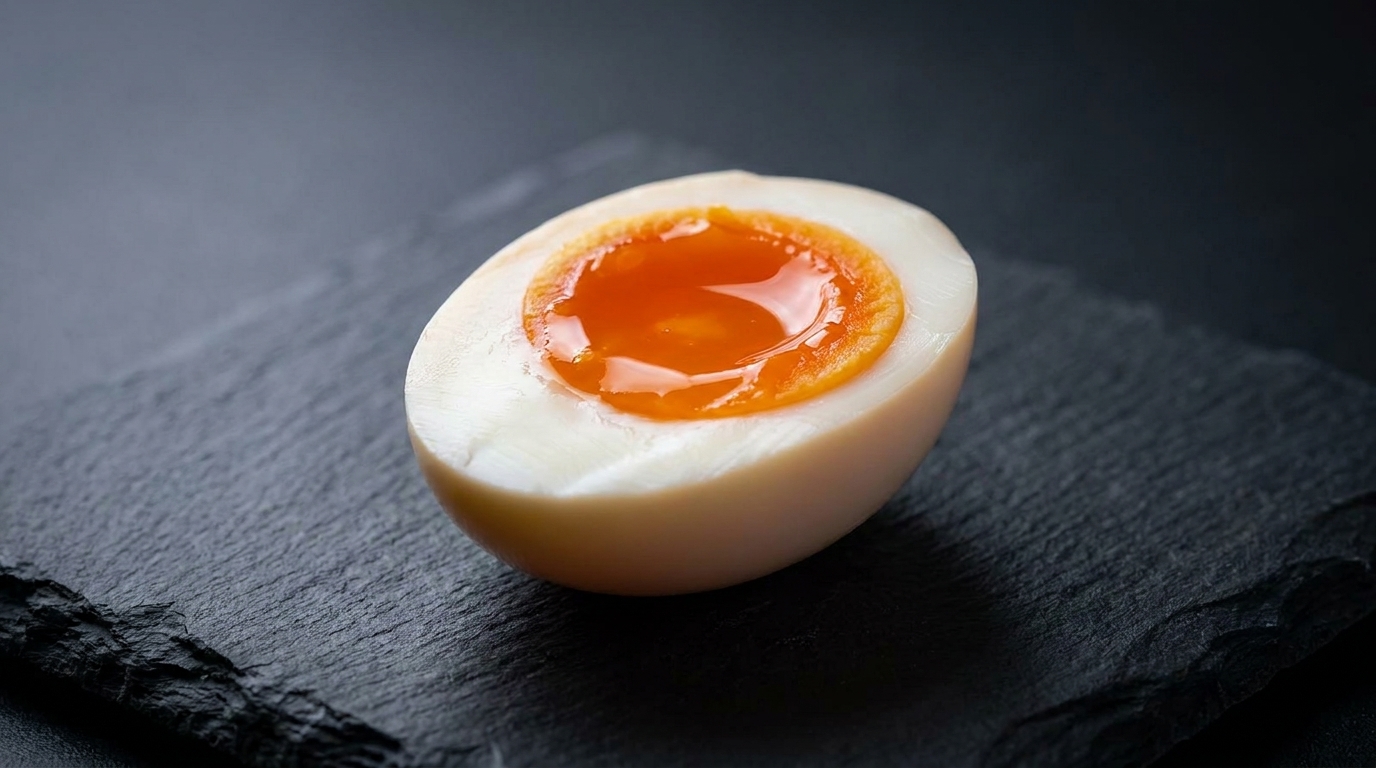
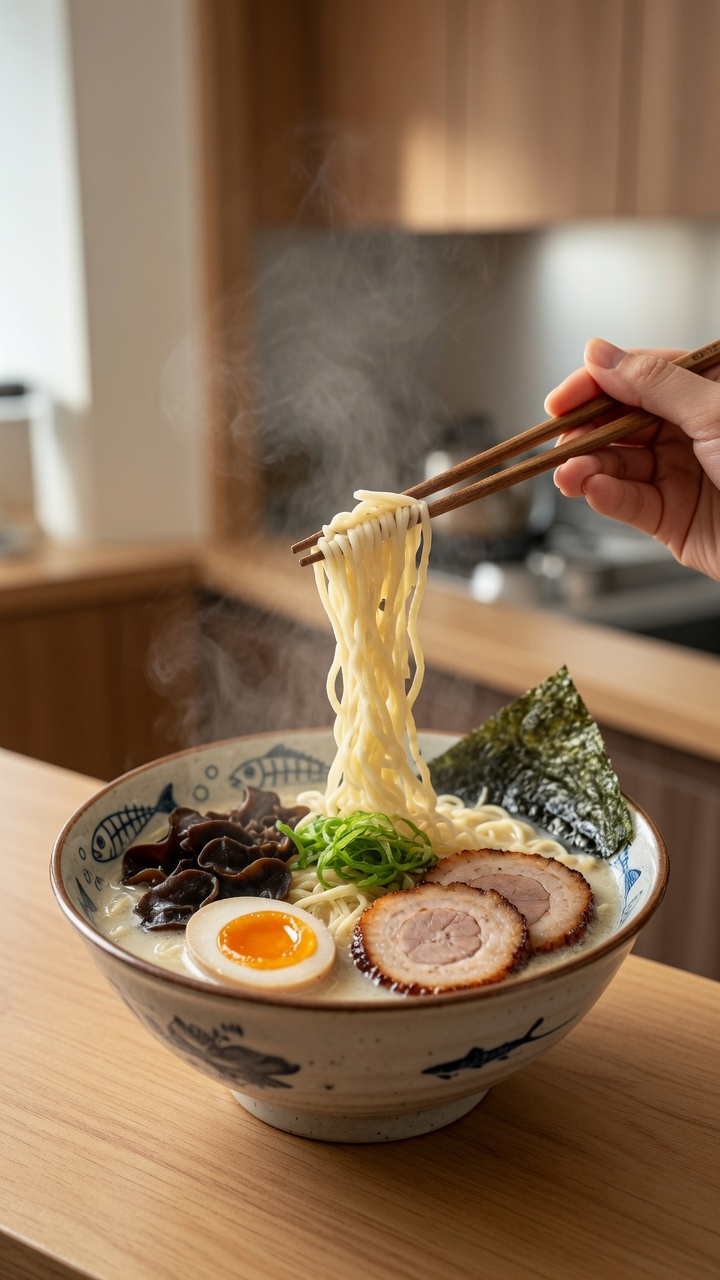
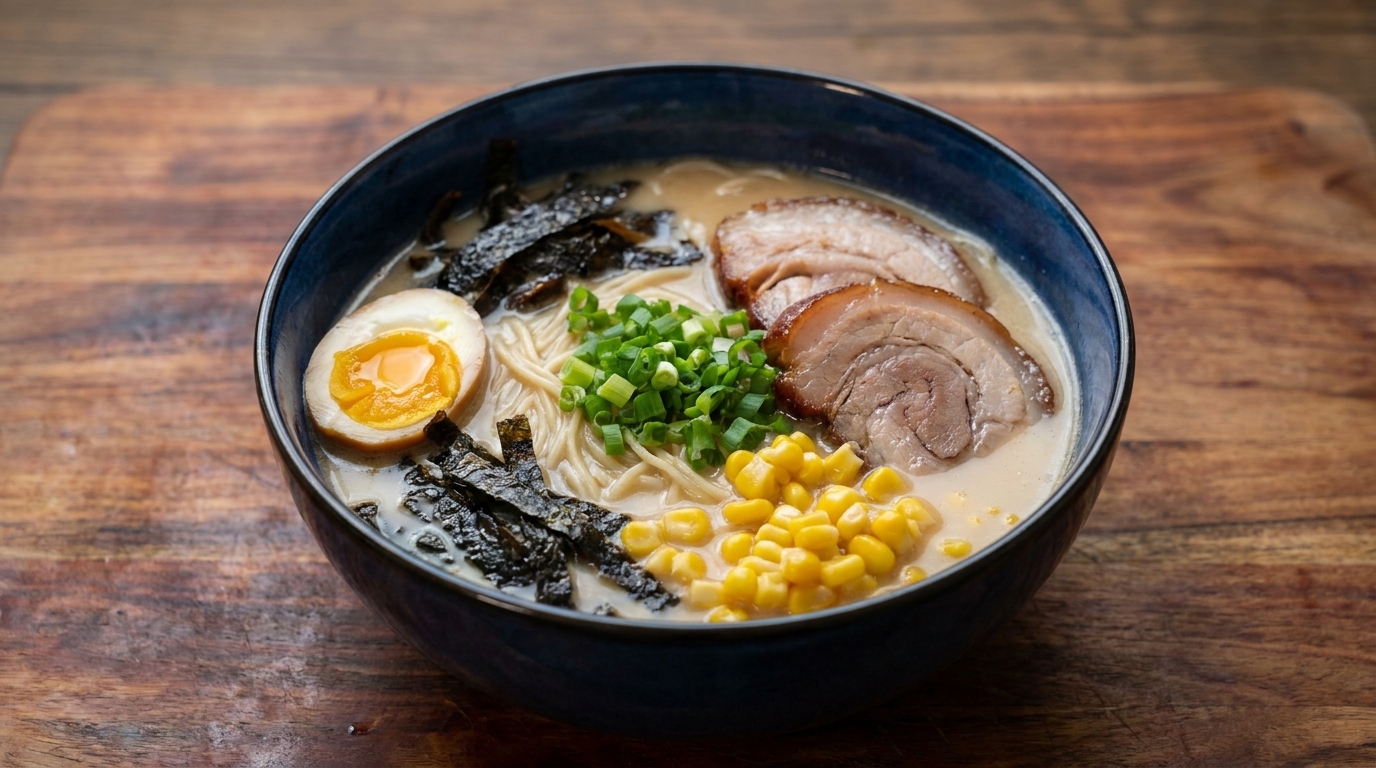
Master the art of rich, milky Tonkotsu ramen broth at home. This authentic recipe features melt-in-your-mouth braised pork belly and perfectly jammy soy-marinated eggs.
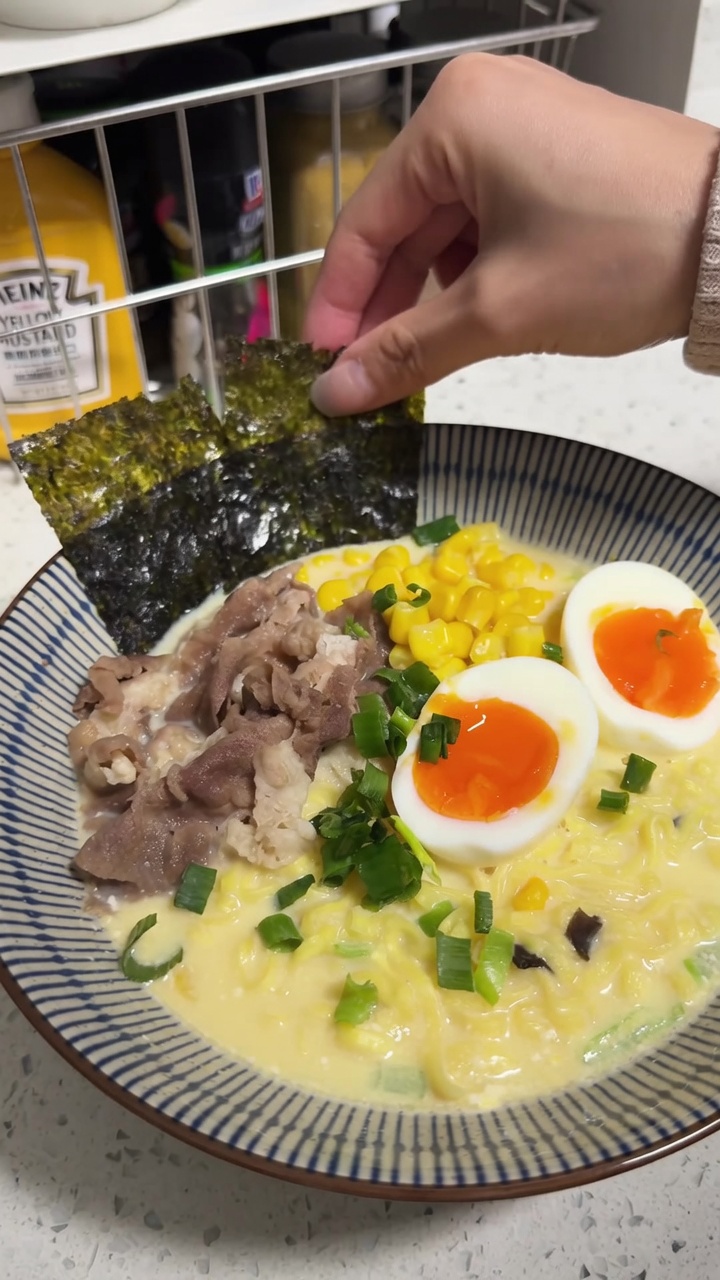
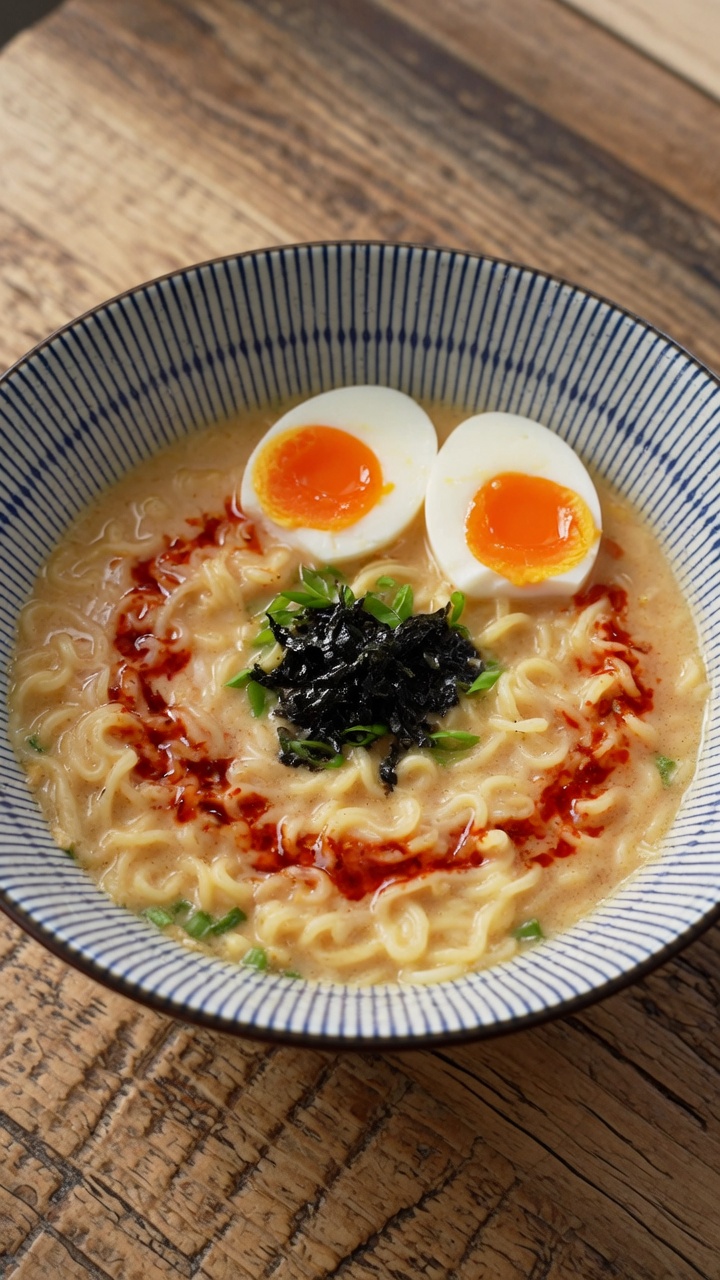
Tonkotsu ramen is a true labor of love, celebrated worldwide for its complex, deeply savory, and completely opaque pork bone broth. The secret to its signature creamy texture lies in a long, rolling boil and a touch of vinegar, which helps extract every bit of rich collagen from the bones. Accompanied by tender, savory Chashu and classic ajitsuke tamago (marinated soft-boiled eggs), this bowl brings the soul of a Japanese ramen shop straight into your kitchen.
Ingredients
- 1.5 kg pork bones
- 1 tbsp white vinegar
- 1 piece kombu (dried kelp)
- 4 stalks green onions
- 1 thumb-sized piece ginger
- 4 whole dried shiitake mushrooms
- 500 g pork belly block
- 1 tbsp cooking oil
- 1 tbsp rock sugar
- 2 tbsp mirin
- 3 tbsp light soy sauce
- 2 tbsp sake
- 1 tbsp dark soy sauce
- to taste salt
- 4 whole large eggs
- 2 tbsp miso paste
- 4 portions fresh ramen noodles
- 1/2 cup sweet corn kernels
- 4 sheets nori (seaweed)
Instructions
- 1Blanch the pork bones
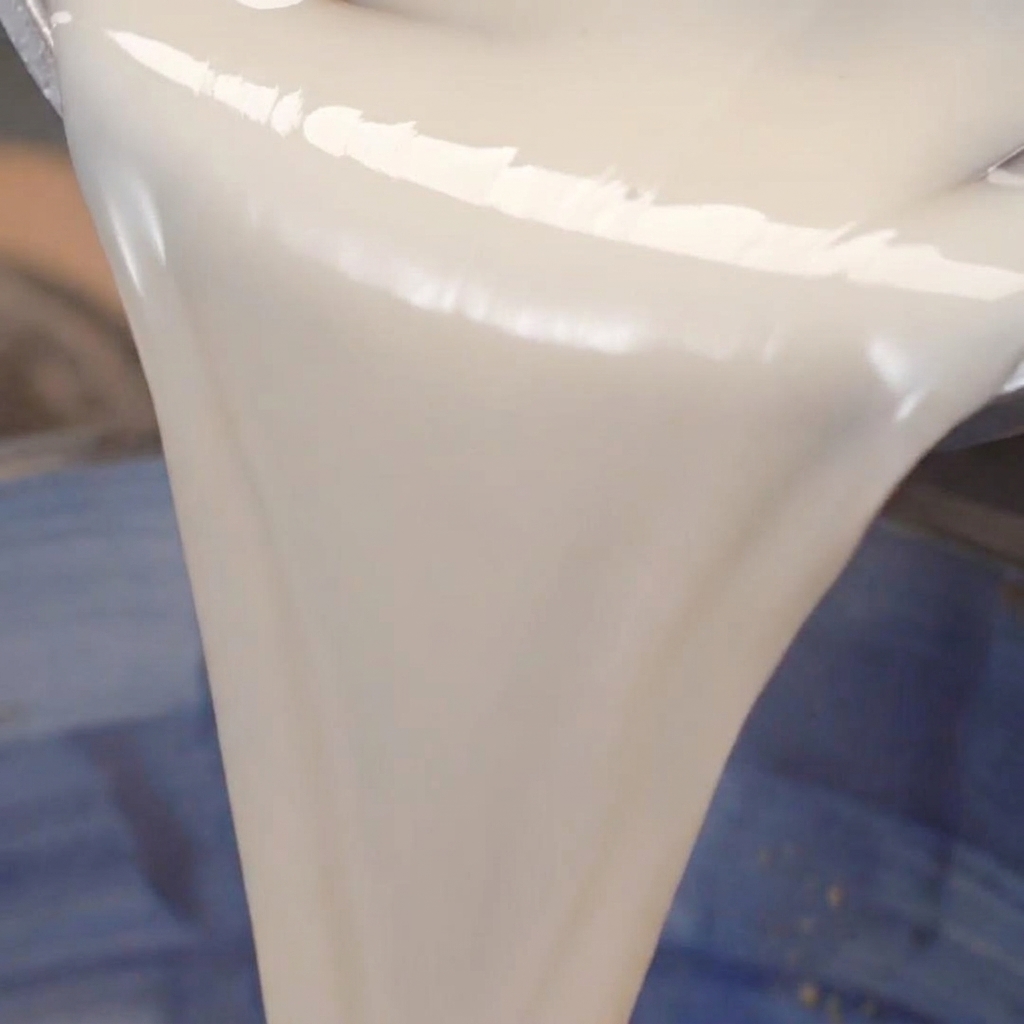
Place the pork bones into a large pot of cold water and bring to a boil. This initial blanching step is crucial for removing impurities and blood, ensuring the final broth is clean and clear before the long simmering process begins.
Tip: Do not rush this step; ensure the water reaches a full boil to effectively release impurities from the bones. - 2Add vinegar to the pot
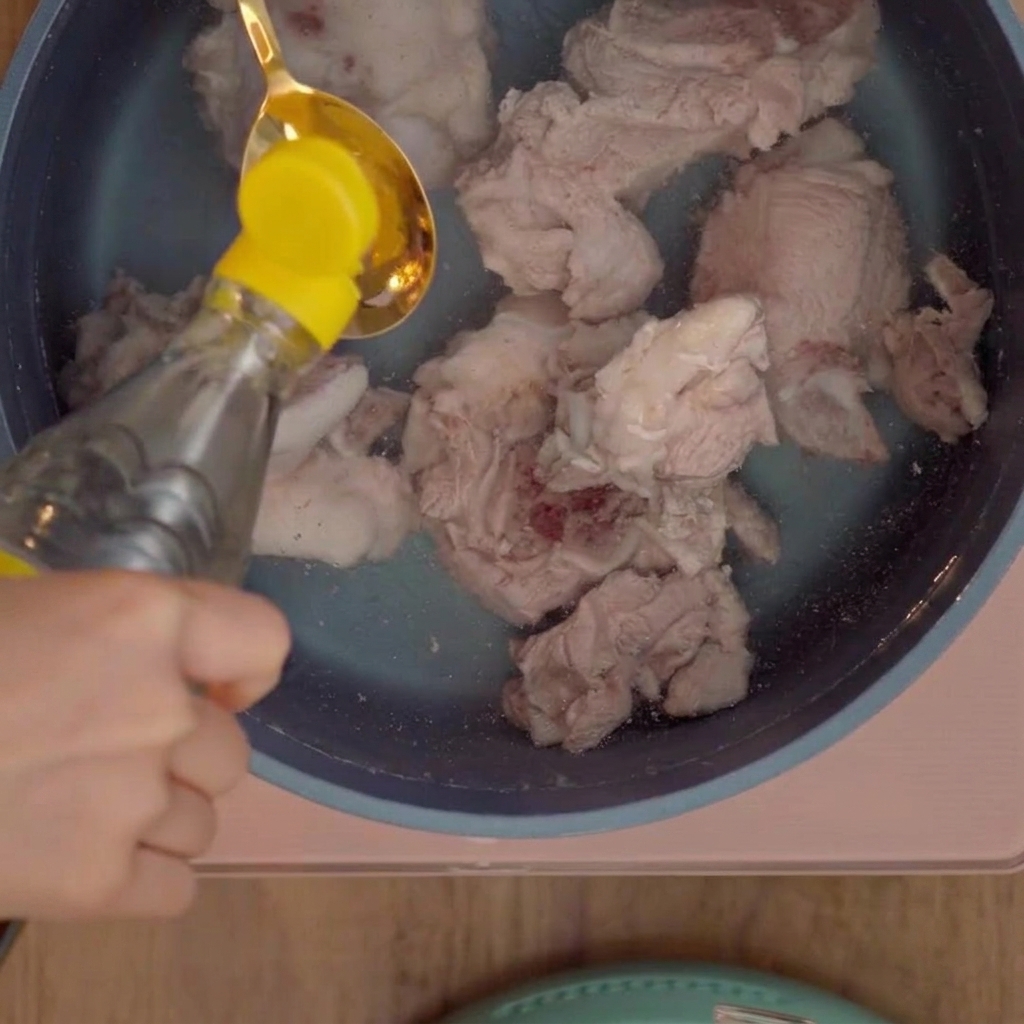
Add a tablespoon of white vinegar to the pot of pork bones and water. The acidity of the vinegar helps to break down the collagen in the bones, which is a key secret to achieving that signature milky, creamy consistency of a proper Tonkotsu broth.
Tip: Adding the vinegar at the start helps draw out the marrow and creates a richer, more emulsified base. - 3Infuse the broth with aromatics
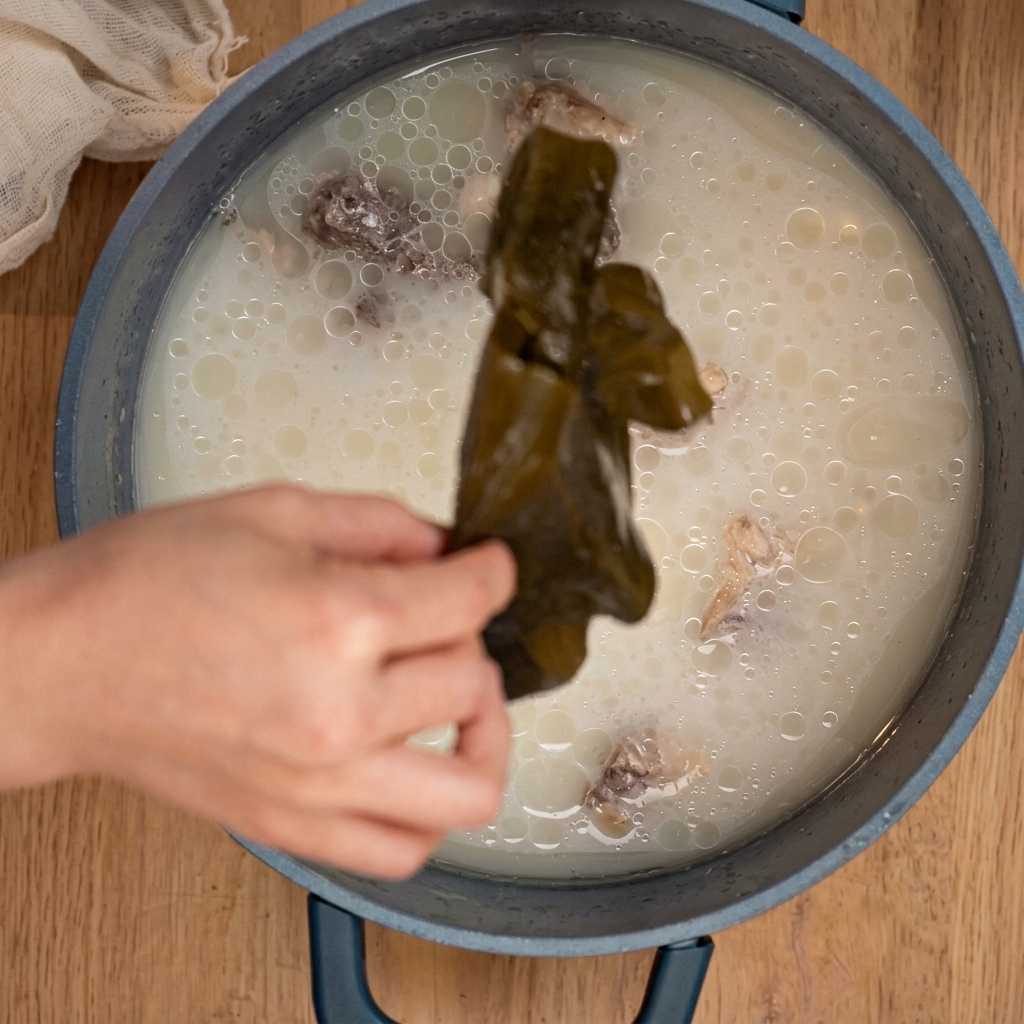
Once the broth has simmered and developed its creamy color, add the kombu, green onion, ginger, and shiitake mushrooms. These aromatics add depth and umami to the rich pork flavor, simmering together for another two hours to balance the richness of the bone broth.
Tip: Keep the heat low during this stage to prevent the broth from becoming cloudy or bitter. - 4Prepare the Chashu pork
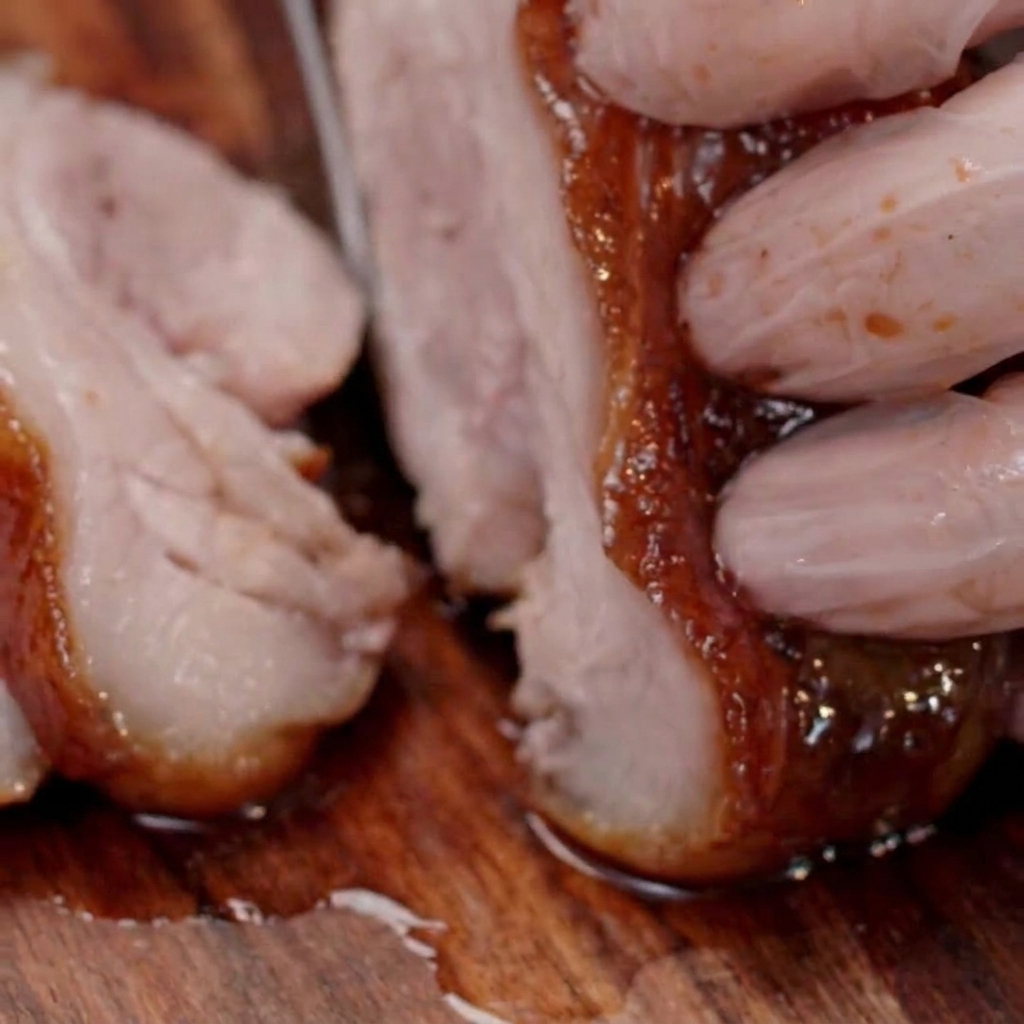
Take a piece of pork belly and roll it tightly, then secure it with cooking twine. Tying the meat ensures that it keeps a uniform, cylindrical shape during the braising process, which allows for even cooking and beautiful slices when served.
Tip: Ensure the twine is tied securely but not so tight that it cuts into the meat while it braises. - 5Sear the pork belly
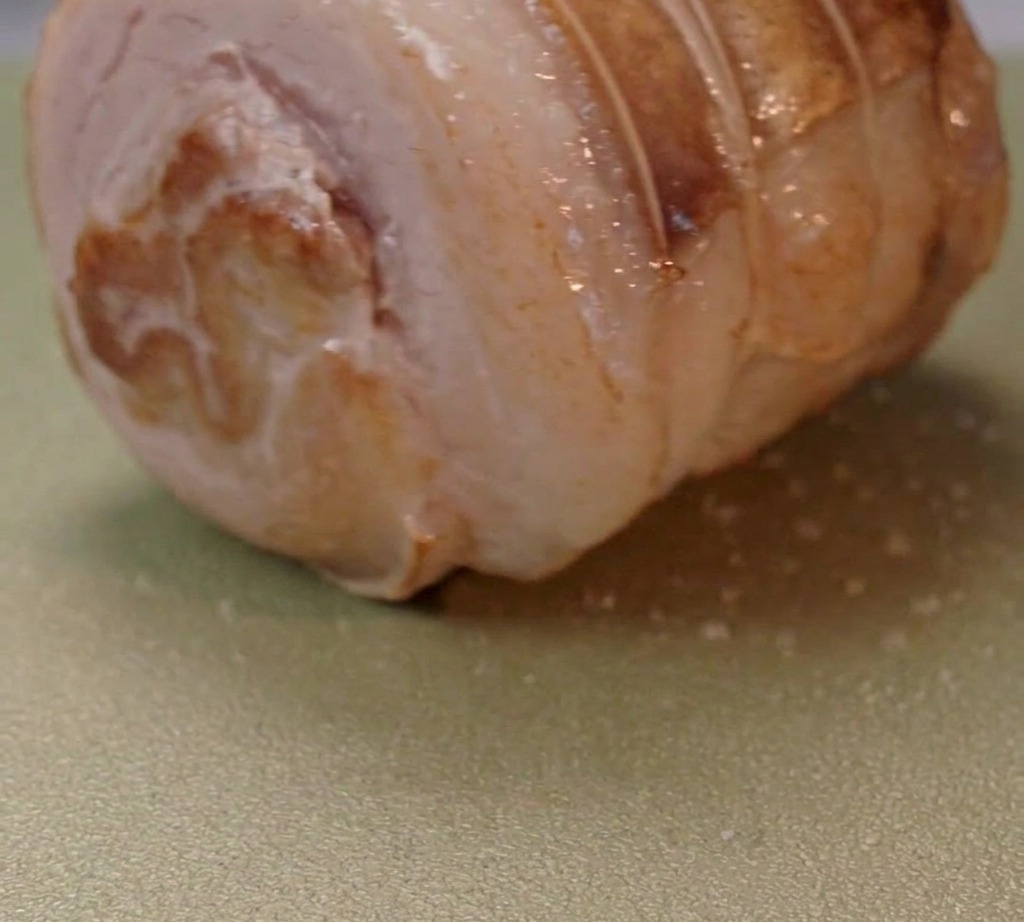
Heat a small amount of oil in a pan and brown the tied pork belly on all sides. Searing the exterior creates a caramelized crust that adds significant flavor and color to the final Chashu, enhancing the overall taste of the braised meat.
Tip: Sear over medium-high heat until the surface is golden brown all around. - 6Braise the Chashu
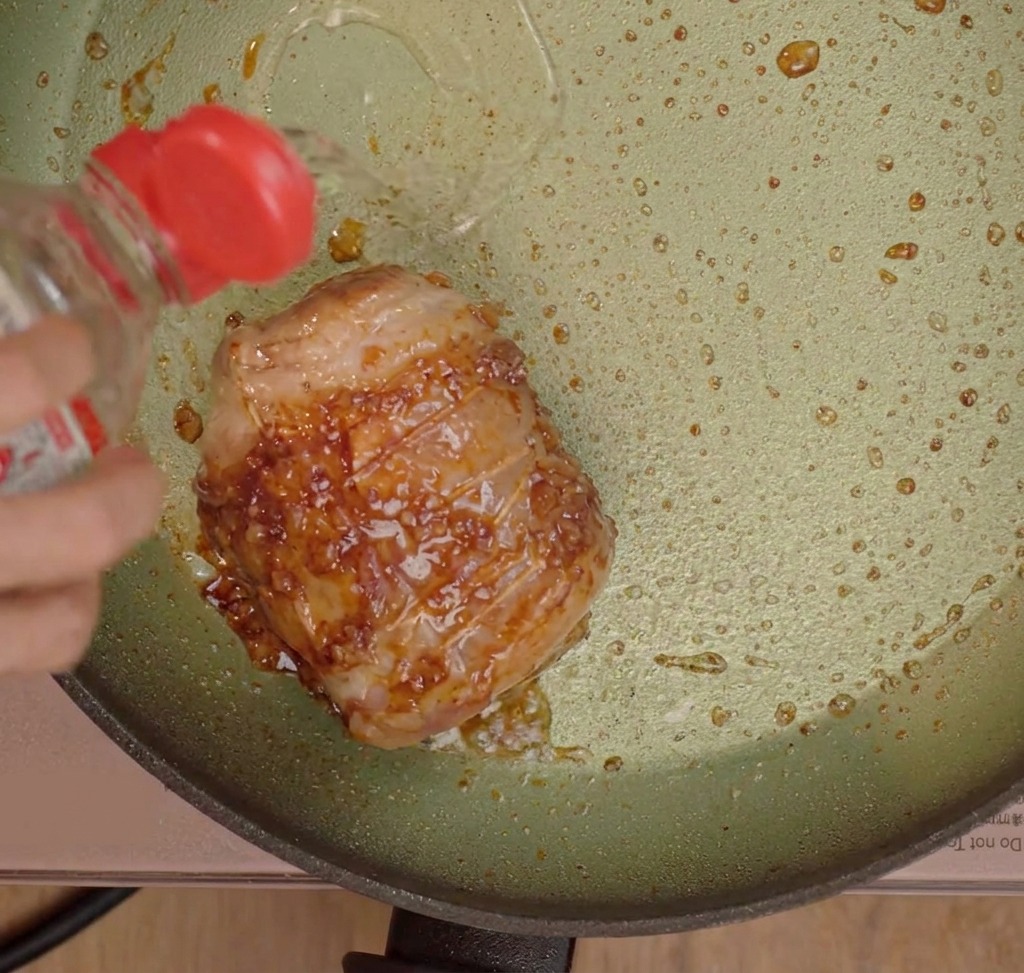
Add rock sugar, mirin, light soy sauce, sake, dark soy sauce, ginger, salt, and water to the pan with the pork. Cover and braise for an hour and a half, allowing the pork to absorb the savory, sweet flavors of the braising liquid until tender.
Tip: Using a combination of light and dark soy sauce provides both saltiness and a deep, rich color to the pork. - 7Boil the eggs
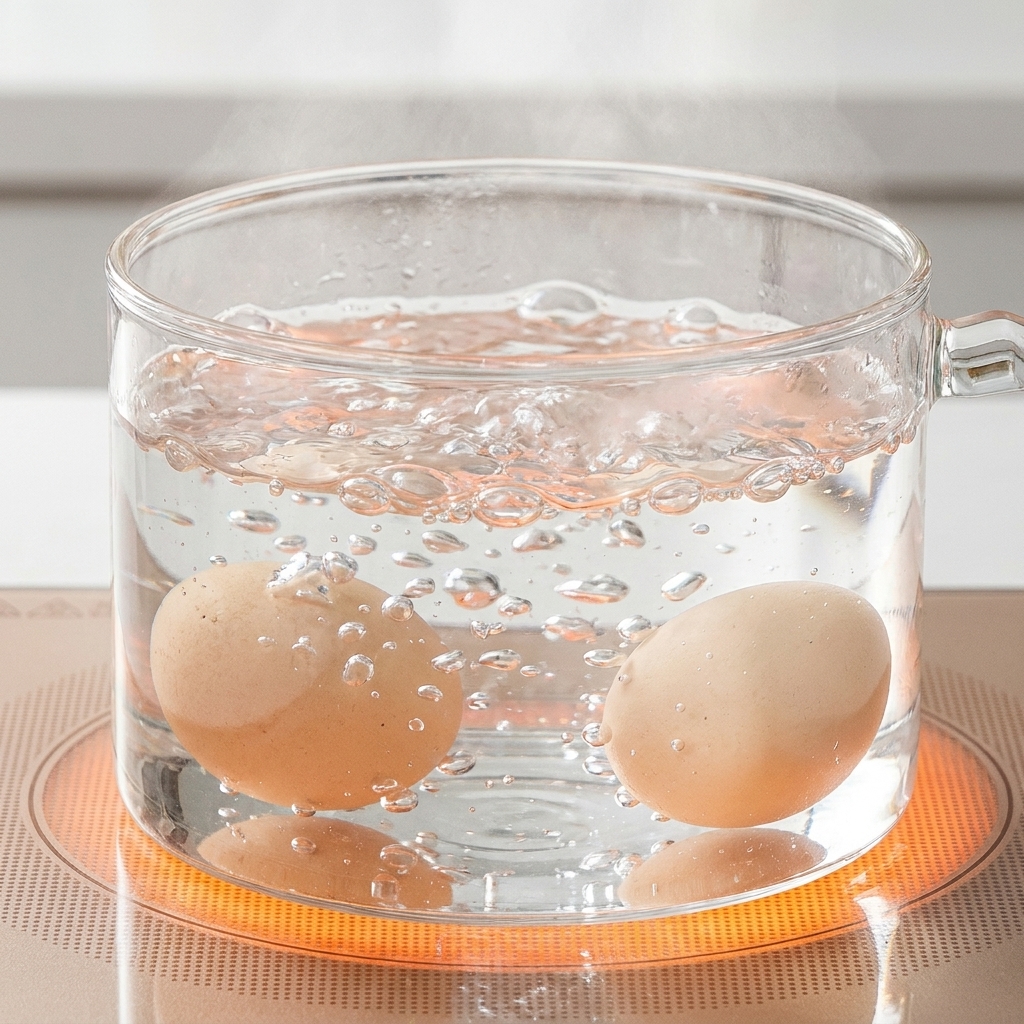
Place the eggs in a pot of boiling water and cook for five minutes. This short cooking time ensures the yolks remain soft and jammy, perfect for marinating.
Tip: Add a pinch of salt or vinegar to the water to make the eggs easier to peel later. - 8Marinate the soft-boiled eggs

After peeling the soft-boiled eggs, carefully add them into the pot with the braising Chashu pork. Allow them to soak in the savory liquid, preferably overnight, to absorb the rich flavors and take on a beautiful golden-brown color.
Tip: For the perfect jammy yolk, boil the eggs for exactly five minutes before transferring them immediately to an ice water bath for easy peeling.