Japanese Ramen Soft-Boiled Egg (Ajitsuke Tamago)
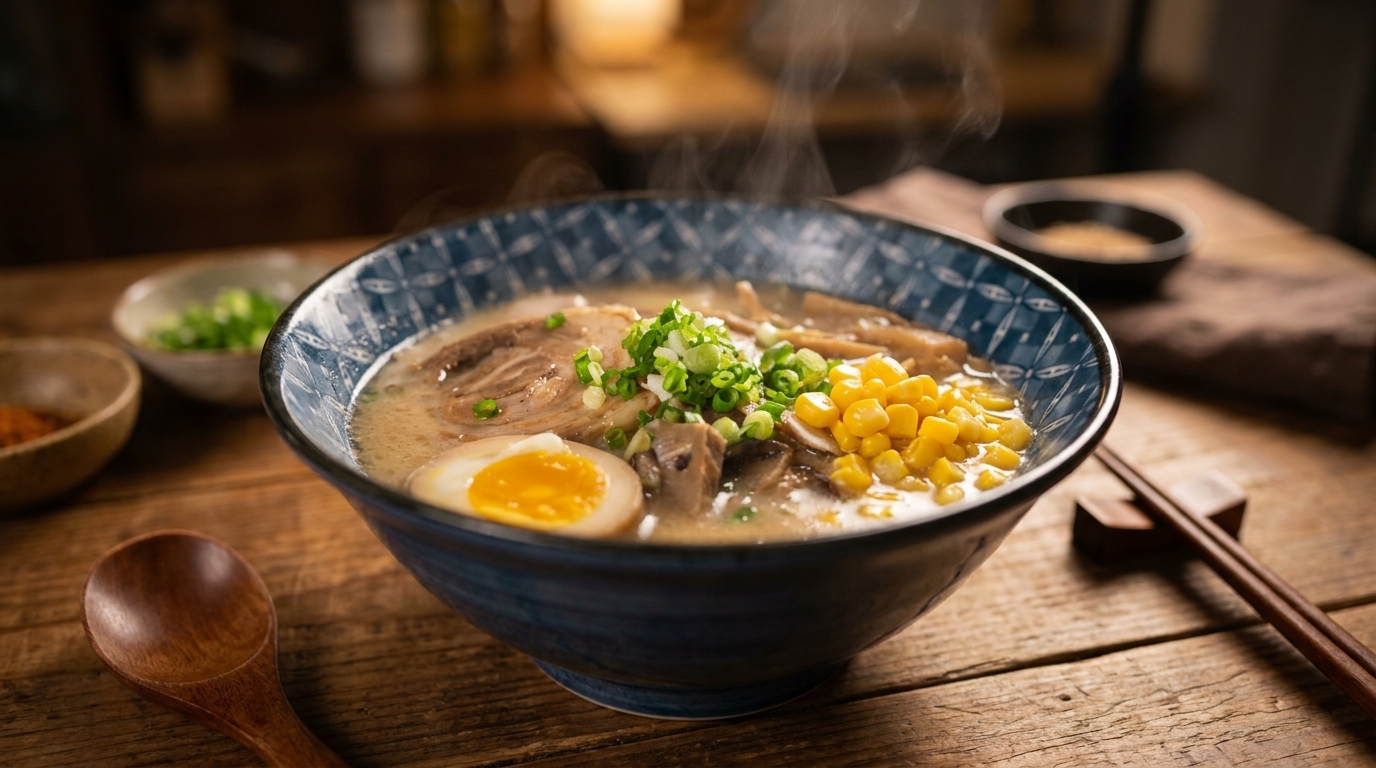
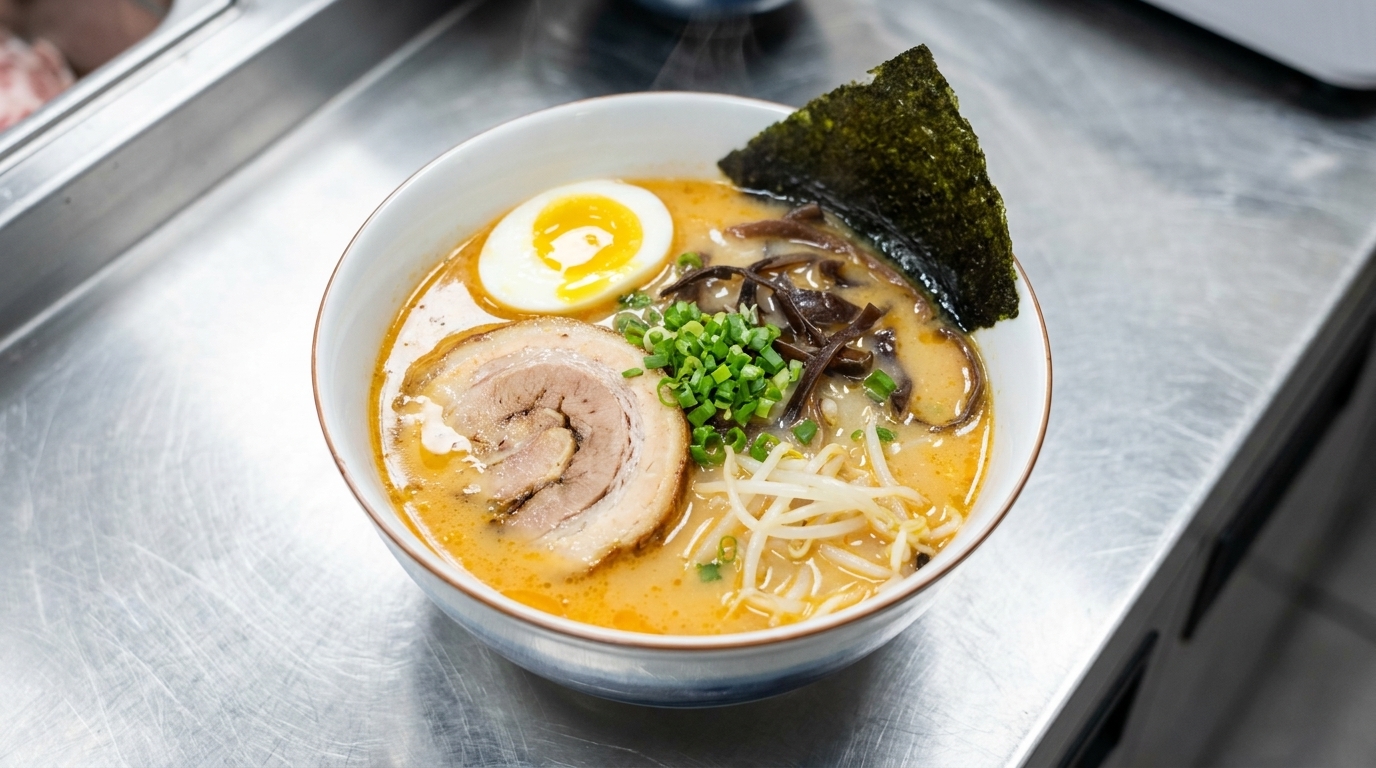
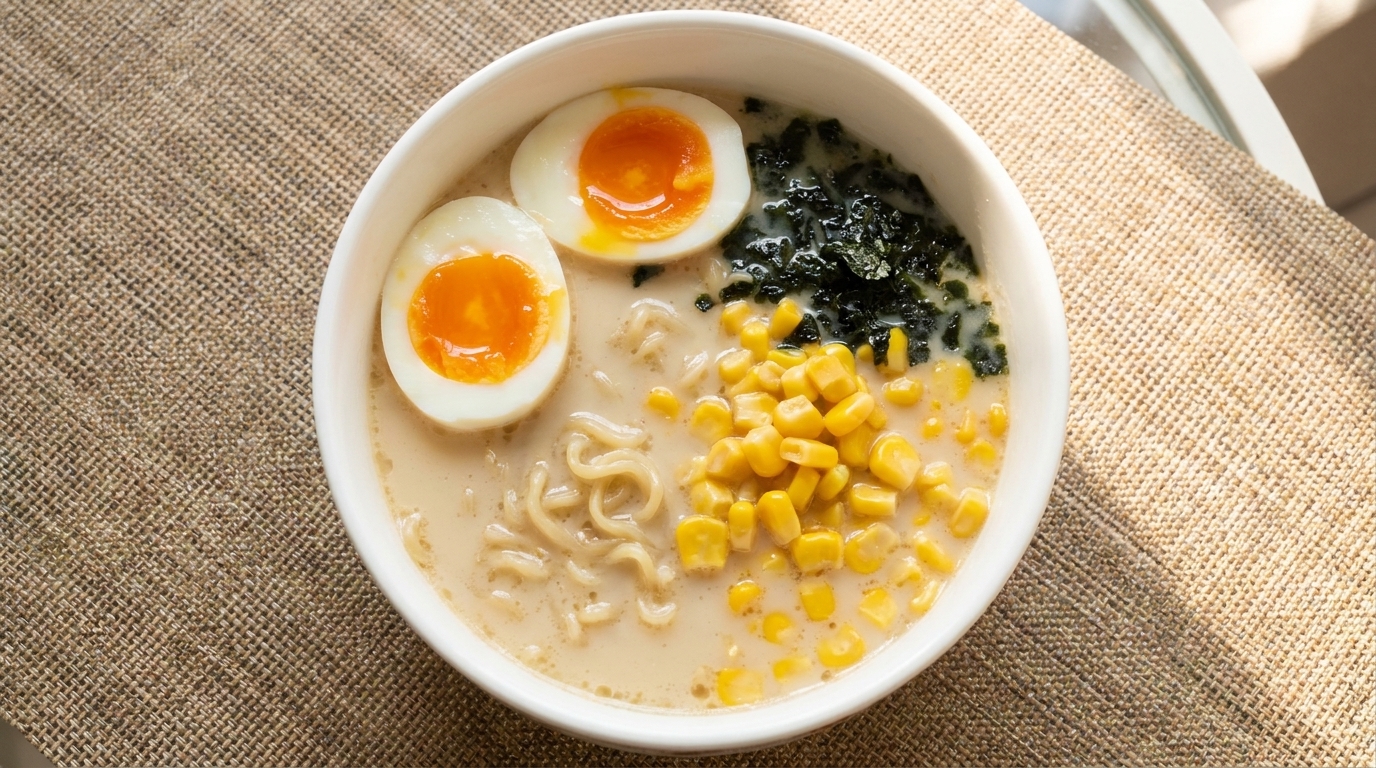
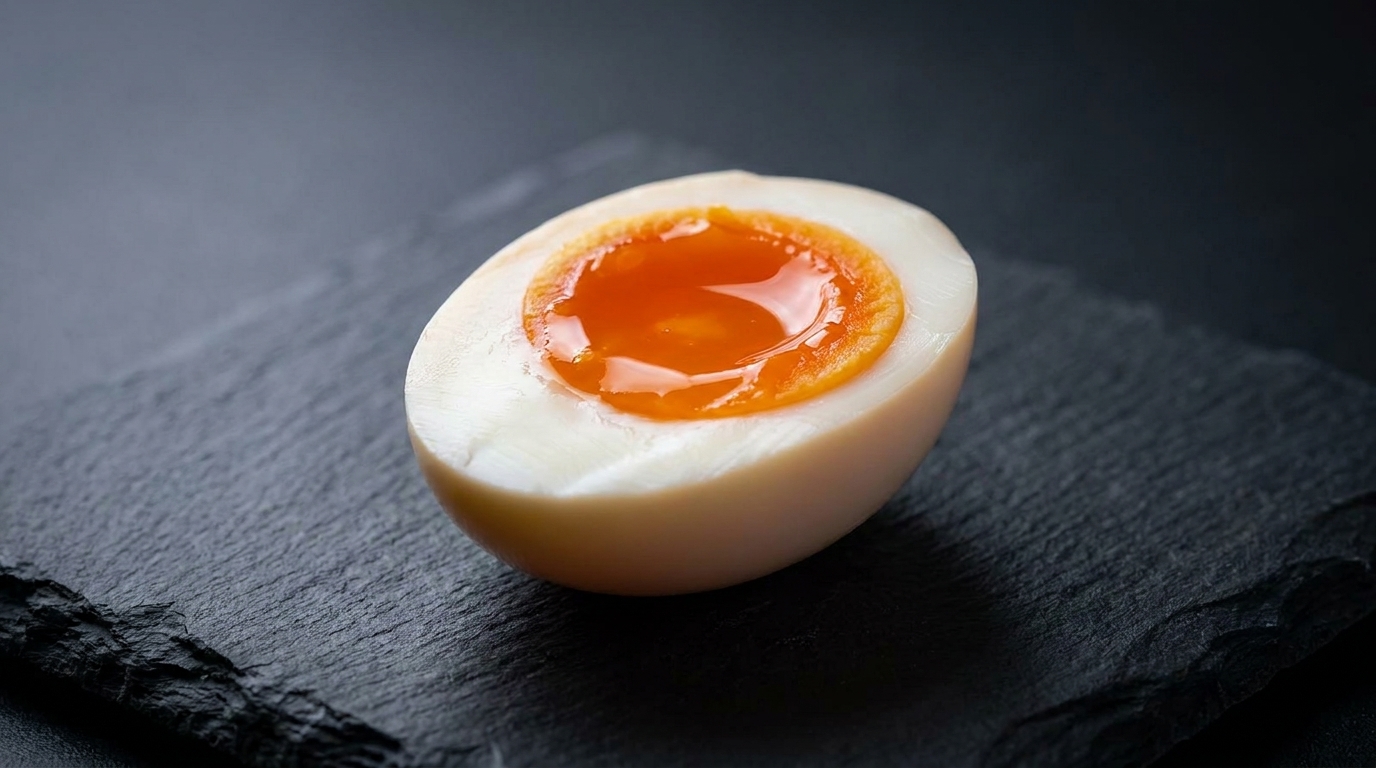
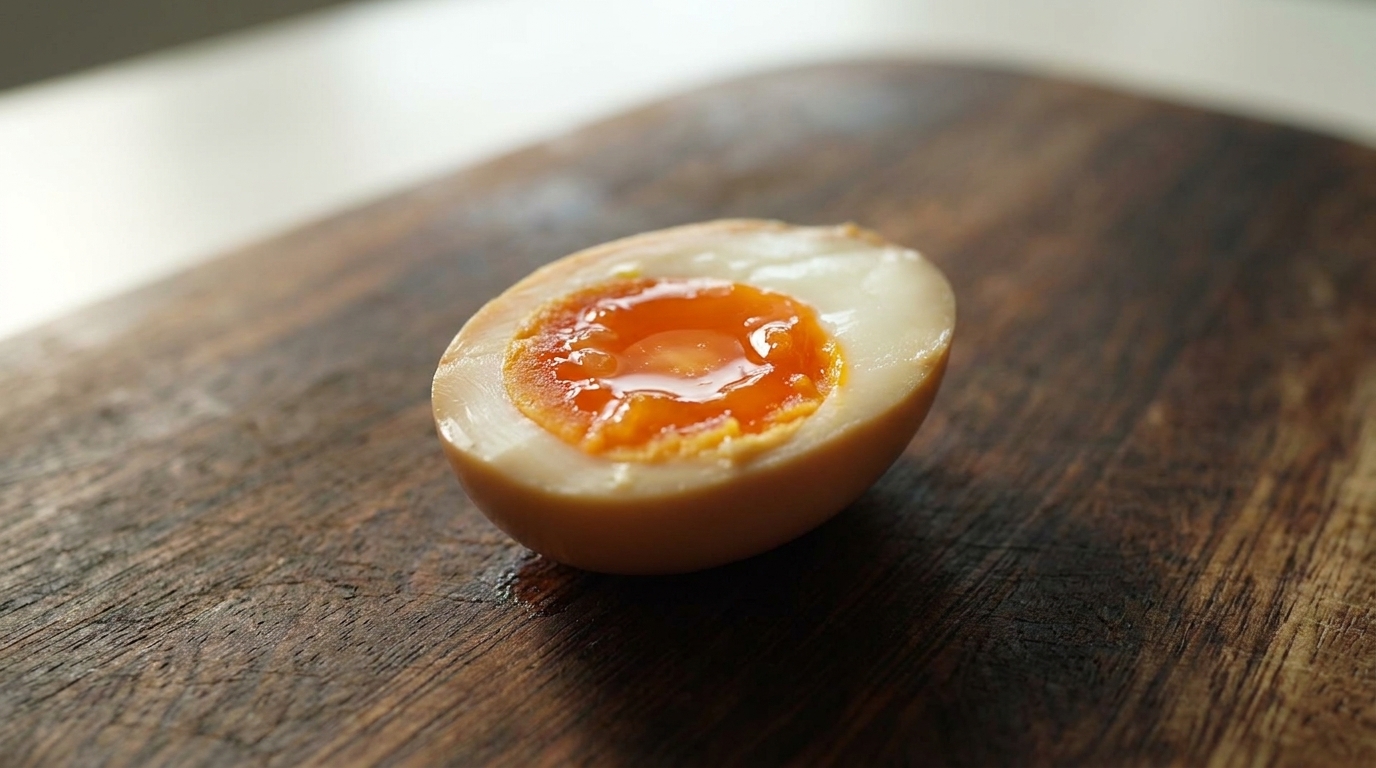
Elevate your ramen with the perfect soft-boiled egg. Featuring a jammy, golden yolk and a dashi-infused marinade, these eggs offer a refined umami depth.
The soft-boiled egg is more than just a topping; it is the soul of a great bowl of ramen. By using a delicate dashi base made from kombu and bonito flakes, this recipe achieves a balance of mild salinity and natural umami that enhances, rather than overpowers, your soup. Mastering this classic home-style technique allows you to bring professional-quality textures to your kitchen table.
Ingredients
- 4 eggs
- 1 piece kombu kelp
- 10 g bonito flakes
- 100 ml soy sauce
- 50 ml mirin
- 50 ml water
- to taste ice
Instructions
- 1Prepare the dashi base
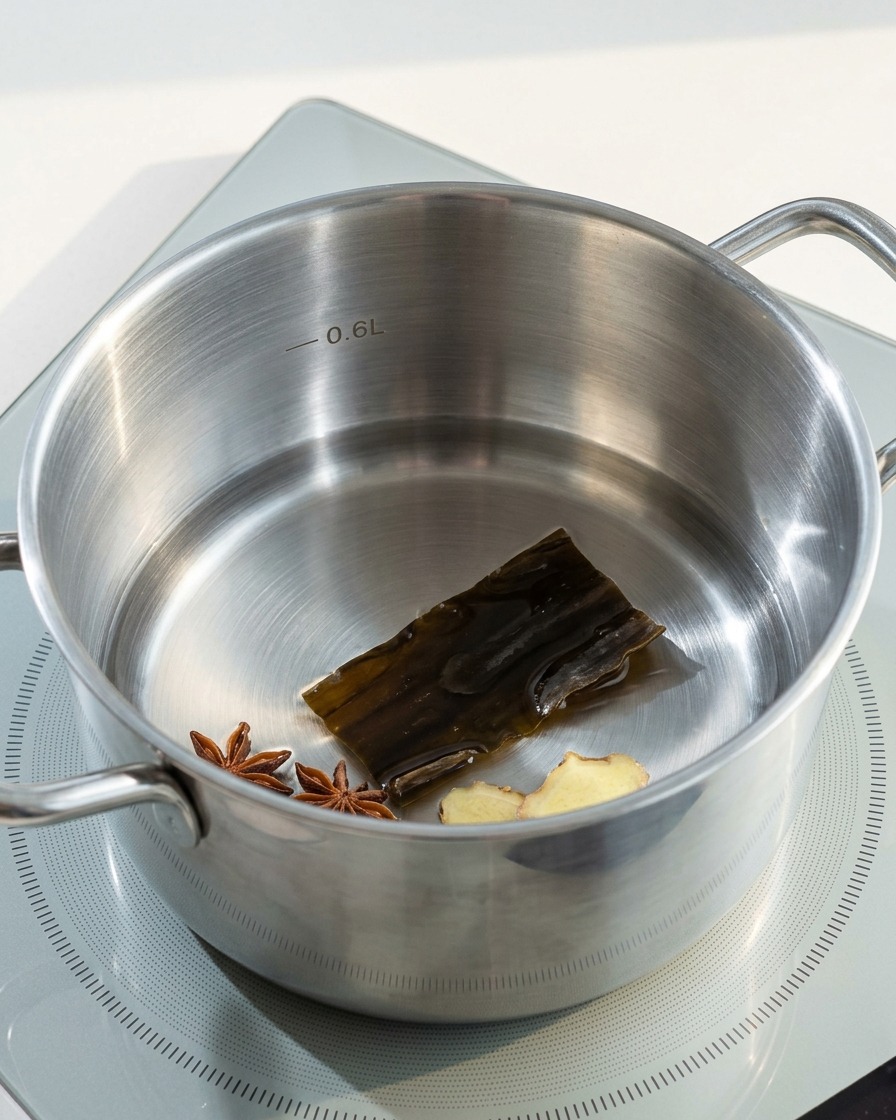
Start by preparing the traditional Japanese dashi base. Soak the kombu kelp in a pot of cold water for 30 minutes, then place it over low heat until it just begins to boil.
Tip: Do not let the water come to a rolling boil with the kombu inside, as this can make the broth slimy and bitter. - 2Add bonito flakes
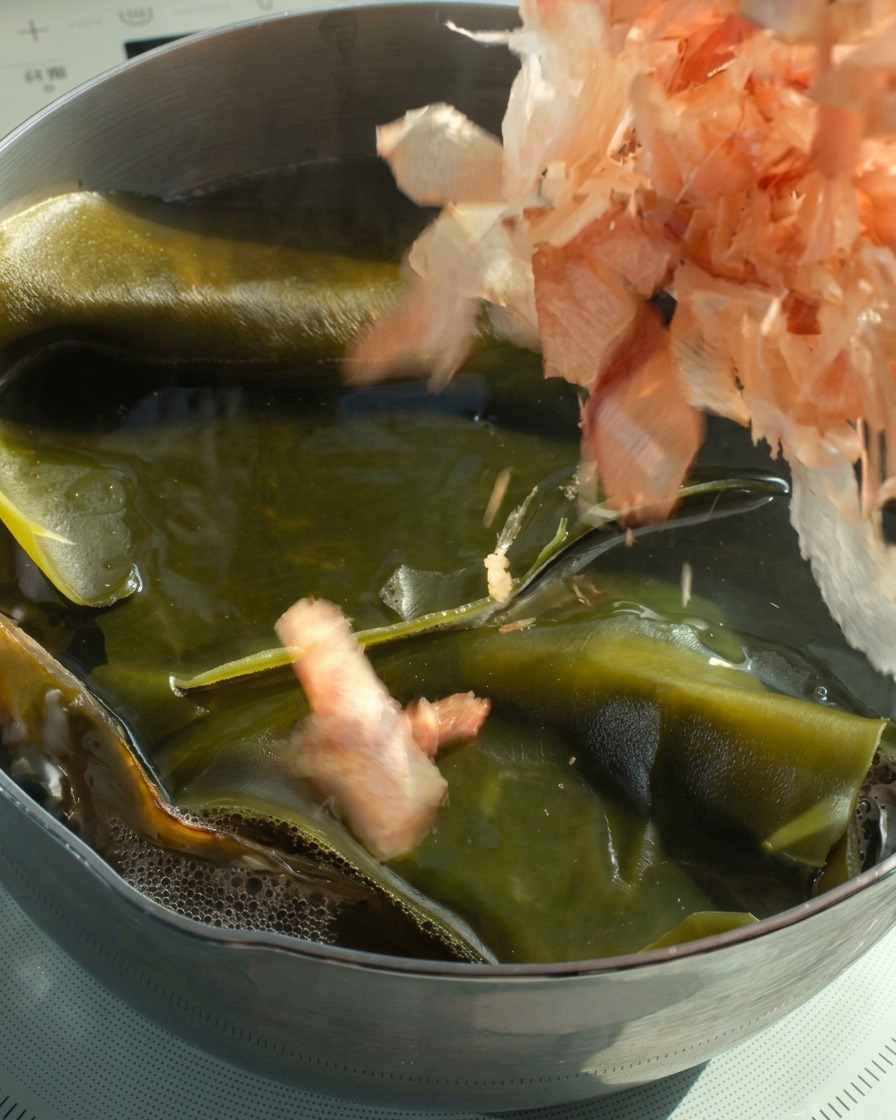
Once the kombu water begins to boil, add the bonito flakes and immediately turn off the heat. Strain the mixture right away to extract a fresh, clear, and flavorful dashi stock, then set it aside to cool.
Tip: Straining immediately prevents the dashi from developing an overly fishy or bitter flavor from the bonito flakes. - 3Boil the eggs
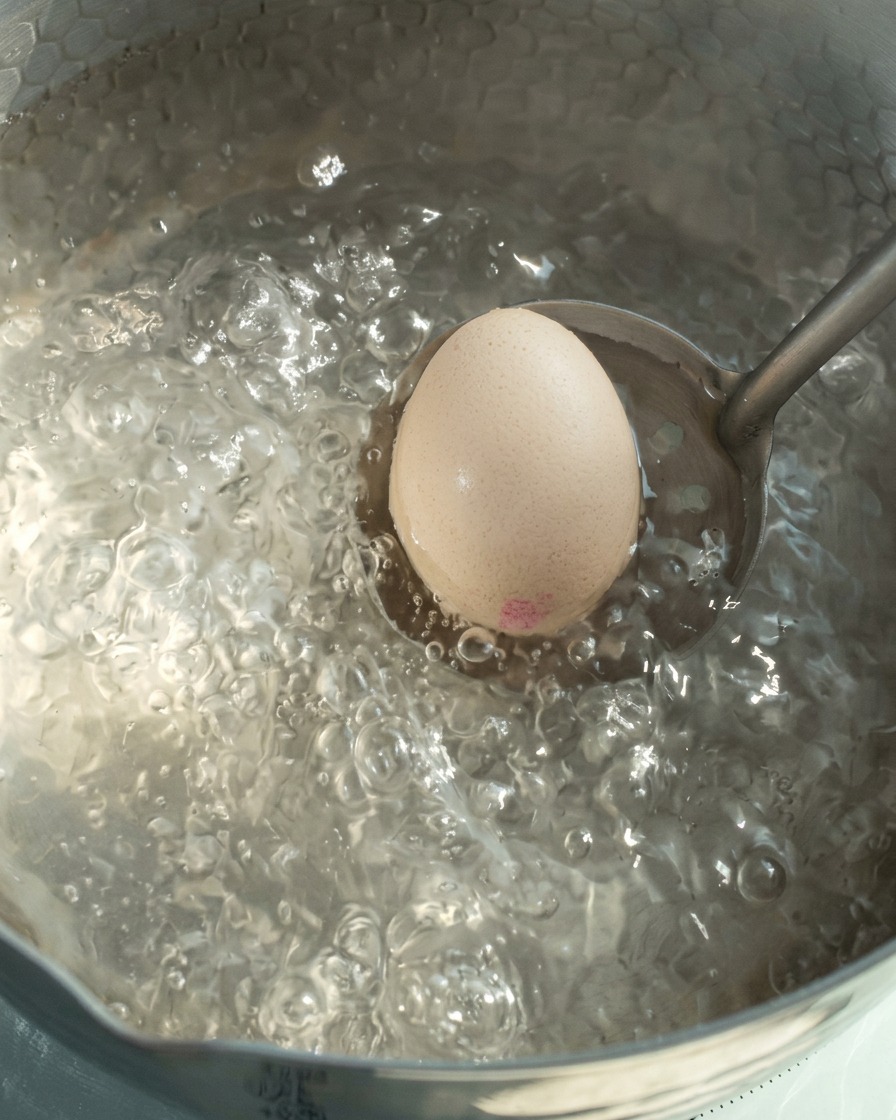
Bring a pot of water to a rolling boil. Carefully and gently lower the raw eggs into the boiling water using a ladle or slotted spoon to prevent them from cracking. Let them cook undisturbed for exactly 7 minutes.
Tip: Using room-temperature eggs can help prevent the shells from cracking when they hit the boiling water. - 4Cool the eggs in an ice bath
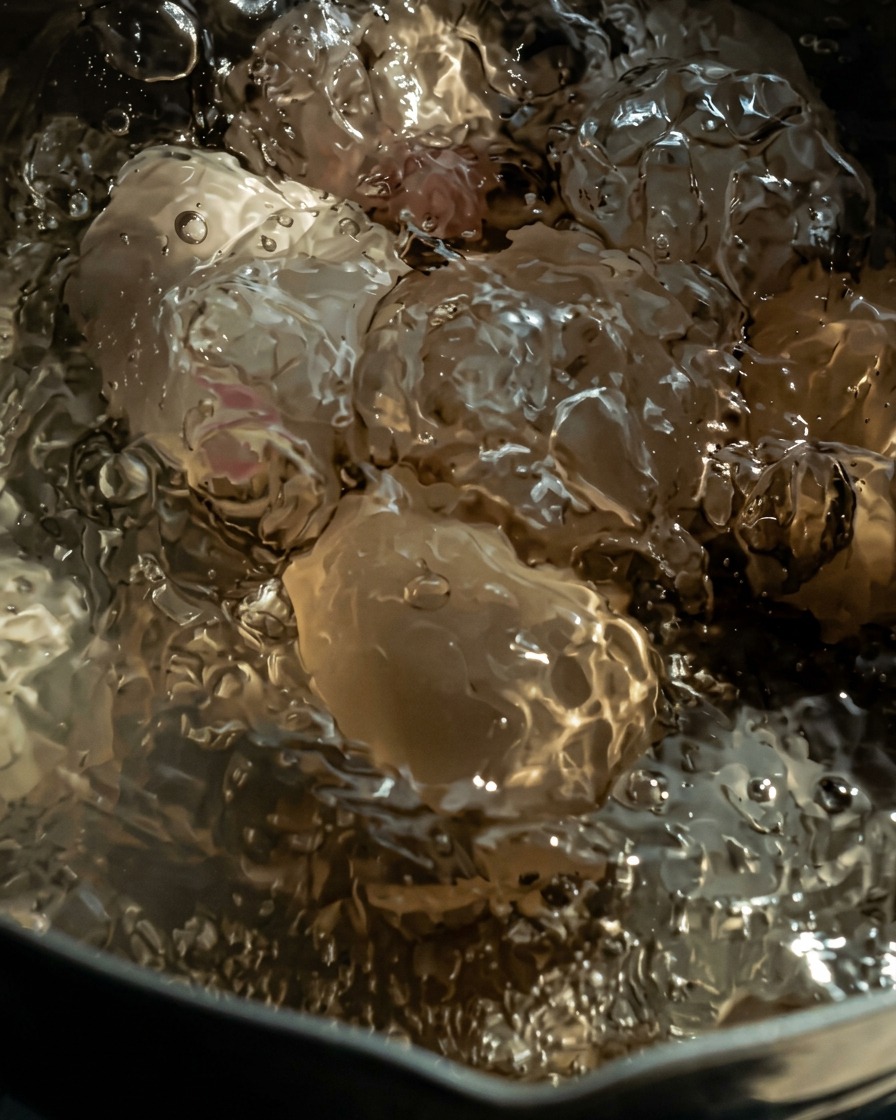
Immediately after boiling the eggs for 7 minutes, remove them from the pot and plunge them into a prepared bowl of ice water. This rapid cooling stops the cooking process to ensure the yolk remains soft-boiled and makes the shells much easier to peel later.
Tip: The ice bath is crucial for achieving the perfect soft-boiled yolk texture and for easy peeling. - 5Peel the eggs
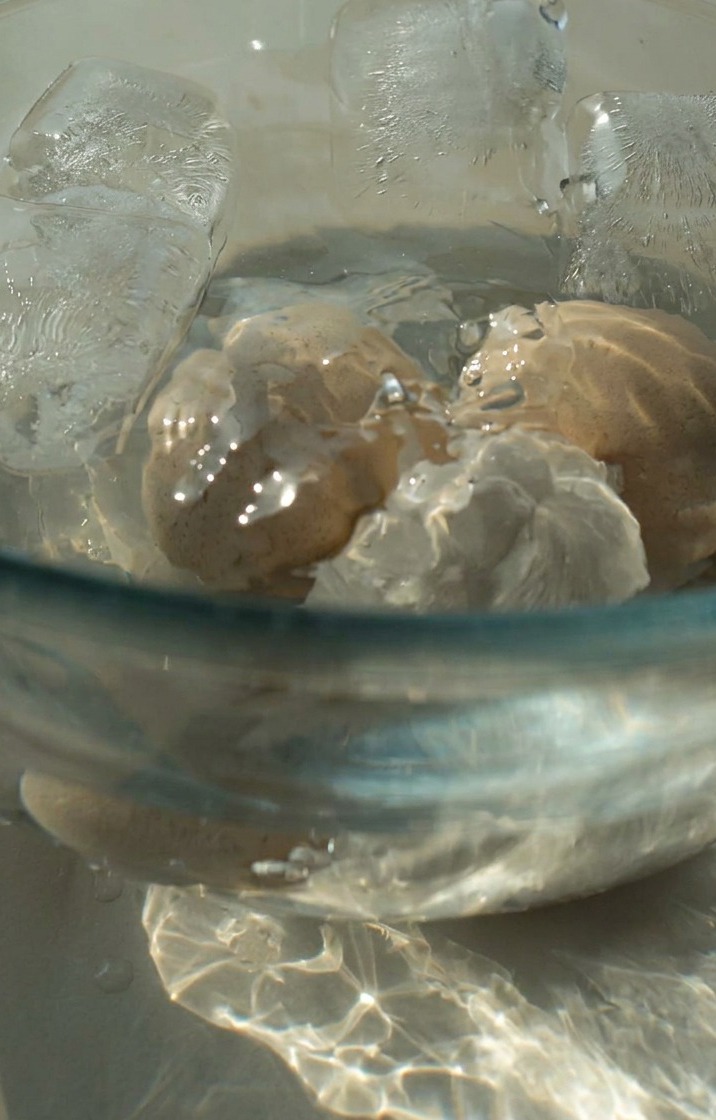
Once the eggs have cooled completely in the ice bath, gently tap the shells to crack them and peel them carefully. The shock from the ice water helps separate the membrane from the egg white, allowing for a smooth and clean peel.
Tip: Peel under cold running water or submerged in the ice water to help the shell come off even more easily. - 6Prepare the marinade
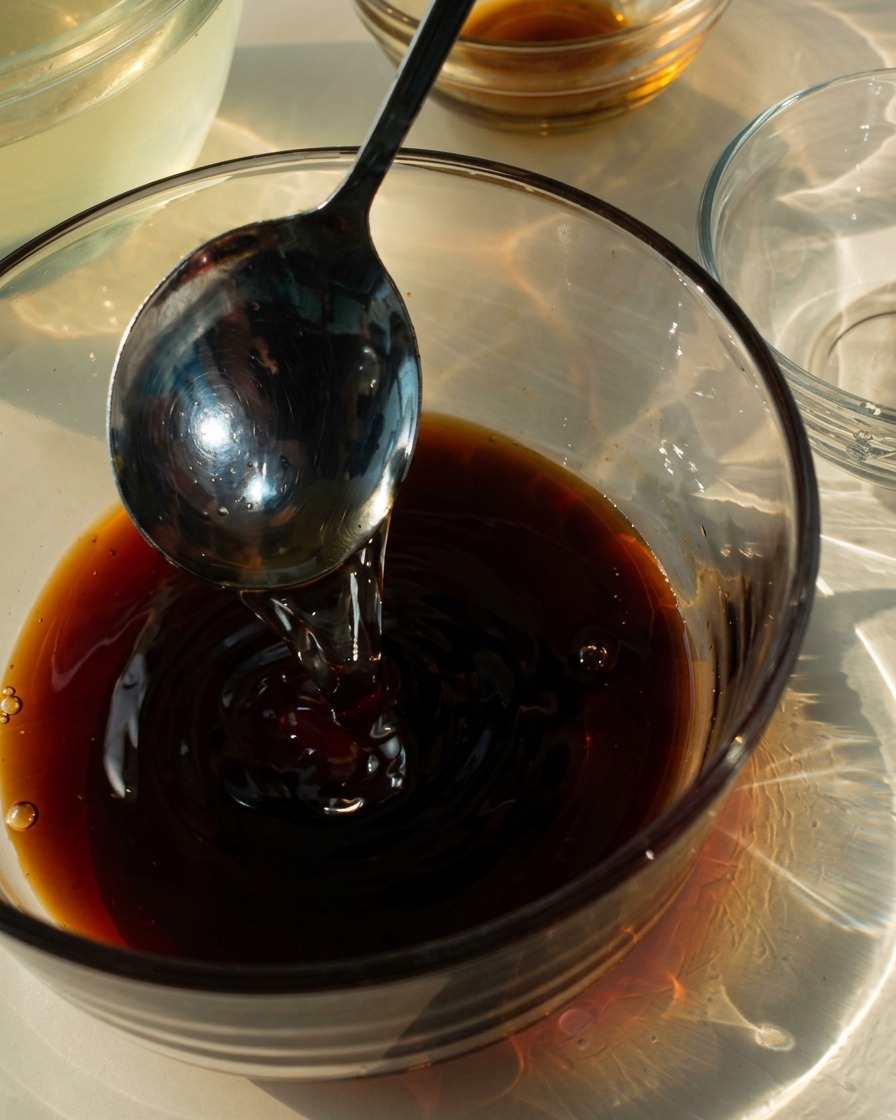
In a glass bowl, mix together the cooled dashi stock with the remaining marinade ingredients. The mild salinity of the dashi highlights the natural umami of the eggs without overpowering them.
Tip: If using mirin, briefly simmer the marinade in a small pot to evaporate the alcohol, then let it cool completely. Once cooled, place the peeled eggs in a sealable bag with the marinade, remove excess air, and refrigerate for 8 hours before serving.