Japanese Miso Dipping Noodles (Tsukemen Style)
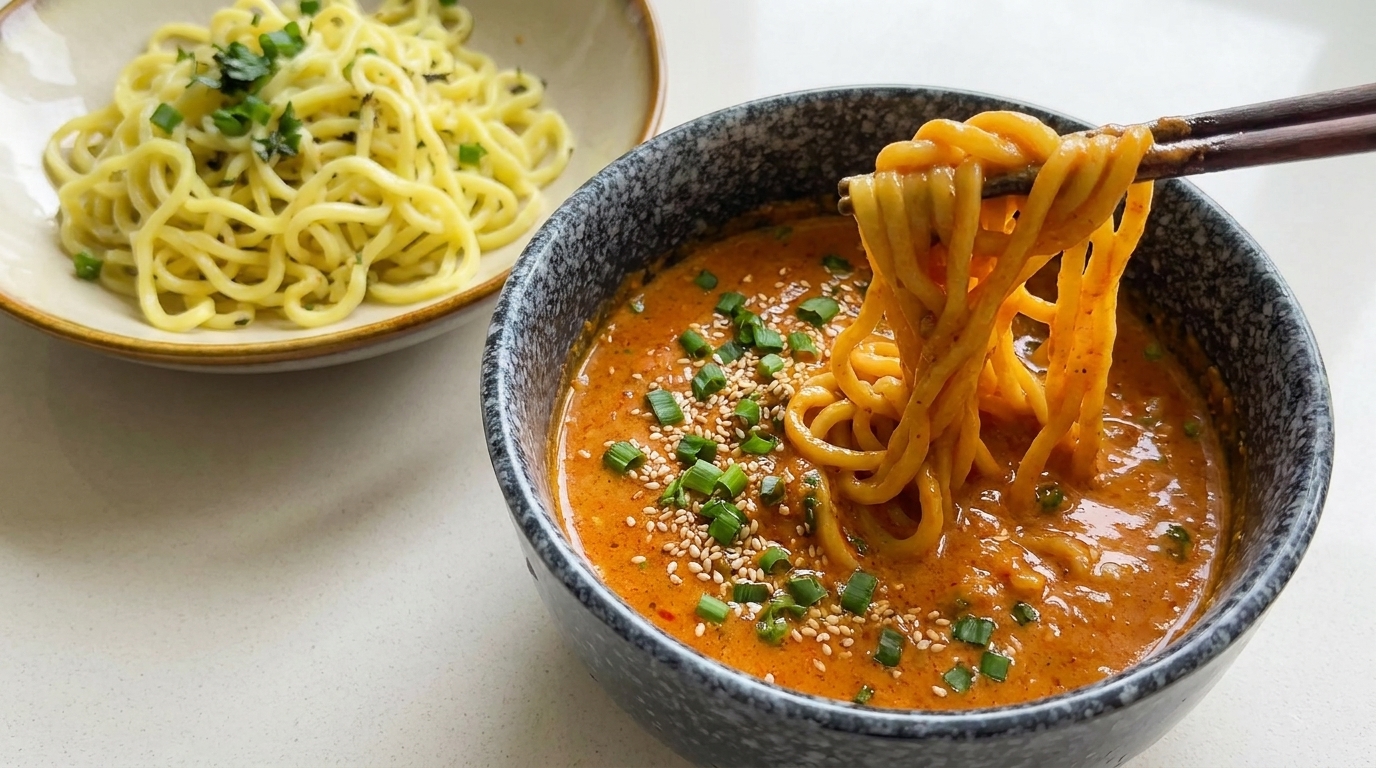
Satisfy your cravings with these creamy Japanese miso dipping noodles, featuring a rich, savory meat sauce paired with chewy, chilled ramen noodles.
Inspired by the bold flavors of Japanese tsukemen, this dish combines a deeply savory miso-based dipping sauce with the perfect texture of chewy noodles. The sauce uses a base of sautéed aromatics and ground meat enriched with creamy soy milk for a luscious, indulgent finish. It is a comforting, soul-warming meal that is surprisingly straightforward to prepare at home.
Ingredients
- 200 g minced meat
- 1 tbsp miso paste
- 200 ml soy milk
- 1 tbsp sesame oil
- 1 tbsp chili powder
- 1 tbsp sugar
- 1 tbsp soy sauce
- 1 tsp minced garlic
- 2 stalks scallions
- 1 dash pepper
- 200 g ramen noodles
- optional white sesame seeds
- optional black sesame seeds
- optional chili oil
Instructions
- 1Heat the oil
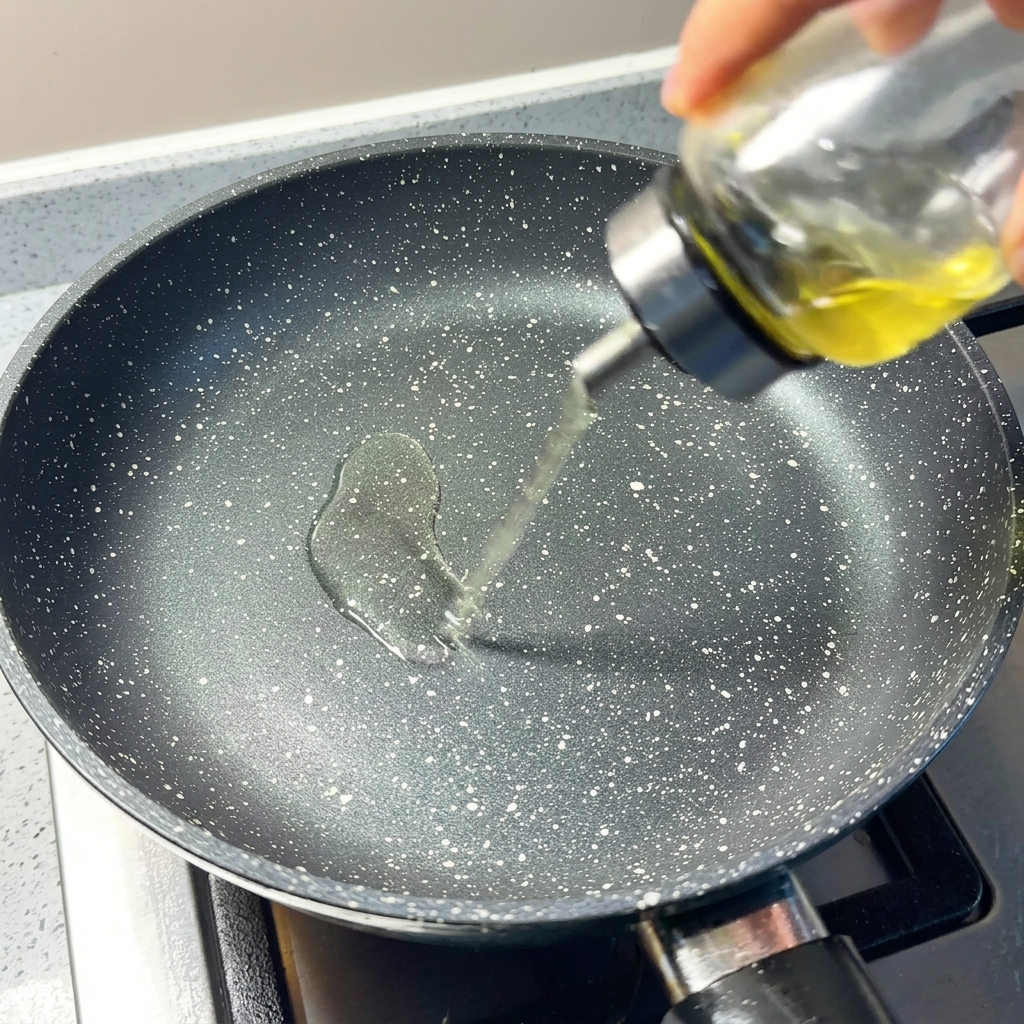
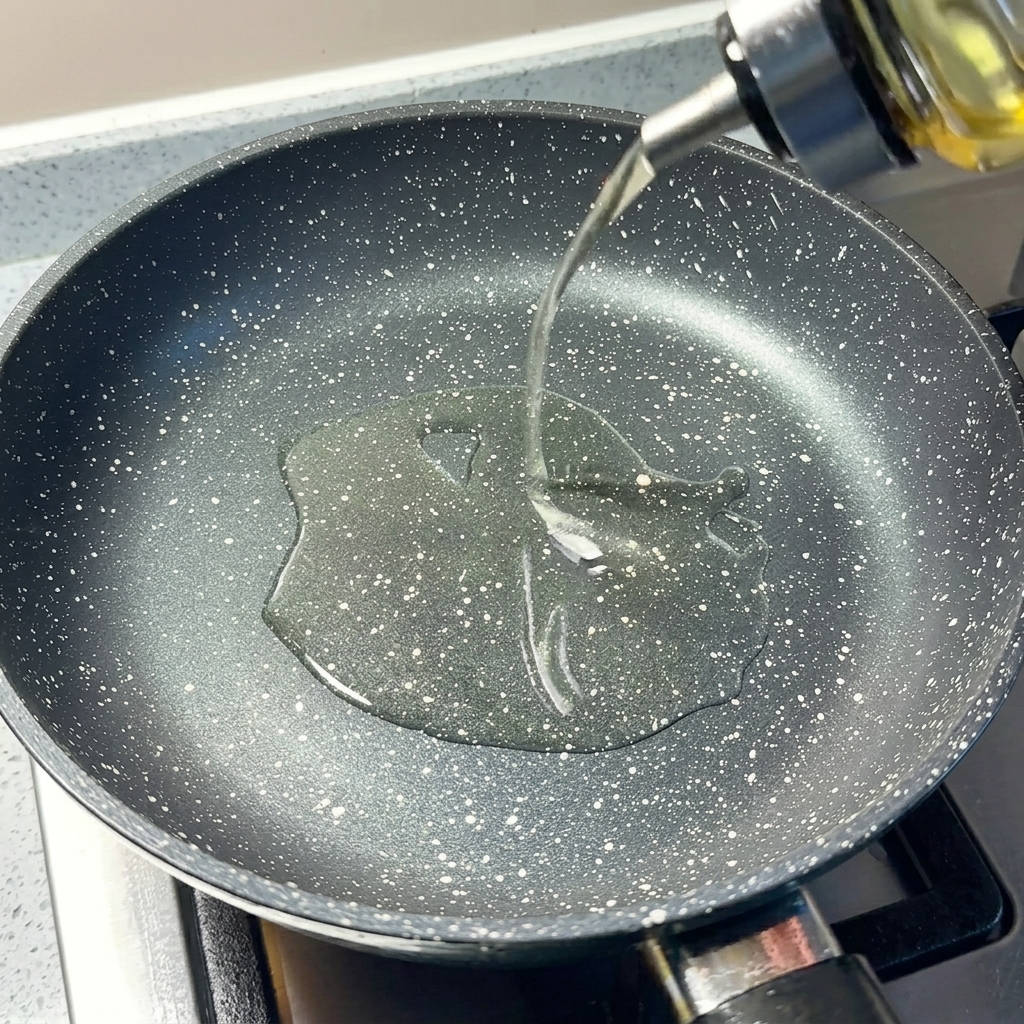
Place a pan over medium heat and pour in a small amount of cooking oil, ensuring the surface is evenly coated.
Tip: Use a neutral-flavored oil like vegetable or canola for this dish. - 2Sauté the aromatics
Add the prepared chopped scallions and a spoonful of minced garlic into the hot oil. Sauté them briefly until they become fragrant and lightly golden.
Tip: Keep the heat controlled so the garlic doesnt burn, which can turn bitter. - 3Add the meat
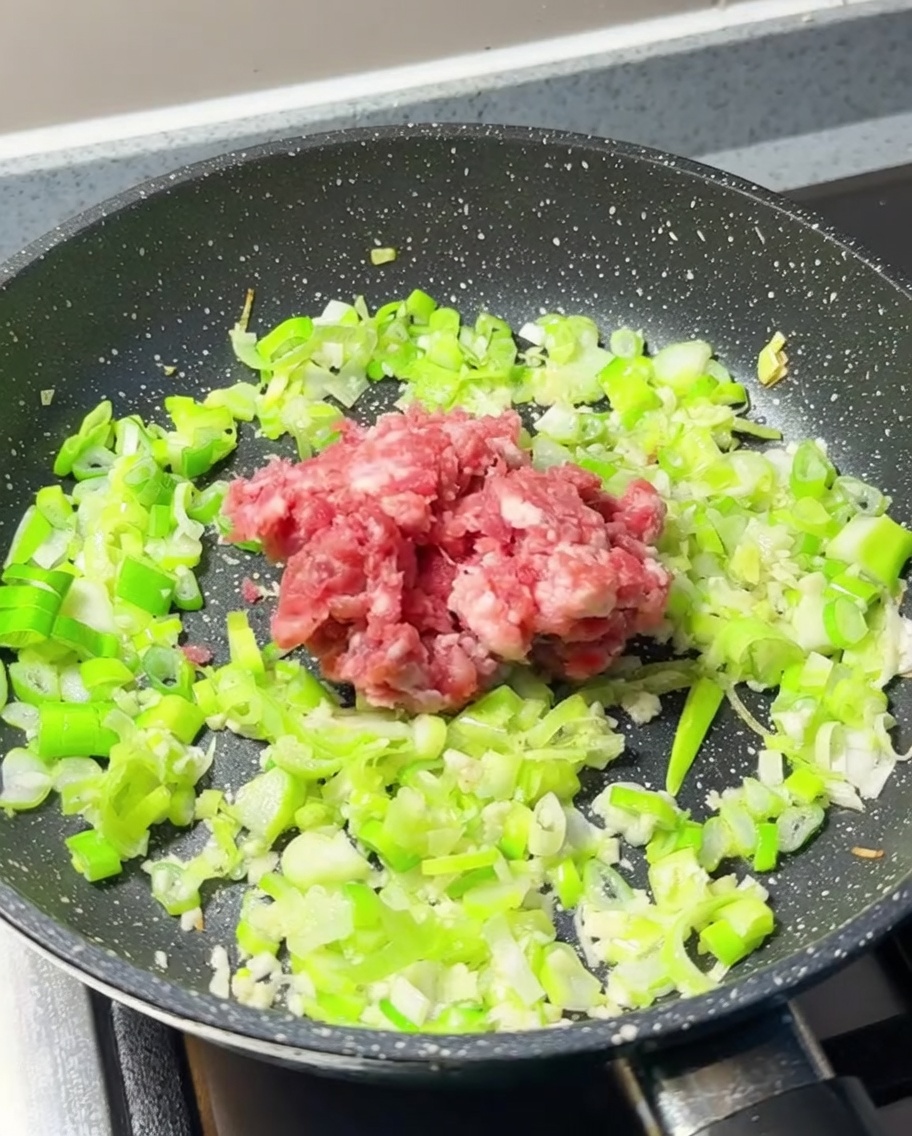
Place the minced meat into the pan directly onto the sautéed aromatics. Break it apart gently with your spatula to begin even cooking.
Tip: Using lean minced meat helps control the oiliness of the final dipping sauce. - 4Brown the meat
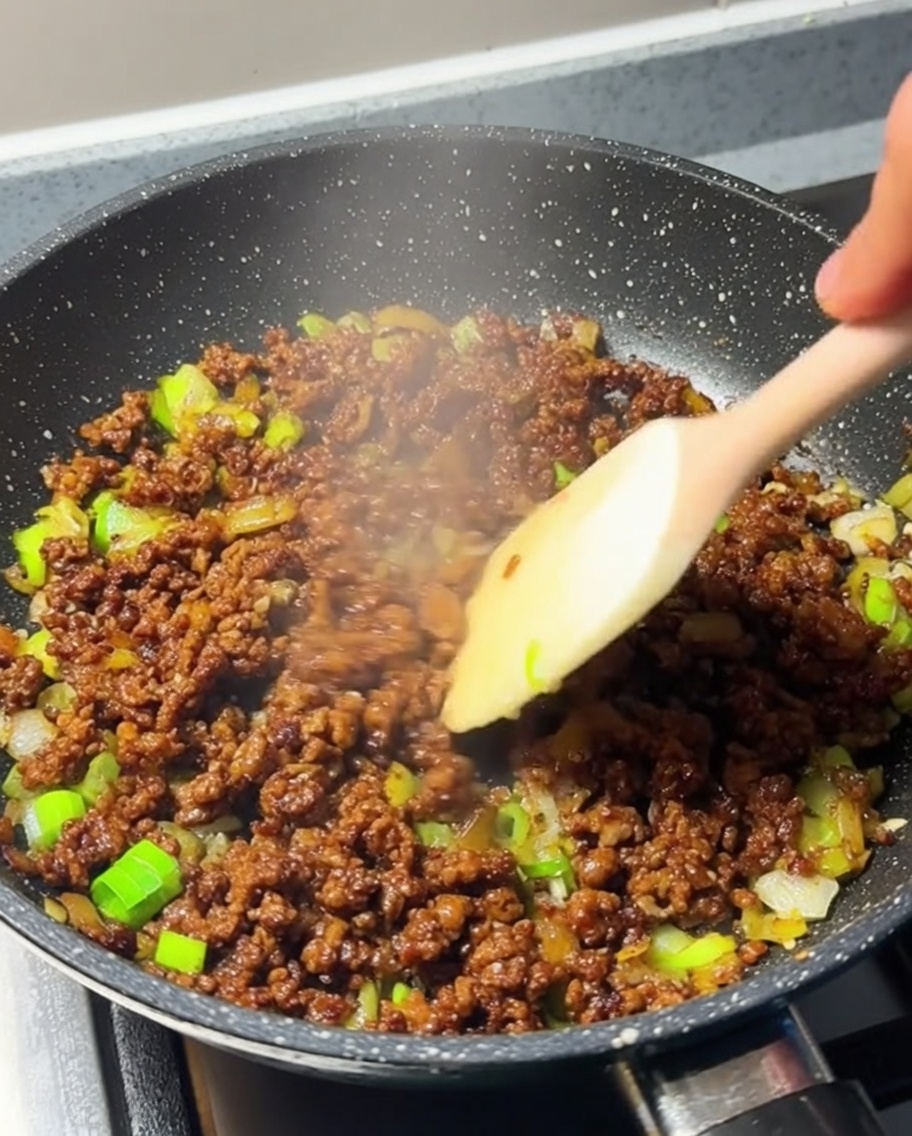
Stir the minced meat continuously in the pan, ensuring all pieces are well-distributed and cooked through until the meat changes color to a deep, browned state.
Tip: Ensure the meat is thoroughly browned to develop a deep savory base flavor. - 5Incorporate miso paste
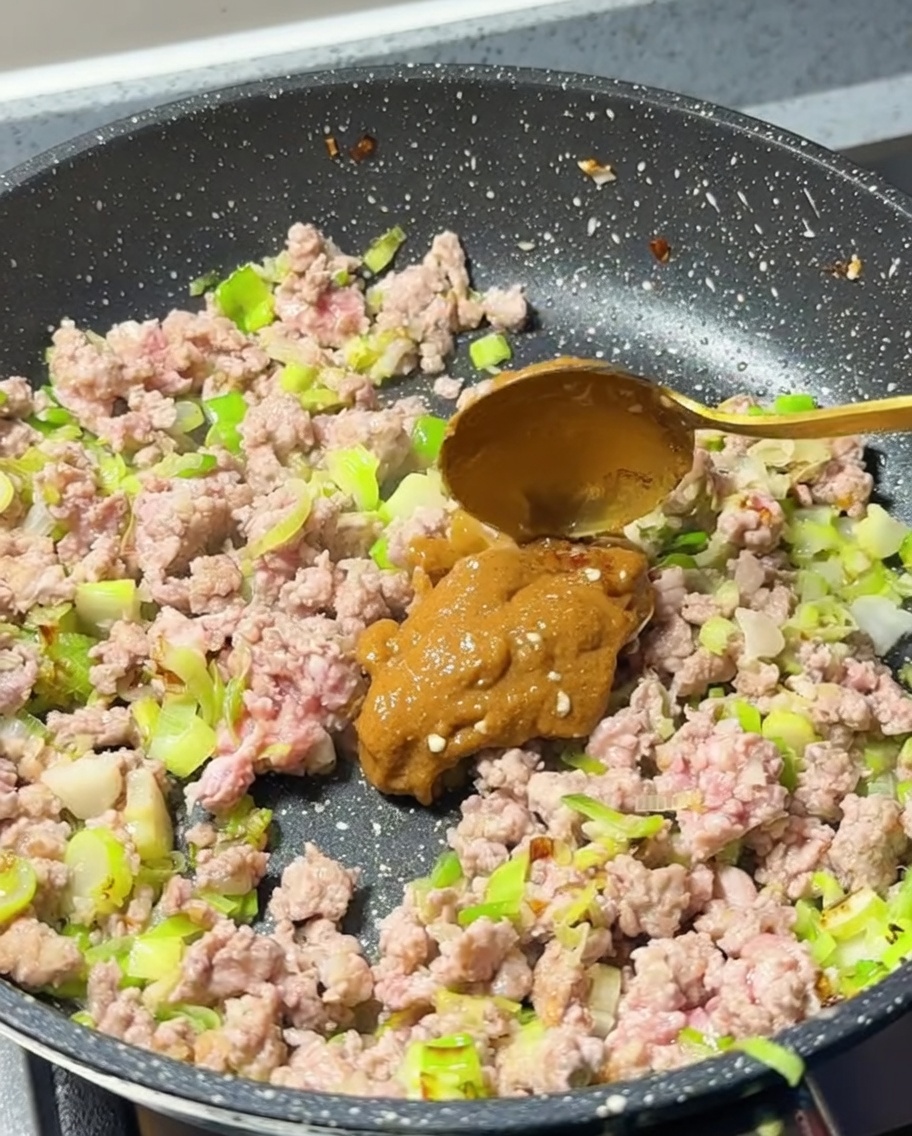
Add a spoonful of miso paste to the browned meat mixture. Stir thoroughly to ensure the miso dissolves and coats the meat evenly, building the foundation of the sauces savory flavor.
Tip: Miso adds a rich umami depth; make sure to blend it well so there are no clumps. - 6Season with sesame oil
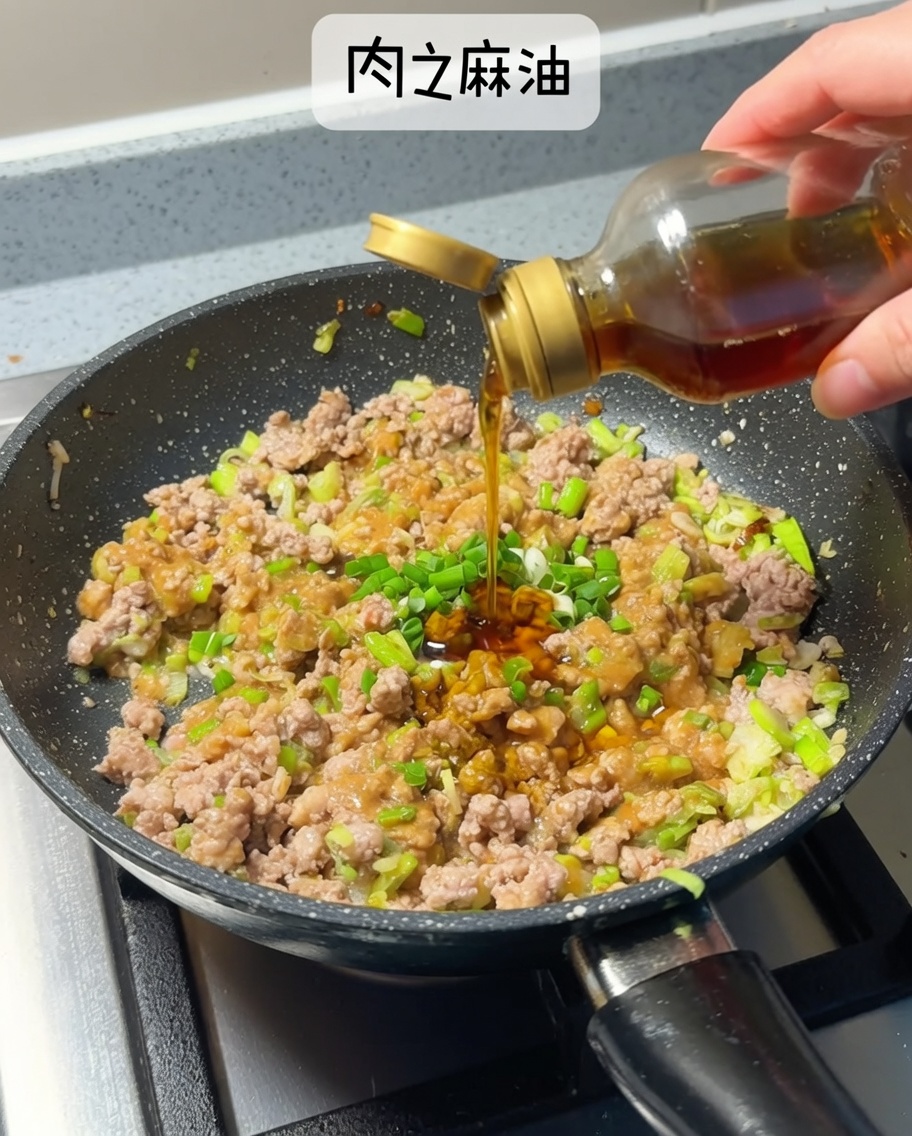
Drizzle a spoonful of toasted sesame oil over the meat and miso mixture. Stir well to infuse the sauce with its signature nutty aroma.
Tip: Sesame oil is heat-sensitive; add it towards the end of the stir-fry phase to preserve its flavor. - 7Season the meat mixture
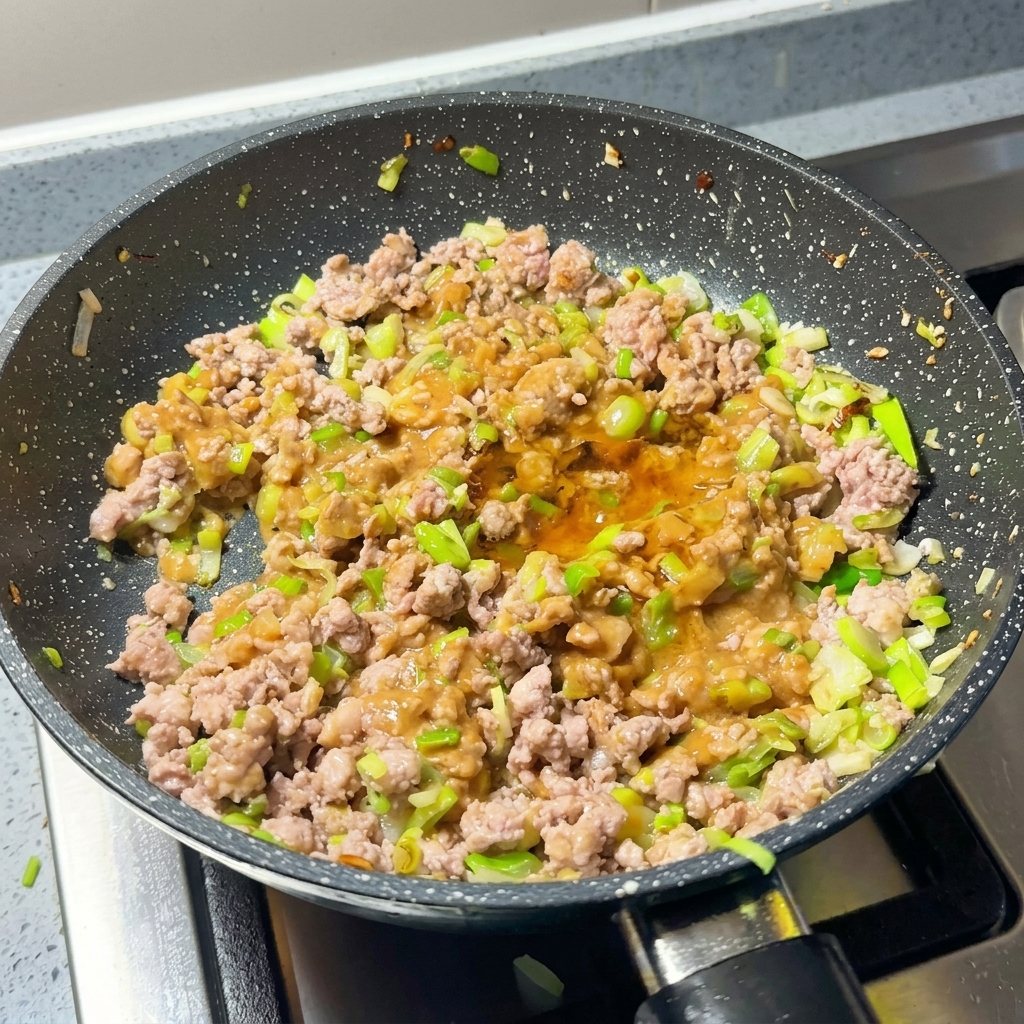
Add a spoonful of sugar and a spoonful of chili powder to the pan with the sautéed meat, miso paste, and scallions. Stir well to ensure the seasonings are evenly distributed and incorporated into the meat.
Tip: Adjust the chili powder to your preference if you prefer a milder or spicier sauce. - 8Continue seasoning the sauce
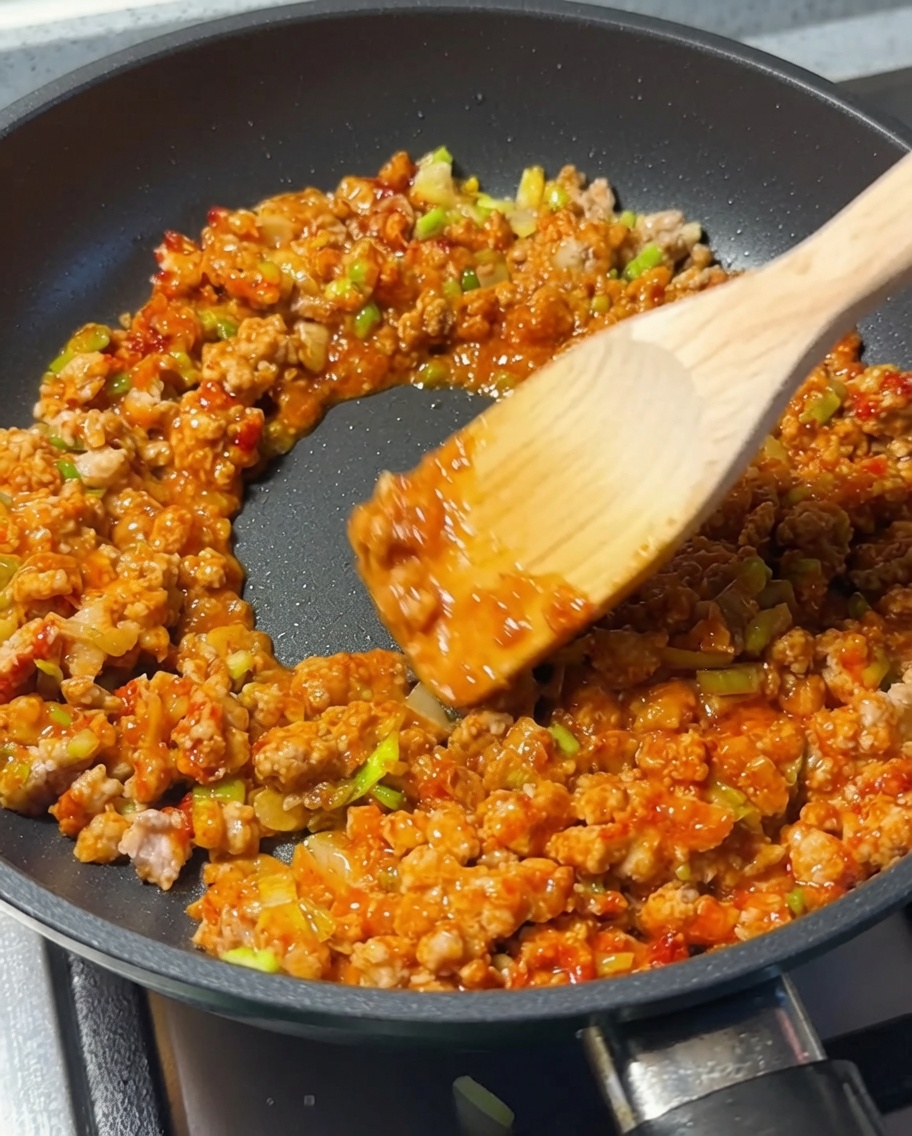
Add a spoonful of soy sauce and a dash of pepper to the meat mixture in the pan. Continue to stir and sauté the mixture so the flavors meld together thoroughly.
Tip: Soy sauce adds a savory depth that balances the sweetness of the sugar. - 9Add soy milk
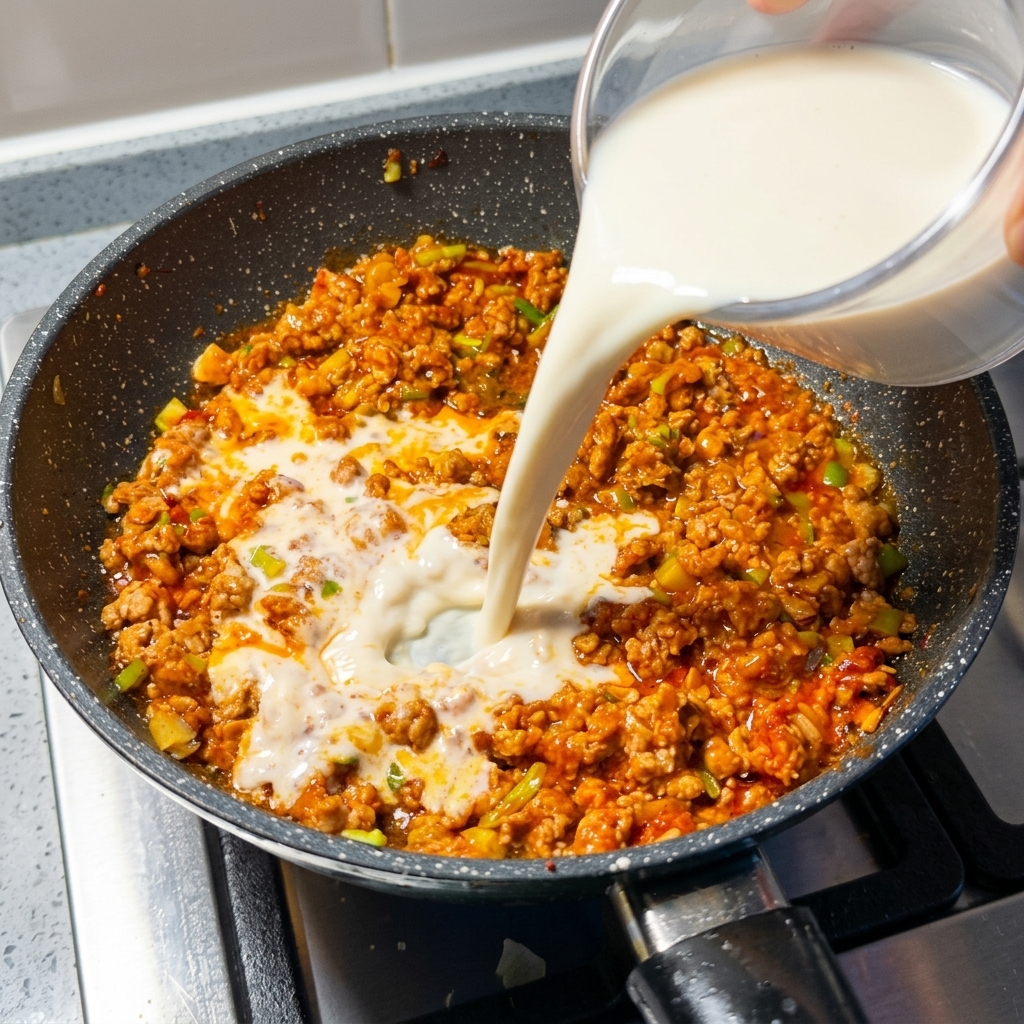
Pour 200ml of soy milk into the pan with the seasoned meat mixture. Stir continuously until the soy milk combines with the other ingredients and the sauce begins to thicken.
Tip: Use medium-low heat while adding the soy milk to prevent it from curdling or scorching. - 10Boil the noodles
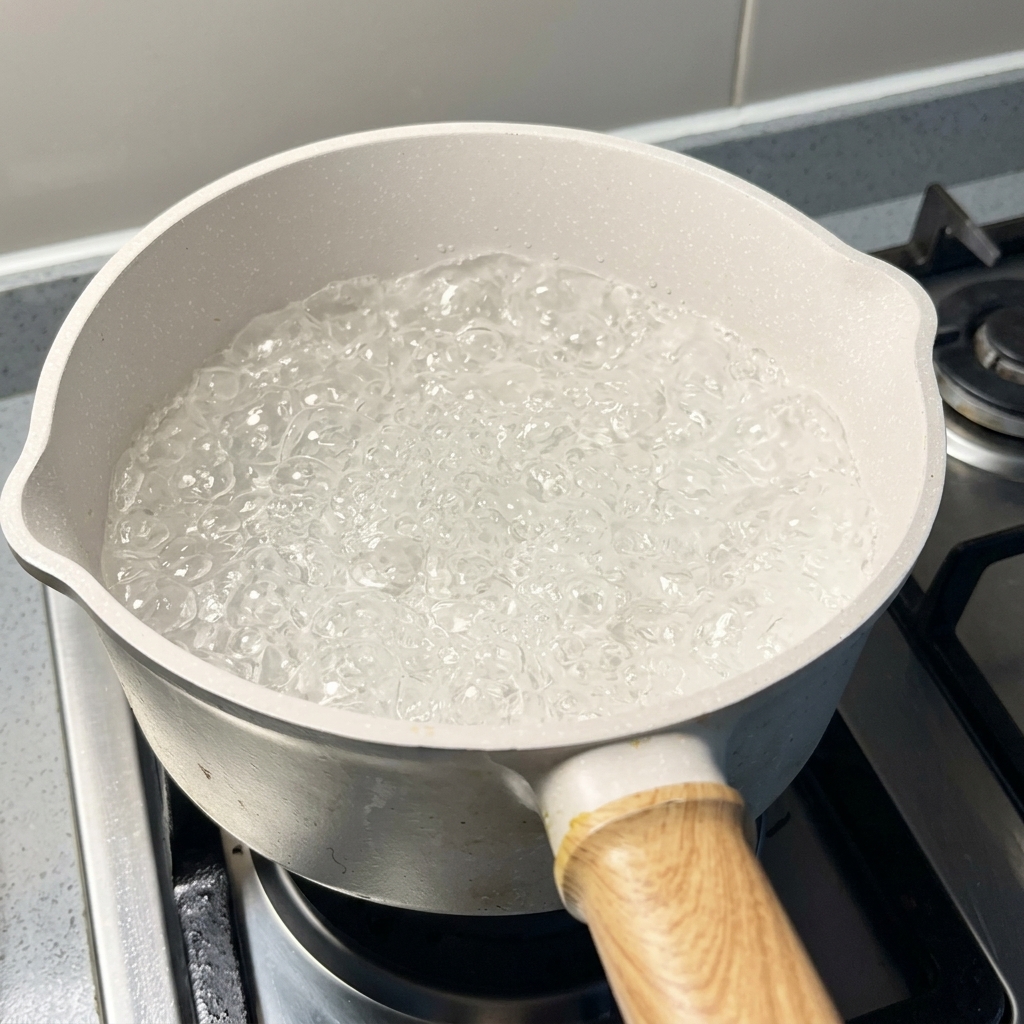
Bring a pot of water to a boil and add the noodles. Cook them according to the package instructions until they reach your desired texture.
Tip: Stir the noodles occasionally while they boil to prevent them from sticking together. - 11Drain and serve noodles
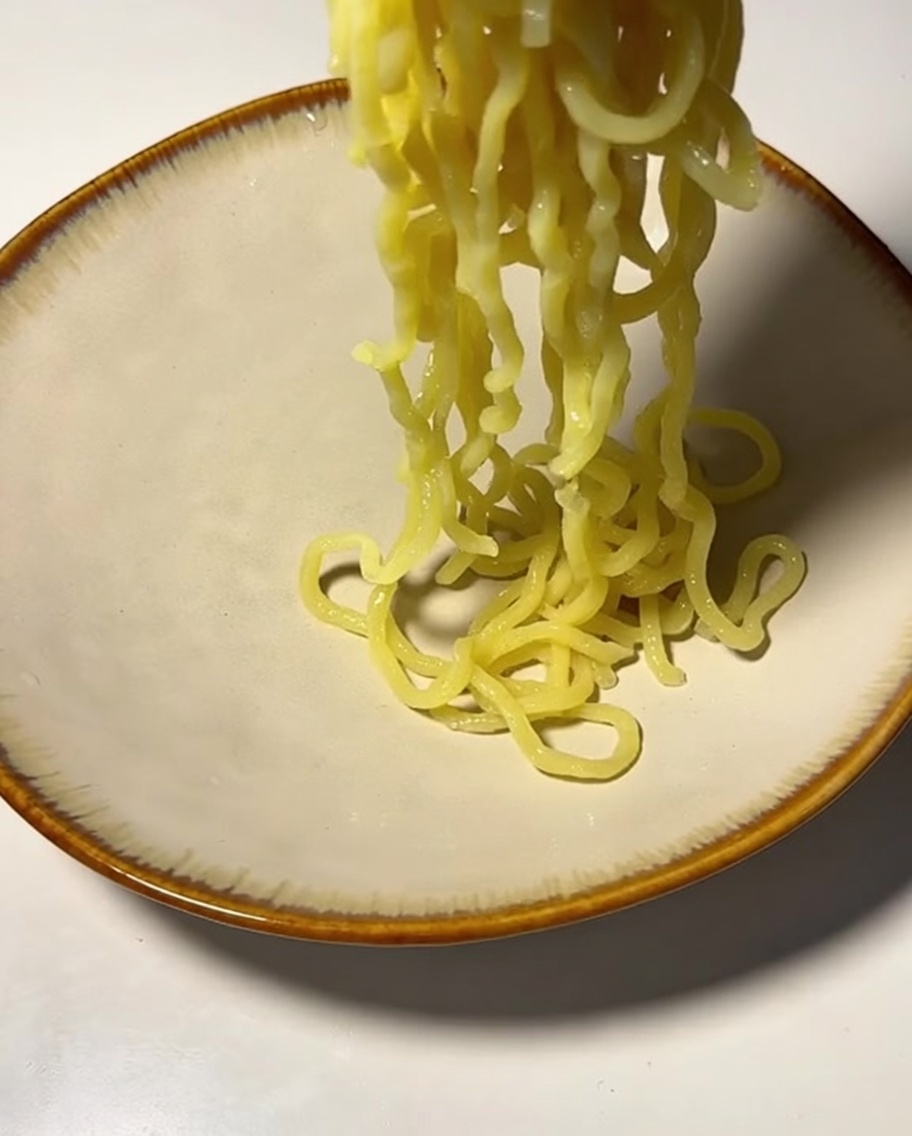
Once cooked, drain the noodles thoroughly and place them into a serving bowl.
Tip: Draining the water well prevents the sauce from becoming diluted. - 12Garnish and serve
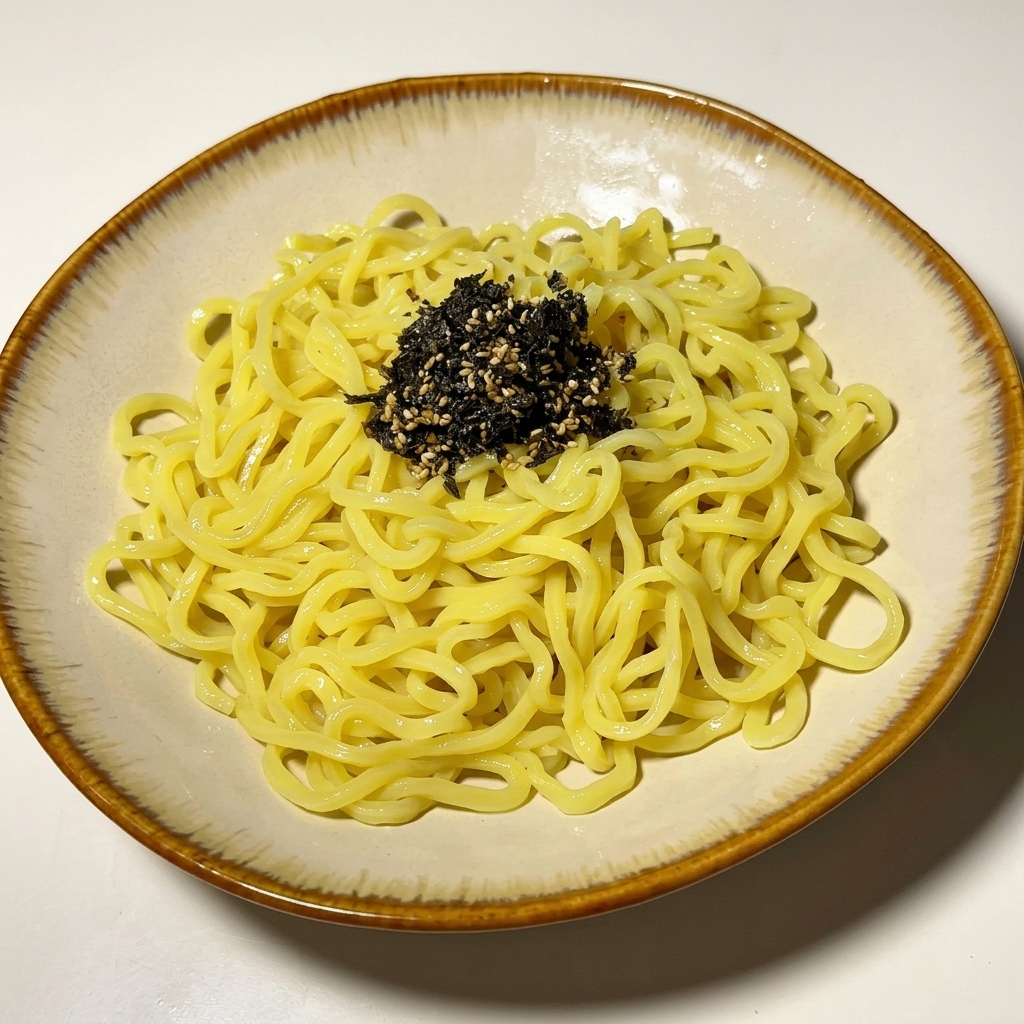
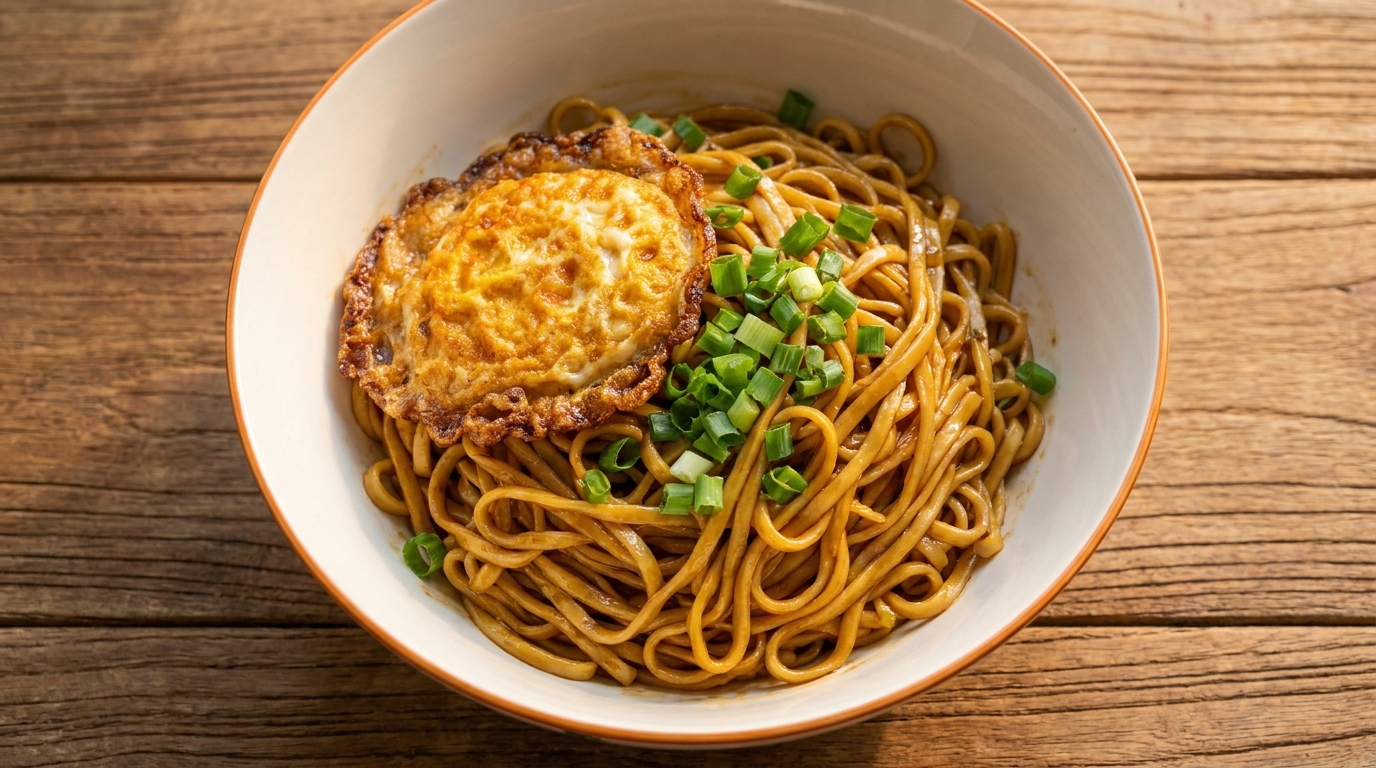
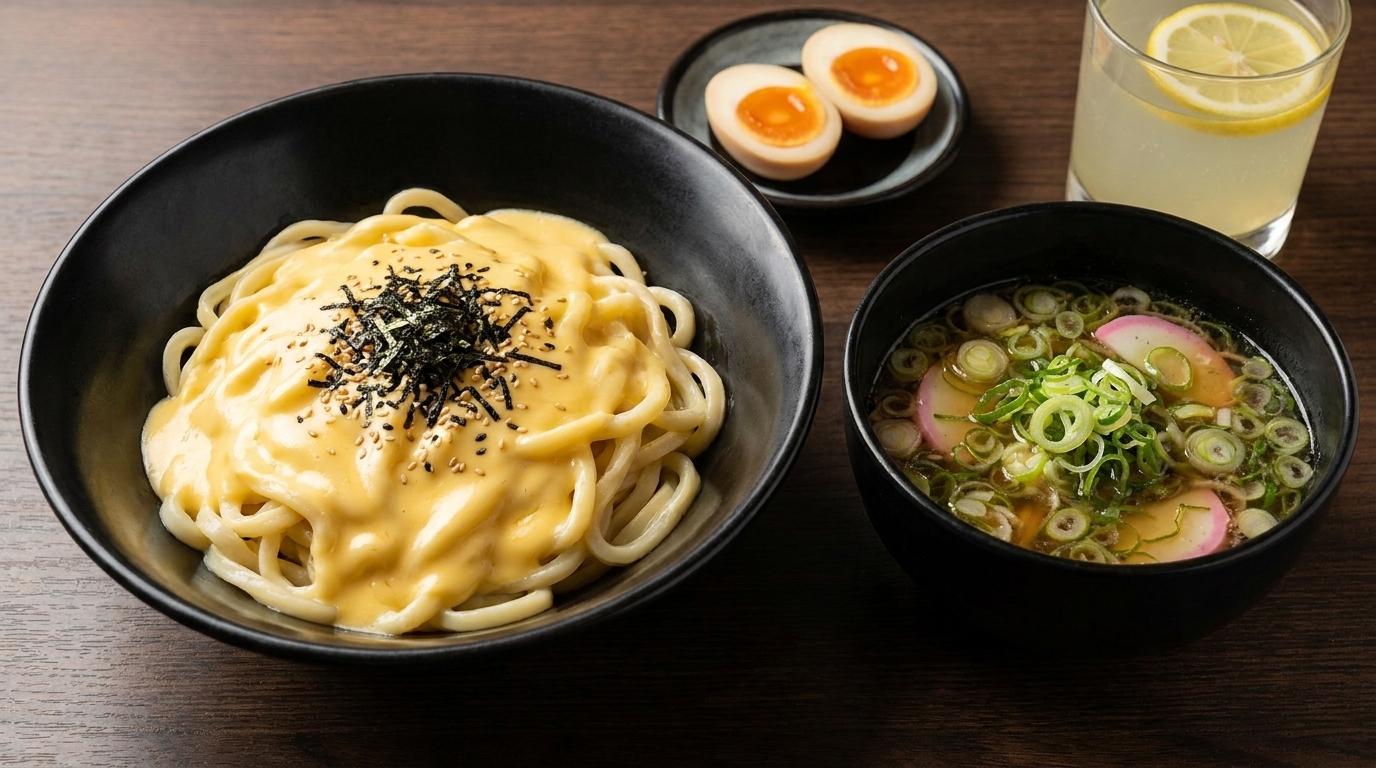
Top the noodles in the bowl with black sesame seeds and fresh scallion greens. Serve alongside the prepared dipping sauce, which can be garnished with additional scallions, white sesame seeds, and a drizzle of chili oil.
Tip: A little chili oil adds a nice kick to the dipping sauce.