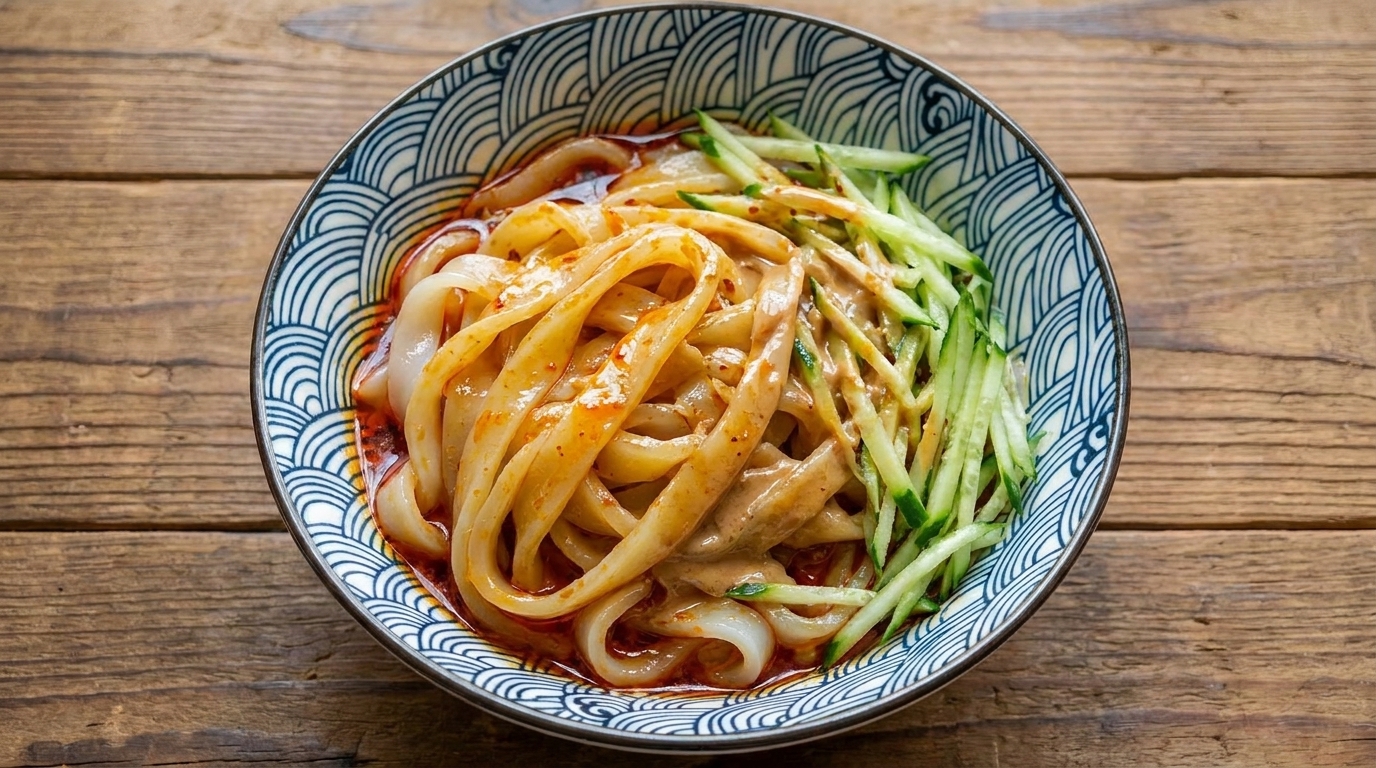
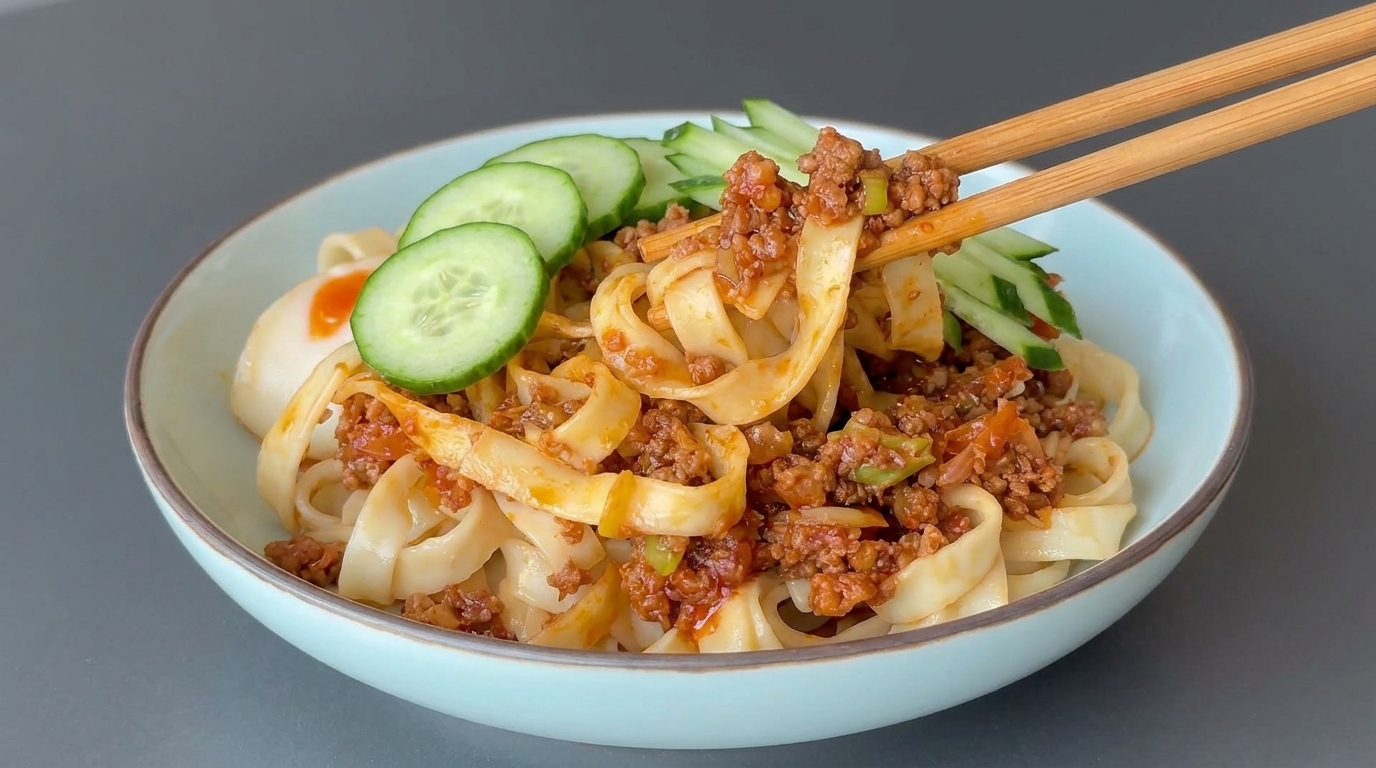
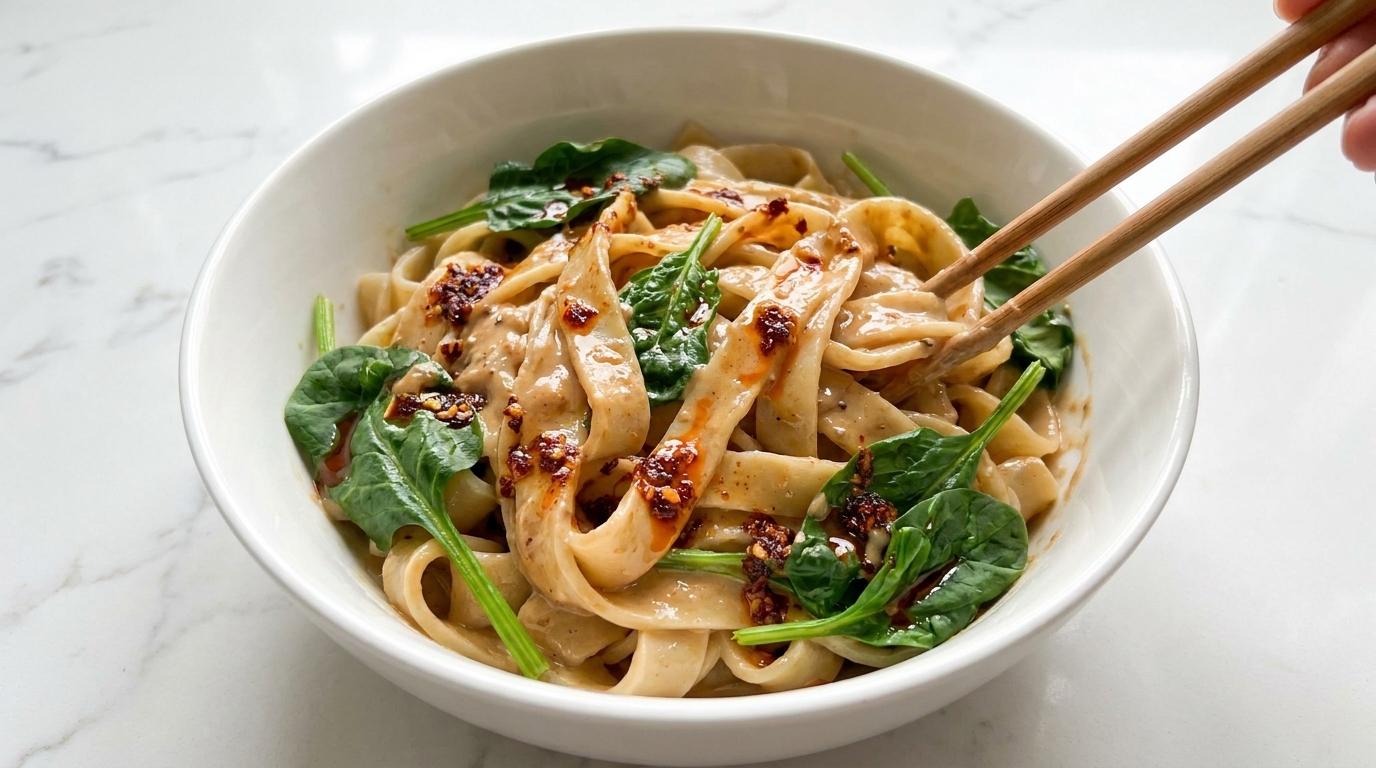
Sichuan-Style Dan Dan Spaghetti
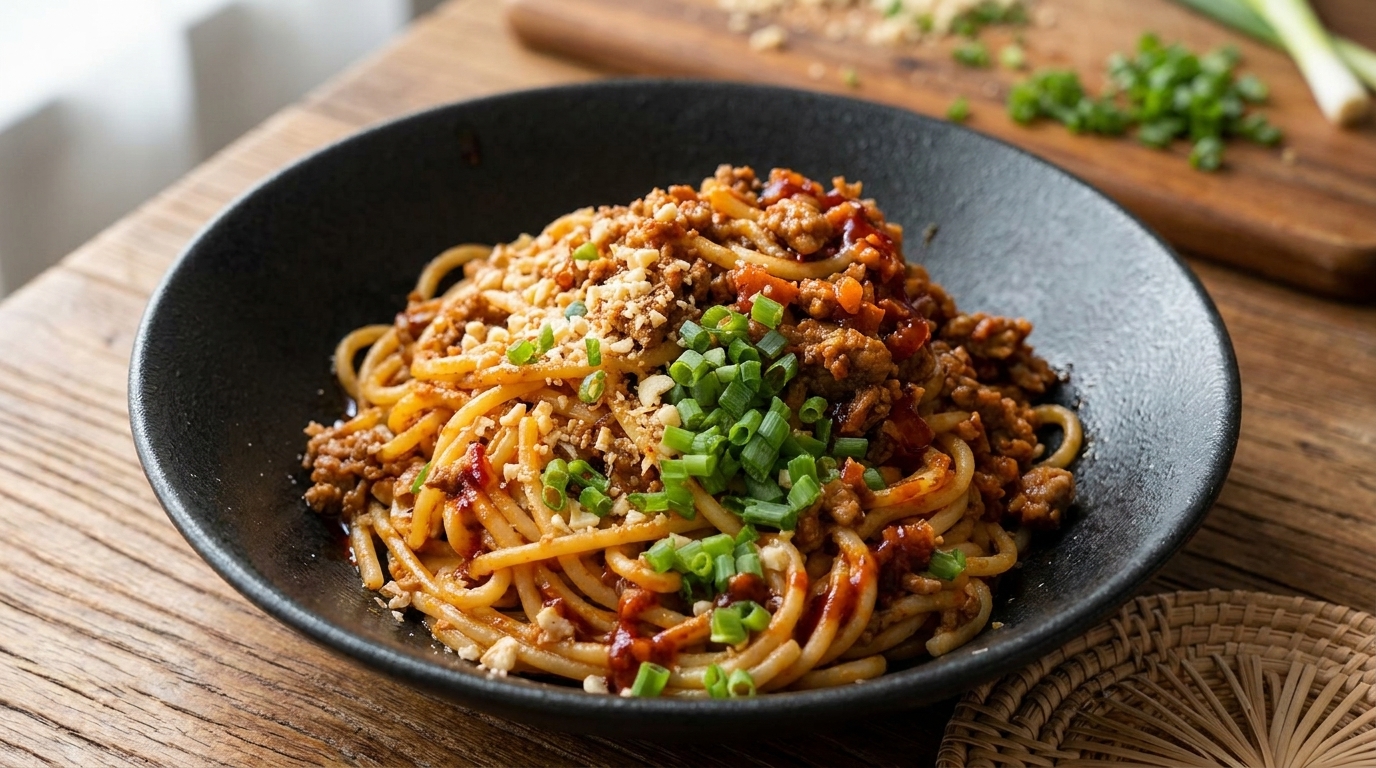
A fusion twist on a classic, this Dan Dan-inspired spaghetti pairs tender minced pork and savory sesame paste with a hint of sweetness from mashed carrots.
Dan Dan noodles are a cornerstone of Sichuan street food, celebrated for their numbing spice and rich, savory sauce. This creative interpretation uses spaghetti for a comforting, accessible twist, blending traditional aromatic bases like ginger-scallion water and doubanjiang with a unique carrot-based sauce for depth and texture.
Ingredients
- 200 g spaghetti
- 150 g minced pork
- 1 medium carrot
- 2 tbsp sesame paste
- 1 tbsp doubanjiang
- 2 cloves garlic
- 1 tsp Sichuan peppercorns
- 2 stalks scallions
- 1 knob ginger
- 1 tbsp soy sauce
- 1 tsp black pepper
- 2 tbsp crushed walnuts
- 1 tbsp chili oil
Instructions
- 1Boil the carrots
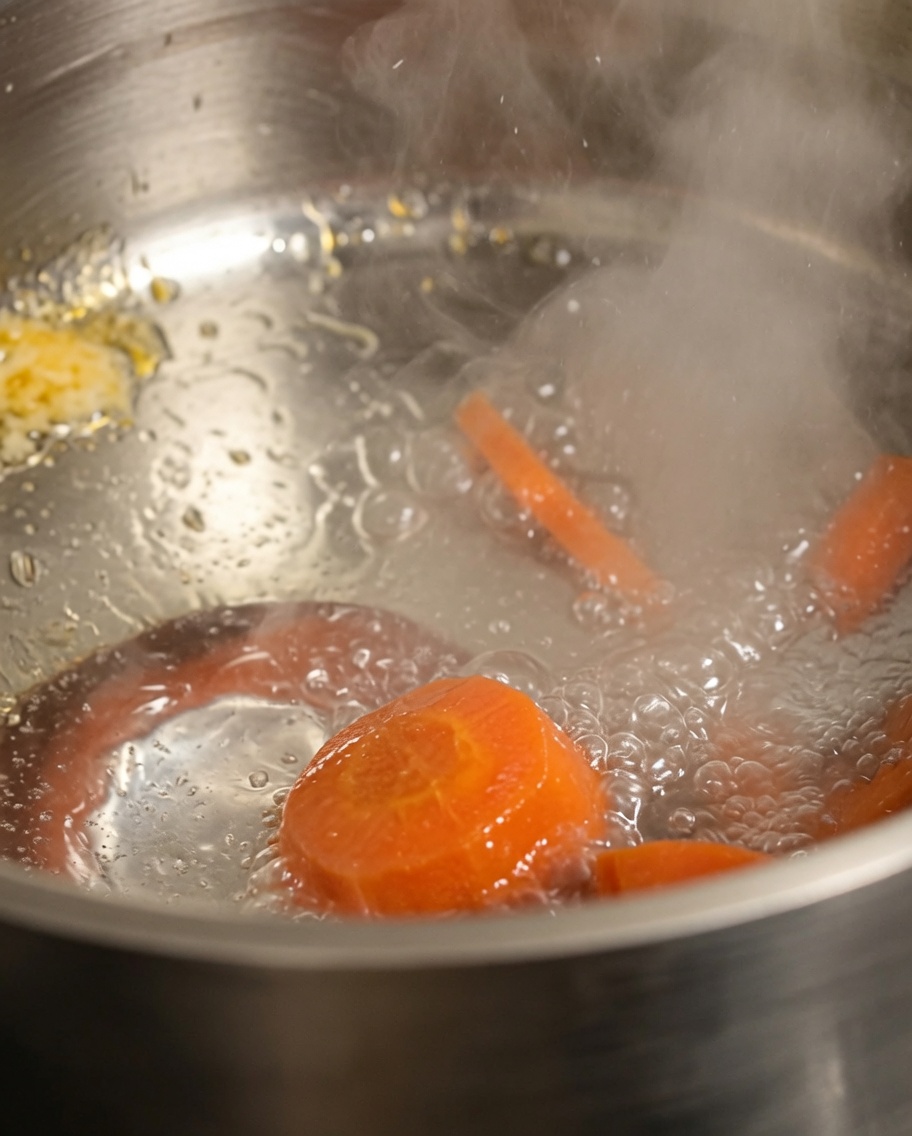
Place sliced carrots into a pot of boiling water and cook until they are soft enough to mash easily. Boiling helps break down the structure of the carrots, making them a perfect base for the sauces texture.
Tip: Keep the water at a steady boil to ensure the carrots cook evenly. - 2Prepare the garlic water
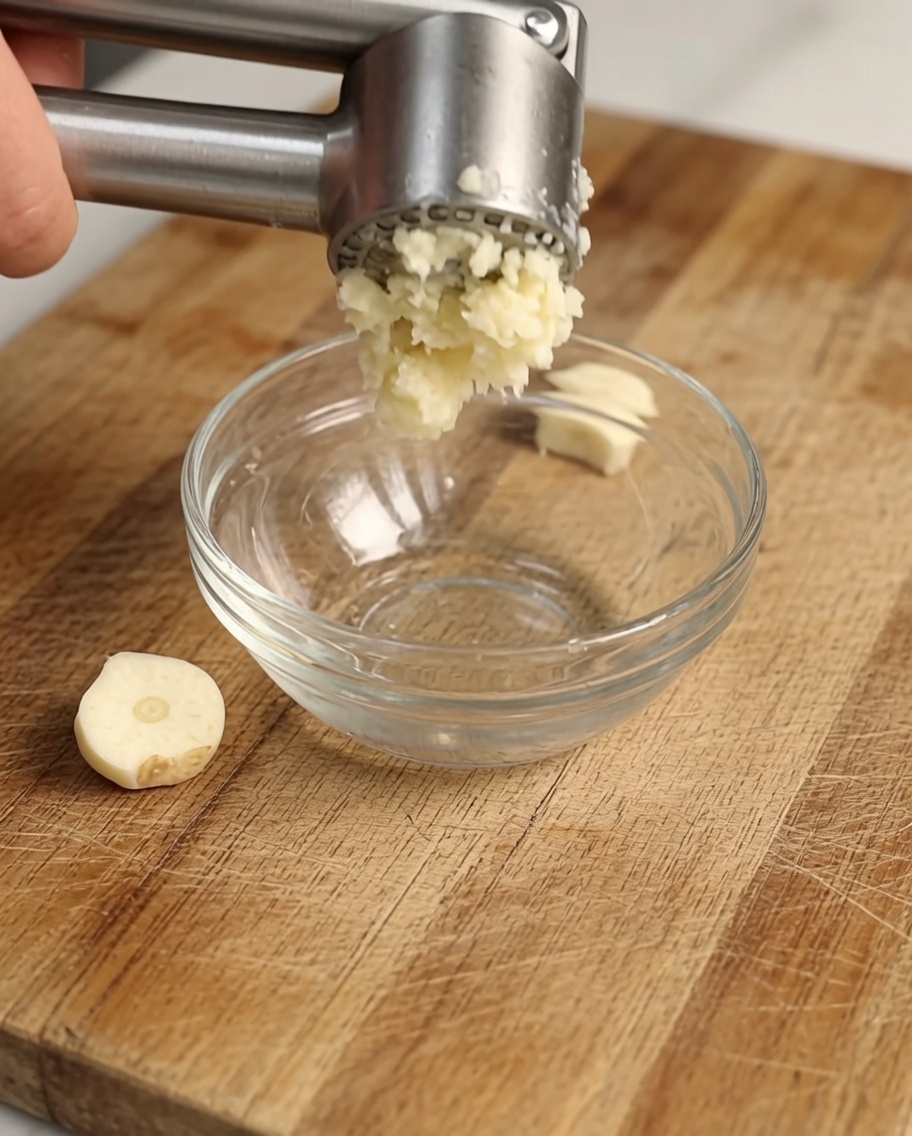
Using a garlic press, crush fresh garlic cloves directly into a small bowl of salted water. This infused water will later be used to enhance the flavor of the sesame sauce.
Tip: Using a press ensures the garlic releases maximum flavor into the water. - 3Prepare the sesame paste
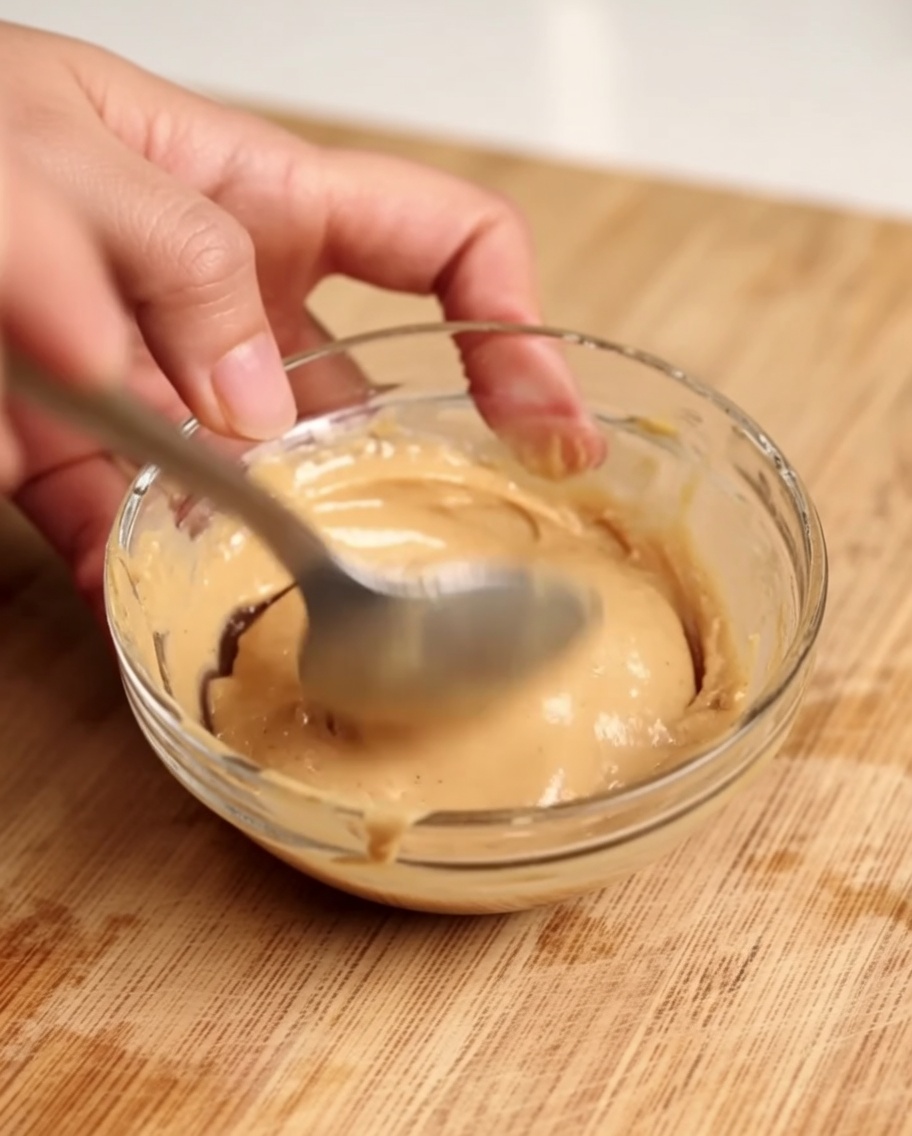
In a small bowl, thoroughly mix the sesame paste until it reaches a smooth and uniform consistency. A smooth paste will ensure that it incorporates evenly into the sauce later.
Tip: If the paste is too thick, add a small amount of warm water to loosen it. - 4Infuse the aromatics
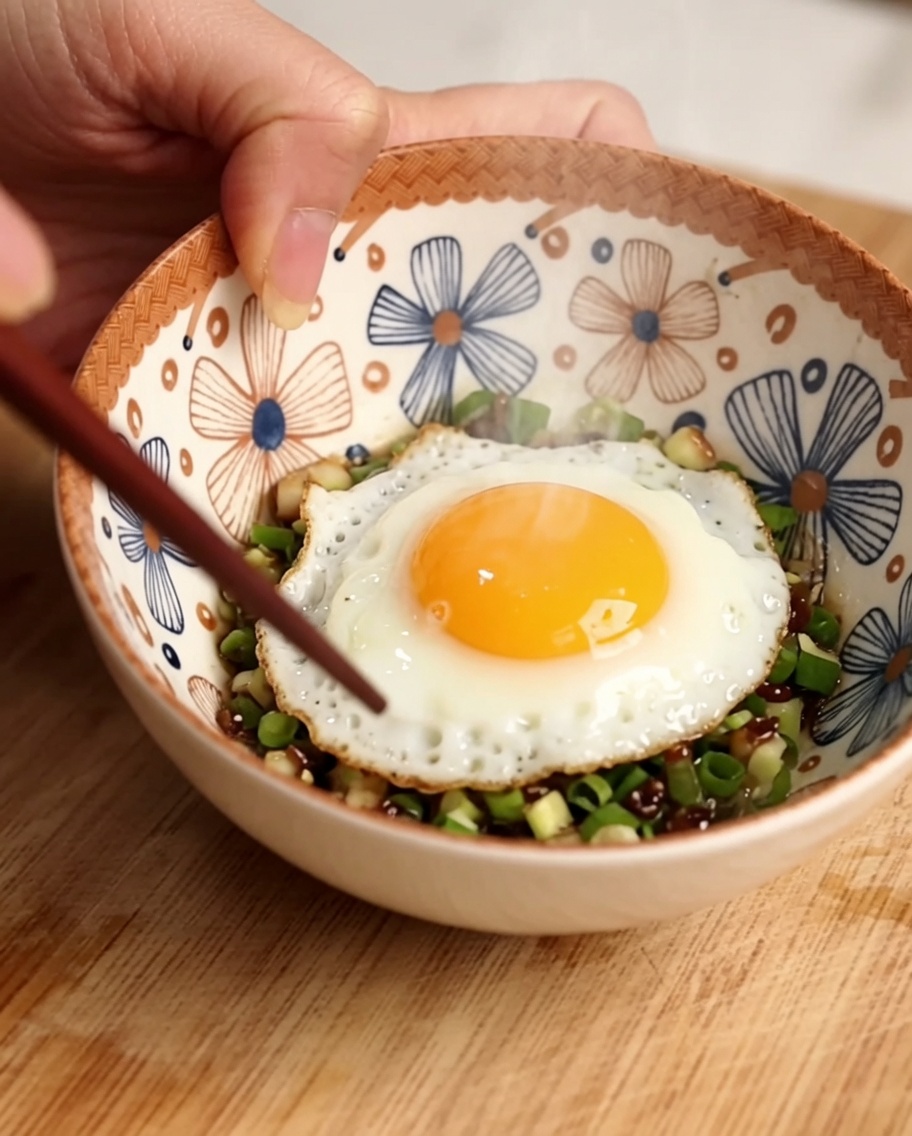
Combine ginger, scallions, and Sichuan peppercorns in a bowl of water. Stir the mixture with chopsticks to allow the flavors of the aromatics to infuse into the water, which will be added to the pork sauce.
Tip: Allow the mixture to steep for a few minutes for a stronger aromatic profile. - 5Chop the scallions
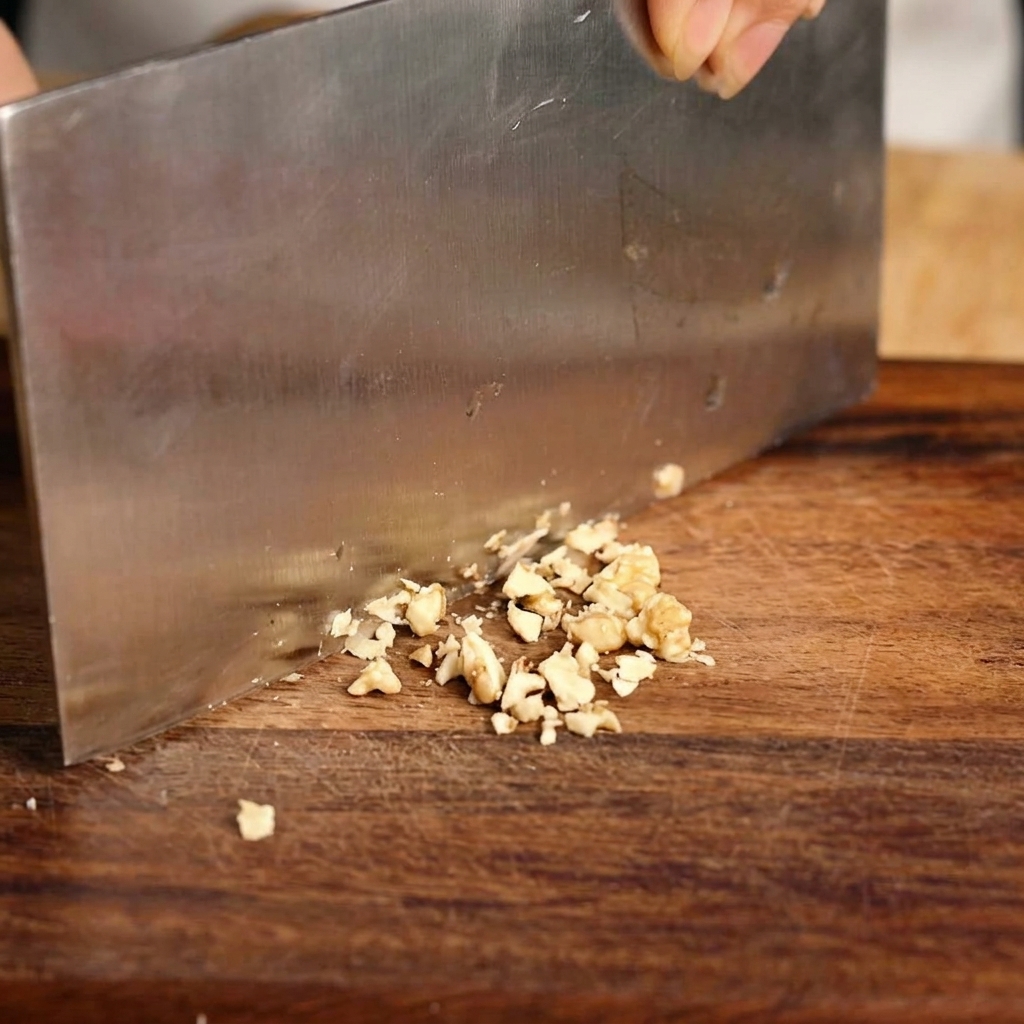
Finely chop the fresh scallions on a wooden cutting board. These will be used for both the aromatic infusion and as a fresh garnish for the finished dish.
Tip: Use a sharp knife to ensure clean cuts, which helps keep the scallions fresh. - 6Mince the pork
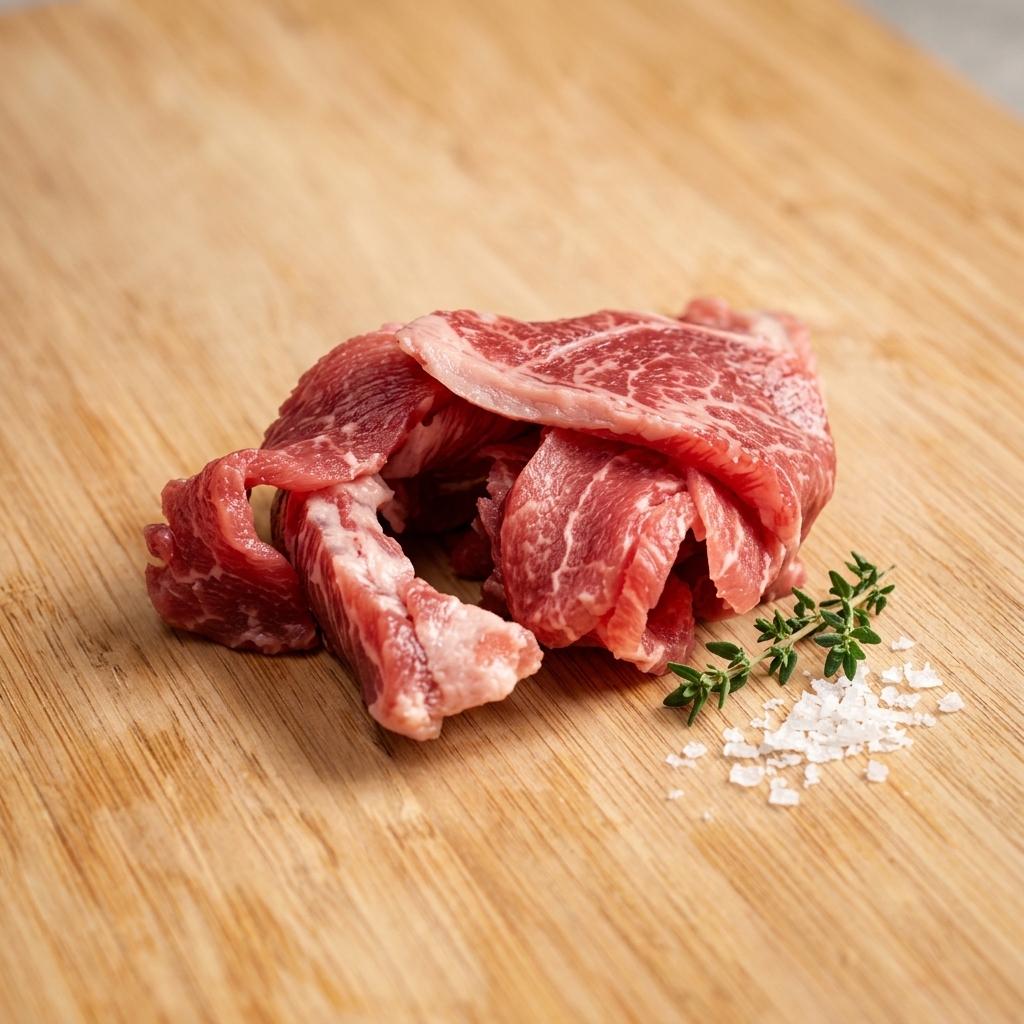
Using a large cleaver, carefully mince the pork on a wooden cutting board until it reaches a fine texture. Ensure the pork has some fat content to provide flavor and moisture to the sauce.
Tip: Mincing by hand provides a better texture than pre-ground meat. - 7Mash the carrots
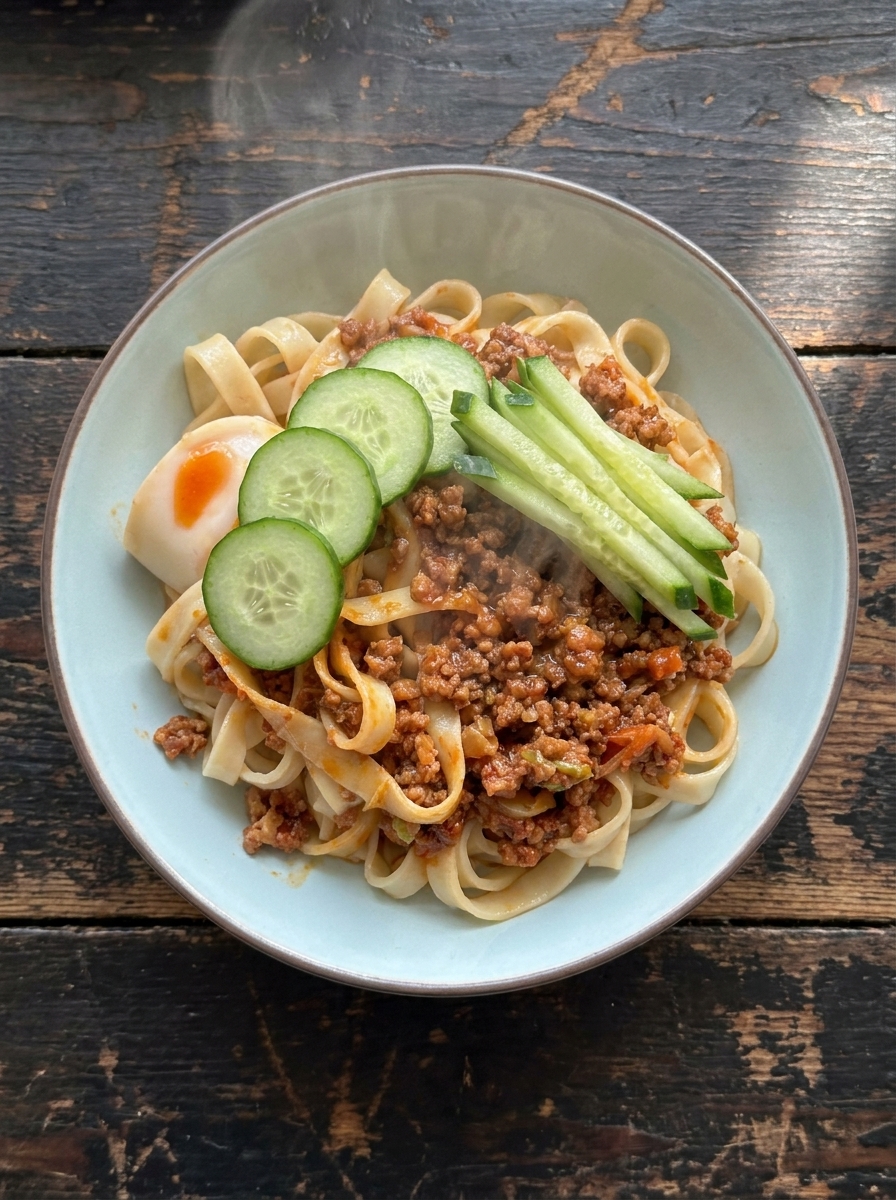
Take the previously boiled carrots and use a wooden pestle or masher to break them down into a smooth, consistent mash in a bowl. This carrot base adds a subtle sweetness and body to the final sauce.
Tip: Ensure the carrots are soft enough to mash easily; you can add a tiny splash of the cooking water if needed for a smoother texture. - 8Cook the spaghetti
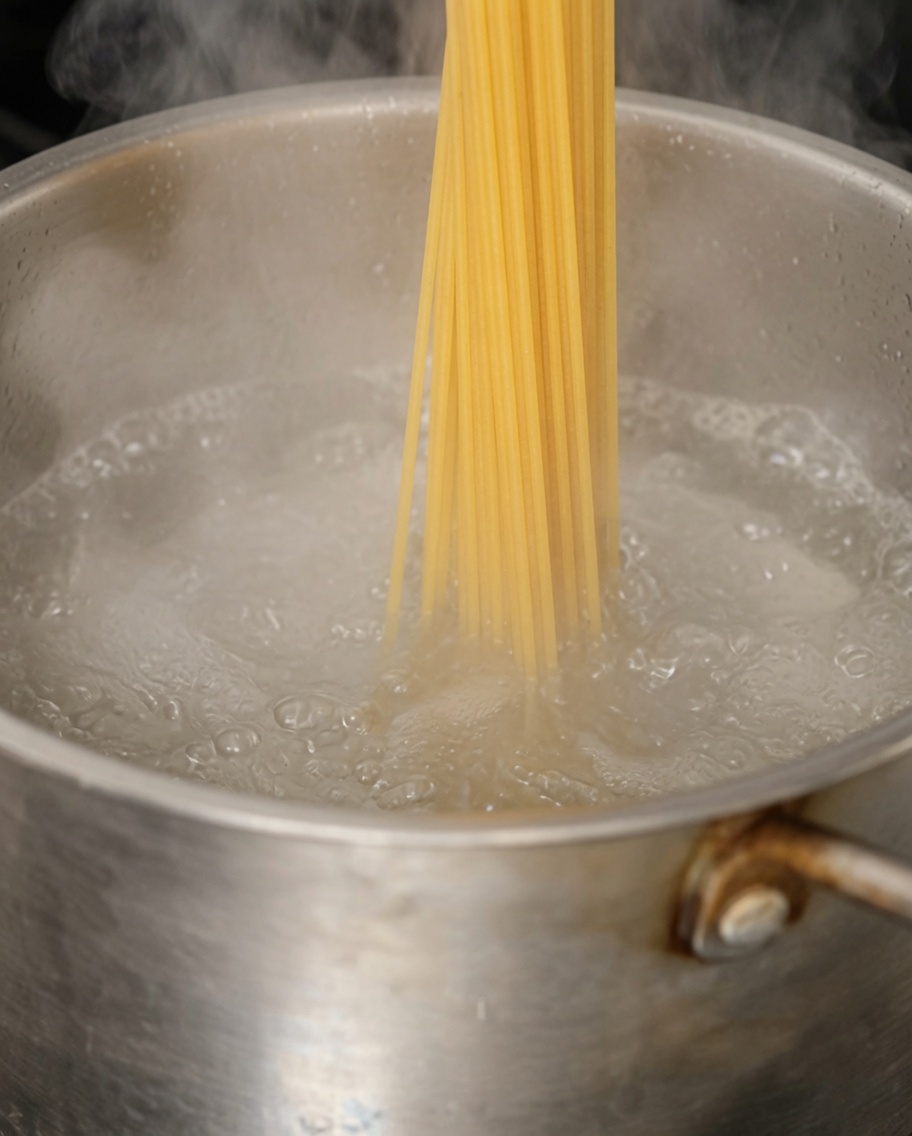
Bring a pot of salted water to a rolling boil and carefully add the spaghetti. Allow the pasta to cook according to the package directions until it reaches a firm, al dente texture. The salted water will season the pasta so it perfectly complements the rich meat sauce.
Tip: Make sure your water is generously salted before adding the pasta to build flavor from the very beginning. - 9Stir-fry the minced pork
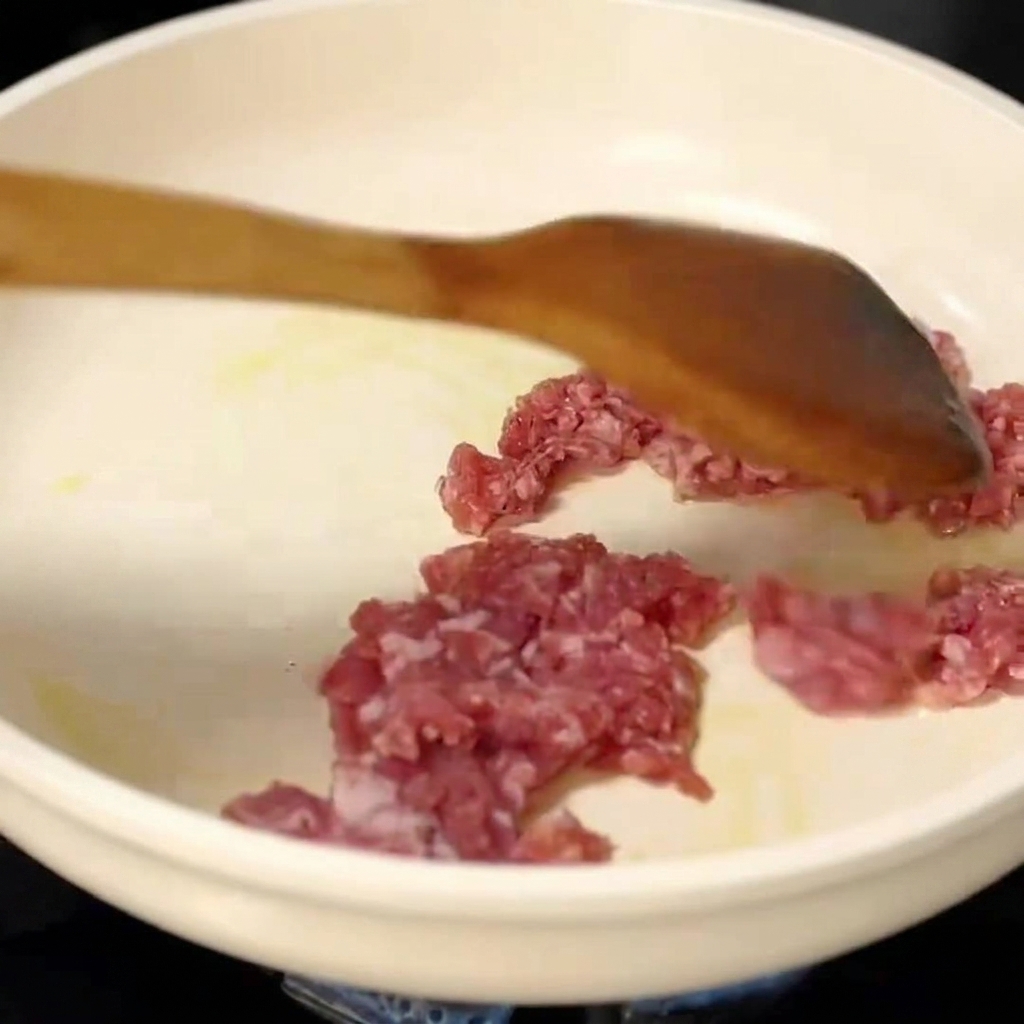
Place the minced pork into a heated pan and begin to stir-fry using a wooden spatula. Break the meat apart as it cooks, allowing the fat to render and the pork to become fragrant and lightly cooked throughout.
Tip: Choosing a cut of pork with a good amount of fat will ensure the final sauce is rich and incredibly flavorful. - 10Add the garlic and pepper
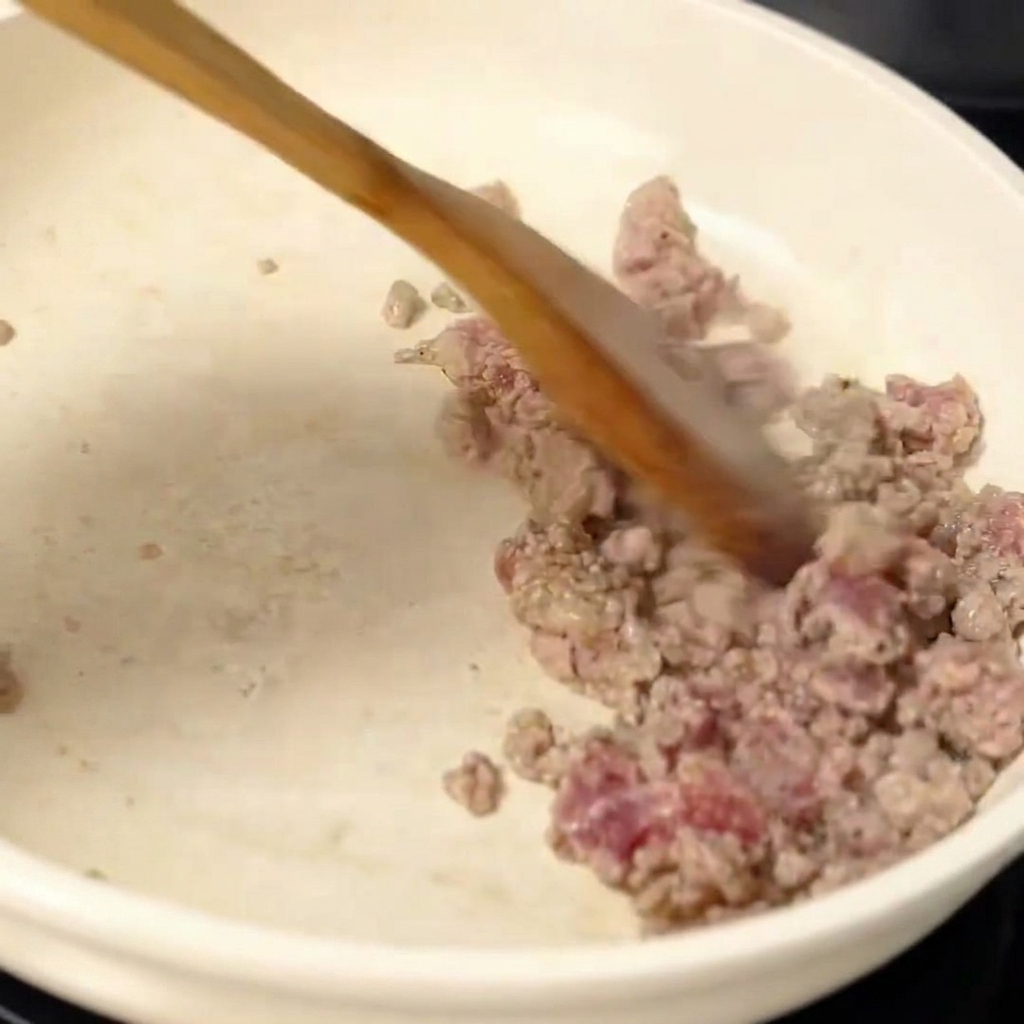
Once the minced pork has browned and the fat has completely rendered, add the crushed garlic and season with black pepper. Stir continuously to infuse the meat with the aromatics without letting the garlic burn.
Tip: Always wait until the meat is fully browned before adding the garlic to prevent the aromatics from burning and turning bitter. - 11Mix in the doubanjiang
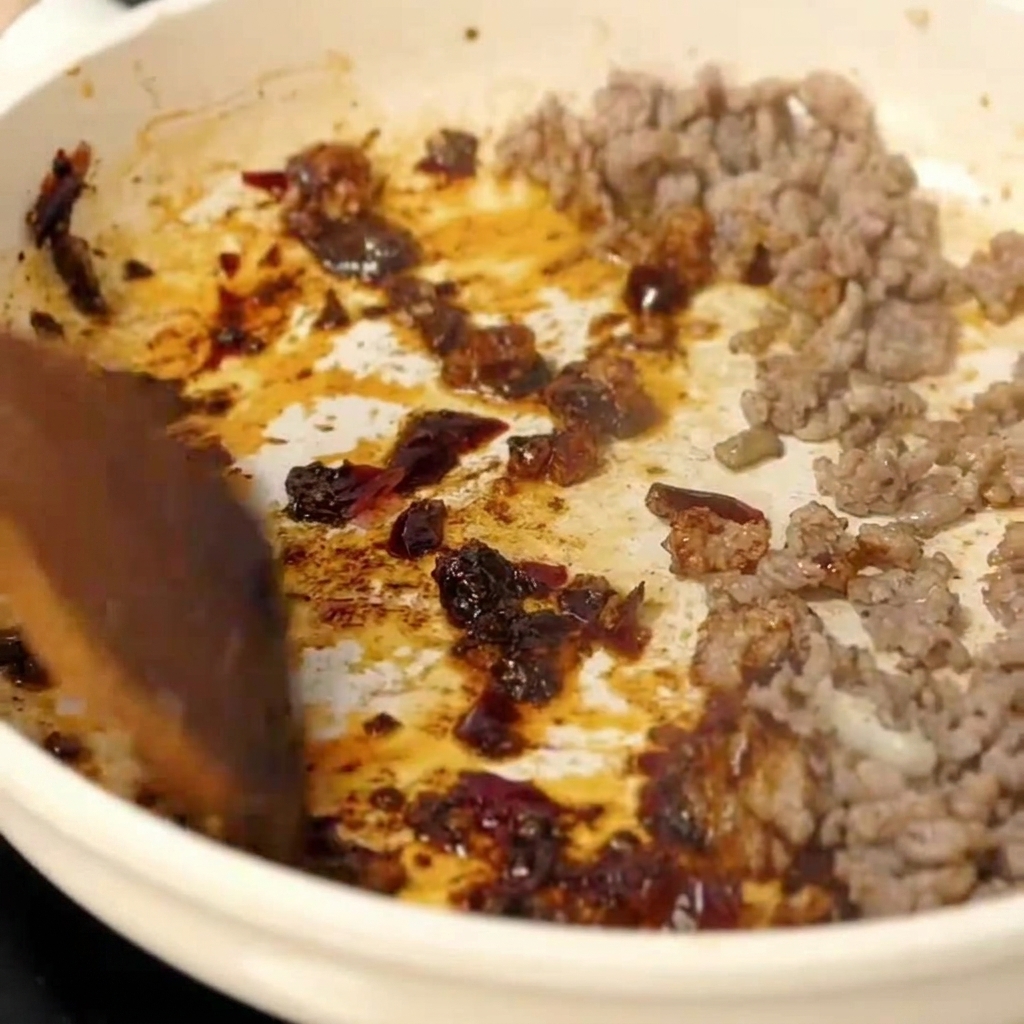
Add the doubanjiang directly into the browned pork mixture. Stir everything together thoroughly so the spicy bean paste coats the meat evenly and begins to release its vibrant red oils into the pan.
Tip: Frying the doubanjiang briefly with the hot fat helps to unlock its rich color and deepen its complex flavor profile. - 12Incorporate the sauce base
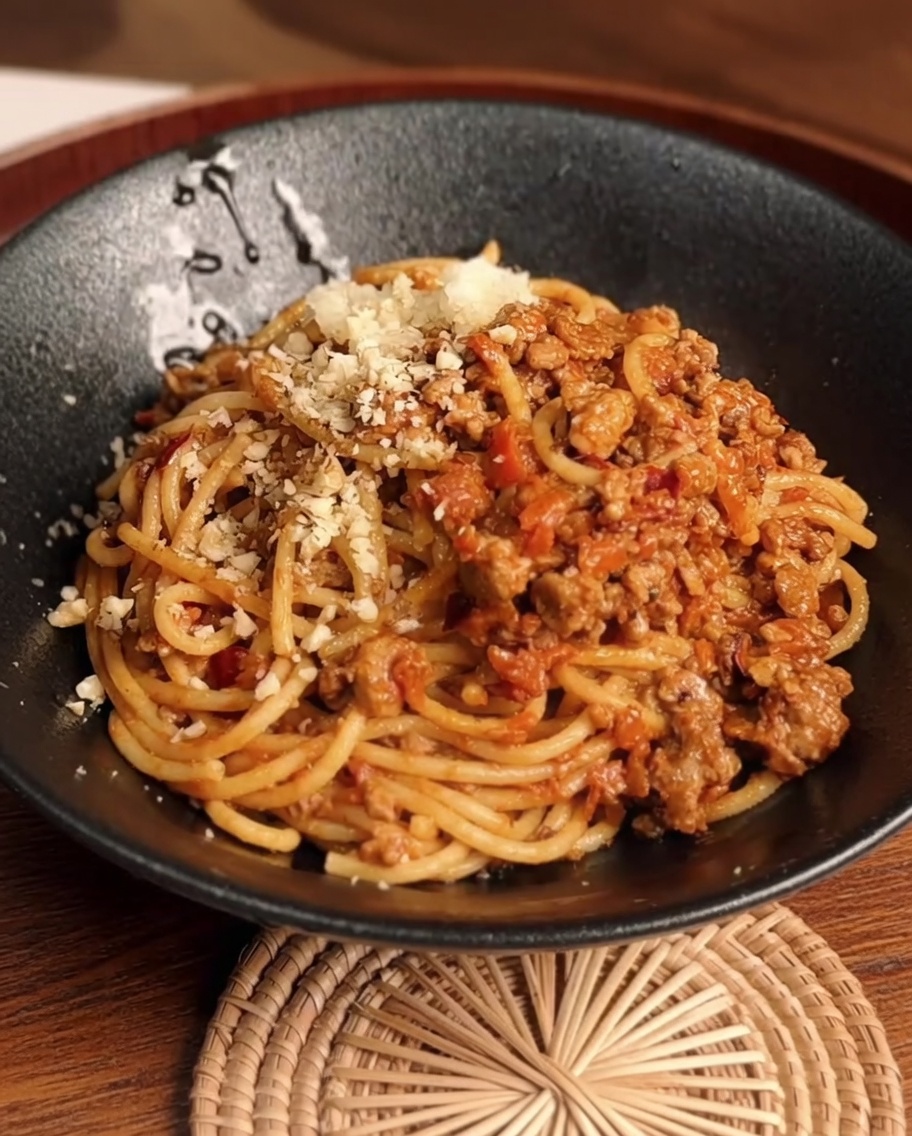
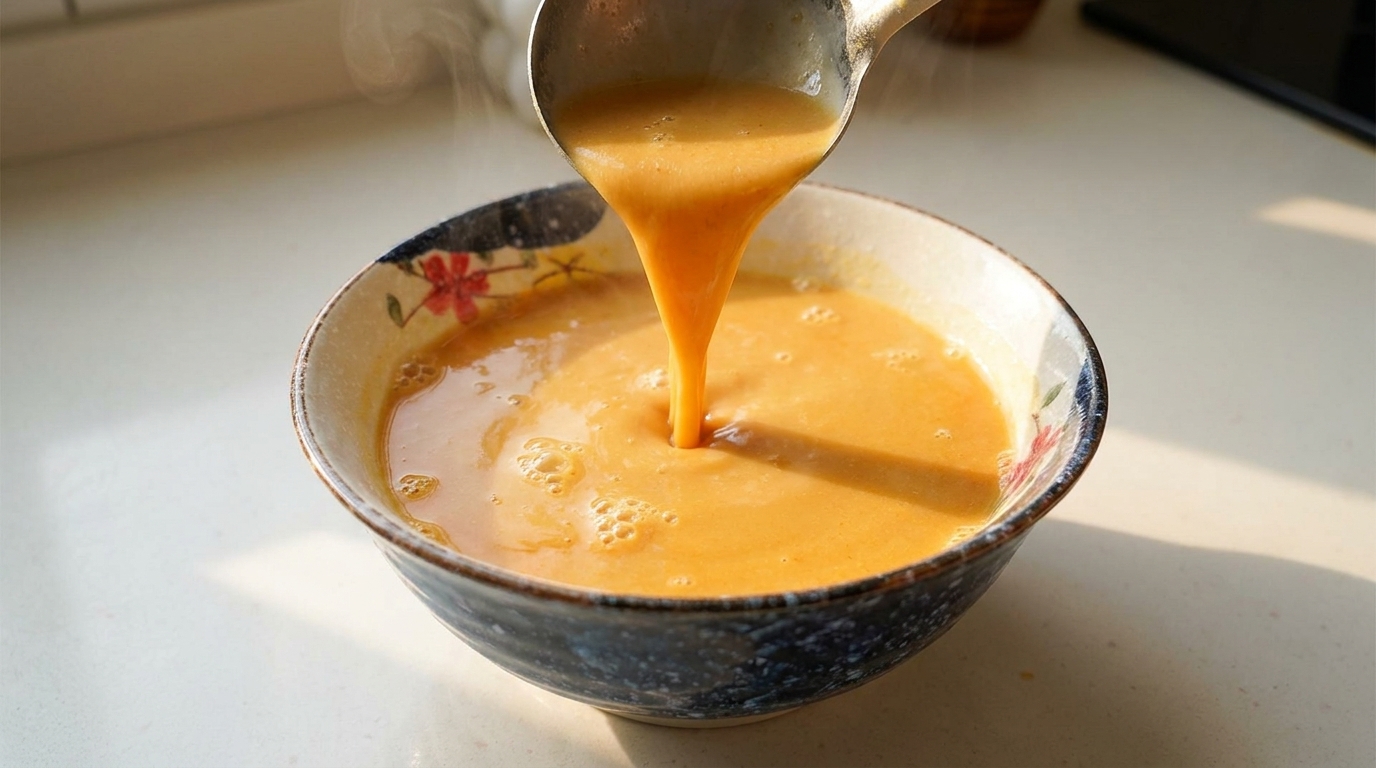
Pour the prepared mixture of ginger-scallion water and sesame paste into the pan with the fried pork and aromatics. Stir well to combine all the ingredients into a rich, fragrant base for the pasta.
Tip: Keep the heat at a medium level to prevent the sesame paste from separating while it integrates with the other liquids. - 13Add the mashed carrots
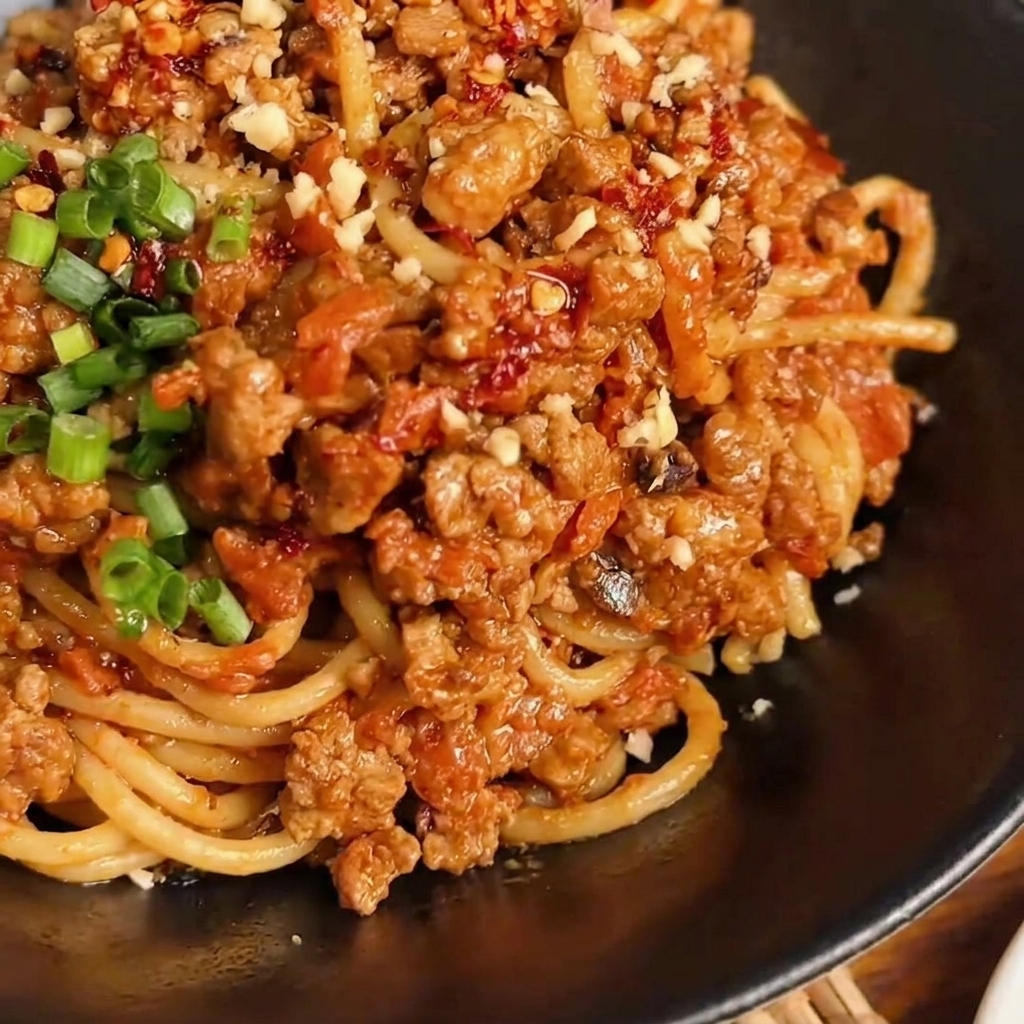
Add the prepared mashed carrots into the pan with the meat sauce. Continue to stir-fry all the components together, ensuring the carrot mash is fully incorporated into the savory meat mixture.
Tip: Stir continuously to make sure the carrot mash distributes evenly throughout the sauce, thickening it slightly. - 14Season with soy sauce
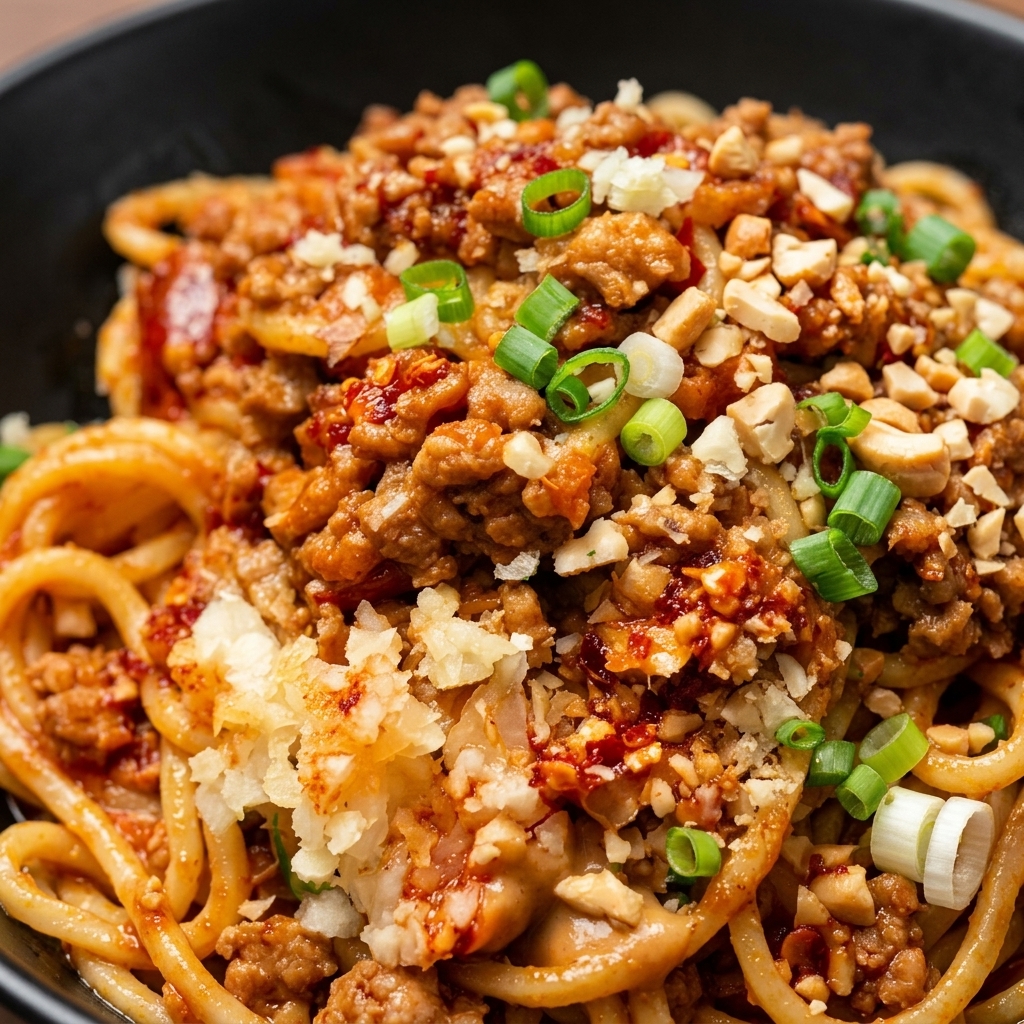
Pour a splash of soy sauce into the pan over the meat and carrot mixture. Stir thoroughly so the sauce coats everything evenly, enhancing the saltiness and depth of the flavor profile.
Tip: Add the soy sauce gradually to taste, as the intensity can vary depending on the brand used. - 15Combine with pasta
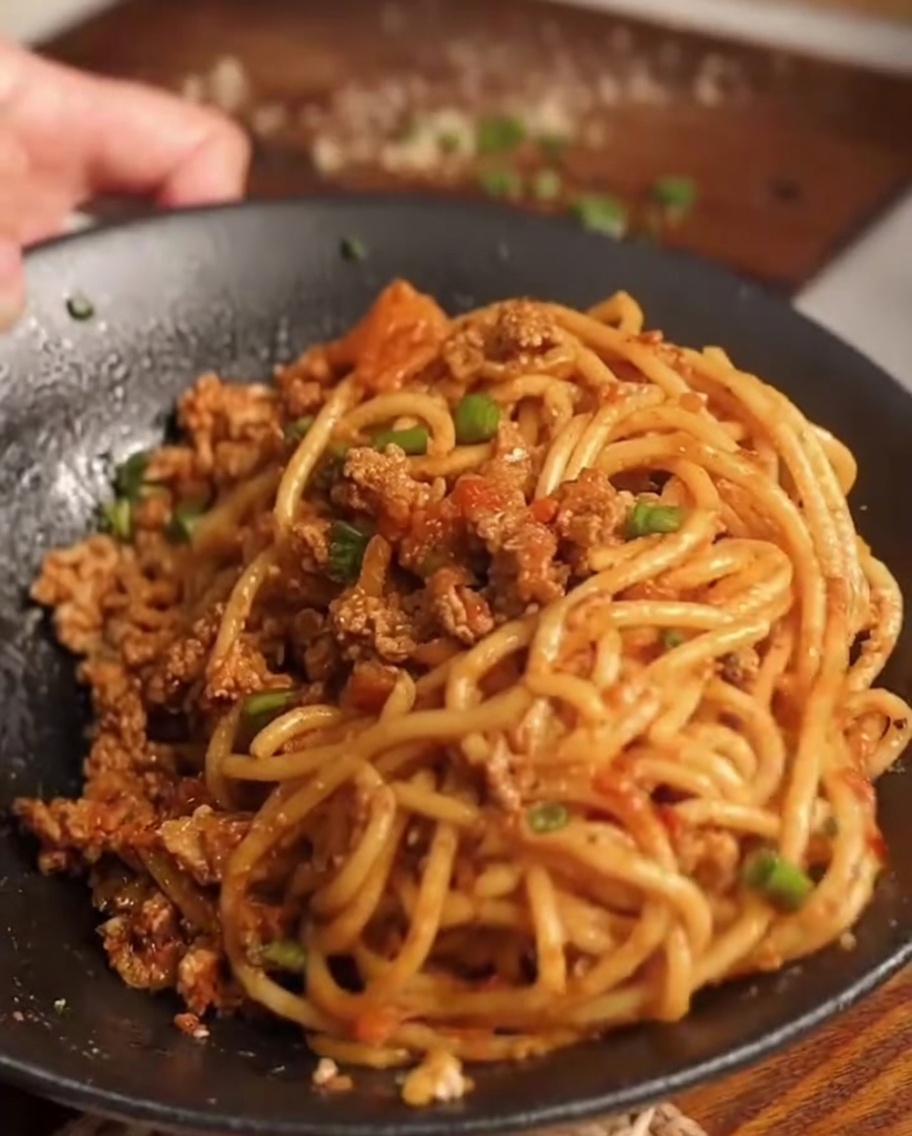
Transfer the cooked spaghetti directly into the pan filled with the meat and carrot sauce. Use tongs to gently lift and incorporate the noodles into the sauce until they are well coated.
Tip: If the sauce appears too thick, add a small spoonful of the pasta cooking water to help loosen the mixture and coat the strands better. - 16Toss and finish
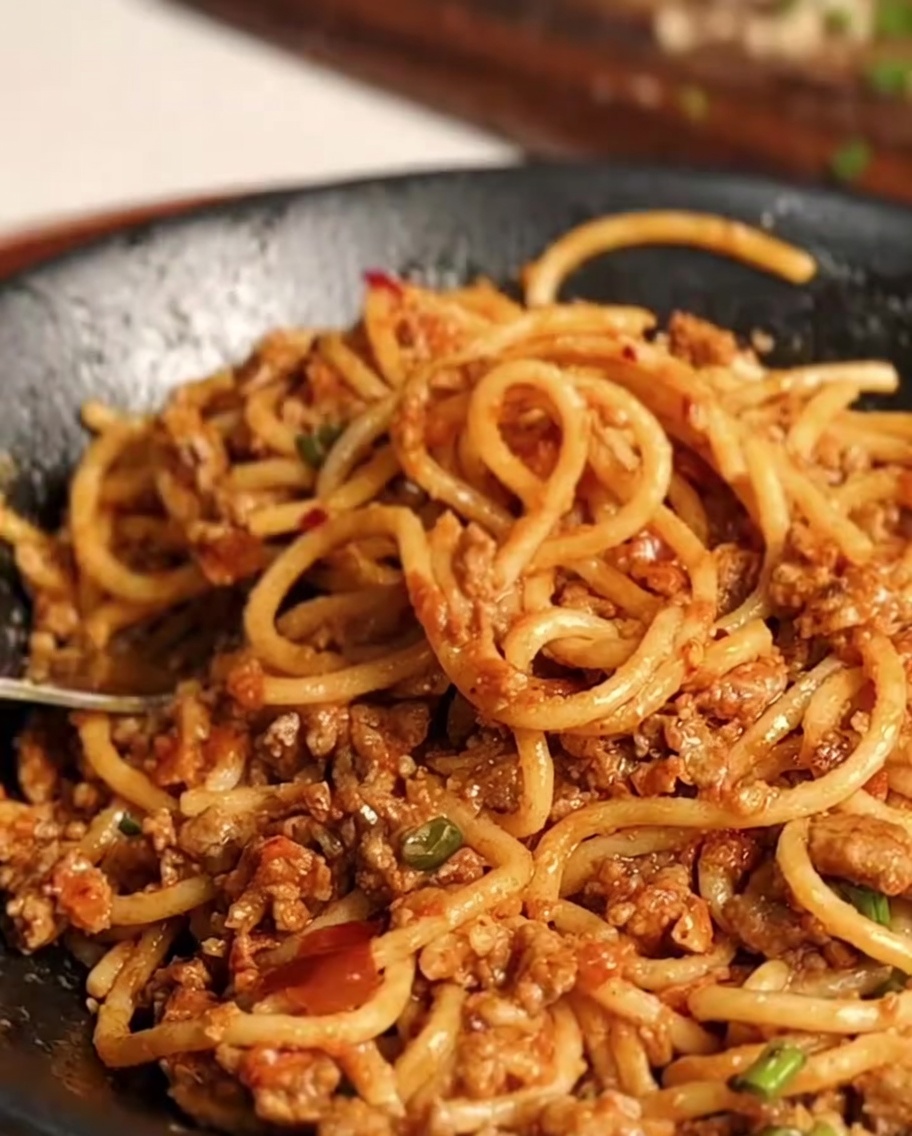
Toss the spaghetti and sauce together over low heat for another minute, ensuring every strand of pasta is perfectly coated. Once thoroughly mixed, the dish is ready to be plated and topped with garnishes.
Tip: Tossing well at the end is crucial to ensure the pasta absorbs the flavors of the meat and carrot sauce.