Classic Tuna Kimchi Stew (Chamchi Kimchi Jjigae)
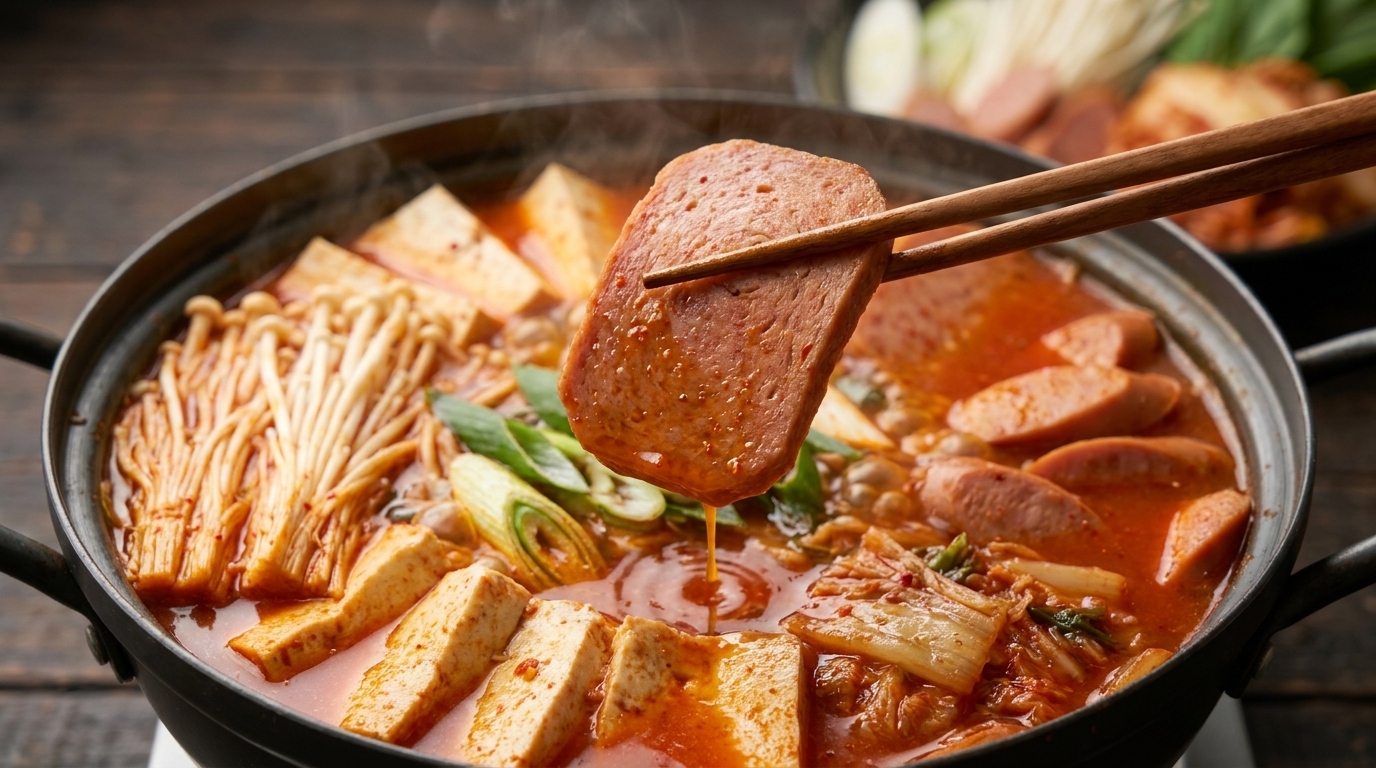
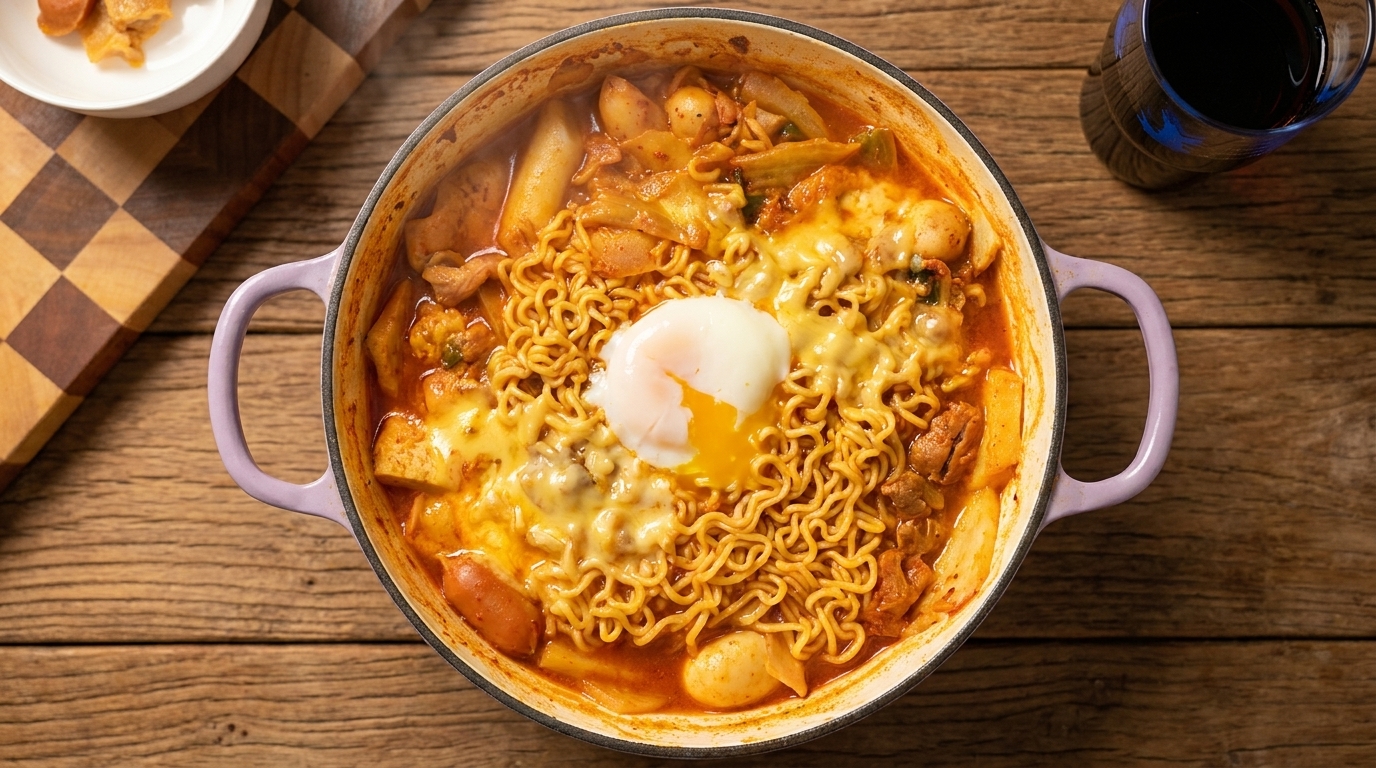
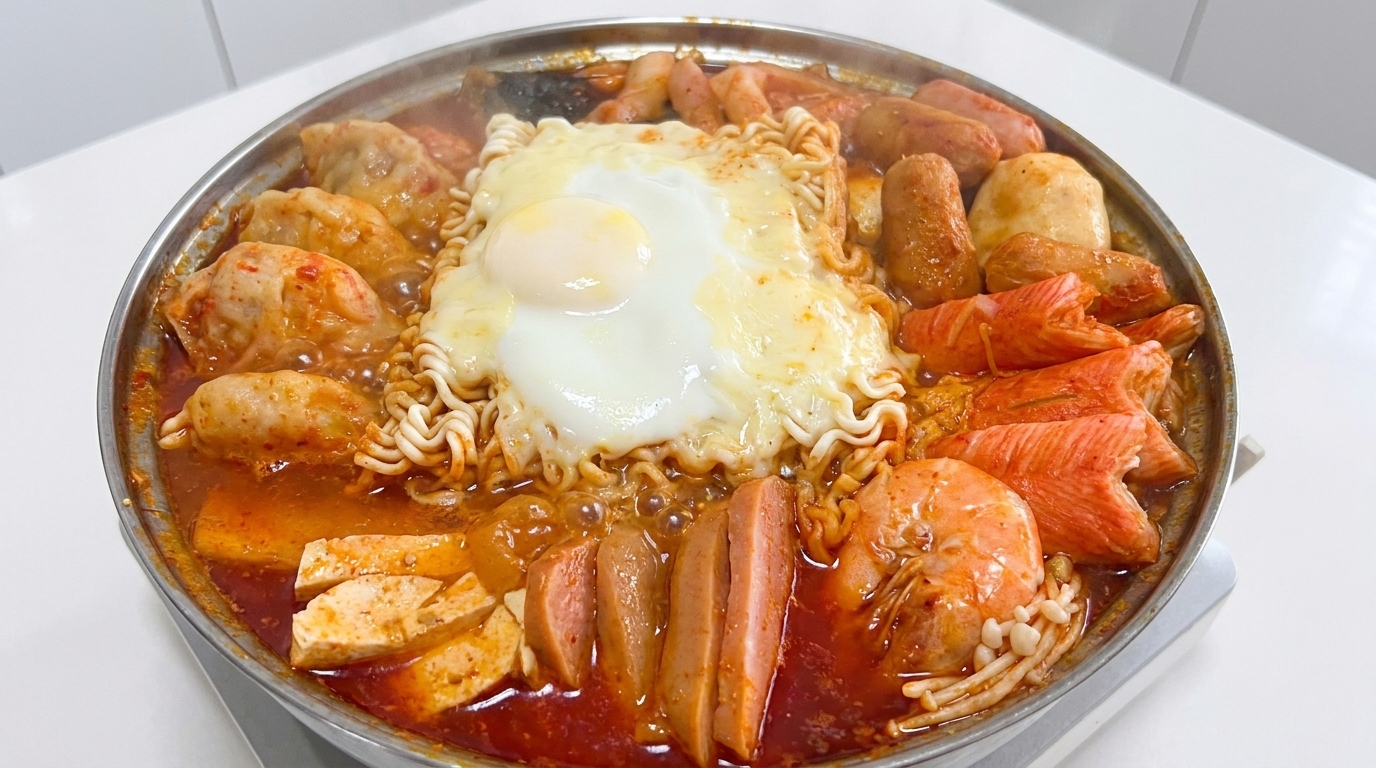
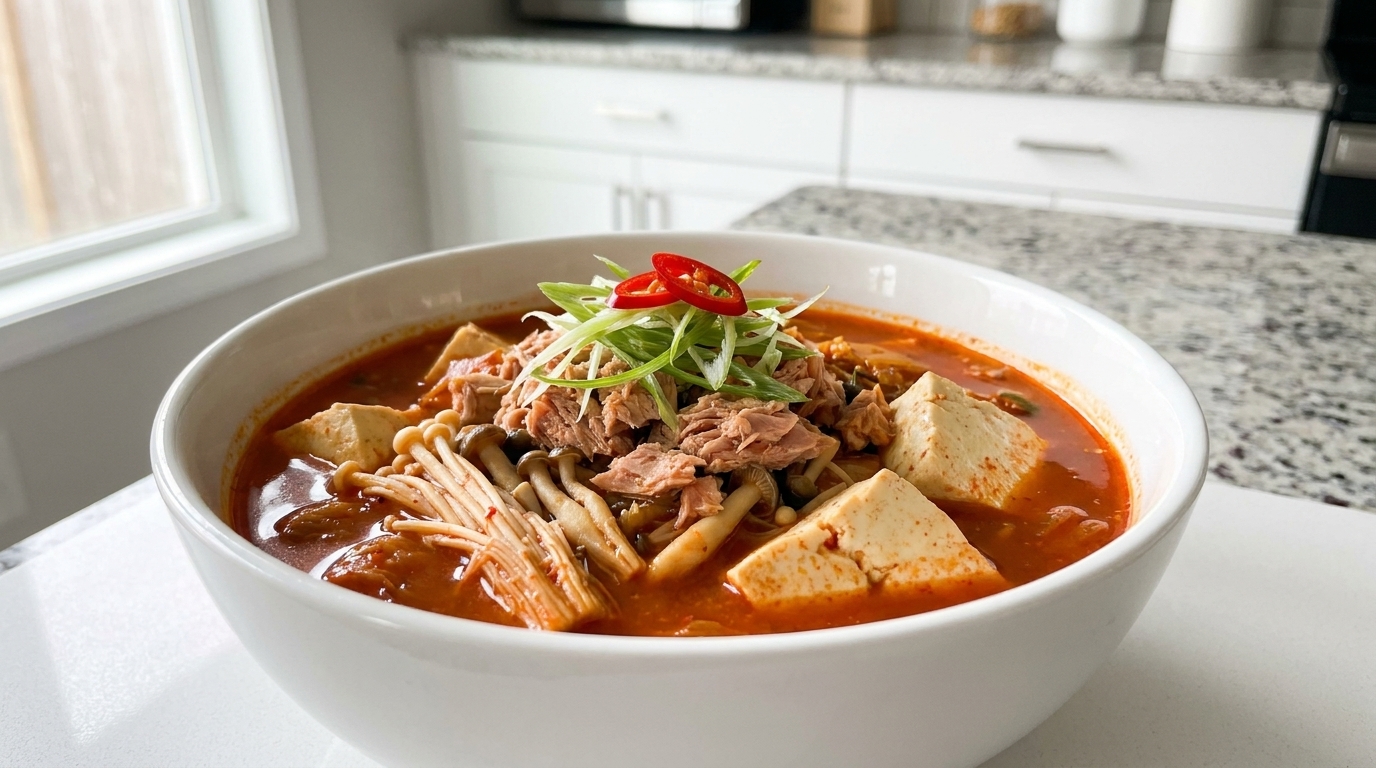
This comforting Korean stew features rich oil-immersed tuna, perfectly fermented kimchi, and delicate silken tofu. It’s a fiery, deeply savory bowl full of energy.
Chamchi Kimchi Jjigae is a beloved Korean staple, prized for its ability to transform everyday pantry ingredients into a remarkably complex and comforting meal. Using the oil from canned tuna to sauté the aromatics builds an incredible depth of seafood umami, perfectly balancing the bright, sour notes of well-aged kimchi.
Ingredients
- 1 cup well-fermented kimchi, chopped
- 1 can oil-immersed tuna
- 1/2 onion, diced
- 2 tbsp minced garlic
- 1 tbsp Korean chili powder
- 1 tbsp Korean hot sauce
- 2 tbsp beef powder
- 1 block silken tofu
- 1 handful seafood mushrooms
- 2 cups water
- to garnish scallions, green and red peppers
Instructions
- 1Dice the aromatics

Begin by finely dicing the onion on a cutting board and setting it aside. Mince the garlic and keep it ready, as these aromatics will form the savory foundation of your stew.
Tip: Keep the diced onion and minced garlic separate from the rest of your ingredients to ensure they are ready for the initial flavor-building stages. - 2Prepare the kimchi
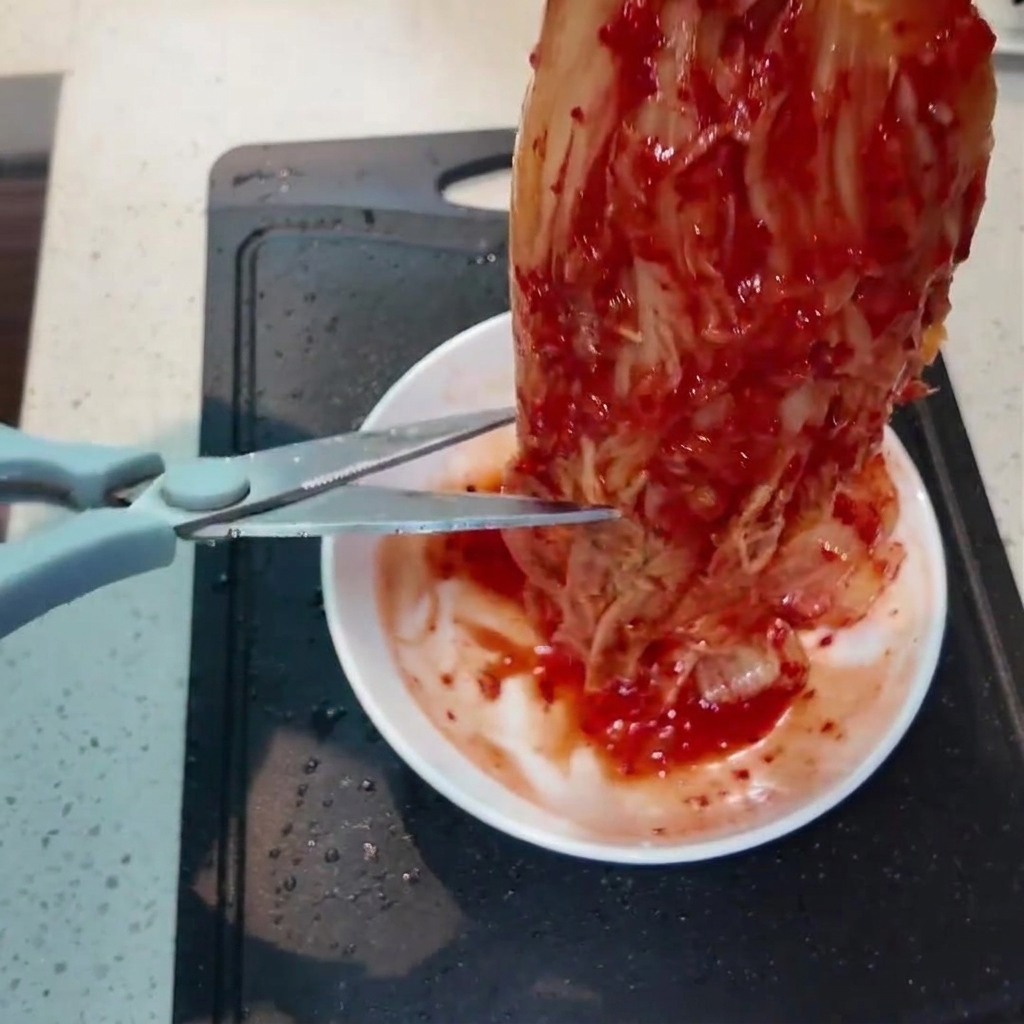
Take your well-fermented kimchi and cut it into bite-sized pieces using scissors directly over a plate or bowl. Using scissors helps retain all the flavorful kimchi juices without staining your cutting board.
Tip: For the best flavor, use kimchi that has been fermented for at least two weeks to develop that signature sour kick, and slightly freeze it the day before for a better texture. - 3Prepare the tuna
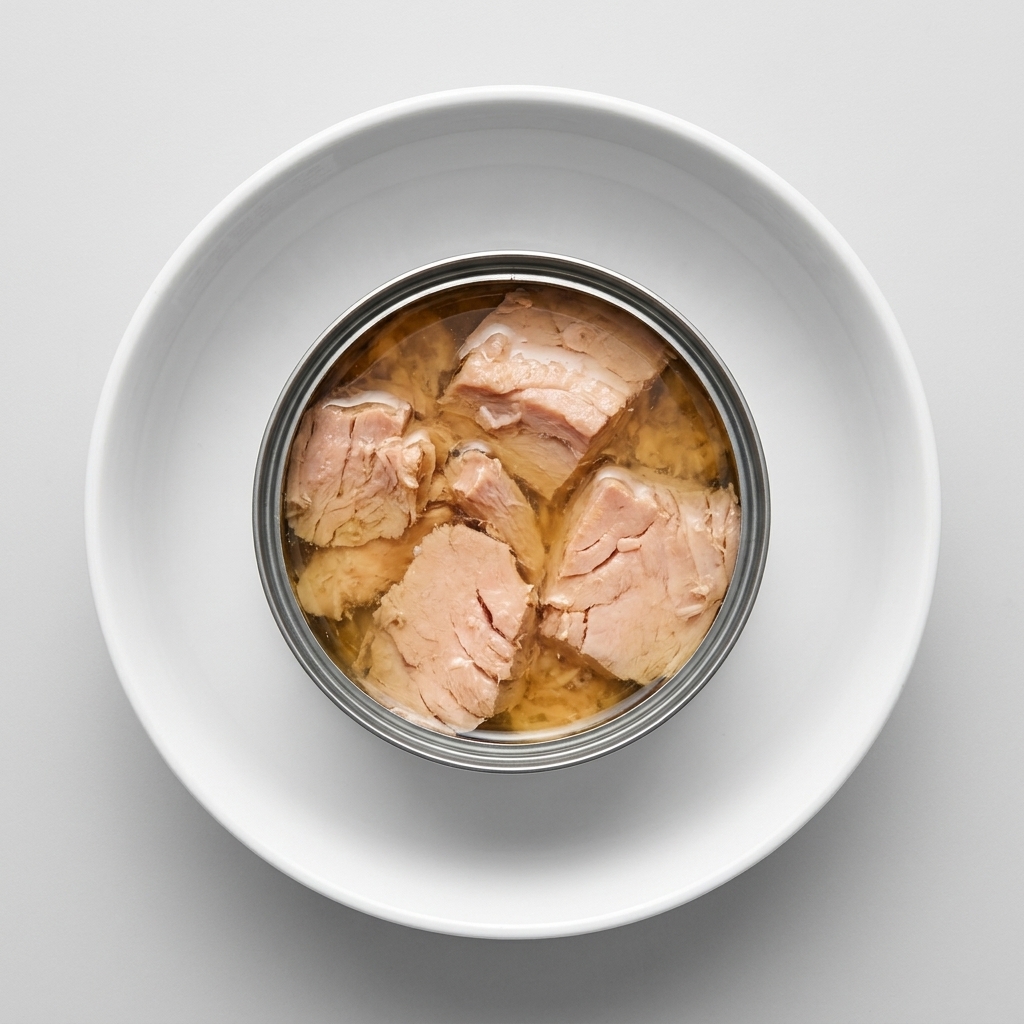
Open a can of oil-immersed tuna and place it into a mixing bowl. Be sure to select oil-immersed rather than water-packed tuna to lock in freshness and rich flavor without adding unnecessary salt.
Tip: Do not drain or discard the oil from the tuna can! It will be used later to sauté the aromatics and build the stews savory base. - 4Combine aromatics with tuna
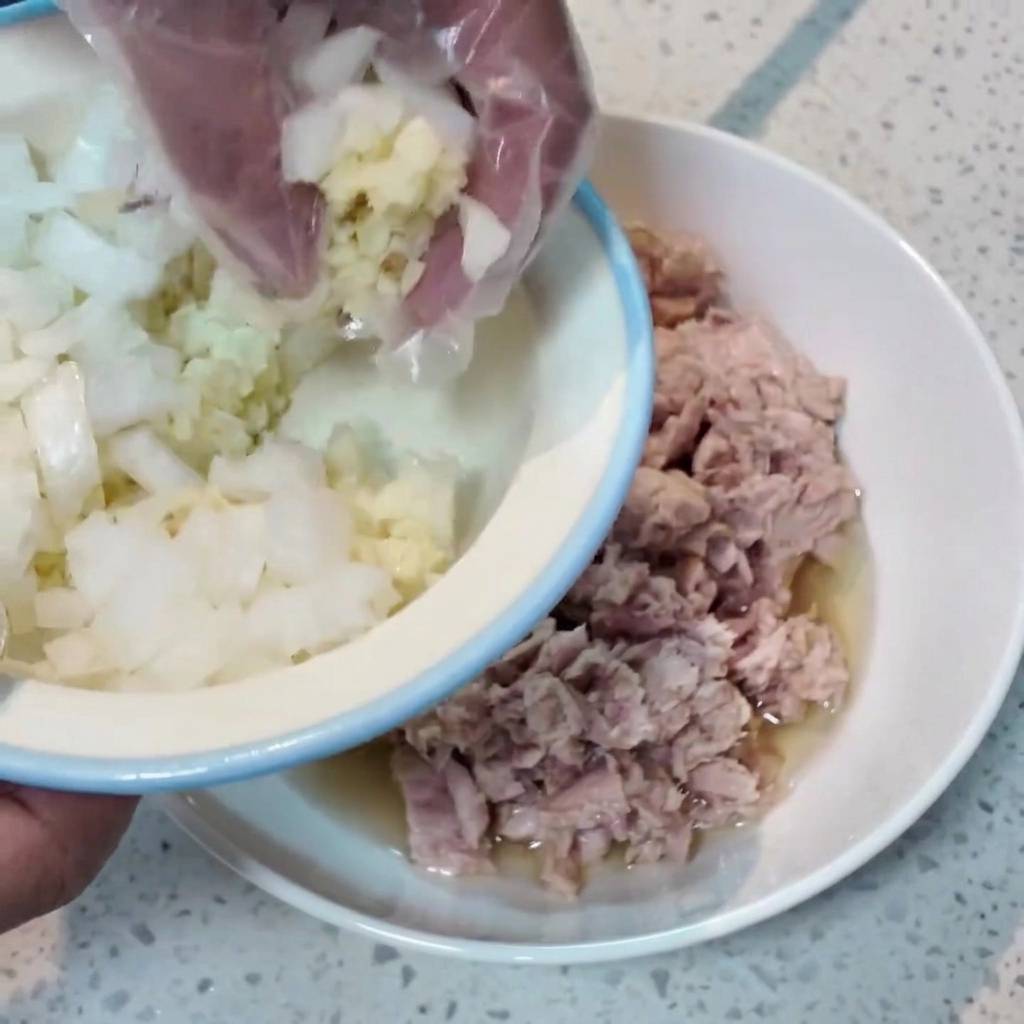
Add about half of your minced garlic and the diced onions directly into the bowl with the tuna. Mixing these aromatics into the tuna early allows the flavors to meld beautifully.
Tip: Reserve the remaining minced garlic and diced onions to sauté in the pan later. - 5Season the tuna mixture
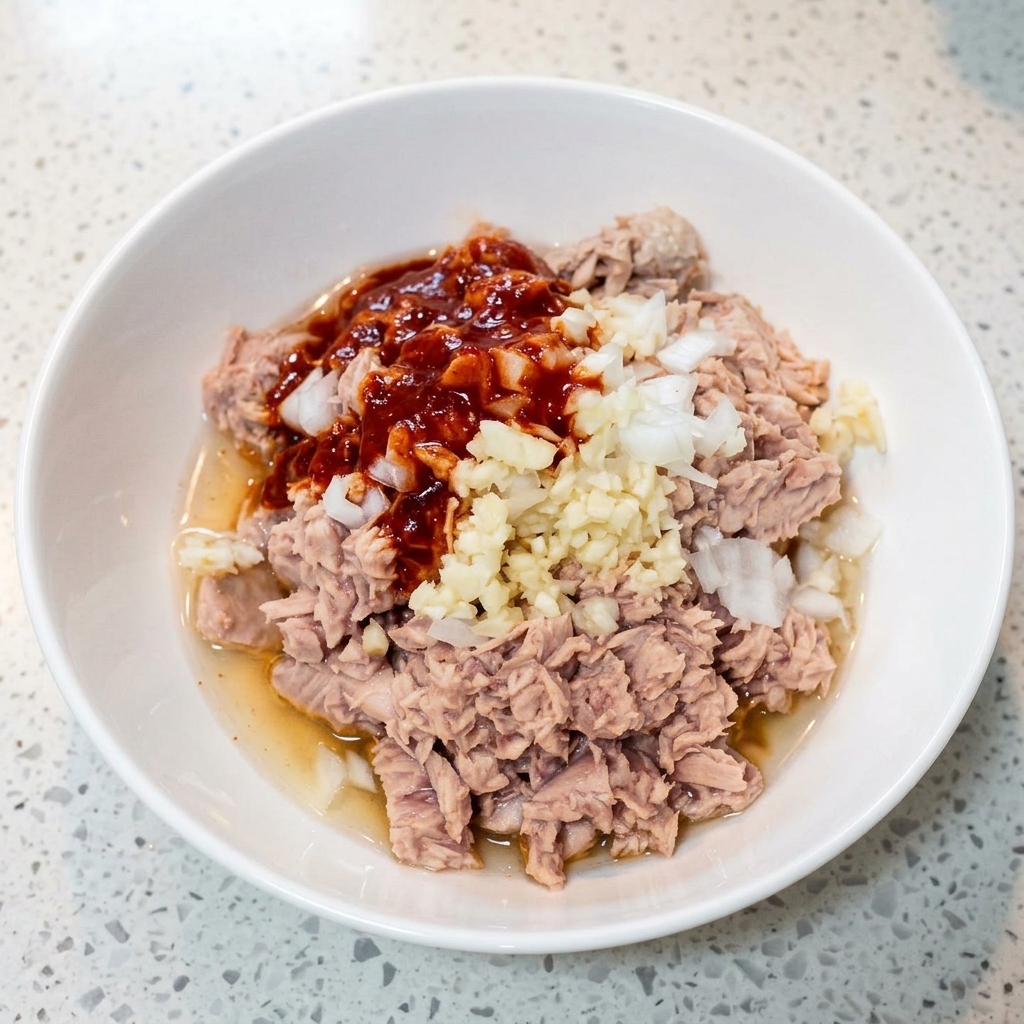
Pour some kimchi soup (juice) and a dash of chili powder over the tuna, garlic, and onions. Mix everything together thoroughly so the tuna absorbs the spicy, sour notes of the kimchi liquid.
Tip: Adding kimchi juice directly to the tuna infuses the fish with a deep, tangy flavor right from the start. - 6Heat the tuna oil
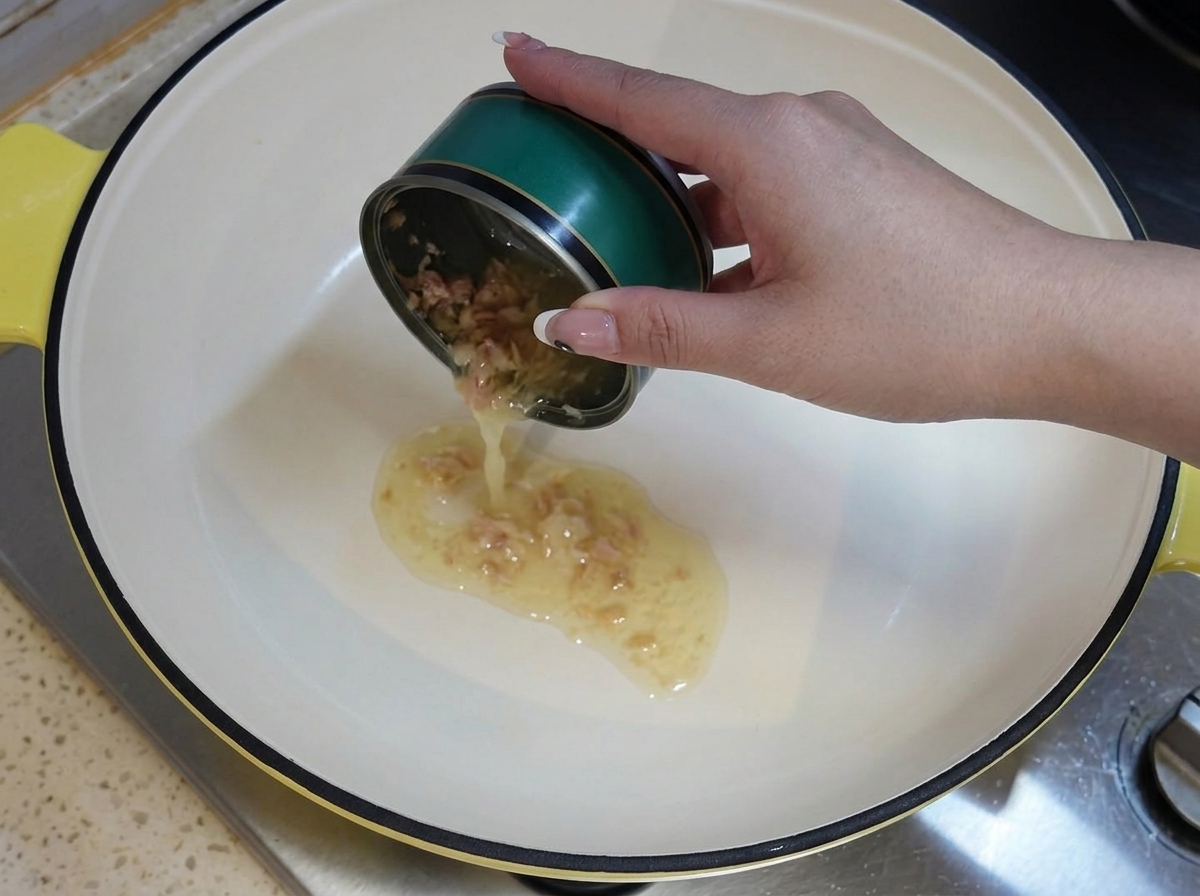
Place a pot or deep pan on the stove and heat it up. Instead of regular cooking oil, pour in the reserved oil from the tuna can. Let the oil warm until it begins to release its savory aroma.
Tip: Using tuna oil instead of standard vegetable oil amplifies the seafood umami flavor of the entire stew. - 7Sauté the aromatics
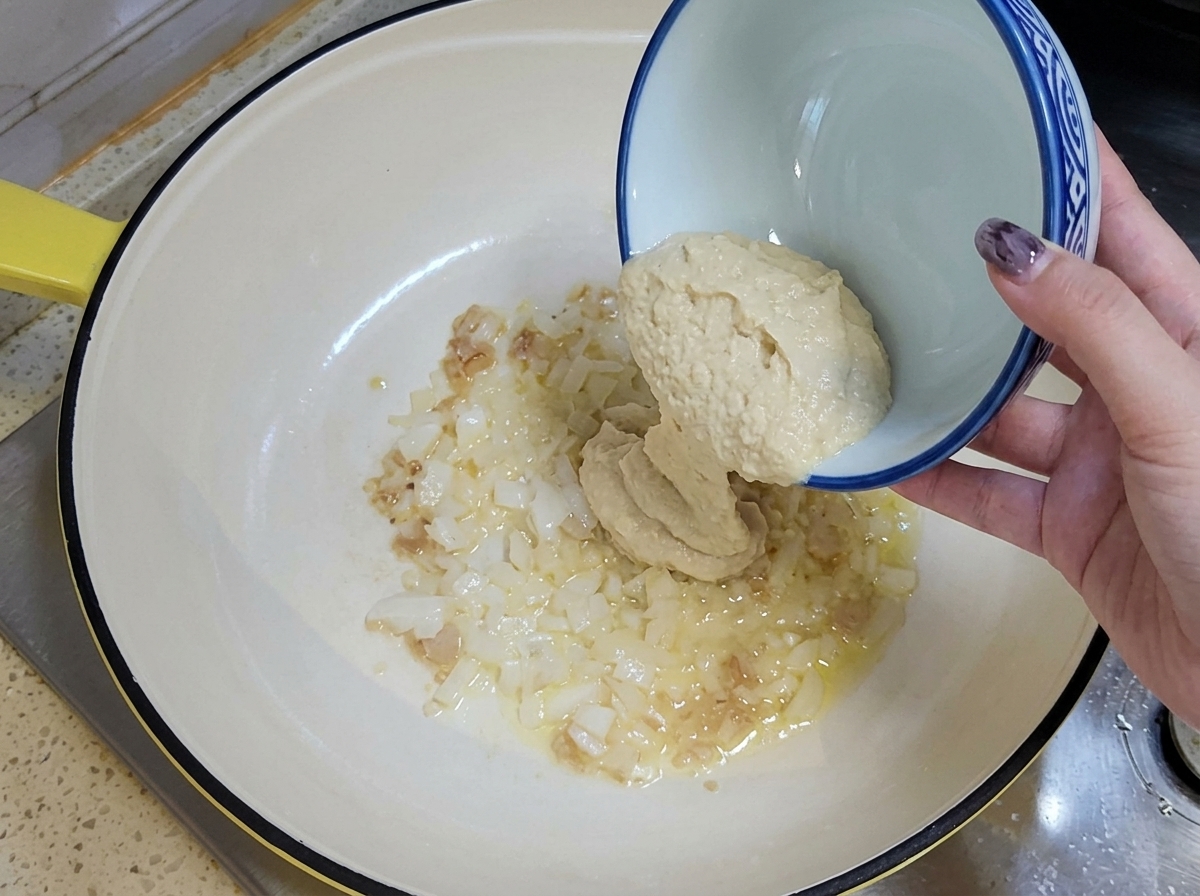
Pour the reserved oil from the tuna can into the pan. Once it begins to release an aroma, add the minced garlic and onion dice, stirring continuously until fragrant and translucent.
Tip: Using the oil from the canned tuna adds a rich, savory depth of flavor right from the start. - 8Stir-fry the kimchi
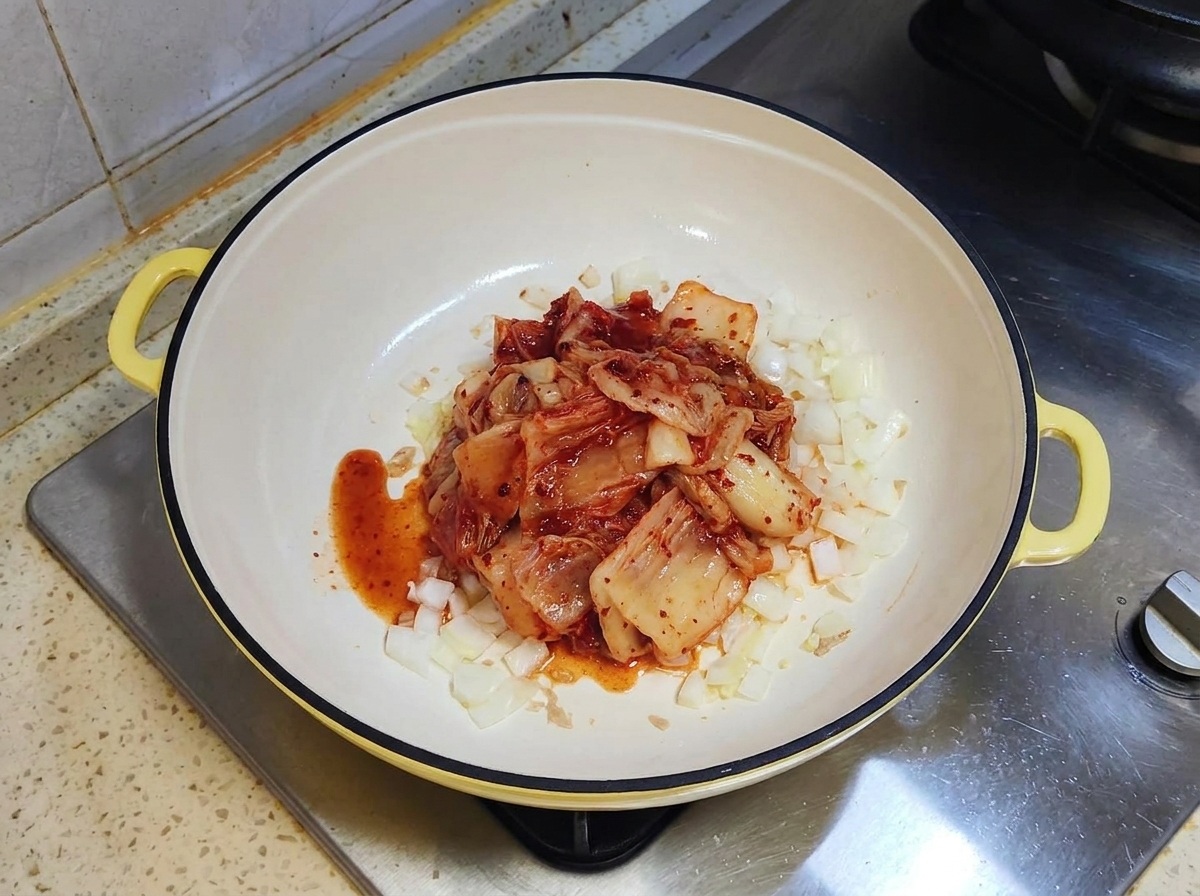
Add the prepared fermented kimchi directly into the pan with the sautéed aromatics. Stir-fry together until bubbles start forming at the edges of the pan, indicating the kimchi is releasing its juices.
Tip: Using well-fermented kimchi that was thawed beforehand ensures it softens properly and develops maximum sour flavor. - 9Add the tuna mixture
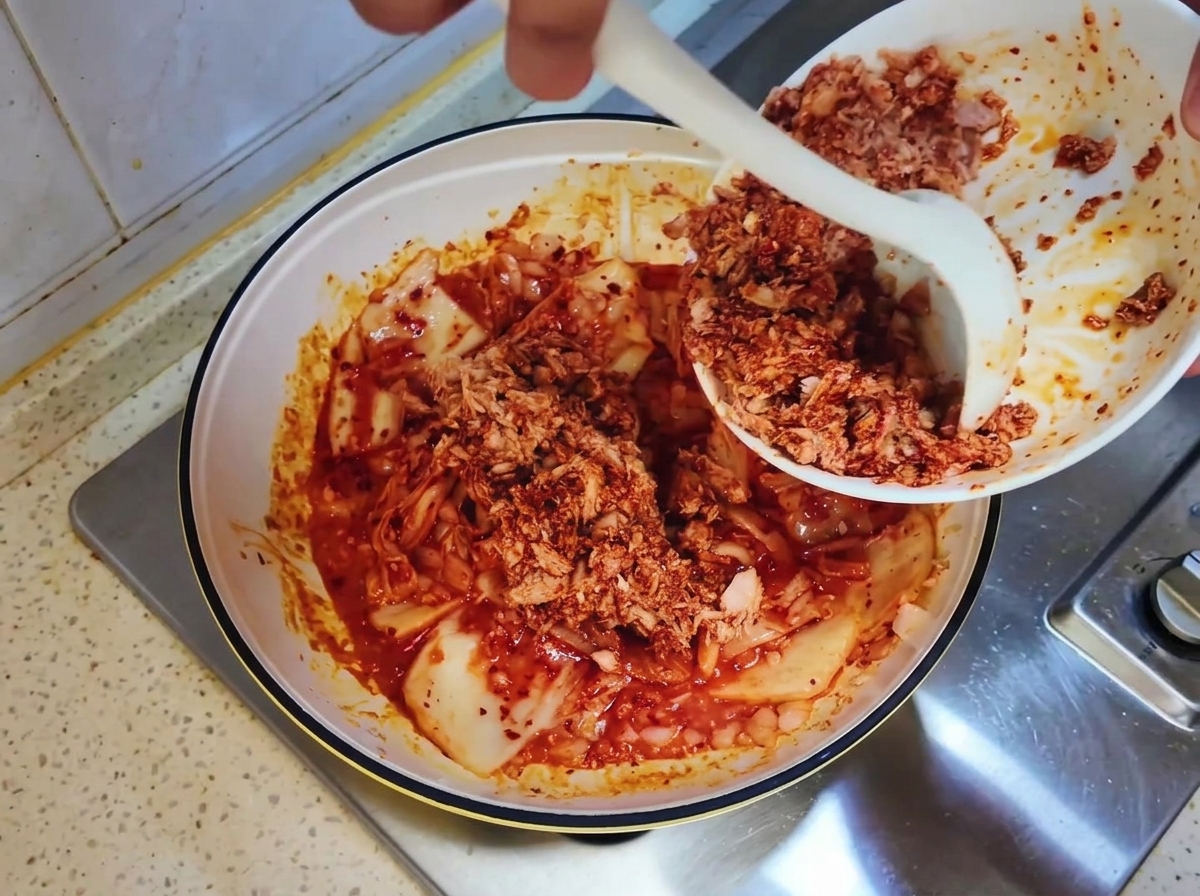
Transfer the prepared canned tuna mixture—previously combined with garlic, onions, kimchi soup, and chili powder—into the pan containing the stir-fried kimchi.
Tip: Mixing the tuna with the seasonings beforehand allows the fish to absorb the flavor profiles evenly. - 10Pour water and leftover seasonings
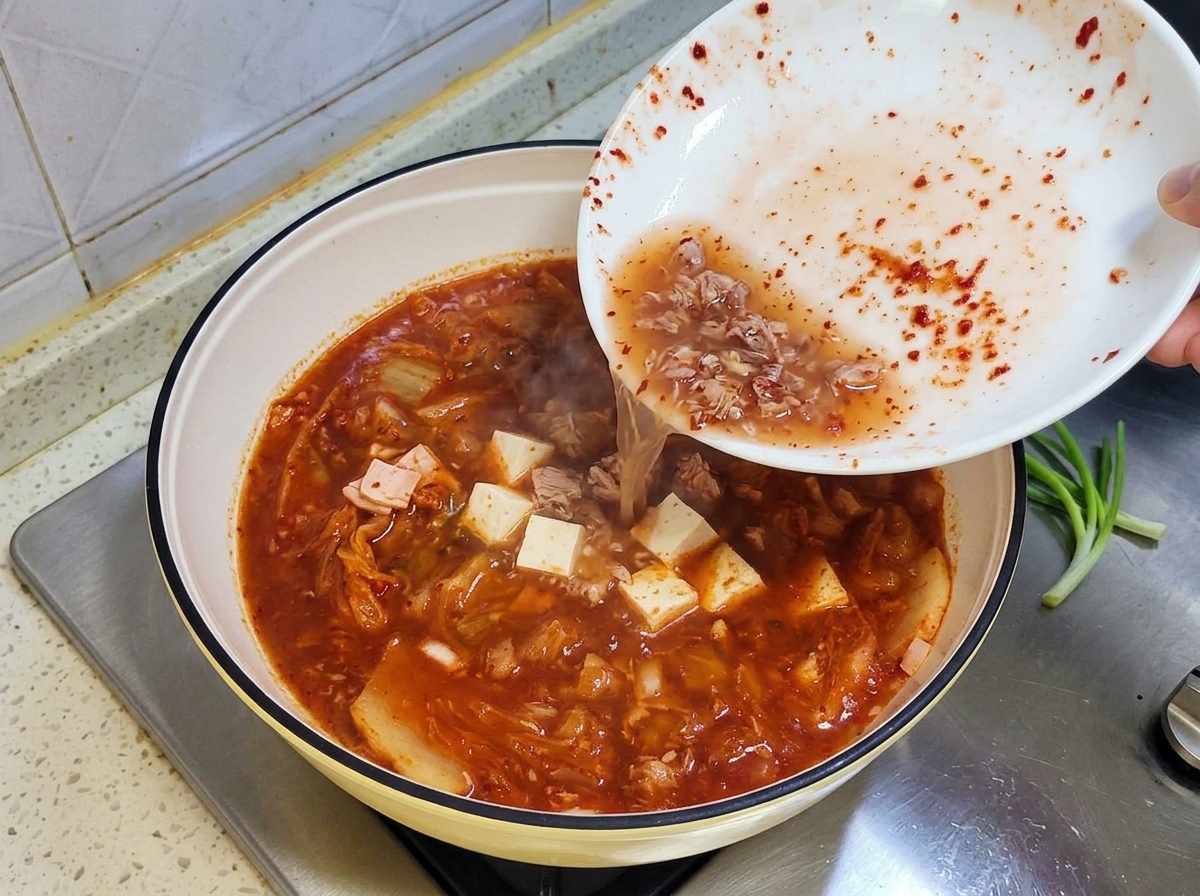
Add water to dilute the mixture and pour it into the pan, making sure to rinse out any leftover seasonings from the mixing bowl.
Tip: Rinsing the bowl ensures no leftover flavor or seasoning goes to waste in the stew base. - 11Season the broth
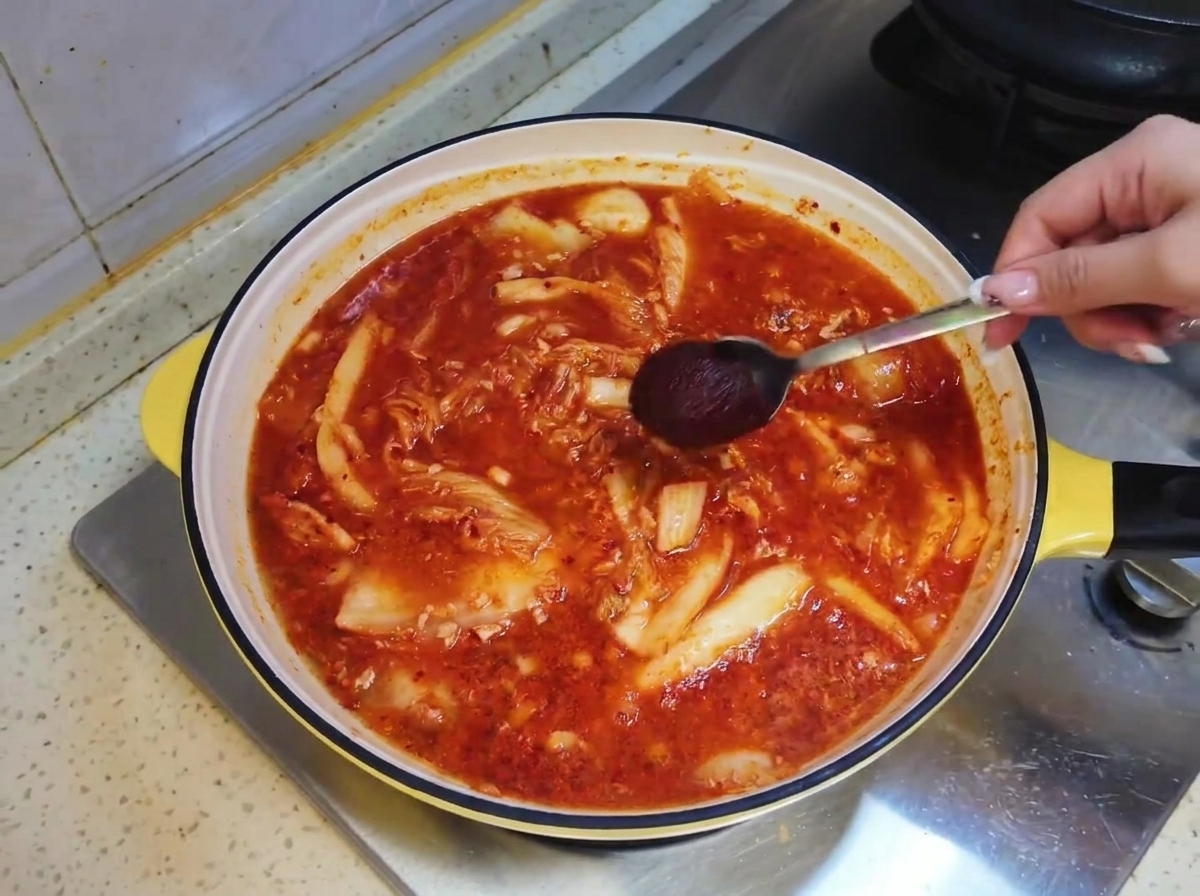
Add a spoonful of Korean hot sauce and two spoonfuls of beef powder into the soup base, then stir everything well to combine.
Tip: The Korean hot sauce provides the signature spicy kick, while beef powder builds a rich umami foundation. - 12Simmer the stew
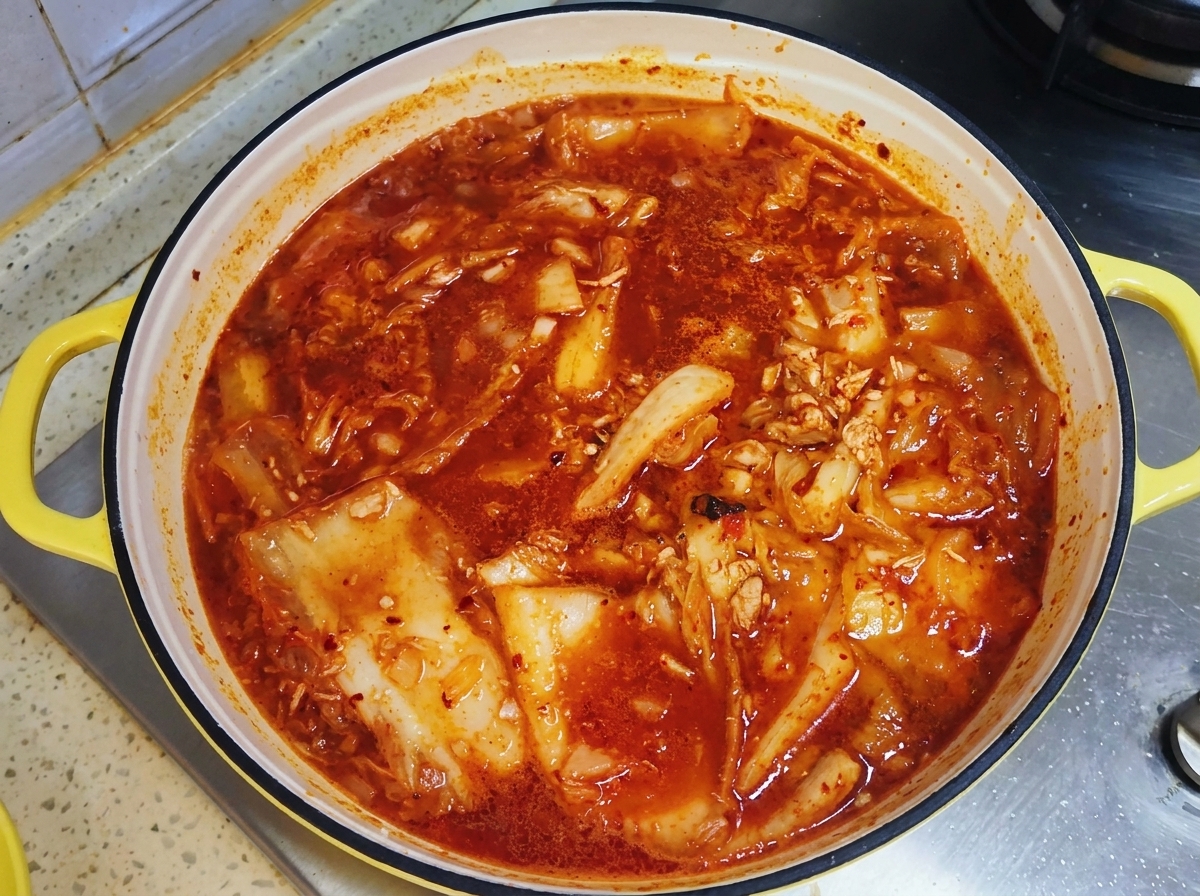
Cover the pan with its lid and let the stew simmer on low heat for 20 minutes to fully develop its rich flavors.
Tip: Simmering on low heat allows the ingredients to meld together and softens the kimchi completely. - 13Slice the silken tofu
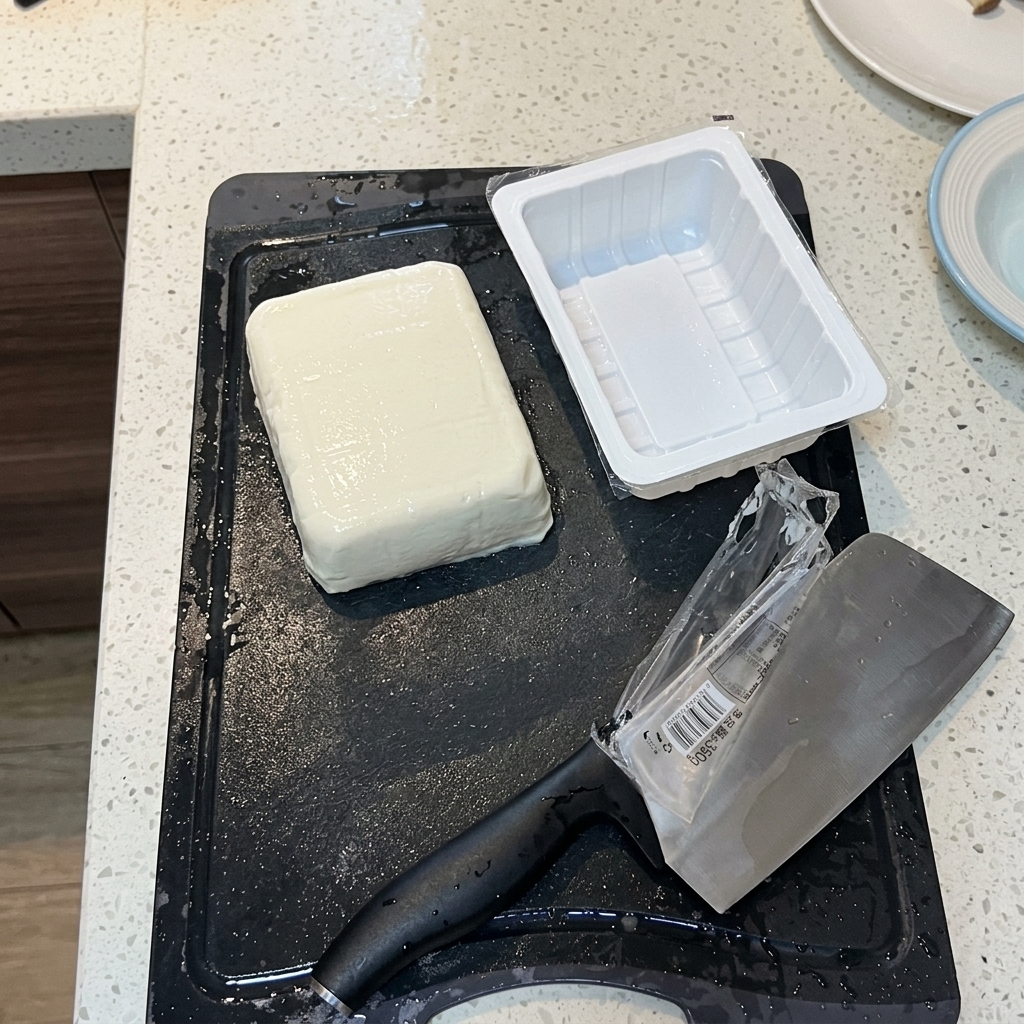
Take a block of silken tofu and place it onto a clean black cutting board. Using a kitchen knife, carefully slice the tofu into evenly sized pieces.
Tip: Silken tofu is very delicate, so use a gentle sawing motion with a sharp knife to prevent it from breaking apart.