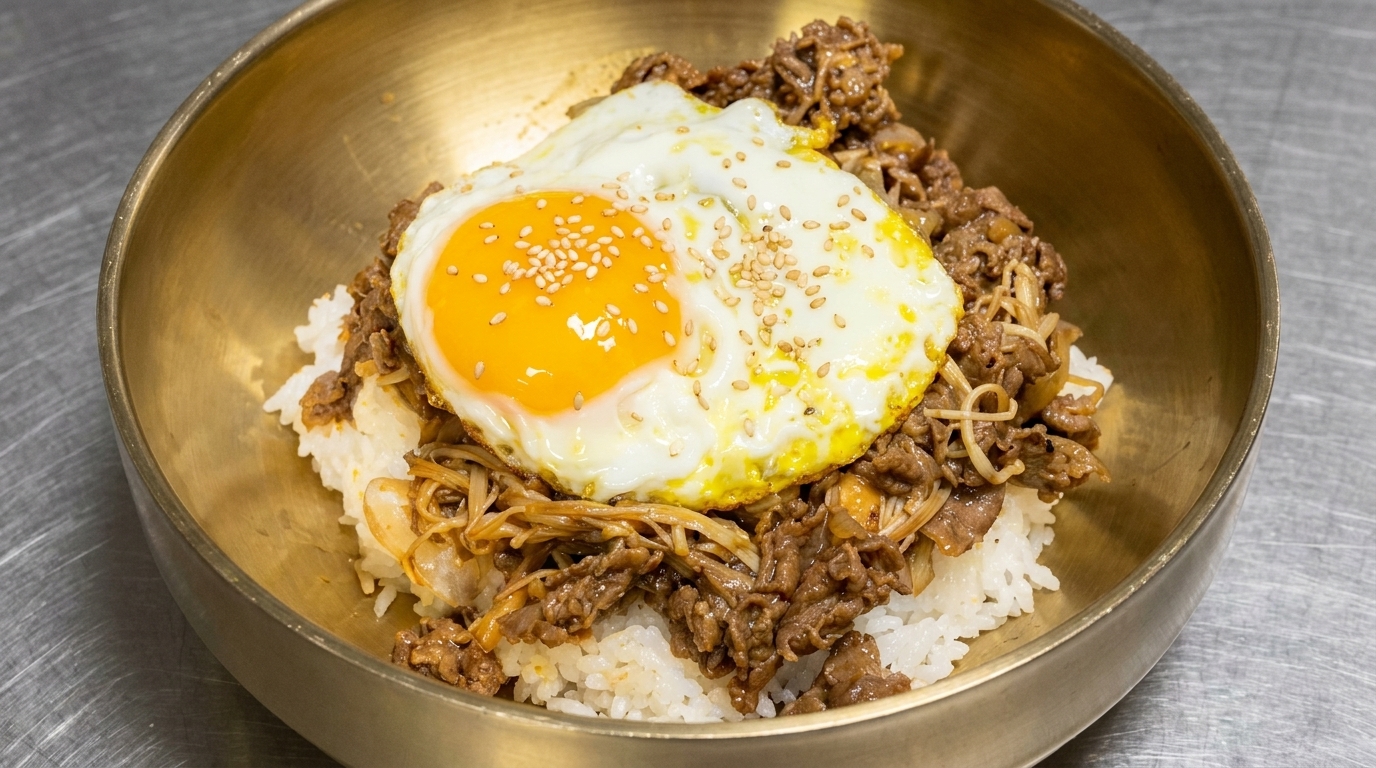
Beef Bibimbap
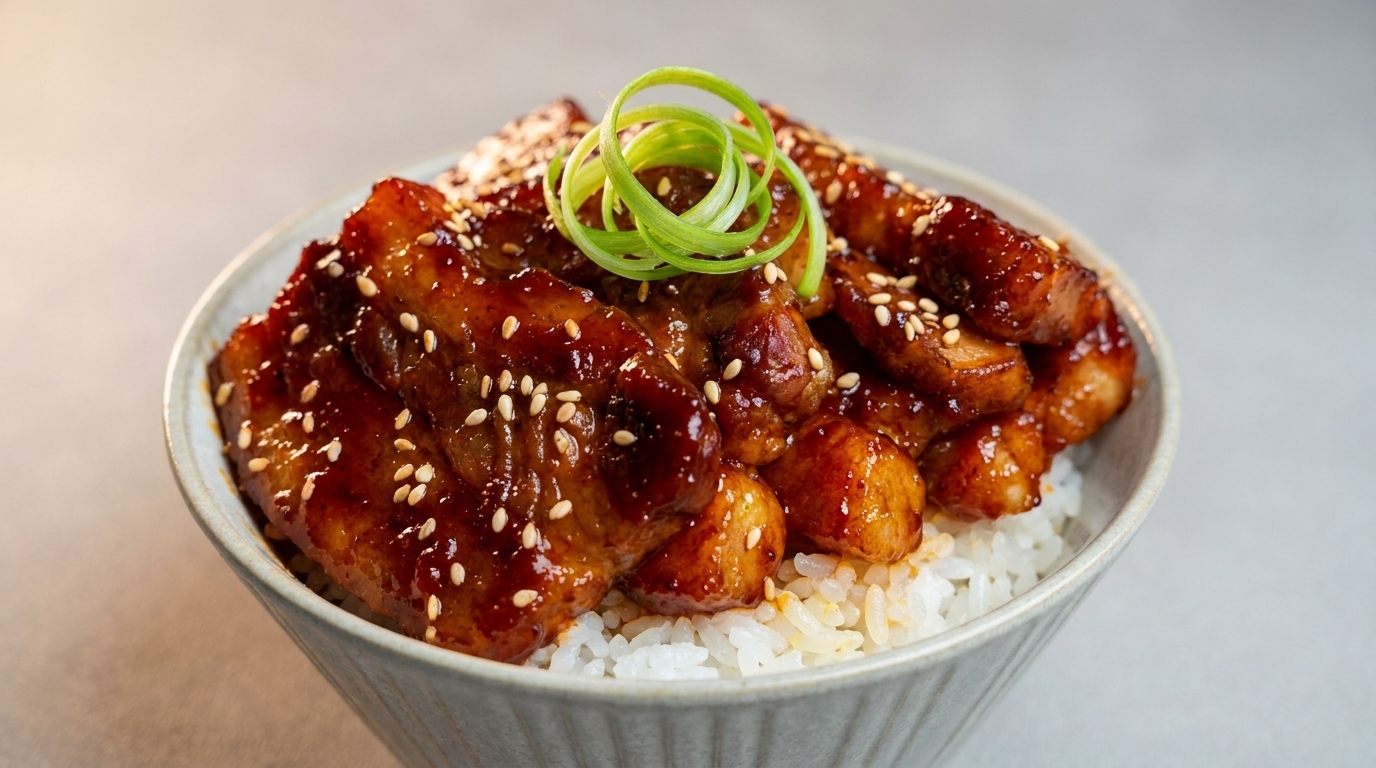
Spicy Squid
A Jilin-inspired duo featuring savory grilled beef bibimbap paired with fiery spicy squid. This home-style Korean feast balances bold, authentic flavors with clever shortcuts.
Growing up in Jilin, bibimbap was a staple comfort food, and the distinct, savory profile of Micun-style dishes remains a favorite. This recipe recreates that nostalgic flavor profile at home, combining marinated beef tenderloin with a medley of fresh vegetables and a signature sauce brightened by a surprising ingredient: Sprite. Paired with spicy squid for an extra kick, it is a hearty and satisfying meal that captures the essence of home-style Korean cooking.
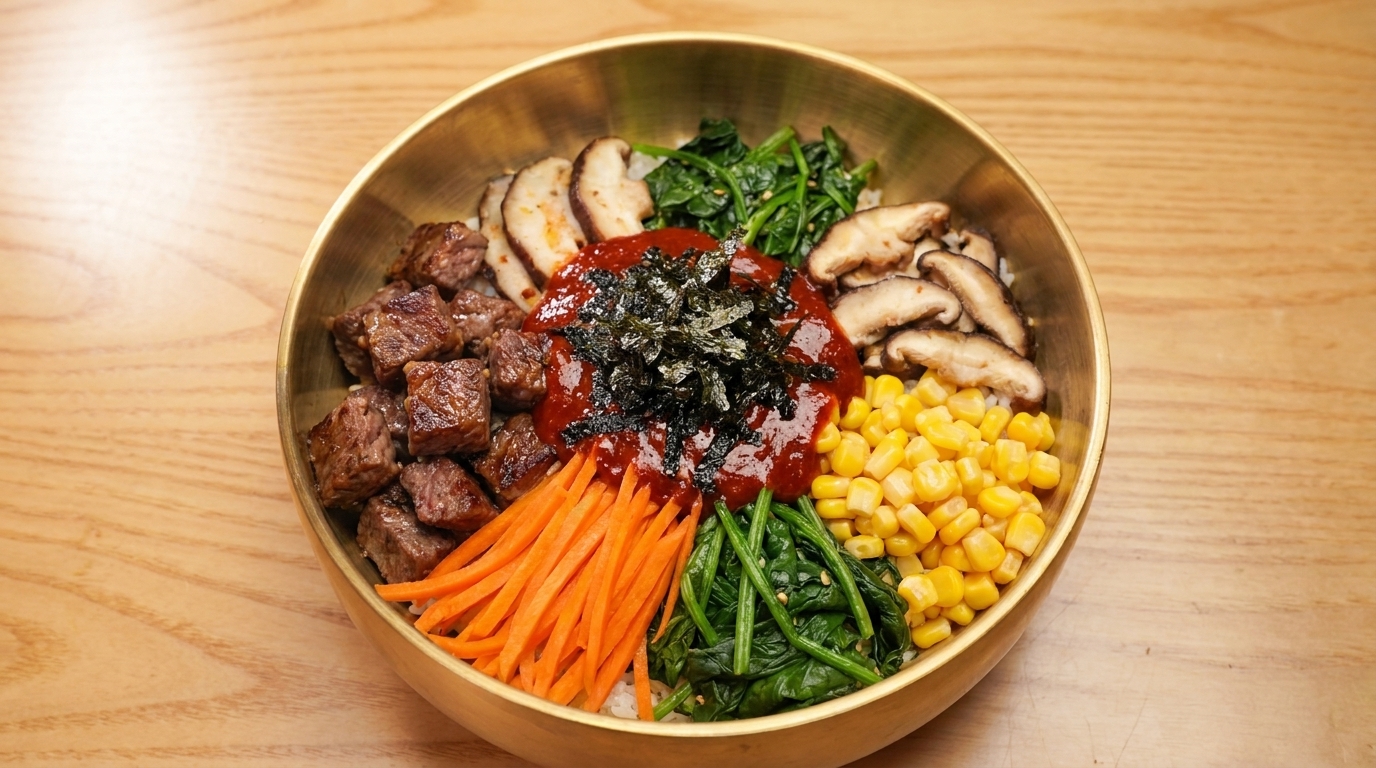
Ingredients
- 200 g beef tenderloin
- 150 g squid legs
- 1 bowl cooked rice
- 1/2 onion
- 2 stalks green onion
- 3 cloves garlic
- 50 g carrot
- 50 g spinach
- 50 g corn kernels
- 3 shiitake mushrooms
- 2 tbsp Korean chili paste
- 1 tbsp chili powder
- 1 tbsp ketchup
- 1 tbsp soy sauce
- 1 tbsp sesame oil
- 1 tbsp toasted sesame seeds
- 50 ml Sprite
- 1 tsp cornstarch
- 1 tbsp cooking wine
- to taste chili
- to taste spicy garlic sauce
- to taste dried seaweed flakes
Instructions
- 1Prepare the Bibimbap Sauce
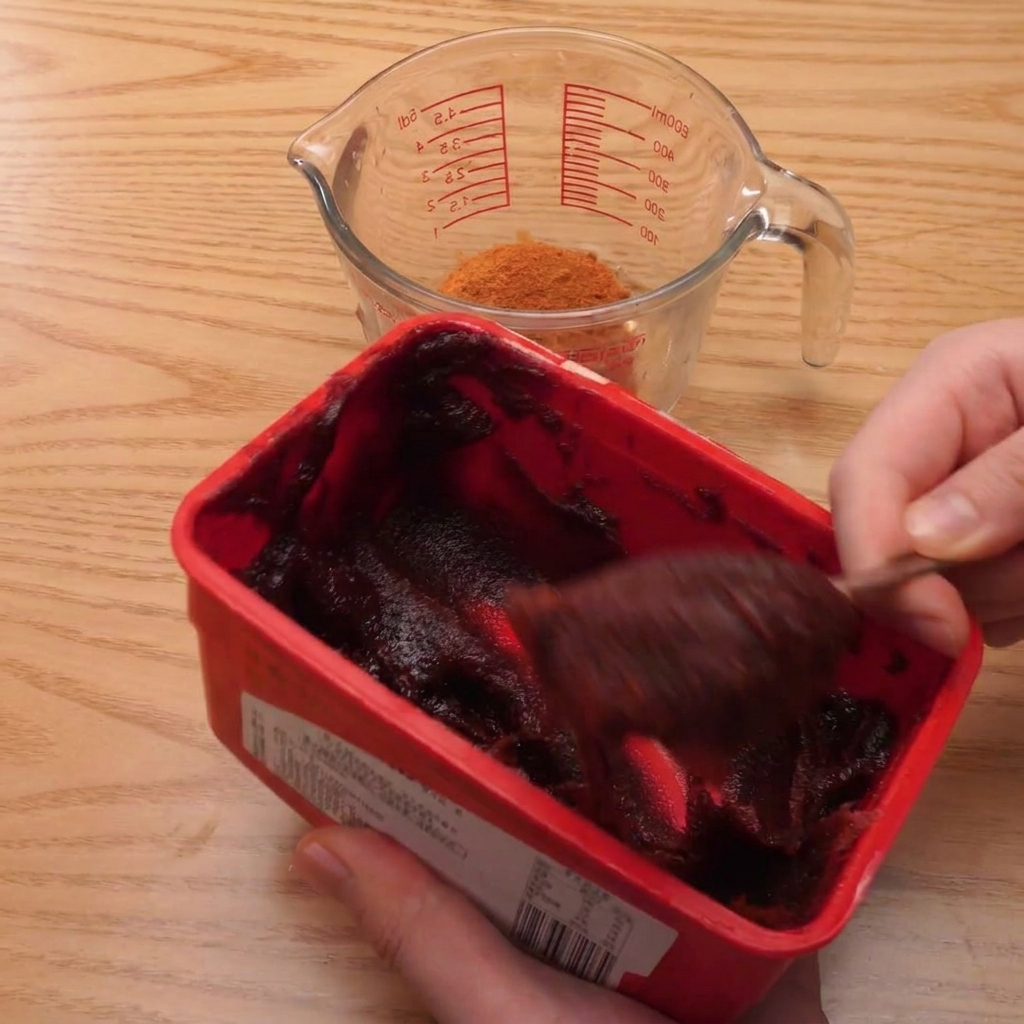
In a measuring cup, combine chili powder, Korean chili paste, ketchup, soy sauce, sesame oil, and toasted sesame seeds. Pour in Sprite to achieve the perfect balance of sweetness and acidity, replacing the need for separate sugar and water.
Tip: Using Sprite instead of sugar and water provides a more convenient and nuanced flavor profile for the sauce. - 2Sauté Aromatics
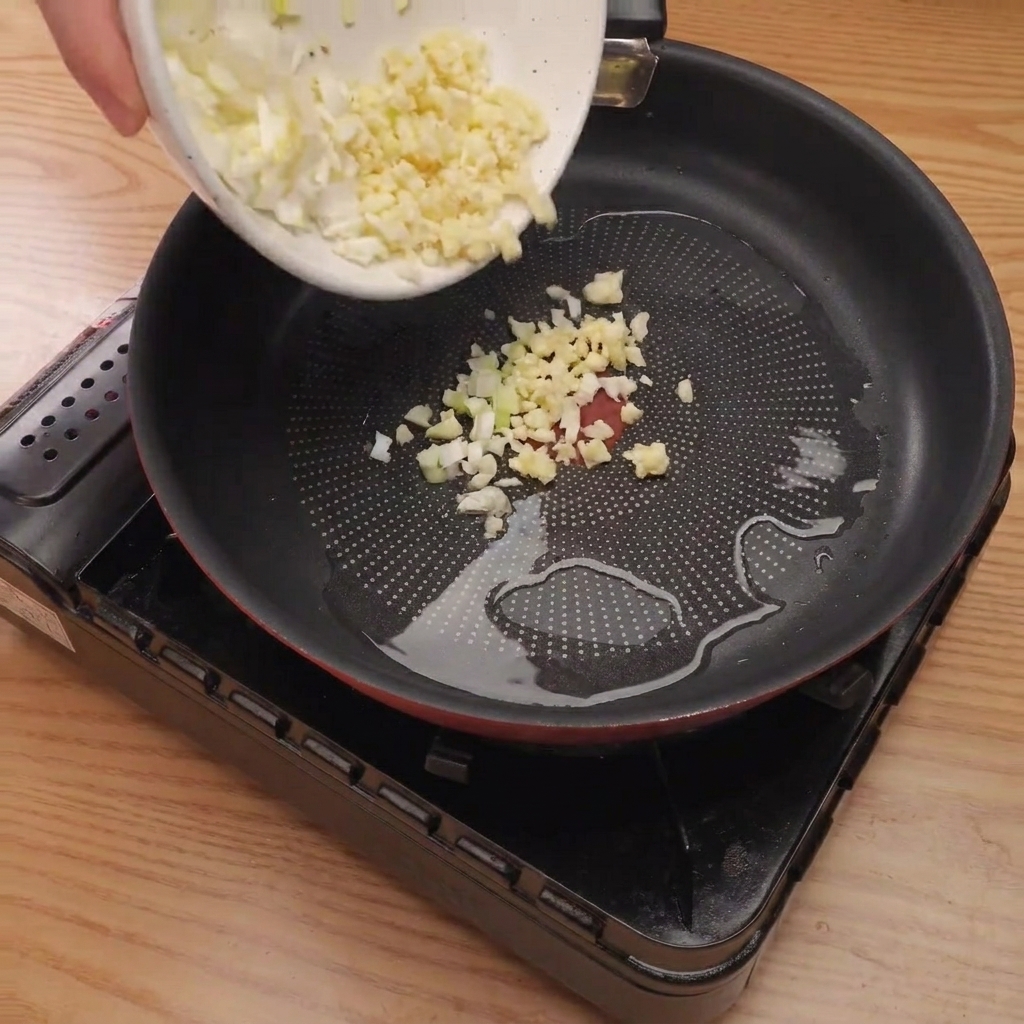
Heat oil in a pan over medium heat. Add the diced onion, green onion, and minced garlic, sautéing until the mixture becomes fragrant and slightly softened.
Tip: Be careful not to burn the garlic; keep the heat at a moderate level to release the flavors evenly. - 3Simmer the Sauce
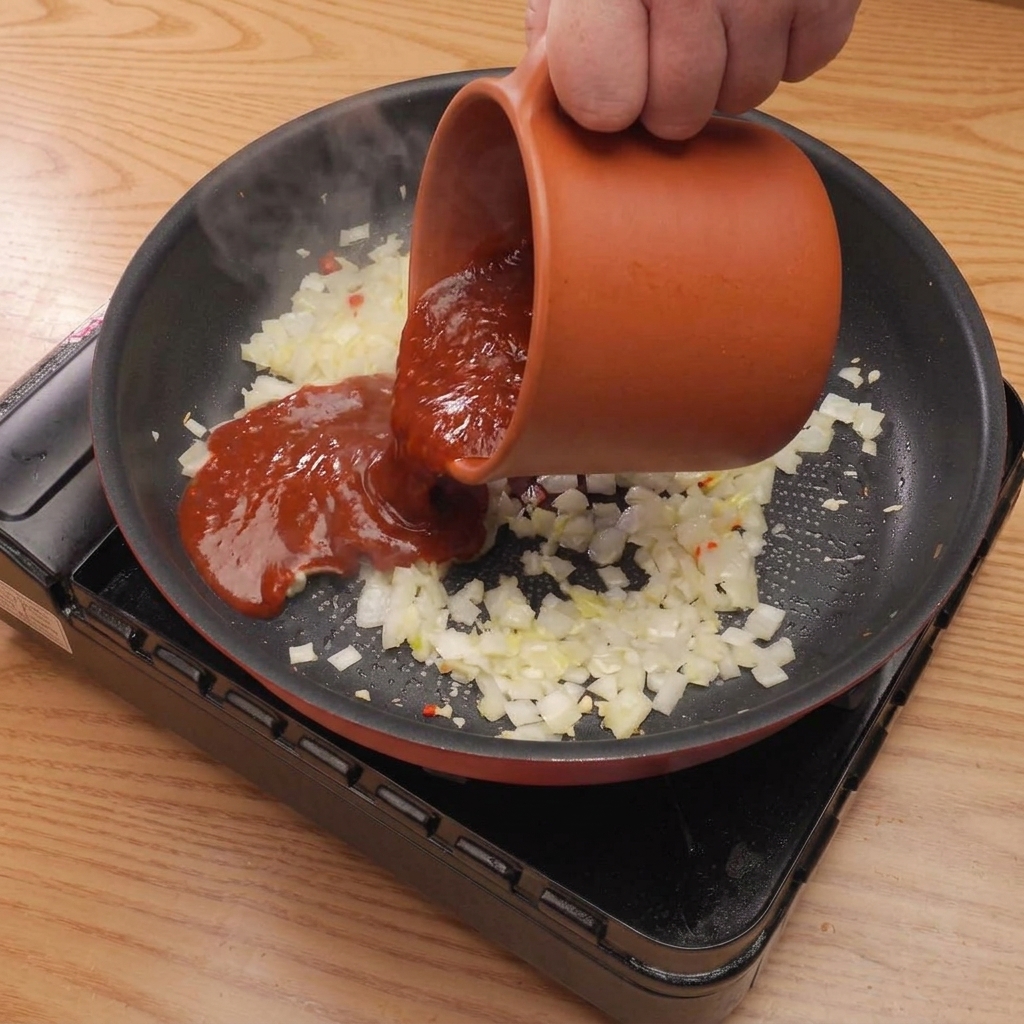
Pour the previously mixed sauce ingredients into the pan with the sautéed aromatics. Simmer on low heat until the sauce thickens to your desired consistency, adding a splash of water if it becomes too thick.
Tip: This versatile sauce can be used for most Korean-style dishes. - 4Prepare the Beef
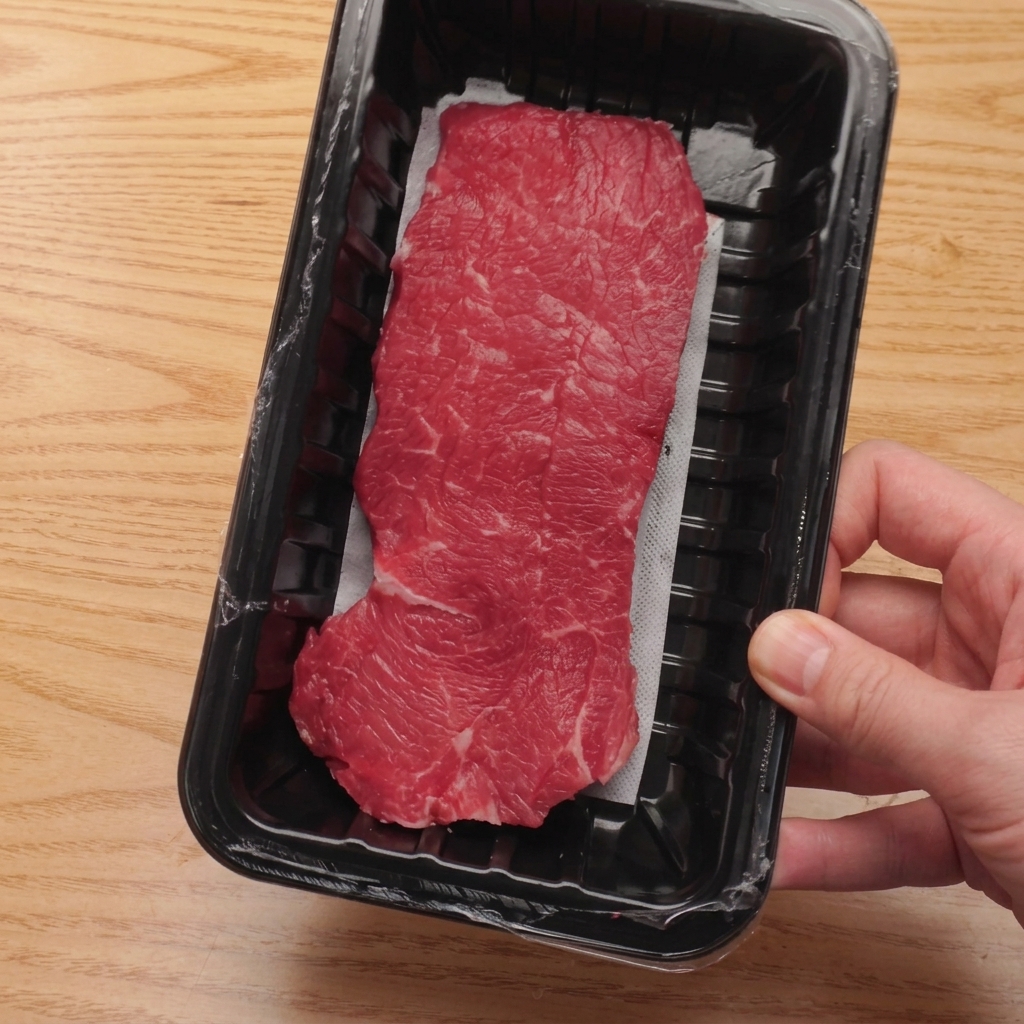
Take fresh beef tenderloin and carefully cut it into small, uniform cubes to ensure even cooking and a tender texture.
Tip: Using tenderloin is key to achieving the best texture for this dish. - 5Marinate the Beef
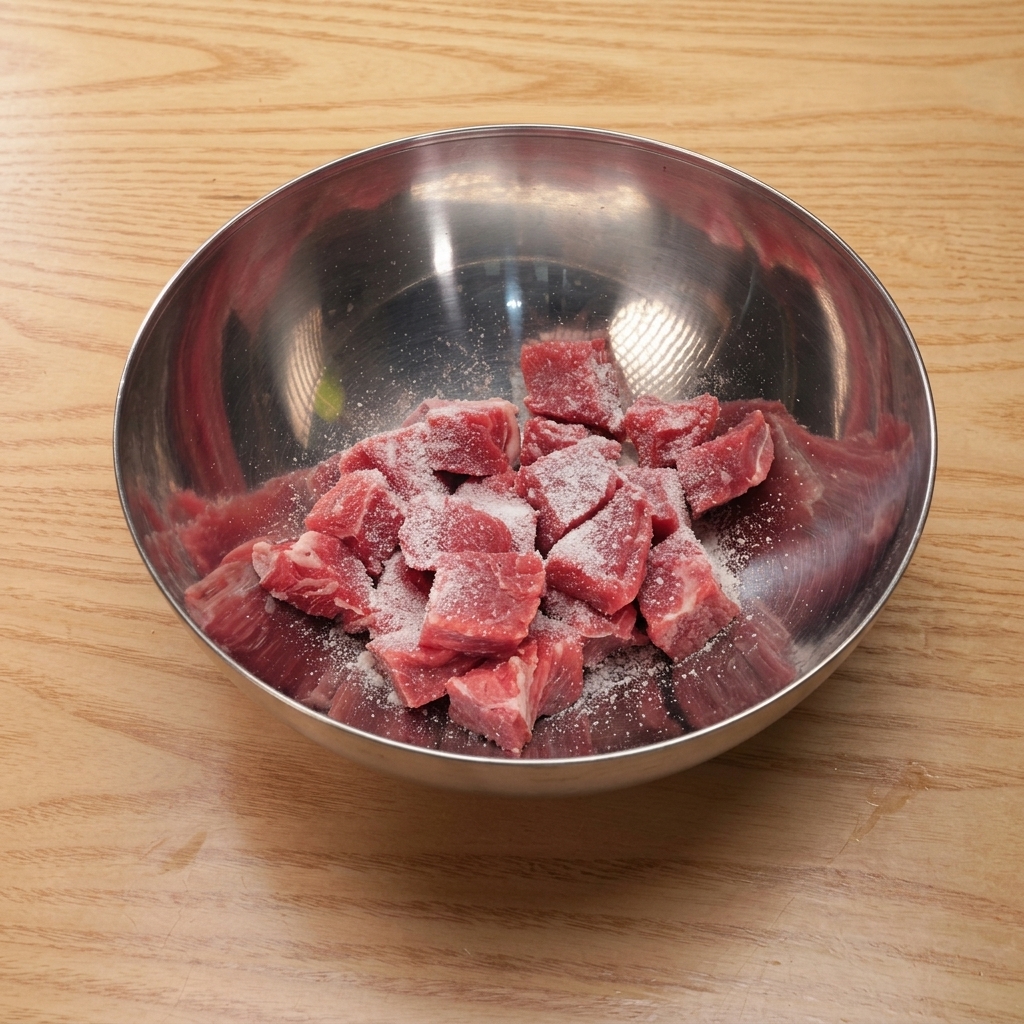
In a metal bowl, combine the beef cubes with salt, sugar, soy sauce, and cornstarch. Mix well until thoroughly coated, then add a small amount of oil and let it marinate for 20 minutes.
Tip: The starch helps keep the beef tender during the searing process. - 6Cook Vegetables

In a pan with a little sesame oil, sauté the julienned carrots and sliced shiitake mushrooms until they are tender and fragrant.
Tip: Sautéing these vegetables in sesame oil adds a distinct, nutty aroma. - 7Sear the beef
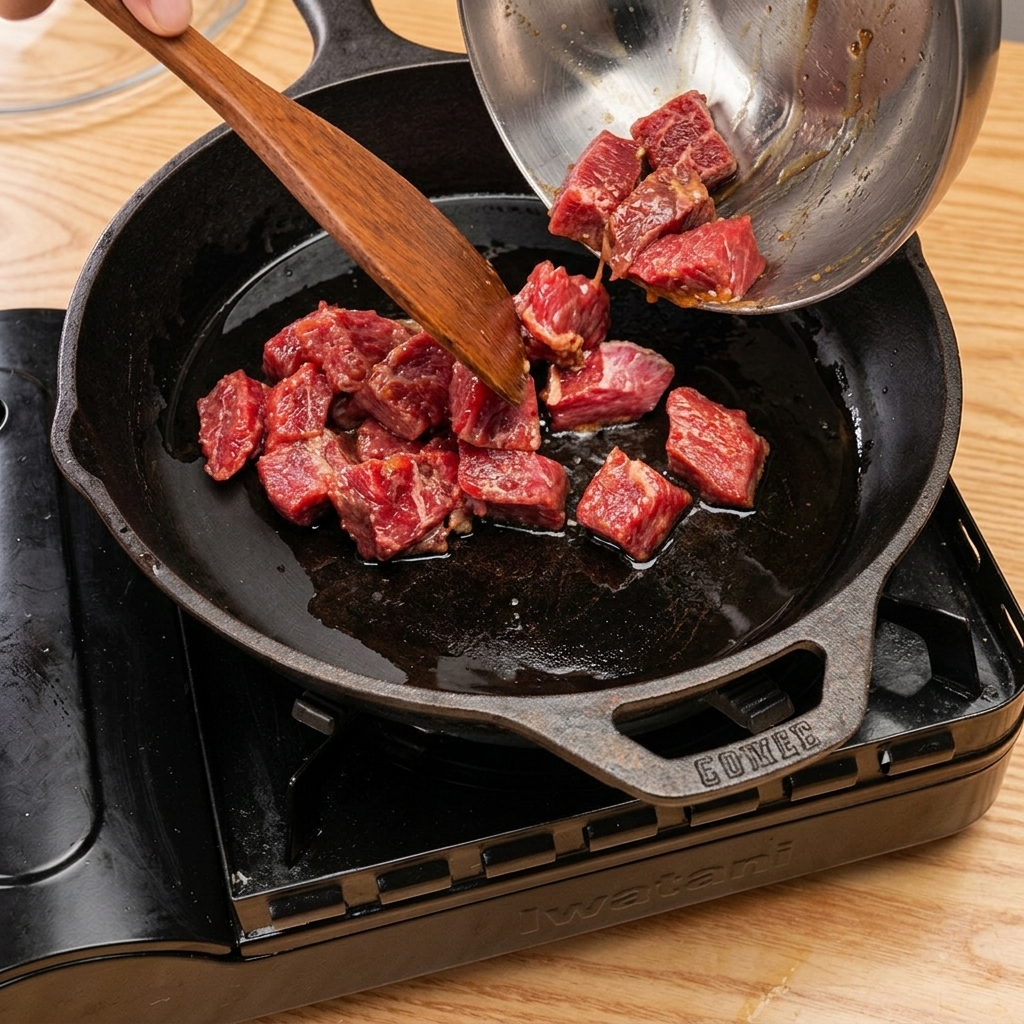
Place the marinated beef cubes into a hot, oiled cast-iron pan and sear over high heat until browned on all sides. Pour in a splash of cooking wine to deglaze the pan, then cover with a lid and let the beef steam over medium heat for approximately 90 seconds to ensure a juicy, tender texture.
Tip: Using a cast-iron pan is essential here as it holds heat well, helping to achieve a perfect crust on the beef while keeping the interior tender. - 8Blanch the squid legs
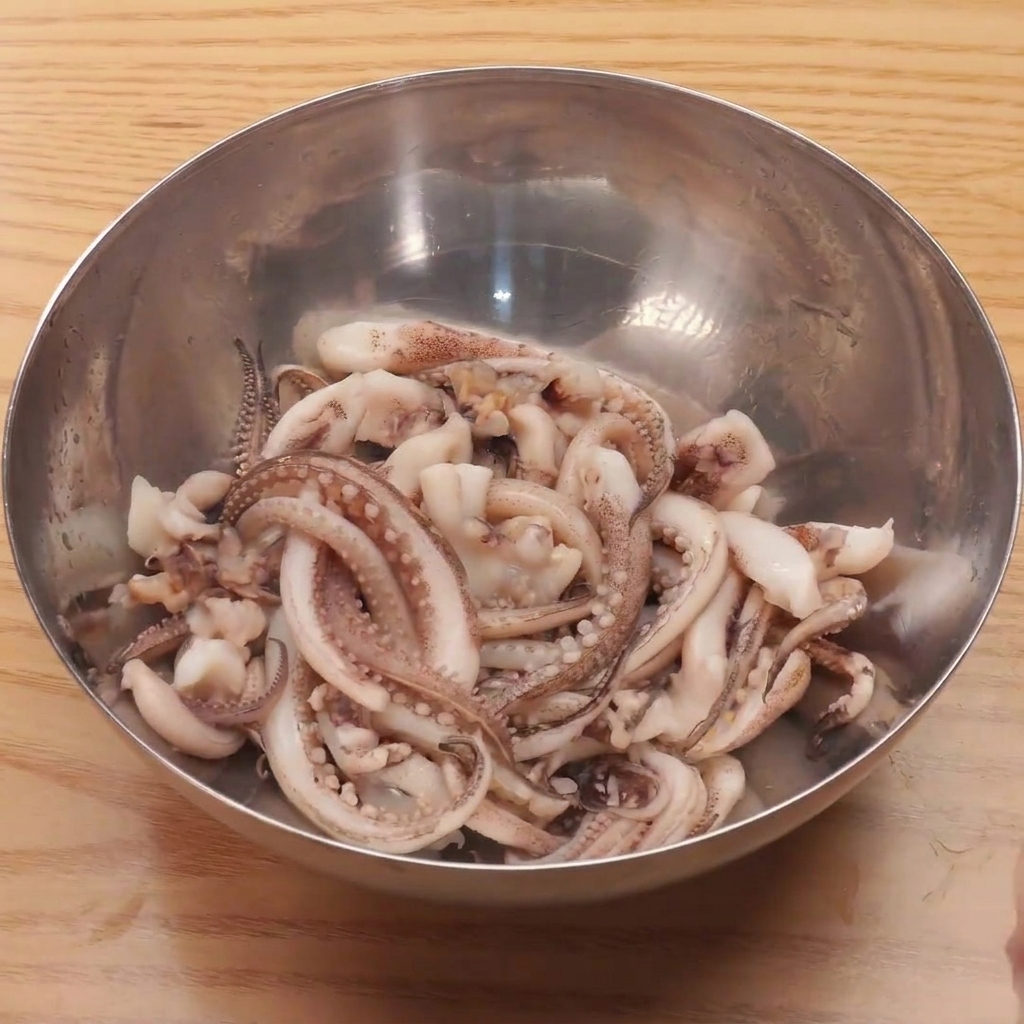
Place the prepared squid legs into a bowl of boiling water and blanch for about 30 seconds. This quick blanching ensures the squid remains tender when stir-fried later and removes any excess sliminess.
Tip: Do not overcook the squid; 30 seconds is sufficient to ensure it stays firm but not rubbery. - 9Season the squid
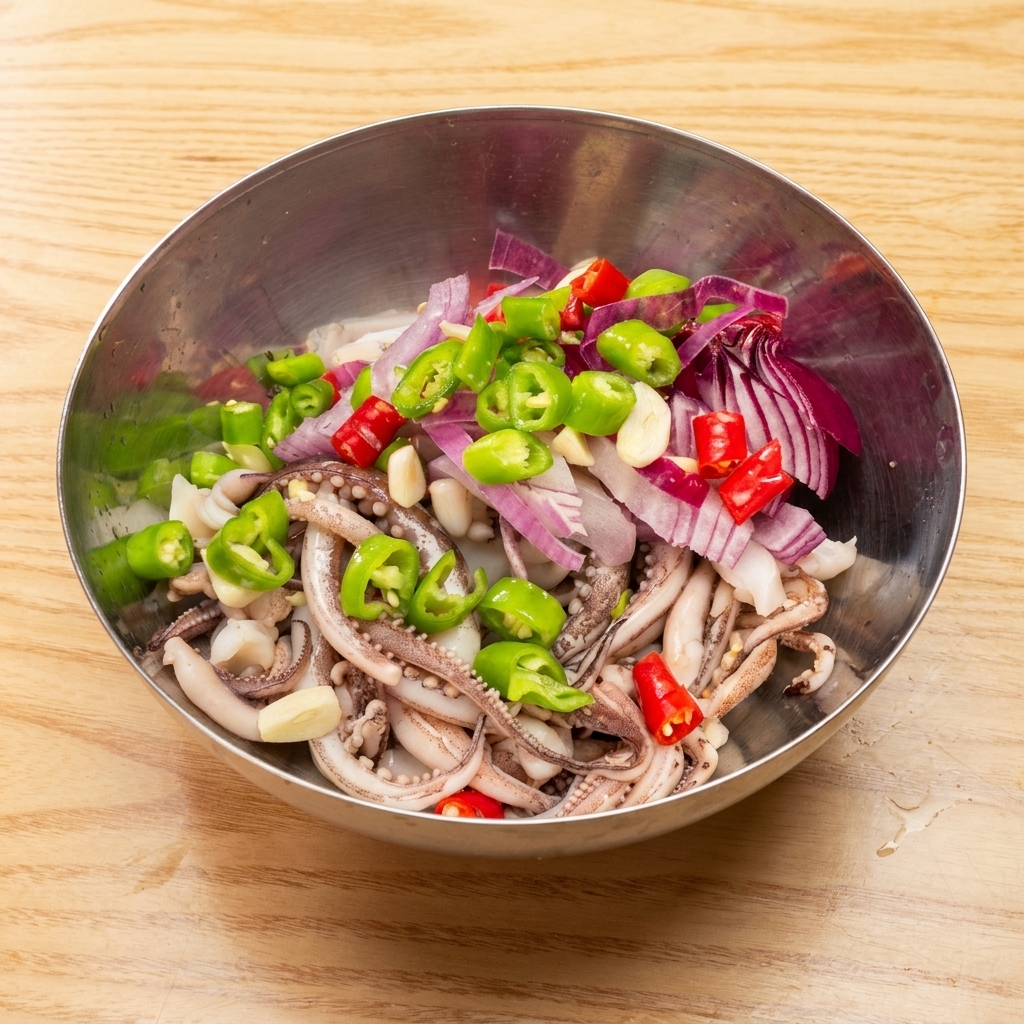
To the blanched squid legs, add sliced onions, fresh chili, minced garlic, and the prepared spicy garlic sauce. Mix all the ingredients thoroughly in the bowl so that every piece of squid is evenly coated with the aromatic seasonings before searing.
Tip: Ensuring the squid is well-coated with the sauce before hitting the hot pan will help create a richer flavor profile during the final stir-fry.