Korean-Style Glazed Pork Belly Rice Bowl
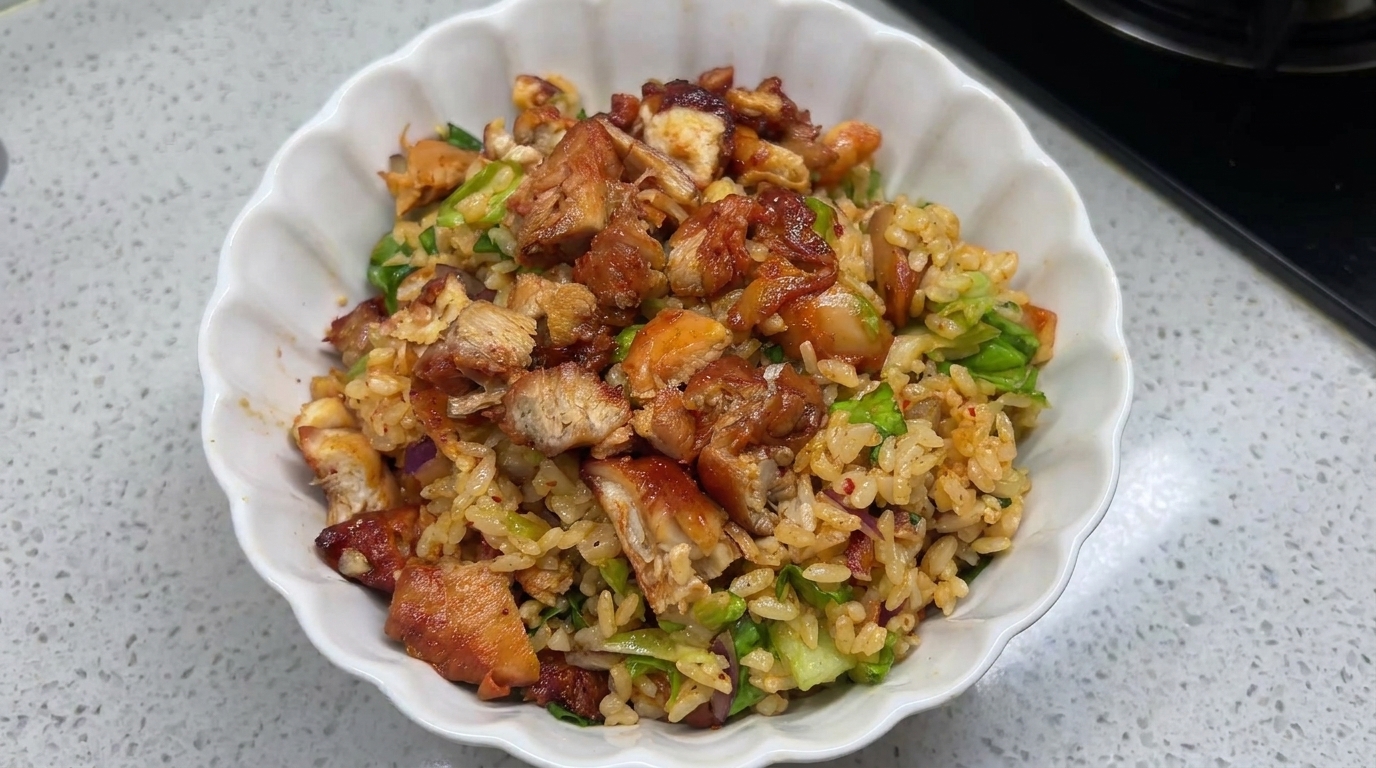
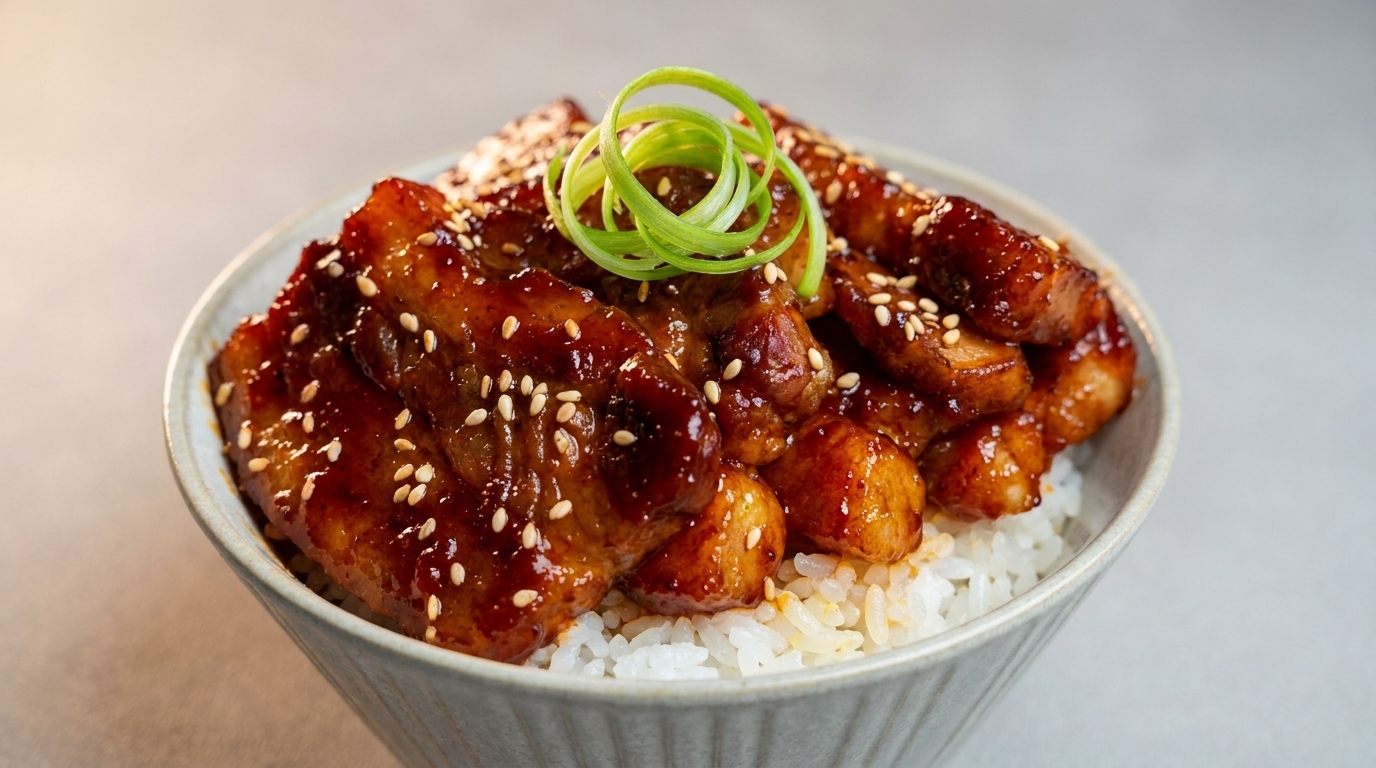
Enjoy this savory Korean-style rice bowl featuring thick, golden-brown pork belly strips glazed in a rich, spicy-sweet gochujang sauce.
This Korean-style pork belly bowl is a masterclass in balancing rich, fatty textures with a bold, aromatic glaze. By pan-frying the pork belly slowly, the fat renders into a beautiful golden crisp, which then drinks up the reduced gochujang and garlic sauce. It is a satisfying, hearty meal that brings the vibrant, comforting flavors of a Korean home kitchen straight to your table.
Ingredients
- 300 g pork belly
- 1 tbsp gochujang
- 1 tbsp soy sauce
- 1 tbsp rice wine
- 2 cloves garlic, grated
- 0.25 tsp sugar
- 0.5 tsp sesame oil
- 100 ml water
- 0.25 tsp salt
- to taste toasted sesame seeds
- to taste scallion ribbons
Instructions
- 1Prepare the sauce
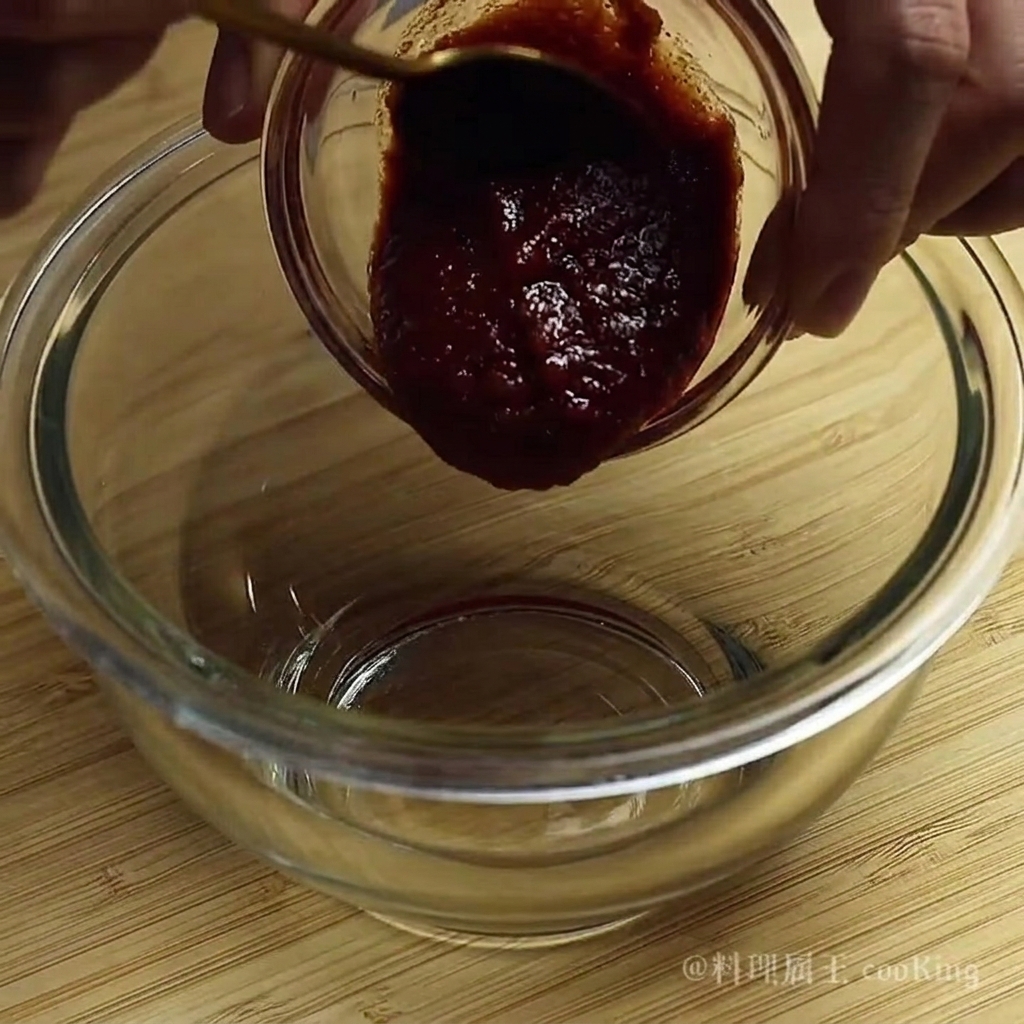
In a glass bowl, combine one tablespoon of Gochujang, one tablespoon of soy sauce, one tablespoon of rice wine, two cloves of grated garlic, a quarter teaspoon of sugar, half a teaspoon of sesame oil, and 100ml of water. Stir the mixture thoroughly until the sauce is well combined.
Tip: Make sure to whisk the Gochujang completely into the liquid to avoid clumps in your sauce. - 2Slice the pork belly
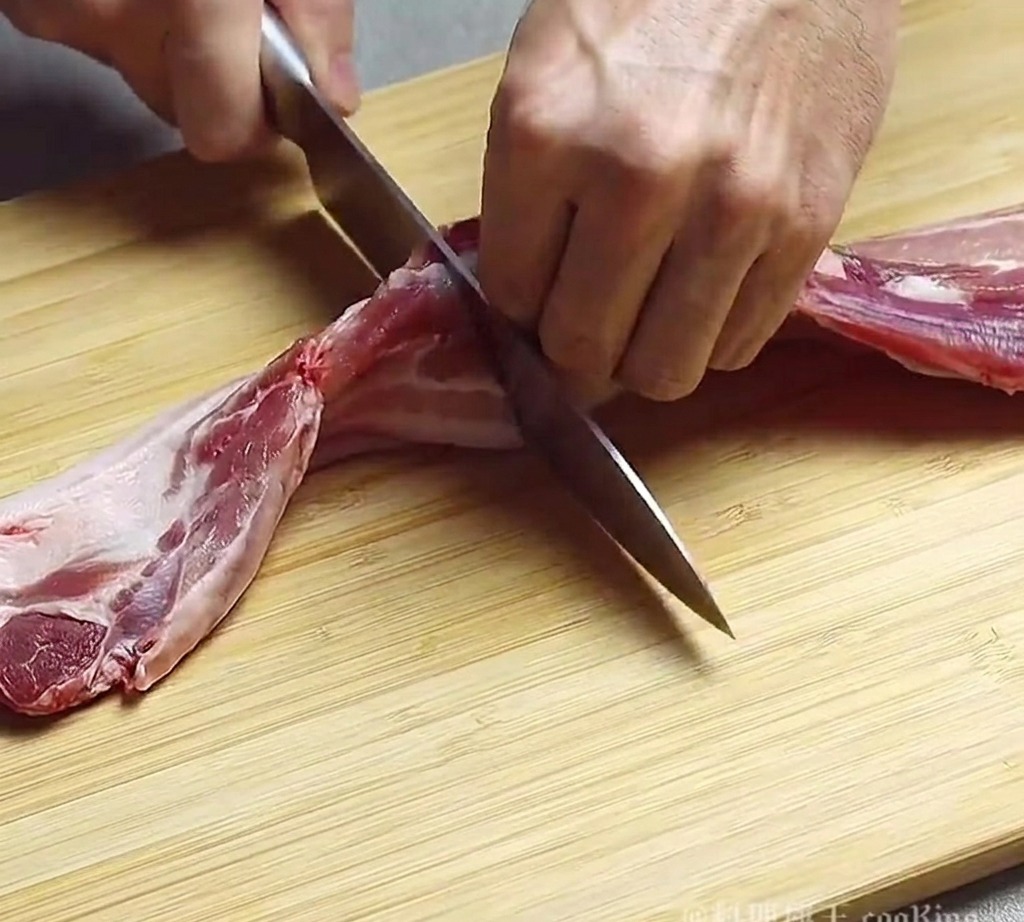
Take 300g of pork belly and place it on a clean cutting board. Use a sharp chefs knife to slice the meat into thick, uniform strips for even cooking.
Tip: Slicing the pork while it is slightly chilled makes it easier to get clean, even strips. - 3Season the pork
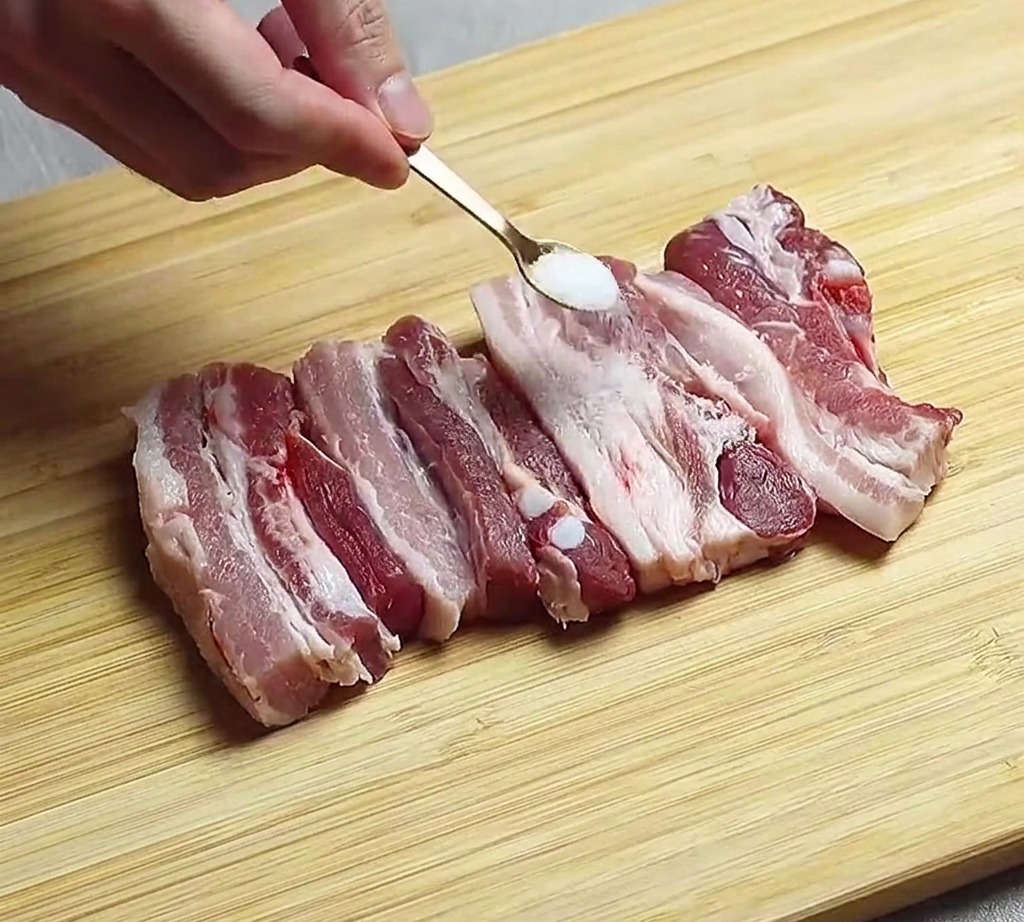
Evenly sprinkle a quarter teaspoon of salt over the sliced pork belly strips. Use your hands to rub the salt into the meat to ensure it is well seasoned before frying.
Tip: Rubbing the seasoning directly onto the meat helps create a better sear when it hits the pan. - 4Pan-fry the pork belly
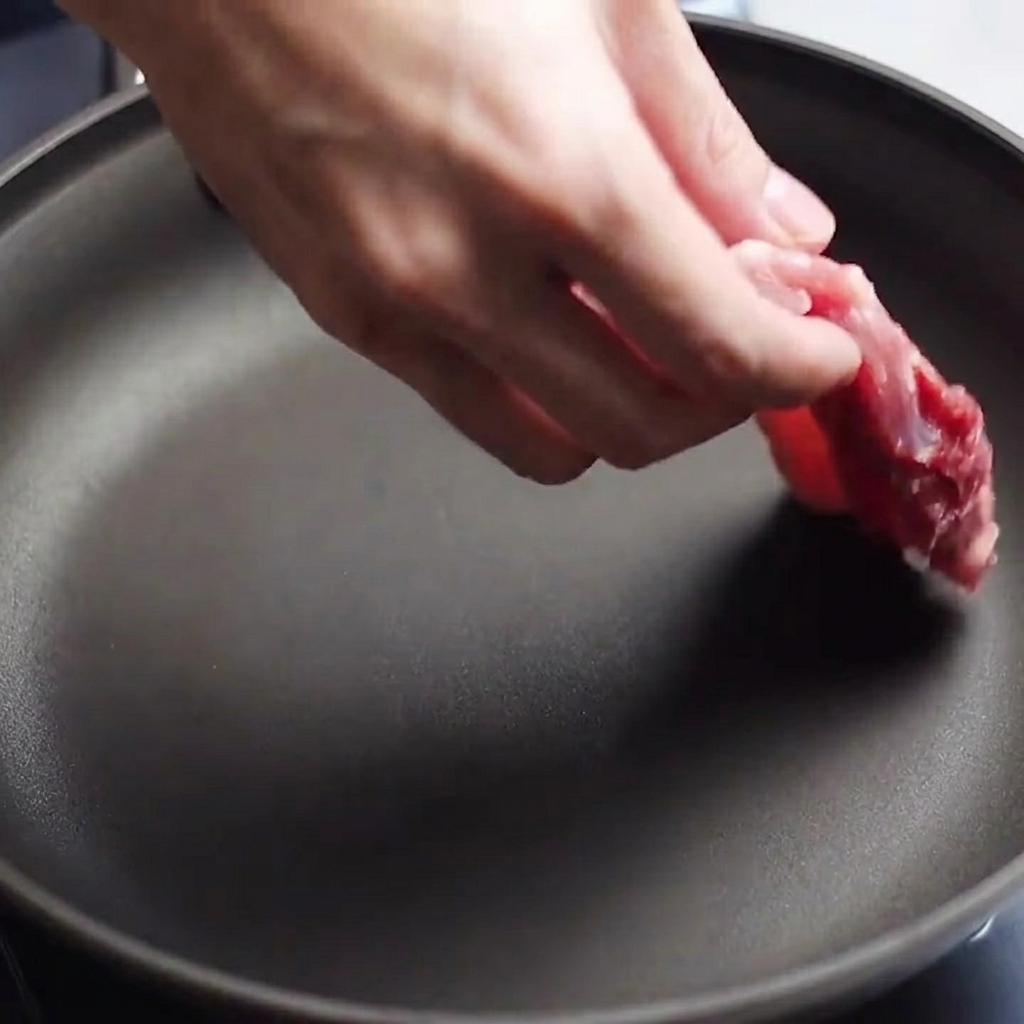
Heat a pan over medium-low heat. Carefully place the seasoned pork belly strips into the pan to begin pan-frying.
Tip: Starting with a medium-low heat allows the fat to render slowly, resulting in a crispier texture without burning the outside. - 5Check for doneness
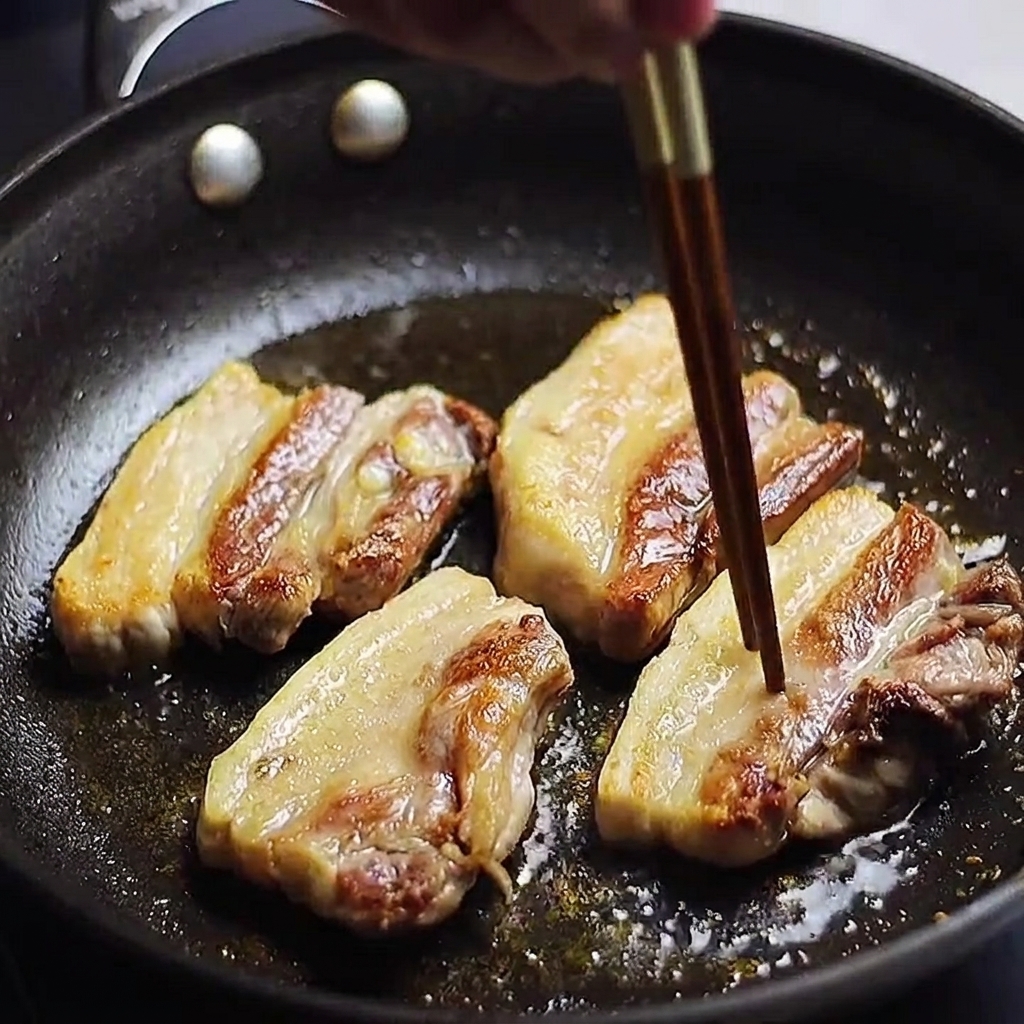
As the pork belly cooks, use a chopstick to pierce the thickest part of the meat. Ensure the pork is cooked through by checking that the juices running out are clear, indicating the meat is golden brown and ready.
Tip: Clear juices are the best indicator that the pork is fully cooked through to the center. - 6Clean the pan
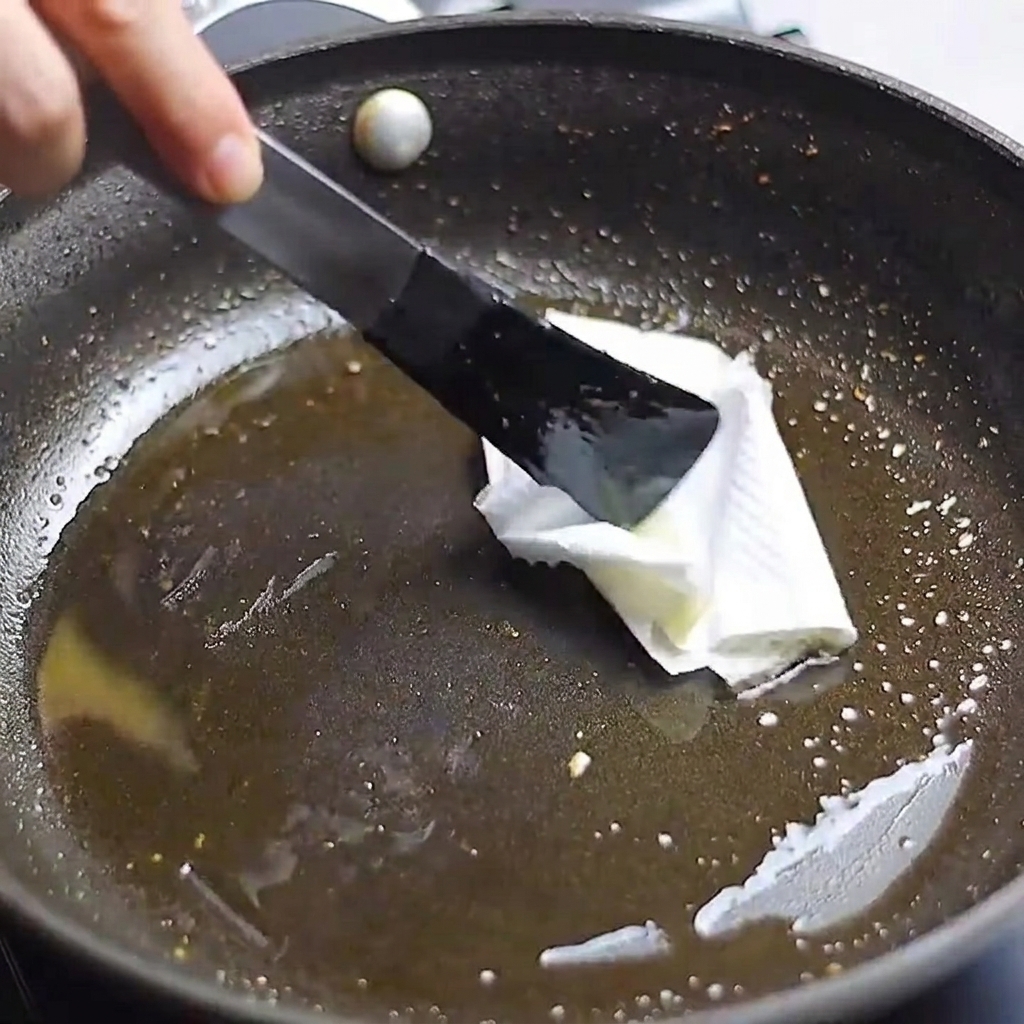
Once the pork is cooked, remove it from the pan. Use a piece of kitchen paper held by tongs to carefully wipe out the excess rendered fat from the pan, preparing it for the next step.
Tip: Removing excess oil helps ensure your final sauce isnt too greasy. - 7Boil the sauce
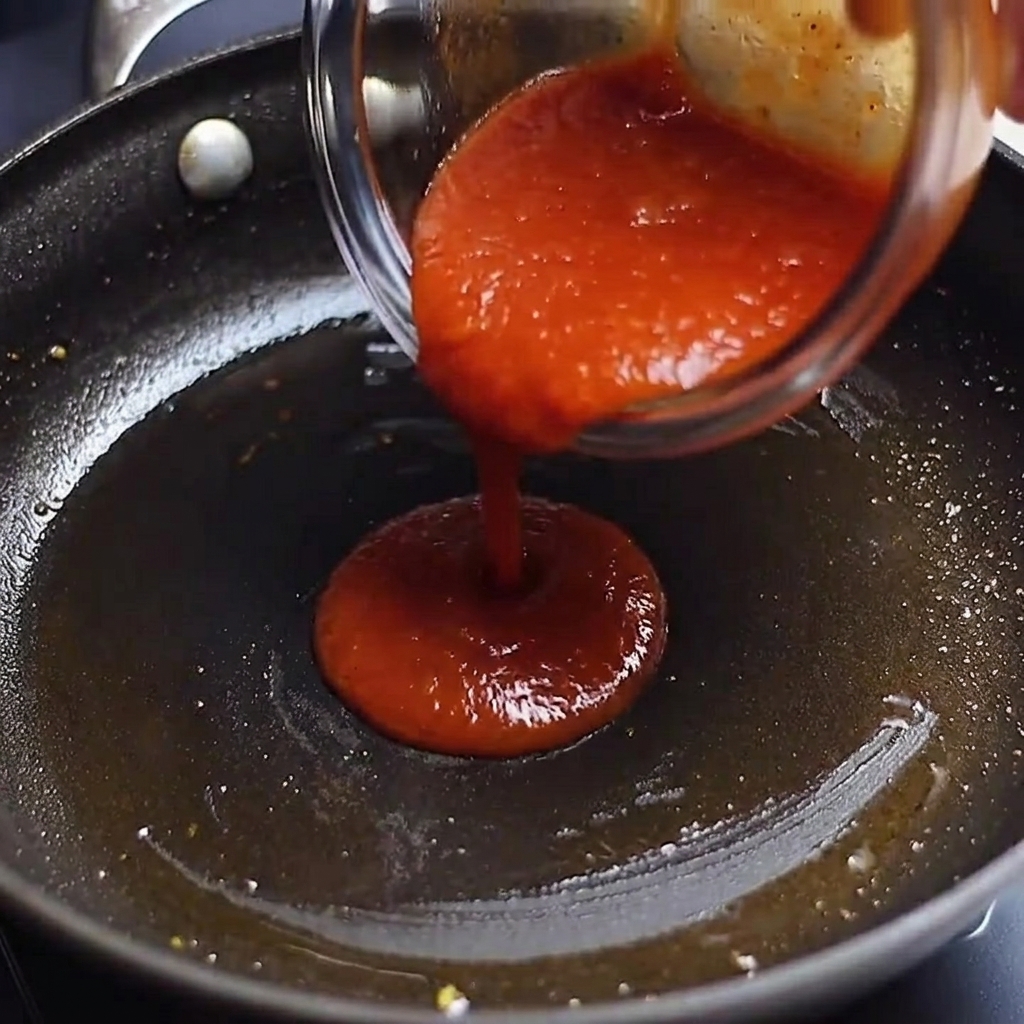
Pour the prepared sauce mixture into the pan and bring it to a boil over low heat. Heating the sauce this way allows the flavors to meld and begin to thicken slightly before adding the meat.
Tip: Keep the heat low to prevent the sauce from burning, especially since it contains sugar. - 8Coat the pork belly
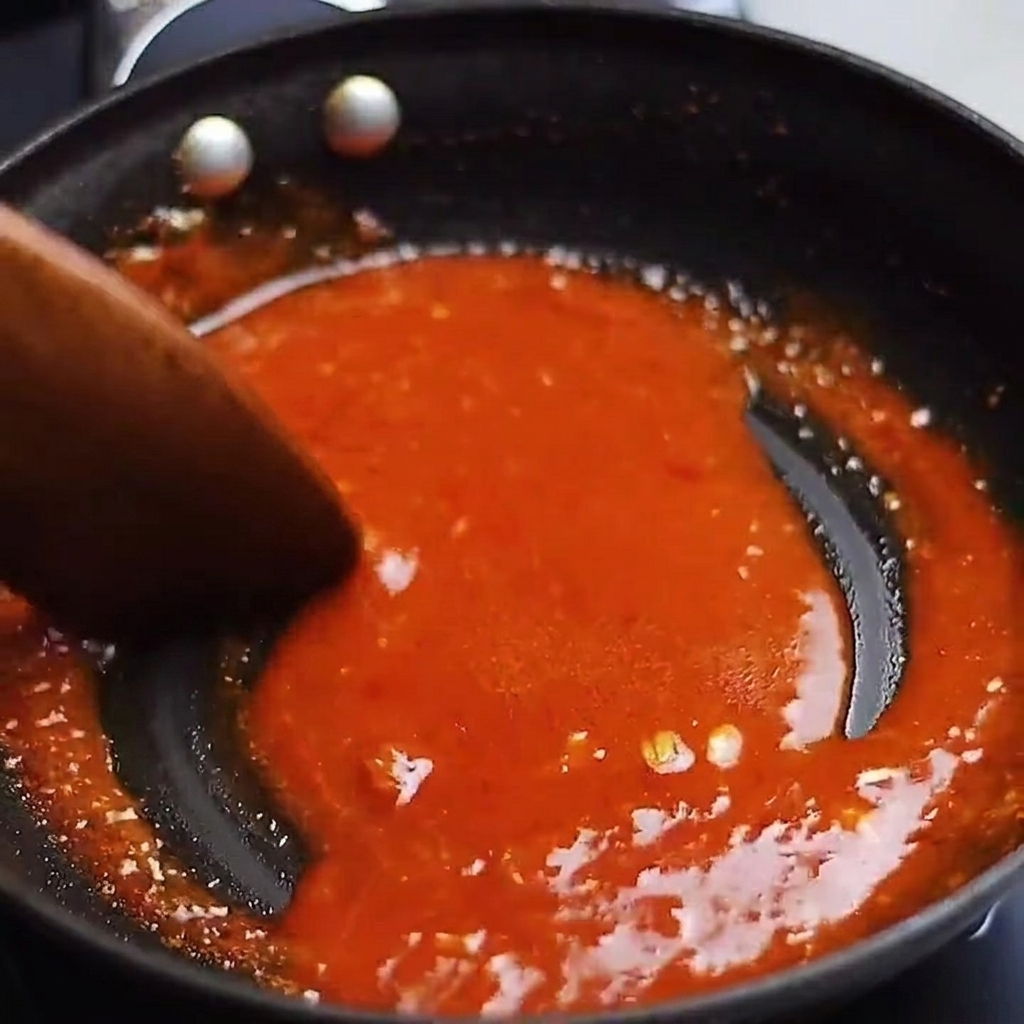
Place the pan-fried pork belly strips into the boiling sauce. Flip the pieces frequently to ensure they are evenly coated and continue cooking until the sauce has reduced and thickened around the meat.
Tip: Reduce the sauce until it is glossy and clings well to the pork belly strips for the best flavor.