Korean Soybean Paste Stew (Doenjang-jjigae)
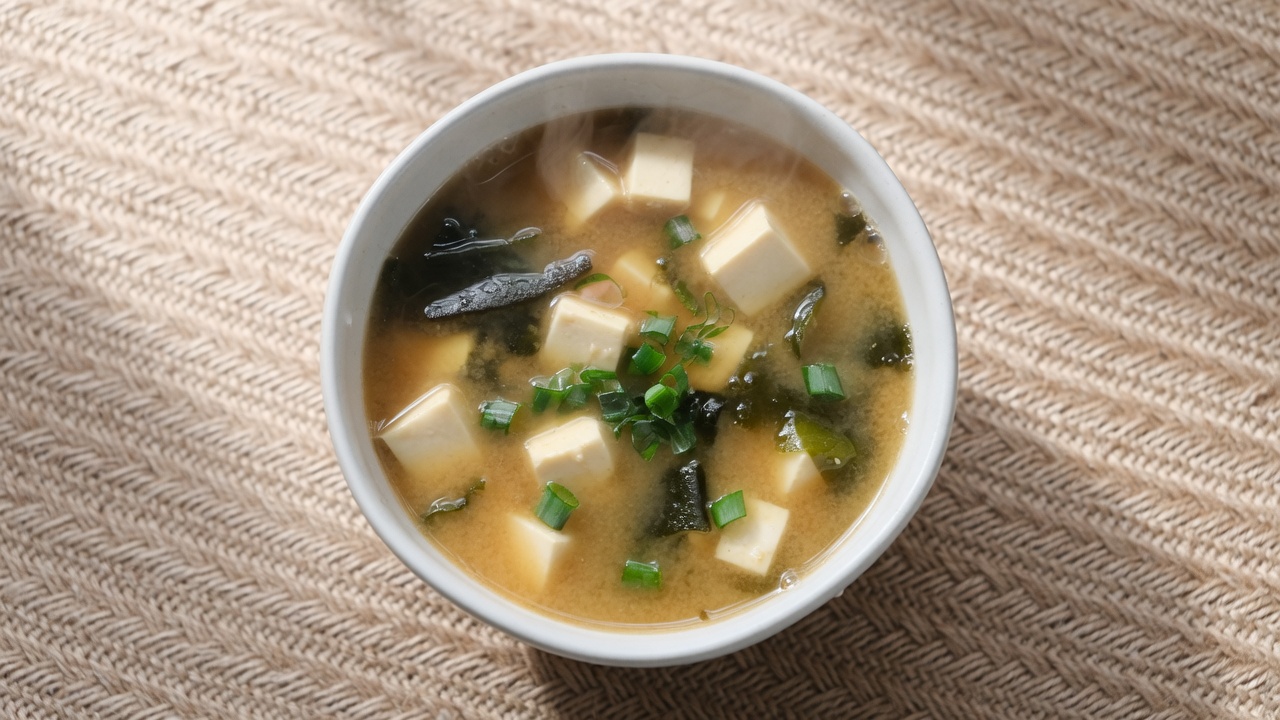
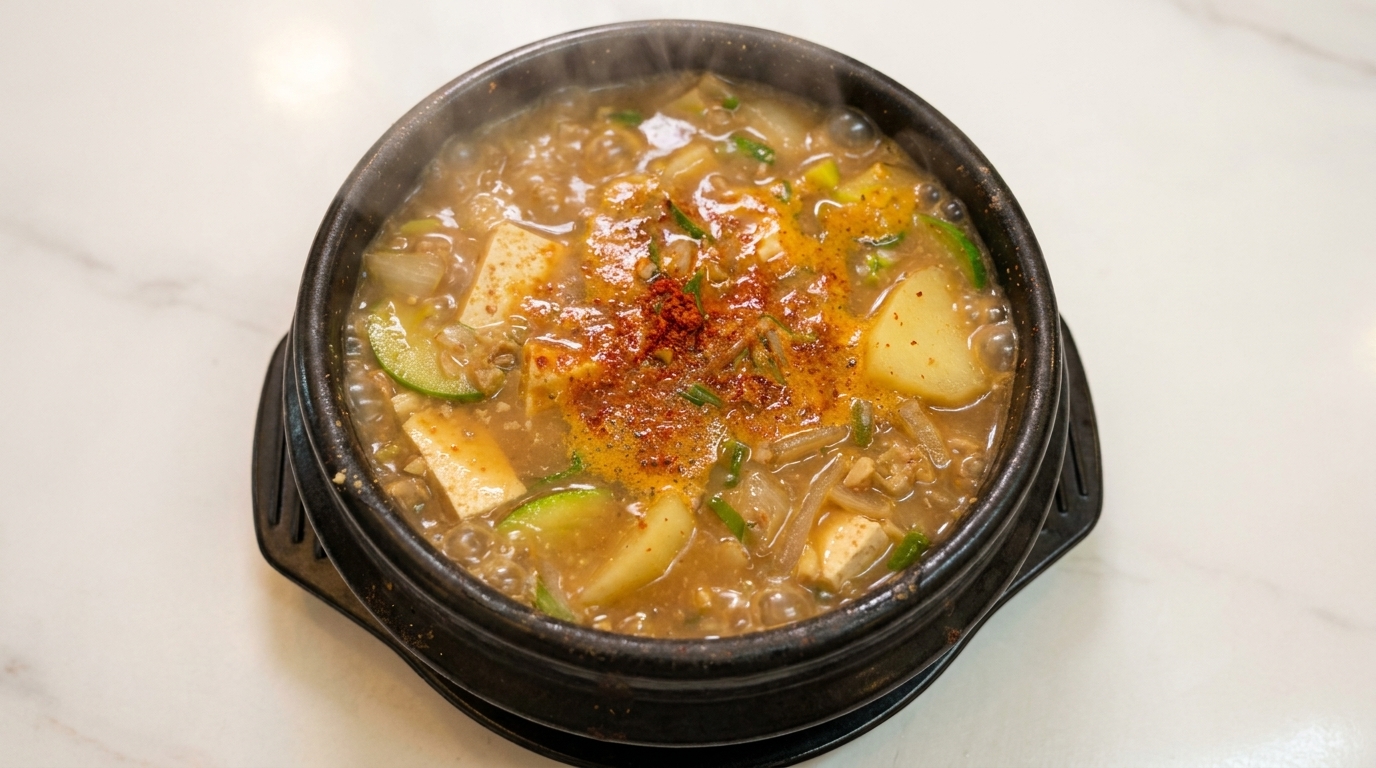
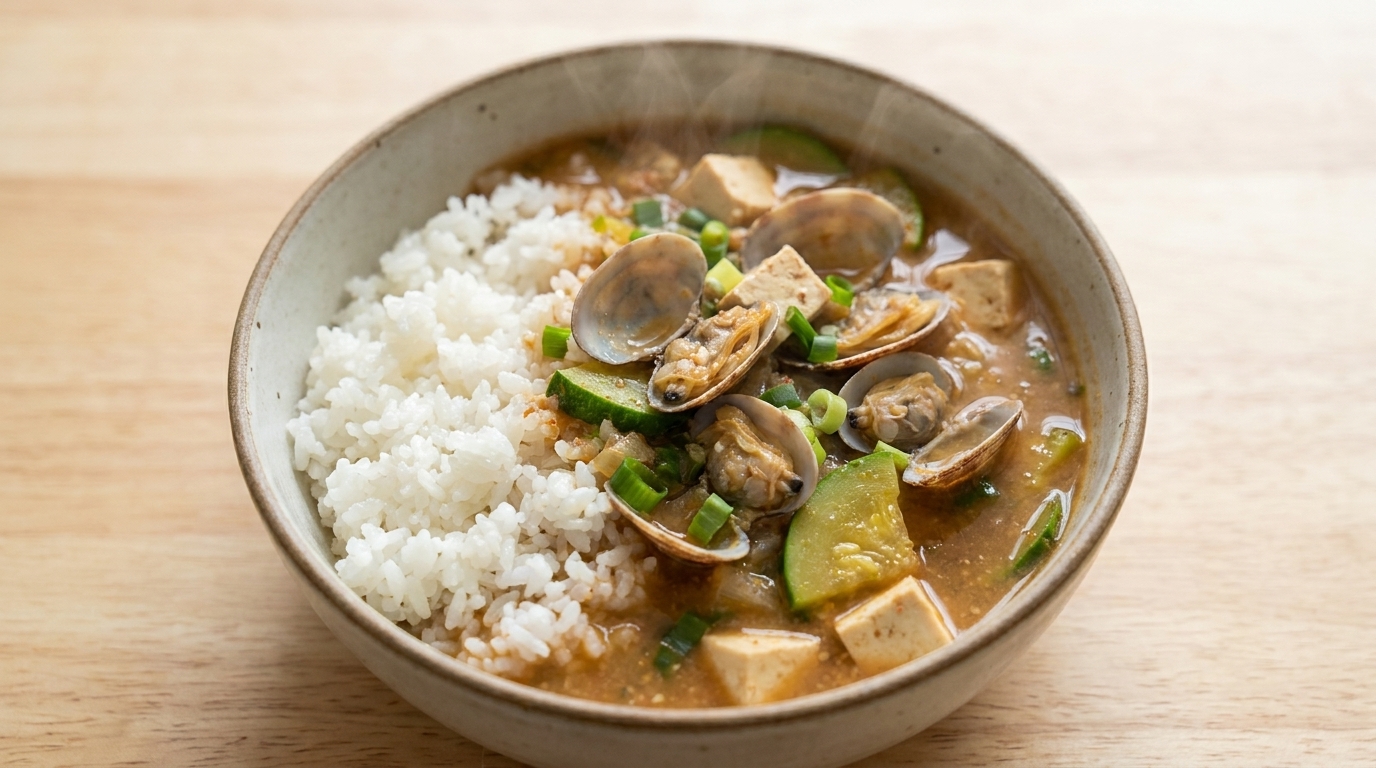
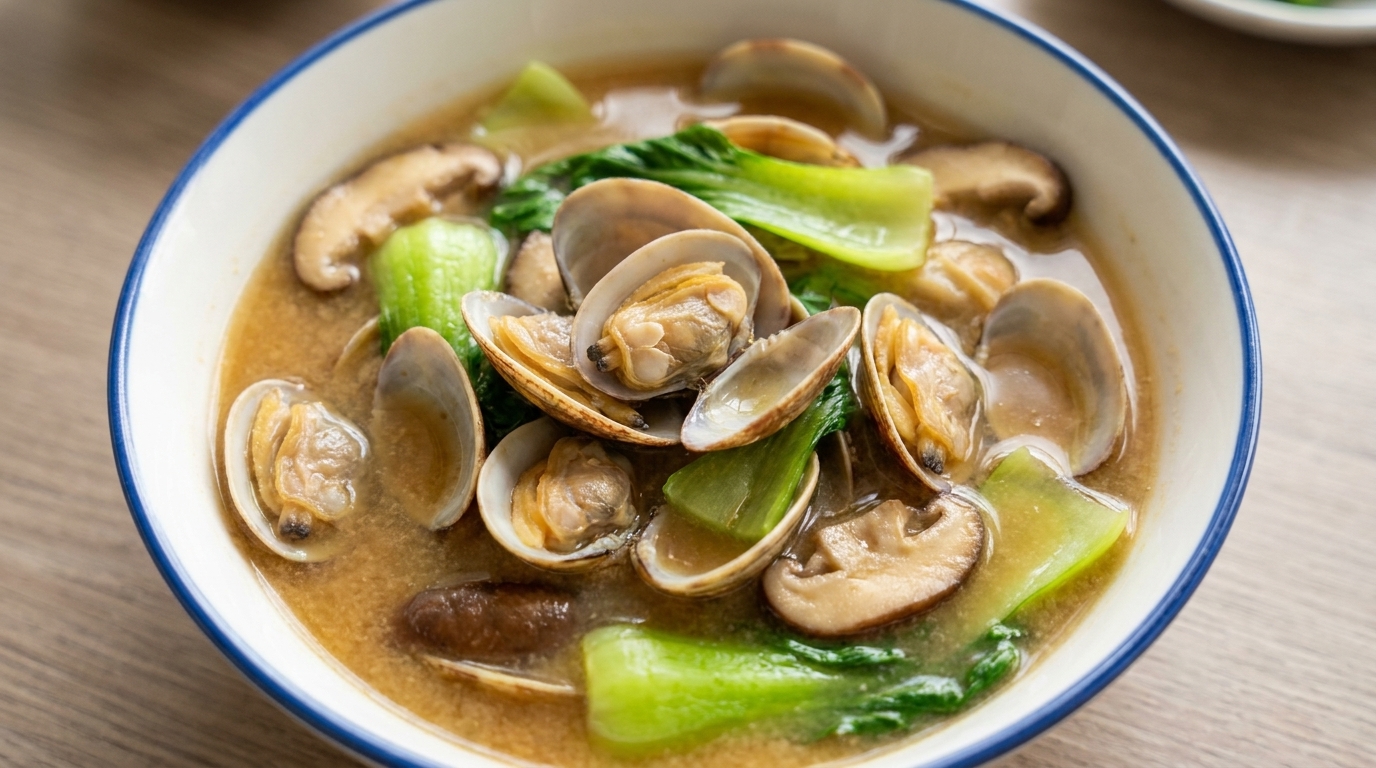
A nourishing and soul-warming Korean staple, Doenjang-jjigae is a rustic, bubbling stew defined by the savory depth of fermented soybean paste, fresh clams, and silky tofu.
Doenjang-jjigae is a fundamental pillar of Korean home cooking, cherished for its incredible depth of flavor and restorative qualities. While it is often considered a humble everyday dish, the combination of earthy soybean paste, briny clams, and soft tofu creates a complex, savory profile that is both deeply comforting and surprisingly light. It is a dish that highlights the beauty of simple, fermented ingredients coming together in a single, bubbling earthenware pot.
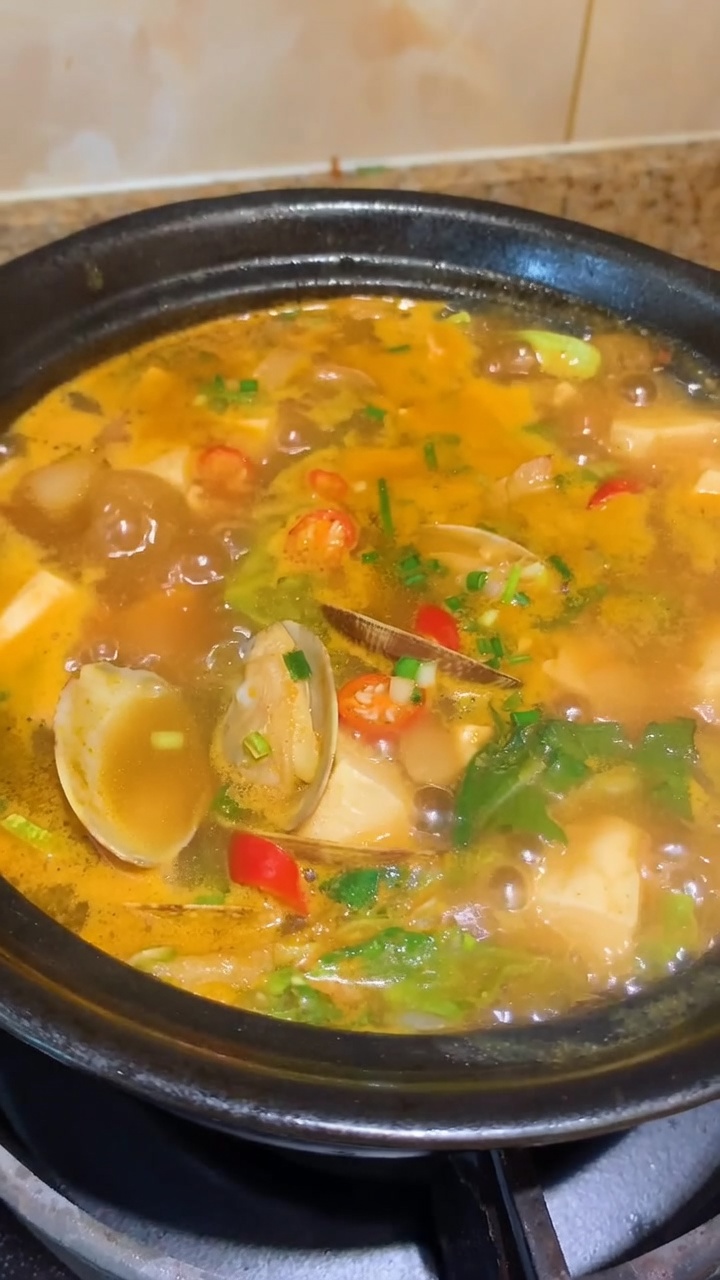
Ingredients
- 150 g pork belly or shoulder, thinly sliced
- 1 tbsp vegetable oil
- 1/2 onion, chopped
- 2 cloves garlic, minced
- 500 ml water or anchovy broth
- 2 tbsp Korean soybean paste (doenjang)
- 0.5 tbsp Korean chili paste (gochujang)
- 1/2 zucchini, sliced
- 1 medium potato, cubed
- 1 cup fresh leafy greens
- 200 g fresh clams, cleaned
- 150 g firm tofu, cubed
- 1 red chili, sliced
- 1 stalk green onion, chopped
Instructions
- 1Sear the pork
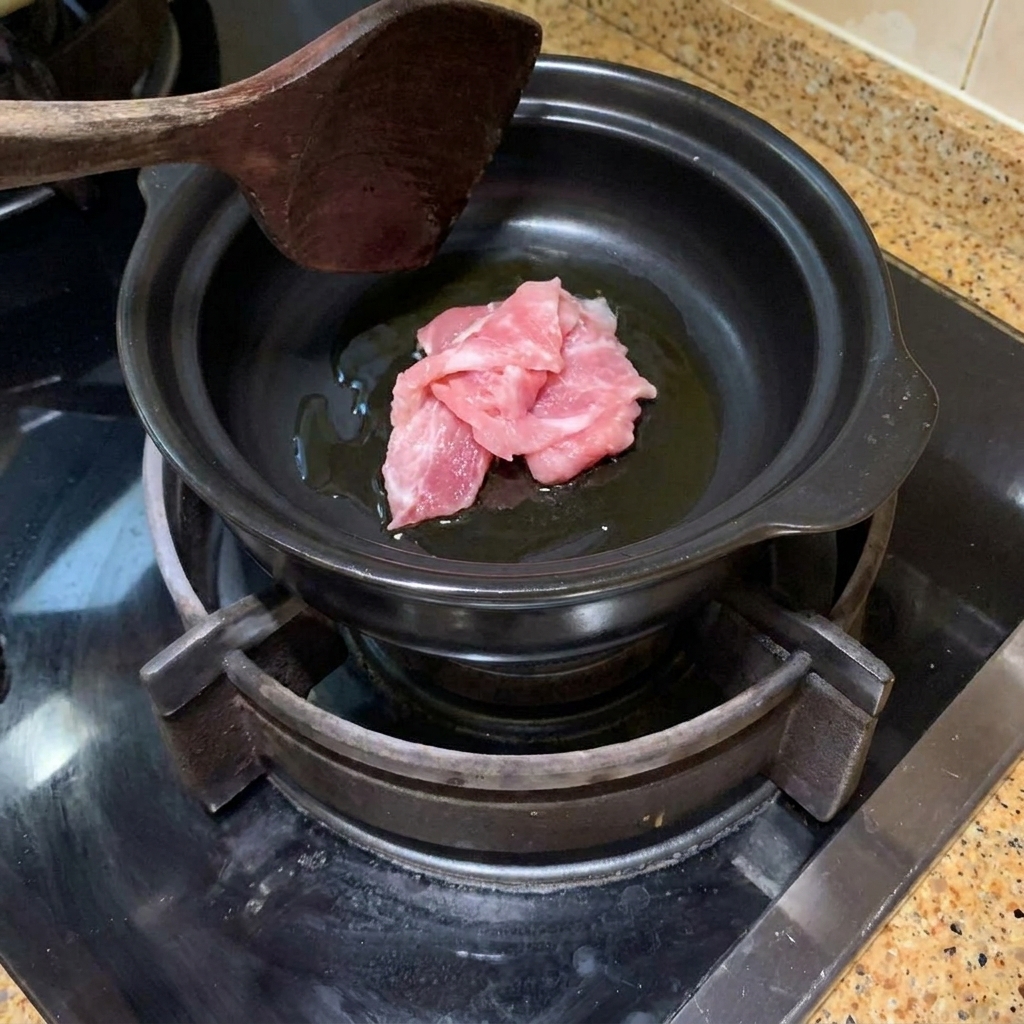
Place the pork slices into a hot clay pot with a small amount of oil. Stir-fry the meat until it is lightly browned and aromatic, which helps build a savory foundation for the stew.
Tip: Make sure the clay pot is sufficiently heated before adding the meat to get a good sear. - 2Add aromatics
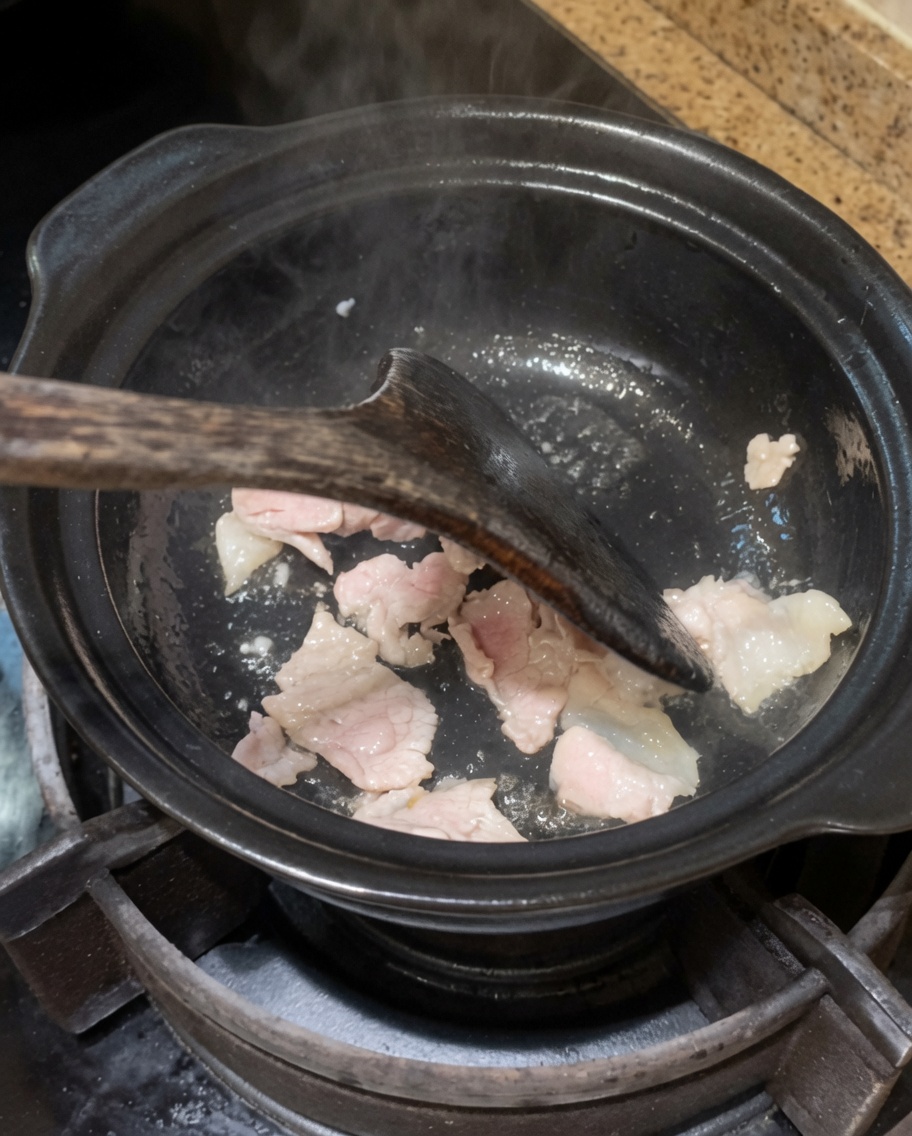
Add the chopped onion and minced garlic to the pot with the browned pork. Stir-fry together until the onions become translucent and fragrant.
Tip: Dont overcook the garlic; stir-fry just until aromatic to prevent bitterness. - 3Add water
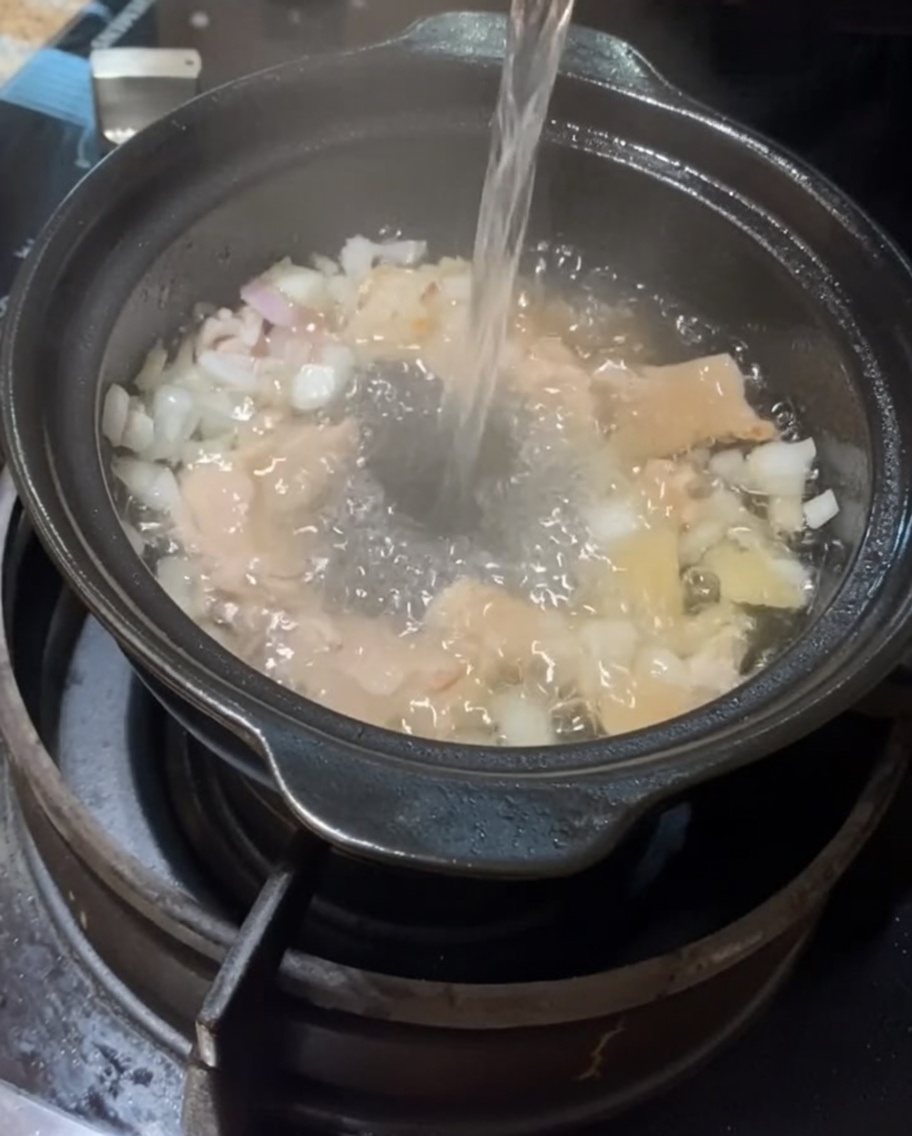
Pour water into the pot with the stir-fried pork and aromatics. Bring the liquid to a gentle simmer to begin developing the broth.
Tip: Using hot water can help speed up the simmering process. - 4Season the broth
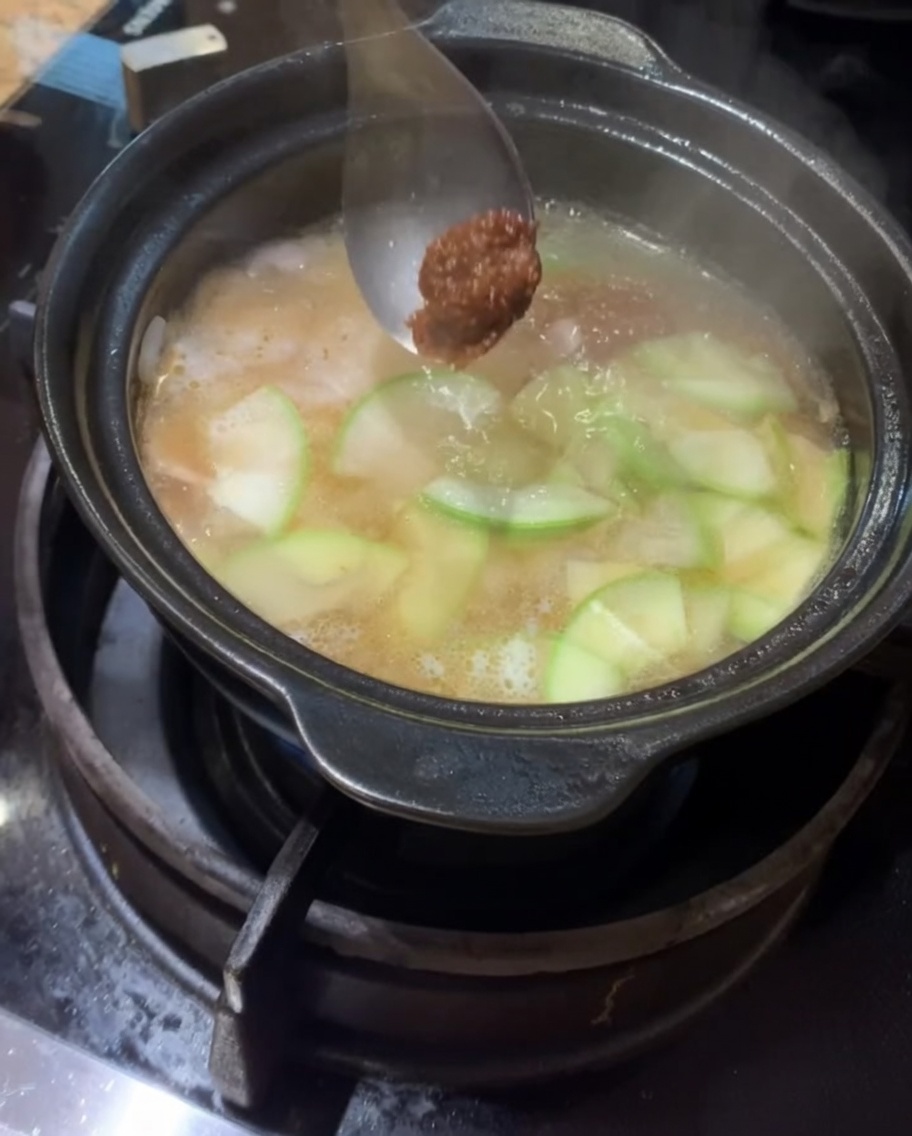
Add a large spoonful of Korean soybean paste and a half spoonful of Korean chili paste into the simmering pot. Stir well to ensure the pastes are fully dissolved into the broth.
Tip: Adjust the amount of chili paste based on your preference for heat. - 5Add vegetables
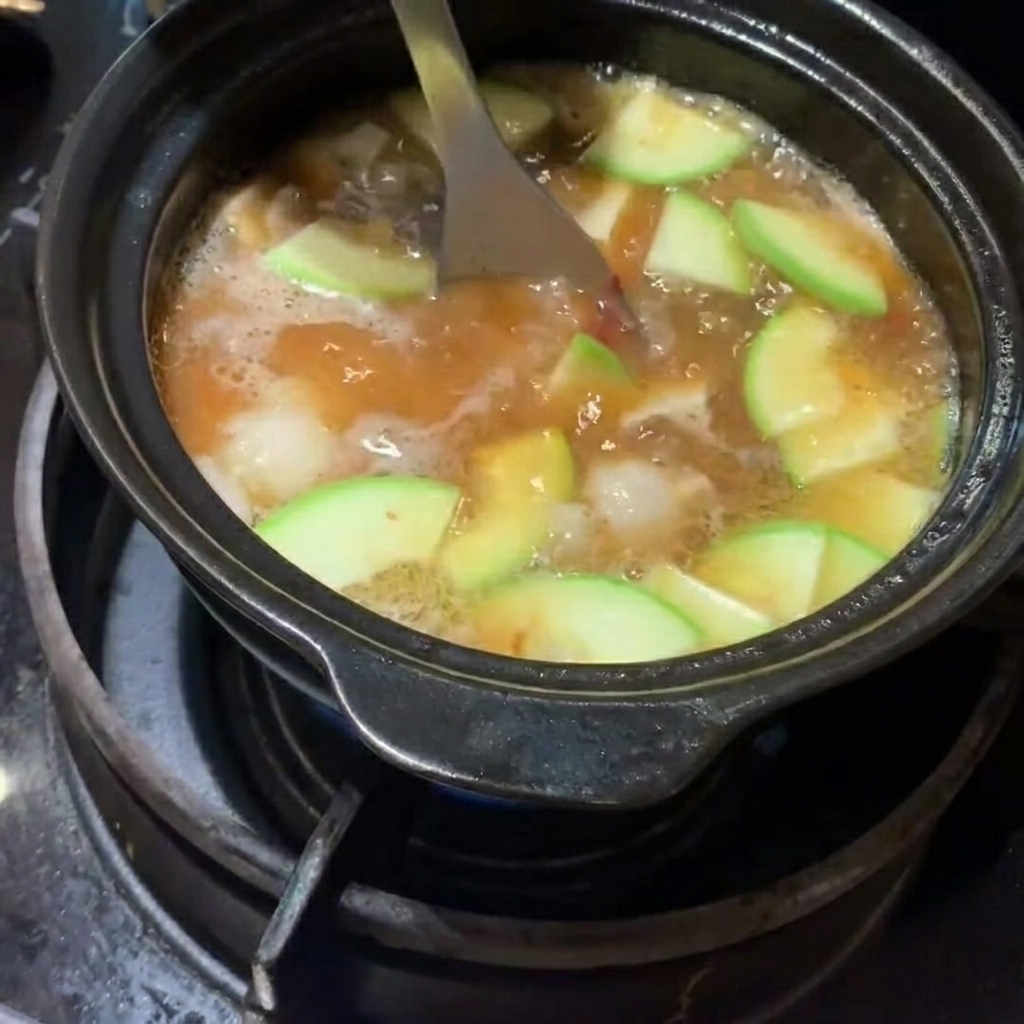
Add the sliced zucchini and cubed potatoes into the stew. Continue to simmer until the vegetables are tender and cooked through.
Tip: Cut potatoes into uniform cubes to ensure they cook at the same rate. - 6Add greens
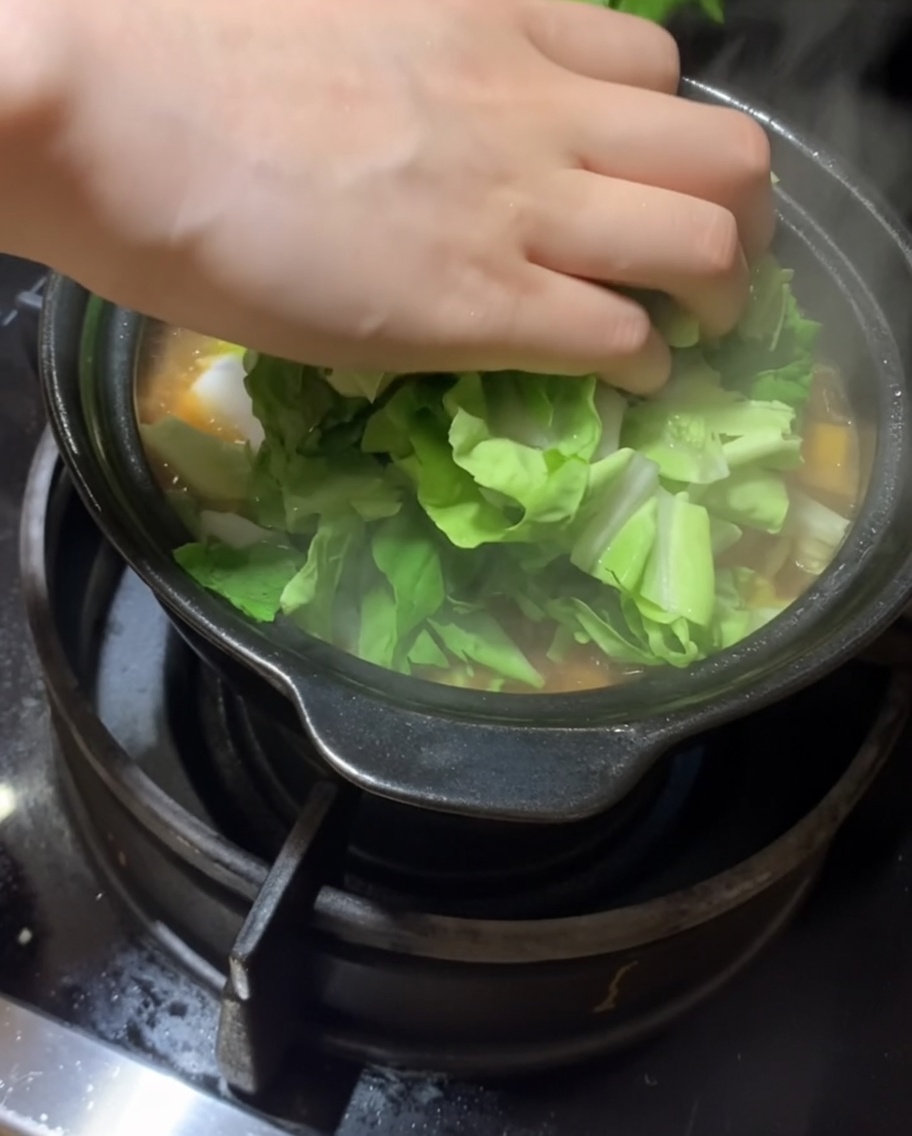
Add the fresh leafy greens into the simmering stew. Cook for another minute or two until the greens are wilted and tender.
Tip: Leafy greens cook very quickly, so add them at the end to keep them vibrant. - 7Add the final ingredients
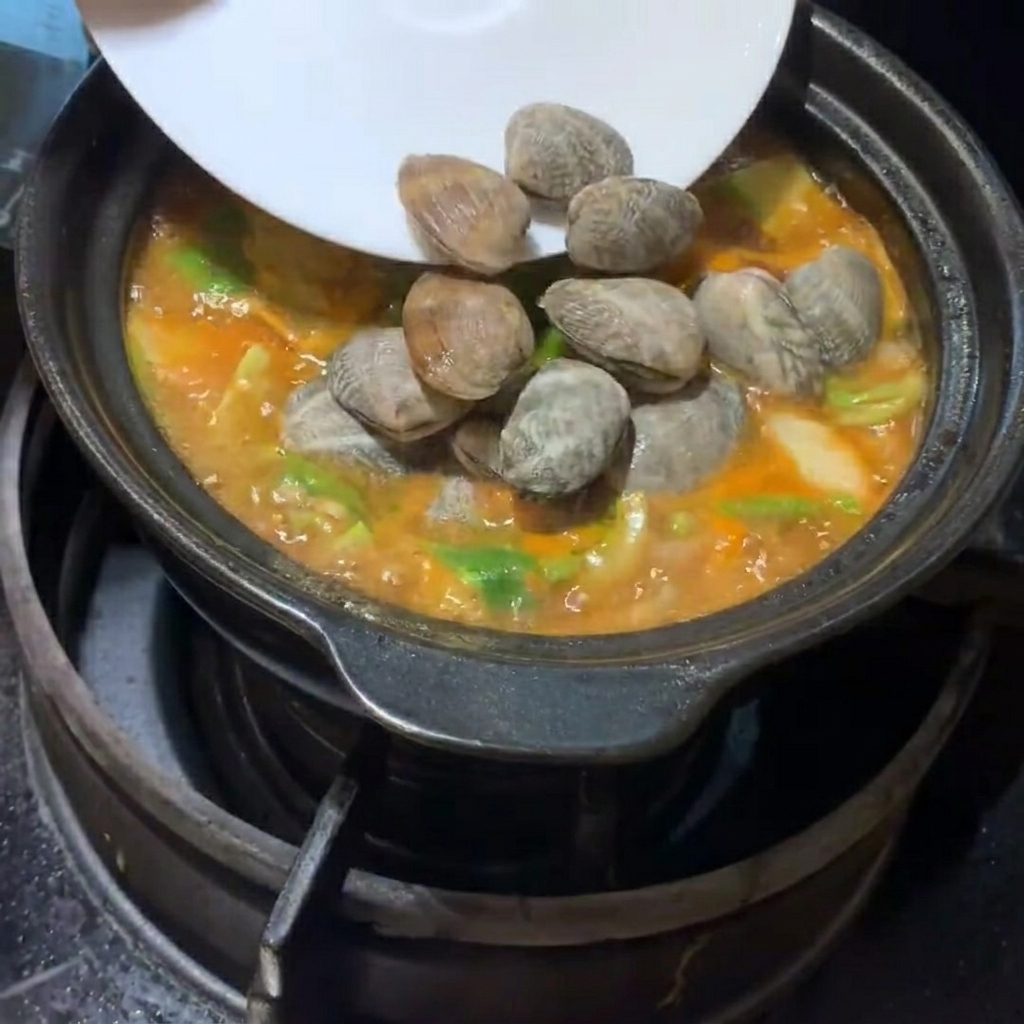
Gently add the fresh clams and cubed tofu into the simmering soybean paste stew. These ingredients cook quickly and should be added toward the end to maintain their delicate texture and fresh flavor.
Tip: Make sure the clams are thoroughly cleaned before adding to the pot to ensure no grit in your final dish.