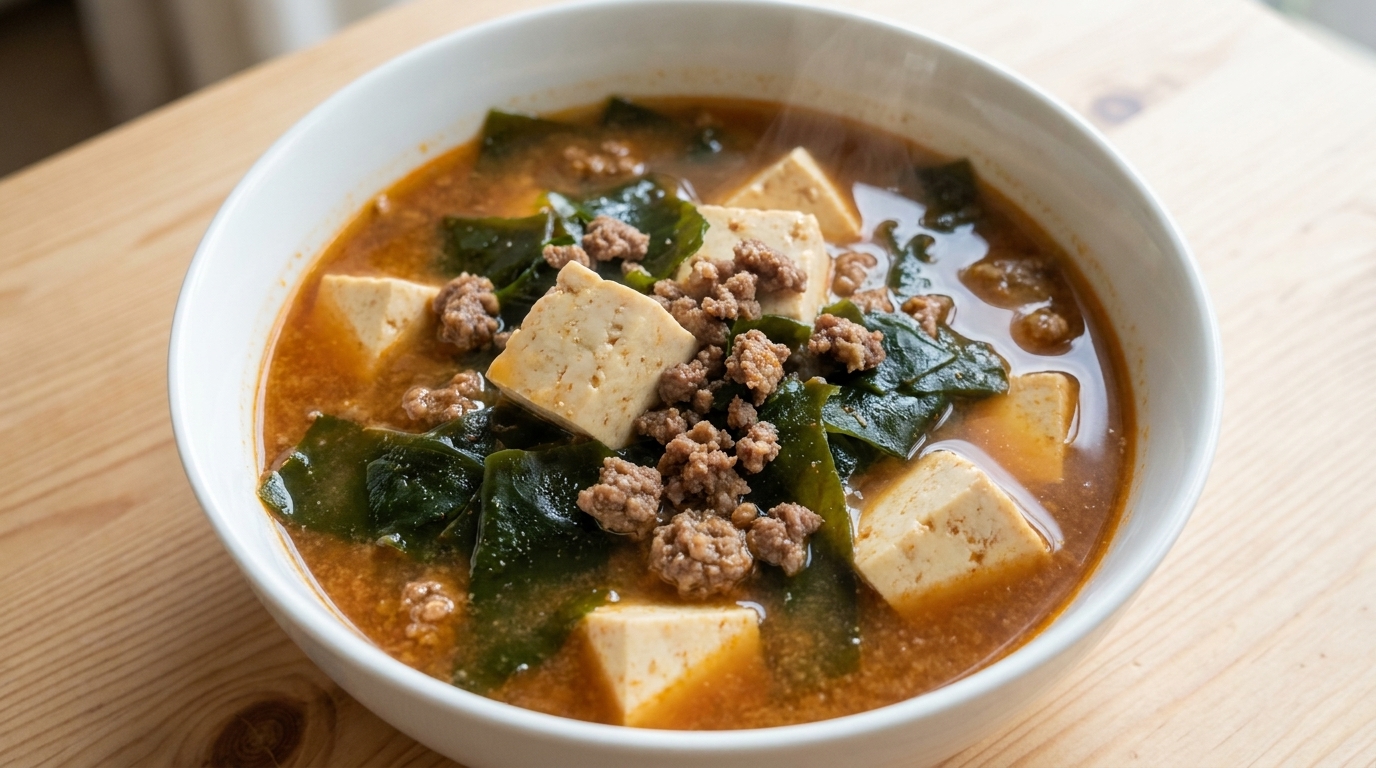
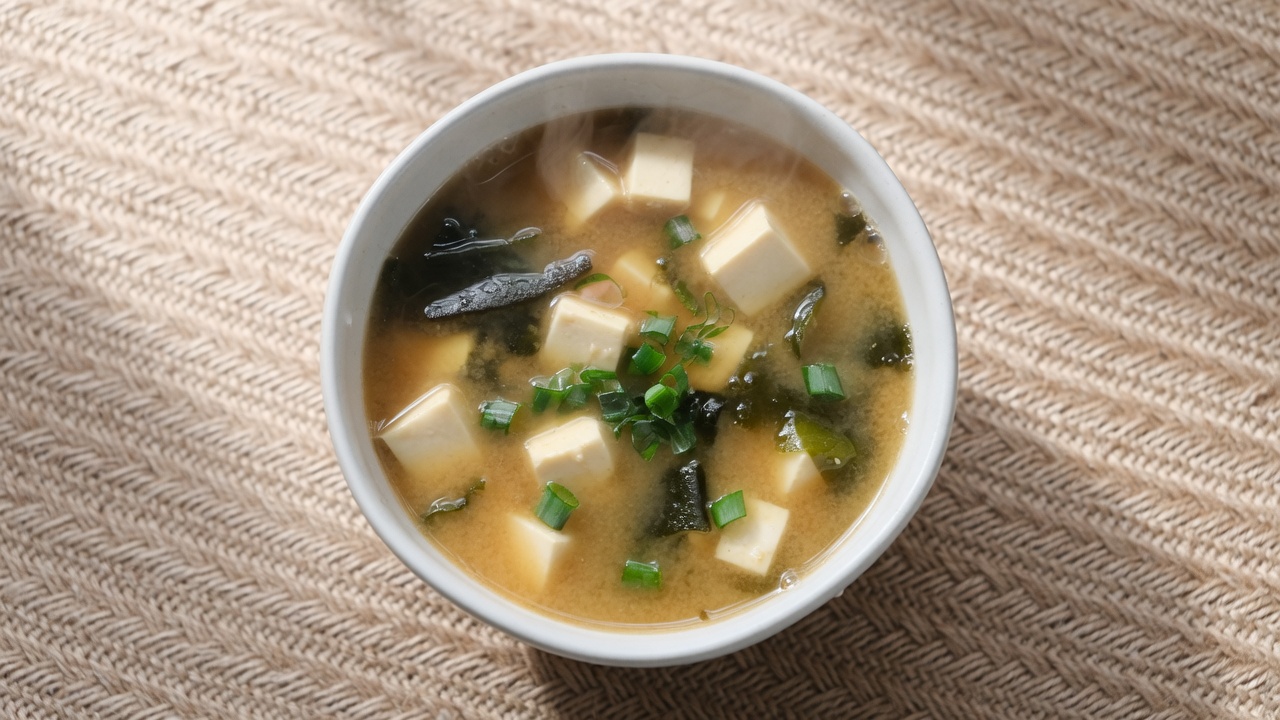
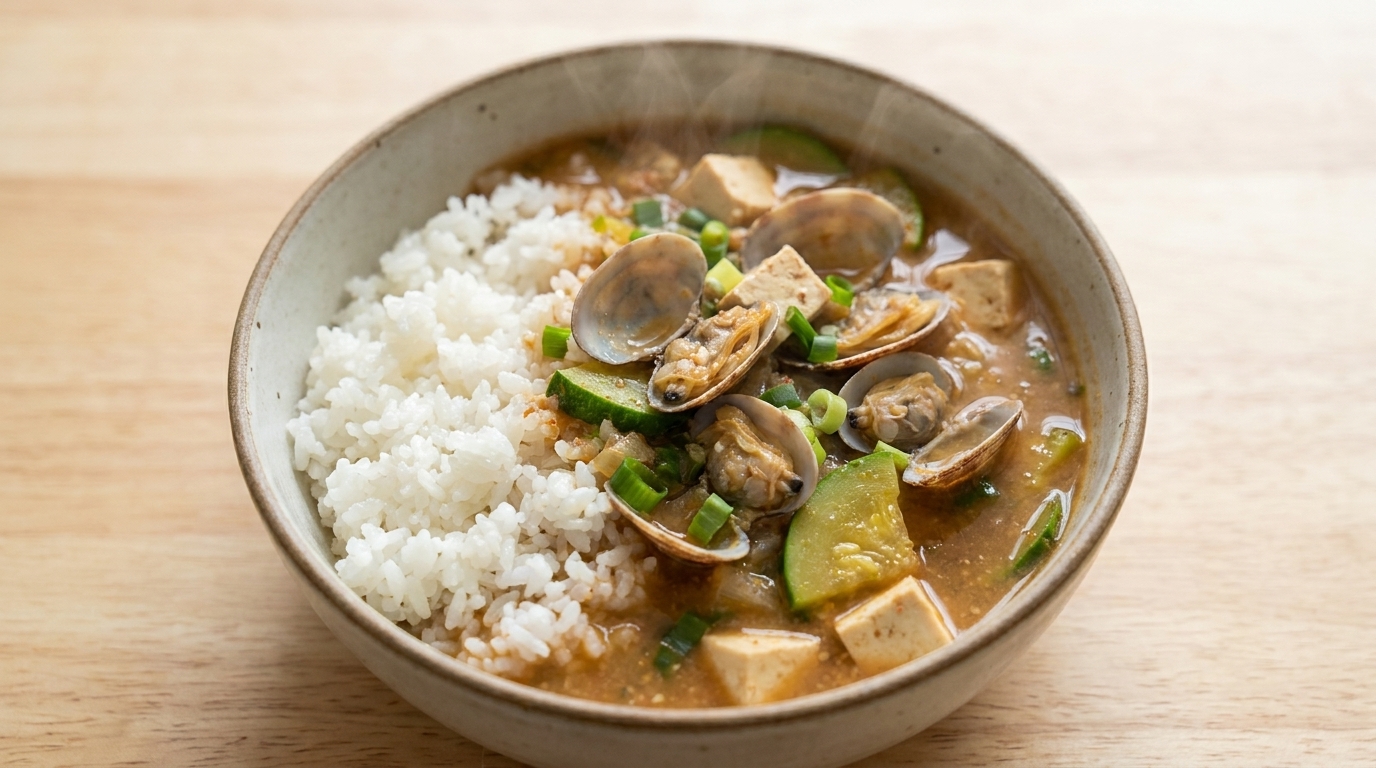
Traditional Korean Soybean Paste Stew (Doenjang-jjigae)
A soul-warming Korean staple, this earthy, umami-rich stew combines fermented soybean paste with fresh vegetables and tender pork for a truly comforting meal.
Doenjang-jjigae is a fundamental pillar of Korean home cooking, prized for its deep, savory flavor and healthful properties. Made from soybean paste, which is fermented over months or years, the broth develops a complex umami profile that pairs perfectly with the subtle sweetness of fresh zucchini and potatoes. It is a humble, rustic dish meant to be shared bubbling hot straight from the stove.
Ingredients
- 2 tbsp doenjang (Korean soybean paste)
- 2 tbsp minced garlic
- 1 tbsp sesame oil
- 150 g pork, sliced
- 1 medium potato, cubed
- 1/2 medium zucchini, sliced
- 100 g firm tofu, cubed
- 2 stalks green onion, chopped
- 1 green pepper, sliced
- 1 tsp chili powder
- 3 cups water
Instructions
- 1Heat the pot
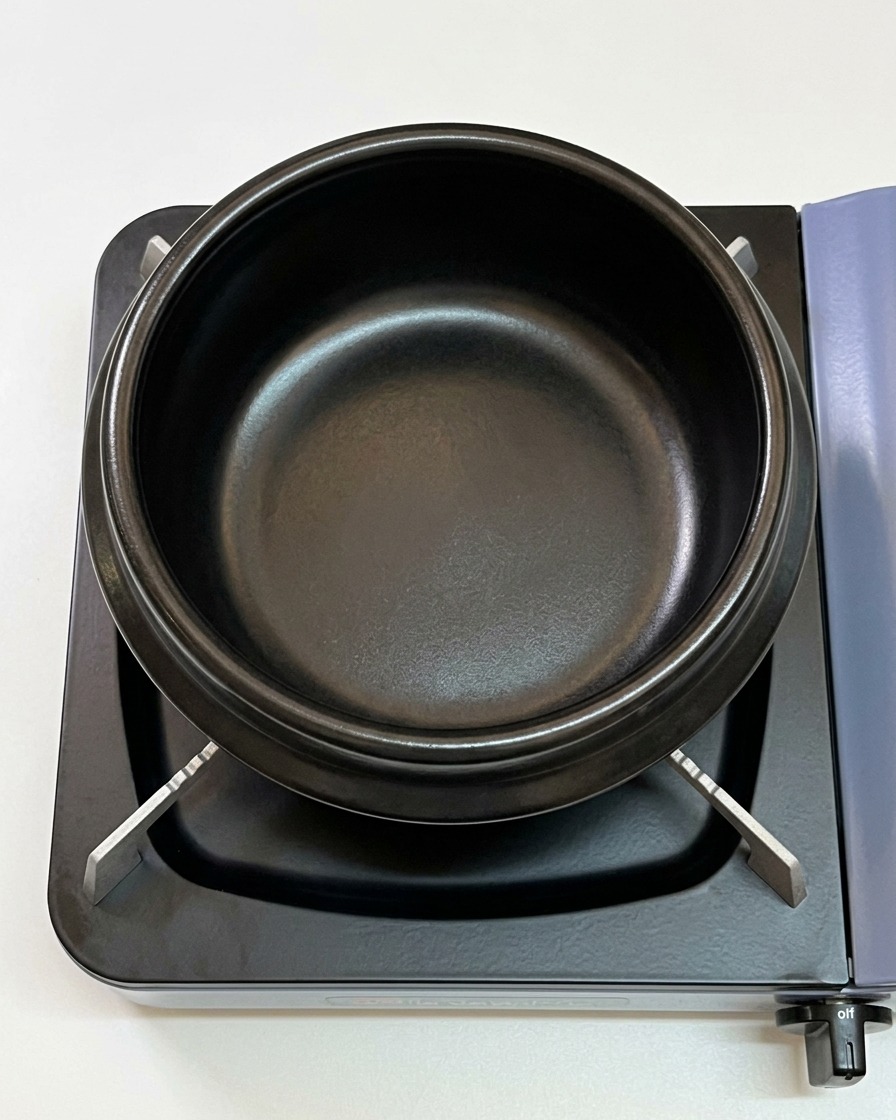
Place an empty pot on the stove and pour in a small amount of sesame oil to begin the base for the stew.
Tip: Ensure the pot is centered on the burner for even heat distribution. - 2Add soybean paste
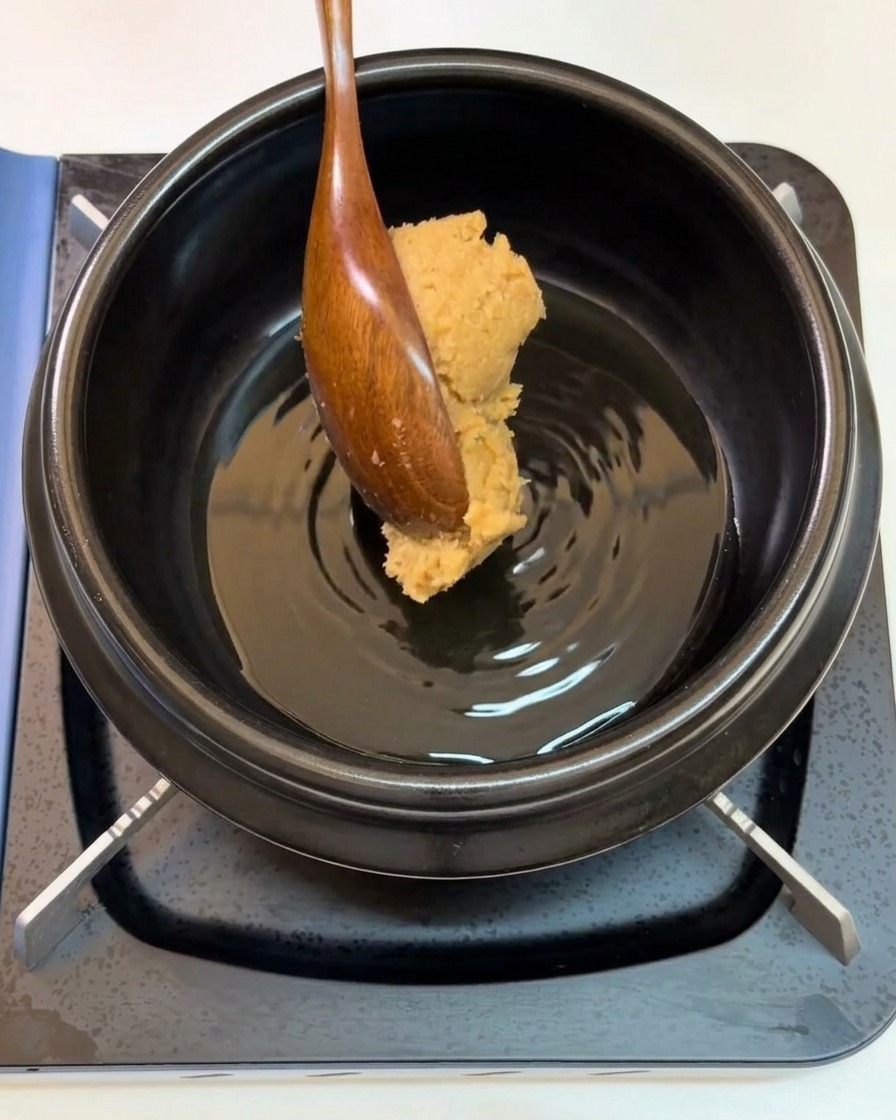
Add two large spoonfuls of soybean paste into the heated sesame oil and begin to stir-fry it to release its aroma.
Tip: Stirring the paste in oil helps mellow the flavor and deepens the umami profile of the stew. - 3Sauté with garlic
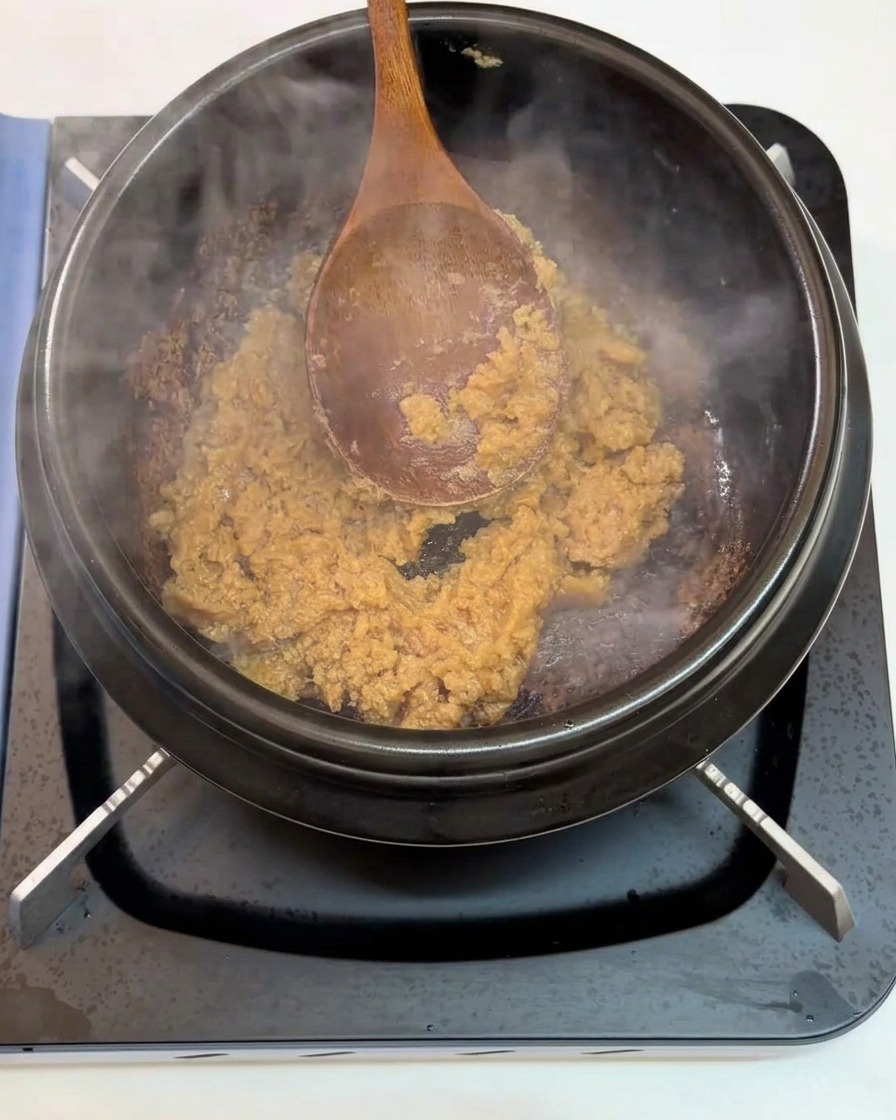
Add two spoonfuls of minced garlic to the pot with the frying soybean paste. Continue to stir-fry until fragrant.
Tip: Be careful not to burn the garlic; keep the heat at a medium level. - 4Add water
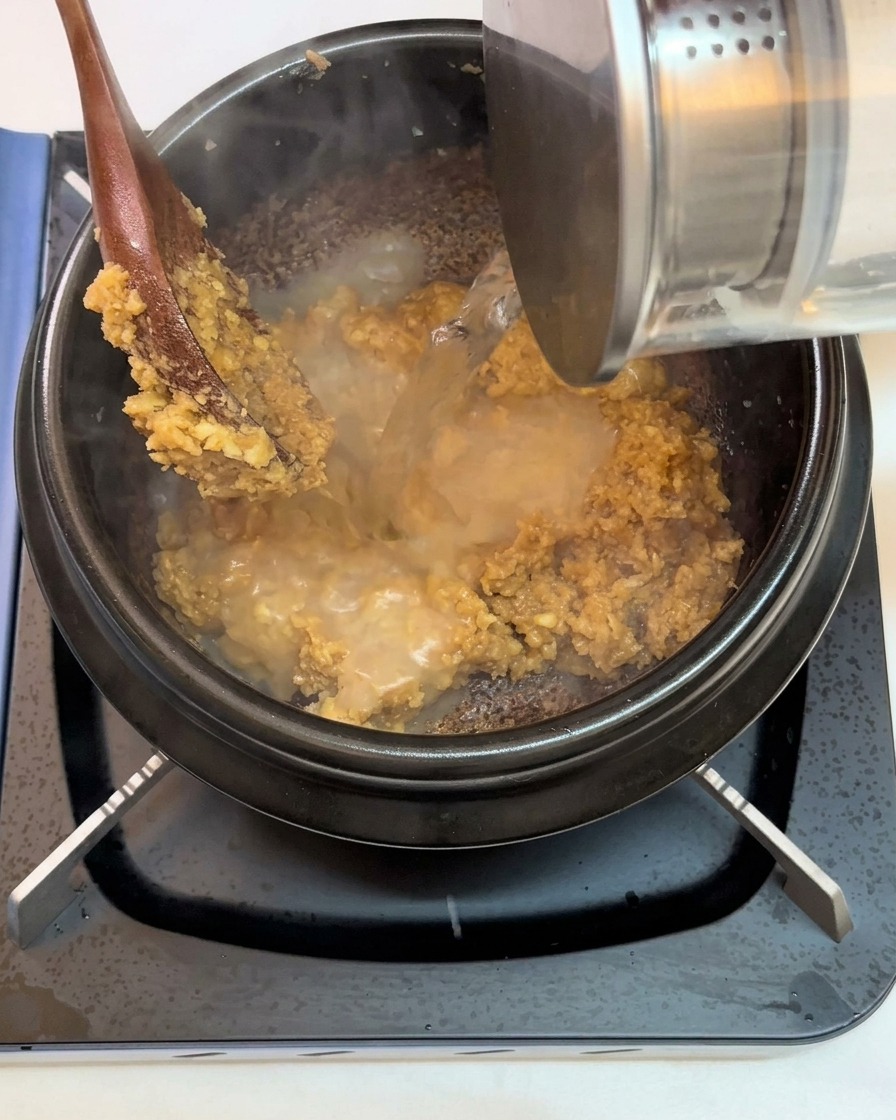
Pour water into the pot containing the fried soybean paste and garlic mixture. Stir well to dissolve the paste completely into the water.
Tip: Adding water gradually helps in creating a smooth, clump-free broth. - 5Add vegetables and meat
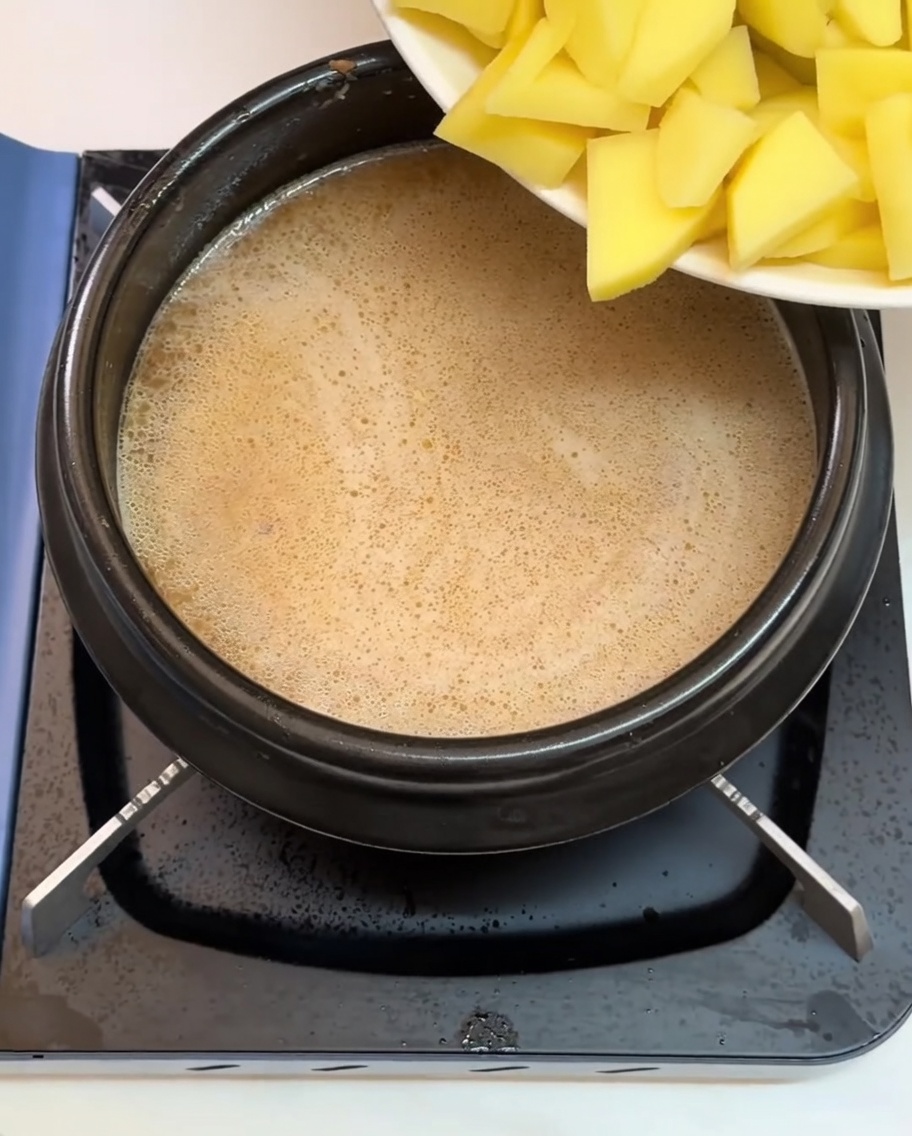
Add the prepared sliced potatoes, tofu, zucchini, green onion, green pepper, and pork into the boiling broth.
Tip: Add the denser vegetables like potatoes first so they cook through properly. - 6Skim the stew
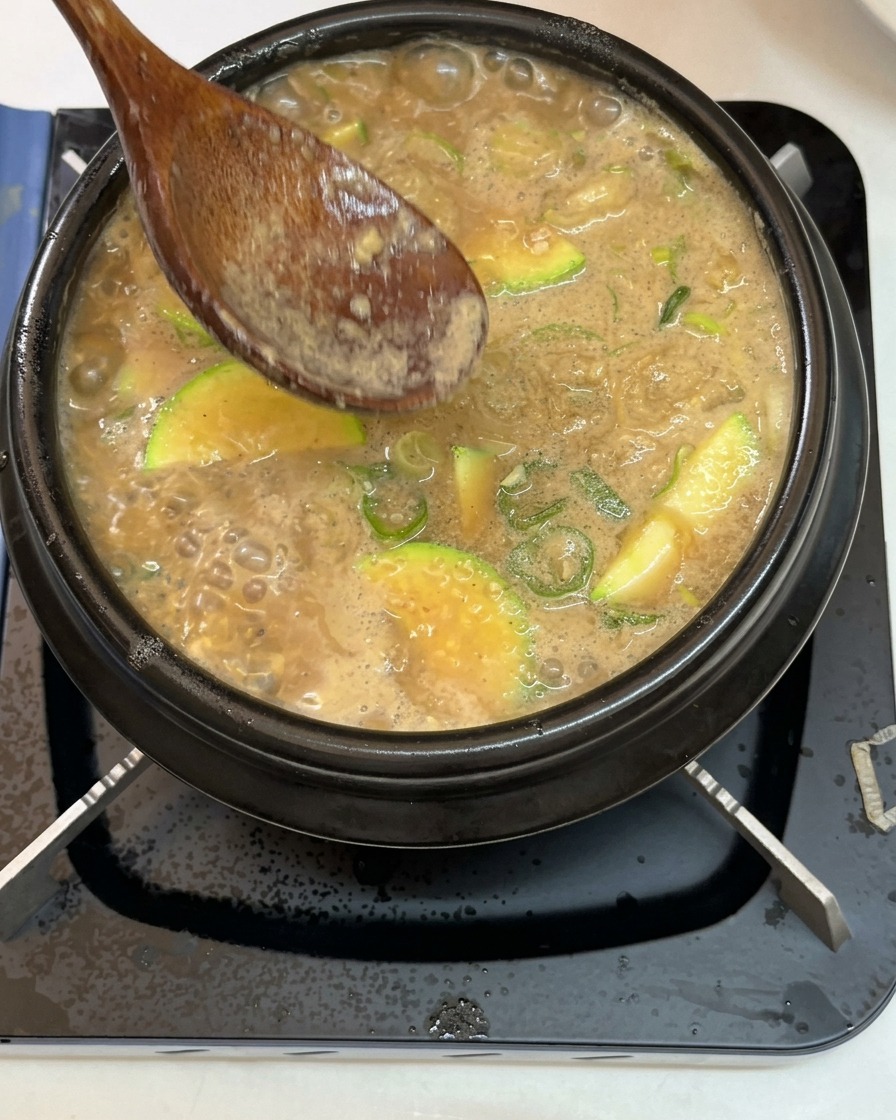
As the stew boils, use a spoon to carefully skim off any foam that rises to the surface to ensure a clean, clear flavor.
Tip: Skimming regularly during the first few minutes of boiling keeps the stew from becoming murky. - 7Add the final seasoning
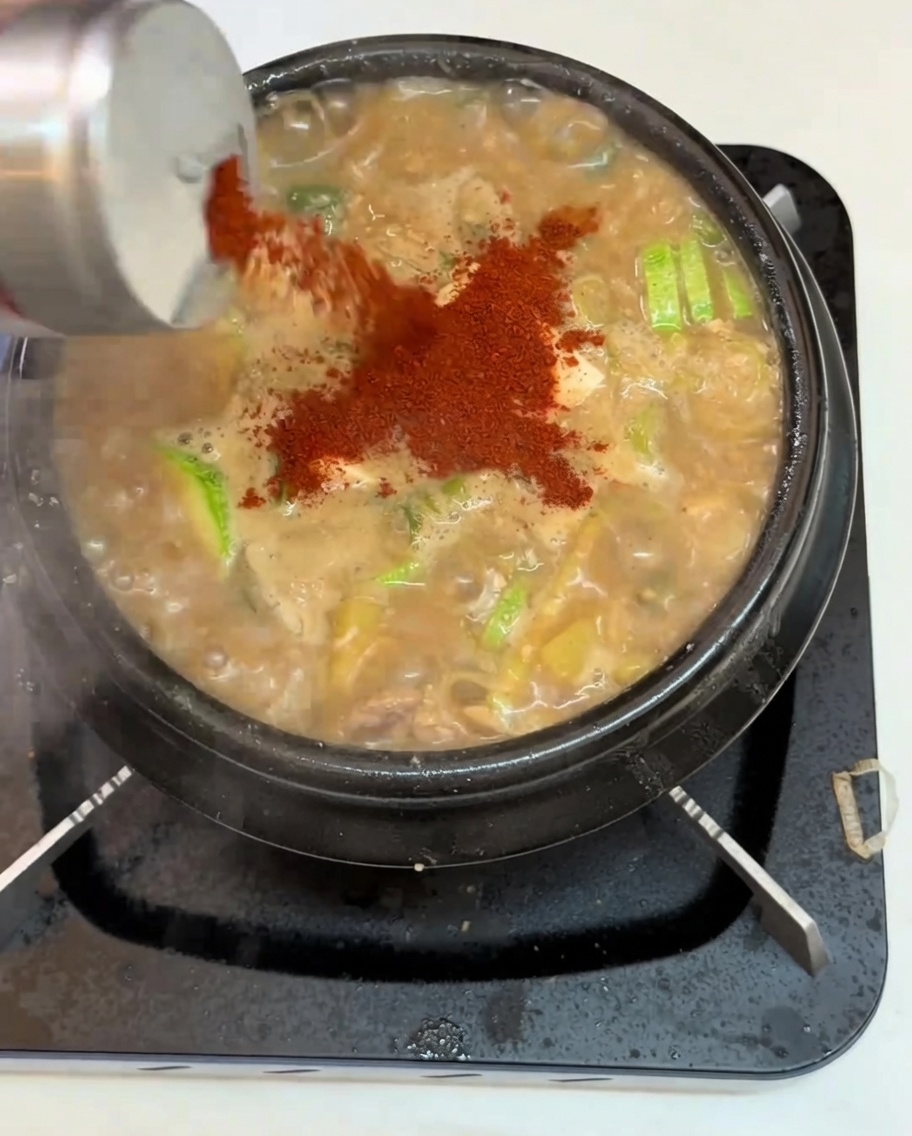
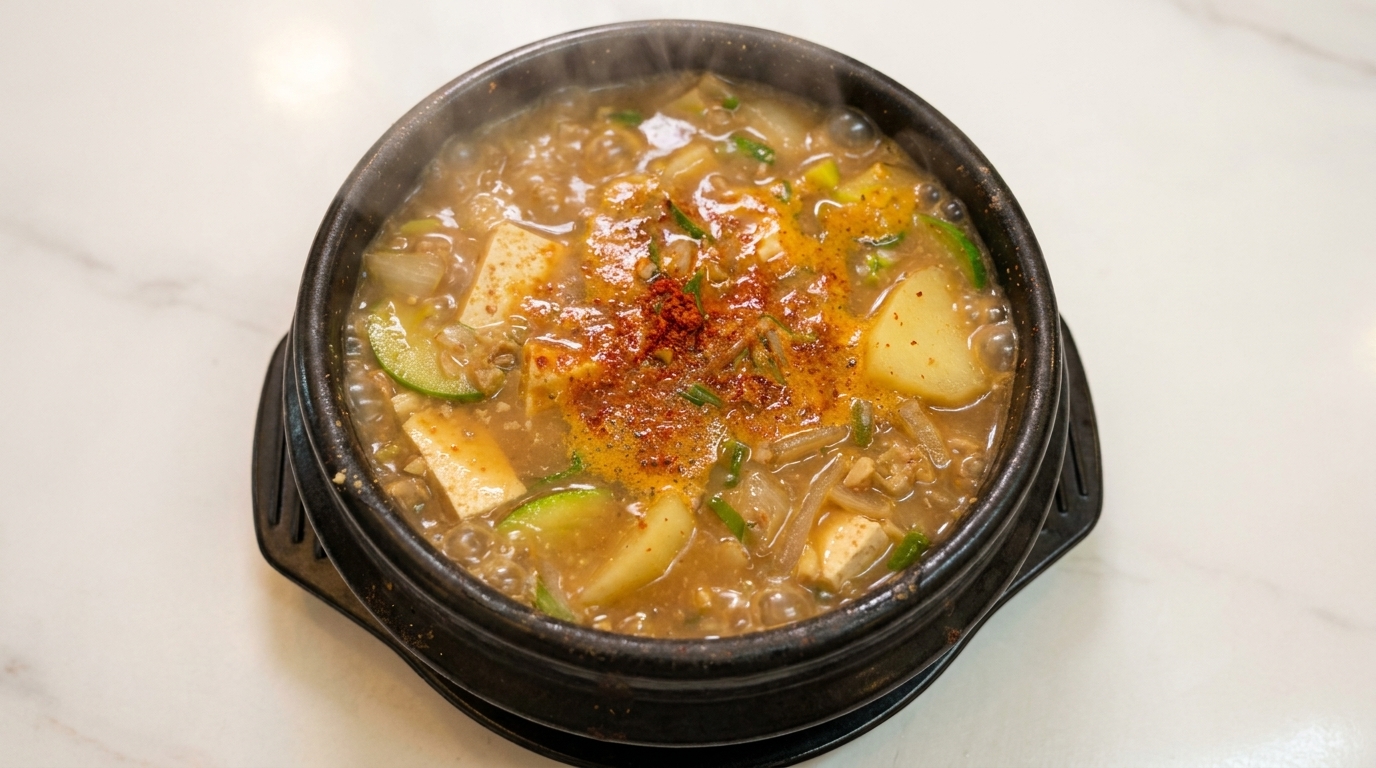
Once the stew has been boiling for five to six minutes, sprinkle on some chili powder to adjust the heat level according to your personal taste. This final touch adds a vibrant color and a gentle kick to the rich, savory soybean paste broth.
Tip: Adjust the amount of chili powder gradually to ensure the heat level matches your preference.