Hearty Korean Beef Short Rib Soup (Galbitang)
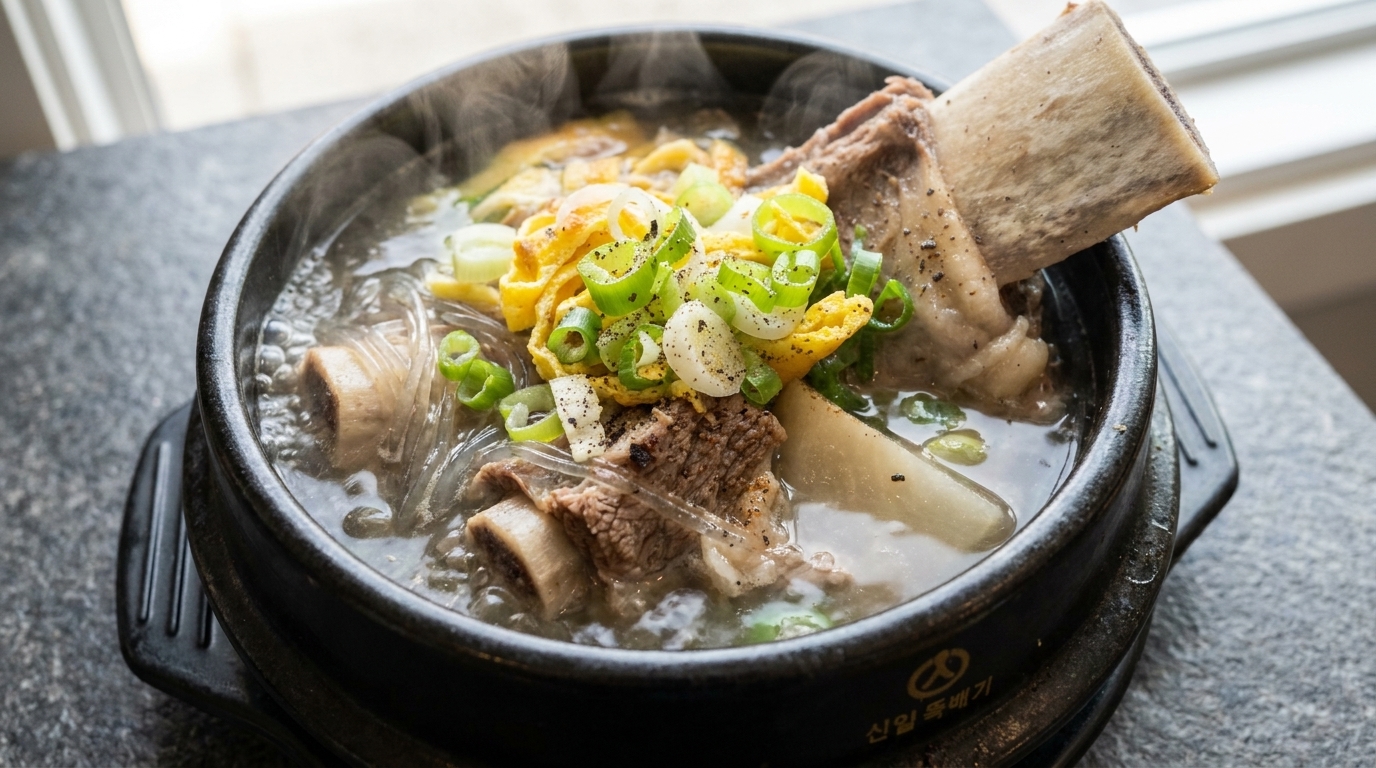
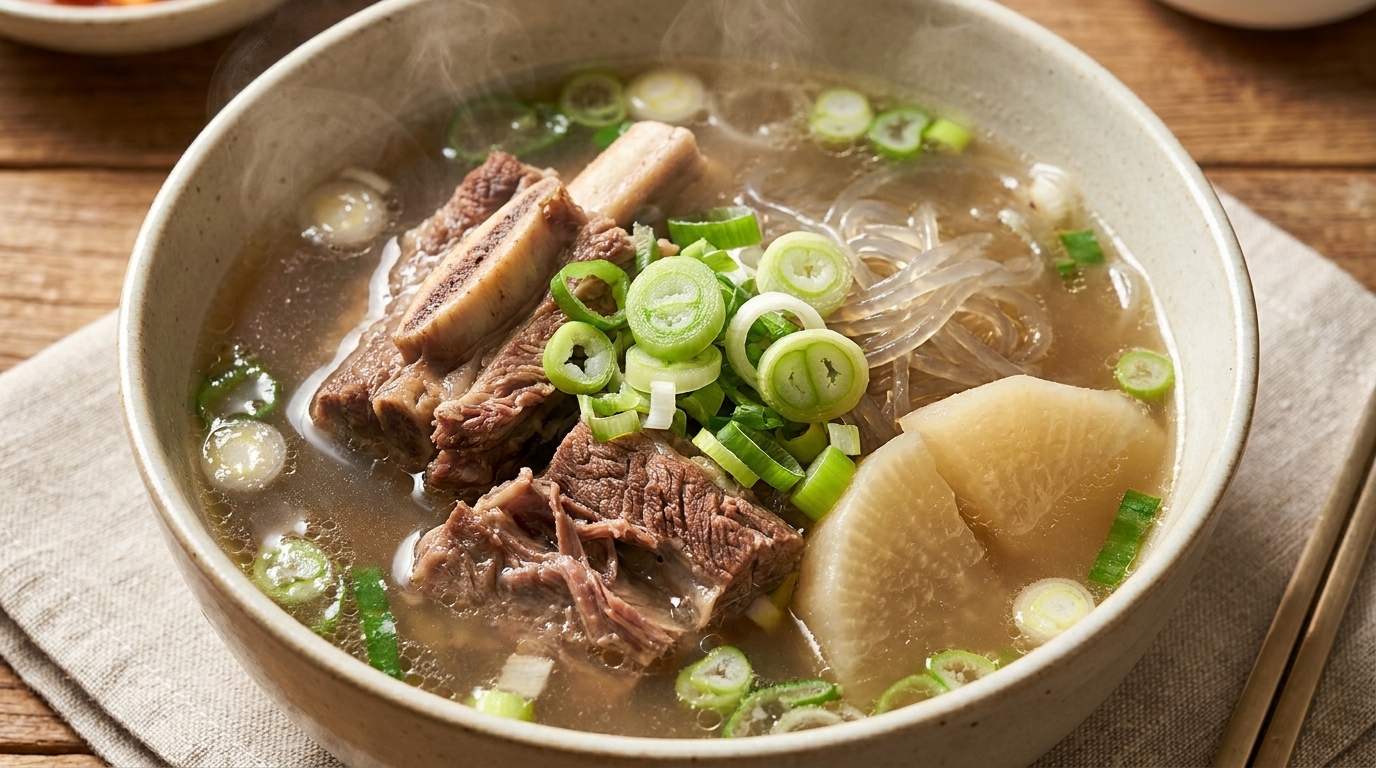
A nourishing, soul-warming Korean classic featuring tender beef short ribs simmered in a clear, savory broth with radish and glass noodles.
Galbitang is a beloved Korean soup traditionally enjoyed on special occasions or for its restorative properties. This clear, beef-based broth is simmered slowly with radish and aromatics to extract a clean yet profound depth of flavor. Served with silky glass noodles, it is the ultimate comfort food for cooler days.
Ingredients
- 1 kg beef short ribs
- 300 g white radish
- 1 onion
- 2 stalks green onion
- 15 peppercorns
- 1 tbsp minced garlic
- 2 tbsp soy sauce
- 50 g glass noodles (sweet potato starch)
- to taste salt
- to taste black pepper
- to taste chopped green onion (garnish)
Instructions
- 1Soak the beef short ribs
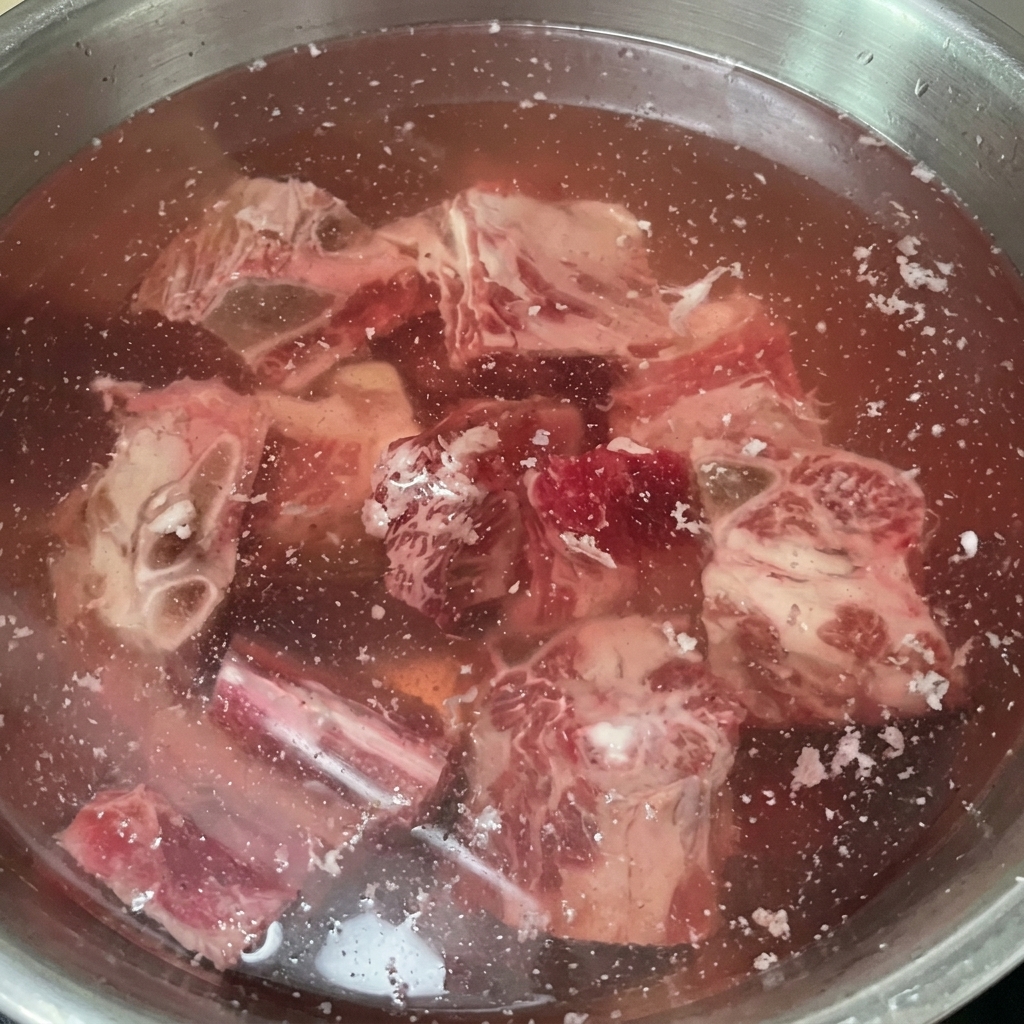
Place the raw beef short ribs into a large bowl filled with cold water. Let them soak for 1 to 2 hours to effectively draw out any remaining blood from the meat, which helps ensure a clean-tasting broth.
Tip: Change the water once during the soaking process to help remove blood more efficiently. - 2Rinse the ribs
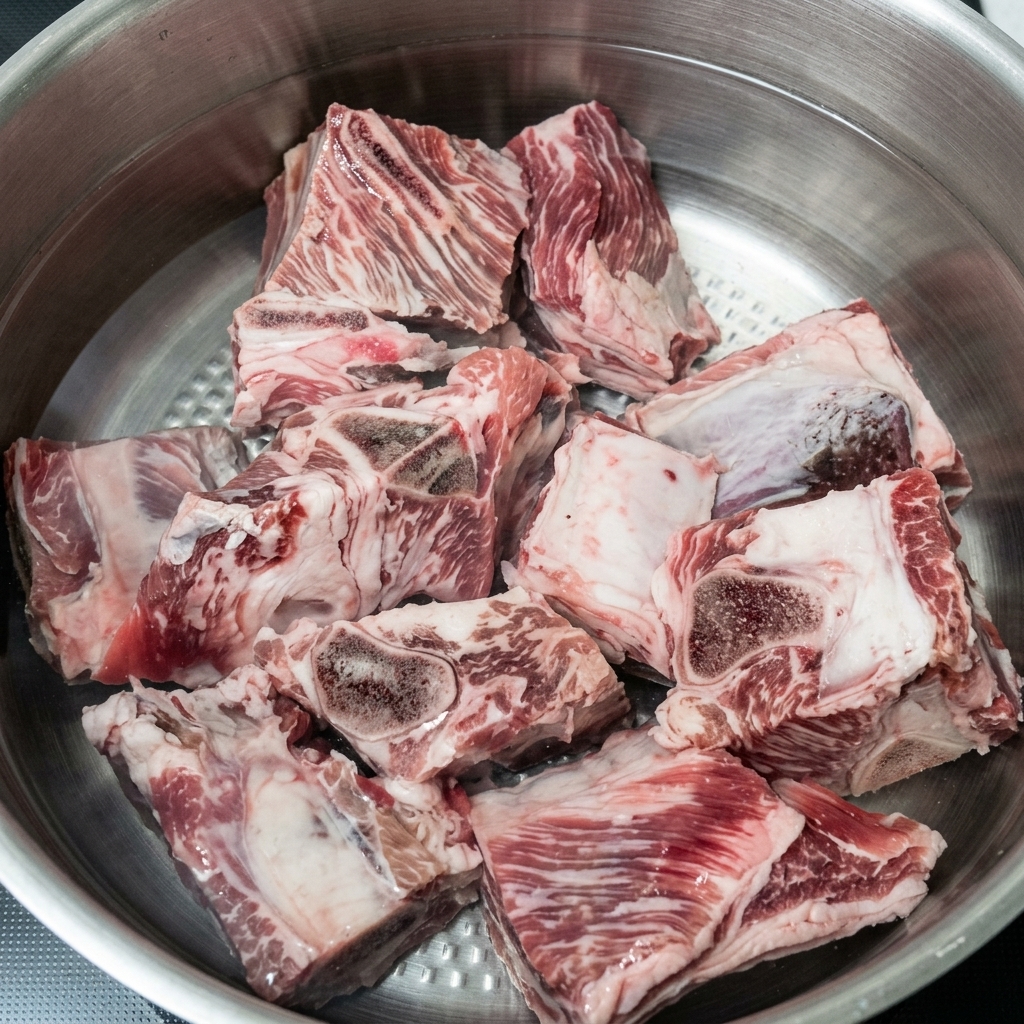
After soaking, transfer the beef short ribs to a colander and rinse them thoroughly several times under cold running water. Ensure each rib is washed clean of any surface impurities.
Tip: Use your hands to gently rub the surface of the ribs while rinsing to dislodge any loose particles. - 3Blanch the beef ribs
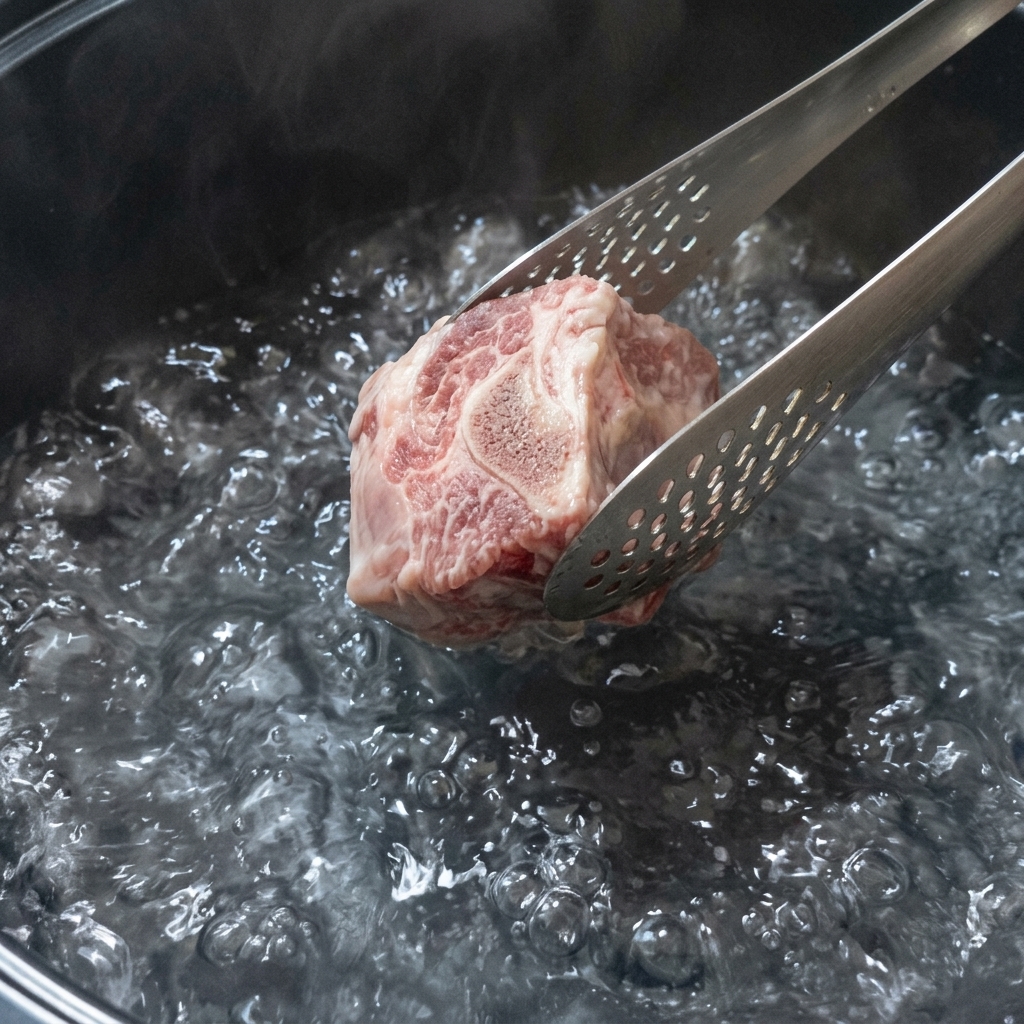
Bring a large pot of water to a boil and add the cleaned beef short ribs. Blanch them for 5 minutes to remove residual impurities and scum. Use tongs to manage the ribs in the boiling water.
Tip: Do not crowd the pot too much to ensure the water maintains a steady boil during blanching. - 4Final rinse of the ribs
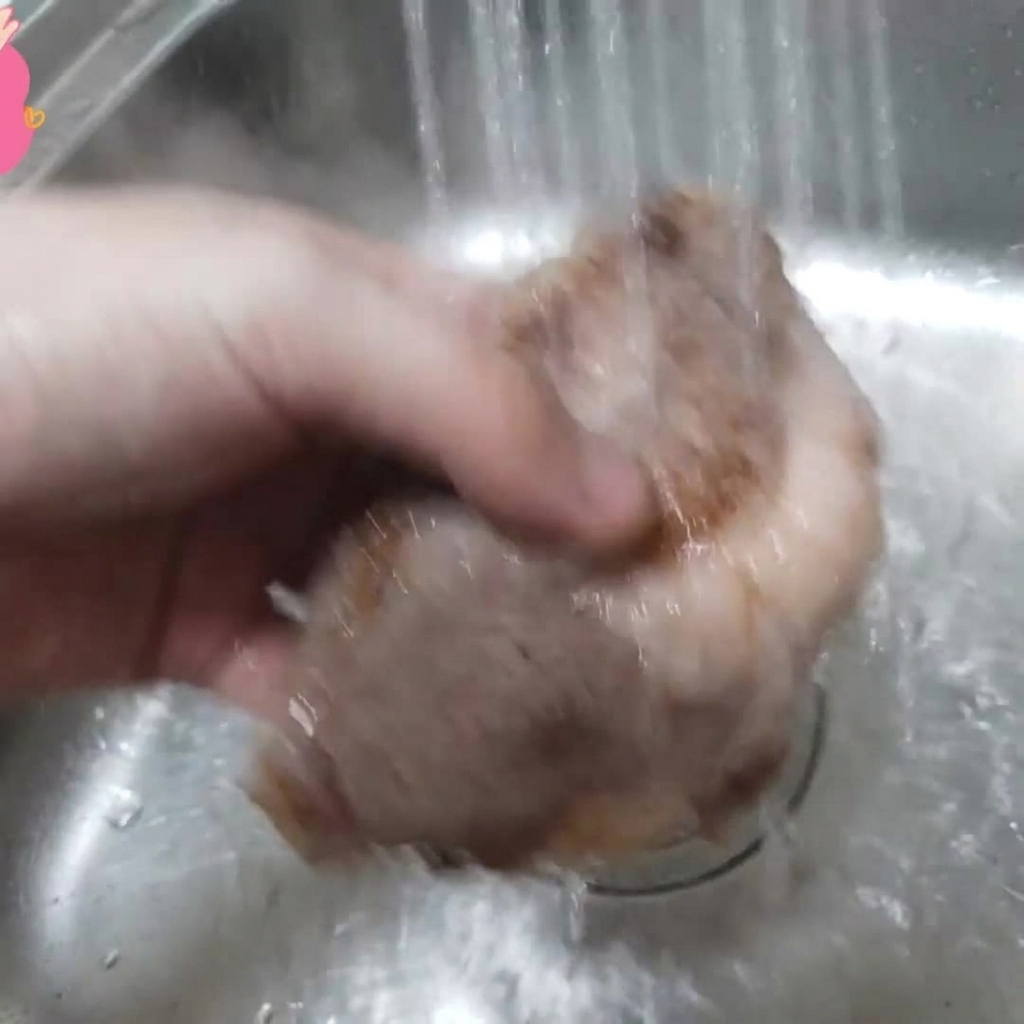
Immediately after blanching, remove the beef short ribs and rinse them thoroughly again under cold water. This step is crucial to remove any scum that adhered to the meat during the blanching process.
Tip: Ensure the water runs clear when rinsing the blanched ribs. - 5Prepare the radish
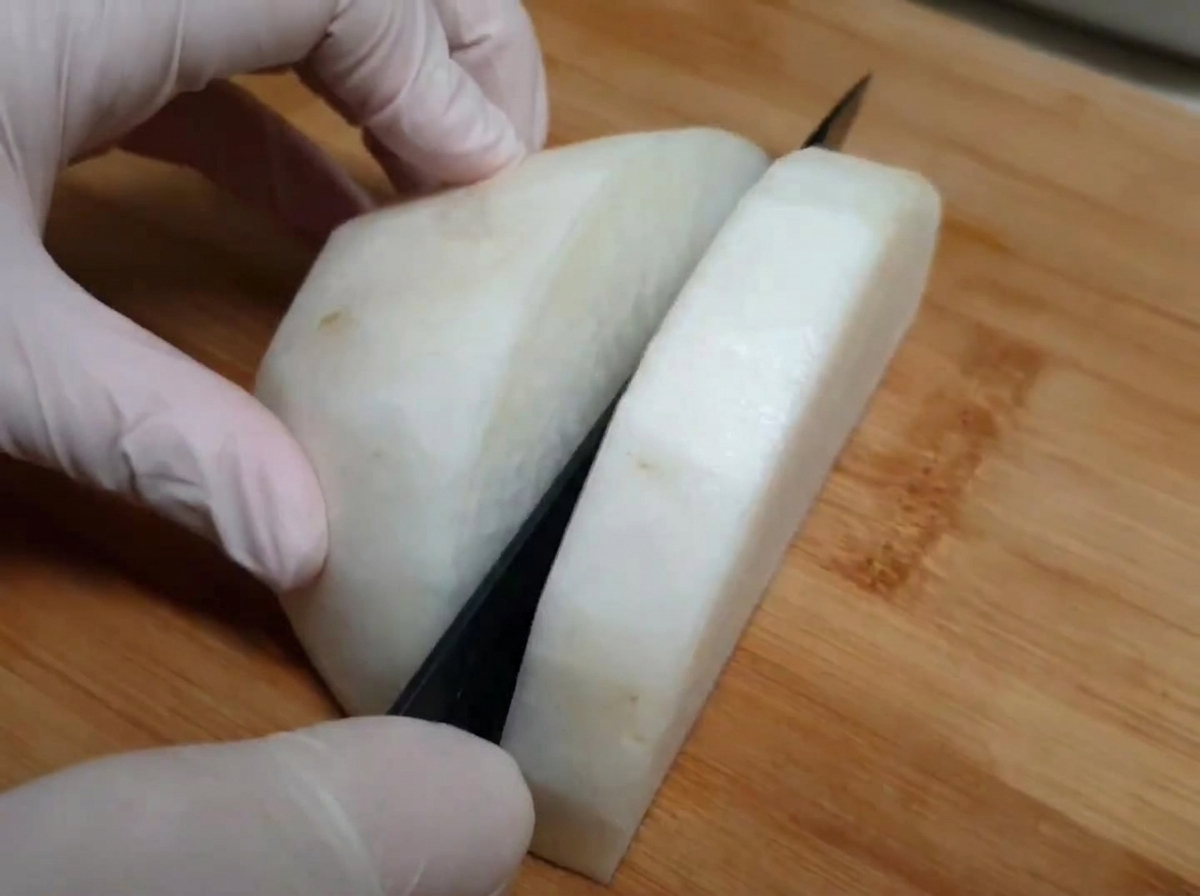
Prepare the vegetables by cutting the radish into thick, uniform slices on a wooden cutting board. These slices will be added to the soup to provide sweetness and depth.
Tip: Cut the radish into pieces of similar thickness so they cook evenly in the broth. - 6Assemble the soup
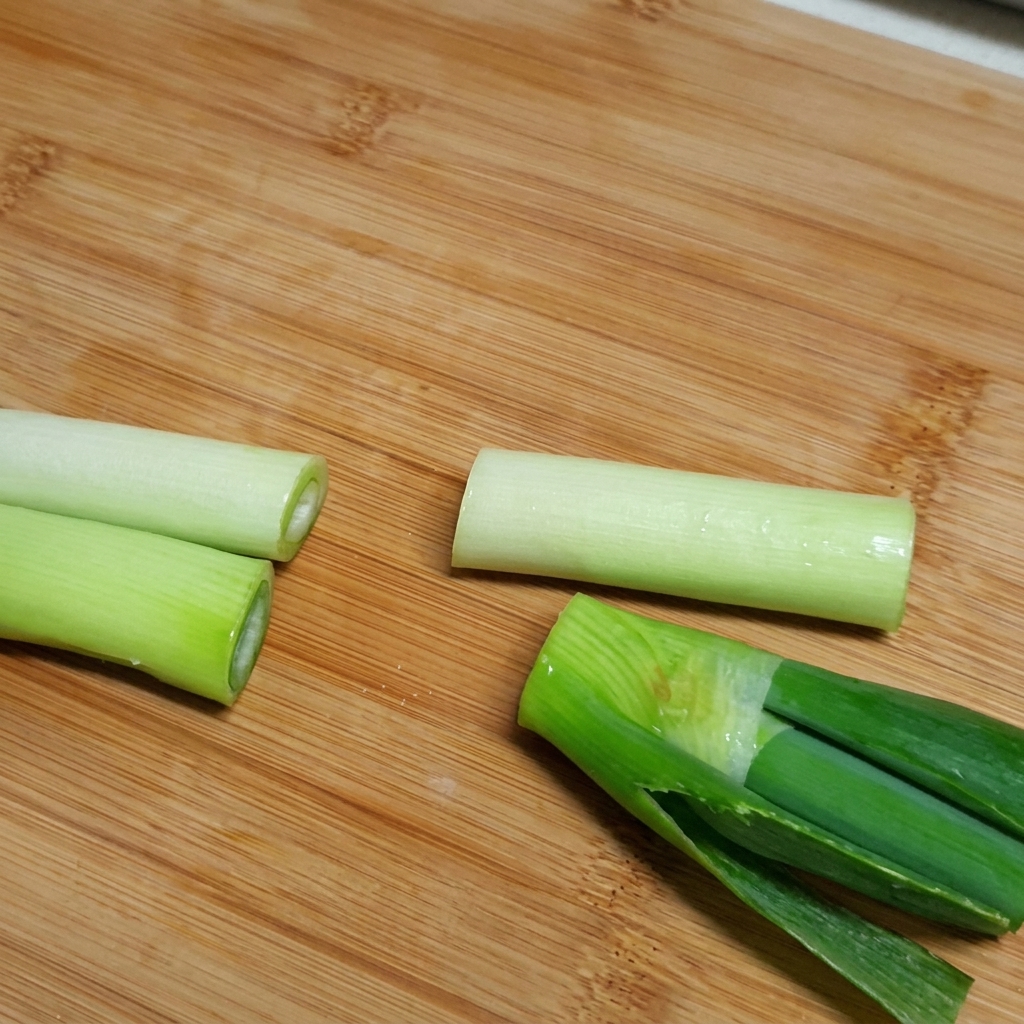
In a large pot with 2 liters of water, combine the cleaned beef short ribs, the sliced radish, large chunks of onion, pieces of green onion, and about 15 peppercorns. Bring to a boil on high heat to begin the simmering process.
Tip: Skim off any foam that rises to the surface during the initial 10 minutes of boiling for a clearer broth.