Korean Spicy Braised Pork Ribs (Dwaeji Galbi-jjim)
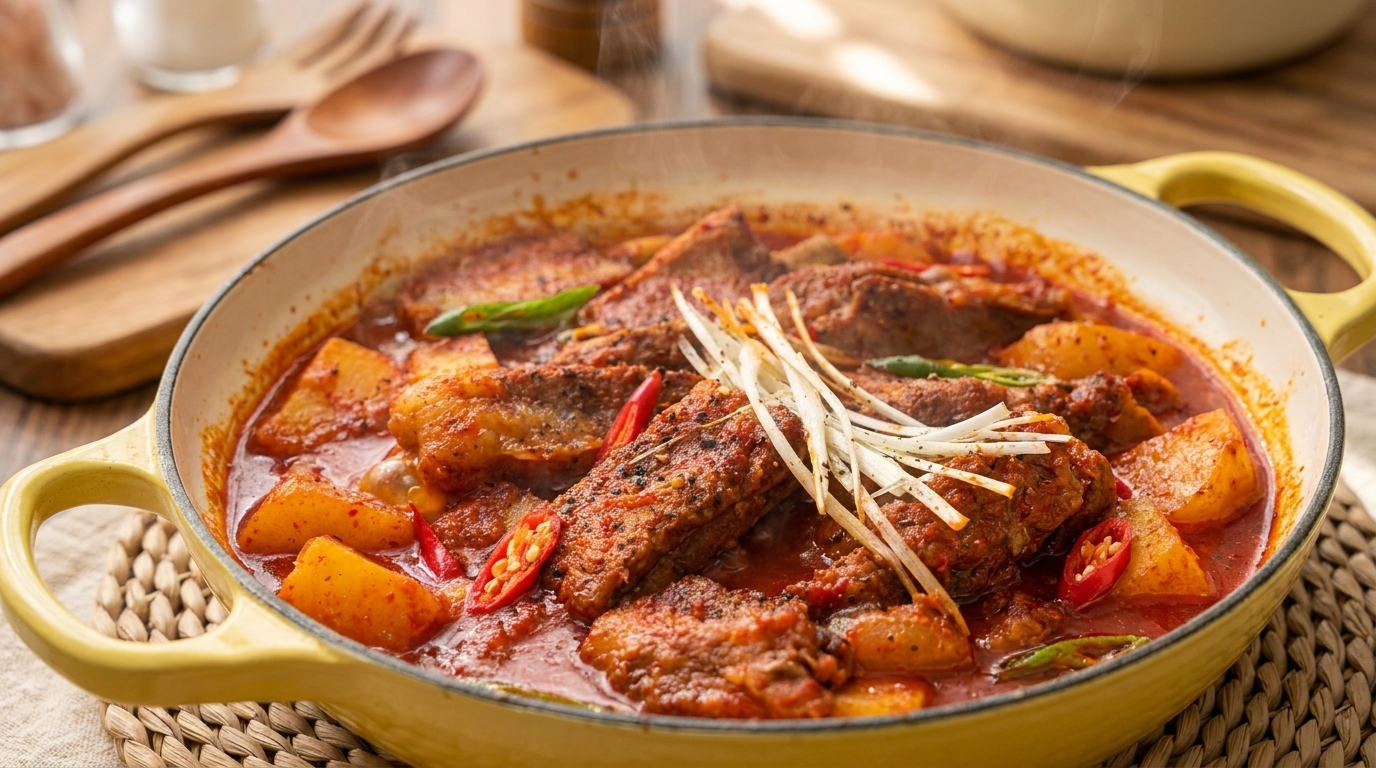
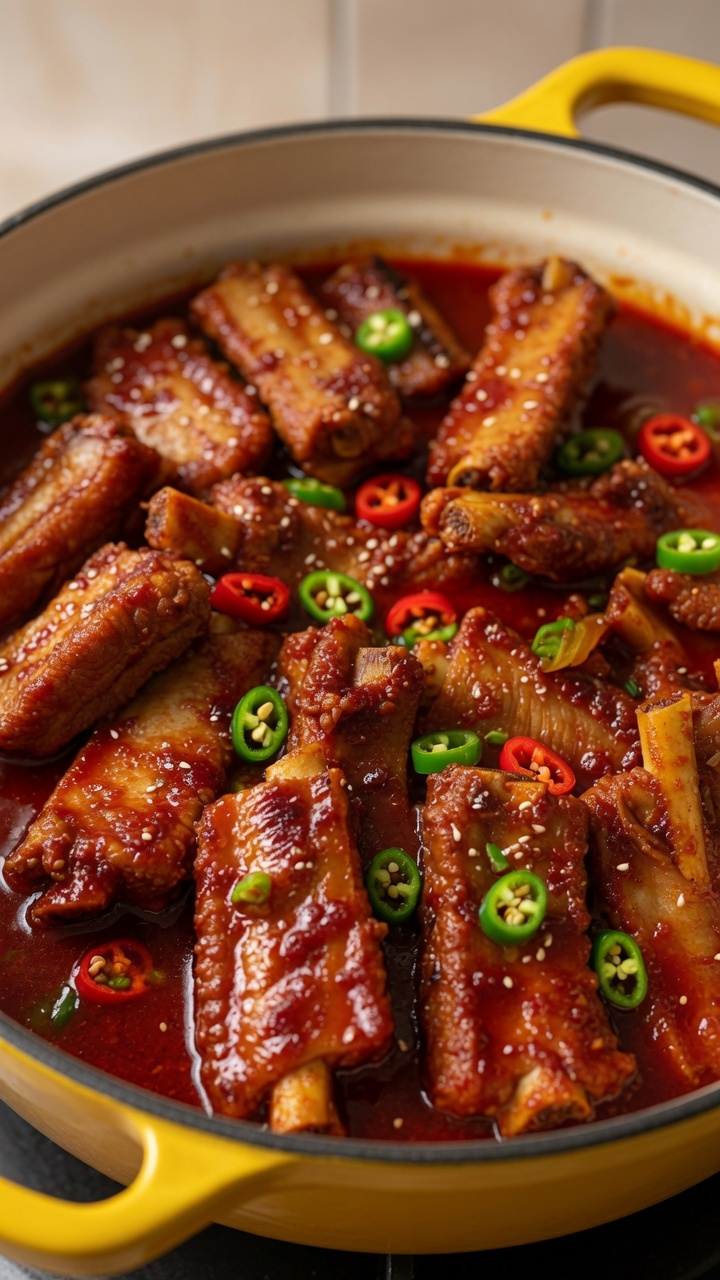
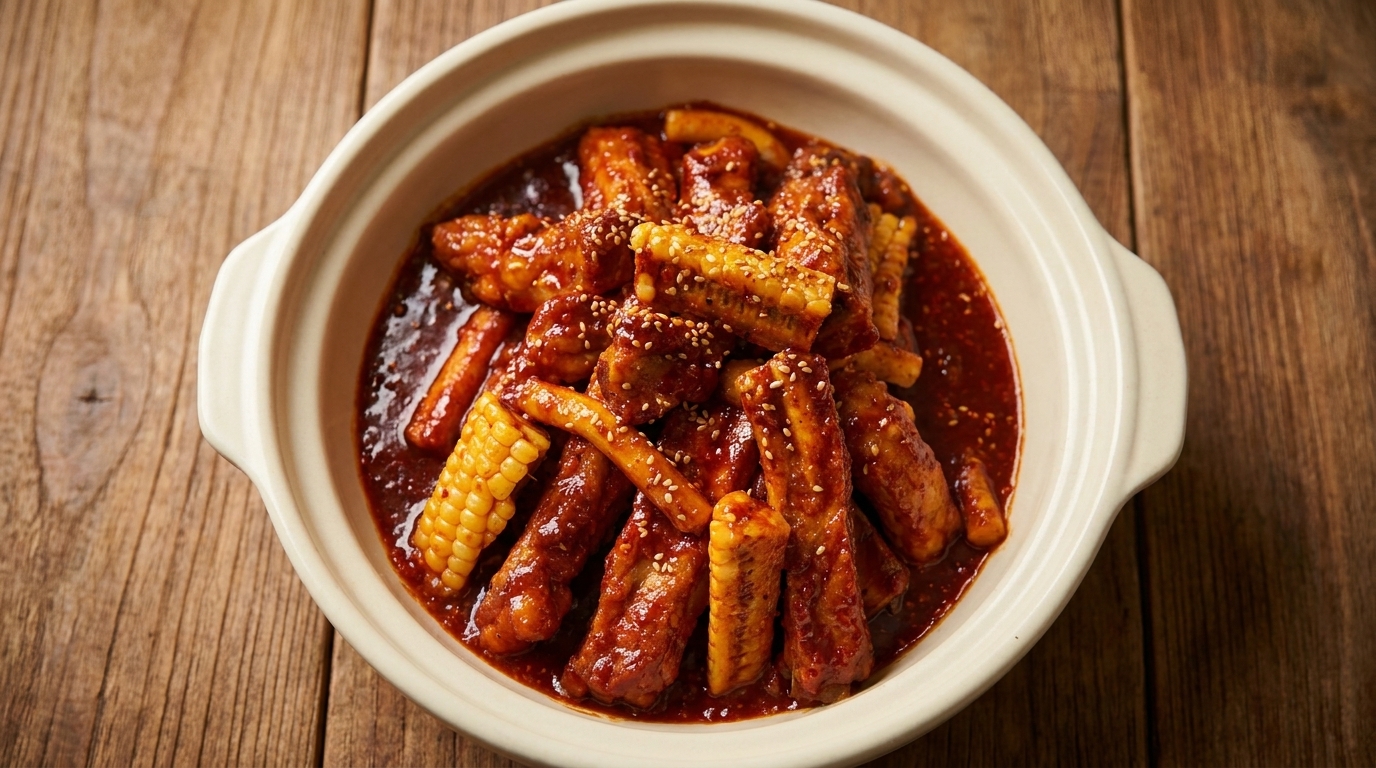
These Korean spicy braised pork ribs feature tender meat, chewy rice cakes, and sweet corn in a rich, glossy, and addictive sauce that's perfect over steamed rice.
Inspired by the comfort food often seen in K-dramas, this spicy braised pork rib dish is a masterclass in balancing bold flavors. The tender, fall-off-the-bone ribs meet the satisfying chew of tteok (rice cakes) and the natural sweetness of corn, all brought together by a deep, savory, and spicy red glaze.
Ingredients
- 1 kg pork ribs
- 4 tbsp red starch powder
- 3 tbsp vegetable oil
- 30 g ginger
- 100 g red onion
- 150 ml spicy braising sauce
- 2 tbsp light soy sauce
- 1 tbsp dark soy sauce
- 500 ml water
- 150 g corn on the cob pieces
- 1 tbsp white sugar
- 150 g tteok (rice cakes)
- 1 tsp toasted white sesame seeds
Instructions
- 1Prepare the Pork Ribs
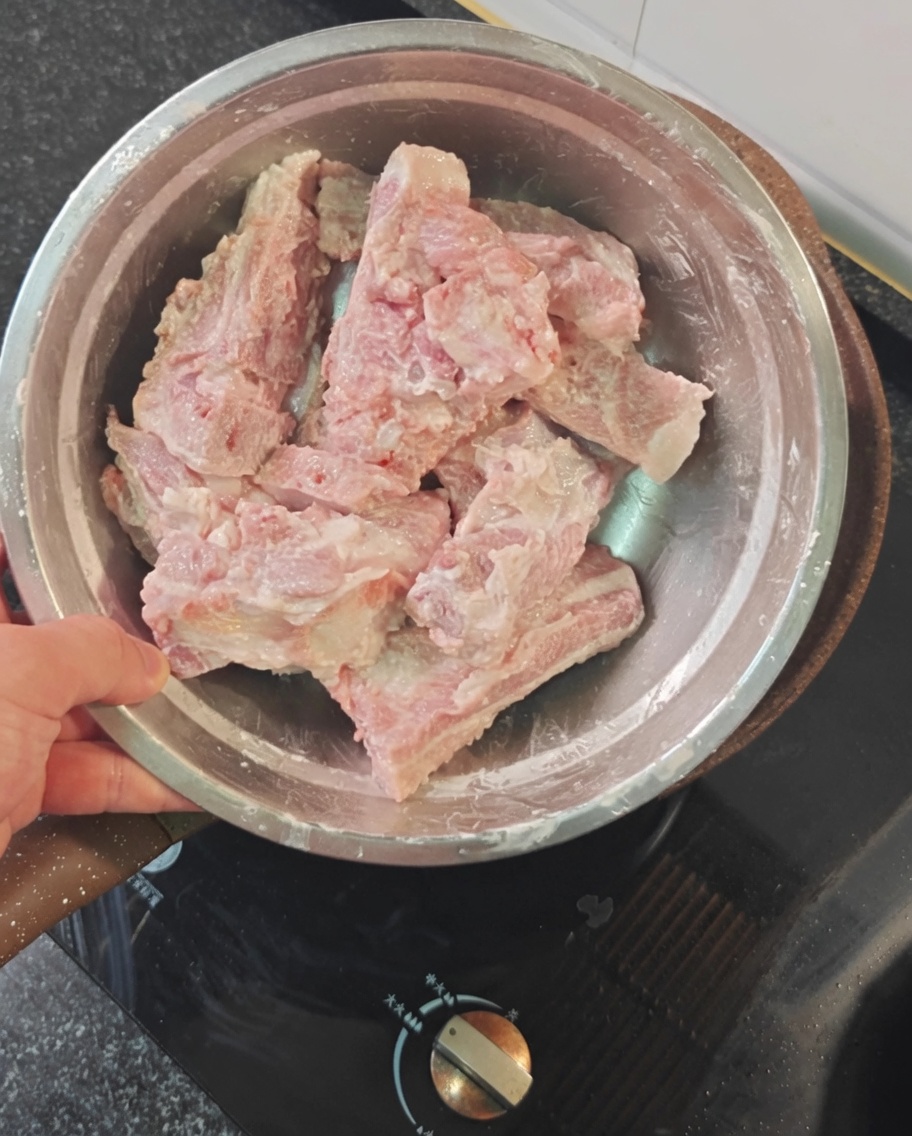
Place the pork ribs into a bowl and coat them evenly with red starch powder. This coating helps lock in moisture and creates a nice texture when the ribs are subsequently fried.
Tip: Ensure every rib is thoroughly coated for consistent texture during cooking. - 2Pan-Fry the Ribs
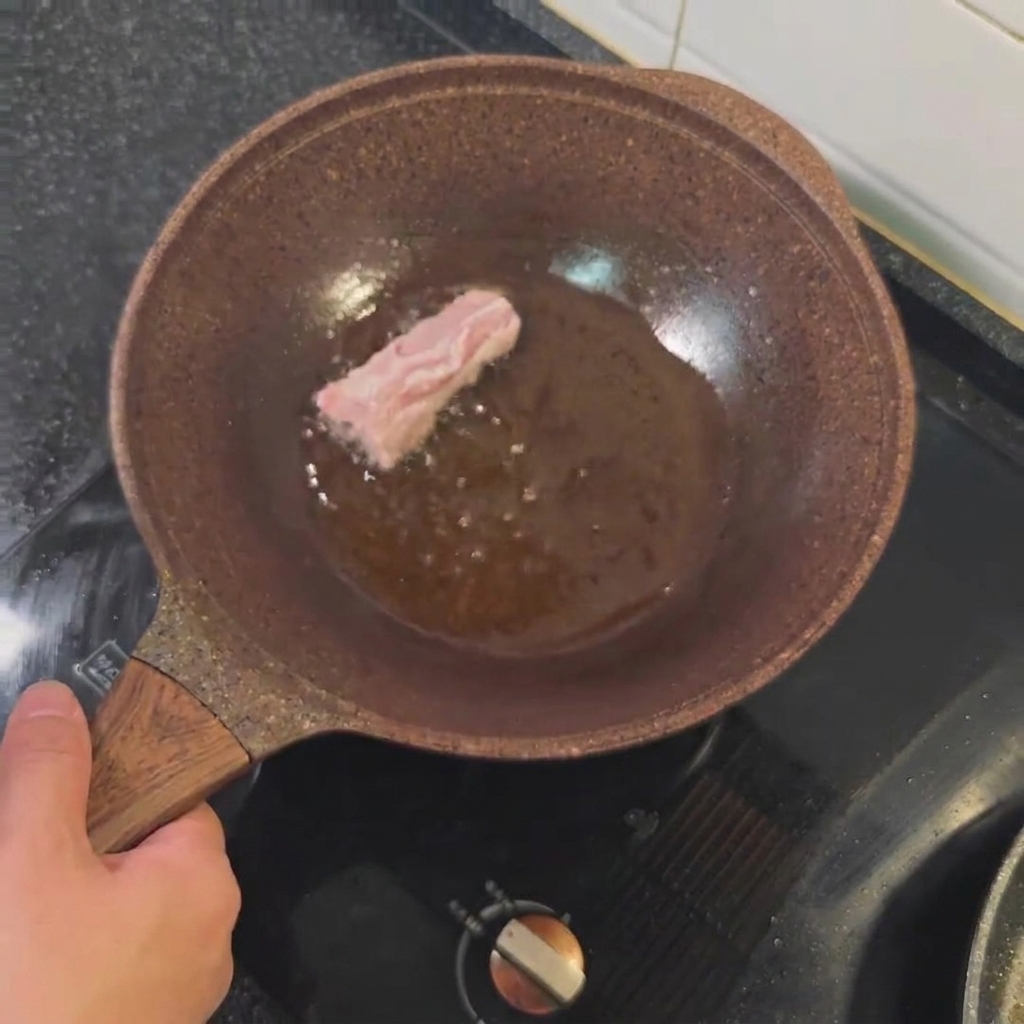
Heat oil in a pan and add the coated pork ribs. Fry them over medium-high heat until the surfaces turn golden brown and crispy.
Tip: Do not overcrowd the pan; fry in batches if necessary to ensure even browning. - 3Sauté Aromatics
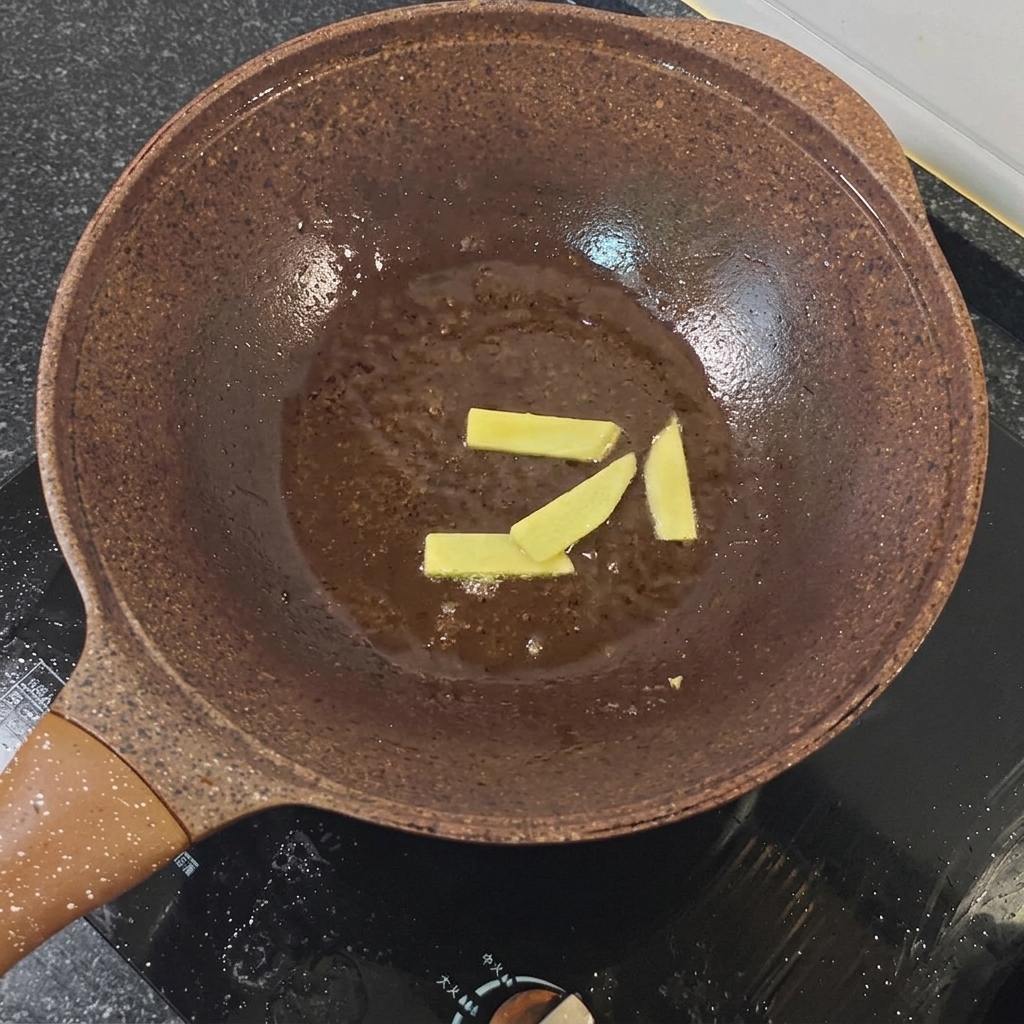
In the same pan, add ginger slices and red onion pieces. Sauté them until they are fragrant and golden, providing a flavorful base for the sauce.
Tip: Keep the heat moderate to prevent the ginger and onion from burning while they release their flavor. - 4Add the Spicy Sauce
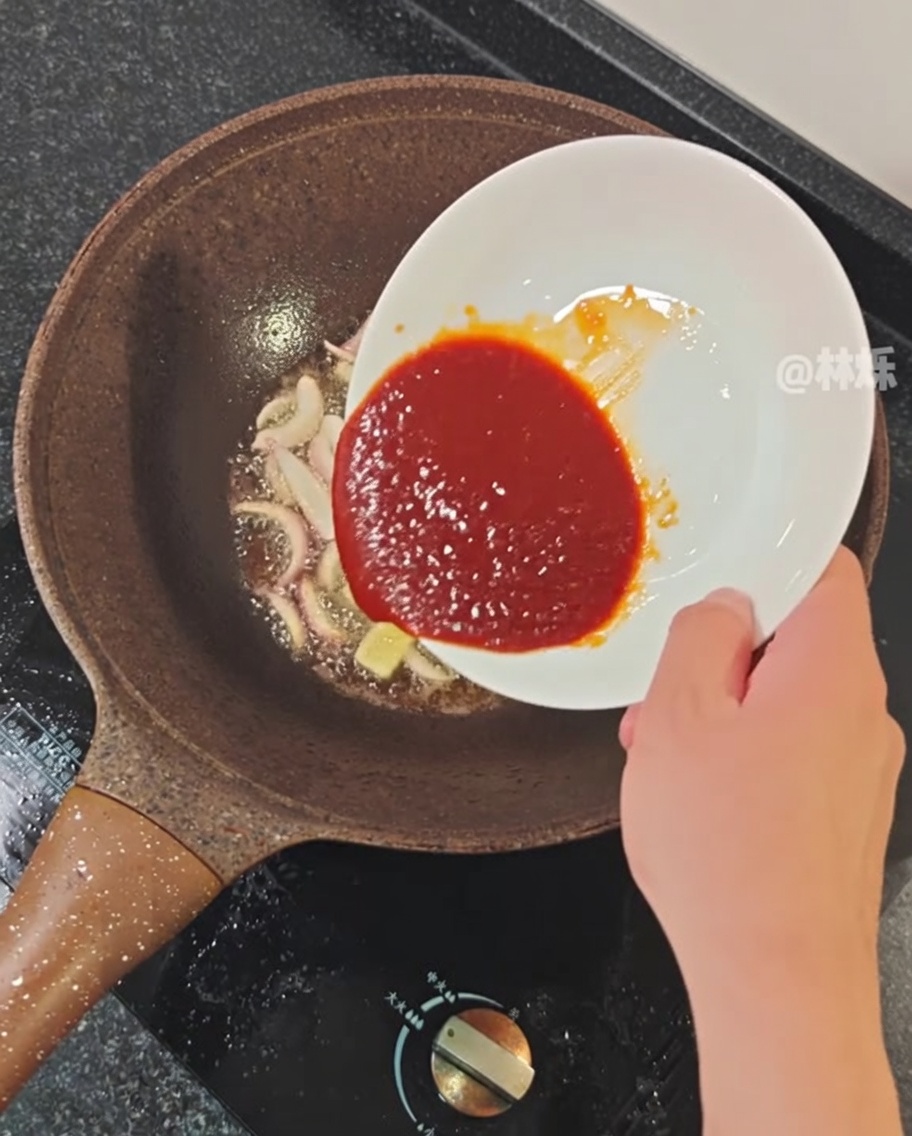
Pour the secret spicy sauce into the pan with the sautéed aromatics. Stir well to combine and let it heat through until aromatic.
Tip: Adjust the amount of sauce based on your preference for heat. - 5Combine Ribs and Sauce
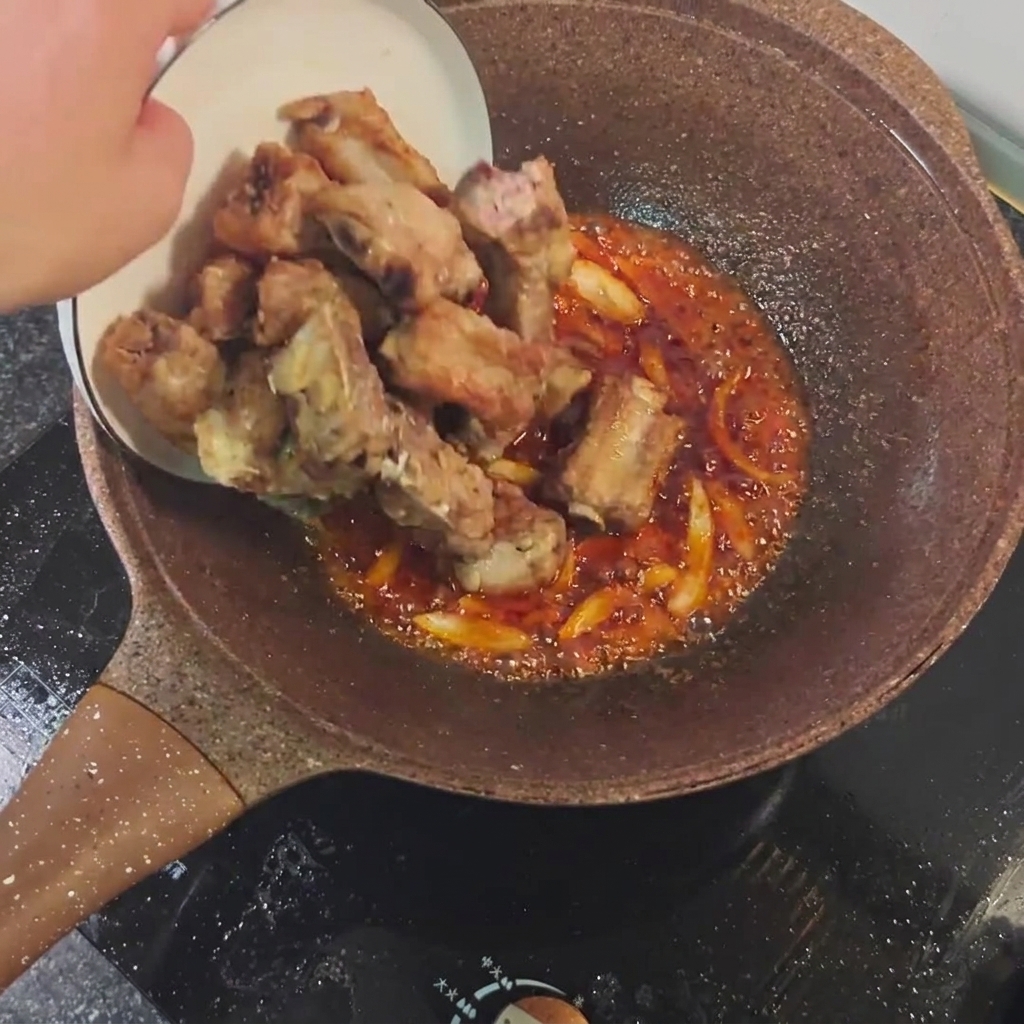
Add the previously fried pork ribs into the pan with the sauce and aromatics. Stir-fry everything together to ensure each rib is thoroughly coated in the spicy mixture.
Tip: Toss gently to keep the starch coating on the ribs intact. - 6Season with Soy Sauce
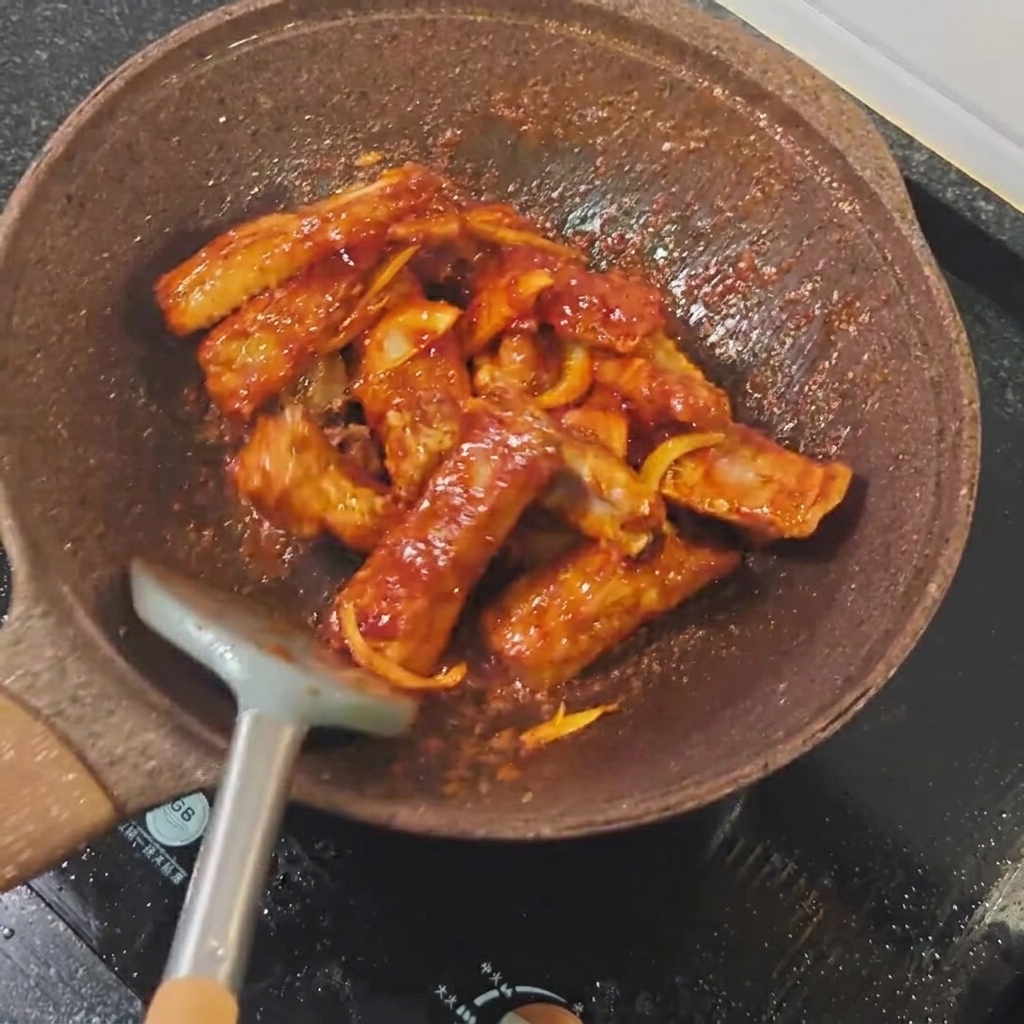
Drizzle light soy sauce over the ribs in the pan to add depth and savoriness to the braise. Continue stir-frying to incorporate the flavors.
Tip: Light soy sauce adds saltiness and aroma; add it slowly to taste. - 7Add dark soy sauce
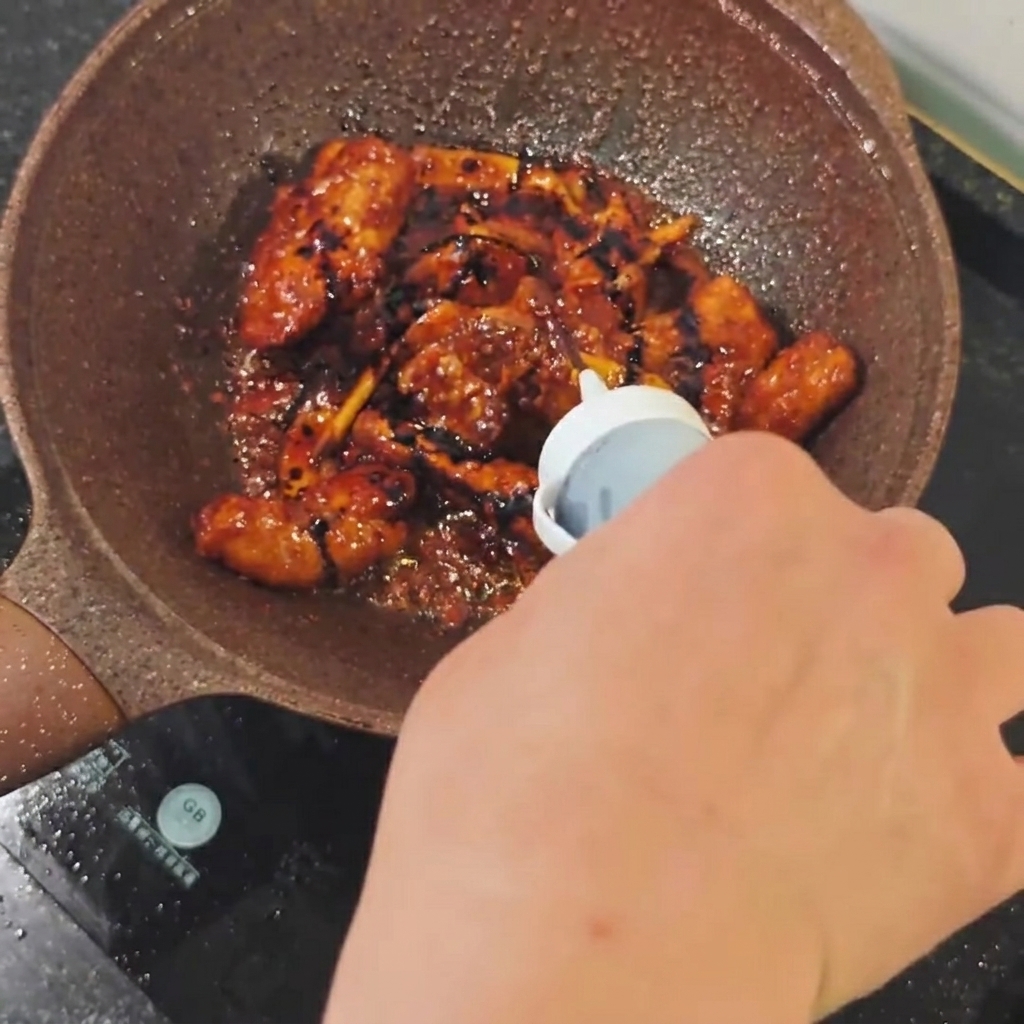
Pour a small amount of dark soy sauce into the pan with the braising pork ribs. This ingredient is essential for adding a rich, deep color to the sauce and the meat, giving it that classic braised appearance.
Tip: Add the sauce slowly to control the intensity of the color, as dark soy sauce can be quite potent. - 8Add water to braise
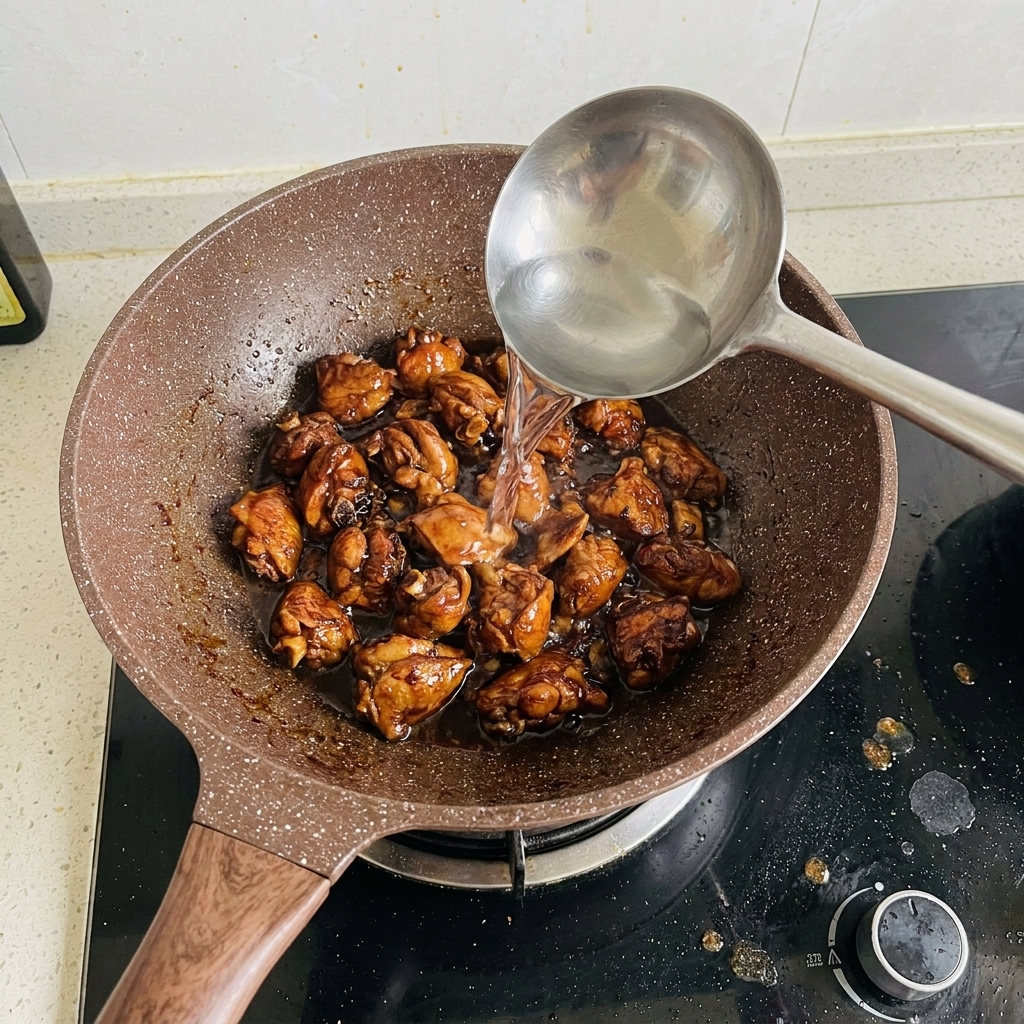
Pour enough water into the pan to submerge the ribs, creating the braising liquid. The liquid will reduce as it cooks, infusing the meat with the flavors of the seasonings and aromatics.
Tip: Use hot water to maintain the cooking temperature of the pan, which helps keep the meat tender. - 9Add corn pieces
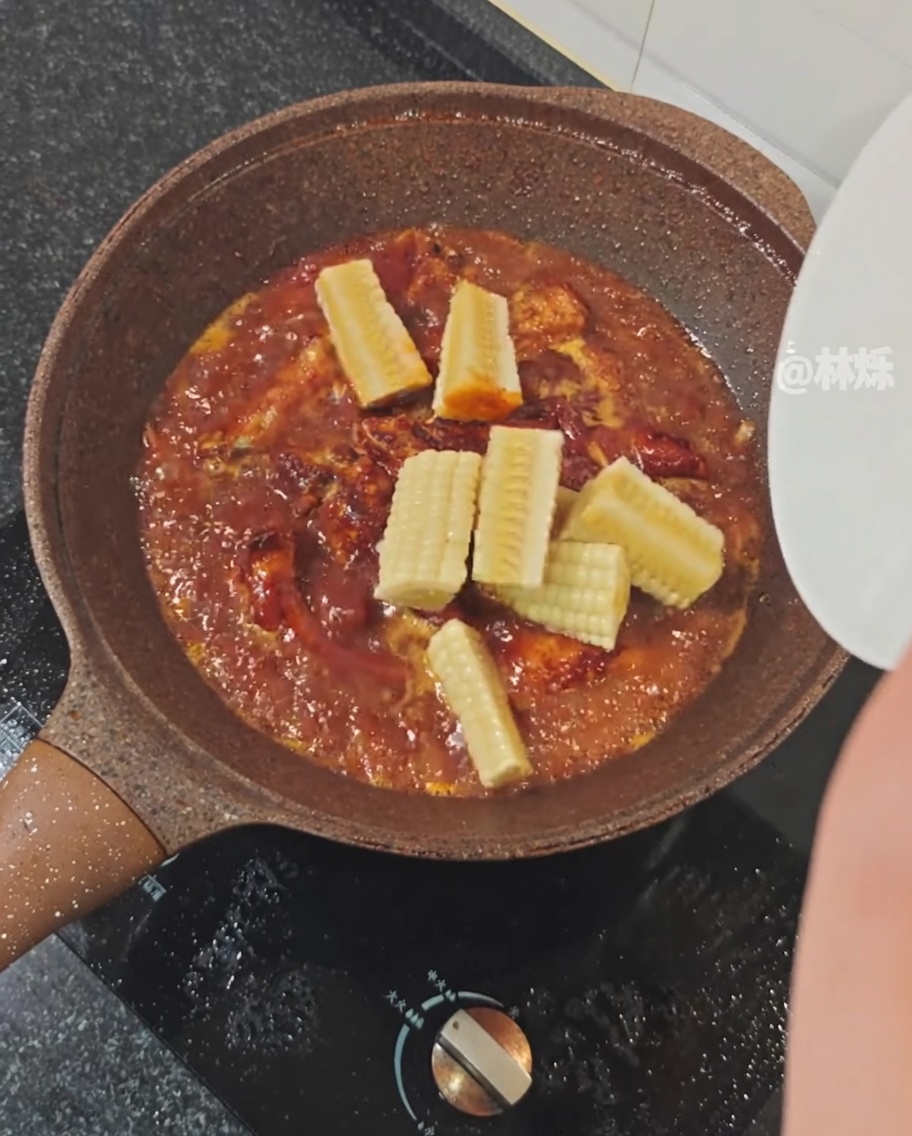
Carefully add the prepared corn pieces into the simmering braising liquid. The sweetness of the corn will balance the savory and spicy notes of the dish as it absorbs the sauce.
Tip: Cut the corn into uniform, bite-sized pieces so they cook evenly with the pork. - 10Add sugar
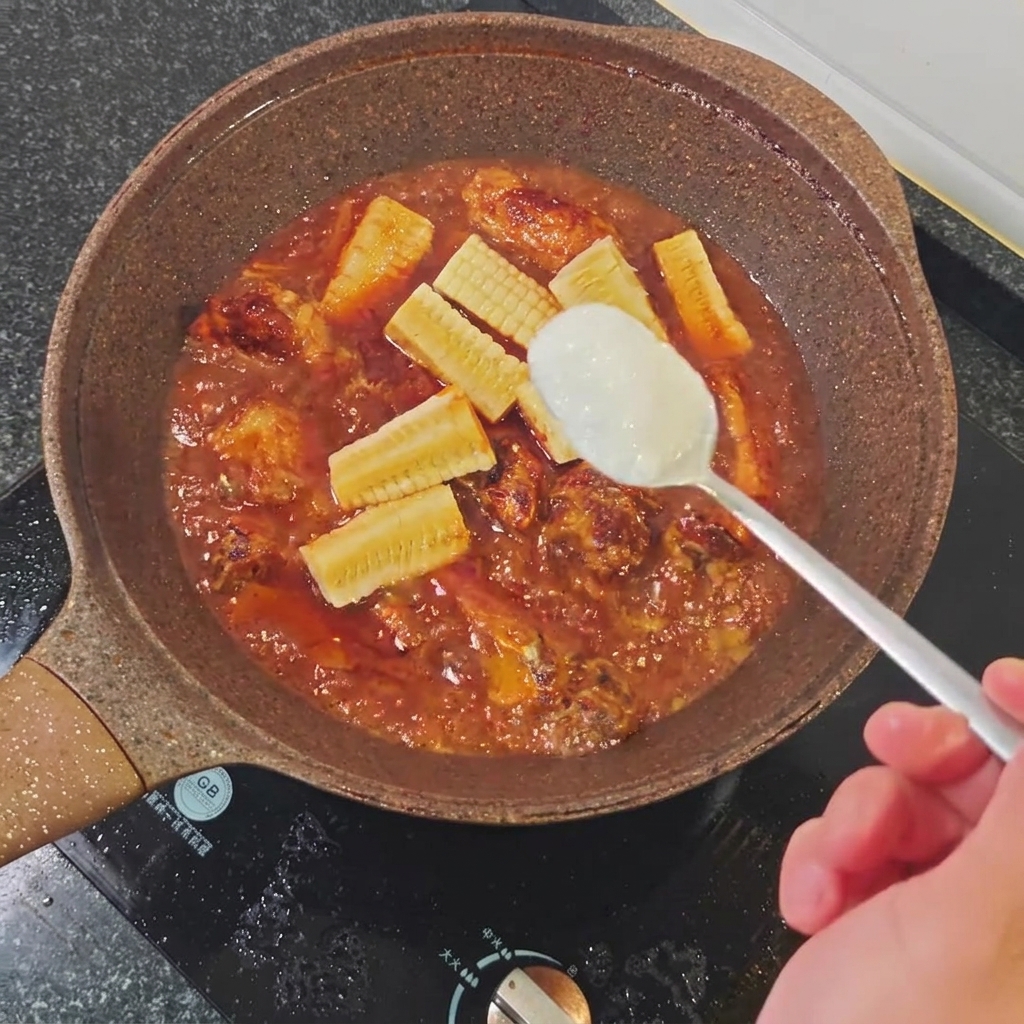
Sprinkle white sugar into the pan to sweeten the braising sauce. This helps to caramelize the liquid and provides a delicious contrast to the spicy flavors of the dish.
Tip: Adjust the amount of sugar to your personal preference for sweetness in the sauce. - 11Add rice cakes
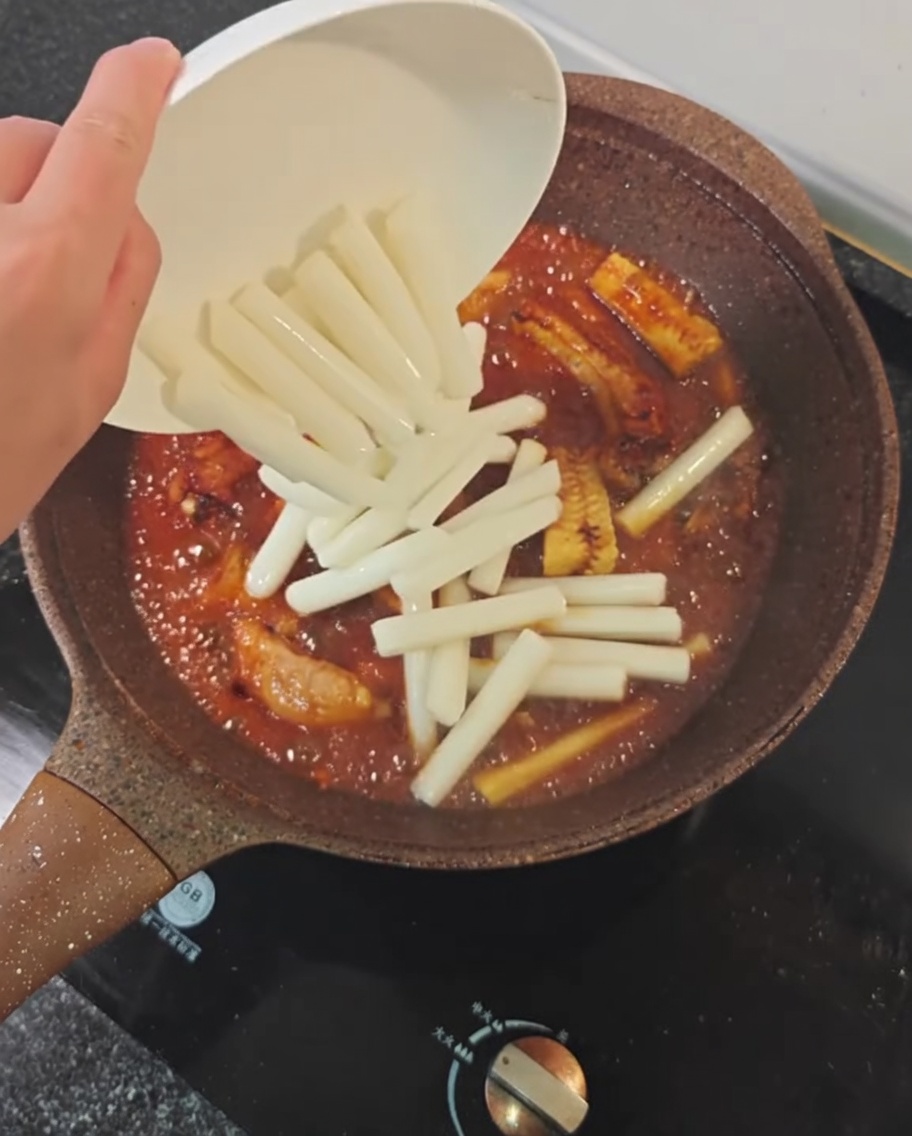
Add the chewy rice cakes into the pan, ensuring they are well-coated in the sauce. The rice cakes will soften as they absorb the flavorful braising liquid.
Tip: If the rice cakes are frozen or very hard, soak them in water for a few minutes before adding them to the pan. - 12Thicken the sauce
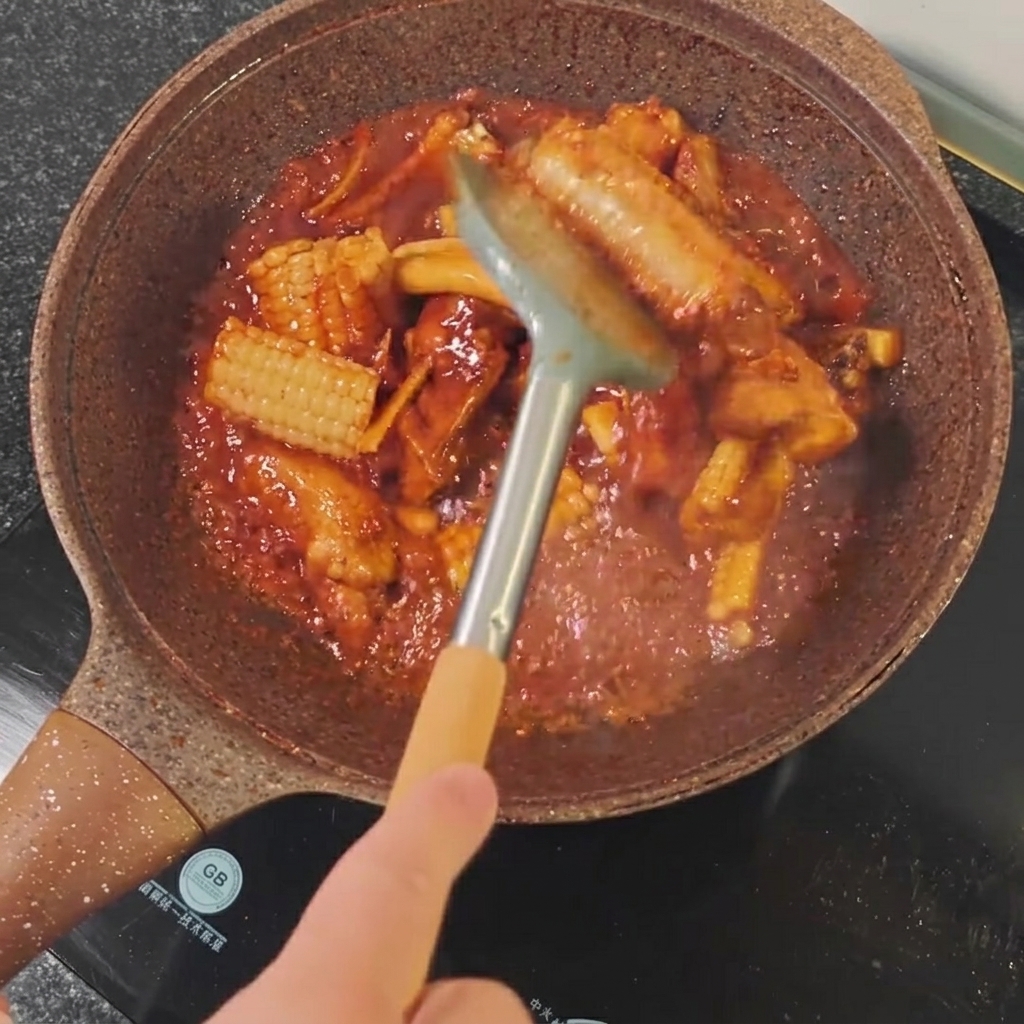
Leave the pot uncovered during the final stage of cooking. Allowing the liquid to simmer without a lid will help the sauce reduce and thicken into a glossy, flavorful glaze that coats the ribs and corn.
Tip: Stir occasionally while reducing to ensure the sauce thickens evenly without sticking to the bottom of the pan.