Korean Beef Kimchi Rice Bowl (Beef Kimchi Deopbap)
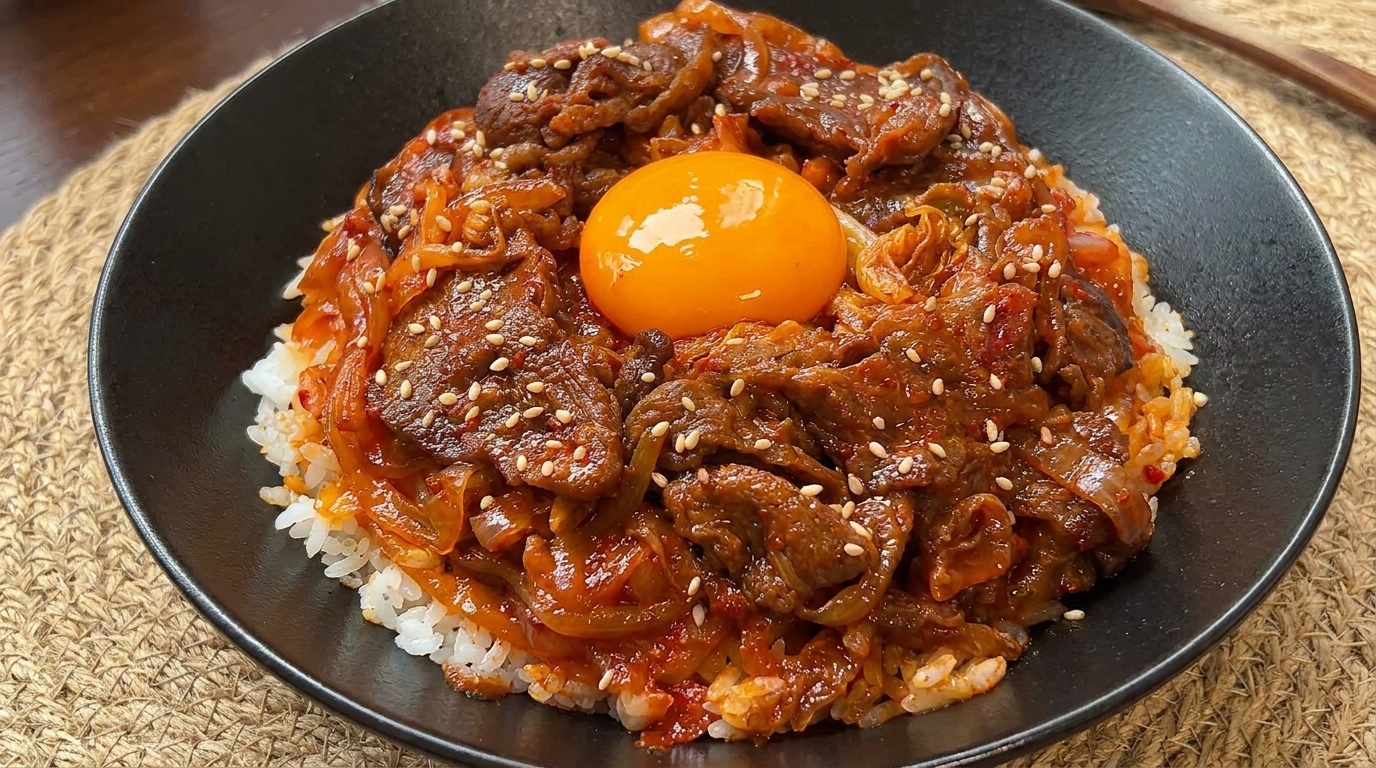
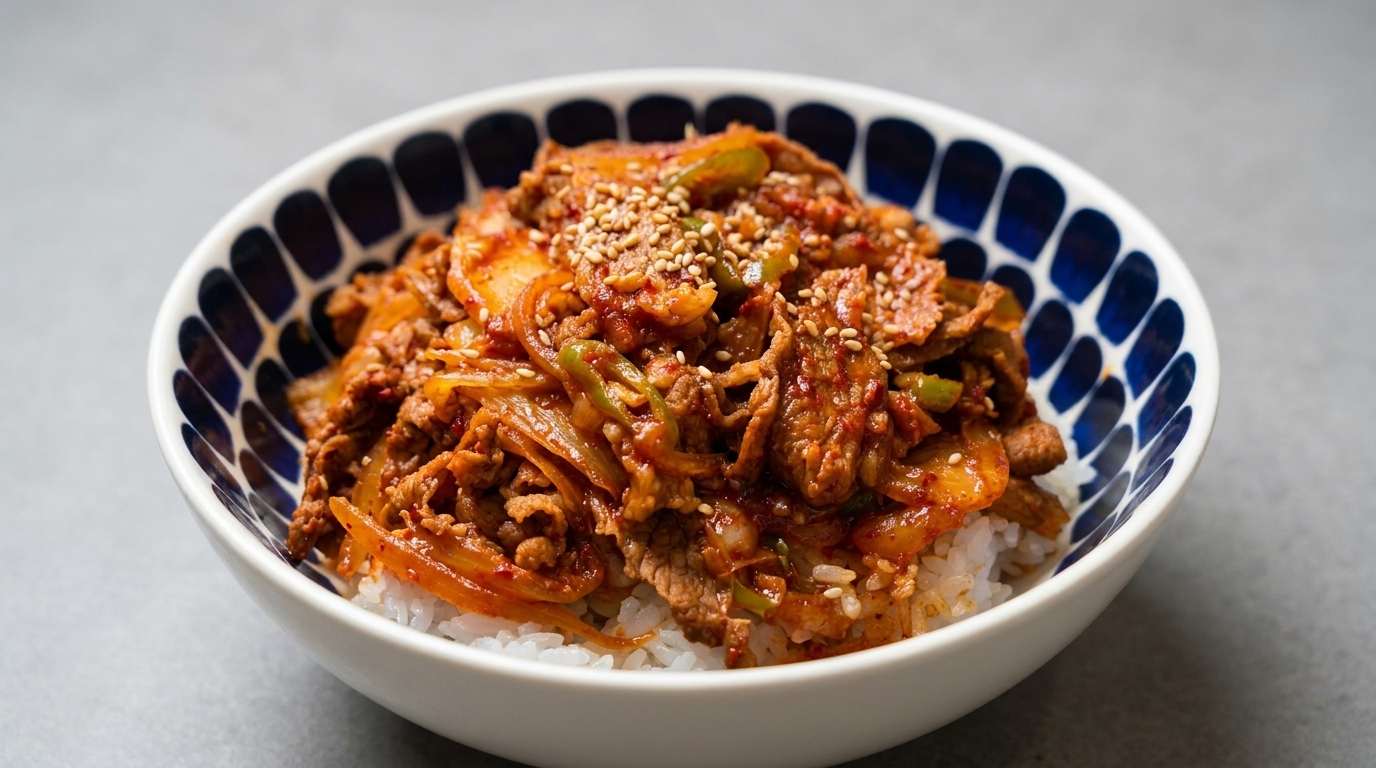
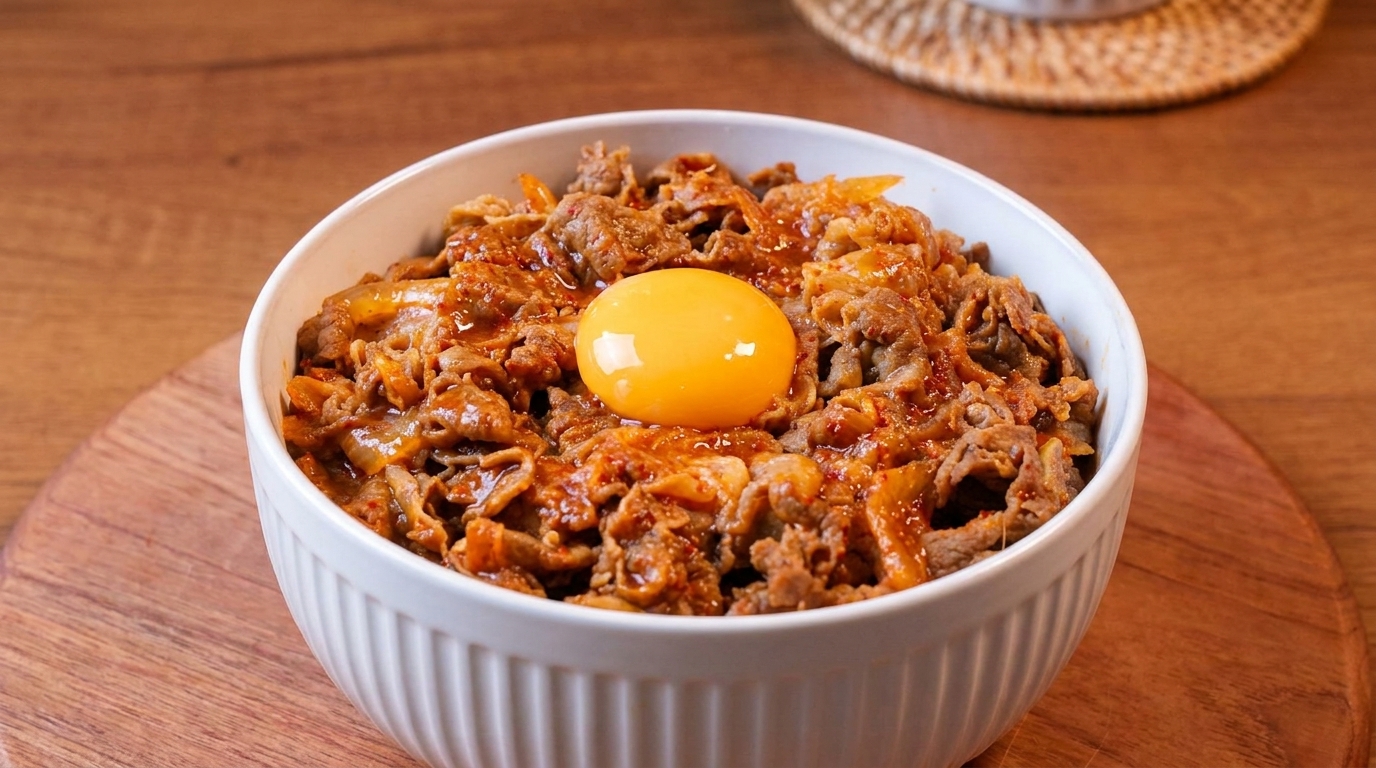
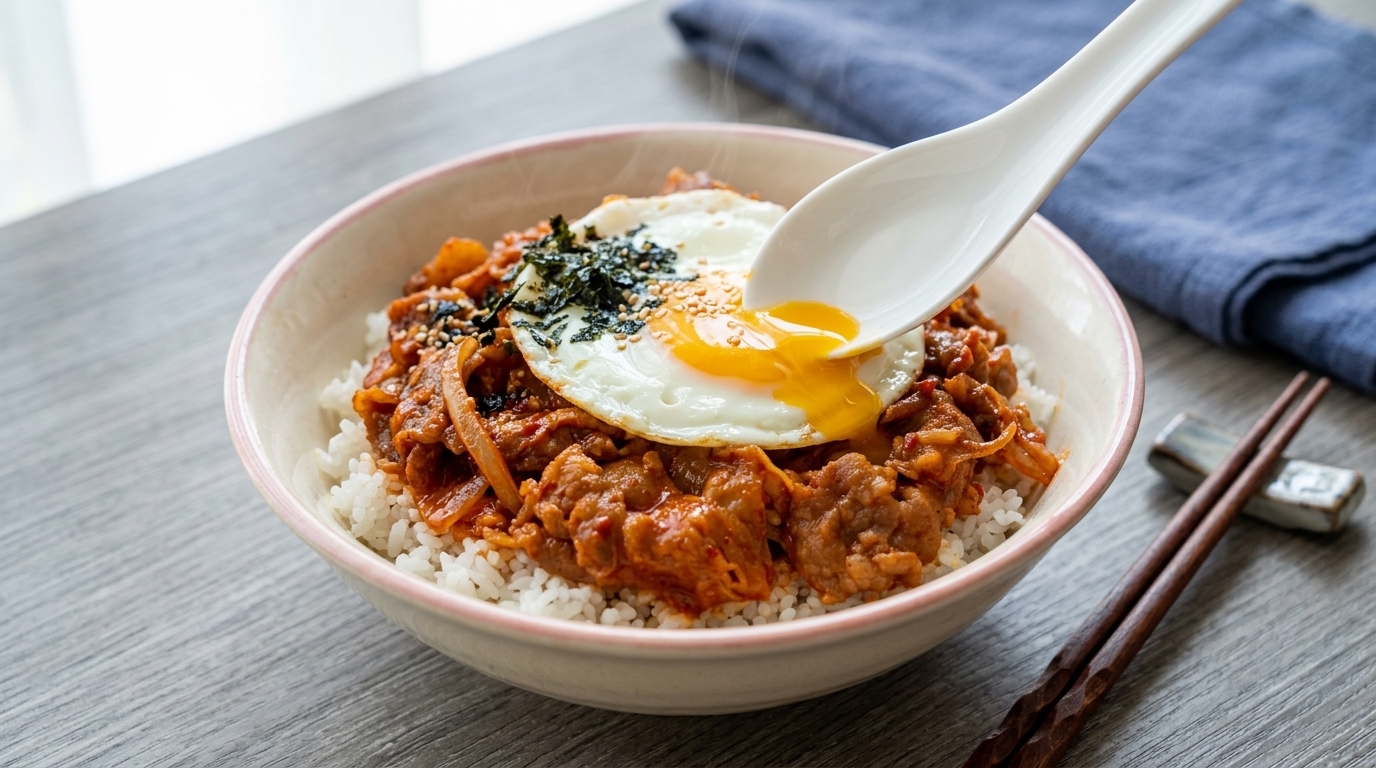
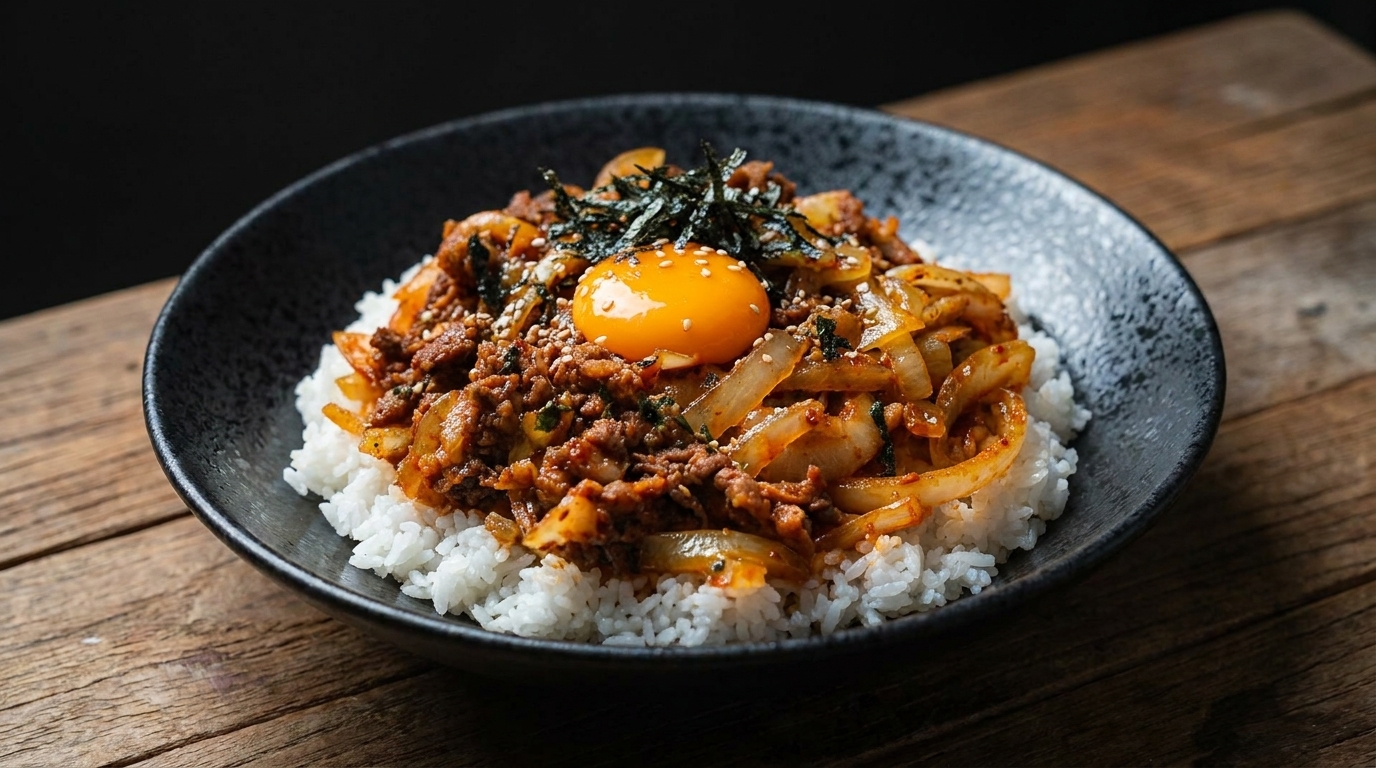
Savor the bold umami of M7 marbled beef and tangy kimchi in this quick Korean rice bowl, topped with a velvety raw egg yolk and finished with savory seaweed.
Kimchi deopbap is a quintessential Korean comfort meal, loved for its balance of spicy, sour, and savory notes. This elevated version uses premium marbled beef brisket to complement the fermented acidity of the kimchi, creating a rich, glossy sauce that perfectly coats every grain of rice.
Ingredients
- 200 g M7 marbled beef brisket, thinly sliced
- 80 g spicy fermented kimchi
- 1 bowl cooked white rice
- 1 white onion
- 3 cloves garlic
- 1 large egg yolk
- 1 tbsp Korean red chili paste (Gochujang)
- 1 tbsp soy sauce
- 1 tsp sugar
- 150 ml water
- to taste black pepper
- optional salt
- to taste white sesame seeds
- to taste shredded dried seaweed (Gim)
Instructions
- 1Chop the kimchi
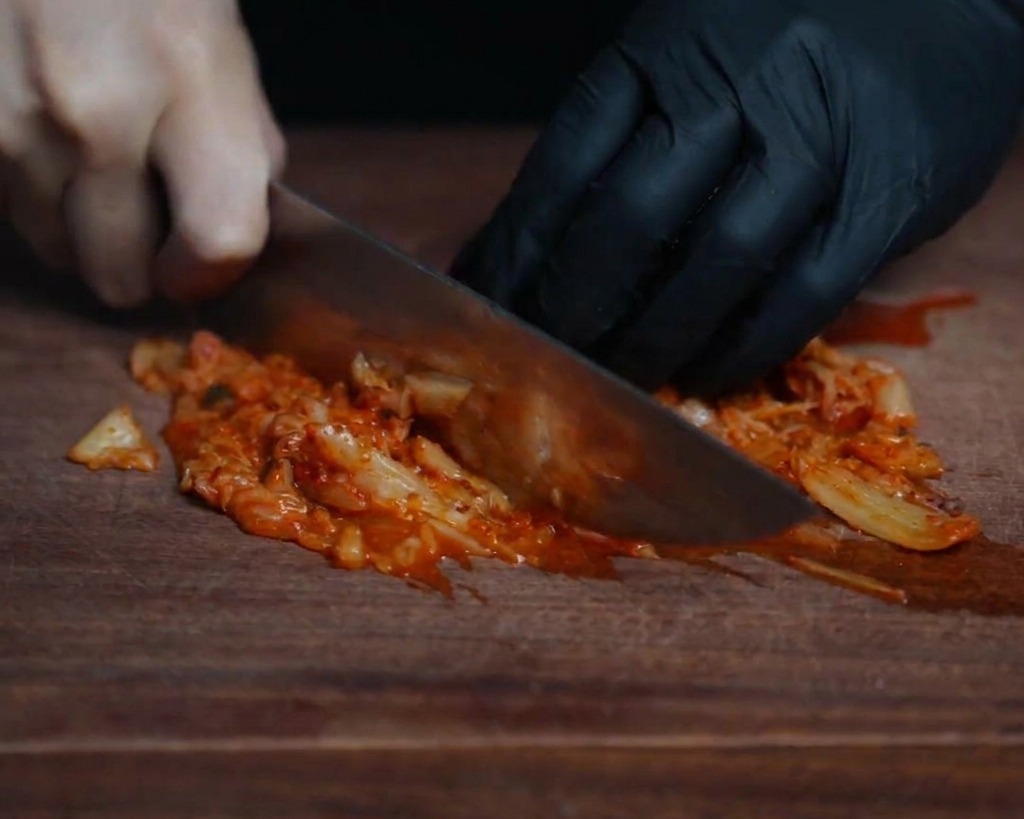
Take about 80 grams of spicy fermented kimchi and chop it into small, bite-sized pieces on a wooden cutting board. Fine chopping ensures that the tangy juices and cabbage are evenly distributed throughout the beef mixture for consistent flavor in every bite.
Tip: If your kimchi is very aged and sour, you can add an extra pinch of sugar during the marinating phase to balance the acidity. - 2Slice the white onion
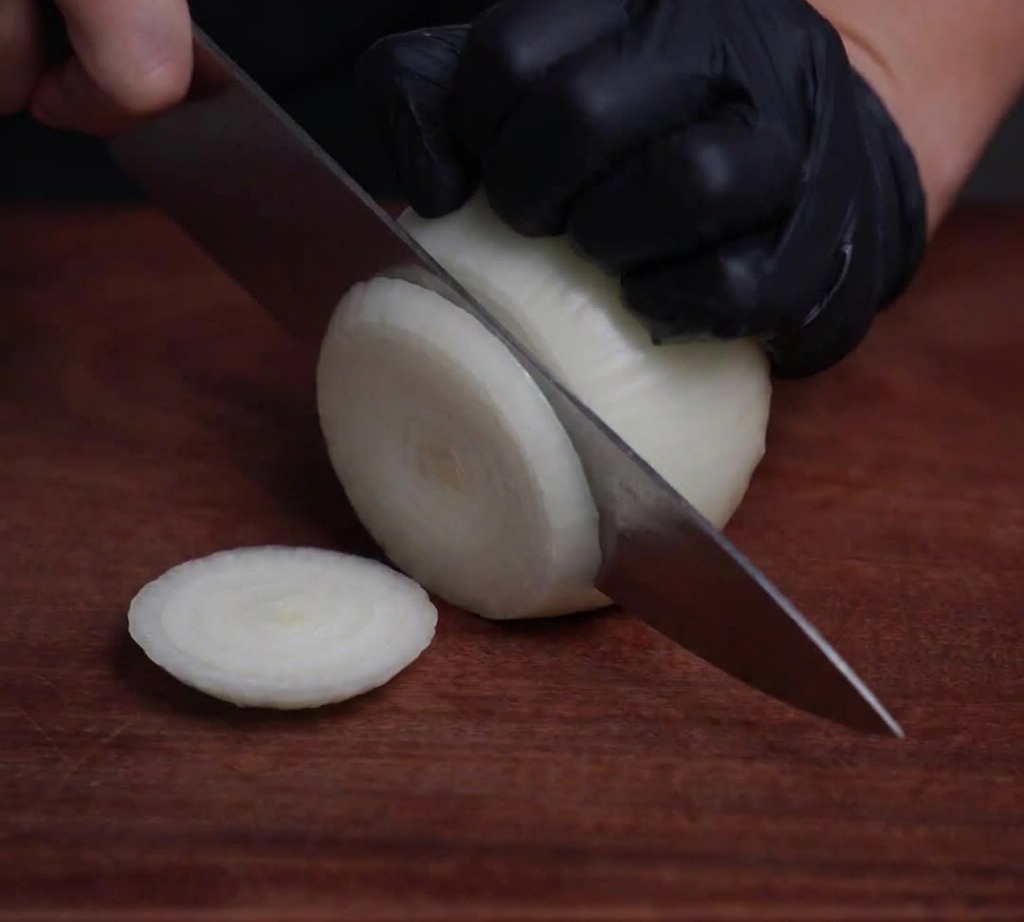
Peel a whole white onion and slice it into thin, even rings. These onions will provide a natural sweetness and a soft texture that complements the spicy kimchi and savory marbled beef during the stir-frying process.
Tip: Keep the root end intact while slicing to hold the onion layers together, making it easier and safer to cut thin rings. - 3Combine beef and aromatics
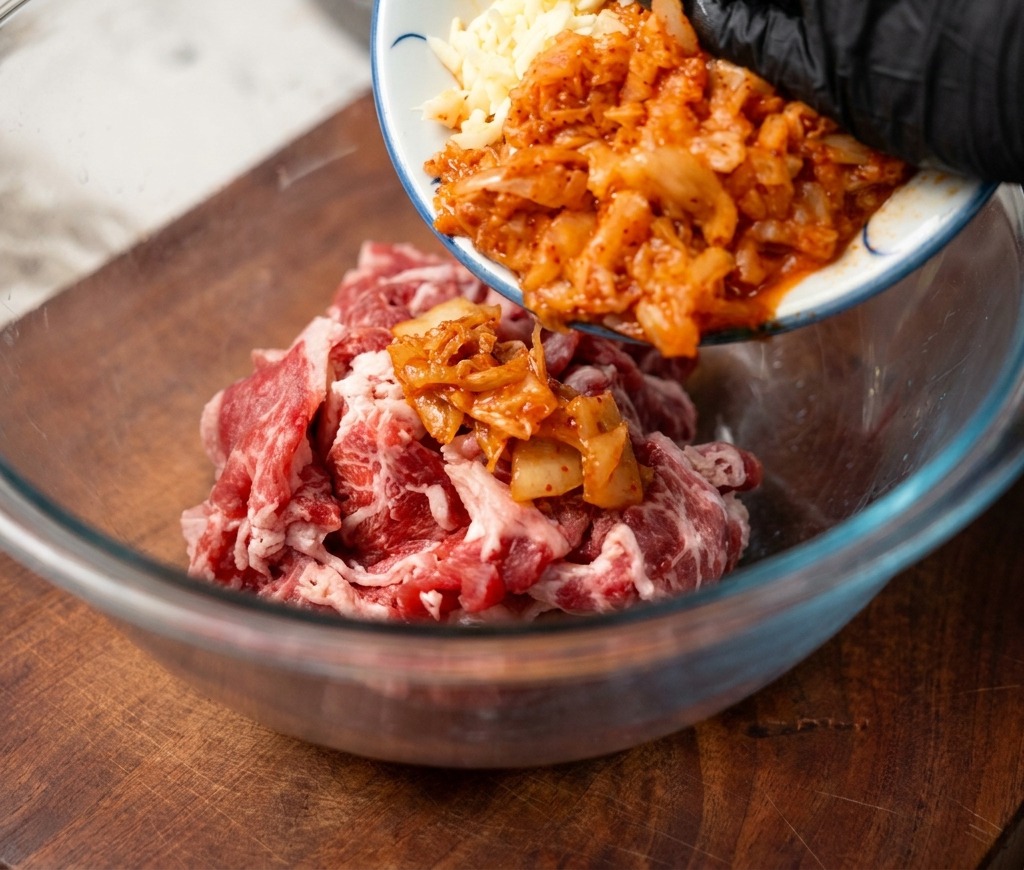
Place the M7 marbled beef brisket slices into a glass mixing bowl. Add the previously chopped kimchi and three cloves of minced garlic to the meat. The fat content in the marbled beef will help carry the pungent flavors of the garlic and kimchi.
Tip: Ensure the beef is patted dry before adding to the bowl so the marinade adheres better to the surface of the meat. - 4Season with Gochujang
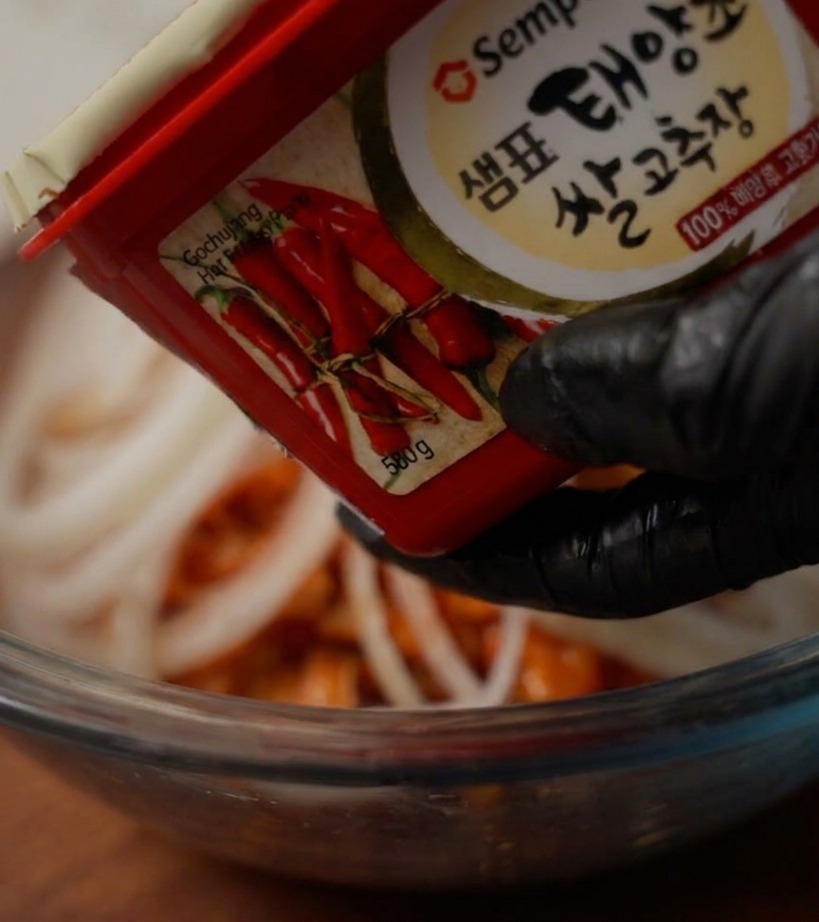
Add a generous scoop of Korean red chili paste and a spoonful of sugar to the beef and onion mixture. The chili paste provides a deep fermented umami heat while the sugar balances the saltiness and helps the meat caramelize beautifully in the pan.
Tip: Adjust the amount of chili paste based on your spice tolerance as one tablespoon is usually enough for a balanced heat. - 5Marinate the beef
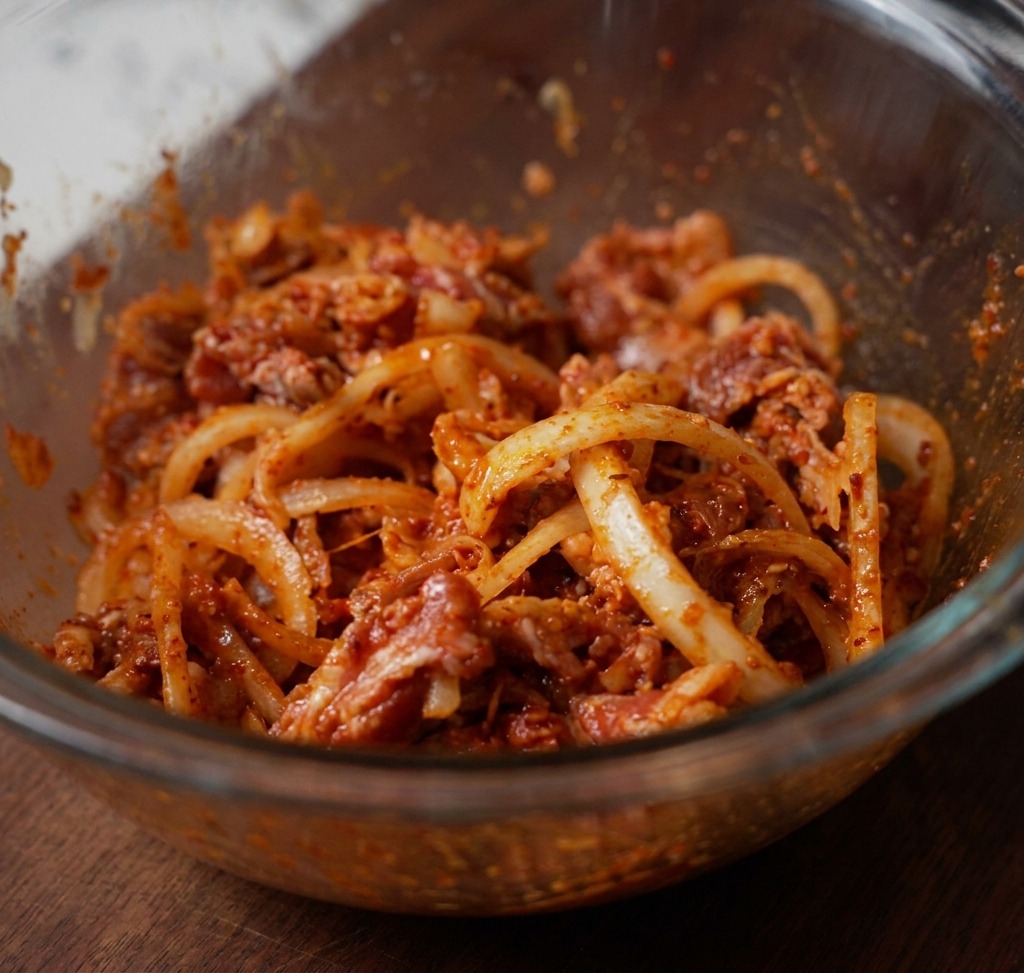
Mix the beef, onions, garlic, and seasonings thoroughly by hand until every slice of meat is well-coated in the chili paste. Once mixed, let the ingredients marinate for at least 15 minutes to allow the flavors to develop.
Tip: Marinating at room temperature for these 15 minutes helps the beef cook more evenly when it hits the hot pan. - 6Sear the marinated beef
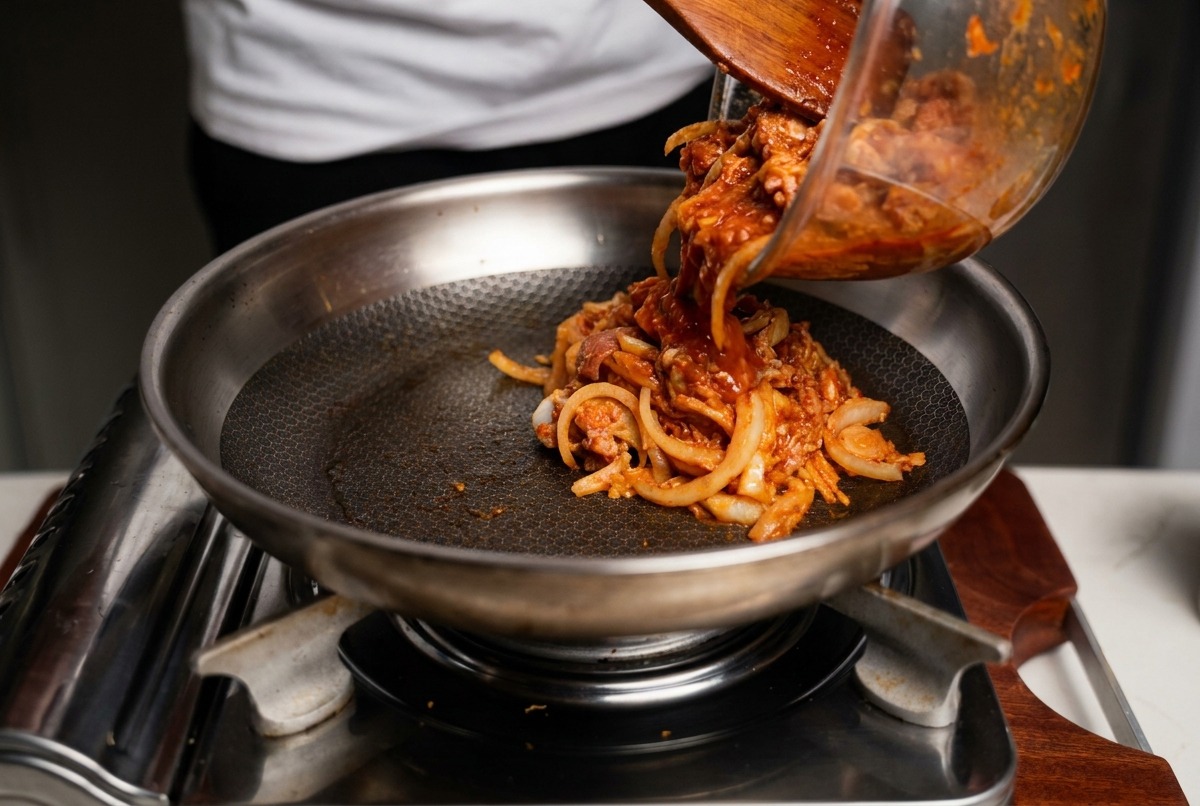
Heat a stainless steel pan over medium-high heat until hot. Carefully pour the marinated beef, onions, and garlic into the pan. Spread the mixture evenly across the surface to ensure every piece makes contact with the heat for a good sear.
Tip: Wait until the pan is truly hot before adding the beef to lock in the juices and get a better caramelized flavor. - 7Stir-fry until browned
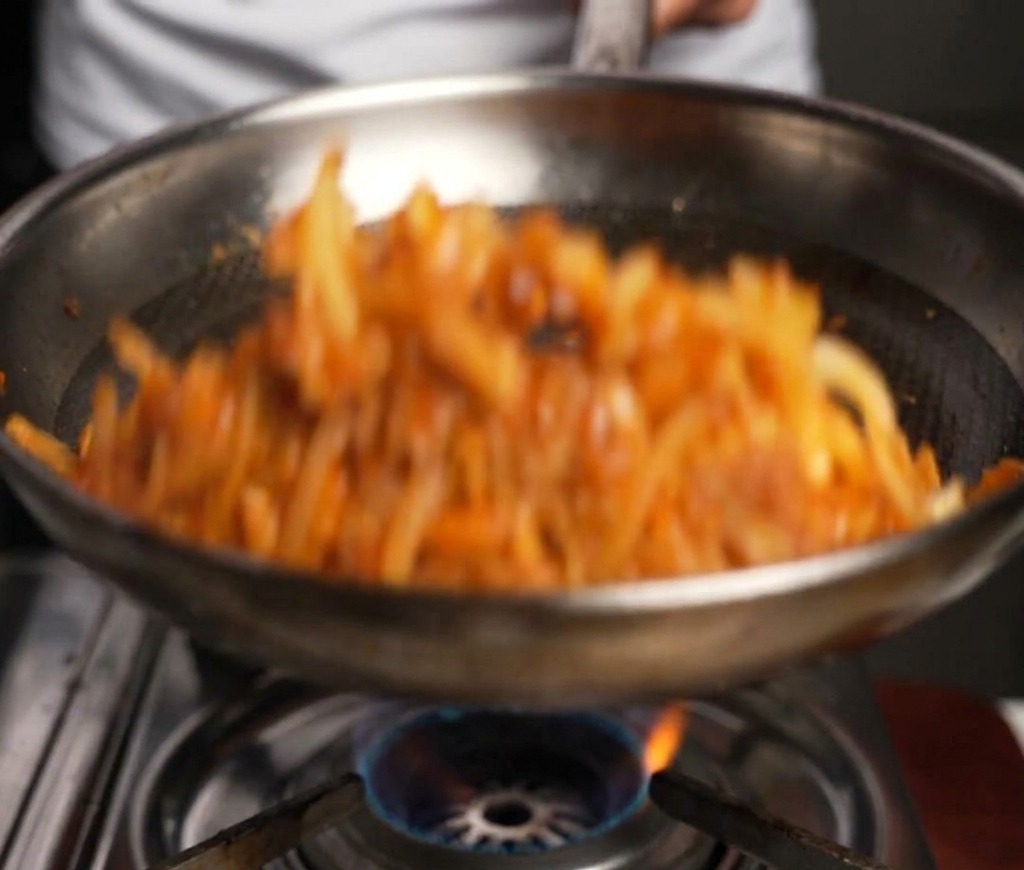
Use a wooden spatula to stir-fry the beef and onion mixture constantly. Continue cooking until the onions soften and the surface of the beef is mostly browned, reaching about 80 percent doneness. This develops the base flavors for the stew.
Tip: Keep the ingredients moving in the pan to prevent the Korean chili paste from burning, which can turn bitter. - 8Simmer the stew base
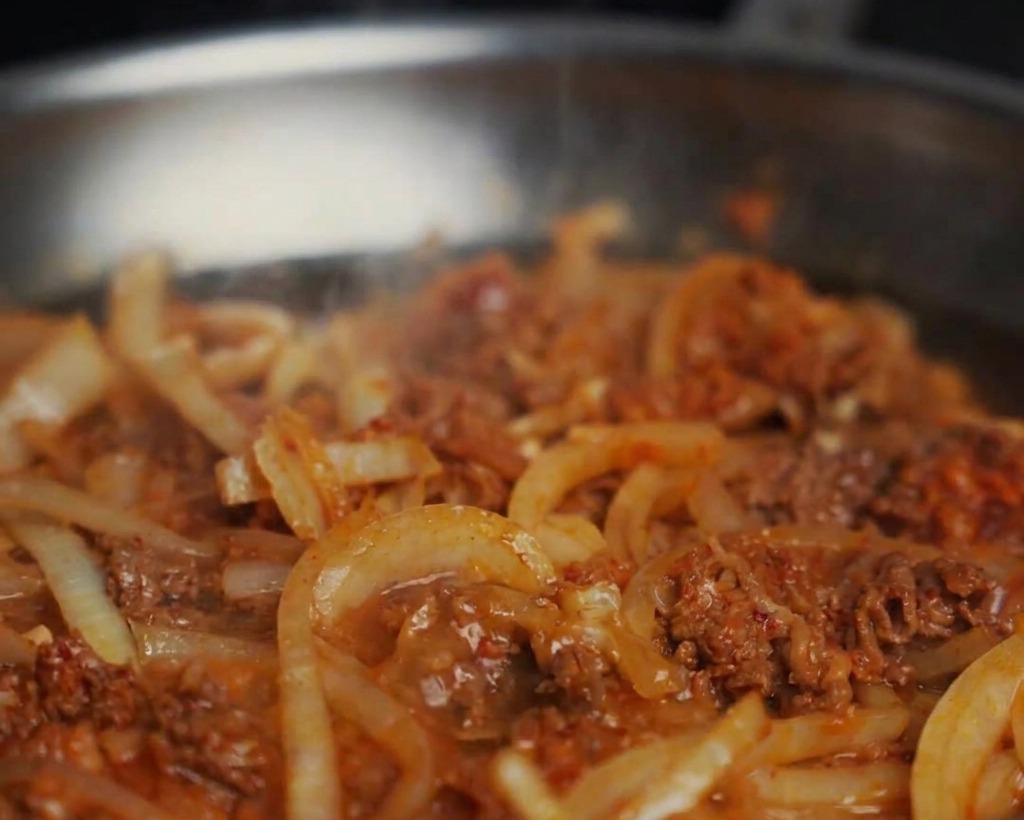
Once the beef is browned, pour in approximately 150 milliliters of cold water. This will deglaze the pan and create a savory stew base combined with the juices from the beef and kimchi marinade.
Tip: Using cold water helps control the cooking speed of the beef, ensuring it stays tender while the flavors meld. - 9Season the mixture
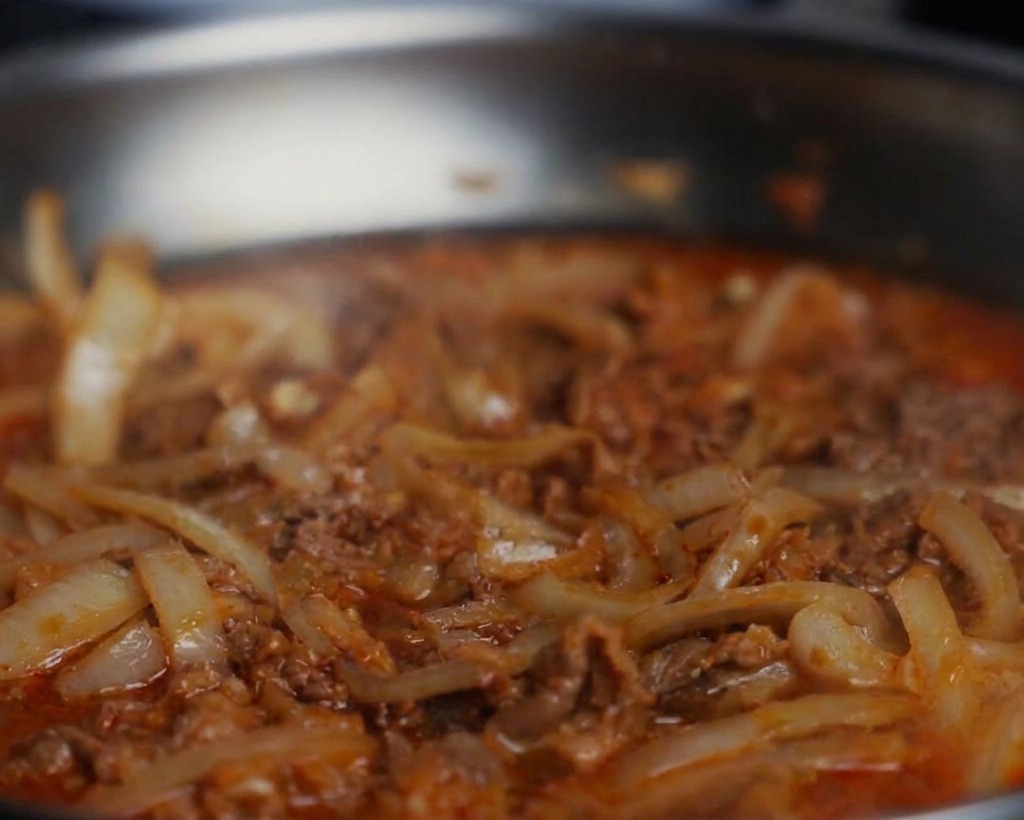
As the stew begins to bubble, season it with dark soy sauce for color and depth, along with a generous pinch of black pepper. Stir well to incorporate the seasonings evenly throughout the beef and onions.
Tip: Adjust the amount of soy sauce based on your salt preference, as the kimchi and chili paste already contain salt. - 10Garnish with sesame seeds
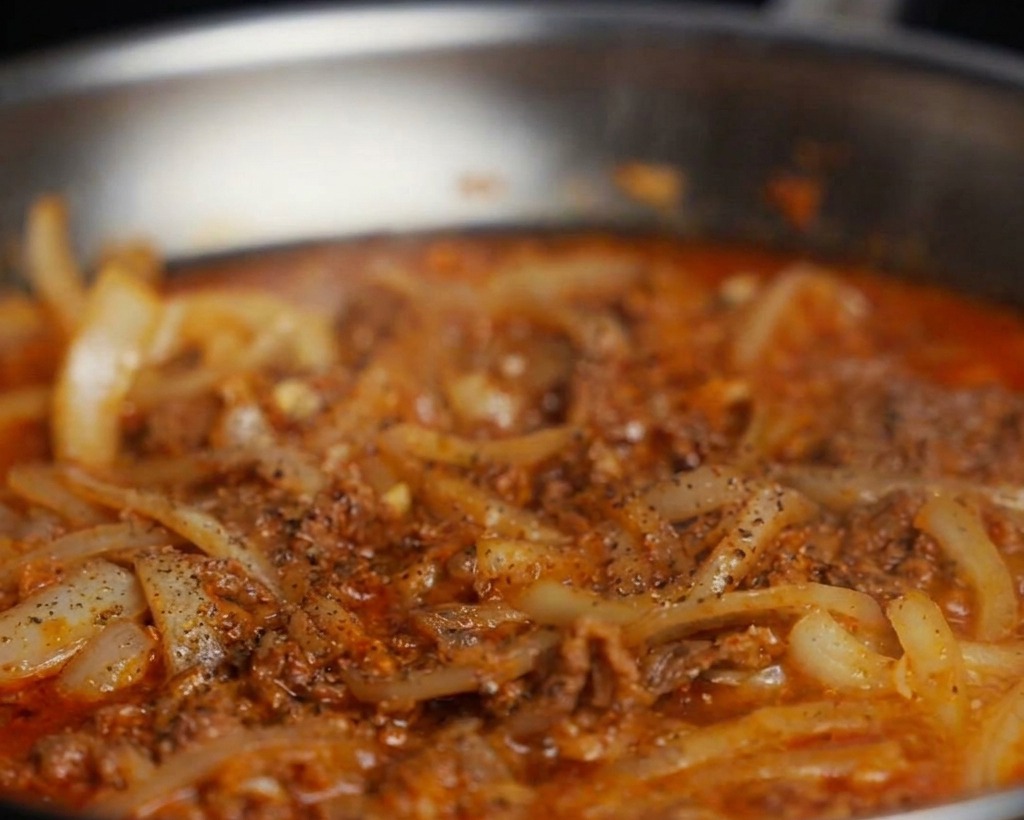
To finish the cooking process, sprinkle white sesame seeds over the bubbling beef and kimchi mixture. The seeds add a subtle nutty aroma and a nice visual contrast to the rich, red sauce.
Tip: Toasted sesame seeds provide a stronger aroma if you have them on hand. - 11Assemble the rice bowl
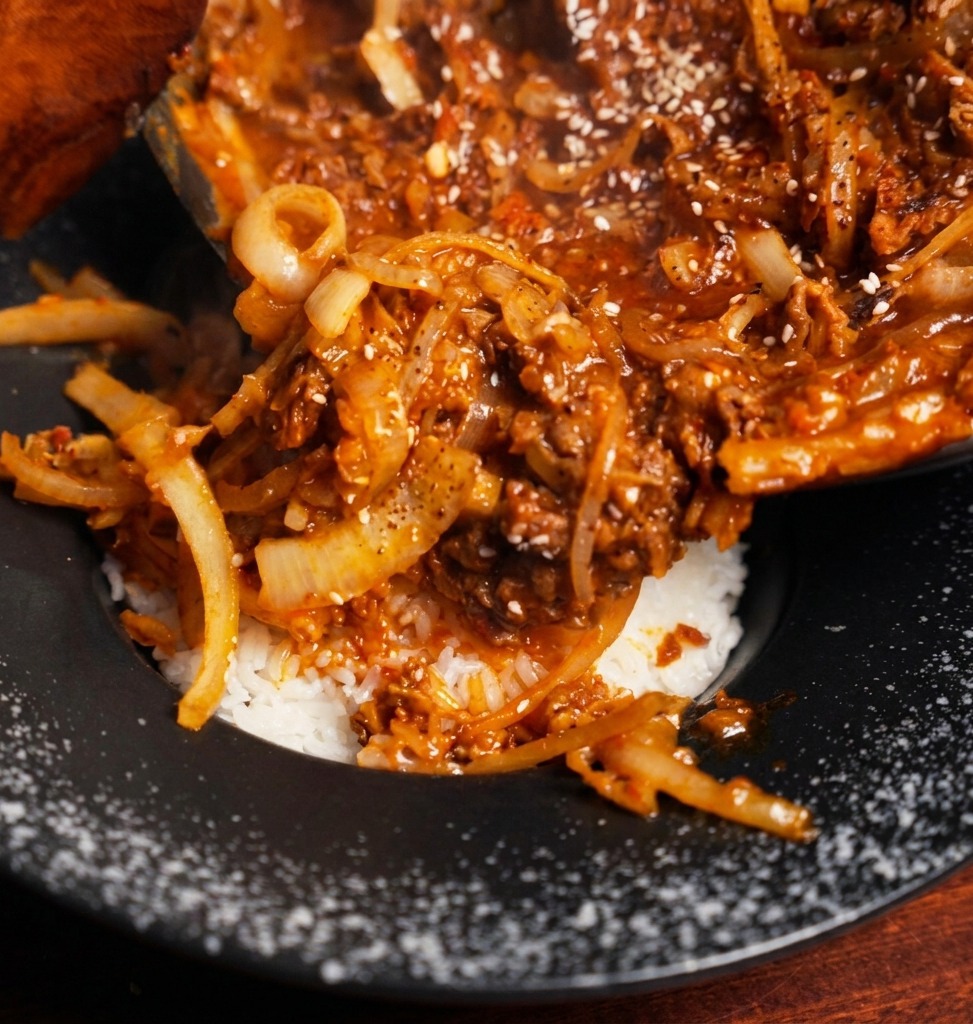
Carefully pour the finished beef and kimchi stew directly from the pan onto a prepared bowl of fluffy white rice. Ensure the sauce soaks into the rice for maximum flavor in every bite.
Tip: Use a wide, shallow bowl to make it easier to mix the beef and rice together. - 12Add a fresh egg yolk garnish
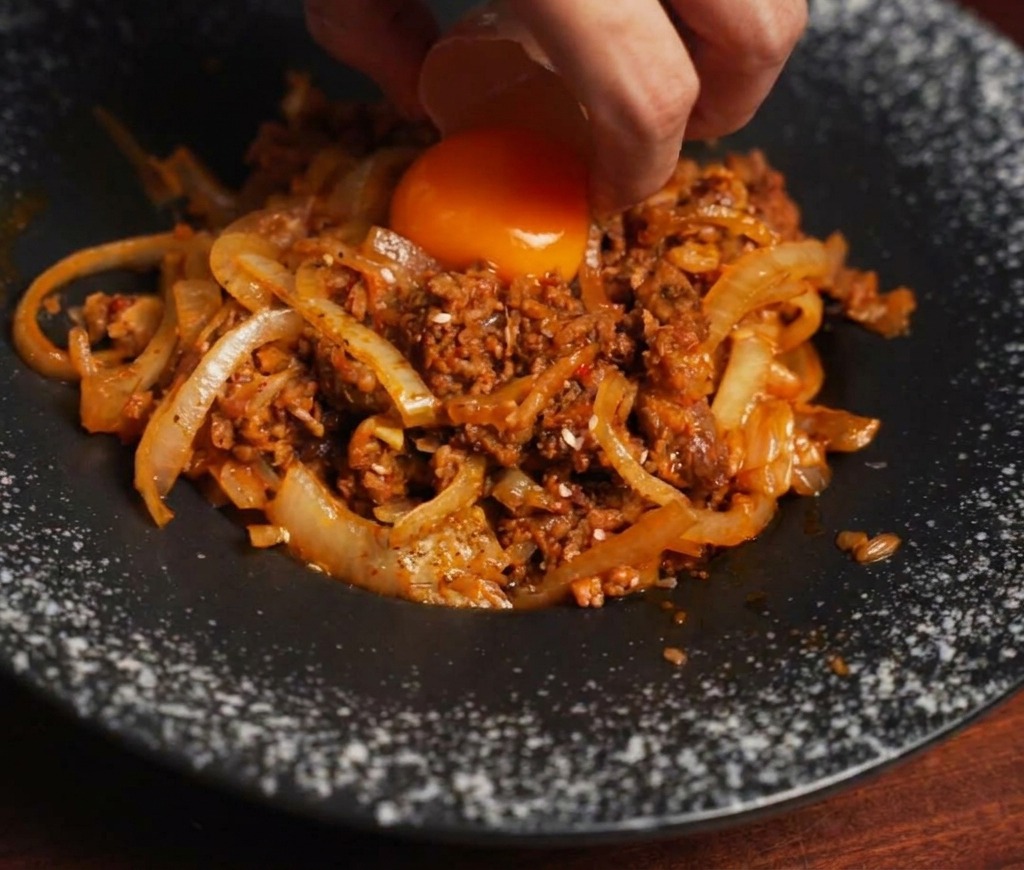
Carefully place a fresh raw egg yolk in the center of the stir-fried beef and kimchi. The richness of the yolk creates a creamy, velvety sauce when mixed into the warm rice, perfectly balancing the spicy heat of the Korean chili paste and the acidity of the kimchi.
Tip: For the best flavor and safety, ensure you use high-quality, pasteurized fresh eggs since the yolk is served raw to enhance the dishs creamy texture. - 13Garnish with seaweed flakes
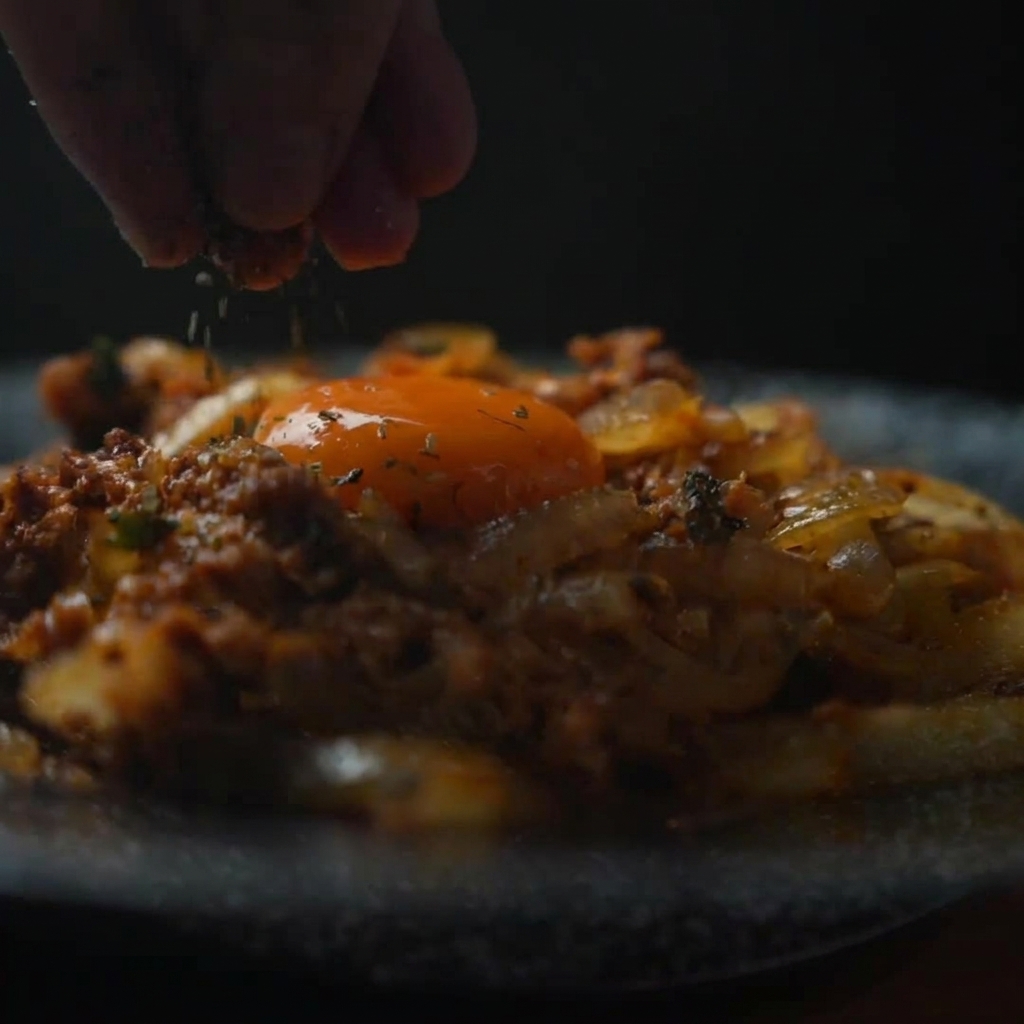
As the final touch for your beef kimchi rice sprinkle shredded seaweed flakes over the raw egg yolk. This garnish adds a subtle salty crunch and a deep umami flavor that perfectly complements the savory spicy notes of the marinated beef and fermented kimchi.
Tip: Add the seaweed flakes at the very last second before serving to ensure they stay crisp and do not become soggy from the steam of the rice.